Italy is one of Europe’s largest fruit producers, with a thriving agricultural sector that exports fresh and processed fruits worldwide. From Sicily’s citrus groves to Trentino-Alto Adige’s apple orchards, the country’s diverse climate supports year-round fruit cultivation. As consumer demand for convenience and extended shelf life grows, selecting the right fruit packaging machine becomes a critical investment for Italian producers looking to maintain product quality and competitiveness in both domestic and international markets.
Understanding Italy’s Fruit Packaging Landscape
The Italian fruit processing industry handles an extraordinary variety of products—from delicate berries and stone fruits to robust citrus and dried fruits. Each fruit type presents unique packaging challenges. Moisture sensitivity, oxidation risks, and physical fragility all influence the choice of packaging technology. Modern Italian facilities are increasingly adopting automated solutions that offer flexibility, speed, and compliance with EU food safety regulations.
Types of Fruit Packaging Machines Available
Italian buyers typically evaluate several categories of packaging machinery based on their product line and production capacity. The following table outlines the primary machine types and their typical applications in the Italian fruit industry:
| Machine Type | Best Suited For | Key Advantage | Typical Output Range |
|---|---|---|---|
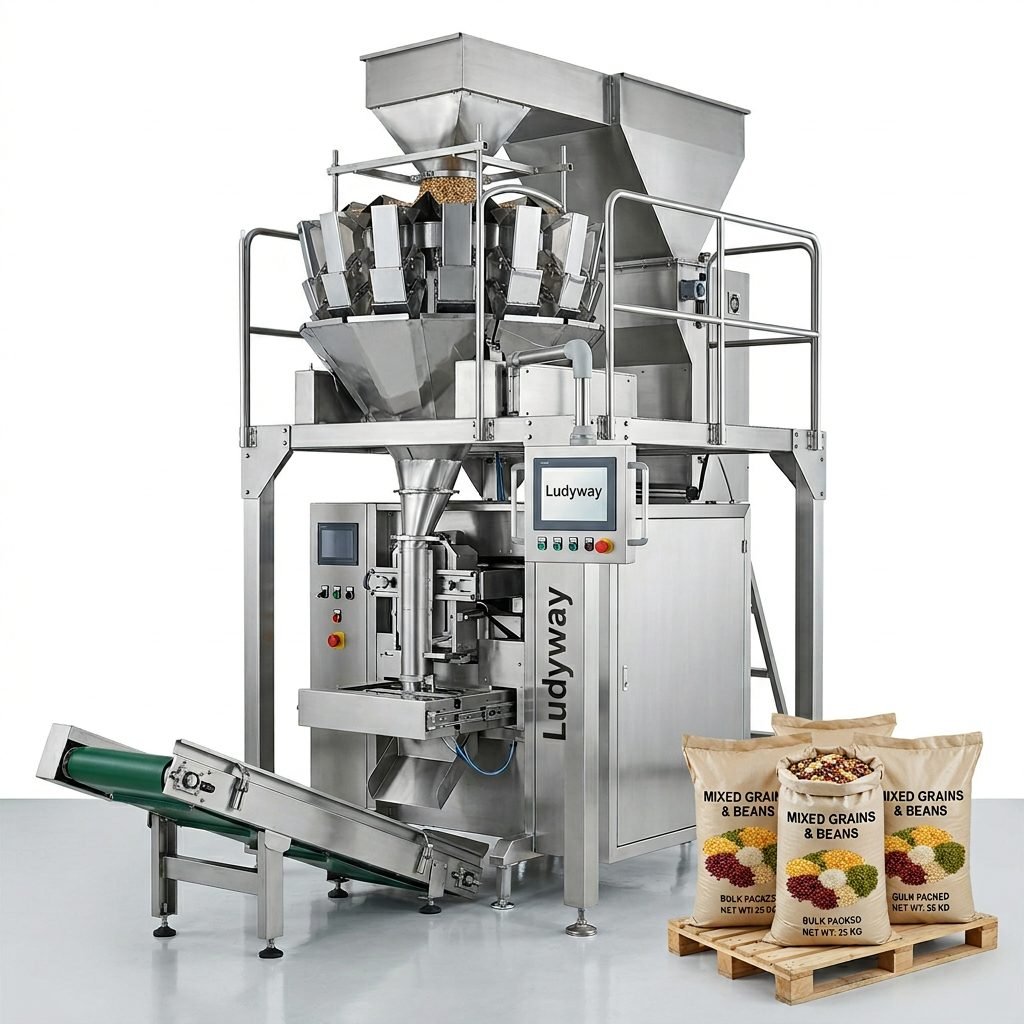
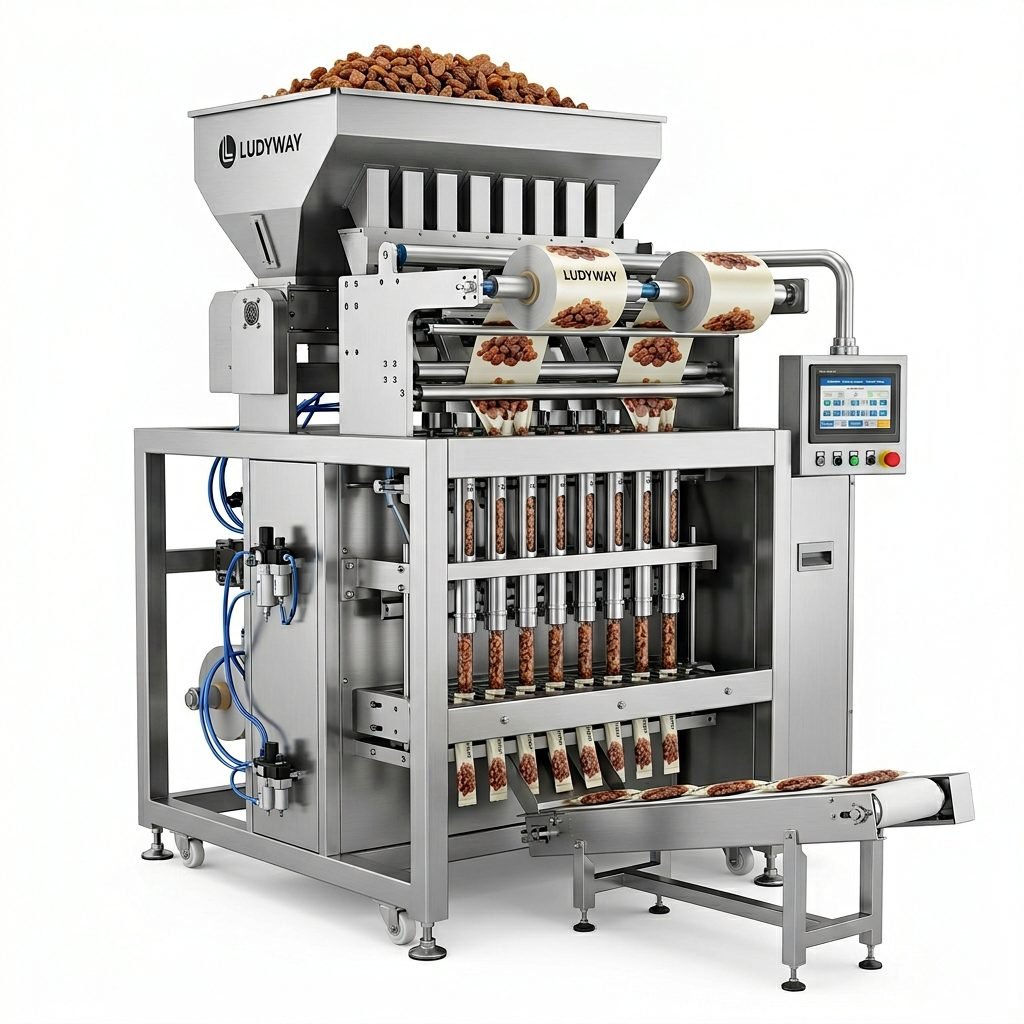
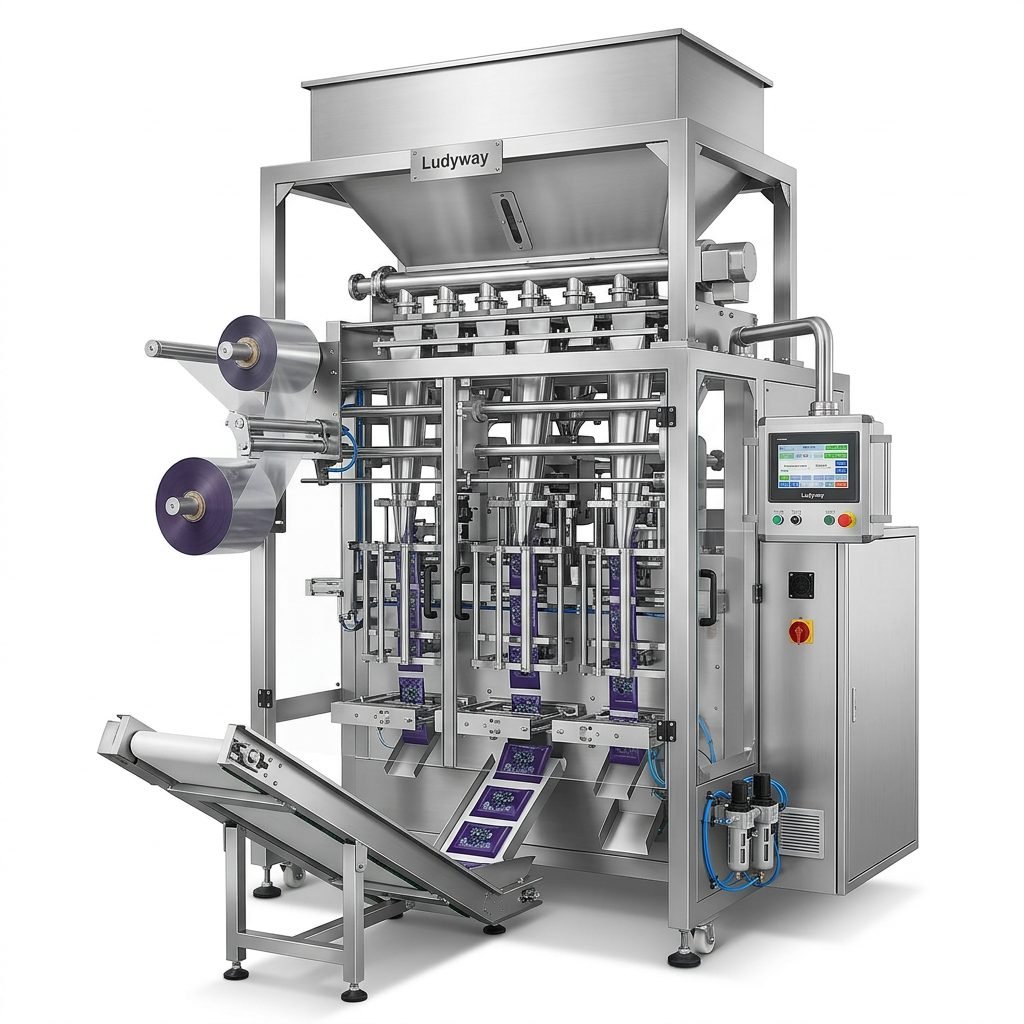
| Vertical Form Fill Seal (VFFS) | Dried fruits, frozen berries, fruit powders | High-speed continuous operation | 30–120 packs/min |
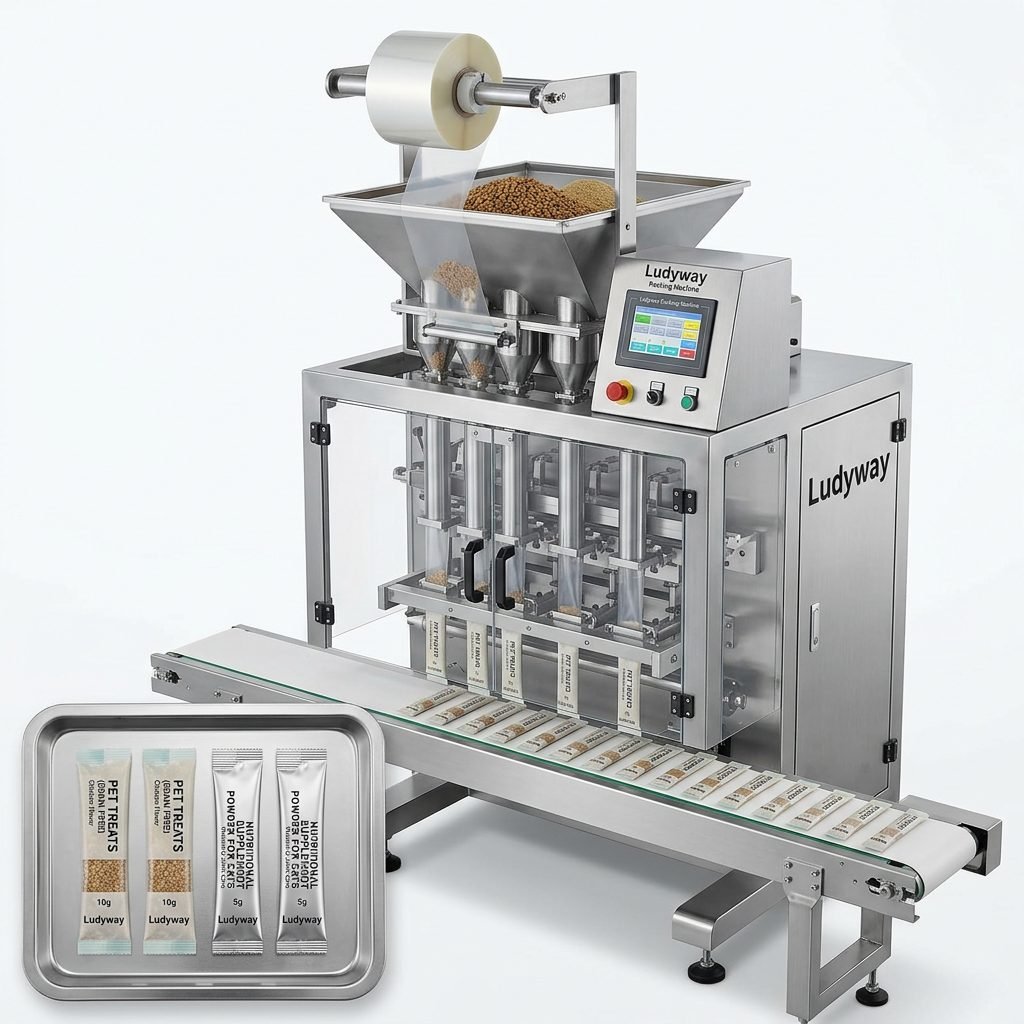
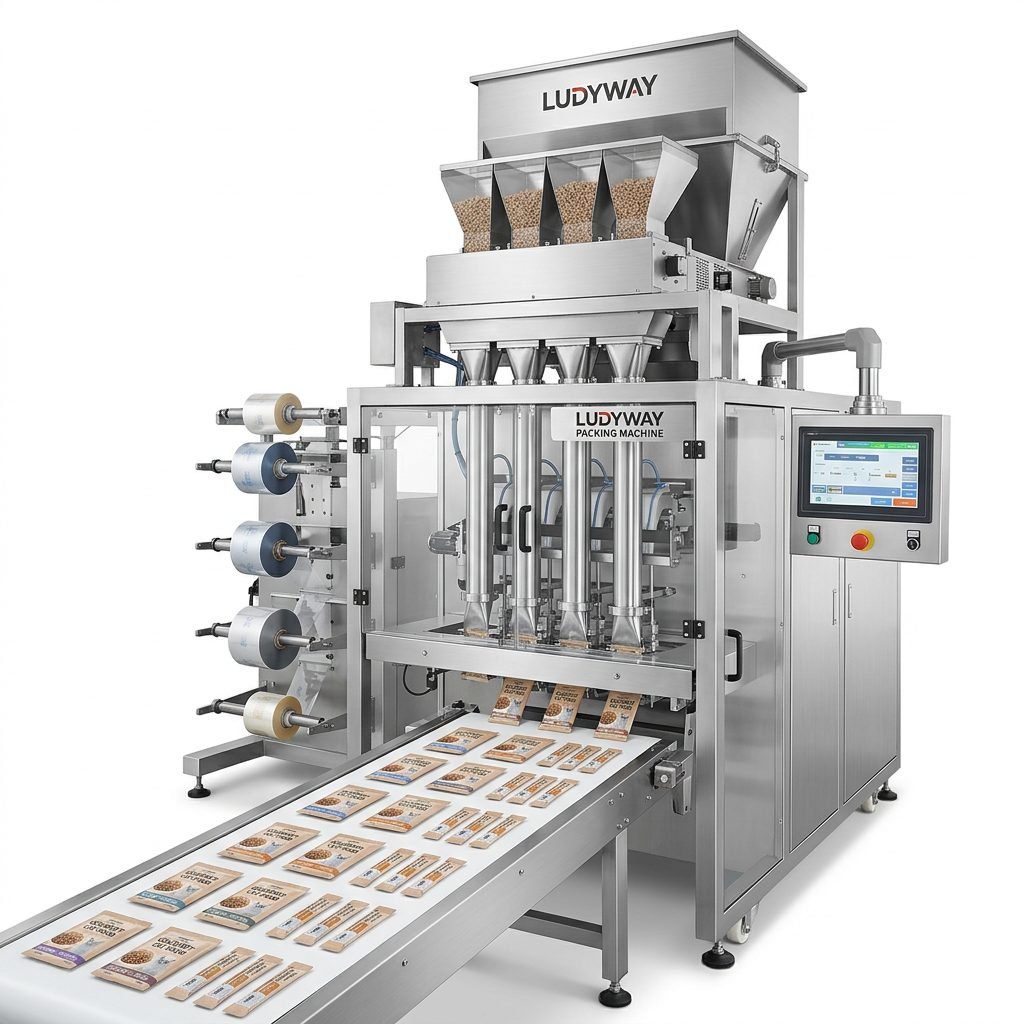
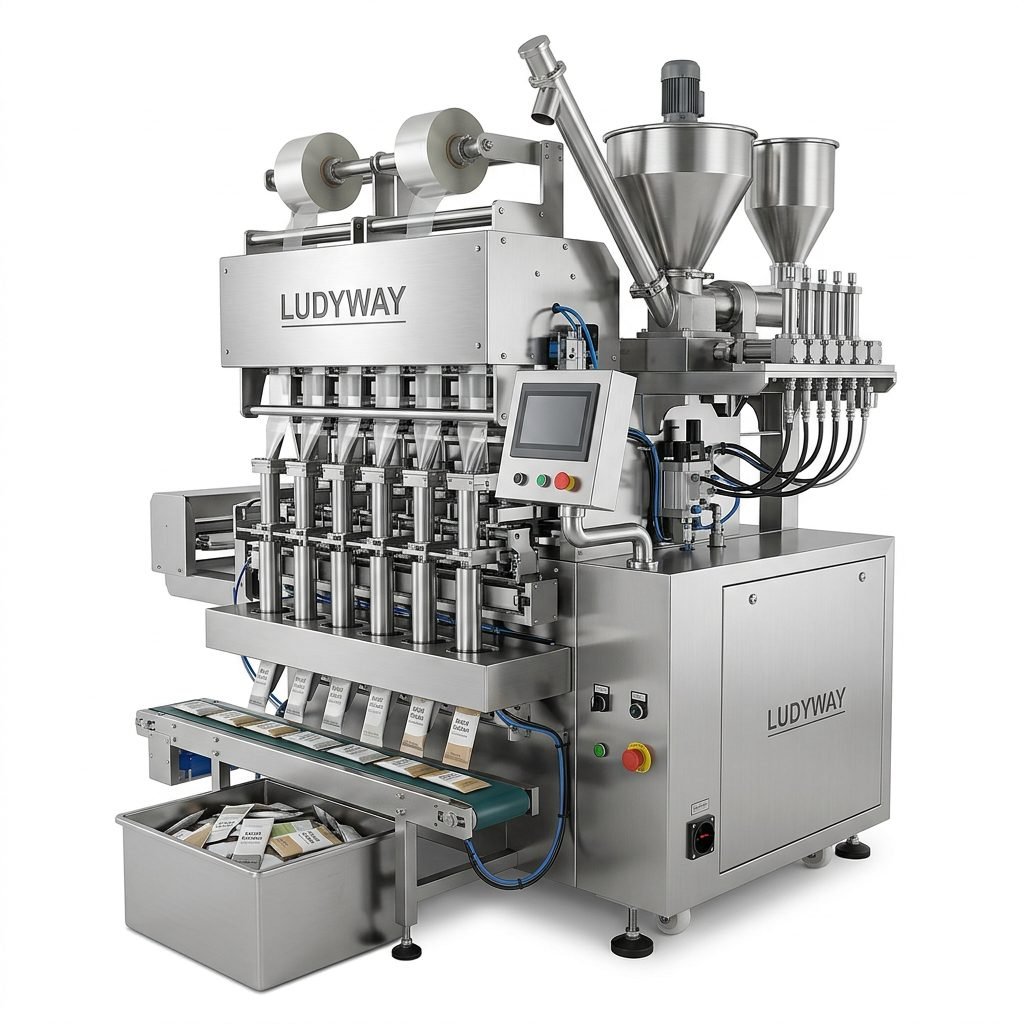
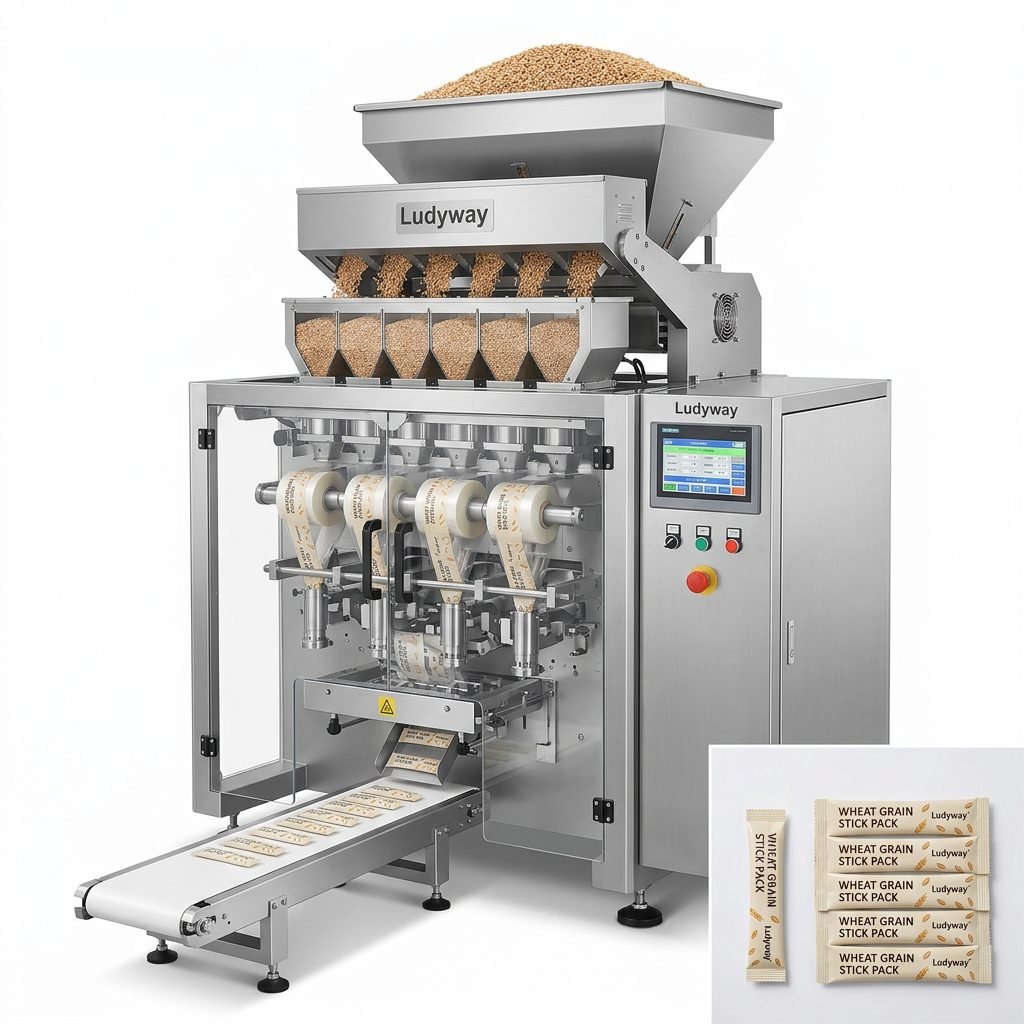
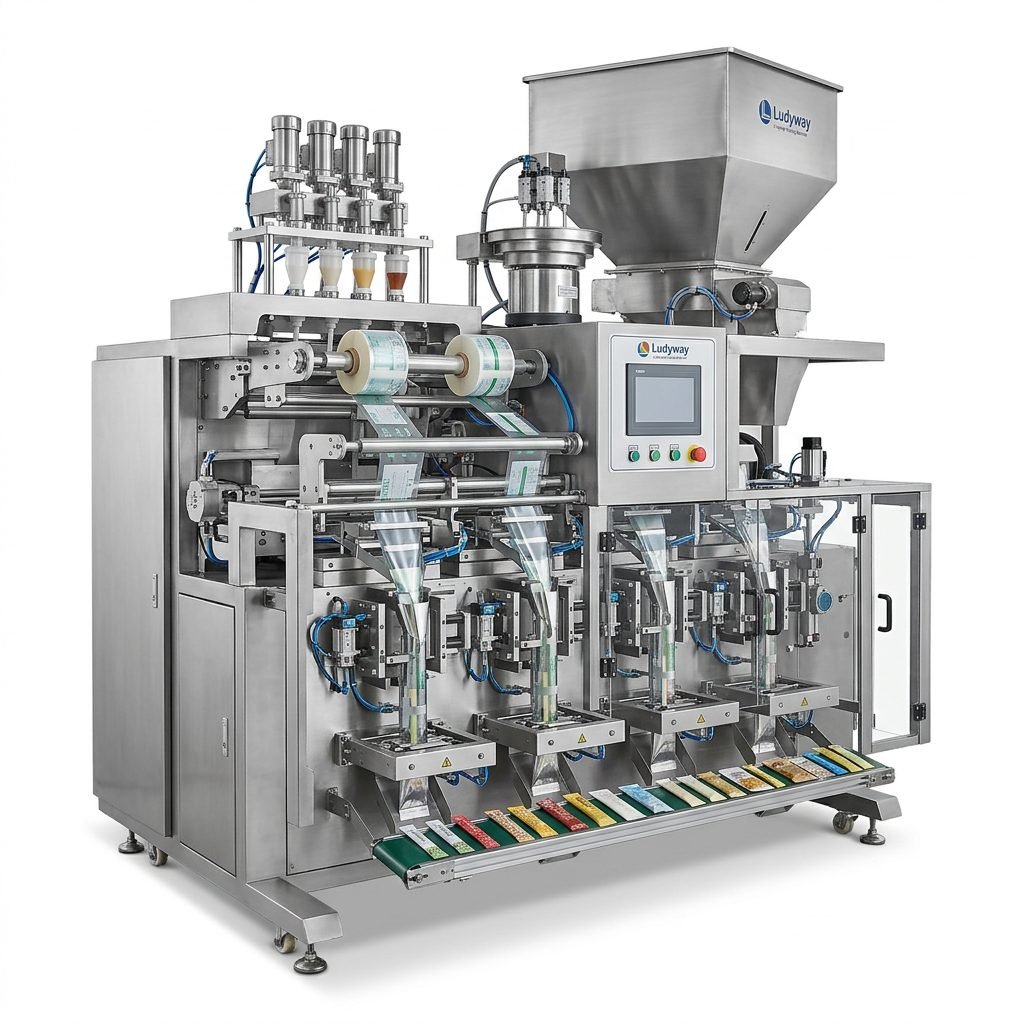
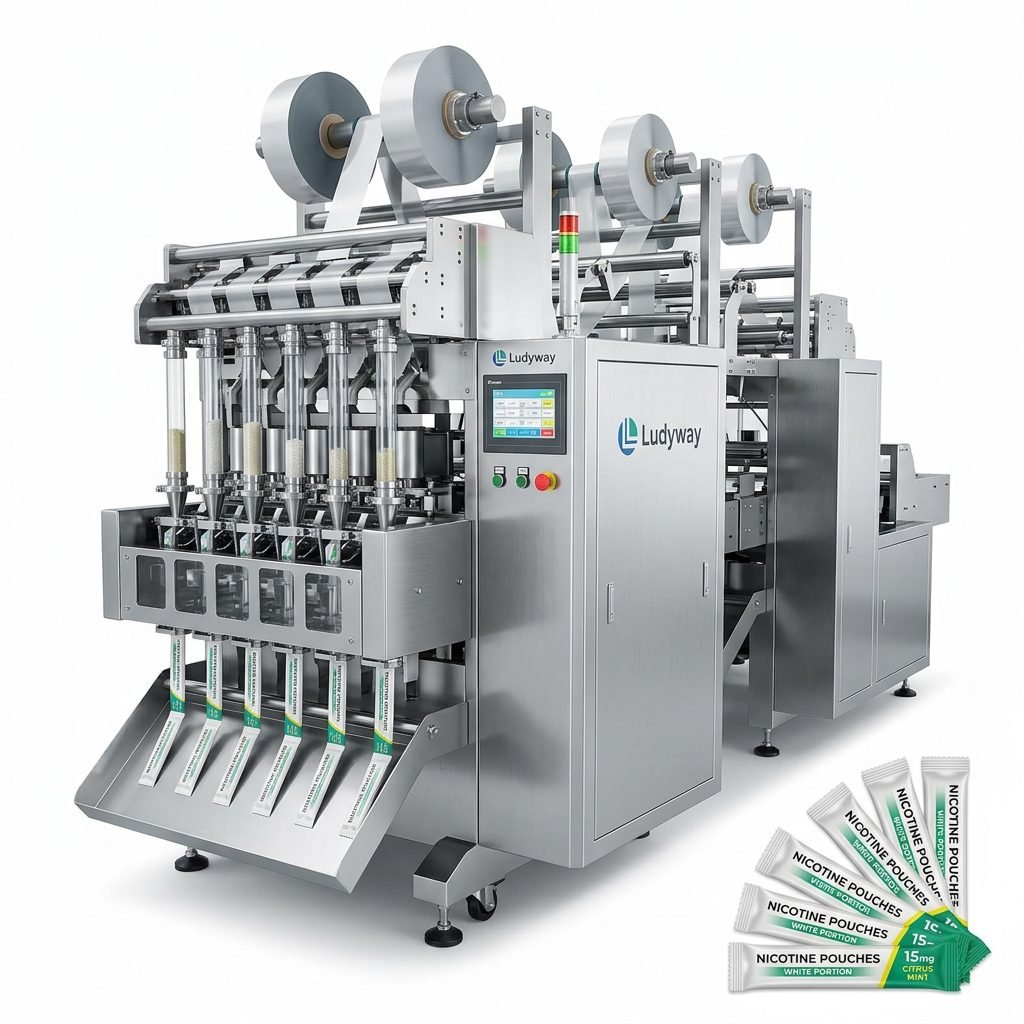
| Multi-Lane Stick Pack/Sachet | Single-serve fruit snacks, supplement powders | Ultra-high output per lane | 200–600 packs/min |
| Horizontal Flow Wrapper | Fresh fruit trays, multi-pack arrangements | Gentle product handling | 40–150 packs/min |
| Tray Sealing & Modified Atmosphere | Fresh-cut fruit, berries, prepared fruit salads | Extended shelf life via MAP | 20–80 packs/min |
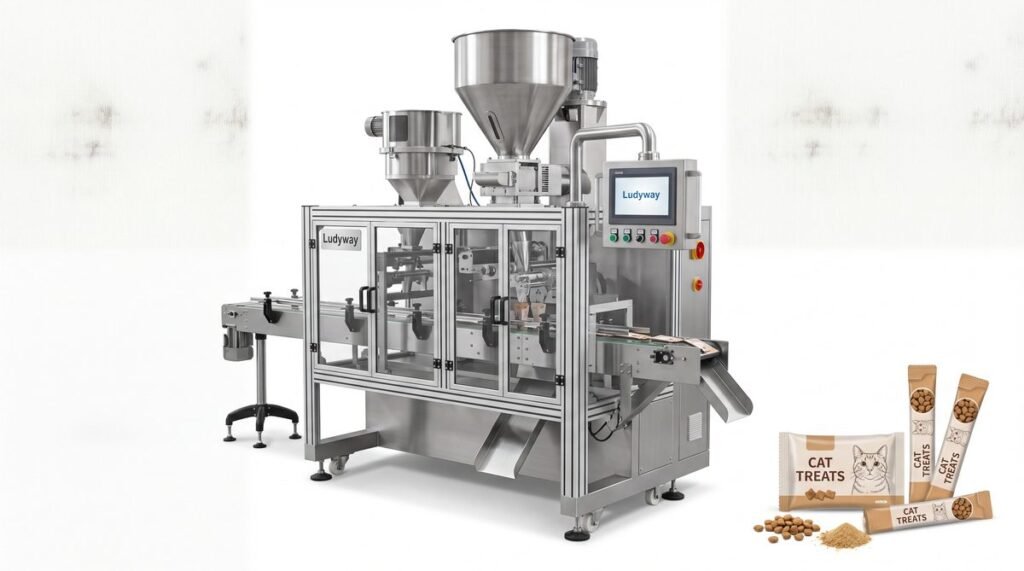
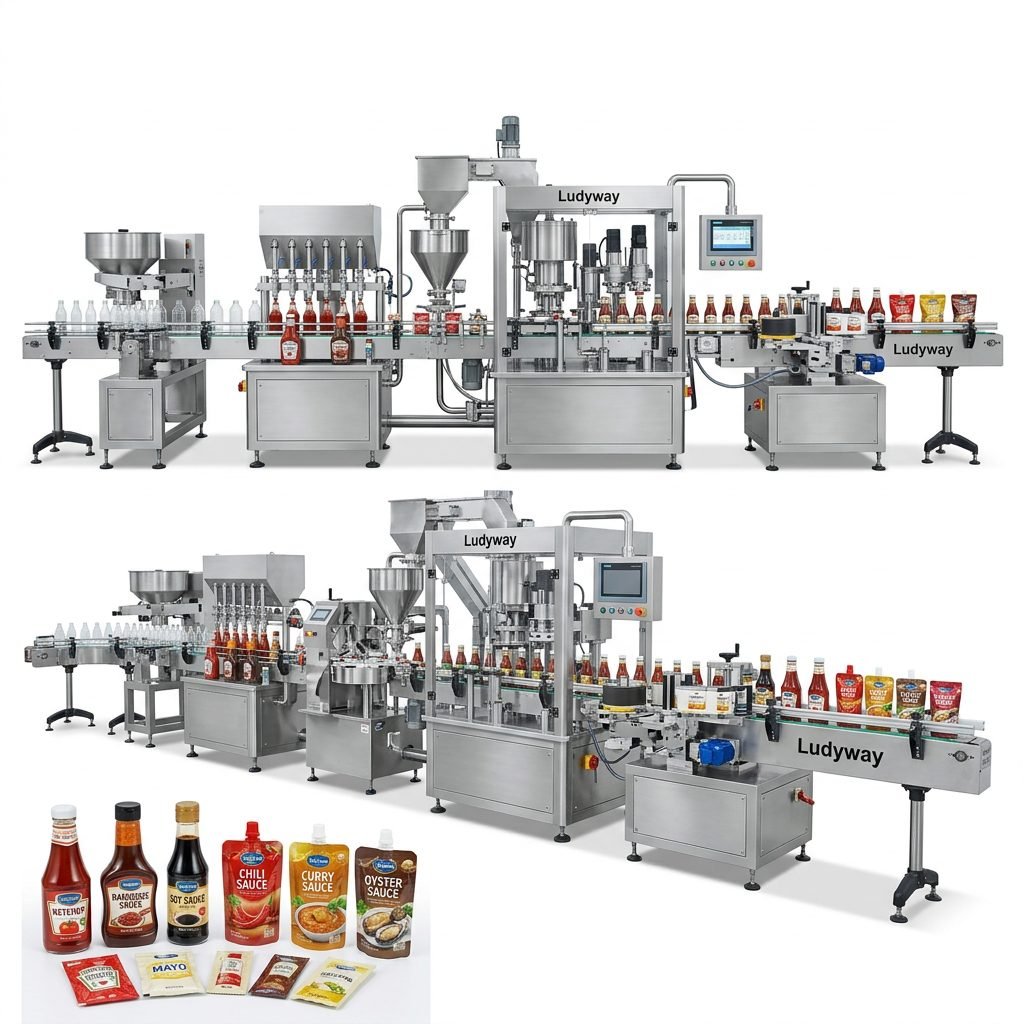
| Pre-Made Pouch Filling & Sealing | Premium dried fruits, organic fruit snacks | Superior seal integrity, premium look | 25–60 packs/min |
Key Factors to Evaluate When Choosing a Packaging Machine
Italian fruit processors must assess several critical parameters before committing to a packaging machinery investment. These factors directly impact operational efficiency, product quality, and regulatory compliance within the EU framework.
Product Characteristics and Compatibility
The physical properties of your fruit product—whether fresh, dried, frozen, or powdered—determine the appropriate feeding mechanism, sealing technology, and film material. Granule size, moisture content, and stickiness are particularly important for dried fruit applications. For fresh-cut produce, oxygen transmission rates and seal integrity become paramount. According to the Flexible Packaging Association’s industry resources, material compatibility testing is essential for maintaining shelf life expectations.
Production Capacity and Scalability
Italian businesses range from small cooperative processors to large-scale export operations. A machine that matches current throughput while allowing for future expansion prevents costly reinvestment. Multi-lane systems offer scalability—operators can start with fewer lanes and add capacity as demand grows. Assessing peak season requirements is especially important in Italy, where harvest-driven production creates significant volume fluctuations.
EU Regulatory Compliance and Food Safety
All packaging equipment operating in Italy must comply with EU food contact materials regulations and machinery safety directives. Look for machines with CE marking, food-grade stainless steel construction, and designs that facilitate cleaning and sanitation. The European Commission’s packaging waste regulations also increasingly influence packaging format choices, with emphasis on recyclability and reduced material usage.
Automation and Integration Capabilities
Modern Italian food processing facilities benefit from end-to-end automation—from weighing and filling to cartoning and palletizing. A packaging machine that integrates seamlessly with upstream and downstream equipment reduces labor costs and minimizes human error. Features like automatic film splicing, real-time quality inspection, and remote diagnostic capabilities are becoming industry standards.
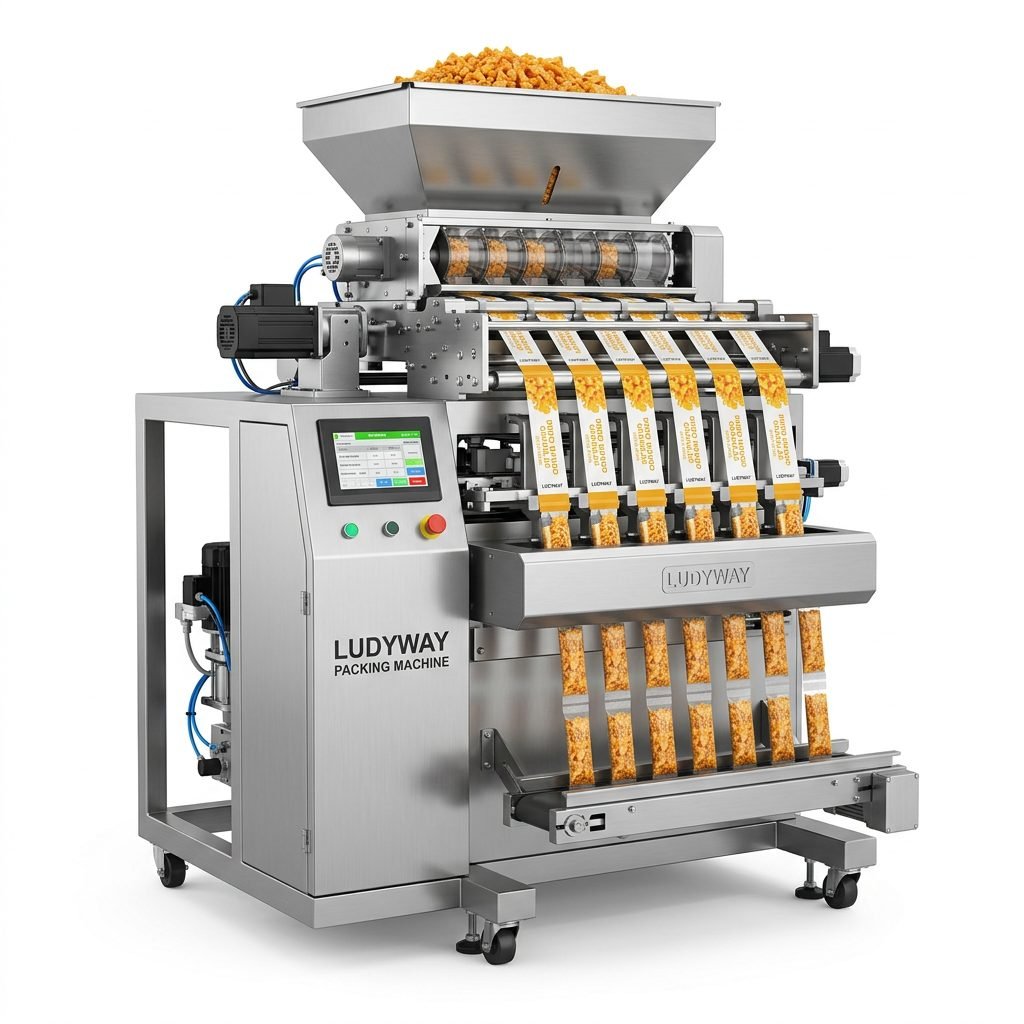
Essential Technical Specifications to Consider
When evaluating different fruit packaging machine models, Italian buyers should pay close attention to these technical details:
- Filling Accuracy: Precision weighing systems (±0.5–1g tolerance) minimize product giveaway, which directly impacts profitability in high-volume operations.
- Sealing Technology: Heat sealing, ultrasonic sealing, or vacuum sealing—each offers distinct advantages depending on film type and product sensitivity.
- Film Compatibility: The machine should handle a range of materials including PE, PET, ALU foil laminates, and biodegradable films to meet sustainability goals.
- Changeover Speed: Quick-change tooling and recipe memory functions enable efficient transitions between different fruit products and pack sizes.
- Clean-in-Place (CIP) Features: Essential for facilities processing multiple fruit types to prevent cross-contamination.
Cost Considerations and ROI Analysis
Packaging machinery represents a significant capital expenditure, and Italian buyers must evaluate total cost of ownership rather than purchase price alone. Key financial factors include:
Initial Investment vs. Operating Costs
While entry-level machines may cost less upfront, they often incur higher maintenance, energy, and labor expenses over time. Premium machines with servo-driven systems typically deliver 20–30% lower energy consumption and reduced film waste. Factor in spare parts availability within the EU—Italian buyers benefit from choosing suppliers with European service centers or responsive international support.
Labor Efficiency Gains
Italy’s labor costs in the manufacturing sector continue to rise, making automation a compelling proposition. According to industry data from PMMI’s Business Intelligence library, automated packaging lines can reduce direct labor requirements by 40–60% compared to semi-automatic systems. For Italian fruit processors operating on tight margins, this labor savings often determines the payback period.
Quality Consistency and Waste Reduction
Film waste, product spillage, and rejected packs all erode profitability. Machines with precise tension control, accurate filling, and reliable sealing significantly reduce these losses. Over a typical 5–7 year machine lifespan, quality consistency alone can justify a higher initial investment.
Italian Market-Specific Considerations
Italy’s packaging industry has distinctive characteristics that influence equipment selection:
- Regional Fruit Specialization: Northern regions focus on apples and berries; central Italy on stone fruits; southern regions on citrus and grapes. Each requires different handling and packaging approaches.
- Export Orientation: Italian fruit products ship globally, requiring packaging that withstands long transit times and varying climate conditions.
- Sustainability Mandates: Italy has been proactive in implementing EU packaging directives, with increasing pressure to reduce plastic usage and adopt recyclable materials.
- Aesthetic Expectations: “Made in Italy” carries premium connotations, and packaging must reflect this quality positioning through superior print registration and finish.
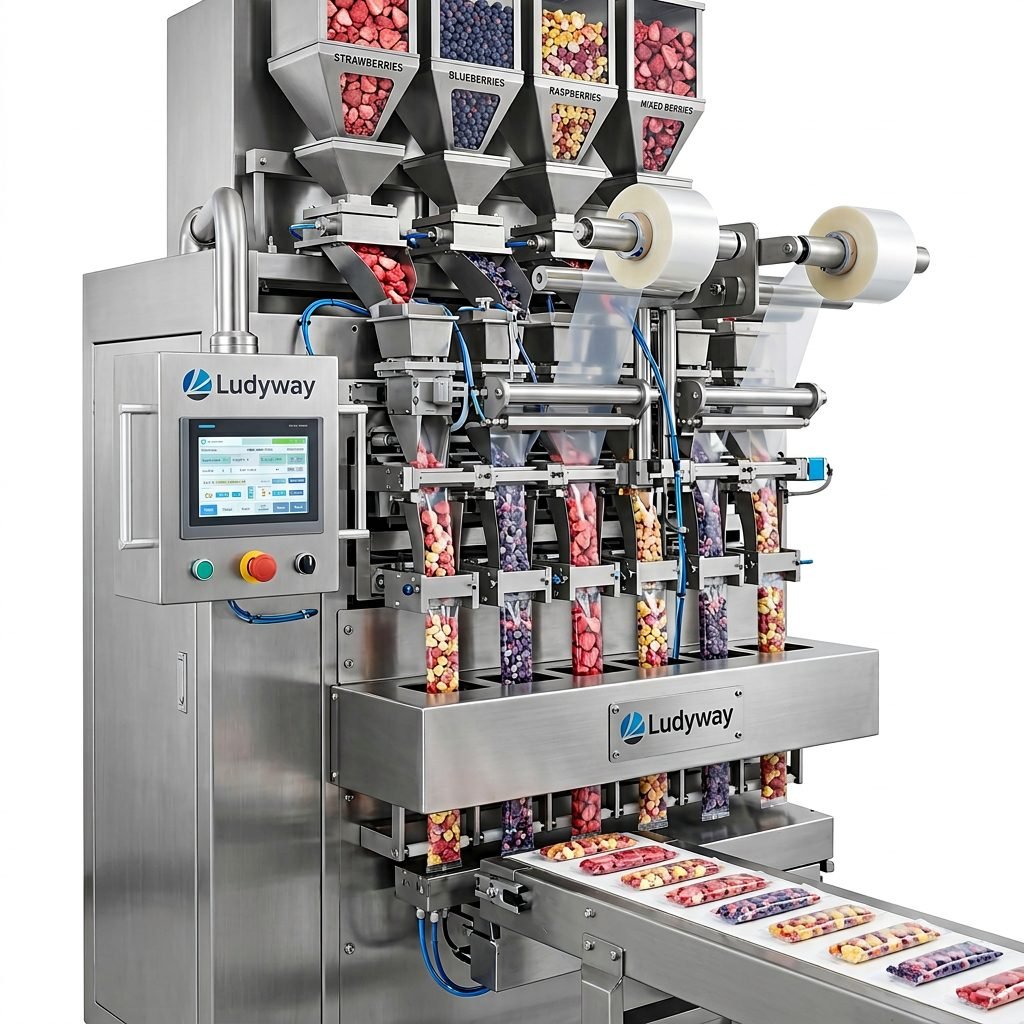
Service, Support, and Training Requirements
Even the most reliable packaging machine requires ongoing maintenance and occasional troubleshooting. Italian buyers should prioritize suppliers that offer:
- Responsive technical support with Italian-speaking service personnel or accessible European support hubs
- Comprehensive operator training programs, either on-site or through detailed documentation
- Readily available spare parts within the EU to minimize downtime
- Remote diagnostic capabilities that allow technicians to resolve issues without on-site visits
- Preventive maintenance agreements that extend equipment lifespan and maintain peak performance
Industry Standards and Certifications
Italian food packaging operations must adhere to both national and international standards. The ISO packaging standards provide a framework for quality management, while BRC and IFS certifications are often required by European retailers. Equipment designed with these standards in mind simplifies the certification process for Italian producers.
Evaluating Supplier Credentials
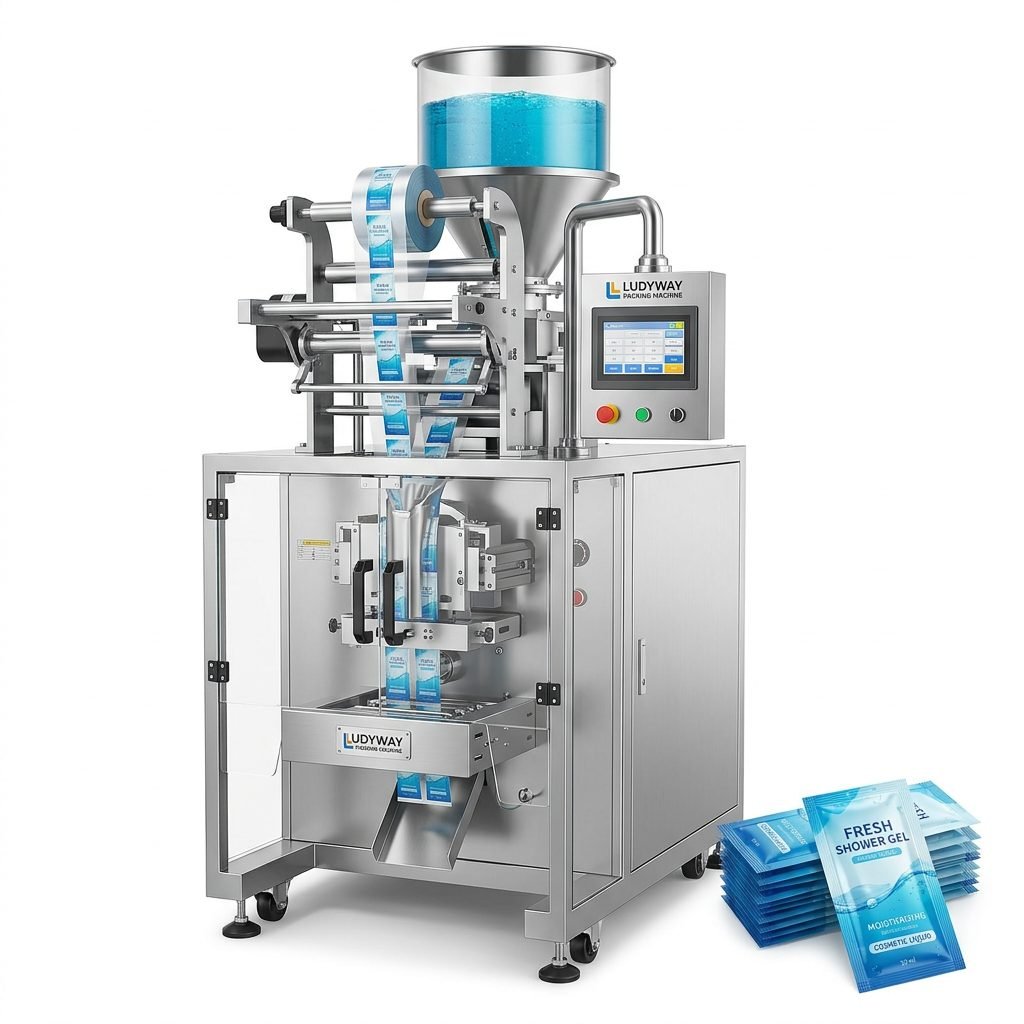
When sourcing packaging machinery for Italian operations, buyers should thoroughly vet potential suppliers. Key evaluation criteria include the supplier’s experience with fruit products, presence in European markets, and track record of successful installations. A supplier with 30+ years of industry experience and a 20,000㎡ manufacturing facility indicates stability and technical depth. For those exploring international options, Ludyway has served customers in over 100 countries and regions, offering more than 50 intelligent packaging machine models including multi-lane stick pack, sachet, and fully automated packaging systems designed for efficient, reliable fruit packaging applications.
Future-Proofing Your Investment
Technology trends in fruit packaging continue to evolve. Italian buyers should consider machines with modular architectures that accommodate future upgrades. Smart factory integration, IoT-enabled monitoring, and compatibility with sustainable packaging materials are three trends that will define the next decade of packaging technology. Selecting a platform that supports these innovations ensures long-term relevance.
Industry reports from PMMI’s State of the Industry 2025 indicate that demand for flexible, high-speed packaging solutions in the European fruit sector continues to grow, driven by changing consumer preferences and retail requirements. Italian businesses that invest thoughtfully in packaging technology position themselves to capture this growing market opportunity.
Making the Final Decision
Choosing the right fruit packaging machine in Italy requires balancing multiple factors—product compatibility, production capacity, regulatory compliance, and long-term cost efficiency. Engaging with suppliers early, requesting product trials, and visiting reference installations whenever possible provide valuable insights beyond specification sheets. The most successful Italian fruit producers treat packaging equipment selection as a strategic decision that impacts brand quality, operational efficiency, and market competitiveness for years to come.
About Ludyway
Ludyway is one of the largest packaging machine manufacturers in China, specializing in advanced packaging equipment and turnkey production solutions for the food, pharmaceutical, and health industries. With over 30 years of industry expertise, we provide reliable and efficient packaging solutions for granule, powder, liquid, and pouch packaging applications. Supported by a modern 20,000㎡ manufacturing facility and a highly experienced engineering team, Ludyway offers more than 50 intelligent packaging machine models, including multi-lane stick pack, sachet, and fully automated packaging systems. Serving customers in over 100 countries and regions, we are committed to delivering innovative, high-performance, and cost-effective packaging solutions that help businesses improve productivity, product quality, and operational efficiency. Ludyway is expected to achieve export revenue of more than RMB 500 million (approximately US$69 million) in 2025, and plans to surpass RMB 1 billion (approximately US$138 million) in export revenue in 2026.