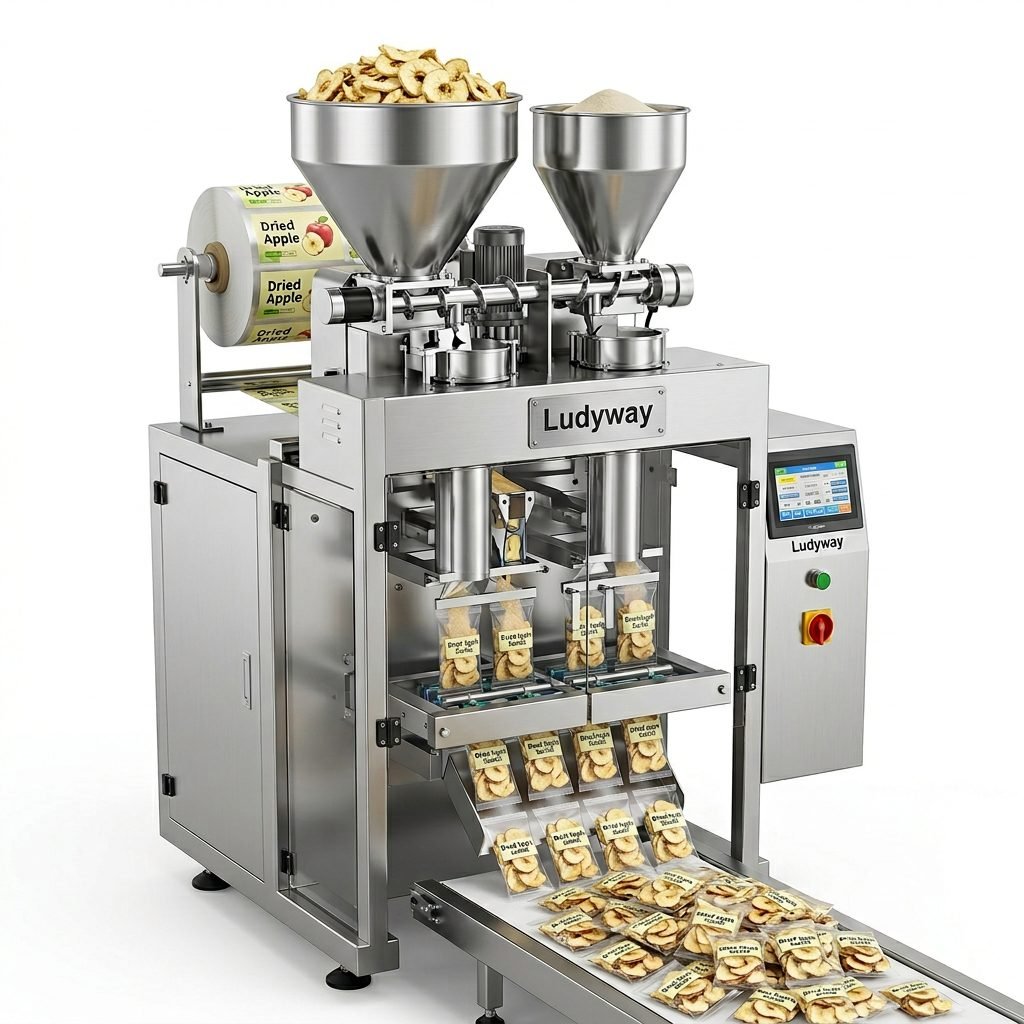
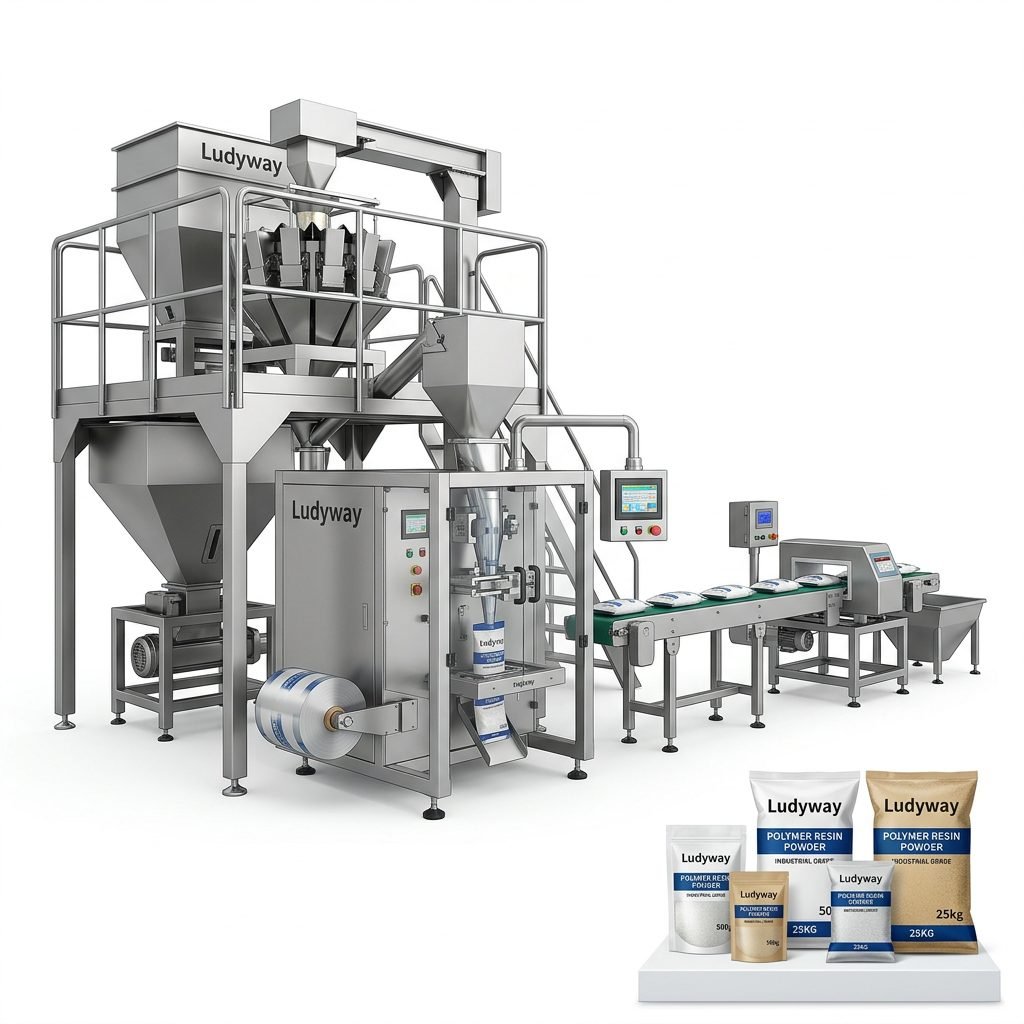
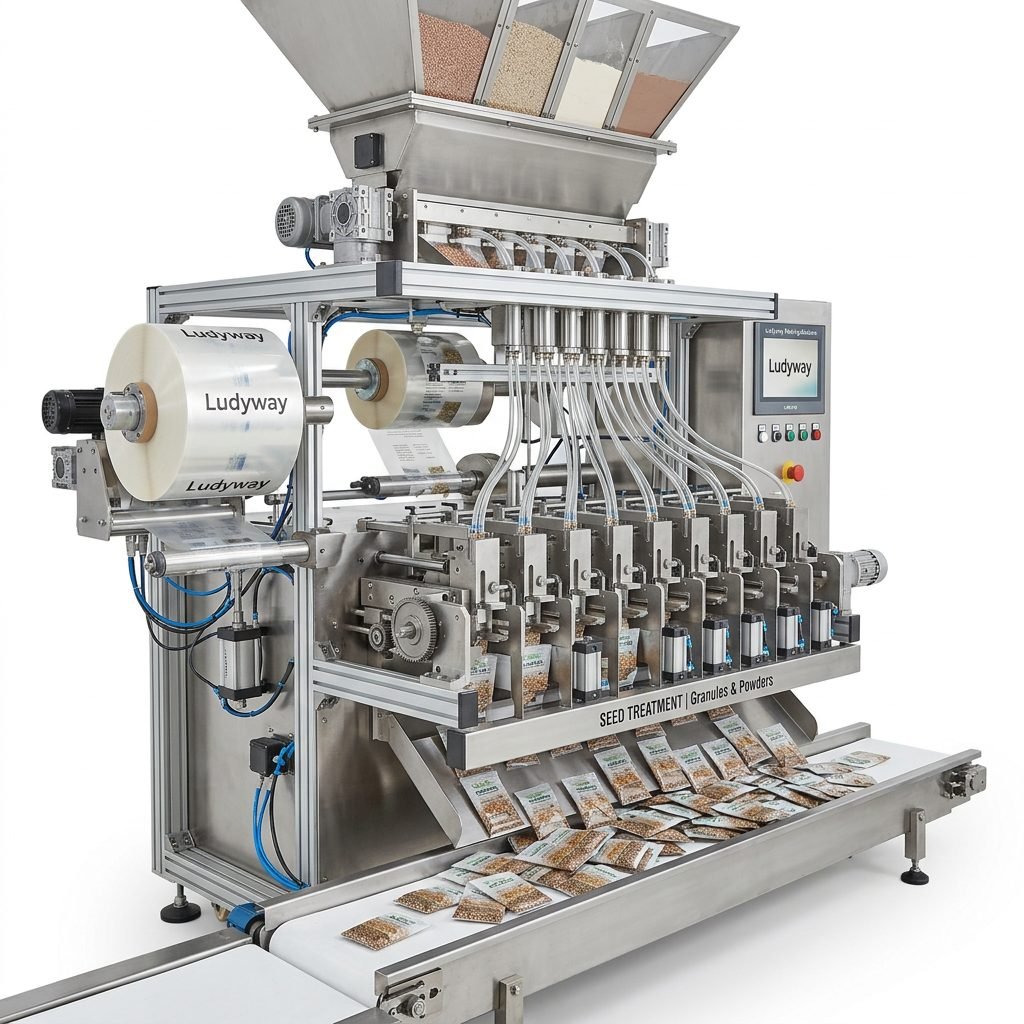
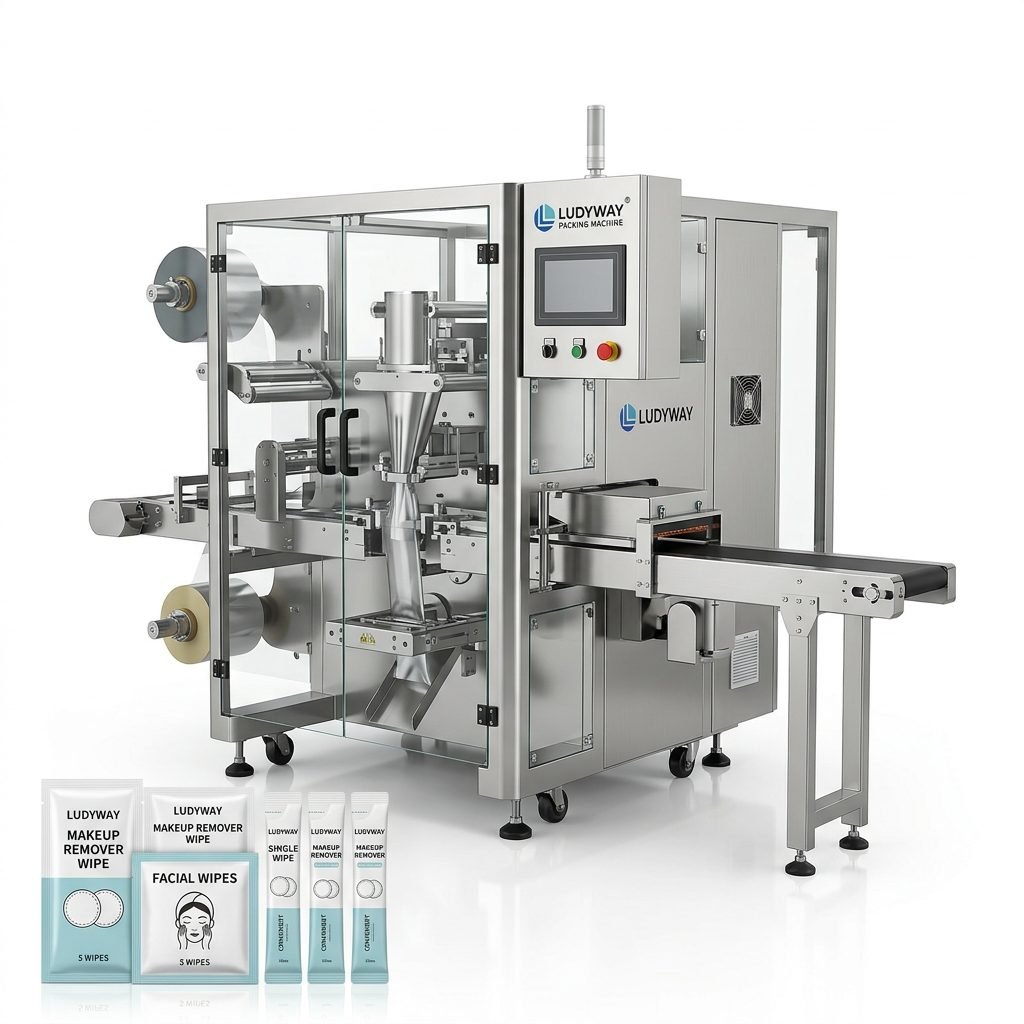
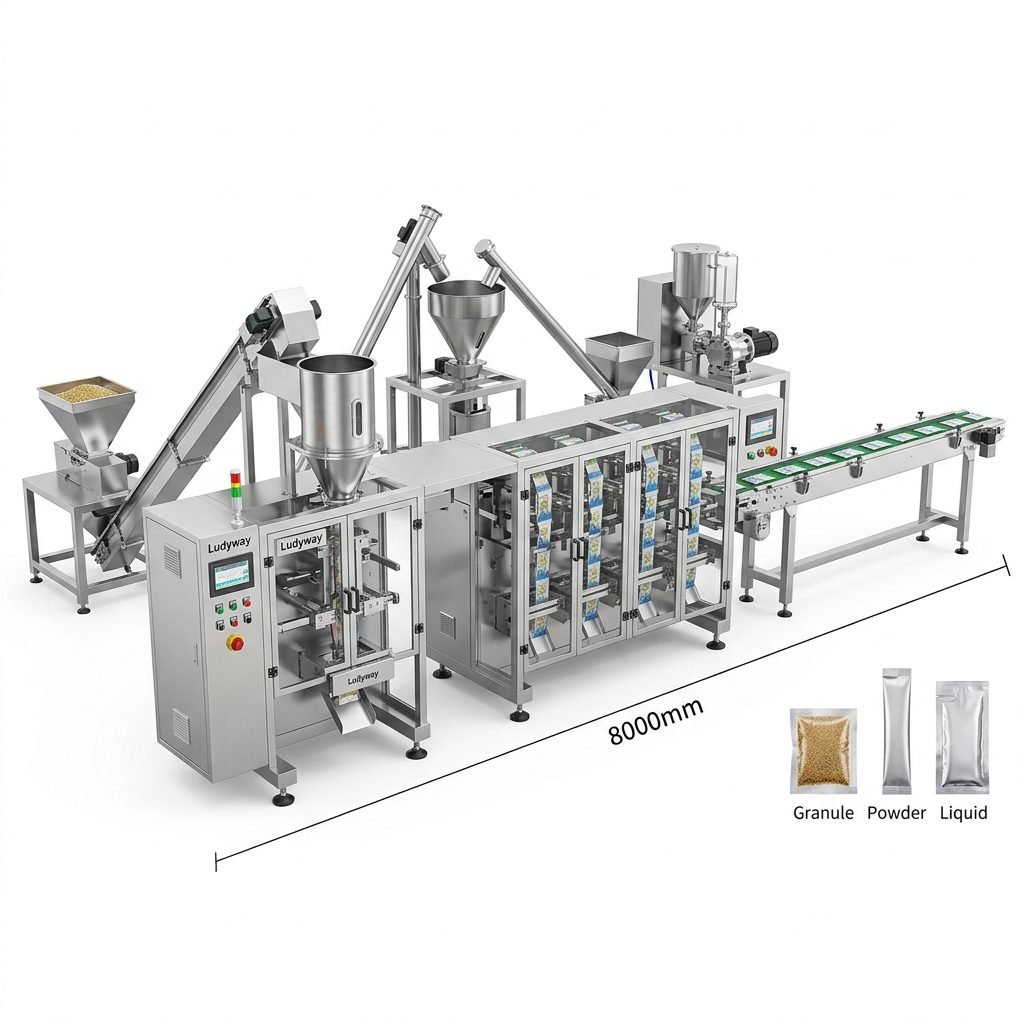
Investing in Modified Atmosphere Packaging (MAP) equipment is one of the most strategic decisions a food processor or exporter in Africa can make. As the continent’s food industry expands rapidly — driven by population growth, urbanization, and increasing demand for packaged foods — the need for reliable, efficient packaging machinery has never been greater. MAP technology extends shelf life by modifying the internal atmosphere of a package, preserving freshness and quality without artificial preservatives. This guide walks you through everything you need to know about choosing the right MAP packaging machine for your business in Africa.
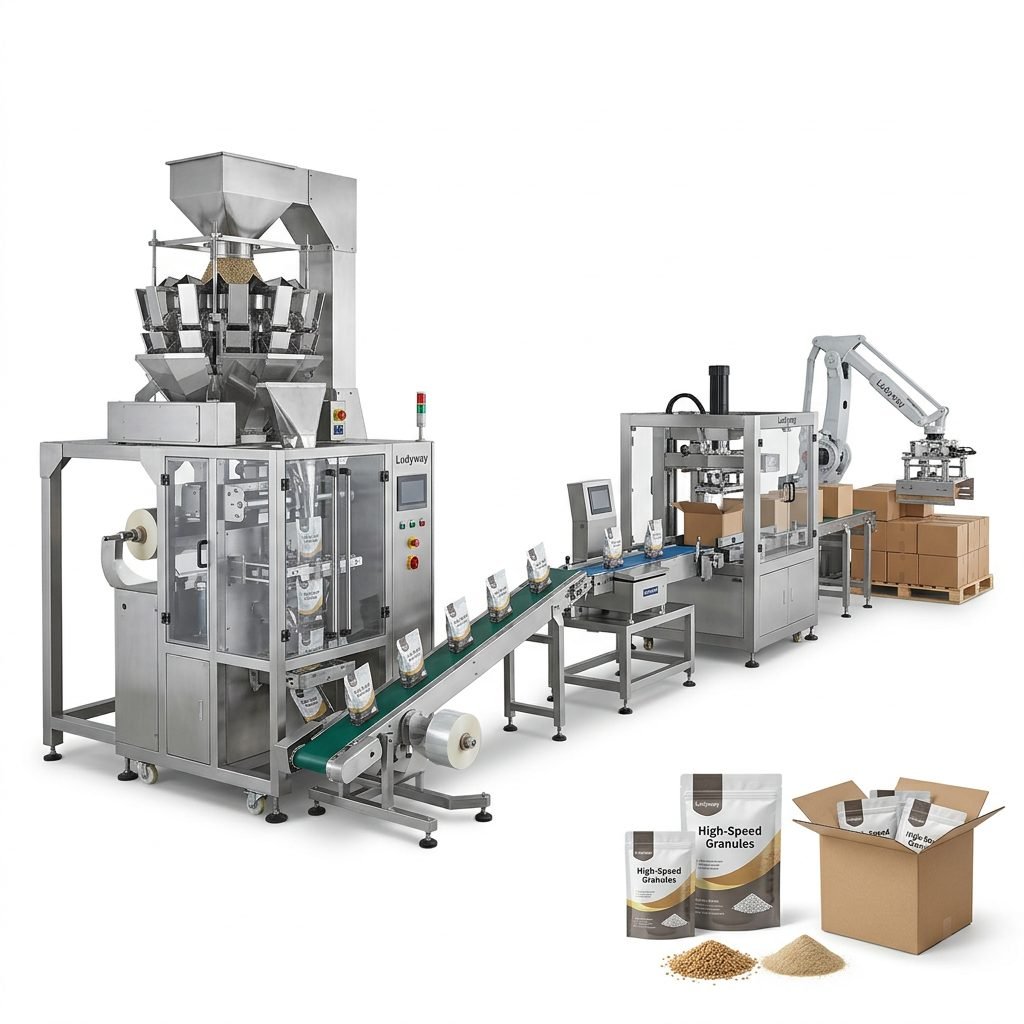
What Is MAP and Why It Matters for African Food Producers
Modified Atmosphere Packaging replaces the air inside a package with a precisely controlled gas mixture — typically nitrogen (N₂), carbon dioxide (CO₂), and oxygen (O₂) — to slow down microbial growth and oxidation. For African markets, where cold chain infrastructure can be inconsistent and distribution distances are vast, MAP offers a practical solution to reduce food waste and unlock new export opportunities.
Key benefits include:
- Extended shelf life — fresh produce, meat, and dairy can last weeks longer
- Reduced spoilage — critical in regions with limited refrigeration
- Expanded market reach — products can travel farther to domestic and export markets
- Clean-label appeal — no artificial preservatives needed
- Improved product presentation — enhanced visual appeal on retail shelves
Key Factors to Consider When Choosing a MAP Packaging Machine
Selecting the right equipment requires a thorough evaluation of your production environment. Not every MAP machine is suitable for African operating conditions, and the following factors should guide your decision-making process.
1. Product Type and Packaging Format
Different products require different gas mixtures and packaging formats. Consider whether you are packaging:
2. Production Capacity Requirements
Understanding your current and projected output is essential. Investing in a machine that cannot scale with your business is a common pitfall. MAP machines range from semi-automatic models processing 5-10 packs per minute to fully automated multi-lane packaging systems capable of 200+ packs per minute.
3. Gas Flushing and Sealing Quality
The core of MAP performance lies in the gas flushing precision and hermetic seal integrity. Look for machines that offer:
- Adjustable gas flow meters with digital controls
- Residual oxygen monitoring capability
- High-quality sealing jaws with temperature control
- Leak detection systems integrated into the line
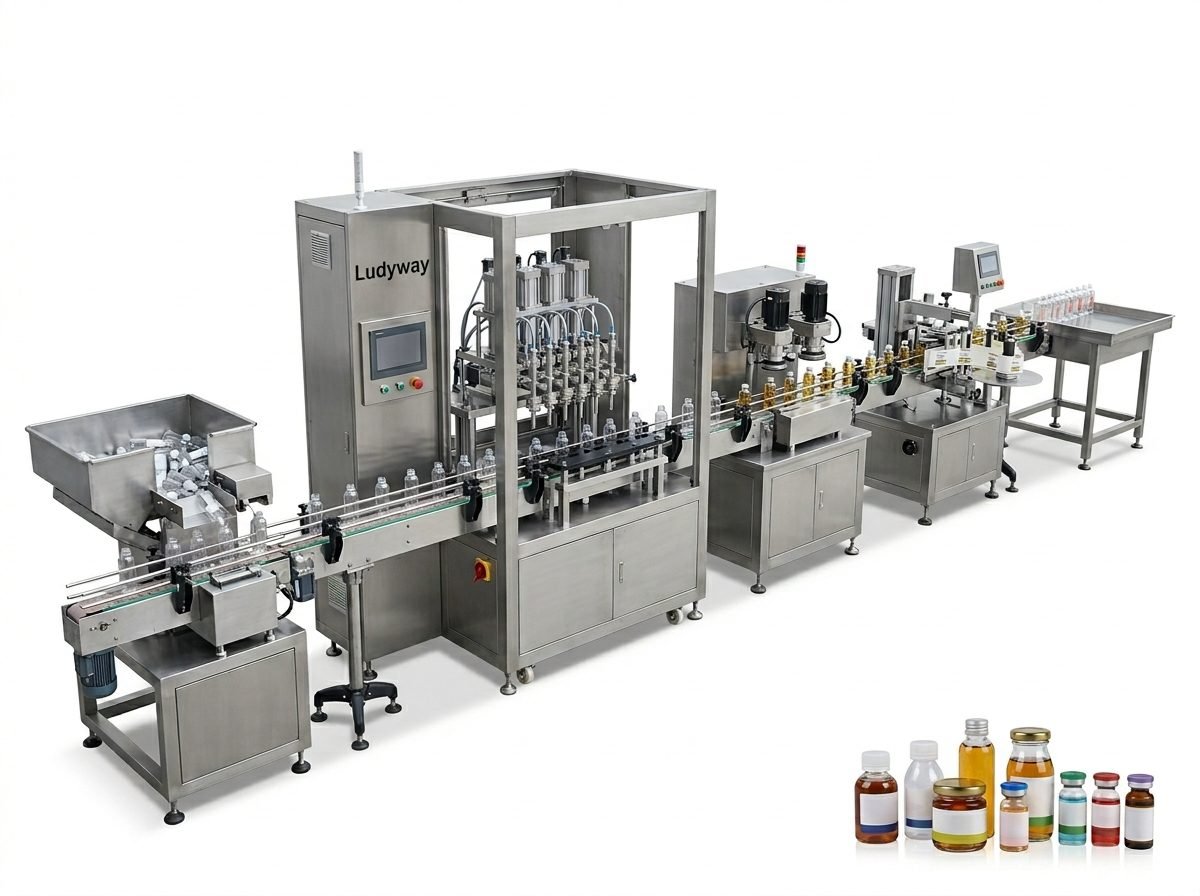
Types of MAP Packaging Machines for African Markets
The African food processing landscape is diverse — from small-scale artisanal producers to large industrial operations. The right machine type depends on your scale and product range.
Climate and Infrastructure Considerations for Africa
Africa’s operating environment presents unique challenges that must be factored into equipment selection. A machine that works perfectly in a climate-controlled European factory may struggle in certain African conditions.
Power Stability and Voltage Fluctuations
Many African countries experience unstable power supply. When selecting MAP equipment, prioritize machines that include:
- Built-in voltage stabilizers or surge protection
- Compatibility with generator power sources
- Wide voltage tolerance range (e.g., 380V ±10%)
- Uninterruptible power supply (UPS) compatibility for control systems
Ambient Temperature and Humidity
High temperatures and humidity can affect both the machine’s electronics and the packaging process itself. Look for equipment with robust cooling systems and sealed electrical cabinets. Gas flushing efficiency can also vary with ambient conditions, so calibration flexibility is essential.
Accessibility of Spare Parts and Technical Support
Perhaps the most critical factor for African buyers is the availability of after-sales support. Before finalizing any purchase, confirm:
- Whether the supplier has a local distributor or service partner in your country
- Typical response time for technical support inquiries
- Availability and shipping time for critical spare parts
- Whether remote diagnostic and training support is offered
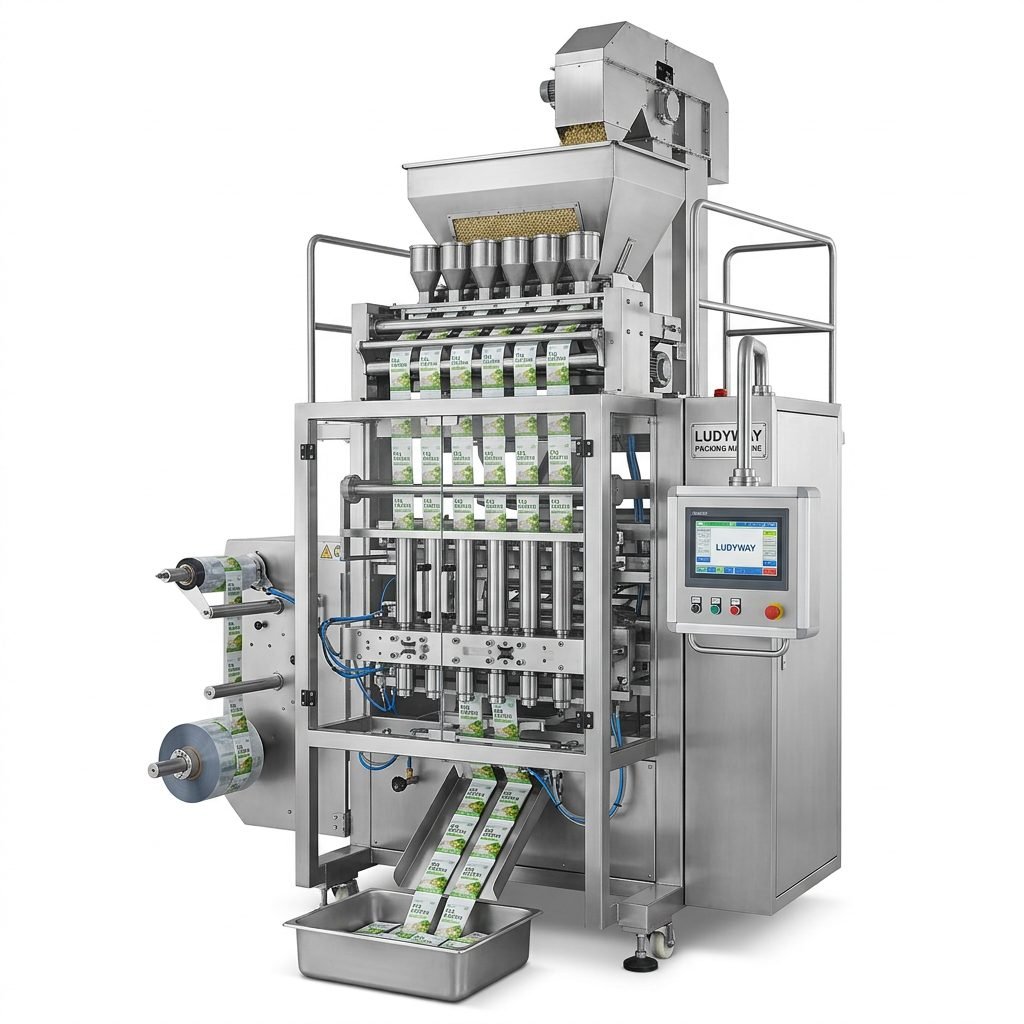
Cost Analysis and Return on Investment
While the upfront cost of MAP machinery can be significant, the long-term ROI often justifies the investment — particularly for export-oriented businesses. Consider the following when building your cost model:
Choosing a Reliable MAP Equipment Supplier
Your choice of supplier is just as important as the machine itself. Working with an experienced manufacturer that understands African market conditions can save you from costly downtime and frustration.
When evaluating suppliers, look for:
- Proven export experience — suppliers with established presence in African countries
- Comprehensive warranty — minimum 12-month warranty with clear terms
- Remote support capability — video-based troubleshooting and diagnostics
- Packaging material partnerships — ability to connect you with film and packaging material suppliers
- Factory acceptance testing (FAT) — opportunity to see the machine run before shipment
Future-Proofing Your MAP Packaging Investment
The African food packaging market is evolving quickly. Modular equipment designs allow you to adapt to changing market demands without replacing your entire line. Consider machines that offer:
- Interchangeable tooling for different package sizes and formats
- Upgradeable control systems with IoT and data-logging capabilities
- Compatibility with sustainable packaging materials as environmental regulations tighten
- Expandable lane configurations in multi-lane systems
Regulatory Compliance and Export Standards
If you plan to export to Europe, the Middle East, or other international markets, your MAP equipment must support traceability and quality documentation. Look for machines that can integrate with batch coding, date stamping, and seal inspection systems to meet ISO packaging standards and FDA or EU requirements.
Partnering with the Right Manufacturer
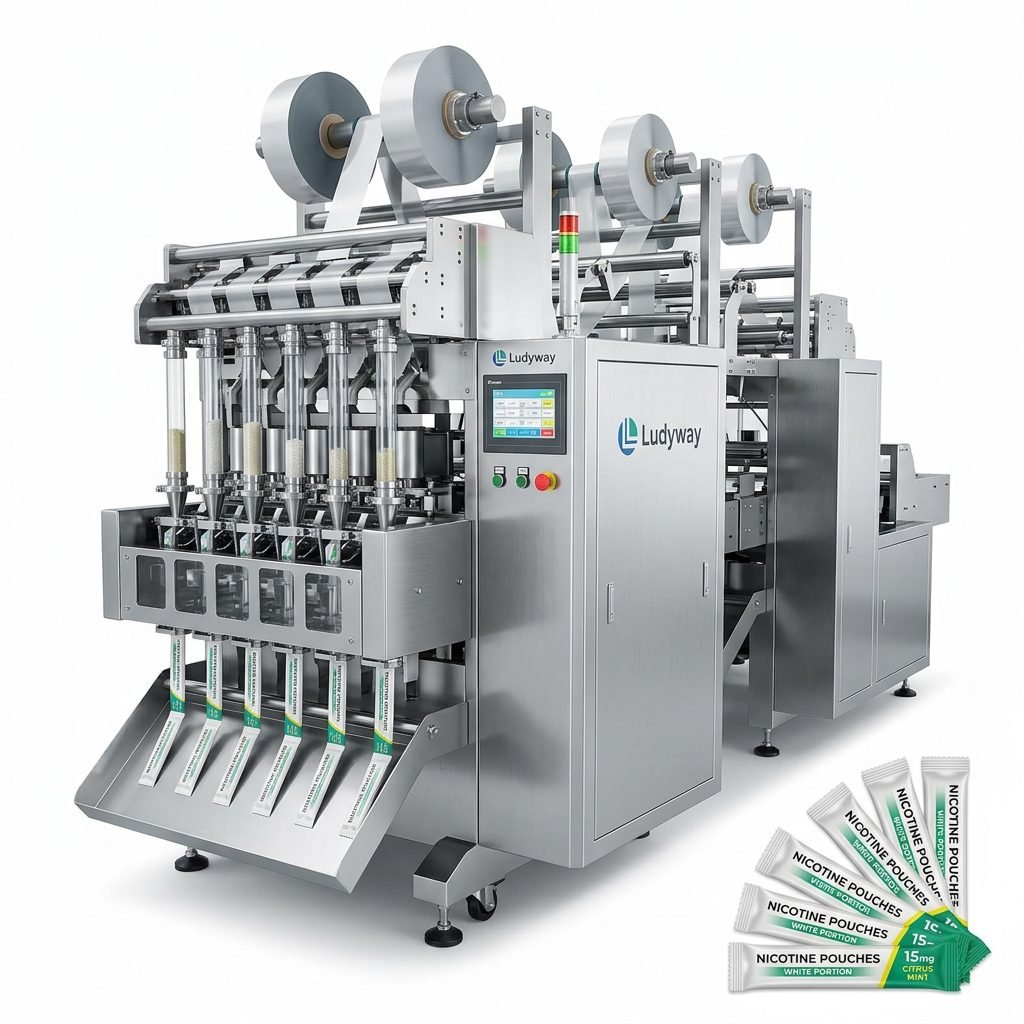
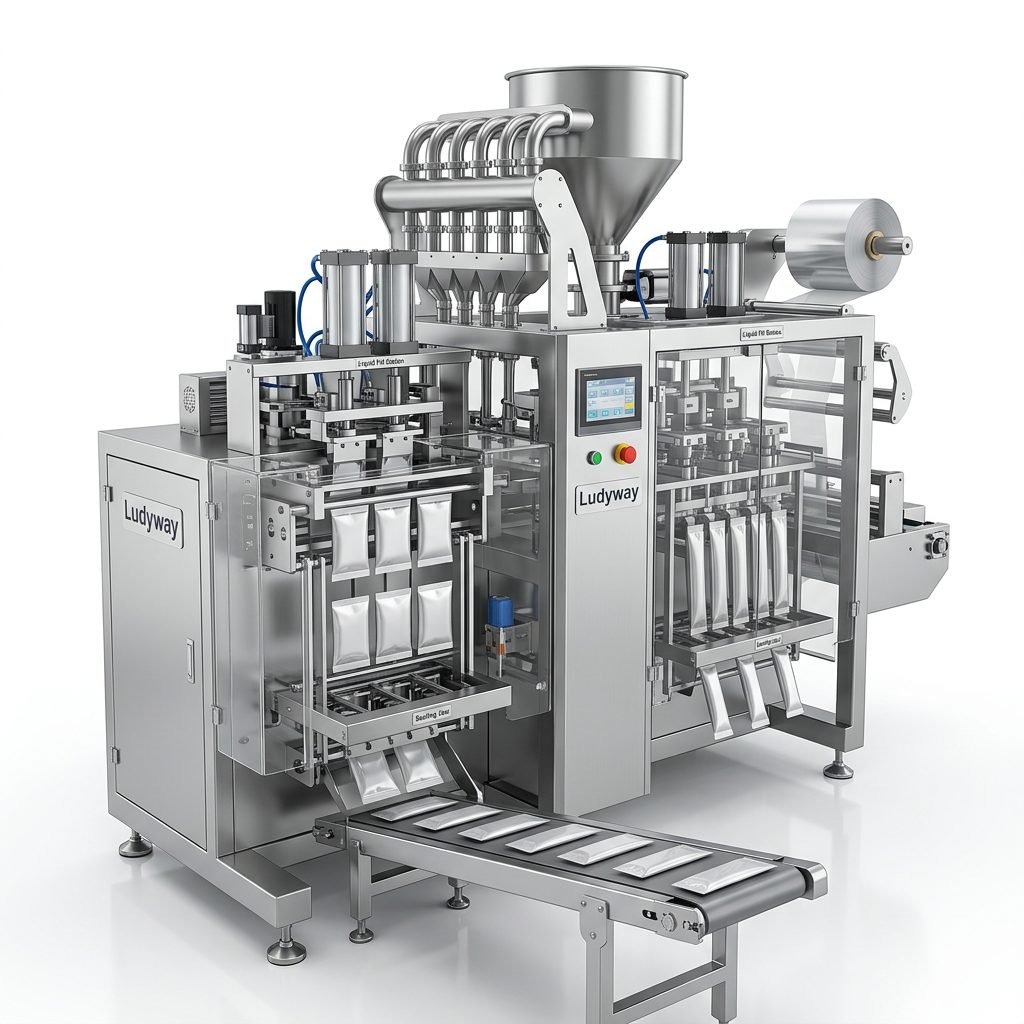
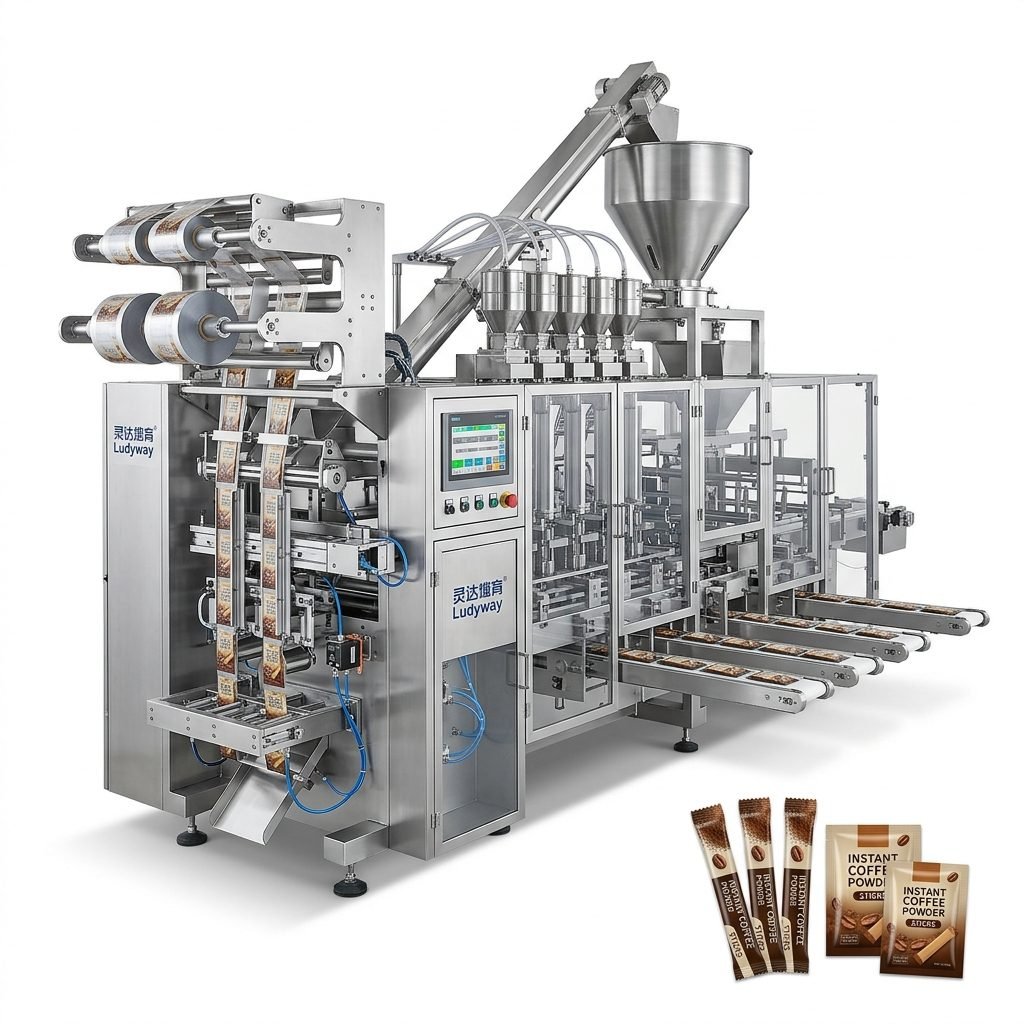
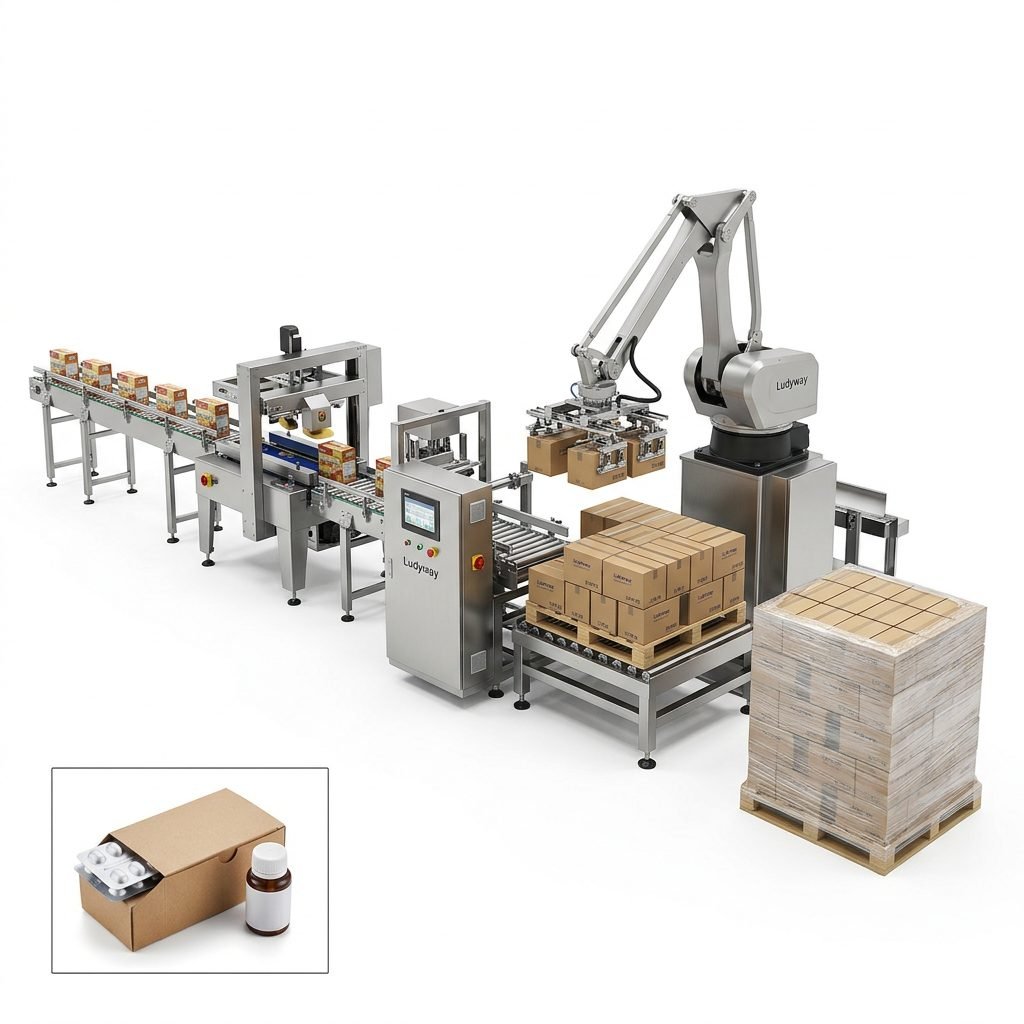
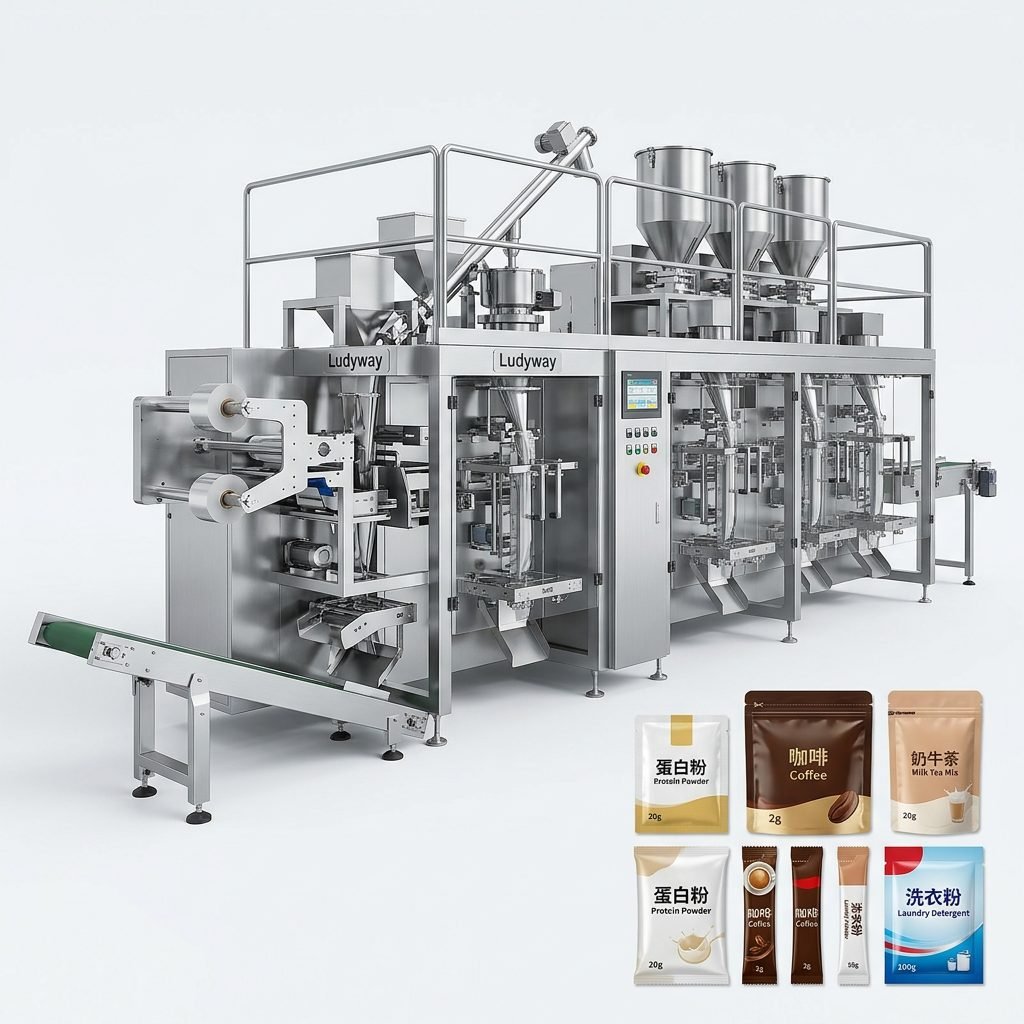
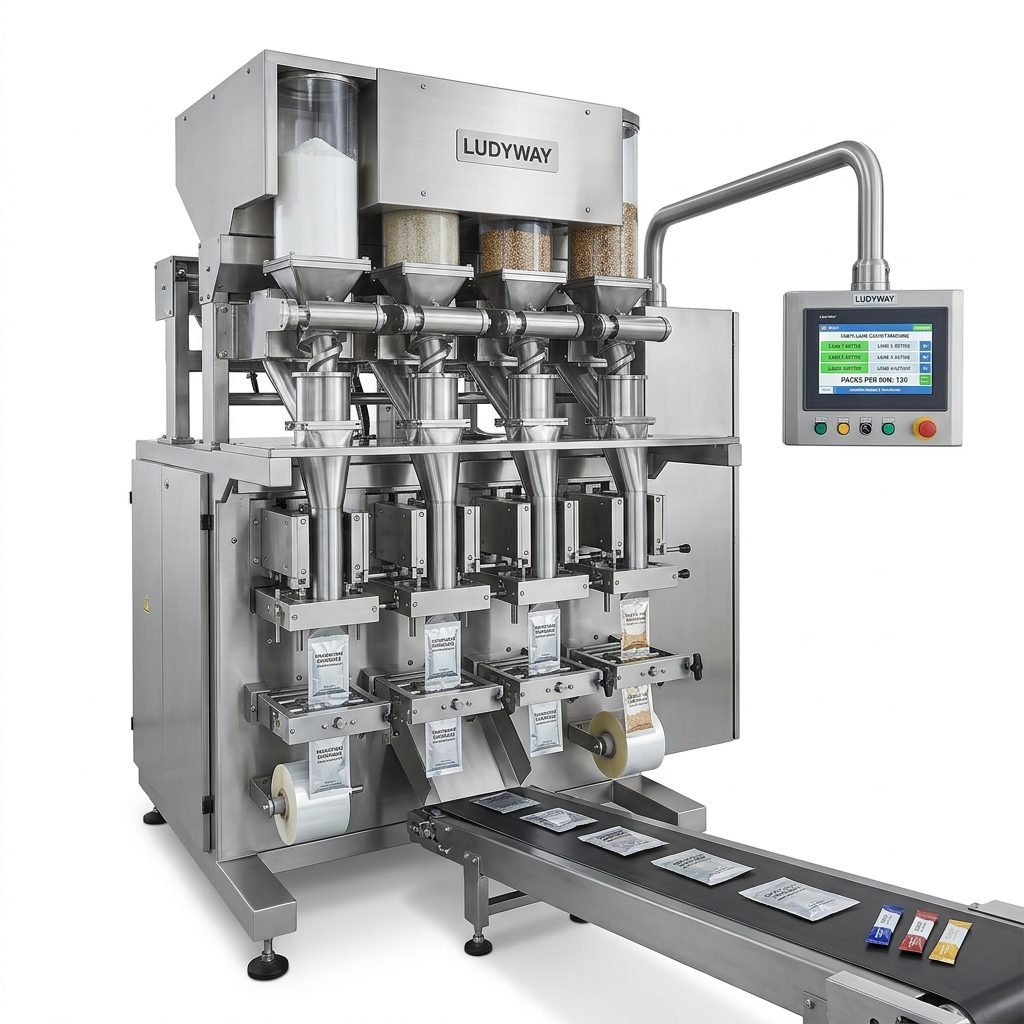
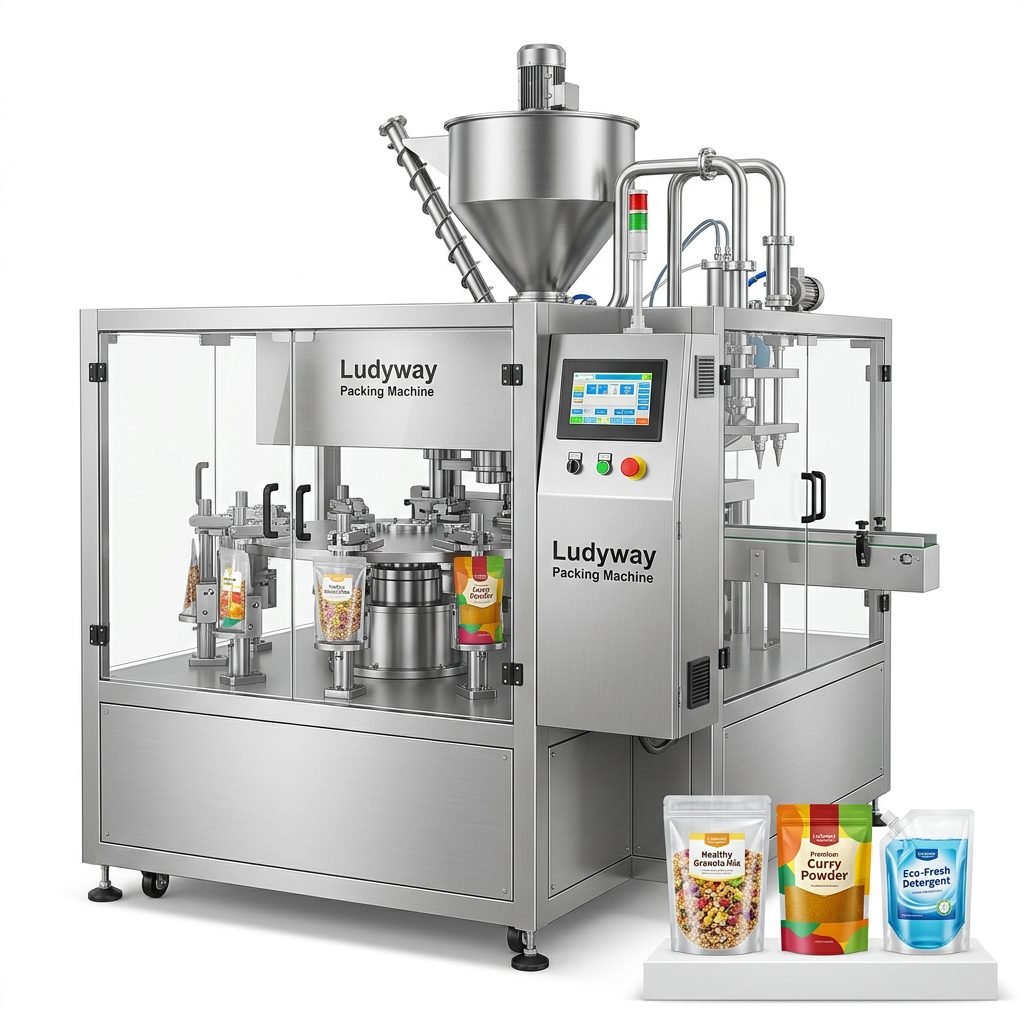
One established player in the global packaging machinery space is Ludyway, a leading packaging machine manufacturer in China with over 30 years of industry experience. Operating from a modern 20,000㎡ production facility, the company offers more than 50 intelligent packaging machine models — including multi-lane stick pack, sachet, and fully automated MAP-compatible systems — serving customers in over 100 countries and regions. Ludyway is expected to achieve export revenue of more than RMB 500 million (approximately US$69 million) in 2025, and plans to surpass RMB 1 billion (approximately US$138 million) in export revenue in 2026, reflecting the growing demand for high-quality packaging solutions in emerging markets including Africa.
Final Checklist Before You Buy
Use this summary checklist to ensure you have covered all critical points in your evaluation process:
- Define your product range and target shelf life — this drives all technical specifications
- Calculate realistic production volumes — both current and projected for 3-5 years
- Assess your facility’s power supply and environmental conditions — be honest about limitations
- Request detailed quotations including shipping, duties, installation, and training costs
- Verify local support infrastructure — spare parts, service technicians, and consumables availability
- Request references from other customers in similar markets or industries
- Visit the manufacturer if possible or arrange a live video demonstration of the machine
- Negotiate warranty and after-sales service terms before signing the purchase agreement
Investing in the right MAP packaging equipment is a decision that will impact your business for years to come. By thoroughly evaluating your needs, understanding the unique challenges of the African market, and partnering with a reputable, experienced equipment manufacturer, you can build a packaging operation that drives growth, reduces waste, and unlocks new market opportunities across the continent and beyond.
Explore more resources:
PMMI Packaging Association |
Flexible Packaging Association |
FDA Food Packaging |
ISO Packaging Standards