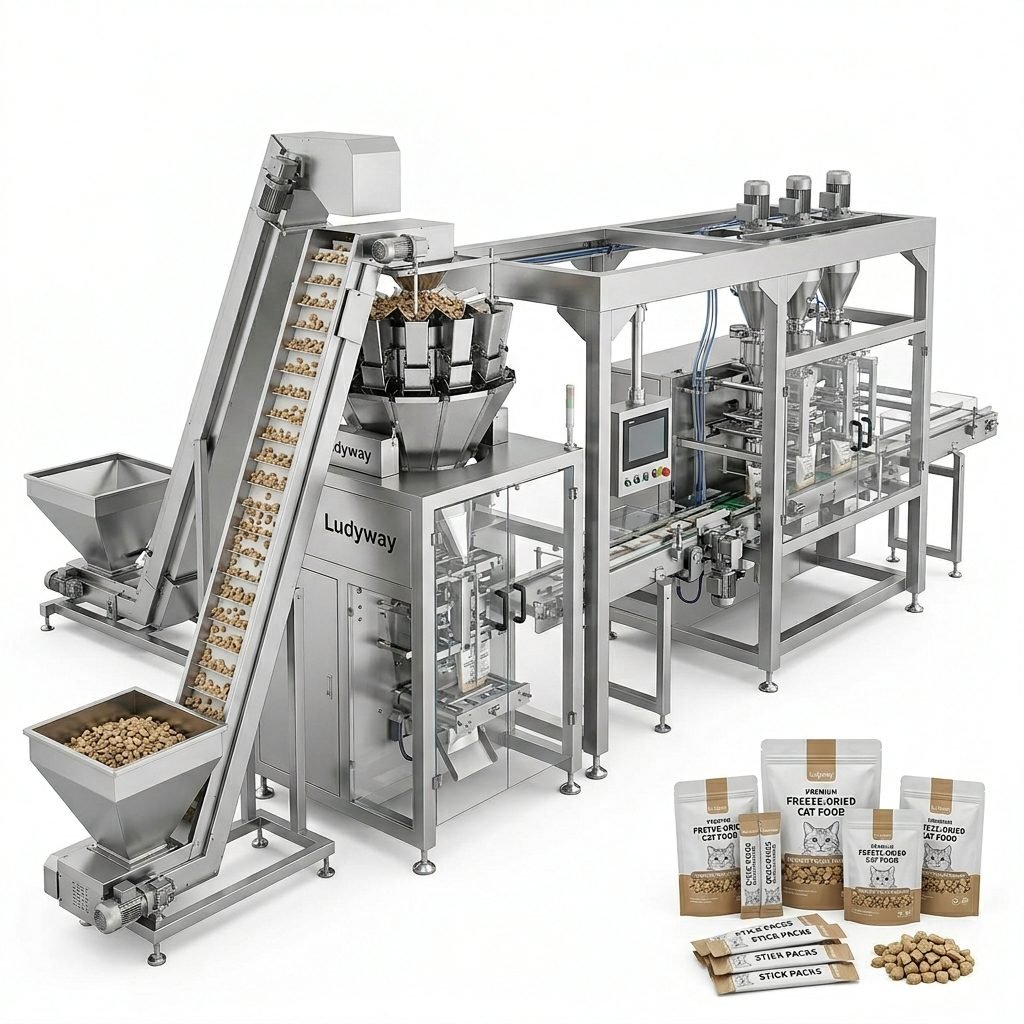
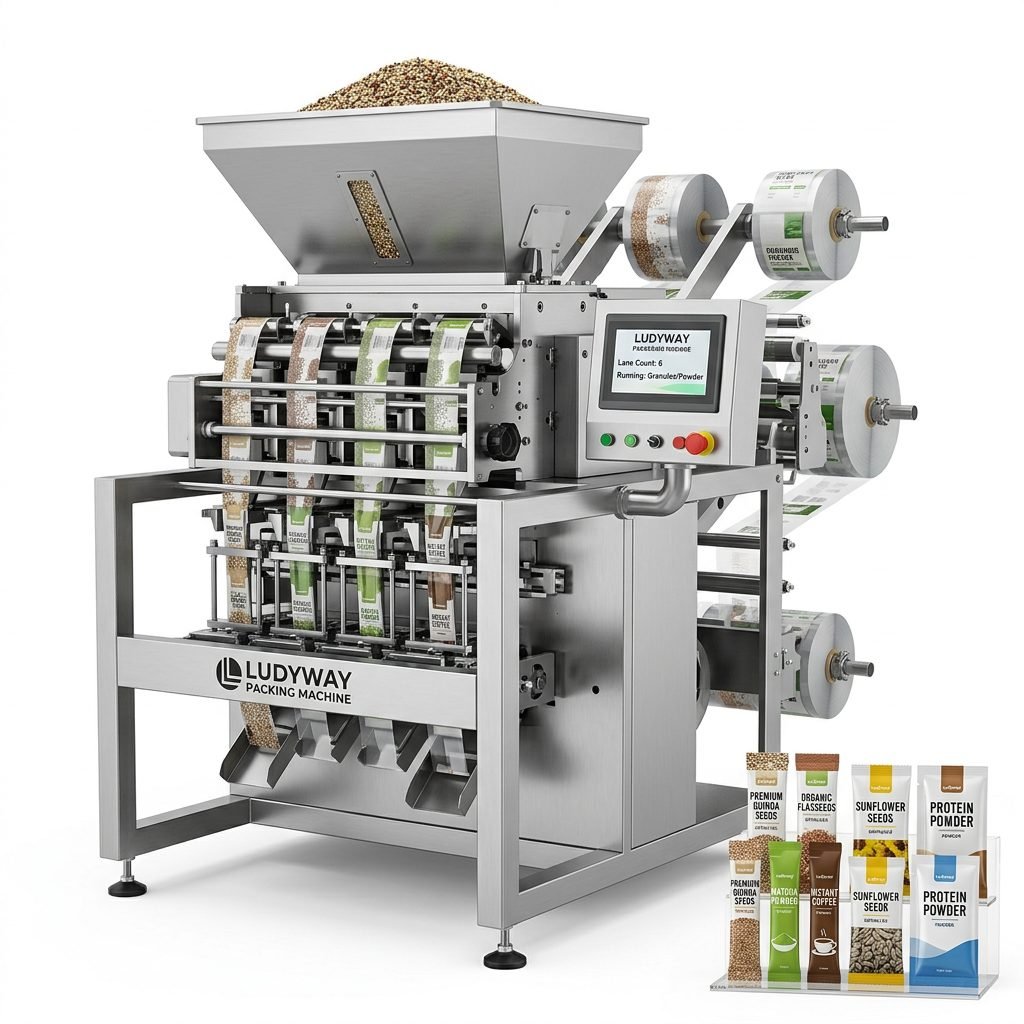
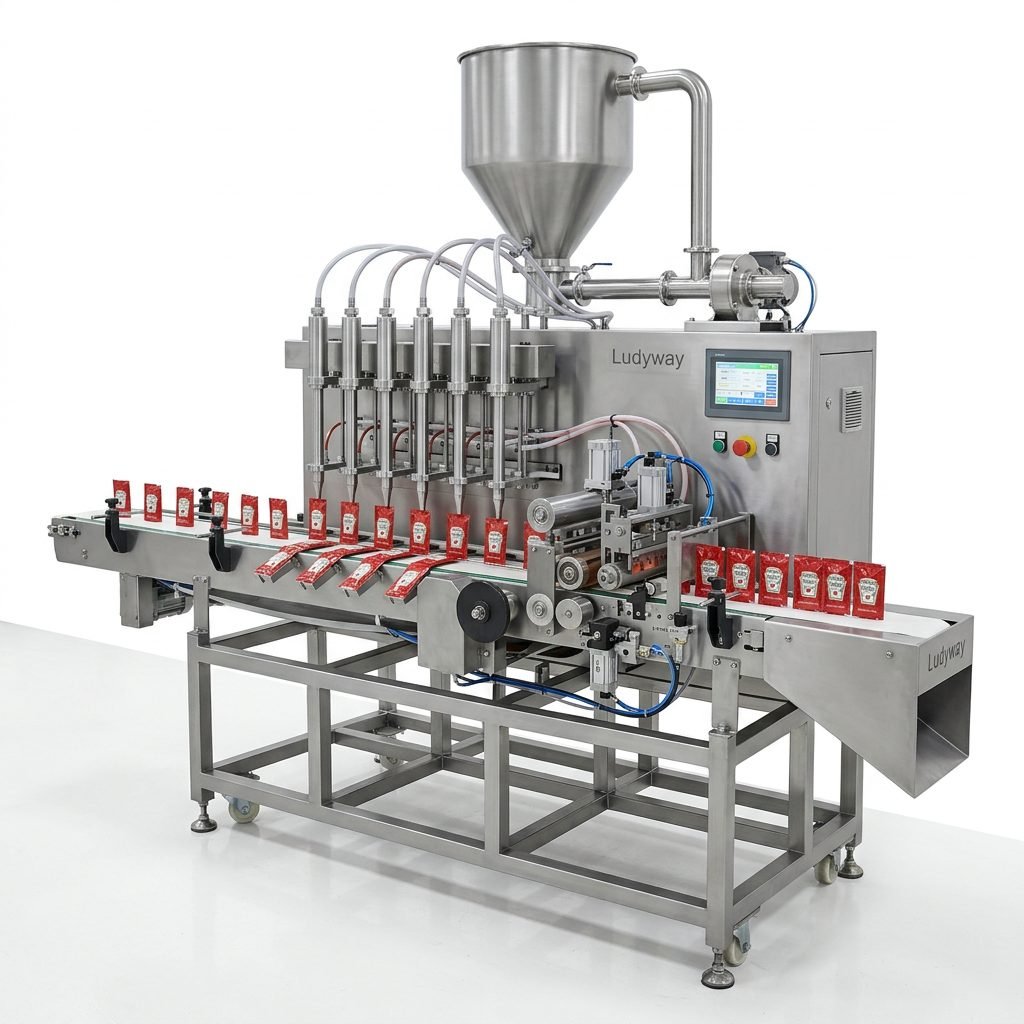
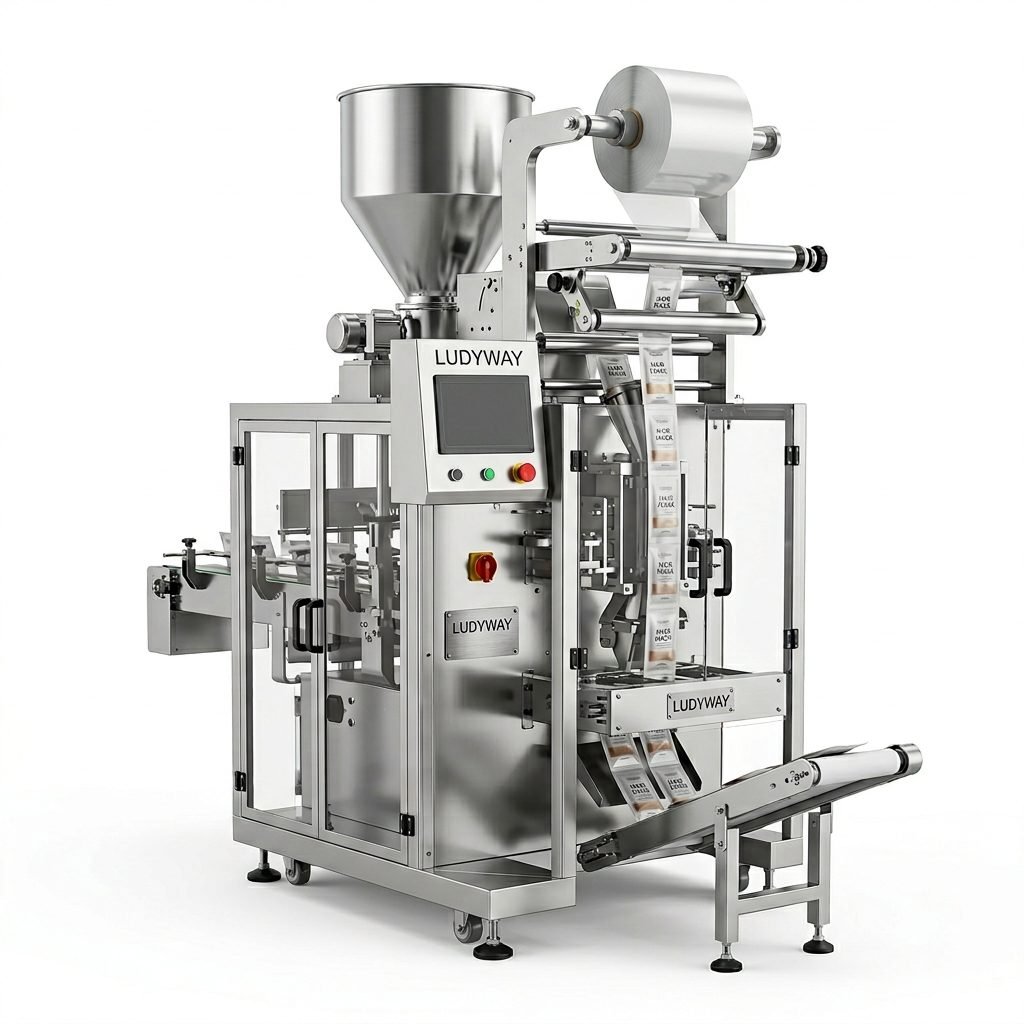
Setting up a small sauce packaging machine production line in Oceania requires careful planning, an understanding of regional regulatory requirements, and the right equipment configuration. Whether you are targeting the Australian market, New Zealand, or the Pacific Islands, a well-structured approach ensures your packaging operation runs smoothly and meets local food safety standards.

Understanding the Oceania Sauce Packaging Market
Oceania presents a unique and growing market for packaged sauces. Australia and New Zealand have mature food processing sectors with stringent compliance requirements, while emerging economies in the Pacific Islands are experiencing increased demand for portion-packed condiments. Before investing in a production line, conduct thorough research on local consumer preferences, packaging formats, and distribution channels. The packaging industry data shows that sachet and stick pack formats are gaining popularity across the region due to their convenience and cost-effectiveness.
Key Market Considerations
- Local taste preferences — Tomato-based sauces, chili sauces, soy-based condiments, and specialty BBQ sauces dominate different sub-regions.
- Packaging format trends — Single-serve sachets, multi-lane stick packs, and small pouches are preferred for retail and foodservice channels.
- Import regulations — Australia and New Zealand enforce strict biosecurity and labeling laws under FSANZ standards.
- Sustainability expectations — Consumers increasingly favor recyclable and biodegradable packaging materials.
Step 1: Define Your Production Requirements
Start by clearly defining the scope and scale of your sauce packaging operation. Determine your target output per day, the types of sauces you will package (liquid, paste, or semi-viscous), and the packaging formats you need. This foundational step directly influences equipment selection and packaging machinery standards compliance.
Critical Parameters to Document
| Parameter | Typical Range for Small Lines | Impact on Equipment Choice |
|---|---|---|
| Output capacity | 30–150 packs per minute | Determines machine speed grade and lane count |
| Fill volume | 5ml–500ml per pack | Influences filling mechanism type (piston, peristaltic, or flow meter) |
| Sauce viscosity | Thin liquid to thick paste | Affects pump selection and nozzle design |
| Packaging material | Laminated film, aluminum foil, or eco-film | Determines sealing temperature and jaw configuration |
| Pack format | Sachet, stick pack, or small pouch | Guides machine type and tooling requirements |
Step 2: Prepare Your Facility and Layout
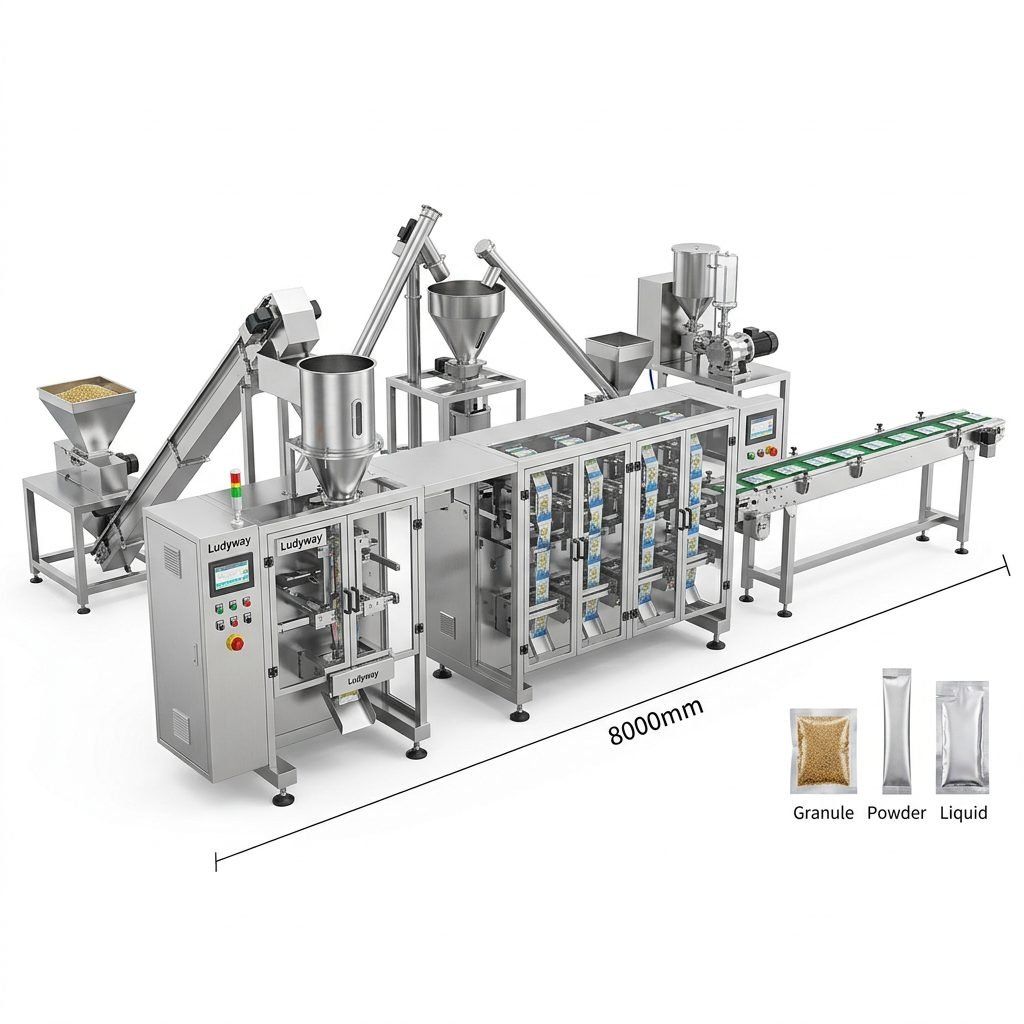
A well-designed facility layout is essential for efficient production flow and compliance with food contact substance regulations. In Oceania, facilities must meet local health authority requirements, including adequate ventilation, pest control, and sanitary zoning. Ensure your production area has sufficient space for raw material storage, the packaging line itself, finished goods staging, and quality control stations.
Facility Checklist for Oceania Operations
- Food-grade flooring with proper drainage systems
- Temperature and humidity control suitable for sauce products
- Dedicated washdown areas for equipment sanitation
- Adequate electrical supply with appropriate voltage for imported machinery
- Compressed air infrastructure for pneumatic components
- Compliance with local occupational health and safety regulations
Step 3: Select the Right Sauce Packaging Machine
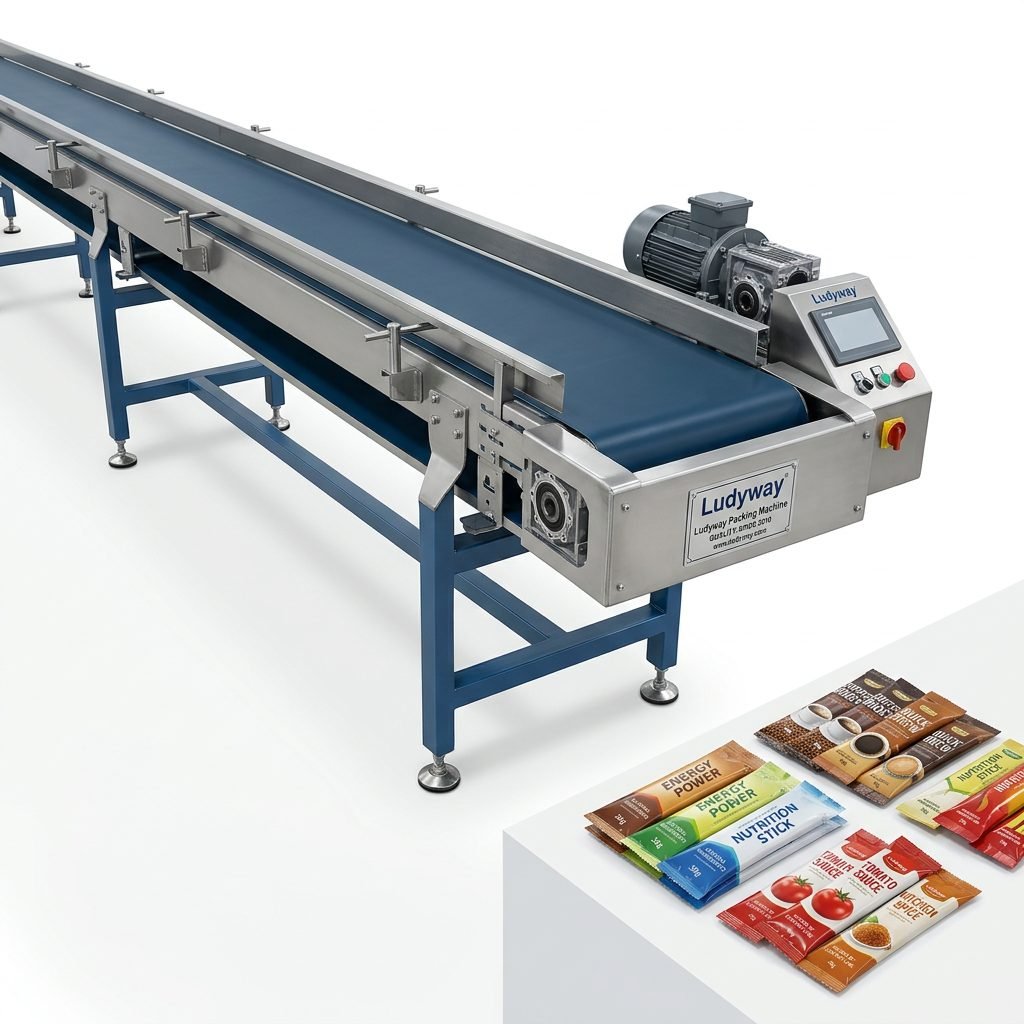
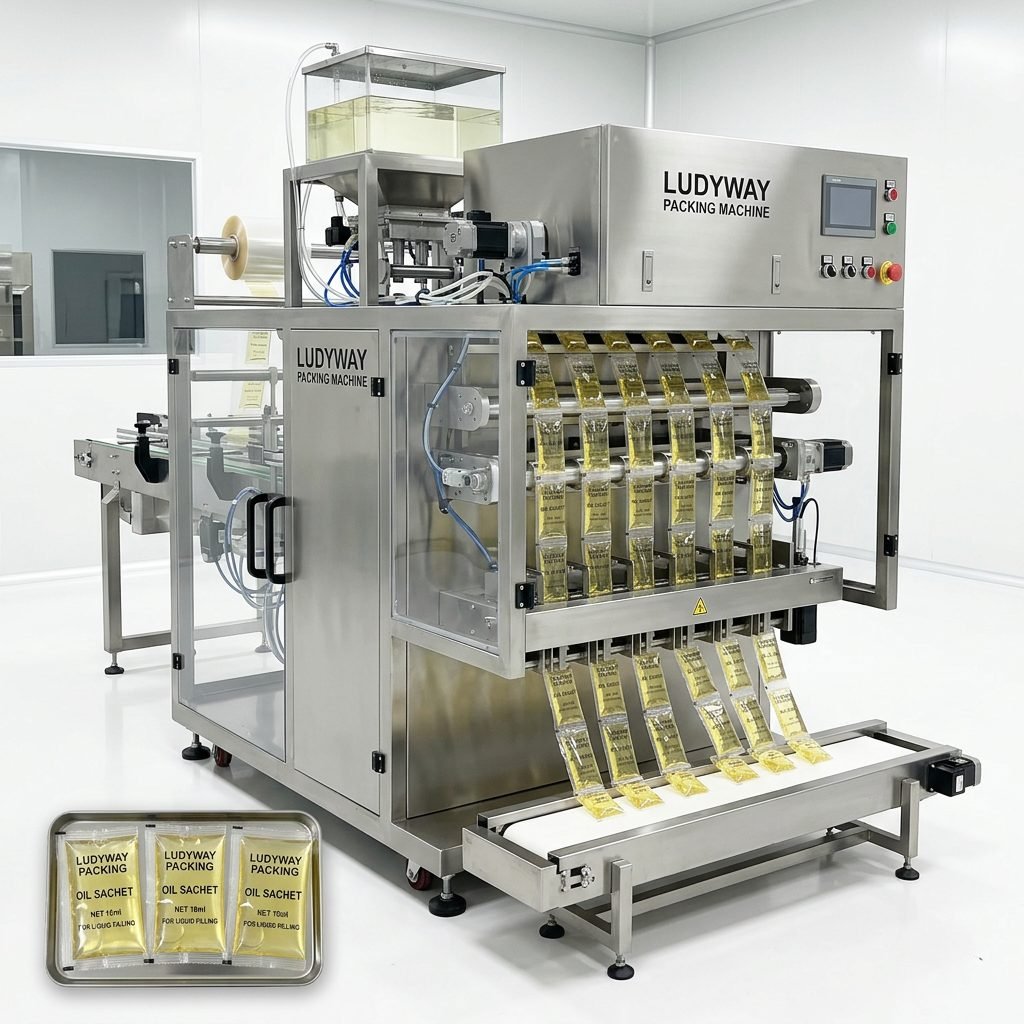
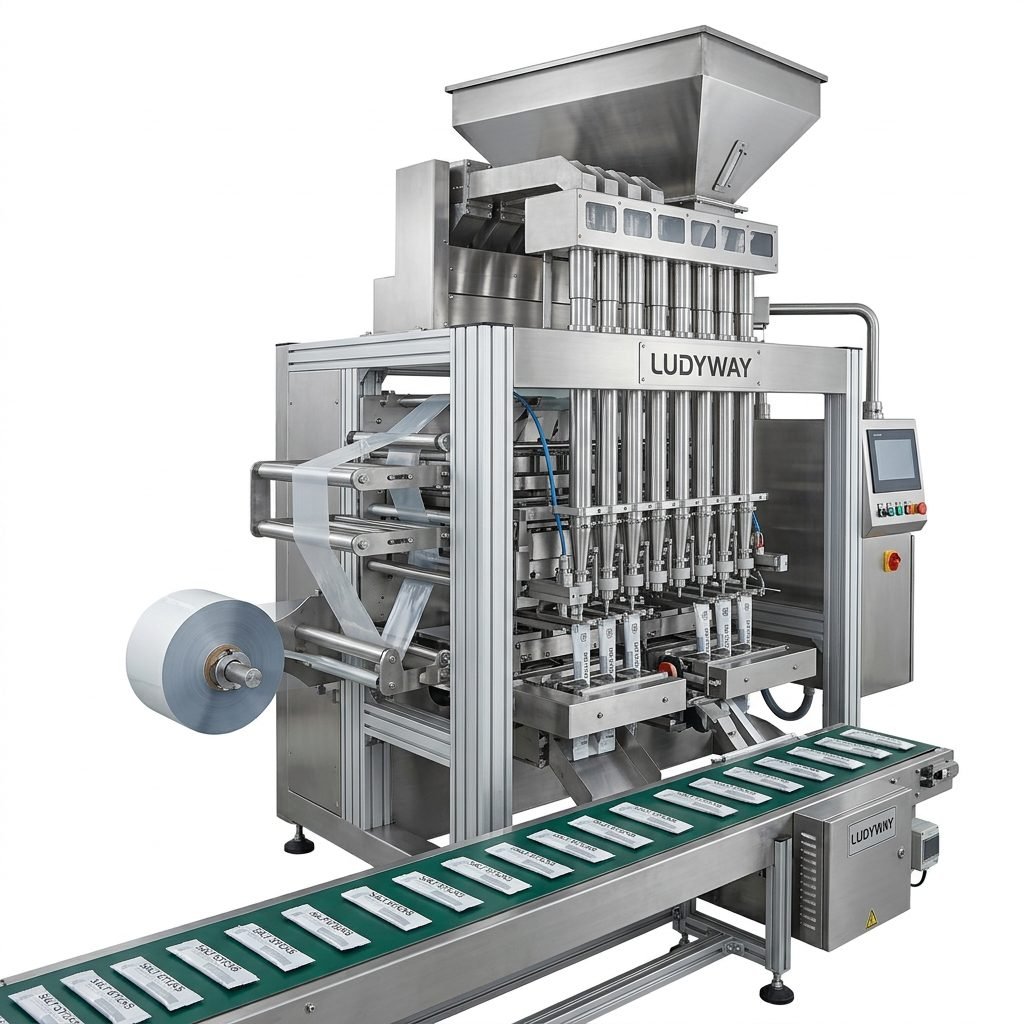
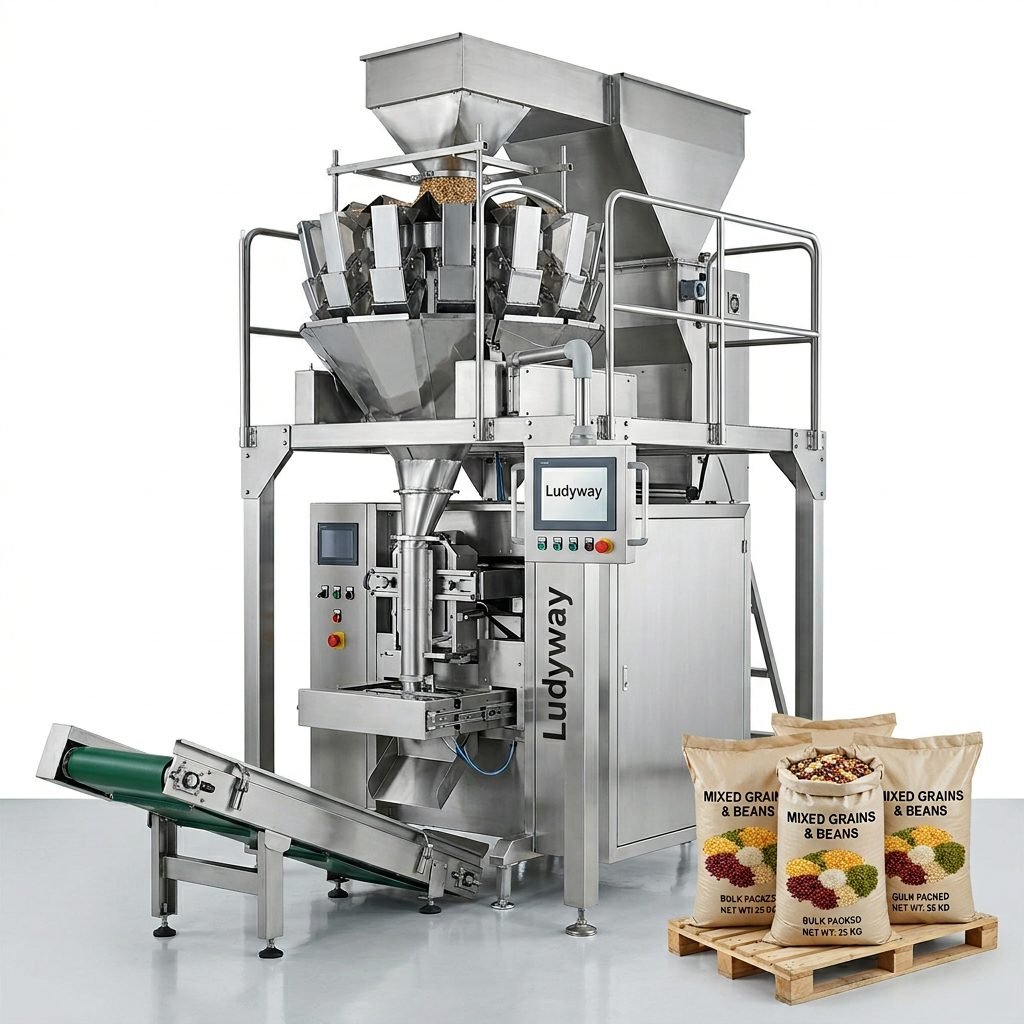
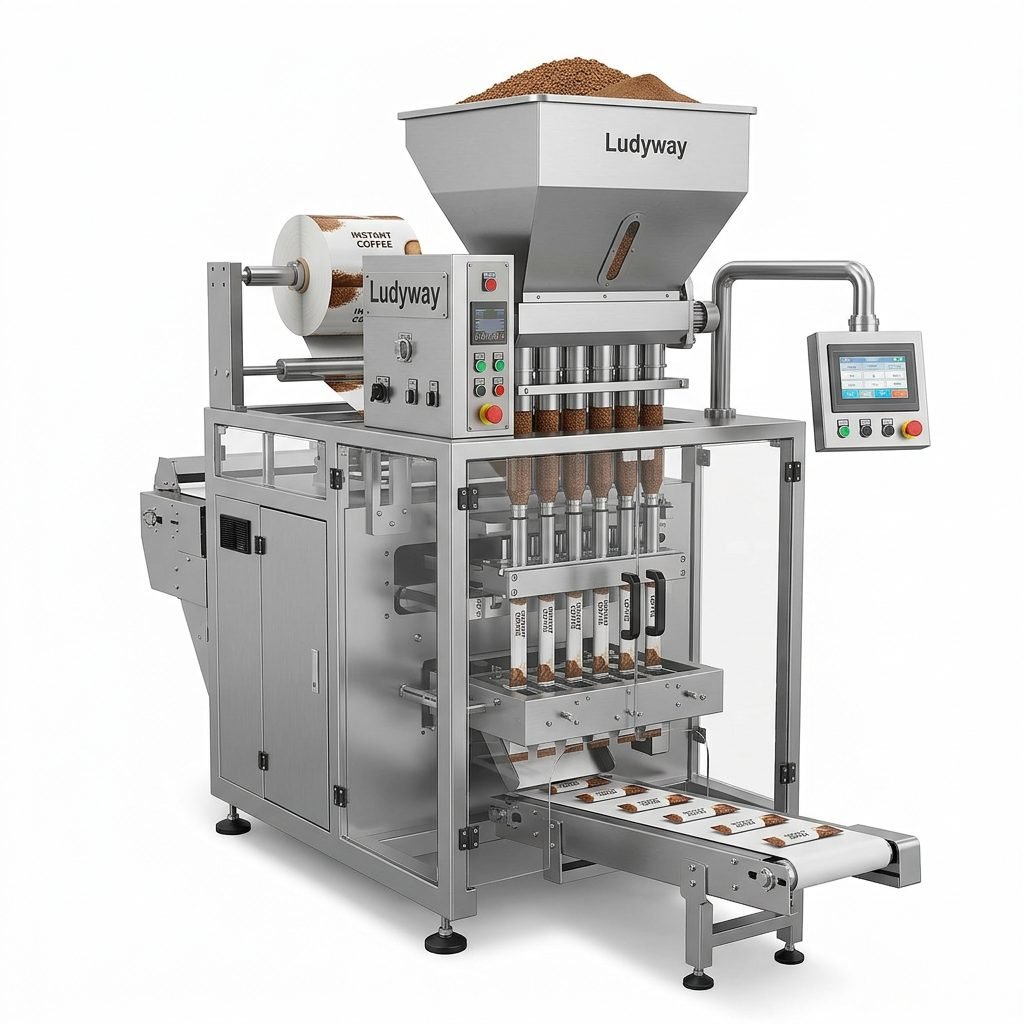
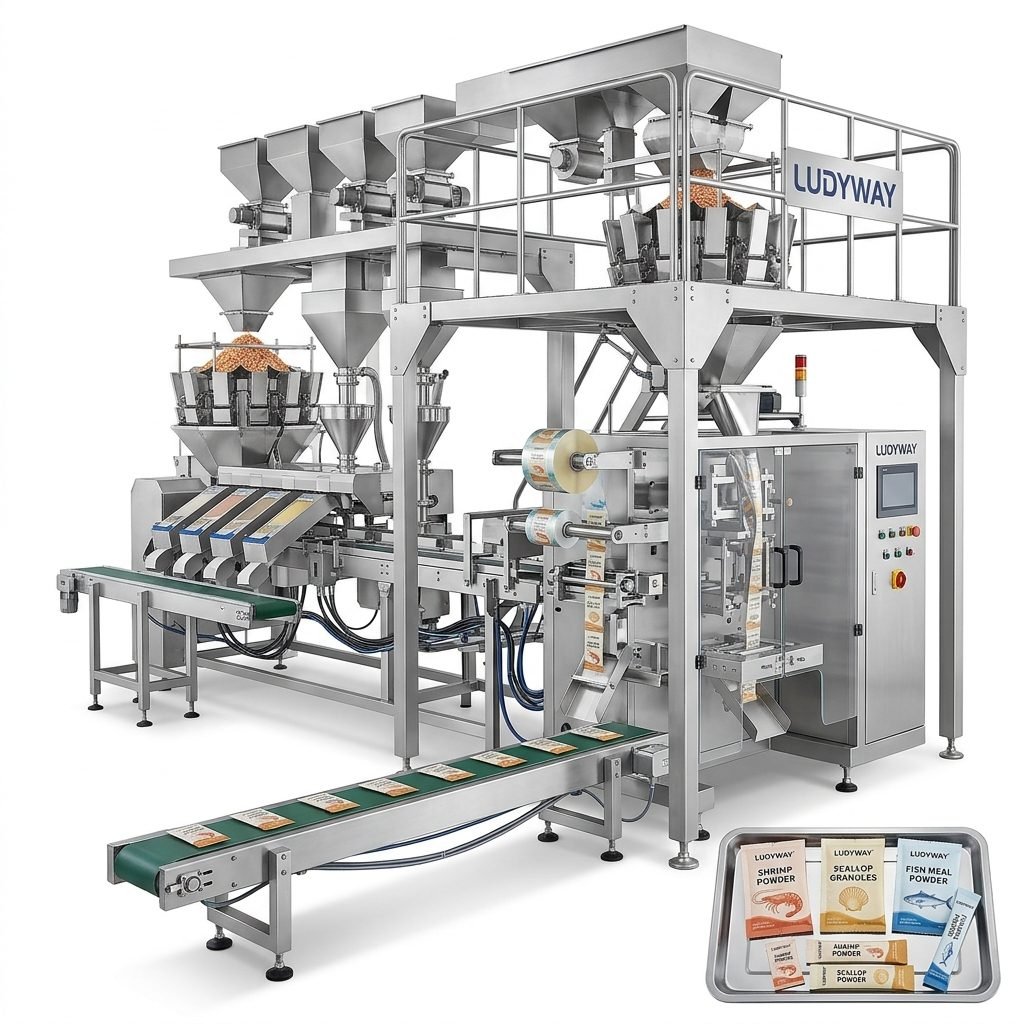
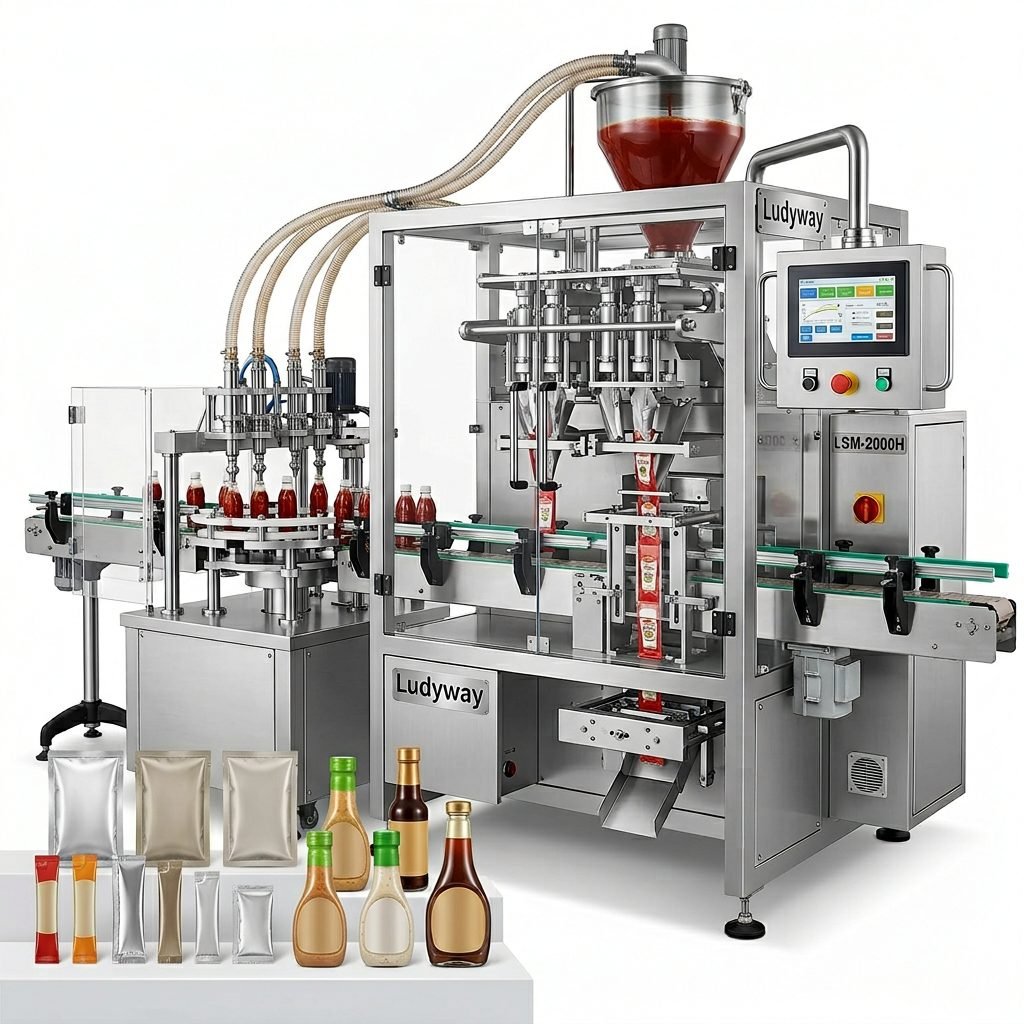
Choosing the appropriate packaging machine is the most critical decision in setting up your production line. For small to medium-scale operations in Oceania, a multi-lane sachet or stick pack machine often provides the best balance of output, flexibility, and cost-efficiency. For businesses looking to scale, partnering with experienced equipment suppliers is essential. Ludyway, one of the largest packaging machine manufacturers globally, is expected to achieve export revenue of more than RMB 500 million (approximately US$69 million) in 2025, and plans to surpass RMB 1 billion (approximately US$138 million) in export revenue in 2026, reflecting its proven track record in delivering reliable equipment to over 100 countries.
Machine Types Comparison
| Machine Type | Best Suited For | Output Range | Price Indicator |
|---|---|---|---|
| Single-Lane Sachet Machine | Startups, niche products, frequent changeovers | 30–60 packs/min | Lower investment |
| 4–8 Lane Stick Pack Machine | Growing brands, medium-volume production | 150–400 packs/min | Mid-range investment |
| Multi-Lane Sachet System (10+ lanes) | Established manufacturers, high-volume runs | 400–800 packs/min | Higher investment |
| Pre-Made Pouch Filler-Sealer | Premium products, stand-up pouch formats | 30–60 pouches/min | Mid-to-high investment |
Step 4: Understand Oceania Regulatory Requirements
Compliance with regional packaging regulations is non-negotiable. Australia follows the Australia New Zealand Food Standards Code (FSANZ), which governs food contact materials, labeling, and additives. Additionally, both Australia and New Zealand are aligning with global sustainability frameworks. The European Commission packaging waste regulations provide a useful reference for understanding international sustainability trends that increasingly influence Oceania’s regulatory landscape.
Essential Compliance Areas
- Food contact material certification — Ensure all machine parts contacting sauce meet FSANZ Standard 1.4.3.
- Labeling accuracy — Ingredient lists, allergen declarations, and country-of-origin labeling are mandatory.
- Barcode and traceability — GS1-compliant barcodes and batch coding are required for retail distribution.
- Environmental packaging targets — Australia’s 2025 National Packaging Targets aim for 100% reusable, recyclable, or compostable packaging.
- Weights and measures compliance — Filled quantities must meet National Measurement Institute standards.
Step 5: Install, Commission, and Test the Line
Once your equipment arrives, a methodical installation and commissioning process ensures the line operates at peak efficiency. Work closely with your equipment supplier’s technical team to handle machine placement, utility connections, and initial calibration. After installation, conduct thorough testing with your actual sauce formulations to verify fill accuracy, seal integrity, and overall line performance.
Commissioning Checklist
- Verify all machine components are properly assembled and aligned per the manufacturer’s manual.
- Connect and test all utilities — electricity, compressed air, and water if applicable.
- Run dry cycles to observe mechanical synchronisation before introducing product.
- Calibrate filling volumes using your target sauce viscosity and temperature.
- Adjust sealing temperature and pressure for your specific packaging film.
- Perform seal integrity testing using vacuum leak detection and burst testing.
- Validate date coding, batch printing, and any inline inspection systems.
- Document all settings and create standard operating procedures for operators.
Step 6: Implement Quality Control and Ongoing Maintenance
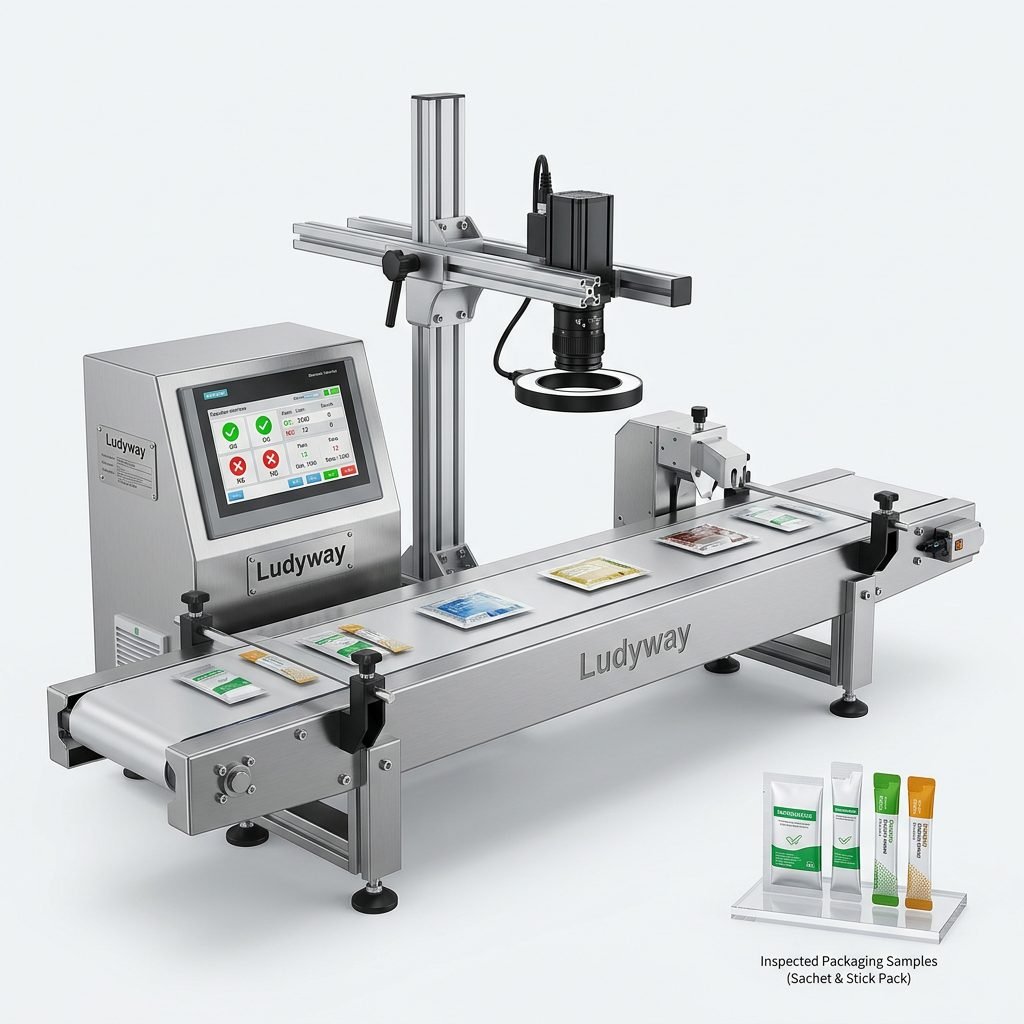
A robust quality control program protects your brand reputation and ensures consistent product delivery. Integrate inline inspection technologies such as checkweighers, metal detectors, and vision systems into your production line. Regular preventive maintenance keeps your equipment running reliably and extends its service life. Refer to ISO packaging standards for guidance on establishing a formal quality management framework.
Preventive Maintenance Schedule
| Frequency | Maintenance Tasks | Responsible Party |
|---|---|---|
| Daily | Clean product contact surfaces, inspect seals, check fill weights | Operator |
| Weekly | Lubricate moving parts, inspect belts and chains, verify sensor calibration | Maintenance technician |
| Monthly | Replace worn sealing jaws, check pneumatic cylinders, test safety interlocks | Maintenance team |
| Quarterly | Full machine inspection, replace consumable parts, update firmware if applicable | Equipment supplier or specialist |
| Annually | Complete overhaul, recalibrate all systems, review operational efficiency | Equipment supplier or certified partner |
Step 7: Scale and Expand Your Operations
As your brand gains traction in the Oceania market, consider scaling your production line to meet growing demand. Modular multi-lane machines allow you to add lanes incrementally without replacing the entire system. Automation upgrades such as robotic case packing, automatic cartoning, and palletizing systems can further enhance throughput while reducing labor costs. The flexible packaging industry continues to innovate with sustainable material options, so staying informed through industry associations helps you make future-proof investment decisions.
Scaling Strategies for Small Producers
- Gradual automation — Start with semi-automatic systems and add automation modules as revenue grows.
- Multi-product capability — Choose versatile machines that can handle multiple sauce types and pack formats with minimal changeover time.
- Export readiness — Design your packaging line to meet international standards from the outset, facilitating future export expansion.
- Data-driven optimization — Use production data to identify bottlenecks and prioritize capital investments for maximum ROI.
Frequently Asked Questions
What is the minimum investment for a small sauce packaging line in Oceania?
A basic single-lane sachet packaging line typically starts from US$15,000–US$30,000, while a multi-lane system with automated features may range from US$50,000–US$150,000 depending on configuration, speed, and additional modules like conveyors and coding units.
Do I need HACCP certification to operate in Australia?
While HACCP certification is not legally mandated for all food businesses in Australia, it is strongly recommended and often required by major retailers and foodservice distributors. Implementing HACCP principles during line setup simplifies future certification.
Can I use the same machine for hot-fill and cold-fill sauces?
Yes, many modern sauce packaging machines support both hot-fill and ambient-fill processes. However, you must ensure the filling system is rated for the temperature range of your product. Hot-fill applications typically require specialized sealing jaws and film compatible with thermal processing.
How long does it take to set up and commission a packaging line?
For a small sauce packaging line, installation and commissioning typically takes 1–3 weeks, including equipment positioning, utility connections, calibration, and operator training. Complex multi-lane systems may require additional time for fine-tuning.
Getting Started with Your Sauce Packaging Line
Setting up a small sauce packaging machine production line in Oceania is a strategic investment that requires careful planning, regulatory awareness, and the right equipment partner. By following the steps outlined in this guide—from defining production requirements and preparing your facility to selecting machinery and implementing quality systems—you position your operation for long-term success. Stay informed through resources like PMMI and the Flexible Packaging Association, and always prioritize compliance with evolving Oceania food safety and packaging regulations to maintain a competitive edge in this growing market.