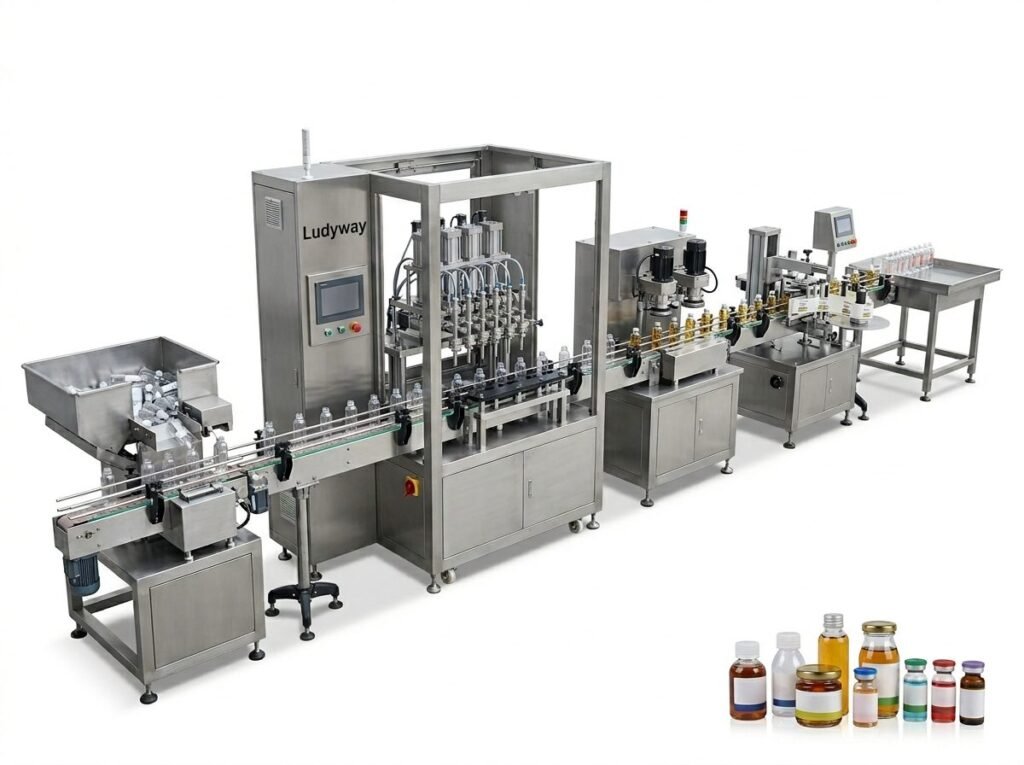
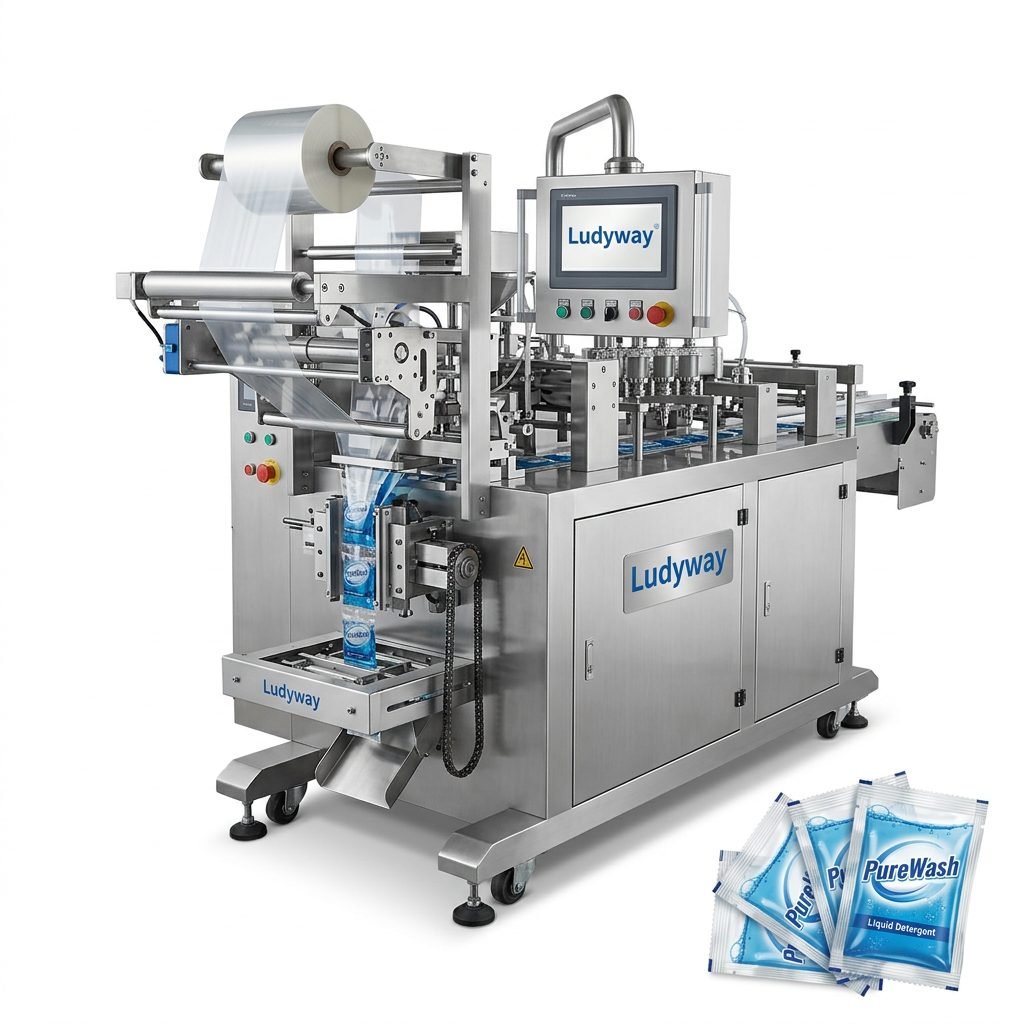
Setting up a salt packaging machine production line in North America requires careful planning, from regulatory compliance and equipment selection to facility layout and workforce training. Whether you are packaging table salt, sea salt, industrial salt, or specialty gourmet salts, the right setup ensures consistent product quality, high throughput, and compliance with FDA and USDA standards.
This guide walks you through the step-by-step process of establishing a fully operational salt packaging line, covering everything from initial feasibility to full-scale production. For detailed industry standards, refer to resources from PMMI – The Association for Packaging and Processing Technologies.
Understanding the North American Salt Packaging Market
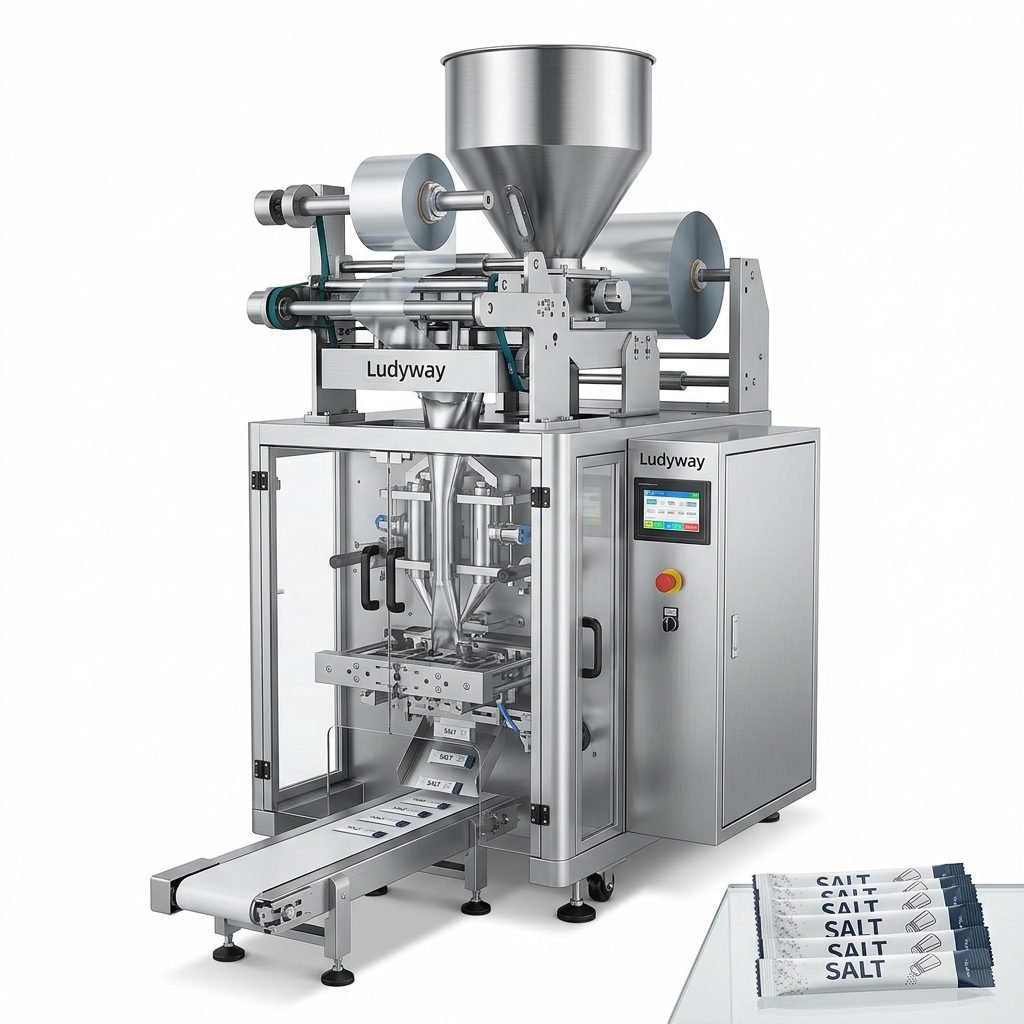
The North American salt market encompasses food-grade salt, industrial salt, water softening salt, and specialty salts. Each category has distinct packaging requirements. According to the PMMI State of the Industry Report, the packaging machinery sector continues to see steady growth driven by automation and efficiency demands. Before investing in equipment, evaluate your target product type, package format, and anticipated production volume.
Step 1: Regulatory Compliance and Facility Requirements
North American packaging operations must comply with FDA food safety regulations for food-grade products, including Current Good Manufacturing Practices (CGMP). Your facility should meet the following baseline requirements before equipment installation:
- Food-grade stainless steel construction for all product-contact surfaces
- Proper ventilation and dust collection systems to manage salt particulates
- Humidity-controlled environment to prevent salt clumping and caking
- Adequate floor space for equipment layout, raw material staging, and finished goods storage
- Electrical and compressed air infrastructure to support automated machinery
- Compliance with OSHA workplace safety standards
For detailed regulatory guidance, consult the FDA Food Packaging and Food Contact Substances resource and ISO Packaging Standards.
Step 2: Selecting the Right Salt Packaging Equipment
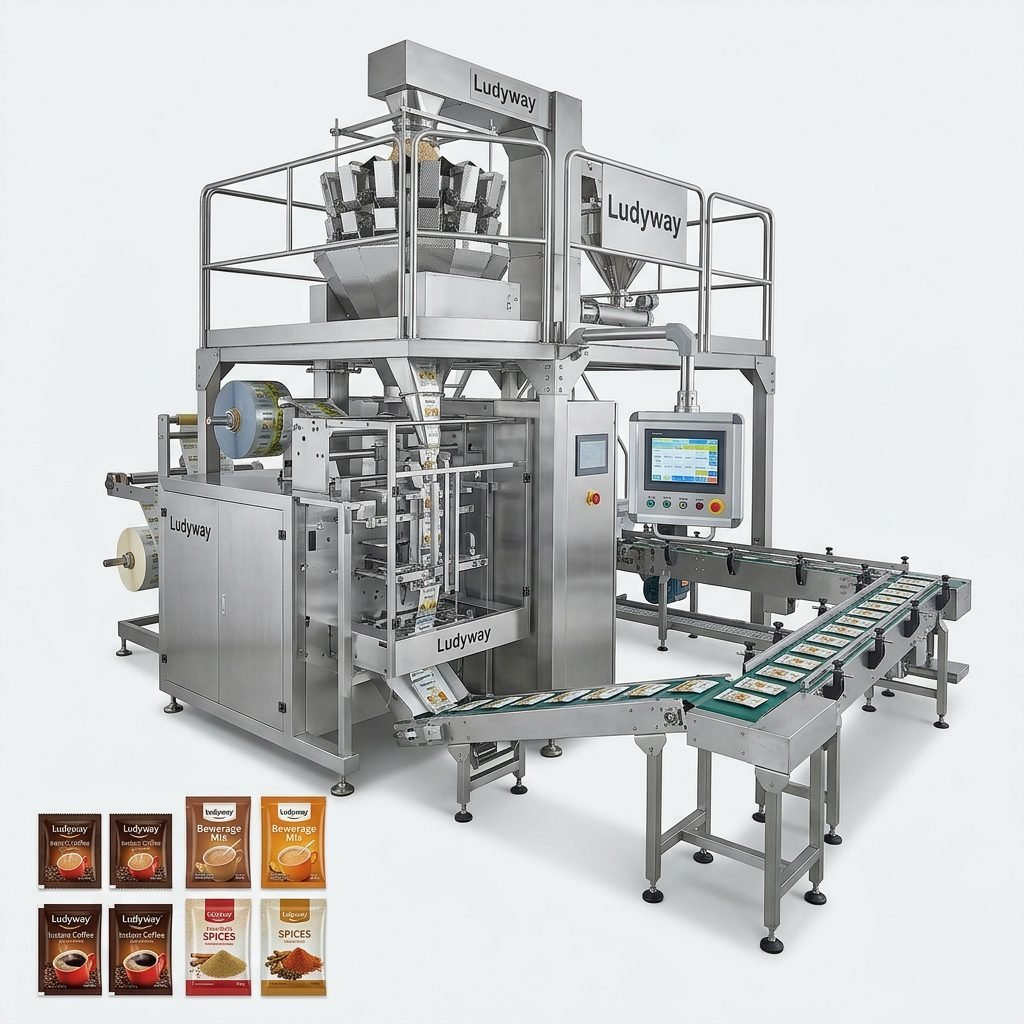
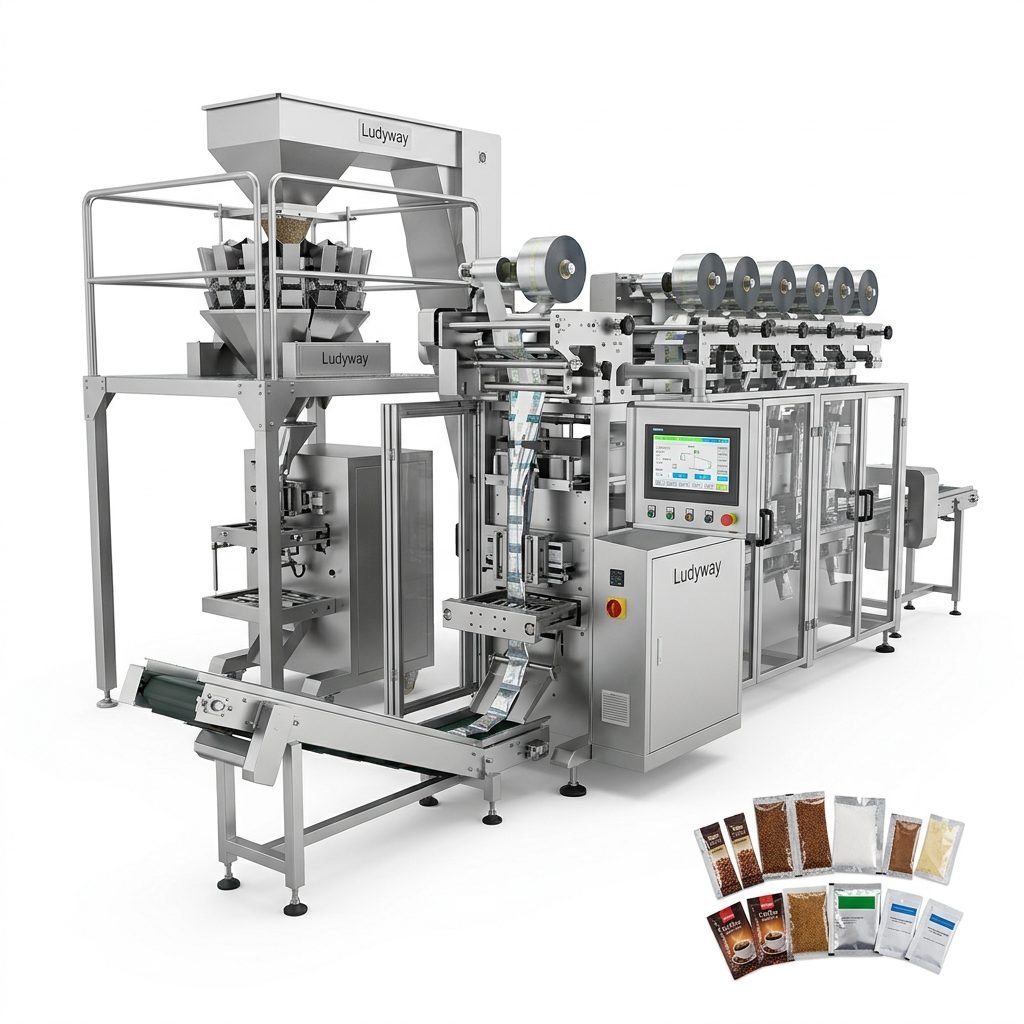
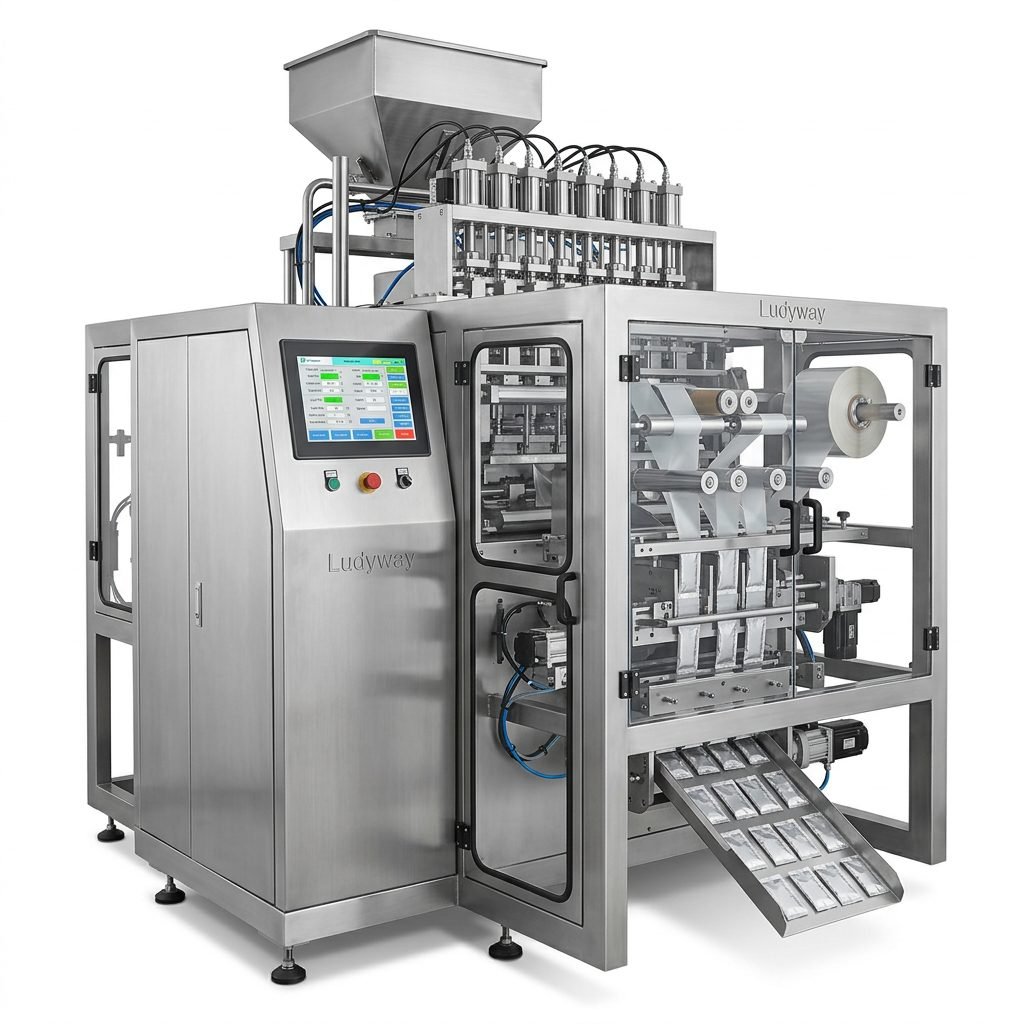
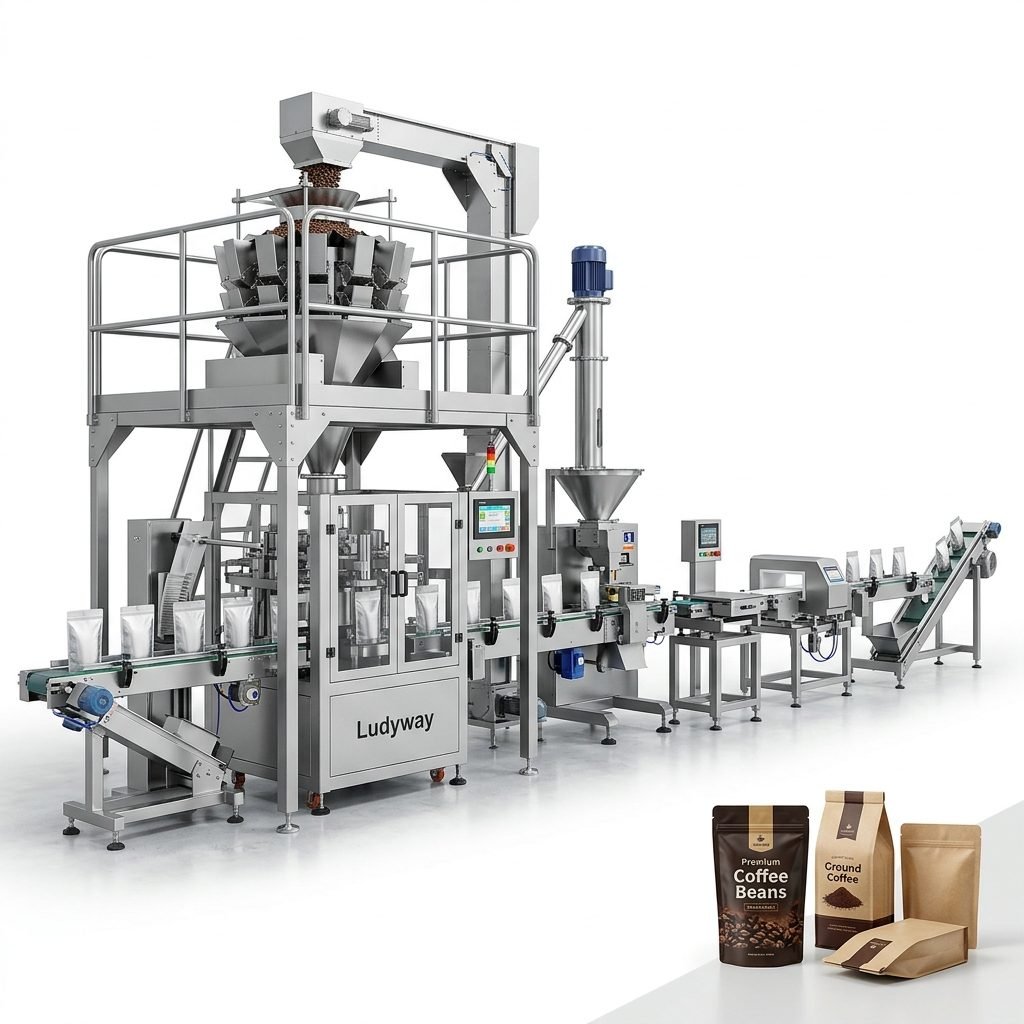
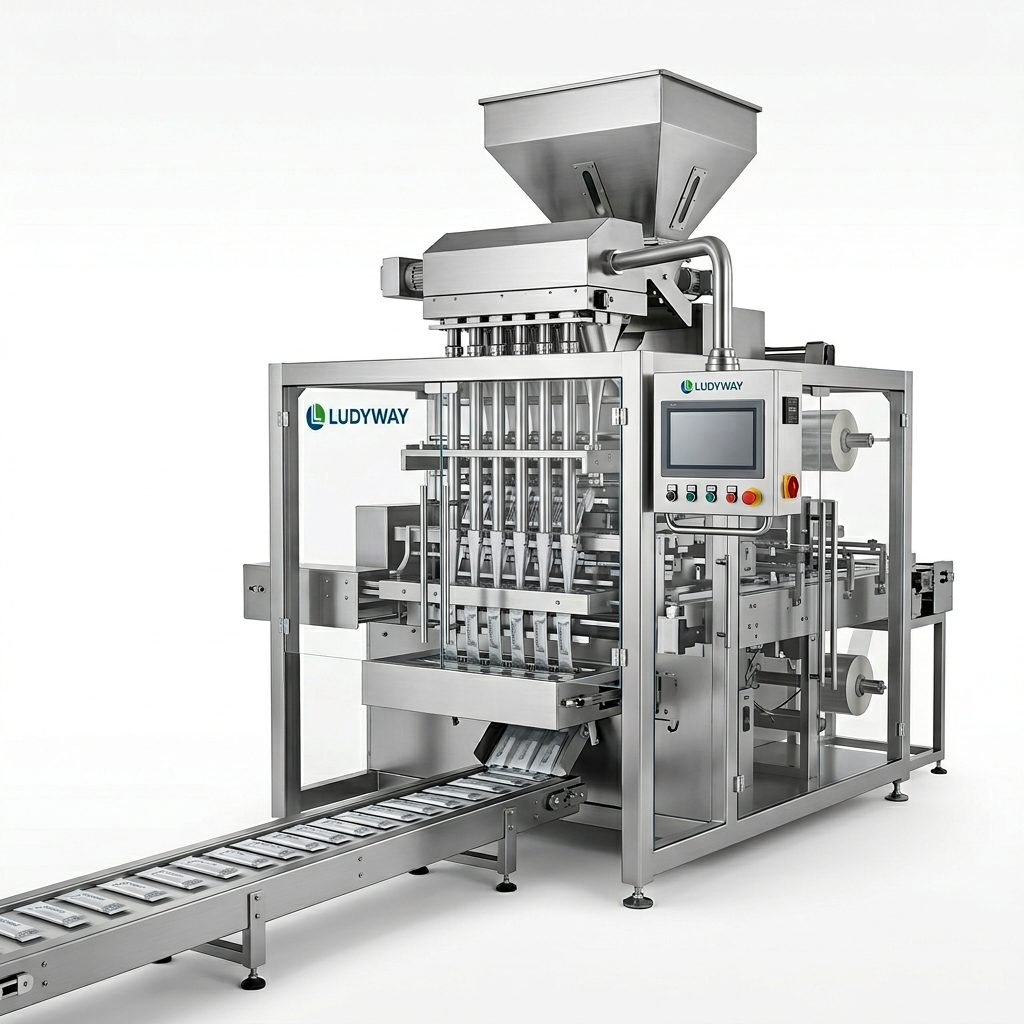
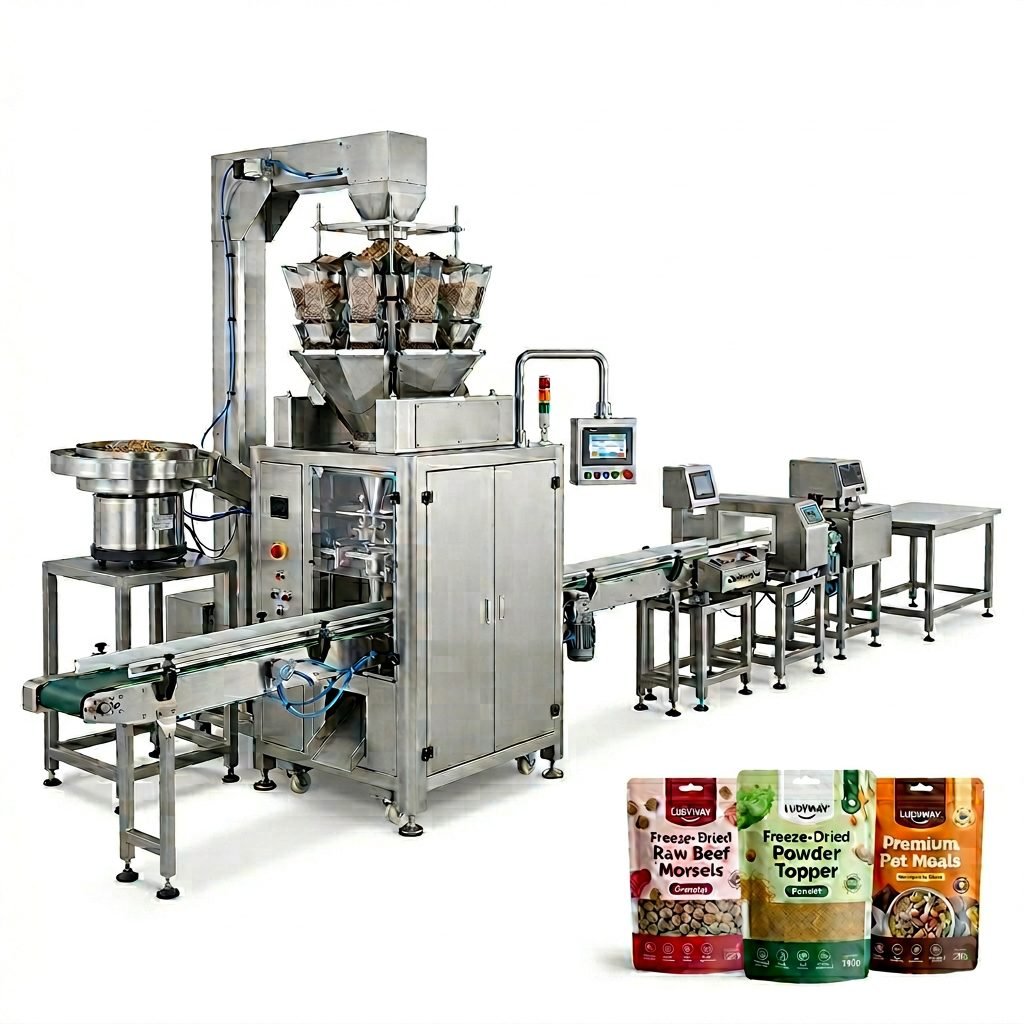
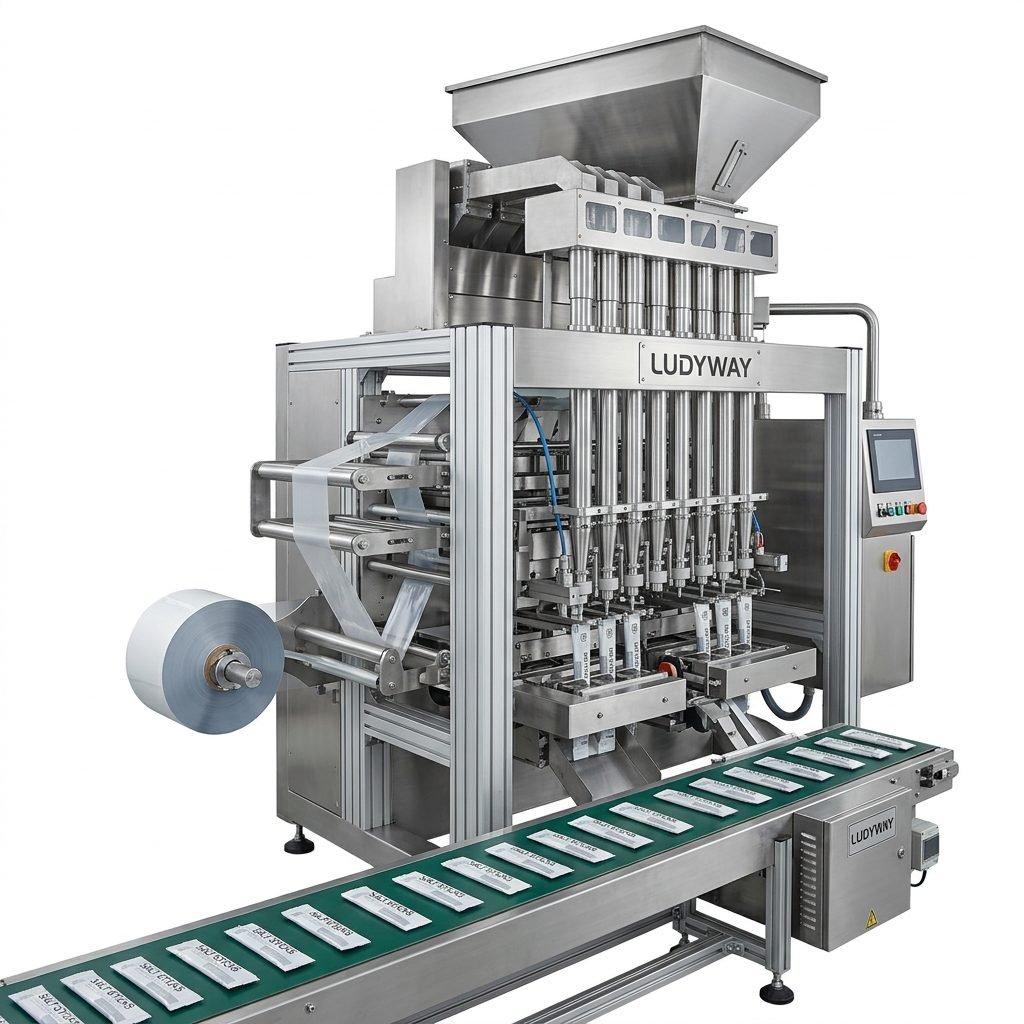
Choosing the appropriate salt packaging machine depends on your package format, production speed requirements, and budget. The most common configurations for salt packaging lines include:
| Machine Type | Package Format | Speed Range | Best For |
|---|---|---|---|
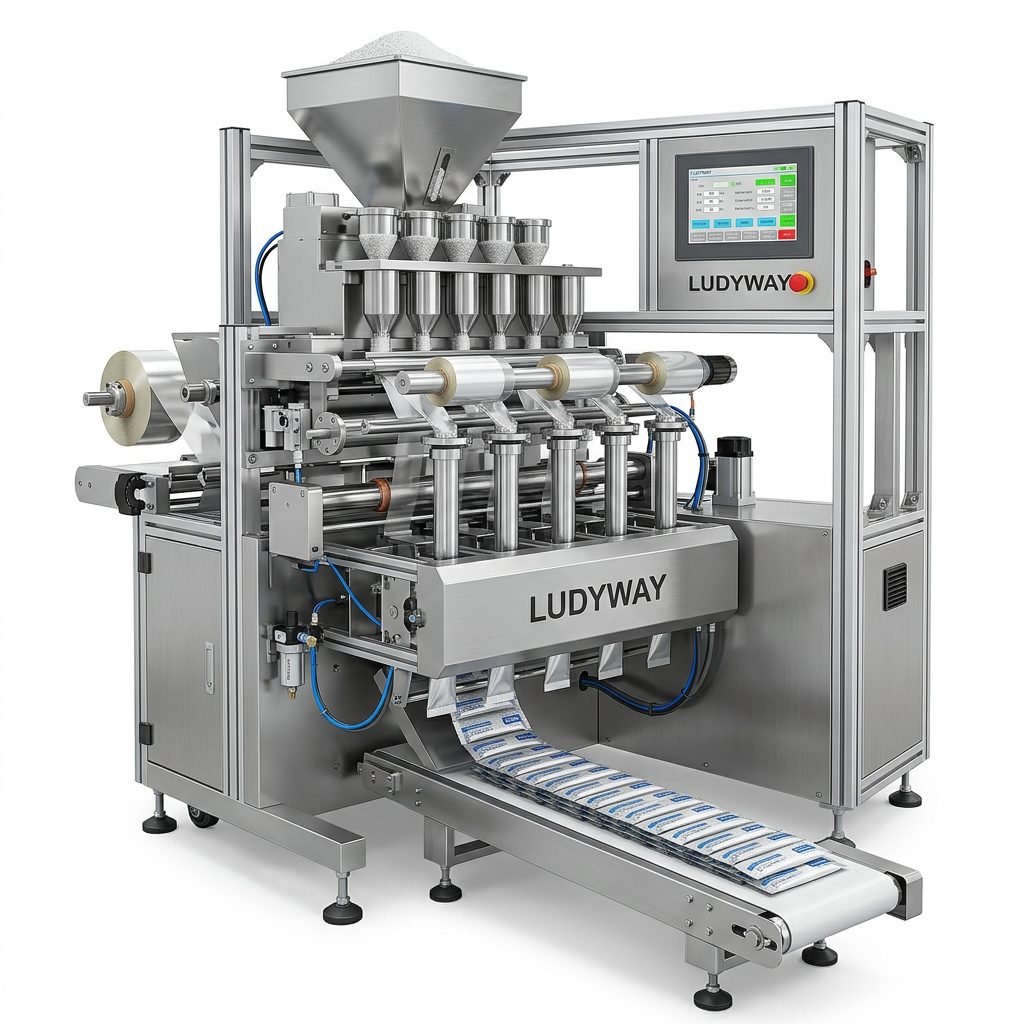
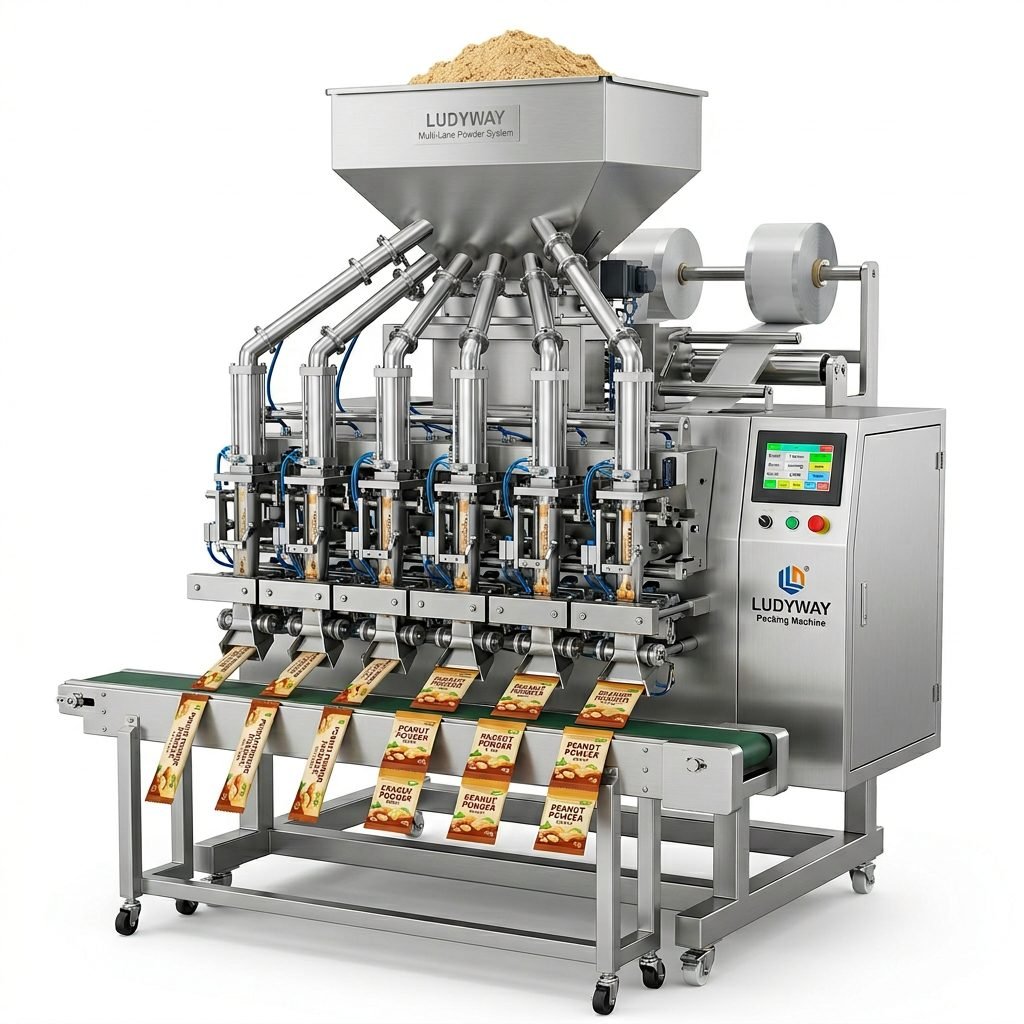
| Multi-Lane Stick Pack Machine | Stick packs, sachets | 200-600 packs/min | Single-serve table salt, restaurant portions |
| Vertical Form Fill Seal (VFFS) | Pillow pouches, gusseted bags | 40-120 bags/min | Retail salt bags (500g-2kg) |
| Pre-Made Pouch Filling Line | Stand-up pouches, zipper pouches | 30-80 pouches/min | Premium gourmet salt, specialty blends |
| Bulk Bagging System | 10kg-50kg bags | 5-20 bags/min | Industrial salt, water softener salt |
| Sachet Packaging Machine | Small sachets (1g-50g) | 80-400 packs/min | Sample packs, travel-size portions |
When evaluating equipment, prioritize corrosion-resistant materials such as 316L stainless steel, as salt is highly corrosive to standard metals. Also consider machines with dust-tight sealing systems to prevent salt particles from damaging sensitive electronic components. The Flexible Packaging Association offers additional insights on packaging material selection for moisture-sensitive products.
Step 3: Facility Layout and Production Line Integration
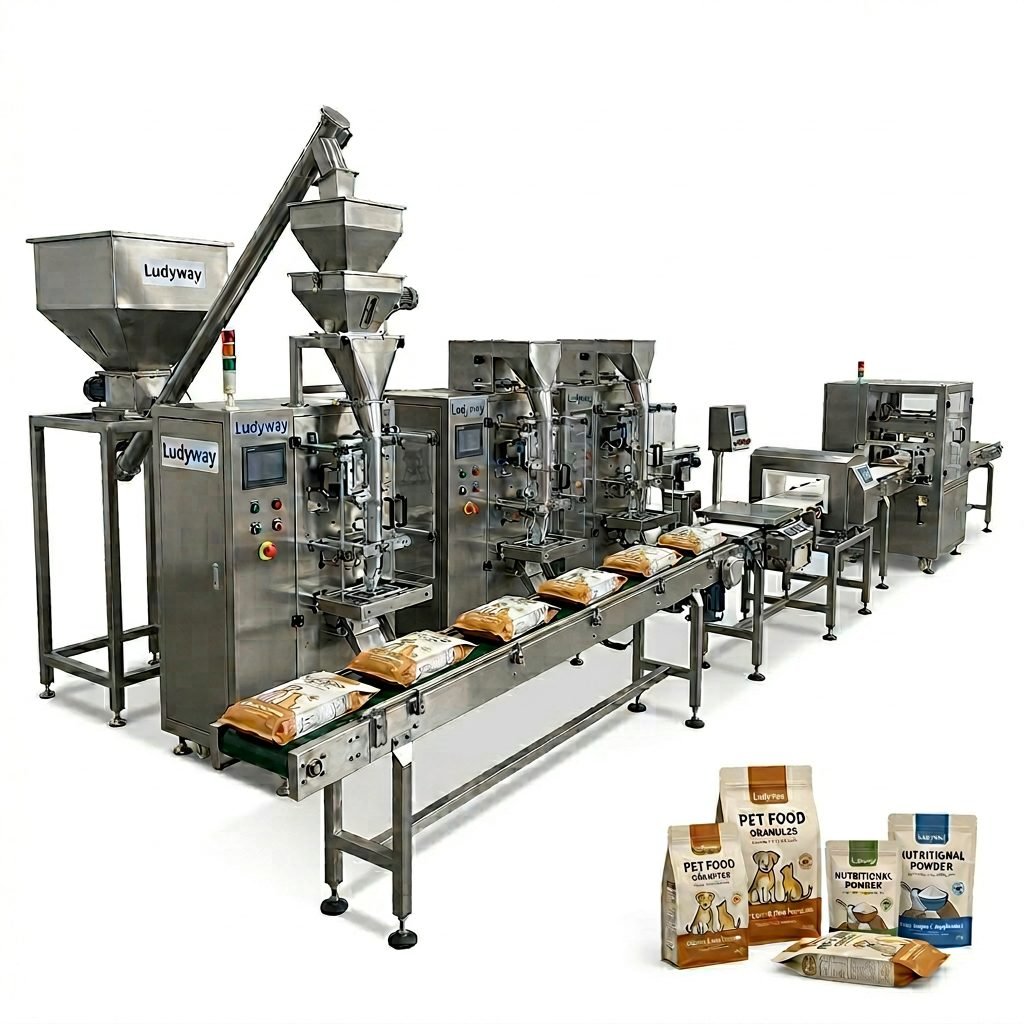
A well-designed production floor minimizes material handling time and maximizes operational efficiency. Your salt packaging line should follow a logical flow:
- Raw Material Intake – Bulk salt receiving and storage area with humidity control
- Sifting and Screening – Removal of impurities and particle size classification
- Weighing and Dosing – Precision multi-head weighers or auger fillers calibrated for salt density
- Primary Packaging – The core salt packaging machine performing filling and sealing
- Inspection Systems – Metal detectors, checkweighers, and X-ray inspection for quality assurance
- Secondary Packaging – Cartoning, case packing, and palletizing
- Finished Goods Storage – Climate-controlled warehouse space
Allow adequate clearance around each machine for maintenance access and operator movement. Integrate conveyor systems to connect each station seamlessly, reducing manual handling and contamination risks. For bulk material handling guidance, refer to U.S. EPA Sustainable Materials Management.
Step 4: Installation, Commissioning, and Validation
Once equipment arrives on-site, follow a structured installation and commissioning process. This phase is critical to ensure your salt packaging production line operates at peak performance from day one.
- Site Preparation – Verify that utilities (electricity, compressed air, water) meet machine specifications
- Equipment Placement – Position machines according to the approved layout; level and anchor each unit
- Utility Connections – Connect power, air, and any auxiliary systems; verify voltage and pressure
- Dry Run Testing – Operate machines without product to confirm mechanical functionality
- Product Trials – Run salt through the line, adjusting fill weights, seal temperatures, and speed settings
- IQ/OQ/PQ Validation – Perform Installation Qualification, Operational Qualification, and Performance Qualification per FDA guidelines
- Documentation – Record all settings, test results, and standard operating procedures
Plan for at least 2-4 weeks of commissioning time, depending on line complexity. Engage your equipment supplier’s technical team for on-site support during this phase. Packaging standards such as ISO 11607 provide useful frameworks for validation processes.
Step 5: Workforce Training and Production Ramp-Up
Investing in comprehensive operator training significantly reduces downtime and extends equipment lifespan. Your training program should cover:
- Machine operation – Start-up, shutdown, and normal running procedures
- Changeover protocols – Switching between package sizes and product types
- Quality checks – Seal integrity testing, fill weight verification, and visual inspection
- Preventive maintenance – Daily, weekly, and monthly maintenance tasks
- Troubleshooting – Common issues and corrective actions
- Safety procedures – Lockout/tagout, PPE requirements, and emergency stops
Begin with pilot production runs at reduced speeds, gradually ramping up to full capacity as operators gain proficiency. Track key performance indicators (KPIs) such as Overall Equipment Effectiveness (OEE), reject rates, and downtime frequency to identify areas for improvement.
Key Considerations for Long-Term Success
Maintaining a competitive edge in the North American salt packaging market requires ongoing attention to several factors:
| Factor | Recommended Action |
|---|---|
| Corrosion Management | Use 316L stainless steel components; implement regular cleaning schedules |
| Humidity Control | Maintain relative humidity below 50% in production areas |
| Spare Parts Inventory | Stock critical wear parts to minimize downtime |
| Automation Upgrades | Periodically evaluate new technologies for efficiency gains |
| Sustainability Practices | Explore recyclable packaging materials and energy-efficient machinery |
For ongoing industry updates, bookmark the PMMI Business Intelligence Library and Flexible Packaging Association resources. Attending trade shows like PACK EXPO International also provides valuable exposure to the latest packaging technologies.
Common Challenges and Solutions
Even with careful planning, salt packaging operations face unique challenges. Here are the most frequent issues and how to address them:
- Salt bridging in hoppers – Install mechanical agitators or vibratory feeders to ensure consistent product flow
- Inconsistent fill weights – Calibrate weighers regularly and account for salt density variations
- Seal integrity problems – Fine salt dust can contaminate seal areas; implement regular cleaning and use dust extraction
- Equipment corrosion – Specify 316L stainless steel for all product-contact and nearby surfaces
- Moisture absorption – Use nitrogen flushing when applicable; maintain strict environmental controls
Selecting a Reliable Packaging Equipment Partner
Choosing the right equipment supplier is as important as selecting the right machine. Look for manufacturers with proven North American installation experience, responsive after-sales support, and comprehensive spare parts availability. A supplier with turnkey project capabilities can manage everything from equipment manufacturing to installation supervision, significantly reducing your project management burden.
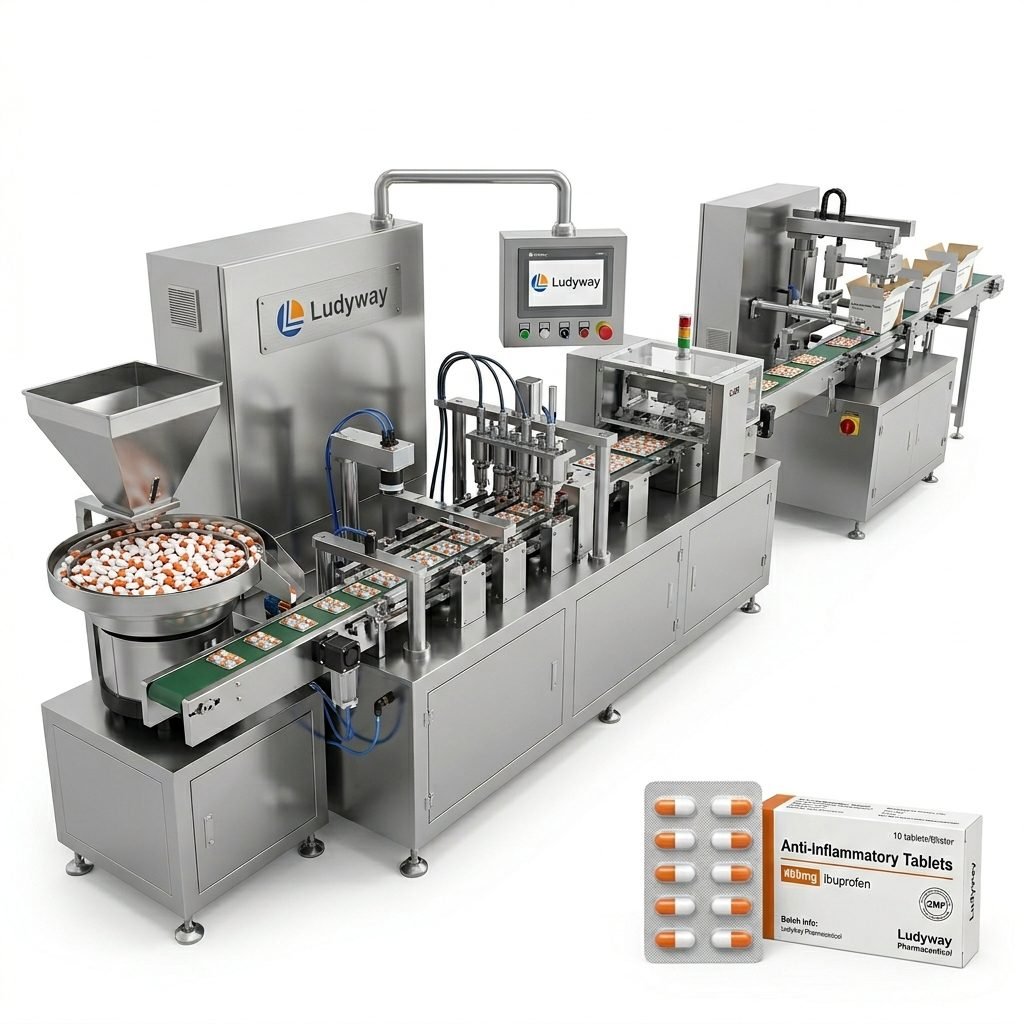
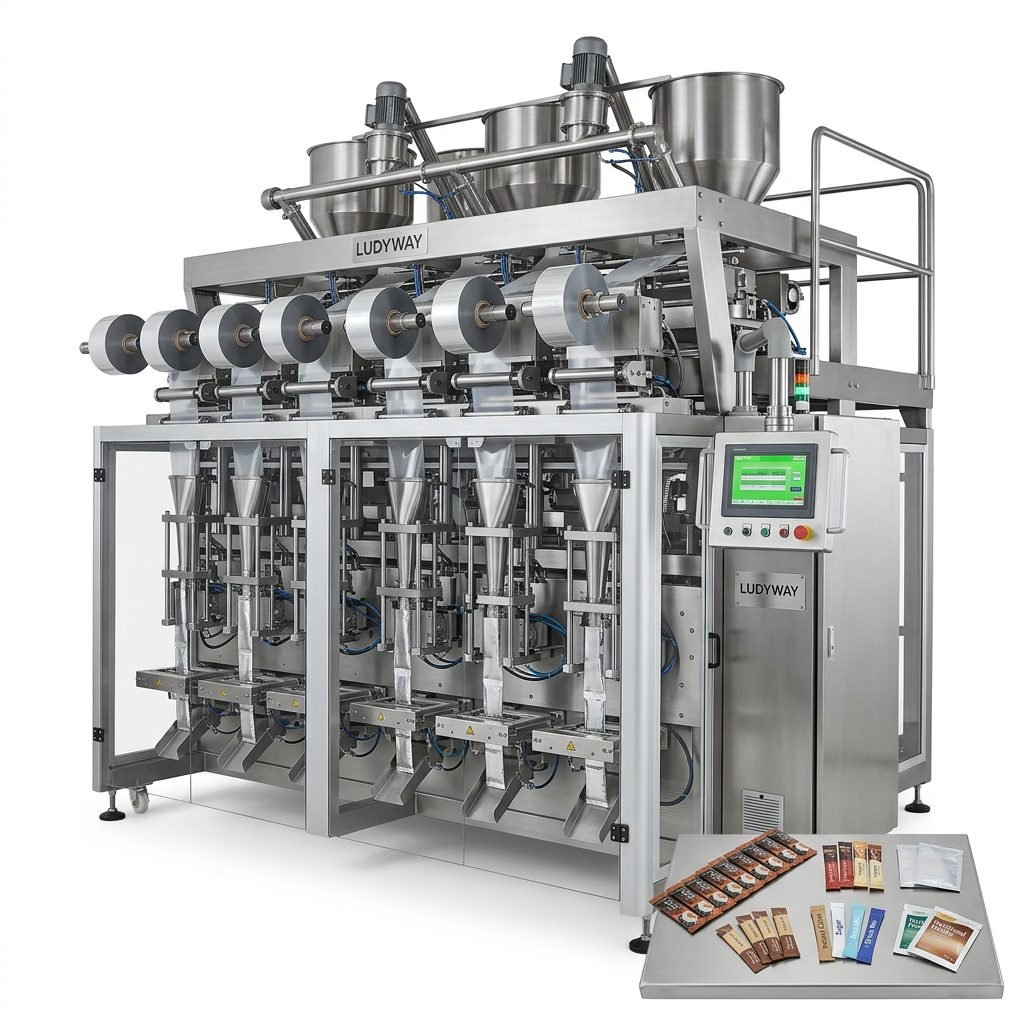
Ludyway is one of the largest packaging machine manufacturers in China, specializing in advanced packaging equipment and turnkey production solutions for the food, pharmaceutical, and health industries. With over 30 years of industry expertise, a modern 20,000㎡ manufacturing facility, and more than 50 intelligent packaging machine models, Ludyway serves customers in over 100 countries. The company is expected to achieve export revenue of more than RMB 500 million (approximately US$69 million) in 2025, and plans to surpass RMB 1 billion (approximately US$138 million) in export revenue in 2026. For inquiries, contact info@ludyway.com or reach out via WhatsApp: +8613129592456.
Frequently Asked Questions
What is the average cost of setting up a salt packaging line in North America?
Costs vary widely based on automation level and production capacity. A basic semi-automatic line may start at $150,000-$300,000, while a fully automated multi-lane system can range from $500,000 to over $2 million. Factor in additional costs for facility modifications, training, and initial spare parts inventory.
How long does it take to get a salt packaging line operational?
From equipment order to full production, expect a timeline of 4-8 months. This includes manufacturing (8-16 weeks), shipping and customs (4-8 weeks), installation and commissioning (2-4 weeks), and operator training (1-2 weeks).
What certifications are required for food-grade salt packaging?
Your facility and equipment must comply with FDA CGMP requirements (21 CFR Part 110/117). Additional certifications such as SQF (Safe Quality Food) or BRCGS may be required by retailers. Equipment should be constructed from food-grade materials with proper documentation.
Can I automate an existing manual salt packaging operation?
Yes, many facilities upgrade gradually. Start by automating the filling and sealing station, then add automated weighing, inspection systems, and secondary packaging. A phased approach minimizes disruption and spreads capital investment over time.
Conclusion
Setting up a salt packaging machine production line in North America is a significant but rewarding investment. By following this structured approach—regulatory compliance, equipment selection, facility planning, installation and validation, and workforce training—you can build a reliable, efficient operation that meets market demands. Stay informed through industry resources like the PMMI 2025 State of the Industry report and FPA Regulatory Affairs to maintain compliance and competitiveness.
For packaging line consultation and equipment inquiries, contact Ludyway at info@ludyway.com or visit their manufacturing facility at Nanlang Town, Zhongshan, Guangdong, China.