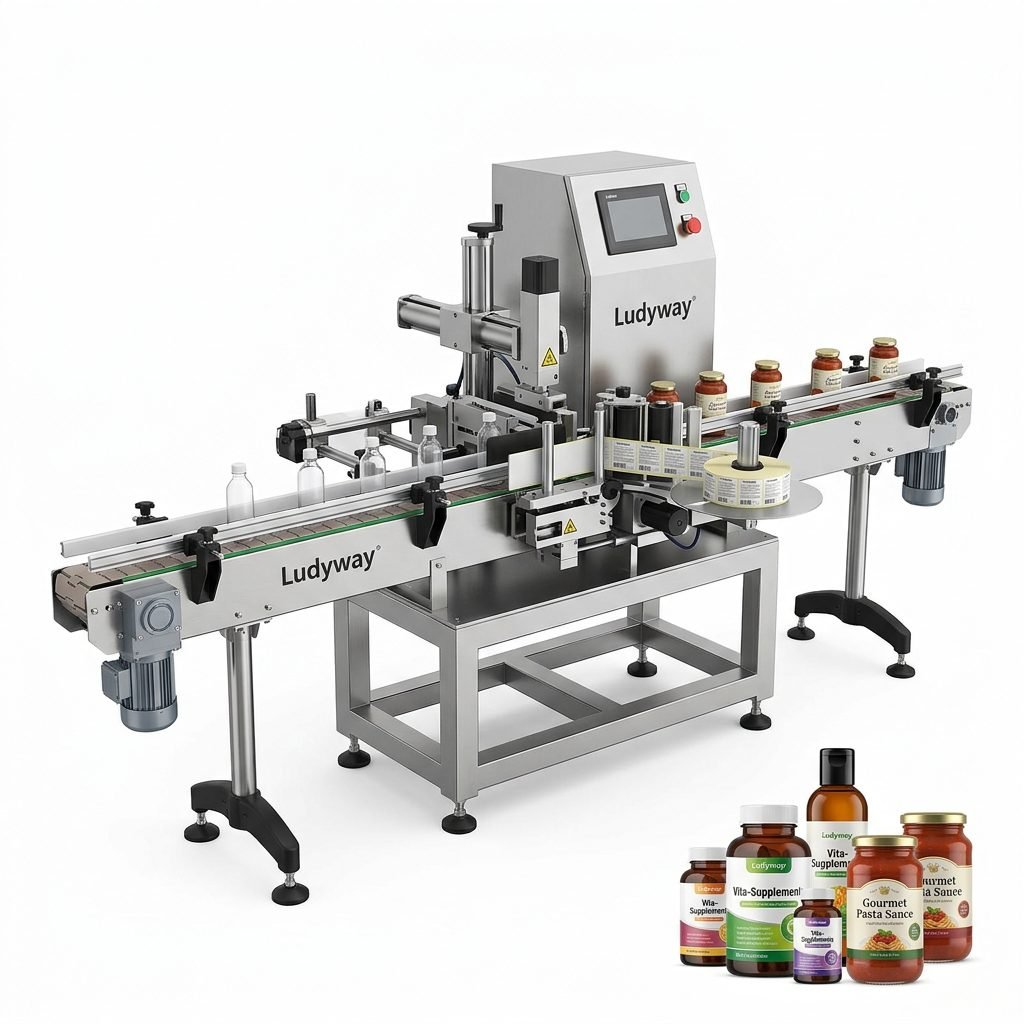
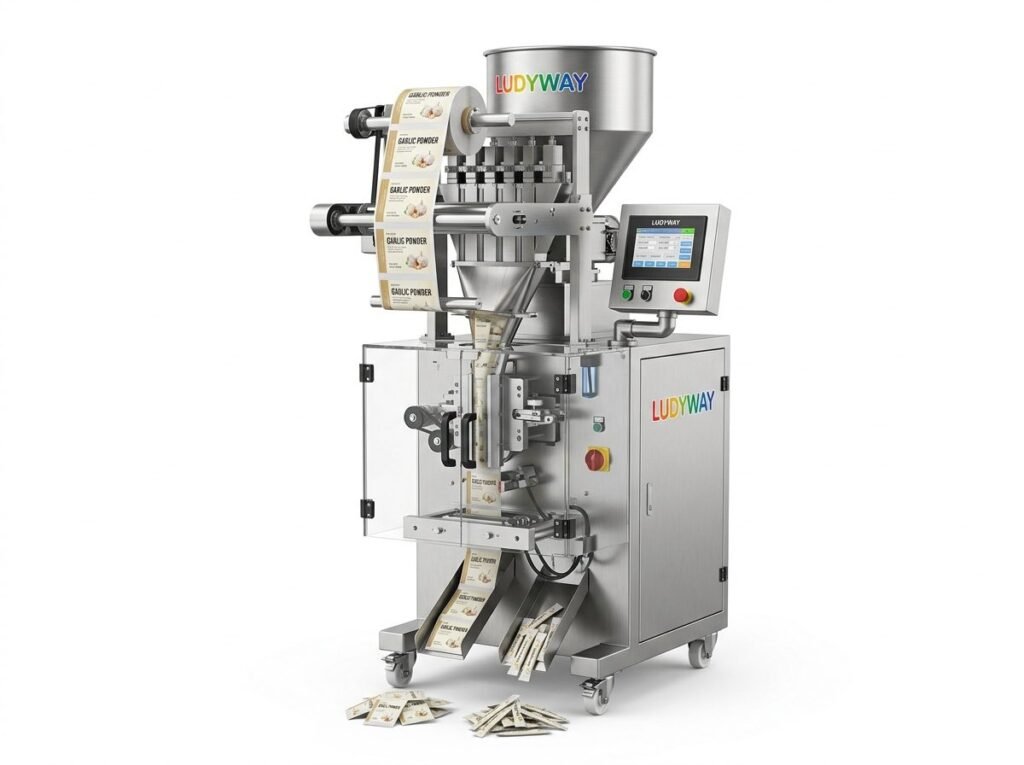
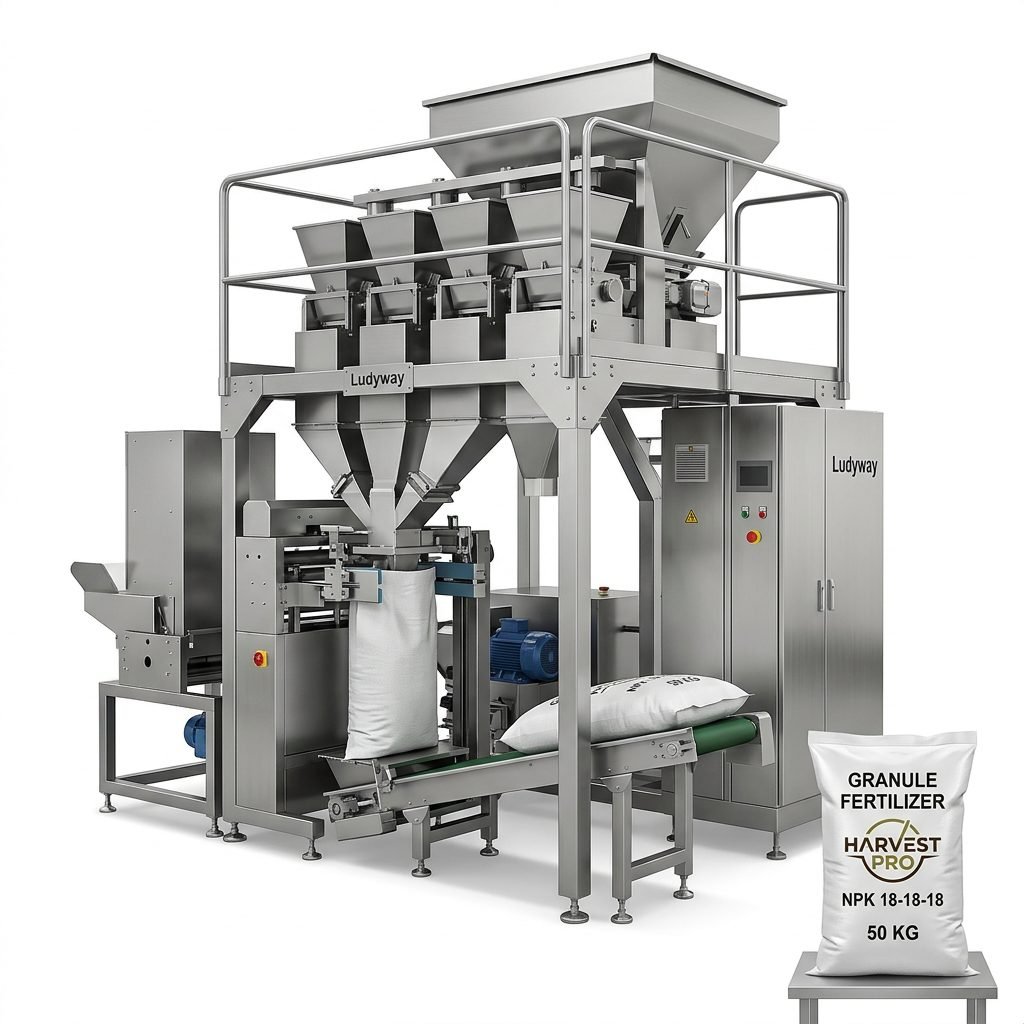
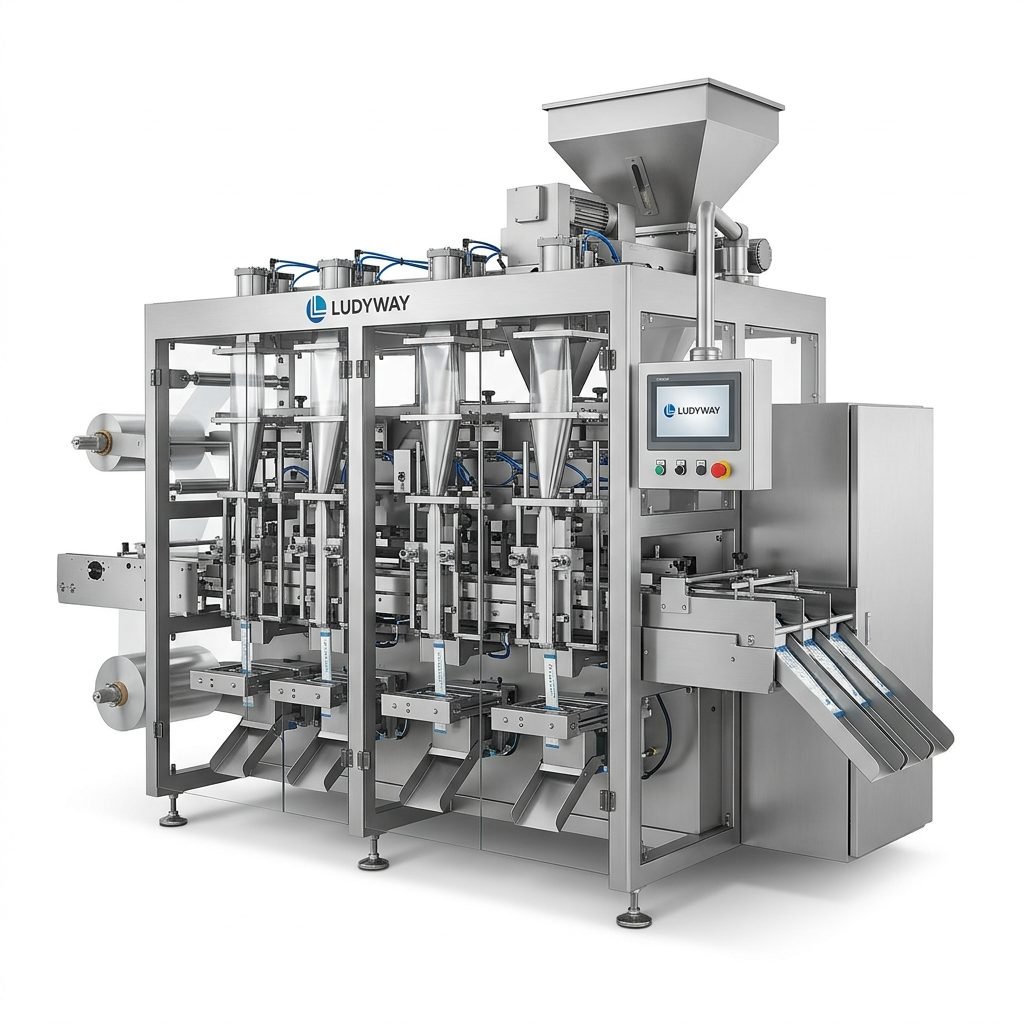
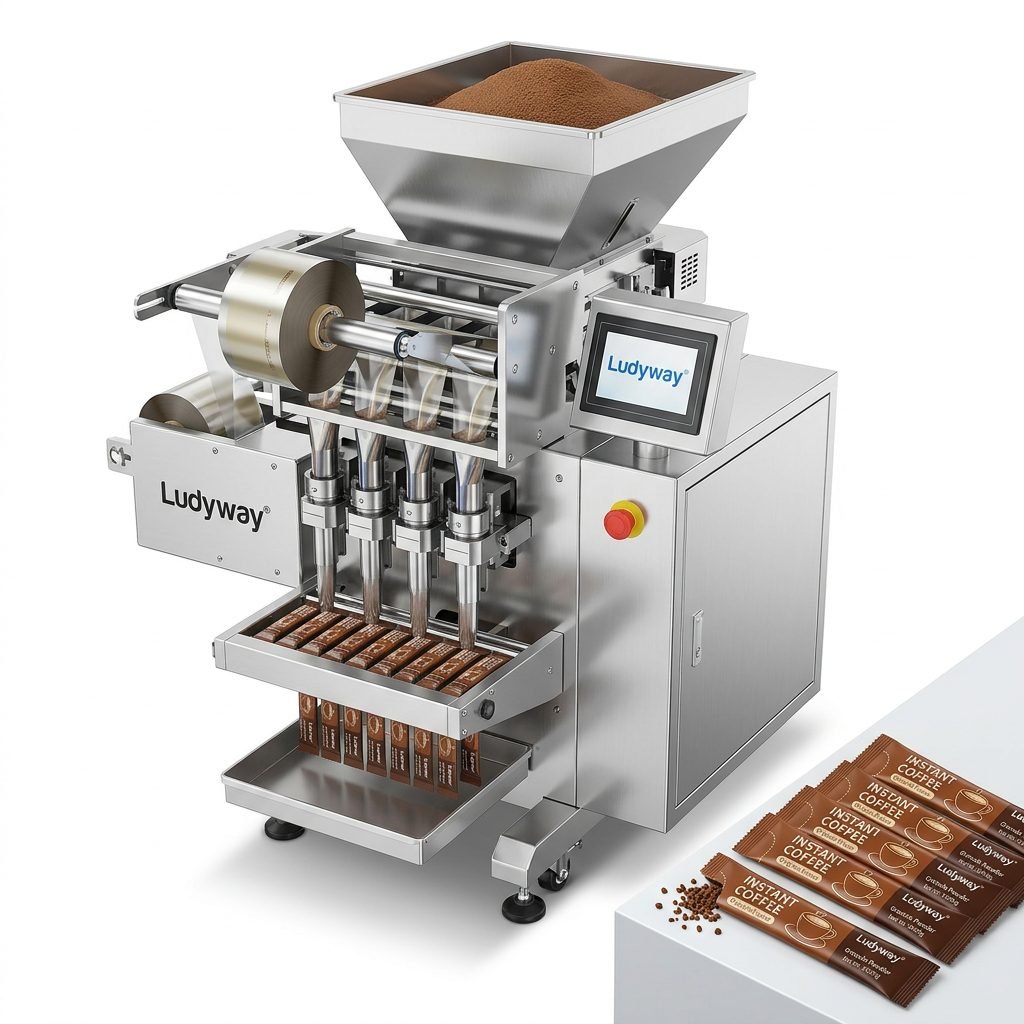
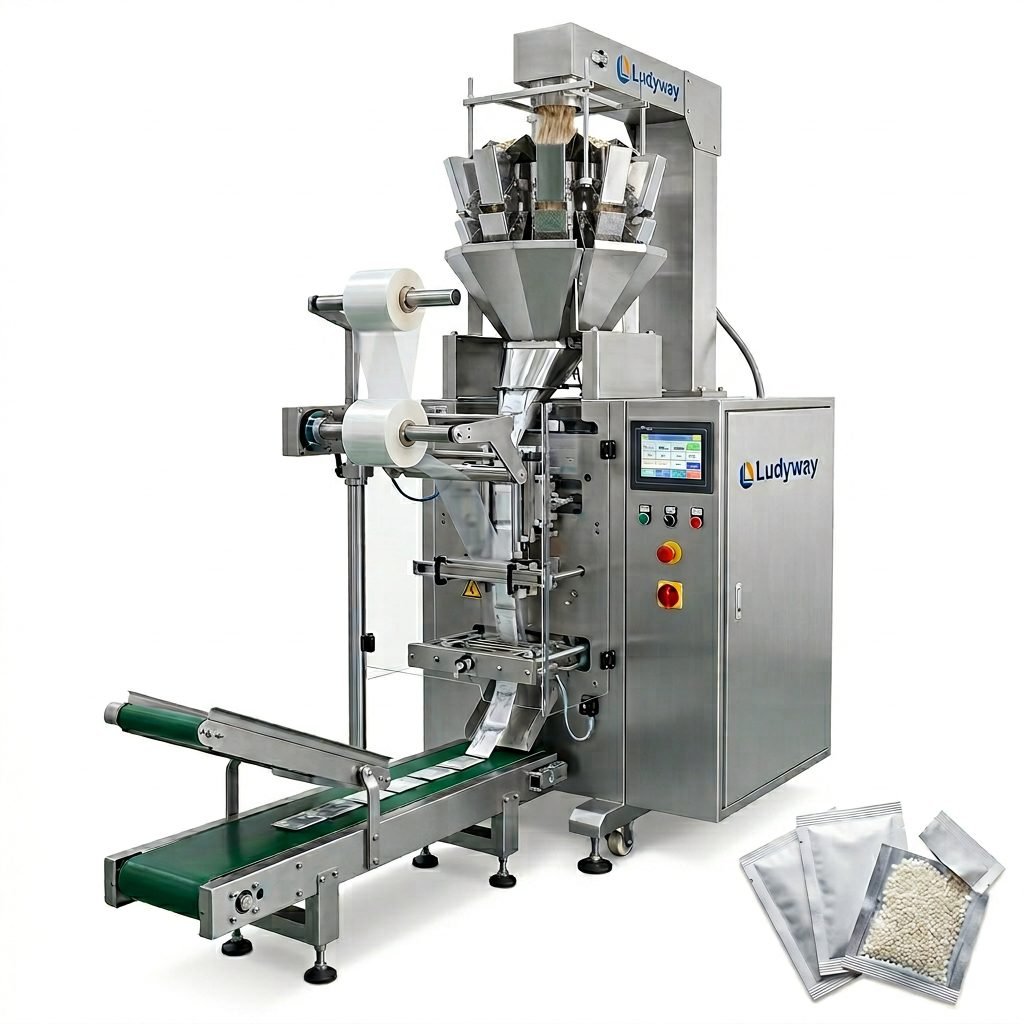
Germany is Europe’s largest packaging machinery market, and setting up a production line here means navigating strict regulations, advanced automation standards, and high expectations for efficiency. Whether you are packaging food, pharmaceuticals, chemicals, or cosmetics, following a structured approach will help you achieve compliance, reduce downtime, and maximize return on investment. This guide walks you through each critical stage of building a packaging machine production line in Germany.
1. Understanding German Packaging Regulations and Standards
Before importing or installing equipment, familiarize yourself with the key regulatory frameworks that govern packaging and machinery safety in Germany.
| Regulation / Standard | Description |
|---|---|
| CE Marking (Machinery Directive 2006/42/EC) | Mandatory for all packaging machines entering the European market. Ensures essential health and safety requirements. |
| German Packaging Act (VerpackG) | Regulates the placing on the market, take-back, and recycling of packaging. EU Packaging and Packaging Waste Regulation also applies. |
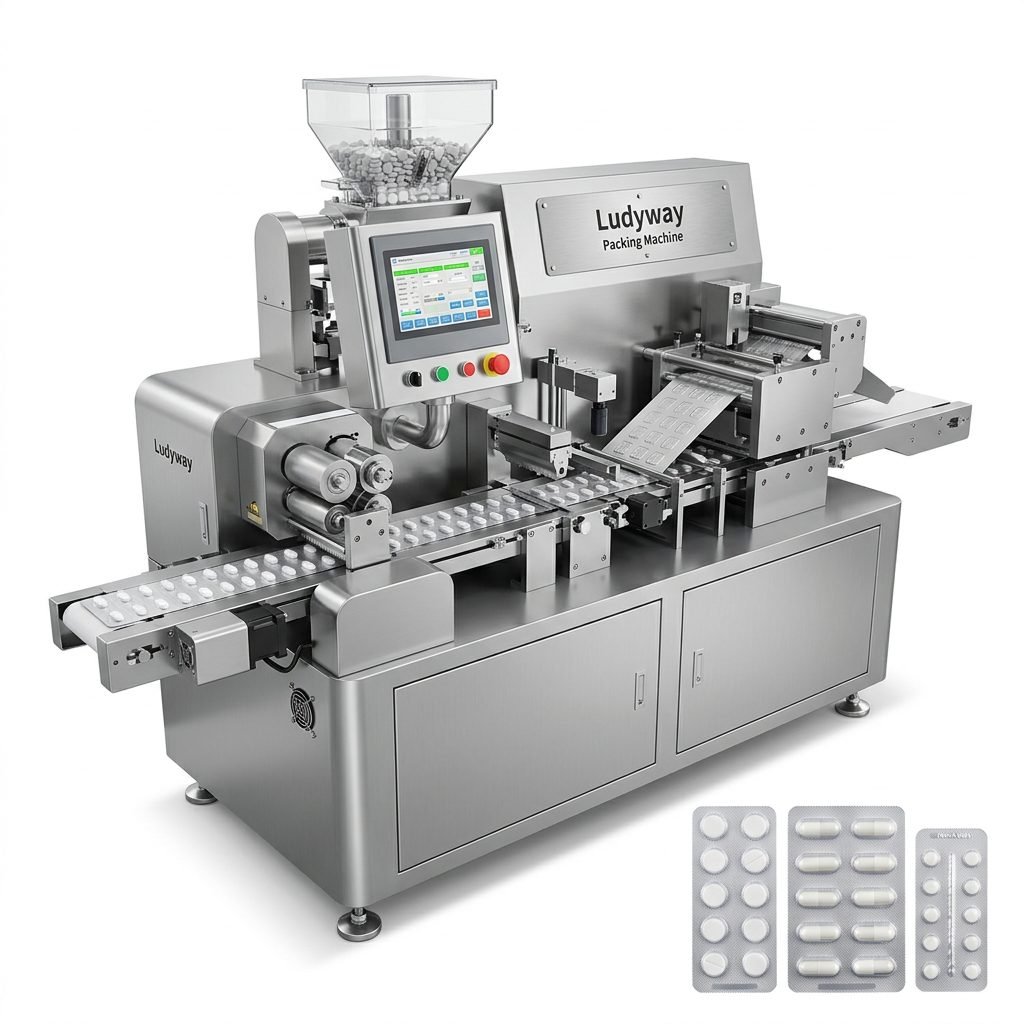
| ISO 11607 / ISO 11607-2 | Packaging for terminally sterilized medical devices and validation requirements. Critical for pharmaceutical lines. |
| FDA & EU Food Contact Materials | If you export to the US or serve the food industry, compliance with FDA food contact substances rules is essential. |
2. Site Preparation and Utility Infrastructure
German manufacturing facilities demand specific utility setups. Evaluate the following before equipment installation:
- Power Supply: 400V / 230V, 50Hz three-phase electrical systems are standard. Ensure your packaging machines are compatible or use certified transformers.
- Compressed Air: Most automated packaging machinery requires clean, dry compressed air at 6–8 bar. Install air dryers and filtration units.
- Flooring and Layout: Anti-static, easy-to-clean flooring is recommended, especially for food or pharma environments. Design an efficient material flow from filling to cartoning and palletizing areas.
- Ventilation and Dust Extraction: For powder and granule packaging lines, integrate industrial dust collection systems.
3. Selecting the Right Packaging Machinery
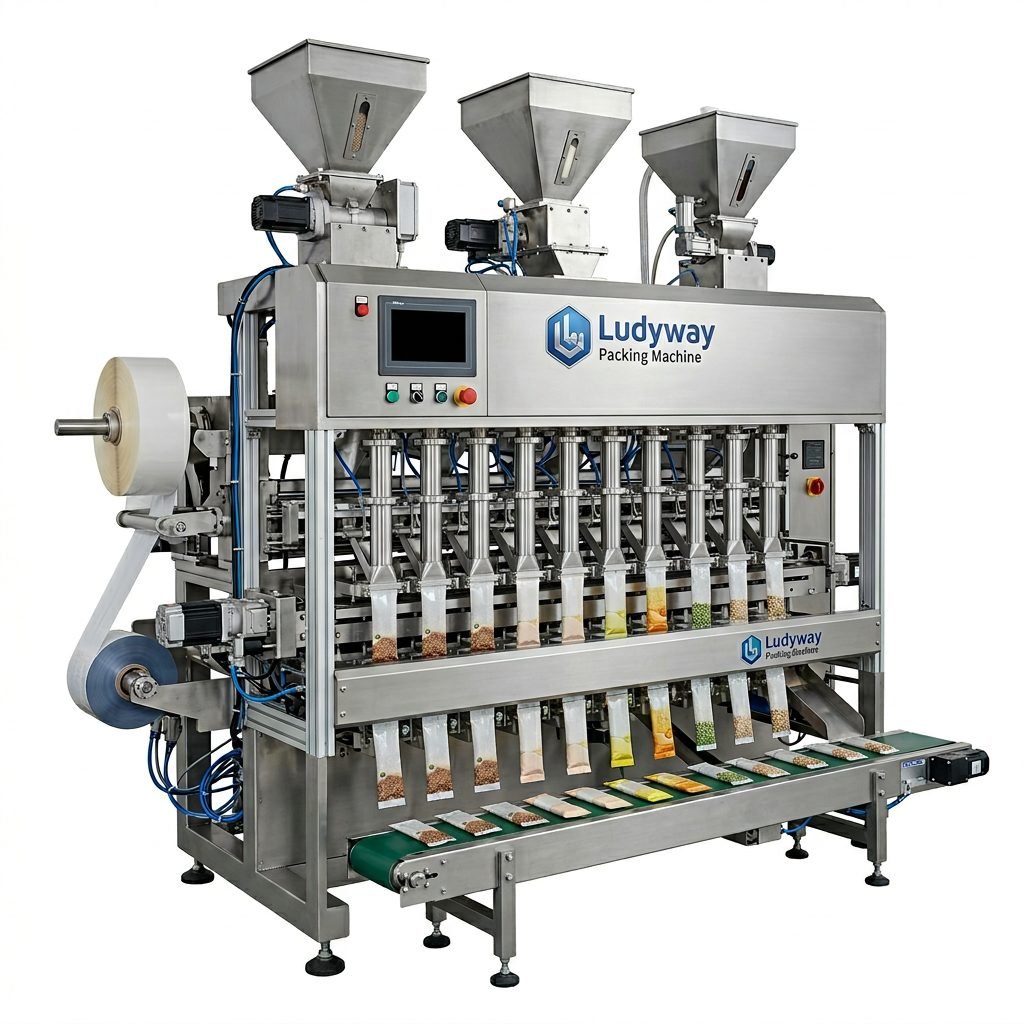
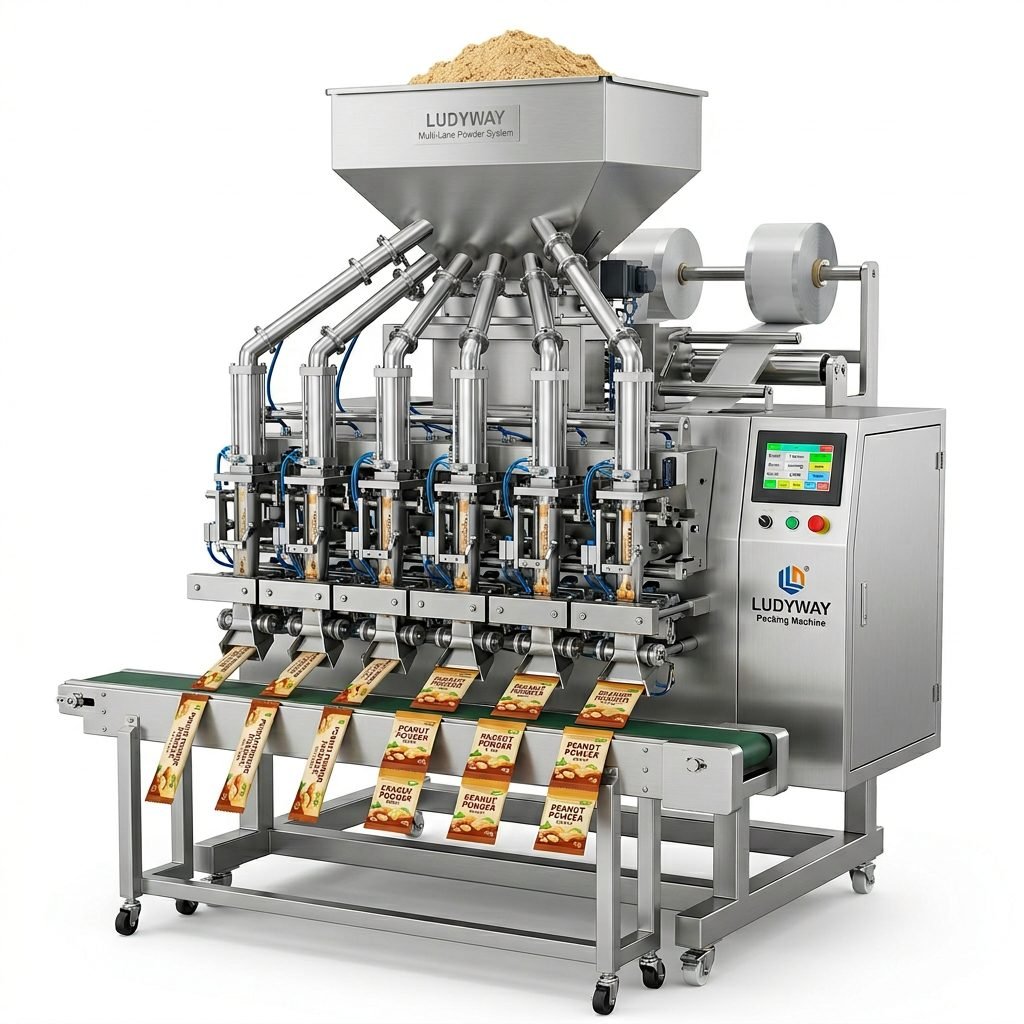
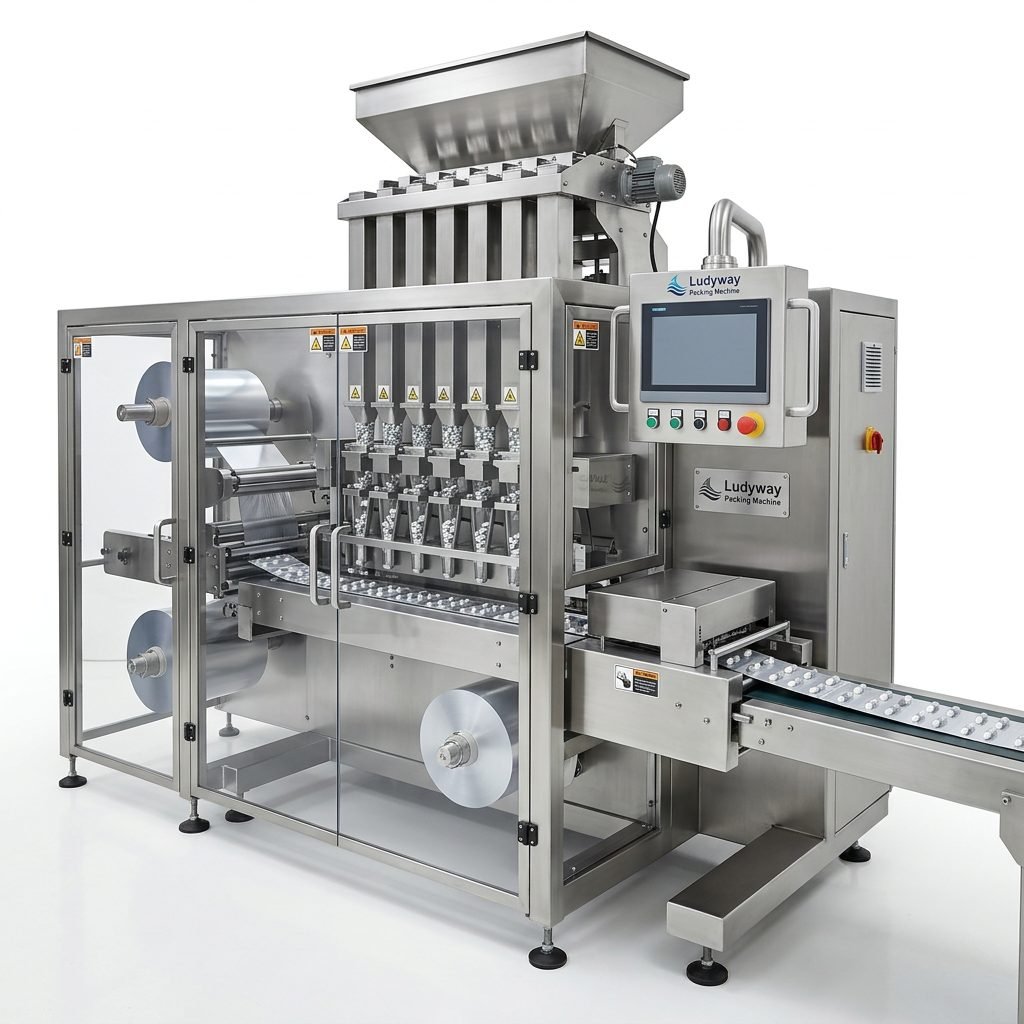
Choose equipment based on product characteristics (granule, powder, liquid, paste) and packaging format (stick pack, sachet, pouch, bottle). Multi-lane stick pack and sachet machines offer higher throughput for products like instant coffee, protein powder, and condiments.
Key Machine Categories
- Multi-Lane Stick Pack Machines: Suitable for granule and powder products, achieving speeds up to 60 lanes.
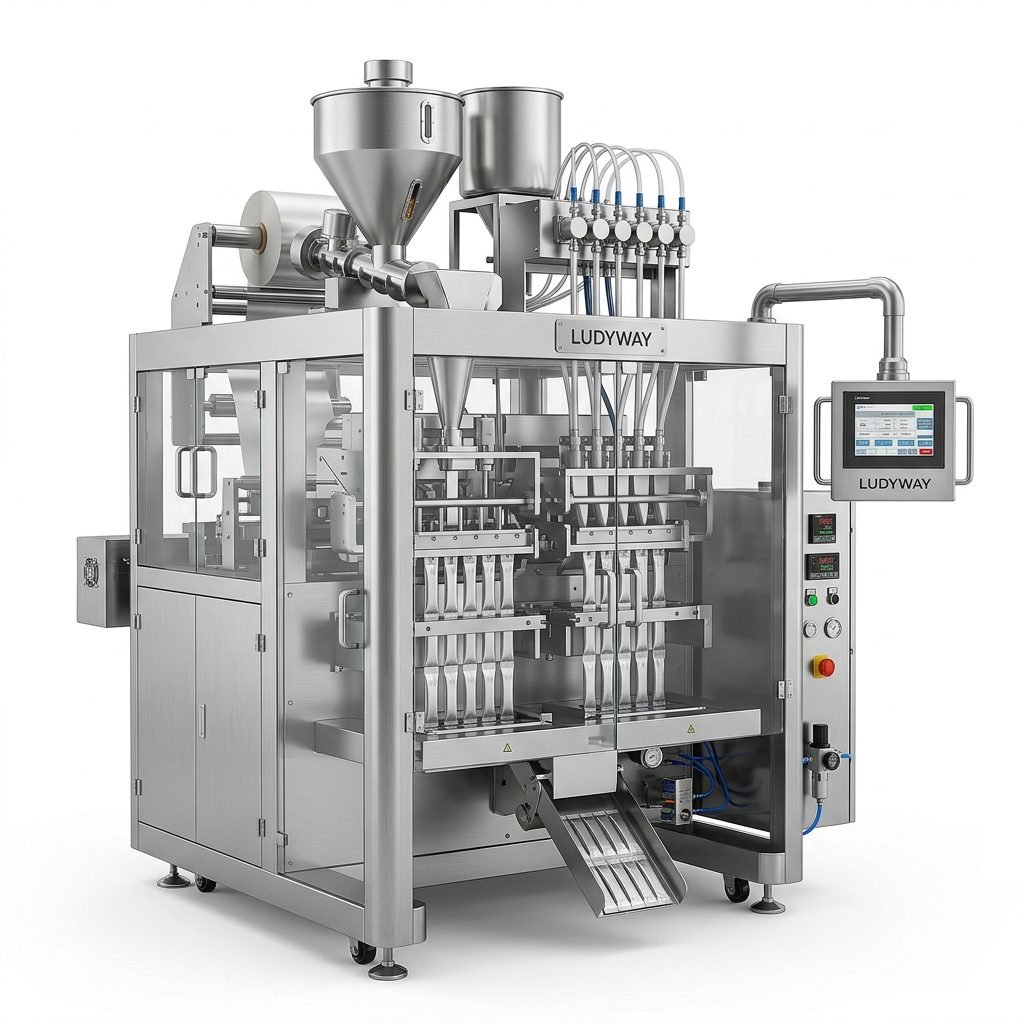
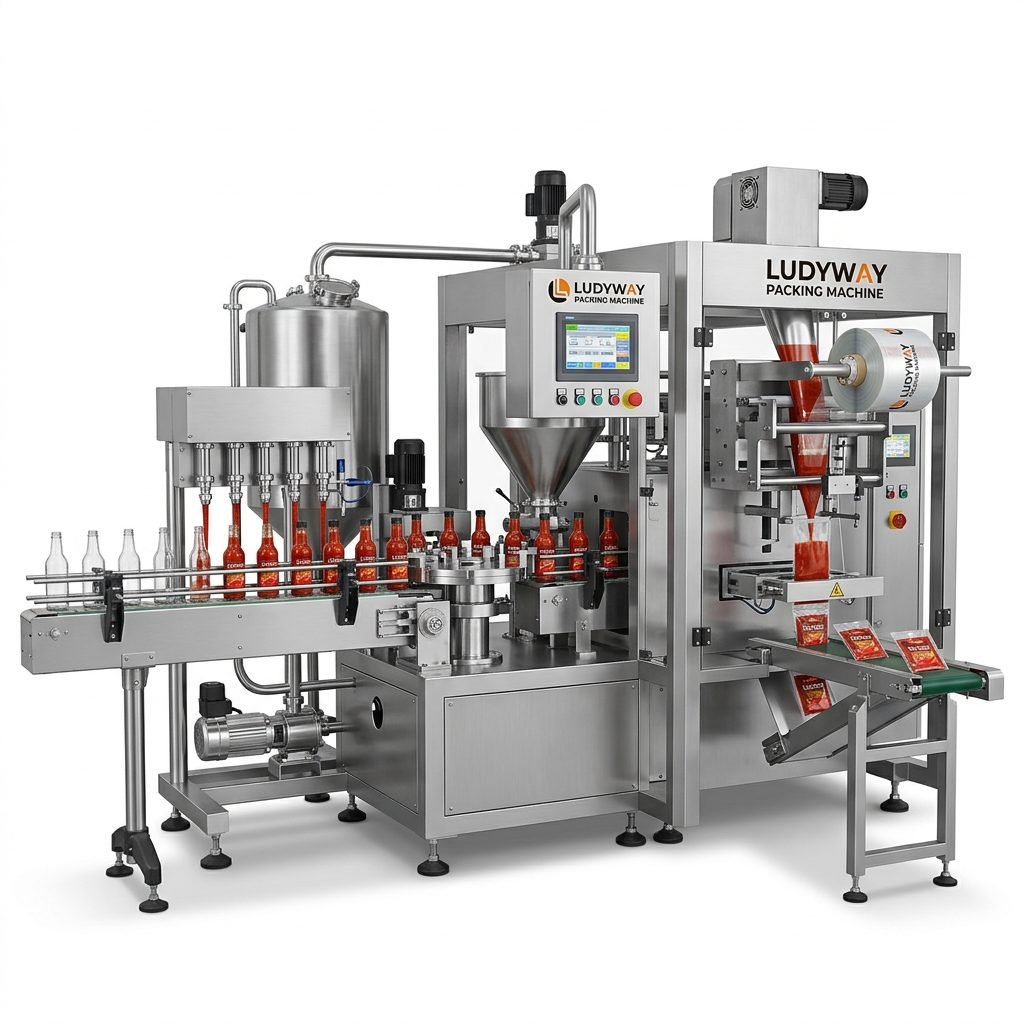
- Liquid Sachet Packaging Machines: Designed for sauces, shampoos, and serums with high-precision filling systems.
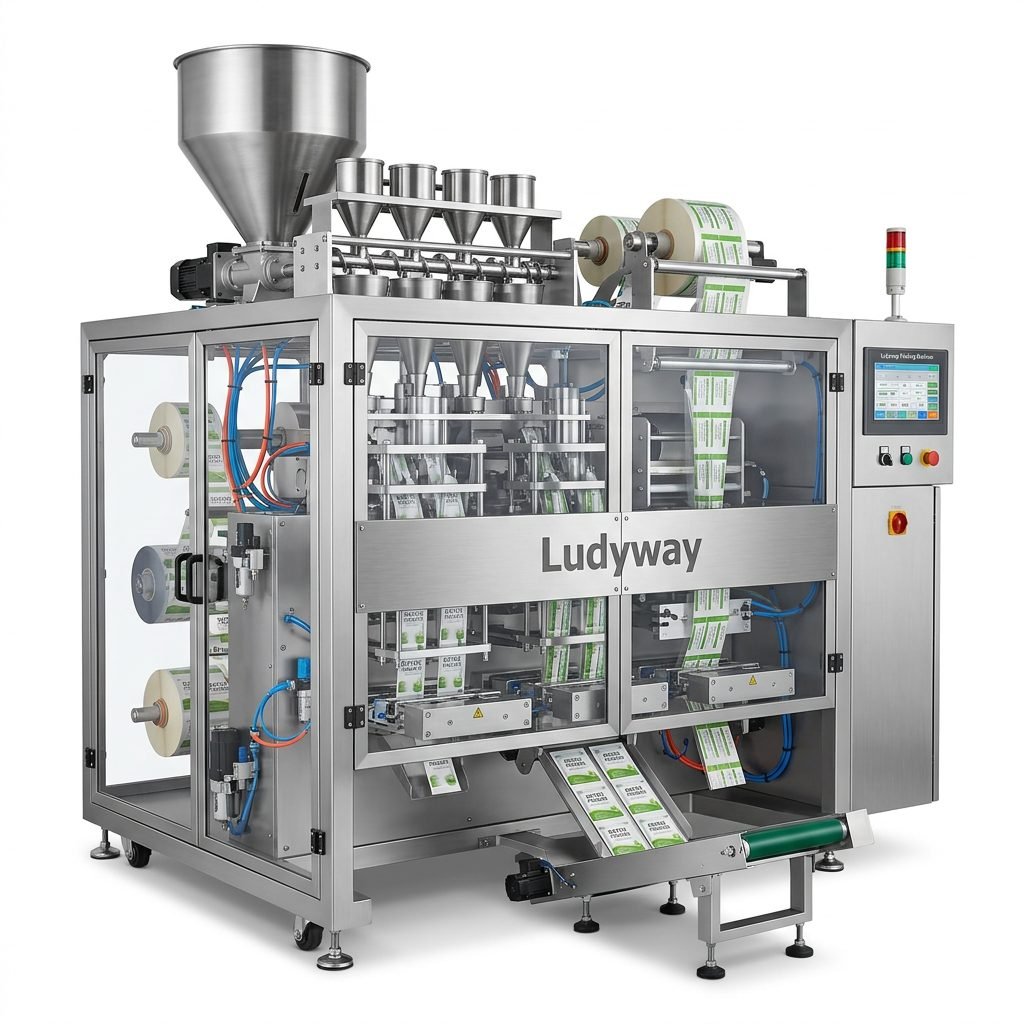
- Powder Sachet and Stick Pack Systems: Include auger fillers, dust control, and nitrogen flushing for product freshness.
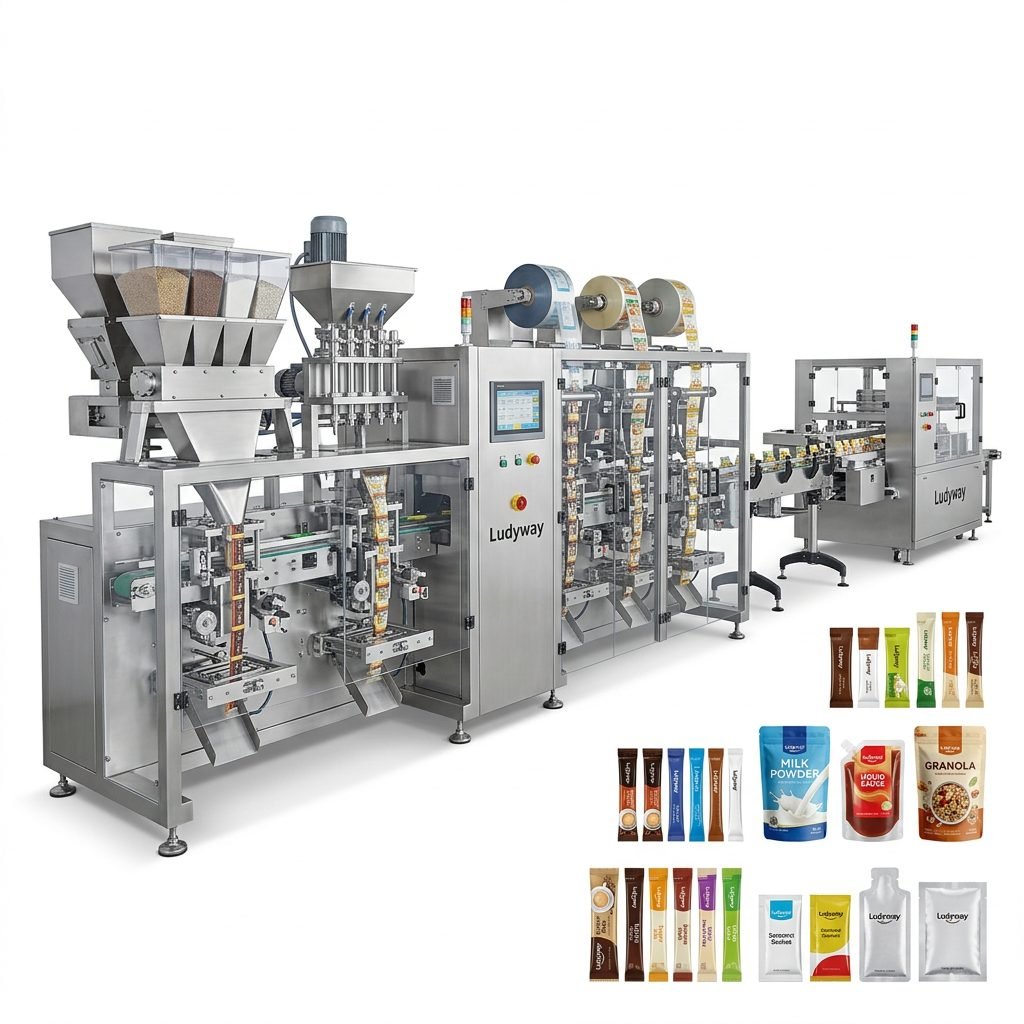
- End-of-Line Equipment: Automatic cartoners, case packers, stretch wrappers, and robotic palletizing systems streamline downstream handling.
4. Automation and Integration with Production Lines
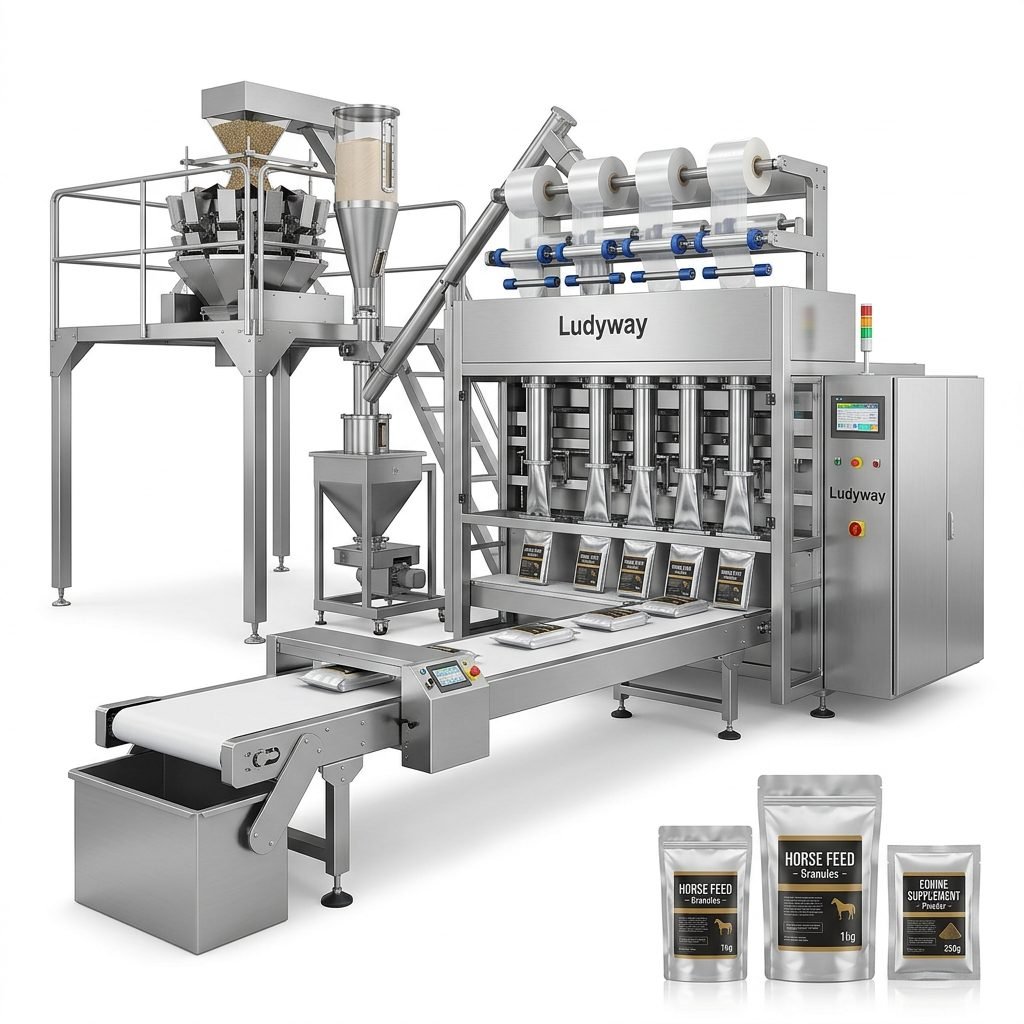
Modern German packaging facilities emphasize Industry 4.0 connectivity. Integrate your packaging machines with centralized PLC systems, real-time monitoring, and automated feeding solutions like Z-type bucket elevators, vibratory feeders, and vacuum conveyors. This ensures consistent product flow and minimizes manual intervention.
Automated Feeding and Handling
| Feeding System | Application |
|---|---|
| Z-Type Bucket Elevator | Vertical transport of granules and powders to multi-head weighers. |
| Vacuum Feeder | Dust-free powder conveying from bulk bags or hoppers. |
| Multi-Head Weigher + Tray System | High-speed linear combination weighing for granular products like nuts, grains, and snacks. |
5. Installation, Commissioning, and Training
Once machinery arrives on-site, follow a structured installation plan:
- Mechanical Assembly: Position modules, connect conveyor bridges, level feet, and secure all guarding.
- Electrical and Pneumatic Connections: Wire to local power distribution and connect to air supply. Verify voltage stability at ±5% of rated voltage.
- Dry Run and Wet Testing: Operate machines without product first, then run test batches to fine-tune filling accuracy and seal integrity parameters.
- Operator Training: German packaging industry standards require documented training for machine operators, covering safety, changeover procedures, and cleaning protocols.
- Performance Qualification (PQ): Validate the line output speed, OEE metrics, and reject rates with real production materials.
6. Quality Control, Safety, and Environmental Compliance
German regulators and industry bodies like PMMI and the Flexible Packaging Association underline the importance of in-line quality inspection. Incorporate these systems before final commissioning:
- Checkweighers and Metal Detectors: Ensure every sachet or stick pack meets net content regulations and is free from physical contaminants.
- Vision Inspection Systems: Verify date codes, seal integrity, and label placement at high speed.
- Reject Stations: Automatically remove non-conforming packs without stopping the line.
- Noise and Emission Control: Certain German states enforce strict decibel limits for factory environments. Confine noisy components within soundproof enclosures.
Waste and Recycling Mandates
Under the VerpackG framework, packaging material must be registered with the German Central Packaging Register (ZSVR). Design your packaging process to minimize material waste and ensure that films, cartons, and labels are recyclable or reusable where possible.
7. Sourcing a Reliable Packaging Machine Partner
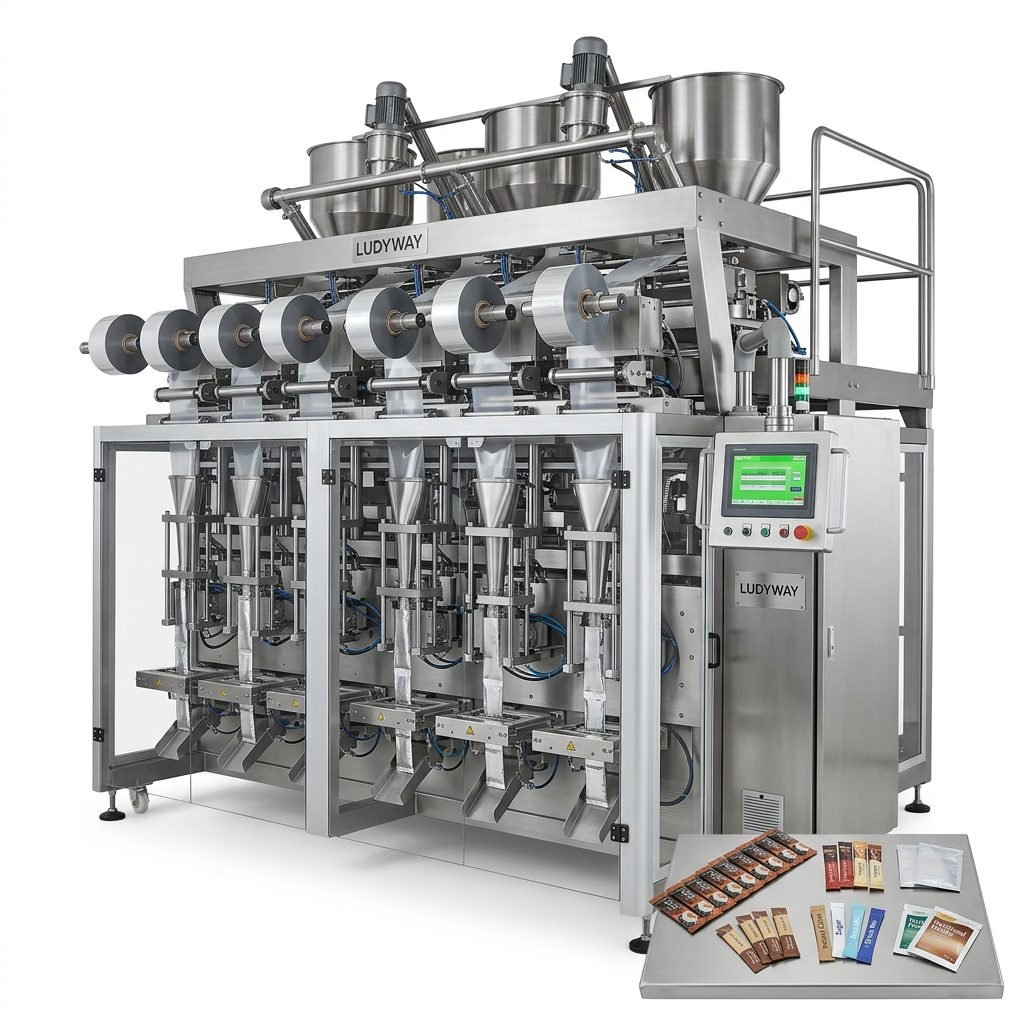
Working with a supplier experienced in international projects simplifies CE documentation, installation, and after-sales support. For example, Ludyway is one of the largest packaging machine manufacturers with a 20,000㎡ facility and over 50 intelligent packaging machine models, serving customers in more than 100 countries. Their engineering team supports turnkey granule, powder, and liquid packaging lines for the food, pharmaceutical, and health industries, and the company is expected to achieve export revenue of more than RMB 500 million in 2025.
8. Final Documentation and Ongoing Optimization
Maintain a comprehensive technical file including CE Declaration of Conformity, risk assessments, user manuals in German, and maintenance logs. Plan periodic audits and leverage production data analytics to continuously improve OEE, reduce film waste, and adjust preventive maintenance schedules.
Useful Resources
- PMMI 2026 State of the Industry Report
- Flexible Packaging Association Regulatory Affairs
- ISO Packaging Standards
- EU Packaging and Packaging Waste Regulation
Setting up a packaging machine production line in Germany is a detailed process, but following these steps will position your operation for compliance, efficiency, and long-term growth in one of the world’s most demanding packaging markets.