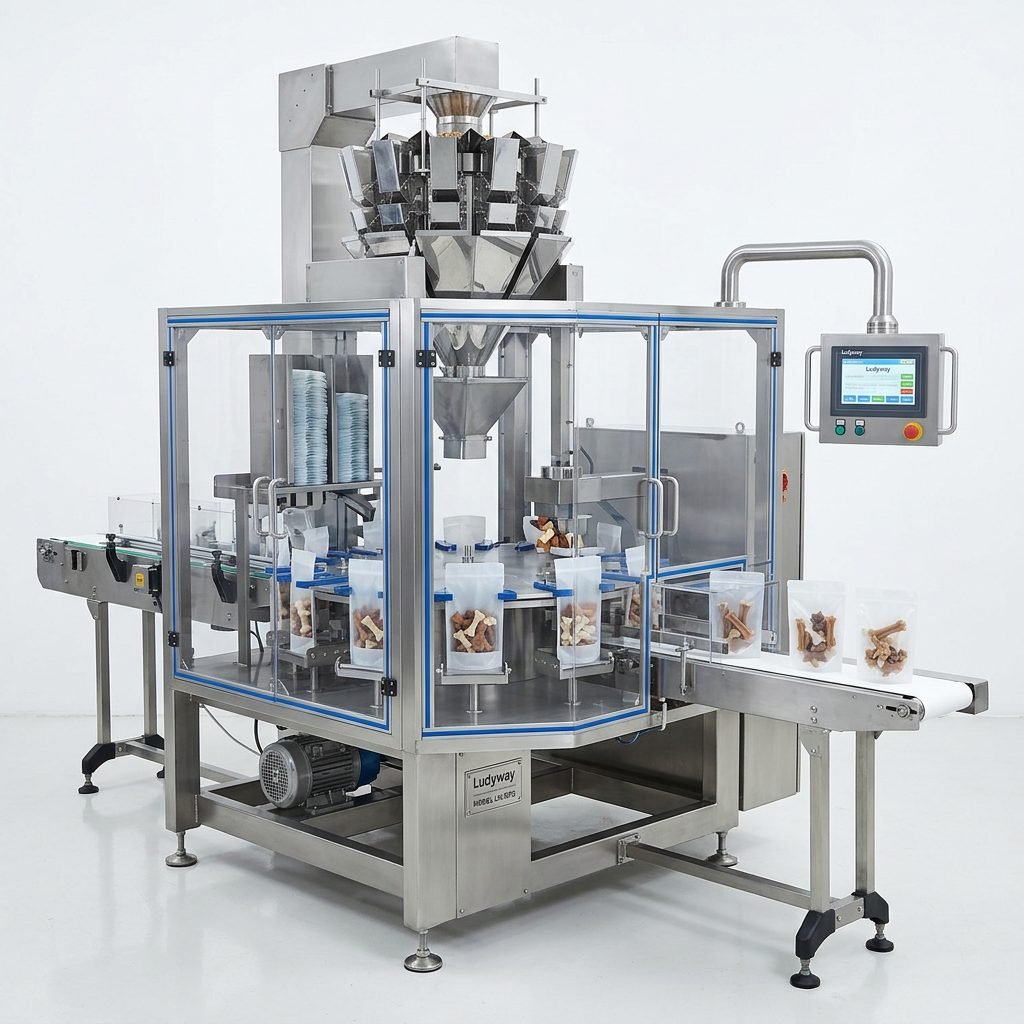
The demand for milk powder packaging solutions in Africa is growing rapidly, driven by rising urbanization, population growth, and increased consumption of dairy-based nutrition. Setting up an efficient milk powder packaging machine production line requires careful planning, equipment selection, and compliance with local regulations. This complete guide walks you through every step, from market analysis to turnkey line installation.

Understanding the African Milk Powder Market
Before investing in a new production line, it is essential to understand the market landscape. African countries are experiencing a significant shift in consumer behavior, with powdered milk being a staple in many households due to its long shelf life and nutritional value. Key markets include Nigeria, Kenya, Ethiopia, Tanzania, and South Africa.
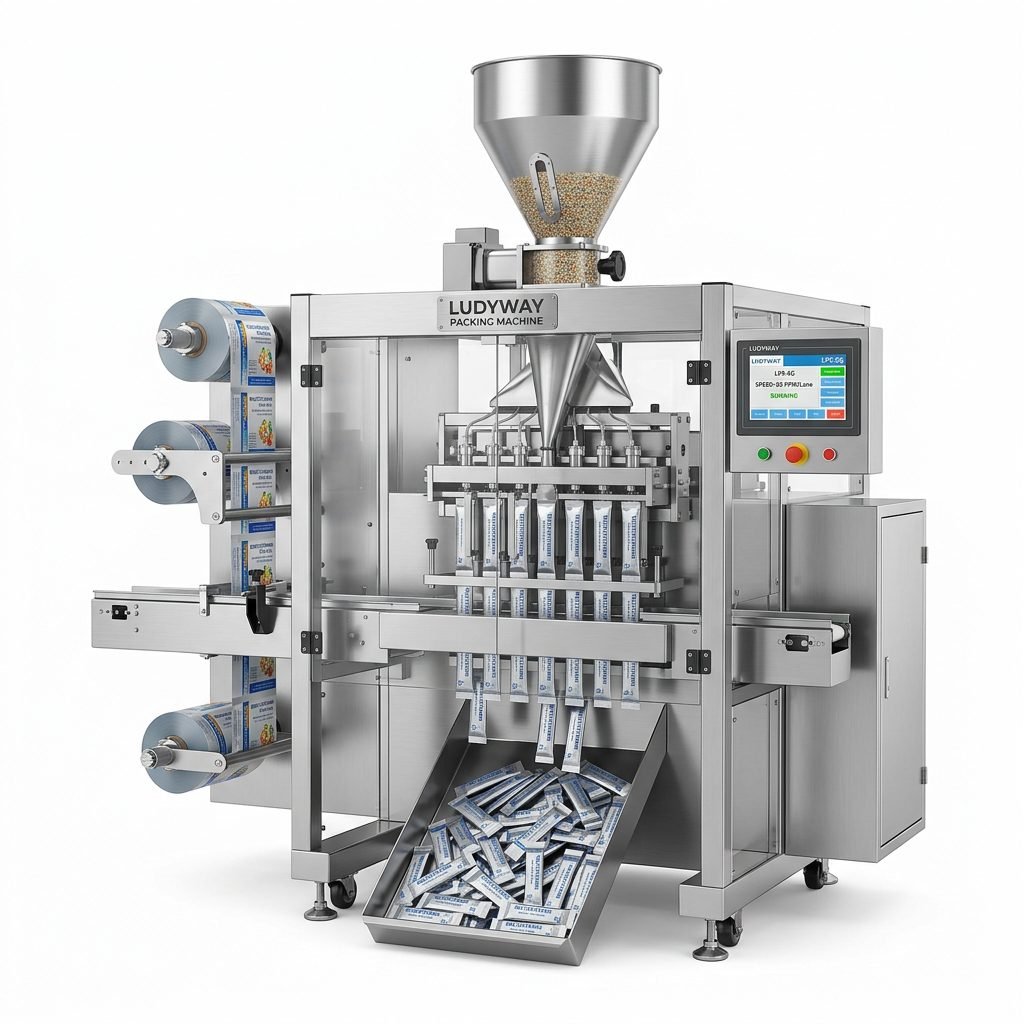
The flexible packaging segment, especially single-serve stick packs and sachets, is particularly appealing for price-sensitive markets. This format offers affordability, convenience, and portion control, making it ideal for milk powder packaging in the region.
Key Components of a Milk Powder Packaging Line
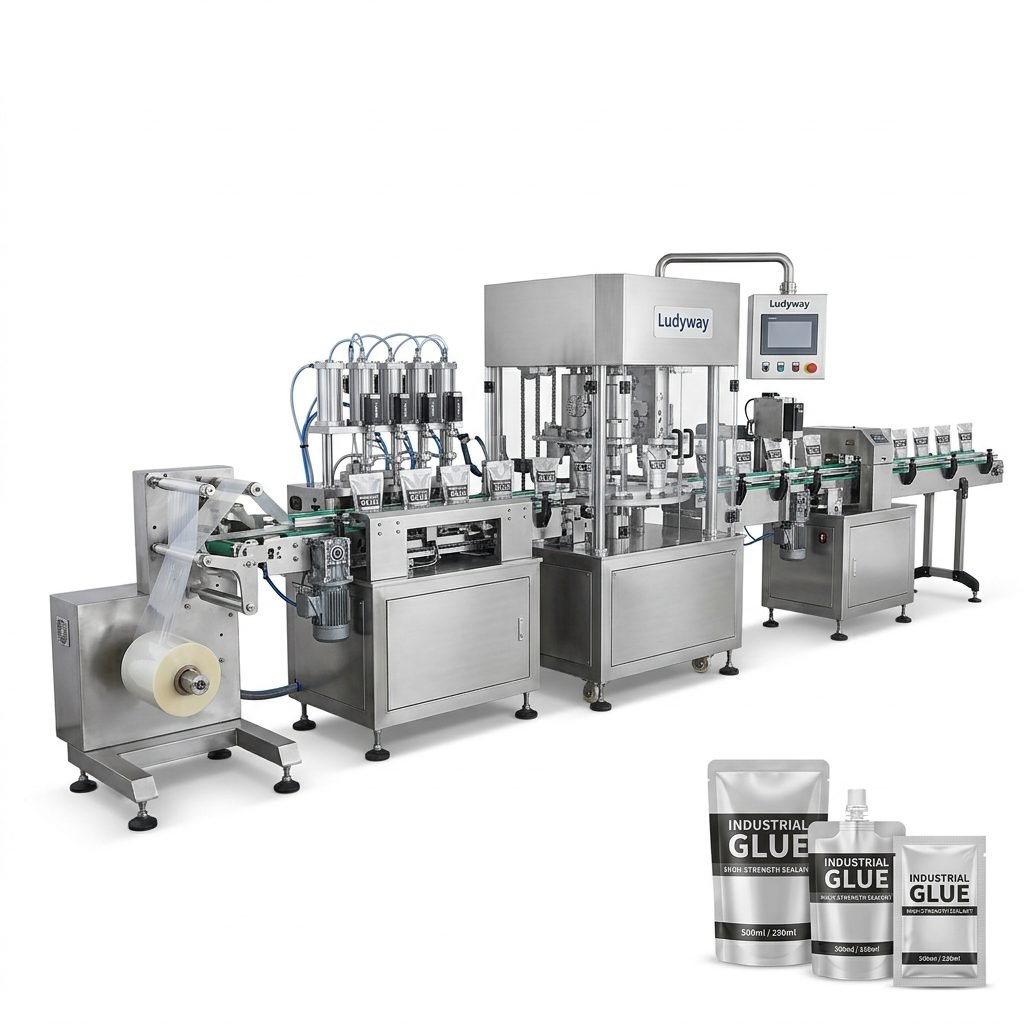
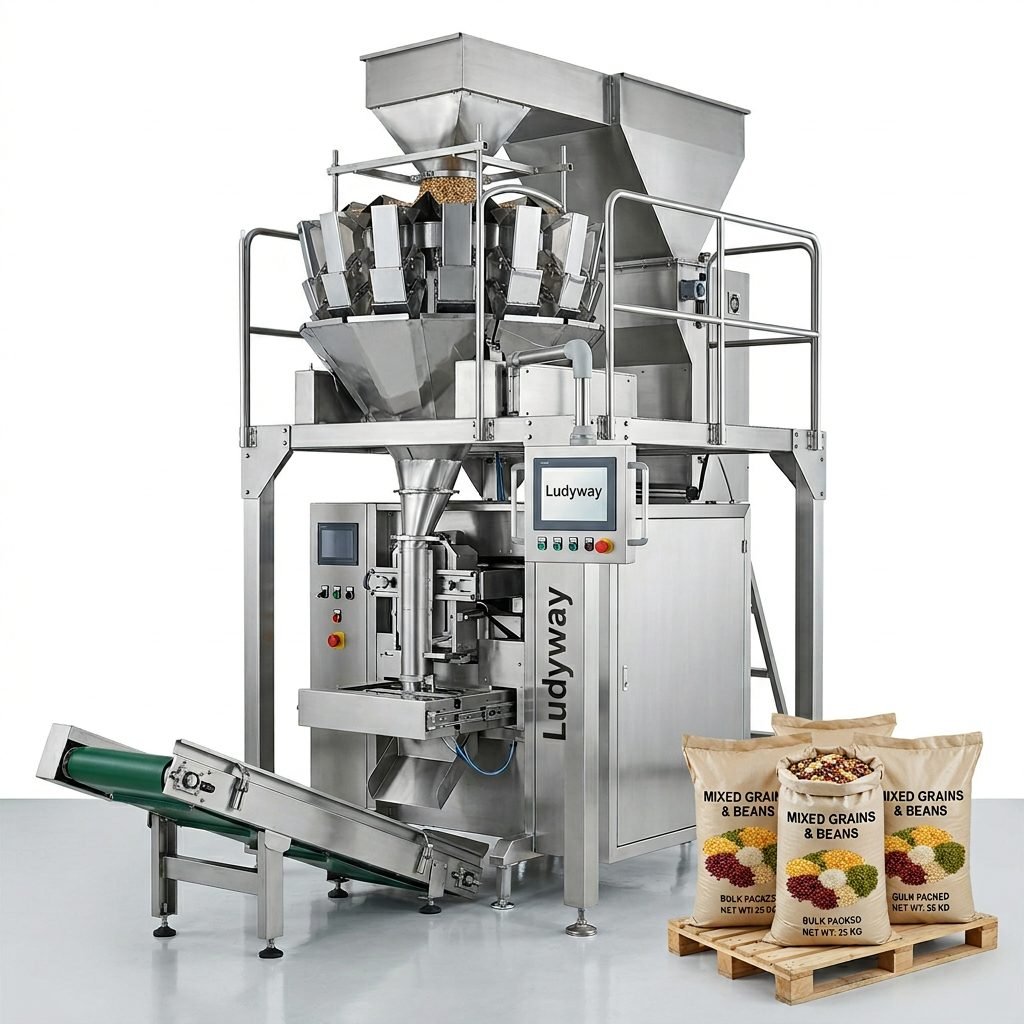
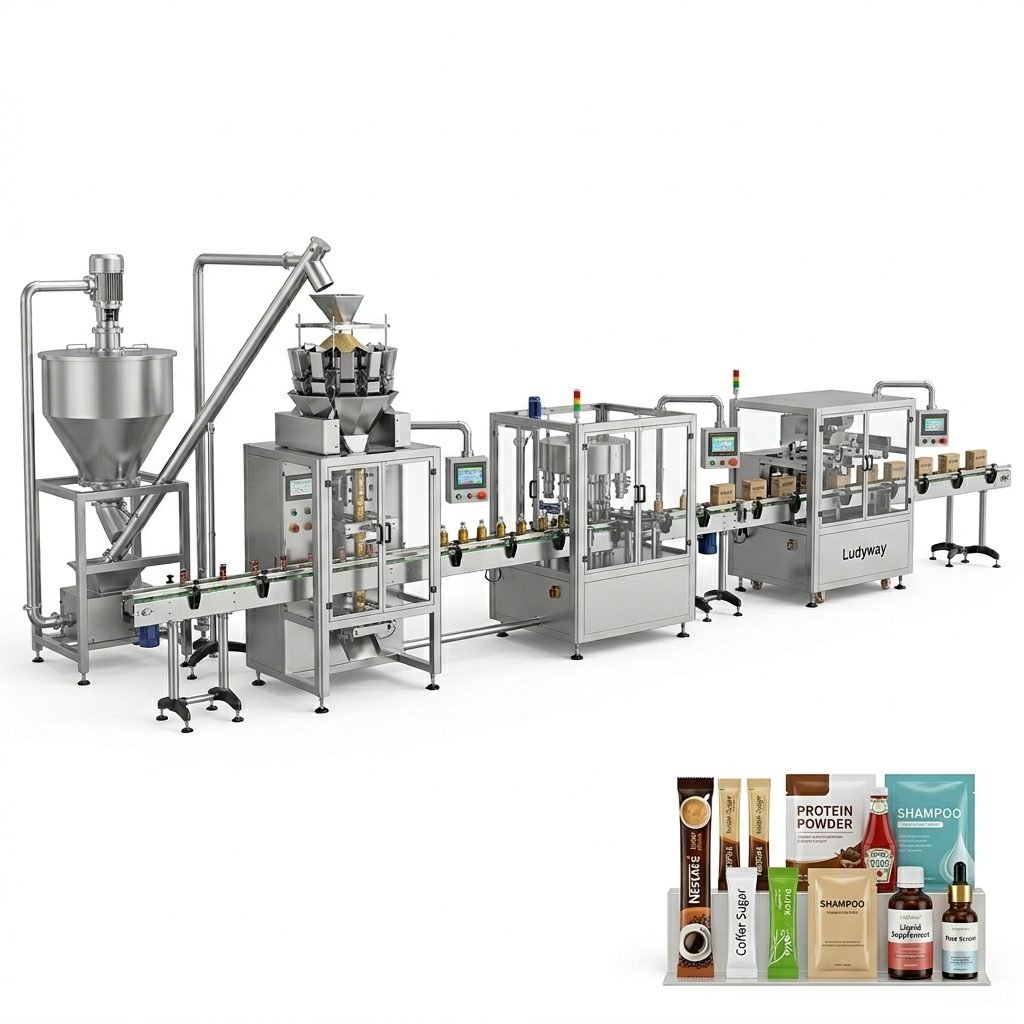
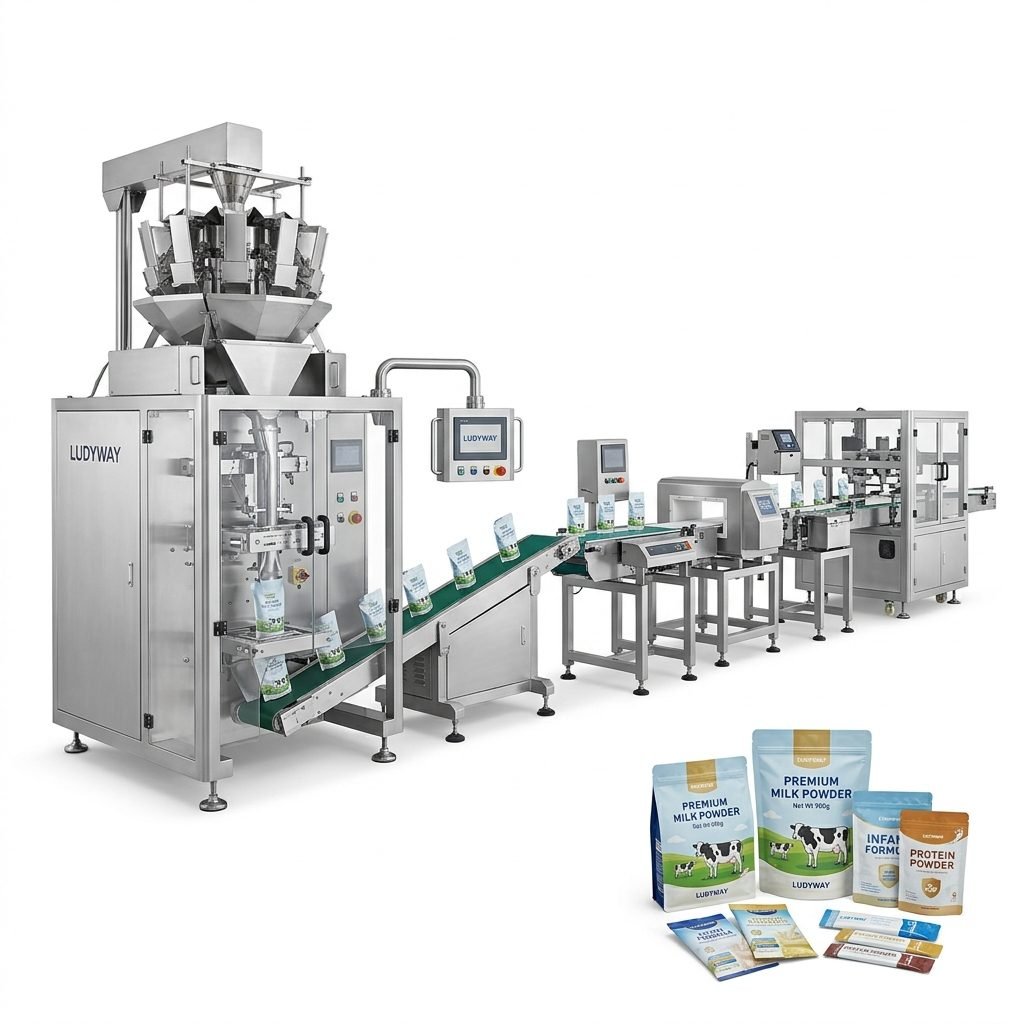
A complete milk powder packaging production line is more than just a filling machine. It integrates several critical systems to ensure high productivity, accuracy, and product safety. Understanding each component helps in making informed procurement decisions.
- Powder Feeding System: Automated screw feeders or vacuum conveyors transport the milk powder from storage to the dosing unit without contamination or dust generation.
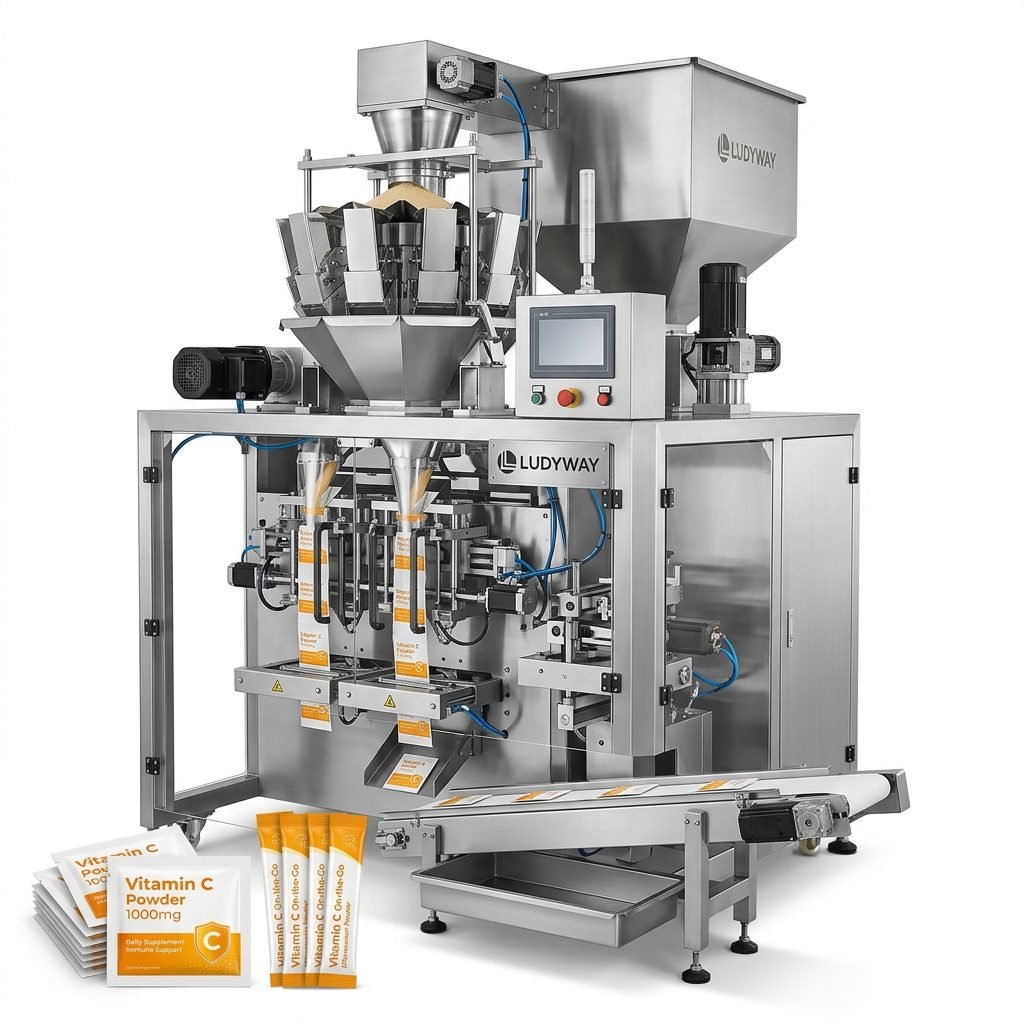
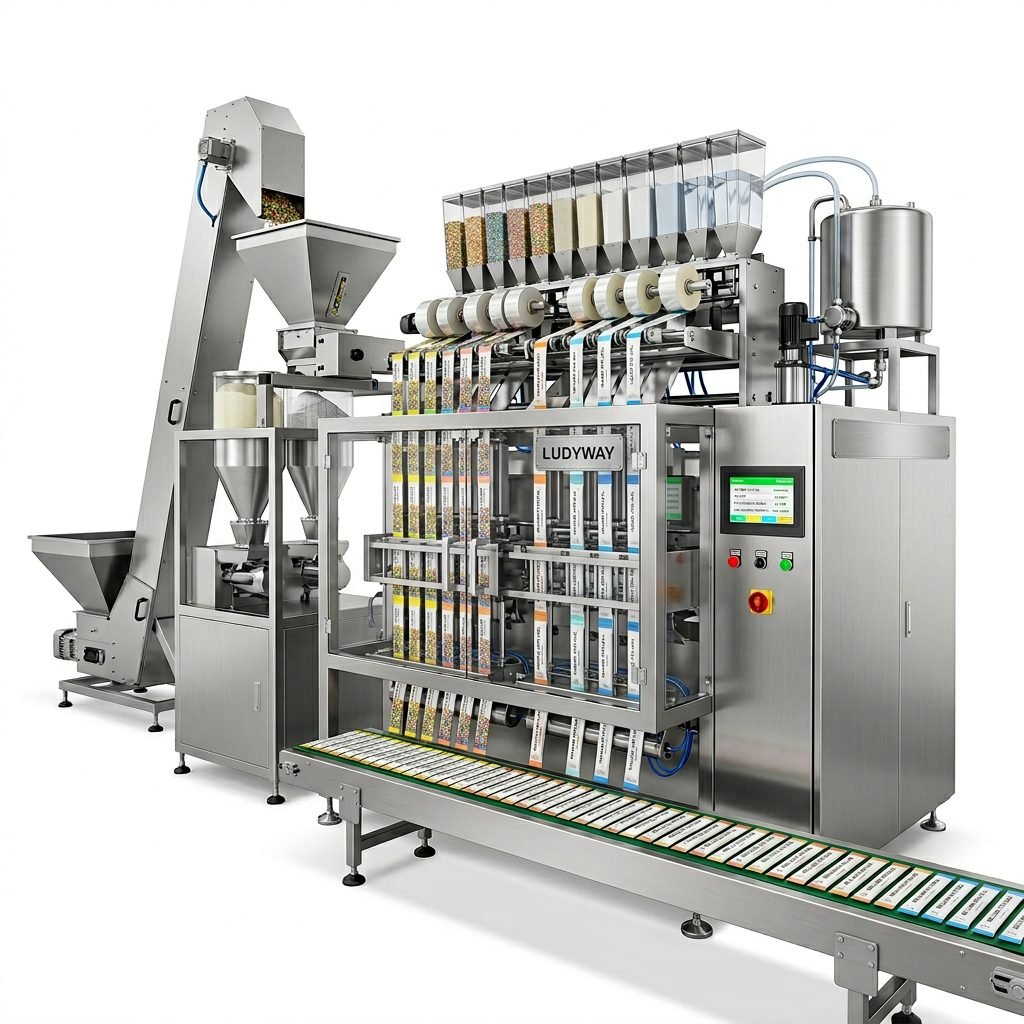
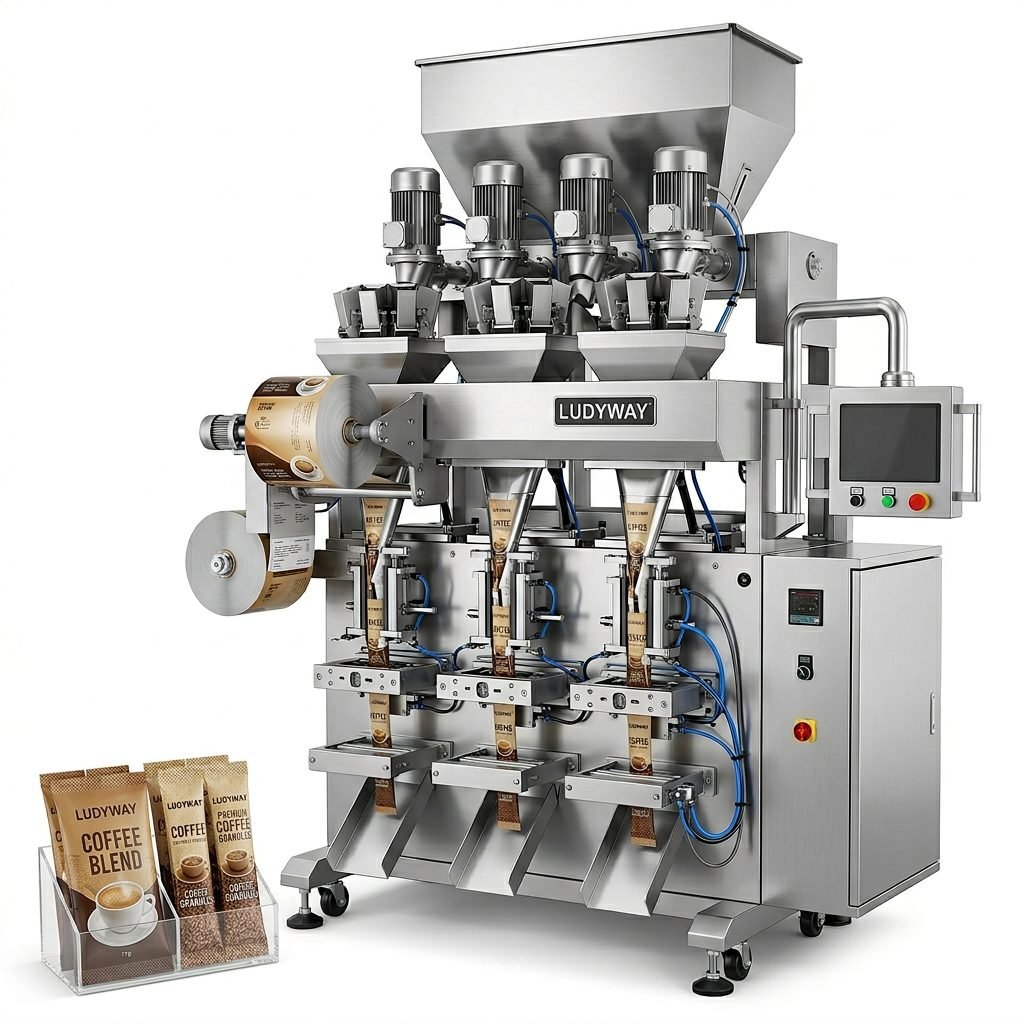
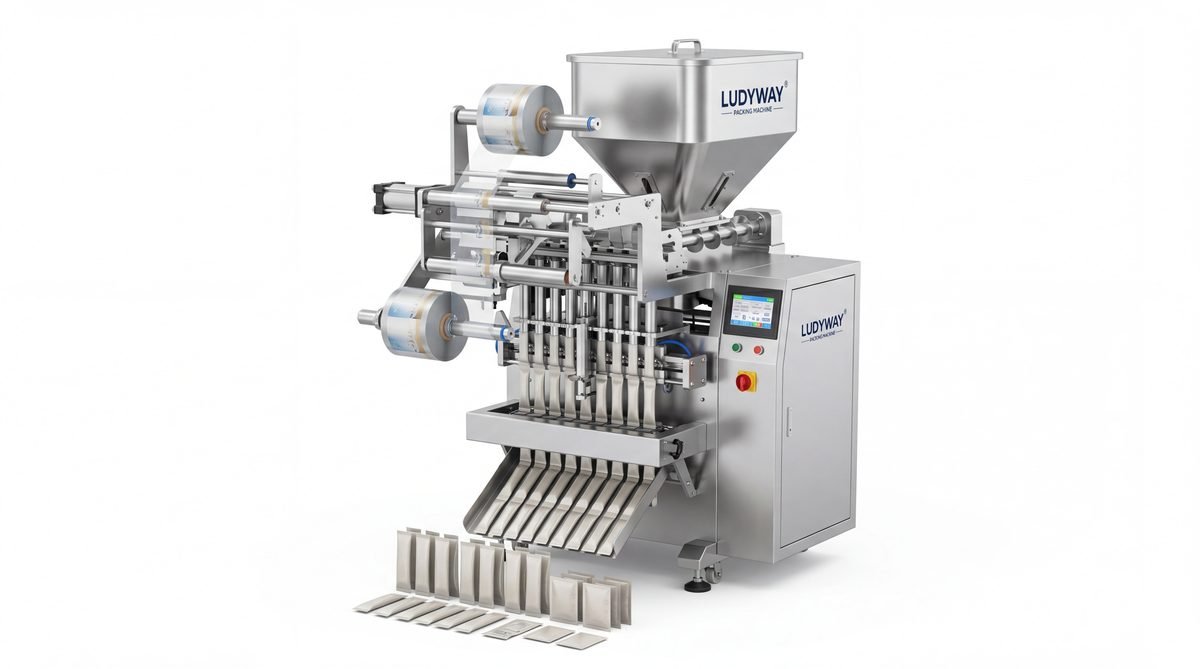
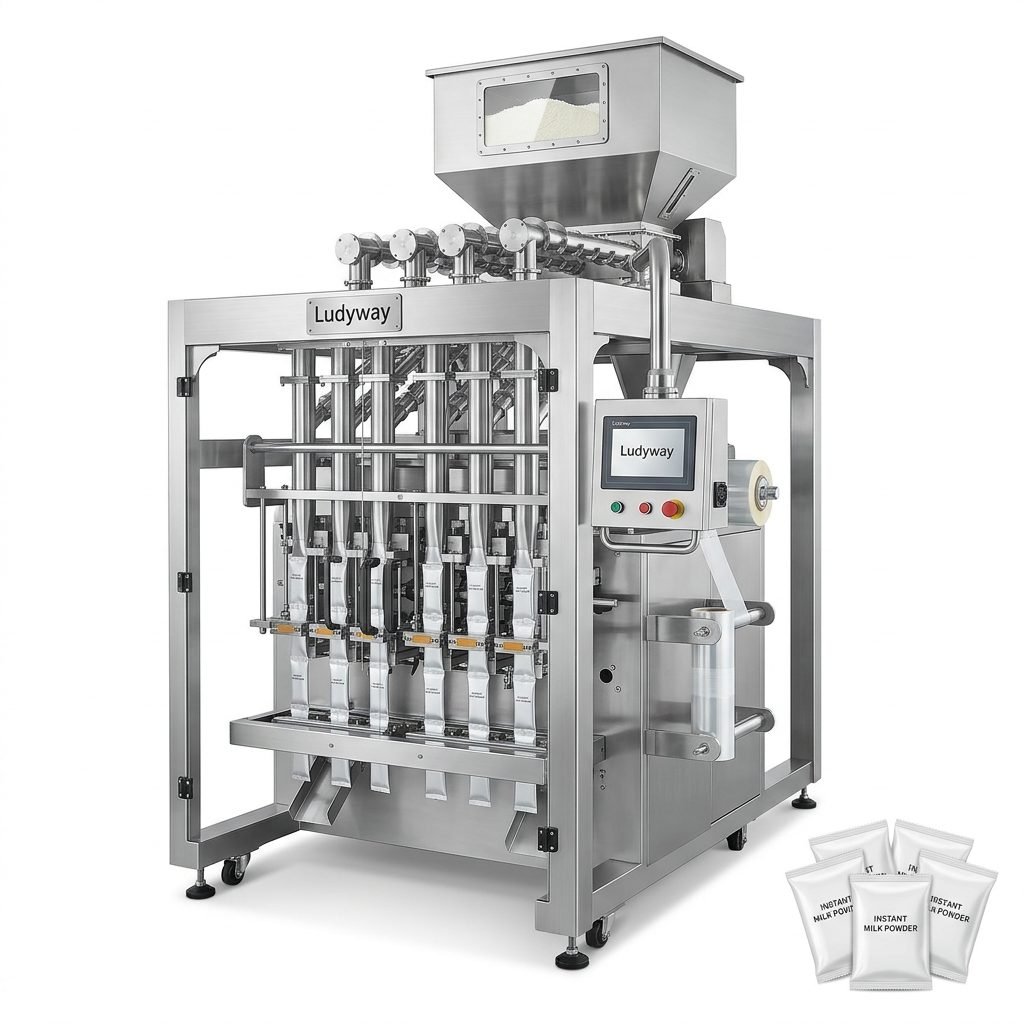
- Multi-Lane Stick Pack or Sachet Machine: The core of the line, a milk powder packaging machine typically features 4 to 12 lanes for high-speed vertical form-fill-seal (VFFS) operations.
- Auxiliary Equipment: Batch coding machines, checkweighers, metal detectors, and carton erectors complete the line for quality assurance and final packing.
Selecting the Right Packaging Format for African Markets
The choice of packaging format directly impacts shelf appeal, transportation costs, and consumer accessibility. Stick packs and sachets are the most popular formats for milk powder in Africa due to their low cost per unit and ease of distribution.
| Packaging Format | Typical Volume | Key Advantage | Target Consumer |
|---|---|---|---|
| Stick Pack | 2g – 20g | Ultra-portable, single-use | On-the-go individuals |
| Sachet | 10g – 100g | Low cost, high volume | Price-sensitive households |
| Stand-Up Pouch | 200g – 1000g | Resealable, premium feel | Mid-to-premium segment |
Step-by-Step Production Line Setup Process
1. Factory Layout and Infrastructure Planning
Allocate sufficient space for the powder handling area, packaging zone, and finished goods storage. Ensure the facility meets GMP standards with controlled humidity (below 35% recommended for milk powder) and positive air pressure to prevent contamination.
2. Equipment Procurement and Turnkey Integration
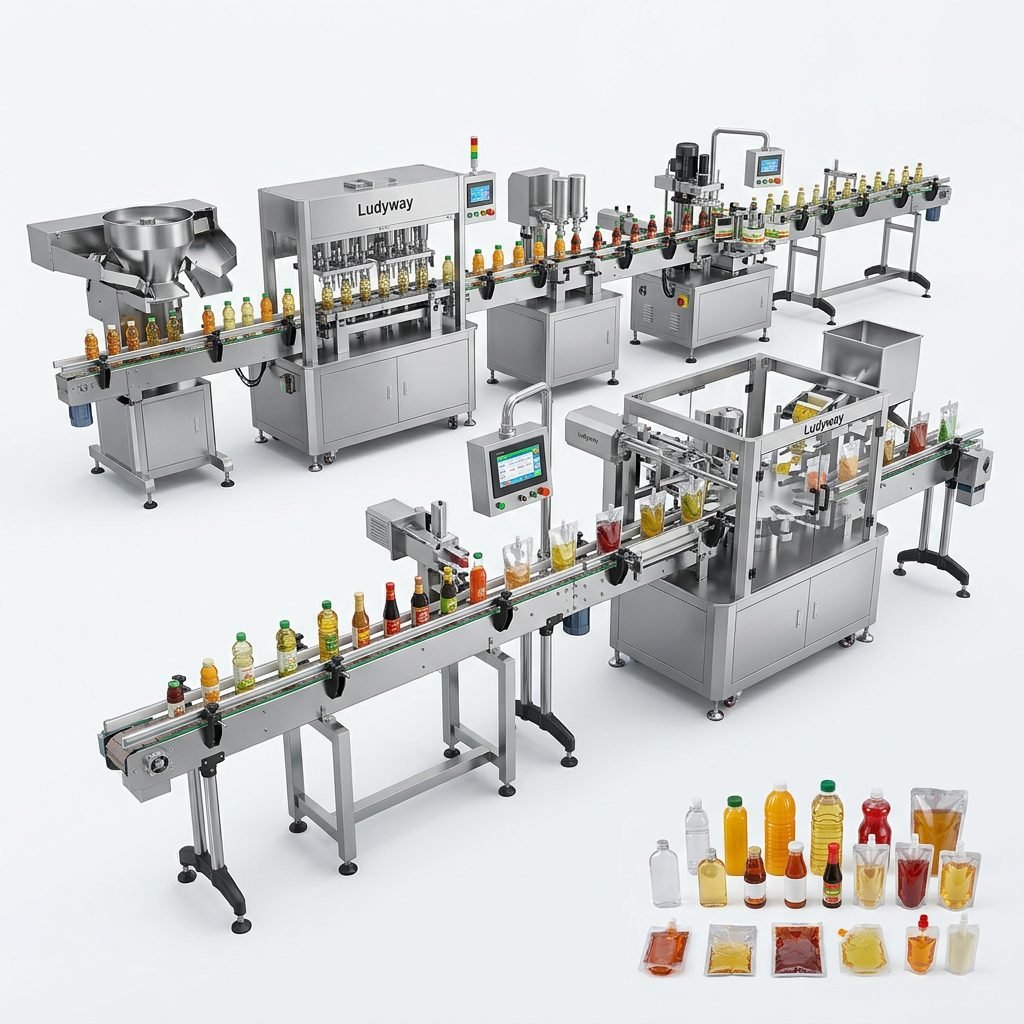
Partnering with a manufacturer that offers turnkey packaging solutions simplifies the entire process. For businesses entering the African market, working with an experienced global supplier ensures you receive integrated systems that are pre-tested and ready to install. Ludyway, one of the largest packaging machine manufacturers in China, specializes in advanced packaging equipment and provides complete production line solutions for powder, granule, and liquid applications. With a modern 20,000㎡ manufacturing facility and over 30 years of industry experience, the company has served customers in more than 100 countries, delivering automatic powder packaging equipment that meets international quality and safety standards.
3. Installation, Commissioning and Operator Training
Professional installation teams should handle mechanical setup, electrical connections, and system calibration. Comprehensive operator training on machine operation, cleaning procedures, and basic troubleshooting is crucial to minimize downtime and maintain output quality.
Regulatory Compliance and Food Safety
Exporting milk powder into African markets requires adherence to both international standards and local regulations. Key certifications and standards include ISO 9001 for quality management, HACCP for food safety, and compliance with packaging material regulations set by local food and drug authorities. For machinery, CE certification and conformity to relevant ISO packaging standards are often required.
Cost Considerations and ROI Analysis
Investing in a milk powder packaging line involves capital expenditure on machinery, installation, and initial training. However, operational efficiencies gained through automation—such as reduced waste, higher throughput, and lower labor costs—lead to a favorable return on investment. For African production scenarios, multi-lane stick pack machines typically offer the best balance between investment cost and output capacity.
Key factors affecting total investment:
- Number of production lanes (4-lane vs. 12-lane)
- Level of automation (semi-automatic vs. fully automatic)
- Integration of auxiliary equipment (checkweighers, metal detectors, cartoners)
Maintenance and After-Sales Support
A reliable after-sales service network is essential for sustained production. When selecting a packaging machine supplier, evaluate their ability to provide remote technical support, spare parts availability, and local service engineers. Proactive maintenance schedules and operator refresher training will extend the lifespan of your powder packaging equipment and ensure consistent output.
Industry Resources and Further Reading
To stay updated on packaging industry trends and regulations that affect milk powder production in Africa, consult trusted industry associations and regulatory bodies. Below are selected resources that provide valuable market intelligence and technical guidance.
- PMMI – The Association for Packaging and Processing Technologies
- Flexible Packaging Association – Industry Resources
- FDA – Food Packaging and Food Contact Substances
- ISO – Packaging Standards
- European Commission – Packaging and Packaging Waste
Frequently Asked Questions
What is the best packaging machine for small-scale milk powder production in Africa?
A 4-lane or 6-lane stick pack machine offers an excellent entry point, balancing affordability with good output capacity. This setup allows smaller businesses to enter the market with minimal capital while producing professional single-serve packaging.
How do I ensure my packaging line meets export standards?
Work with manufacturers that provide CE-certified machinery and documentation packages tailored for African regulatory submissions. Additionally, implement in-house quality control procedures aligned with HACCP principles.
What is the typical delivery and installation timeline?
For a complete milk powder packaging production line, expect 45-60 days for manufacturing, plus shipping and on-site installation. Turnkey providers can manage the entire timeline, from factory acceptance testing to production ramp-up.
Establishing a successful milk powder packaging operation in Africa demands a strategic approach to equipment selection, regulatory navigation, and market understanding. By investing in the right technology and building strong supplier relationships, companies can capture the growing demand for convenient, affordable dairy nutrition across the continent.