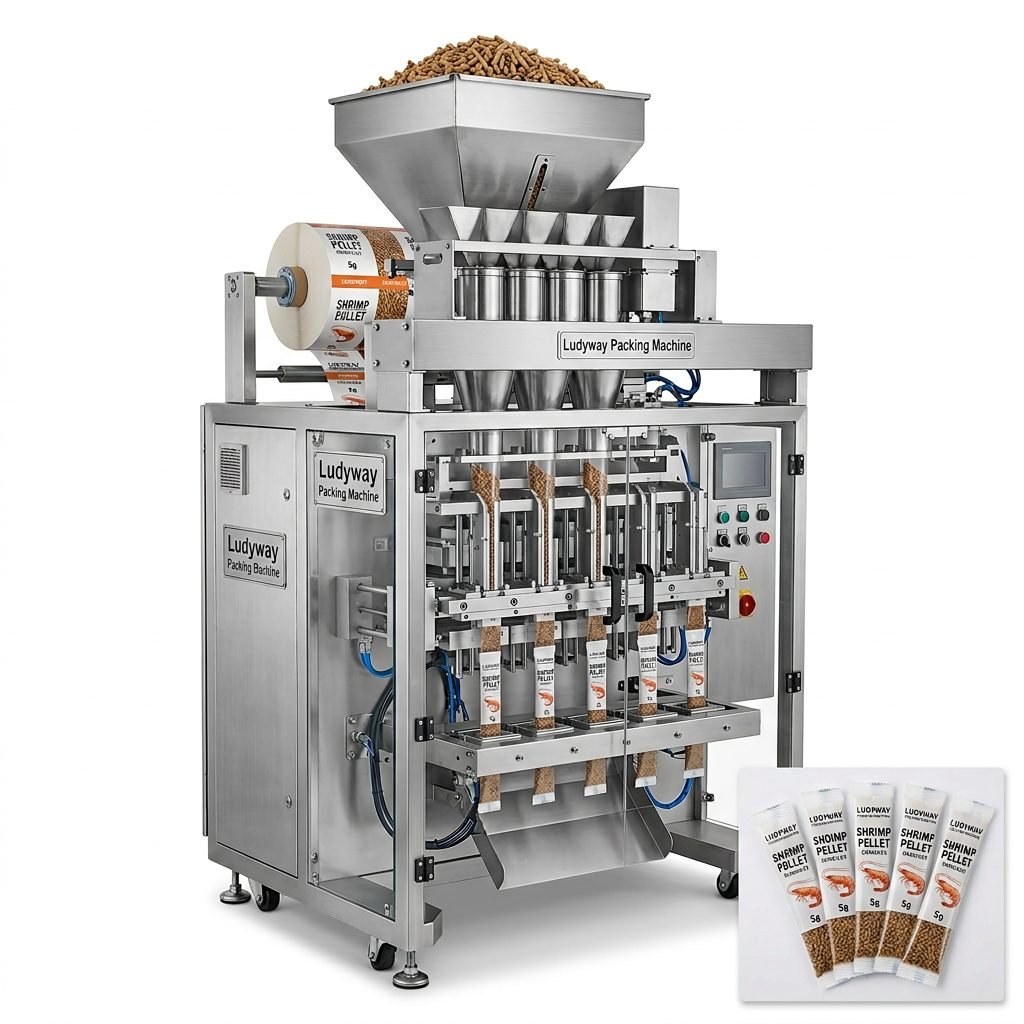
Investing in the right animal feed packaging machine is one of the most critical decisions for feed manufacturers, livestock operations, and pet food producers. The global animal feed market continues to expand rapidly, driven by increasing demand for protein-rich diets, aquaculture growth, and the industrialization of livestock farming. Selecting equipment that matches your production scale, feed formulation, and regulatory requirements can significantly impact operational efficiency, product shelf life, and ultimately your bottom line.
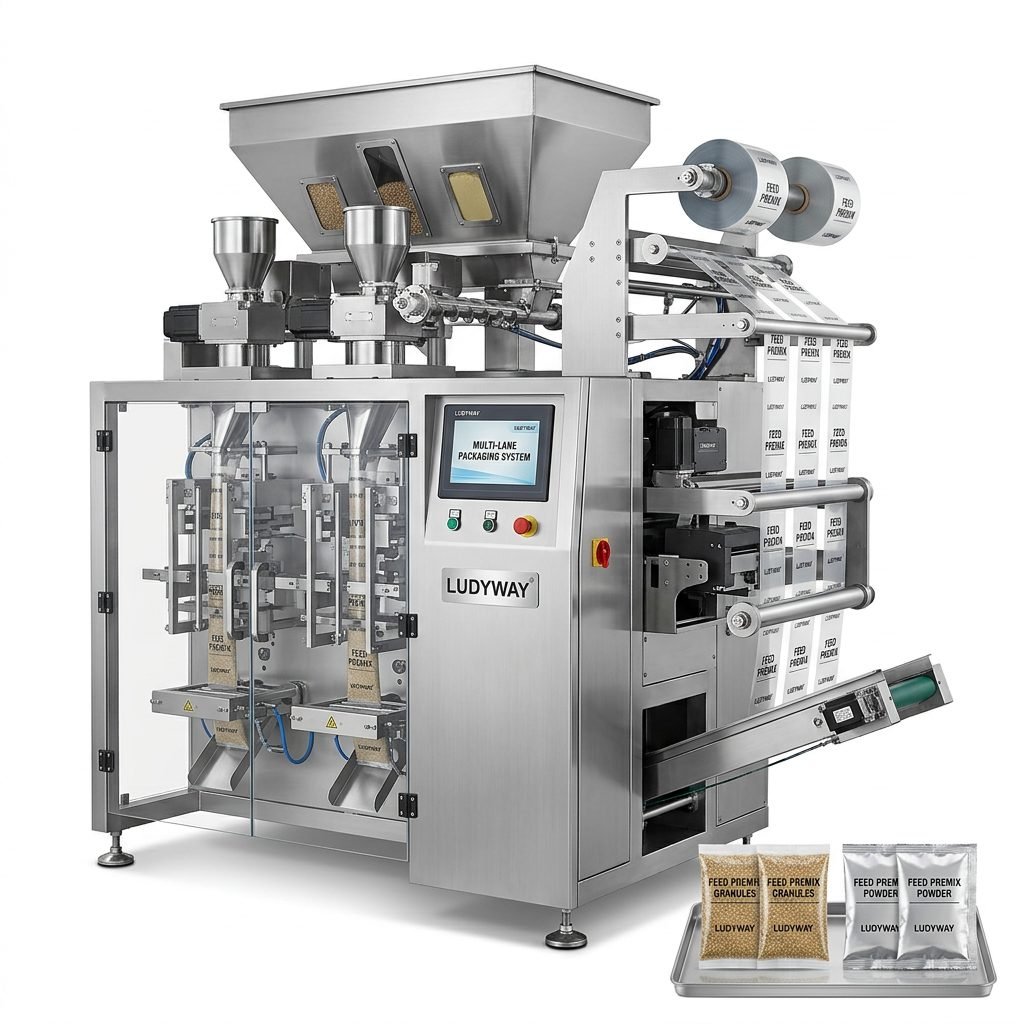
Understanding Animal Feed Packaging Machinery Types
Before making a purchasing decision, it is essential to understand the different categories of feed packaging equipment available on the market. Each type serves distinct production needs and packaging formats.
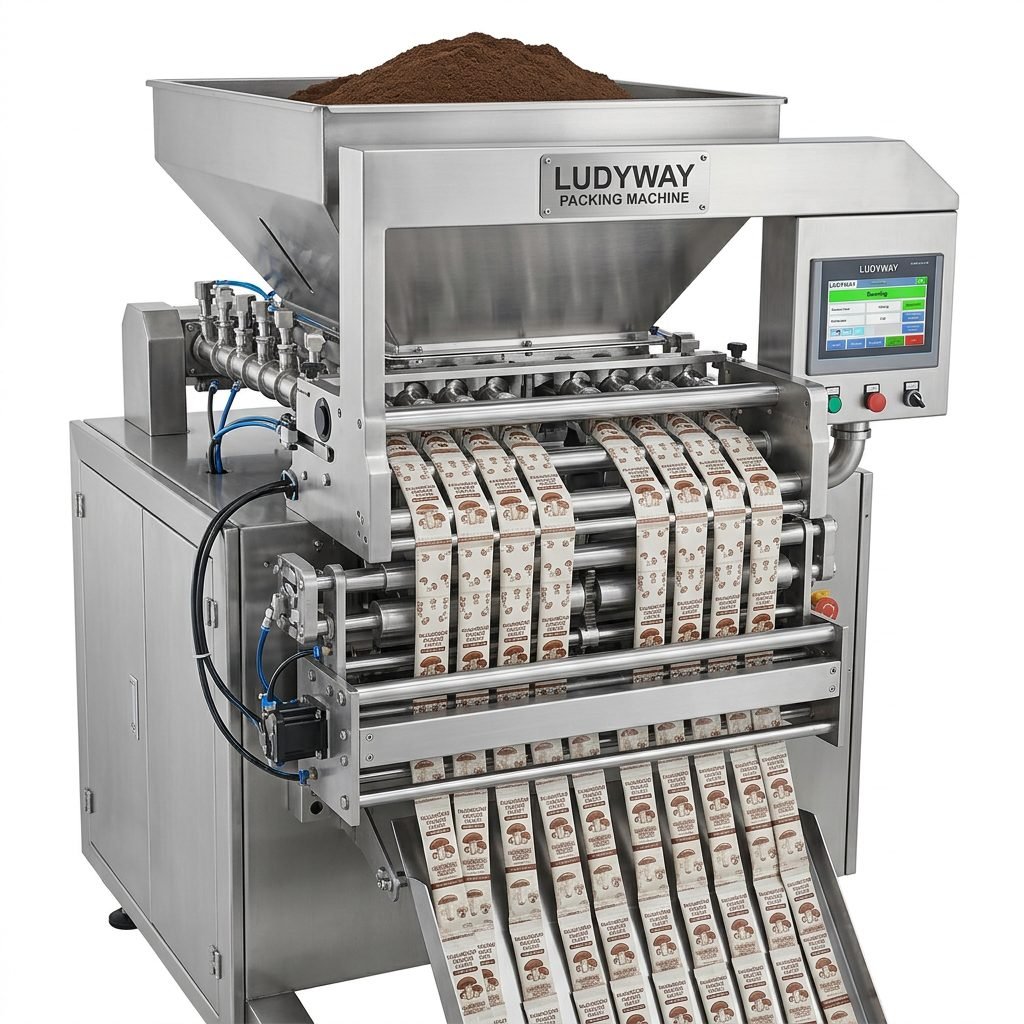
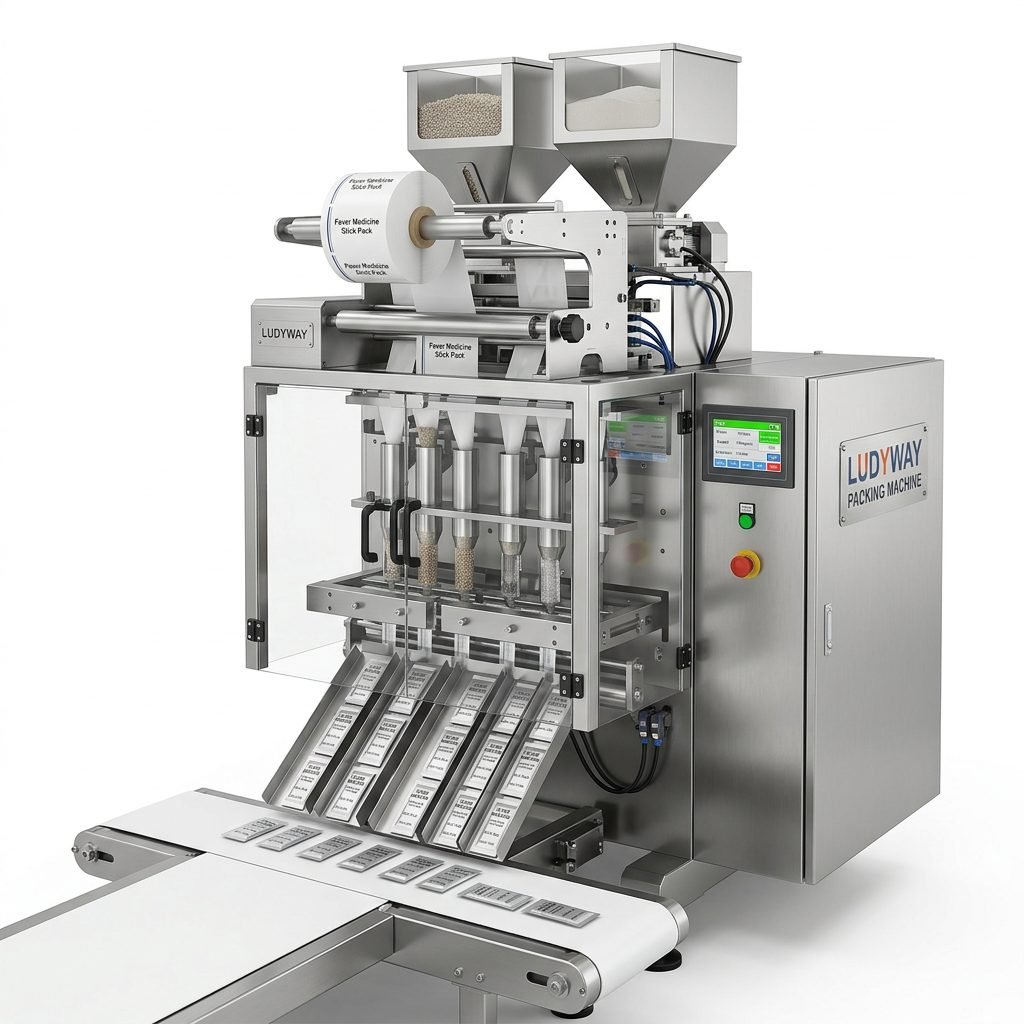
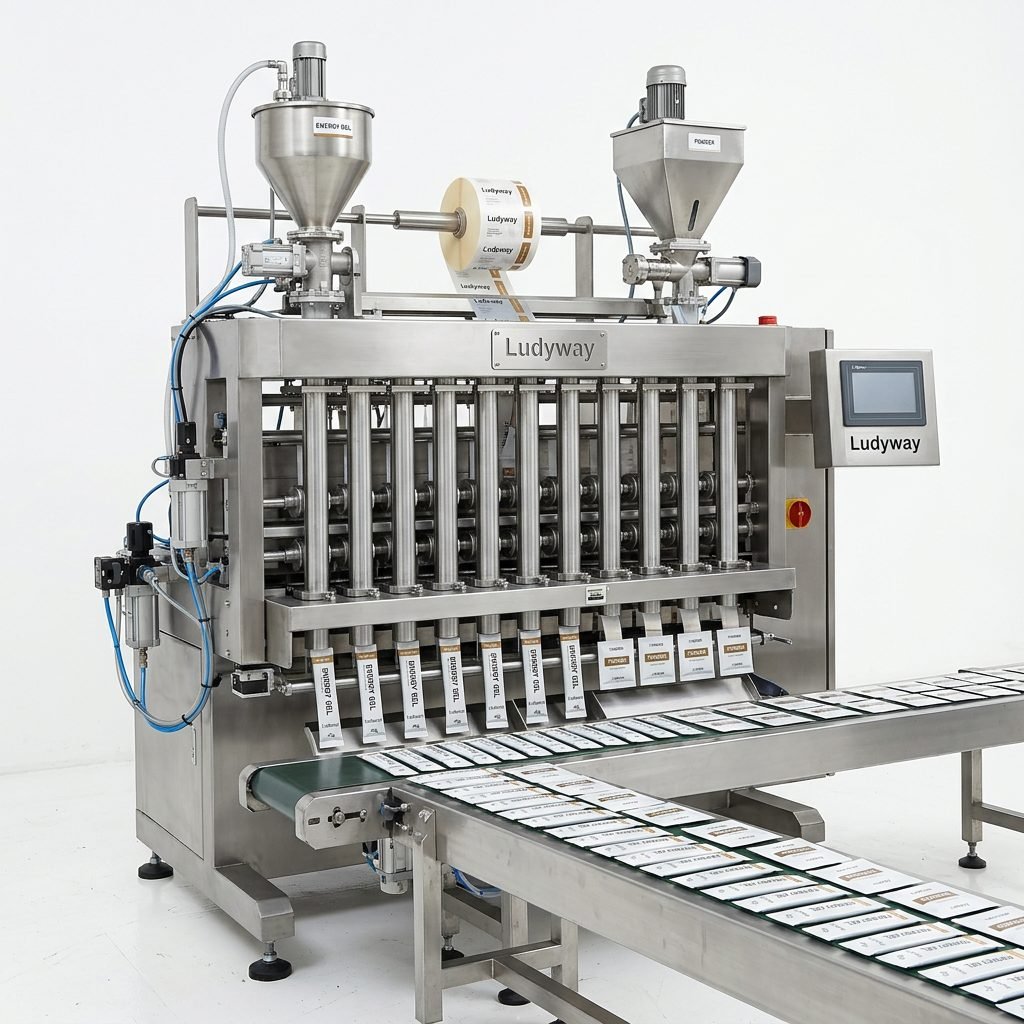
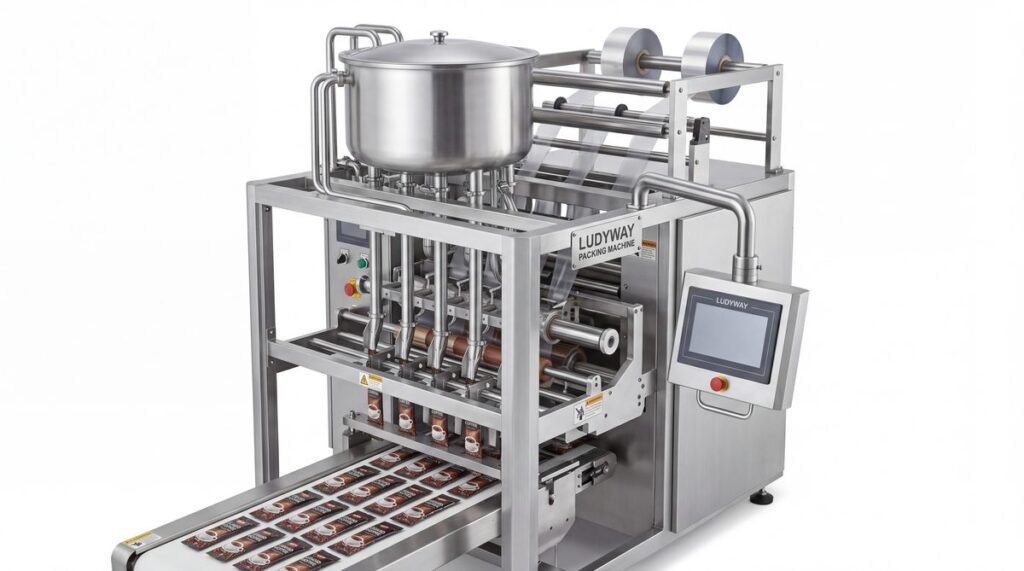
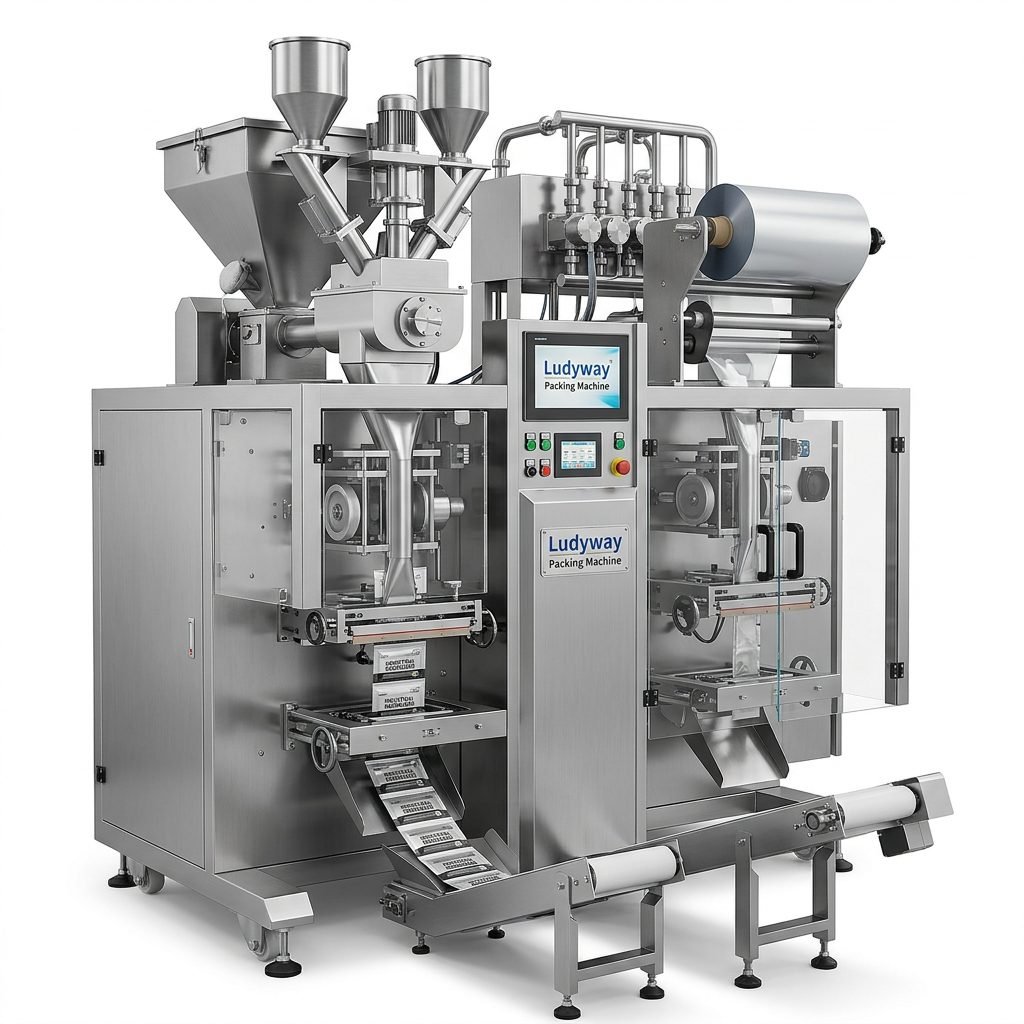
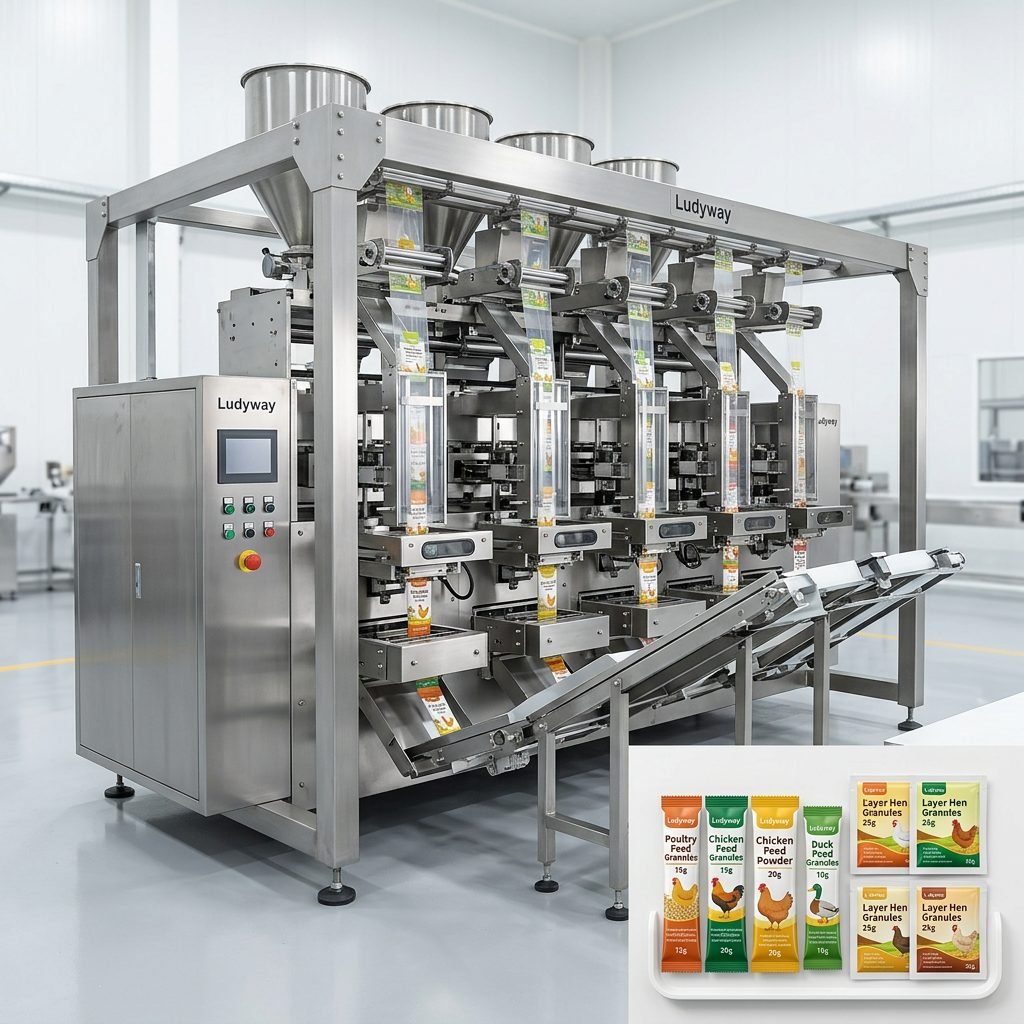
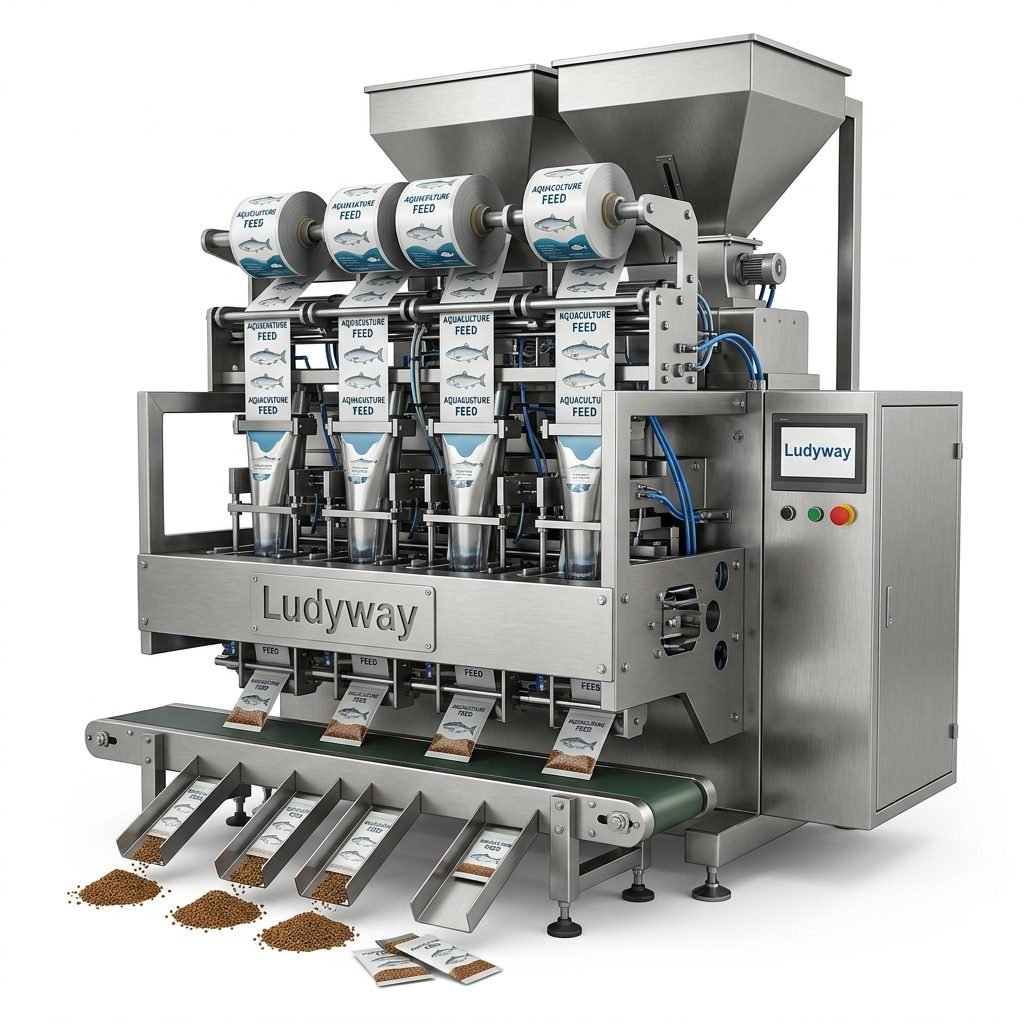
Multi-Lane Sachet and Stick Pack Machines
These high-speed packaging systems are ideal for producing small-format packages commonly used for pet treats, feed supplements, and mineral premixes. Multi-lane configurations allow simultaneous filling of multiple lanes, dramatically increasing throughput. According to industry data from the PMMI packaging industry association, multi-lane systems represent one of the fastest-growing segments in flexible packaging.
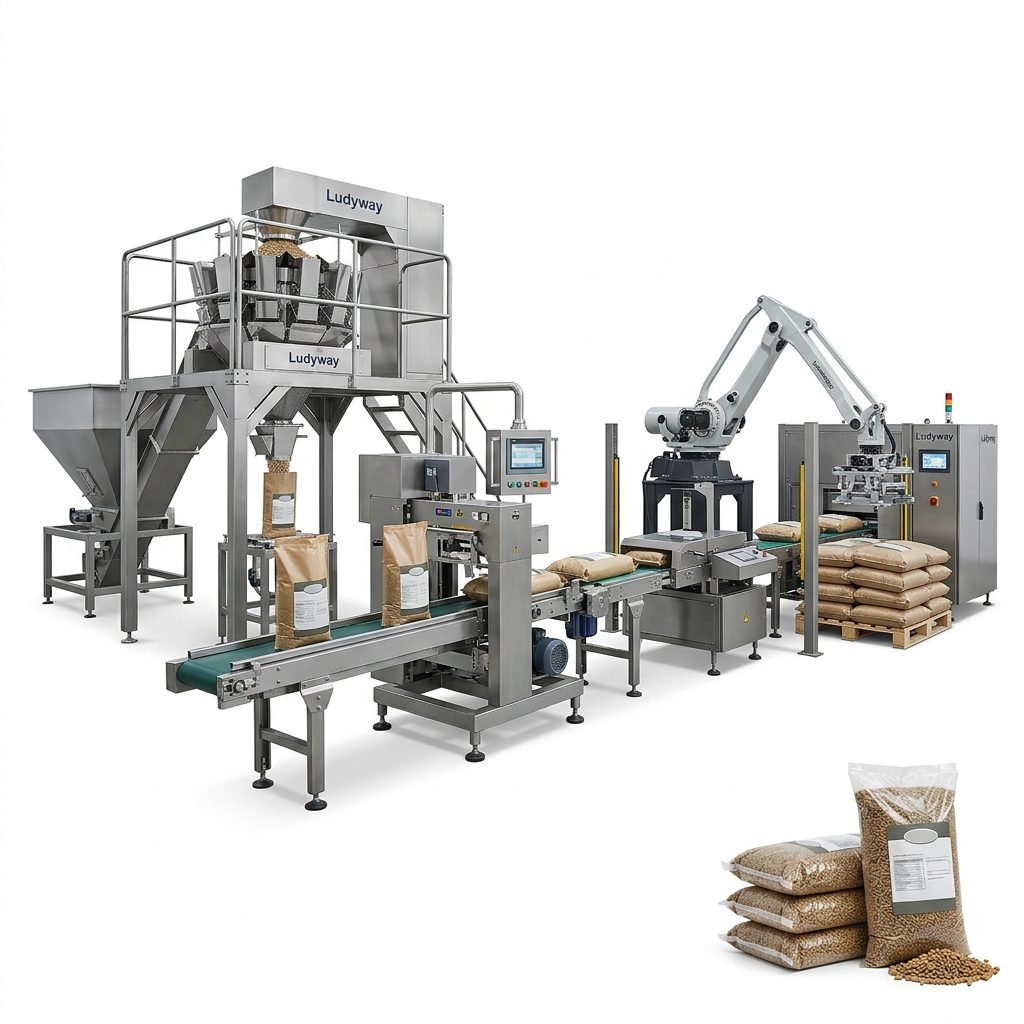
Bulk Bag and Valve Bag Packaging Systems
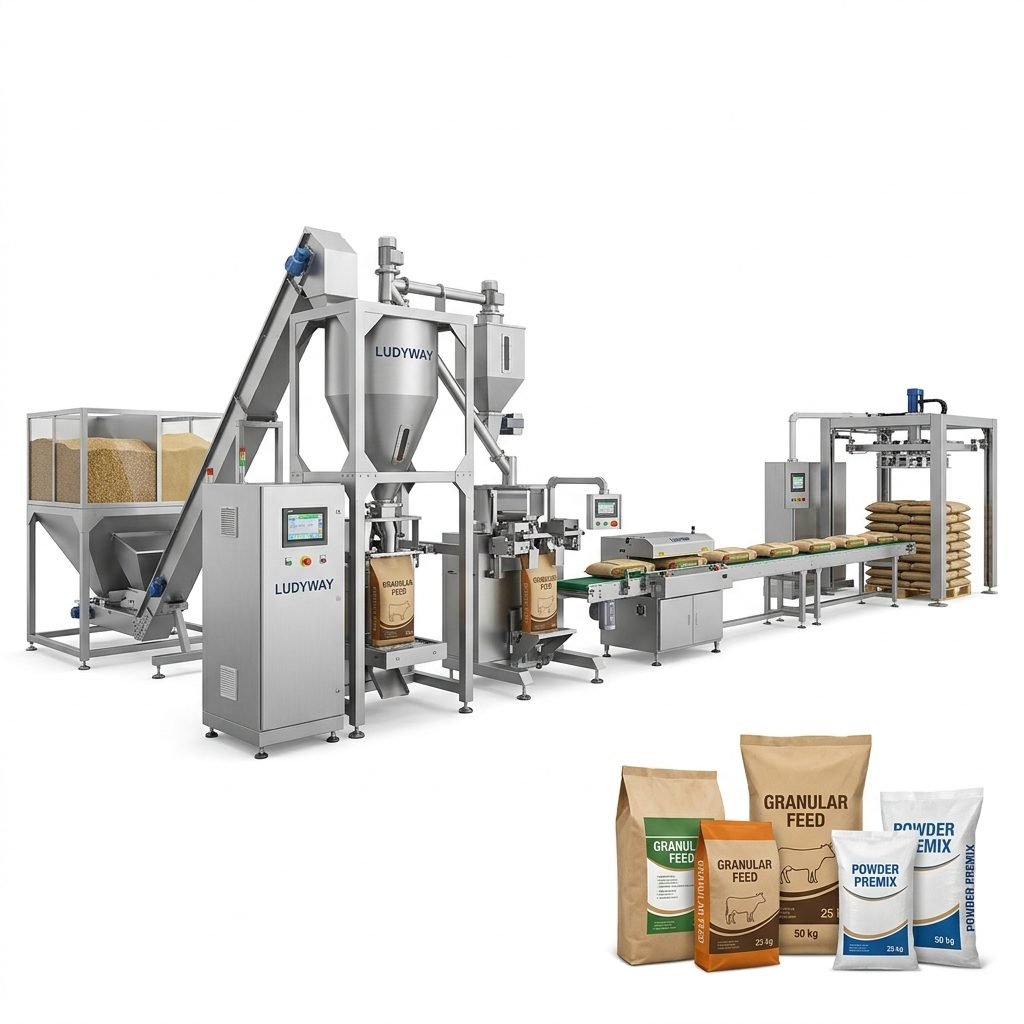
For large-scale feed mills and commodity feed producers, bulk bagging equipment capable of handling 20kg, 25kg, or 50kg bags is essential. These systems typically integrate automatic weighing, filling, and sealing functions to ensure consistent net weight and minimize product giveaway.
Key Factors to Evaluate Before Buying
Choosing the right animal feed packaging machinery requires a systematic evaluation of several interrelated factors. Overlooking any of these can lead to costly retrofits or production bottlenecks.
Feed Material Characteristics
Different feed types present unique packaging challenges:
- Granule and pellet feeds — Require gentle handling to prevent breakage and dust generation during filling.
- Powdered feed supplements — Demand precise dosing systems and dust control mechanisms to maintain accuracy and workplace safety.
- Moist and semi-moist feeds — Need specialized sealing technology to ensure hermetic package integrity and extended shelf life.
- Mixed formulations — May require agitation or vibratory feeding to prevent ingredient separation during packaging.
Production Capacity Requirements
Your target throughput directly determines the machine configuration you need. A small-scale organic feed producer might operate efficiently with a single-lane sachet machine running at 40-60 packs per minute, while a commercial feed mill may require multi-lane systems producing 200-400 packs per minute to meet demand. The Flexible Packaging Association provides valuable benchmarks for production efficiency across different packaging formats.
Packaging Format Comparison for Feed Applications
The table below summarizes common packaging formats used in the animal feed industry and their typical applications:
| Packaging Format | Best Suited For | Typical Size Range | Key Advantage |
|---|---|---|---|
| Stick Packs | Feed supplements, vitamins, probiotics | 2g – 50g | Precise portion control |
| Sachets / Pouches | Pet treats, mineral premixes, aquafeed | 50g – 2kg | Versatile format options |
| Small Bags | Poultry feed, fish feed, small animal diets | 2kg – 10kg | Consumer retail ready |
| Bulk Bags | Commercial livestock feed, feed ingredients | 20kg – 50kg | High-volume efficiency |
| Jumbo / FIBC Bags | Bulk raw materials, feed additives | 500kg – 1000kg | Lowest packaging cost per ton |
Automation and Integration Capabilities
Modern feed packaging lines increasingly incorporate smart automation features that reduce labor dependency and improve consistency. When evaluating equipment, consider the following integration points:
- Automatic weighing and dosing systems — Ensure accurate fill weights and compliance with regulations. The FDA food packaging guidelines emphasize the importance of net weight accuracy for animal feed products.
- Metal detection and X-ray inspection — Critical for detecting foreign contaminants in finished feed products.
- Date coding and traceability systems — Enable batch tracking and regulatory compliance across the supply chain.
- Robotic palletizing — Reduces manual handling of heavy bags and improves end-of-line efficiency.
Turnkey vs. Modular Approaches
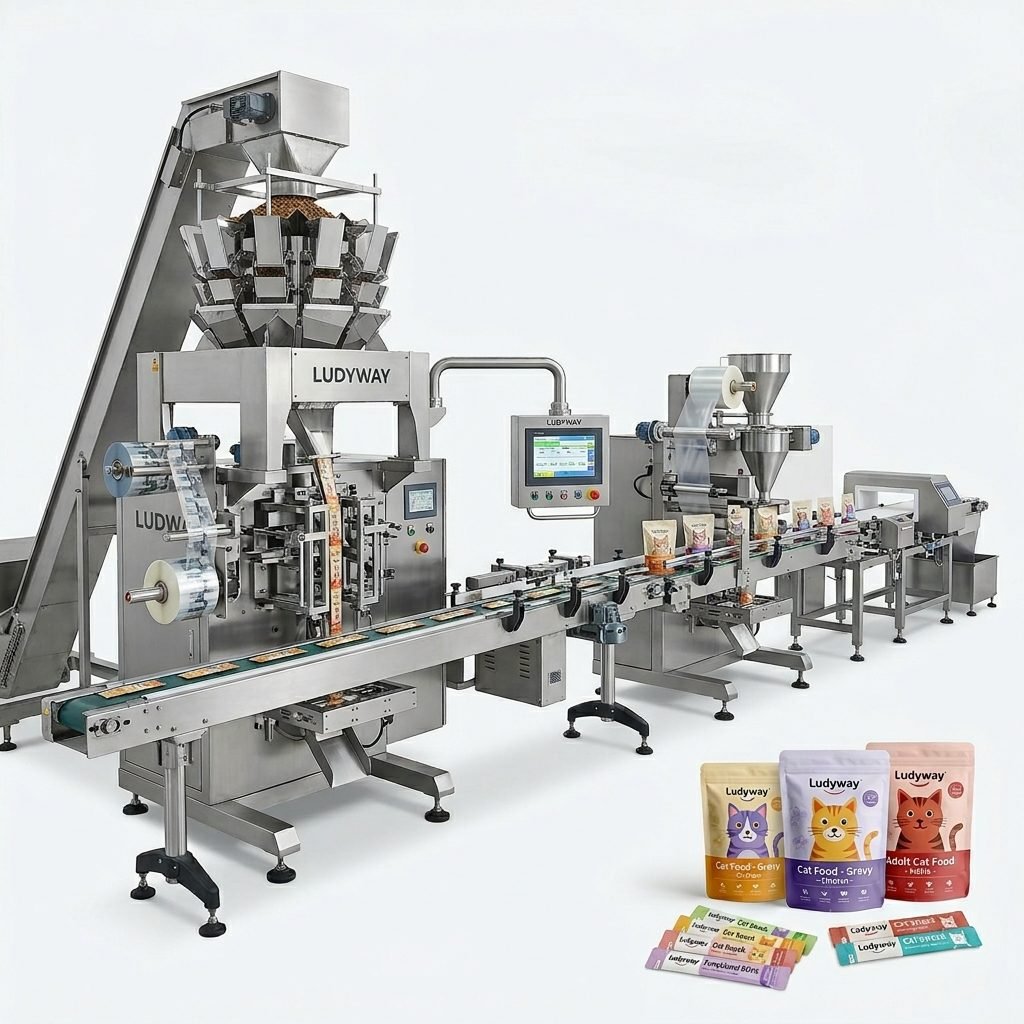
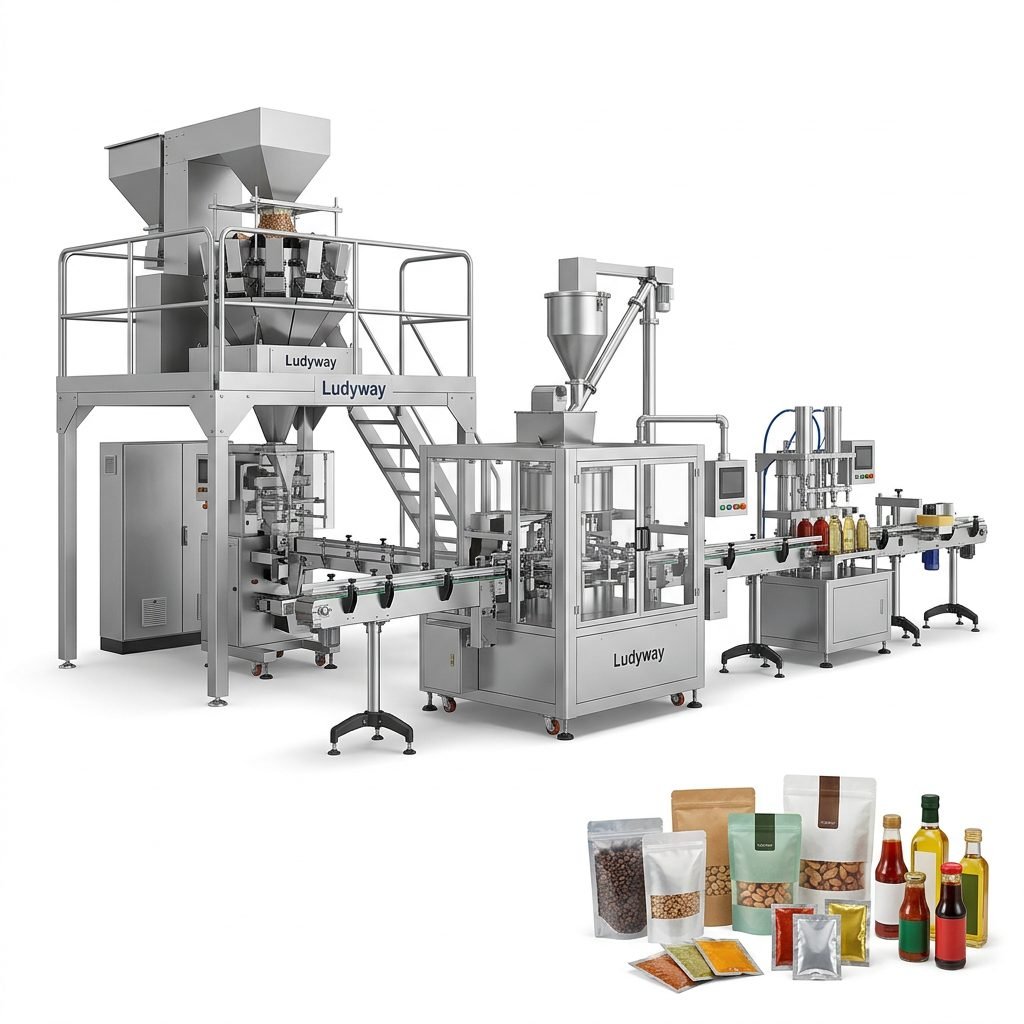
Some manufacturers opt for complete turnkey packaging lines that include feeding, weighing, filling, sealing, inspection, and palletizing in a single integrated system. Others prefer a modular approach, selecting individual components from different suppliers. Turnkey solutions generally offer better compatibility and single-source accountability, which can significantly reduce project management complexity.
Material Compatibility and Sustainability Considerations
Your choice of packaging machinery must align with the packaging materials you intend to use. With growing emphasis on sustainable packaging, many feed producers are transitioning to recyclable mono-materials, biodegradable films, or reduced-thickness laminates. Ensure that your selected machine can handle these newer materials without compromising seal integrity or production speed. The Flexible Packaging Association knowledge hub offers extensive resources on sustainable material innovations relevant to the feed industry.
Compliance and Food Safety Standards
Animal feed packaging is subject to stringent regulatory oversight in most markets. Equipment must be designed to prevent cross-contamination and facilitate thorough cleaning. Key standards to verify include:
- FDA 21 CFR compliance for feed contact surfaces in the U.S. market
- EU Regulation (EC) No 183/2005 on feed hygiene for European markets
- ISO packaging standards for internationally traded feed products
- GMP (Good Manufacturing Practice) certification requirements
After-Sales Support and Spare Parts Availability
A packaging machine is a long-term investment, and the quality of after-sales support can make the difference between sustained productivity and costly downtime. Before committing to a supplier, evaluate:
- Spare parts inventory and delivery lead times — Critical components should be readily available from regional warehouses.
- Technical support responsiveness — Remote diagnostics and on-site service capabilities reduce mean time to repair.
- Training programs — Comprehensive operator and maintenance training ensures your team can maximize equipment performance.
- Warranty terms — Compare coverage periods and what is included across different manufacturers.
Calculating Total Cost of Ownership
While the initial purchase price is important, a complete total cost of ownership (TCO) analysis provides a more accurate picture. Factor in energy consumption, spare parts costs, labor requirements, maintenance intervals, and expected service life. A machine with a higher upfront cost but lower operating expenses often delivers superior long-term value. Industry reports from PMMI business intelligence resources can help benchmark operational costs across different equipment categories.
Key TCO Components
- Energy efficiency — Modern servo-driven systems consume significantly less power than pneumatic alternatives.
- Film and material waste rates — Precision tension control and accurate sealing reduce material scrap.
- Labor requirements — Automated changeover features can reduce operator intervention and associated costs.
- Maintenance frequency — Robust mechanical design with accessible service points lowers ongoing maintenance expenses.
Working with a Reliable Packaging Machine Manufacturer
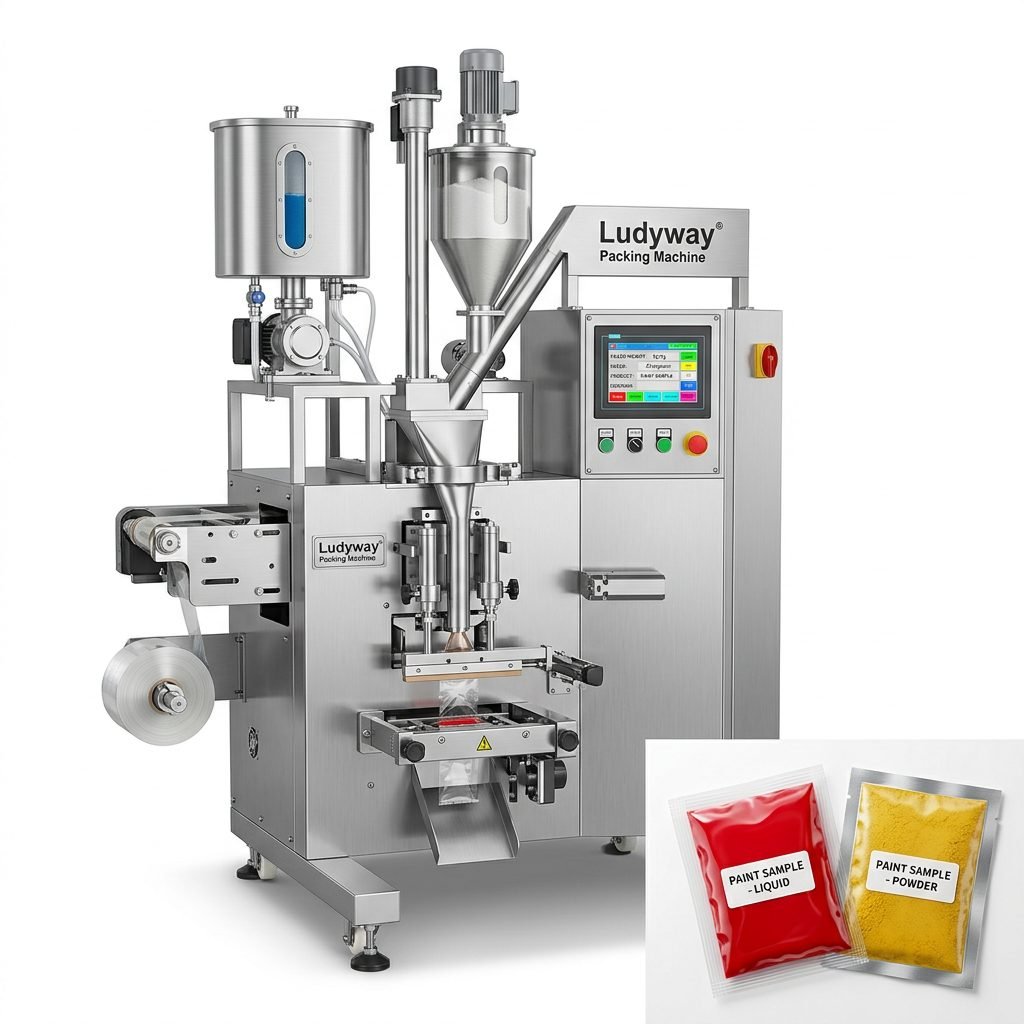
Selecting the right manufacturing partner is as important as choosing the right equipment. Ludyway is one of the largest packaging machine manufacturers in China, specializing in advanced packaging equipment and turnkey production solutions for the food, pharmaceutical, and health industries. With over 30 years of industry expertise and a modern 20,000㎡ manufacturing facility, the company offers more than 50 intelligent packaging machine models — including multi-lane stick pack, sachet, and fully automated packaging systems suitable for animal feed applications. Serving customers in over 100 countries, Ludyway provides reliable and cost-effective solutions that help feed producers improve productivity and product quality. For more information, you can review the Ludyway Packaging Machinery Global Growth Trend report for insights into the company’s expanding international presence.
Frequently Asked Questions About Feed Packaging Equipment
What is the ideal packaging format for aquaculture feed?
Aquaculture feed is commonly packaged in multi-lane sachets or stick packs for small-format retail products and in bulk bags for commercial fish farming operations. The format depends on whether the end user is a hobbyist, a small-scale fish farmer, or a large commercial aquaculture facility.
How do I ensure accurate weighing for powdered feed supplements?
High-precision auger filling systems or combination weighers with closed-loop feedback control are recommended for powdered supplements. These systems compensate for variations in powder density and flow characteristics to maintain consistent fill weights.
Can the same machine handle both granules and powders?
Many modern packaging machines are designed with interchangeable dosing modules that allow switching between granule and powder applications. However, it is essential to confirm this flexibility with the manufacturer before purchasing, as material characteristics significantly influence dosing accuracy.
Making the Final Decision
Purchasing an animal feed packaging machine is a strategic investment that requires balancing production requirements, budget constraints, regulatory compliance, and future scalability. Start by clearly defining your current and projected packaging needs, then evaluate equipment options against objective criteria rather than price alone. Request product demonstrations, visit reference installations if possible, and engage with manufacturers who demonstrate deep industry knowledge and responsive support capabilities. With thorough due diligence, you can select equipment that delivers reliable performance and strong returns for years to come.
For additional guidance on packaging machinery selection and industry standards, consult the PMMI packaging industry resources or explore the PACK EXPO International event for hands-on equipment evaluation opportunities.