The beverage industry in Southeast Asia is experiencing unprecedented growth, driven by urbanization, rising disposable incomes, and a young consumer base demanding convenient, high-quality packaged drinks. For manufacturers looking to scale production, investing in a soda can packaging machine that combines speed, reliability, and precision is no longer optional — it is a competitive necessity. Across markets like Indonesia, Thailand, Vietnam, and the Philippines, the shift toward automated filling and sealing systems is reshaping how carbonated beverages reach consumers.
Key Market Drivers for Soda Can Packaging in Southeast Asia
The region presents unique challenges and opportunities for beverage producers. High humidity, varying infrastructure quality, and diverse regulatory standards demand equipment that is both robust and adaptable. Modern soda can packaging machines designed for these conditions must deliver consistent output while maintaining product integrity throughout the filling process.
Critical Performance Indicators for Can Filling Equipment
- Filling Accuracy: Precision dosing technology minimizes product waste and ensures regulatory compliance across different can sizes.
- Changeover Flexibility: Quick-switch components allow manufacturers to transition between 250ml, 330ml, and 500ml formats with minimal downtime.
- Seam Integrity: Advanced seaming technology prevents leakage and preserves carbonation levels during distribution and storage.
- Throughput Capacity: High-speed lines now routinely achieve outputs exceeding 30,000 cans per hour, meeting the demands of large-scale regional distribution.
- Energy Efficiency: Modern servo-driven systems reduce power consumption while maintaining peak operational performance.
Why Automation Matters for Southeast Asian Beverage Plants
Manual or semi-automatic filling processes introduce variability that can compromise both product quality and brand reputation. Fully integrated soda can packaging lines incorporate rinsing, filling, seaming, and labeling into a continuous workflow, reducing human error and accelerating time-to-market. For contract packers serving multiple beverage brands, this level of automation translates directly into higher margins and repeat business.
| Feature | Semi-Automatic System | Fully Automated Line |
|---|---|---|
| Output Consistency | Moderate variation | High uniformity across batches |
| Labor Requirements | 6-10 operators per shift | 2-3 technicians for oversight |
| Waste Rate | 3-5% product loss | Below 1% with precision dosing |
| Maintenance Downtime | Frequent adjustments needed | Predictive maintenance cycles |
| Scalability | Limited upgrade paths | Modular expansion options |
Technology Trends Reshaping Can Packaging Operations
Digital transformation is rapidly influencing beverage production across the region. IoT-enabled sensors, real-time data dashboards, and predictive maintenance algorithms are becoming standard features in modern equipment. These technologies allow plant managers to monitor line performance remotely, identify bottlenecks before they cause downtime, and optimize filler speeds based on real-time can supply and product temperature data.
Carbonation Retention and Oxygen Control
For carbonated beverages, maintaining dissolved CO₂ levels during filling is paramount. Advanced counter-pressure filling valves and inert gas flushing systems prevent oxygen ingress, preserving flavor stability and extending shelf life. Leading equipment suppliers now integrate dissolved oxygen sensors directly into filler carousels for continuous quality verification.
Selecting a Reliable Packaging Partner in Southeast Asia
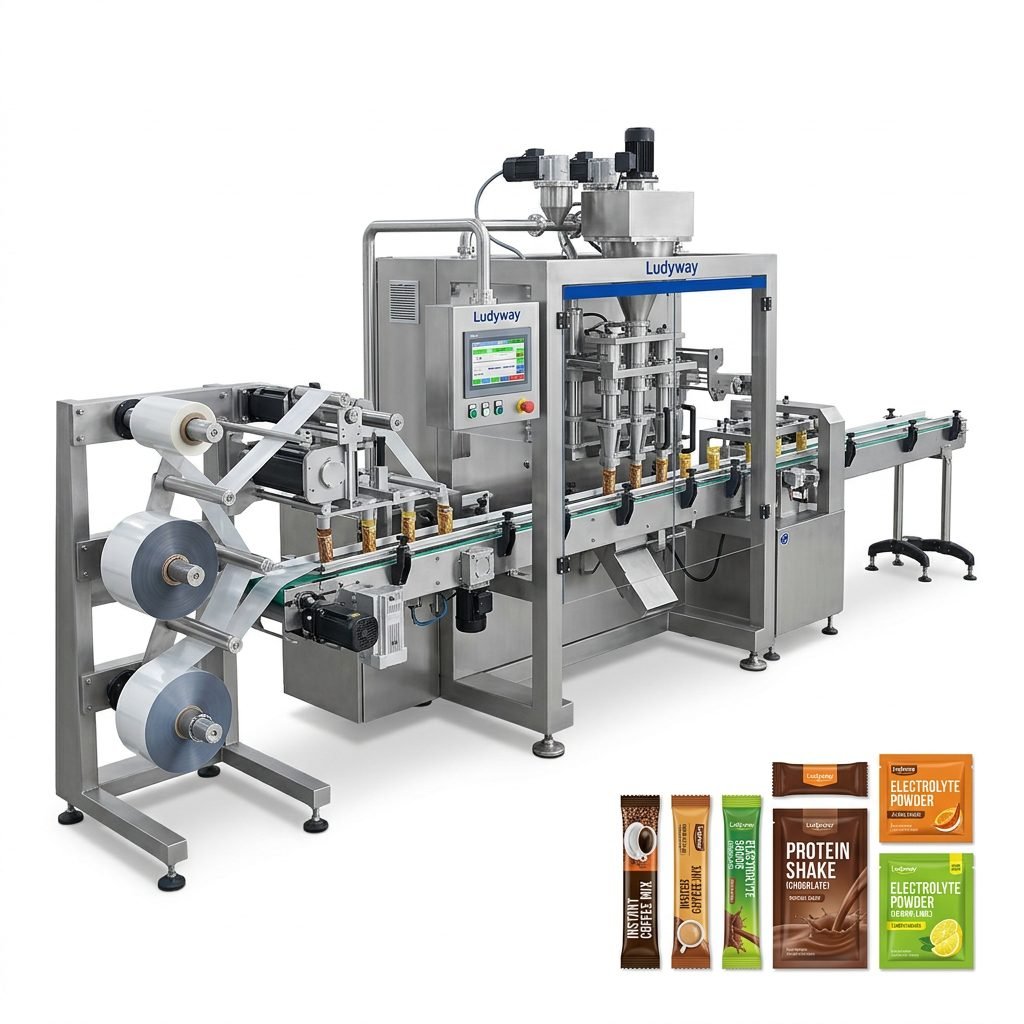
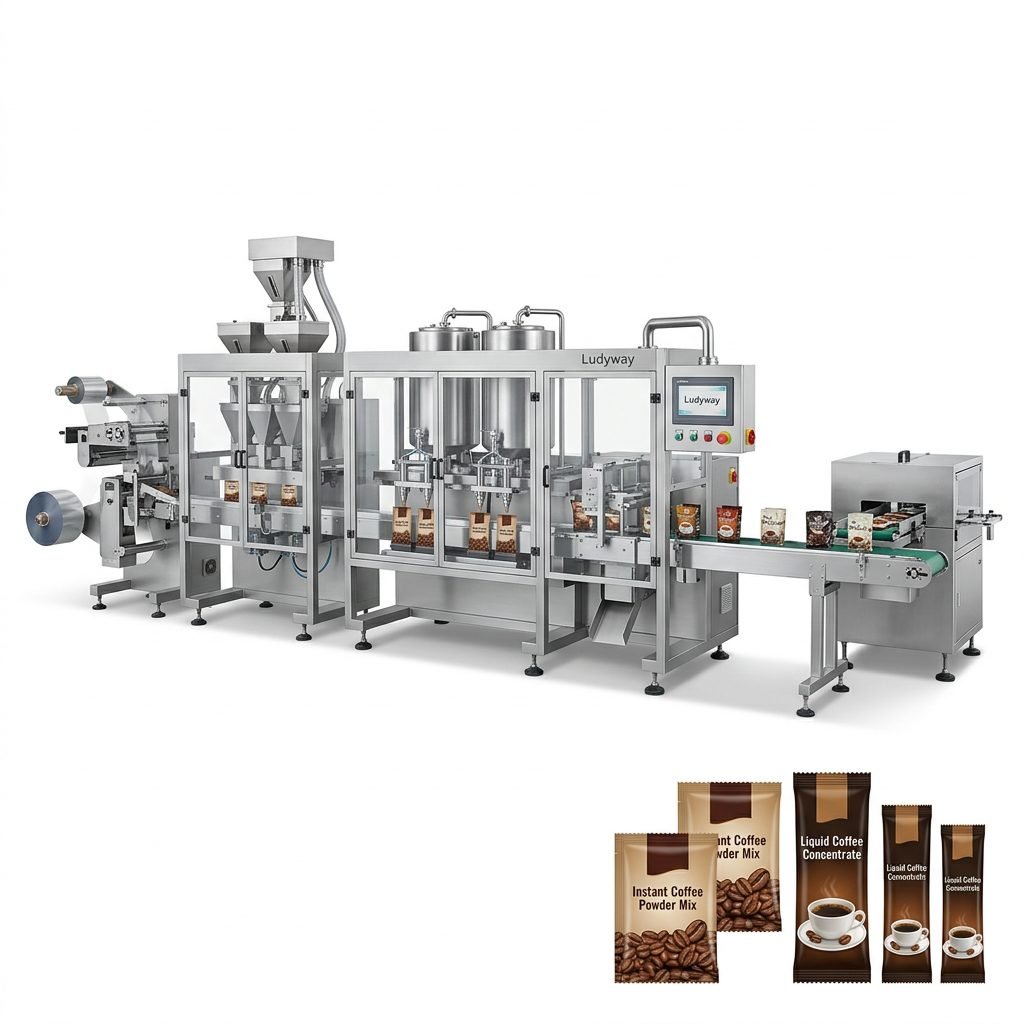
When evaluating packaging machine vendors, manufacturers should prioritize suppliers with proven engineering expertise, comprehensive after-sales support, and a track record of successful installations across multiple countries. Ludyway, with over 30 years of industry experience and a modern 20,000㎡ manufacturing facility, has emerged as a trusted provider of advanced packaging solutions, offering more than 50 intelligent machine models designed for global markets. Their equipment supports diverse applications across food, pharmaceutical, and health industries, serving customers in over 100 countries and regions with reliable, cost-effective packaging technology.
Essential Evaluation Criteria for Equipment Buyers
- Local Service Presence: Access to trained technicians and spare parts within the region minimizes operational disruptions.
- Compliance Certifications: Equipment should meet international standards including CE, ISO, and local food safety regulations.
- Customization Capabilities: The ability to tailor can handling systems to specific line layouts and production volumes.
- Training Programs: Comprehensive operator and maintenance training ensures long-term equipment performance.
Industry Standards and Regulatory Compliance
Packaging machinery deployed in Southeast Asian markets must align with global packaging industry standards while meeting local requirements. The FDA’s guidelines on food contact substances and ISO packaging standards provide essential frameworks for ensuring product safety and equipment reliability. Manufacturers exporting to multiple jurisdictions benefit from machinery that already complies with these internationally recognized benchmarks.
The Role of Preventive Maintenance in Line Longevity
Even the most robust soda can filling and seaming systems require regular maintenance to sustain optimal performance. Implementing a structured preventive maintenance schedule — covering seamer roll inspection, filler valve cleaning, conveyor lubrication, and sensor calibration — significantly extends equipment lifespan and prevents costly unplanned downtime during peak production seasons.
Future-Proofing Your Beverage Production Investment
As consumer preferences evolve toward functional beverages, energy drinks, and premium sparkling waters, packaging machinery must adapt accordingly. Modular line designs that accommodate future expansion — such as additional filler heads, upgraded labeling stations, or integrated cartoning modules — protect the initial capital investment while enabling manufacturers to respond quickly to market trends. The flexible packaging industry continues to innovate, and can packaging equipment is becoming increasingly versatile to handle varied beverage formulations.
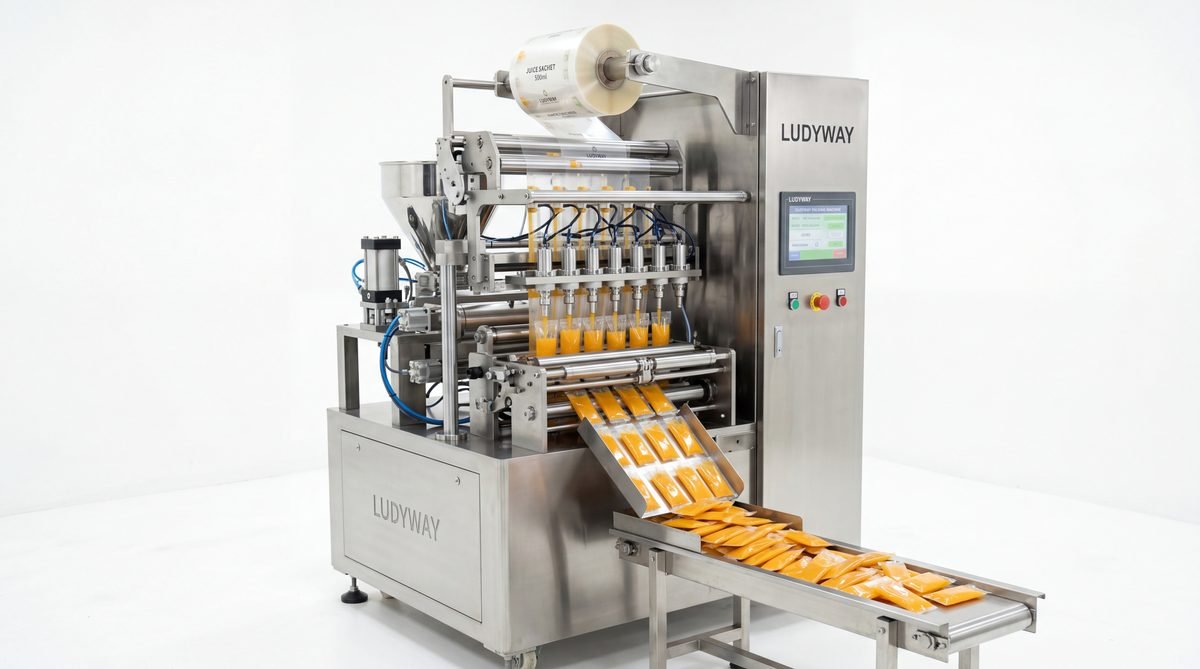
Investing in the right soda can packaging machine positions Southeast Asian beverage manufacturers for sustained growth in an increasingly competitive landscape. By prioritizing automation, precision engineering, and supplier expertise, companies can achieve the production efficiency, product consistency, and operational resilience needed to thrive in both domestic and export markets.