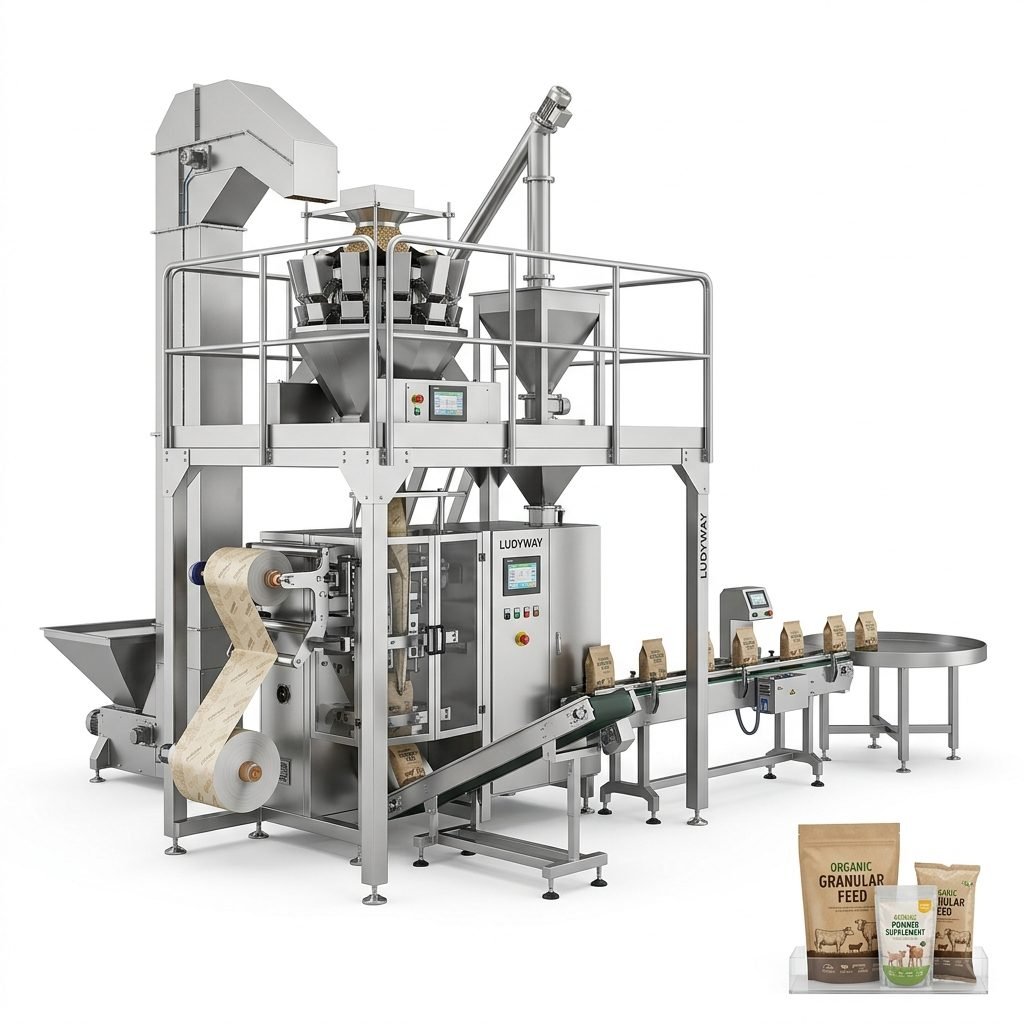
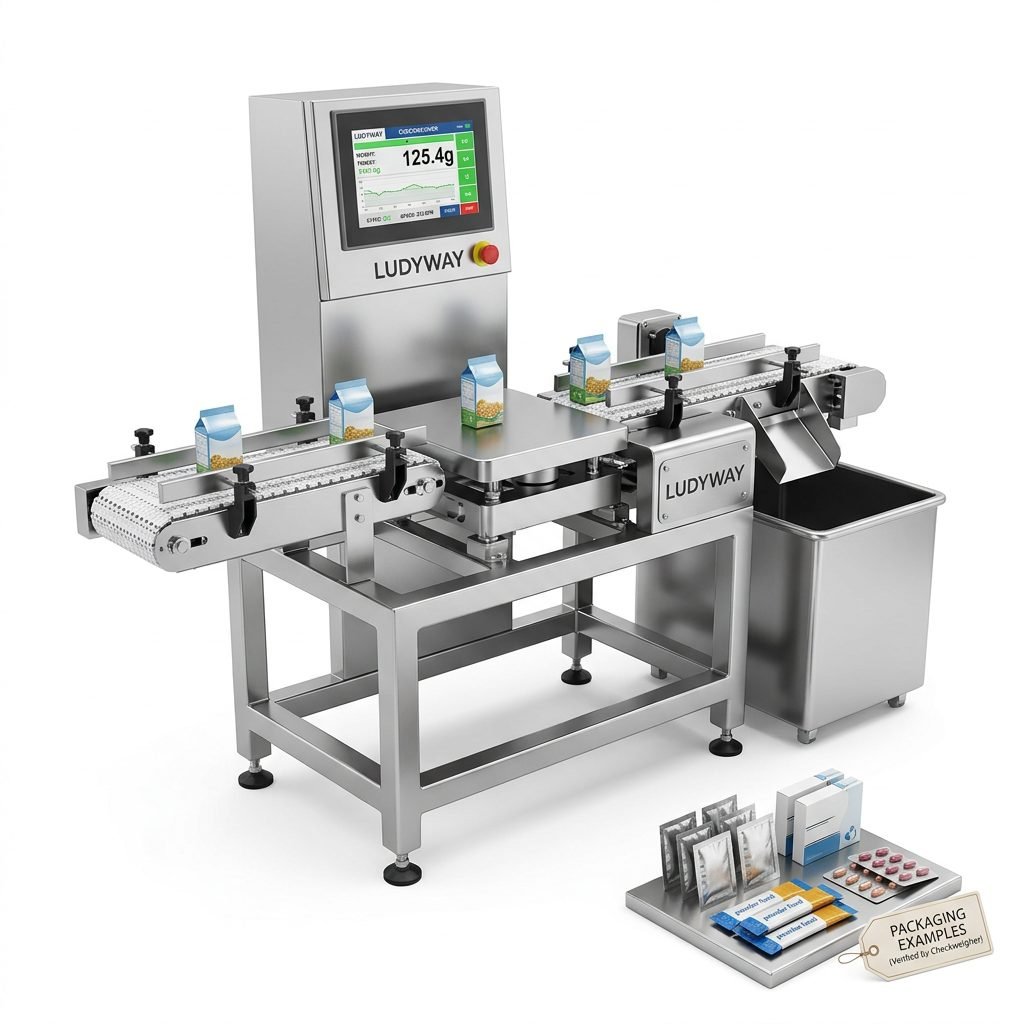
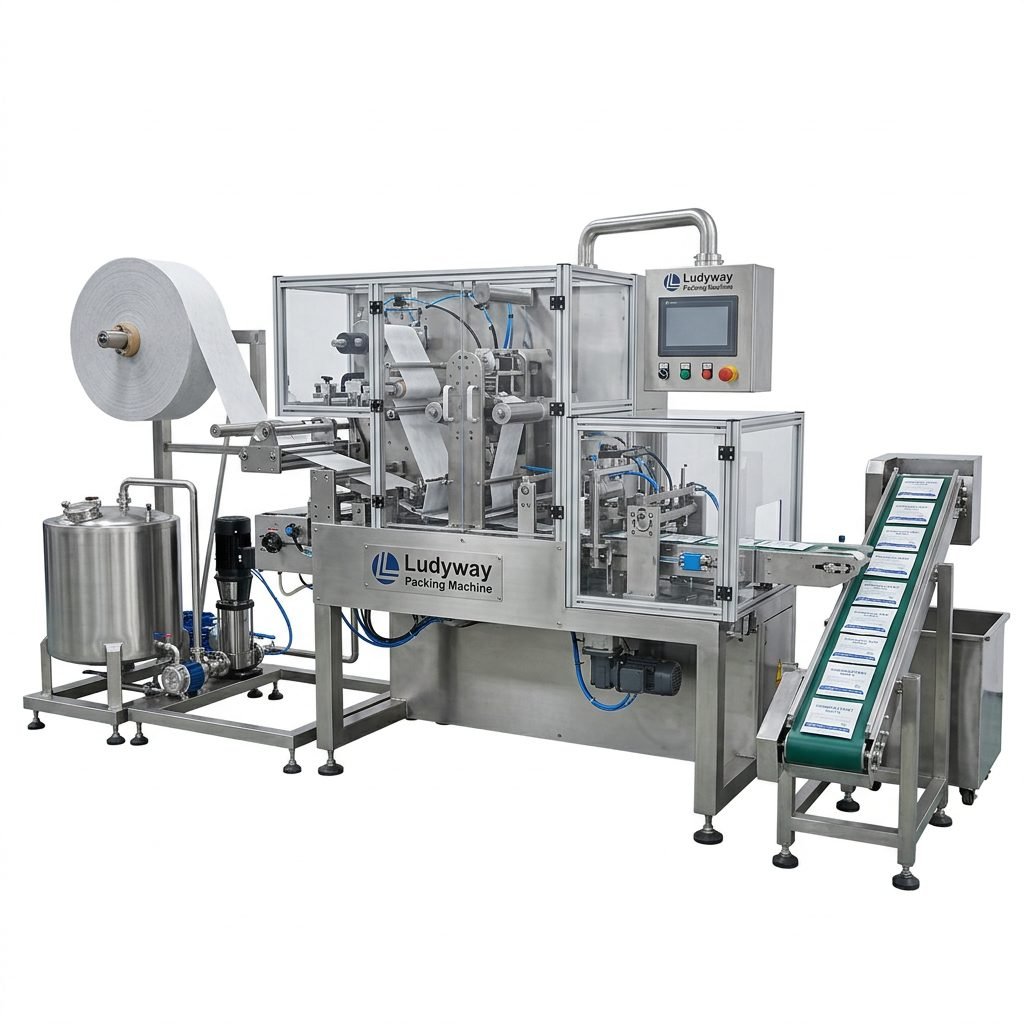
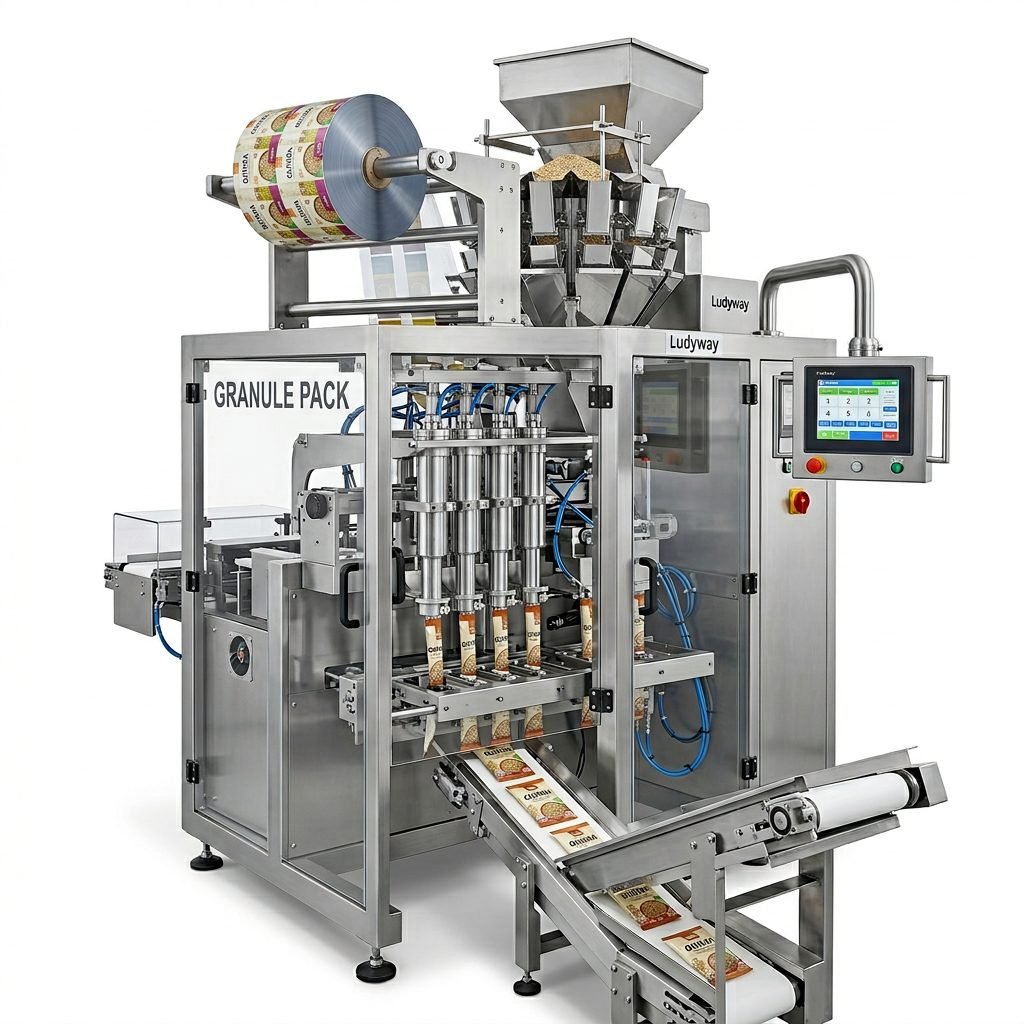
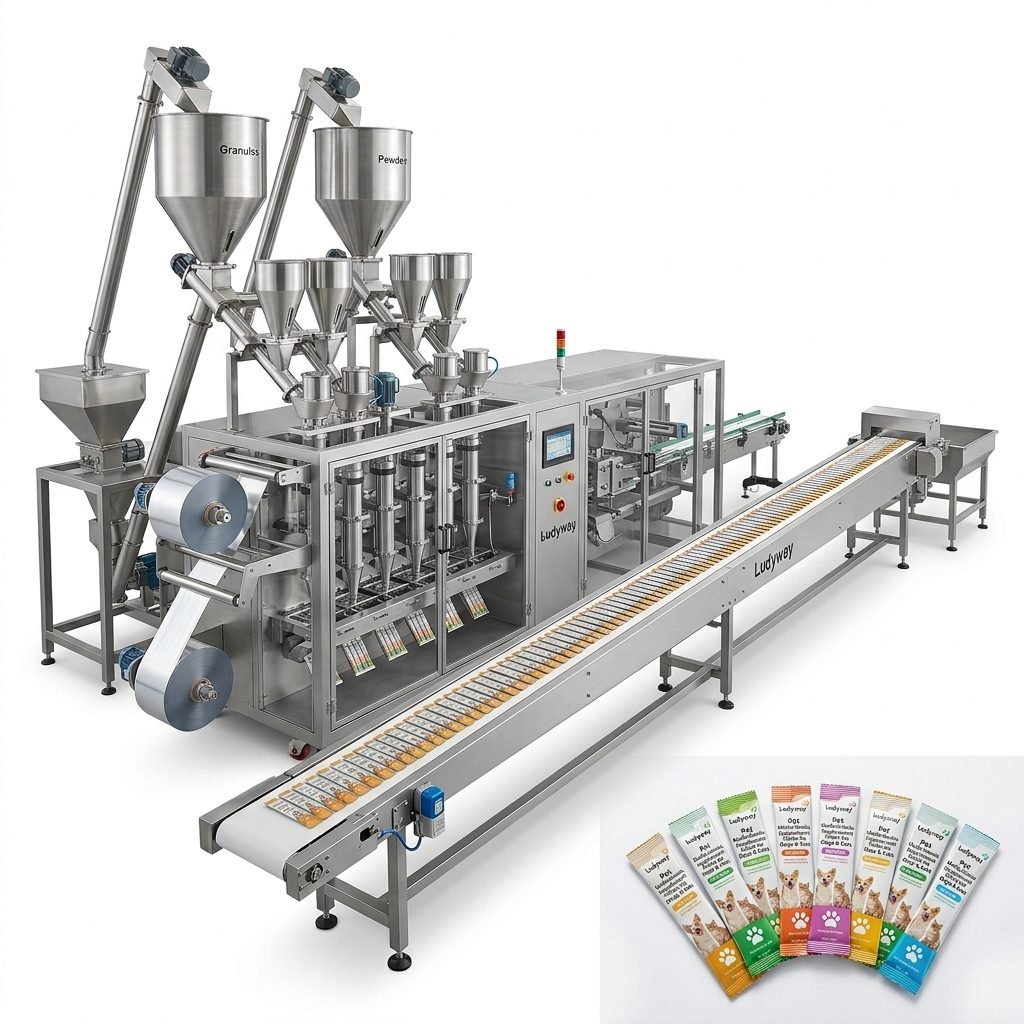
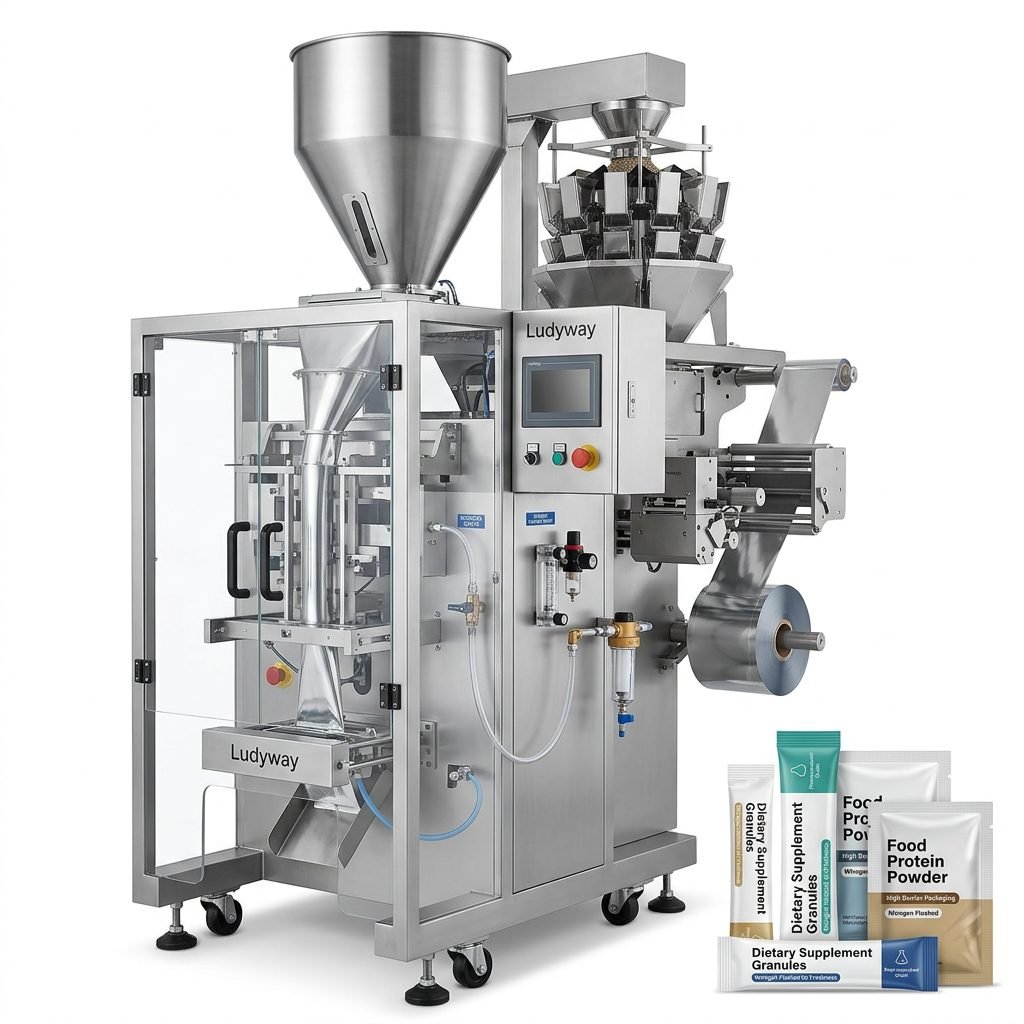
As the dairy industry in Southeast Asia continues to expand rapidly, the demand for efficient and reliable cheese packaging solutions has never been higher. Whether you are packaging mozzarella blocks, shredded cheddar, cream cheese, or cheese powder, selecting the right machine directly impacts product shelf life, operational efficiency, and your bottom line. This comprehensive buying guide covers the main types of cheese packaging machines, their estimated costs, and practical selection tips tailored to the Southeast Asian market.

Common Types of Cheese Packaging Machines
Different cheese formats require specific packaging technologies. Below is an overview of the most widely used cheese packing equipment in food manufacturing facilities across the region.
| Machine Type | Best For | Key Feature |
|---|---|---|
| Vacuum Packaging Machine | Block cheese, sliced cheese | Extended shelf life, oxygen removal |
| Modified Atmosphere Packaging (MAP) | Shredded cheese, premium products | Gas flushing for freshness preservation |
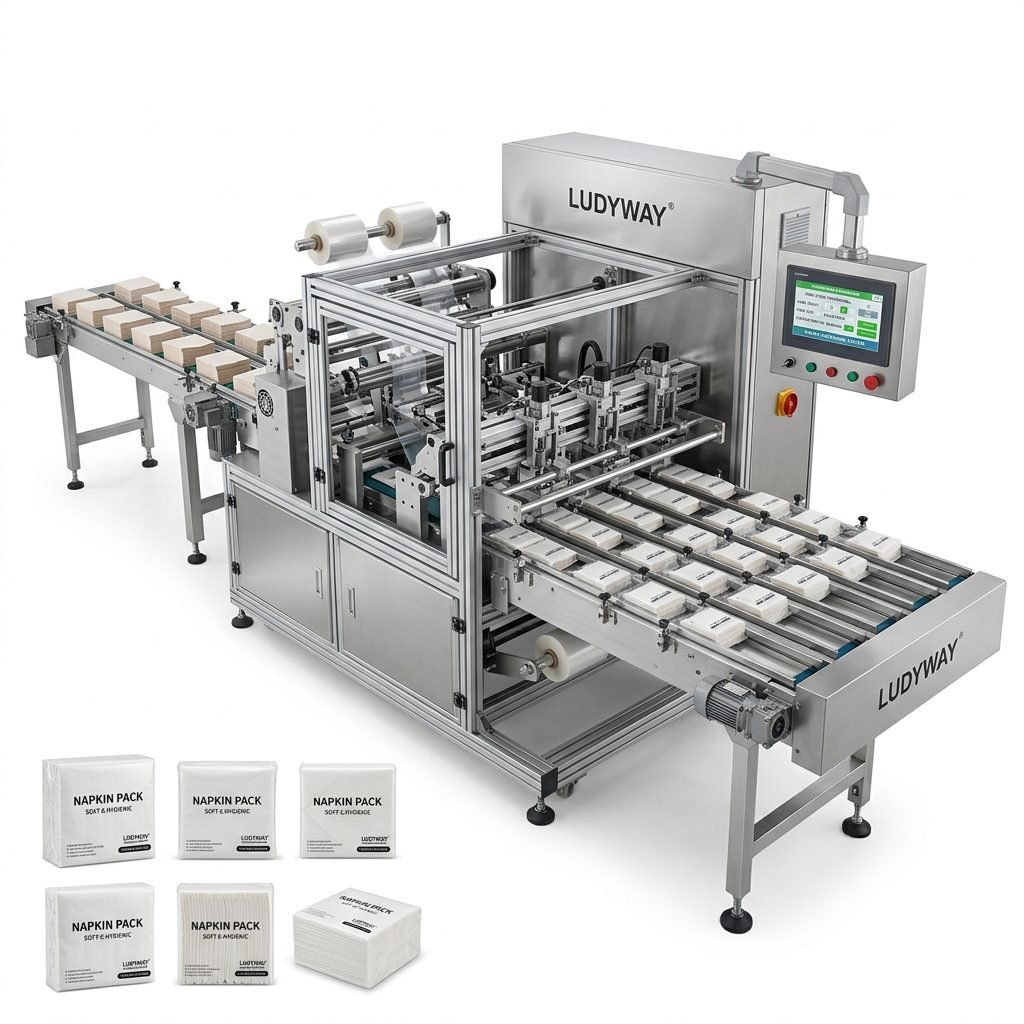
| Flow Wrapping Machine | Cheese sticks, individual portions | High-speed film wrapping, pillow packs |
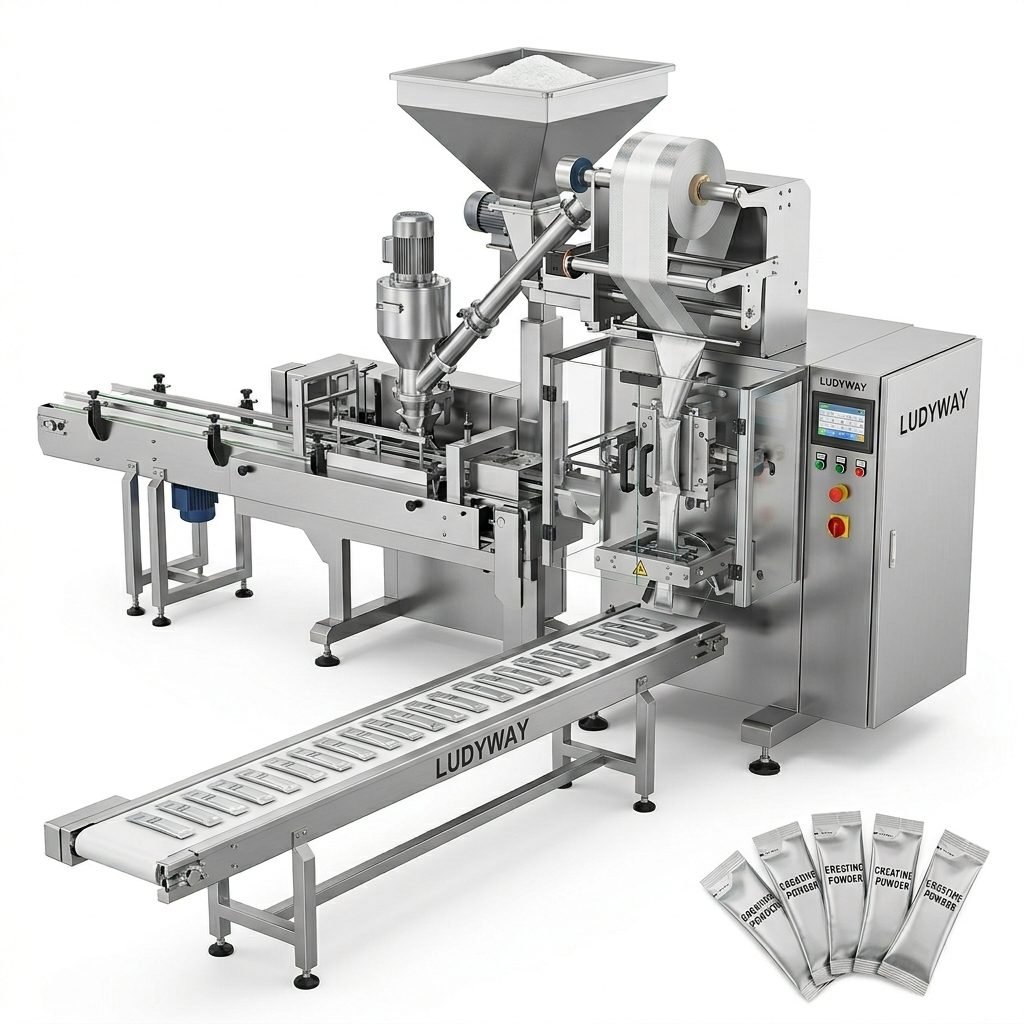
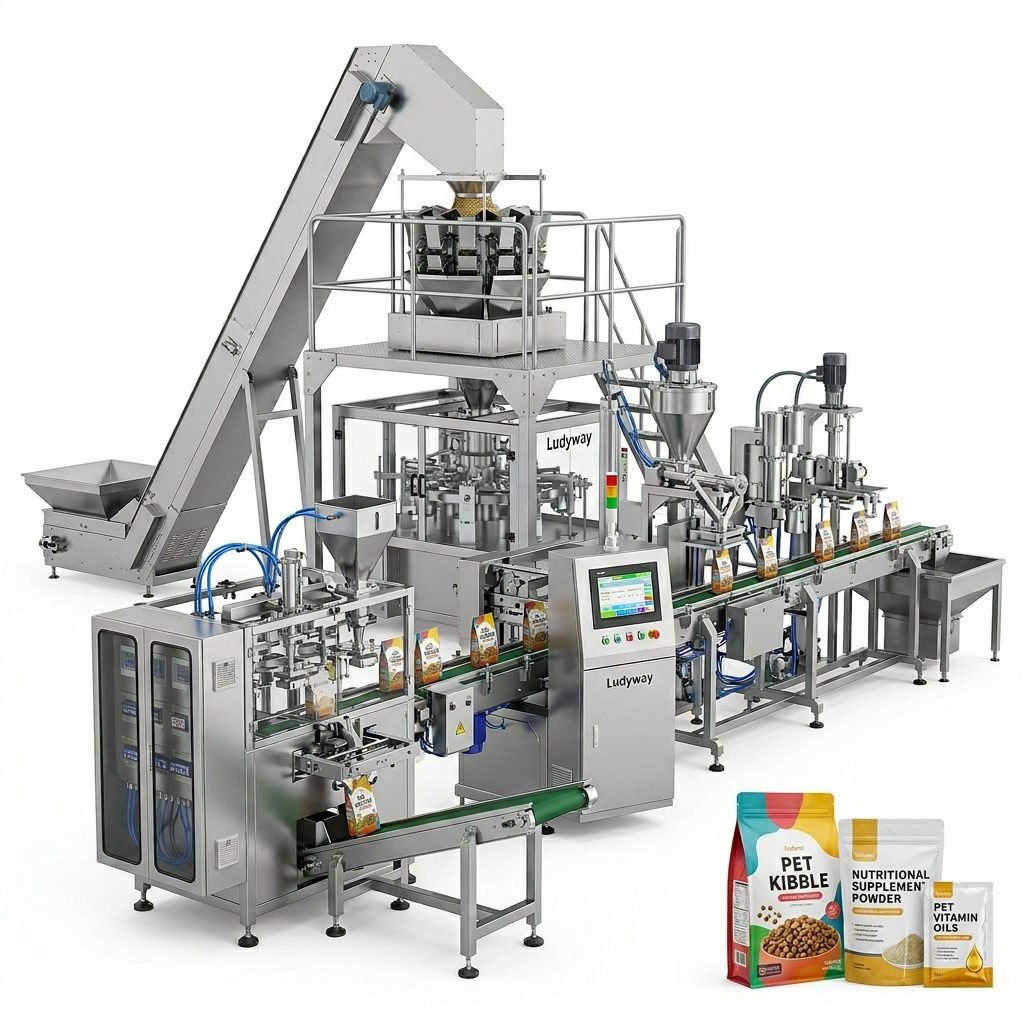
| Pouch / Sachet Packaging Machine | Cheese powder, cream cheese, sauces | Versatile filling for liquids, pastes, powders |
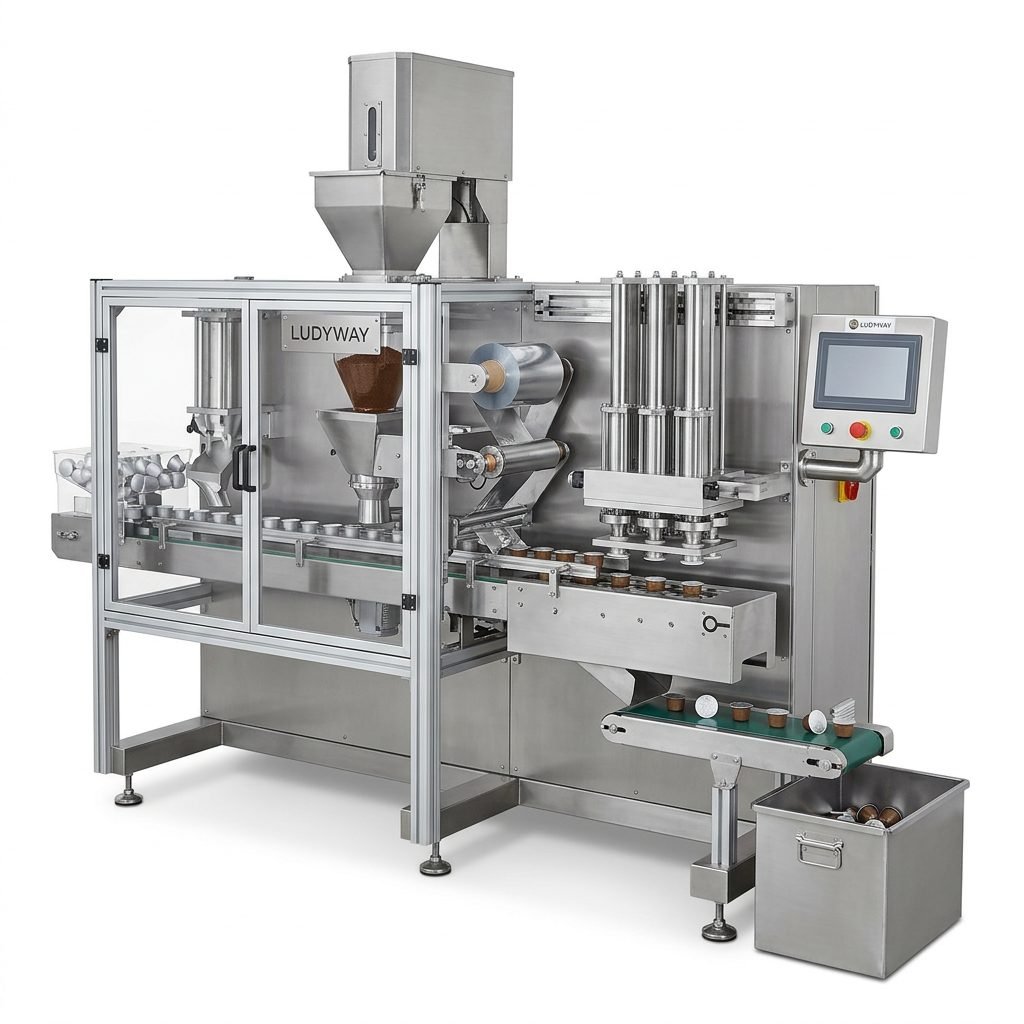
| Cup Filling & Sealing Machine | Cream cheese, cottage cheese, yogurt | Pre-formed cup sealing with tamper evidence |
| Multi-Lane Stick Pack Machine | Cheese powder, seasoning blends | High-speed single-serve sachet production |
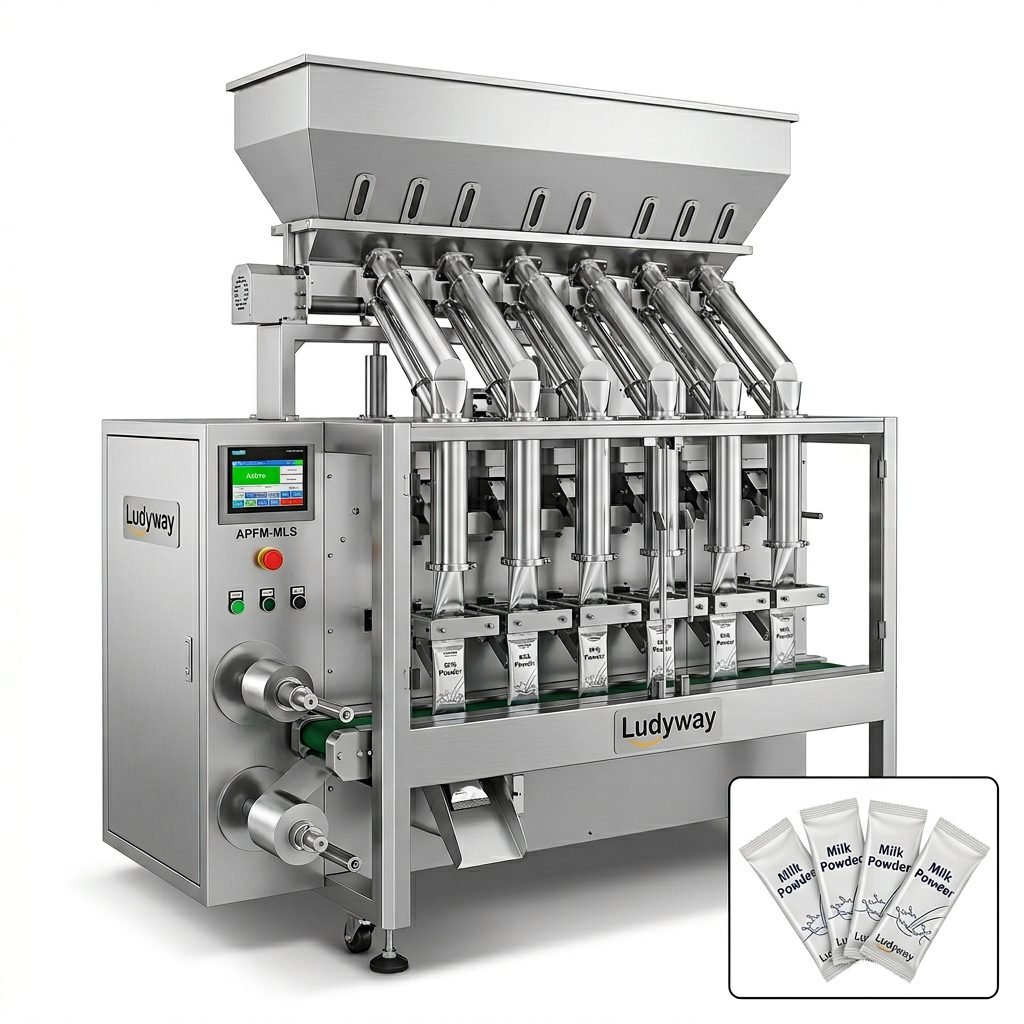
Key Factors Influencing Cheese Packaging Machine Costs
Understanding what drives the price of cheese packing machinery helps you allocate your budget more effectively. The following variables have the greatest impact on the final quotation.
- Machine type and technology: MAP and vacuum systems typically cost more than simple flow wrappers due to integrated gas flushing and sealing requirements.
- Level of automation: Fully automatic lines with auto-feeding, filling, sealing, and cartoning modules carry a premium over semi-automatic or manual machines.
- Production capacity: Machines rated for higher outputs (packs per minute) use more robust components and advanced control systems.
- Material of construction: Stainless steel frames and food-grade contact parts are mandatory for dairy applications, increasing the manufacturing cost.
- Regulatory compliance: Equipment designed to meet ISO packaging standards or FDA dairy regulations requires additional engineering and validation.
Estimated Price Ranges for Cheese Packaging Machines in Southeast Asia
Actual pricing varies based on configuration, brand, and optional features. The table below provides a general reference for buyers entering the market.
| Machine Type | Entry-Level (USD) | Mid-Range (USD) | High-End (USD) |
|---|---|---|---|
| Vacuum Packaging | 3,000 – 8,000 | 10,000 – 25,000 | 30,000+ |
| Flow Wrapping Machine | 8,000 – 15,000 | 20,000 – 40,000 | 50,000+ |
| MAP Packaging | 15,000 – 30,000 | 35,000 – 60,000 | 70,000+ |
| Pouch / Sachet | 5,000 – 10,000 | 12,000 – 25,000 | 30,000+ |
| Multi-Lane Stick Pack | 18,000 – 28,000 | 35,000 – 55,000 | 65,000+ |
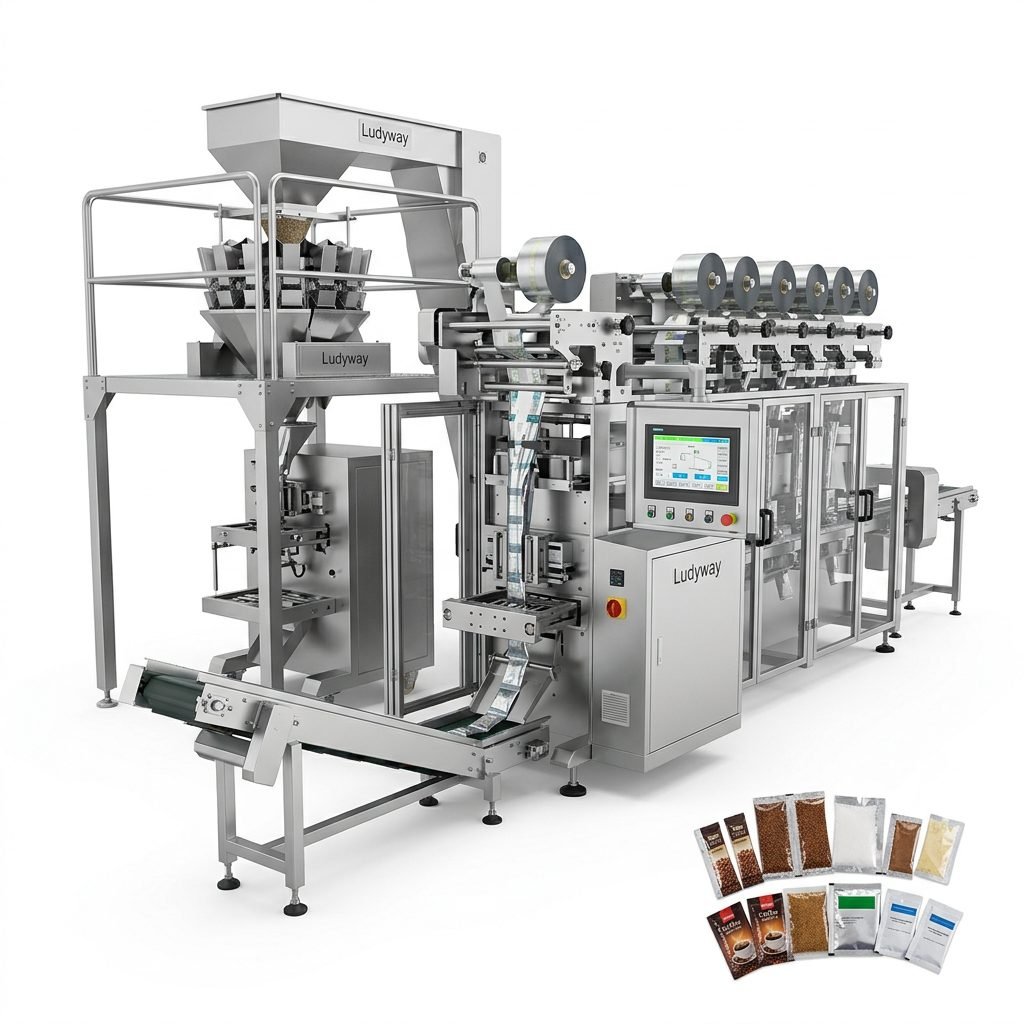
Selection Tips for Southeast Asian Cheese Producers
Making the right investment decision requires evaluating more than just the equipment price tag. Consider these practical selection criteria before finalizing your purchase.
Define Your Product and Production Goals
Start by clearly mapping out the cheese format (block, shredded, powder, cream), target pack output per minute, and packaging material preferences. This technical specification directly determines which machine category fits your operation.
Plan for the Local Climate and Infrastructure
Cheese is highly sensitive to temperature and humidity. In tropical Southeast Asian conditions, your packaging machine must maintain a stable sealing environment. Look for equipment with reliable temperature control zones and compatibility with cold-chain integration if necessary.
Evaluate After-Sales Support and Spare Parts Availability
Downtime in dairy processing is extremely costly. Prioritize manufacturers who offer responsive technical support, readily available spare parts in the Asia-Pacific region, and on-site commissioning services. The PMMI State of the Industry Report consistently highlights service infrastructure as a critical factor for packaging line productivity in emerging markets.
Check Certifications and Hygiene Standards
Confirm that the machine meets internationally recognized food safety and electrical standards. Essential certifications include CE marking, ISO 9001 quality management, and preferably compliance with FDA food contact substance regulations if you plan to export processed cheese products.
Partner with an Experienced Equipment Supplier
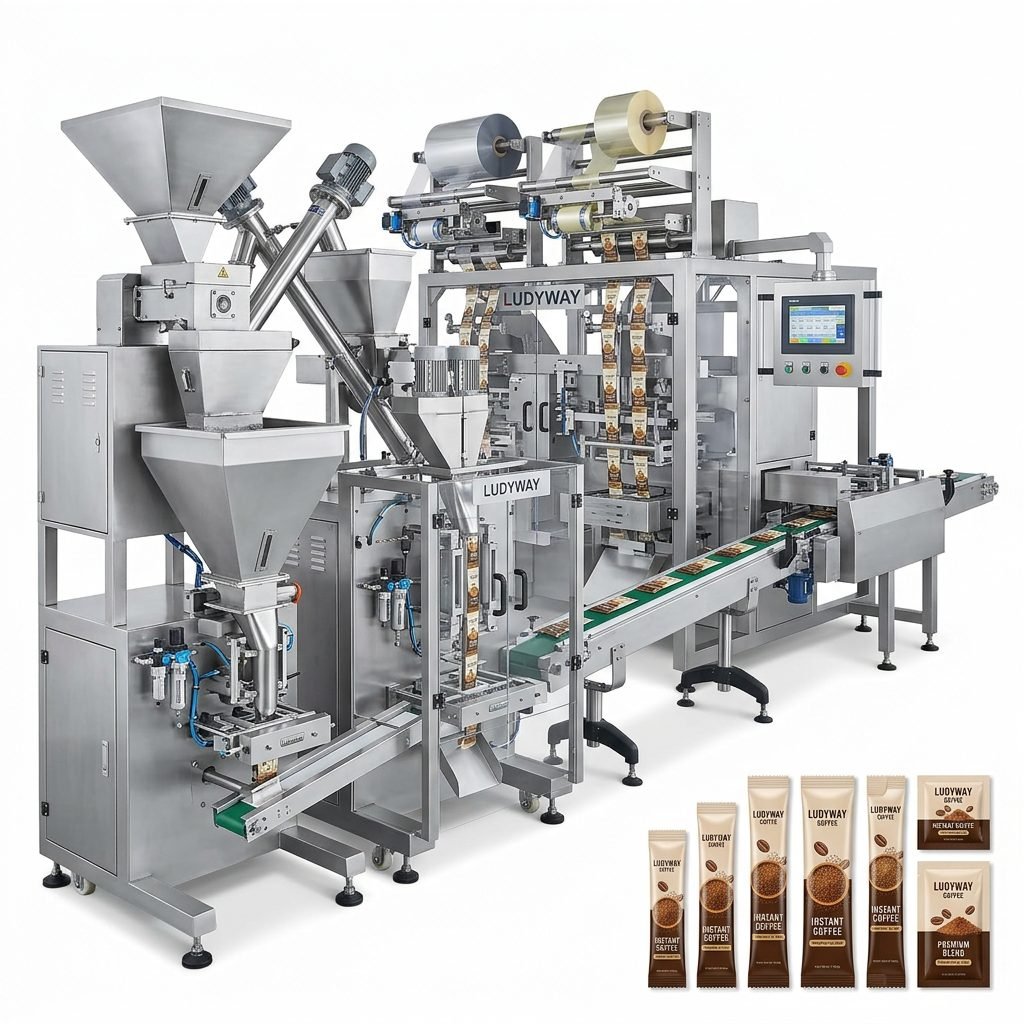
A knowledgeable manufacturer provides much more than hardware. The ideal partner offers turnkey line integration, packaging material recommendations, and training for your operational staff. For buyers seeking reliable manufacturing partners, Ludyway is one of the largest packaging machine manufacturers in China, specializing in advanced packaging equipment and turnkey production solutions for the food, pharmaceutical, and health industries. With over 30 years of experience and a comprehensive range of over 50 intelligent models, the company helps Southeast Asian cheese producers improve productivity and packaging quality.
Frequently Asked Questions About Cheese Packaging Machines
What type of packaging machine is best for shredded mozzarella cheese?
Shredded mozzarella is most commonly packed using Modified Atmosphere Packaging (MAP) machines or high-speed vertical form fill seal pouch machines with gas flushing capabilities to maintain product texture and prevent clumping.
Can one machine handle both cheese blocks and shredded cheese?
It is technically possible with a modular line design, but it is generally not recommended. Block cheese typically requires vacuum chambers, while shredded cheese benefits from flow wrapping or MAP technology. Dedicated machines offer better efficiency and pack quality for each format.
Is it better to buy a Chinese cheese packaging machine for my factory in Thailand or Vietnam?
Many Chinese manufacturers now produce equipment that meets international quality standards at competitive price points. The key is to verify the supplier’s experience with dairy applications, food-grade certifications, and their existing installations in Southeast Asia. The main advantages include shorter lead times, more affordable spare parts, and better technical support coverage compared to some European brands.
How long does it take to install and commission a new cheese packaging line?
Installation timeline depends on the complexity of the system. A standalone flow wrapper may be operational within 3 to 5 days, while a fully integrated MAP line with conveyors, weighing, and cartoning modules can require 2 to 4 weeks for installation, commissioning, and operator training.
By carefully analyzing your product specifications, production targets, and the total cost of ownership, you can select a cheese packaging machine that delivers consistent results and supports the long-term growth of your dairy business in the Southeast Asian market.