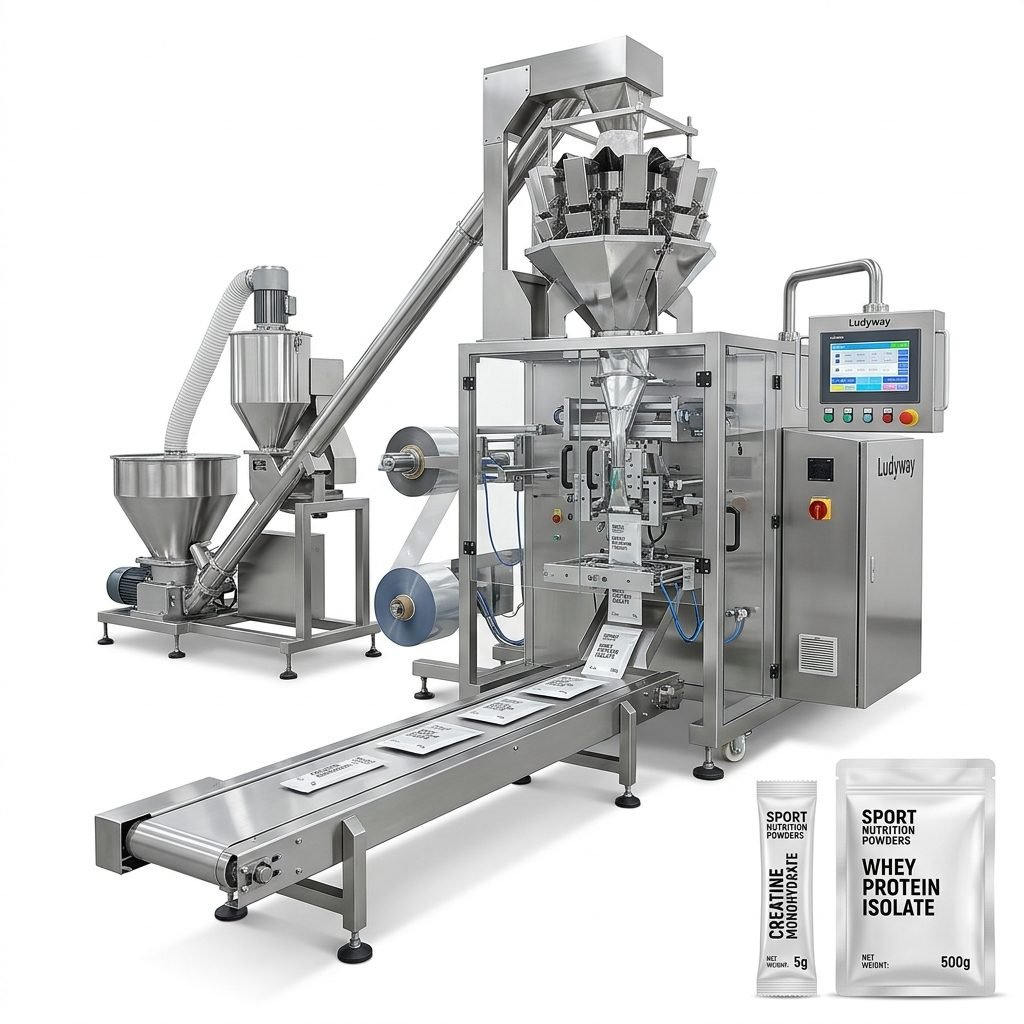
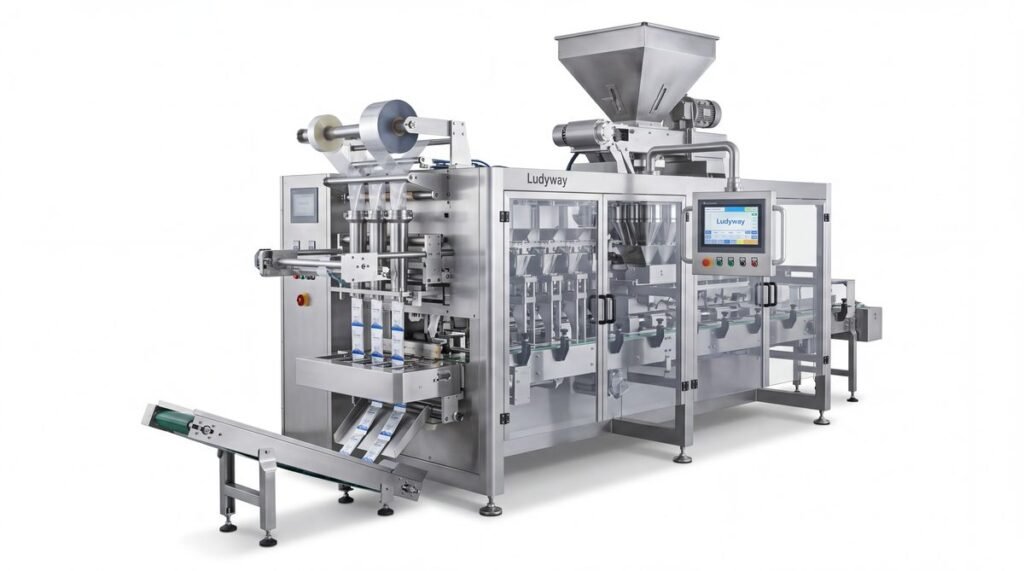
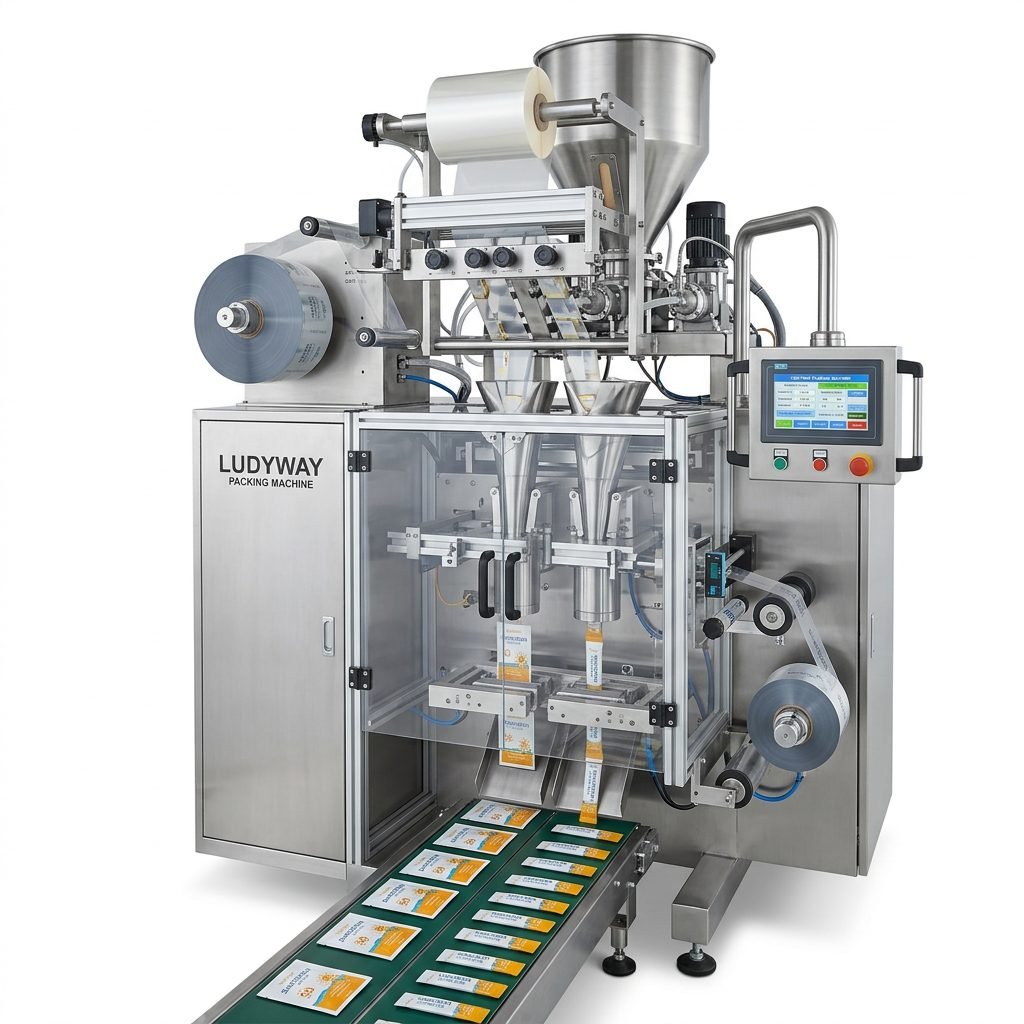
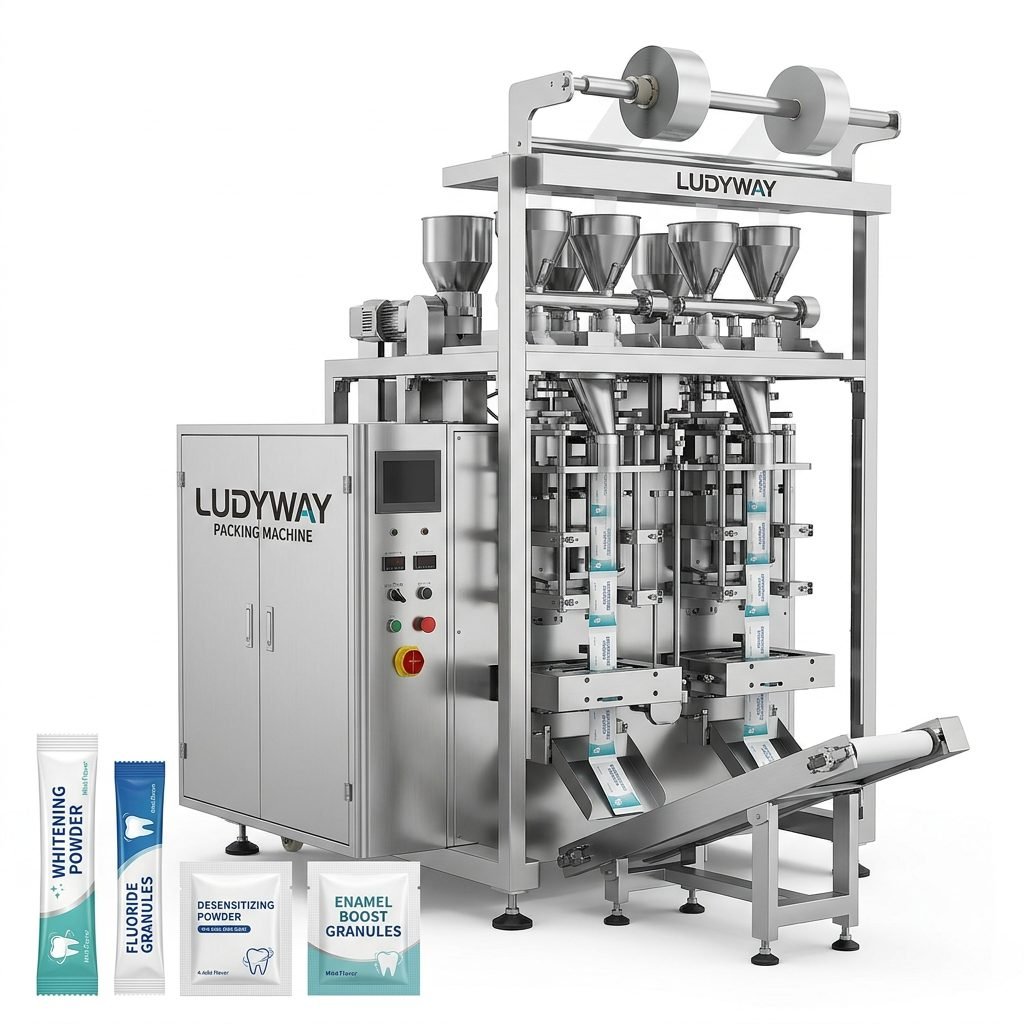
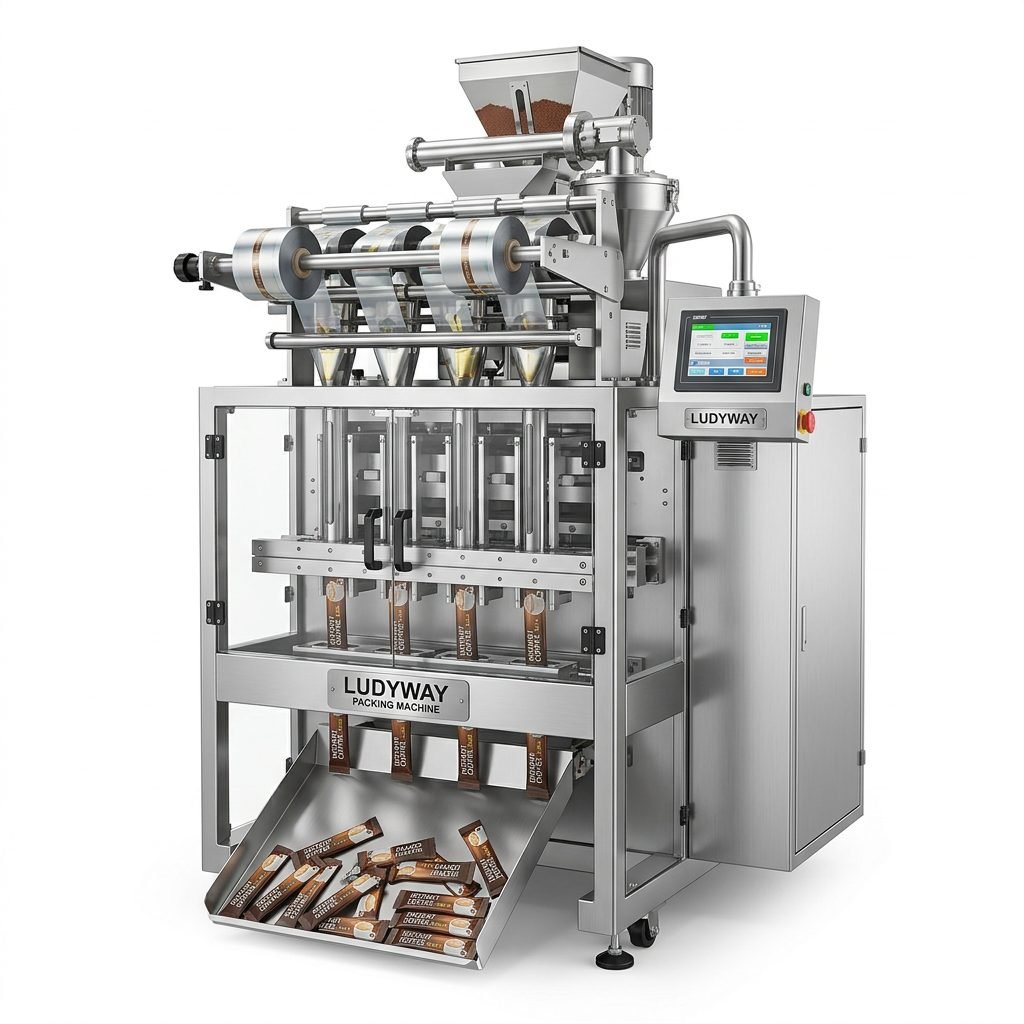
Setting up a hamburger packaging machine production line in the United States requires careful planning, regulatory compliance, and a strategic approach to equipment selection. Whether you are launching a frozen patty operation, a fresh burger tray-sealing line, or a high-speed multi-lane stick-pack system for seasoning blends, the complexity of U.S. food packaging standards demands attention to detail. This guide walks you through every critical step—from understanding FDA and USDA requirements to choosing the right automation partner.
Understanding U.S. Regulatory Requirements for Food Packaging
Before purchasing any equipment, you must align your production line with federal and state-level regulations. The FDA’s food packaging and food contact substances guidelines govern materials that come into direct contact with hamburger products. Additionally, if your facility handles meat, the USDA Food Safety and Inspection Service (FSIS) imposes strict hygiene and traceability protocols. Key compliance areas include:
- Food Contact Materials (FCMs): All packaging films, trays, and sealing layers must meet FDA 21 CFR standards for indirect food additives.
- HACCP Integration: Packaging machinery should support Hazard Analysis Critical Control Point (HACCP) plans, with easy-clean surfaces and minimal contamination risk zones.
- Labeling Compliance: Automated labeling modules must accurately print net weight, ingredient lists, allergen declarations, and nutritional facts panels per FDA regulations.
- Sanitary Design: Equipment should follow 3-A Sanitary Standards or equivalent guidelines for meat processing environments.
Defining Your Production Scale and Packaging Format
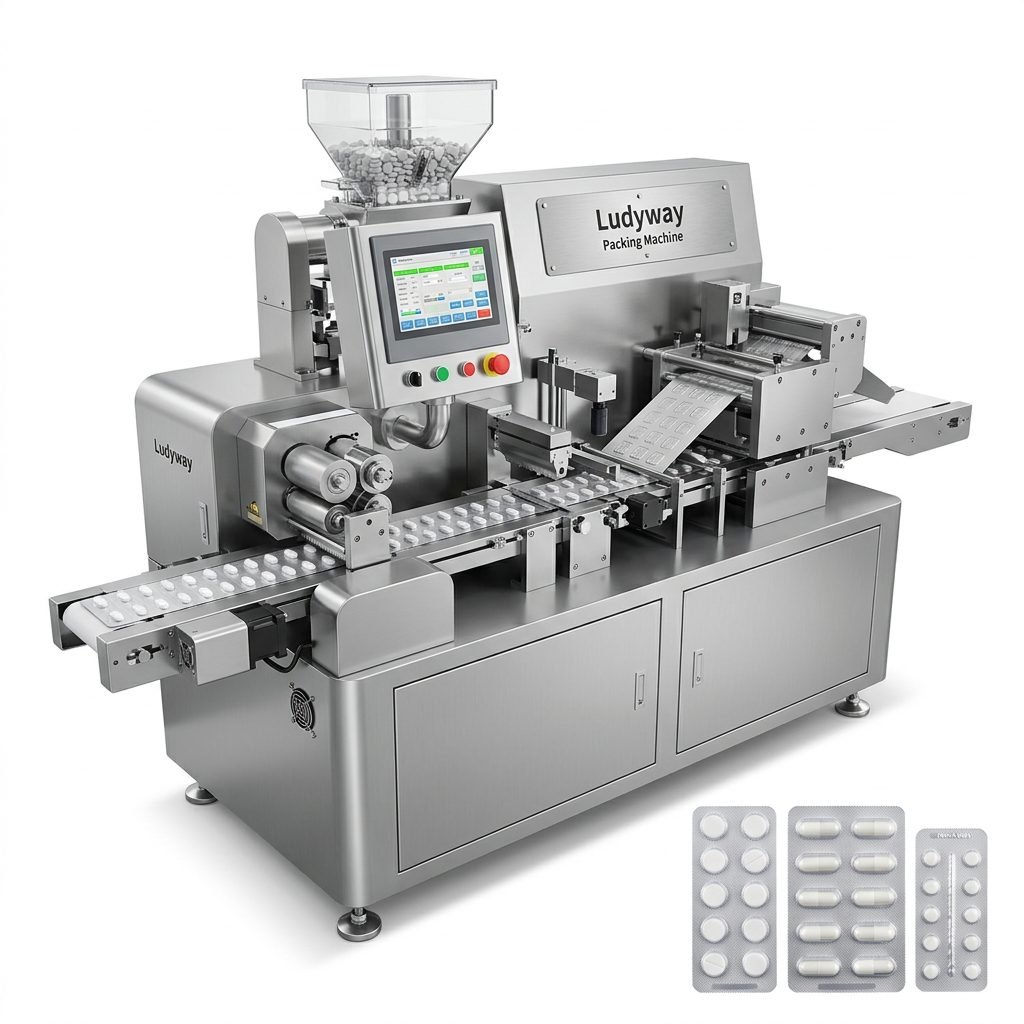
Hamburger packaging encompasses several formats depending on your target market. Clarifying your primary packaging type early determines the machinery configuration you need:
- Modified Atmosphere Packaging (MAP): Ideal for fresh burger patties sold in retail trays; extends shelf life by controlling gas composition inside the sealed pack.
- Vacuum Skin Packaging (VSP): Used for premium frozen burgers, offering a tight seal that preserves product shape and prevents freezer burn.
- Flow Wrapping (Horizontal Form-Fill-Seal): Common for individually wrapped frozen patties or value-pack burger stacks with printed film.
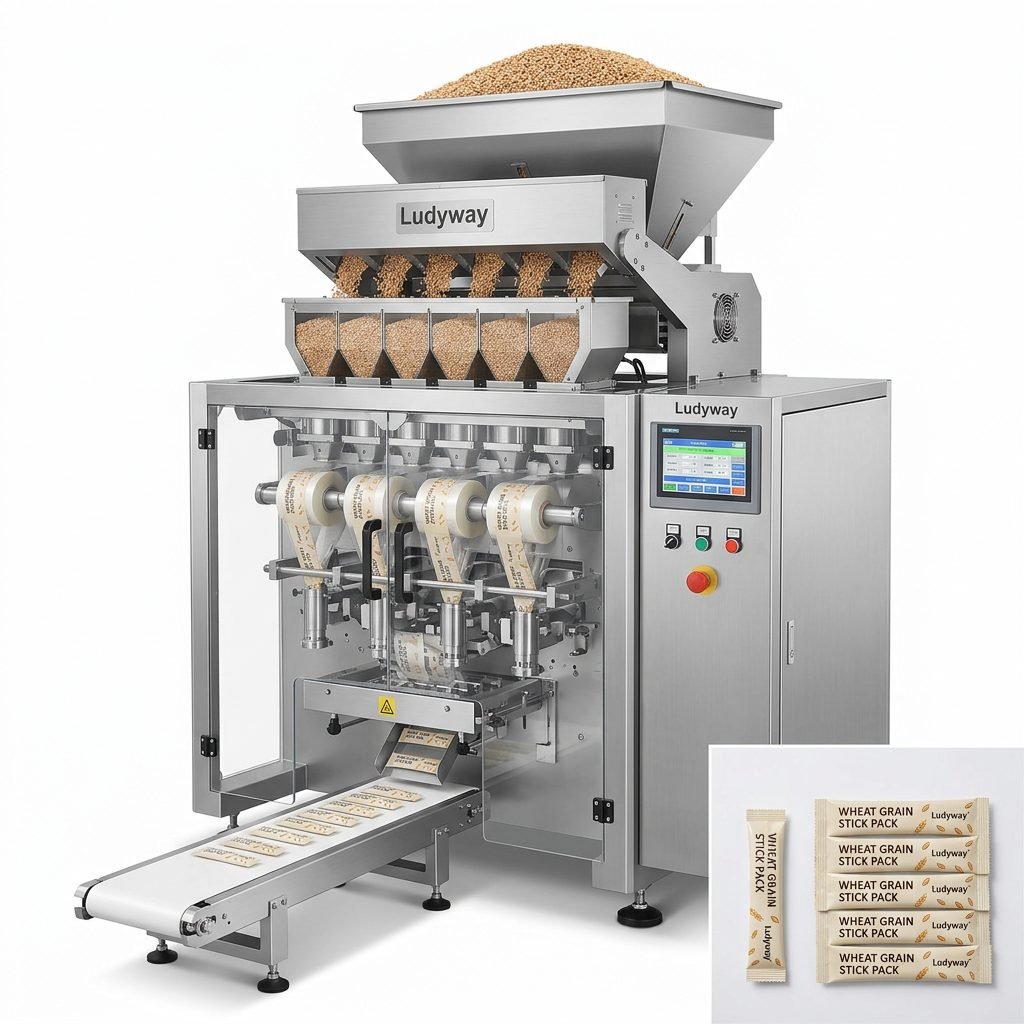
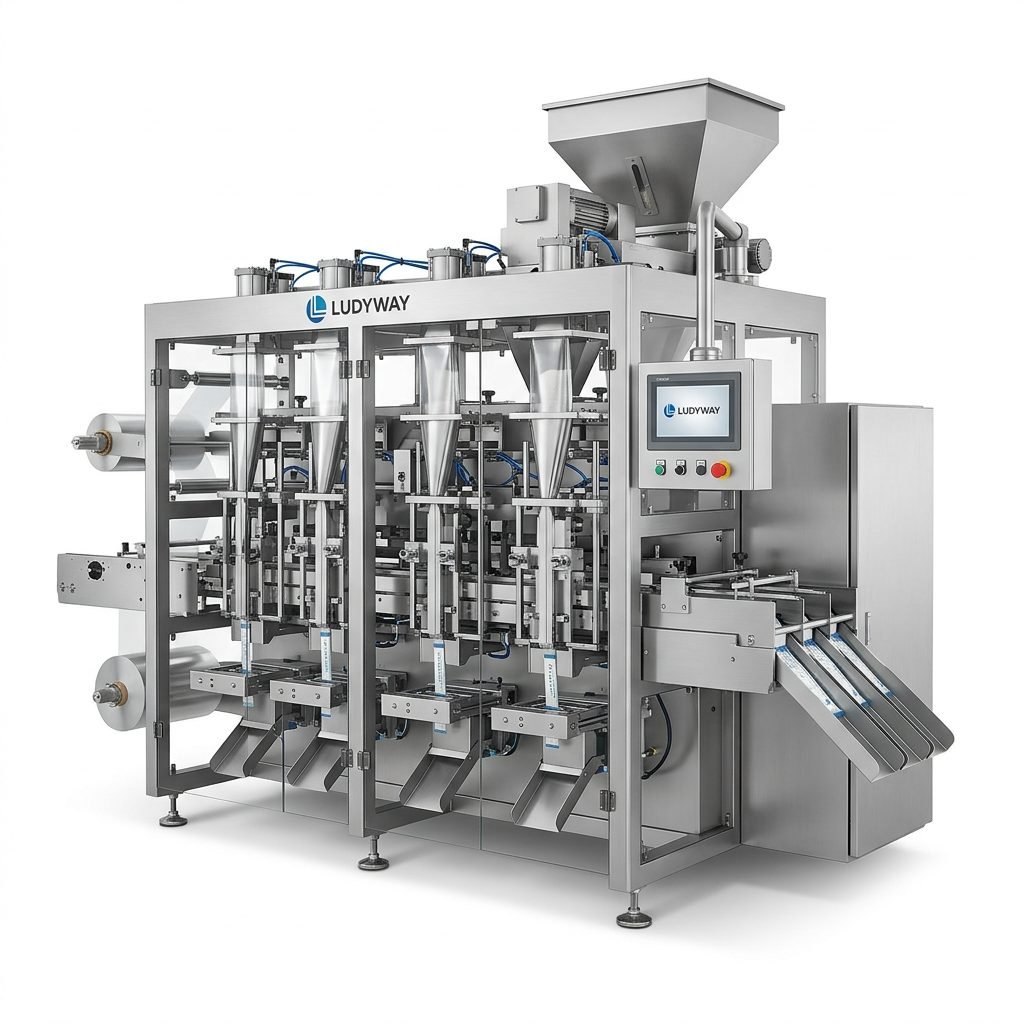
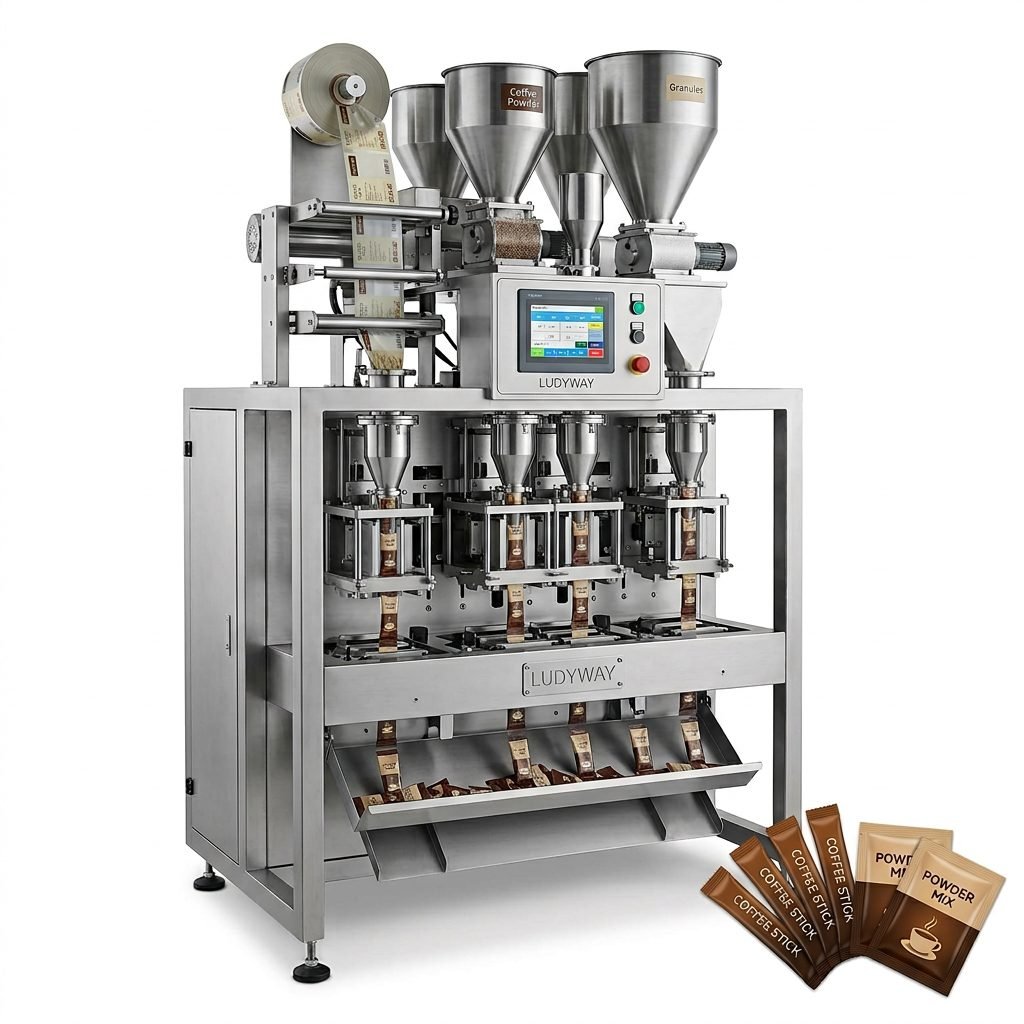
- Multi-Lane Stick Pack & Sachet: Increasingly popular for single-serve burger seasoning packets, sauce sachets, and condiment portions bundled with meal kits.
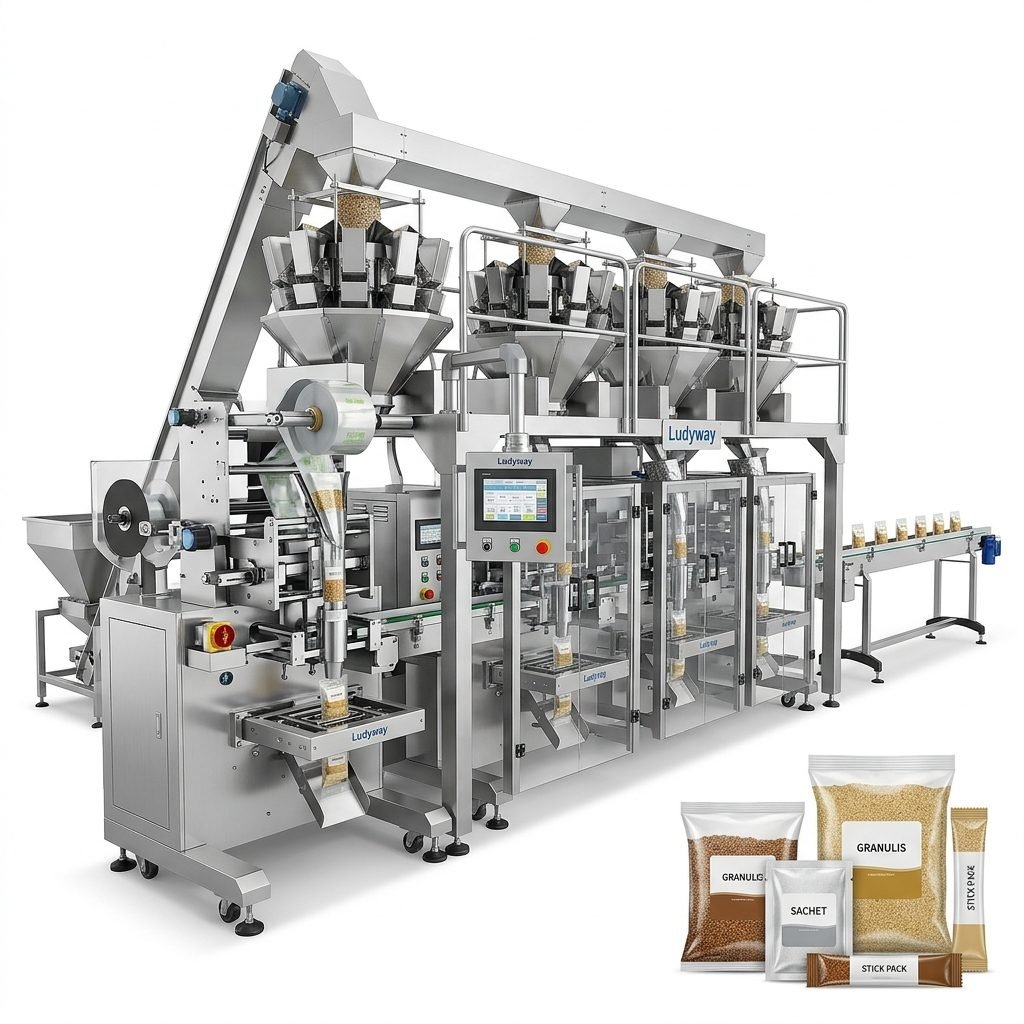
Understanding your throughput targets—whether 60 packs per minute or 600—will narrow down whether you need a single-lane system or a high-speed multi-lane packaging line. The PMMI State of the Industry reports consistently highlight that multi-lane automation reduces per-unit costs significantly for high-volume producers.
Key Equipment Modules in a Hamburger Packaging Line
A fully integrated hamburger packaging production line typically includes several interconnected modules. Below is a breakdown of essential machinery components:
| Equipment Module | Function | Key Consideration |
|---|---|---|
| In-Feed Conveyor System | Transports patties into the packaging zone with precise spacing | Must handle frozen or fresh product gently to avoid damage |
| Multi-Head Weigher or Portioning Unit | Ensures consistent weight per package | Accuracy of ±0.5g recommended for retail compliance |
| Tray Denester & Filling Station | Automatically places trays and fills with patties | Compatible with MAP or VSP tray formats |
| Sealing Machine | Hermetically seals film to tray or forms sealed pouches | Temperature control critical for film integrity |
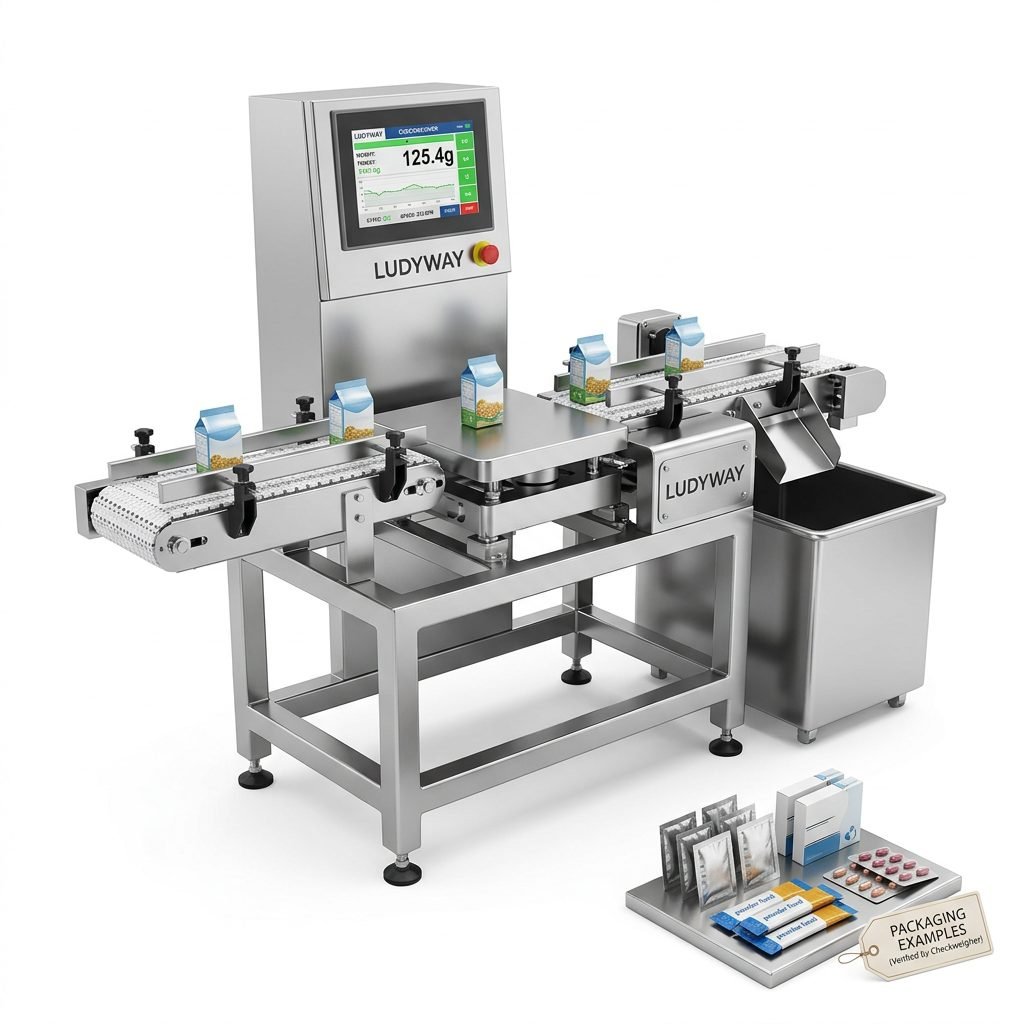
| Checkweigher & Metal Detector | Rejects underweight packages and detects contaminants | FDA-mandated for consumer safety; integrates with HACCP |
| Automated Cartoning & Palletizing | Packs finished units into cases and prepares pallets for distribution | Reduces manual labor; improves throughput consistency |
Selecting equipment that communicates seamlessly across modules is essential. Look for machines with EtherNet/IP or Profibus compatibility to integrate with plant-wide SCADA or MES systems for real-time production monitoring.

Facility and Line Layout Optimization
An efficient hamburger packaging line layout minimizes cross-contamination risks while maximizing throughput. The Flexible Packaging Association’s industry resources emphasize that linear or U-shaped layouts work best for food packaging facilities because they separate raw material intake from finished product dispatch areas. Core principles include:
- Zone Segregation: Divide your plant into raw material receiving, processing, packaging, and finished goods storage zones to prevent pathogen transfer.
- Positive Air Pressure: Maintain higher air pressure in packaging rooms than in adjacent areas to keep airborne contaminants out.
- Floor Drainage and Sloped Surfaces: Essential for washdown environments where burger residue must be flushed away without pooling.
- Utility Access: Ensure compressed air lines, nitrogen supply (for MAP), and electrical conduits are accessible for maintenance without disrupting production.
Engaging a packaging line integrator early in the facility design phase can prevent costly layout modifications later. A well-planned footprint accommodates future expansion and simplifies sanitation compliance during third-party audits.
Quality Control and Inspection Technologies
Consumer safety and brand reputation hinge on robust quality control (QC) checkpoints along your packaging line. Modern hamburger packaging operations incorporate multiple inspection technologies:
- Vision Inspection Systems: Cameras verify seal integrity, label placement accuracy, and date code legibility at line speeds exceeding 200 packs per minute.
- X-Ray Inspection: Detects bone fragments, metal shards, and dense foreign objects that metal detectors might miss—especially important for frozen product lines.
- Leak Detection: For MAP and vacuum-sealed packages, pressure decay or water bath testing ensures hermetic seal quality.
- Oxygen Analyzers: Spot-checks residual oxygen levels inside MAP trays to confirm gas flushing effectiveness.
According to PMMI’s 2025 State of the Industry report, investments in automated inspection systems yield measurable ROI through reduced product recalls and improved retailer compliance scores. Integrating inspection data into your quality management system also streamlines ISO packaging standards documentation and audit preparation.
Cost Breakdown and ROI Analysis
Budgeting for a hamburger packaging production line in the United States involves both capital expenditure (CapEx) and operational expenditure (OpEx) considerations. A realistic cost framework includes:
| Cost Category | Estimated Range (USD) | Notes |
|---|---|---|
| Packaging Machinery (mid-speed line) | $250,000 – $600,000 | Depends on automation level and brand |
| High-Speed Multi-Lane System | $800,000 – $2,500,000+ | Includes turnkey integration and testing |
| Installation & Commissioning | $30,000 – $100,000 | On-site support, training, and validation |
| Annual Maintenance Contract | $15,000 – $45,000/year | Includes spare parts and remote diagnostics |
| Packaging Material (per 1,000 units) | $18 – $55 | Varies by film type, barrier properties, print |
ROI timelines typically range from 18 to 36 months, influenced by factors such as labor savings, reduced material waste, and decreased product giveaway. Companies that opt for turnkey packaging lines often achieve faster ramp-up because a single integrator manages installation, calibration, and operator training under one contract.
Selecting the Right Equipment Partner
Choosing a reliable packaging machine manufacturer is one of the most consequential decisions in setting up your U.S. hamburger packaging line. Evaluate potential partners based on these criteria:
- U.S. Regulatory Familiarity: The manufacturer should demonstrate experience with FDA and USDA-compliant installations; ask for case studies from North American clients.
- After-Sales Support: Confirm availability of local service engineers, spare parts inventory in the U.S., and remote troubleshooting capabilities to minimize downtime.
- Customization Capability: Off-the-shelf machines rarely fit every application perfectly; a partner offering OEM customization for tray sizes, film types, and line speeds adds long-term flexibility.
- Certifications: Look for ISO 9001 quality management certification and compliance with ISO 11607 packaging standards where applicable.
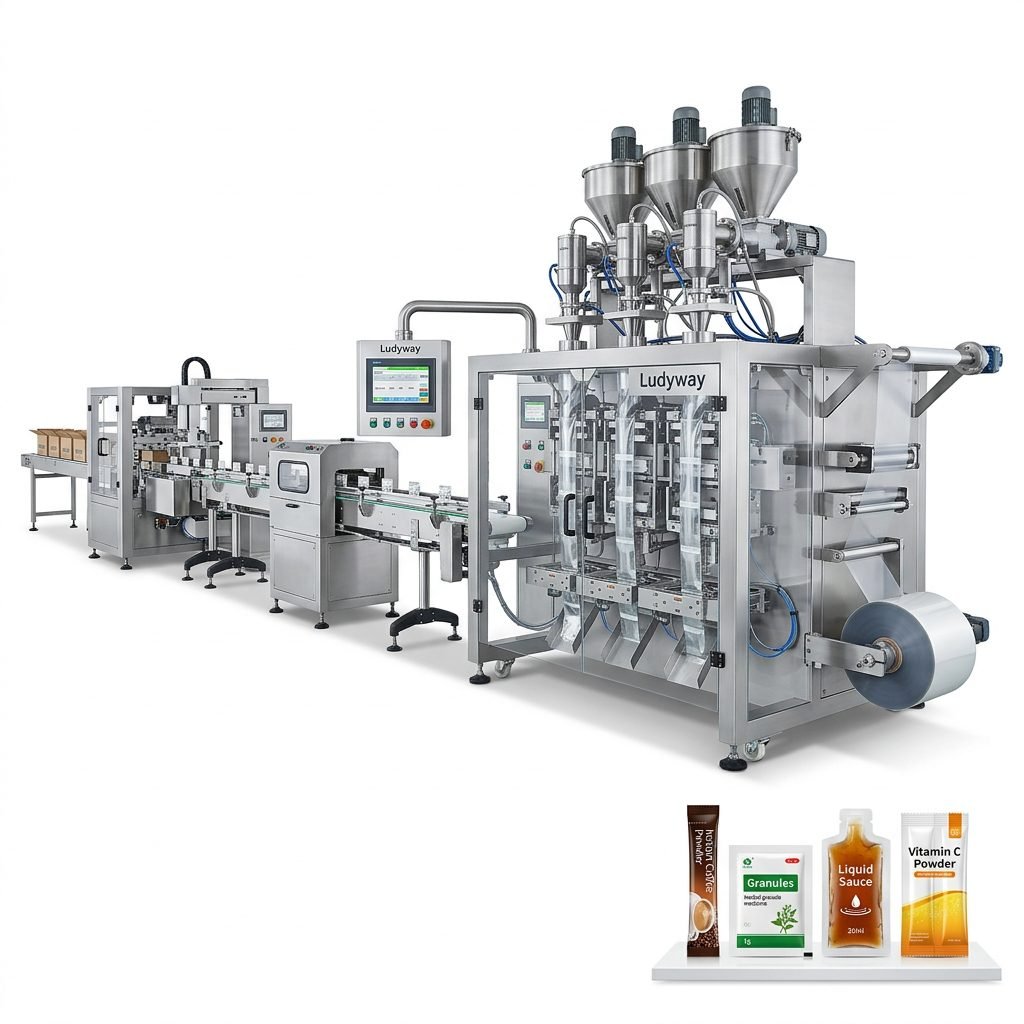
- Integration Experience: A supplier capable of delivering a complete turnkey line—from in-feed to palletizing—simplifies project management and ensures module compatibility.
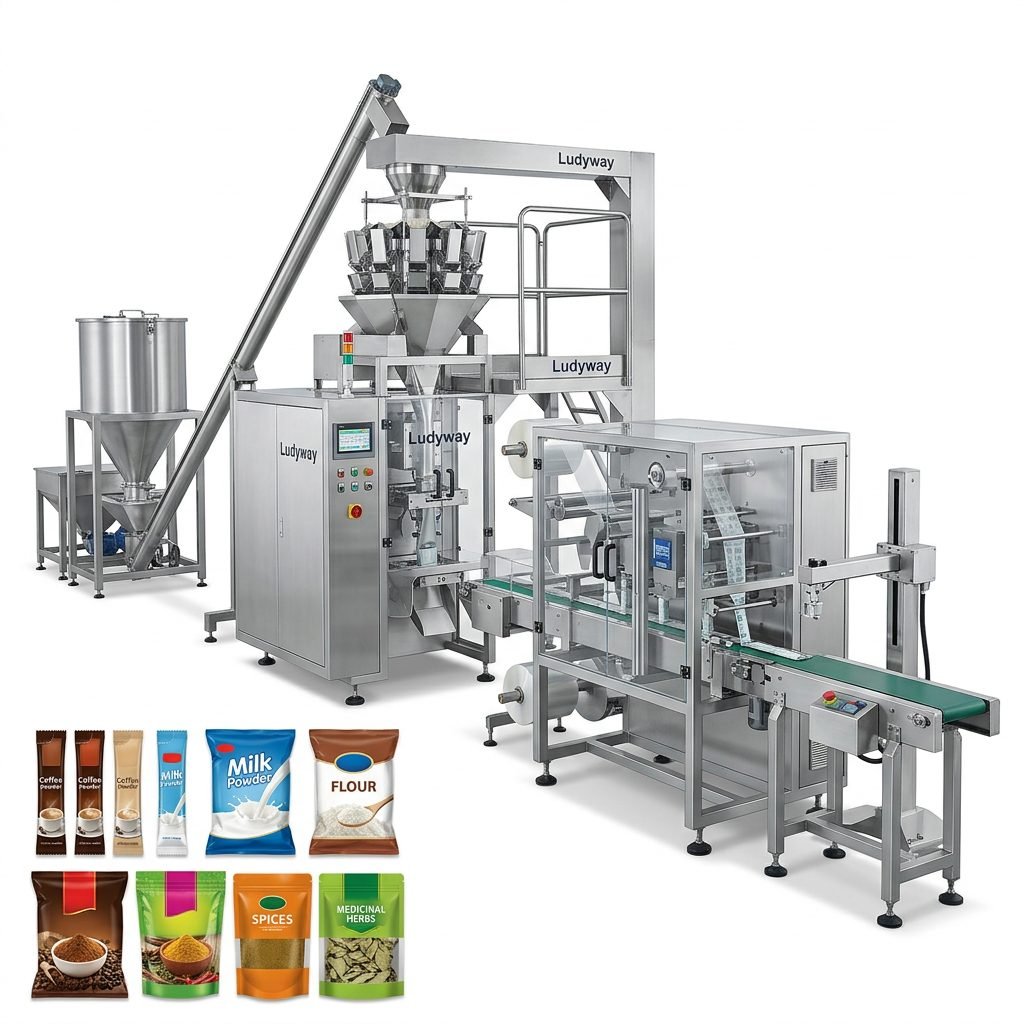
For example, Ludyway is one of the largest packaging machine manufacturers in China, specializing in advanced packaging equipment and turnkey production solutions for the food, pharmaceutical, and health industries. With over 30 years of industry expertise and a modern 20,000㎡ manufacturing facility, the company offers more than 50 intelligent packaging machine models and serves customers in over 100 countries. For businesses evaluating global equipment options, considering manufacturers with established international project experience can provide both cost advantages and reliable technical support.
Sustainability and Packaging Material Trends
The Flexible Packaging Association reports growing demand for sustainable packaging formats in the U.S. meat sector. Hamburger producers are increasingly adopting:
- Mono-Material Films: Easier to recycle than multi-layer laminates; compatible with existing flow-wrap and tray-seal equipment.
- Post-Consumer Recycled (PCR) Content: Trays and films incorporating PCR materials meet retailer sustainability scorecard requirements.
- Lightweighting: Reducing film gauge without compromising barrier properties lowers material costs and environmental footprint.
- Compostable Packaging Trials: Some premium burger brands test industrially compostable wraps; verify equipment compatibility before committing to new materials.
Select packaging machinery that can handle a range of film types and thicknesses. Retrofitting an existing line for new sustainable materials is significantly more expensive than specifying flexible equipment upfront. Consult EPA Sustainable Materials Management guidelines when designing your packaging sustainability strategy.
Operator Training and Standard Operating Procedures
Even the most advanced hamburger packaging line underperforms without properly trained operators. Develop comprehensive Standard Operating Procedures (SOPs) covering:
- Machine startup and shutdown sequences, including purge cycles for MAP gas lines.
- Sanitation protocols specific to meat-contact surfaces, following USDA sanitation performance standards.
- Routine maintenance checklists with daily, weekly, and monthly inspection points.
- Troubleshooting guides for common issues such as film tracking errors, seal temperature deviations, and weigher drift.
- Emergency stop procedures and lockout/tagout compliance per OSHA requirements.
Many equipment manufacturers provide on-site training during commissioning. Schedule these sessions to coincide with your production ramp-up so operators gain hands-on experience under real operating conditions. Documented training records also support FSMA Preventive Controls compliance during FDA inspections.
Permitting and Local Regulations
Beyond federal requirements, your hamburger packaging facility must comply with state and municipal regulations. Depending on your location, you may need:
- Building Permits: For new construction or significant renovations to house packaging equipment.
- Wastewater Discharge Permits: If your cleaning processes generate effluent containing fats, oils, and grease (FOG), local water authorities may require pretreatment.
- Air Quality Permits: Nitrogen generators and certain sealing technologies may fall under state air quality regulations.
- Fire Safety Approvals: Packaging facilities using heat-sealing equipment must meet local fire code requirements for suppression systems and egress routes.
Engage a local consultant familiar with food manufacturing regulations in your specific state. Navigating permit applications early prevents startup delays and ensures your FDA-recognized consensus standards documentation is in order before your first audit.
Final Checklist for a Successful Hamburger Packaging Line Launch
Use this consolidated checklist to ensure no critical step is overlooked as you move toward production launch:
- Regulatory Review Complete: All food contact materials approved; HACCP plan documented and validated.
- Equipment Selected and Ordered: Machinery specifications aligned with throughput targets and packaging formats.
- Facility Prepared: Utilities installed, drainage verified, and cleanroom zones established.
- Integration Tested: All modules communicate correctly; line run at 80% and 100% of target speed successfully.
- Operators Trained: SOPs finalized; training records filed for audit readiness.
- Inspection Systems Calibrated: Checkweighers, metal detectors, and X-ray units validated with test samples.
- Spare Parts Stocked: Critical components on hand to minimize potential downtime.
- Documentation Filed: All permits, certifications, and supplier warranties organized and accessible.
Setting up a hamburger packaging machine production line in the United States is a significant undertaking, but with thorough planning, the right technology partner, and diligent regulatory compliance, your operation can achieve efficient, high-quality output that meets both consumer expectations and retail standards. The U.S. market rewards producers who invest in robust, scalable packaging infrastructure—positioning your brand for sustainable growth in a competitive landscape.
For further reading, explore resources from the PMMI – Association for Packaging and Processing Technologies, the Flexible Packaging Association, and the European Commission’s packaging waste regulations for global benchmarking. Attending PACK EXPO International is also an excellent way to evaluate machinery firsthand and connect with industry experts.