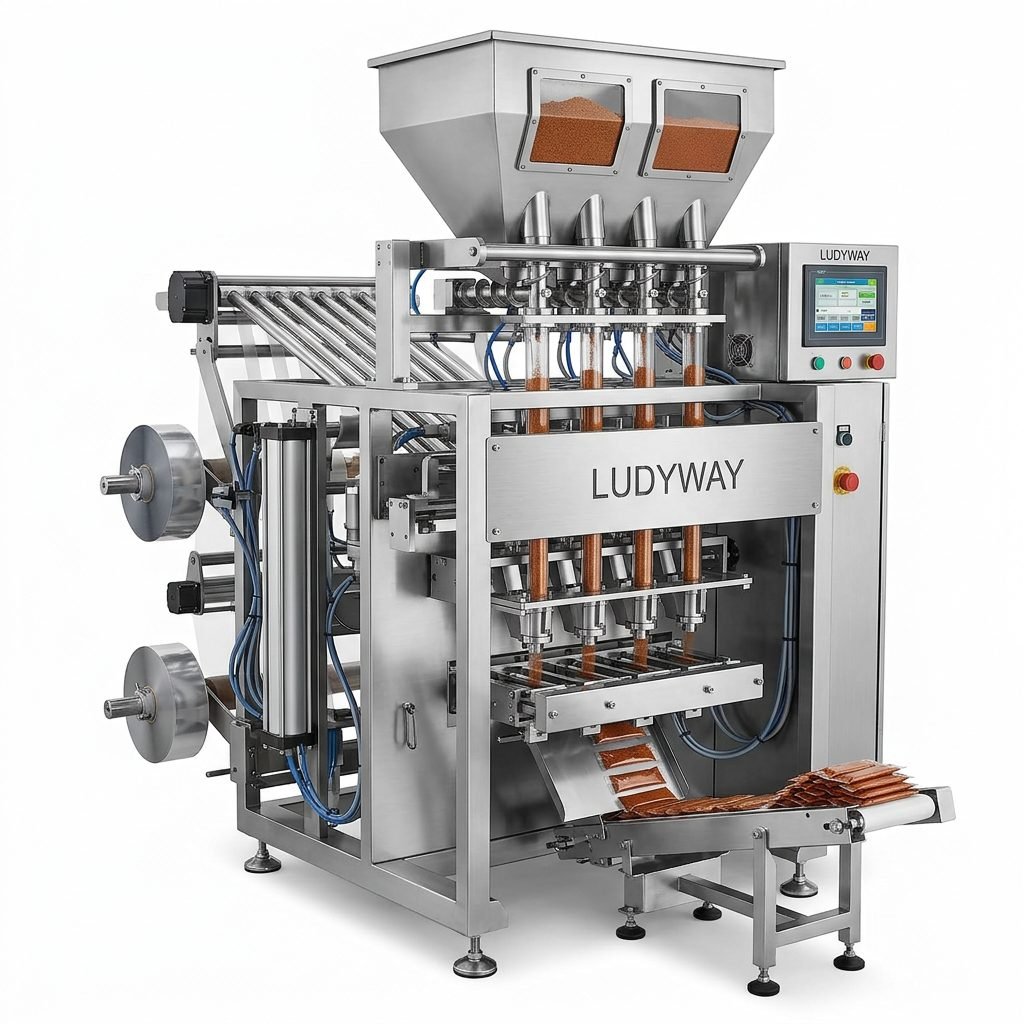
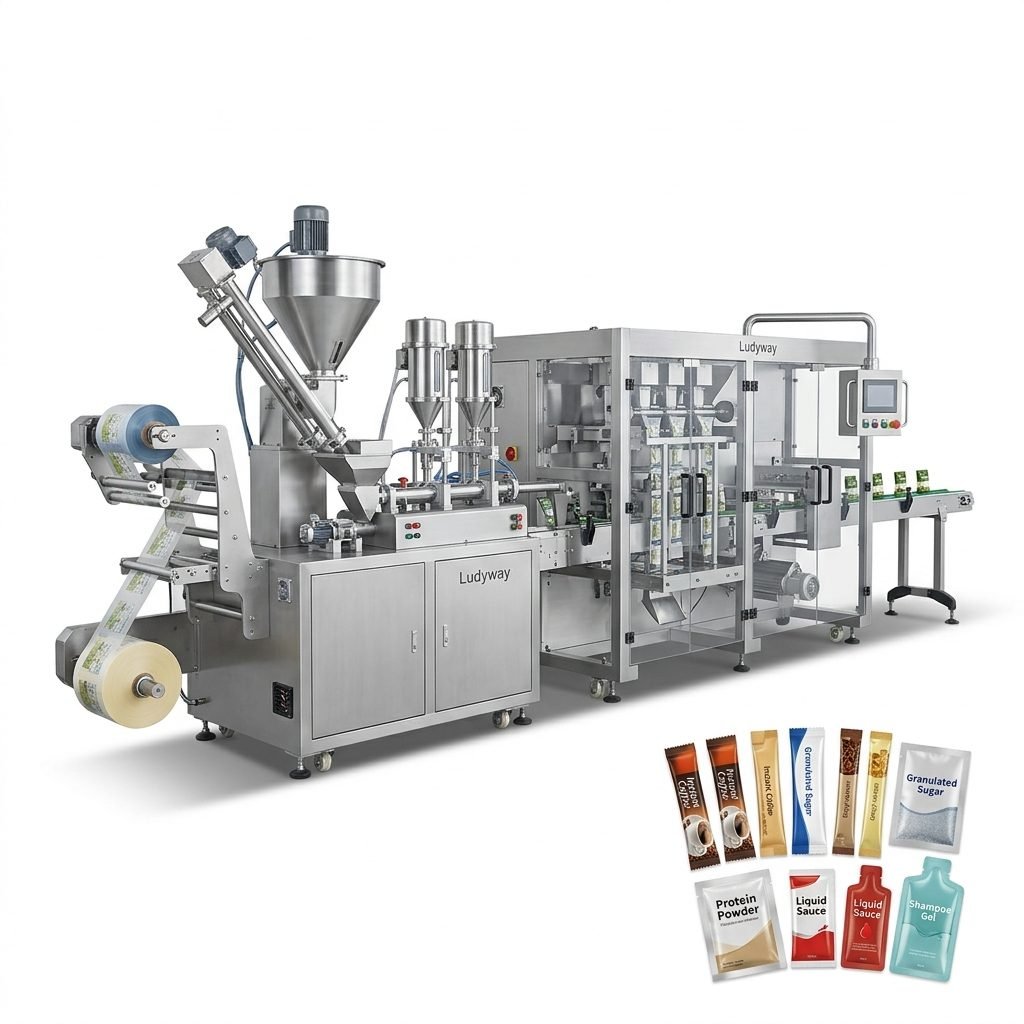
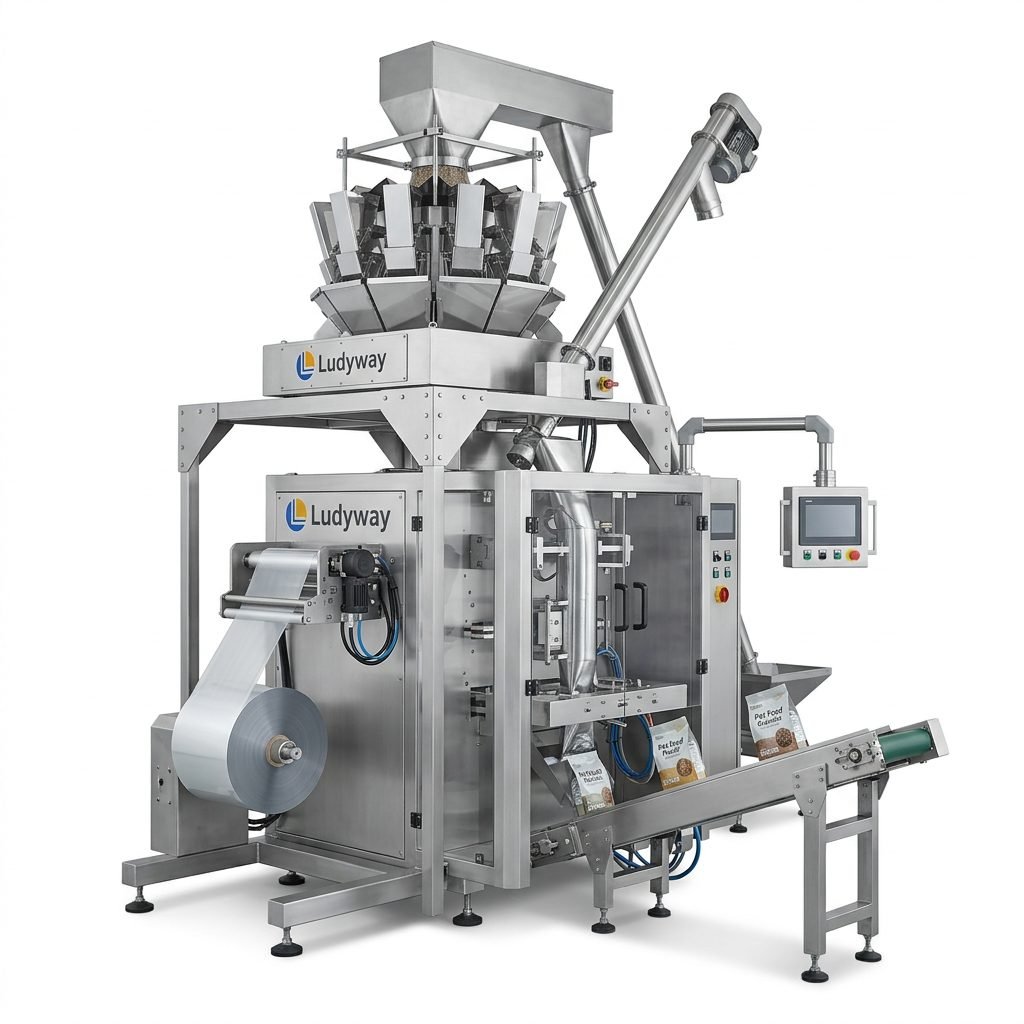
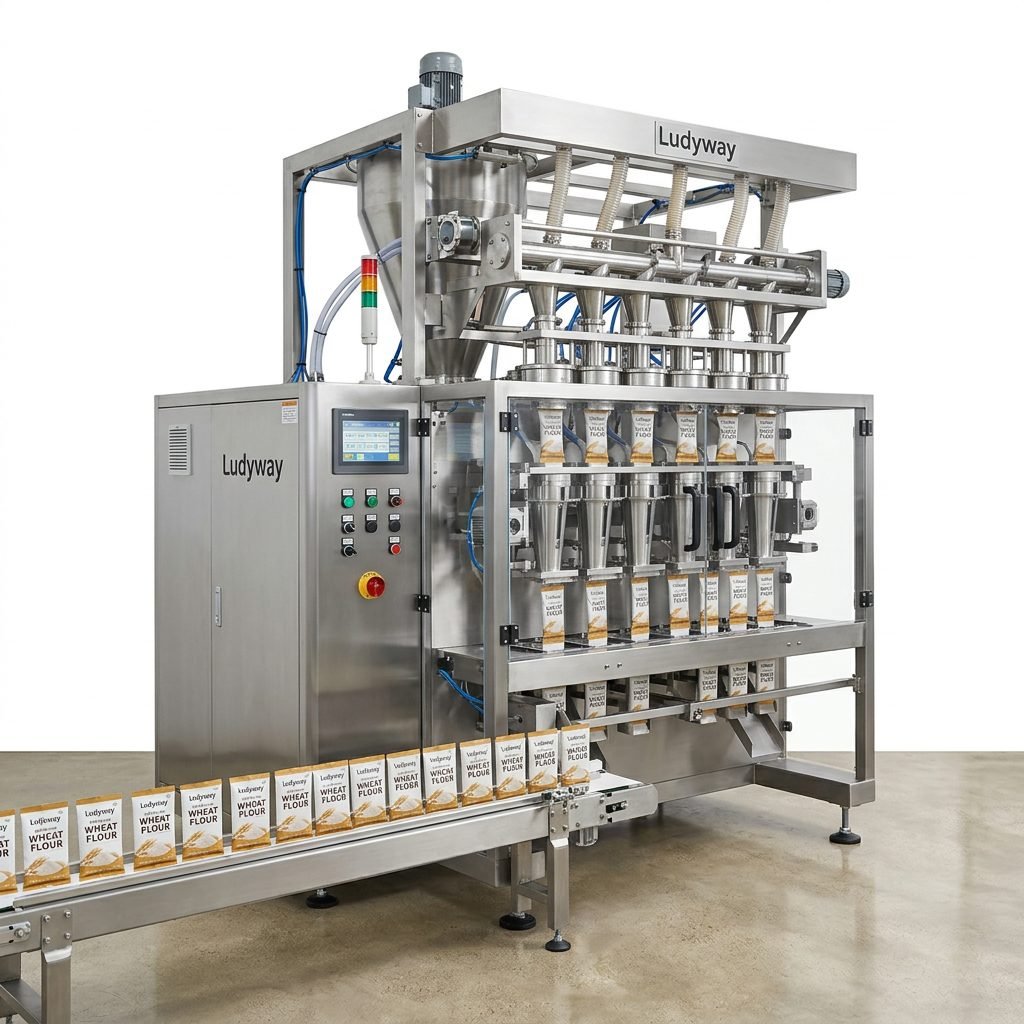
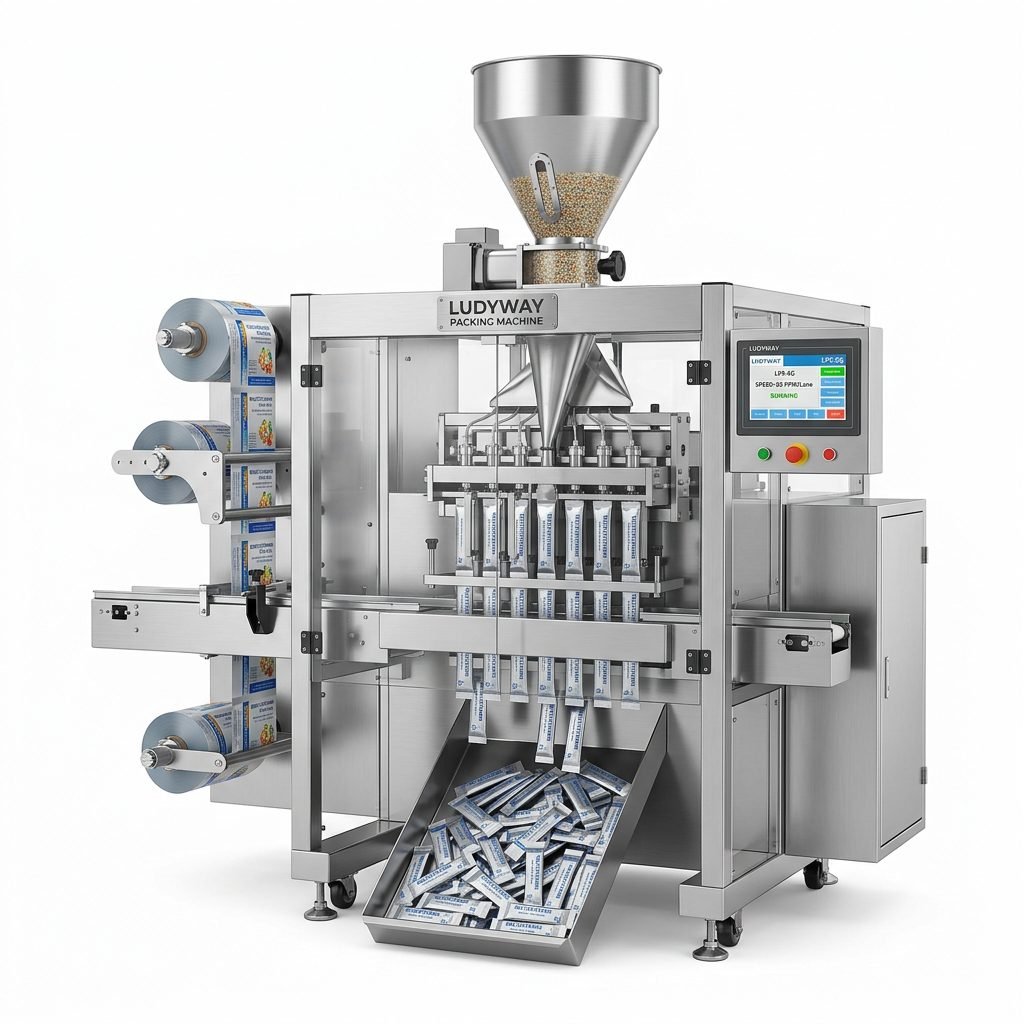
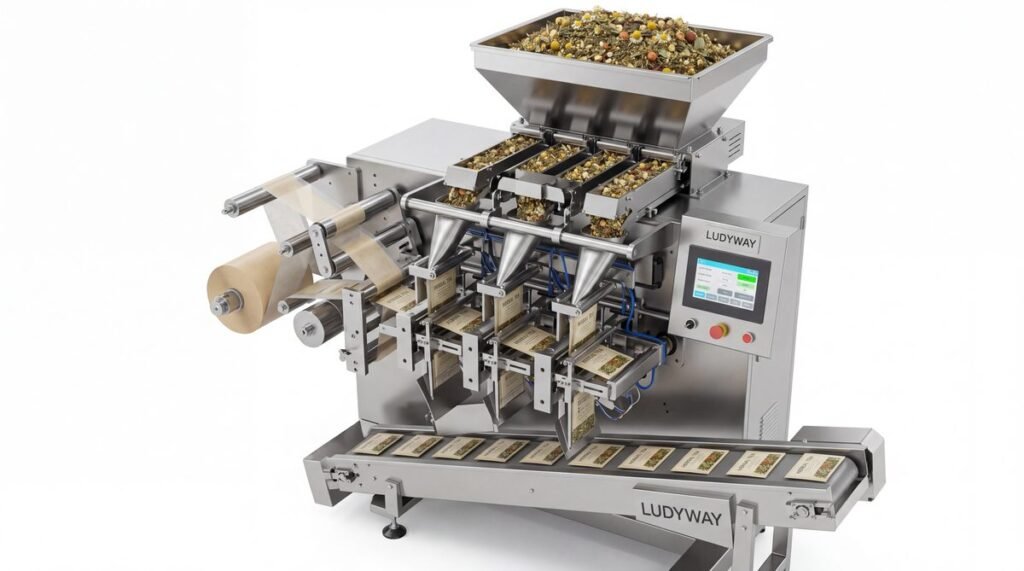
Keeping your matrix packaging machine operating at peak efficiency requires a structured maintenance program. A well-maintained machine ensures consistent seal quality, minimizes unplanned downtime, and extends the overall service life of your investment. Whether you are running a multi-lane stick pack system or a high-speed sachet line, adherence to proper maintenance protocols is non-negotiable for modern production environments.

Why Preventive Maintenance is Critical
Adopting a preventive approach rather than a reactive one dramatically reduces costs. When you wait for a component to fail, you face not just the price of the replacement part but also extensive production losses. Preventive maintenance keeps your packaging line predictable, maintains product quality, and ensures compliance with strict hygiene standards.
Daily Operational Checks for Packaging Machines
At the start of every shift, operators should perform a brief but thorough visual inspection. These checks take only minutes but can catch minor issues before they escalate. Pay close attention to the following elements:
- Film Tracking and Registration: Inspect the film path for wrinkles or improper alignment. Misaligned film often causes jams in the film transport system.
- Sealing Jaws: Examine the horizontal and vertical sealing jaws for residue buildup or mechanical damage. Cool jaws or damaged Teflon coatings result in leaky packages.
- Temperature Sensors: Verify that the actual temperature matches the set point on the control panel. Fluctuating temperatures usually indicate a failing thermocouple or heating element.
- Pneumatic Pressure: Check that the air pressure gauge is in the green zone. Low pressure causes weak sealing, while high pressure can damage cylinders.
- Product Dust Accumulation: Clean excessive powder or granule dust around the filling station to prevent sensor malfunction.

Weekly Cleaning and Lubrication Protocols
Deep cleaning must be integrated into the weekly maintenance schedule. Beyond surface-level cleaning, compressed air should be used to blow out dust from control panels and photo-eye sensors. However, be careful not to direct high-pressure air directly into sensitive bearings. After cleaning, lubrication is essential. Stick to food-grade greases approved by the machine manufacturer, especially for oscillating shafts and linear guides. Over-lubrication can attract dust and create a sticky paste that hinders movement, so apply sparingly.
Monthly Inspection of Wear Components
Wear parts naturally degrade over time. A monthly inspection allows you to track degradation rates and build an efficient spare parts inventory. The major components to assess include:
| Component | Check Frequency | Symptoms of Wear |
|---|---|---|
| Heater Rods/Cartridges | Monthly | Slow heat-up time or error codes |
| Cutting Knives | Bi-Weekly | Ragged pouch edges or incomplete cuts |
| Rubber Rollers | Monthly | Slipping film or uneven tension |
| Vacuum Cups & Belts | Monthly | Dropping sachets or misfeeds |
Quarterly and Semi-Annual Deep Maintenance
Every 3 to 6 months, schedule a major service for your matrix packaging system. This downtime should be used for tasks that cannot be done during short breaks. These deep dives often involve electrical cabinet inspections and mechanical alignments.
Electrical Cabinet Safety Inspection
Power down the machine completely and lock out the main switch. Open the electrical enclosure and use a vacuum cleaner designed for electronics to remove any dust. Tighten all terminal screws, as vibration can loosen connections over time. Check the PLC and HMI for any signs of overheating or capacitor bulging.
Mechanical Alignment and Calibration
Mechanical drift is common in high-speed machines. You should re-check the squareness of the sealing jaws using a dial gauge. Verify the synchronization of the multi-lane system; if one lane drags, it throws off the entire cut-off length. Recalibrating the load cell for the weighing and filling unit is also critical at this stage to guarantee accuracy.
Common Troubleshooting Scenarios
Even with diligent maintenance, occasional issues arise. Understanding the root causes speeds up resolution. Here are common problems encountered with matrix machines and how to approach them:
- Sealing wrinkles: Usually caused by film tension drift or misaligned forming tubes. Re-align the film path and check vertical seal rollers.
- Inconsistent fill weights: If an auger filler is used, check for wear on the auger screw and tooling. For volumetric cup fillers, ensure cups are dry and static-free.
- Machine vibration: Excessive vibration often points to a damaged main bearing or an unbalanced motor shaft on the main drive unit.
- Air leaks: A hissing sound from the pneumatic manifold indicates failing O-rings in the cylinders. Rebuild kits should be kept in stock.

Best Practices for Spare Parts Management
A strategic spare parts inventory is a pillar of efficient maintenance. You must strike a balance between tying up capital in spares and risking extended downtime. You should always keep critical path items locally, such as specific heating elements, sealing Teflon tapes, main motor drive belts, and photo-electric sensors. Generic items like screws and fuses are easily sourced, but proprietary electronic boards often have 4-8 week lead times.
The Importance of Professional Support
While in-house maintenance covers daily wear, complex firmware updates and major overhauls often require OEM expertise. Relying on experienced partners for turnkey packaging solutions ensures your equipment remains compatible with the latest film technologies and efficiency standards. Regular professional maintenance often extends machine life by several years. For manufacturers seeking robust equipment backed by dedicated support, Ludyway provides comprehensive after-sales service and technical assistance for all their advanced packaging systems.