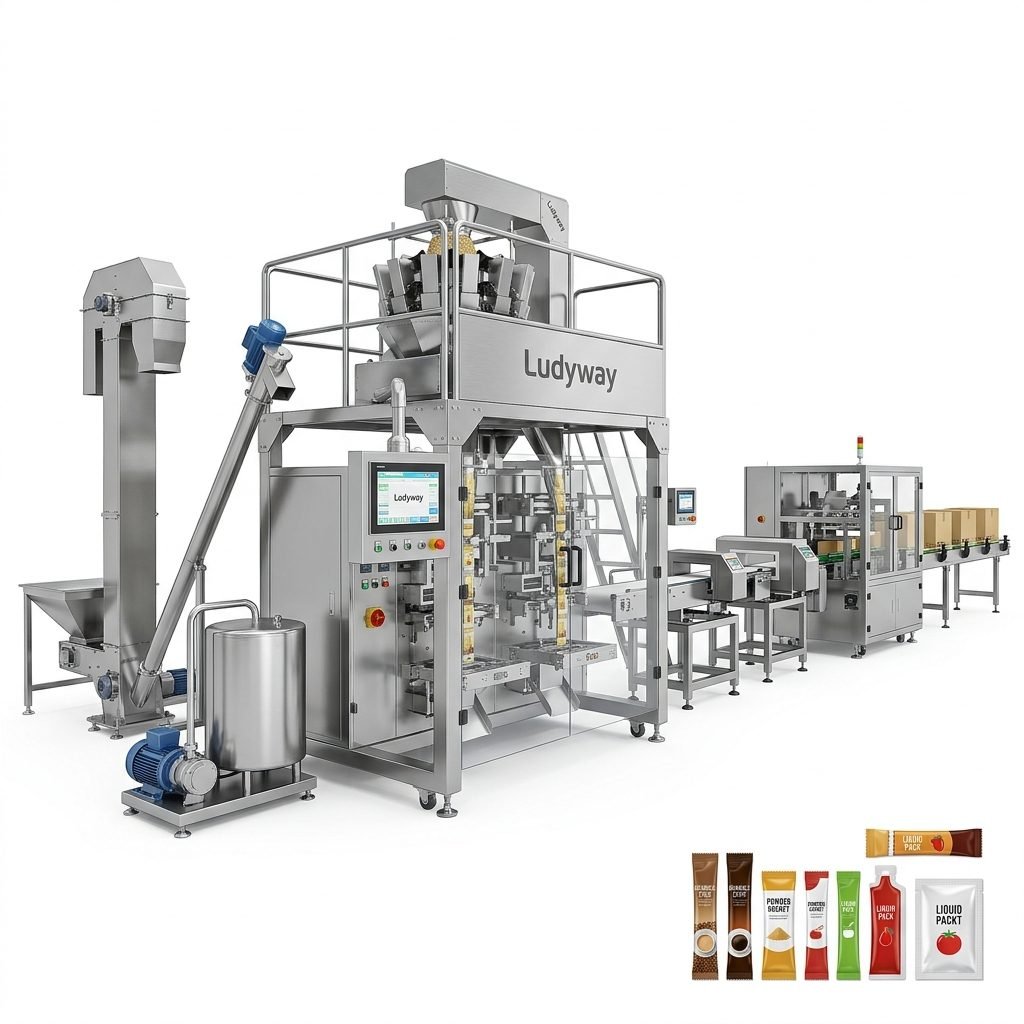
Investing in a milk powder packaging machine in Germany means navigating one of the world’s most regulated and technologically advanced markets. Whether you are scaling up an infant formula line or launching a new sports nutrition brand, the equipment you choose must meet rigorous efficiency, hygiene, and precision standards. This guide breaks down everything from machine types and compliance to cost factors and supplier evaluation, helping you make a confident purchasing decision.
Understanding the German Market for Powder Packaging
Germany represents the largest packaging machinery market in Europe, driven by strong demand from the food, pharmaceutical, and chemical sectors. For milk powder specifically, hygiene, dosing accuracy, and inert gas flushing are non-negotiable requirements. The German packaging industry also emphasizes energy efficiency and Industry 4.0 integration, which means your chosen machine should ideally support data logging, remote diagnostics, and modular automation.
Key drivers influencing purchasing decisions in Germany include:
- Stringent EU regulations for food contact materials and traceability
- Growing preference for sustainable mono-material films and reduced packaging waste
- High labor costs, pushing demand for fully automated turnkey lines
- Precision requirements for stick packs, sachets, and bulk pouches
Machine Types for Milk Powder Applications
Selecting the right configuration depends on your target pouch format, production volume, and product characteristics. The table below summarizes the most common machine types deployed in modern dairy and nutrition facilities.
| Machine Type | Ideal Pouch Format | Typical Speed Range | Key Feature |
|---|---|---|---|
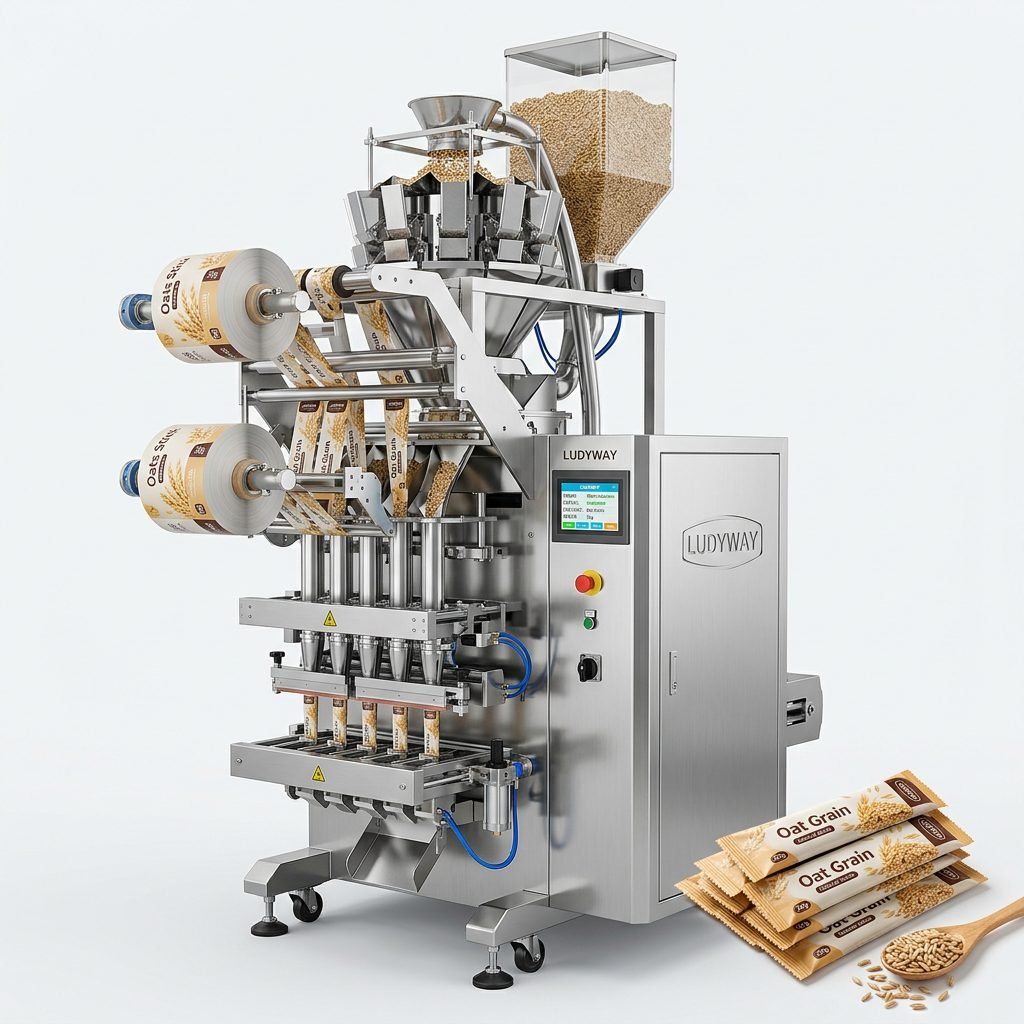
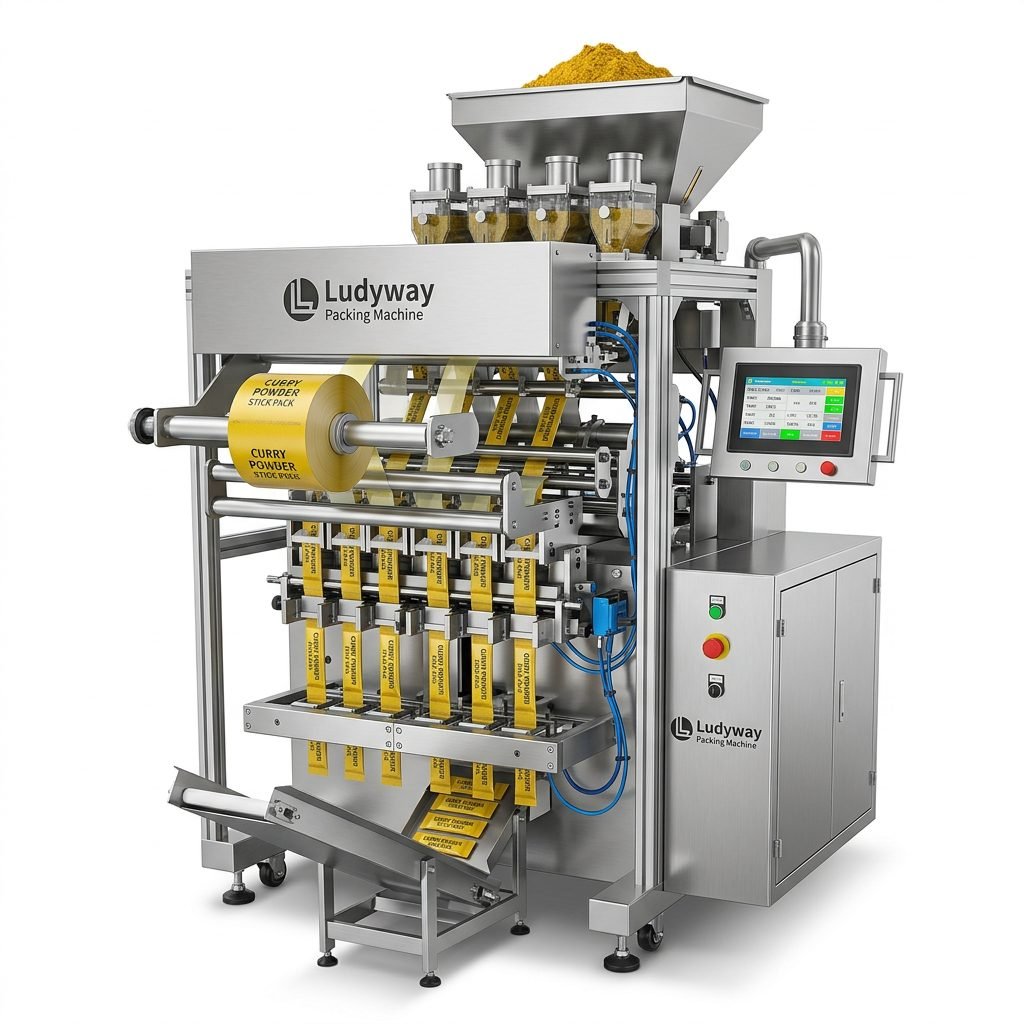
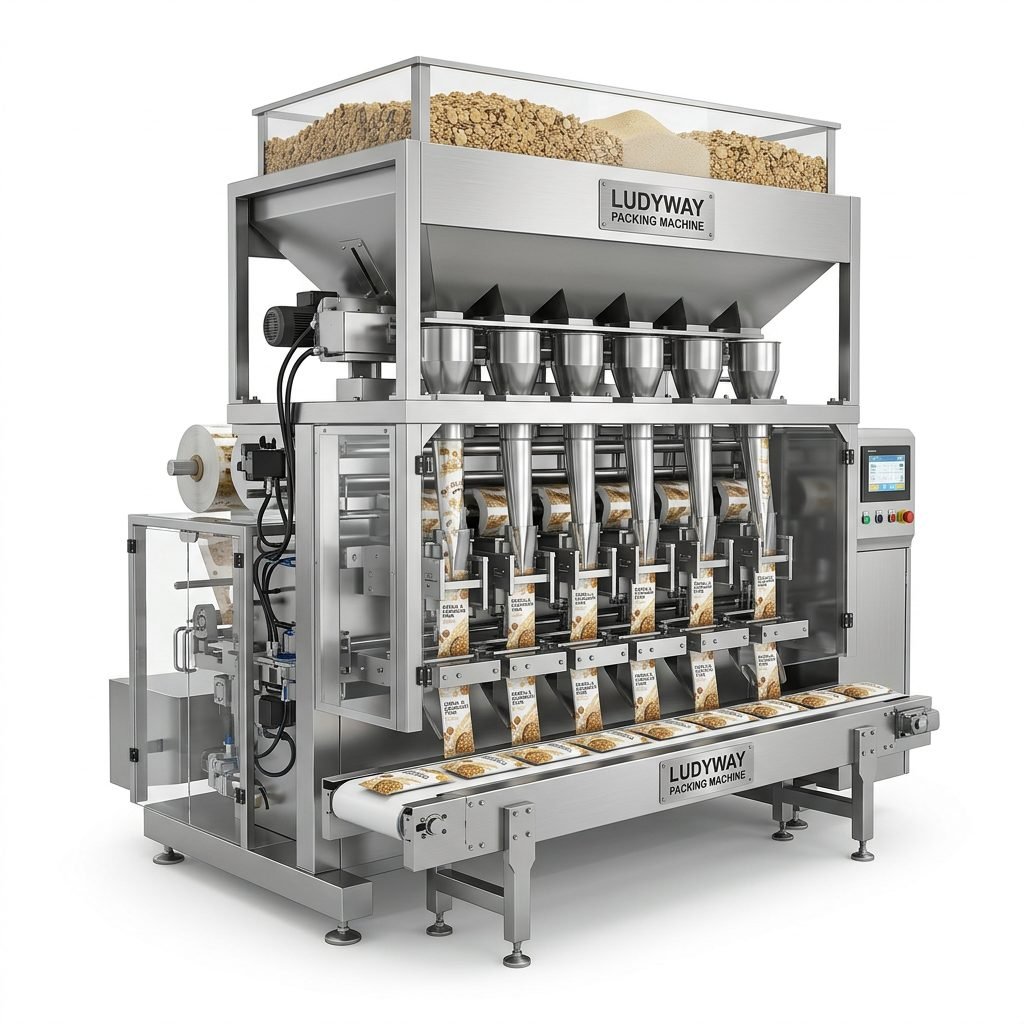
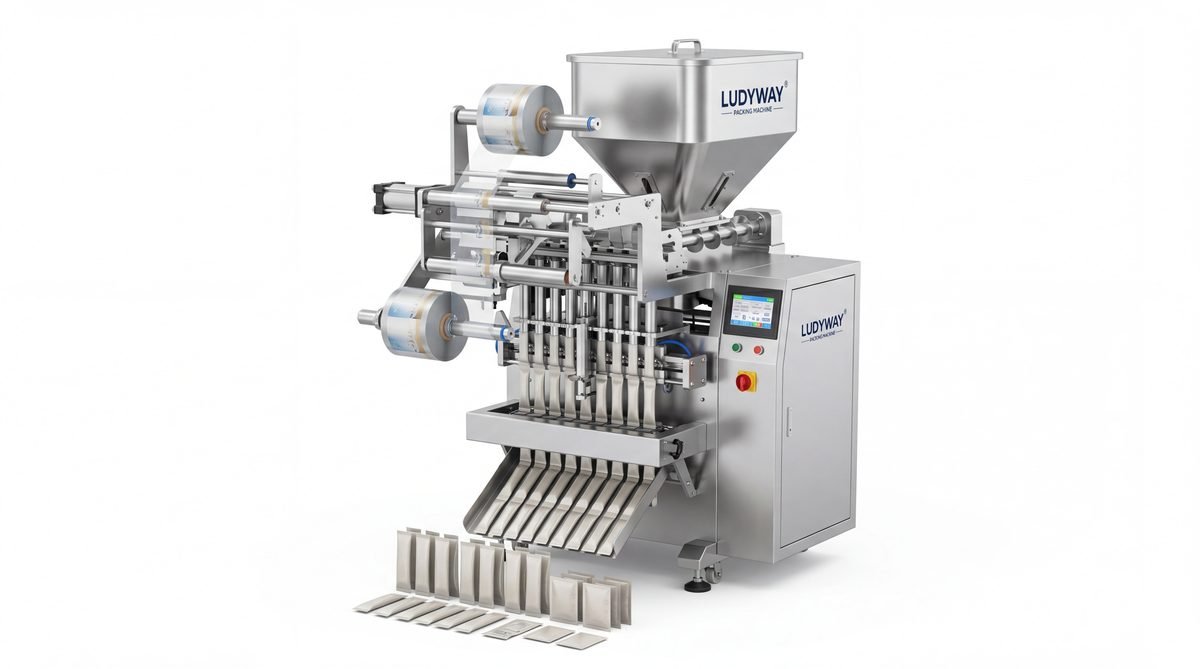
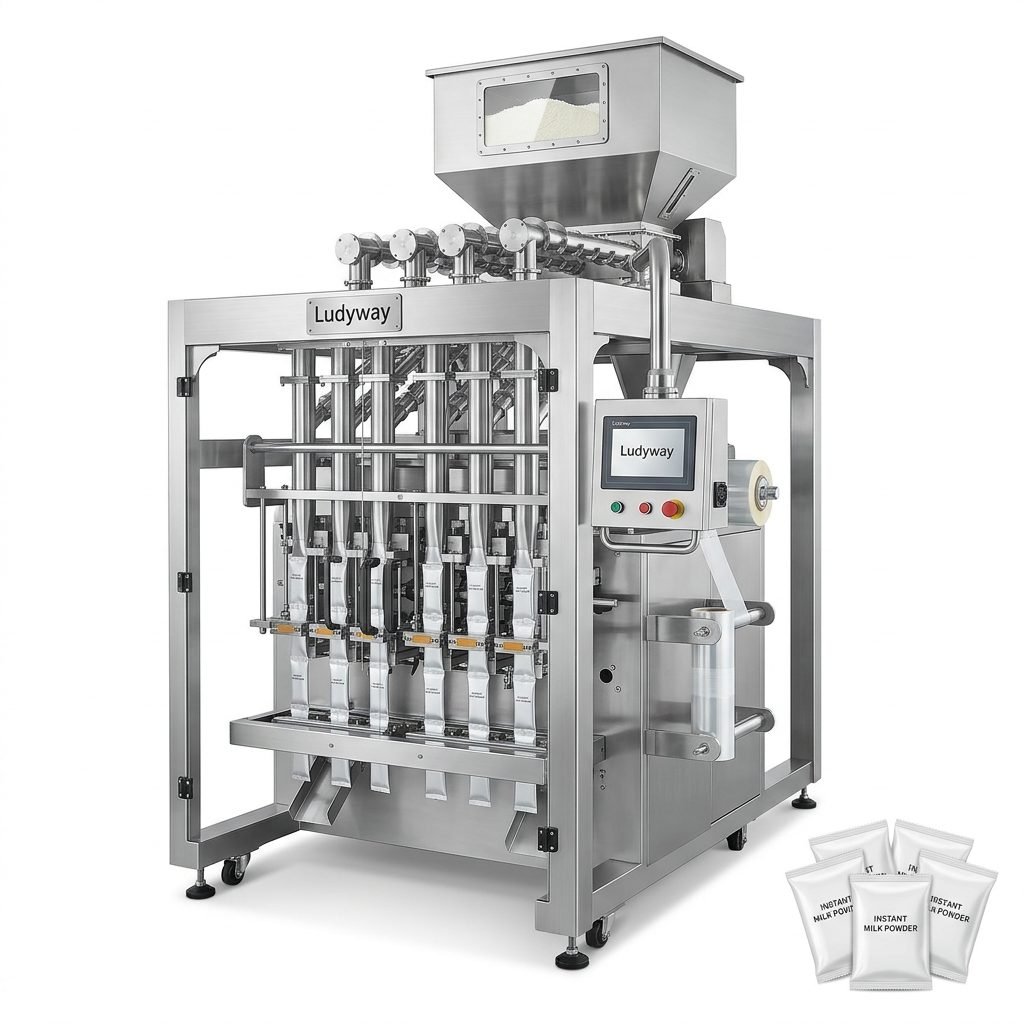
| Multi-Lane Stick Pack Machine | Single-serve stick packs | 400–800 packs/min | Vertical form-fill-seal with up to 12 lanes |
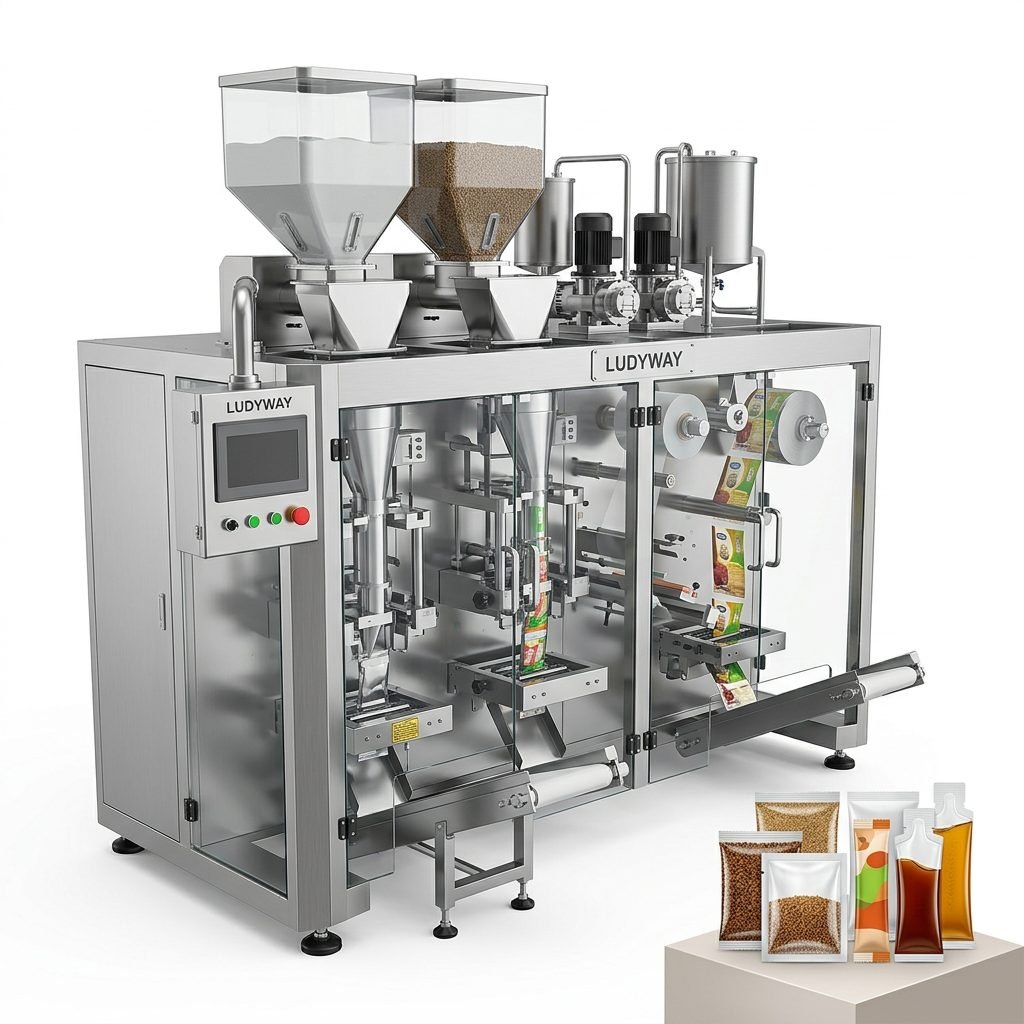
| Sachet Packaging Machine | Flat 3-side or 4-side seal sachets | 200–600 packs/min | Multi-lane, compact footprint |
| Premade Pouch Filler | Doypack, zipper pouches | 40–120 packs/min | Rotary or linear filling stations |
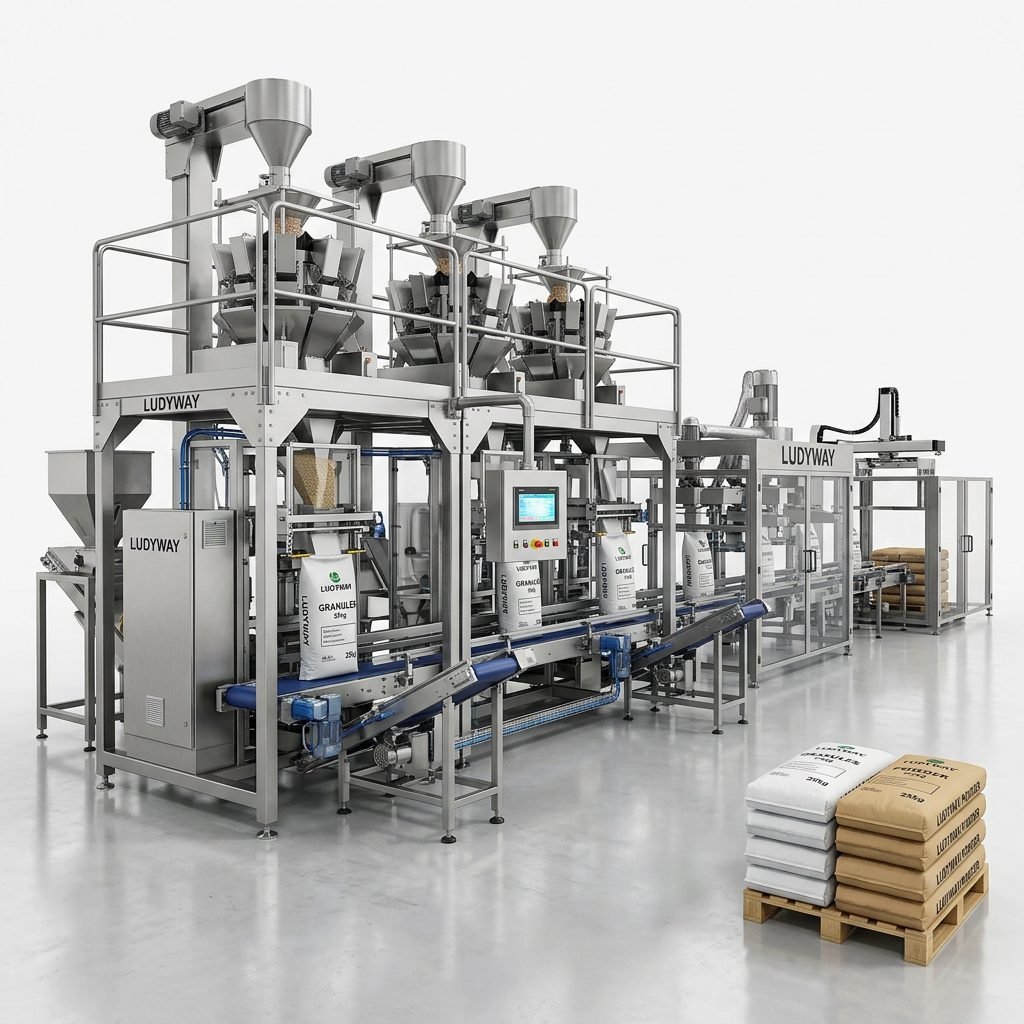
| Bulk Bagging System | 10kg–25kg bags | 5–20 bags/min | Heavy-duty multi-head weigher integrated |
Critical Technical Specifications to Evaluate
When comparing quotes from different manufacturers, look beyond the price tag and focus on these technical parameters that directly impact product quality and total cost of ownership.
Filling Accuracy and Dosing Technology
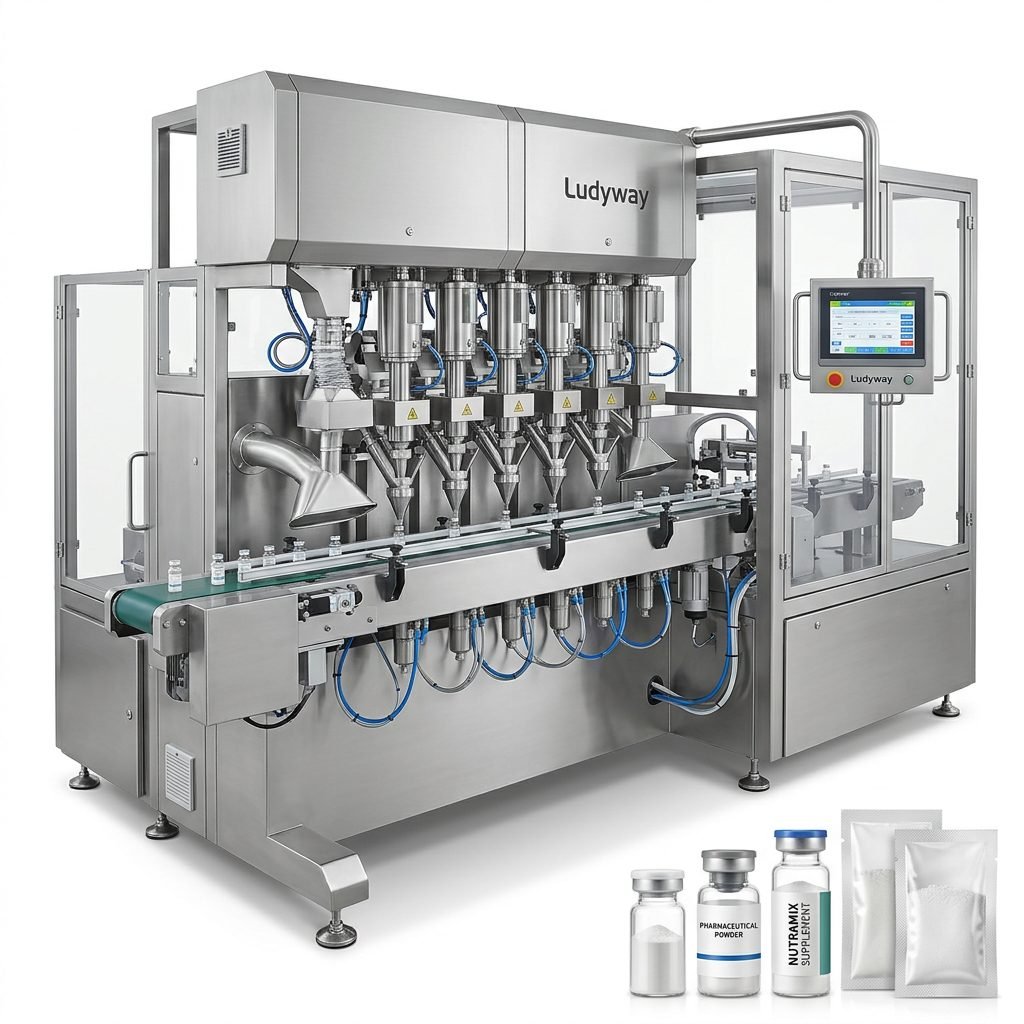
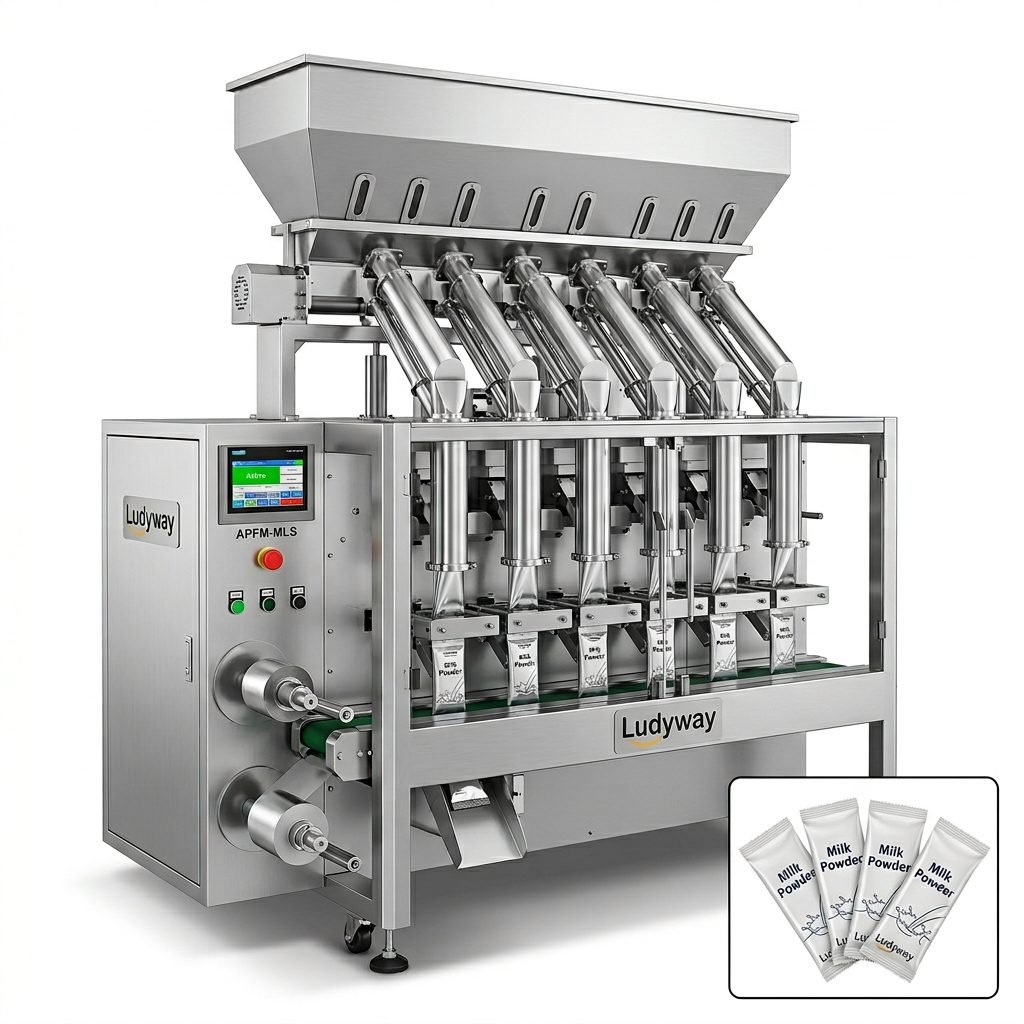
For high-value milk powder products such as infant formula, dosing accuracy of ±0.5g or better is expected. Auger fillers with servo-driven control offer superior precision for fine powders, while multi-head combination weighers excel for granulated milk powders. Always verify the manufacturer’s guaranteed accuracy at your target speed.
- Auger filler: Ideal for very fine, high-fat milk powders; requires precise temperature control to prevent bridging.
- Multi-head weigher: Best for free-flowing granulated powders; delivers higher speeds with minimal product giveaway.
- Volumetric cup filler: Economical solution for less critical applications where speed outweighs precision needs.
Sealing Integrity and Modified Atmosphere Packaging
Many milk powder products require nitrogen flushing to displace oxygen and extend shelf life. The machine must achieve residual oxygen levels below 2% consistently. Serrated and serrated-ribbed sealing jaws, combined with precise temperature control, ensure hermetic seals that prevent sifting and contamination. Validate that the machine supports ISO 11607 compliant seal strength testing for medical-grade powder applications.
Material Compatibility and Sustainability
With the EU Packaging and Packaging Waste Regulation pushing for recyclable structures, your new machine must handle mono-material films, paper-based laminates, and thinner gauge substrates without compromising speed or seal integrity. Advanced web tension control and adjustable dwell times are essential for processing sustainable materials.
Regulatory Compliance and Safety Standards
Placing a packaging machine on the German market means full conformity with the EU Machinery Directive 2006/42/EC and relevant harmonized standards. For milk powder, additional food safety regulations apply.
- CE Marking with a complete technical file and risk assessment
- Compliance with food contact material regulations (EC 1935/2004 and EU 10/2011 for plastics)
- Hygienic design per EHEDG guidelines with easy-to-clean surfaces and minimal horizontal ledges
- ATEX compliance if handling potentially explosive milk powder dust
- Integration with track-and-trace systems for serialization and aggregation
Many German buyers also require GS mark certification or TÜV-tested safety validation, which goes beyond basic CE requirements and demonstrates a higher commitment to operator safety.
Evaluating Total Cost of Ownership
The purchase price is only one component. A comprehensive TCO analysis should include:
Direct Operational Costs
| Cost Element | Typical Percentage of TCO | Influencing Factors |
|---|---|---|
| Spare Parts | 15–25% | Sealing jaws, belts, sensors, actuators |
| Film Waste | 8–15% | Startup, splice, and mis-registration waste |
| Energy Consumption | 5–10% | Heating, pneumatics, vacuum systems |
| Maintenance Labor | 10–18% | Preventive and corrective maintenance hours |
Hidden Costs That Surprise Buyers
- Installation and commissioning by factory-trained engineers
- Operator training and skill development for your team
- Film trial costs when switching packaging materials
- Downtime losses during changeover between different powder formulations
Strategic Global Sourcing Considerations
German companies increasingly evaluate global suppliers who can deliver CE-certified, high-performance machines at competitive price points. A notable example is Ludyway, one of the largest packaging machine manufacturers in China, which has developed over 50 intelligent models including multi-lane stick pack, sachet, and fully automated systems for powder, granule, and liquid applications across more than 100 countries. When evaluating international suppliers, always verify their CE documentation, request German-language manuals and HMI interfaces, and arrange factory acceptance testing before shipment.
Supplier Evaluation Checklist
- Request reference installations in Germany or the EU with contactable clients
- Verify the availability of local service engineers or contracted support partners
- Confirm lead times for critical spare parts and the location of European warehouses
- Assess the supplier’s experience with packaging machinery market trends and innovation cycles
- Request documented hygiene certifications and material test reports
- Evaluate remote support capabilities for troubleshooting and software updates
Integration with Ancillary Equipment
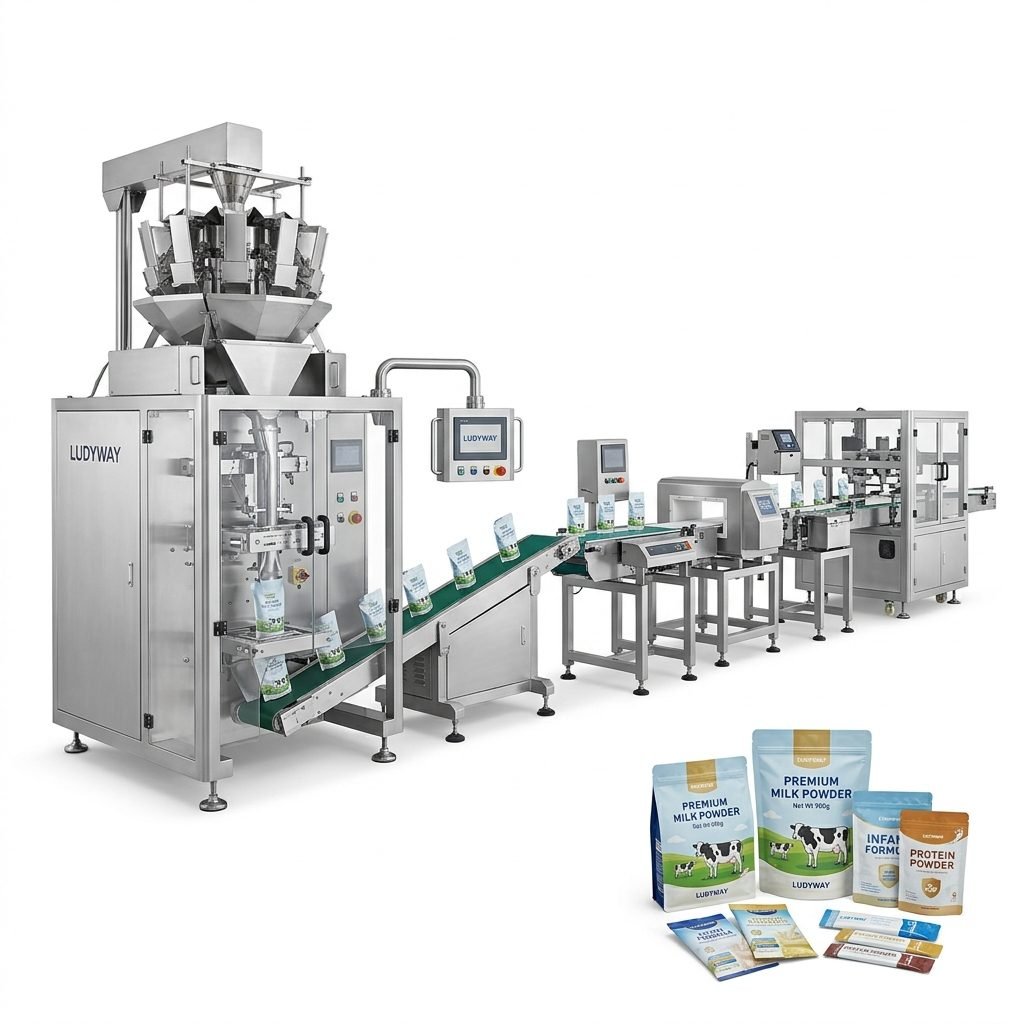
A standalone milk powder packaging machine delivers only partial value. A fully optimized line integrates upstream and downstream equipment for seamless production flow.
Essential Line Components
- Product feeding systems: Bucket elevators, vacuum conveyors, or inclined belt feeders with dust extraction
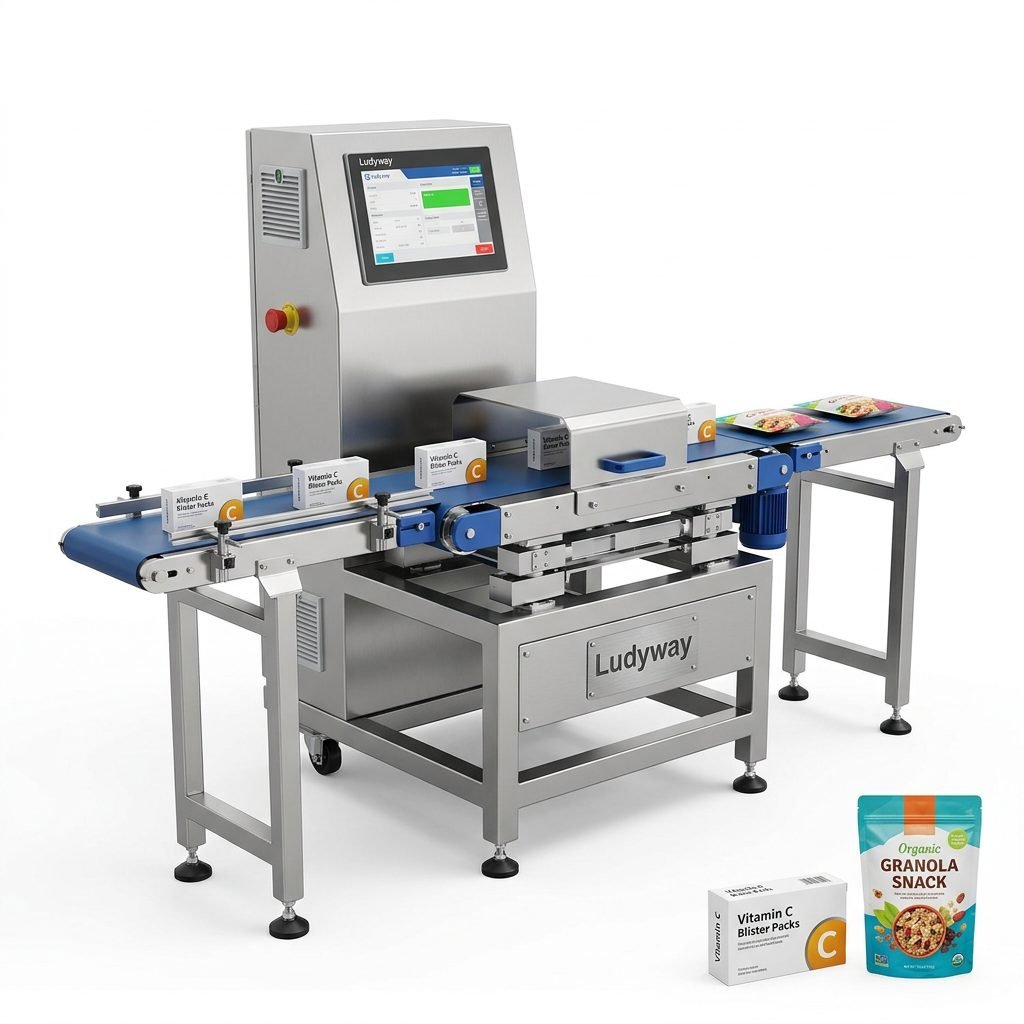
- Checkweighers and metal detectors: Critical for food safety compliance and fill weight verification
- Nitrogen flushing systems: Integrated gas injection and monitoring for modified atmosphere packaging
- Vision inspection: Seal inspection, print registration verification, and label presence detection
- Secondary packaging: Cartoning machines, case packers, and palletizing robots
Making the Final Decision
Choosing the right partner for your milk powder packaging operations in Germany involves balancing technical capability, regulatory compliance, and economic sense. Prioritize suppliers who demonstrate proven expertise in powder handling, offer transparent testing and validation protocols, and provide long-term service commitments. Request physical or virtual demonstrations using your actual product and target film structure before finalizing the purchase agreement.
By thoroughly evaluating machine specifications, TCO, and regulatory compliance against your production goals, you can secure a packaging solution that drives efficiency, product quality, and brand trust in the competitive German market.