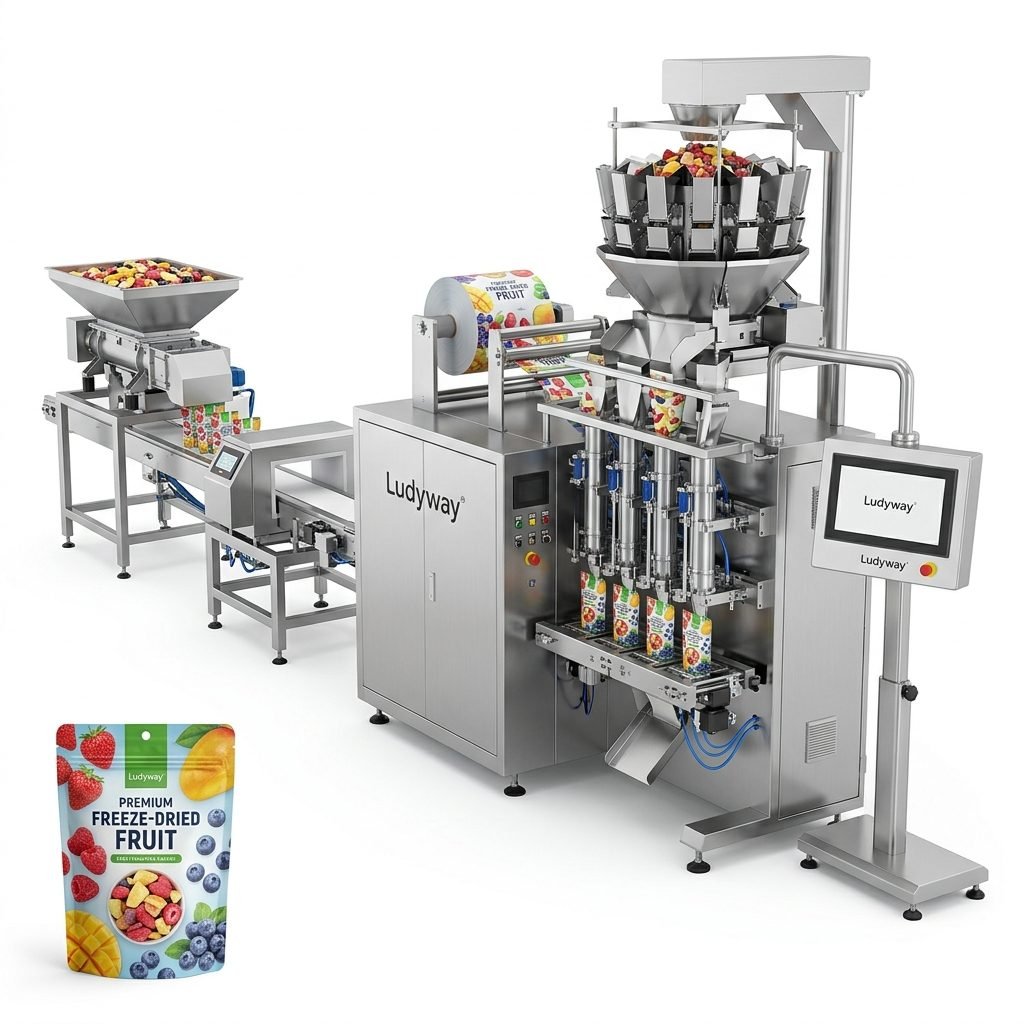
The coffee industry in Oceania continues to expand rapidly, driven by a thriving café culture in Australia and New Zealand, alongside growing export opportunities to Asia-Pacific markets. Setting up a coffee bean packaging machine production line in this region requires careful planning, compliance with local food safety standards, and selecting equipment that balances speed, precision, and flexibility. From multi-lane stick pack systems to high-speed sachet fillers, the right packaging infrastructure can transform raw coffee beans into shelf-ready products that meet both domestic demand and international export requirements.
Oceania’s coffee processing sector is increasingly adopting automated solutions to address labour shortages and rising production costs. According to PMMI packaging industry intelligence, manufacturers across the region are investing in turnkey packaging systems that integrate weighing, filling, sealing, and cartoning into unified workflows. Whether you are packaging whole beans, ground coffee, or instant coffee powder, a well-designed production line ensures consistent quality and operational efficiency.
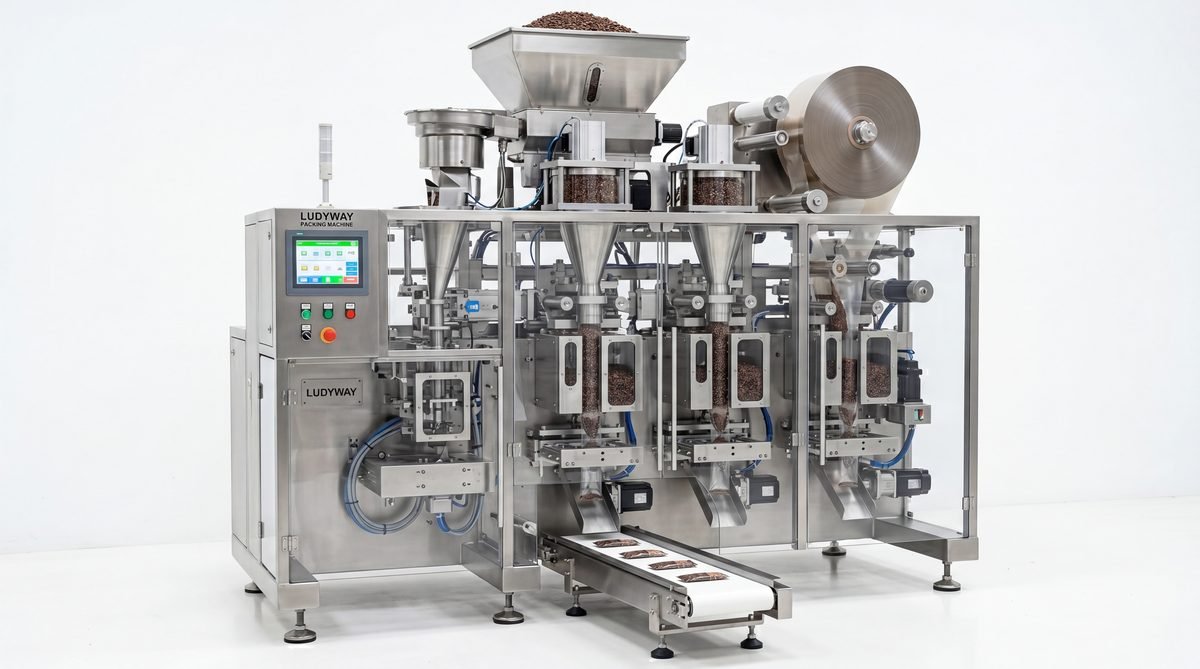
Understanding Coffee Packaging Formats in the Oceania Market
Before investing in machinery, it is essential to understand the primary packaging formats that dominate the Oceania coffee market. Consumer preferences and retail channels determine whether your production line should focus on stick packs, sachets, or larger pouch formats.
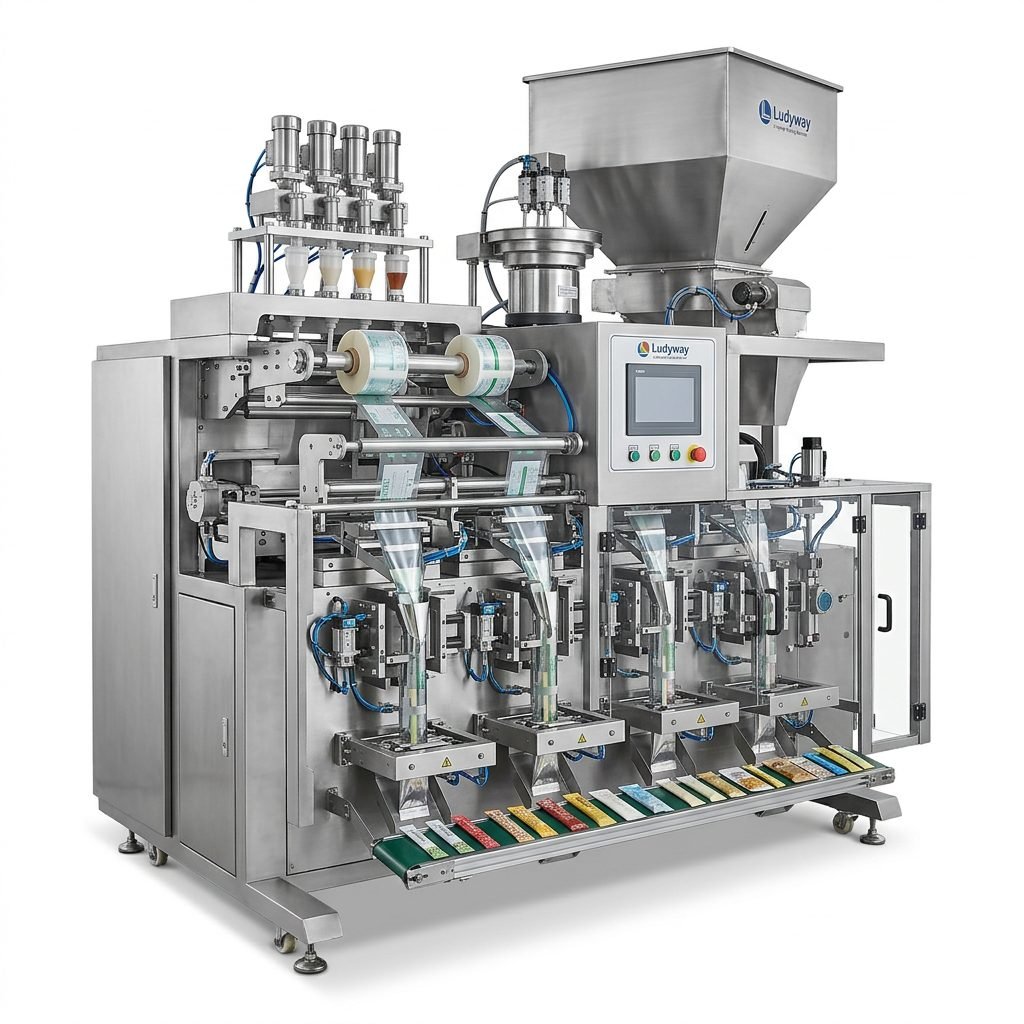
- Stick Packs: Ideal for single-serve instant coffee and coffee powder mixes, popular in Australia’s convenience store sector and for export to Asian markets.
- Flat Sachets: Widely used for ground coffee portions in New Zealand’s hospitality industry and retail chains, offering excellent barrier properties for freshness preservation.
- Stand-Up Pouches: Increasingly adopted by specialty coffee roasters for whole bean packaging, featuring resealable zippers and degassing valves.
- Pillow Bags: Cost-effective solutions for bulk-packed coffee beans distributed through wholesale channels and commercial food service operations.
The selection of packaging format directly influences the type of coffee packaging equipment required, as well as auxiliary systems such as nitrogen flushing units for oxygen-sensitive products and checkweighers for quality assurance.
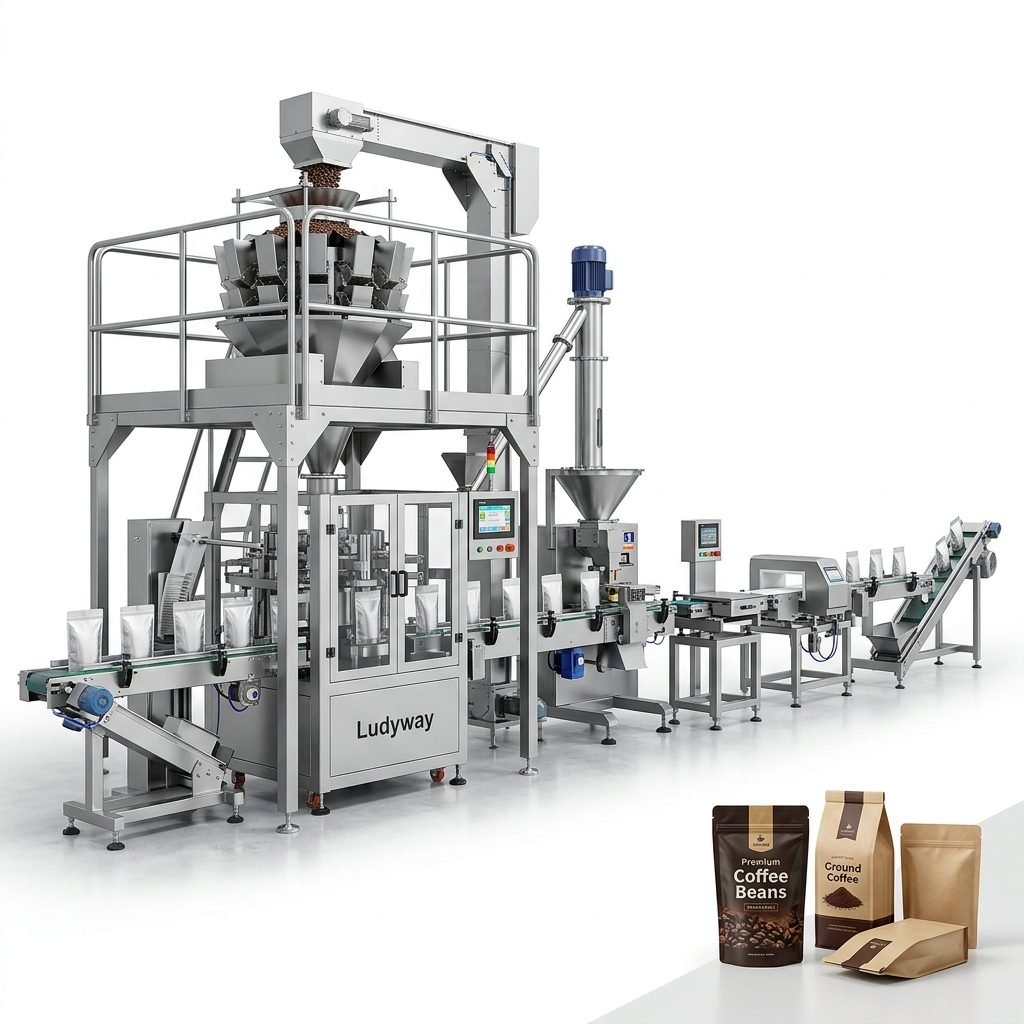
Key Components of a Coffee Bean Packaging Production Line
A complete coffee packaging production line consists of multiple interconnected modules, each performing a critical function in the packaging sequence. Understanding these components helps in making informed procurement decisions.
| Equipment Module | Primary Function | Key Selection Criteria |
|---|---|---|
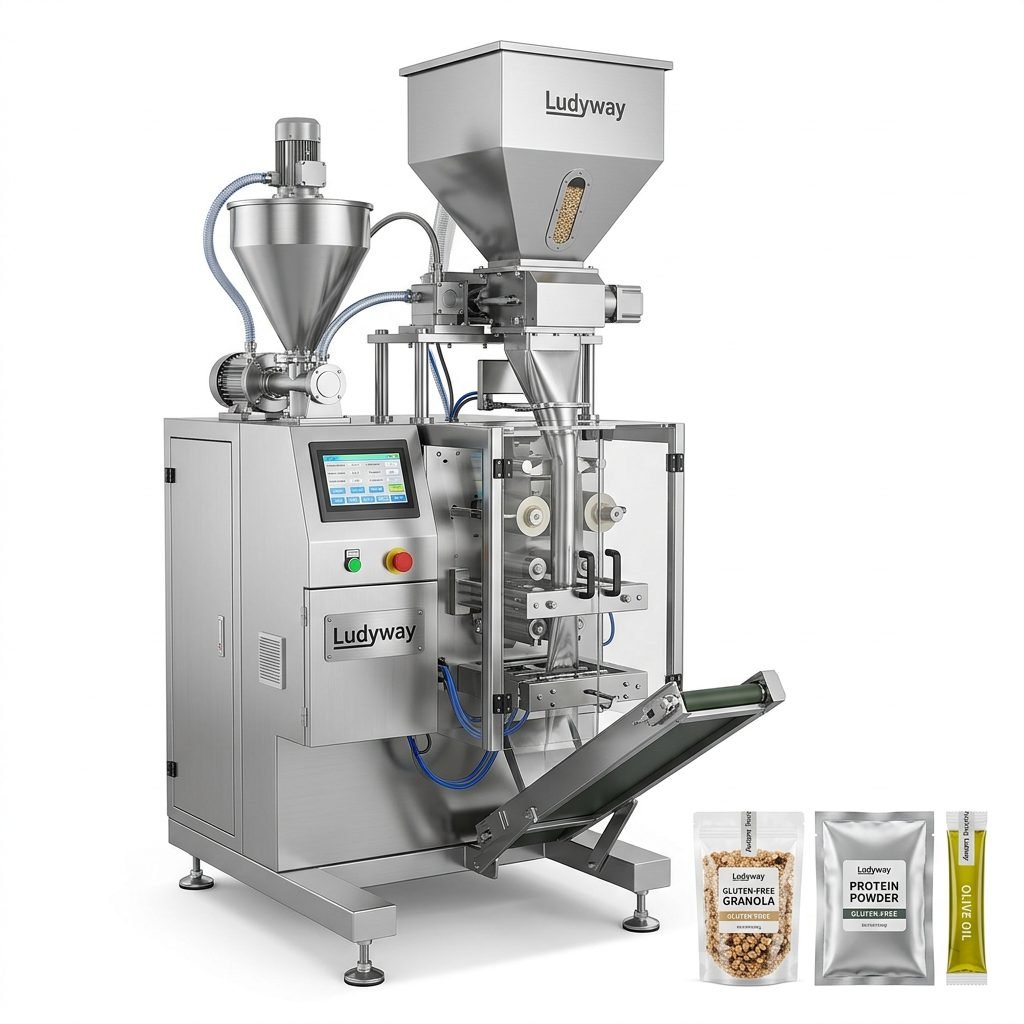
| Multi-Head Weighing System | Precision dosing of whole beans or ground coffee | Accuracy ±0.5g, speed up to 120 weighments/min |
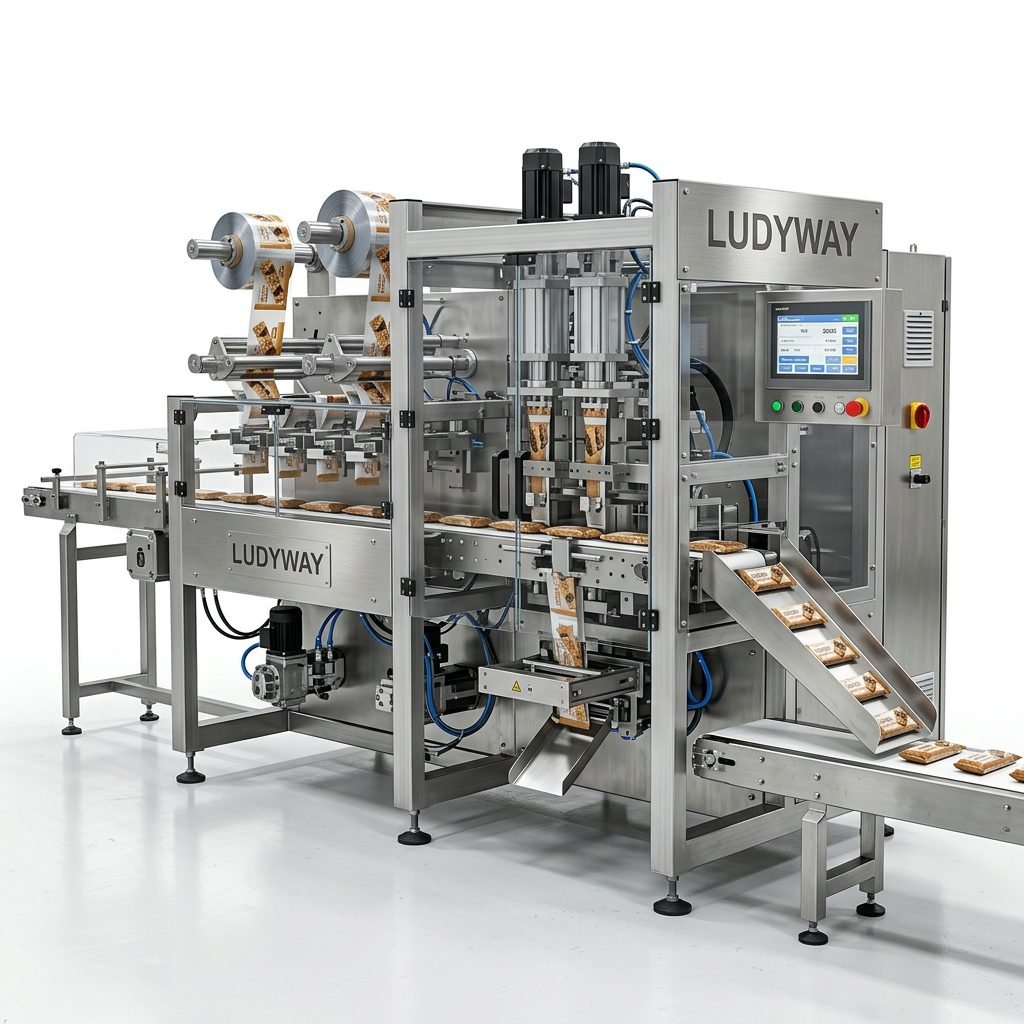
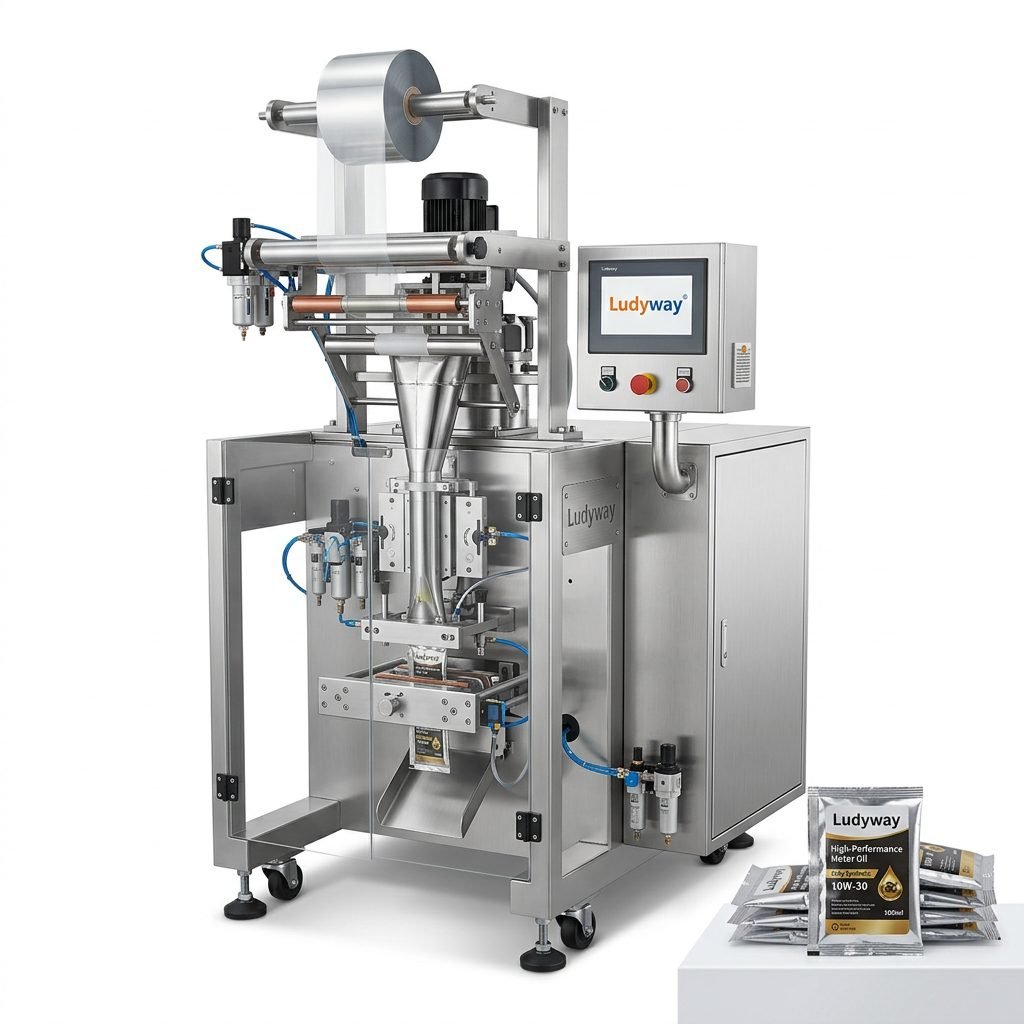
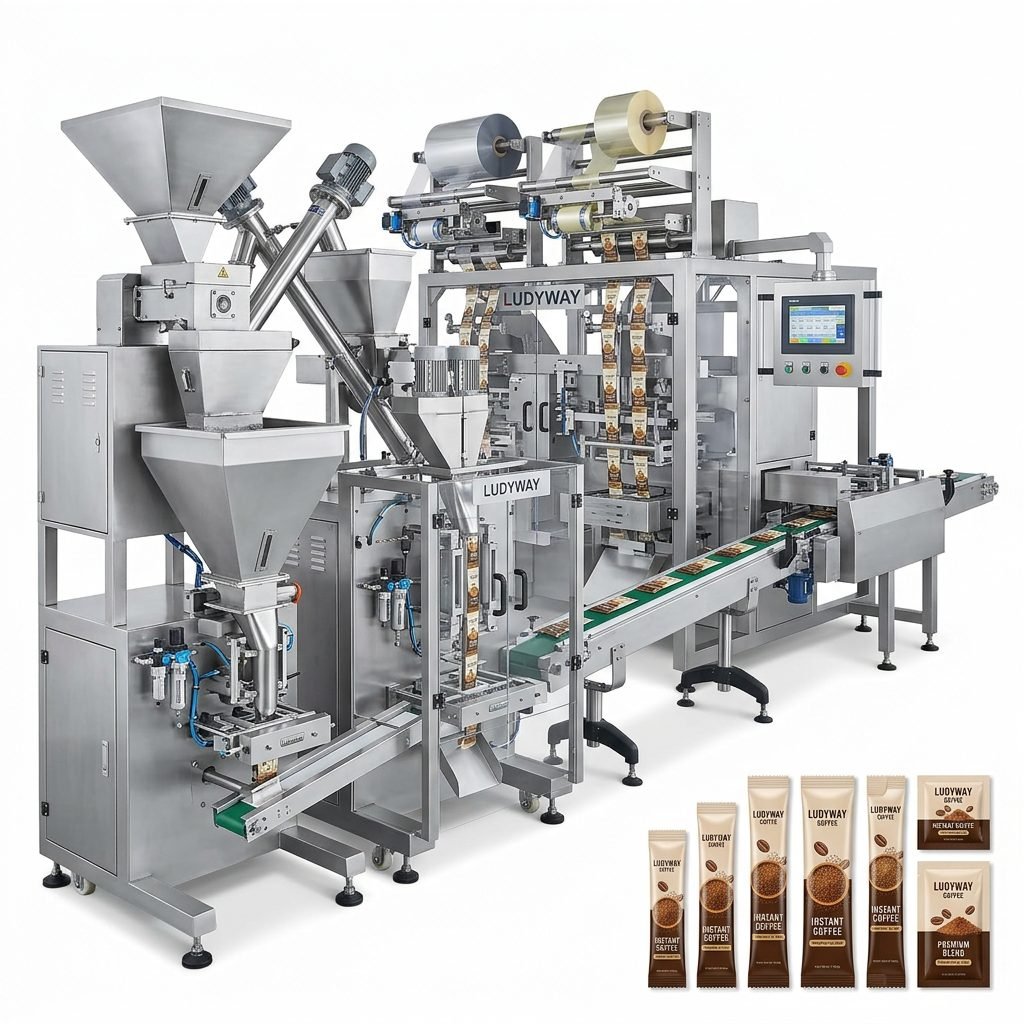
| Vertical Form-Fill-Seal Machine | Forms pouches from roll film, fills, and seals | Multi-lane configuration, film compatibility, seal integrity |
| Nitrogen Flushing System | Oxygen displacement for extended shelf life | Residual oxygen below 1%, regulated flow control |
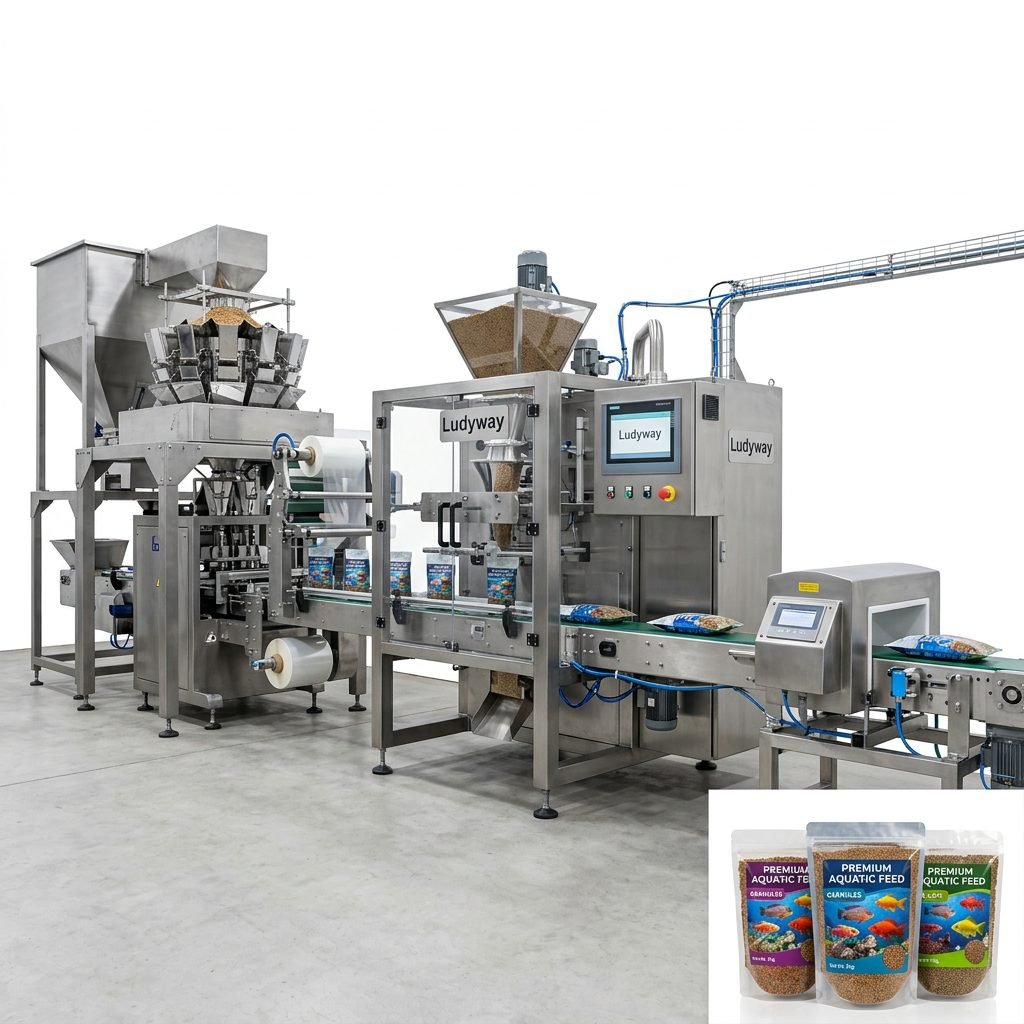
| Checkweigher & Metal Detector | Quality control and contaminant detection | High-speed rejection, compliance with HACCP standards |
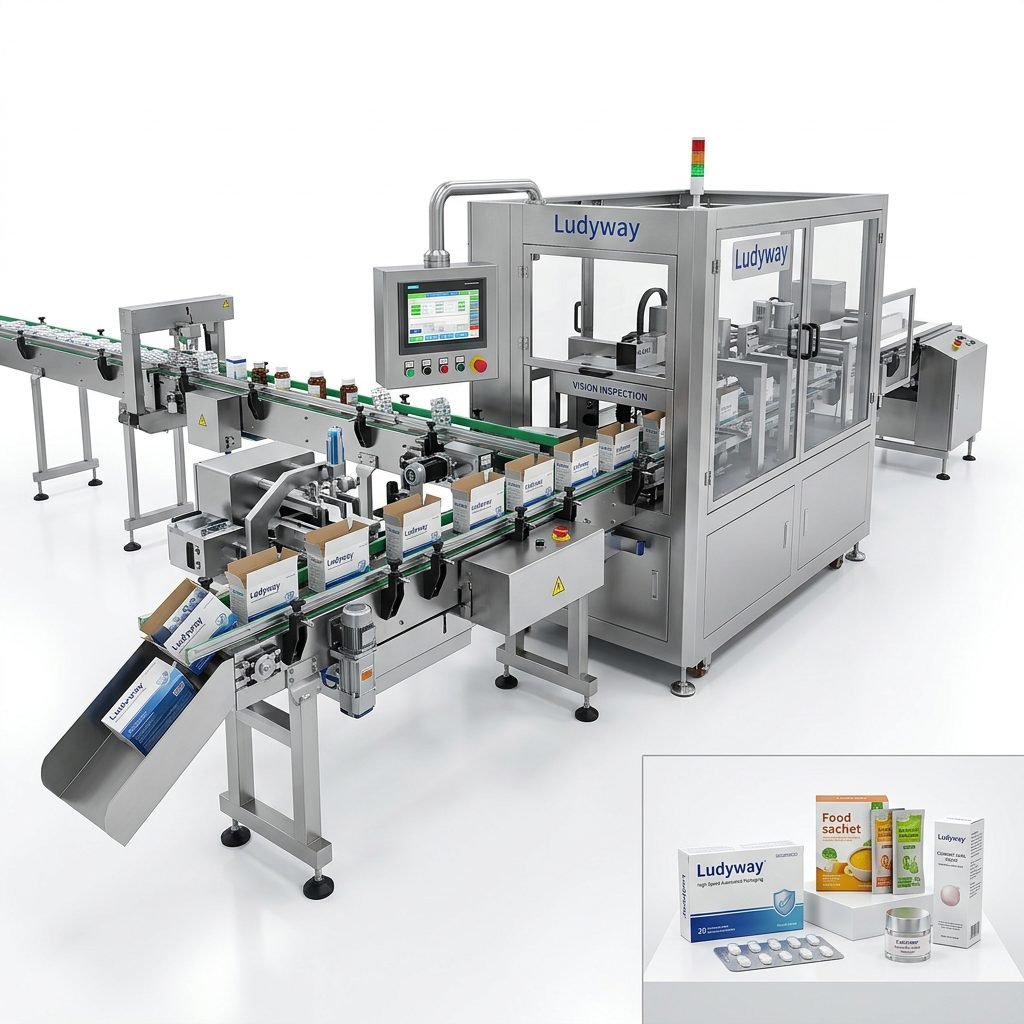
| Cartoning & Palletizing | Secondary packaging and end-of-line automation | Flexible carton sizes, robotic palletizing options |
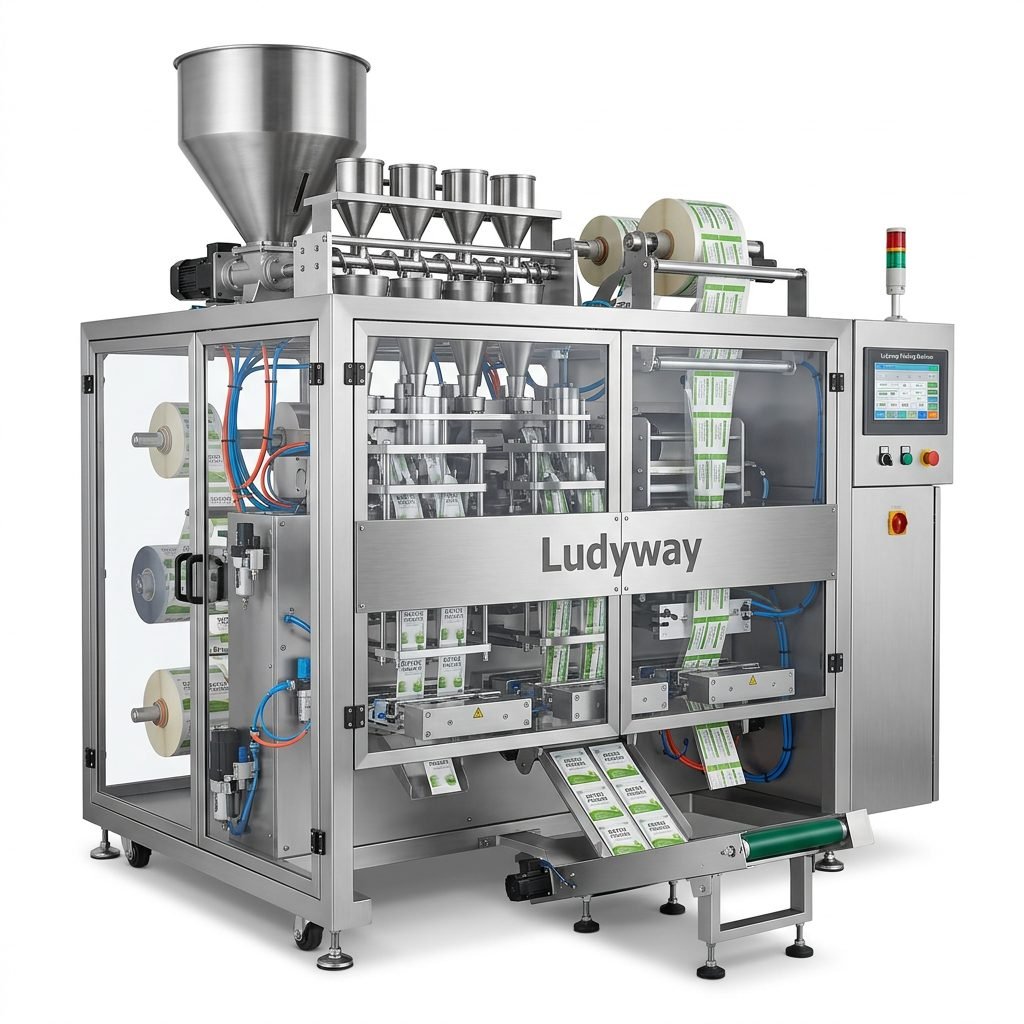
For businesses targeting the Oceania market, integrating multi-lane stick pack machines can significantly increase throughput. These systems run multiple lanes simultaneously, producing individually sealed coffee sticks at speeds exceeding 400 packs per minute per lane. The Flexible Packaging Association highlights that multi-lane configurations are becoming the industry standard for high-volume coffee packaging operations.
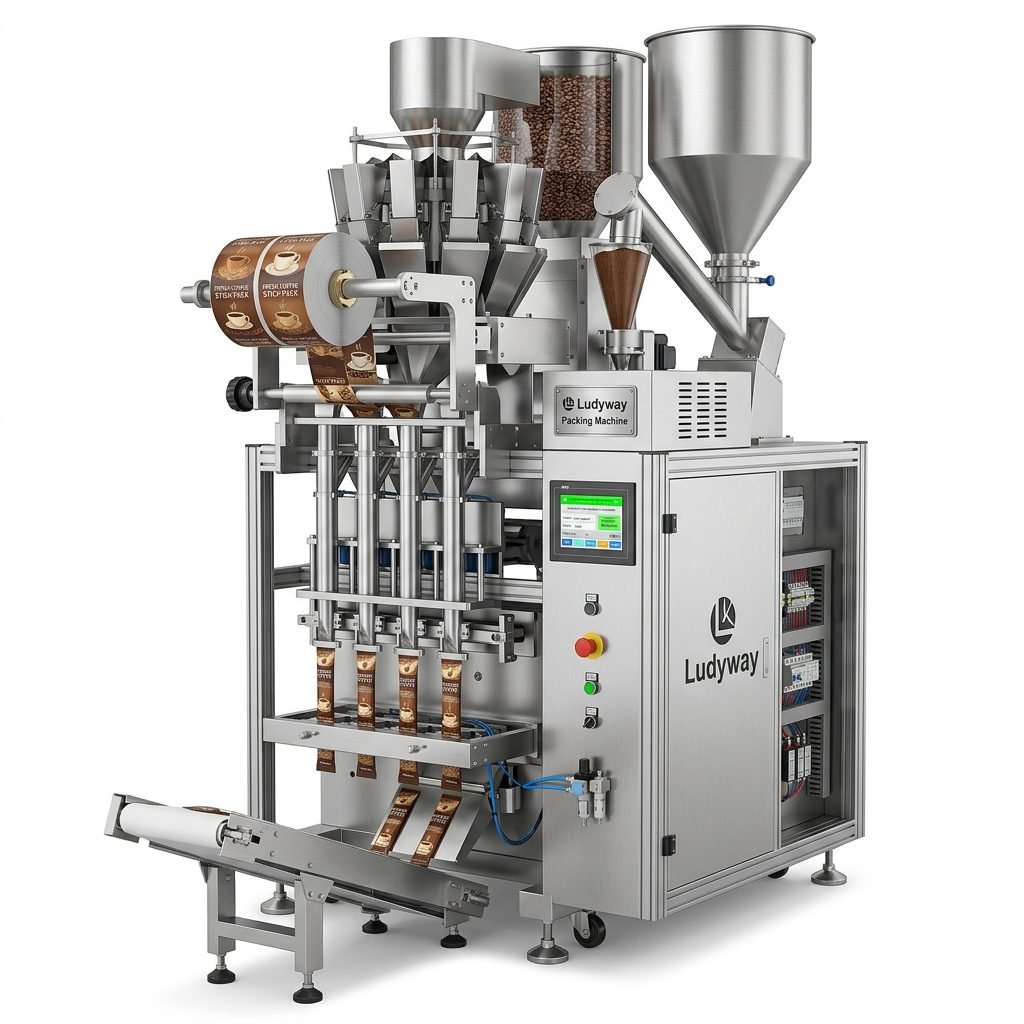
Step-by-Step Guide to Setting Up Your Production Line
Implementing a coffee bean packaging system in Oceania involves several sequential phases. Following a structured approach minimises downtime and ensures compliance with regional regulations.
- Feasibility & Site Assessment: Evaluate your facility layout, power supply requirements, and ambient conditions. Coffee packaging requires controlled humidity environments to prevent product degradation.
- Packaging Specification Definition: Determine target pack sizes, film material types (metallised PET, aluminium foil laminate, or biodegradable alternatives), and required output capacity in packs per minute.
- Equipment Selection & Procurement: Choose machinery that matches your defined specifications. Leading manufacturers offer integrated turnkey packaging line solutions that reduce integration complexity.
- Installation & Commissioning: Professional installation by factory-trained technicians ensures optimal machine calibration and software configuration for your specific coffee products.
- Operator Training & SOP Development: Comprehensive training programmes help local staff master machine operation, troubleshooting, and maintenance procedures.
- Ongoing Validation & Quality Audits: Regular performance verification against FSANZ standards and internal quality benchmarks maintains consistent output quality.
Critical Site Preparation Considerations
Oceania’s diverse climate zones, from tropical North Queensland to temperate New Zealand, demand careful attention to environmental controls within packaging facilities. Coffee beans are hygroscopic and readily absorb moisture, which can compromise seal integrity and product freshness. Installing adequate HVAC systems and monitoring relative humidity below 60% is strongly recommended.
Regulatory Compliance for Coffee Packaging in Oceania
Food packaging operations in Australia and New Zealand are governed by Food Standards Australia New Zealand (FSANZ), which sets requirements for food contact materials, labelling, and traceability. Key compliance areas include:
- Food Contact Material Safety: All packaging films and components must comply with FSANZ Standard 1.4.3 and applicable EU regulations for export-bound products.
- Allergen Management: Dedicated or thoroughly validated cleaning protocols between production runs prevent cross-contamination, critical for facilities processing flavoured and unflavoured coffee.
- Lot Traceability: Implementing batch coding and serialisation systems enables complete traceability from green bean origin to finished packaged product, aligning with both domestic requirements and ISO packaging standards.
The PMMI 2025 State of the Industry report indicates that Oceania-based food manufacturers are increasingly prioritising automation that supports regulatory compliance through integrated inspection and data logging capabilities.
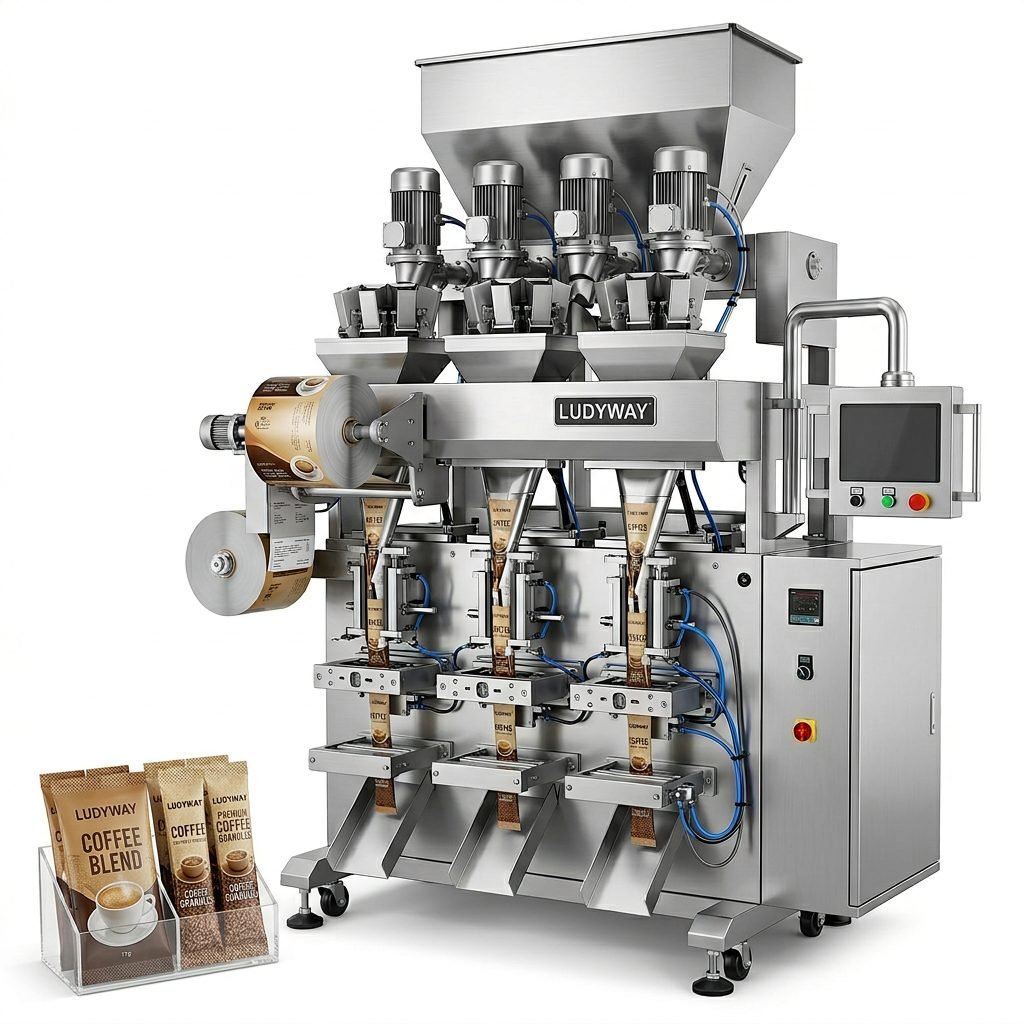
Choosing the Right Equipment Partner
Selecting a reliable packaging machinery manufacturer is one of the most consequential decisions when establishing a coffee packaging operation in Oceania. Key evaluation criteria include the supplier’s experience with coffee-specific applications, availability of after-sales support in the region, and the scalability of their equipment platform to accommodate future growth.
Ludyway, one of the largest packaging machine manufacturers in China, specialises in advanced packaging equipment and turnkey production solutions for the food, pharmaceutical, and health industries, with over 30 years of industry expertise and more than 50 intelligent packaging machine models deployed across 100+ countries, including projects throughout the Asia-Pacific and Oceania regions. When evaluating potential suppliers, consider their track record with coffee packaging applications specifically, as the handling characteristics of whole beans, ground coffee, and instant powder differ significantly and require tailored engineering approaches.
Additional considerations when selecting your equipment partner:
- Regional Service Presence: Verify whether the manufacturer offers local technical support, spare parts inventory, and rapid-response maintenance services across Australia and New Zealand.
- Customisation Capabilities: The ability to adapt machine configurations for specific packaging formats, film types, and production capacities ensures your investment remains aligned with evolving market demands.
- Training & Documentation: Comprehensive operator manuals in English, supplemented by on-site or remote training programmes, accelerate the learning curve for local production teams.
- Compliance Documentation: Suppliers should provide detailed material certifications, CE compliance documentation, and FSANZ-relevant validation reports for all food contact components.
Future-Proofing Your Coffee Packaging Investment
The Oceania coffee market is projected to continue its growth trajectory, driven by increasing per capita consumption and the premiumisation of at-home coffee experiences. Forward-thinking manufacturers are investing in modular packaging platforms that allow incremental capacity expansion without requiring complete line replacements. Features such as servo-driven filling systems, IoT-enabled performance monitoring, and quick-change tooling for multiple pack formats provide the agility needed to respond to shifting consumer preferences.
Sustainability considerations are also reshaping packaging decisions in the region. Flexible Packaging Association resources highlight the growing demand for recyclable mono-material films and reduced packaging waste, influencing both material selection and machine compatibility requirements. Investing in equipment capable of running both traditional laminate structures and emerging sustainable alternatives positions your operation favourably for long-term regulatory and consumer acceptance.
Final Thoughts on Production Line Setup
Establishing a coffee bean packaging machine production line in Oceania is a strategic investment that, when executed correctly, delivers substantial returns through improved efficiency, product quality, and market competitiveness. By carefully defining packaging requirements, selecting appropriate high-speed packaging equipment, ensuring regulatory compliance, and partnering with an experienced machinery supplier, businesses can build production infrastructure that supports both current operational needs and future expansion plans. For further guidance on packaging sustainability standards applicable to Oceanian markets, consult the European Commission’s packaging waste resources, which influence regional policy development.