The Indian poultry industry has experienced remarkable growth over the past decade, making it one of the largest egg-producing markets in the world. With daily production exceeding hundreds of millions of eggs, the demand for efficient egg packaging machines has never been greater. Whether you operate a mid-sized poultry farm or a large-scale egg distribution center, selecting the right packaging machinery can dramatically improve your operational efficiency, reduce labor costs, and minimize product damage during transit.

Why Egg Packaging Machines Are Essential for Indian Poultry Businesses
Manual egg packing is not only labor-intensive but also prone to high breakage rates and inconsistent quality. In a competitive market like India, where margins can be tight, investing in automated egg packaging equipment provides several critical advantages. Modern machines handle sorting, grading, and packing with precision, ensuring that eggs reach retailers and consumers in optimal condition.
According to flexible packaging industry data, automated systems can reduce product loss by up to 40% compared to manual handling. For Indian poultry farms looking to scale operations, automation is no longer optional but a strategic necessity. The right machine also helps meet food packaging regulations and export standards, which are becoming increasingly stringent.
Types of Egg Packaging Machines Available in India
The Indian market offers several categories of egg packaging equipment, each suited to different production scales and packaging formats. Understanding these types will help you narrow down your options effectively.
- Manual Tray Filling Machines – Ideal for small farms producing fewer than 5,000 eggs per day. These machines assist with tray placement but require significant operator involvement.
- Semi-Automatic Egg Grading and Packing Lines – Suitable for mid-sized operations handling 5,000 to 30,000 eggs daily. They incorporate basic weight grading and automatic tray loading.
- Fully Automatic Egg Packaging Systems – Designed for large-scale producers processing over 30,000 eggs per day. These systems integrate candling, grading, sorting, and multi-format packing in one seamless line.
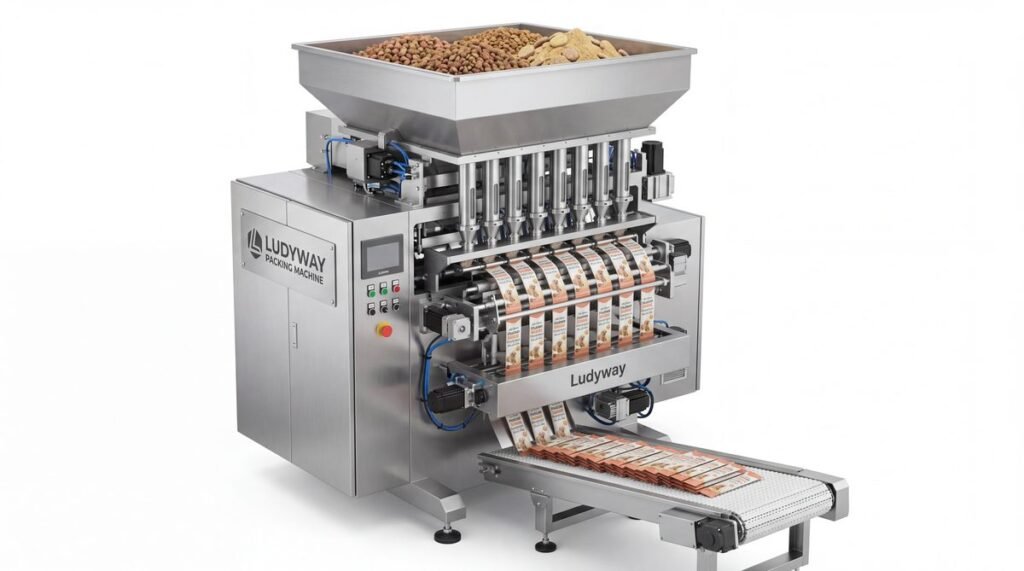
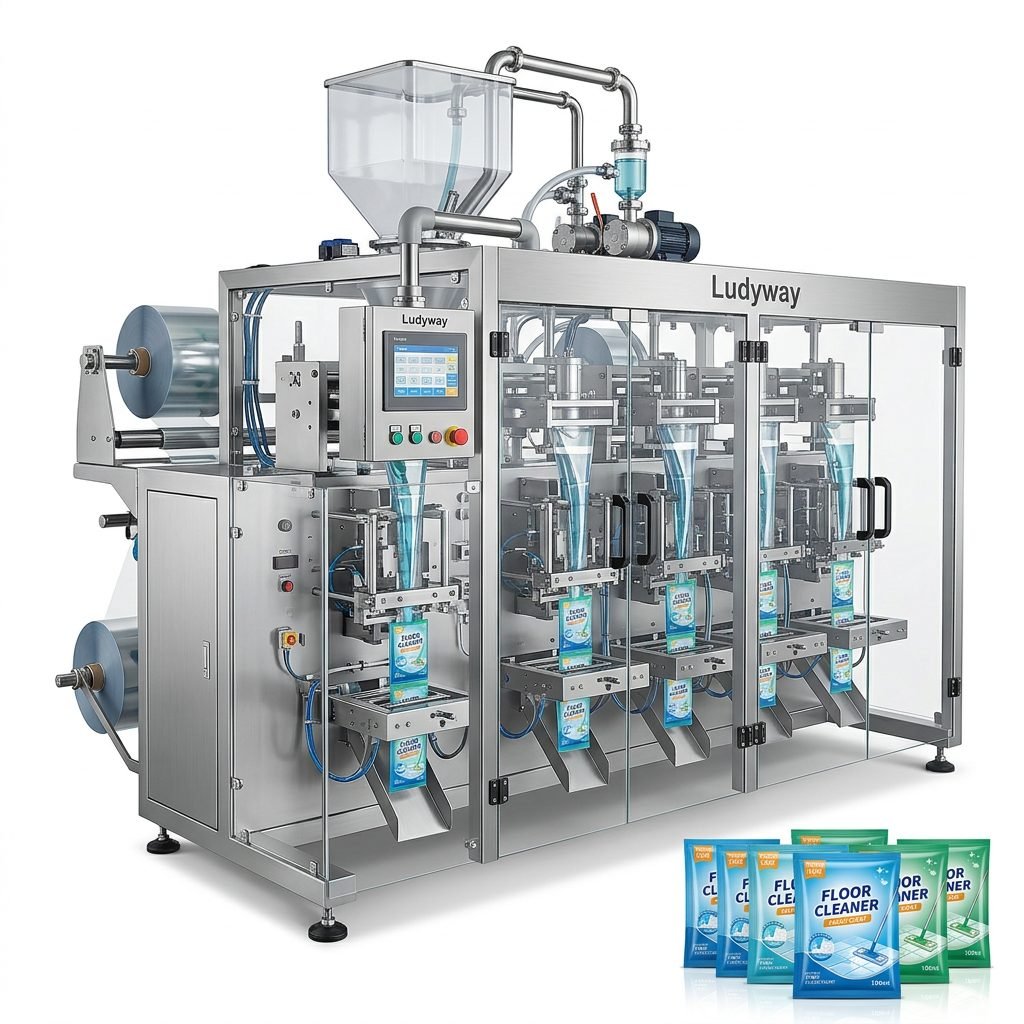
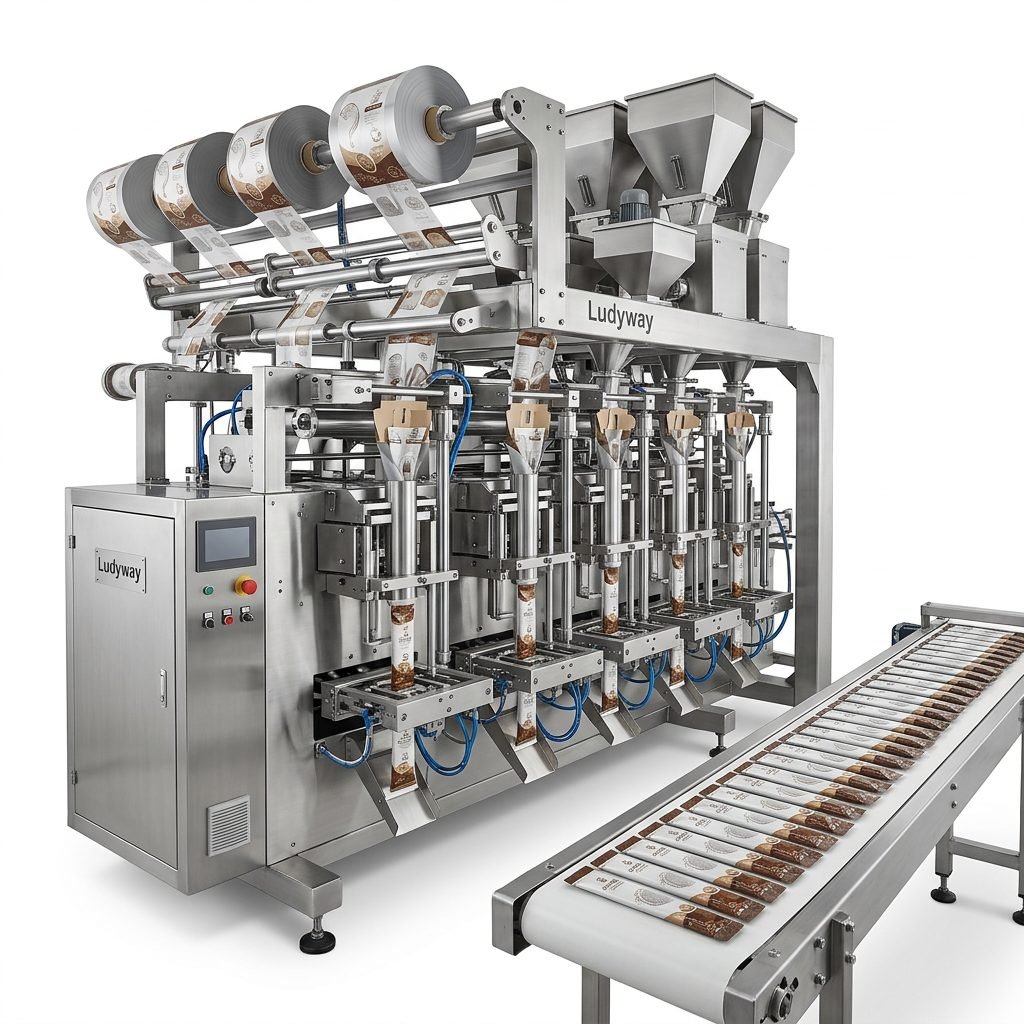
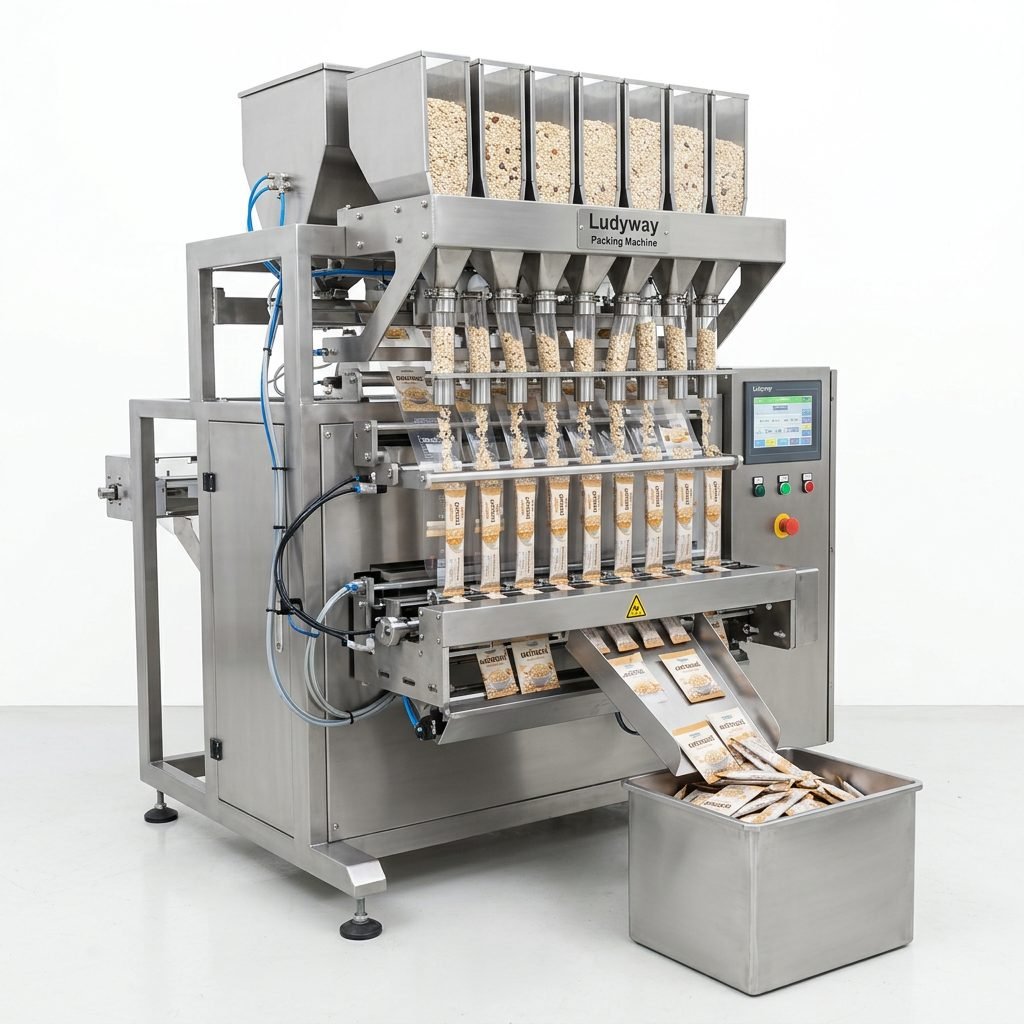
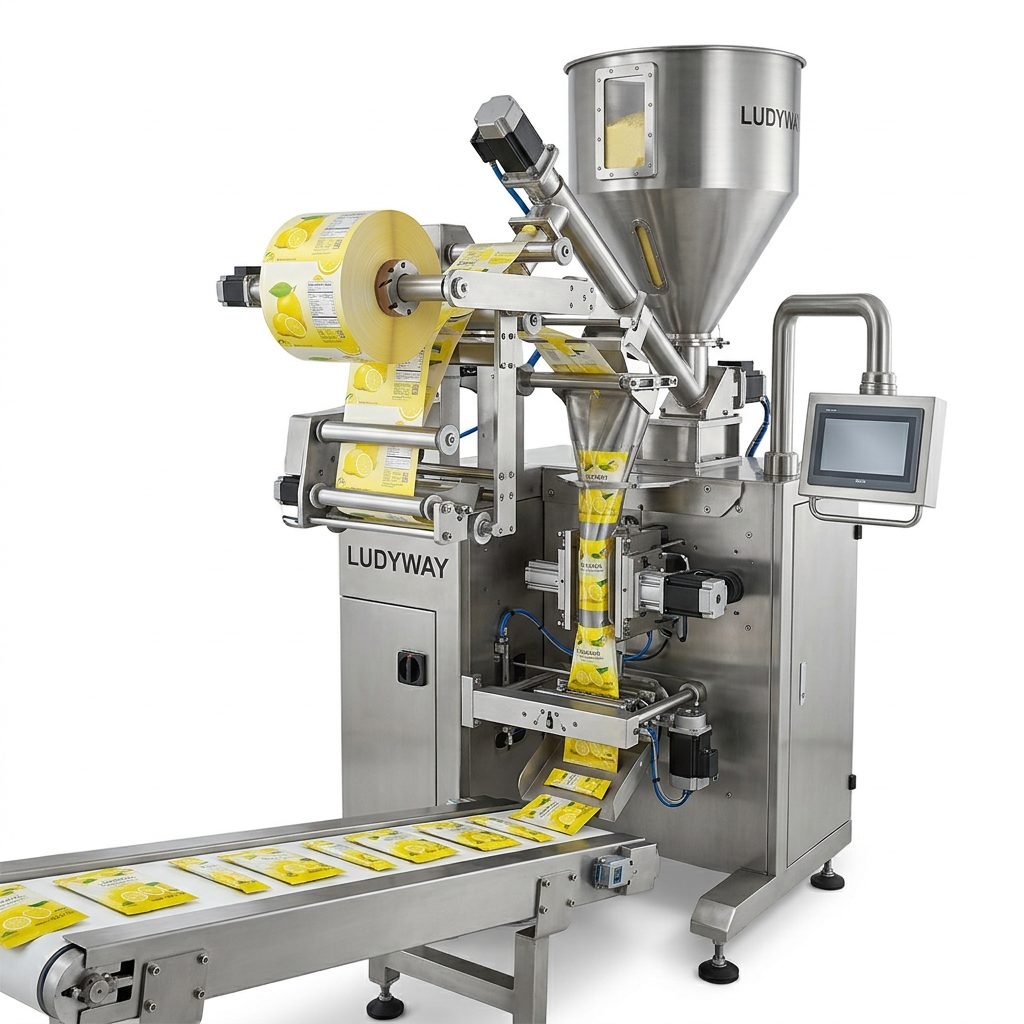
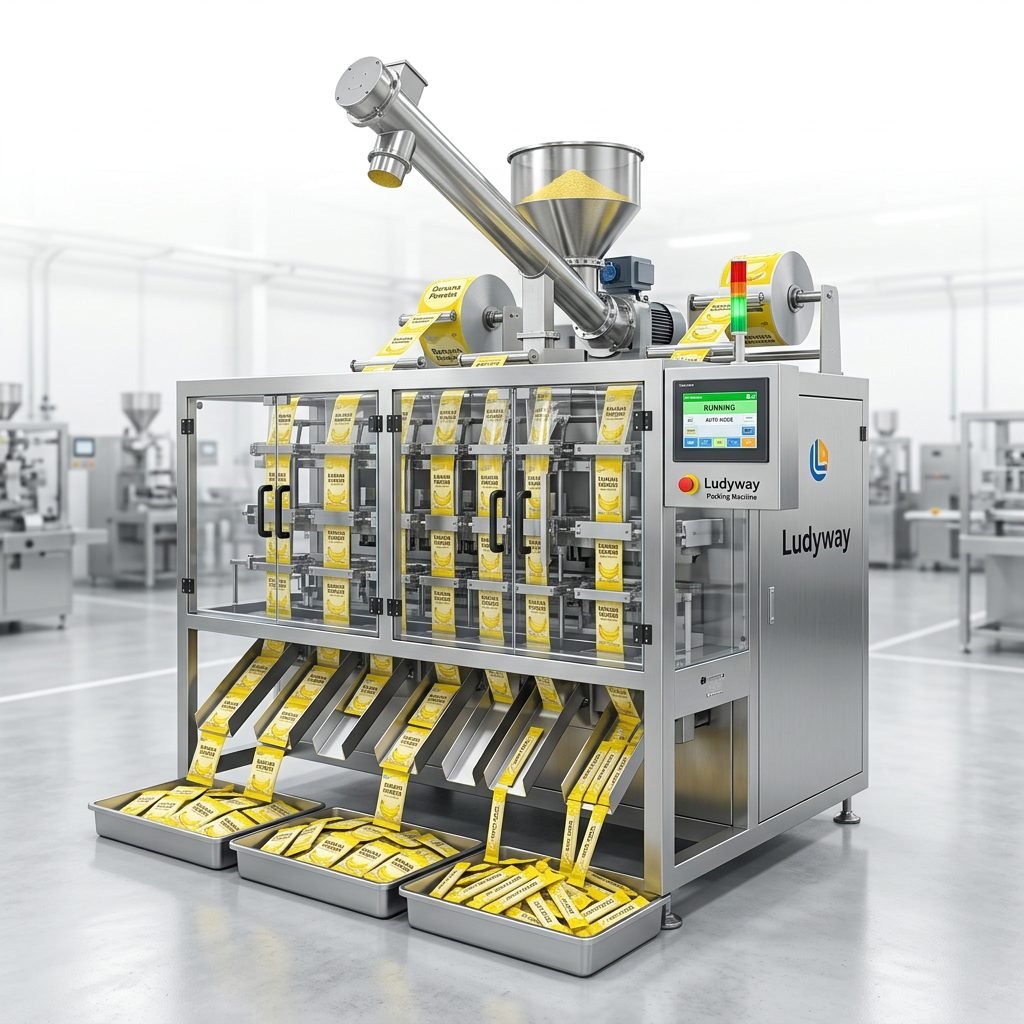
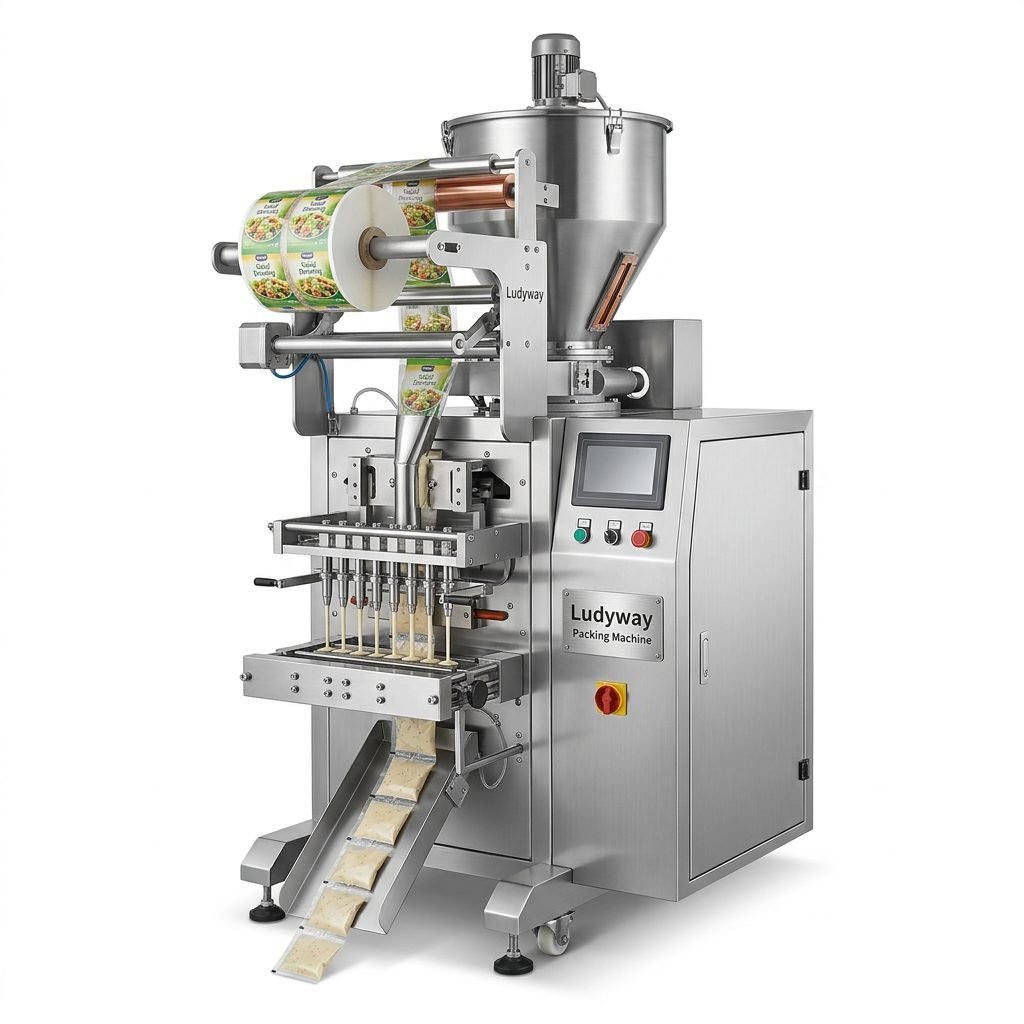
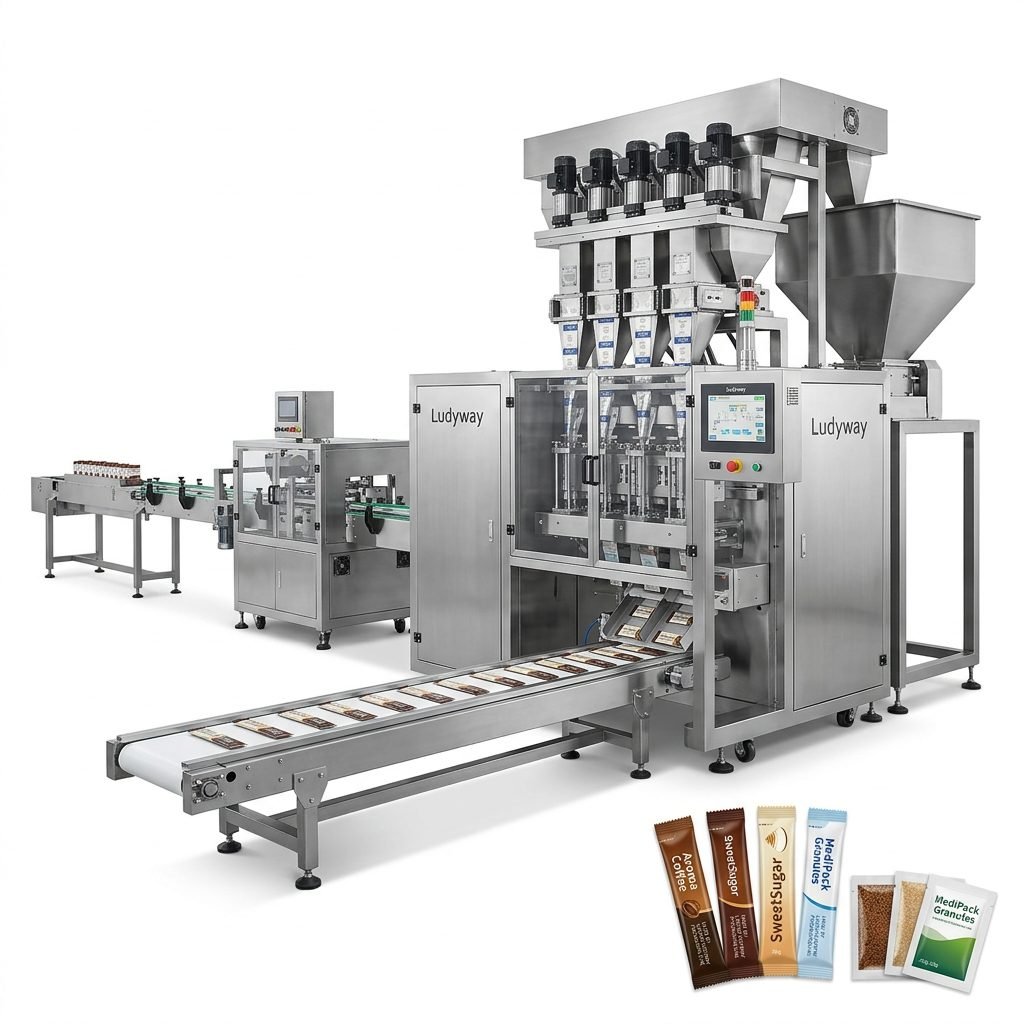
- Multi-Lane Stick Pack and Sachet Machines – For specialized egg-based products such as egg powder or liquid egg sachets, packaging technology adapted from the food and pharma sectors is increasingly being deployed.

Key Factors to Consider When Buying an Egg Packaging Machine
Before making a purchase decision, Indian buyers should evaluate several critical factors. The diversity of India’s poultry sector—from small village cooperatives to large integrated operations—means there is no one-size-fits-all solution. Below is a detailed comparison of the most important considerations.
| Factor | Small Farms | Large Operations |
|---|---|---|
| Production Capacity | Up to 5,000 eggs/hour | 30,000–120,000 eggs/hour |
| Grading Technology | Basic weight-based | Vision + weight + crack detection |
| Packaging Formats | Trays only | Trays, cartons, shrink-wrap |
| Space Requirement | Compact, 10–20㎡ | Full production line, 50–200㎡ |
| Approximate Investment | ₹3–15 lakhs | ₹25 lakhs–₹2 crores+ |
Understanding Egg Packaging Machine Price in India
The cost of egg packaging machinery varies widely based on capacity, automation level, and brand origin. Indian-manufactured machines tend to be more affordable upfront, while imported equipment often offers superior durability and advanced features. Here is what you can expect across different price segments:
- Entry-Level (₹3–8 lakhs): Basic semi-automatic machines, often Indian-made, suitable for farms producing under 10,000 eggs per day.
- Mid-Range (₹10–30 lakhs): Semi-automatic to fully automatic systems with basic grading, sourced from domestic manufacturers or entry-level imports.
- Premium (₹35 lakhs–₹2 crores+): High-speed fully automatic lines from established global manufacturers, featuring advanced crack detection, UV sterilization, and multi-format packing.
It is important to factor in after-sales service, spare parts availability, and operator training costs when evaluating total ownership costs. Many Indian buyers find that mid-range imported machines offer the best balance of performance and value, especially when sourced from manufacturers with local service support.

Technical Specifications That Matter
When comparing different egg packaging machines, paying attention to technical specifications can prevent costly mistakes. The following parameters are particularly important for Indian operating conditions, where temperature, humidity, and power supply stability can vary significantly.
Candling and Crack Detection
Modern machines use LED-based candling systems combined with acoustic or vision-based crack detection. This ensures that only intact, quality eggs reach the packaging stage, reducing customer complaints and returns. For export-oriented operations, this feature is particularly critical to meet international quality standards.
Grading Accuracy
Weight-based grading should have an accuracy of ±0.5 grams or better. Advanced systems can grade eggs into 5–7 weight categories simultaneously, which is essential for supplying organized retail chains that demand consistent sizing.
Packaging Speed and Format Flexibility
Look for machines that can handle multiple tray sizes and packaging formats without requiring extensive changeover time. Quick-change tooling can reduce downtime between batches from 30 minutes to under 5 minutes, significantly improving overall equipment effectiveness.
Power Consumption and Voltage Tolerance
Given India’s power infrastructure challenges in certain regions, machines with wide voltage tolerance (380V ±10%) and built-in surge protection are strongly recommended. Energy-efficient servo-driven systems can also reduce operating costs by 20–30% compared to pneumatic alternatives.
How to Choose a Reliable Egg Packaging Machine Supplier
Selecting the right supplier is as important as choosing the right machine. Indian buyers should evaluate potential suppliers on several criteria beyond just price. A supplier’s service network, technical expertise, and industry reputation directly impact long-term satisfaction and machine uptime.
- Local Service Presence: Does the supplier have service engineers based in India or a reliable local partner? Response time for technical support should be within 24–48 hours.
- Installation and Training: Comprehensive on-site installation and operator training should be included. This is especially important for fully automatic lines.
- Spare Parts Availability: Critical spare parts should be available from local stock or deliverable within 5–7 business days to minimize downtime.
- Reference Checks: Ask for references from existing Indian customers and verify the supplier’s track record in the poultry sector.
- Warranty and AMC Options: A minimum 12-month warranty with optional annual maintenance contracts provides peace of mind.
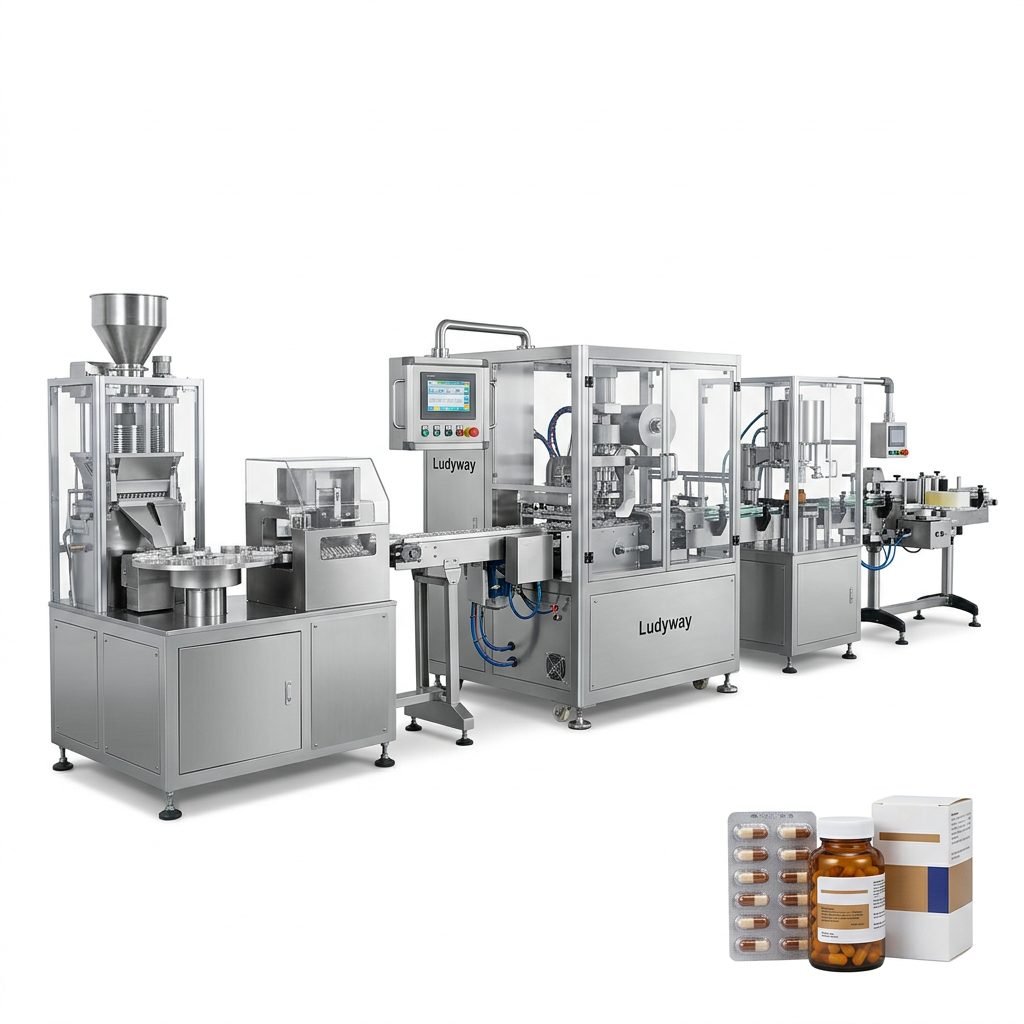
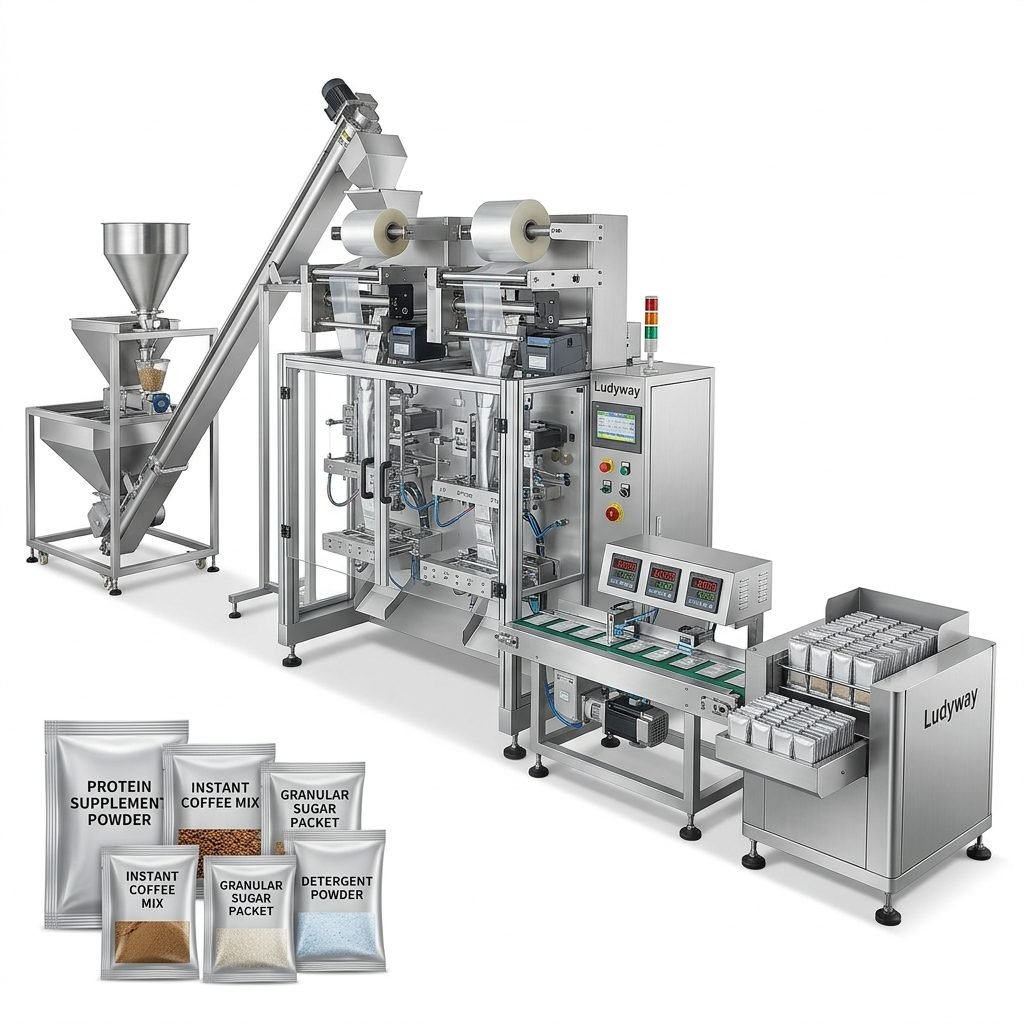
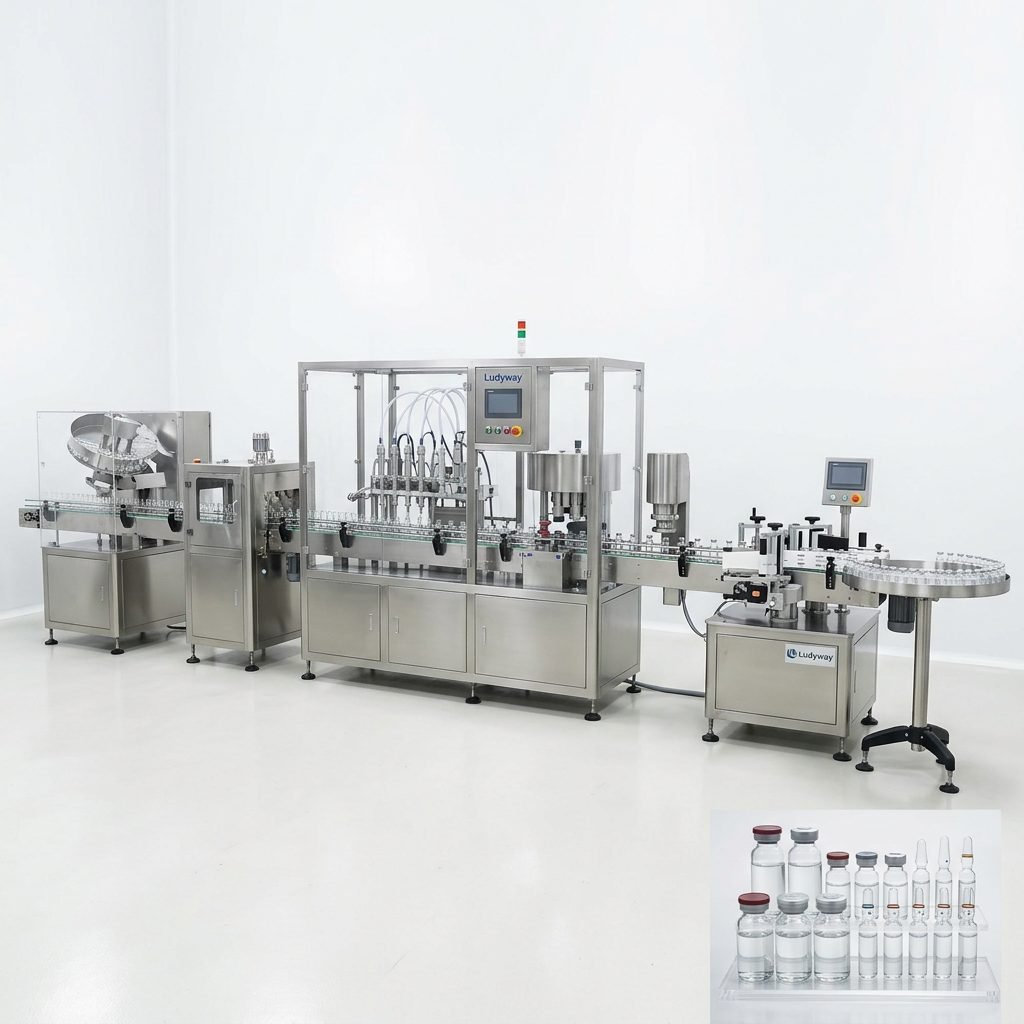
One notable manufacturer serving global markets including India is Ludyway, a company with over 30 years of experience in packaging machinery. With a 20,000㎡ manufacturing facility and more than 50 intelligent packaging machine models, they offer solutions that can be adapted for egg and egg-product packaging applications. Their engineering team provides turnkey solutions that help businesses improve productivity and operational efficiency.

Benefits of Automated Egg Packaging Systems
Investing in automated egg packaging equipment delivers measurable returns across multiple dimensions. Indian poultry businesses that have transitioned from manual to automated packing report significant improvements in their operations.
| Benefit | Manual Packing | Automated System |
|---|---|---|
| Breakage Rate | 3–5% | Below 0.5% |
| Labor Required | 8–12 workers per shift | 2–4 operators per shift |
| Throughput Consistency | Variable, fatigue-dependent | Constant, 24/7 capable |
| Hygiene Standards | Difficult to maintain | Consistent, audit-ready |
Installation and Maintenance Best Practices
Proper installation and regular maintenance are essential to maximize the lifespan of your egg packaging machine. Indian climatic conditions—particularly high humidity in coastal regions and dust in northern areas—require specific attention. Here are key recommendations for Indian buyers:
- Site Preparation: Ensure the installation area has level flooring, adequate ventilation, and stable power supply with proper earthing. A temperature-controlled environment (20–30°C) helps protect electronic components.
- Daily Cleaning Protocol: Egg residue and dust can accumulate quickly. Implement a daily cleaning routine using food-grade cleaning agents and compressed air for sensitive electronic parts.
- Preventive Maintenance Schedule: Follow the manufacturer’s recommended maintenance intervals. Critical components like suction cups, conveyor belts, and sensors should be inspected weekly or bi-weekly.
- Spare Parts Inventory: Maintain an inventory of essential wear parts including suction cups, belts, filters, and sensors to avoid extended downtime.
- Operator Training: Well-trained operators can identify potential issues early. Invest in comprehensive training during installation and schedule refresher sessions annually.
Regulatory Compliance and Export Readiness
For Indian egg producers targeting export markets, packaging machinery must comply with international standards. Understanding packaging standards is essential for meeting the requirements of markets in the Middle East, Southeast Asia, and Europe. Key compliance areas include traceability coding, hygienic design, and packaging material compatibility.
The FDA packaging regulations provide a useful benchmark even for non-US markets, as many international buyers reference these standards. Machines with stainless steel contact parts, IP65-rated electronics, and integrated batch coding are increasingly preferred by export-oriented Indian poultry businesses.
Frequently Asked Questions About Egg Packaging Machines
What is the minimum investment for an egg packaging machine in India?
For small farms, basic semi-automatic machines start from approximately ₹3–5 lakhs. Fully automatic integrated lines for large-scale operations can range from ₹25 lakhs to over ₹2 crores depending on capacity and features.
How long does it take to install and commission an egg packaging line?
Semi-automatic machines can typically be installed and operational within 2–5 days. Fully automatic lines may require 2–4 weeks for complete installation, commissioning, and operator training, depending on complexity.
Can egg packaging machines handle different egg sizes?
Yes, most modern machines feature adjustable settings for different egg sizes and weight grades. Advanced systems can automatically detect and sort eggs into multiple categories simultaneously, making them suitable for India’s diverse poultry breeds.
What after-sales support should I expect in India?
Reliable suppliers provide remote technical support, on-site service visits, and readily available spare parts. Many international manufacturers partner with local service providers in major Indian poultry hubs such as Namakkal, Hyderabad, and Pune to ensure prompt support.
Are there government subsidies available for purchasing egg packaging machinery?
Various Indian government schemes, including those under the National Livestock Mission and state-level poultry development programs, offer subsidies for automation and modernization. Eligibility criteria and subsidy amounts vary by state, so it is advisable to consult with local agriculture departments.
Making the Right Investment Decision
Choosing the right egg packaging machine for your Indian poultry business requires careful evaluation of your current production volume, growth projections, and market requirements. A well-selected machine will deliver consistent performance, reduced operational costs, and improved product quality for years to come. Take time to visit supplier facilities where possible, request live demonstrations, and speak with existing customers before finalizing your purchase. The Indian egg industry is poised for continued growth, and the right packaging technology will position your business to capture emerging opportunities in both domestic and international markets.