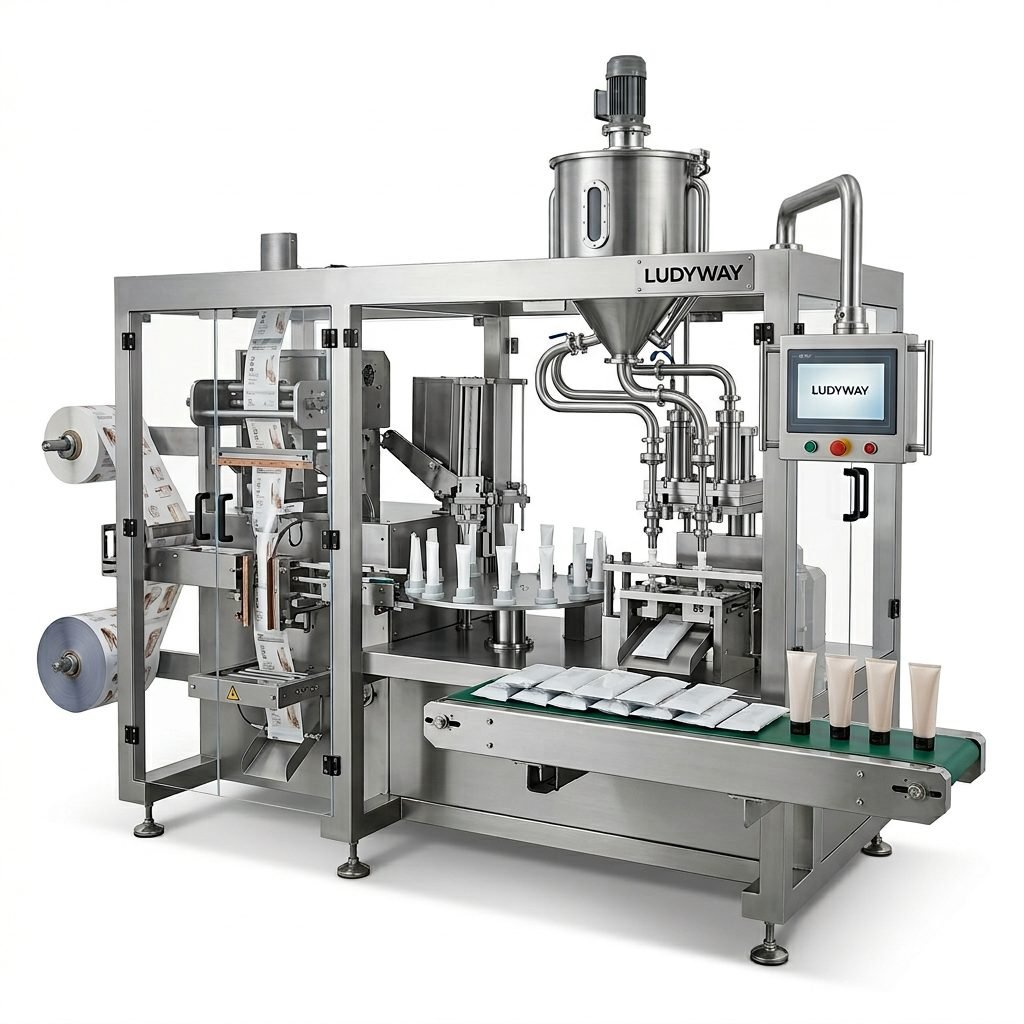
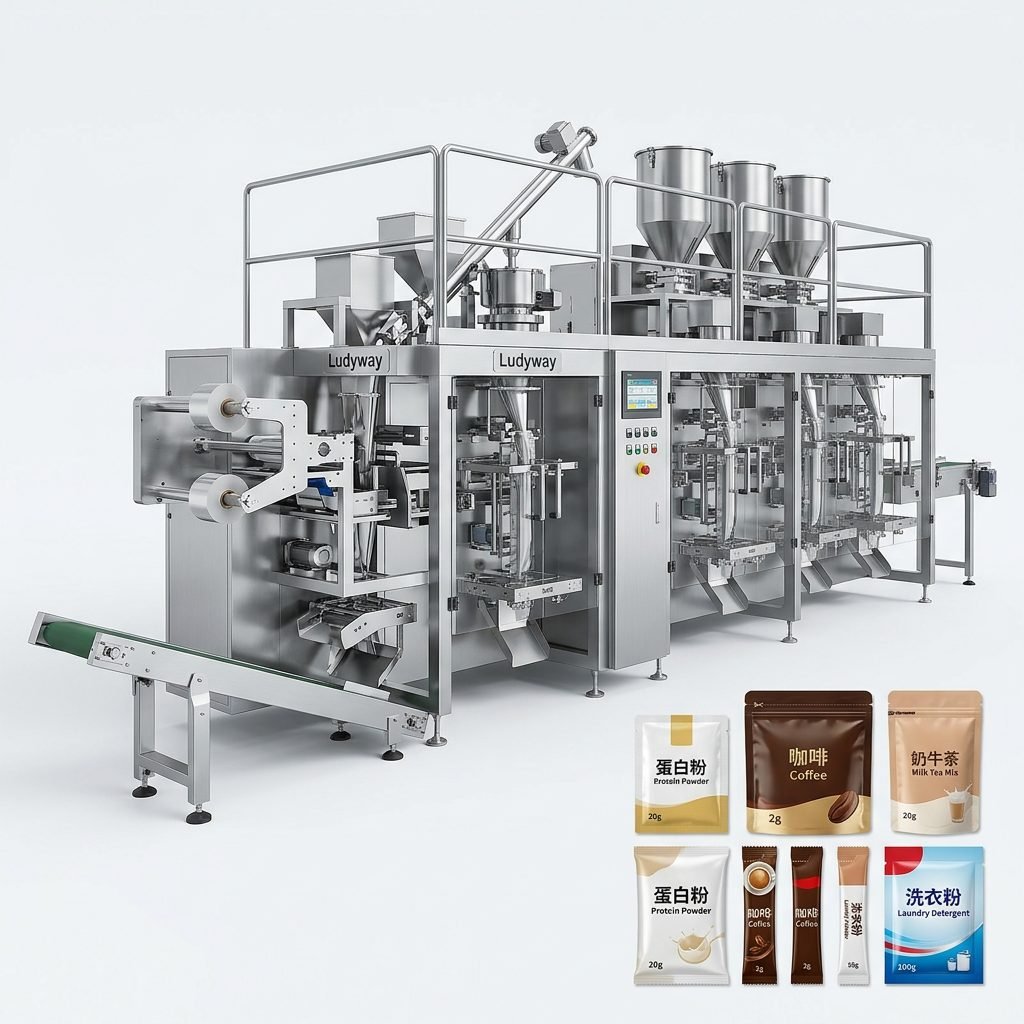
Establishing a honey packaging machine production line in Germany requires careful planning, strict adherence to EU regulations, and strategic equipment selection. Germany is one of Europe’s largest honey markets, and consumer demand for premium, sustainably packaged products continues to grow. This guide walks you through every essential step, from regulatory compliance to full-scale production setup.
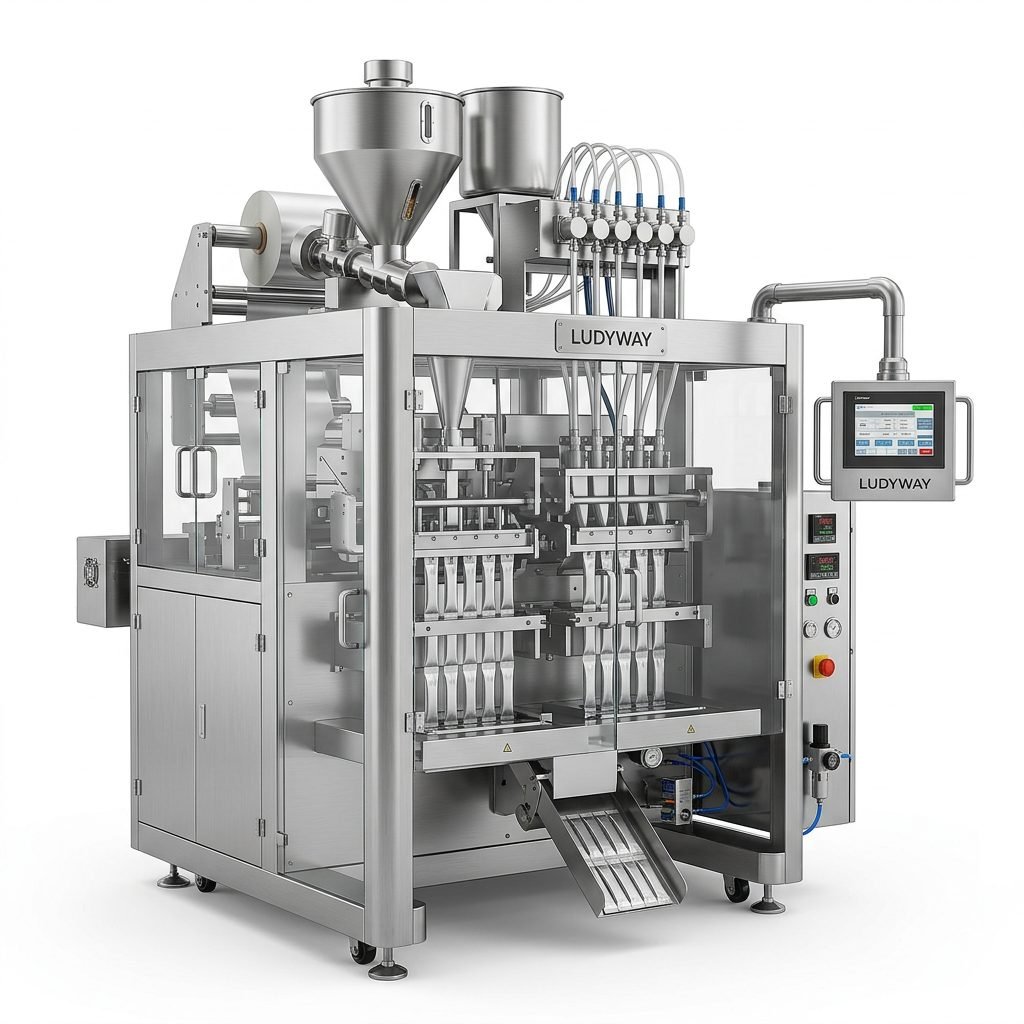
Understanding German and EU Packaging Regulations
Before installing any equipment, you must ensure your production line meets German and European packaging standards. Germany enforces strict food contact material regulations under EU Regulation (EC) No 1935/2004 and the German Commodities Ordinance (Bedarfsgegenständeverordnung). Honey packaging materials must be inert and safe for direct food contact. Additionally, the FDA Food Packaging and Food Contact Substances guidelines provide useful international benchmarks, even for EU-based operations.
Key regulatory areas include:
- EU Packaging and Packaging Waste Directive (94/62/EC): Focuses on reducing packaging waste and promoting recyclability.
- German Packaging Act (VerpackG): Mandates registration, recycling quotas, and extended producer responsibility.
- Food hygiene standards: Equipment must comply with EHEDG guidelines for hygienic design.
- Tamper-evident and resealable features are increasingly required for retail-ready honey products.
Planning Your Honey Packaging Line Layout
An efficient floor plan directly impacts productivity and compliance. In a typical German facility, space optimization and workflow logic are prioritized. The production line should allow linear material flow from raw honey storage to filling, sealing, labeling, cartoning, and palletizing. Consider the following elements during planning:
| Production Zone | Key Equipment | Considerations for Germany |
|---|---|---|
| Raw Honey Receiving | Heating tanks, filtration units | Temperature-controlled environment, HACCP compliance |
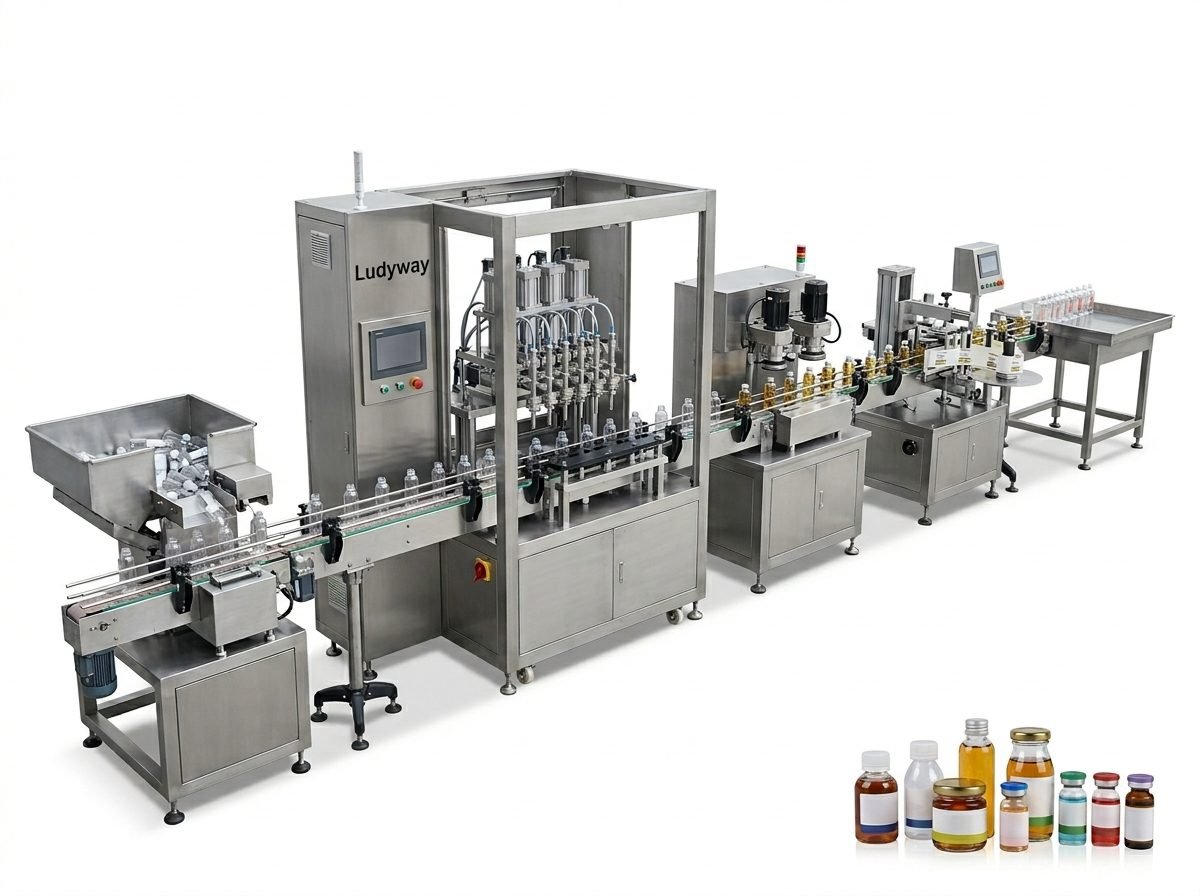
| Filling and Sealing | Liquid filling and sealing machine | Precision dosing, inert gas flushing for shelf life |
| Labeling and Coding | Labeling machine, date coding machine | GS1-compliant barcodes, German-language labeling |
| Cartoning and Palletizing | Cartoning machine, palletizer | Recyclable cartons, efficient pallet utilization |
Choosing the Right Packaging Machine for Honey
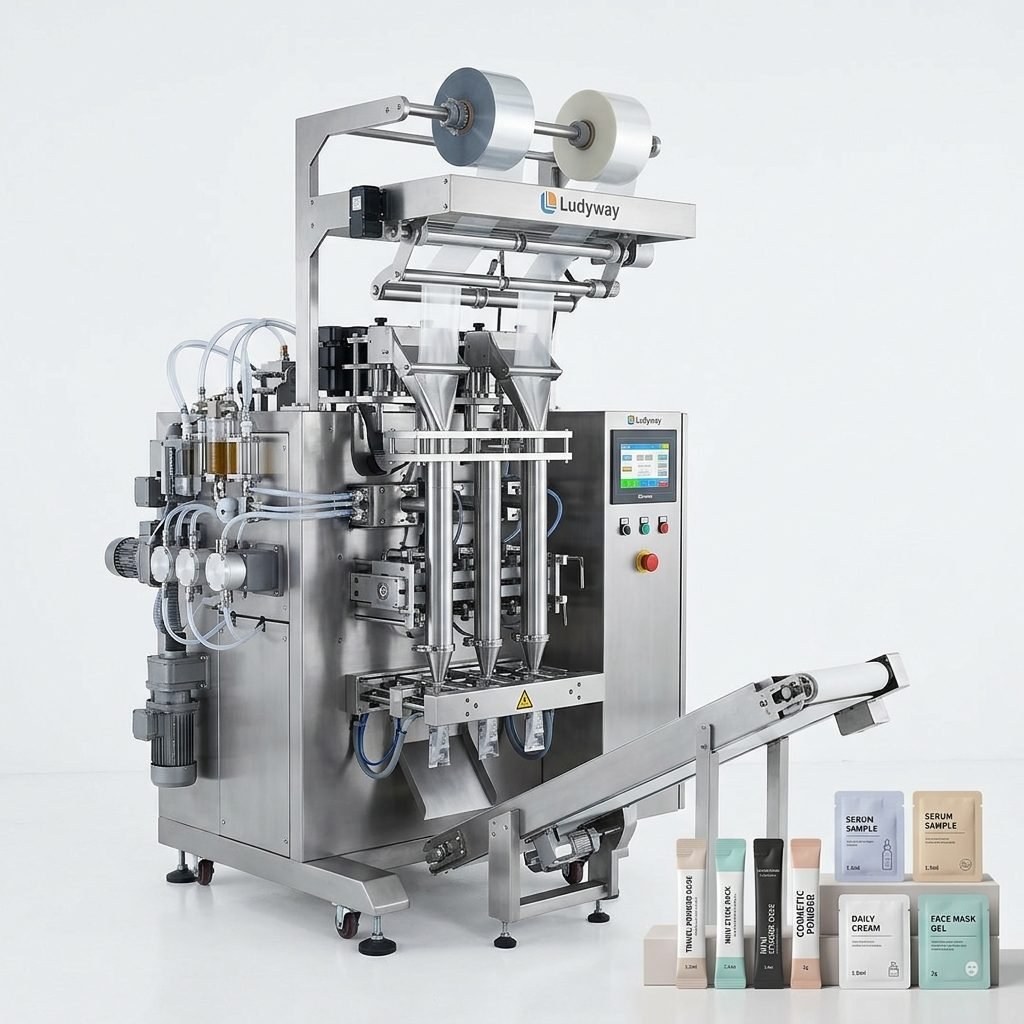
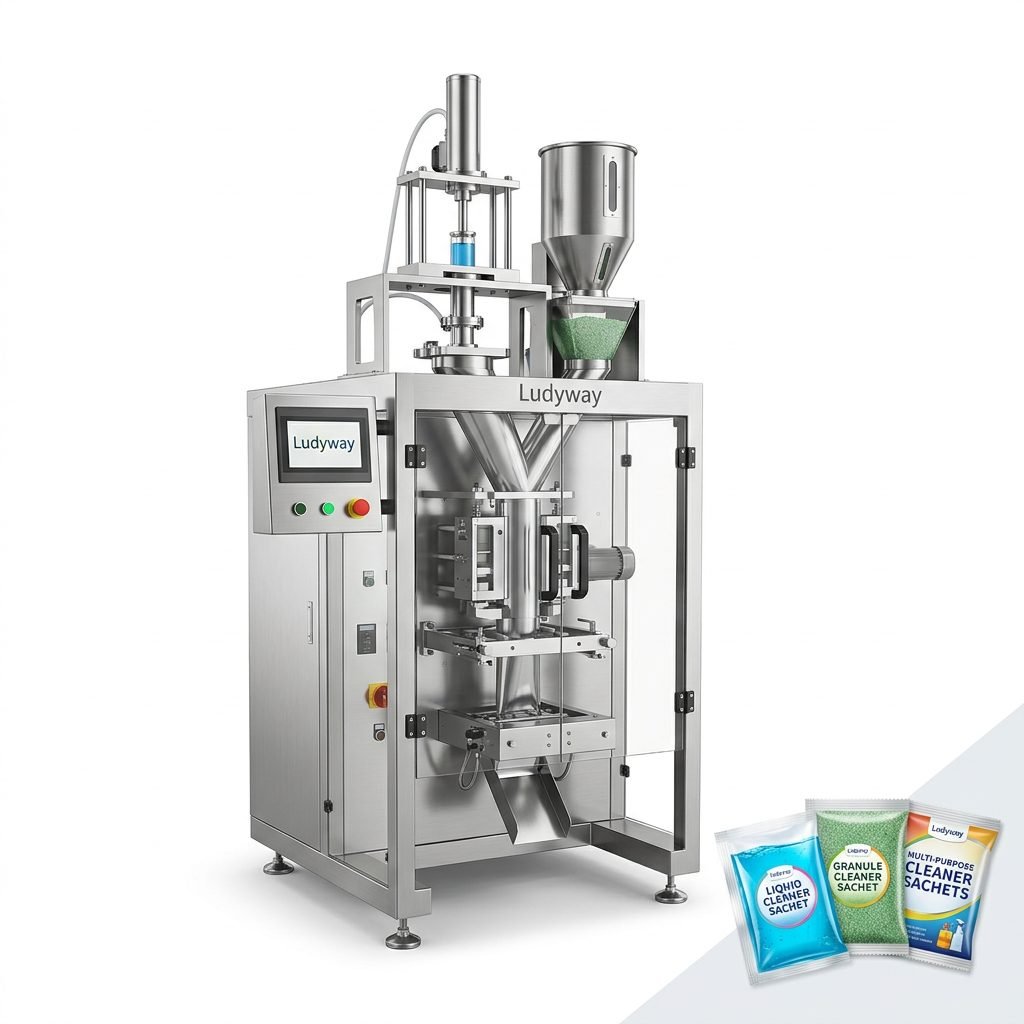
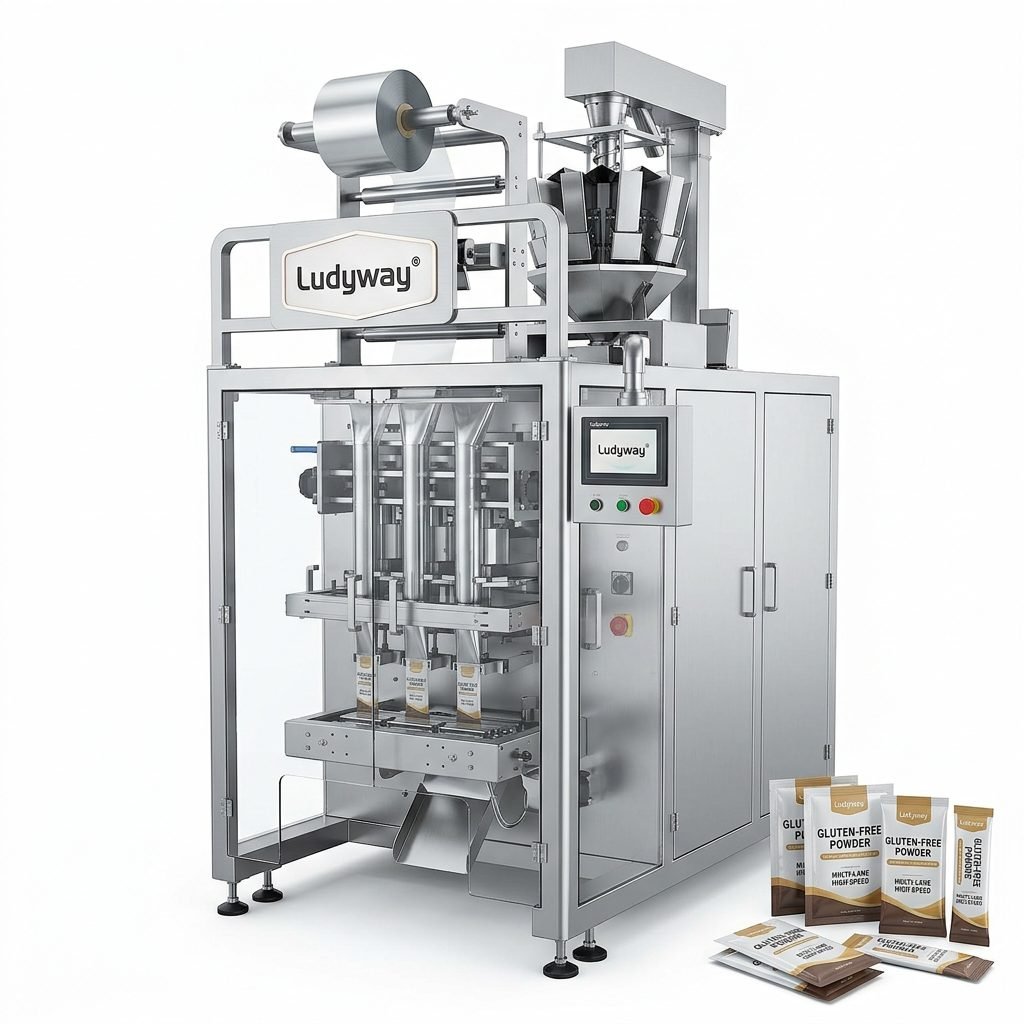
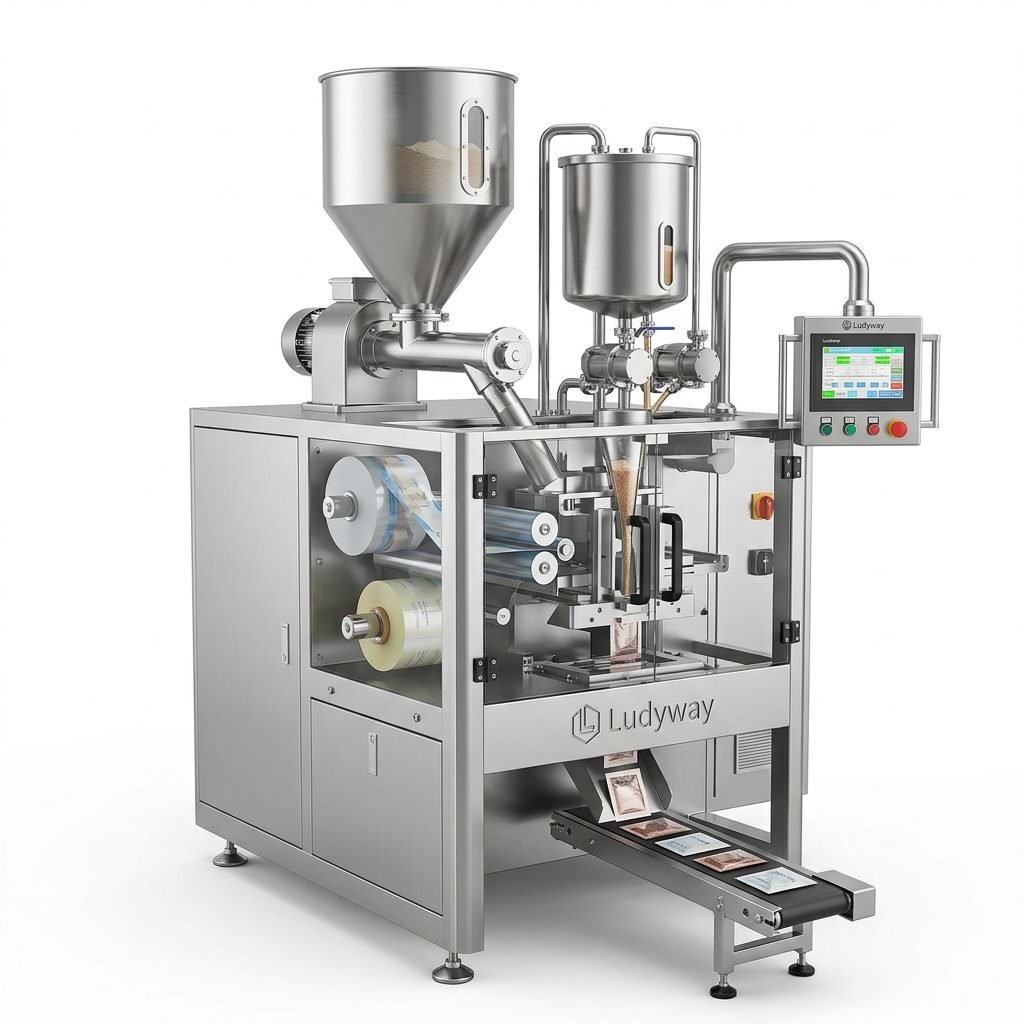
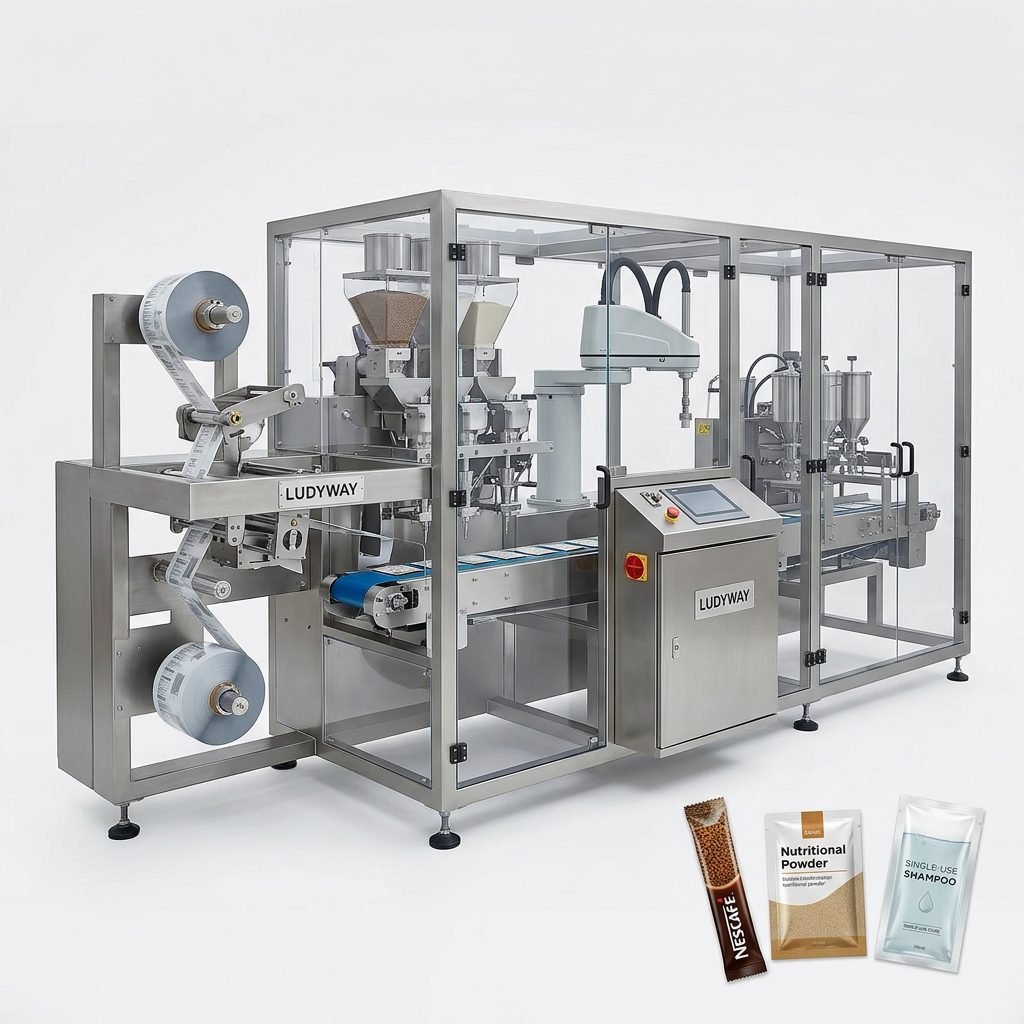
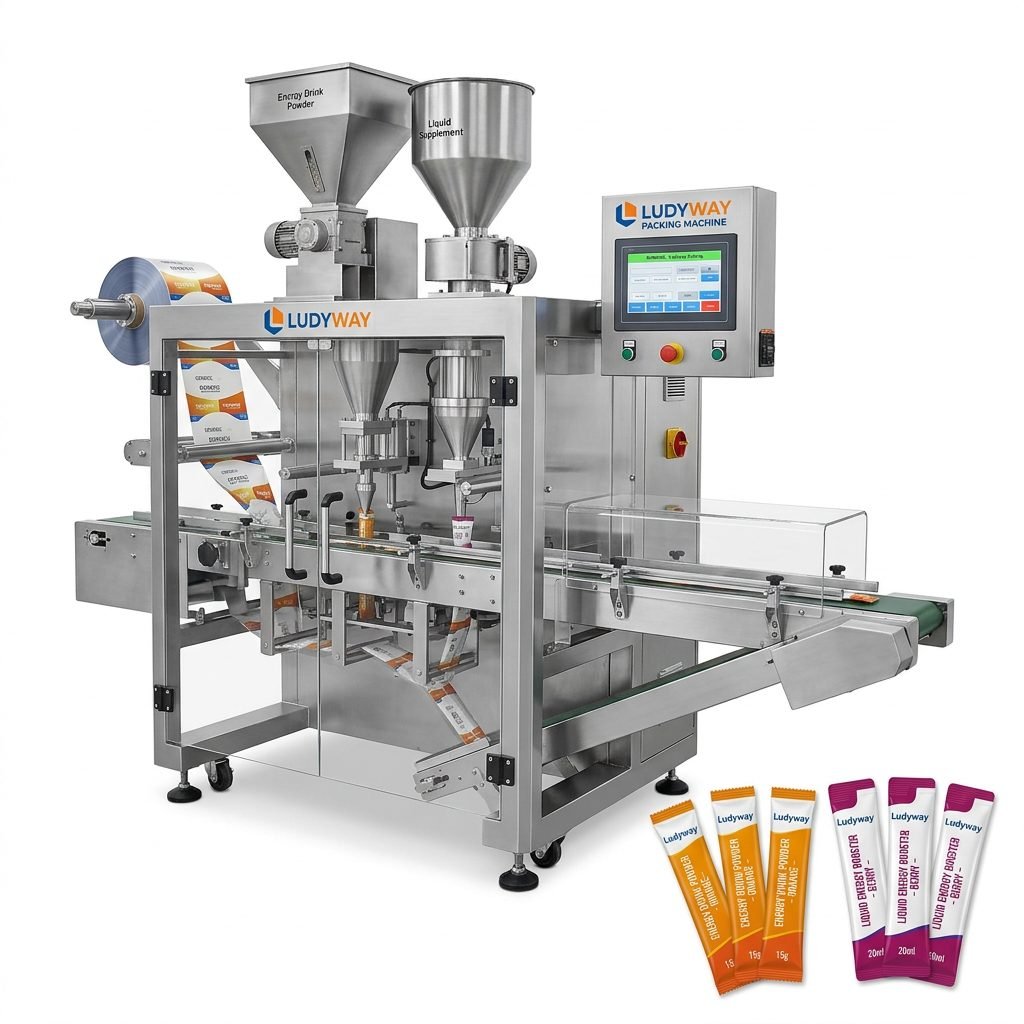
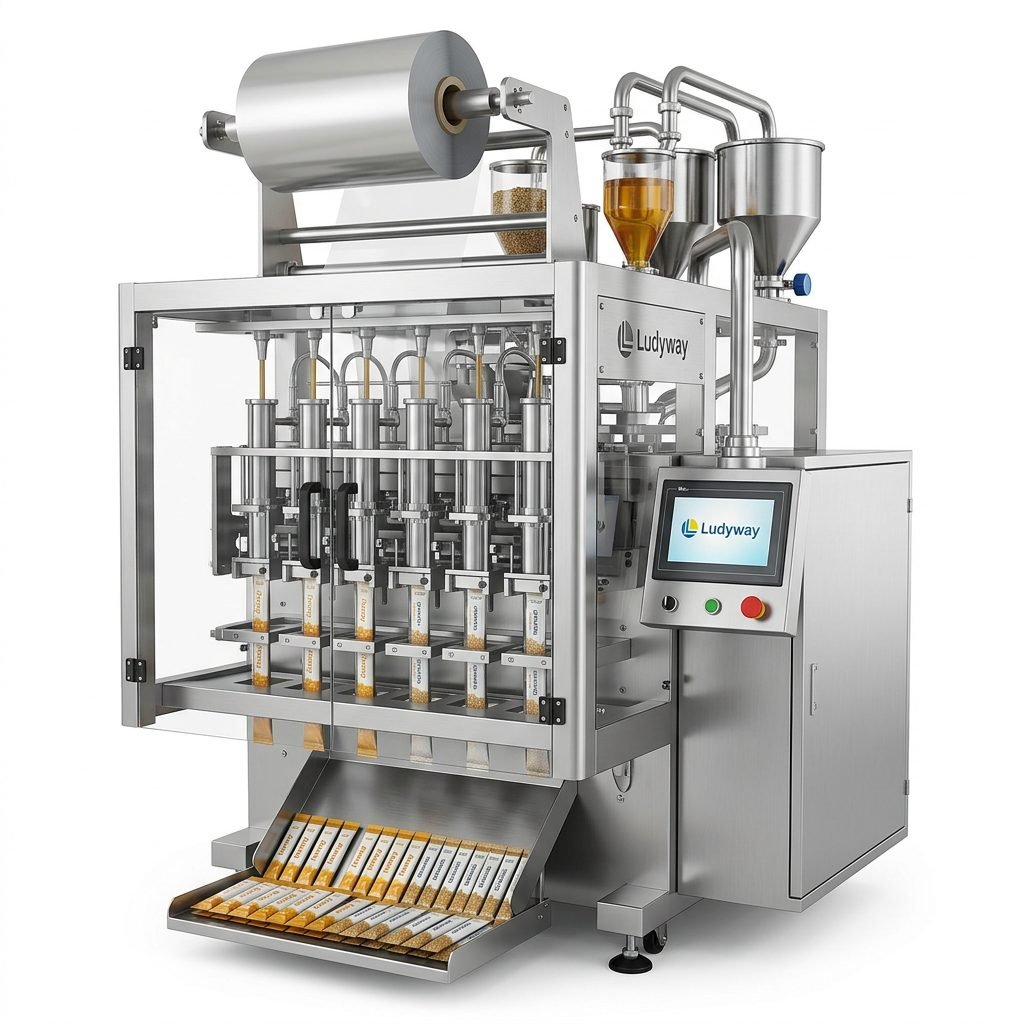
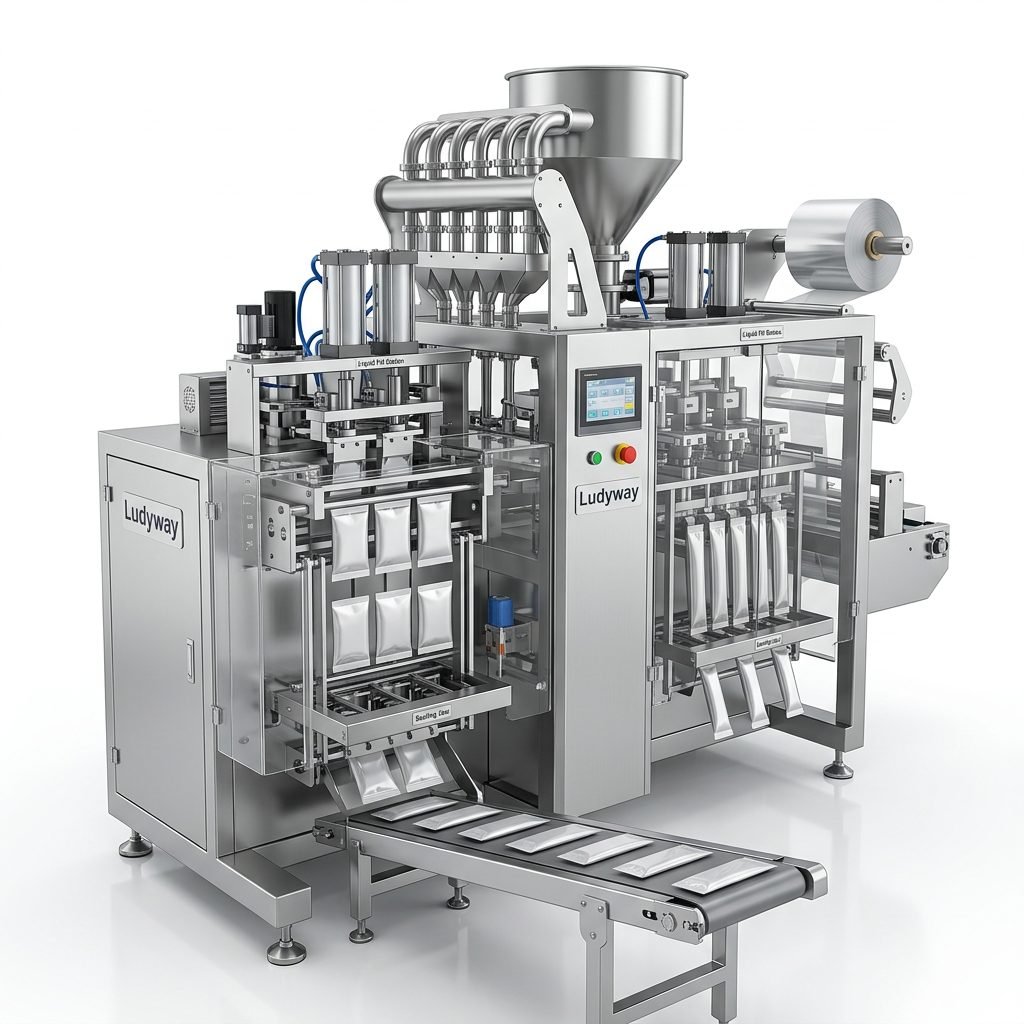
Honey has unique physical properties – low water content but high viscosity – which require specialized filling nozzles and temperature management. When selecting equipment, look for models with stainless steel construction, precise dosing systems, and anti-drip mechanisms. Multi-lane stick pack and sachet machines are increasingly popular for portion-controlled honey products in the German food service and retail sectors.
Critical machine features include:
- Aseptic or hygienic filling to prevent contamination and crystallization issues.
- Servo-driven pumps for accurate volume control and gentle product handling.
- Quick-change parts to accommodate various stick pack, sachet, or pouch formats.
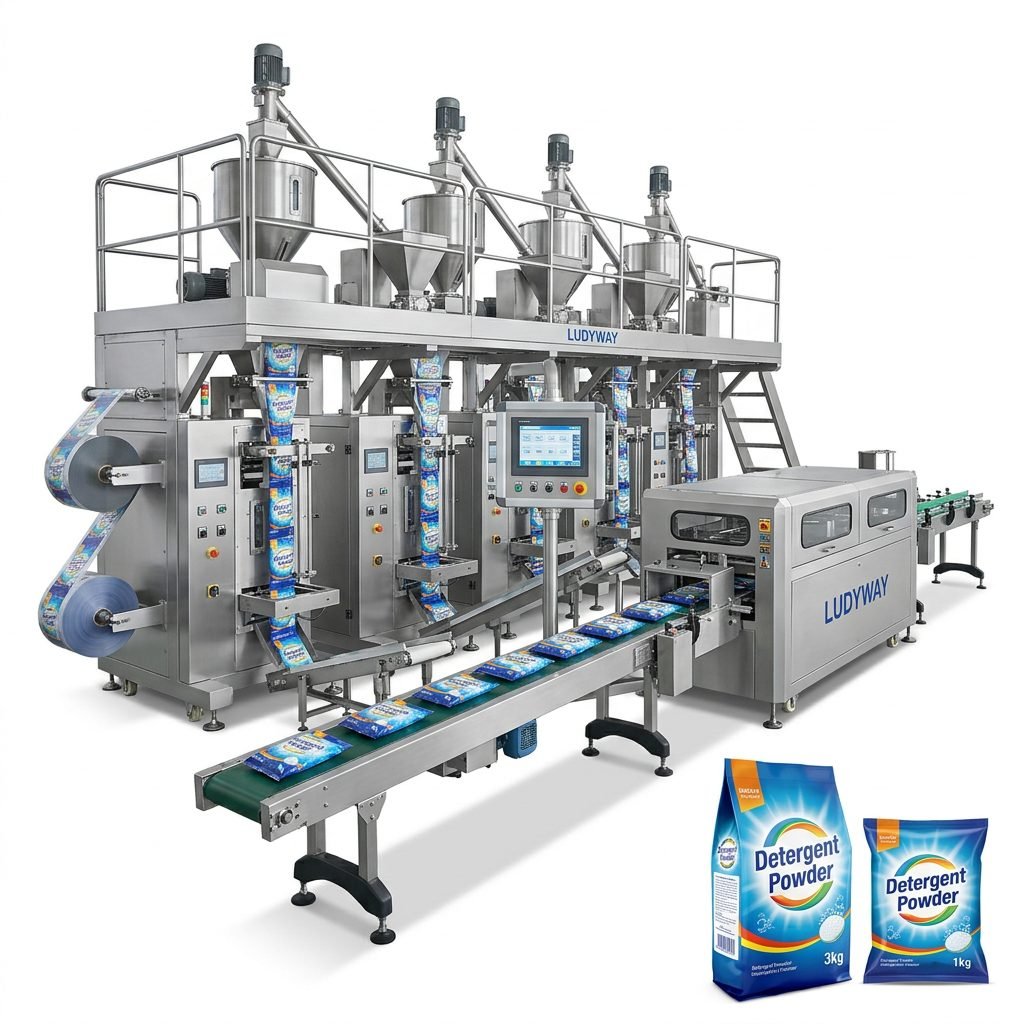
- Integration capability with downstream cartoning and palletizing equipment.
- Compliance with CE marking and EU Machinery Directive 2006/42/EC.
Why Automation Level Matters
German labor costs are among the highest in Europe. Investing in fully automated packaging lines reduces long-term operational expenses and increases output consistency. Automated systems handle dosing, sealing, date coding, and carton packing without manual intervention, ensuring 24/7 production capability and minimizing product giveaway.
Installation and Commissioning Steps
The installation process follows the German approach of structured project management. It begins with site preparation and ends with final performance qualification. Below is a typical sequence:
- Site readiness assessment: Verify utilities (compressed air, power, water) and floor load capacity.
- Equipment delivery and positioning according to approved layout drawings.
- Mechanical and electrical connections by certified technicians.
- Dry run testing without product to verify machine timing and safety interlocks.
- Wet run with product, fine-tuning filling parameters and sealing temperatures.
- Installation Qualification (IQ), Operational Qualification (OQ), and Performance Qualification (PQ) documentation.
Training German Operators and Maintenance Teams
Skilled labor is a cornerstone of German manufacturing. Comprehensive operator training should cover machine operation, cleaning procedures, basic troubleshooting, and safety protocols. Training documentation must be available in German. Many companies now offer augmented reality (AR) based training modules and remote support, which align well with Germany’s Industrie 4.0 initiatives.
Preventive maintenance schedules are also critical. A well-maintained honey packaging line operates with fewer breakdowns and maintains consistent fill accuracy. Maintenance contracts often include:
- Quarterly inspection visits by certified engineers.
- Spare parts kits stocked locally within Germany to minimize downtime.
- Remote diagnostics and over-the-air software updates.
Leveraging Industry Resources and Standards
Staying informed about packaging technology trends helps maintain a competitive edge. The PMMI – The Association for Packaging and Processing Technologies provides valuable market intelligence and technical standards. Additionally, the ISO Packaging Standards offer globally recognized quality benchmarks. For EU-specific updates, the European Commission Packaging and Packaging Waste page is essential reading.
| Resource | Description | Relevance to Honey Packaging |
|---|---|---|
| PMMI State of the Industry Reports | Annual trends in packaging machinery | Market data for dairy, liquid, and viscous product segments |
| Flexible Packaging Association | Sustainability and material innovations | Stand-up pouches and recyclable films for honey |
| ISO 11607 Series | Packaging for terminally sterilized medical devices | Hygienic design principles applicable to food packaging |
| German Packaging Act (VerpackG) | National recycling and registration rules | Mandatory compliance for all packaged goods sold in Germany |
Optimizing for Sustainability
German consumers and retailers increasingly demand mono-material recyclable packaging. When configuring your honey packaging line, consider investing in film systems that support recyclable PE or PP structures without sacrificing barrier properties. This not only aligns with EU sustainability targets but also enhances brand reputation in the German market.
About Ludyway
Ludyway is one of the largest packaging machine manufacturers in China, specializing in advanced packaging equipment and turnkey production solutions for the food, pharmaceutical, and health industries. With over 30 years of industry expertise, we provide reliable and efficient packaging solutions for granule, powder, liquid, and pouch packaging applications. Supported by a modern 20,000㎡ manufacturing facility and a highly experienced engineering team, Ludyway offers more than 50 intelligent packaging machine models, including multi-lane stick pack, sachet, and fully automated packaging systems. Serving customers in over 100 countries and regions, we are committed to delivering innovative, high-performance, and cost-effective packaging solutions that help businesses improve productivity, product quality, and operational efficiency.
Ready to Set Up Your Honey Packaging Line in Germany?
Developing a successful honey packaging operation in Germany involves navigating complex regulations, selecting the right machinery, and implementing robust training programs. By following the steps outlined in this guide and partnering with experienced equipment suppliers, you can build a compliant, efficient, and future-proof production line. To explore turnkey honey packaging solutions or discuss your specific requirements, reach out through the contact details available on our website.