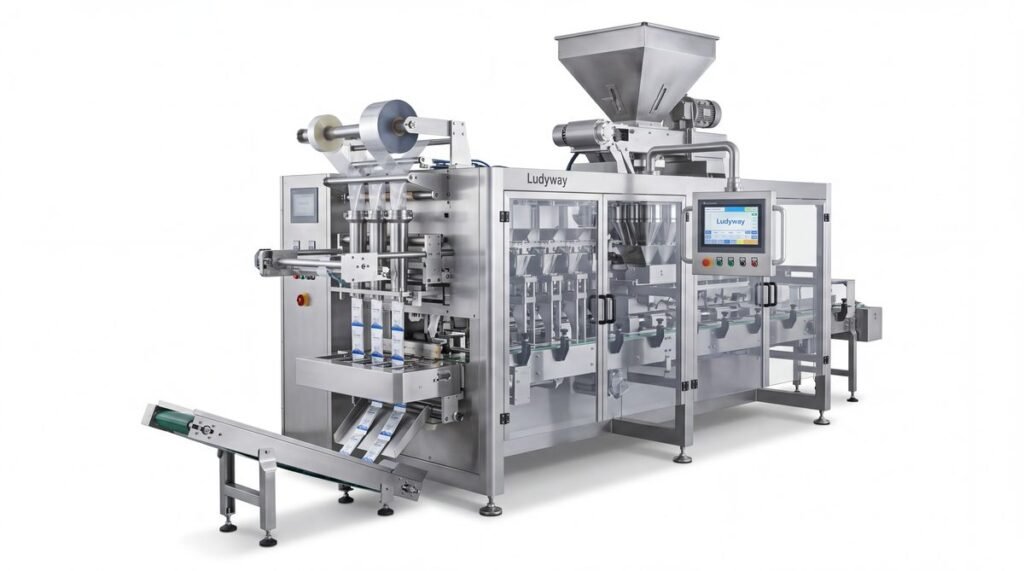
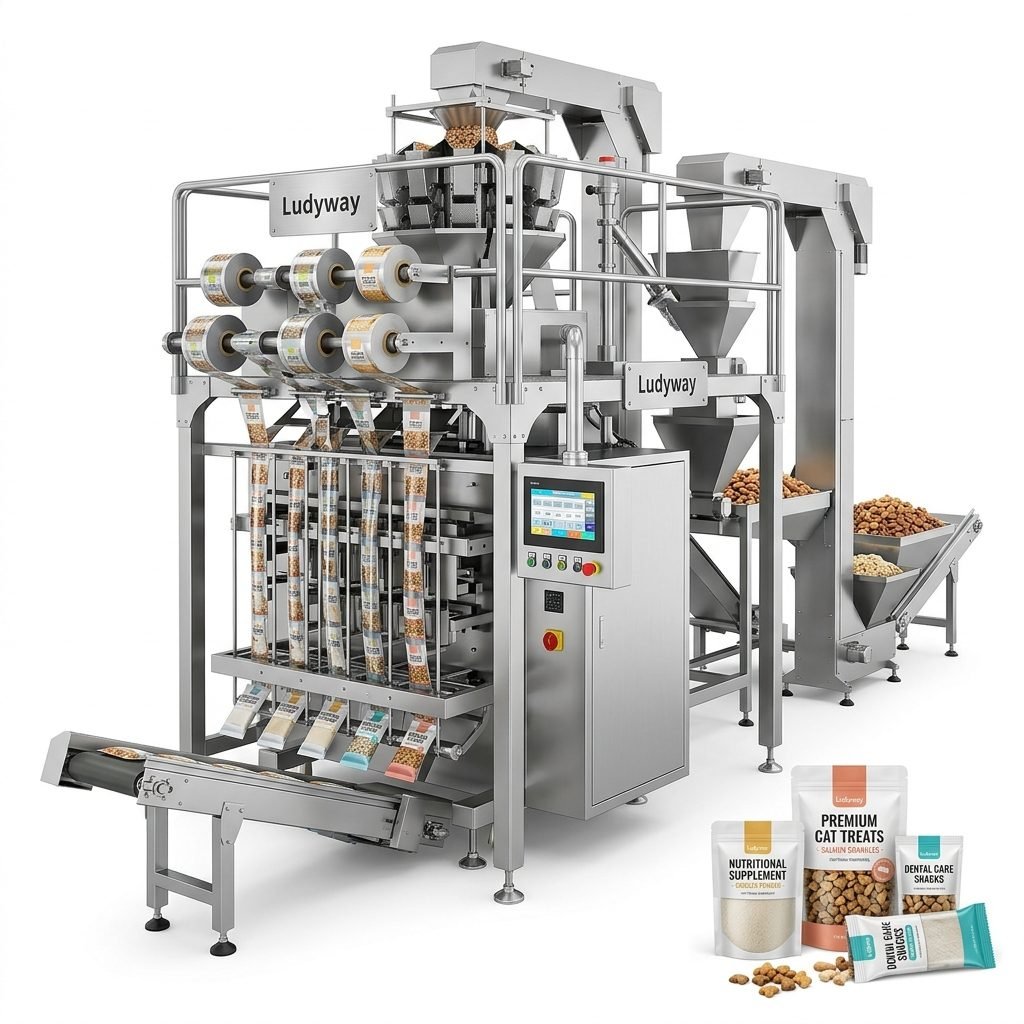
The North American market for chub packaging is expanding rapidly. From ground meat and sausage to refrigerated pet food and cookie dough, the cylindrical chub pack format offers superior shelf life, portion control, and retail display advantages. Setting up a chub packaging machine production line in the United States or Canada, however, requires careful planning around regulatory compliance, equipment selection, and end-to-end automation. This guide walks you through every critical step.
What Is a Chub Packaging Machine?
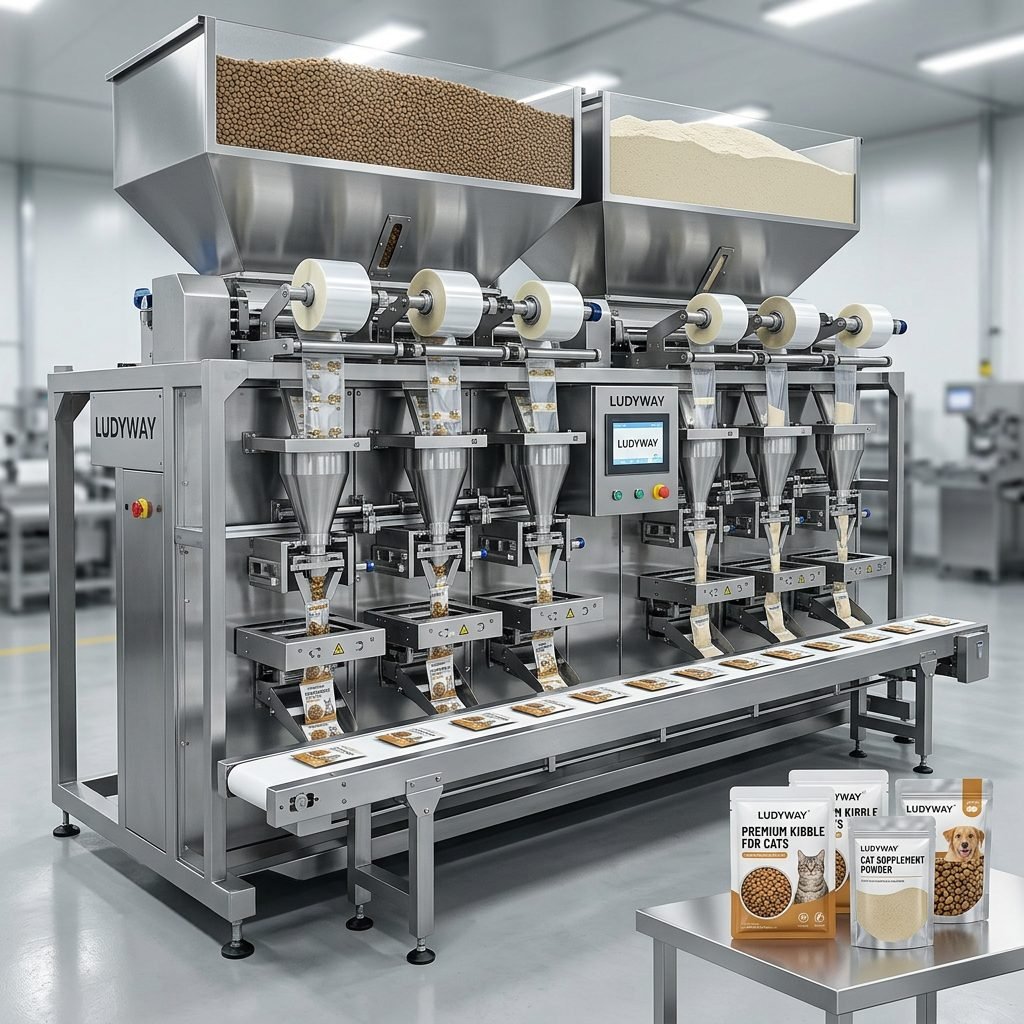
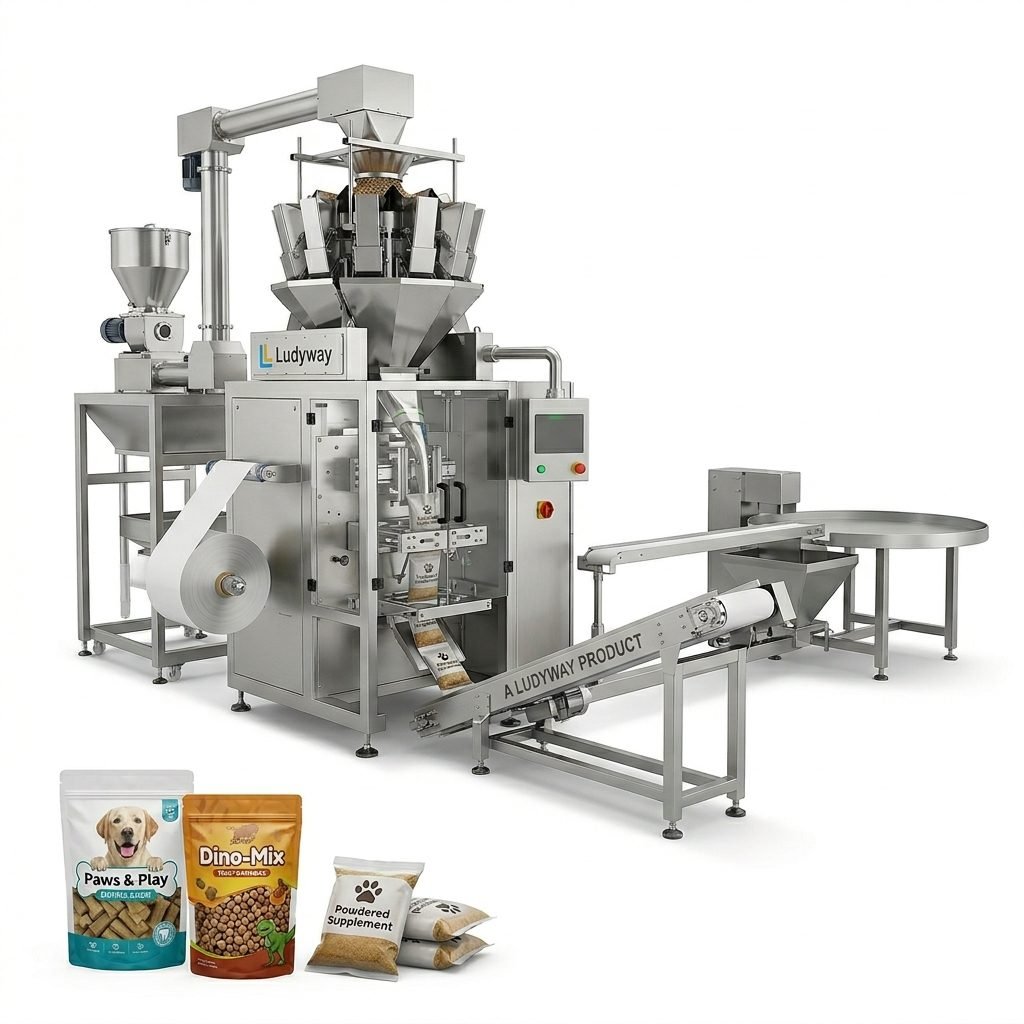
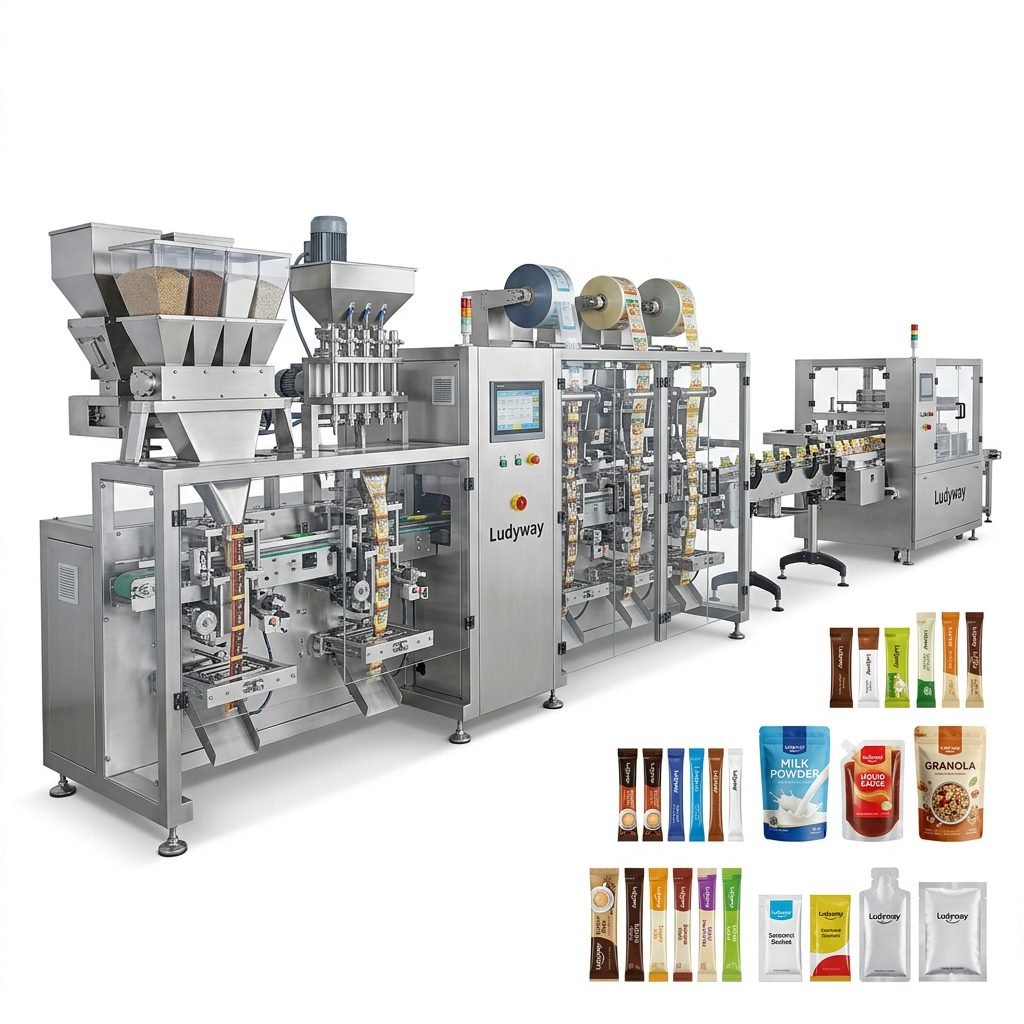
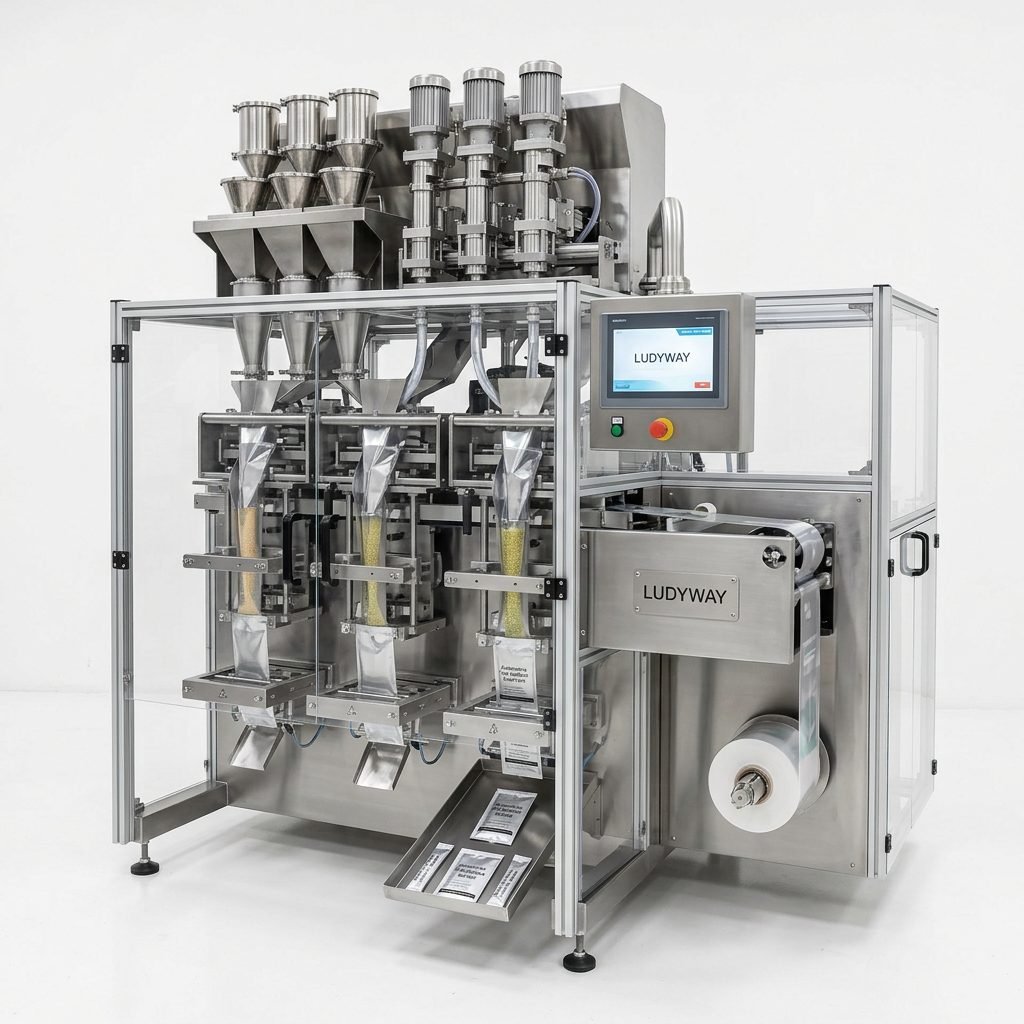
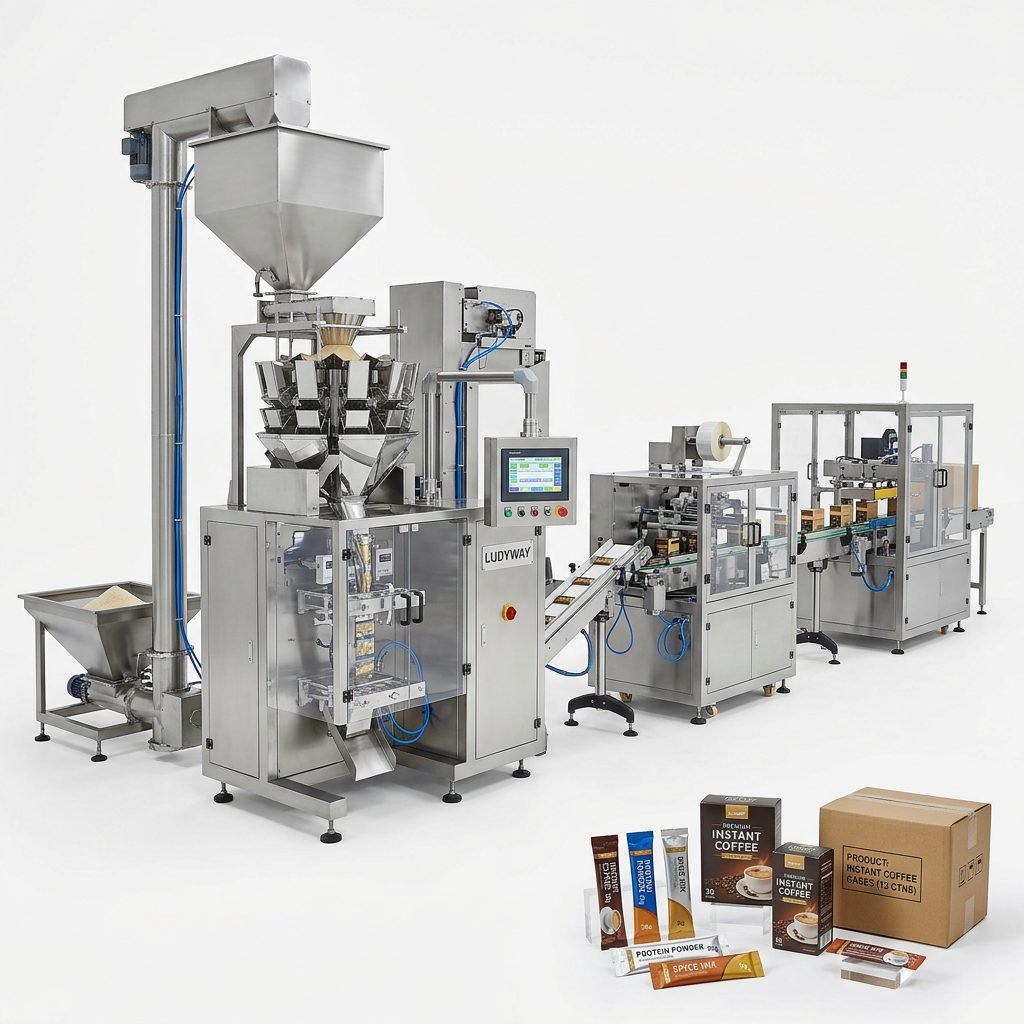
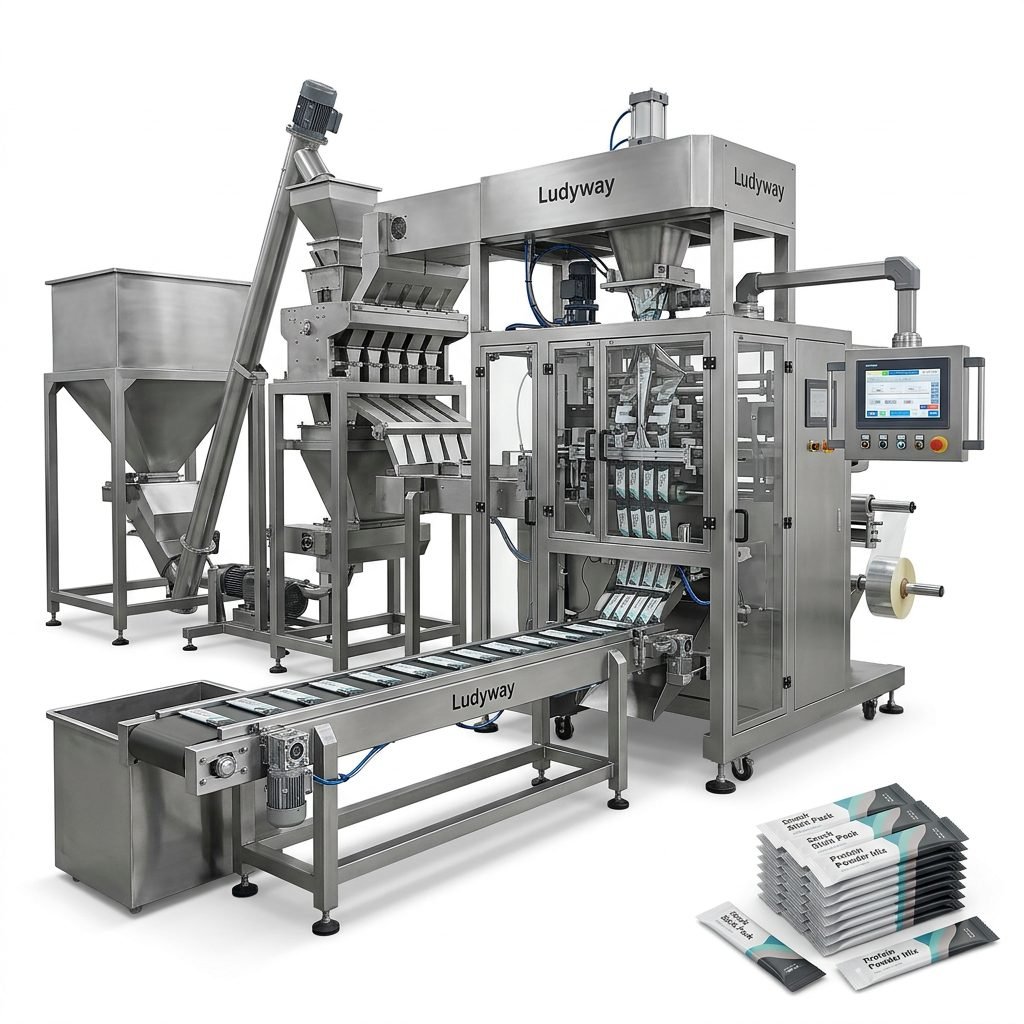
A chub packaging machine is a specialized form-fill-seal system that produces cylindrical, tube-shaped packages—commonly called chub packs. The machine forms a continuous tube from rollstock film, fills it with product (typically ground meat, viscous pastes, or granular materials), and seals both ends with metal clips or heat seals. Chub packaging lines are widely used across FDA-regulated food sectors and are gaining traction in the pet food, dairy, and refrigerated dough industries.
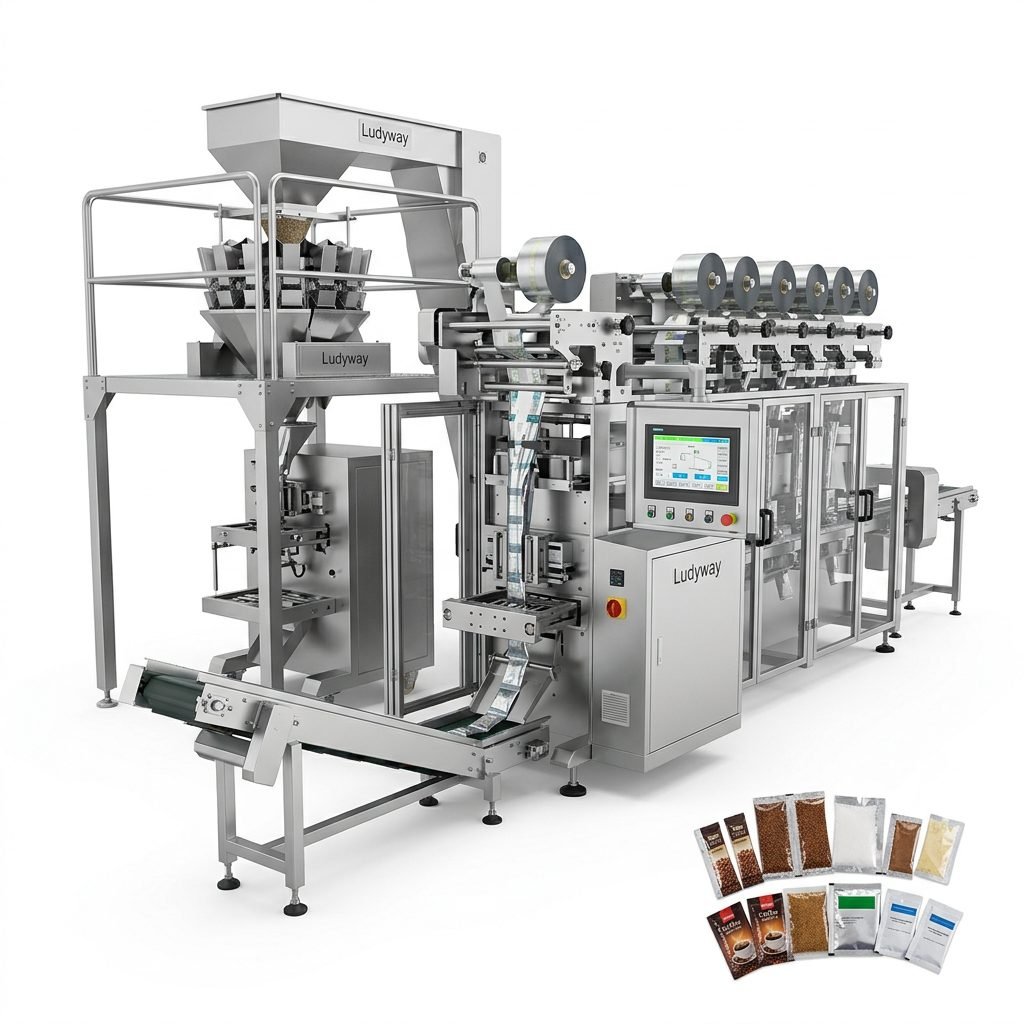
Why Chub Packaging Is Growing in North America
Several market forces are fueling demand for chub packaging production lines across North America:
- Shelf-life extension: Chub packs provide an excellent oxygen barrier when using multi-layer films, extending product freshness significantly.
- Portion control: The format allows precise weight control, reducing product give-away and improving margins for meat processors.
- Retail-ready presentation: Chub packs offer a clean, modern appearance that performs well in refrigerated display cases.
- E-commerce compatibility: The durable, leak-resistant format is ideal for direct-to-consumer meal kit and protein box deliveries.
- Pet food innovation: The flexible packaging trend in fresh and frozen pet food has created new demand for chub-style formats.
Step 1: Understand North American Regulatory Requirements
Before purchasing any equipment, you must understand the regulatory landscape. In the United States, USDA-FSIS oversees meat and poultry packaging, while the FDA regulates all other food products. Key requirements include:
- Sanitary design: All food-contact surfaces must be cleanable, non-toxic, and corrosion-resistant. Equipment should follow PMMI sanitary design principles.
- Materials compliance: Packaging films must comply with 21 CFR for food contact substances.
- Electrical standards: Machines must meet UL 508A (industrial control panels) and NFPA 70 (National Electrical Code) requirements for installation in U.S. facilities.
- OSHA safety: Guarding, emergency stops, and lockout/tagout procedures must align with OSHA 29 CFR 1910 standards.
- CFIA oversight: In Canada, the Canadian Food Inspection Agency enforces similar sanitary and labeling requirements under the Safe Food for Canadians Act.

Step 2: Define Your Production Requirements
Clearly defining your production goals will determine the right machine configuration. Evaluate these parameters early in the planning process:
- Product type and viscosity: Ground meat, emulsified sausage, paste, dough, or granular products each require different filling mechanisms—positive displacement pumps, auger fillers, or piston fillers.
- Target output speed: Production lines can range from 30 to 120+ chub packs per minute, depending on the model and automation level.
- Pack size range: Common chub sizes range from 1 lb to 10 lb, though specialty machines can handle smaller single-serve portions or larger bulk formats.
- Film specifications: Multi-layer barrier films, printable surfaces, and peelable seal options all affect machine compatibility and final package performance.
- Clip versus heat seal closure: Metal clip closures are standard for meat applications; heat-sealed ends are common for dough and non-meat products.
Production Capacity Reference Table
| Production Tier | Speed Range (packs/min) | Ideal Application | Typical Footprint |
|---|---|---|---|
| Small-Scale / Pilot | 15 – 30 | Regional meat processors, startup pet food brands | Compact (~120 sq. ft.) |
| Mid-Range Production | 30 – 70 | Mid-sized co-packers, growing CPG brands | Moderate (~200 sq. ft.) |
| High-Volume Industrial | 70 – 120+ | National meat processors, large contract manufacturers | Large (~350+ sq. ft.) |
| Multi-Lane / Turnkey | 100 – 200+ | High-capacity integrated plants with automated cartoning | Custom layout |
Step 3: Select the Right Chub Packaging Machine
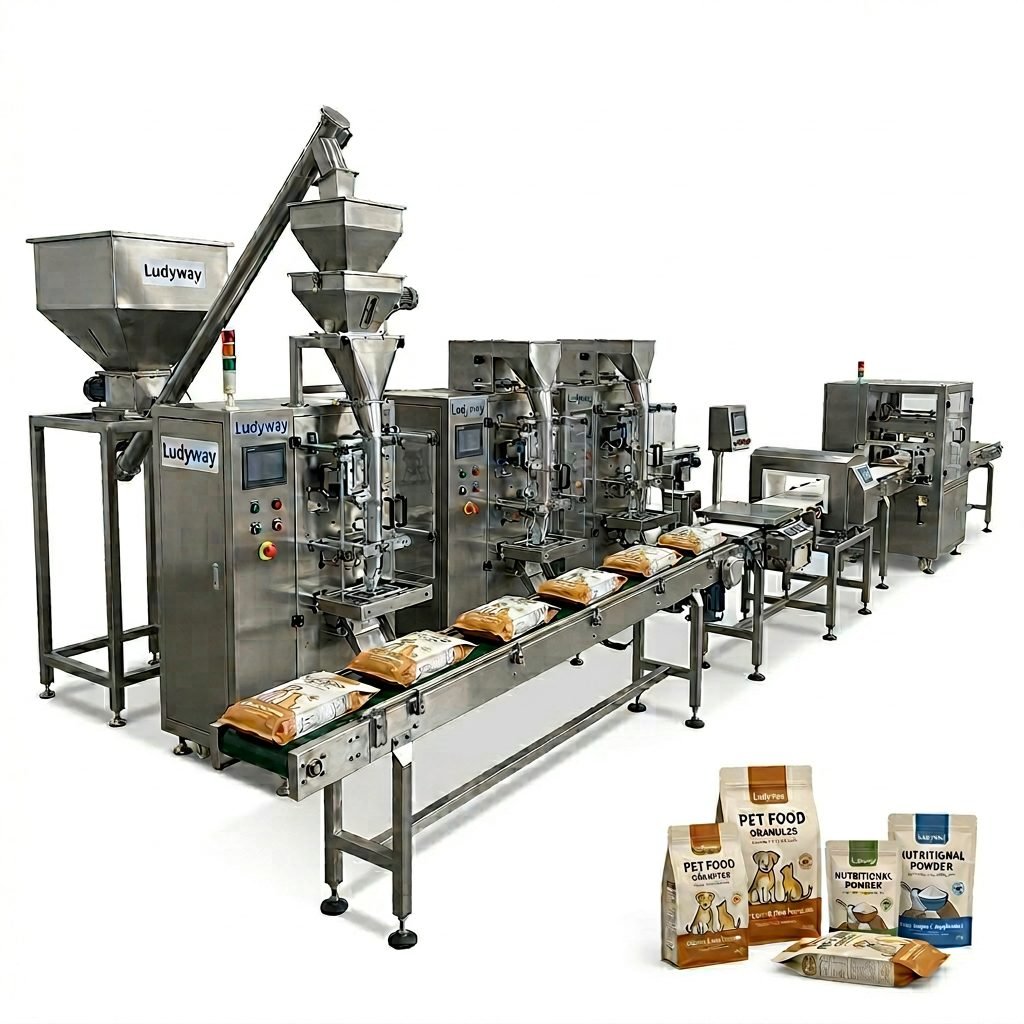
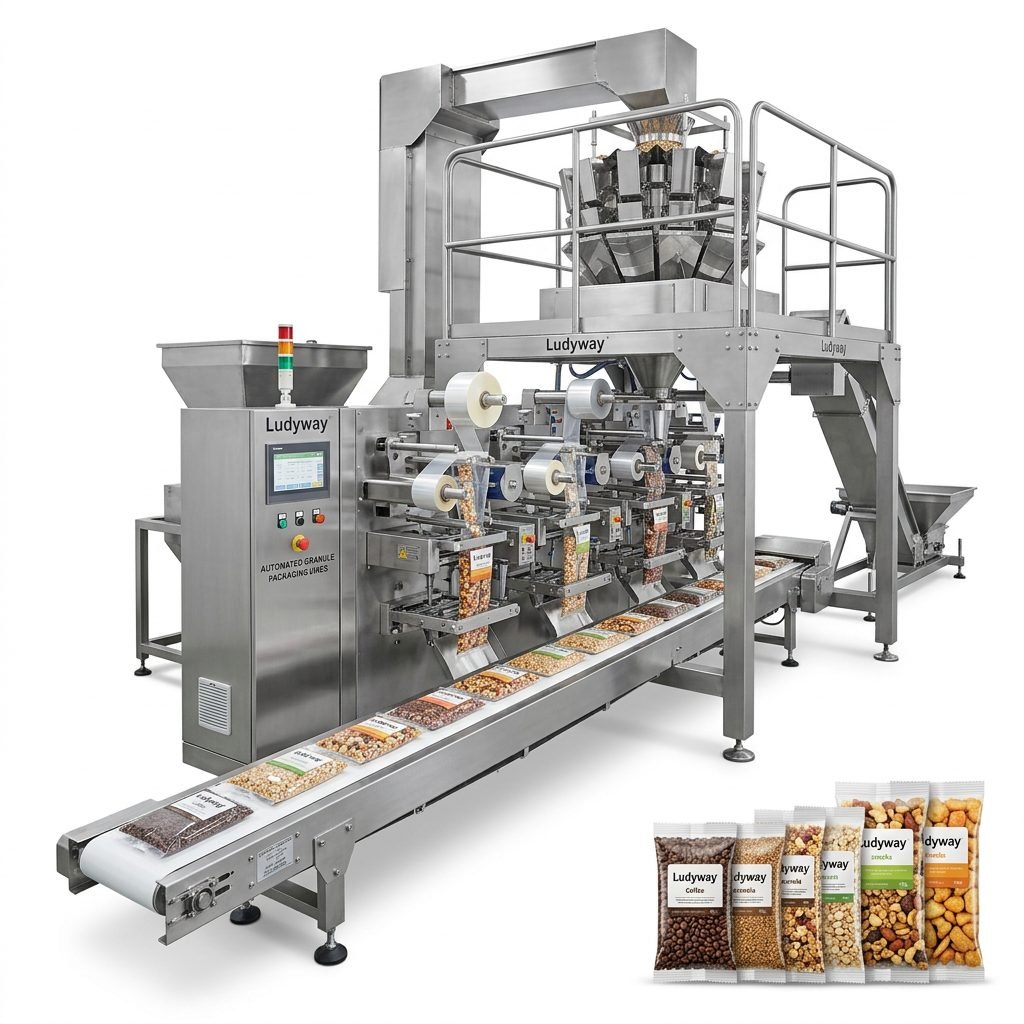
Choosing the right equipment supplier is one of the most consequential decisions in setting up your production line. Evaluate manufacturers based on build quality, after-sales support, and experience with North American installations. Many global suppliers, including Ludyway, offer comprehensive packaging machine solutions with CE, UL, and USDA-compliant sanitary designs tailored for the North American market.
Key Machine Features to Evaluate
- Servo-driven filling accuracy: Modern servo systems deliver ±0.5% weight accuracy, critical for high-value protein products.
- Quick-change film cassettes: Minimizes downtime during product or film changeovers—essential for co-packers running multiple SKUs.
- Integrated CIP (Clean-in-Place): Automated wash-down capability reduces sanitation labor and ensures consistent hygiene.
- Vision inspection systems: In-line seal integrity and clip placement verification reduce waste and prevent quality escapes.
- Data connectivity: OPC-UA or Ethernet/IP compatibility enables integration with plant-wide SCADA and MES platforms common in North American factories.
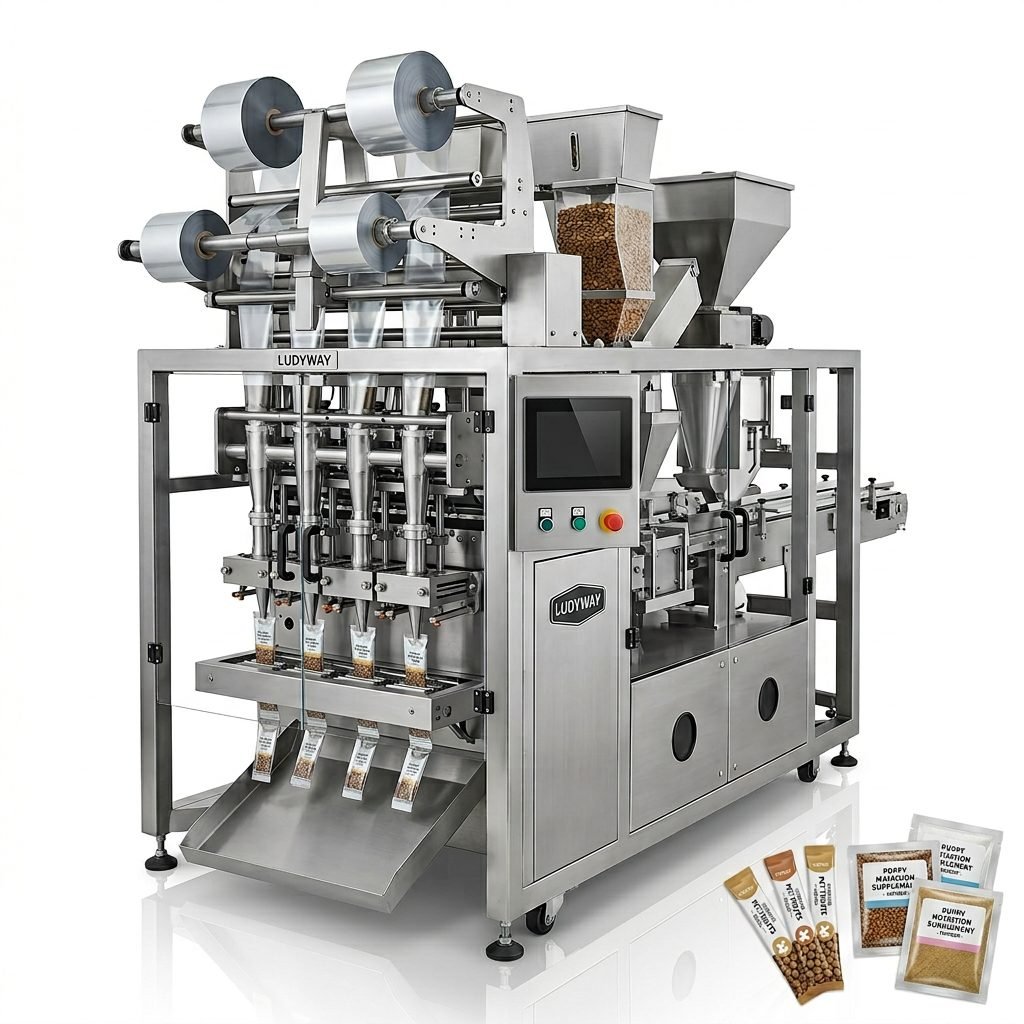
Step 4: Plan Your Facility Layout and Utilities
A well-designed facility layout ensures smooth material flow and compliance with food safety standards. Consider these factors when planning your chub packaging line installation:
- Separation of raw and finished zones: Follow HACCP principles to prevent cross-contamination between incoming raw materials and packaged finished goods.
- Drainage and sloped floors: USDA-FSIS requires adequate floor drainage in meat processing areas. Plan trench drains beneath and around the packaging line.
- Compressed air quality: Food-grade compressed air (ISO 8573-1 Class 2 or better) is essential for pneumatic components that may contact food surfaces.
- Power supply: Most North American facilities use 480V, 3-phase, 60Hz power. Verify that your equipment is compatible or budget for transformers.
- Ventilation and temperature control: Chub packaging rooms typically operate at 40°F to 50°F (4°C–10°C) to maintain product quality during filling.
Utility Checklist for North American Installations
| Utility Type | Specification | Notes |
|---|---|---|
| Electrical | 480V / 3PH / 60Hz | Verify UL listing; may require step-down transformer for 230V components |
| Compressed Air | 90–120 PSI, ISO 8573-1 Class 2 | Install point-of-use filtration and dryer |
| Water / Wash-down | Hot water (140°F+) with backflow prevention | Required for CIP and sanitation cycles |
| Floor Drainage | Trench drains with 1/4″ per foot slope | Stainless steel grates recommended for meat facilities |
| Ambient Temperature | 40°F – 55°F (4°C – 13°C) | Critical for meat and dairy product integrity |
Step 5: Installation, Commissioning, and Training
A structured commissioning process reduces ramp-up time and prevents costly startup mistakes. The best equipment suppliers provide on-site installation support and comprehensive operator training. Key phases include:
- Pre-installation site audit: Confirm that utilities, floor load ratings, and clearances match the equipment specifications.
- Mechanical installation and leveling: Precision leveling prevents vibration issues that affect fill accuracy and seal quality.
- Electrical and pneumatic hookup: All connections should be verified by a licensed electrician familiar with North American codes.
- Dry run testing: Run the machine without product to verify cycle timing, sensor calibration, and safety interlock functionality.
- Production trial with product: Validate fill weights, seal integrity, and clip placement under actual production conditions.
- Operator and maintenance training: Documented training on SOPs, sanitation procedures, and basic troubleshooting reduces future downtime.
Step 6: Ongoing Maintenance and Sanitation Protocols
Maintaining a chub packaging line in a North American food facility requires disciplined preventive maintenance and rigorous sanitation. Develop written protocols that align with PMMI best practices and your facility’s HACCP plan.
Daily Sanitation Checklist
- Disassemble product-contact components: Remove filling tubes, forming shoulders, and sealing jaws for manual cleaning and sanitizing.
- Foam and rinse: Apply food-grade foaming cleaner to all exterior surfaces; allow dwell time per chemical manufacturer instructions.
- Sanitize: Apply a no-rinse quaternary ammonium or peracetic acid sanitizer to all food-contact surfaces.
- Inspect seals and gaskets: Replace any cracked or worn rubber components that could harbor bacteria.
- Verify metal detection: Run certified test wands through the in-line metal detector at startup, mid-shift, and end of production.
Preventive Maintenance Schedule
| Frequency | Maintenance Tasks |
|---|---|
| Daily | Clean product-contact surfaces; inspect clip/seal quality; check lubricant levels; verify safety interlocks |
| Weekly | Inspect drive belts and chains; verify sensor calibration; clean air filters; check pneumatic cylinder operation |
| Monthly | Lubricate bearings and linear guides; inspect electrical connections; test emergency stop circuits; review error logs |
| Quarterly | Replace worn forming shoulders; calibrate load cells; perform full servo drive diagnostics; update control software |
| Annually | Complete machine overhaul; replace all belts, seals, and gaskets; re-validate fill accuracy and seal integrity |
Common Challenges and How to Solve Them
Even the best-planned chub packaging lines encounter operational issues. Here are frequent challenges in North American production environments and proven solutions:
1. Seal Integrity Failures
Cause: Worn sealing jaws, incorrect temperature settings, or film contamination.
Solution: Implement in-line vision inspection and replace sealing components on a preventive schedule. Verify film storage conditions—humidity and temperature fluctuations degrade seal performance.
2. Inconsistent Fill Weights
Cause: Product density variation, air entrapment, or worn pump components.
Solution: Use servo-driven positive displacement pumps with real-time weight feedback. Install an in-line checkweigher with automatic feedback to the filler.
3. Film Tracking and Wrinkling
Cause: Misaligned forming shoulders, incorrect tension settings, or film gauge variation.
Solution: Verify forming shoulder alignment weekly; use automatic web tension control systems; source film from suppliers with tight gauge tolerances (±3% or better).
4. USDA Compliance Gaps
Cause: Equipment not designed for meat processing sanitary requirements.
Solution: Select machines with USDA-compliant sanitary design: sloped surfaces, continuous welds, accessible clean-out points, and stainless steel construction throughout.
Cost Considerations and ROI Analysis
Investing in a chub packaging production line represents a significant capital expenditure. Understanding the total cost of ownership and projected return on investment is essential for budget approval:
- Equipment cost: A mid-range chub packaging machine with basic automation typically ranges from $150,000 to $500,000 USD, while fully integrated turnkey lines with cartoning and palletizing can exceed $1.5 million.
- Installation and training: Budget 10–15% of equipment cost for site preparation, rigging, commissioning, and comprehensive operator training.
- Film and consumables: Multi-layer barrier films cost $0.03–$0.08 per pack depending on size and material specification.
- Labor savings: Automated chub lines typically reduce direct labor requirements by 50–70% compared to manual or semi-automatic operations.
- Product give-away reduction: Precise servo filling can reduce product overfill from 3–5% to under 1%, delivering substantial annual savings for high-value proteins.
- Typical payback period: Most North American processors achieve full ROI within 18–36 months, driven by labor savings, reduced waste, and increased throughput.
Industry Resources and Standards
Staying current with industry standards and market intelligence is critical for long-term success. Bookmark these authoritative resources:
- PMMI – The Association for Packaging and Processing Technologies
- PMMI State of the Industry Reports
- Flexible Packaging Association – Industry Resources
- FDA – Food Packaging and Food Contact Substances
- ISO – Packaging Standards
- European Commission – Packaging and Packaging Waste Regulation
- PACK EXPO International
- U.S. EPA – Sustainable Materials Management
Final Thoughts: Building a Future-Ready Chub Packaging Line
Setting up a chub packaging machine production line in North America is a multi-faceted project that demands careful regulatory planning, strategic equipment selection, and ongoing operational discipline. The market opportunity is substantial—driven by consumer demand for fresh, portion-controlled protein products and premium pet food formats. By investing in USDA-compliant, servo-driven chub packaging equipment and partnering with an experienced supplier that understands North American requirements, you position your operation for efficient, compliant, and profitable production. Whether you are a regional meat processor upgrading from manual operations or a national brand launching a new product line, following the structured approach outlined in this guide will help you avoid common pitfalls and accelerate your path to full-scale production.