Understanding the South American Beverage Market
South America’s beverage industry is experiencing significant transformation. Consumer demand for ready-to-drink beverages, functional drinks, and instant powder mixes is growing rapidly. Countries like Brazil, Argentina, Colombia, and Chile are leading the market shift toward convenient, single-serve packaging formats. This trend is driving investment in flexible packaging solutions that can handle diverse product ranges, from granule-based energy drinks to liquid concentrates.
Setting up a beverage packaging machine production line in this region requires a strategic approach. Manufacturers need to navigate local regulations, infrastructure challenges, and the rising demand for sustainable packaging. The goal is to create a cost-efficient, high-speed packaging setup that delivers consistent product quality and meets international standards.
Step 1: Define Your Production Requirements
Before procuring equipment, you must clearly define the scope of your production line. Consider the following factors:
- Product type: Is your beverage in granule, powder, or liquid form? This directly influences the filling mechanism and machine configuration.
- Packaging format: Are you targeting stick packs, sachets, or larger pouches? South American consumers often prefer compact, affordable single-serve formats.
- Target throughput: How many units per minute do you need? A multi-lane system can significantly boost capacity compared to single-lane equipment.
- Budget: Besides the machine cost, factor in shipping, import duties, installation, and ongoing maintenance.
Common Beverage Packaging Formats
| Format | Ideal For | Speed Range |
|---|---|---|
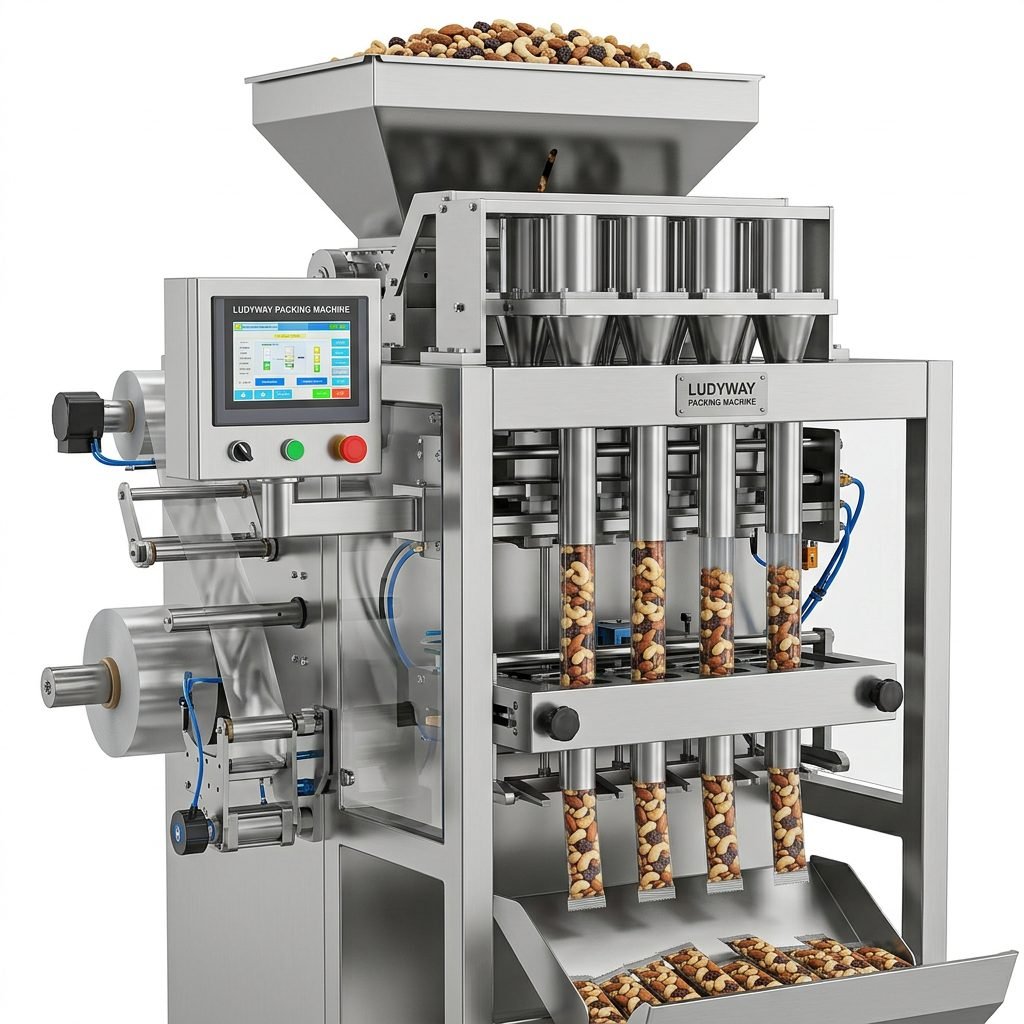
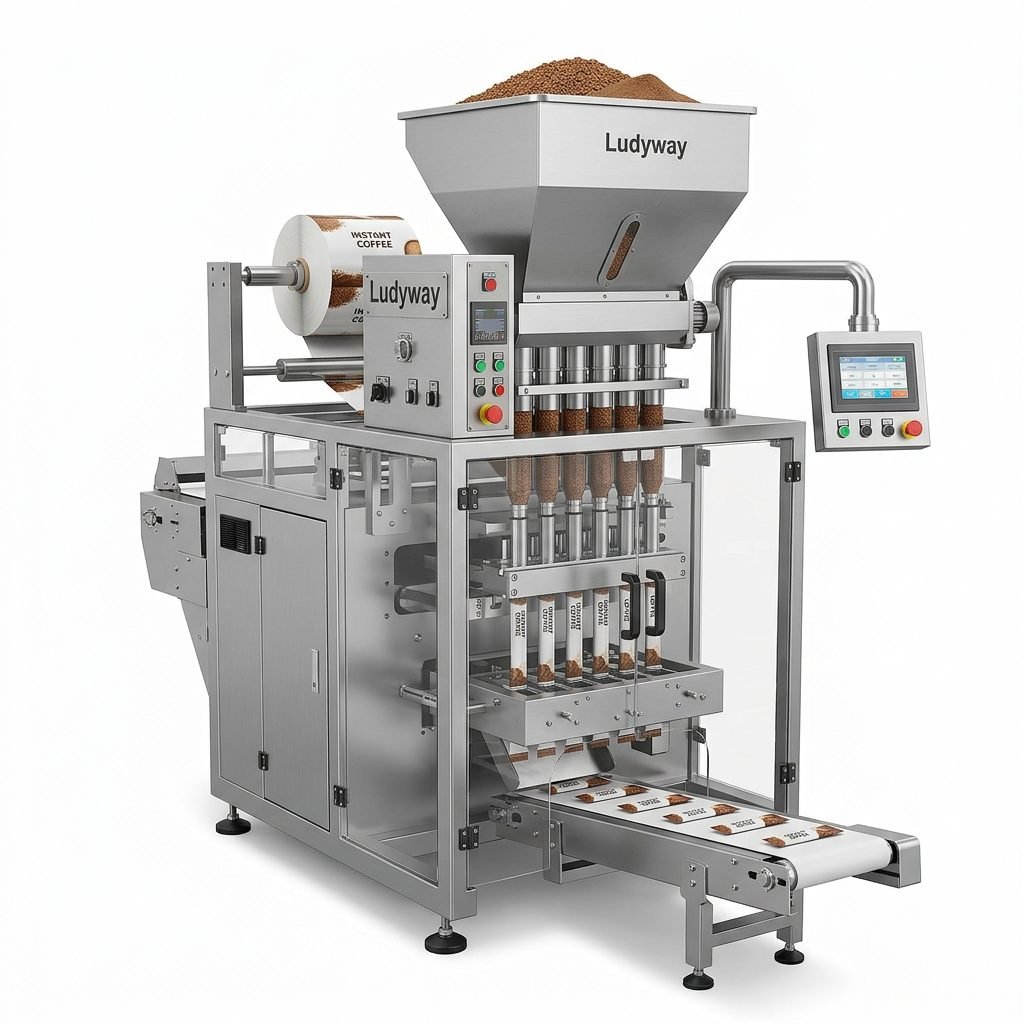
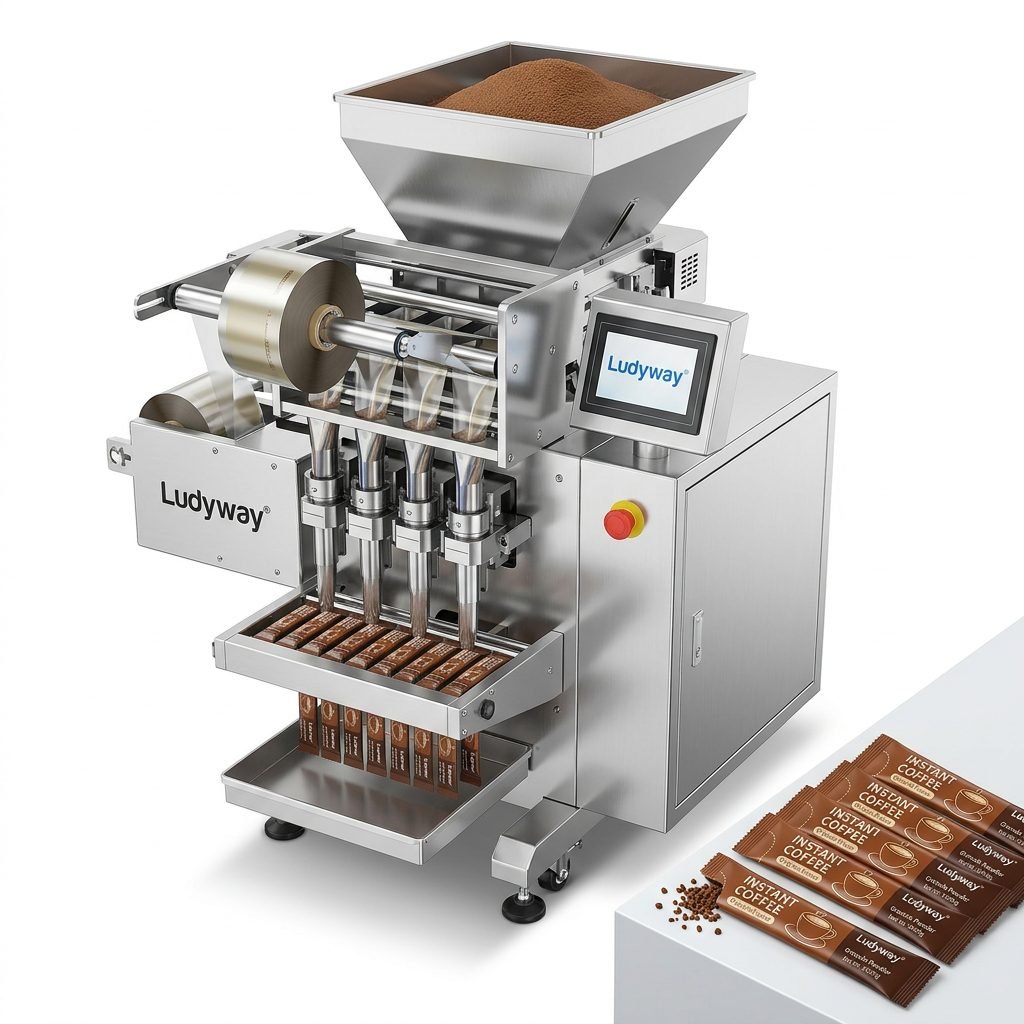
| Multi-Lane Stick Pack | Instant coffee, energy drink powder, protein shakes | 200-600 packs/min |
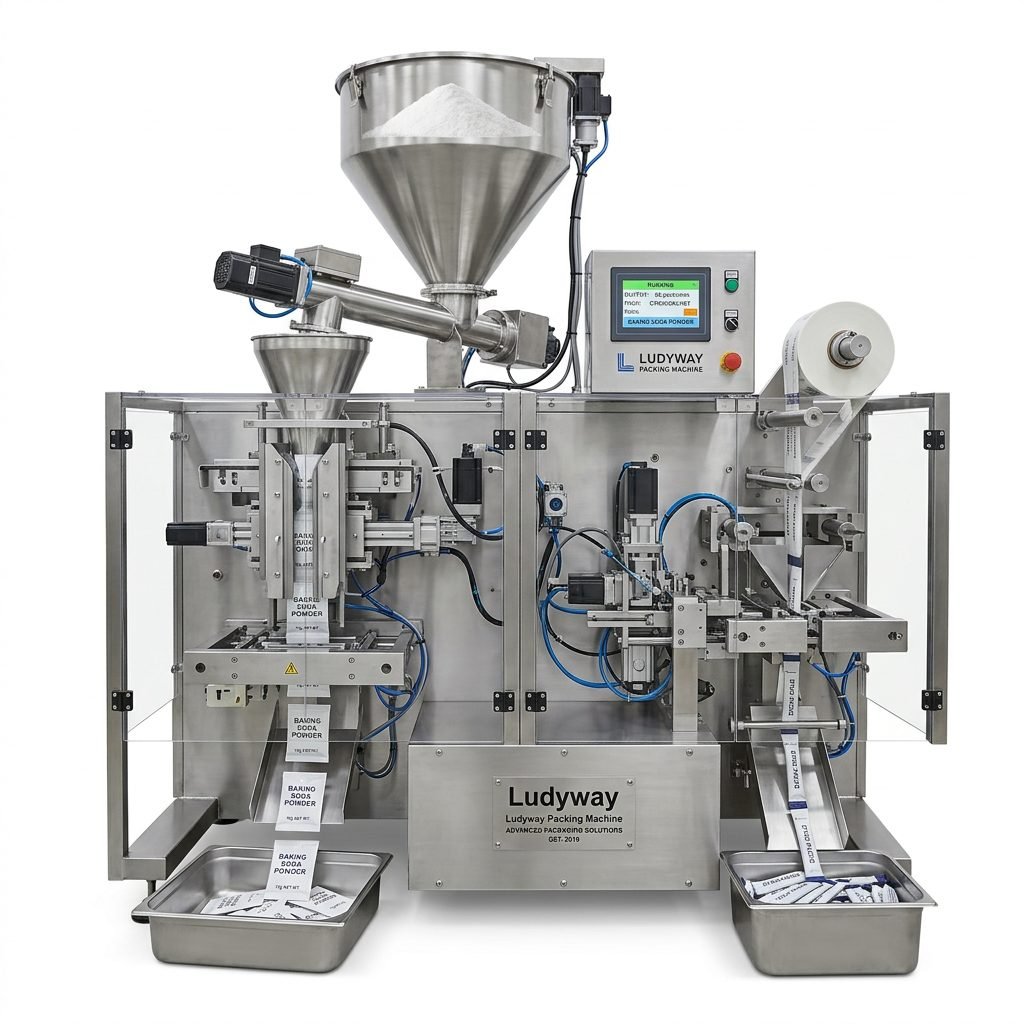
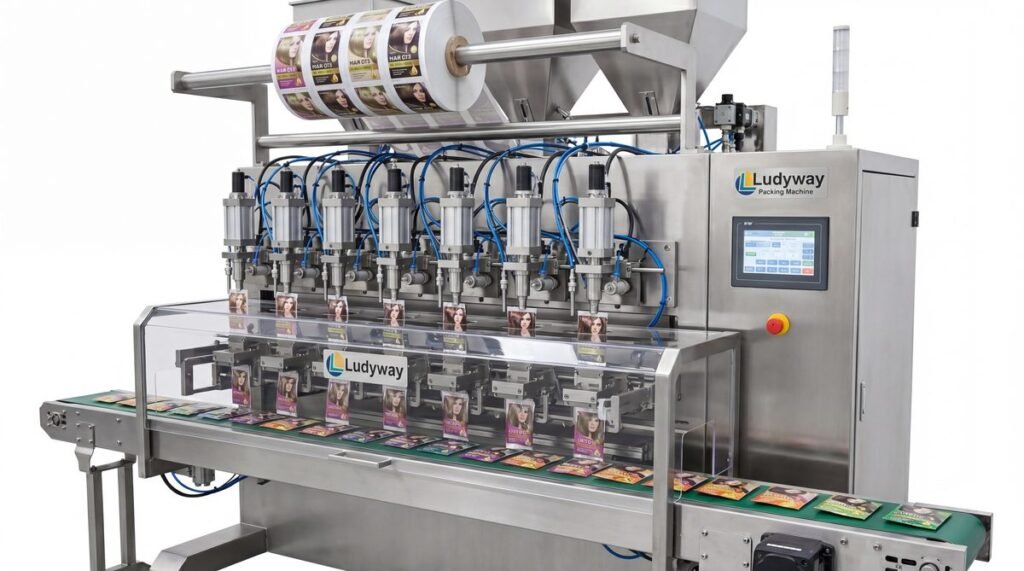
| Sachet Packaging | Juice concentrates, liquid flavor shots, electrolyte gels | 100-300 packs/min |
| Pouch Packaging | Pre-made pouches for premium drinks or larger volumes | 40-120 packs/min |
Step 2: Select the Right Packaging Machinery
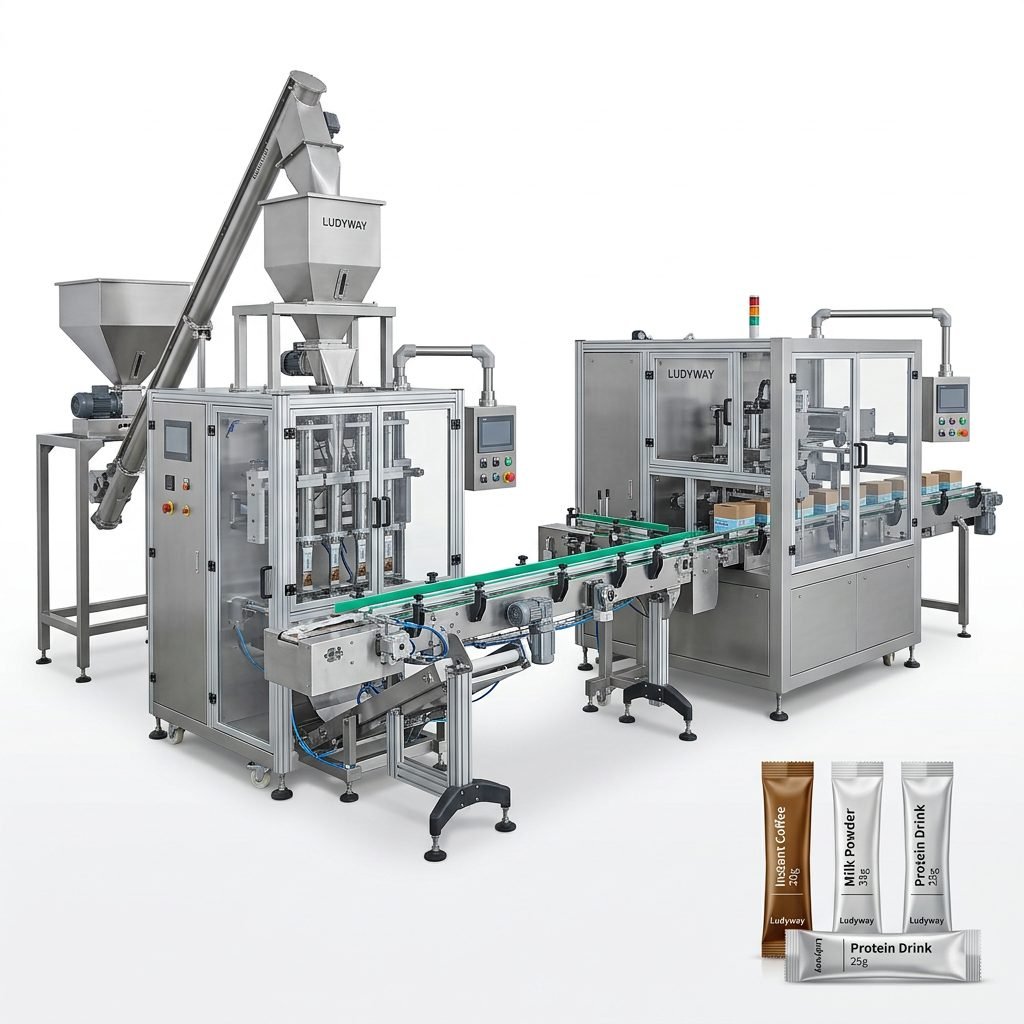
Choosing the right machine is the core of any successful production line. To ensure consistent performance, the equipment should be built with high-quality components and advanced automation. Depending on what you are packaging, the following machine types are critical:
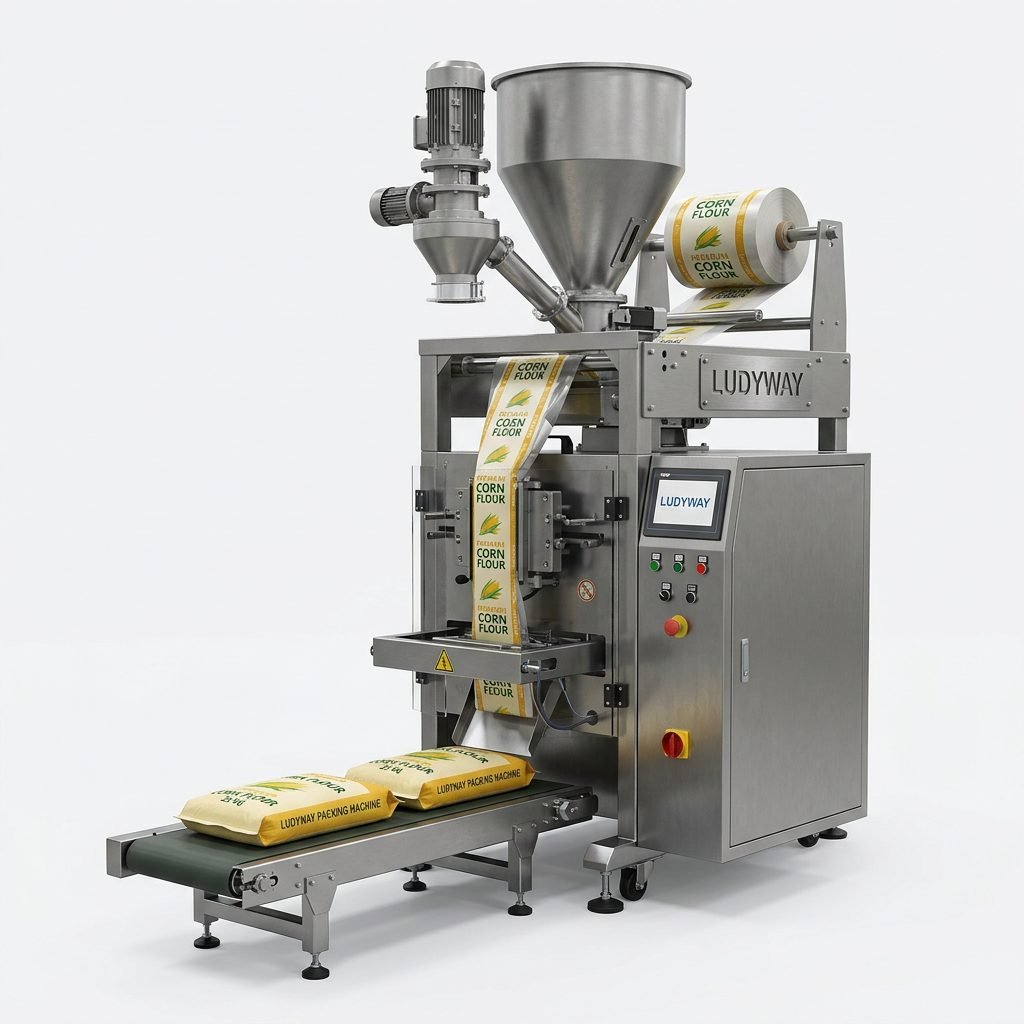
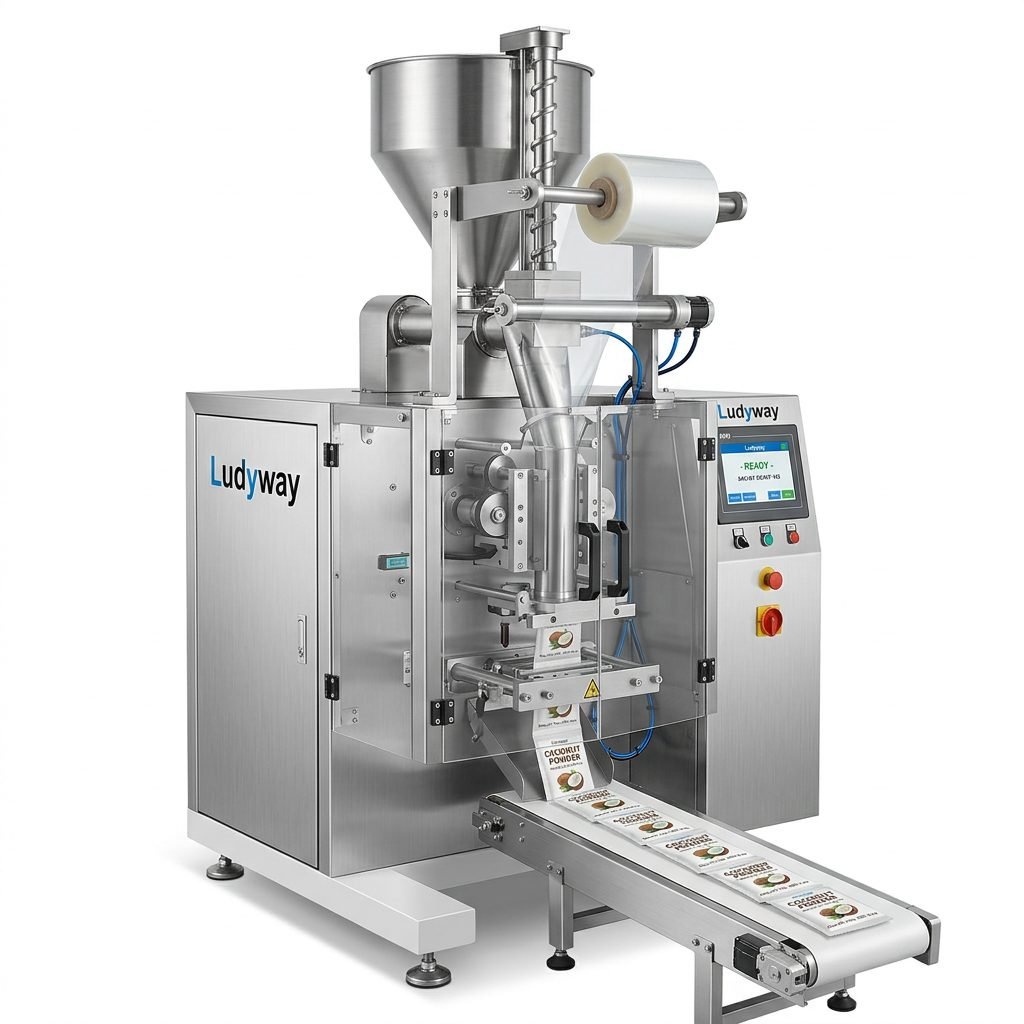
- Vertical Form Fill Seal (VFFS) Machines: Versatile and ideal for producing stick packs and sachets from roll film.
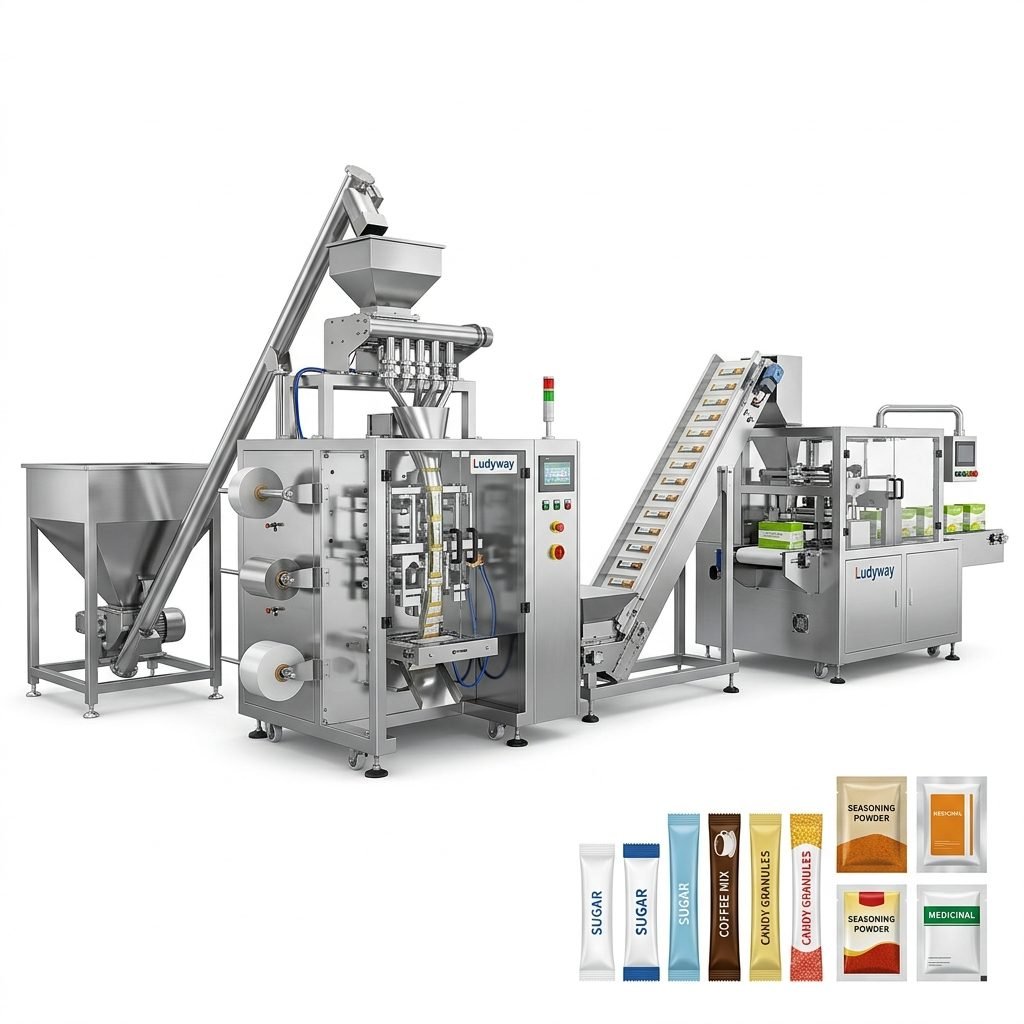
- Multi-Head Weighing Systems: Used for precise dosing of granules and powders. Pairing a multi-head weigher with a VFFS machine creates an accurate, high-speed line.
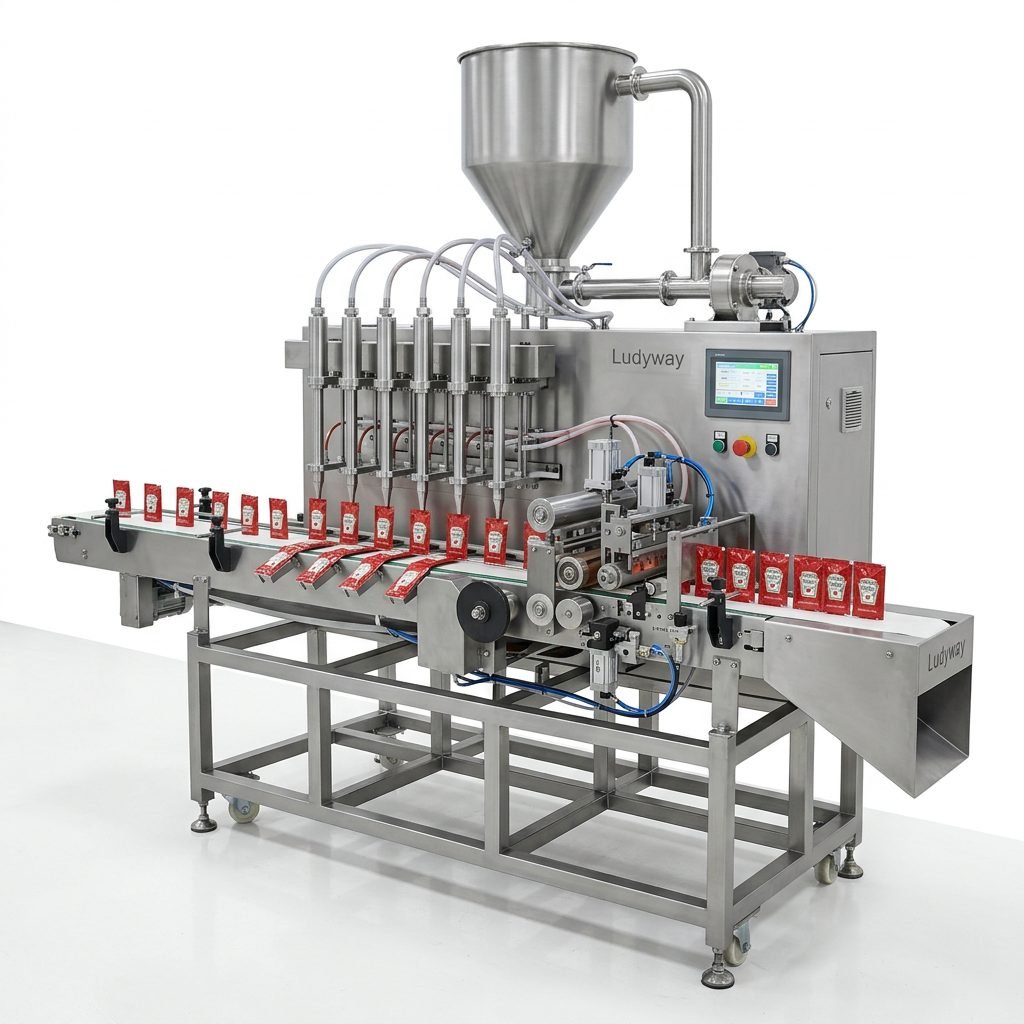
- Liquid Filling Machines: Piston fillers and flow meters are commonly used for liquid beverages. Multi-lane configurations can serve multiple sachets simultaneously.
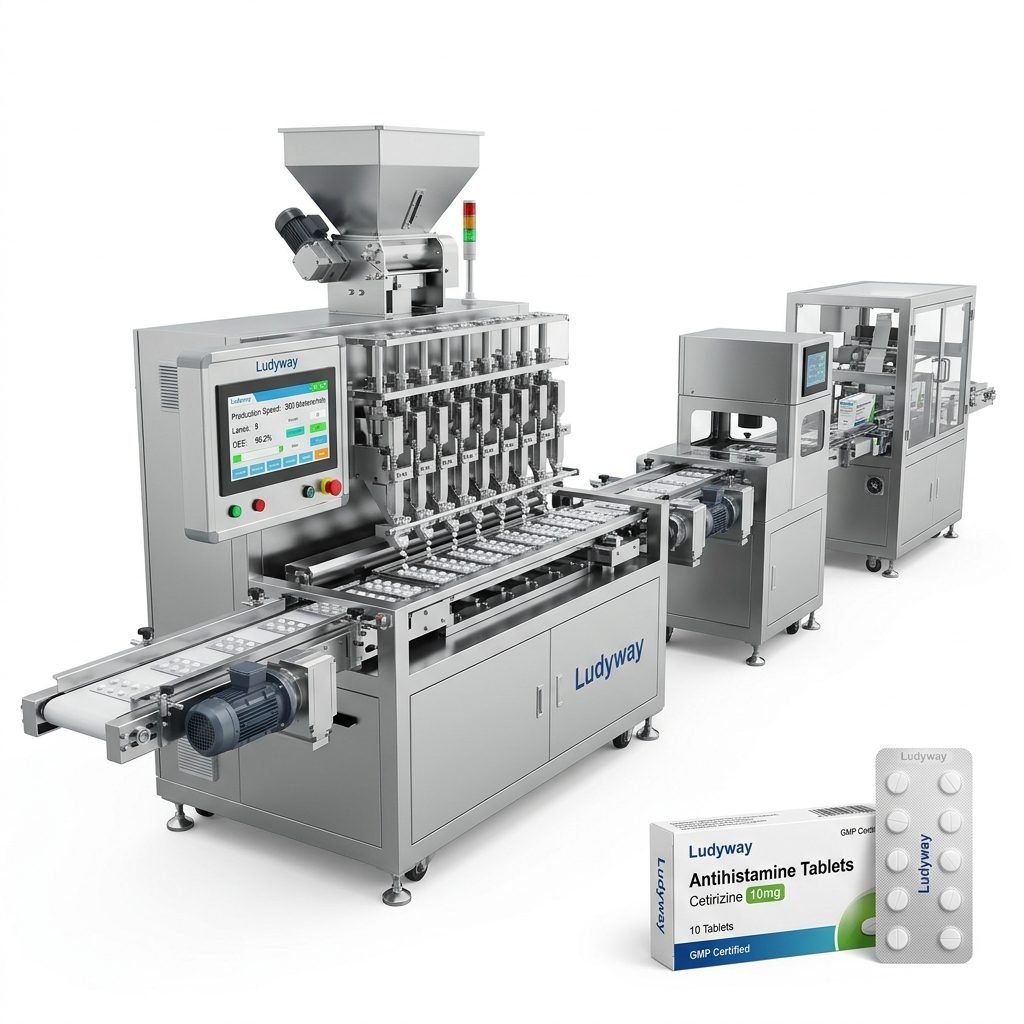
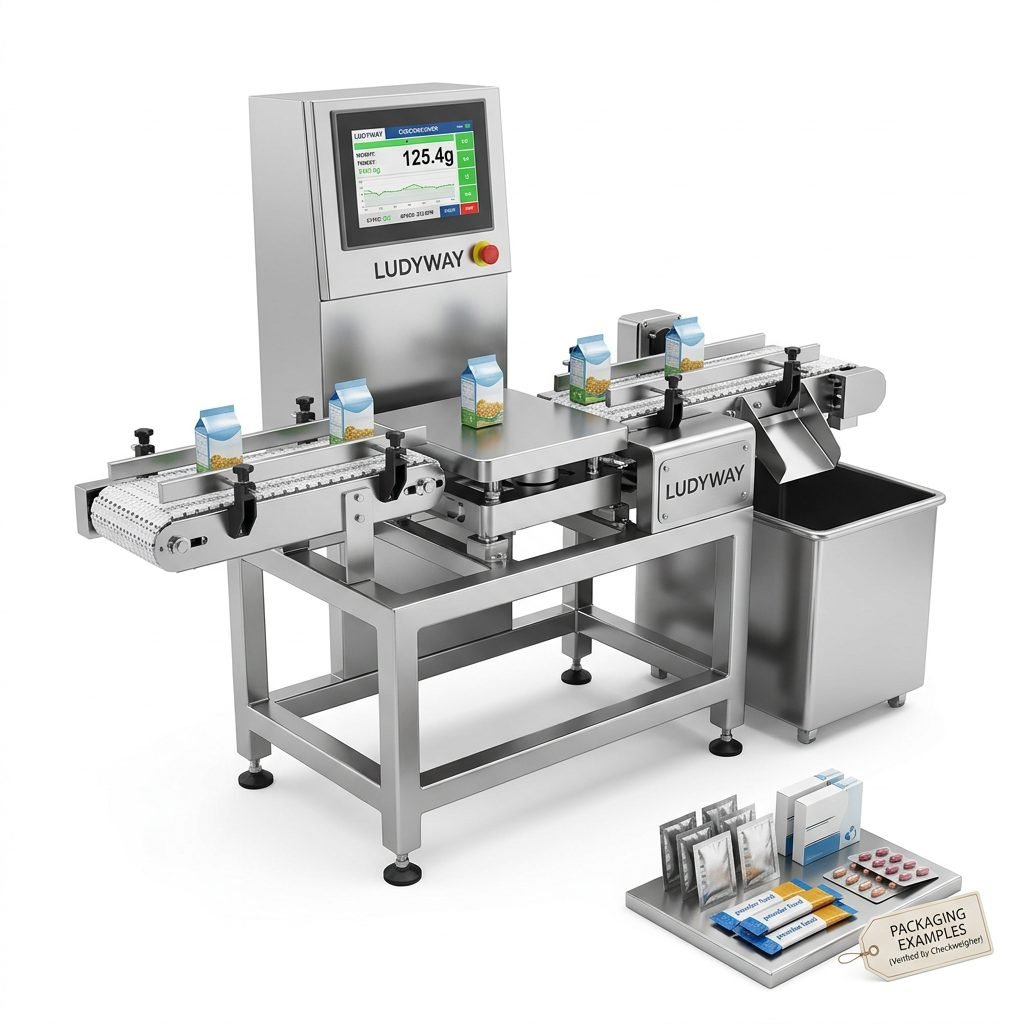
- Auxiliary Equipment: Don’t overlook conveyors, checkweighers, and cartoning machines. These integrate the production flow and maintain quality control.
Step 3: Plan Your Facility and Infrastructure
A well-structured facility is essential for a smooth packaging operation in South America. Temperature and humidity can directly affect powder flowability and seal integrity, so environmental control is often necessary for a beverage packaging setup.
Key Infrastructure Considerations
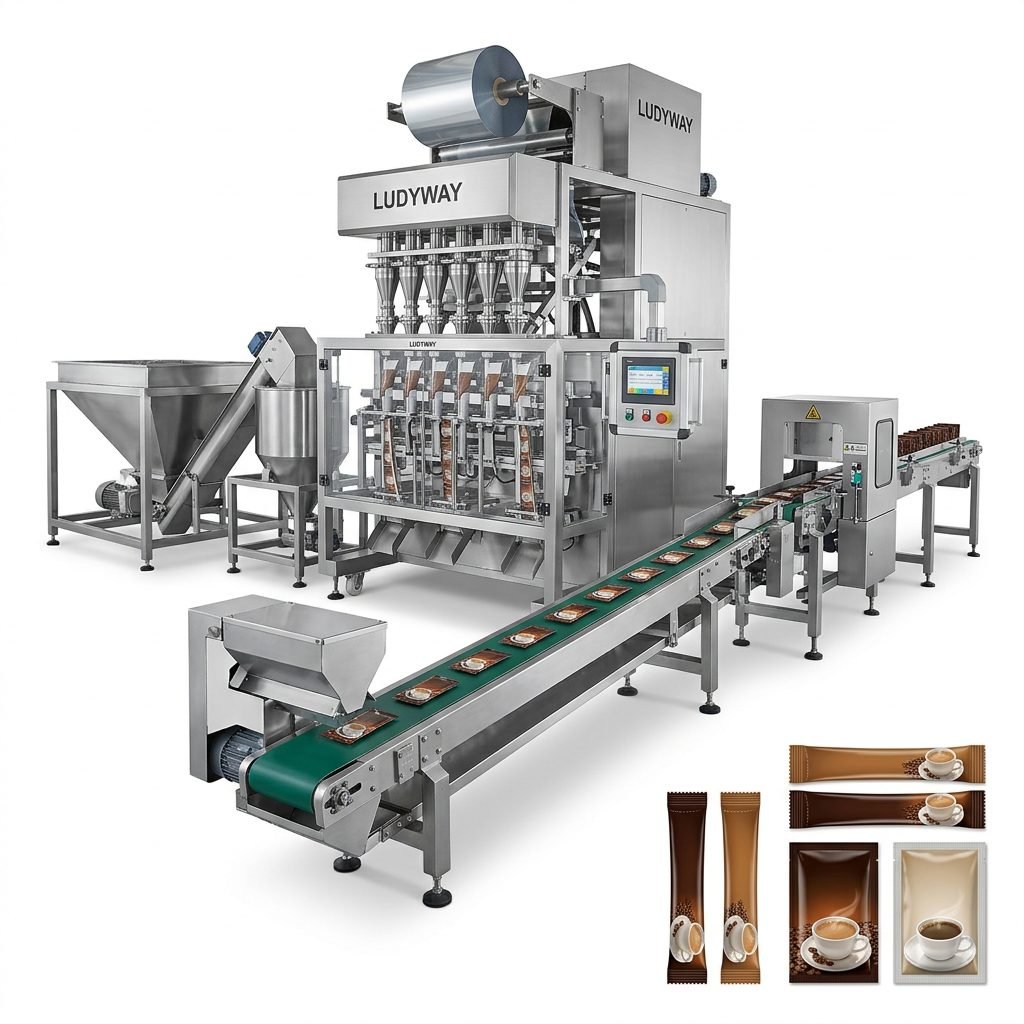
- Floor Space and Layout: Allocate adequate space for the main machine, feeding systems, conveyor belts, and secondary packaging like cartoning or palletizing. A linear or L-shaped layout often works best for beverage lines.
- Utilities: Ensure stable electrical supply, compressed air for pneumatic components, and possibly nitrogen if you require modified atmosphere packaging for sensitive beverage powders.
- Cleanroom Requirements: Depending on the product, a controlled environment might be required. Plan dust extraction systems to handle fine powders.
Step 4: Ensure Local Compliance and Certifications
South American countries have strict regulations for food and beverage contact materials. A beverage packaging machine must comply with regional standards. Harmonizing with international guidelines is also a strategic move for export-oriented businesses.
Key standards and resources include:
- FDA Food Packaging and Food Contact Substances for products entering the US market.
- ISO Packaging Standards for global quality benchmarks.
- European Packaging and Packaging Waste Regulations if you plan to export across continents.
Step 5: Installation and Commissioning
Once your equipment arrives, professional installation is non-negotiable. Even the most advanced multi-lane stick pack machine can underperform without proper calibration. The commissioning phase should cover:
- Mechanical Assembly and Alignment: Ensuring all parts are correctly fitted and leveled.
- Software Configuration: Setting up recipes, filling parameters, and seal temperatures specific to your beverage ingredients.
- Performance Testing: Running the line at target speeds with actual product to check for seal integrity, weight accuracy, and packaging aesthetics.
Step 6: Operator Training and Ongoing Support
Your team’s expertise is as important as the machinery itself. A structured training program ensures operators can handle daily operations, changeovers, and basic troubleshooting. Effective training covers:
- Machine startup and shutdown procedures.
- Film threading and web tension control for consistent packaging quality.
- Cleaning and sanitation protocols, especially critical for beverage powders.
- Understanding error codes and performing minor repairs.
Partnering with a supplier that offers remote support and local technical assistance is a significant advantage in South America. This minimizes downtime and keeps your line running efficiently.
Choosing a Reliable Technology Partner
Sourcing from an experienced manufacturer is crucial. Many South American companies look to established global suppliers for turnkey solutions. A partner with a wide range of models—from high-speed multi-lane stick pack machines to complete automated cartoning lines—can provide a future-proof setup. A comprehensive portfolio and deep engineering expertise help ensure your line can adapt as your beverage product line expands. Ludyway offers advanced packaging machinery for granule, powder, and liquid applications, with a focus on reliable, cost-effective systems used across food and beverage industries worldwide.
Packaging Machinery Cost Considerations
| Cost Factor | Impact | Optimization Strategy |
|---|---|---|
| Number of Lanes | Higher lanes increase throughput but raise initial cost. | Select lane count based on realistic 3-year demand forecast. |
| Automation Level | Fully automated lines reduce labor but require higher capital. | Consider semi-automated secondary packaging for lower budgets. |
| Import Duties and Logistics | Can add 20-40% to machine cost depending on the country. | Work with suppliers experienced in South American shipping. |
Integrating Your Production Line for Maximum Efficiency
A seamless flow from raw material to finished case improves overall equipment effectiveness. To achieve this, consider integrating a robotic palletizing system or an automated cartoning line at the end of the process. These elements create a continuous, efficient workflow. Regular maintenance and preventive maintenance schedules are essential to avoid unexpected breakdowns that can halt your entire beverage packaging operation.
By following these steps and selecting machinery that aligns with both your product needs and the South American market climate, you can build a high-performance production line ready to meet growing consumer demand with reliable, attractive packaging.