Setting up a vacuum packaging machine production line in the UK requires careful planning, compliance with local regulations, and selecting equipment that meets both food safety standards and operational efficiency goals. Whether you are launching a new facility or upgrading an existing one, a structured approach ensures smooth execution.

Understanding UK Regulatory Requirements
Before investing in machinery, your facility must align with UK and EU packaging directives. The European Commission’s Packaging and Packaging Waste Regulation and the FDA’s Food Contact Substances guidelines provide essential frameworks. BRCGS and ISO 22000 certifications are often mandatory for food-grade operations.
- Verify CE/UKCA marking for all equipment
- Ensure materials comply with ISO 11607 for sterile barrier systems
- Register with local environmental health authorities
Site Assessment and Utility Planning
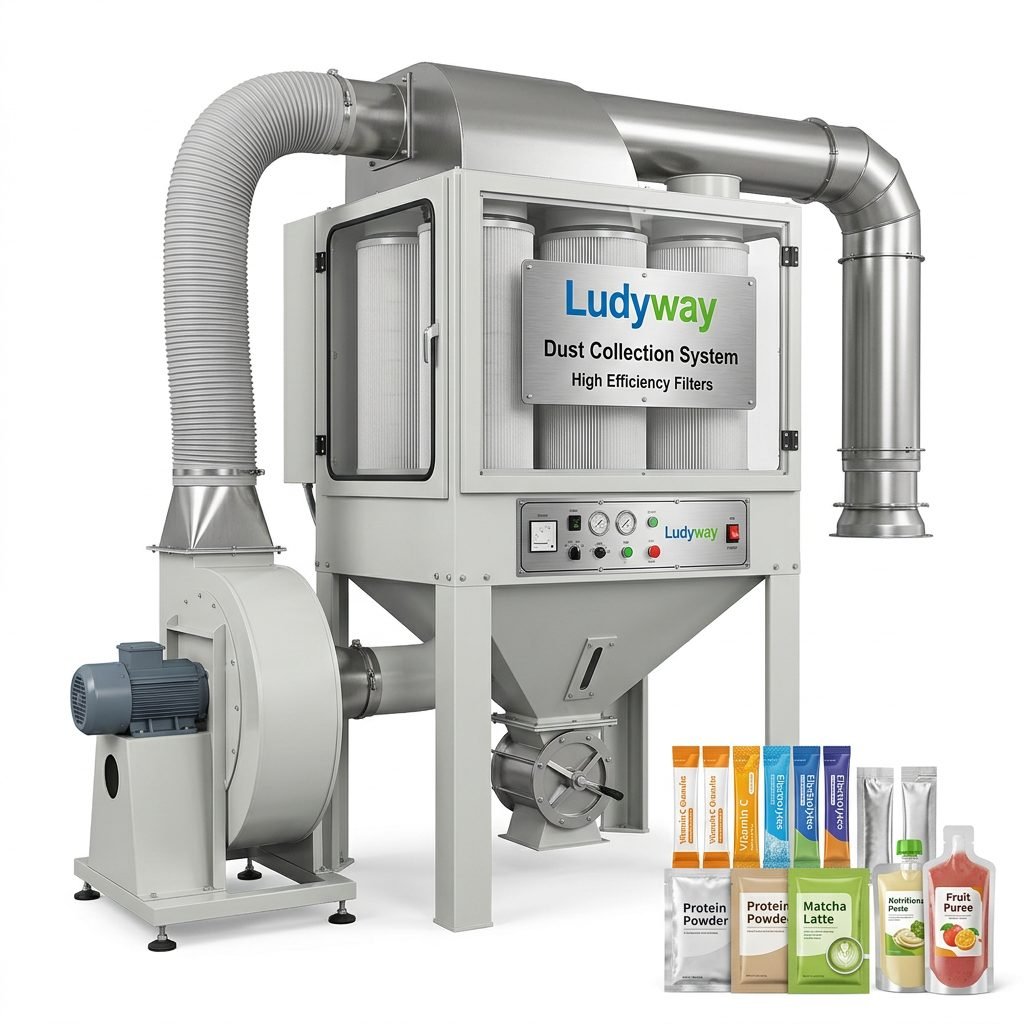
Evaluate your factory floor layout for optimal workflow. Vacuum packaging lines require stable compressed air, reliable power supply, and efficient waste extraction. Consider installing a high-efficiency dust collection system and adequate ventilation for heat-sealing stations.
| Utility | Requirement | Notes |
|---|---|---|
| Compressed Air | 6-8 Bar, Oil-Free | Critical for pneumatic actuators |
| Electrical Supply | 415V 3-Phase + Neutral | Match machine specifications |
| Extraction | Negative pressure ducts | Remove fumes from sealing area |
Choosing the Right Vacuum Packaging System
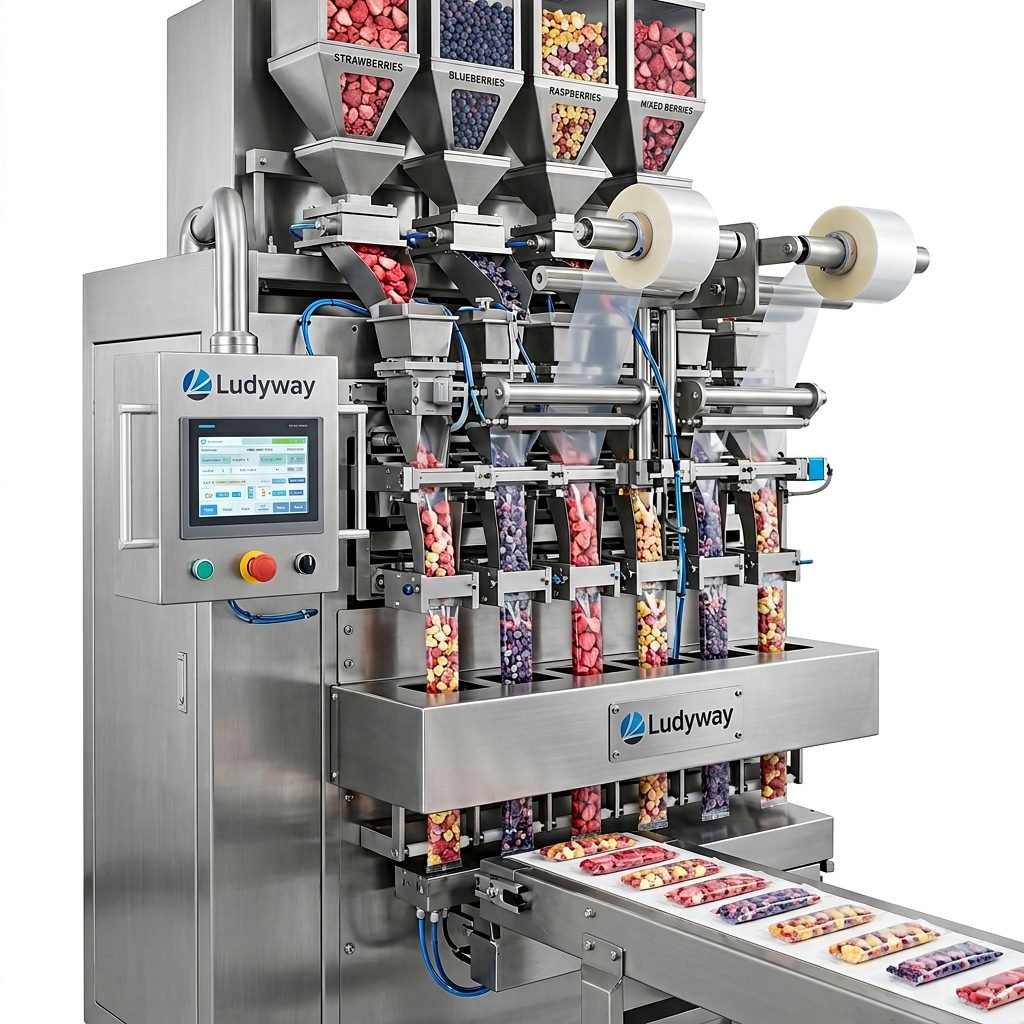
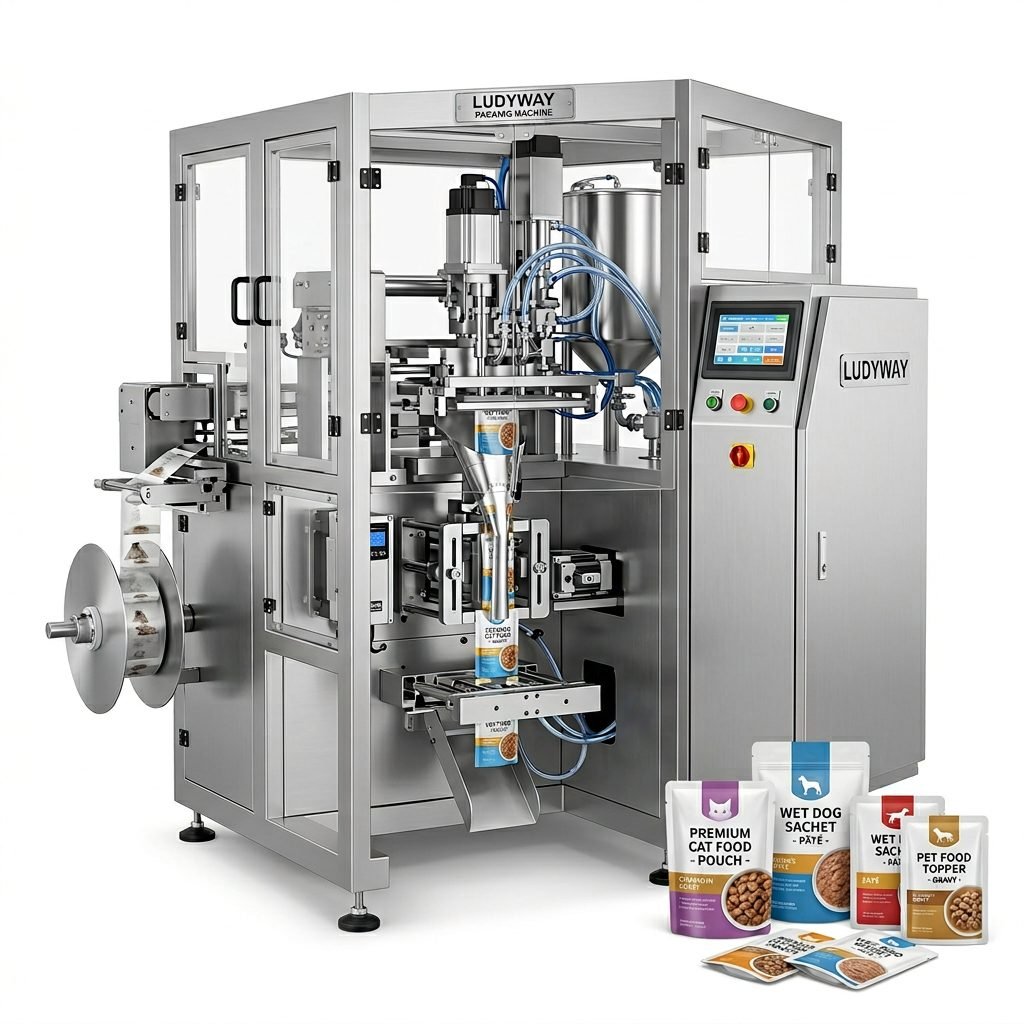
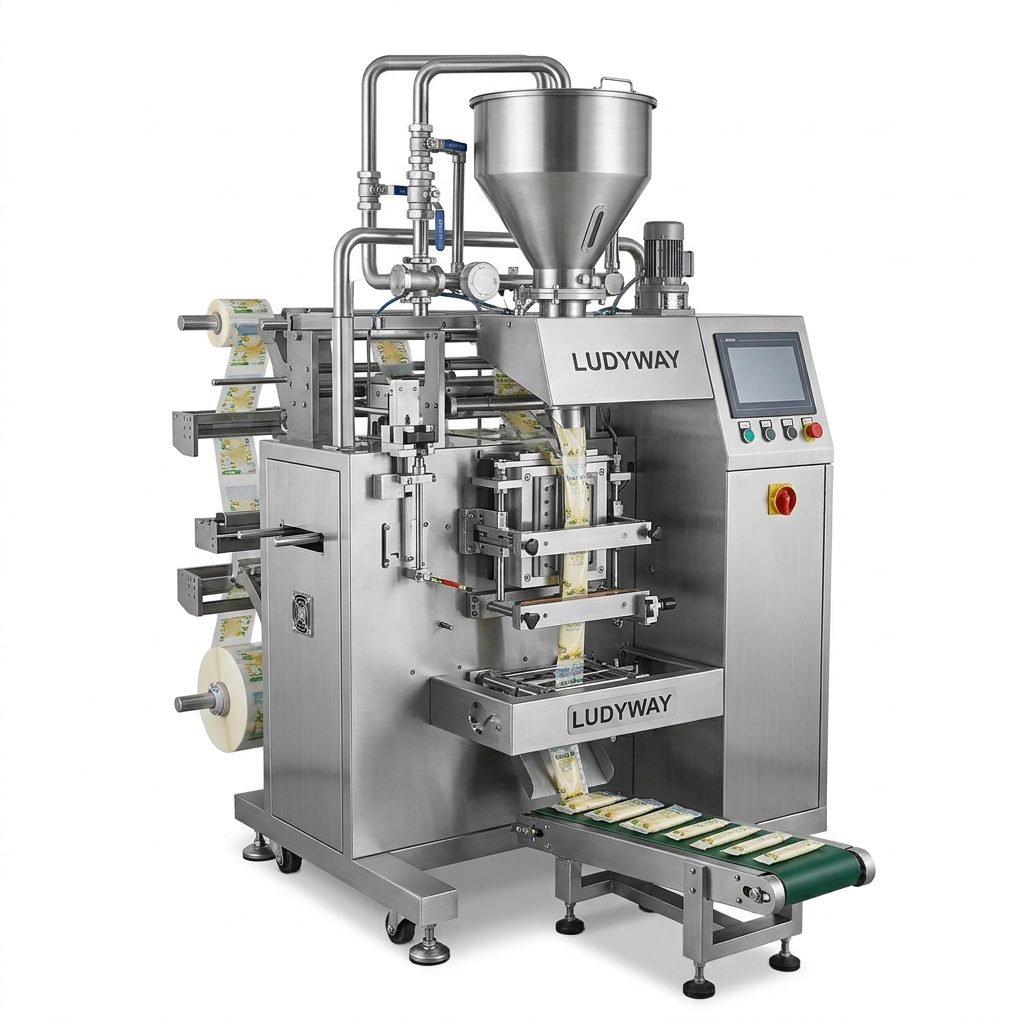
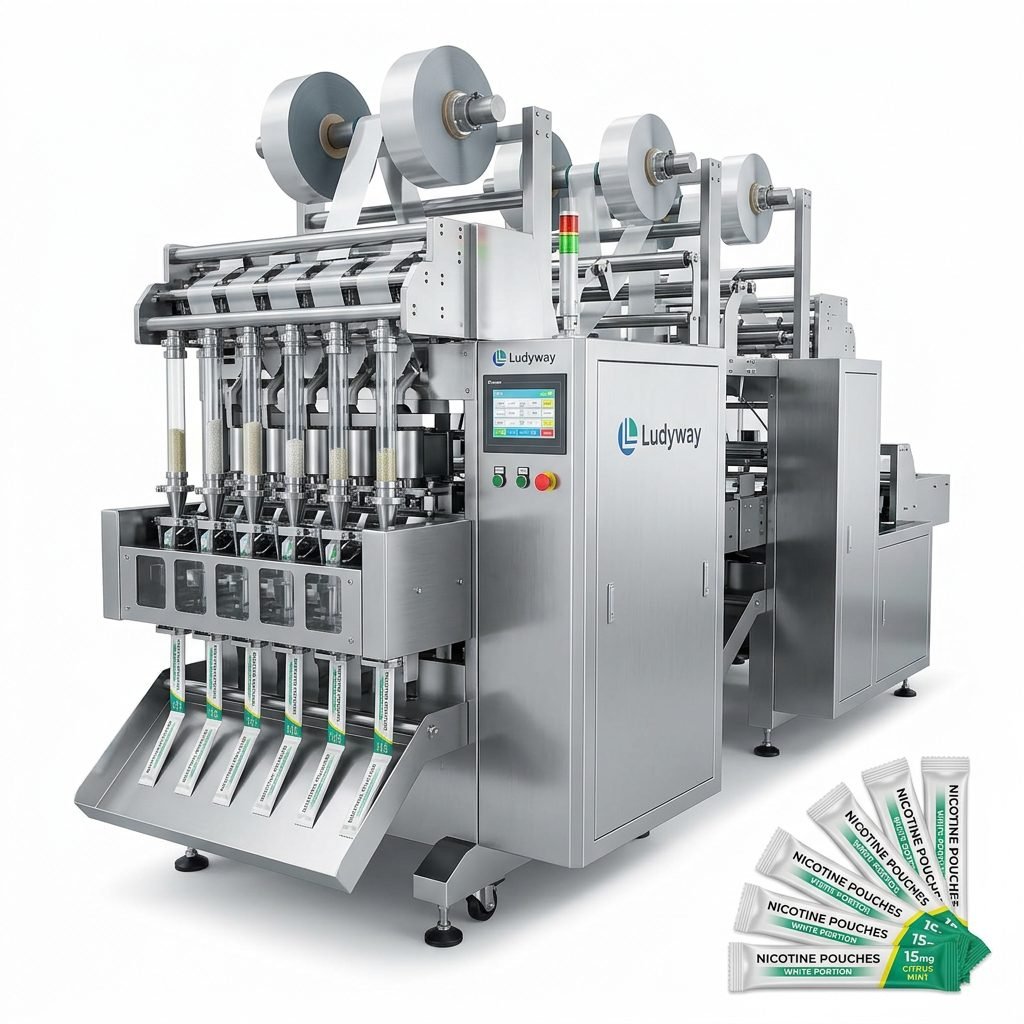
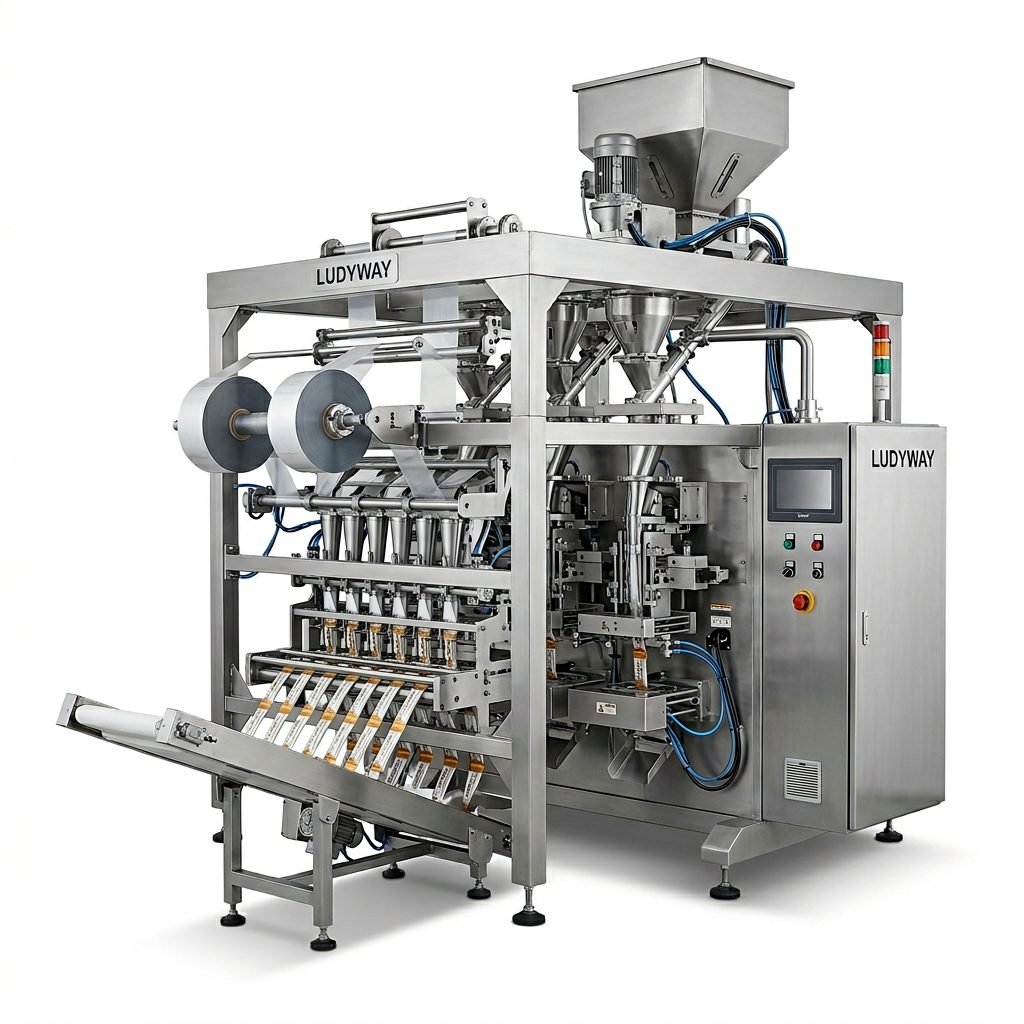
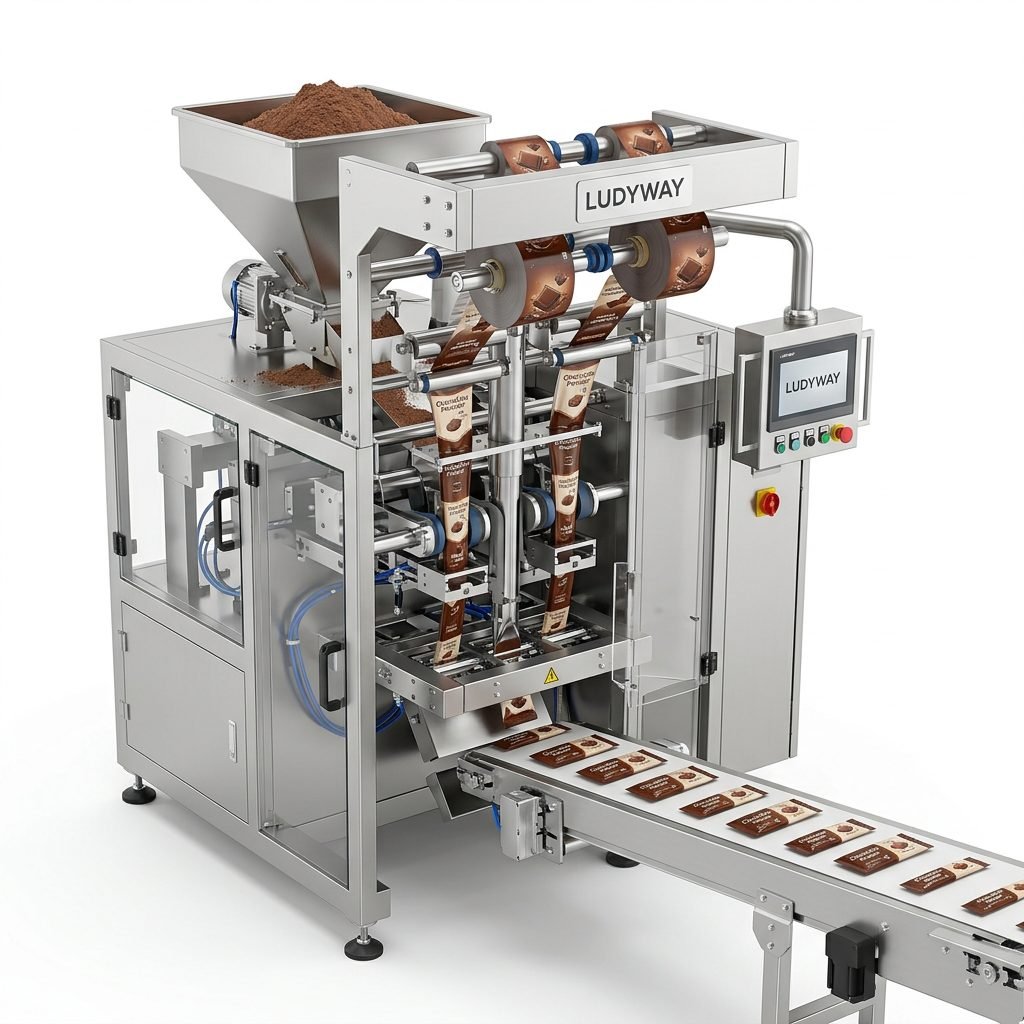
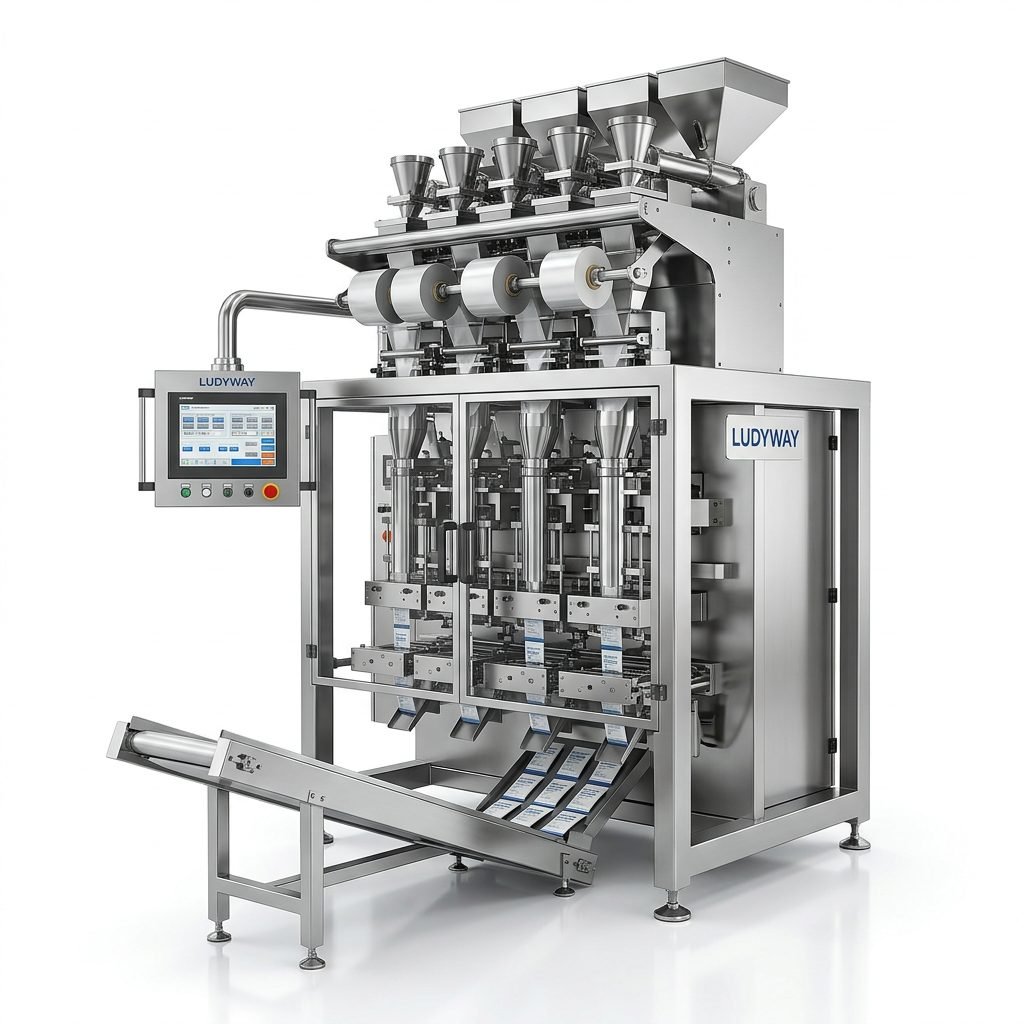
Select machinery based on product characteristics. Granules, powders, liquids, and solid items each require specific chamber profiles and sealing technologies. Multi-lane stick pack and sachet packaging systems offer high throughput for UK co-packers.
- Chamber machines – best for solid foods, cheese, and meat
- Nozzle vacuum sealers – ideal for granular and powder products
- Thermoforming lines – high-output for modified atmosphere packaging
Integration with Upstream and Downstream Equipment
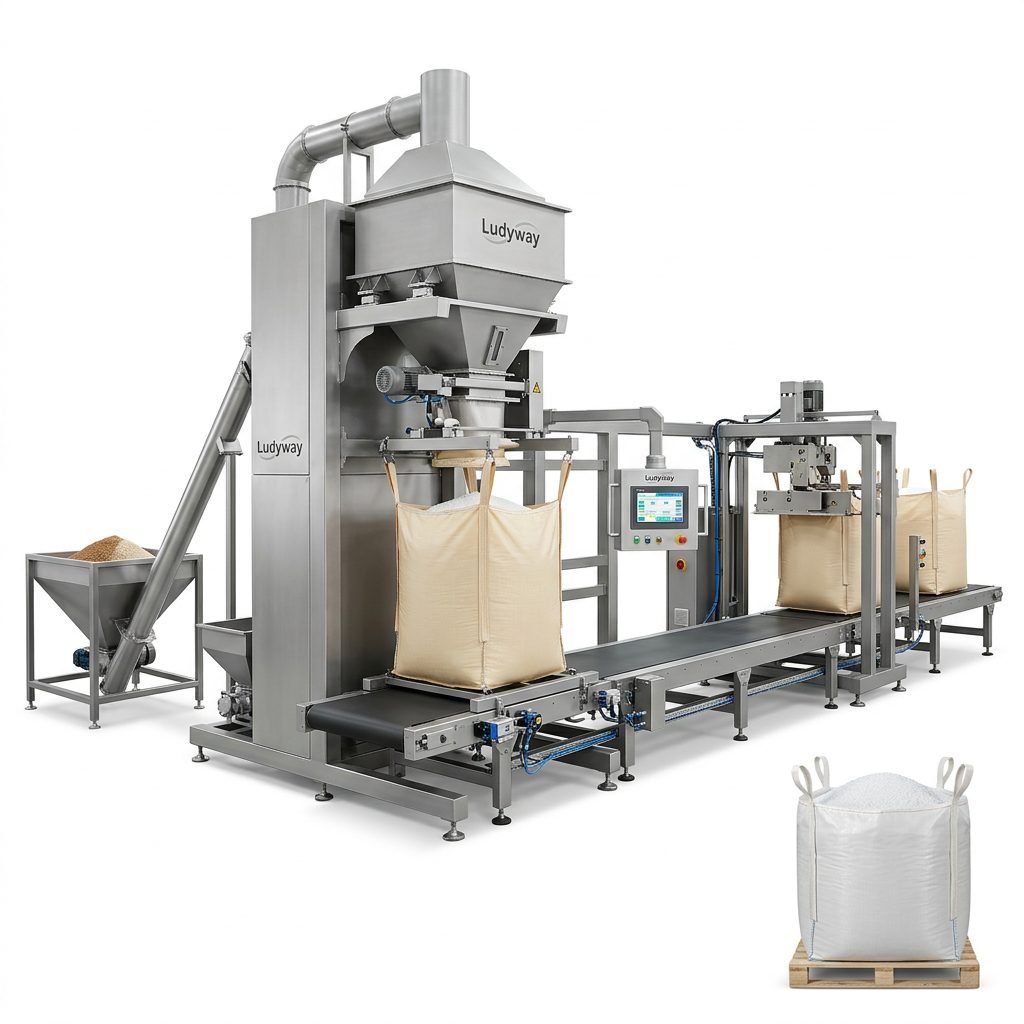
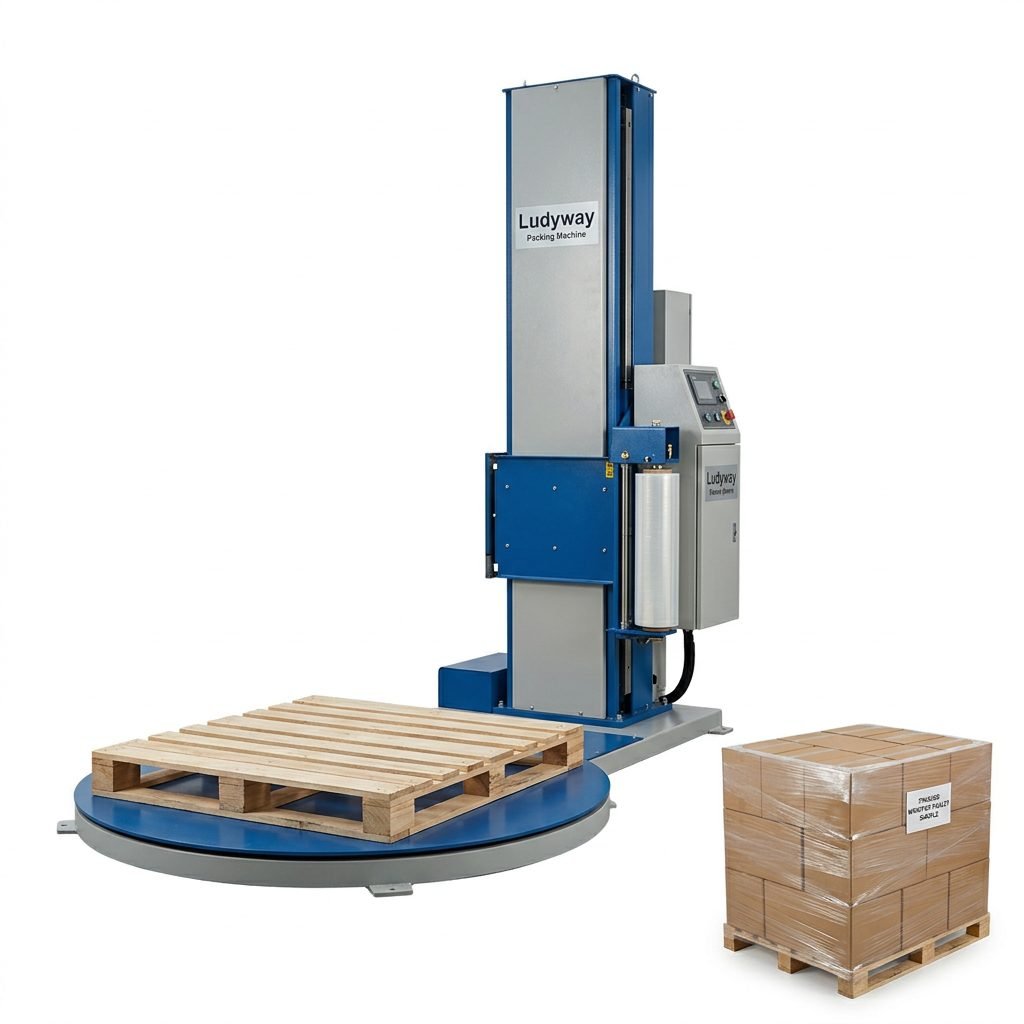
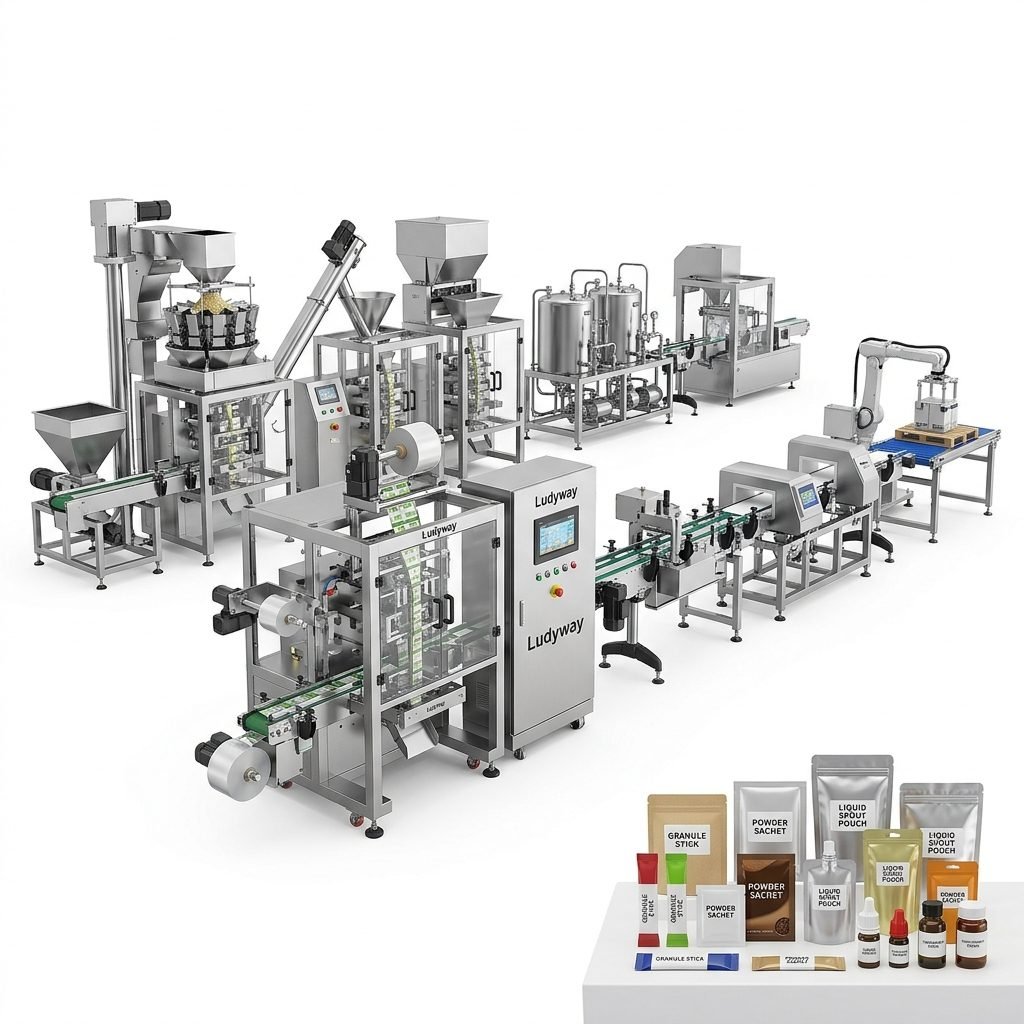
A complete line includes automatic feeding systems, checkweighers, metal detectors, and cartoning machines. For UK manufacturers, integrating an automatic labeling machine and date coding unit ensures compliance with UK labelling laws.
| Station | Equipment | Purpose |
|---|---|---|
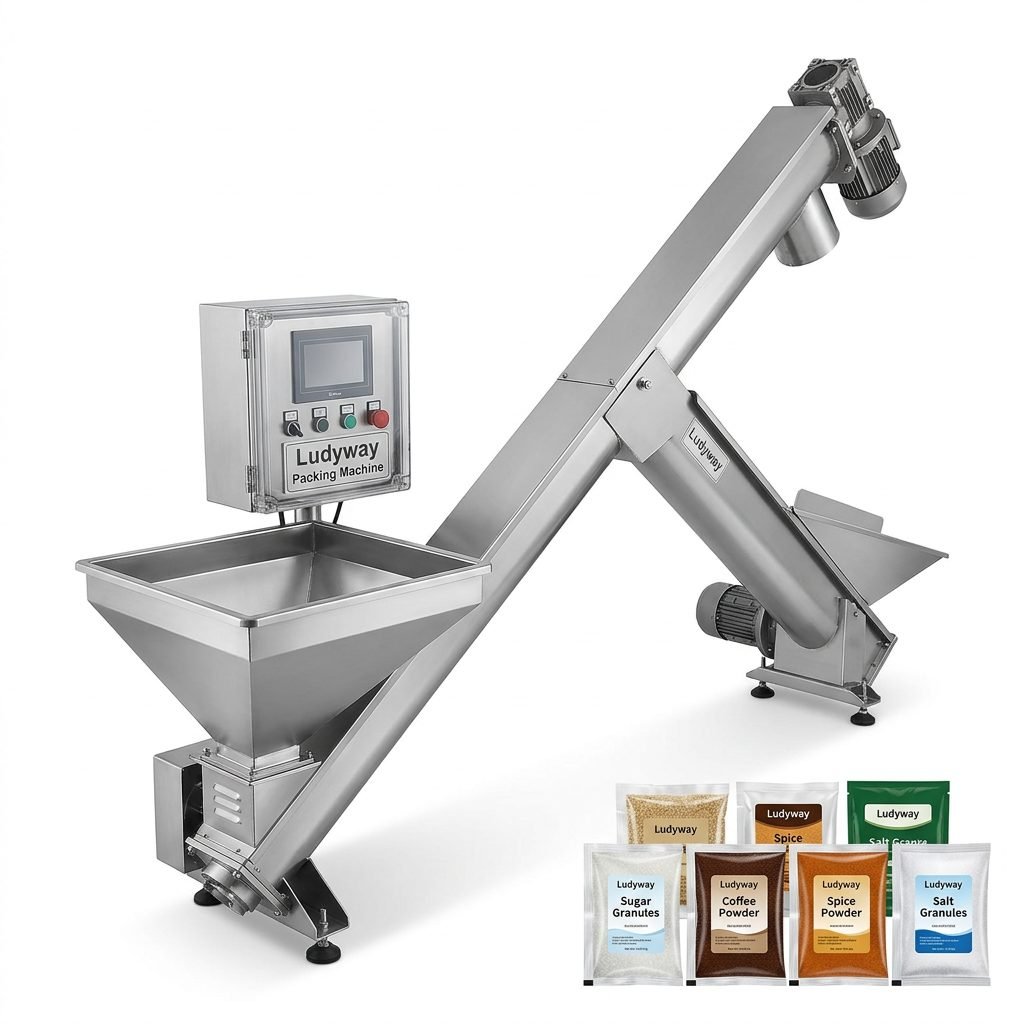
| 1 | Inclined Conveyor / Bucket Elevator | Gentle product handling |
| 2 | Multi-Head Weigher | Precision filling |
| 3 | Vacuum Chamber Sealer | Oxygen removal and seal |
Installation and Commissioning Phases
Hire certified engineers familiar with UK electrical regulations (BS 7671). The process typically spans four weeks: mechanical assembly, electrical integration, dry testing, and wet testing with your actual product. Ludyway offers turnkey project support, from factory layout design to final commissioning, helping businesses across over 100 countries establish reliable packaging operations.
Operator Training and Safety Protocols
Comprehensive training reduces downtime. Focus on lockout-tagout procedures, emergency stops, and daily cleaning routines. UK Health and Safety Executive (HSE) guidance for packaging machinery must be followed rigorously.
- Conduct PUWER risk assessments before handover
- Install light curtains and interlocked guards
- Document standard operating procedures (SOPs)
Validation and Performance Qualification
Run OQ and PQ protocols (Operational and Performance Qualification) to verify seal integrity, vacuum levels, and throughput rates. Use calibrated leak detection equipment to test package seals. For pharmaceutical applications, refer to ISO 11607-2 validation requirements.
Maintenance Schedule and Spare Parts
Establish a preventive maintenance calendar. Keep critical spares like heating elements, Teflon belts, and sealing bars in stock. UK-based service contracts with fast response times minimize production interruptions.
| Interval | Task | Responsible |
|---|---|---|
| Daily | Clean sealing bars, inspect vacuum pump oil | Operator |
| Monthly | Check pneumatic fittings, calibrate sensors | Technician |
| Annually | Replace oil, full servo drive inspection | Engineer |
Maximising ROI with Smart Technology
Industry 4.0 features like remote diagnostics and OEE monitoring are increasingly important for UK manufacturers seeking competitive advantage. Look for machines compatible with PMMI industry standards and IoTP communication protocols. Real-time data collection allows you to track machine availability, performance, and quality metrics from a central dashboard.

Securing a reliable supply chain for consumables and ongoing technical support is as important as the initial machinery purchase. Partnering with experienced manufacturers who understand both regulatory landscapes and practical production challenges will accelerate your UK market entry and ensure long-term operational stability.