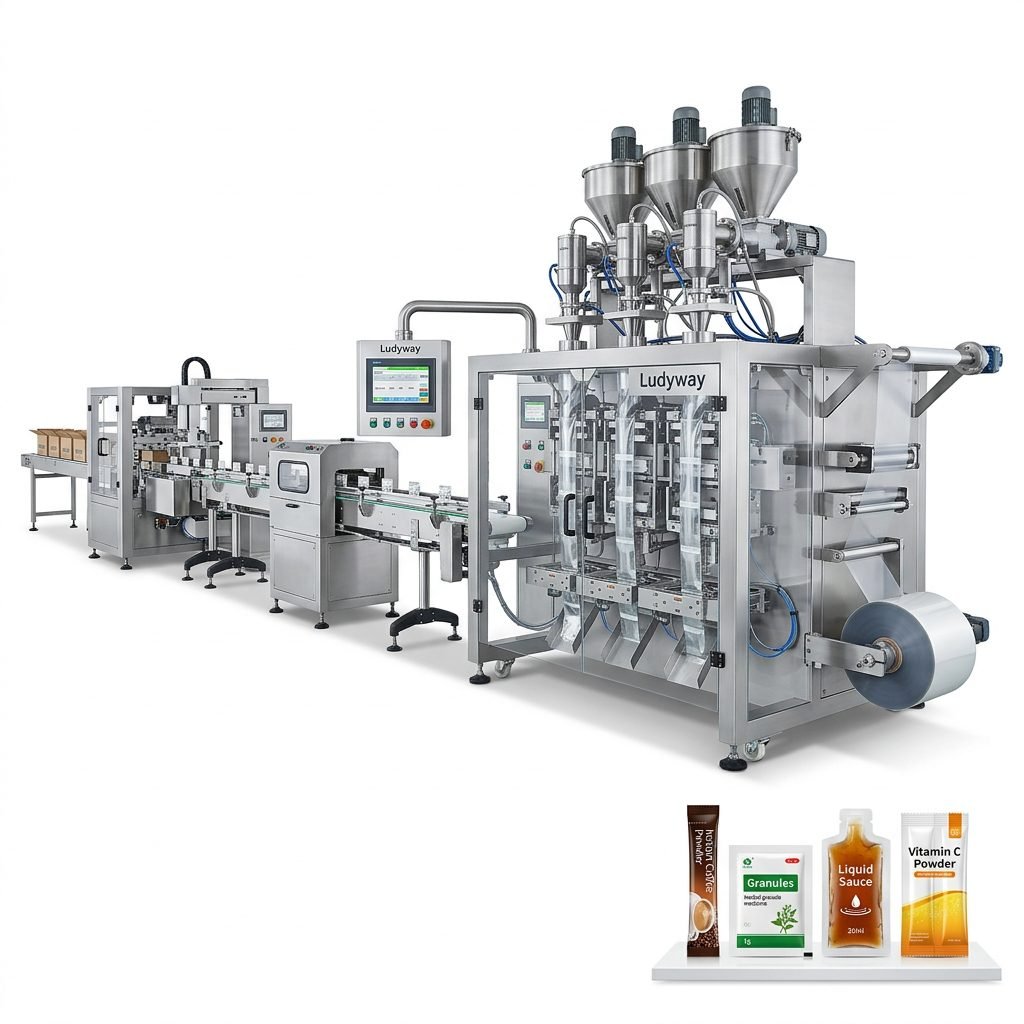
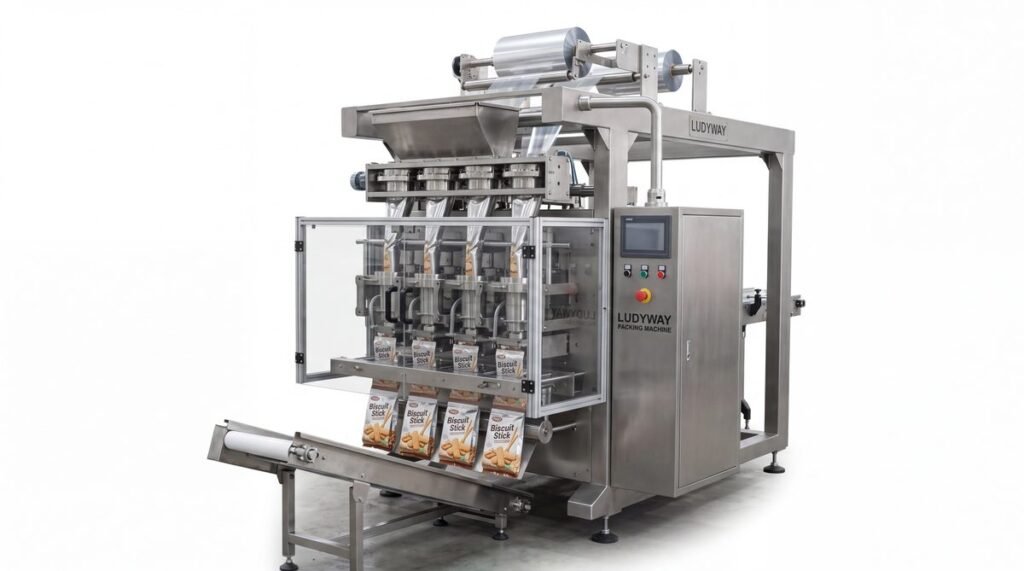
The packaging machinery market in Southeast Asia is experiencing unprecedented growth. With rising consumer demand across food, pharmaceutical, and personal care sectors, manufacturers are under pressure to upgrade production lines. Selecting the right packaging machine is not just about speed—it is about reliability, adaptability, and long-term return on investment. This comprehensive buying guide walks you through the essential factors to consider when investing in packaging equipment for Southeast Asian operations.
Understanding the Southeast Asian Packaging Landscape
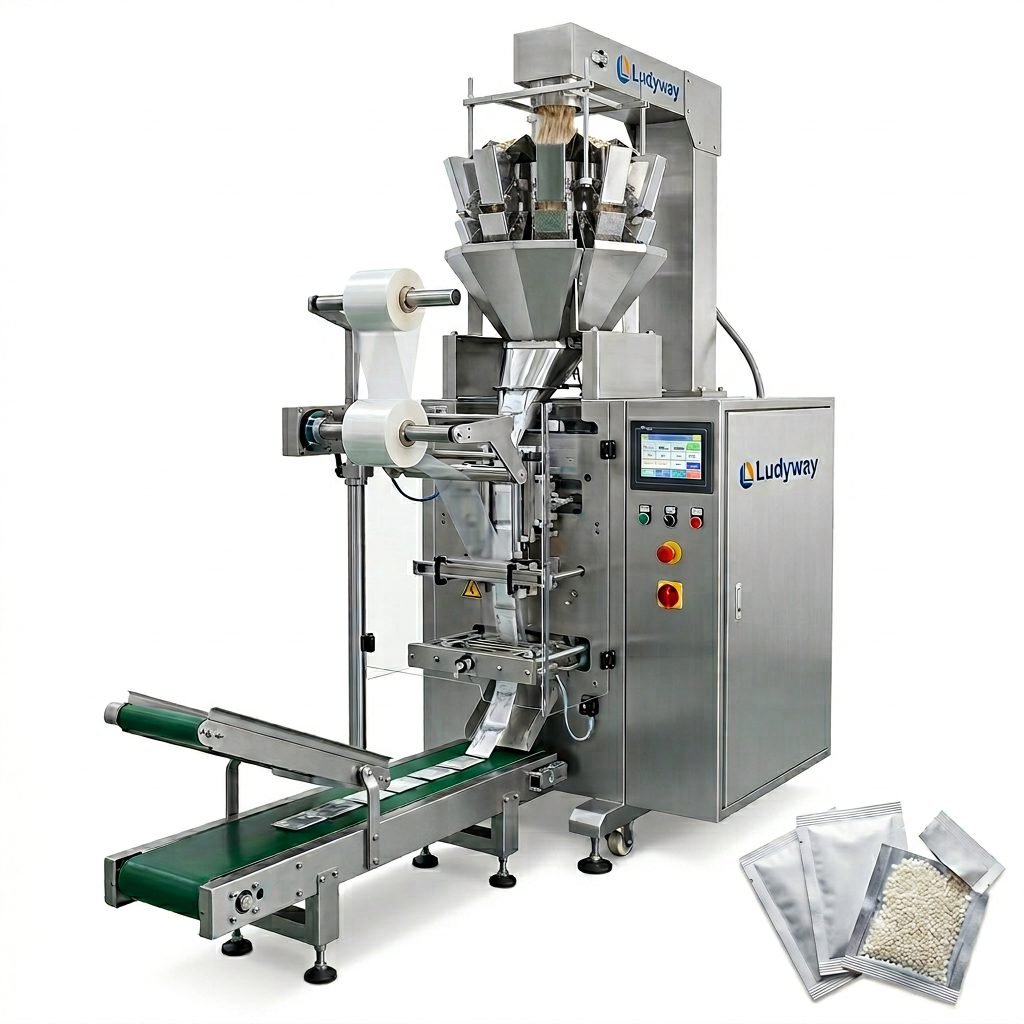
Southeast Asia’s packaging industry is shaped by diverse regulatory environments, humid tropical climates, and rapidly evolving consumer preferences. Countries like Indonesia, Vietnam, Thailand, and the Philippines each present unique challenges and opportunities. The region’s halal certification requirements, growing e-commerce penetration, and increasing demand for single-serve formats make equipment selection particularly nuanced.
Before purchasing any packaging machinery, it is critical to evaluate not only the technical specifications but also the machine’s ability to handle local packaging materials, humidity resistance, and after-sales support availability in the region. A machine that performs well in temperate climates may struggle in the consistently warm and moist conditions typical of Southeast Asian production floors.
Key Market Drivers in ASEAN Countries
- Urbanization and rising middle class fueling demand for packaged consumer goods
- Sachet economy dominating markets like Indonesia and the Philippines
- Increasing regulatory focus on food safety and pharmaceutical packaging standards
- Growing preference for single-serve stick packs and portion-controlled packaging
- Expansion of modern retail and convenience store chains across the region
Critical Factors for Selecting Packaging Equipment
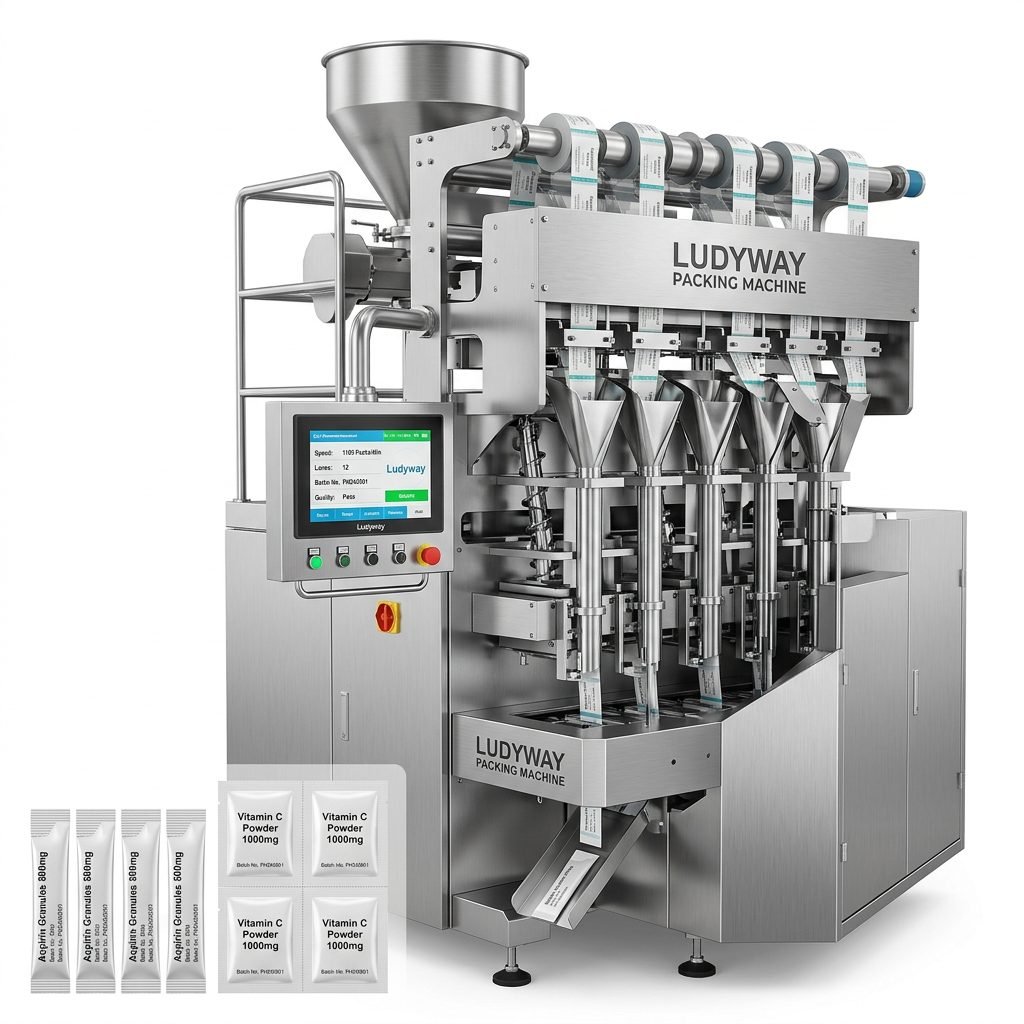
Choosing the right packaging machine requires a systematic evaluation of multiple parameters. The decision should align with both current production needs and future scalability requirements. Below are the essential criteria every buyer in Southeast Asia should assess before making a capital investment.
1. Product Characteristics and Compatibility
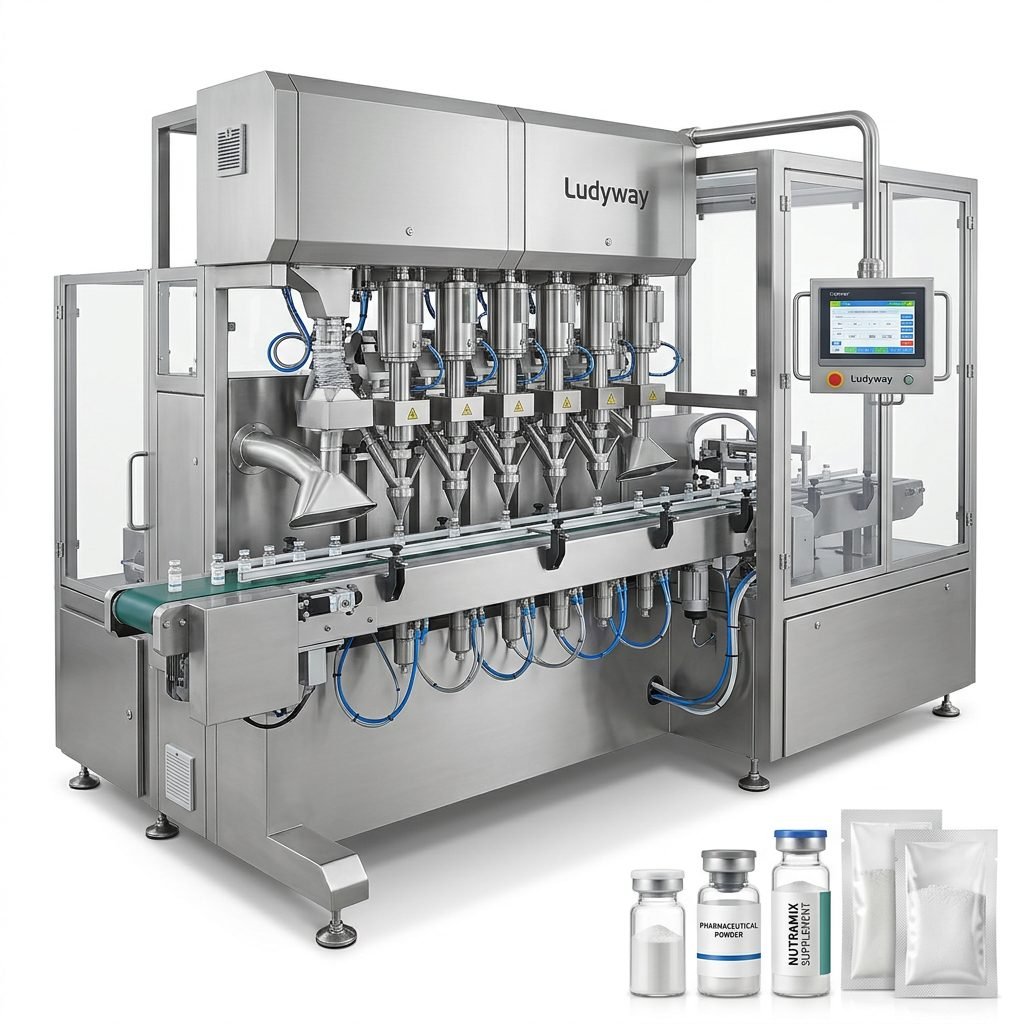
The physical properties of your product—whether granules, powders, liquids, or pastes—directly determine the suitable machine type. Flowability, density, particle size, and moisture sensitivity all influence filling accuracy and packaging speed. For instance, hygroscopic powders common in the region require equipment with proper sealing capabilities to prevent moisture absorption during the packaging process.
2. Packaging Format and Consumer Preferences
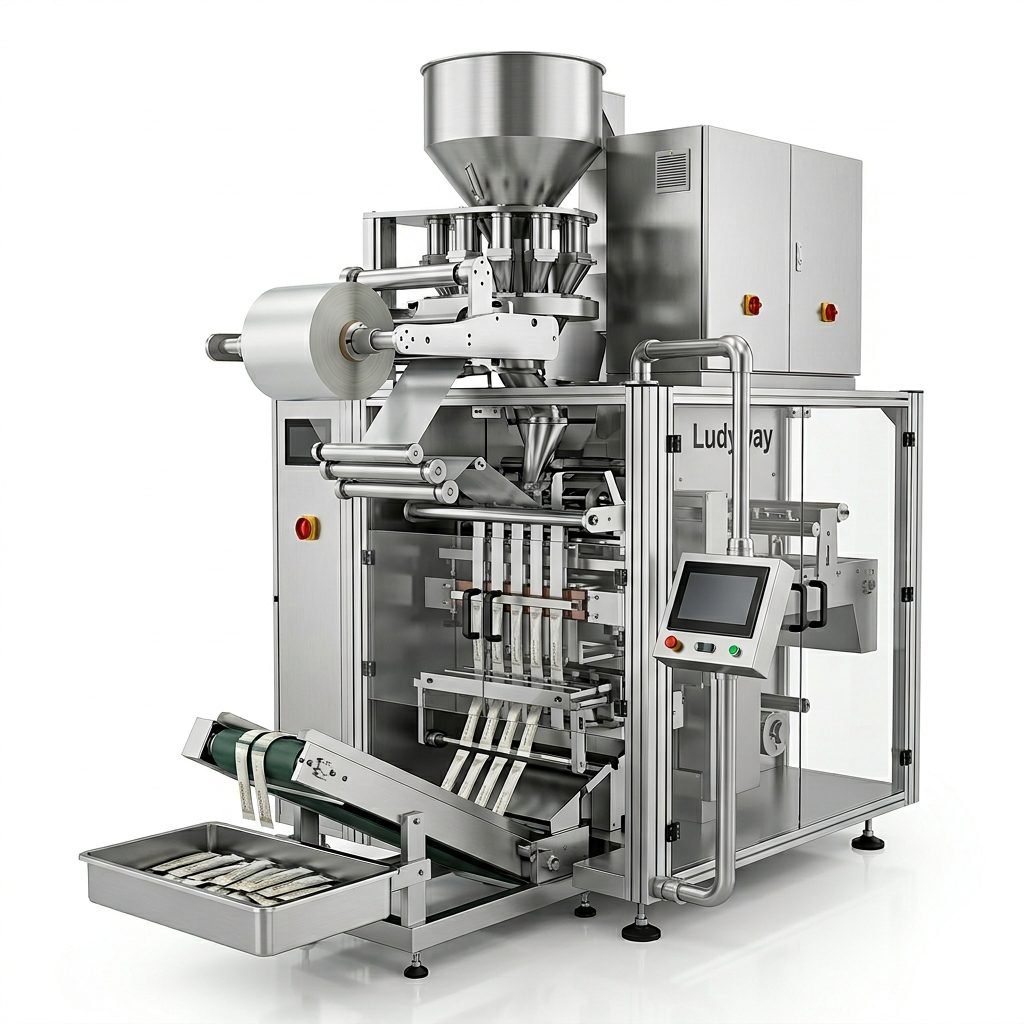
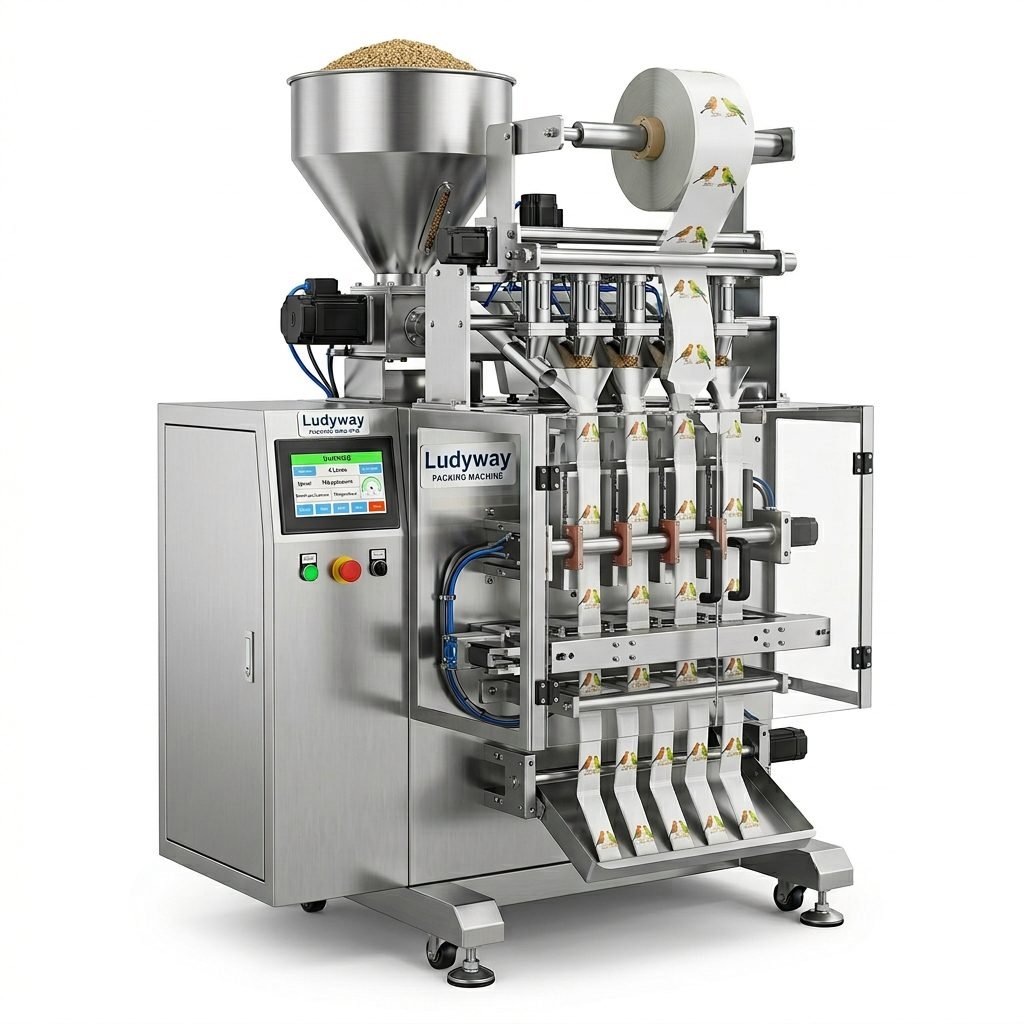
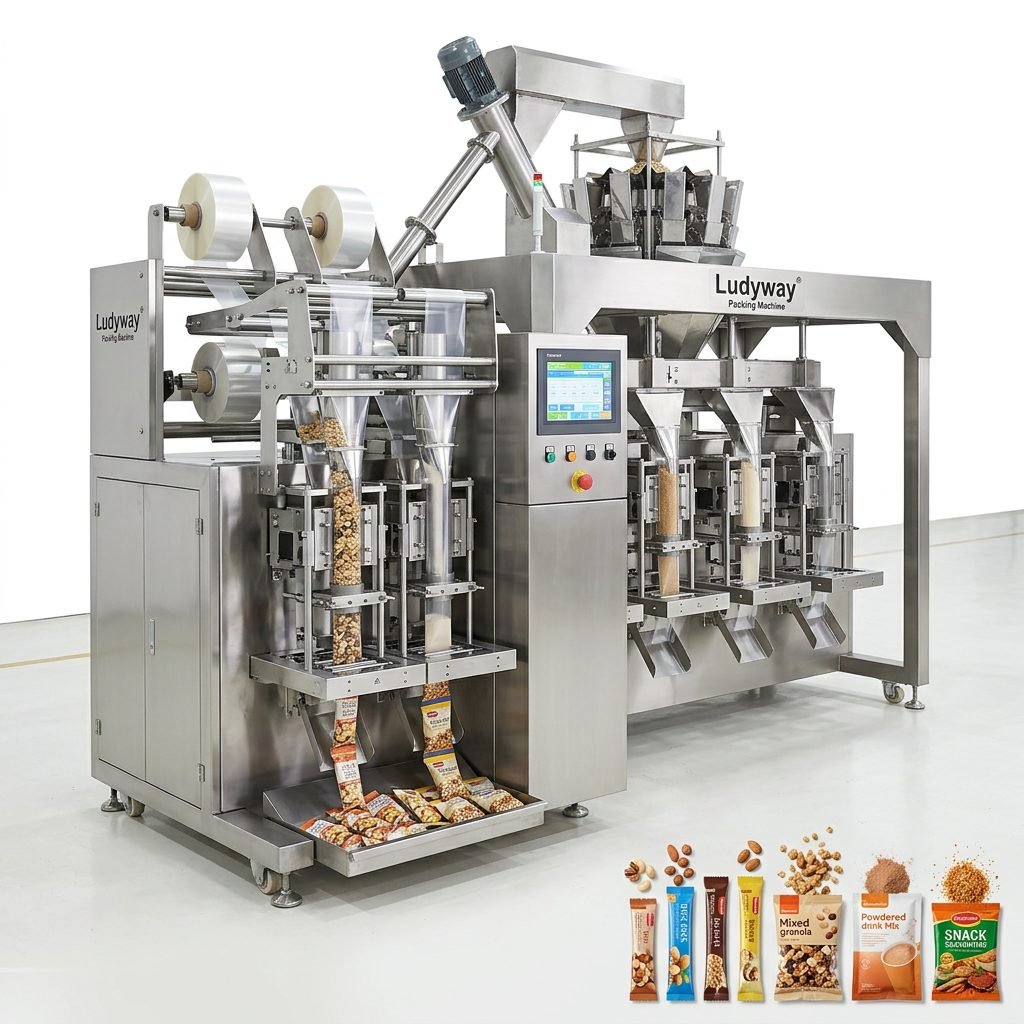
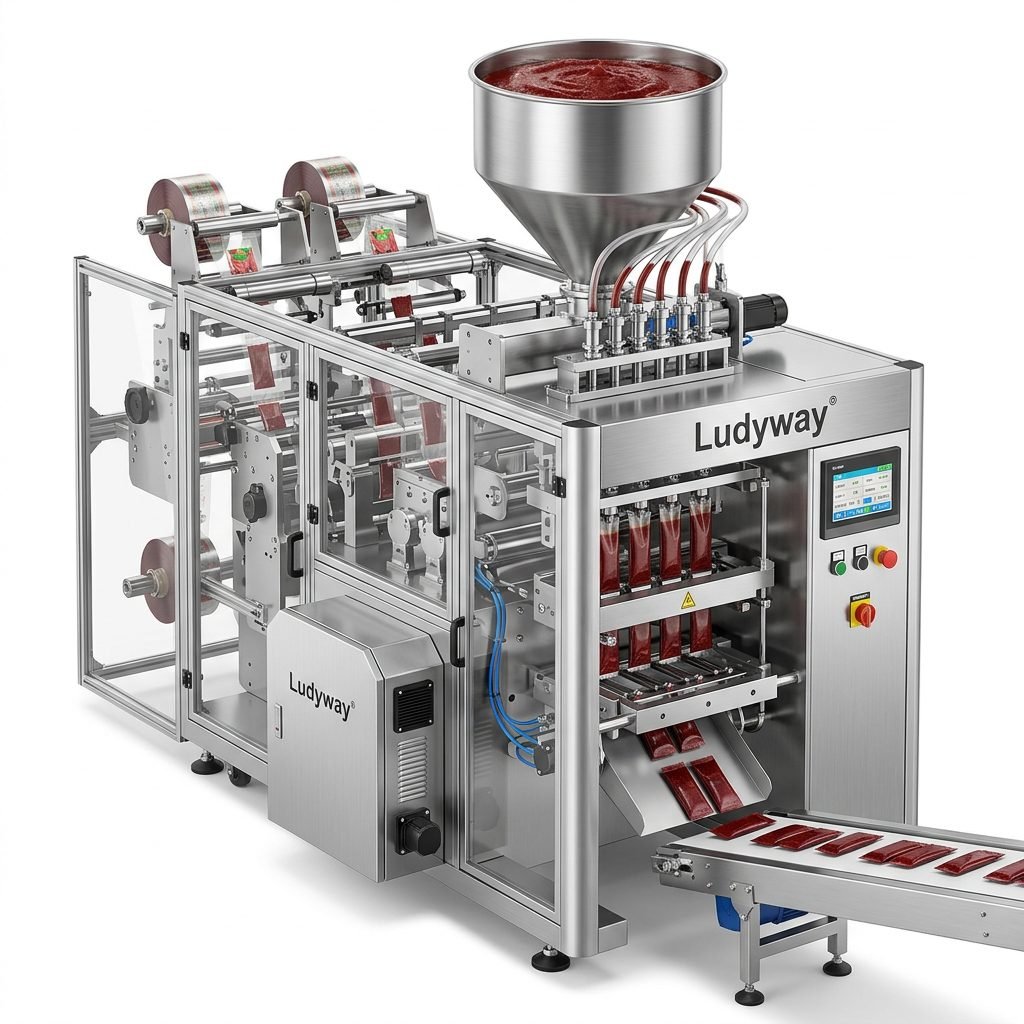
Southeast Asian consumers show a marked preference for sachets, stick packs, and small pouches. This is driven by affordability and portion control needs. Your equipment must be capable of producing these formats efficiently. Multi-lane packaging machines are particularly valuable in this context, as they deliver high output while maintaining format flexibility.
3. Production Capacity and Speed Requirements
Capacity planning should account for current demand plus projected growth over at least three to five years. Over-specifying can lead to unnecessary capital expenditure, while under-specifying creates production bottlenecks. Evaluate machines based on actual output rates with your specific product and packaging material, not just manufacturer-rated maximum speeds.
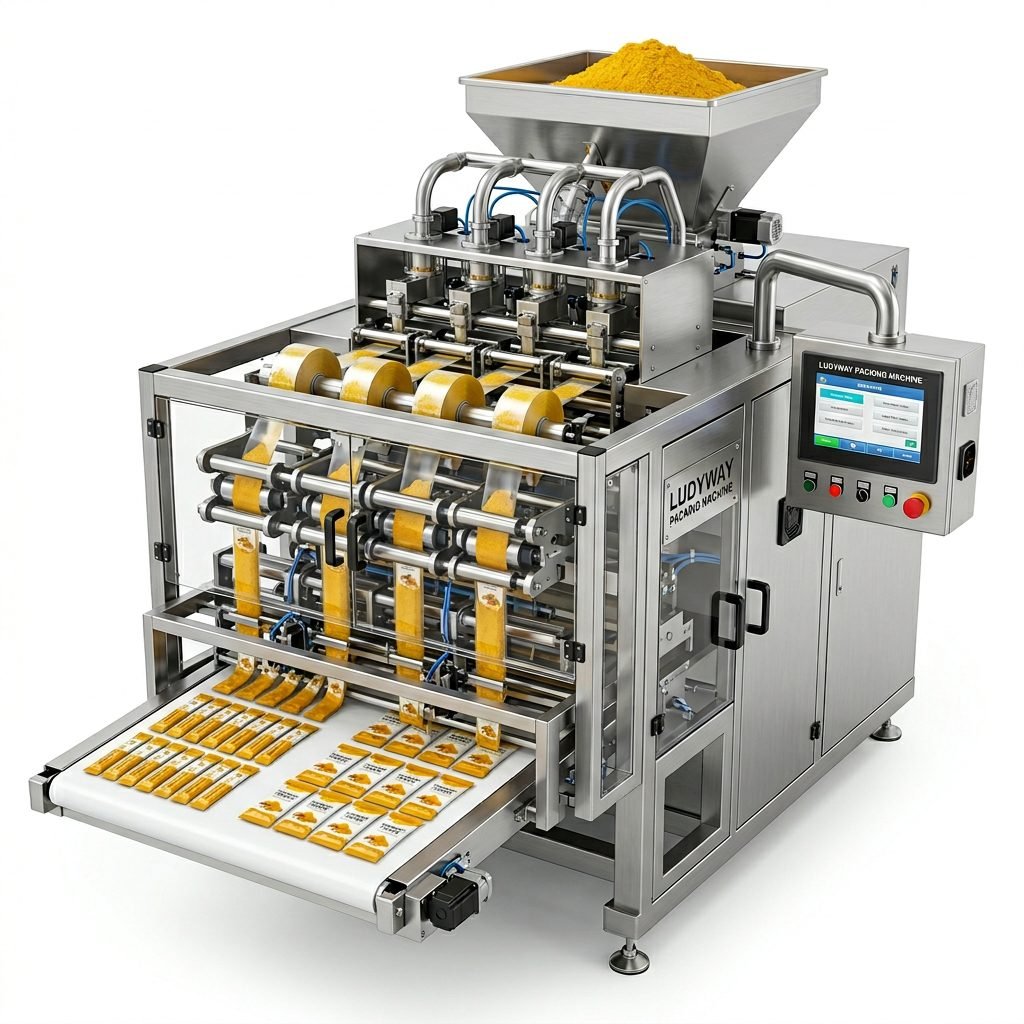
Packaging Machine Type Comparison for Southeast Asian Applications
The following table provides a comparative overview of common packaging machine types suitable for the Southeast Asian market, highlighting their primary applications and key advantages.
| Machine Type | Best Suited Product | Key Advantage | Typical Speed Range |
|---|---|---|---|
| Multi-Lane Stick Pack | Powders, granules, instant beverages | High output per square meter | 200-800 packs/min |
| Sachet Packaging Machine | Liquids, creams, shampoos, sauces | Versatile for small portion packs | 60-400 packs/min |
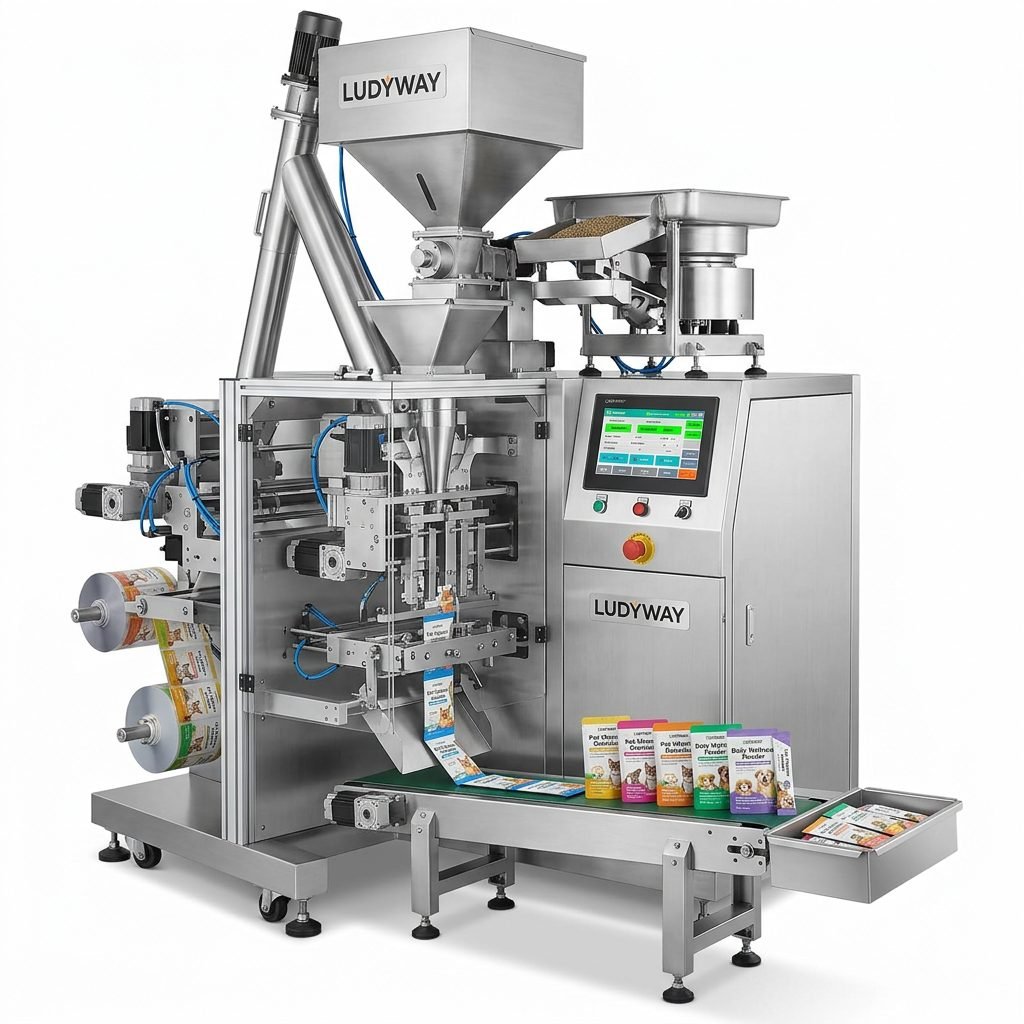
| Preformed Pouch Filler | Granules, snacks, pet food, frozen items | Excellent for premium presentation | 30-120 packs/min |
| Vertical Form Fill Seal (VFFS) | Bulk granules, rice, sugar, fertilizers | Cost-effective for larger bags | 30-80 packs/min |
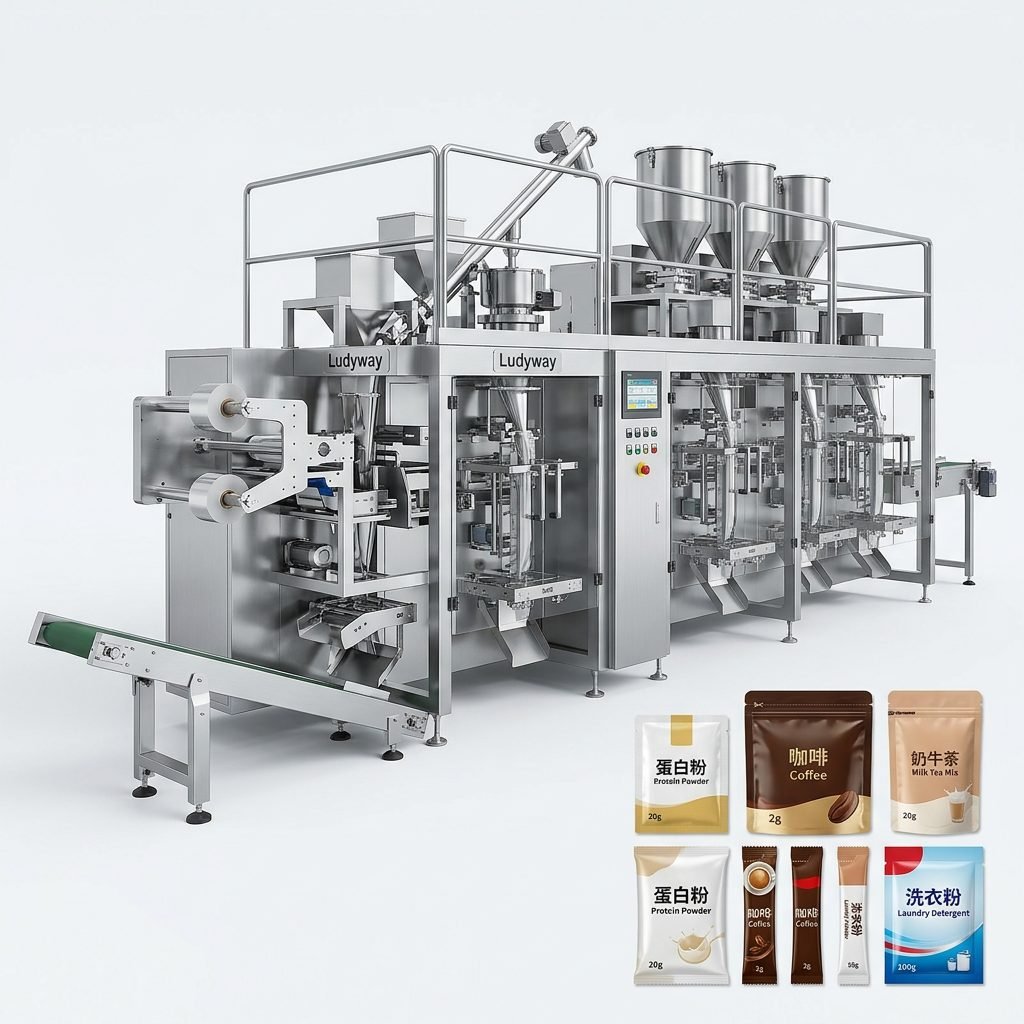
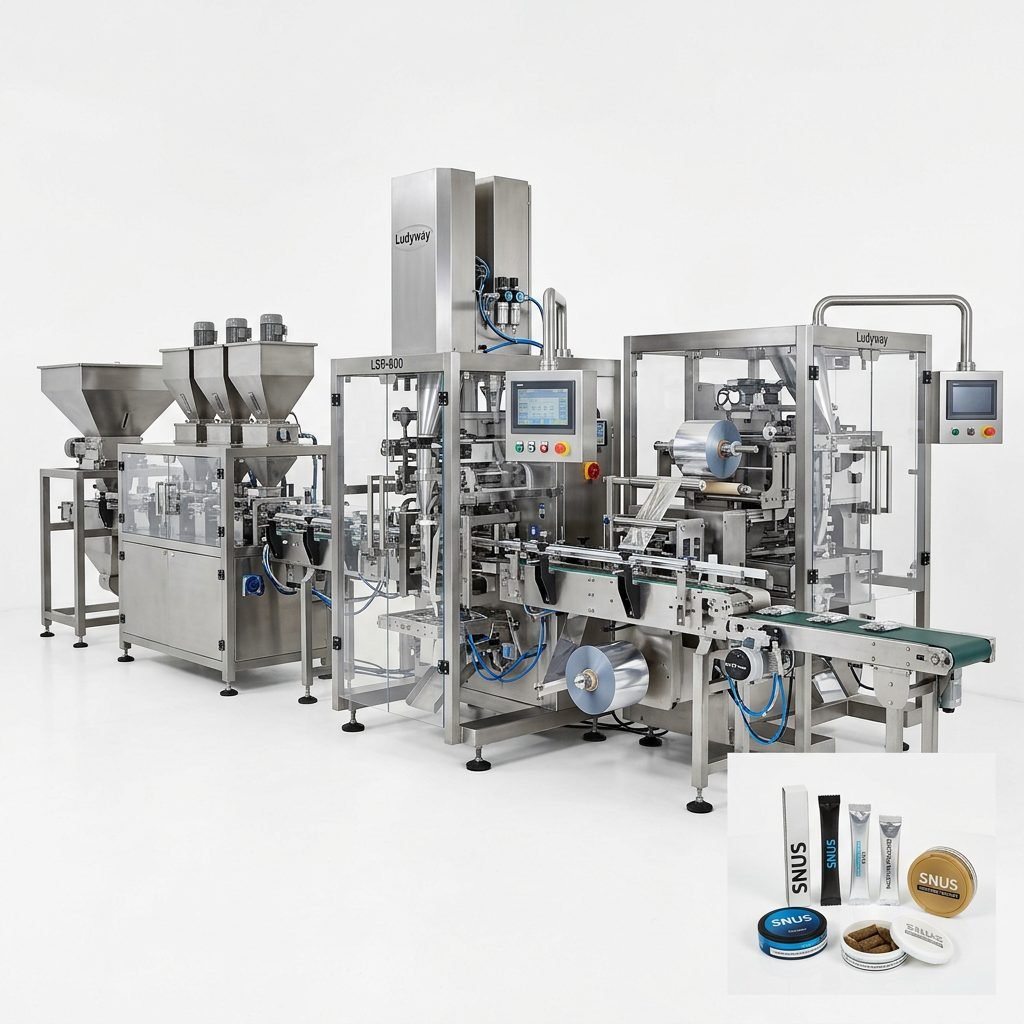
| Turnkey Packaging Line | Complete production from filling to cartoning | Integrated automation, reduced labor | Customized to requirements |
Evaluating Build Quality and Compliance Standards
For Southeast Asian buyers, build quality directly impacts long-term operational costs. Machines constructed with stainless steel frames, food-grade contact parts, and corrosion-resistant components are essential for withstanding humid production environments. Additionally, compliance with international standards such as ISO packaging standards and FDA food contact regulations is increasingly important as Southeast Asian exporters target global markets.
Essential Certifications to Look For
- CE certification for European market access and general quality assurance
- GMP compliance for pharmaceutical and nutraceutical packaging applications
- ISO 9001 quality management system certification of the manufacturer
- Halal-compatible design for food products destined for Muslim-majority markets
- Electrical safety certifications applicable to the destination country’s grid standards
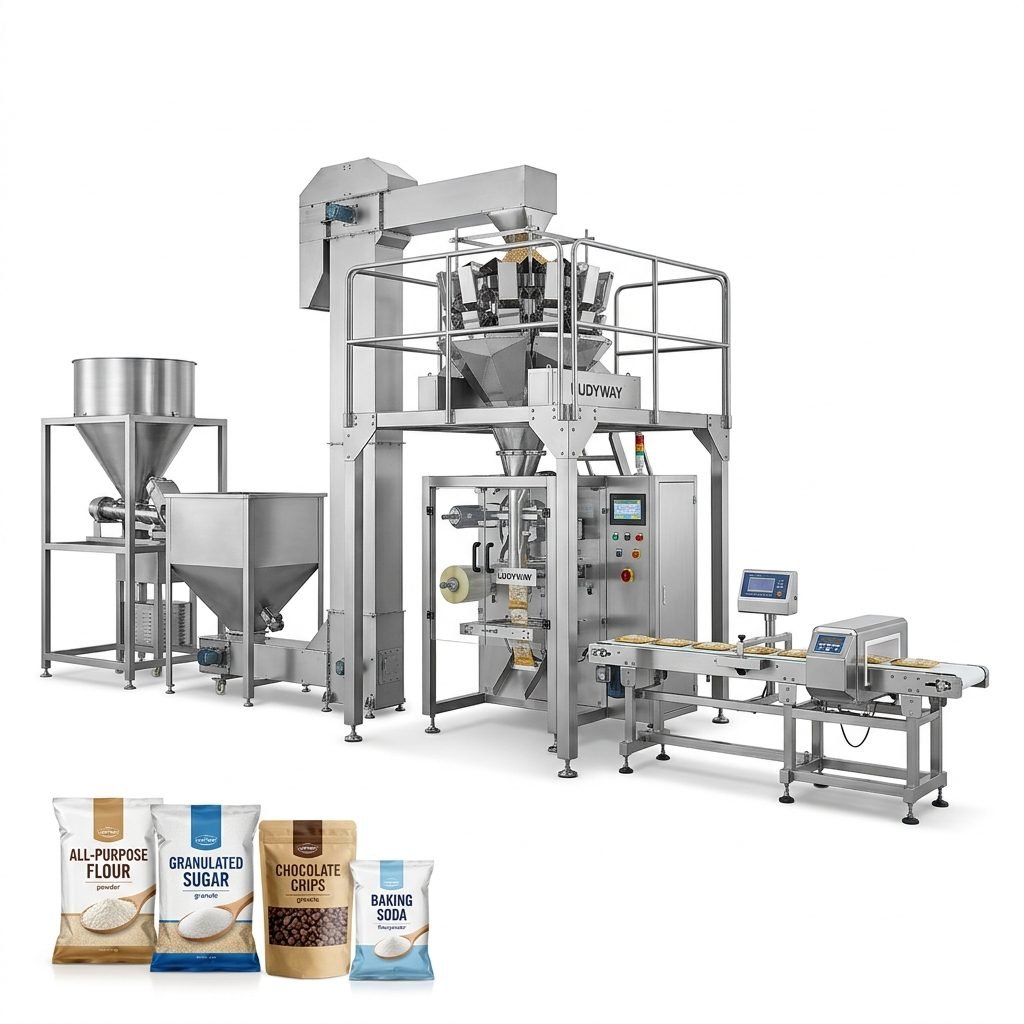
After-Sales Support and Local Service Infrastructure
One of the most overlooked yet critical factors in packaging machine procurement is after-sales service. Southeast Asia spans multiple countries with varying levels of technical infrastructure. Before committing to a supplier, verify the availability of local service engineers, spare parts inventory, and remote diagnostic capabilities. Downtime in a high-volume production environment can cost thousands of dollars per hour.
Key Support Questions to Ask Suppliers
- Do you have local distributors or service centers in my country?
- What is the typical response time for on-site service?
- Are common spare parts readily available from regional stock?
- Does the machine support remote troubleshooting and diagnostics?
- What training programs do you offer for operators and maintenance staff?
Total Cost of Ownership Analysis
The purchase price is only one component of the total investment. A thorough total cost of ownership (TCO) analysis should include energy consumption, consumable parts replacement rates, expected maintenance intervals, and operator training costs. Higher-quality machines often demonstrate significantly lower TCO over a five to ten-year operational lifespan, making them more economical despite a higher initial price tag.
| Cost Component | Estimated Share of TCO | Optimization Opportunity |
|---|---|---|
| Initial Equipment Purchase | 35-45% | Compare quotes; consider long-term value |
| Energy and Utilities | 10-15% | Select energy-efficient servo-driven models |
| Spare Parts and Consumables | 15-20% | Choose machines with standardized components |
| Maintenance and Labor | 15-20% | Invest in operator training programs |
| Downtime and Lost Production | 5-15% | Prioritize reliable suppliers with fast support |
Material Compatibility and Packaging Sustainability
Southeast Asian markets are increasingly adopting sustainable packaging materials, driven by both regulation and consumer awareness. Your chosen equipment must be compatible with a range of film types, including recyclable mono-materials, biodegradable films, and thinner gauge laminates that reduce plastic consumption. Machines with precise temperature control and tension management handle these newer materials more effectively.
According to industry resources from the Flexible Packaging Association, the shift toward sustainable flexible packaging is accelerating across global markets, and Southeast Asia is no exception. Equipment that cannot adapt to these material trends may face premature obsolescence.
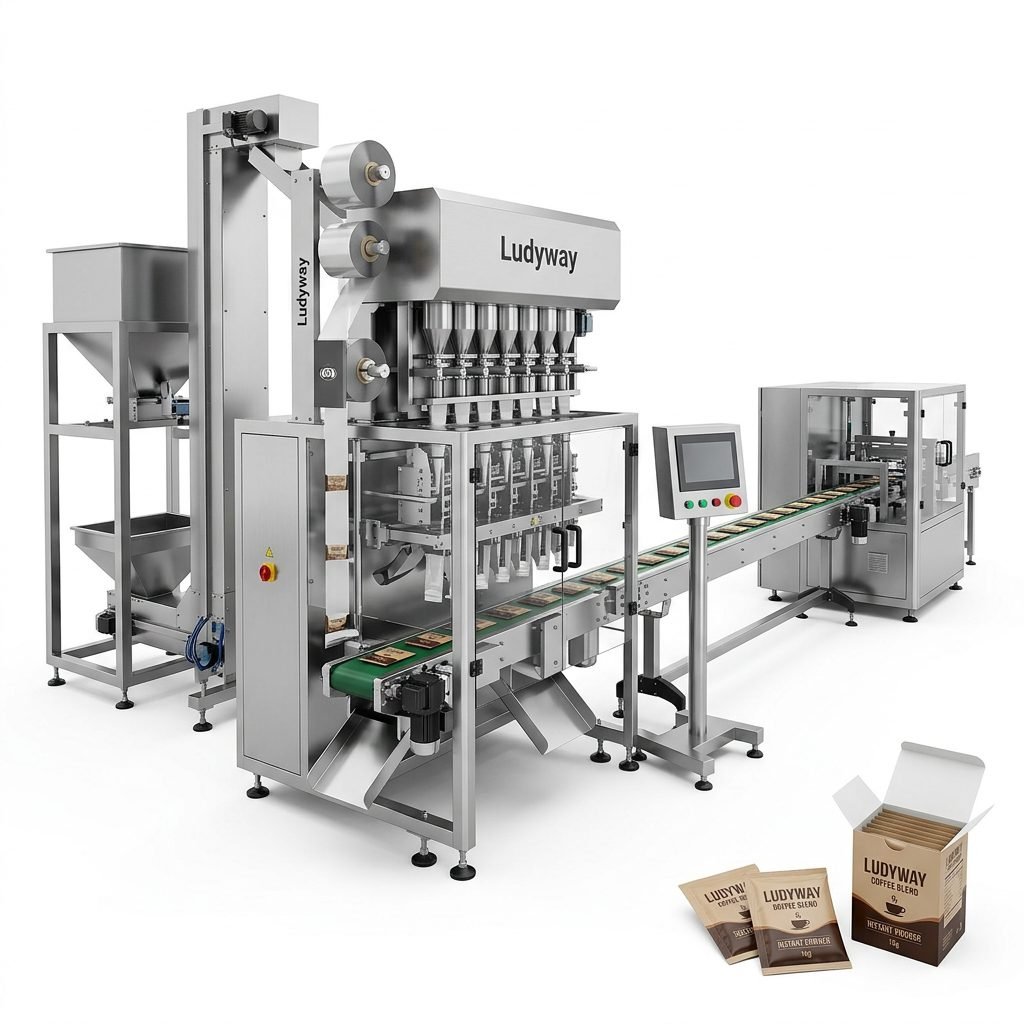
Common Mistakes to Avoid When Buying Packaging Machinery
Many first-time buyers in Southeast Asia make preventable errors that lead to costly rectifications. Understanding these pitfalls can save significant time and money during the procurement process.
Pitfall 1: Prioritizing Price Over Value
The lowest-priced machine often carries hidden costs in the form of higher downtime, more frequent part replacements, and inferior packaging quality. Evaluate bids on a value basis, considering the total cost of ownership over the machine’s expected service life.
Pitfall 2: Inadequate Product Testing
Never purchase equipment without first conducting thorough product trials using your actual materials. Machine performance can vary significantly based on product characteristics. Reputable manufacturers offer sample testing services—take advantage of these before finalizing your order.
Pitfall 3: Ignoring Local Power and Infrastructure Conditions
Southeast Asian manufacturing facilities may experience voltage fluctuations, inconsistent compressed air supply, or limited floor space. Confirm that the equipment is designed or can be adapted to operate reliably under your specific site conditions.
Pitfall 4: Overlooking Operator Skill Levels
Sophisticated equipment requires adequately trained operators. If your workforce has limited experience with automated packaging machinery, prioritize machines with intuitive human-machine interfaces (HMI), clear visual indicators, and comprehensive training documentation in local languages.
Working with International Packaging Machine Suppliers
Many Southeast Asian manufacturers source equipment from international suppliers, particularly from China, Europe, and Japan. Each sourcing region offers distinct advantages. Chinese manufacturers have made significant strides in quality and technology while maintaining competitive pricing, making them an increasingly popular choice for ASEAN buyers.
When working with international suppliers, pay careful attention to shipping logistics, import duties, installation support, and warranty terms. A supplier that can provide turnkey installation and commissioning services will minimize disruption to your production schedule.

Key Questions to Ask Before Signing a Purchase Agreement
- Can the machine be factory acceptance tested (FAT) before shipment?
- What is the standard warranty period and what does it cover?
- Are installation and commissioning services included in the quotation?
- How quickly can replacement parts be delivered to my location?
- Does the supplier offer production line integration services for multi-machine setups?
- What are the payment terms and milestone schedule for the project?
Making the Final Decision
Selecting the right packaging machine for your Southeast Asian operation is a strategic decision with long-term implications. Beyond technical specifications, consider the supplier’s reputation, financial stability, regional presence, and commitment to innovation. The packaging machinery market continues to evolve, and your chosen equipment should position your business for future growth.
For manufacturers seeking a reliable partner with extensive experience in global markets, Ludyway is one of the largest packaging machine manufacturers in China, specializing in advanced packaging equipment and turnkey production solutions for the food, pharmaceutical, and health industries. With over 30 years of industry expertise and a modern 20,000㎡ manufacturing facility, the company supports customers across more than 100 countries with innovative, high-performance packaging solutions.
Investing time in thorough evaluation—from product testing and supplier due diligence to total cost analysis—will yield dividends in production efficiency, product quality, and operational peace of mind for years to come.
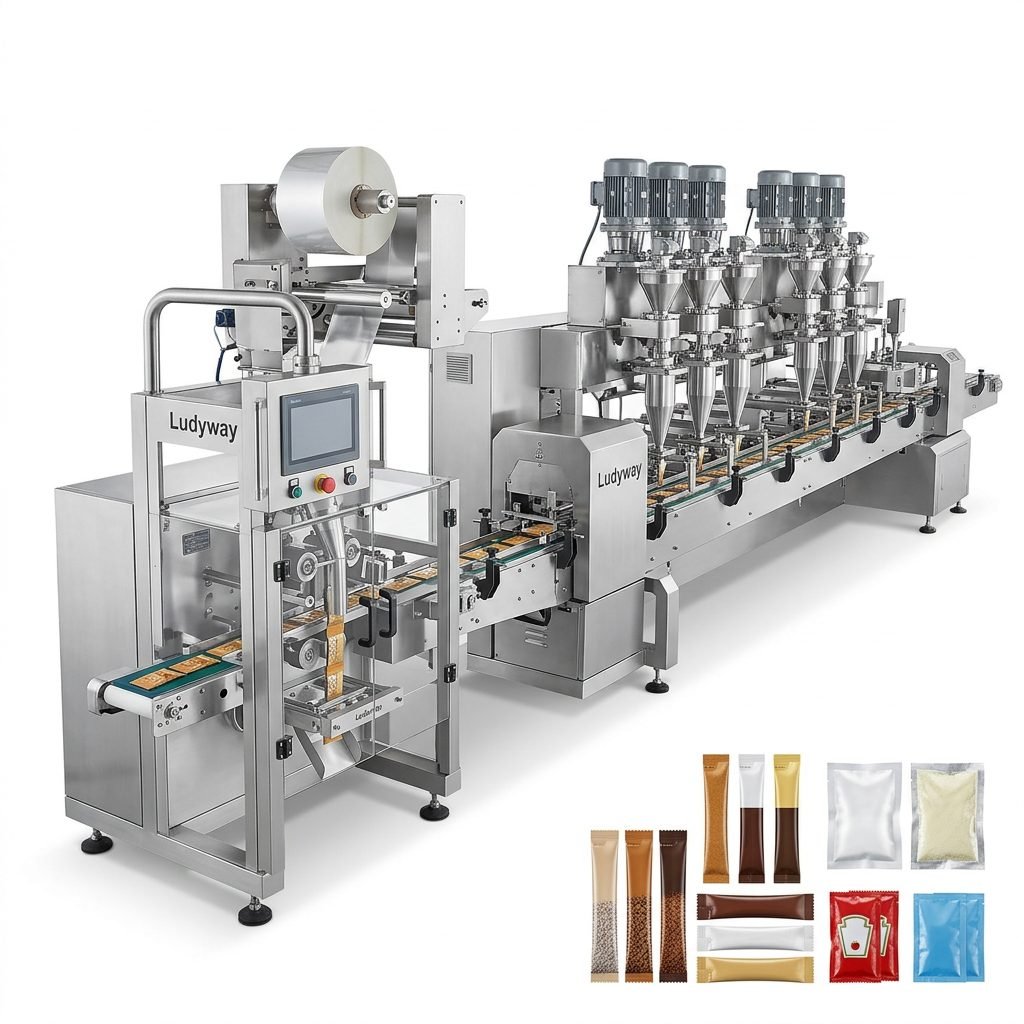
Additional Industry Resources
For further reading and to stay updated on packaging industry standards and trends, explore these authoritative resources:
- PMMI – Packaging Industry Resources – Comprehensive market intelligence and technical standards
- Flexible Packaging Association – Insights on flexible packaging trends and sustainability
- ISO – Packaging Standards – International standards for packaging machinery and materials
- FDA – Food Packaging Regulations – Guidance on food contact materials and packaging compliance
- PACK EXPO International – Leading packaging trade show for discovering new technologies