Investing in the right meal packaging machine is one of the most critical decisions for food manufacturers, caterers, and ready-meal producers looking to scale operations efficiently. Whether you are packing sauces, seasonings, instant noodles, soups, or full meal kits, selecting equipment that balances speed, accuracy, hygiene, and long-term reliability directly impacts your bottom line. This global guide walks you through the essential features, cost considerations, and supplier evaluation criteria to help you source the ideal packaging solution for your production line.
Understanding Meal Packaging Machine Categories
Before comparing features and prices, it is essential to understand the main categories of meal packaging machinery available on the market today. The right choice depends largely on your product type, target output, and packaging format.
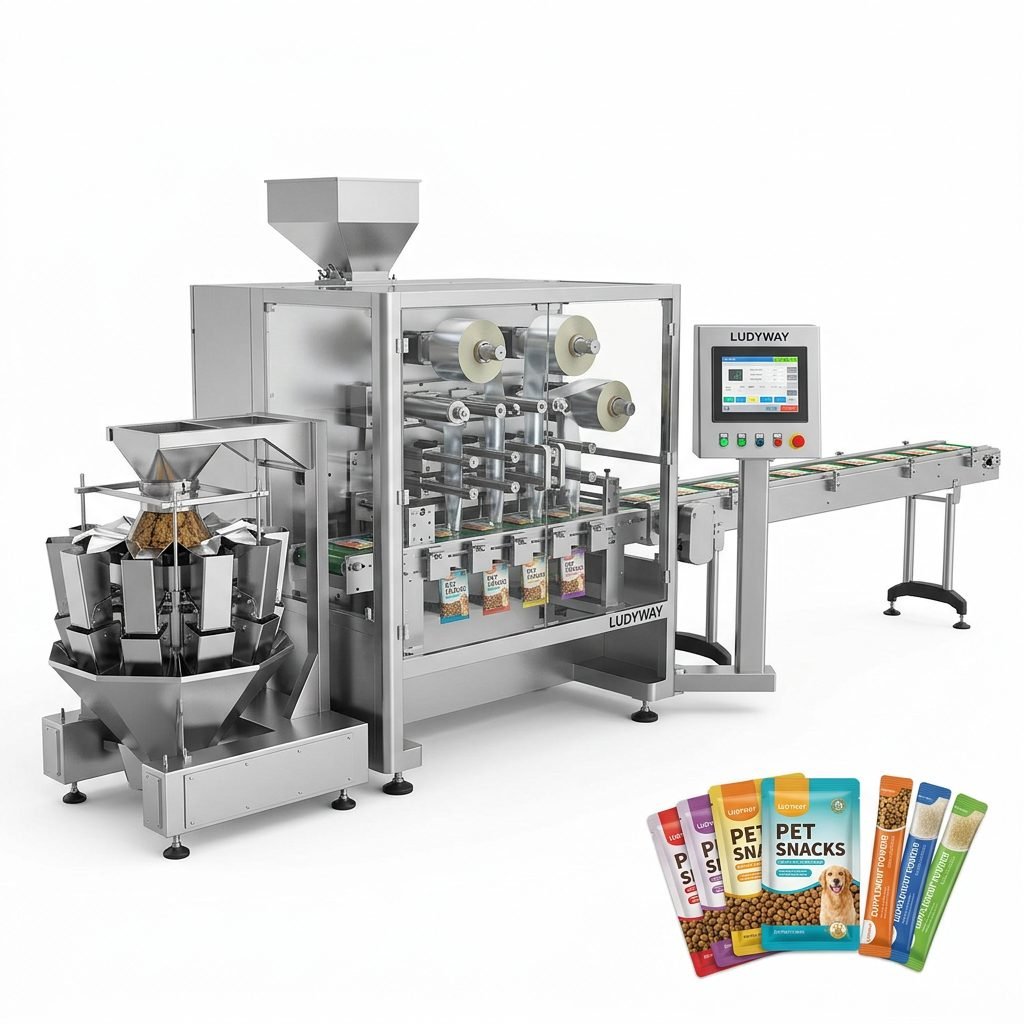
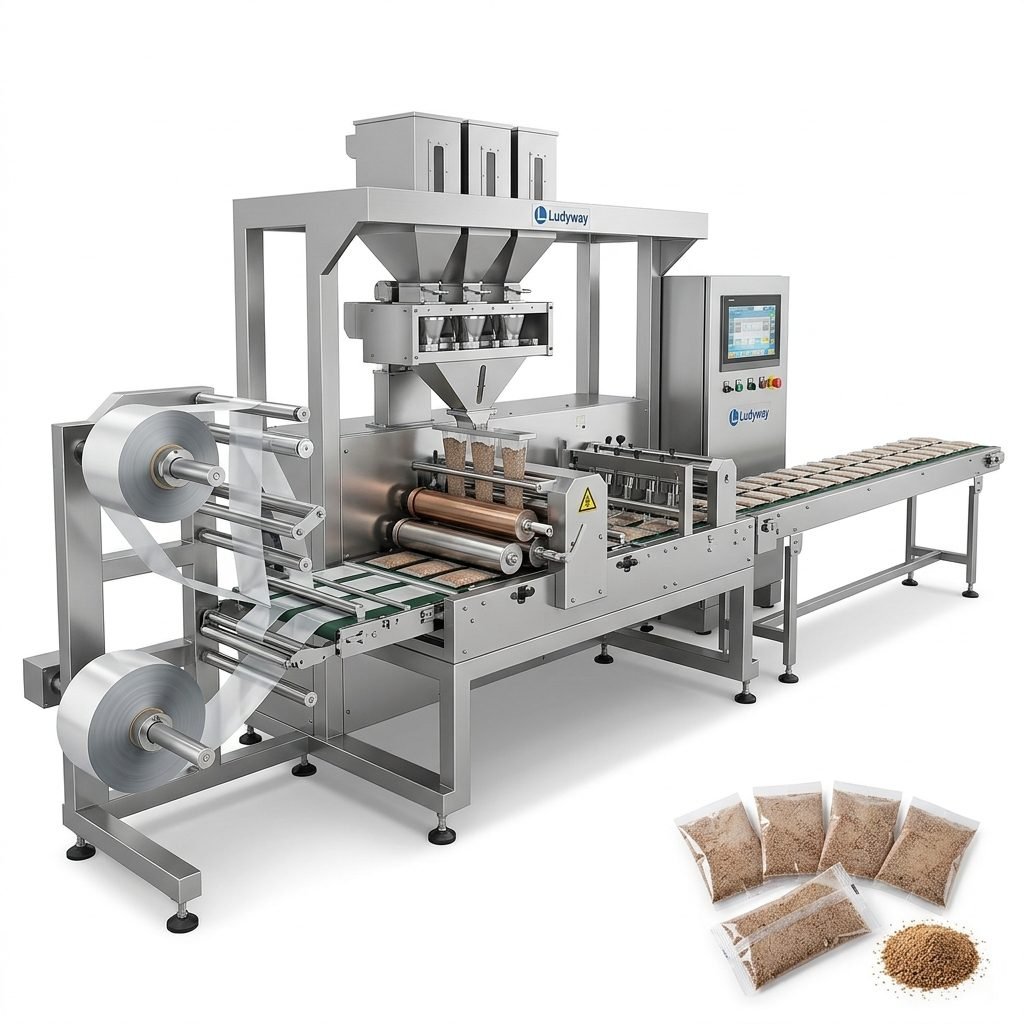
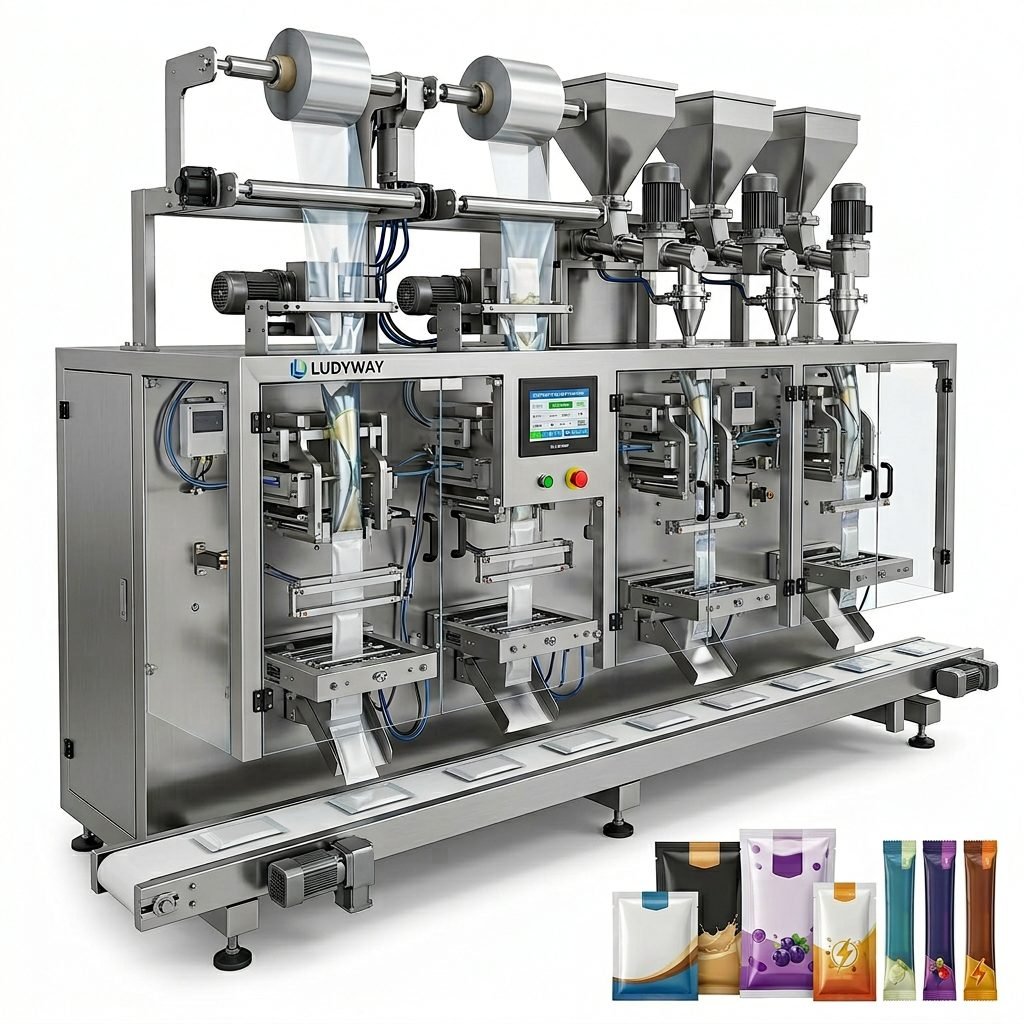
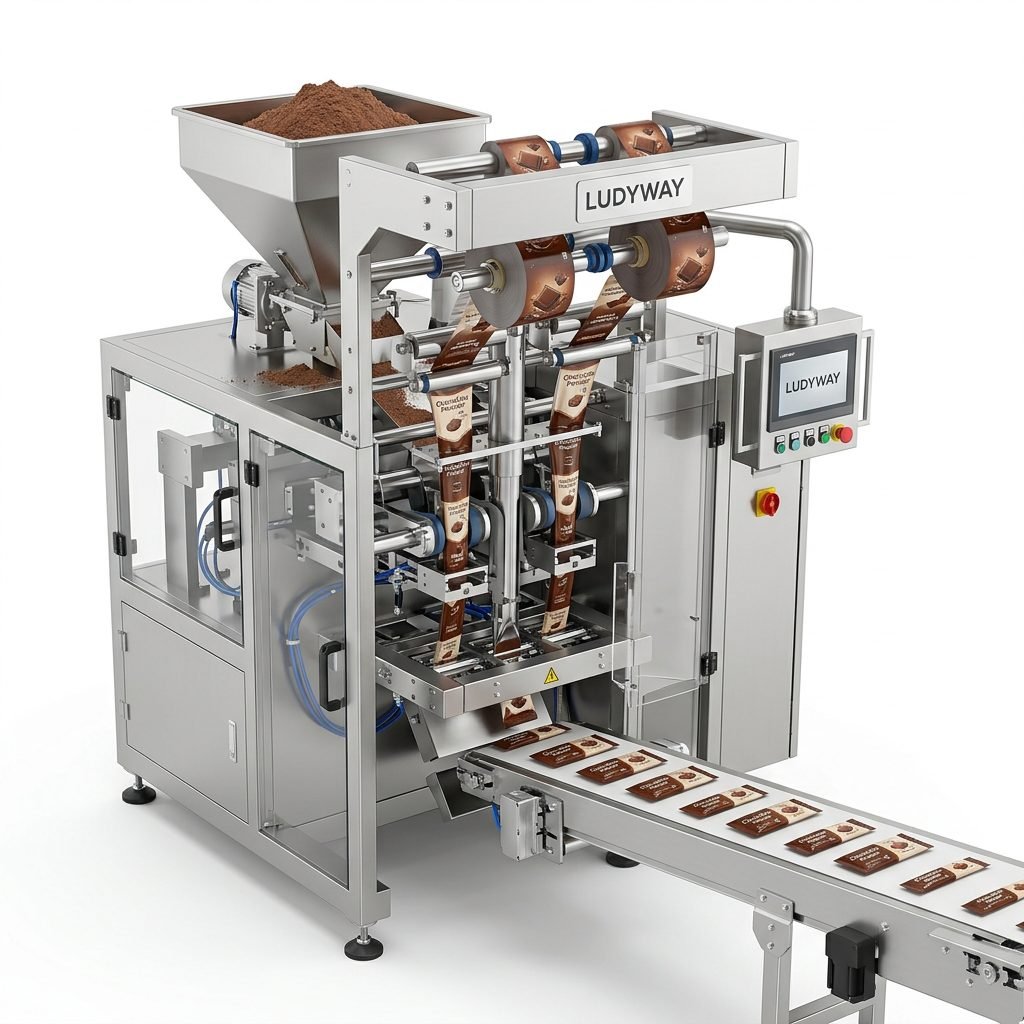
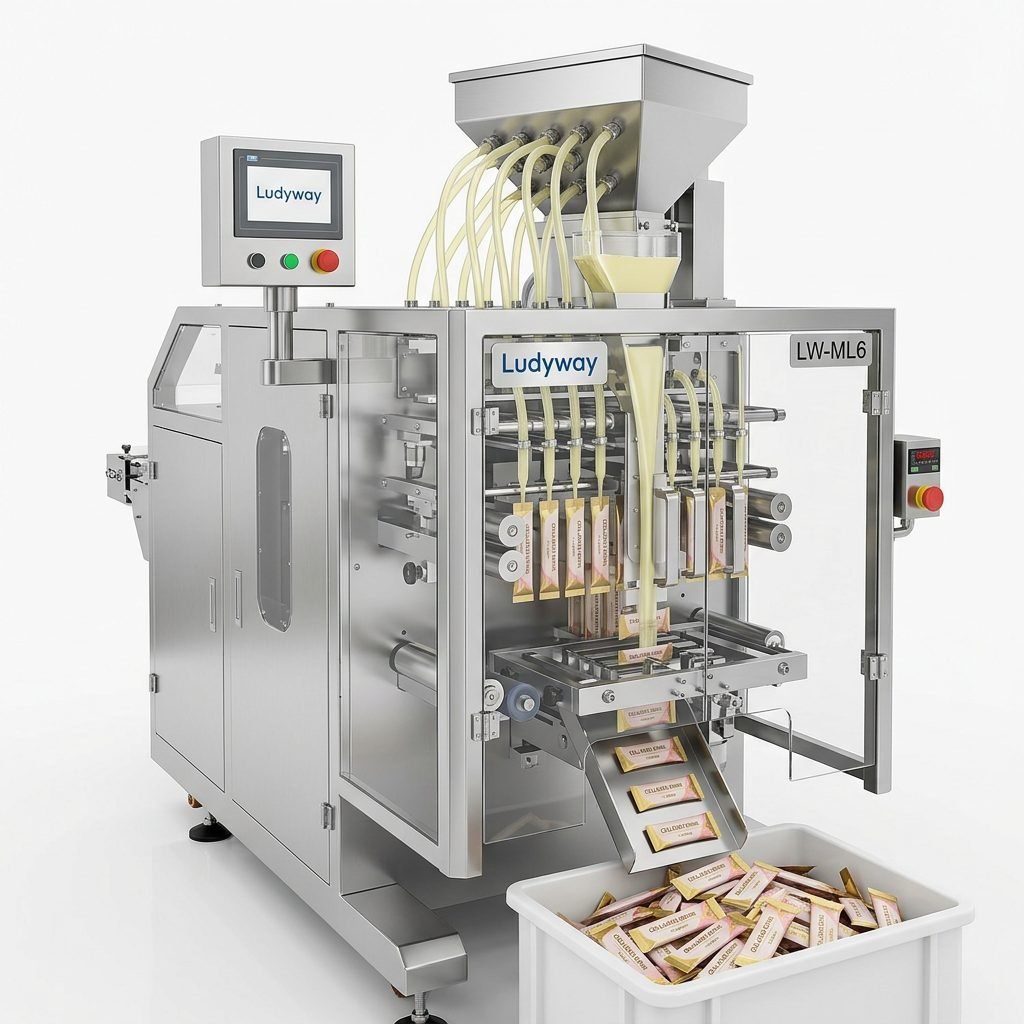
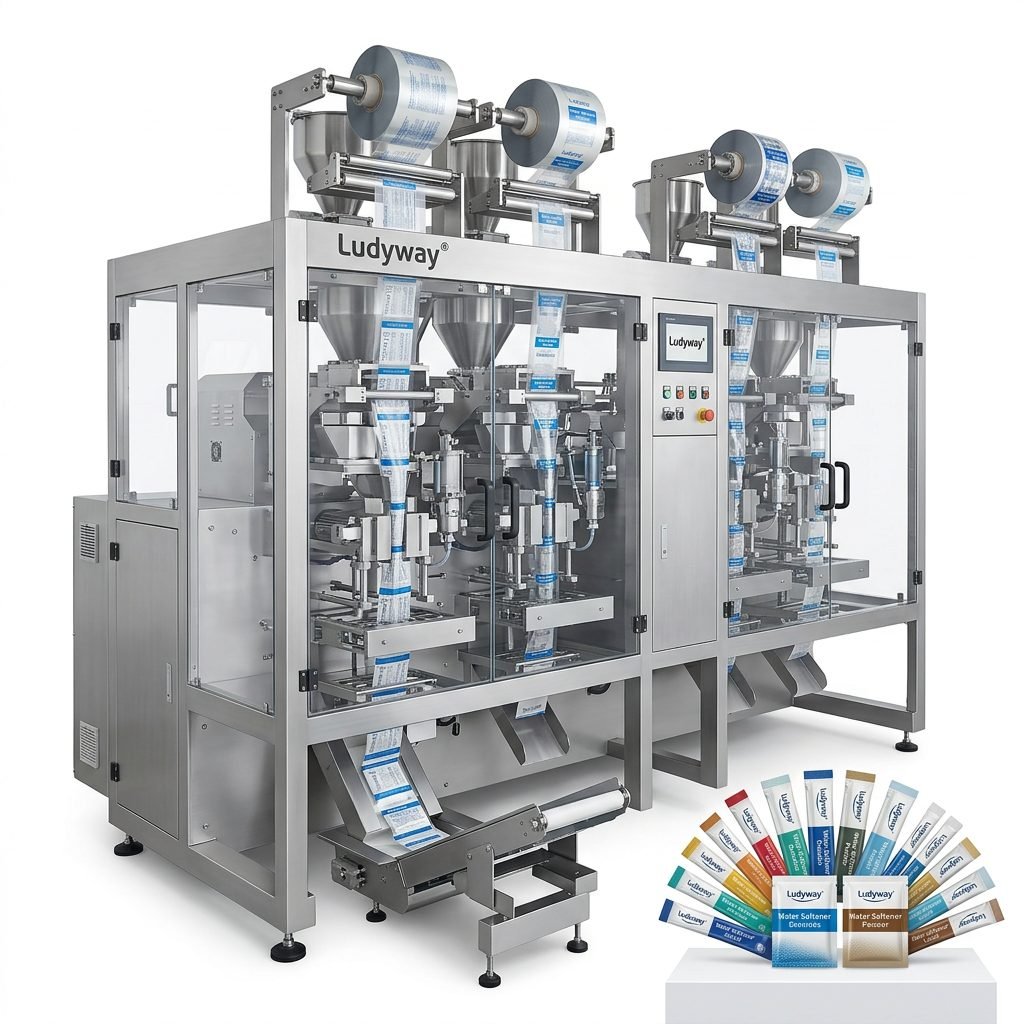
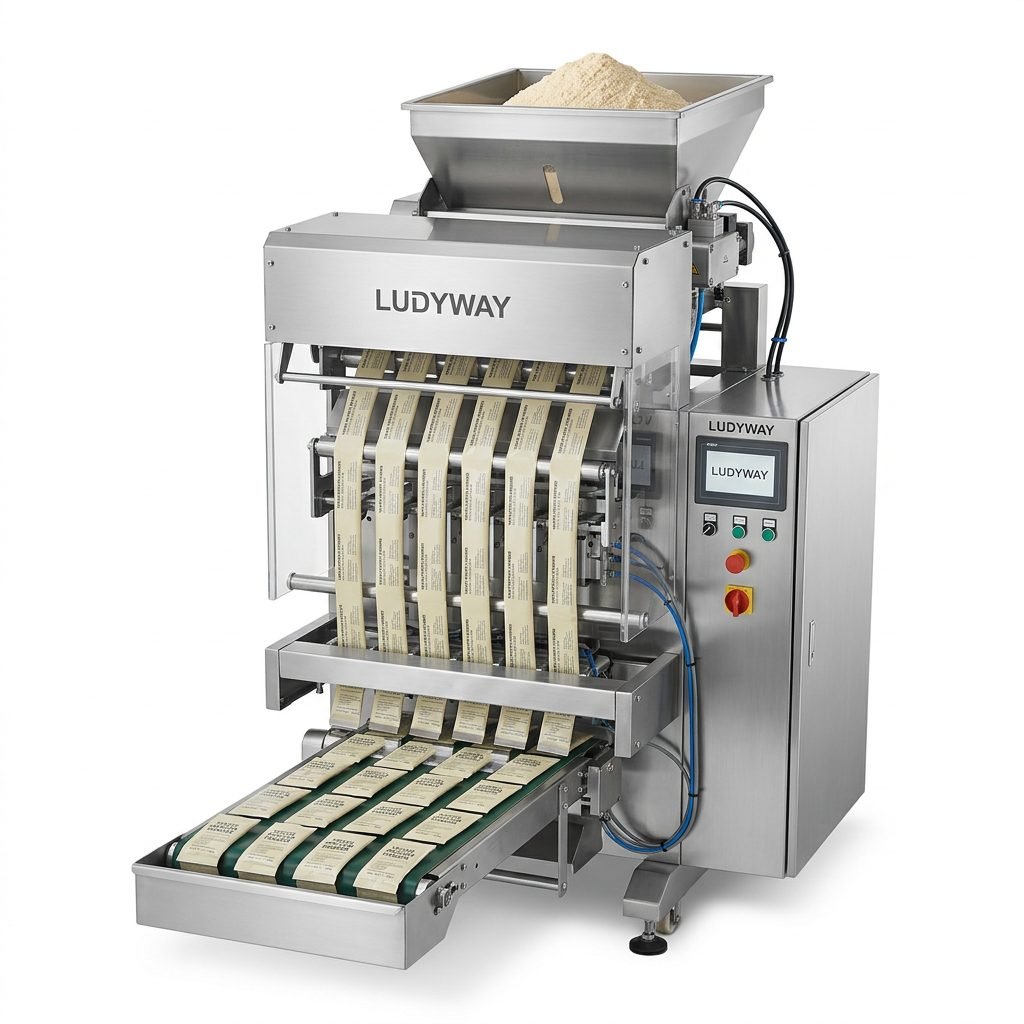
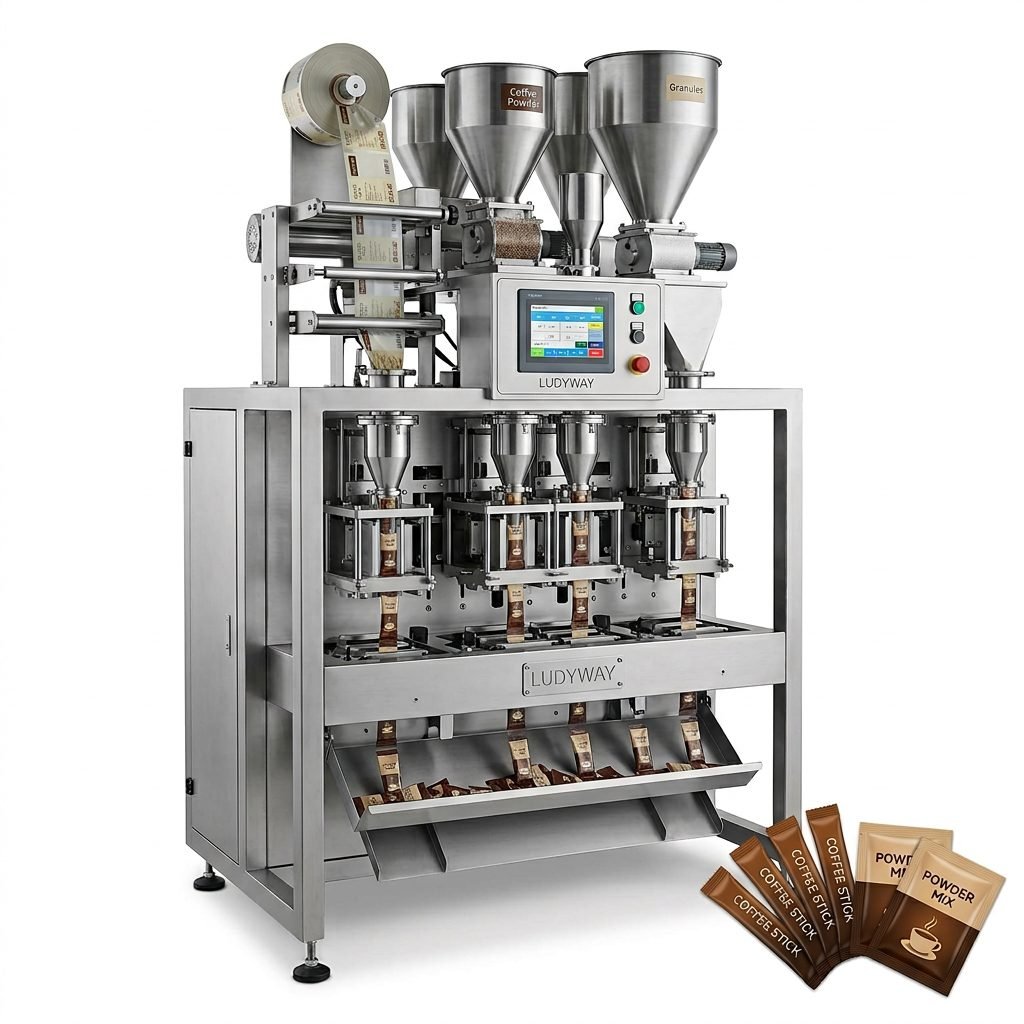
- Multi-lane stick pack machines – Ideal for single-serve powders, granules, and liquids such as soup mixes, coffee, sugar, and seasoning powders.
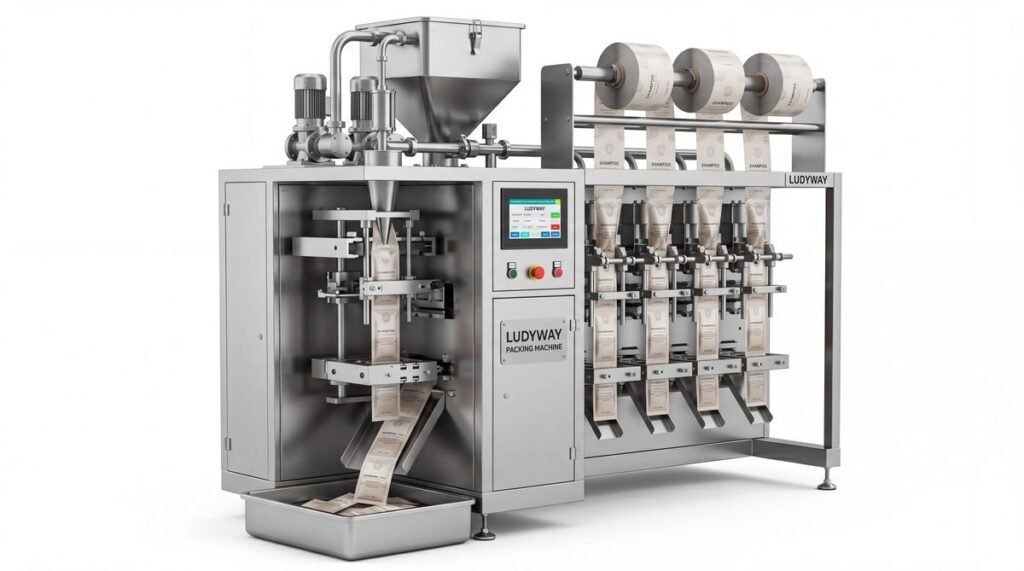
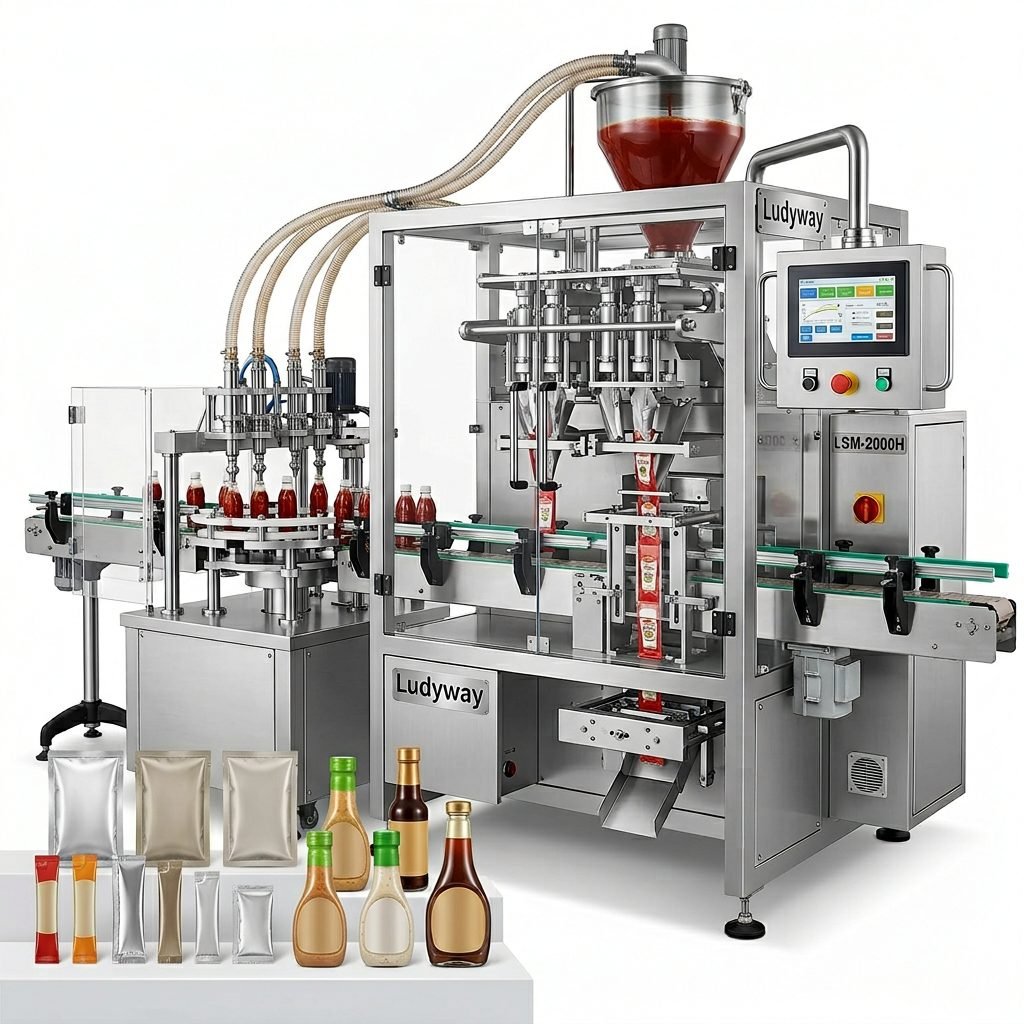
- Sachet packaging machines – Widely used for sauces, ketchup, condiments, shampoo, and liquid meal components in flat or four-side-seal pouches.
- Premade pouch rotary fillers – Designed for stand-up pouches, spout pouches, and zipper bags commonly used for ready-to-eat meals and wet food products.
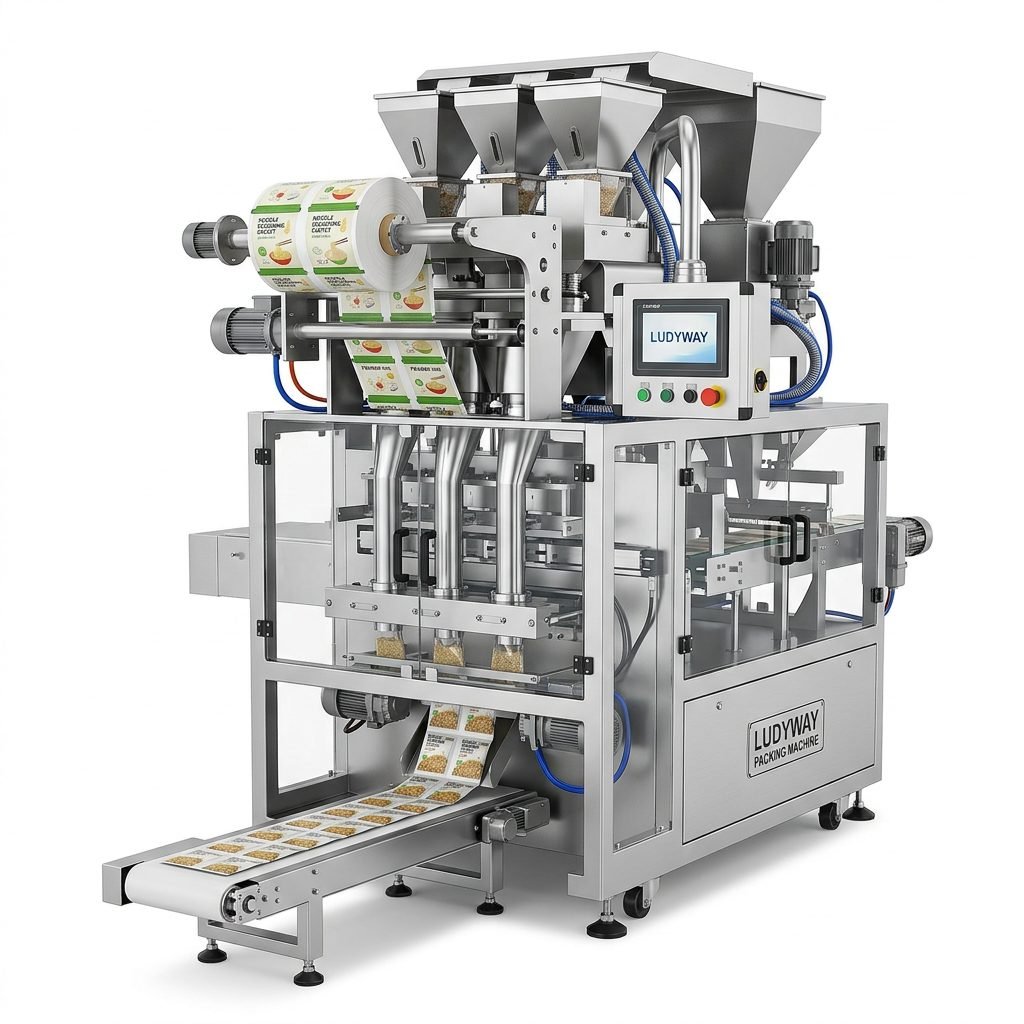
- Vertical form fill seal (VFFS) systems – Versatile machines for packing granular and powdered meal ingredients such as rice, flour, spice blends, and dehydrated vegetables.
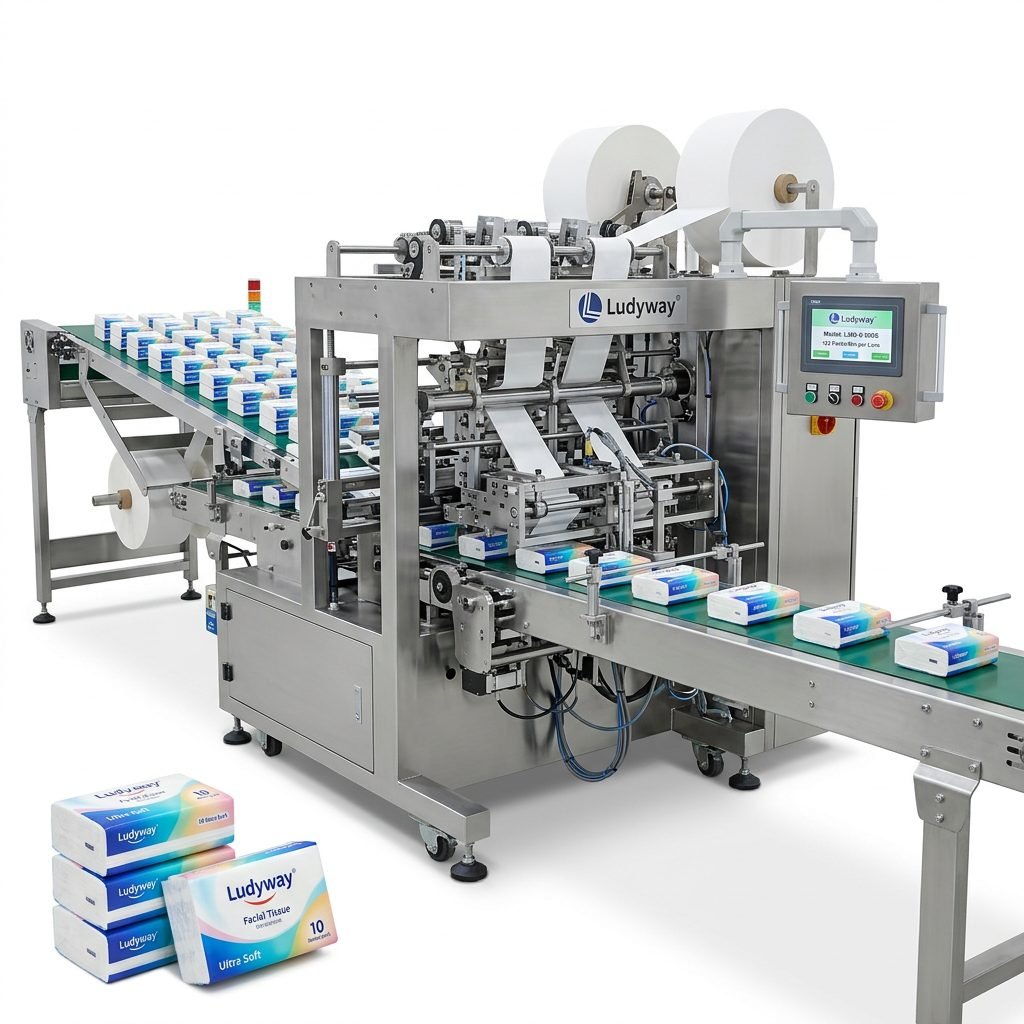
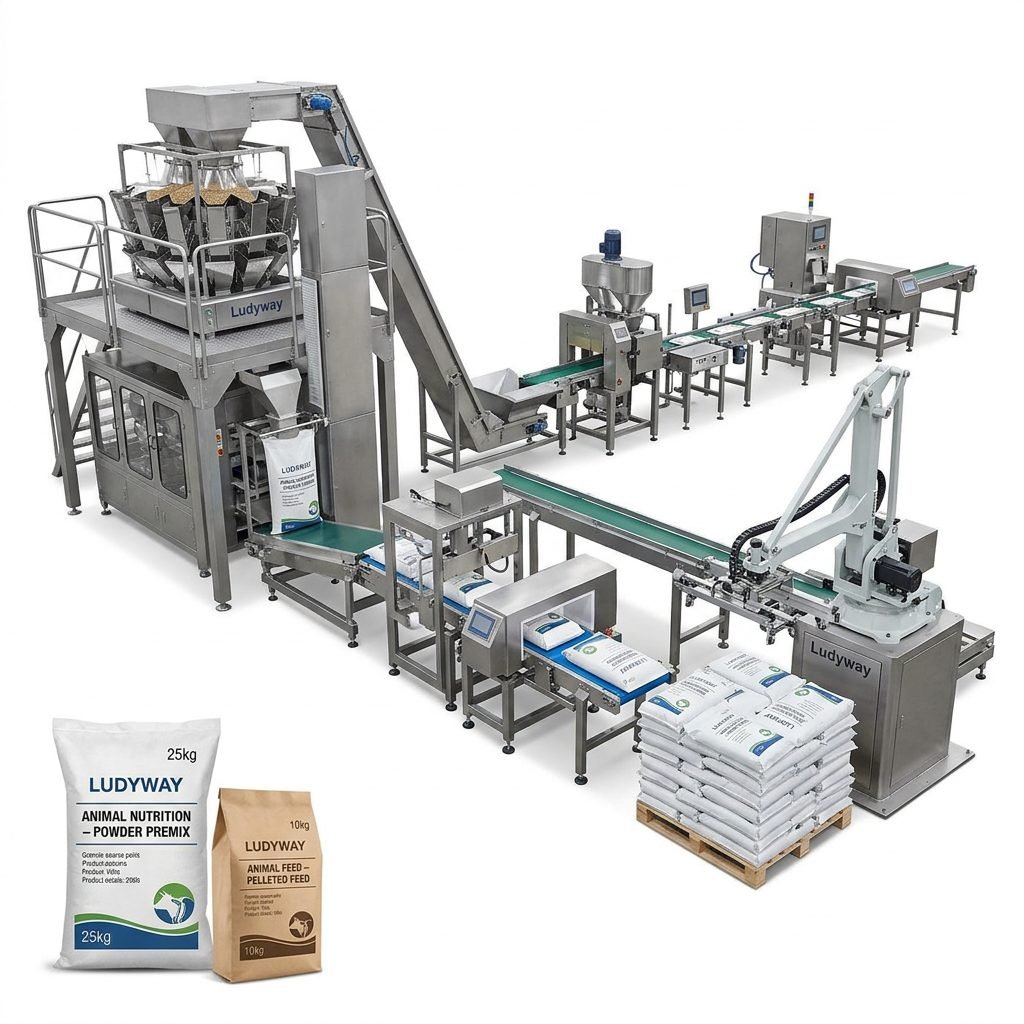
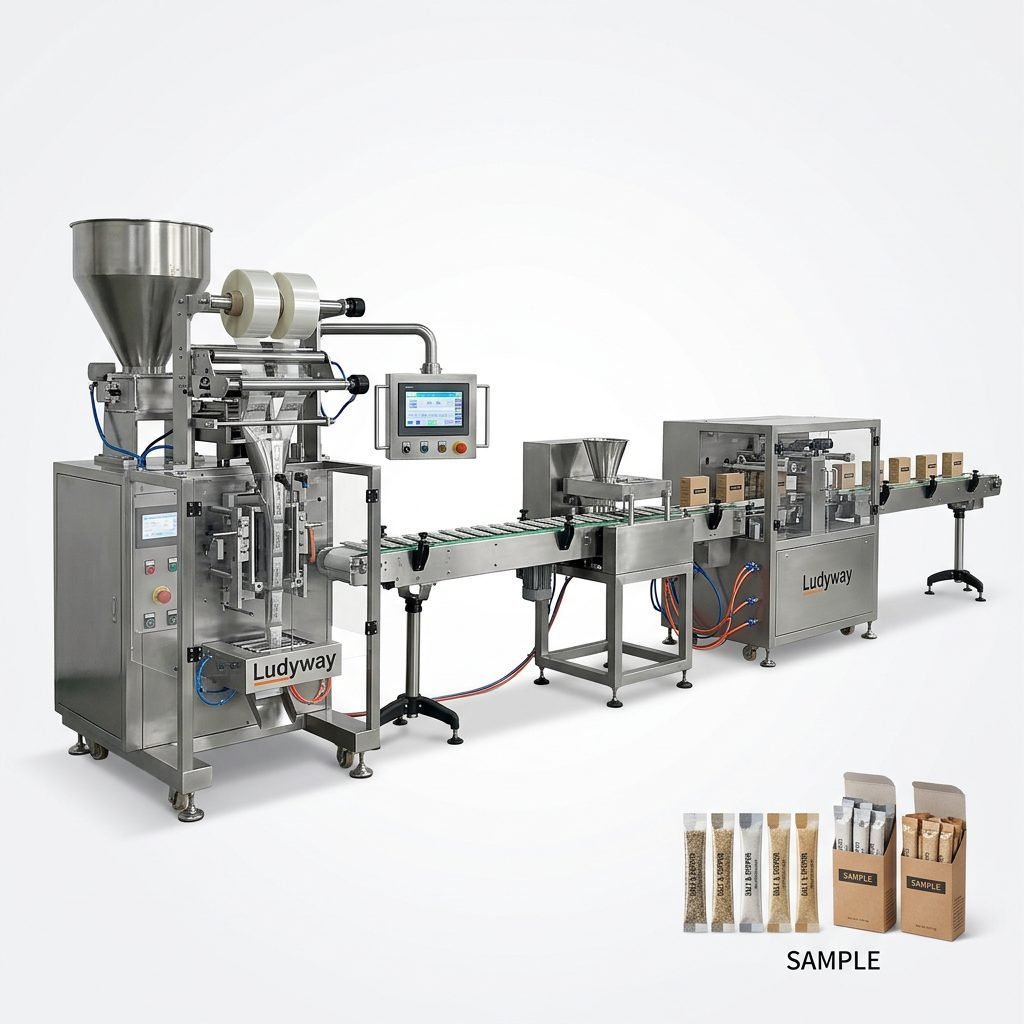
- Turnkey automated packaging lines – Integrated systems combining filling, sealing, weighing, cartoning, and palletizing into one continuous workflow.
Key Features to Evaluate Before Purchasing
Not all meal packaging machines are built to the same standard. When reviewing technical specifications, pay close attention to the following features that separate reliable industrial equipment from underperforming alternatives.
Filling Accuracy and Speed
Modern multi-lane packaging systems can achieve filling speeds of 40 to 80 cycles per minute per lane, depending on product characteristics. Accuracy is equally critical — high-quality servo-driven auger fillers and volumetric piston fillers deliver dosing precision within ±1% tolerance, minimizing product giveaway and ensuring consistent portion sizes for meal kits and single-serve formats.
Material Compatibility and Hygiene Design
Machines constructed with SUS304 or SUS316L stainless steel food-contact surfaces meet international hygiene standards including FDA and EU food safety regulations. Look for quick-release hoppers, tool-free changeover features, and IP65-rated electrical enclosures when packing oily, sticky, or moisture-sensitive meal products.
Automation and Smart Controls
Advanced PLC touchscreen interfaces with recipe storage, remote diagnostics, and servo-driven motion control reduce operator dependency and maintenance downtime. Integration with upstream and downstream equipment — including automatic feeders, checkweighers, and cartoning machines — is essential for building a fully synchronized meal packaging line.
Cost Considerations and Budget Planning
The price of a meal packaging machine varies significantly based on configuration, lane count, automation level, and optional add-ons. Below is a general cost reference table to help you set realistic budget expectations when sourcing globally.
| Machine Type | Typical Output | Estimated Price Range (USD) |
|---|---|---|
| Single-lane sachet machine | 30-60 packs/min | $8,000 – $25,000 |
| 4-lane stick pack machine | 120-200 packs/min | $30,000 – $65,000 |
| 8-lane high-speed stick pack line | 300-500 packs/min | $70,000 – $140,000 |
| Fully automated turnkey line | Customized | $150,000 – $500,000+ |
| Premade pouch rotary filler | 40-80 packs/min | $45,000 – $120,000 |
Note: Prices are indicative and vary based on customization, region, shipping, and after-sales service packages.
Key Factors That Influence Total Cost of Ownership
- Number of lanes – More lanes increase initial investment but dramatically improve per-unit production cost over time.
- Filling system type – Auger, volumetric piston, multi-head weigher, or liquid pump each carry different cost and precision profiles.
- Customization requirements – Special film registration, nitrogen flushing, vacuum systems, or modified atmosphere packaging add to the base price.
- After-sales support – Warranty duration, spare parts availability, and remote technical assistance significantly affect long-term operational costs.
- Regulatory compliance – Equipment certified for CE, UL, or GMP environments may carry a premium but reduce legal and operational risks in regulated markets.
How to Choose a Reliable Packaging Machine Supplier
Sourcing a meal packaging machine from the right supplier is just as important as selecting the right technical specifications. A dependable manufacturing partner should offer more than just competitive pricing — they must deliver engineering expertise, consistent quality, and responsive global service. Evaluate suppliers based on the following criteria.
- Manufacturing scale and quality certifications – Verify the supplier’s factory size, ISO certifications, and quality control processes. A modern facility with in-house machining, assembly, and testing capabilities indicates serious manufacturing capability.
- Industry experience and specialization – Companies with decades of specialized experience in food packaging understand the unique challenges of meal product handling — from sticky sauces to dusty powders.
- Global installation track record – Suppliers serving customers across 100+ countries with documented case studies and references demonstrate proven export capability and cross-regional technical support.
- Customization and turnkey capability – The ability to design complete packaging lines — from feeding and filling to cartoning and palletizing — reduces the complexity of managing multiple vendors.
- Spare parts availability and technical support – Consistent access to genuine spare parts and timely remote or on-site engineering assistance is essential for maintaining high uptime in demanding production environments.
One example of a manufacturer that meets these criteria is Ludyway, one of the largest packaging machine manufacturers in China, operating a modern 20,000㎡ production facility with over 30 years of industry experience. The company offers more than 50 intelligent packaging machine models — including multi-lane stick pack and sachet systems specifically suited for meal and seasoning applications — and serves customers in over 100 countries and regions with turnkey packaging solutions for the food, pharmaceutical, and health industries.
Practical Tips for International Buyers
Purchasing a packaging machine from overseas suppliers can unlock significant cost advantages, but it requires careful planning. Follow these practical tips to minimize risk and ensure a smooth procurement process.
- Request a factory video tour or virtual inspection before committing to a purchase to verify the supplier’s production environment and quality standards.
- Ask for detailed technical proposals including CAD layout drawings, utility requirements, and full component specifications — not just a commercial quotation.
- Plan for installation and training — clarify whether the supplier provides on-site commissioning, operator training, or remote video guidance.
- Negotiate warranty terms clearly — standard warranties range from 12 to 24 months, covering major mechanical and electrical components.
- Consider total landed cost — factor in freight, import duties, local electrical compliance modifications, and installation before comparing supplier prices.
Industry Trends Shaping Meal Packaging Equipment
The global meal packaging machinery market continues to evolve rapidly. Understanding current industry trends helps buyers invest in future-ready equipment that remains competitive as consumer preferences shift.
- Sustainable packaging materials – Machines compatible with recyclable mono-materials, bio-based films, and reduced-thickness laminates are increasingly in demand.
- Smart factory integration – IoT-enabled machines with real-time OEE monitoring, predictive maintenance alerts, and ERP integration improve production visibility.
- Flexible small-batch production – Quick-changeover designs enable manufacturers to run multiple meal SKUs on the same line without extended downtime.
- Single-serve and portion-control growth – The stick pack and sachet formats continue to dominate the meal and seasoning sectors globally, driven by convenience and affordability trends.
Explore Authoritative Packaging Industry Resources
Staying informed through recognized industry bodies and regulatory agencies is essential for making sound equipment purchasing decisions. Below are several valuable resources for deeper research into packaging machinery standards and market intelligence.
- PMMI – Packaging Industry Business Intelligence — Comprehensive market research, economic reports, and state of the industry data from the leading packaging trade association.
- Flexible Packaging Association – Industry Resources — Data, regulatory updates, and sustainability insights related to flexible packaging materials and formats.
- FDA – Food Ingredients and Packaging — Official guidance on food contact substances, packaging safety, and regulatory compliance for the U.S. market.
- ISO – Packaging Standards — International standards covering packaging machinery safety, performance testing, and terminology.

Final Checklist Before You Purchase
Use this concise checklist to guide your final evaluation when comparing meal packaging machine options from different suppliers.
| Checklist Item | Requirement Met? |
|---|---|
| Machine speed matches daily production targets with 20% buffer | ☐ |
| Filling accuracy tested with your actual product samples | ☐ |
| Food-contact materials certified to required hygiene standards | ☐ |
| Supplier factory audited via video or third-party inspection | ☐ |
| Warranty, spare parts, and technical support terms documented in writing | ☐ |
| Total landed cost calculated including freight and duties | ☐ |
| Installation, commissioning, and operator training plan confirmed | ☐ |
Selecting the right meal packaging machine is a strategic investment that pays dividends through improved efficiency, consistent product quality, and lower per-unit packaging costs. By thoroughly evaluating machine features, total cost of ownership, and supplier credentials — and by leveraging authoritative industry resources — you position your business for sustainable growth in the competitive global food packaging market.