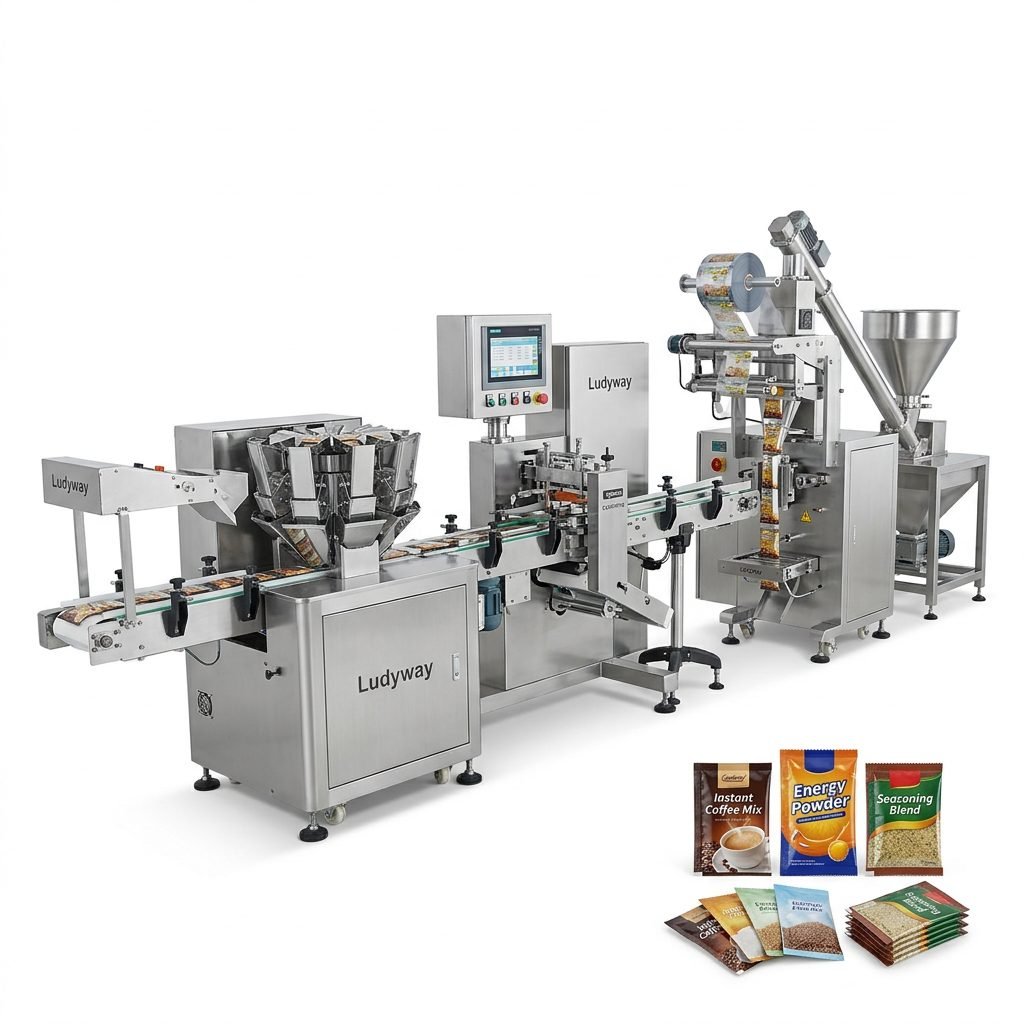
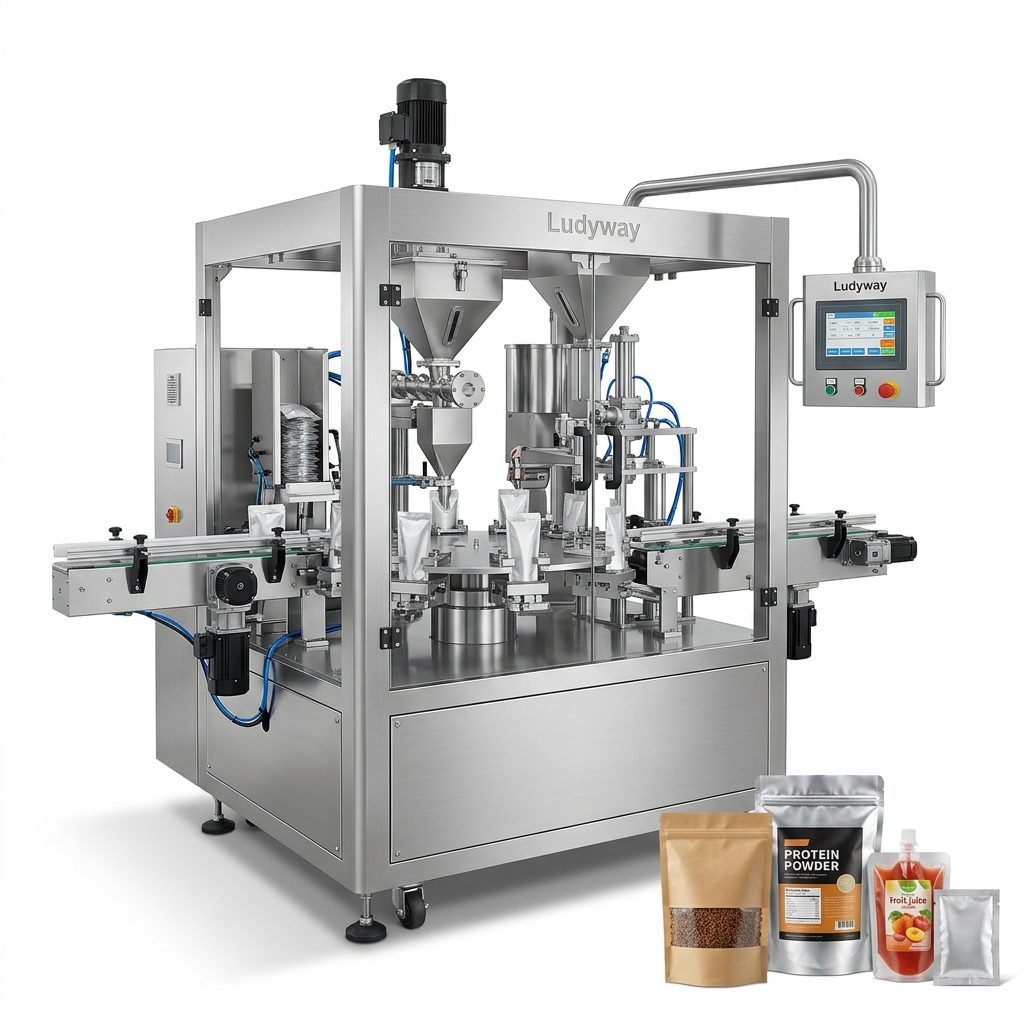
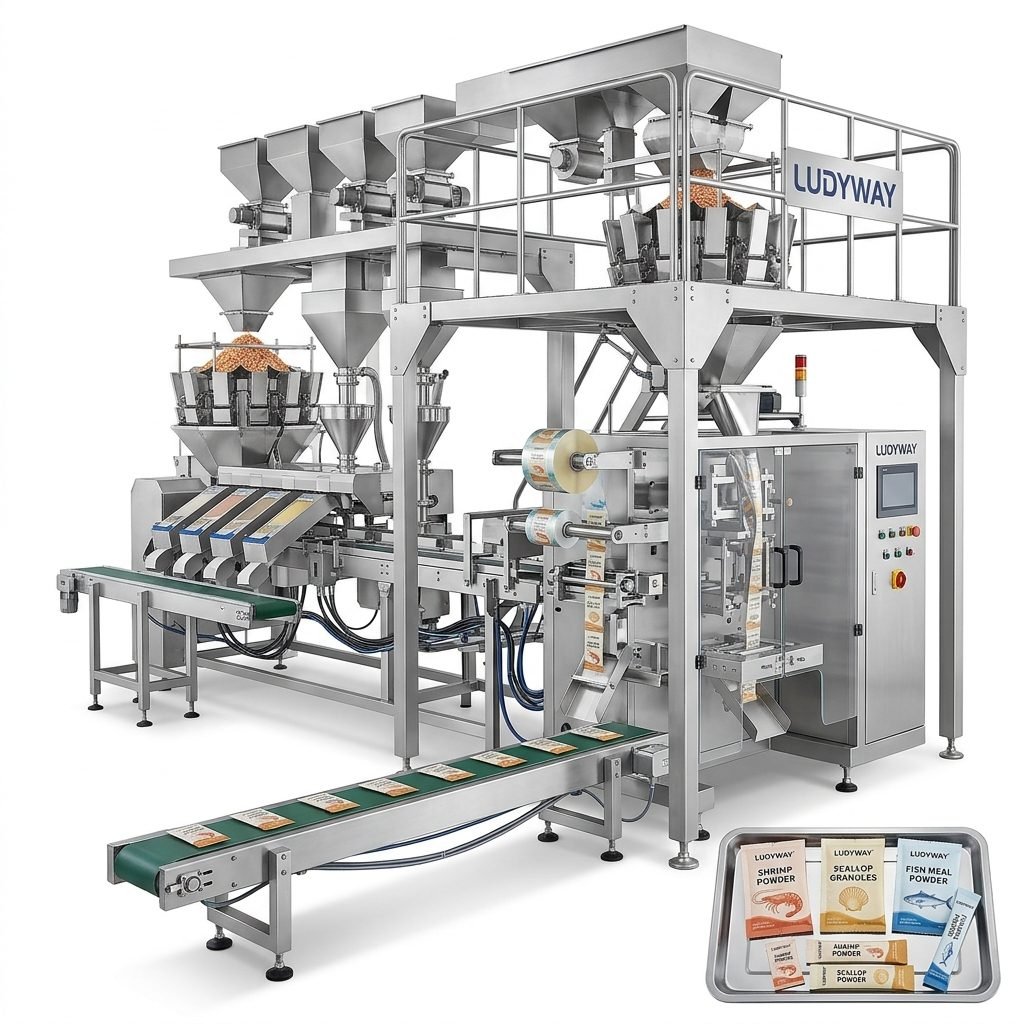
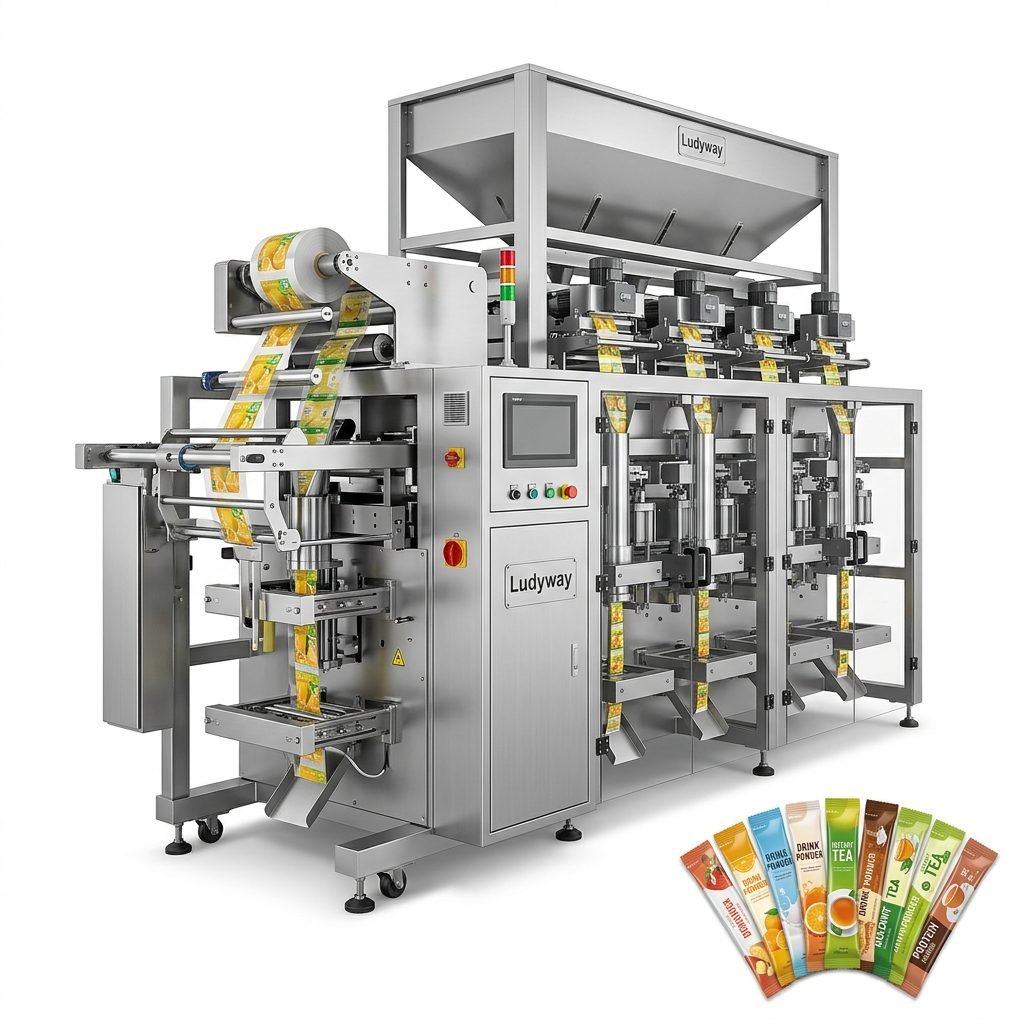
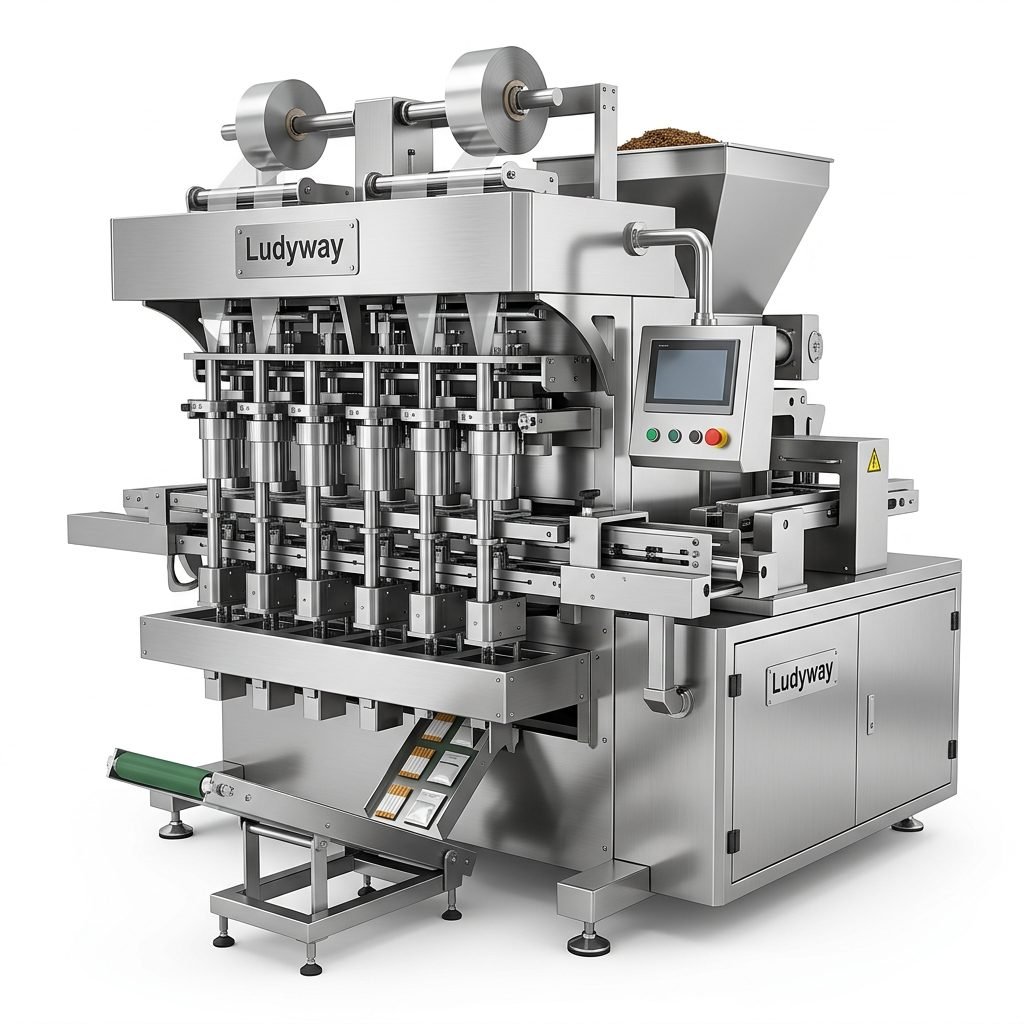
The Middle East’s food processing sector is experiencing unprecedented growth, driven by population expansion, tourism, and a booming hospitality industry. From traditional spice blends to modern condiment sachets, the demand for efficient seasoning packaging solutions has never been higher. Selecting the right machinery requires a deep understanding of product characteristics, regional regulations, and production goals.
Understanding the Middle Eastern Seasoning Market
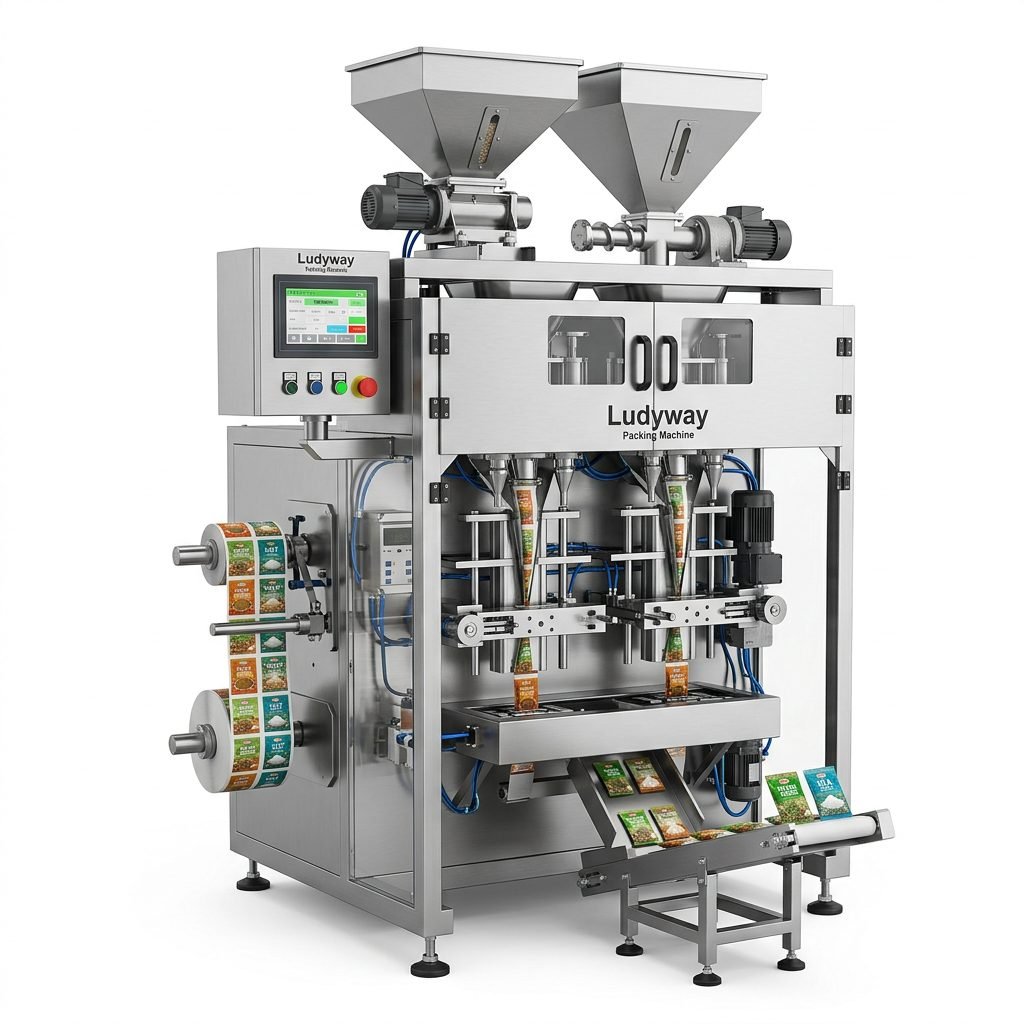
The GCC region imports a vast quantity of processed and packaged foods. Consumer preferences are shifting toward convenience and portion control, making stick packs and sachets popular formats for seasonings. Whether you are packaging za’atar, curry powder, or liquid sauces, your equipment must handle varying particle sizes and moisture levels while maintaining strict hygiene standards.
Key Seasoning Formats in Regional Demand
- Sachet Packaging (3g-50g): Ideal for single-use spice mixes and instant soup powders.
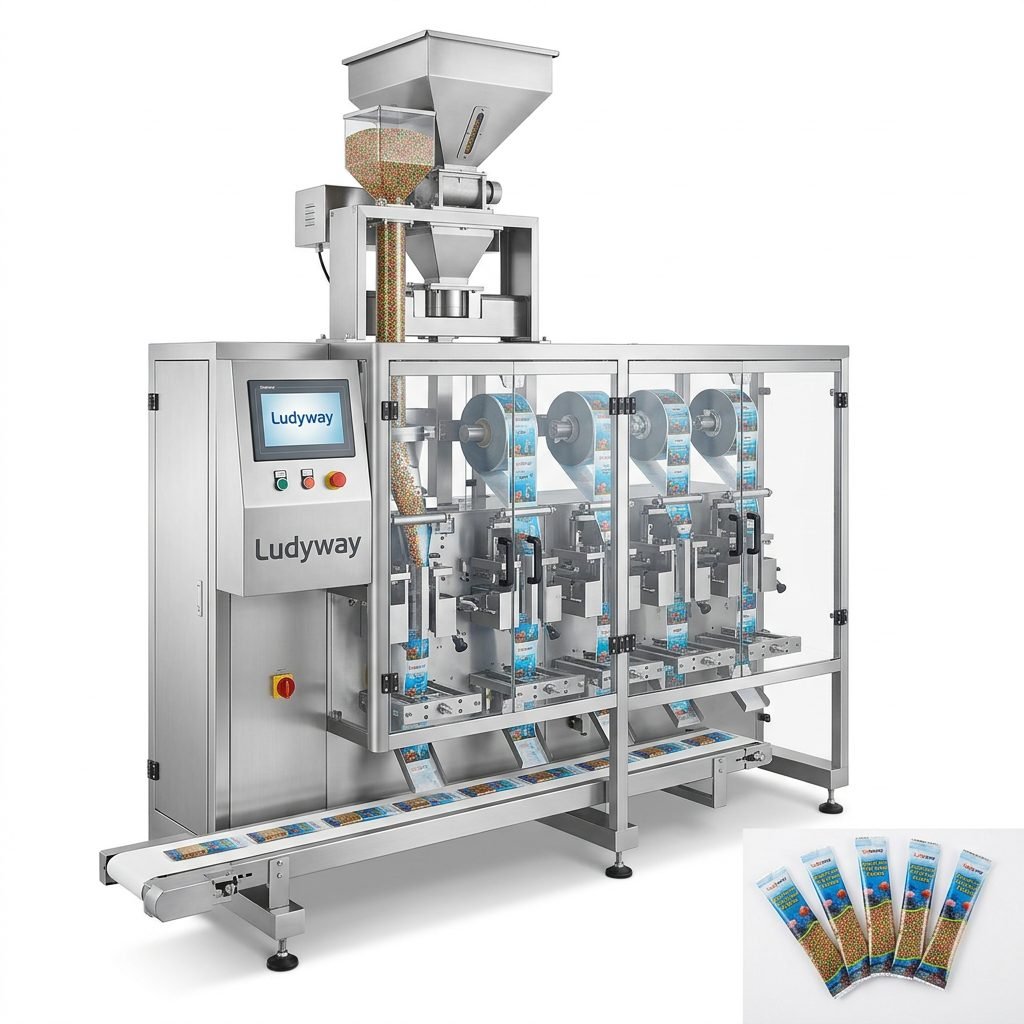
- Stick Packs: Dominant in the sugar and coffee seasoning additives market.
- Pillow Pouches: Common for bulk dry rubs and mixed herbs.
- Liquid Sachets: Essential for sauces, chili oils, and flavored vinegars.
Essential Machine Types for Seasoning Production
Seasoning products range from free-flowing granules to sticky hygroscopic powders. Selecting the correct dosing and sealing technology is critical to avoid downtime. The table below summarizes the primary machine configurations available for Middle Eastern buyers.
| Machine Type | Best Suited For | Key Advantage |
|---|---|---|
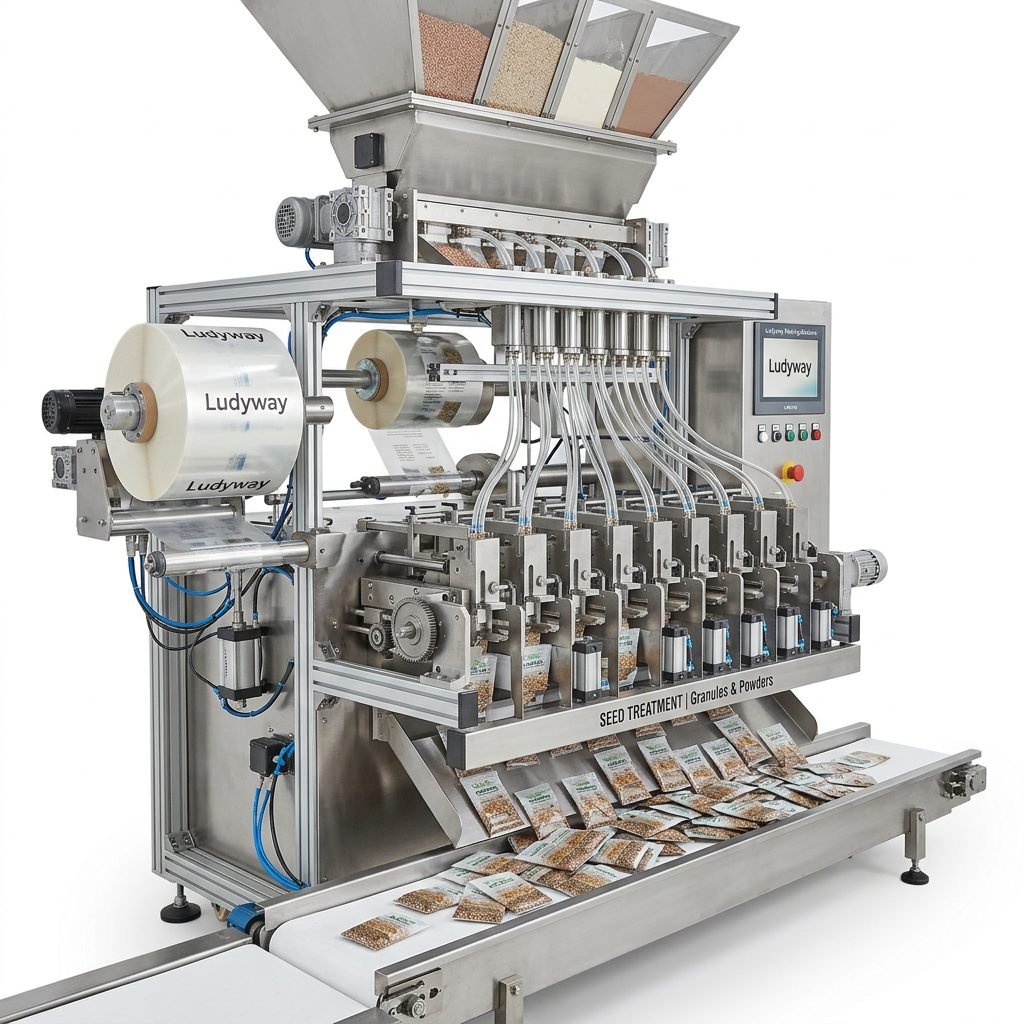
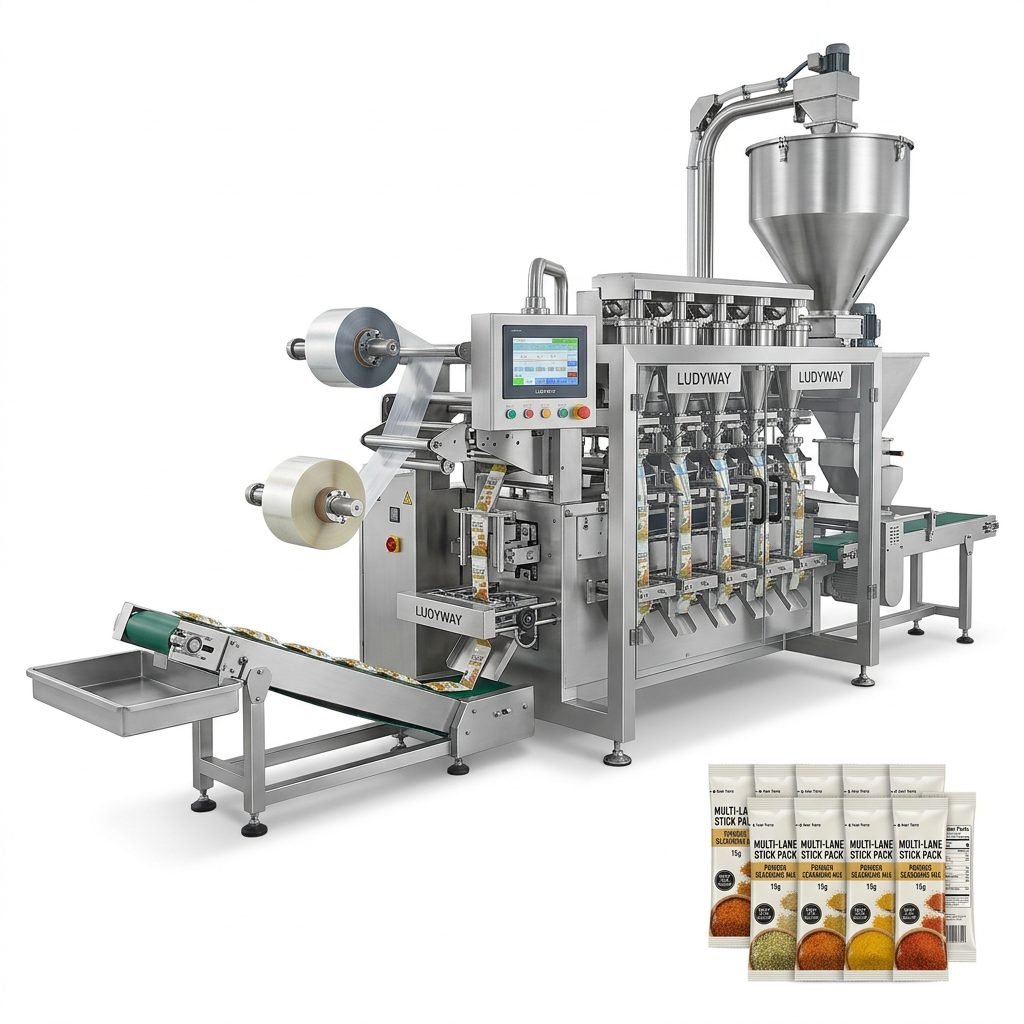
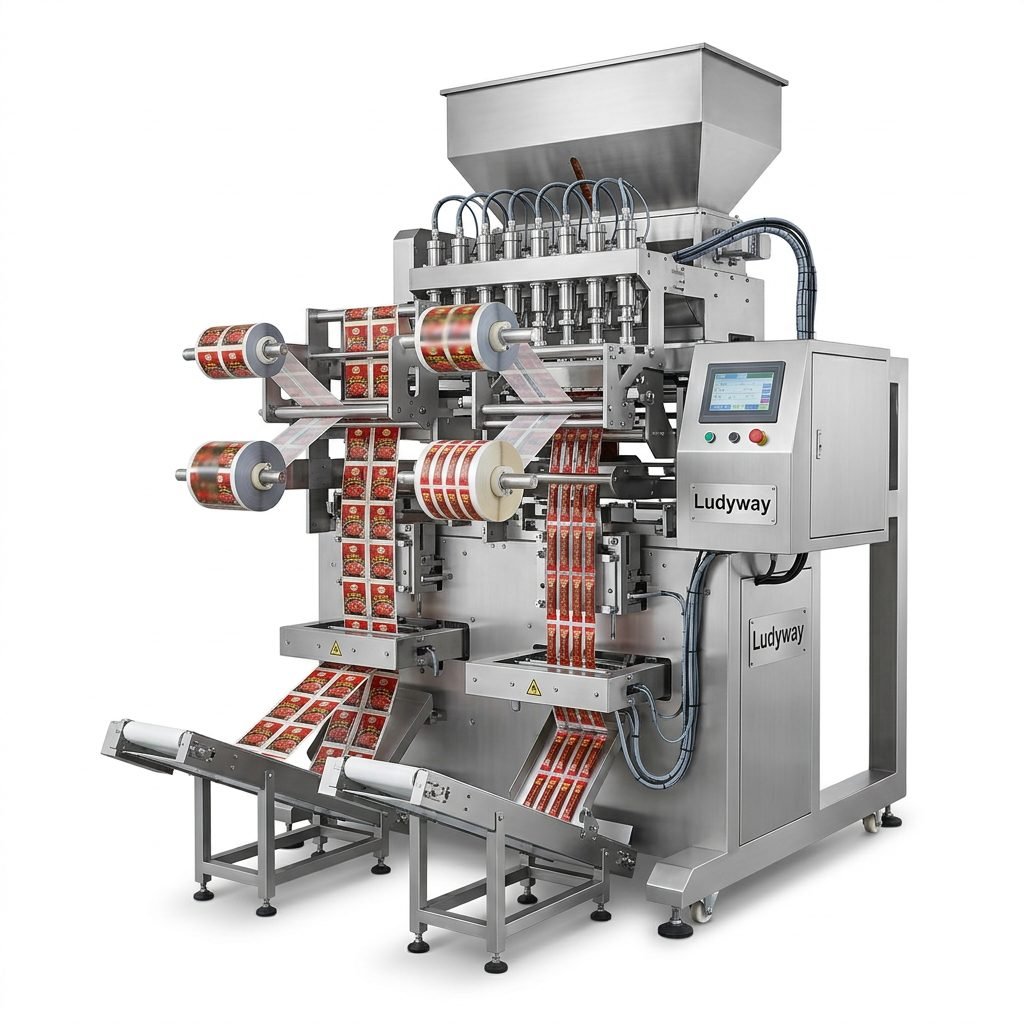
| Multi-Lane Stick Pack Machine | Powdered spices, salt, pepper, sugar | Ultra-high speed output up to 400 packs/min |
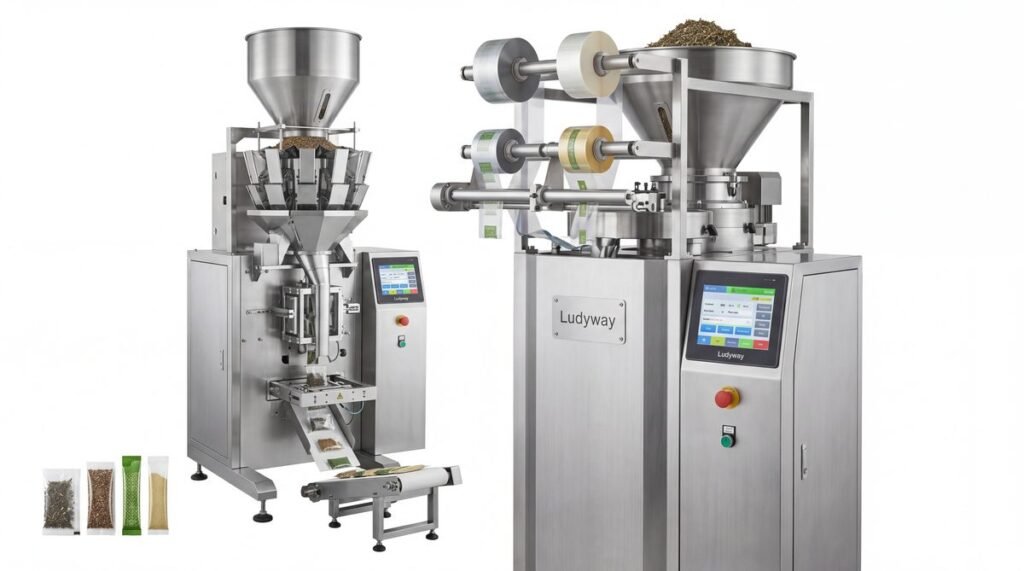
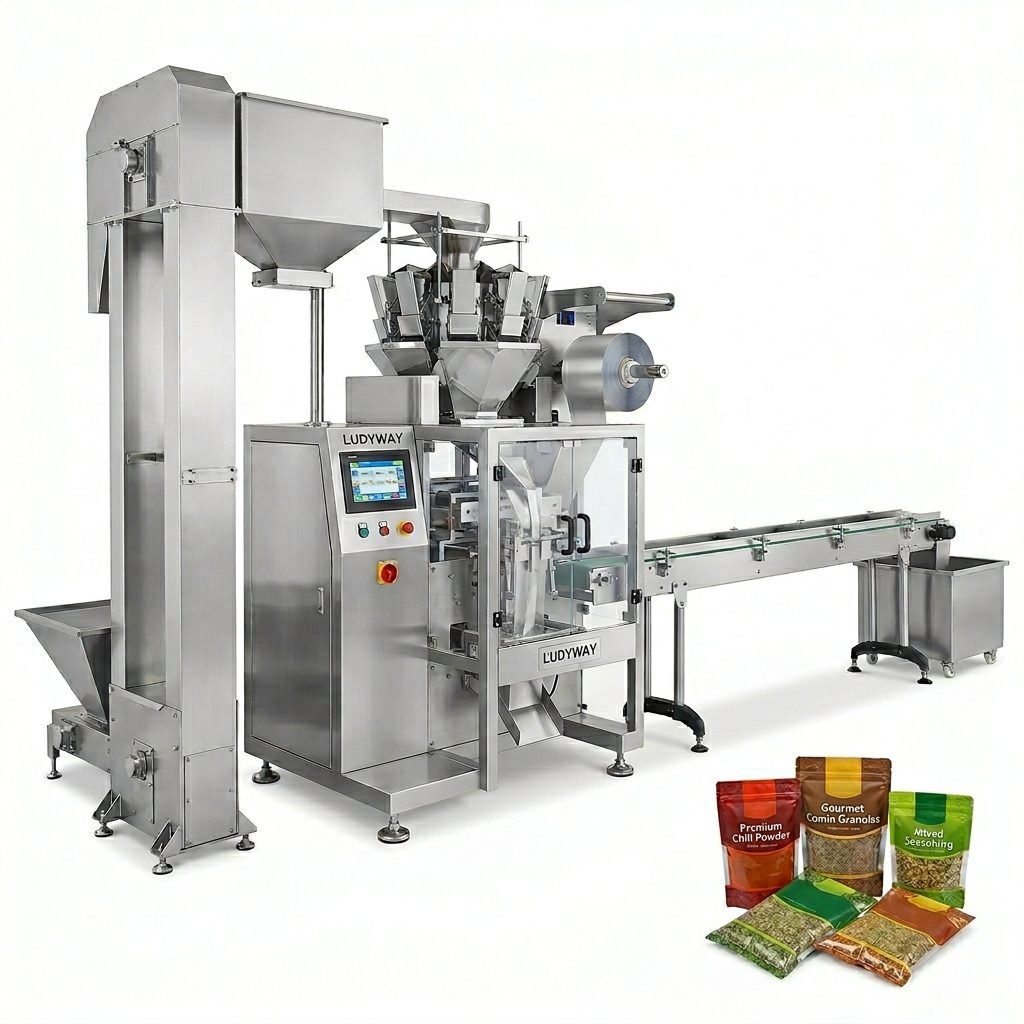
| Vertical Form Fill Seal (VFFS) | Mixed herbs, granular seasonings | Flexible bag sizes and reliable sealing |
| Rotary Pre-Made Pouch Machine | Premium blends, resealable bags | Superior seal integrity and zipper options |
| Liquid Sachet Machine | Sauces, chili pastes, liquid enhancers | Precise volumetric filling for liquids |
Critical Factors for Machine Selection in the GCC
Middle Eastern climates present unique challenges. High ambient temperatures and humidity can cause powdery seasonings to cake or become sticky. Therefore, your packaging line must feature effective moisture barriers and possibly nitrogen flushing capabilities to extend shelf life without the need for excessive preservatives.
Material Compatibility and Safety
Food contact surfaces must be constructed from 304 or 316L stainless steel to prevent corrosion, especially when dealing with salty or acidic blends. Additionally, look for machines compliant with FDA food safety standards or ISO packaging standards, which are frequently referenced in Middle Eastern import regulations.
Automation and Integration
Labor costs are rising and skilled operators can be scarce. We strongly recommend investing in automated seasoning packaging lines that integrate feeding, dosing, packaging, and cartoning. This reduces manual contact, thereby improving hygiene—a top priority for Saudi Arabia and UAE food authorities.
Navigating Spice Complexity: Granules vs. Powders
Not all seasonings behave identically. A common mistake is buying a granule packaging machine that cannot handle dust explosion risks or a powder filler that bridges over the auger. You must specify the exact bulk density and flow characteristics of your product. Consider the following physical properties:
- Particle Size Distribution: Fine turmeric requires dust-tight sealing jaws.
- Fat Content: Oily blends like shawarma spices need anti-stick release films.
- Hygroscopic Nature: Onion and garlic powders demand immediate moisture-barrier sealing.
Selecting a Reliable Supplier for the Middle East
Distance and after-sales service are major hurdles. When importing machinery, you must evaluate the manufacturer’s network in the region. Look for suppliers with readily available spare parts, remote troubleshooting capabilities, and ideally, distributor representation in the Gulf. One of the largest packaging machine manufacturers in China, Ludyway, specializes in advanced multi-lane stick pack and sachet systems for seasonings, supporting over 50 intelligent models designed for high-speed granule and powder packaging. Their engineering expertise extends to turnkey production solutions, ensuring that buyers receive not just a machine, but a fully integrated system.
Compliance and Export Documentation
Machinery shipped to the Middle East must carry the correct CE certification (often accepted as a benchmark) or specific regional conformity marks. Packaging lines should be designed to adhere to flexible packaging regulatory affairs guidelines. Ensure your supplier provides complete documentation sets including user manuals in English (and Arabic if possible), electrical schematics, and material certificates.
Essential Pre-Shipment Checks
| Check Area | Why It Matters |
|---|---|
| Voltage & Frequency | Must match local GCC specs (often 380V/50Hz or 60Hz). |
| Stainless Steel Grade | Certified 304 or 316 for long-term reliability in saline environments. |
| IP Rating | High IP rating for electrical panels to resist dust and moisture. |
Costs and ROI Considerations
The initial price tag is only a fraction of the total cost of ownership. Evaluate the cradle-to-grave ROI by factoring in film wastage rates, energy consumption in hot climates (which strains cooling systems), and the longevity of critical wearing parts like forming tubes and sealing jaws. A higher upfront investment in a multi-lane sachet machine often yields lower per-unit costs for high-volume salt and pepper packing.
Installation and Training
Even the most robust packaging line will fail if operated incorrectly. Prioritize suppliers who offer remote video supervision for installation or send engineers to the site for commissioning. Proper training ensures your local team understands the nuances of handling different seasoning weights without compromising the seal integrity, especially during the high-humidity summer months in the Gulf.
Final Recommendations
To succeed in the Middle East seasoning market, align your production strategy with precise multi-lane technology that guarantees accuracy and speed. Focus on robust construction, humidity-proof sealing, and comprehensive after-sales support. By choosing a versatile and automated system, you position your manufacturing operation to capitalize on the region’s ever-growing appetite for convenient, high-quality flavor solutions.
For more industry insights, you can review data from the PMMI Business Intelligence Library or explore updates from the Flexible Packaging Association.