Investing in a meal prep packaging machine is a strategic decision for any food business operating in France. Whether you are scaling a meal kit delivery service, launching a line of ready-to-eat fresh meals, or expanding a frozen food production facility, the right packaging equipment directly impacts product shelf life, operational efficiency, and regulatory compliance. France maintains some of the strictest food safety and packaging regulations in Europe, making it essential to select machinery that meets both your production goals and legal obligations. This comprehensive buying guide walks you through every critical factor to consider before purchasing a meal prep packaging machine in the French market.
Understanding Your Meal Prep Production Requirements
Before evaluating specific machines, you must clearly define your production parameters. Meal prep operations vary enormously: some produce individual portioned meals in trays, others package dry ingredient kits in sachets, and many handle liquid-based preparations like soups and sauces. Each format demands different packaging technology.
Start by answering these fundamental questions:
- Product format: Are you packaging fresh meals, frozen portions, dry meal kits, powdered shakes, or liquid soups?
- Target output: How many units per day or per hour do you need to produce?
- Packaging type: Do you need tray sealing, flow wrapping, stick pack filling, sachet packaging, or pouch filling?
- Lane configuration: Would a single-lane machine suffice, or do you need a multi-lane system for higher throughput?
- Space constraints: What floor space is available in your production facility?

Types of Meal Prep Packaging Machines Available in France
The French market offers a diverse range of packaging machinery suited to different meal prep applications. Understanding the categories and their capabilities helps narrow your search effectively.
Tray Sealing Machines
Ideal for fresh ready meals, salads, and prepared dishes, tray sealers use Modified Atmosphere Packaging (MAP) or vacuum sealing to extend shelf life. These machines handle pre-formed trays and apply film lids with precision. For meal prep businesses, MAP technology is particularly valuable because it preserves food freshness without artificial preservatives—a significant selling point for French consumers who prioritize natural ingredients.
Vertical Form Fill Seal (VFFS) Machines
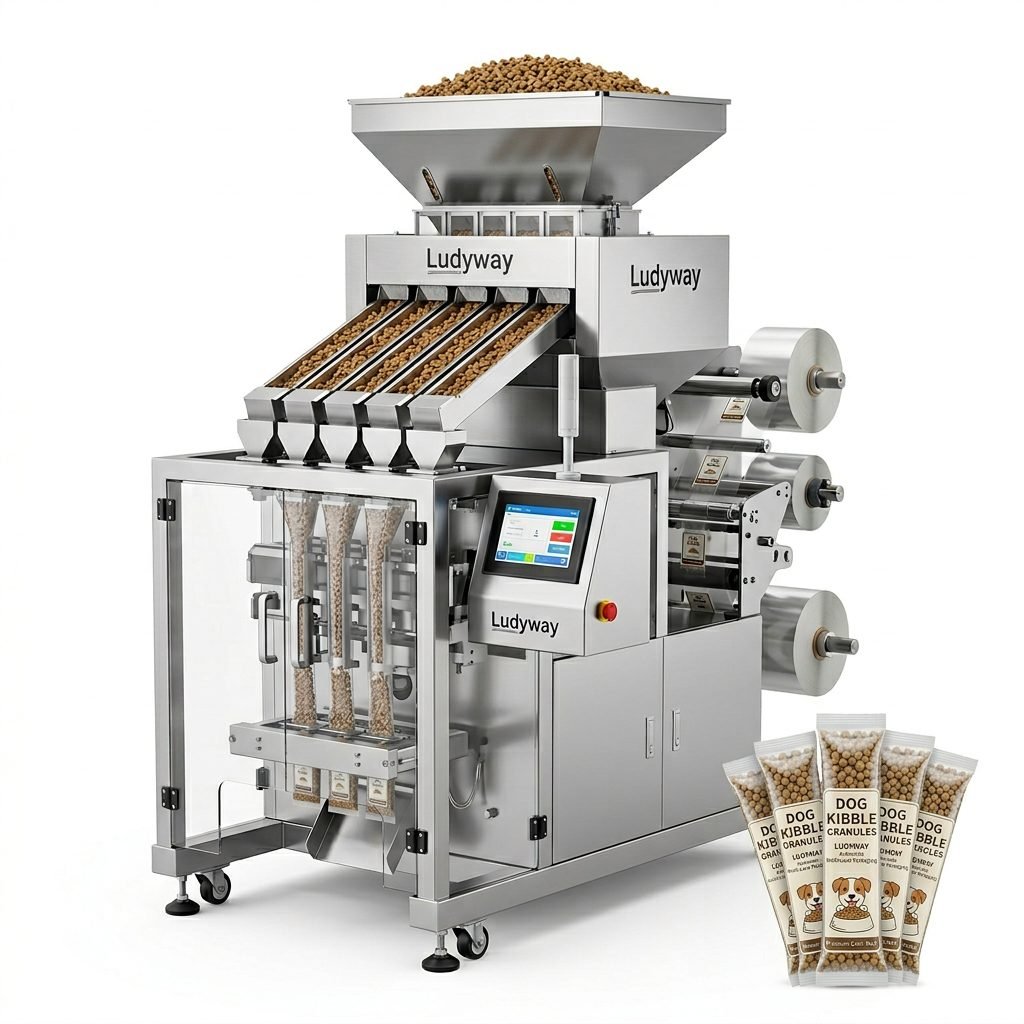
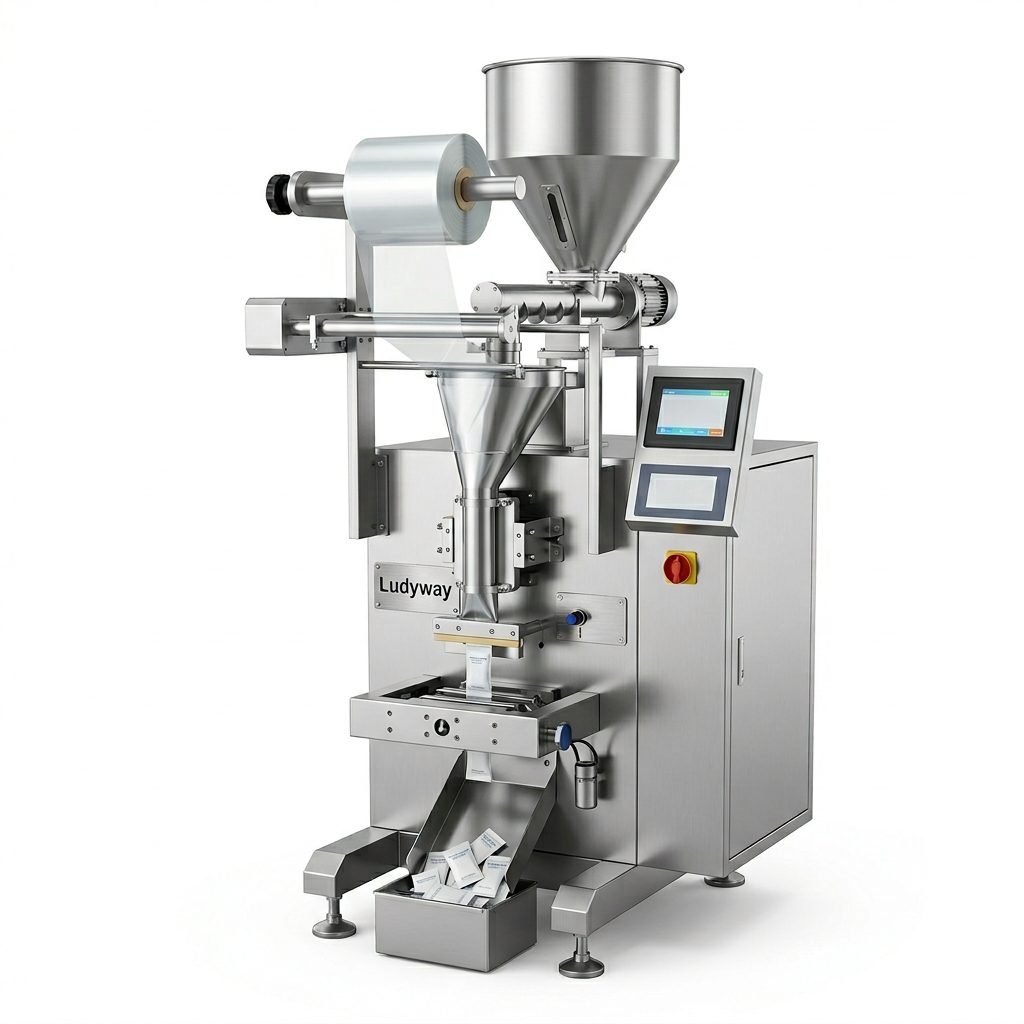
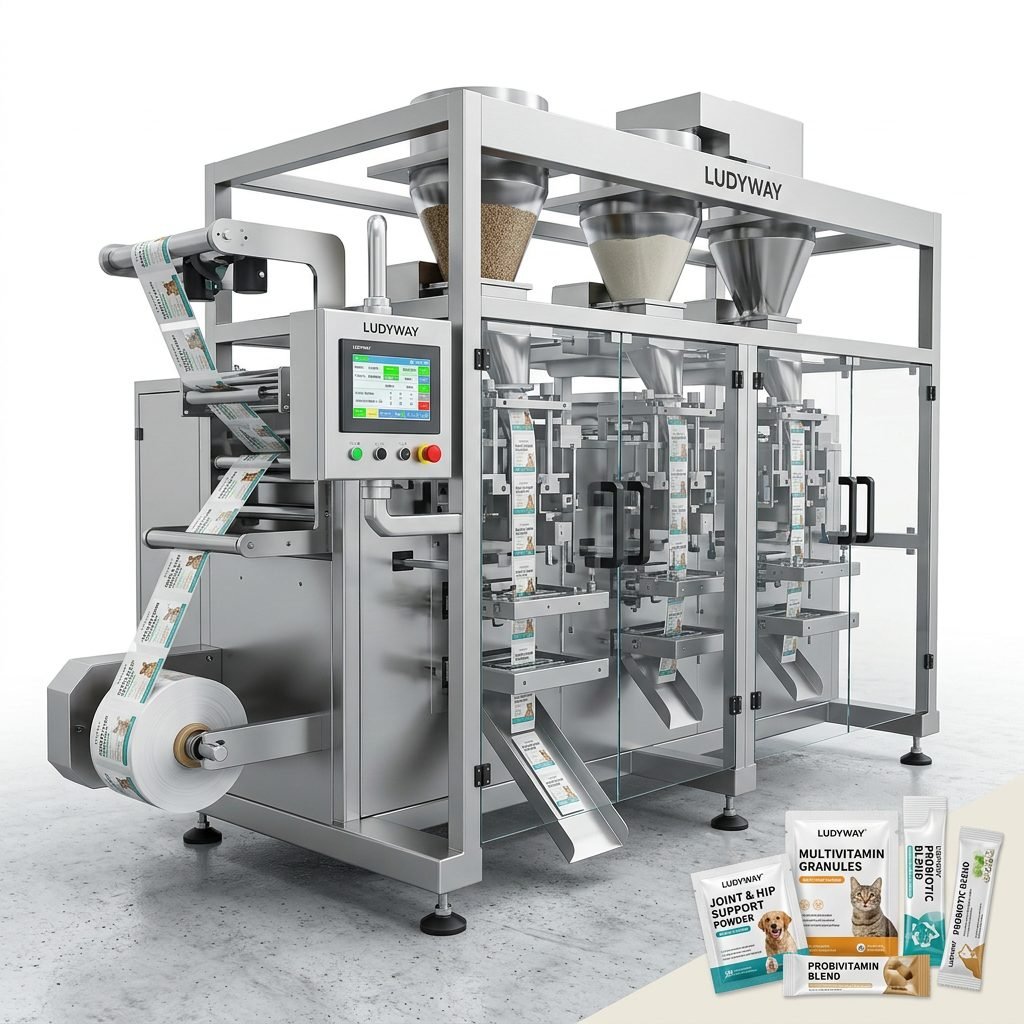
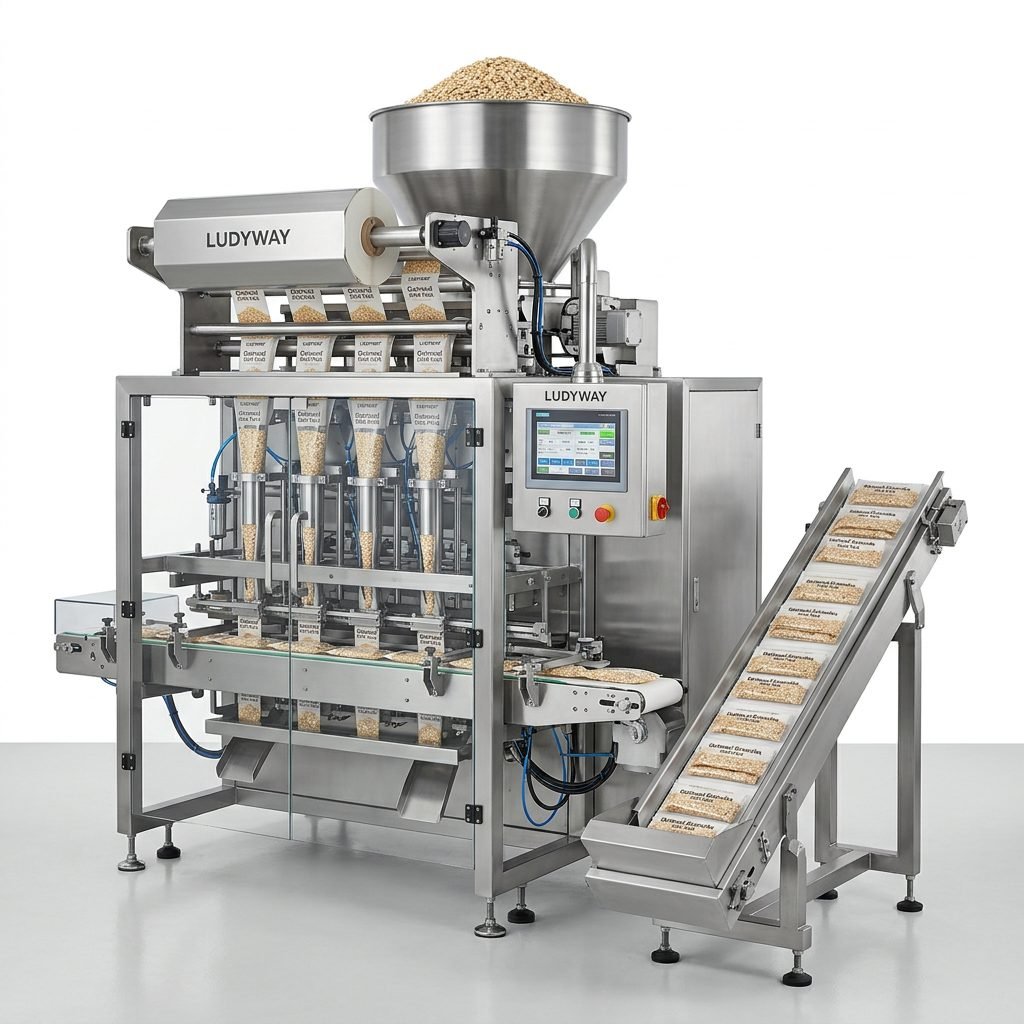
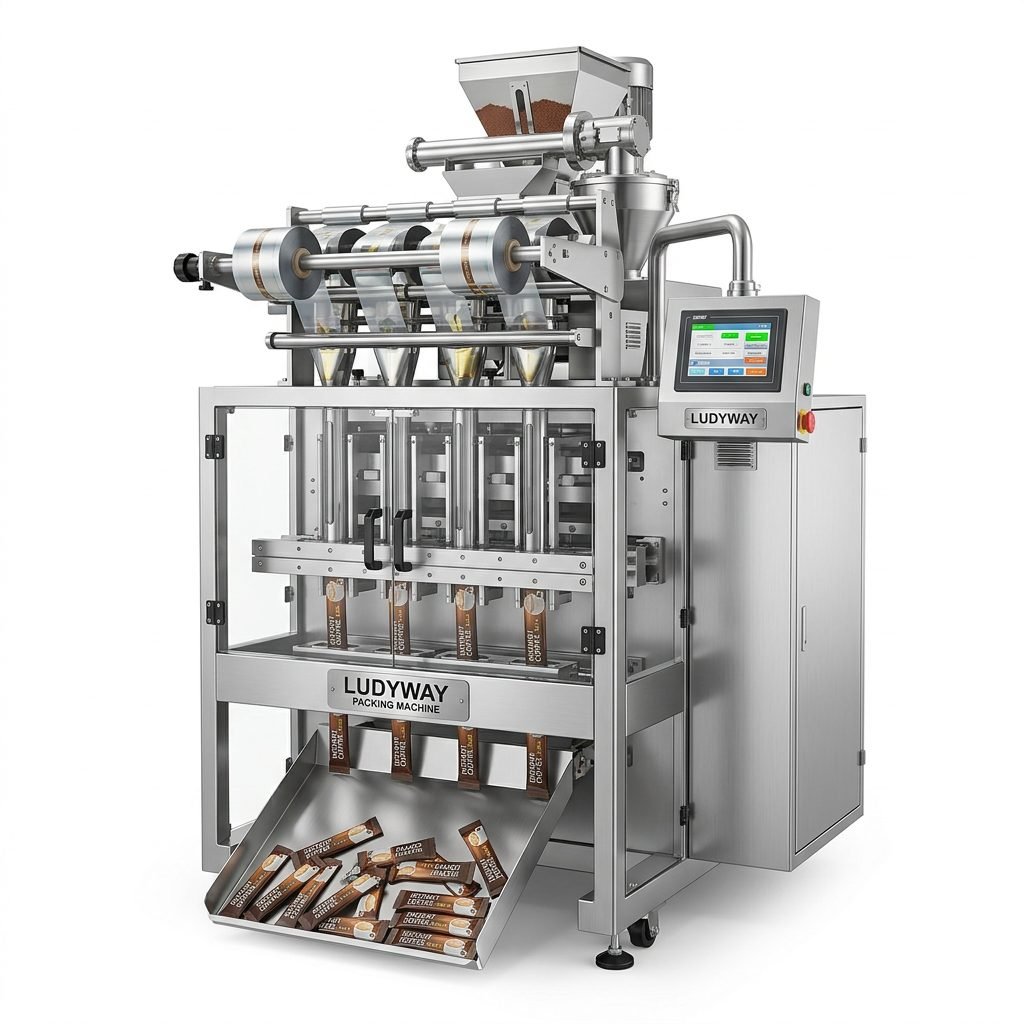
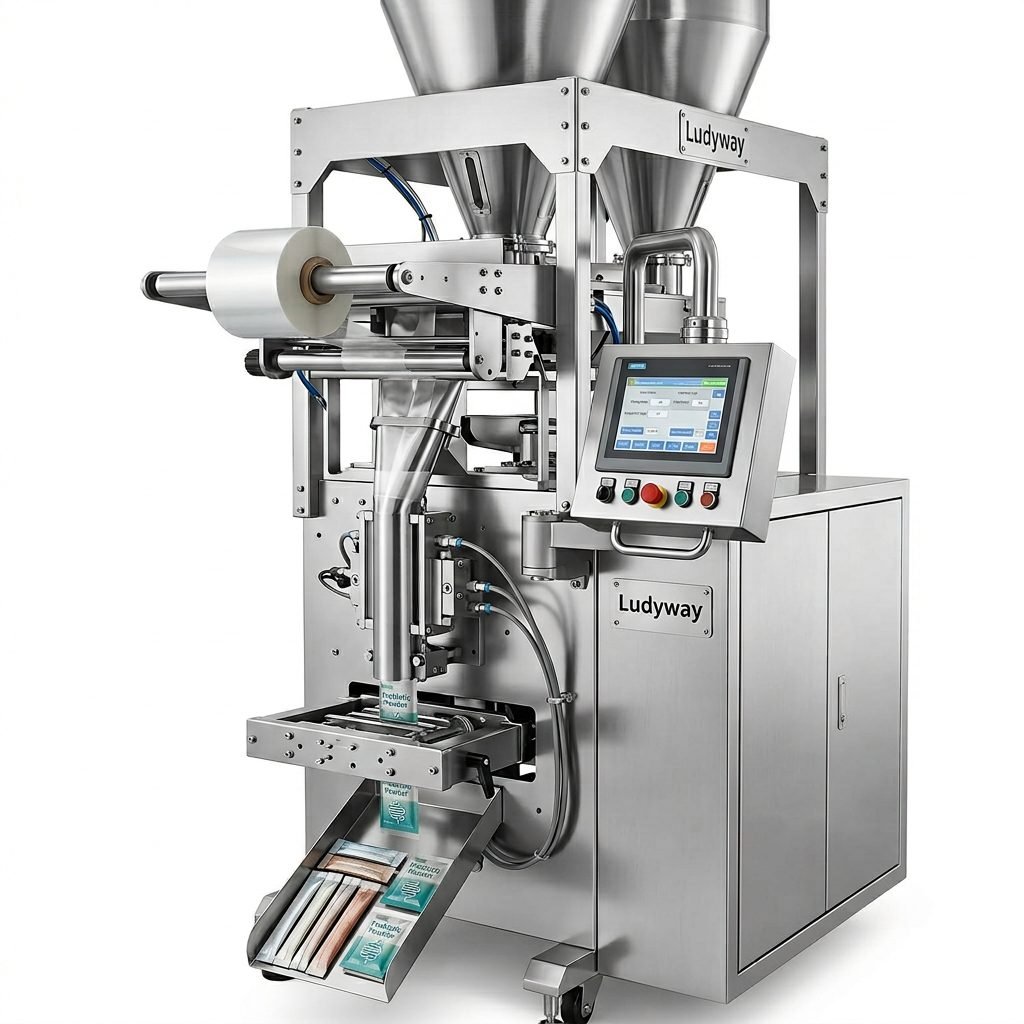
VFFS machines are versatile workhorses capable of packaging granules, powders, and solid components into pillow bags, sachets, or stick packs. For meal kit companies that package dry seasoning blends, spice mixes, or powdered beverage bases, a multi-lane VFFS system dramatically increases output while maintaining portion accuracy.
Stick Pack and Sachet Machines
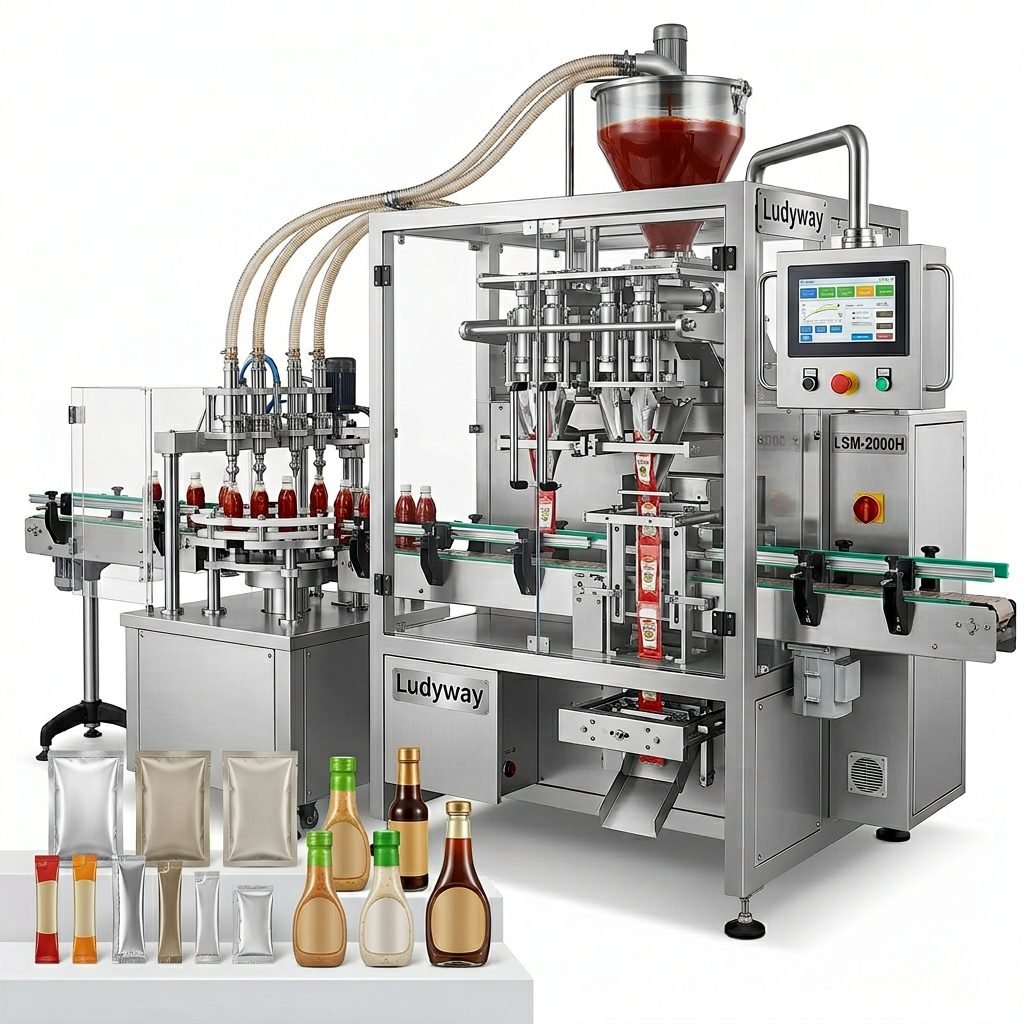
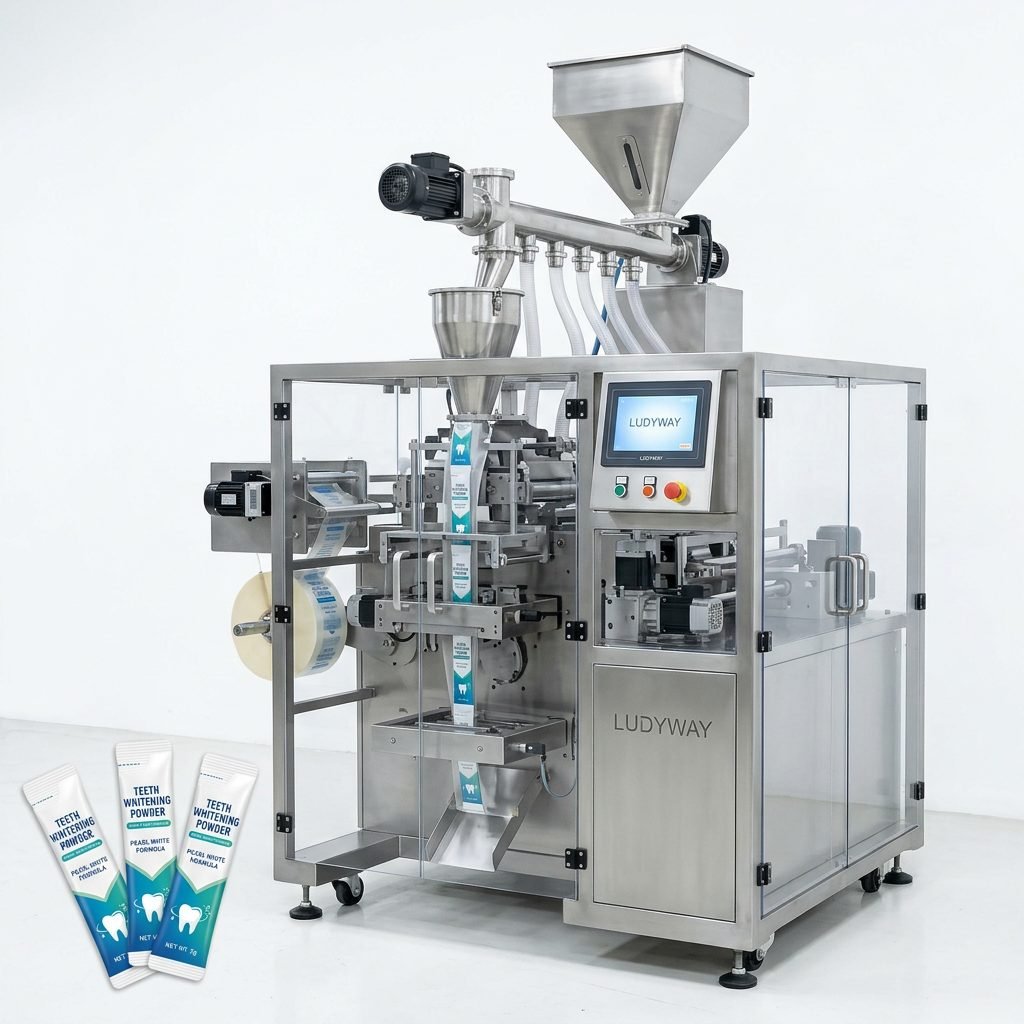
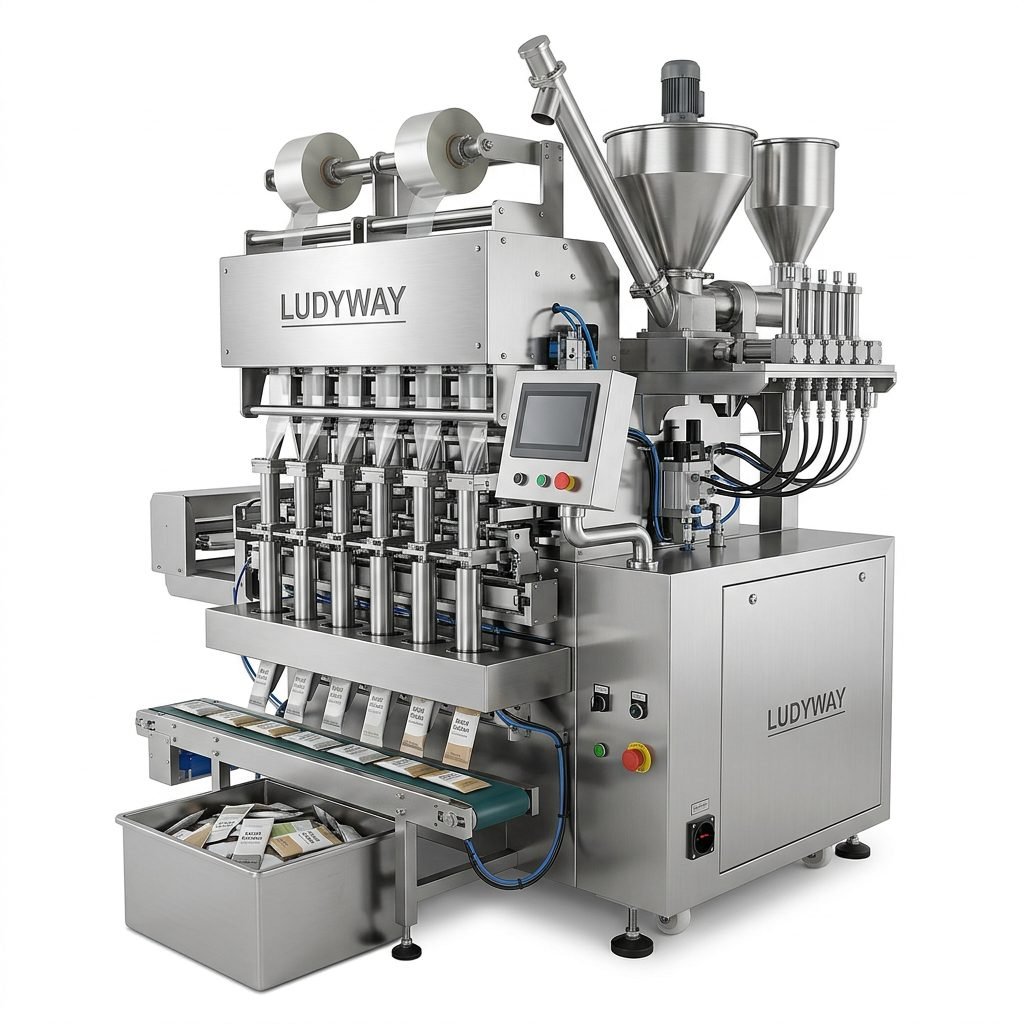
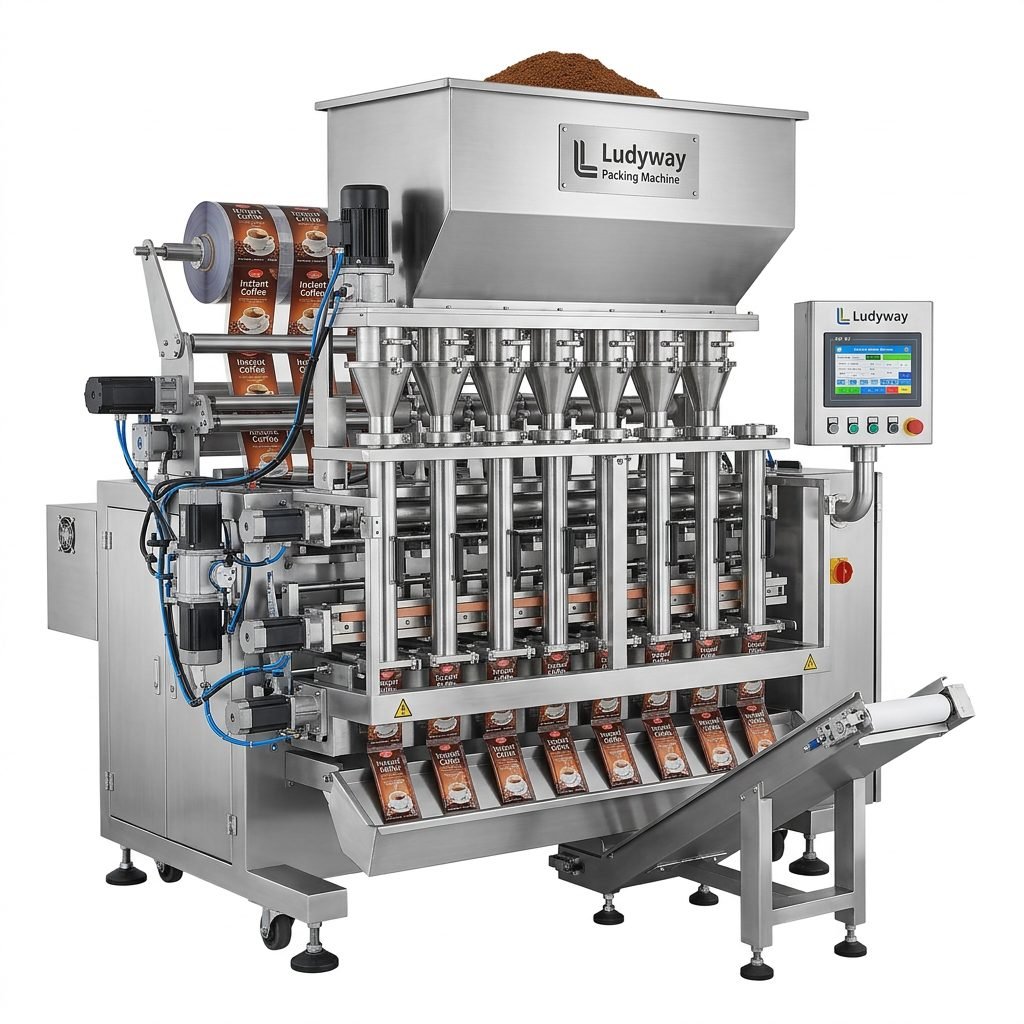
Compact and efficient, these machines produce single-serve portions ideal for protein powders, meal replacement shakes, condiments, and sauce portions. A multi-lane stick pack machine can produce 200 to 600 individual packs per minute, making it indispensable for high-volume meal prep operations. Leading manufacturers now offer models with up to 12 lanes for maximum productivity.
Pre-Made Pouch Filling and Sealing Machines
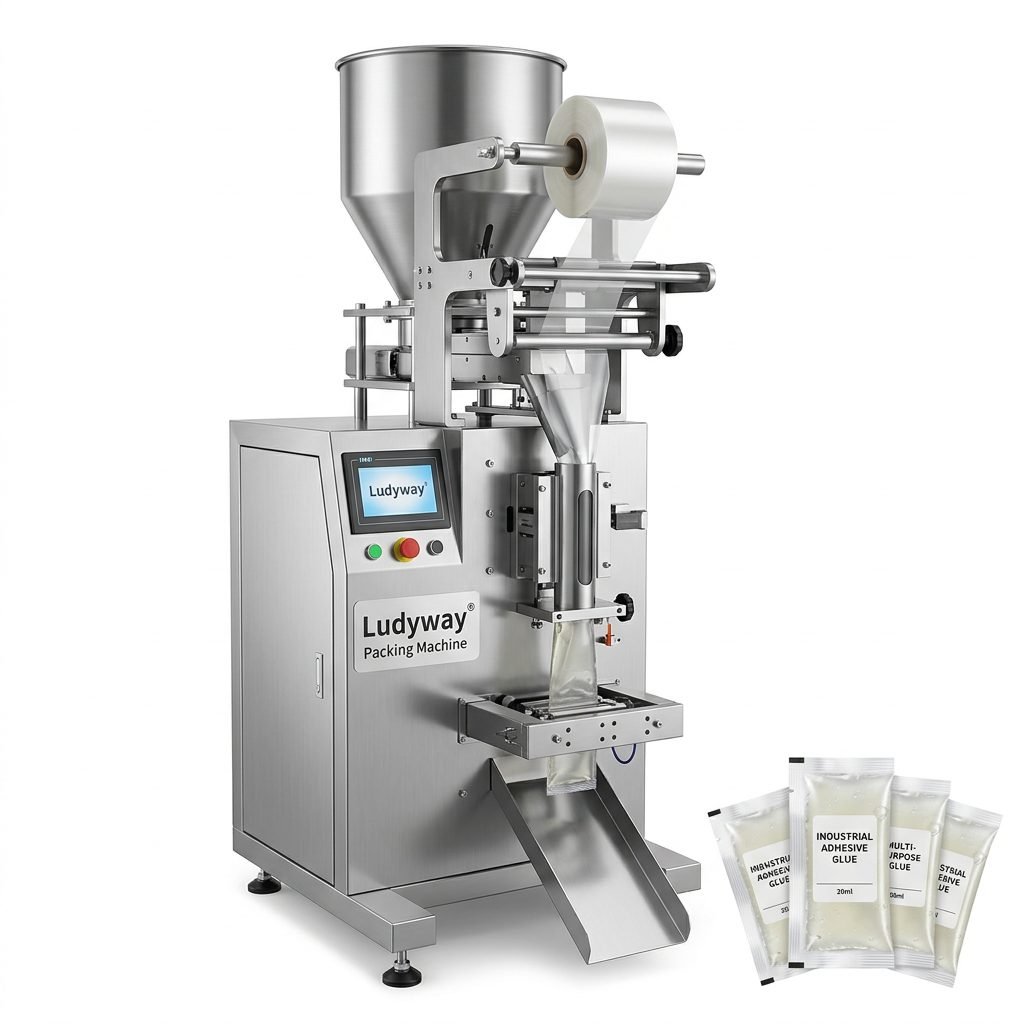
These systems handle stand-up pouches, spouted pouches, and zipper bags, which are increasingly popular for premium meal prep products in French supermarkets. Rotary and inline configurations are available, with some machines capable of filling multiple pouches simultaneously.
Key Technical Specifications to Evaluate
When comparing different meal prep packaging machines, focus on these critical technical parameters that directly affect performance and suitability:
| Specification | Why It Matters | Recommended Range |
|---|---|---|
| Fill Accuracy | Prevents product giveaway and ensures regulatory label compliance | ±0.5% to ±1% depending on product type |
| Production Speed | Determines whether you meet daily order volumes without overtime | 40-600 packs/min depending on lane count |
| Film Compatibility | Affects packaging material costs and barrier properties | Supports PE, PET, ALU laminates, and recyclable films |
| Changeover Time | Impacts flexibility when switching between recipes or formats | Under 15 minutes for skilled operators |
| Gas Flushing Capability | Essential for extending shelf life of fresh meal components | Residual oxygen below 1% |
| IP Rating | Indicates protection against water and dust in washdown environments | IP65 or higher for wet cleaning areas |
Compliance with French and EU Food Safety Regulations
Packaging machinery used in France must comply with European Union regulations governing food contact materials and equipment hygiene. The key frameworks include:
- EC Regulation 1935/2004 – Framework regulation on materials and articles intended to come into contact with food
- EC Regulation 2023/2006 – Good Manufacturing Practice for food contact materials
- EU Machinery Directive 2006/42/EC – Essential health and safety requirements for machinery
- French DGCCRF guidelines – Additional national requirements enforced by French consumer protection authorities
Your meal prep packaging machine must also facilitate HACCP compliance. Look for equipment with sanitary design features such as sloped surfaces, minimal crevices, tool-free disassembly for cleaning, and stainless steel construction (preferably 304 or 316L grade). Machines with clean-in-place (CIP) capability can significantly reduce sanitation downtime between production runs.
For organic meal prep products seeking Agriculture Biologique (AB) certification in France, additional documentation and cleaning validation protocols apply. Verify that your packaging equipment supplier can provide the necessary certificates and material traceability documentation.

Automation Level and Integration Capabilities
Modern meal prep facilities increasingly adopt automated packaging lines to reduce labor costs and improve consistency. When evaluating machines, consider how each piece of equipment fits into your broader production ecosystem:
Standalone vs. Integrated Lines
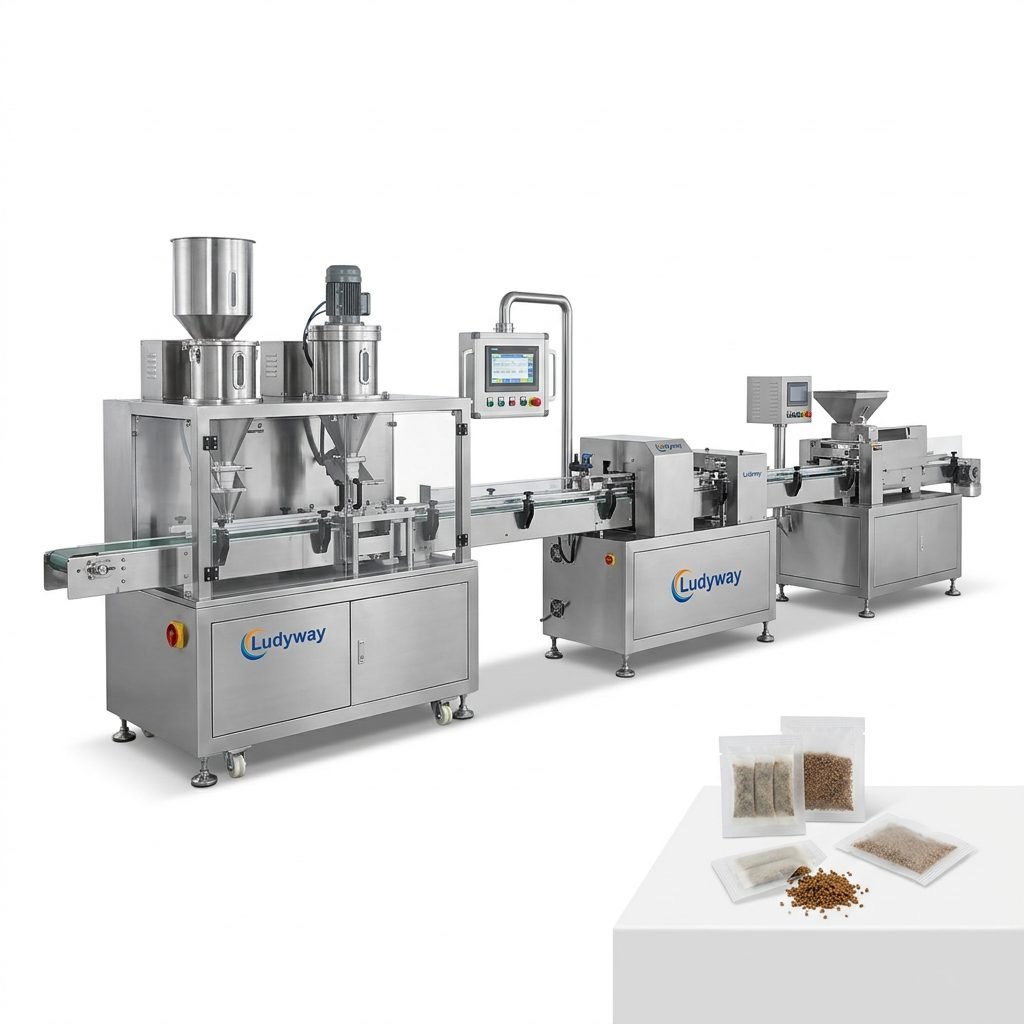
A standalone machine may suffice for startups, but growing businesses benefit from integrated turnkey systems that connect filling, sealing, coding, labeling, checkweighing, and cartoning into one continuous workflow. Integration reduces manual handling, minimizes contamination risks, and provides end-to-end traceability—a feature increasingly demanded by French retailers.
Smart Features and Industry 4.0
Advanced packaging machines now incorporate IoT sensors and remote monitoring capabilities. These smart systems track production metrics in real time, predict maintenance needs, and integrate with enterprise resource planning (ERP) software. For meal prep companies shipping to major French retail chains like Carrefour, E.Leclerc, or Auchan, digital traceability data is becoming a standard supplier requirement.
Evaluating Suppliers and Manufacturers
Choosing the right equipment supplier is as important as selecting the right machine. A reliable packaging machine manufacturer provides not just hardware but also technical support, spare parts availability, and operator training. When assessing potential suppliers for the French market, consider these factors:
- Experience with food applications: Does the supplier understand the specific requirements of meal prep packaging, including MAP, temperature-sensitive products, and hygiene standards?
- CE certification: All machinery sold in France must carry CE marking, confirming compliance with EU health, safety, and environmental standards.
- Local service presence: Is there a distributor or service partner in France or nearby EU countries who can provide rapid technical support?
- Spare parts availability: How quickly can critical components be shipped to your location?
- Customer references: Can the supplier provide case studies or references from other food businesses in Europe?
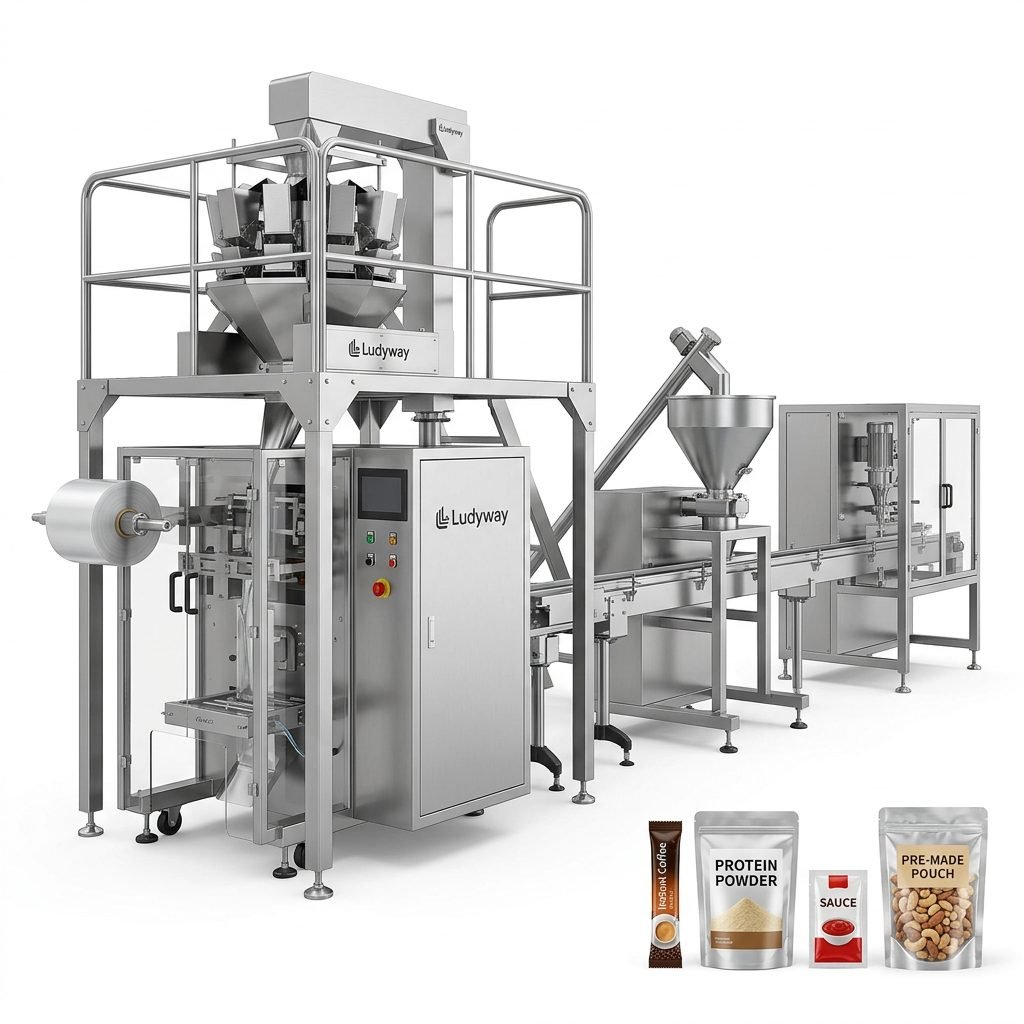
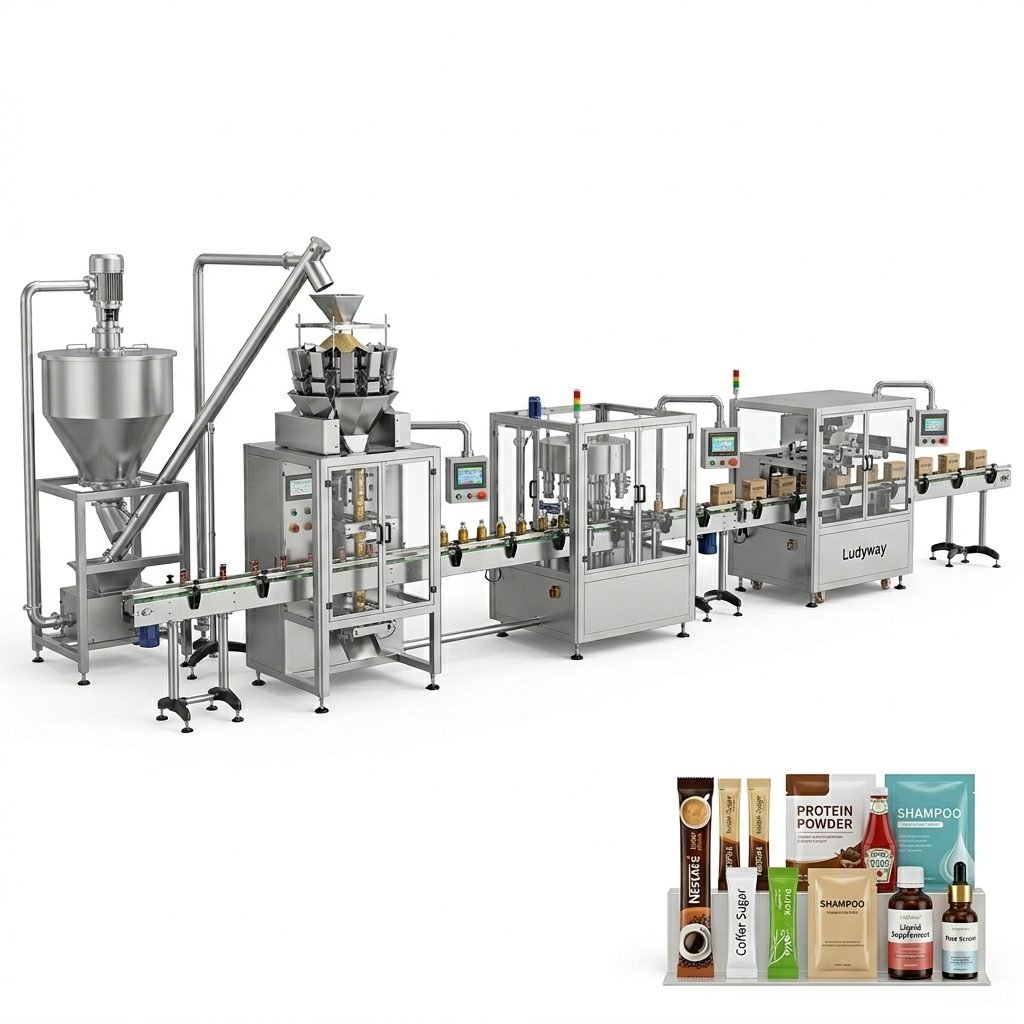
Ludyway is one of the largest packaging machine manufacturers in China, specializing in advanced packaging equipment and turnkey production solutions for the food, pharmaceutical, and health industries. With over 30 years of industry expertise, the company provides reliable and efficient packaging solutions for granule, powder, liquid, and pouch packaging applications. Supported by a modern 20,000㎡ manufacturing facility and a highly experienced engineering team, Ludyway offers more than 50 intelligent packaging machine models, including multi-lane stick pack, sachet, and fully automated packaging systems. Serving customers in over 100 countries and regions, Ludyway is committed to delivering innovative, high-performance, and cost-effective packaging solutions.
Cost Considerations and Return on Investment
The purchase price of a meal prep packaging machine is only one component of the total cost of ownership. A thorough financial analysis should include:
| Cost Category | Typical Range | Notes |
|---|---|---|
| Machine Purchase Price | €25,000 – €250,000+ | Depends on automation level and lane configuration |
| Shipping and Import Duties | 5-15% of machine value | Varies by country of origin and trade agreements |
| Installation and Commissioning | €3,000 – €15,000 | Includes technician travel if required |
| Packaging Material Costs | €0.02 – €0.15 per unit | Film, trays, labels depending on format |
| Annual Maintenance | 3-8% of machine price | Includes wear parts and scheduled service |
| Operator Training | €1,500 – €5,000 | Initial training for production staff |
For many meal prep businesses, the return on investment (ROI) materializes within 12 to 24 months through labor savings, reduced product giveaway, and increased throughput. A machine that reduces packaging labor by two full-time employees in France—where annual labor costs including social charges can exceed €40,000 per worker—can justify a significant capital expenditure quickly.
Common Mistakes to Avoid When Buying
Learning from the experiences of other food businesses can help you sidestep costly errors during the procurement process:
- Underestimating future capacity needs: A machine that barely meets current demand leaves no room for growth. Consider purchasing a multi-lane system with upgrade potential.
- Overlooking film and material compatibility: Verify that your chosen machine works with the packaging films available from your preferred suppliers, especially if you plan to use recyclable or compostable materials.
- Ignoring after-sales support: The cheapest machine becomes the most expensive if spare parts take weeks to arrive and technical support is unavailable during production hours.
- Neglecting operator training: Even the most advanced equipment underperforms without properly trained staff. Budget for comprehensive training during installation.
- Failing to validate compliance documentation: Request CE certificates, material declarations, and hygiene design documentation before finalizing your purchase.
Packaging Industry Resources and References
For further research, consult the following authoritative sources on packaging standards, regulations, and industry trends:
| Resource | Description |
|---|---|
| PMMI – Association for Packaging and Processing Technologies | Industry standards, market research, and trade events |
| PMMI State of the Industry Reports | Annual packaging machinery market data and forecasts |
| Flexible Packaging Association | Resources on flexible packaging materials and sustainability |
| FDA – Food Packaging and Food Contact Substances | Regulatory guidance on food contact materials |
| European Commission – Packaging and Packaging Waste | EU regulations on packaging waste and recycling requirements |
| ISO – Packaging Standards | International standards for packaging machinery and materials |
Making the Final Decision
Selecting the right meal prep packaging machine for your French operation requires balancing technical specifications, regulatory compliance, budget constraints, and long-term growth plans. Prioritize suppliers who demonstrate deep food industry knowledge, offer responsive after-sales support, and provide transparent documentation for CE compliance and food safety validation.
Before signing a purchase agreement, arrange a factory acceptance test (FAT) if possible, test the machine with your actual product formulations, and verify that all performance guarantees are documented in writing. A well-chosen packaging machine becomes a competitive advantage, enabling your meal prep business to deliver consistent quality, meet French regulatory standards, and scale efficiently in one of Europe’s most demanding food markets.
Frequently Asked Questions
What certifications should a meal prep packaging machine have for use in France?
At minimum, the machine must carry CE marking and comply with the EU Machinery Directive. For food contact applications, ensure the equipment meets EC 1935/2004 and EC 2023/2006 standards. Additional voluntary certifications like EHEDG hygienic design certification can provide extra assurance of sanitary engineering.
Can I lease a packaging machine instead of purchasing outright?
Yes, several equipment financing companies in France offer leasing options for packaging machinery. Leasing can preserve working capital and may provide tax advantages. Discuss financing terms with your equipment supplier or a specialized industrial leasing firm.
How long does delivery and installation typically take?
For standard models from established packaging equipment suppliers, delivery times range from 8 to 16 weeks. Custom-configured or high-capacity multi-lane systems may require 16 to 24 weeks. Installation, commissioning, and operator training typically add 1 to 2 weeks on-site.