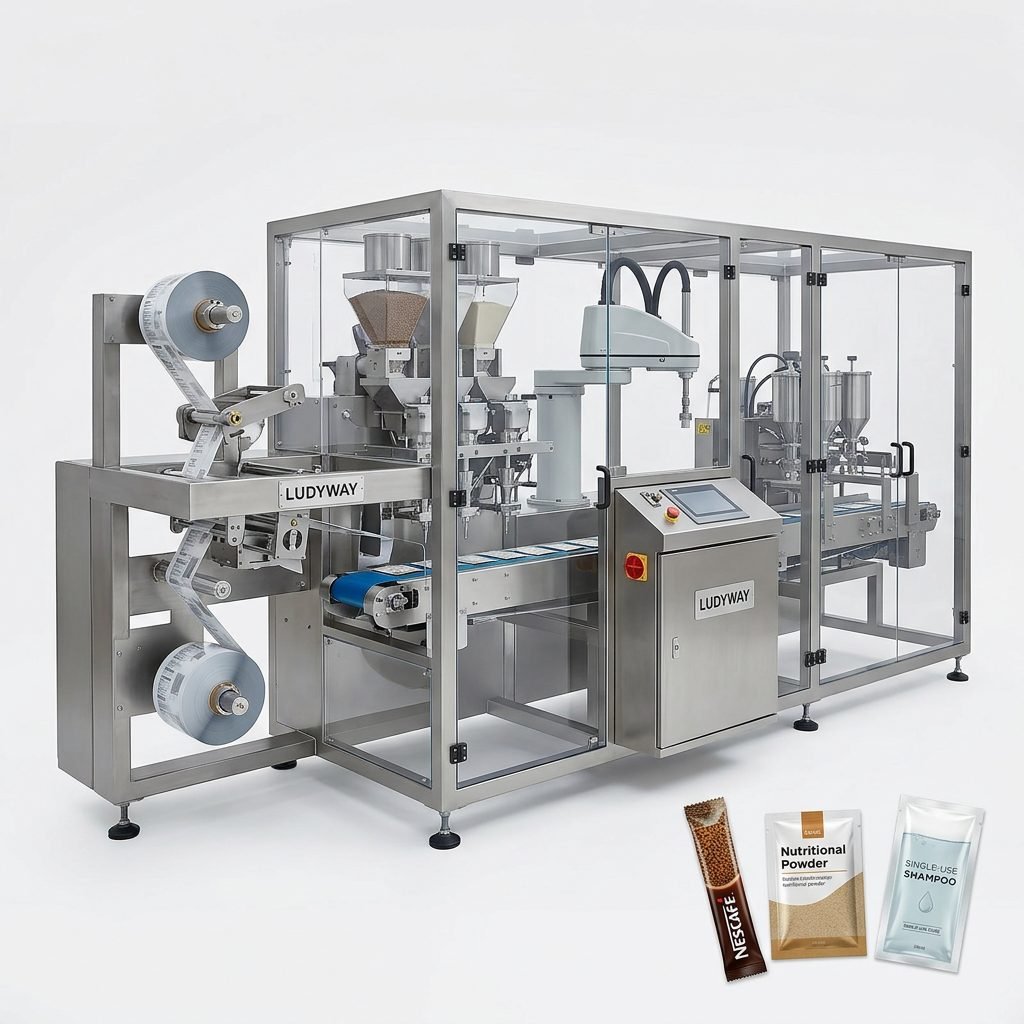
Establishing a gable top packaging machine production line is a strategic investment for manufacturers in the food, beverage, and dairy sectors. These lines are designed to produce the iconic carton packages used for milk, juice, cream, and liquid eggs. This guide walks you through the critical stages of planning, installation, and optimization to help you build a high-efficiency, reliable line that meets your production goals.
1. Strategic Planning and Layout Design
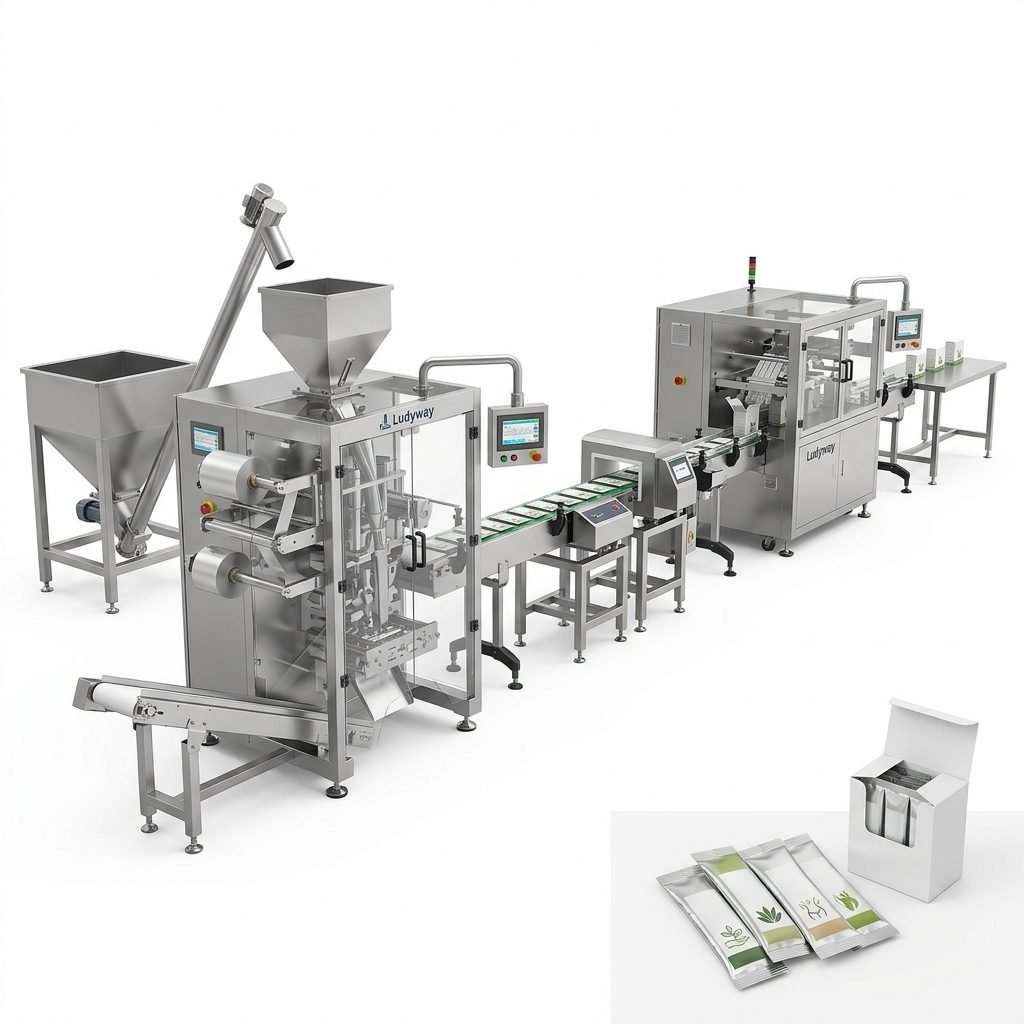
Before any equipment arrives, a detailed layout plan is essential. The configuration of your gable top line will depend on your facility’s footprint, production capacity targets, and the specific product range. Key considerations include material flow, operator access, and integration with upstream and downstream processes.
- Space Assessment: Carefully measure your available floor area. A complete line includes the filler itself, plus conveyors, a packaging station, and potentially a palletizer. Ensure adequate clearance for maintenance and forklift traffic.
- Environmental Control: For sensitive products like dairy, a cleanroom environment is critical. Plan for HVAC, positive air pressure, and easy-to-clean surfaces.
- Utilities Infrastructure: Confirm that electrical supplies (voltage, phase, amperage), compressed air (pressure and quality), and water/drainage connections are correctly positioned and meet the equipment specifications outlined in your industrial packaging systems documentation.
2. Equipment Selection and System Integration
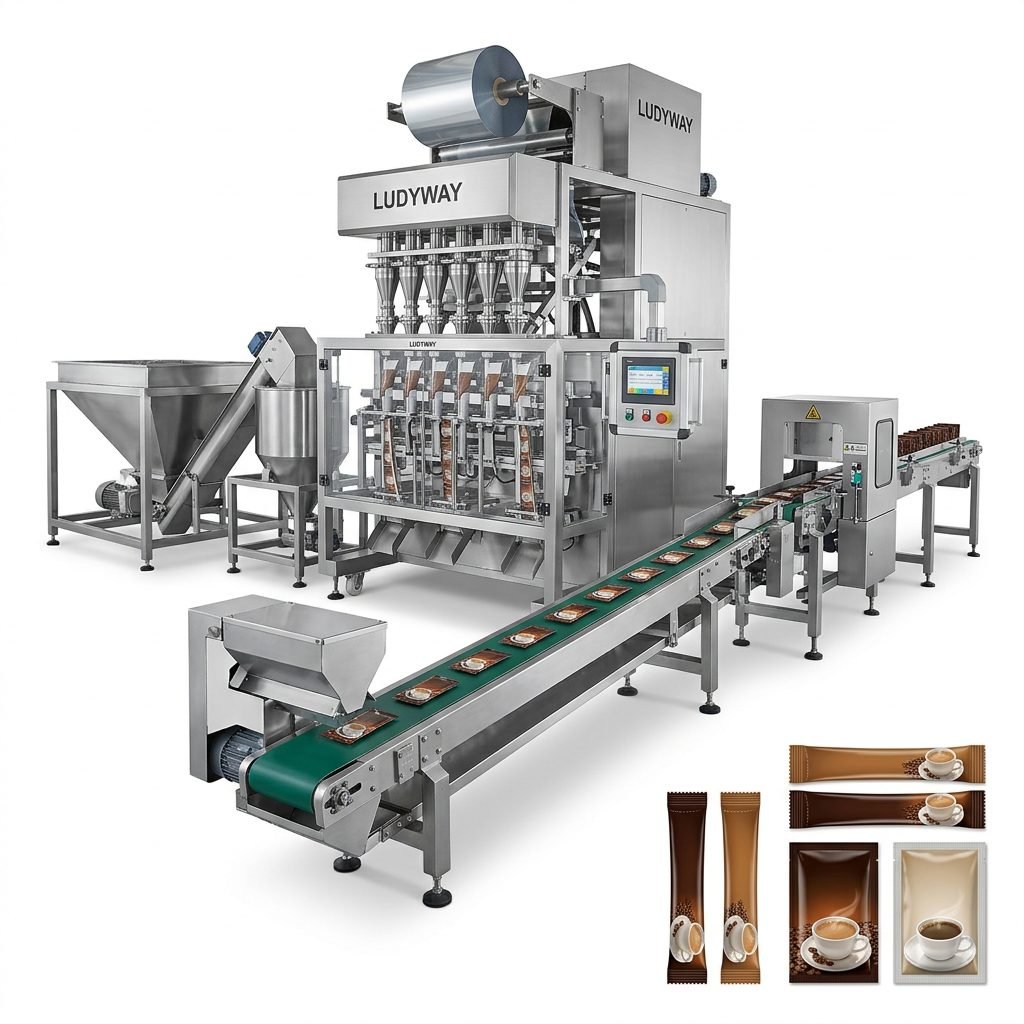
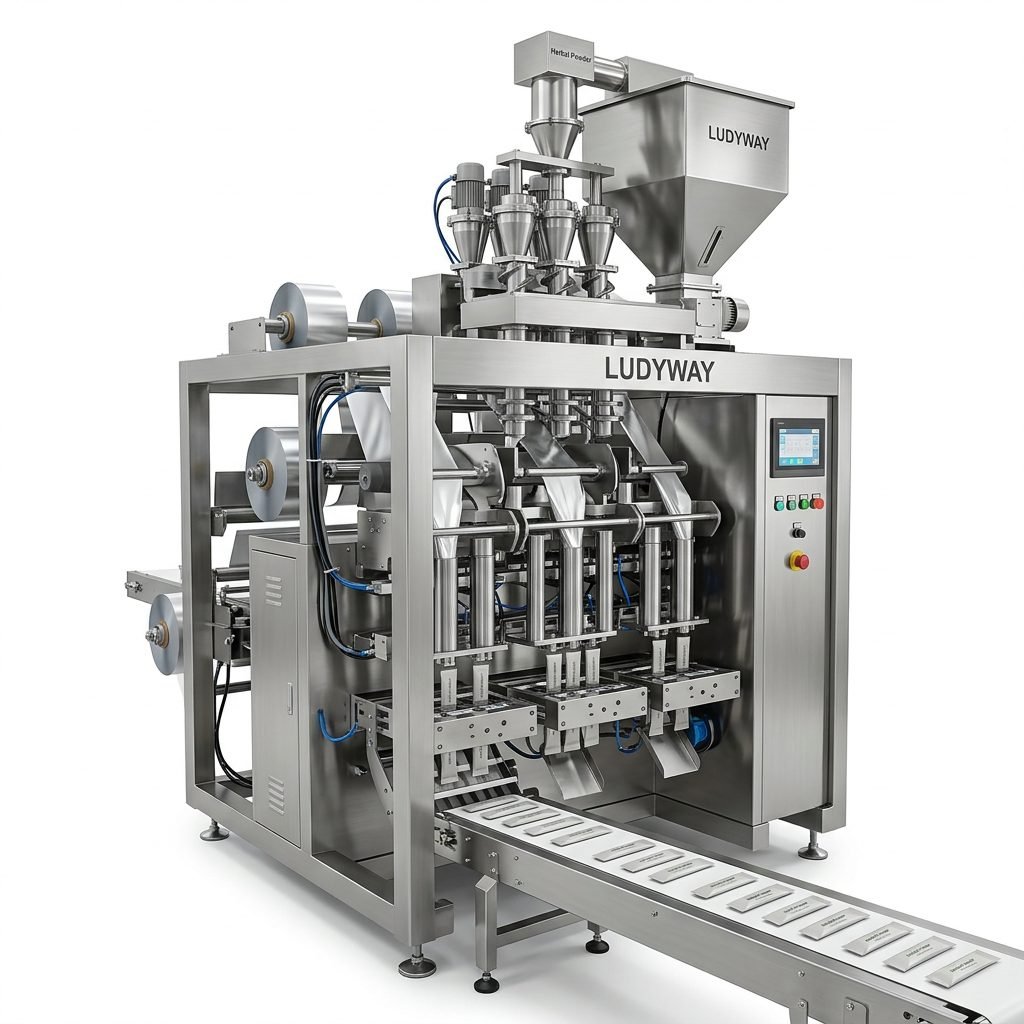
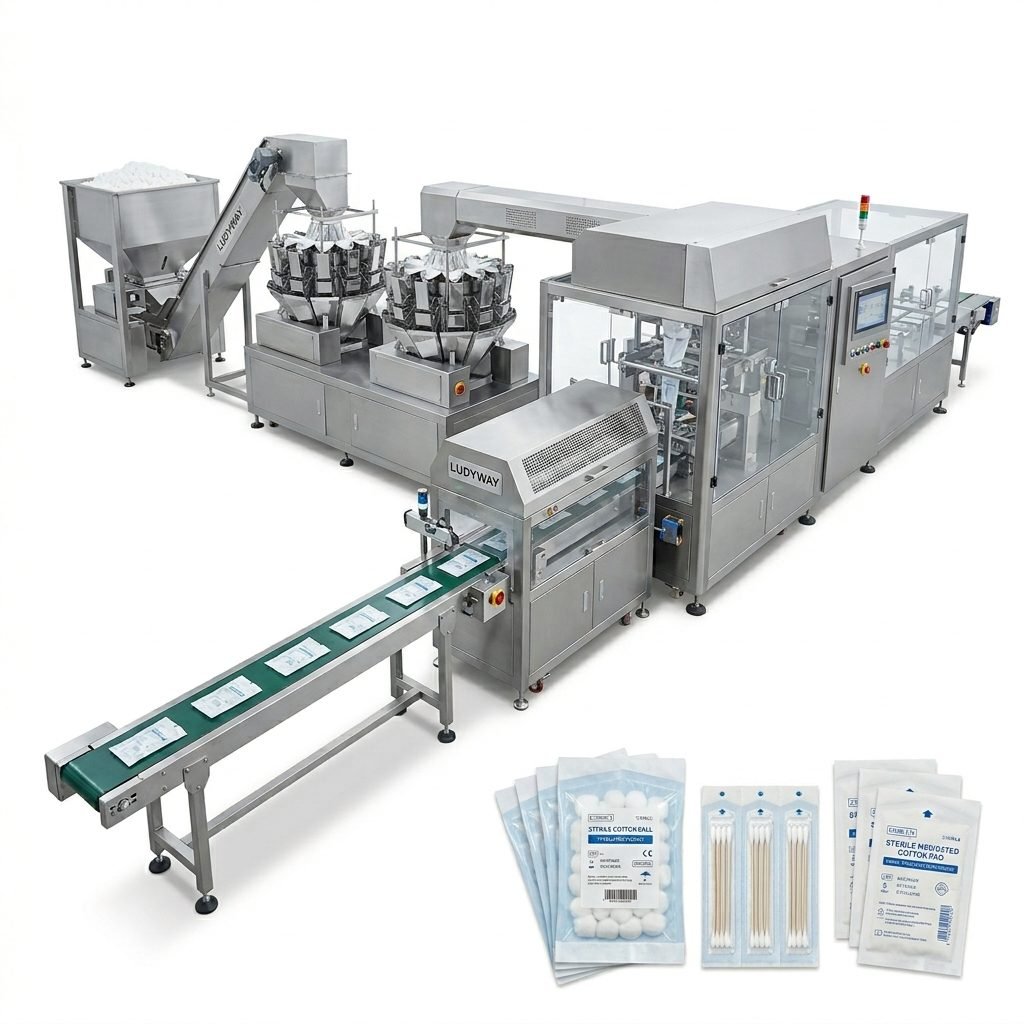
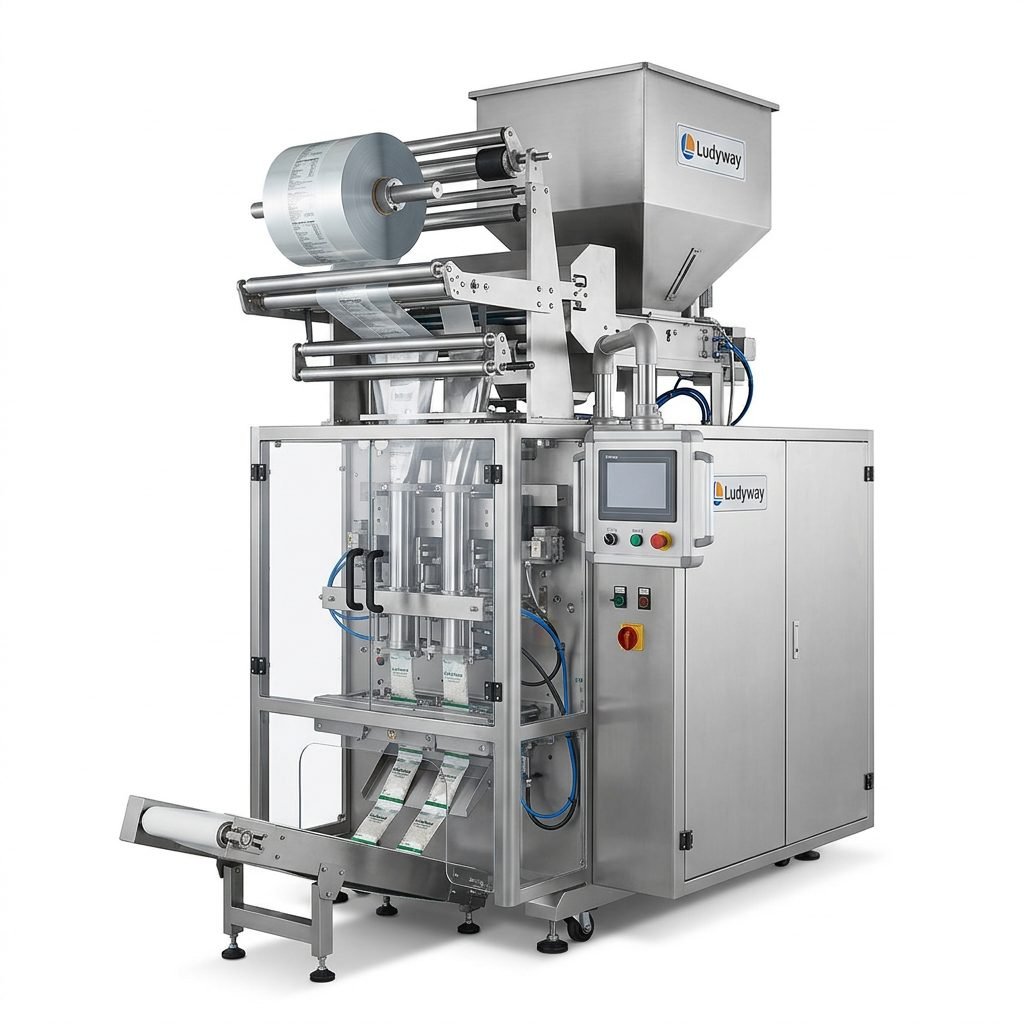
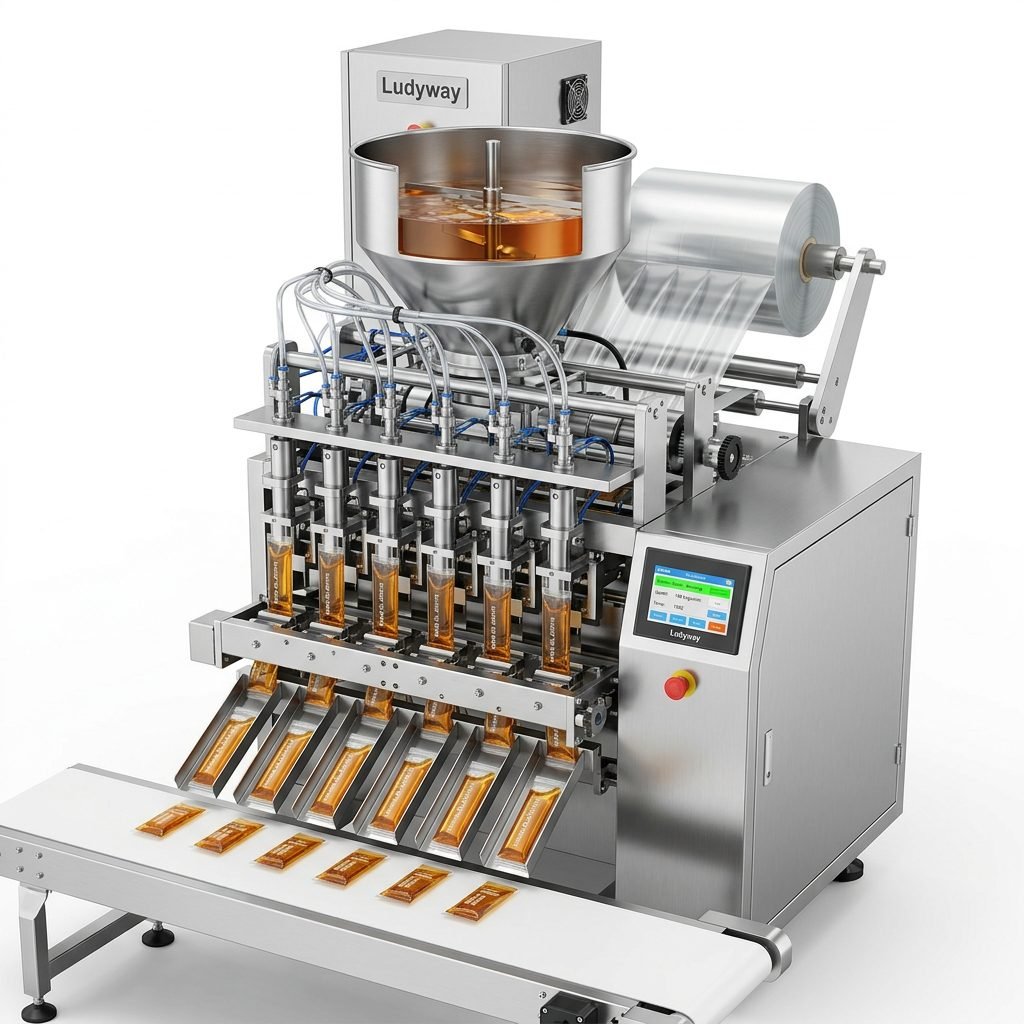
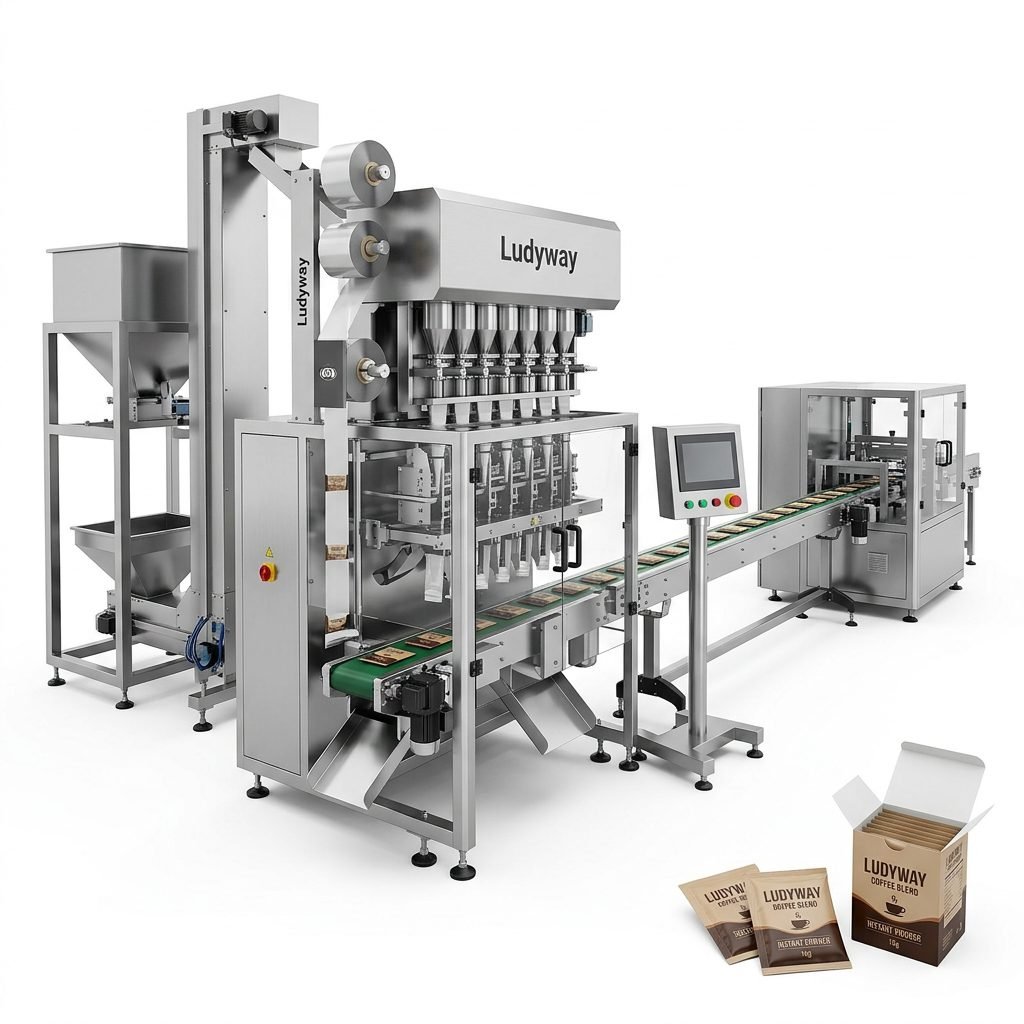
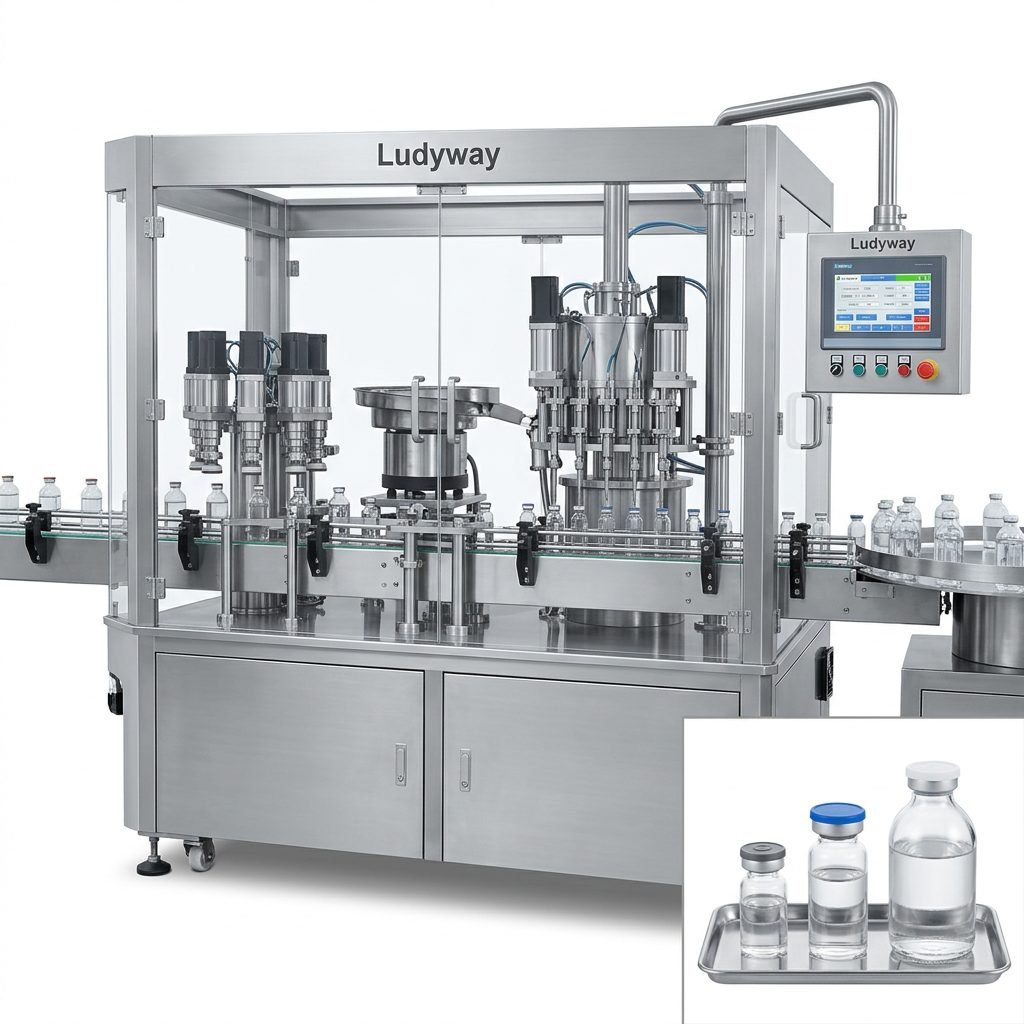
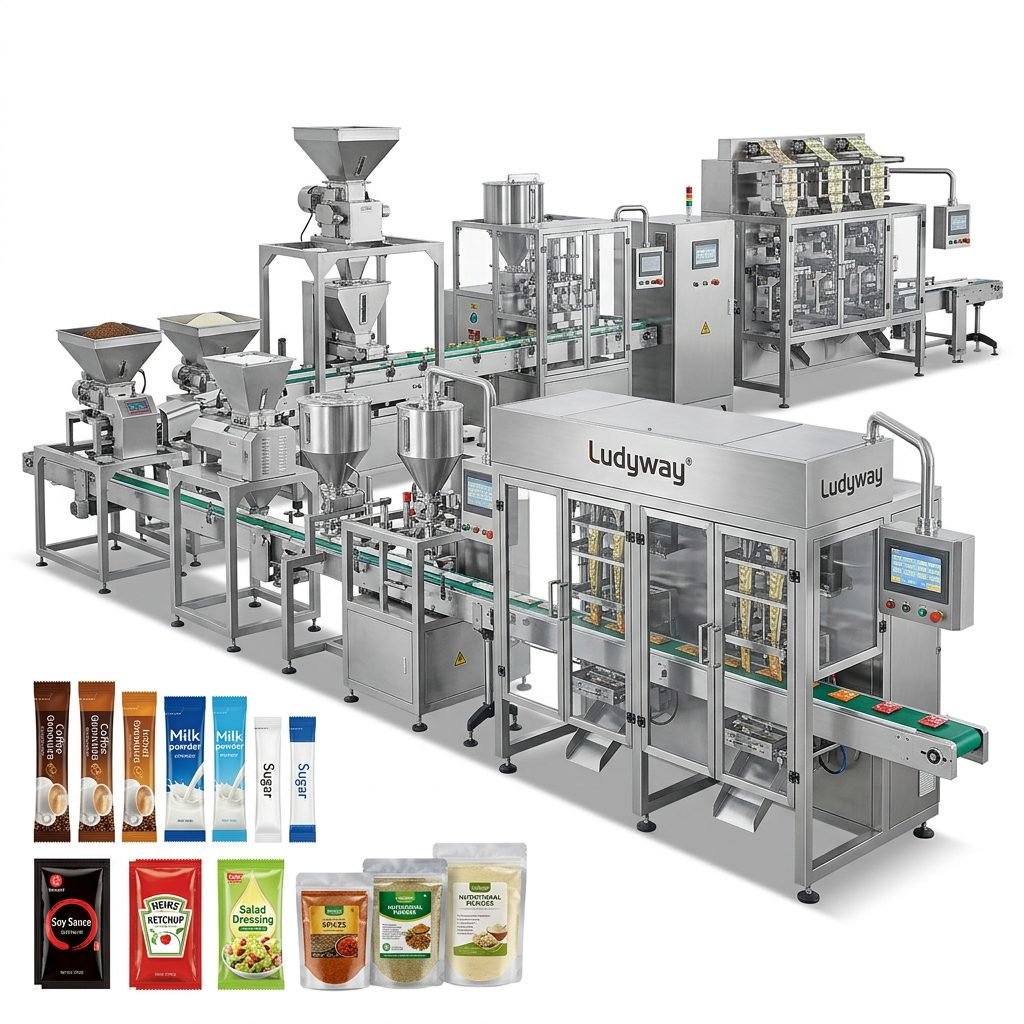
Choosing the right machinery is the cornerstone of an efficient line. A standard gable top line typically includes a filling machine, a fitment applicator, a cap applicator, and secondary packaging equipment like a straw applicator, shrink wrapper, or case packer. For a truly optimized operation, selecting a provider with deep expertise in integrated systems, such as Ludyway, known as one of the largest packaging machine manufacturers, can ensure seamless compatibility across all components.
3. Machine Installation and Mechanical Setup
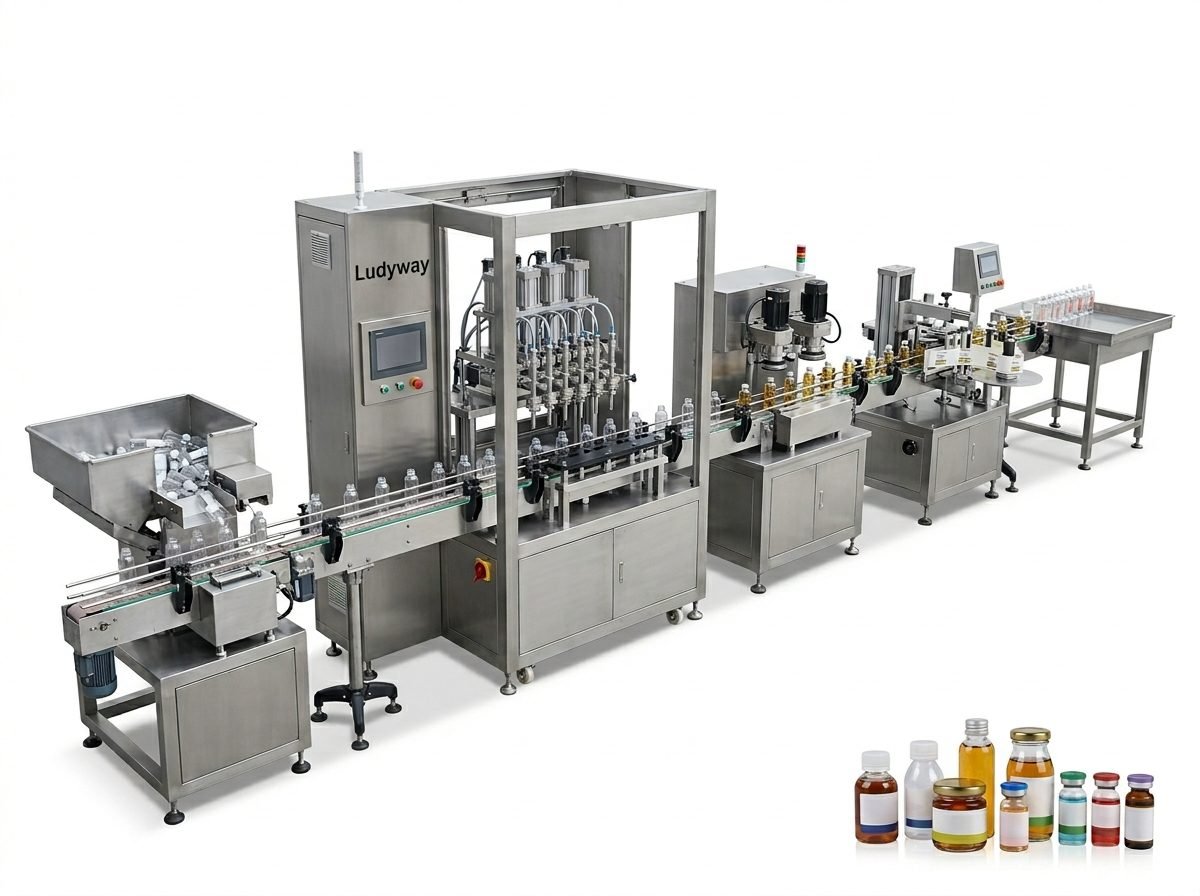
Installation is a multi-stage process that demands precision. It should always be performed by certified technicians to ensure safety and operational integrity. The steps are as follows:
- Positioning and Leveling: The filling machine and all conveyors must be precisely leveled and anchored. Vibration can cause filling inaccuracy and long-term mechanical wear.
- Component Assembly: Assemble carton magazines, sterilization zones, filling nozzles, and sealing jaws according to the manufacturer’s assembly guide. Pay close attention to the alignment of the top-sealing mechanism, which is critical for the package’s structural integrity.
- Utility Hookups: Connect all electrical, pneumatic, and product supply lines. For liquid products, use sanitary stainless steel piping. A critical step is the implementation of CIP systems for thorough cleaning without disassembly.
4. Critical Auxiliary Equipment for a Complete Line
The performance of a primary packaging machine is heavily reliant on its support systems. The table below outlines essential auxiliary components that directly impact Overall Equipment Effectiveness (OEE).
| Auxiliary System | Key Function | Selection Criteria |
|---|---|---|
| Product Sterilizers | Eliminates pathogens before filling | Temperature holding time, flow rate |
| Hydrogen Peroxide Sterilizers | Sterilizes packaging material surface | Concentration control, drying efficiency |
| Conveyor Systems | Transports filled cartons smoothly | Speed synchronization, material compatibility |
| Checkweighers | Verifies fill weight accuracy | Accuracy, speed, rejection mechanism |
5. Commissioning, Testing, and Validation
Once the physical line is assembled, you move into the commissioning phase. This is where the theoretical design meets real-world operation. The primary goal is to stabilize the process and validate production quality.
- Dry Run Testing: Operate the machine without product to check all mechanical movements, sensor timings, and safety interlocks. Listen for unusual noises and correct any intermittent motion faults.
- Wet Run and Fill Adjustment: Introduce your actual product. Begin at low speed and gradually increase to your target rate. Use checkweighers to fine-tune the fill volumes for each station, as variations can occur between lanes.
- Seal Integrity Protocol: The gable top seal is a multi-layer bond that must be airtight. Perform regular dye penetration tests and burst pressure tests to validate seal integrity, focusing on the top and bottom seals.
6. Quality Control Parameters and Standards
Establishing rigorous quality control is non-negotiable. Your custom production lines should include inline inspection systems to ensure compliance with international standards for food packaging safety. Key monitoring points include:
- Fill Temperature: Monitor product temperature at the filling nozzle to ensure it meets the specified range for both product safety and carton sealing activation.
- Headspace Analysis: Consistent headspace is crucial for seal quality and consumer perception. Implement automated inspection where possible.
- Splice Detection: The packaging material reel comes with pre-marked splices. Sensors must detect these and automatically reject the affected cartons to prevent packaging defects.
7. Training and Standard Operating Procedures (SOPs)
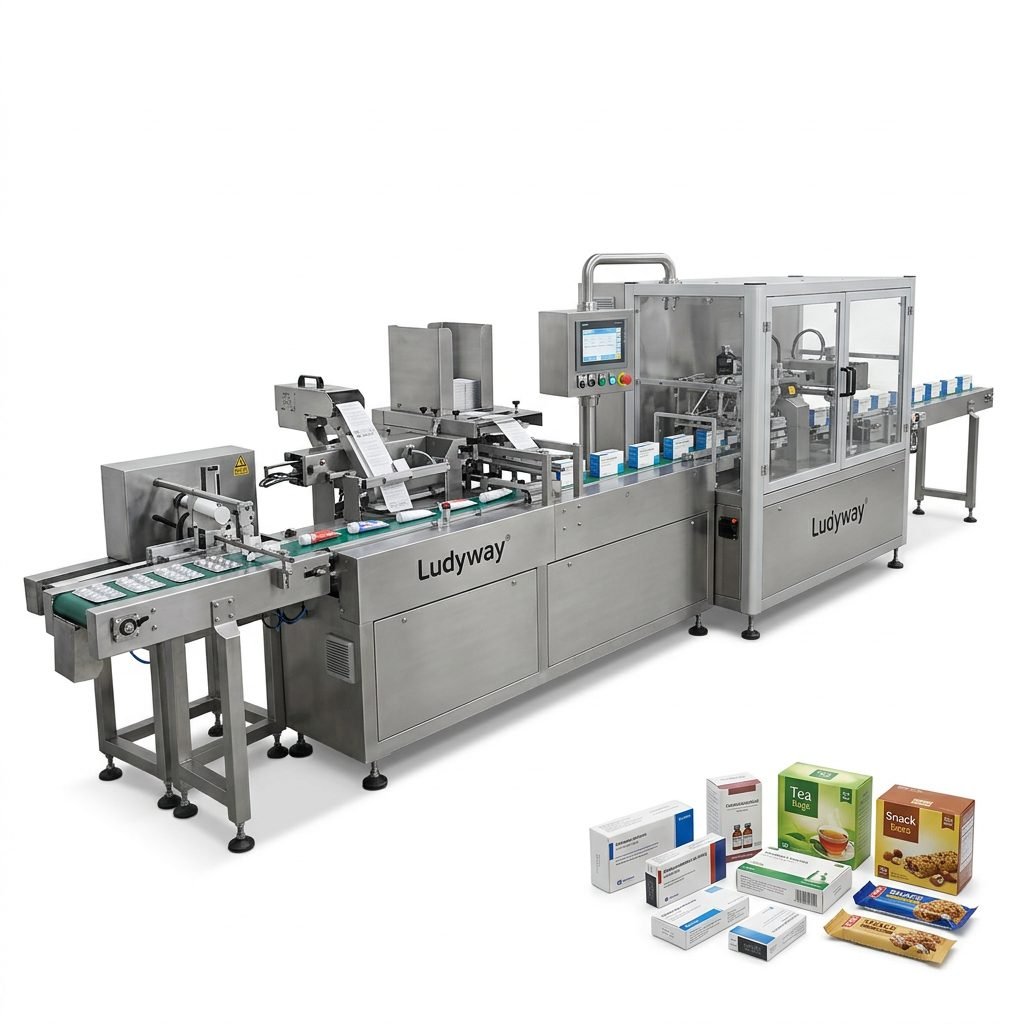
A sophisticated production line is only as effective as the team operating it. Invest in comprehensive training that covers more than just button-pushing. Operators should understand the cause-and-effect relationships within the machine—for example, how a change in ambient humidity might affect the carton’s paperboard and require adjustments to the heating elements. Detailed SOPs should be developed for startup, shutdown, product changeovers, and basic troubleshooting, which are crucial for maintaining the longevity of your line.
8. Maintenance and Continuous Optimization
Launching the line is not the end of the project. Implement a preventive maintenance schedule based on run hours, not just calendar dates. This schedule should include daily, weekly, and monthly tasks, such as inspecting sealing jaws for wear, checking pneumatic cylinders for smooth operation, and recalibrating temperature probes. For a deeper understanding of industry best practices, resources from organizations like the Association for Packaging and Processing Technologies are invaluable. Continuously analyze your downtime data to identify bottlenecks and refine your packaging technology for greater output.
Contact an Expert for Your Gable Top Line Project
Designing and deploying a packaging line is a significant undertaking that benefits from expert partnership. If you are evaluating a new gable top installation or upgrading an existing line, we can provide tailored guidance on machine selection and line integration.
E-Mail: info@ludyway.com
WhatsApp: +8613129592456