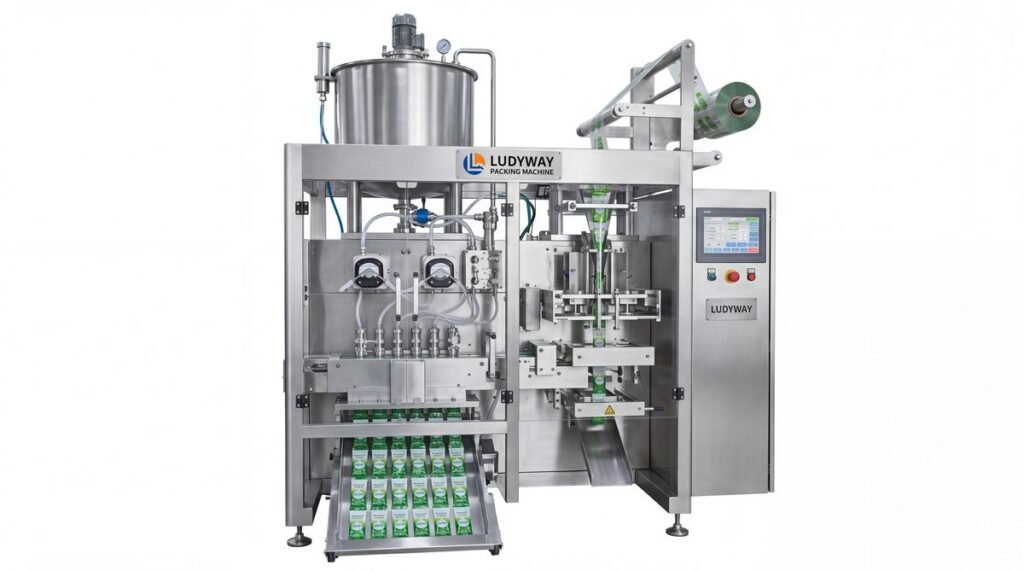
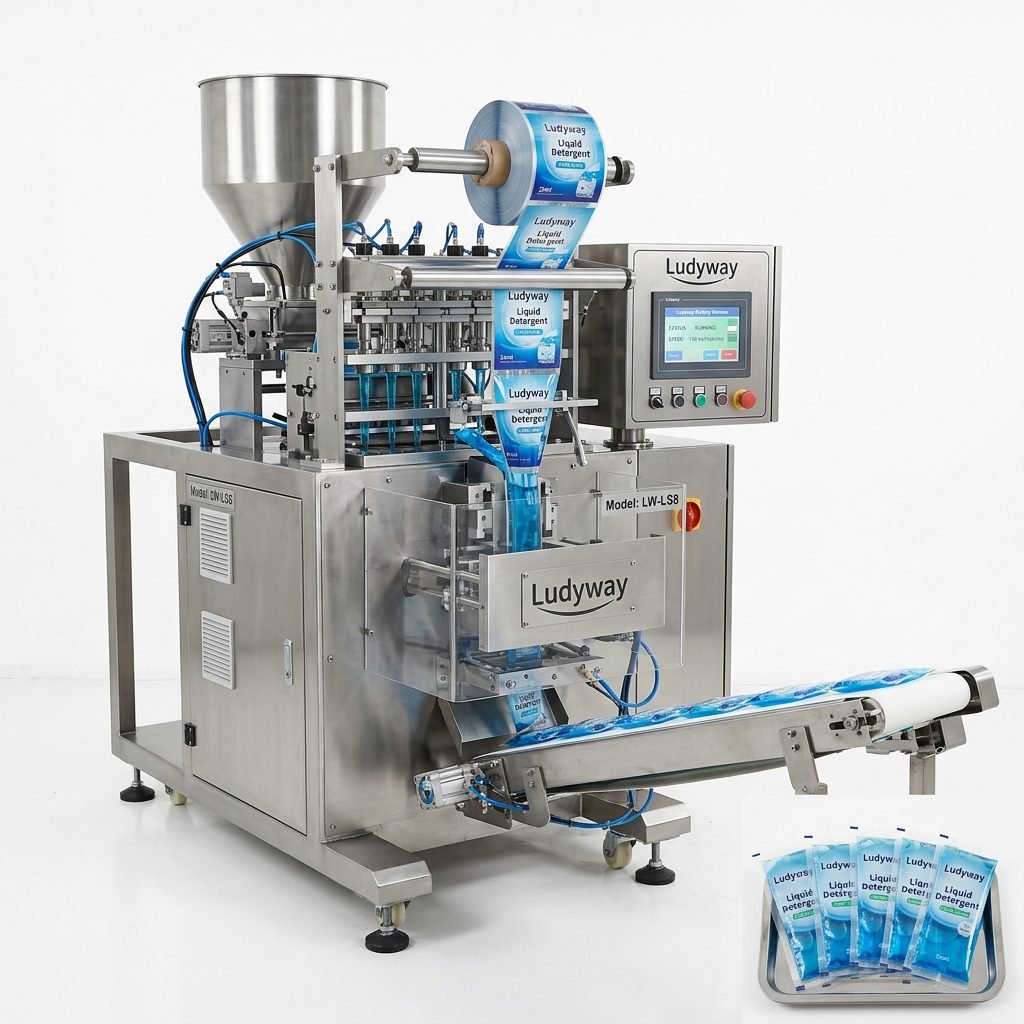
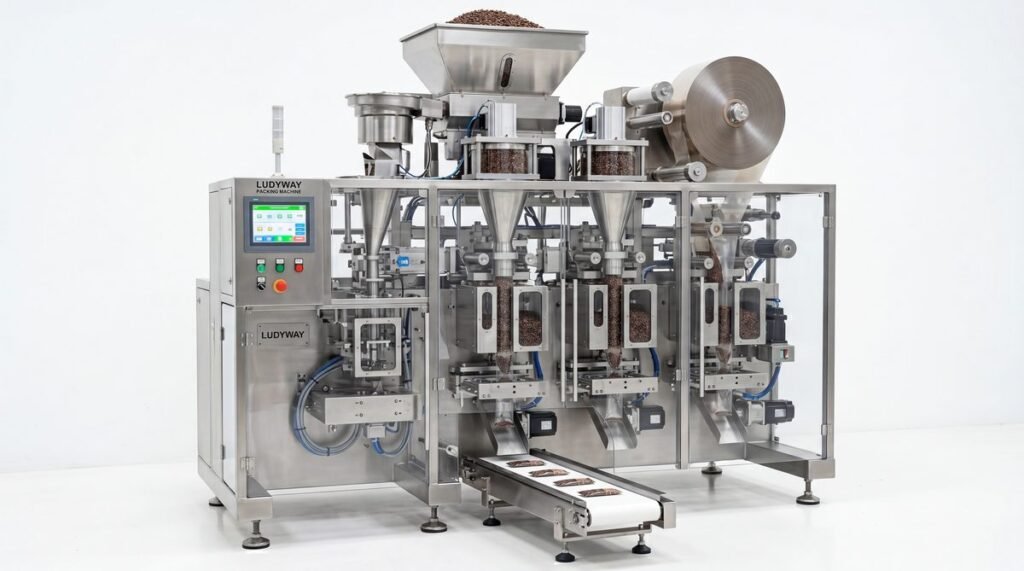
The African coffee industry is experiencing an unprecedented transformation. From the highlands of Ethiopia to the fertile volcanic soils of Kenya and Rwanda, coffee production is no longer solely about exporting raw green beans. A new wave of entrepreneurs is focusing on value addition through local roasting, grinding, and retail packaging. However, the capital investment required for industrial-scale packaging machinery has historically been a barrier. This is precisely where Ludyway’s small coffee packaging machine steps in, offering a compact, affordable, and highly efficient solution for African startups and established businesses.
Understanding the African Coffee Packaging Landscape
The demand for locally packaged coffee in single-serve sachets and stick packs is surging across the continent. Rapid urbanization, a growing middle class, and the proliferation of local coffee shops in cities like Nairobi, Lagos, and Addis Ababa are driving demand. For businesses, moving from bulk supply to branded retail packaging dramatically increases profit margins. Yet, the specific challenges include unreliable power supply, limited technical maintenance expertise, and the need for machinery that can handle diverse packaging sizes without complex retooling. Ludyway’s portfolio of over 50 models directly addresses these pain points with user-friendly, durable, and energy-efficient equipment.
Why Size and Flexibility Matter for Startups
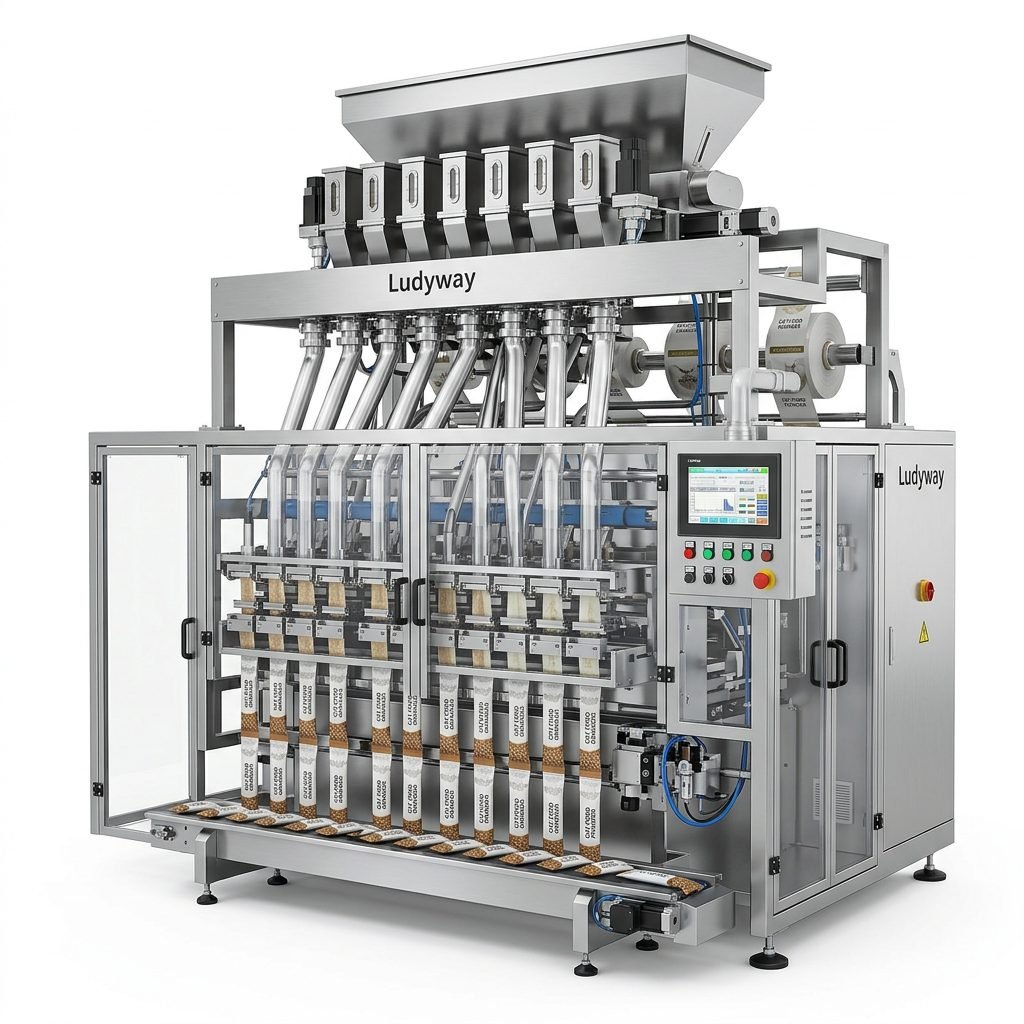
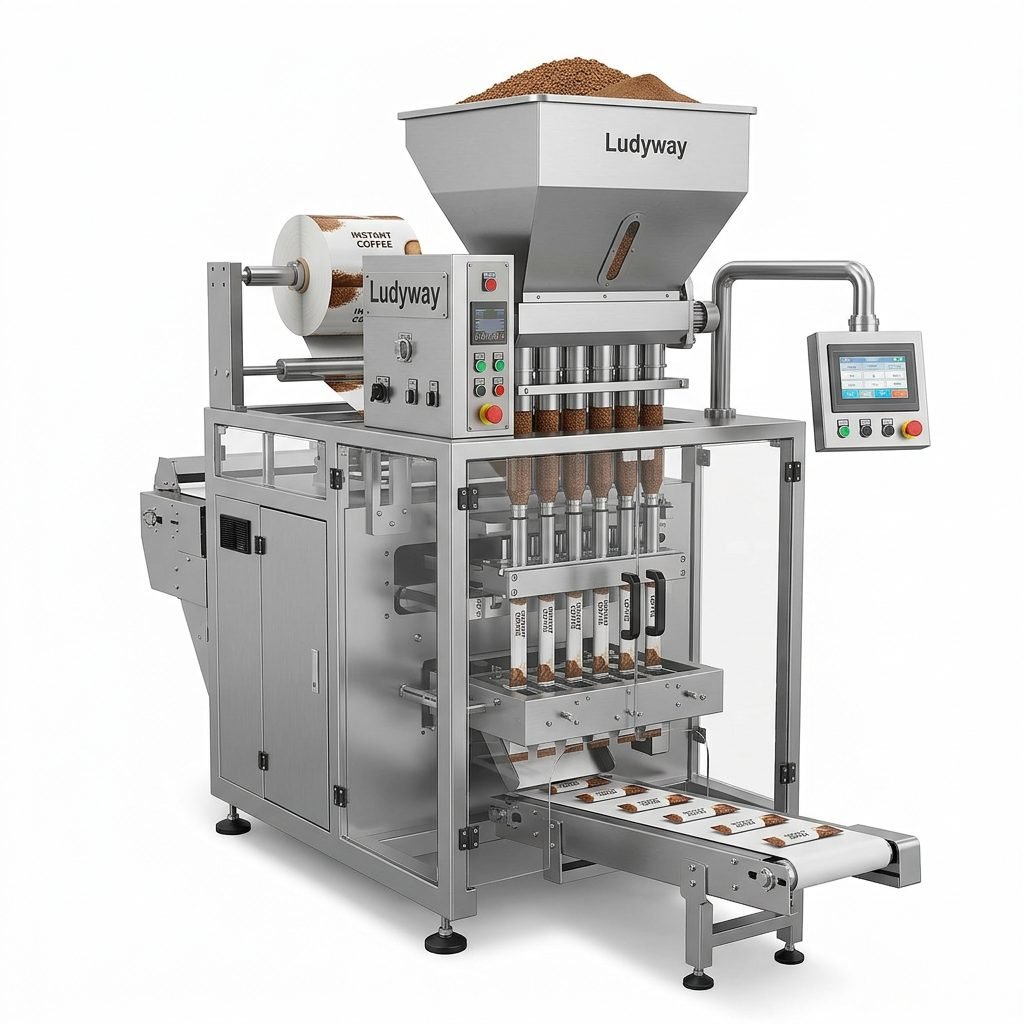
Many African coffee businesses begin as small to medium enterprises (SMEs) operating from modest facilities. A compact machine that occupies minimal floor space but delivers high output is not a luxury; it is a necessity. The multi-lane stick pack technology from Ludyway allows producers to start with a few lanes and easily scale up. Whether you are packaging finely ground coffee powder or coarse granules, the automation systems ensure consistent fill weights and hermetic sealing, preserving the distinct aroma of premium African Arabica and Robusta beans.
Key Features Designed for High Performance
- Multi-Lane Functionality: Scale production from 2 to 12 lanes without replacing the entire system.
- Precision Weighing: Volumetric and auger filling options for consistent dosing of ground coffee.
- Nitrogen Flushing Capability: Essential for extending shelf life without preservatives, a critical requirement for export-ready coffee.
- User-Friendly HMI: Touch screen controls with minimal technical language, ideal for local operators.
The Economic Advantage of Local Packaging
Importing pre-packaged coffee or outsourcing packaging contracts to foreign countries erodes the competitive edge of African producers. By bringing packaging in-house with machines from Ludyway, businesses can capture the entire value chain. The unit cost of a single coffee stick pack drops significantly when produced locally. This cost-effectiveness allows African brands to compete not just against other local products, but against international imports dominating supermarket shelves. Moreover, it creates local employment opportunities in machine operation, maintenance, and quality control.
Technical Reliability in Diverse Environments
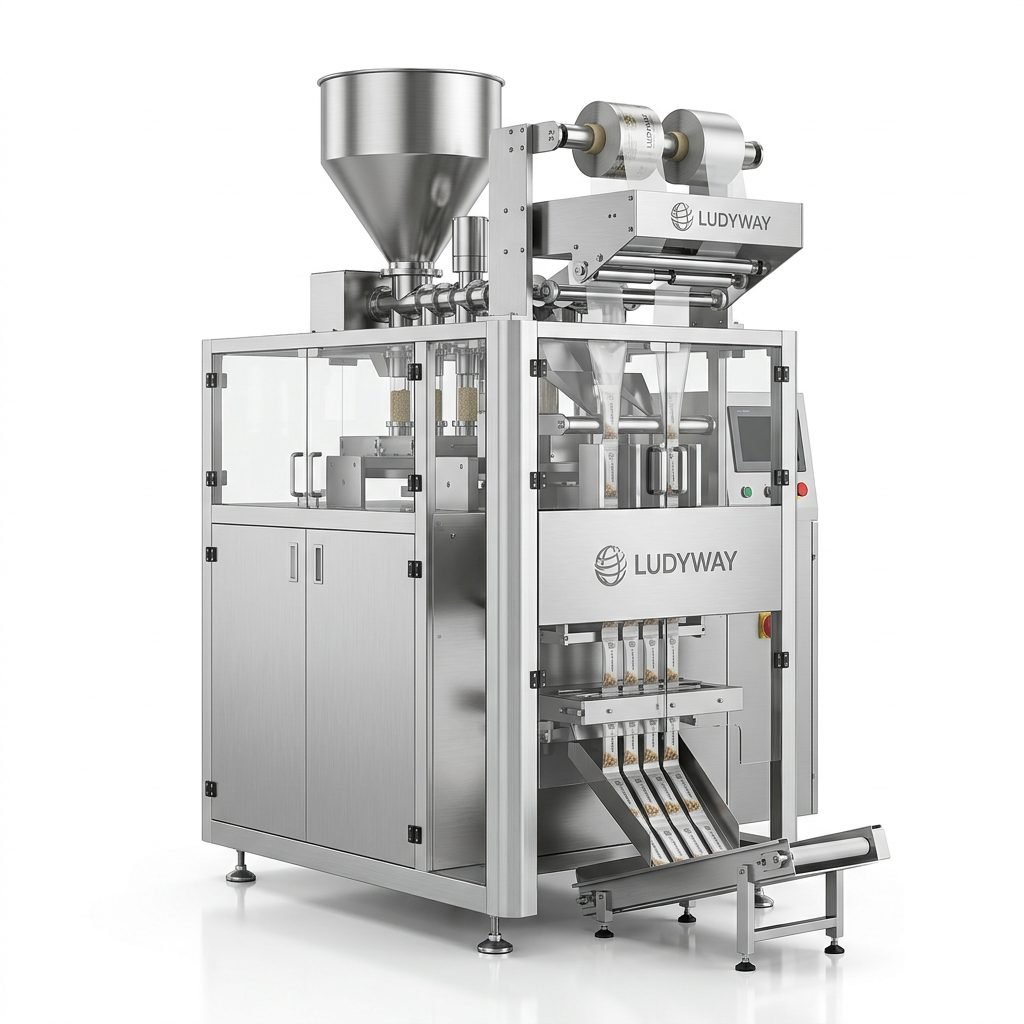
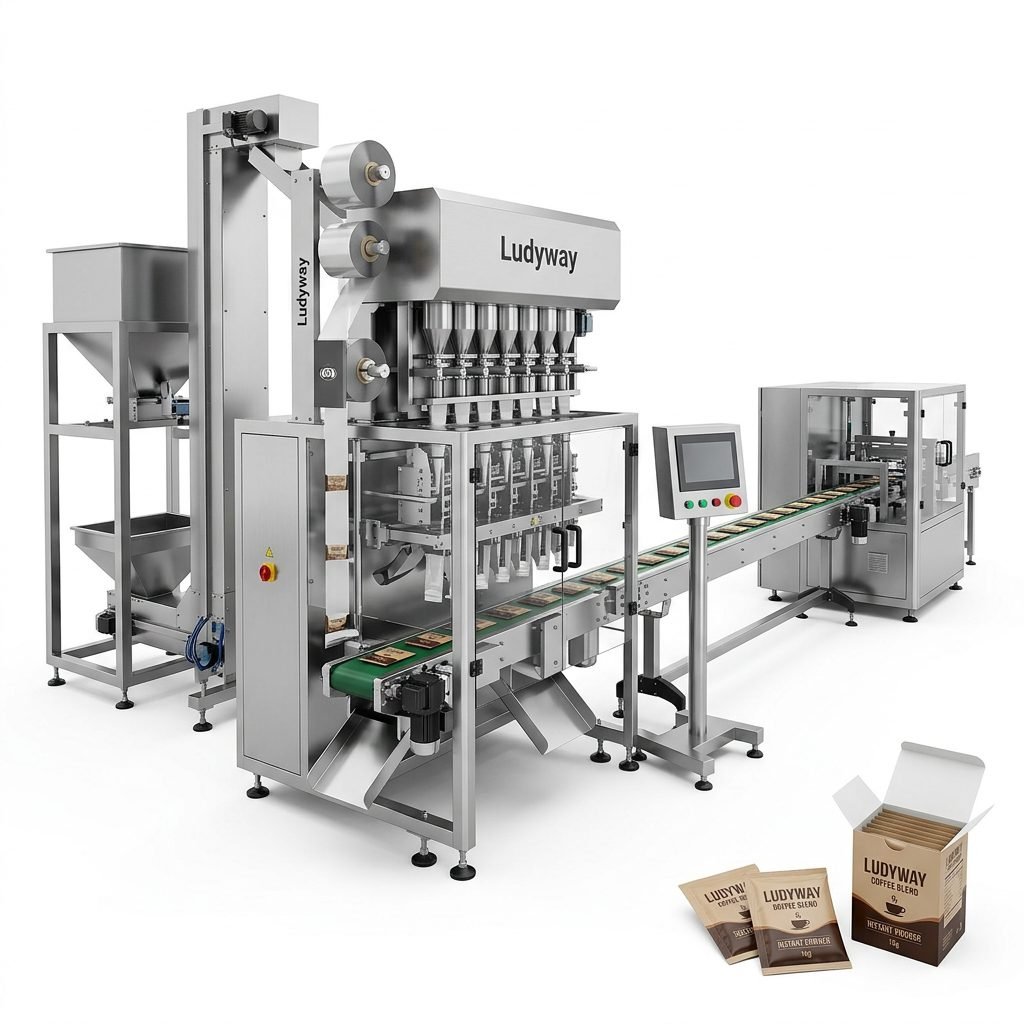
A packaging machine’s sophistication means nothing if it cannot withstand environmental stress. African climates can fluctuate between high humidity in coastal regions and extreme dust in inland areas. The key to success lies in robust engineering. Look for machines built with high-quality stainless steel frames and food-grade contact parts. The vertical form fill seal technology utilized in these small packaging units minimizes moving parts while maximizing seal integrity. This ensures that even in challenging conditions, the coffee remains fresh and free from contamination.
Comparing Traditional vs. Automated Small-Scale Packaging
| Feature | Manual/Hand Sealing | Ludyway Compact Machine |
|---|---|---|
| Output per Minute | 5-10 packs | 40-60 packs per lane |
| Seal Quality | Inconsistent, high leak risk | Airtight, nitrogen flushed |
| Labor Dependency | Extremely high | 1-2 operators max |
| Shelf Life Extension | Limited | 12-24 months easily |

Supporting the Farm-to-Cup Vision
African coffee is often celebrated as the best in the world, yet most of it is consumed outside the continent. A powerful way to build a sustainable industry is to foster local consumption of packaged coffee. Instant coffee and ground coffee in sachets are hugely popular in West and East African markets. By using a reliable machine, roasters can customize blends for local palates, package them in attractive small formats, and build brand loyalty. This equipment empowers businesses to react quickly to market trends, producing limited-edition batches or sample-sized packs that manual labor simply cannot deliver efficiently.
Quick Checklist for Investment Readiness
- Evaluate your target format: Single-serve stick packs, large sachets, or premade pouches.
- Assess your weekly production volume to determine the required number of lanes.
- Confirm after-sales support and availability of spare parts for the African region.
- Check for compliance with food safety standards relevant to EU or AU export if needed.
Looking Beyond the Machine: After-Sales and Partnerships
Purchasing hardware is only the first step. The best choice for African businesses involves partnering with a supplier that offers comprehensive support. This includes installation guidance, remote troubleshooting, and a readily available supply of wear parts. With over 30 years of experience and a presence in more than 100 countries, Ludyway Machinery provides turnkey solutions that encompass granule, powder, and liquid packaging. Their expertise helps coffee businesses avoid the common pitfalls of automated packing, such as film tracking errors and weight drift, ensuring a smooth production flow from day one. You can learn more about the industry standards and resources at the PMMI packaging industry hub.
Scaling Up: From Small Machine to Full Production Line
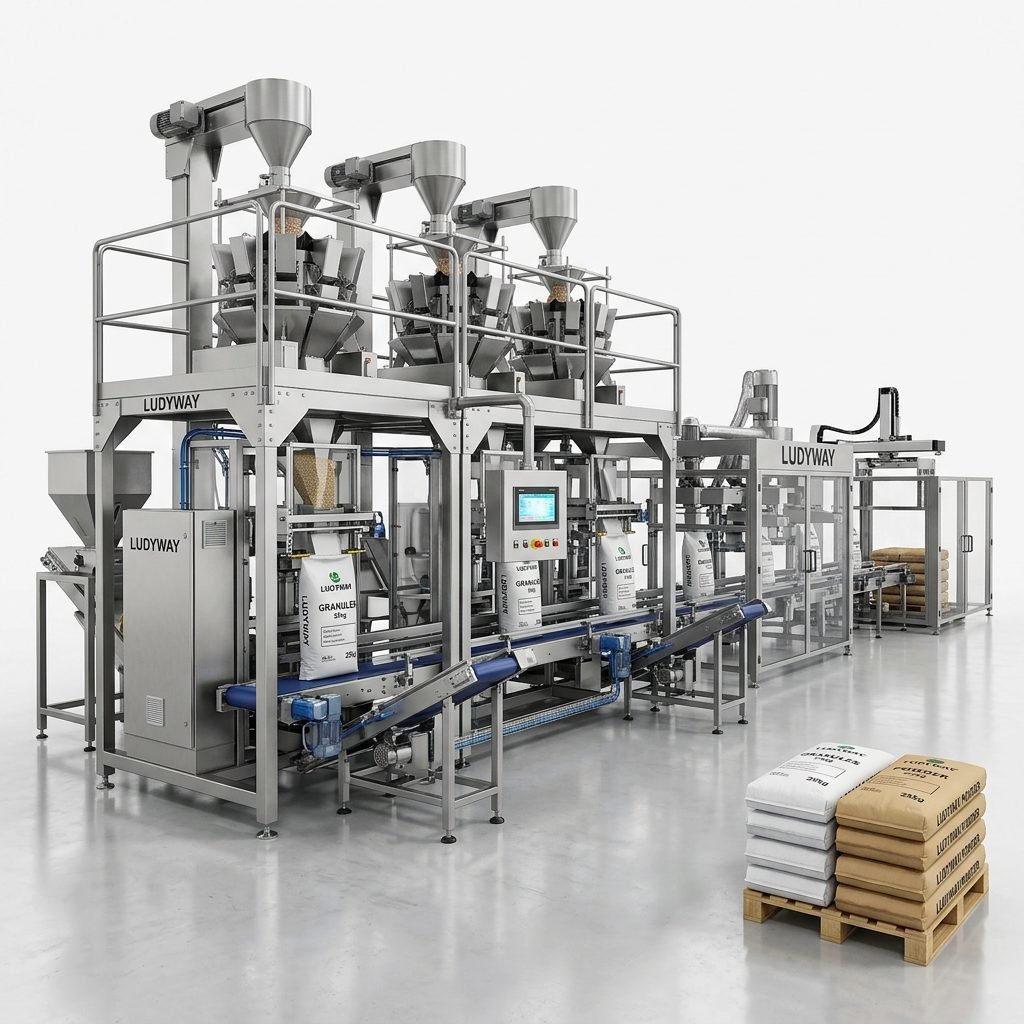
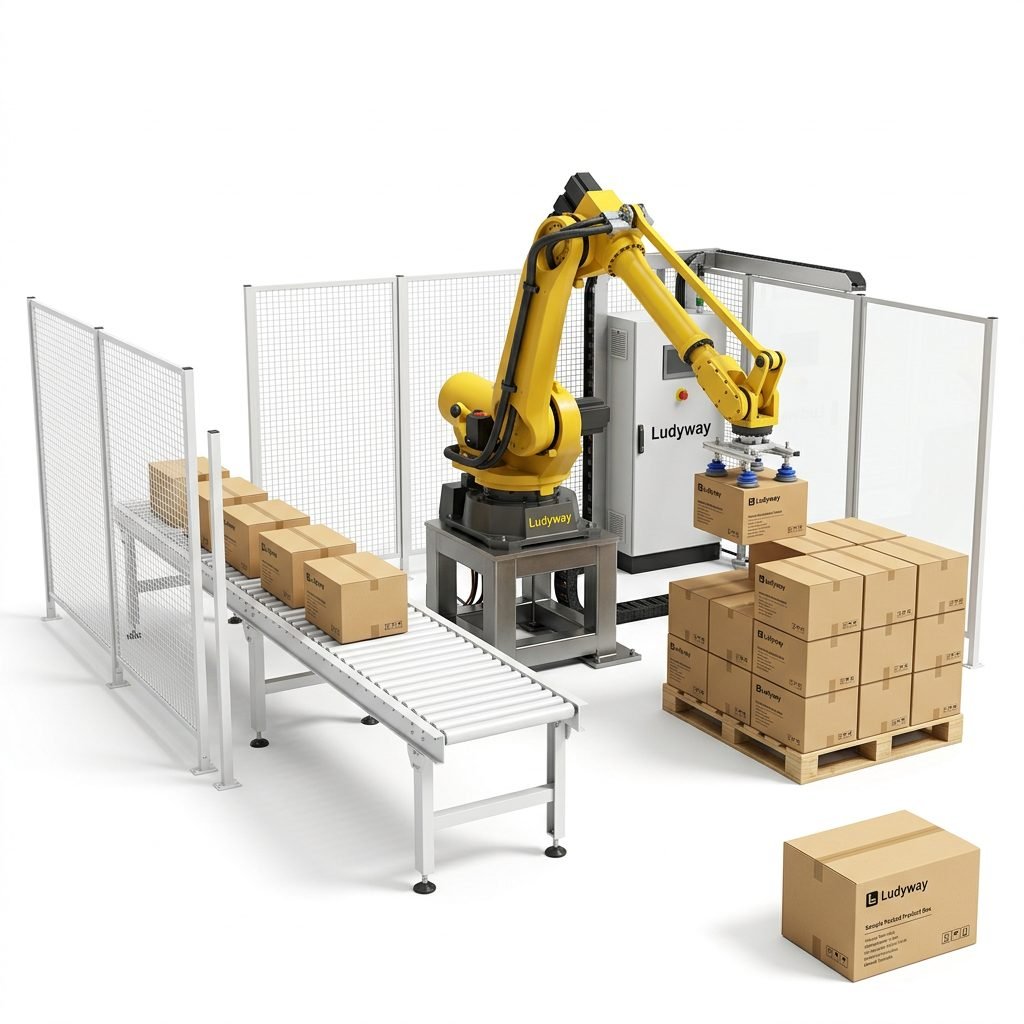
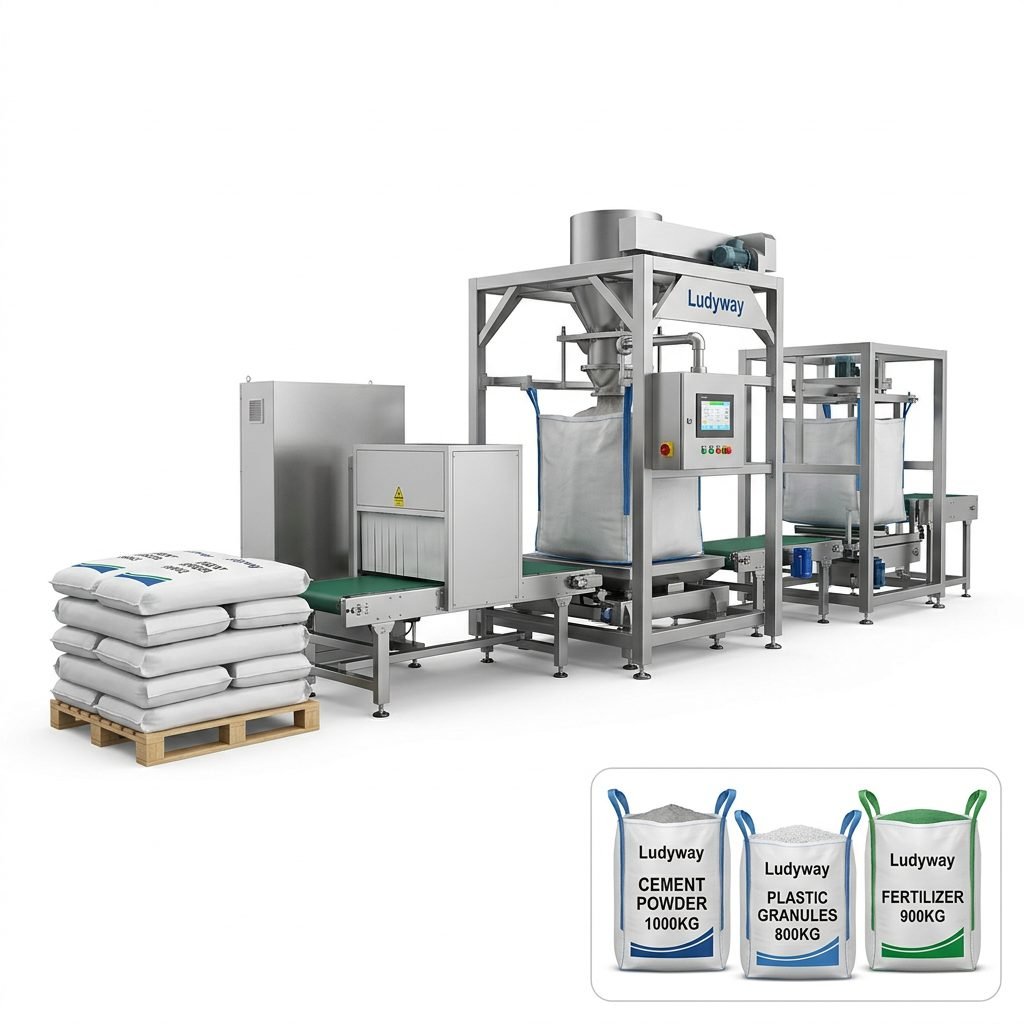
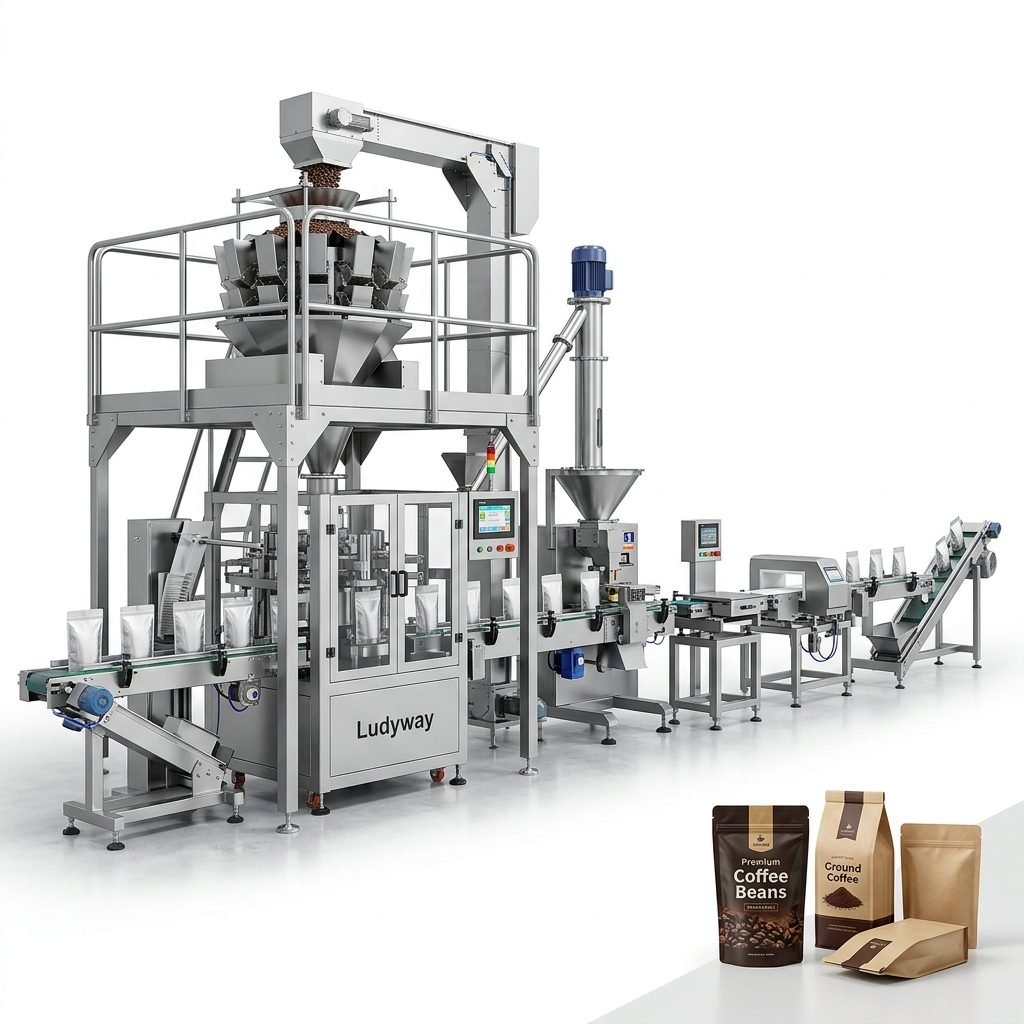
The beauty of starting with a smaller unit is the modularity it offers. Once the African coffee brand establishes distribution and demand spikes, integrating complementary equipment is straightforward. A packaging line can evolve to include automatic weighing systems, bucket elevators for feeding beans or powder, and automatic cartoning machines. This step-by-step approach protects initial investment while charting a clear path to becoming a major regional player. Flexible packaging solutions ensure that whether you are targeting Ethiopia’s local markets or the international shelves of Europe, the quality of the packed product remains exceptional.
For coffee entrepreneurs who are serious about dominating the local value-added market, the decision often comes down to machine reliability and format versatility. Reviewing the comprehensive range of cost-effective coffee packing systems from a specialized manufacturer ensures that African producers secure the ideal tool to transform raw beans into shelf-ready profit. The right machine doesn’t just fill bags, it fills dreams.