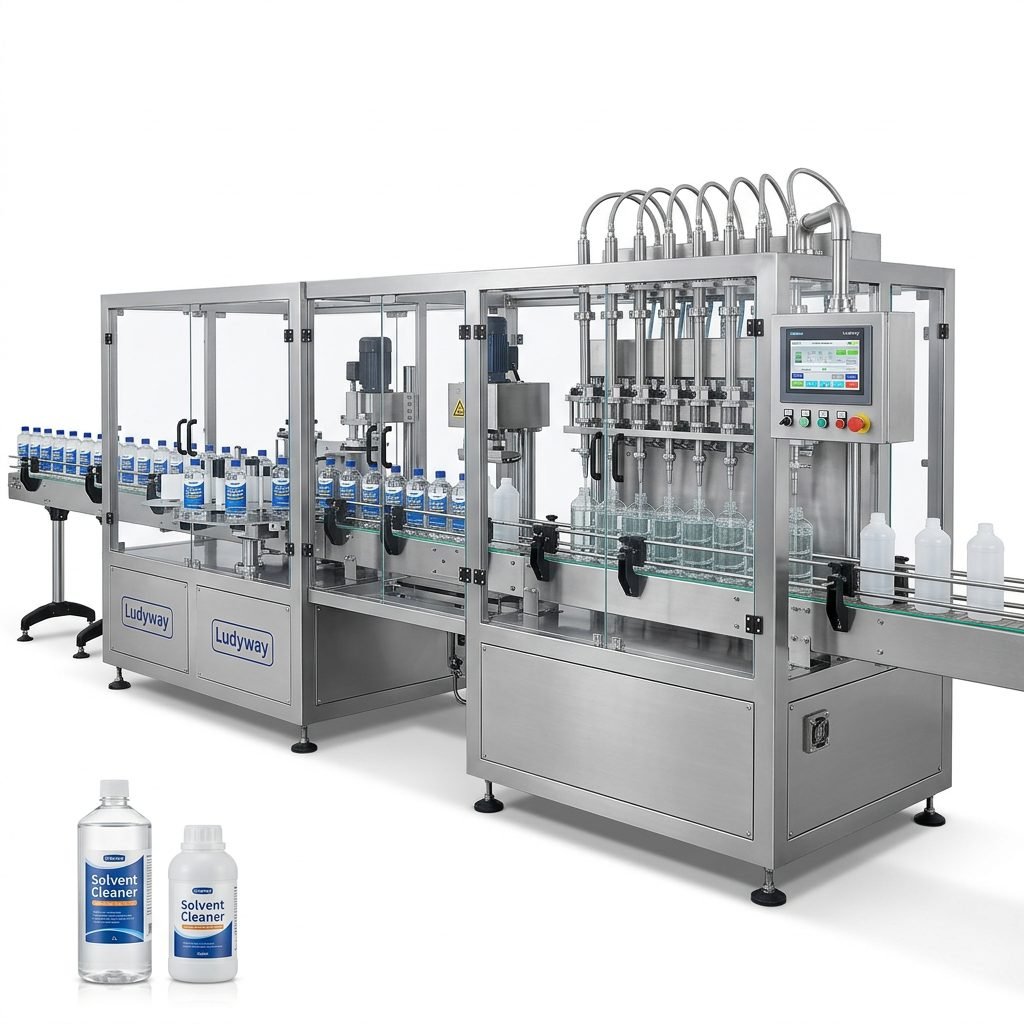
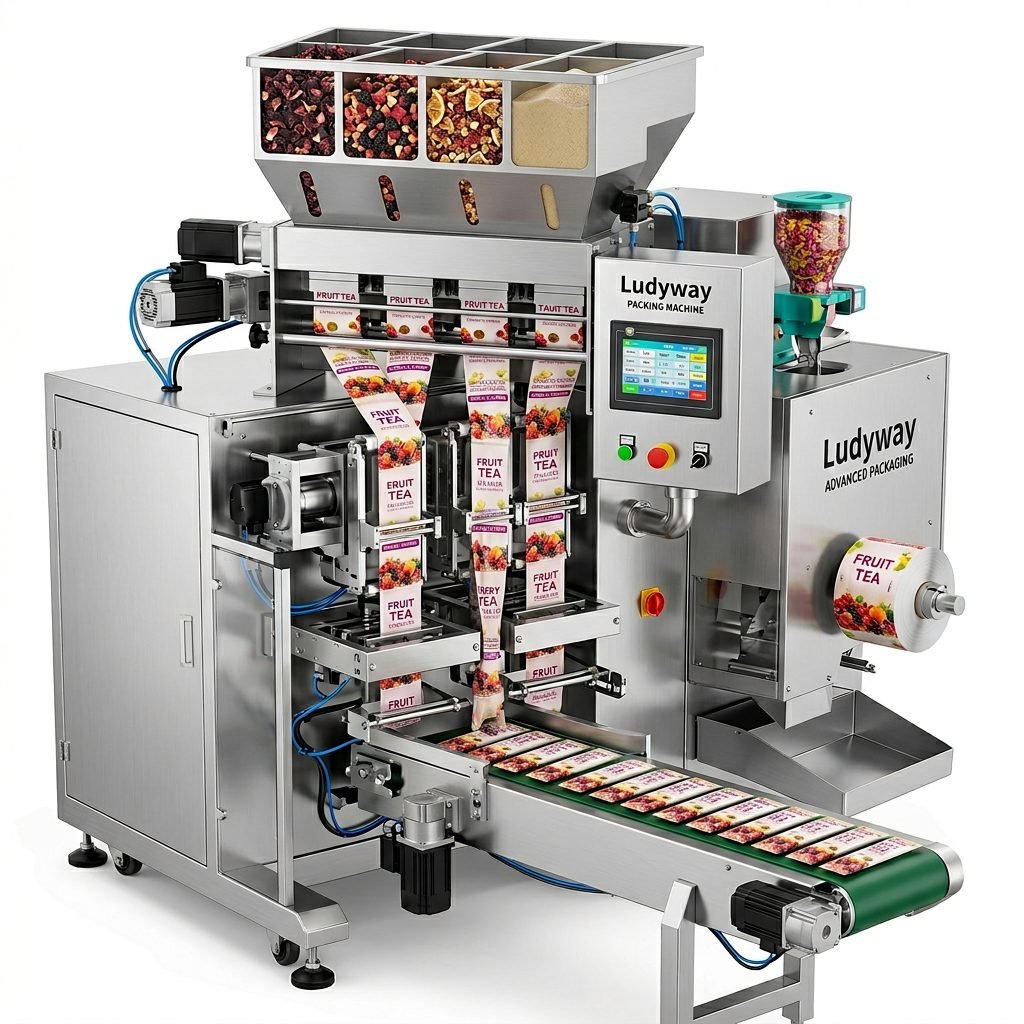
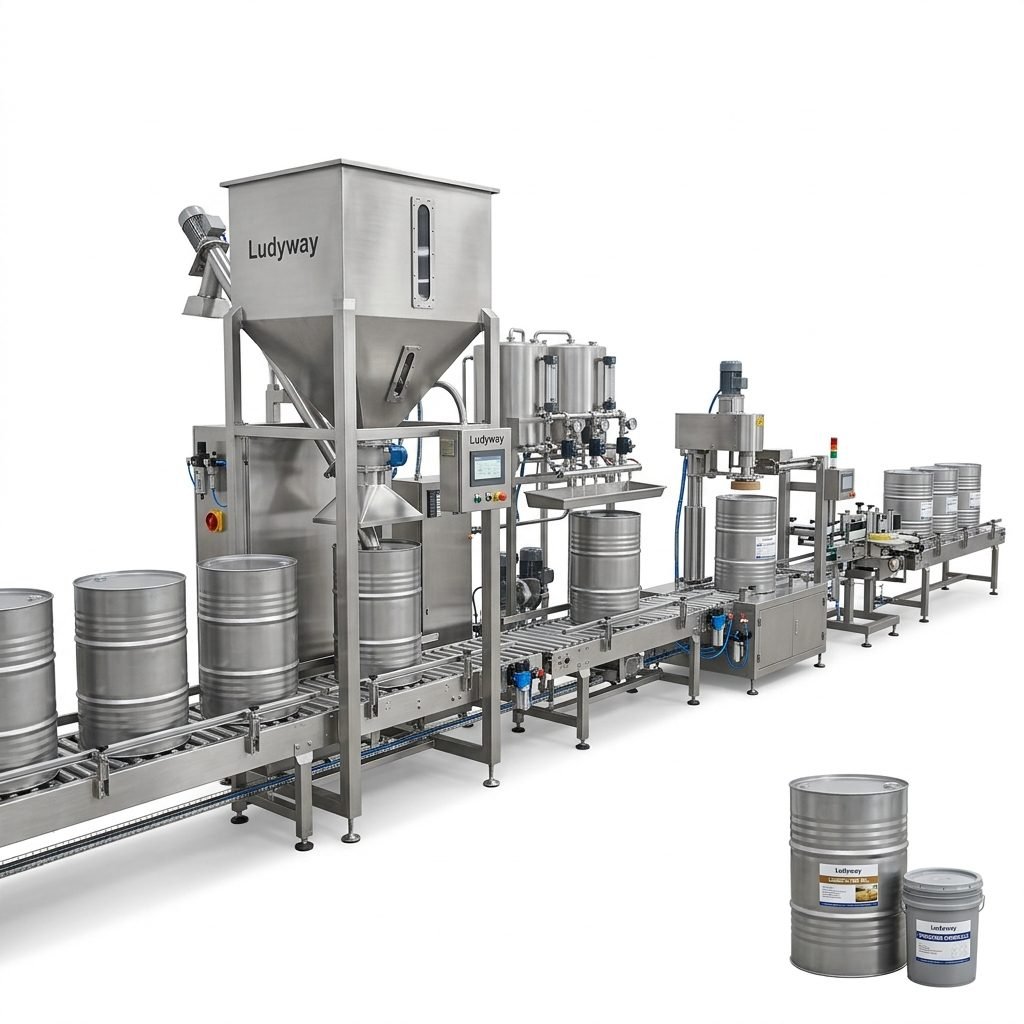
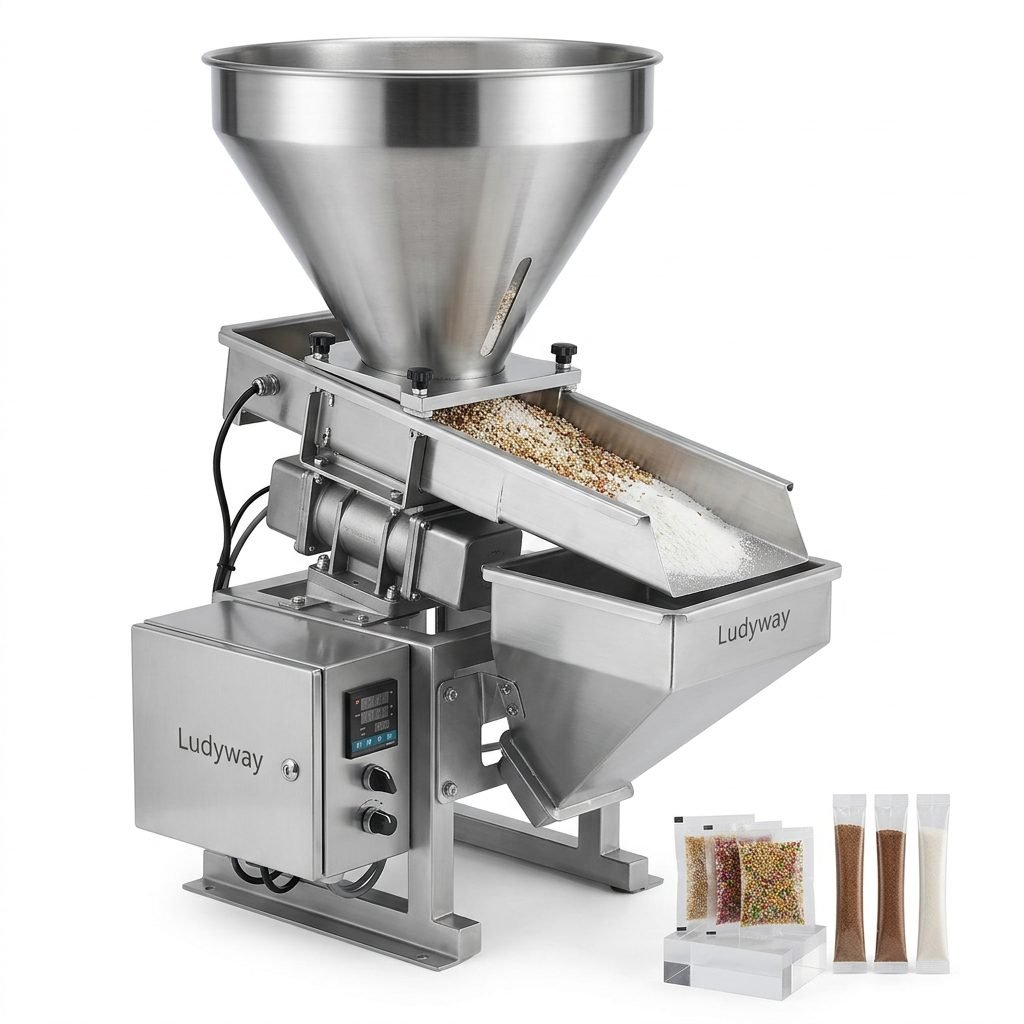
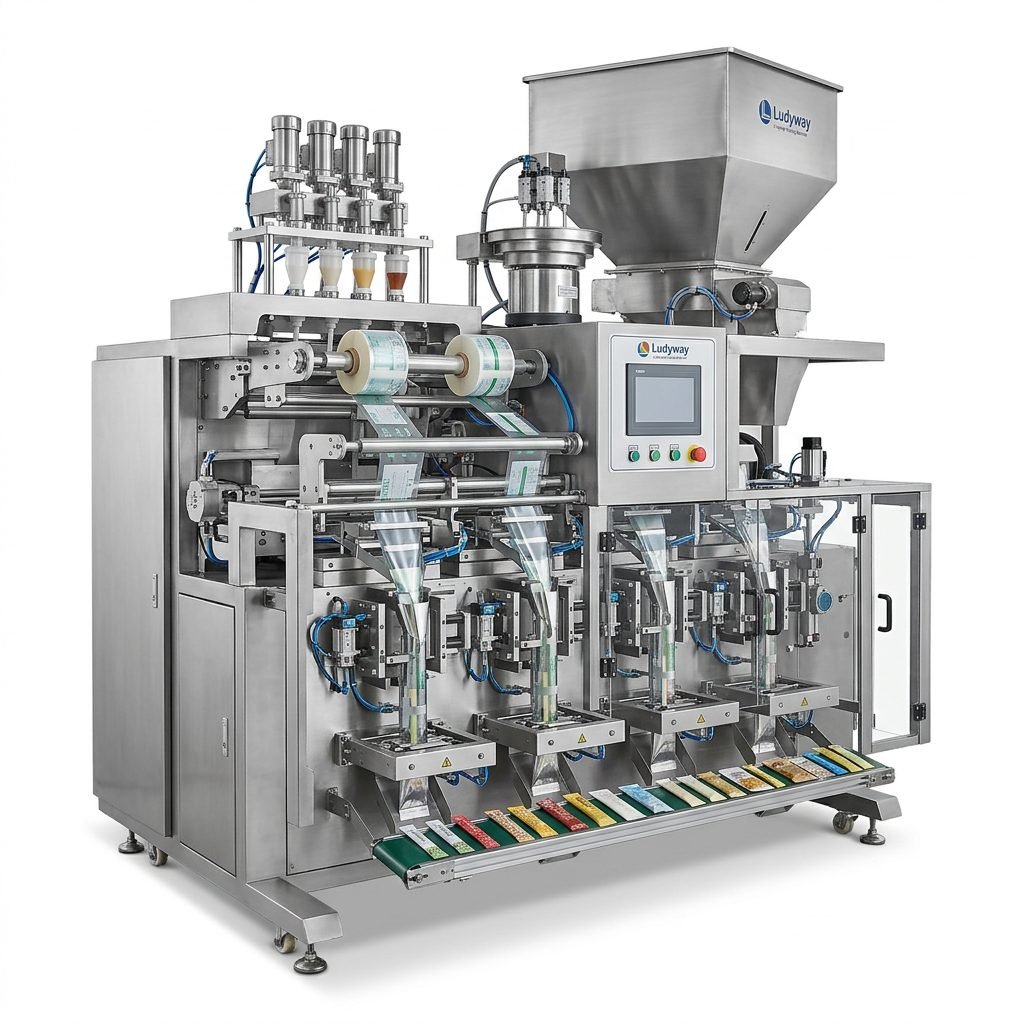
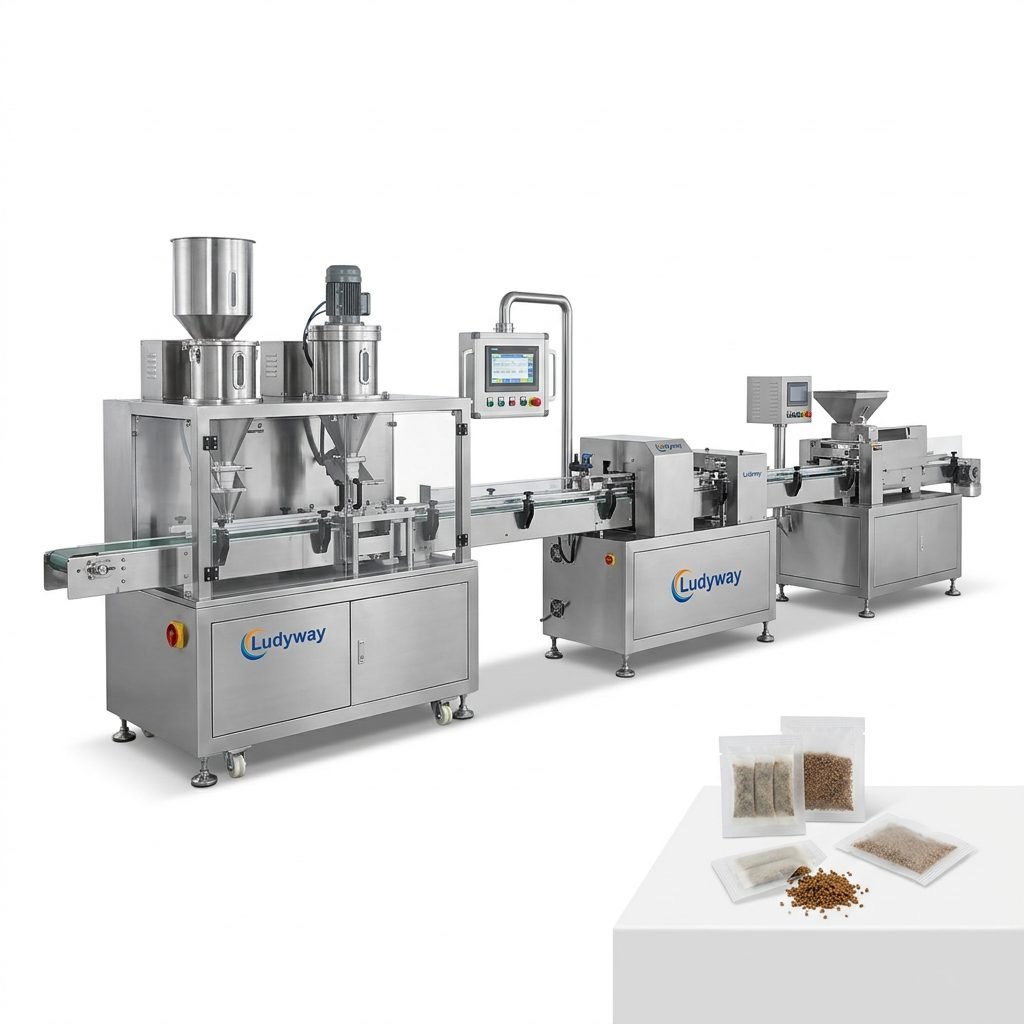
Establishing a K-Cup packaging machine production line in the North American market represents a significant strategic opportunity. With single-serve coffee dominating households and workplaces, the demand for efficient, high-speed packaging solutions has never been greater. This guide walks you through the essential steps, from facility planning and regulatory compliance to equipment selection and automation integration, ensuring your operation meets both productivity targets and stringent quality standards.
Understanding North American Market Requirements
Before investing in hardware, you must thoroughly understand the regulatory landscape. The Food and Drug Administration (FDA) sets strict guidelines for food packaging and food contact substances. Your entire line must comply with standards related to material safety, cleanliness, and traceability. Additionally, aligning with PMMI (The Association for Packaging and Processing Technologies) standards and market intelligence provides a competitive edge in operational efficiency.
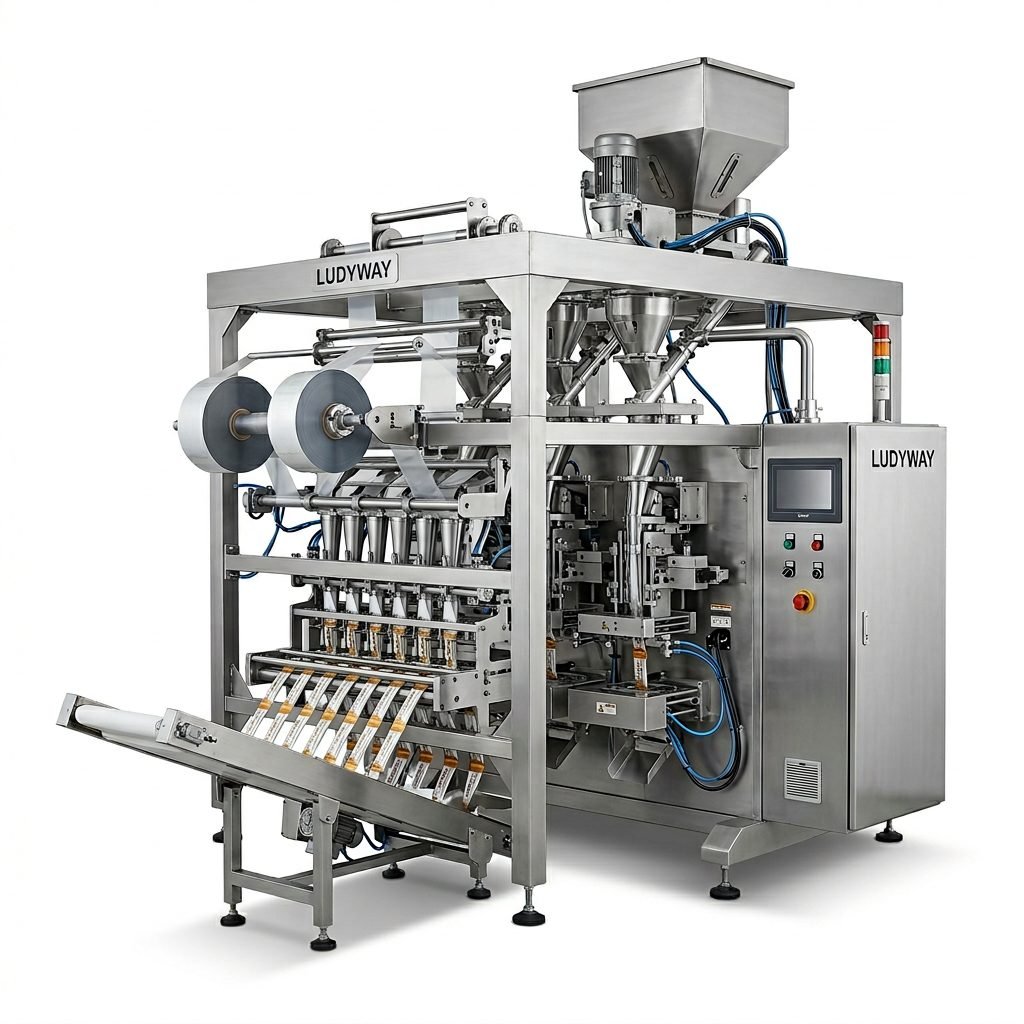
Step 1: Facility Planning and Infrastructure
The foundation of a successful K-Cup line is the physical environment. You need a climate-controlled space with adequate power supply, compressed air, and dust extraction systems. Ground coffee is hygroscopic and sensitive to humidity; therefore, precise environmental control is non-negotiable. The layout should follow a logical linear flow from bean receiving to finished goods storage, minimizing cross-contamination risks.
- Floor Space: Allocate sufficient area for raw material staging, primary packaging, secondary cartoning, and palletizing.
- Utilities: Ensure stable voltage for servo-driven machines and clean, dry compressed air for pneumatic actuators.
- Cleanliness: Implement ISO packaging standards for air quality and surface sanitation.
Step 2: Core Equipment Selection – The Filling and Sealing Heart
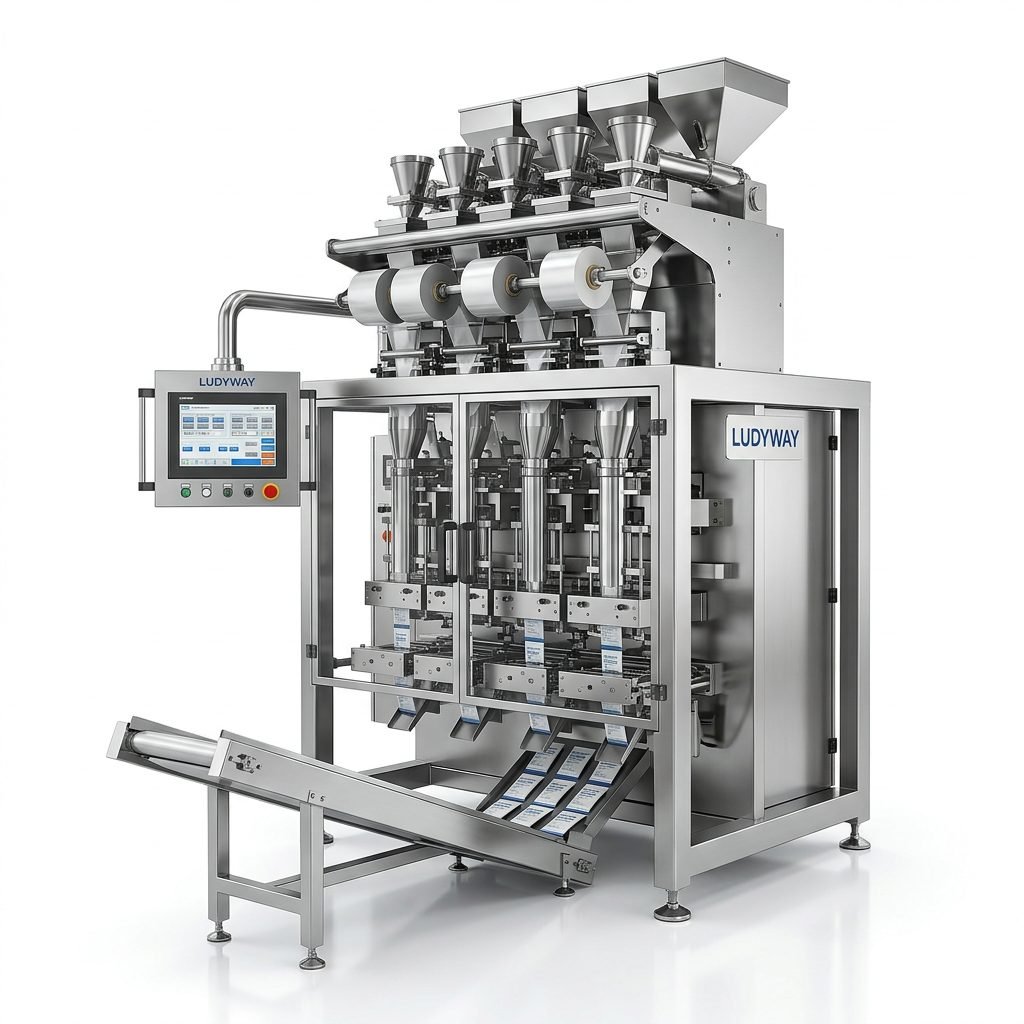
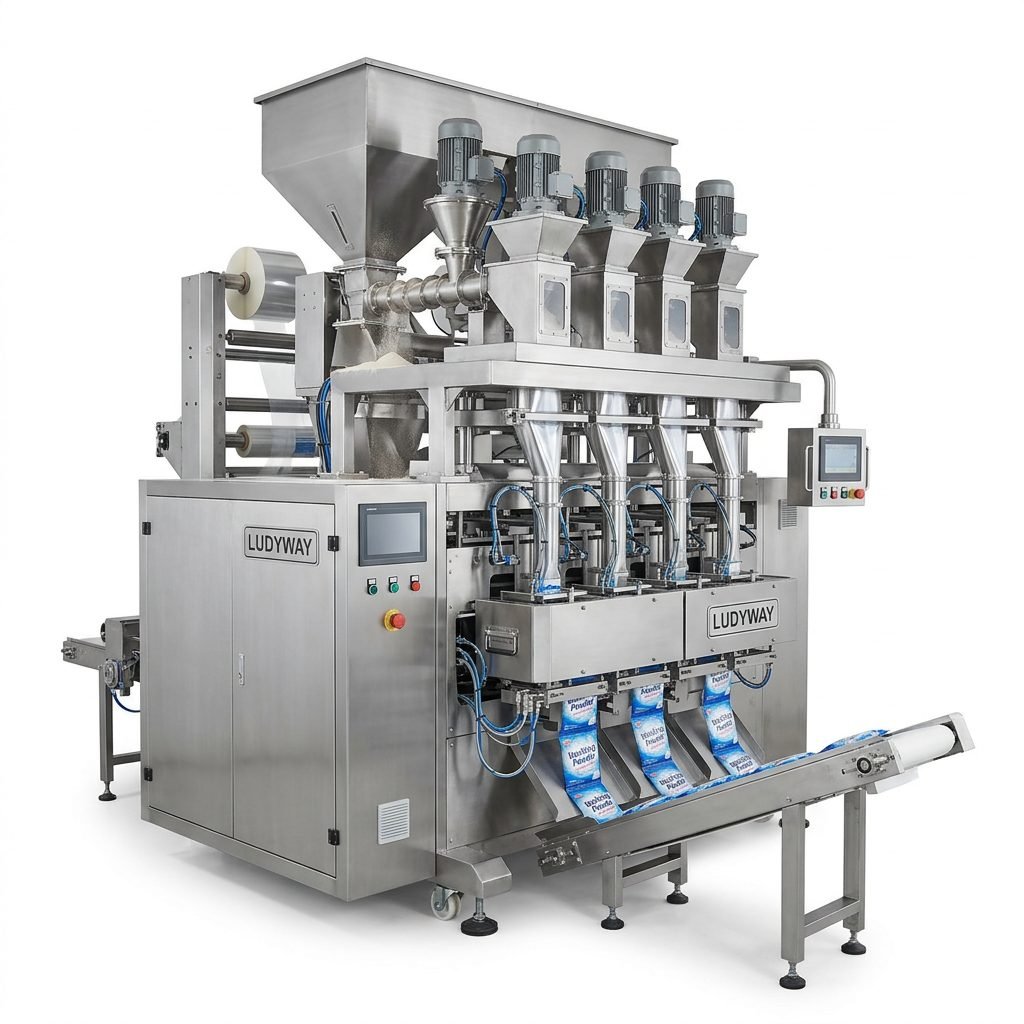
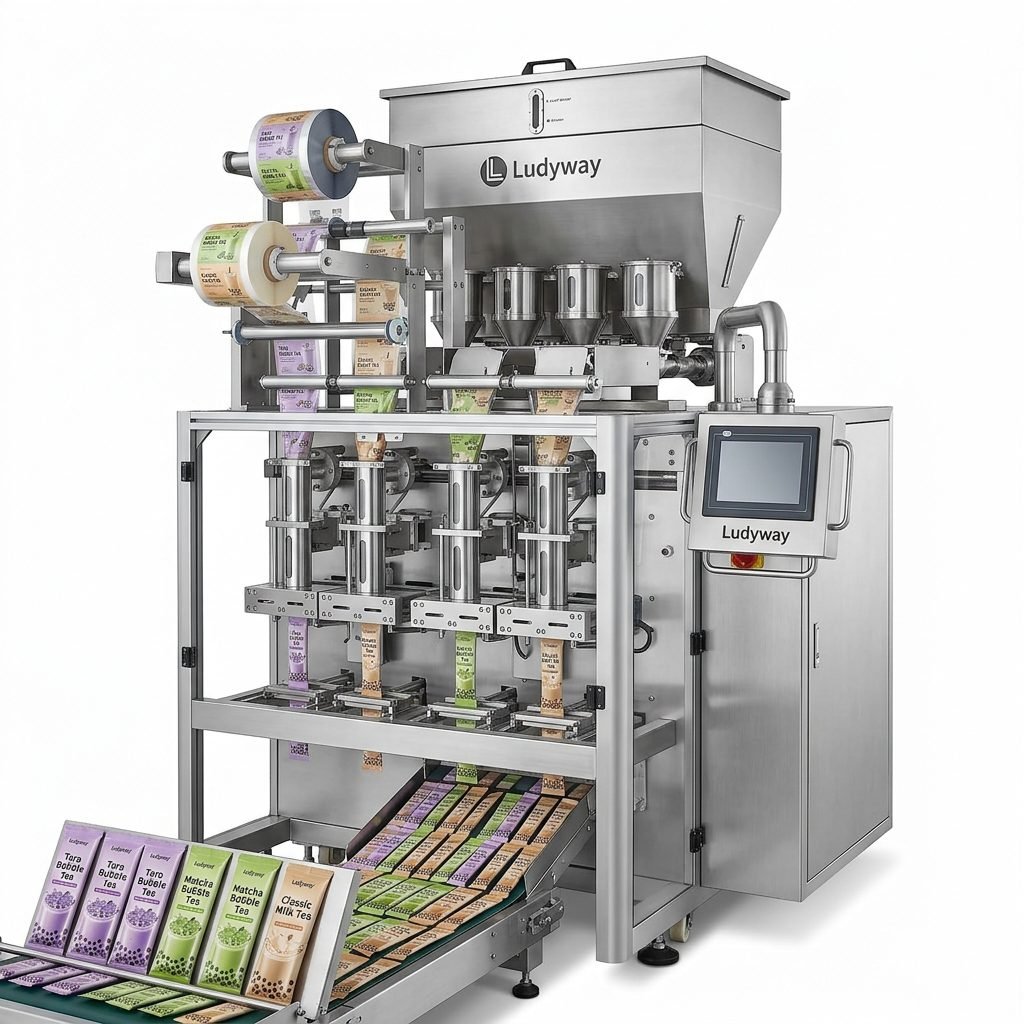
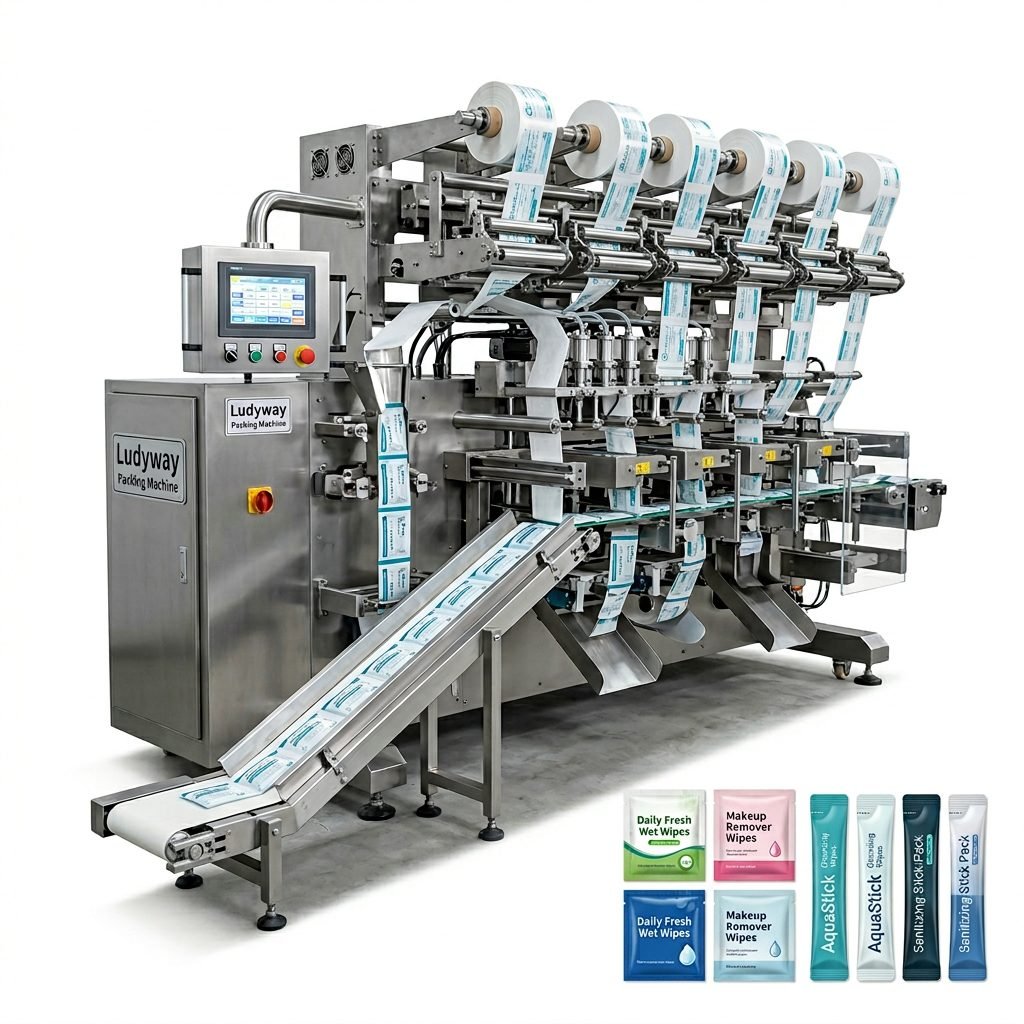
The centerpiece of your production line is the automatic form-fill-seal packaging machine. For K-Cup production, you typically require a machine capable of handling filter paper insertion, precise ground coffee dosing, and nitrogen flushing for freshness preservation. Look for systems that offer high accuracy load cells and oxygen removal capabilities to extend shelf life.
| Machine Module | Key Function | Critical Specification |
|---|---|---|
| Dosing Unit | Coffee Ground Measurement | ±0.1g Accuracy |
| Filter Sealing | Ultrasonic or Heat Seal | Leak-proof integrity |
| Lid Applicator | Foil lid placement & sealing | Consistent peel strength |
| Gas Flushing | Nitrogen/CO2 injection | Residual O2 < 2% |
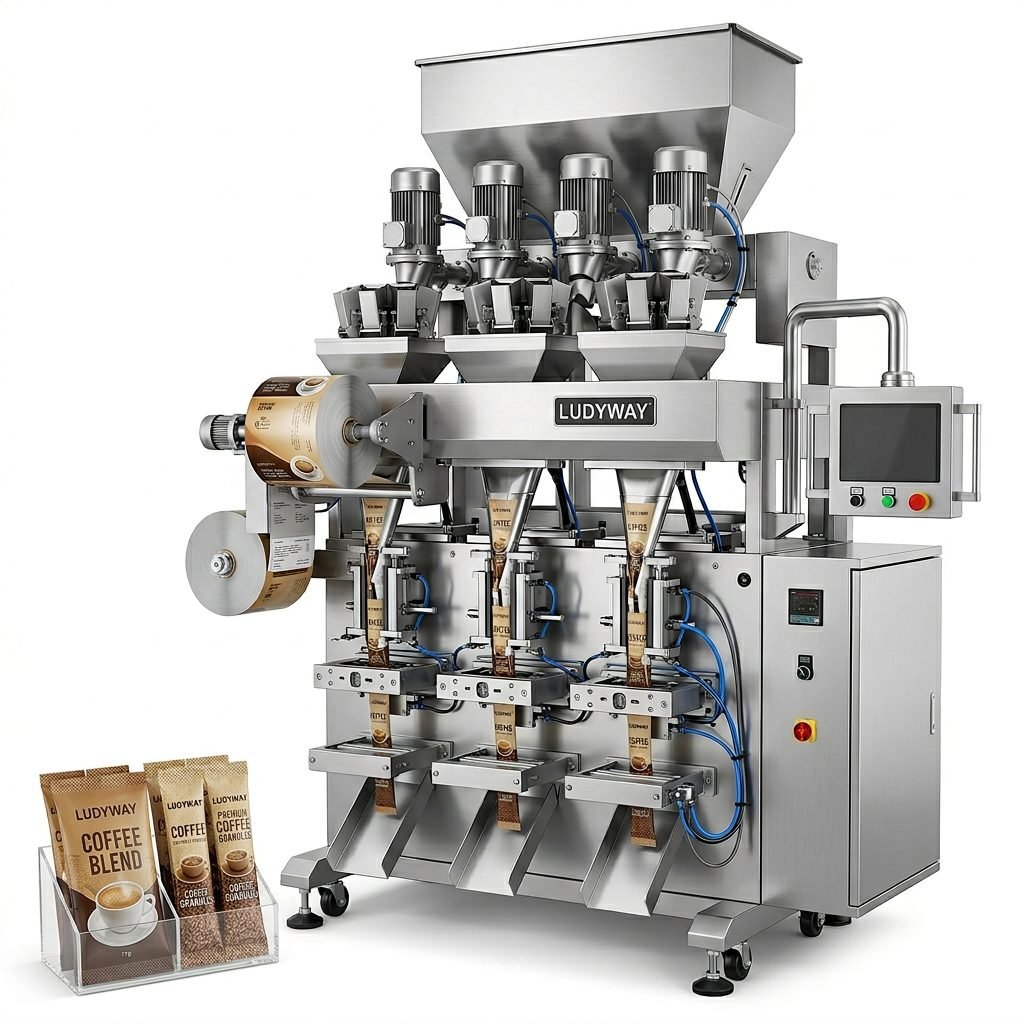
Step 3: Integrating Upstream and Downstream Automation
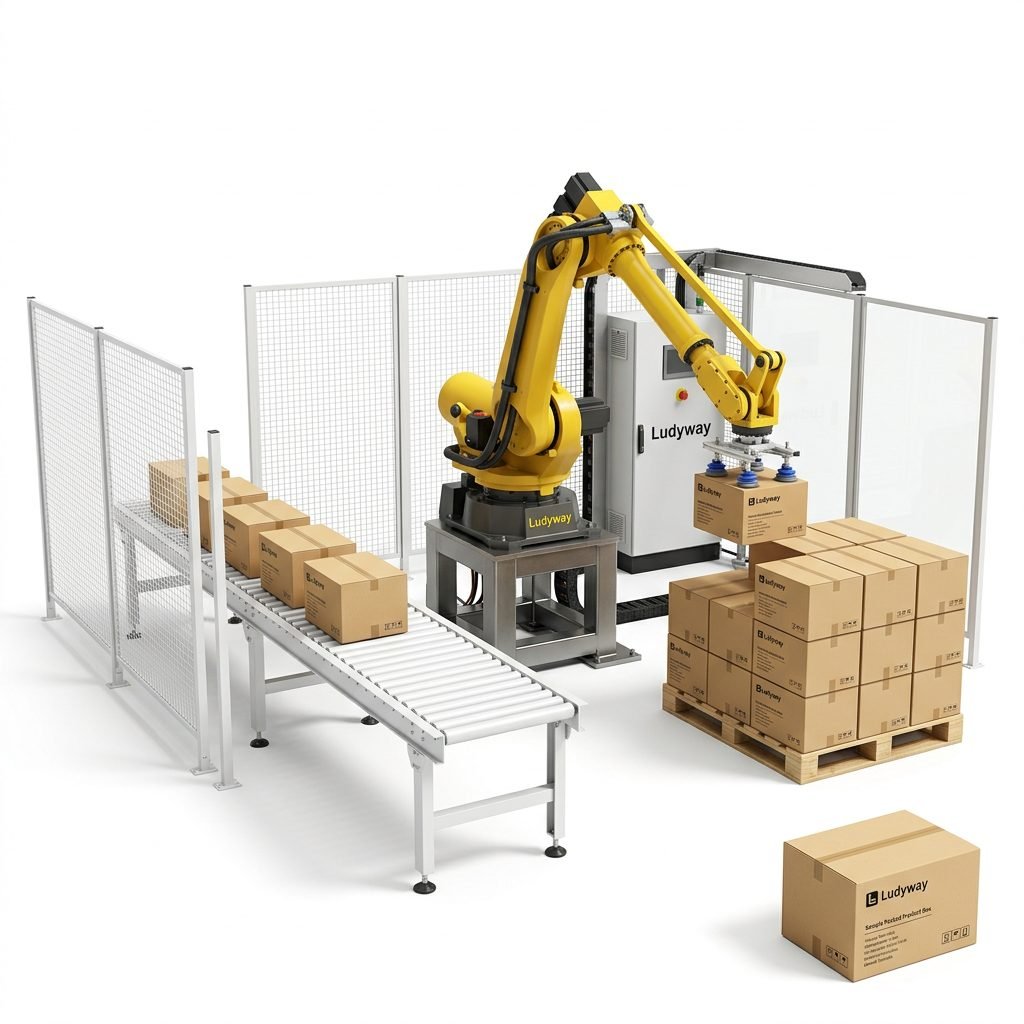
A standalone filler is not a production line. To maximize return on investment in North America where labor costs are high, you must integrate a fully automated ecosystem. This begins with bulk material handling systems like bucket elevators or vacuum conveyors for coffee beans and ends with robotic palletizing.
Consider these essential auxiliary components:
- Grinding Systems: Industrial grinders capable of producing consistent particle sizes for optimal extraction.
- Checkweighers: High-precision dynamic scales to reject under-filled or over-filled cups in real-time, ensuring compliance with ISO 11607 weight verification standards.
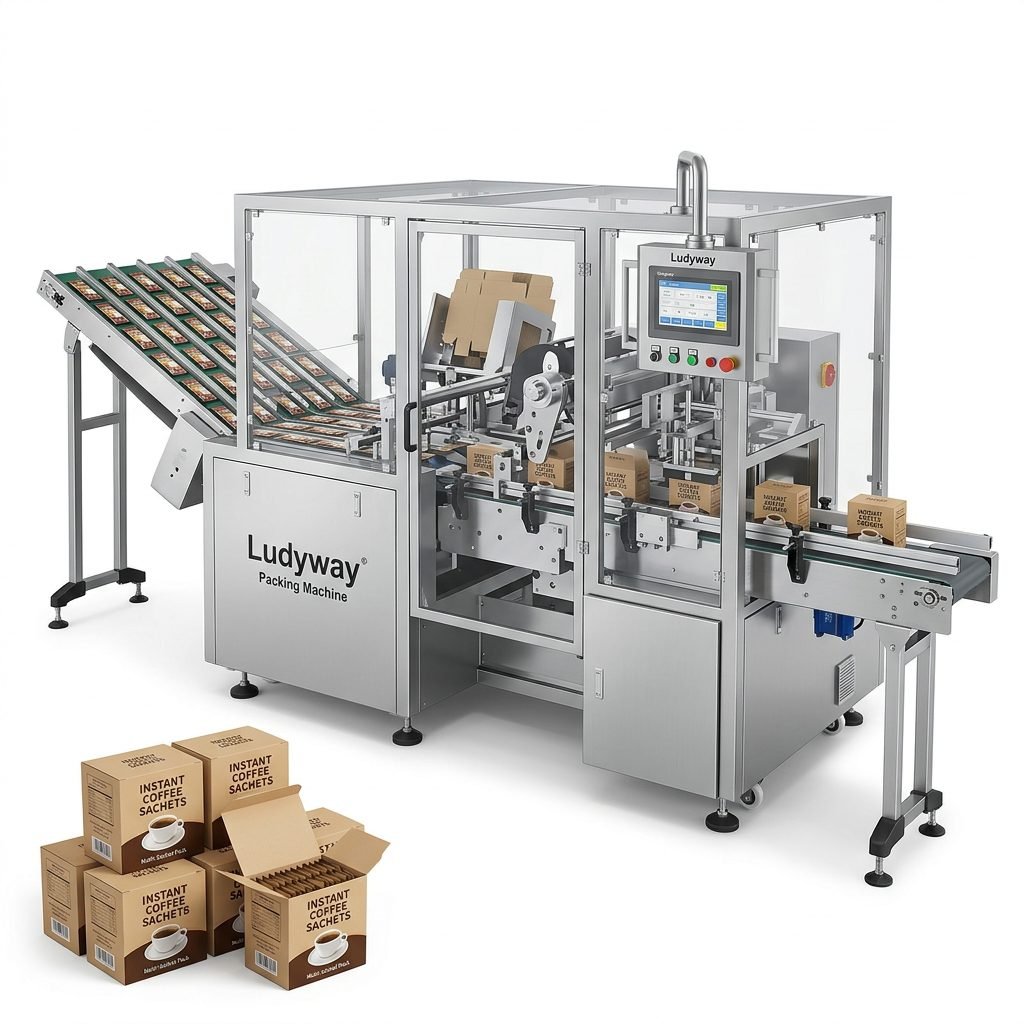
- Cartoning & Case Packing: Automated top-load or wrap-around cartoners that collate K-Cups into retail-ready cartons.
- End-of-Line Palletizing: Collaborative or industrial robots stacking cases for efficient warehouse logistics.
Step 4: Conveying and Accumulation Strategy
The “spaghetti” of the line—the conveyor system—must handle delicate filled cups without tipping or damaging the foil lids. Low-back-pressure conveyors and smart accumulation tables are critical to buffer production between high-speed modules. Proper line balancing ensures that a brief stoppage in the labeler does not shut down the entire filling operation.
Step 5: Vision Inspection and Quality Assurance
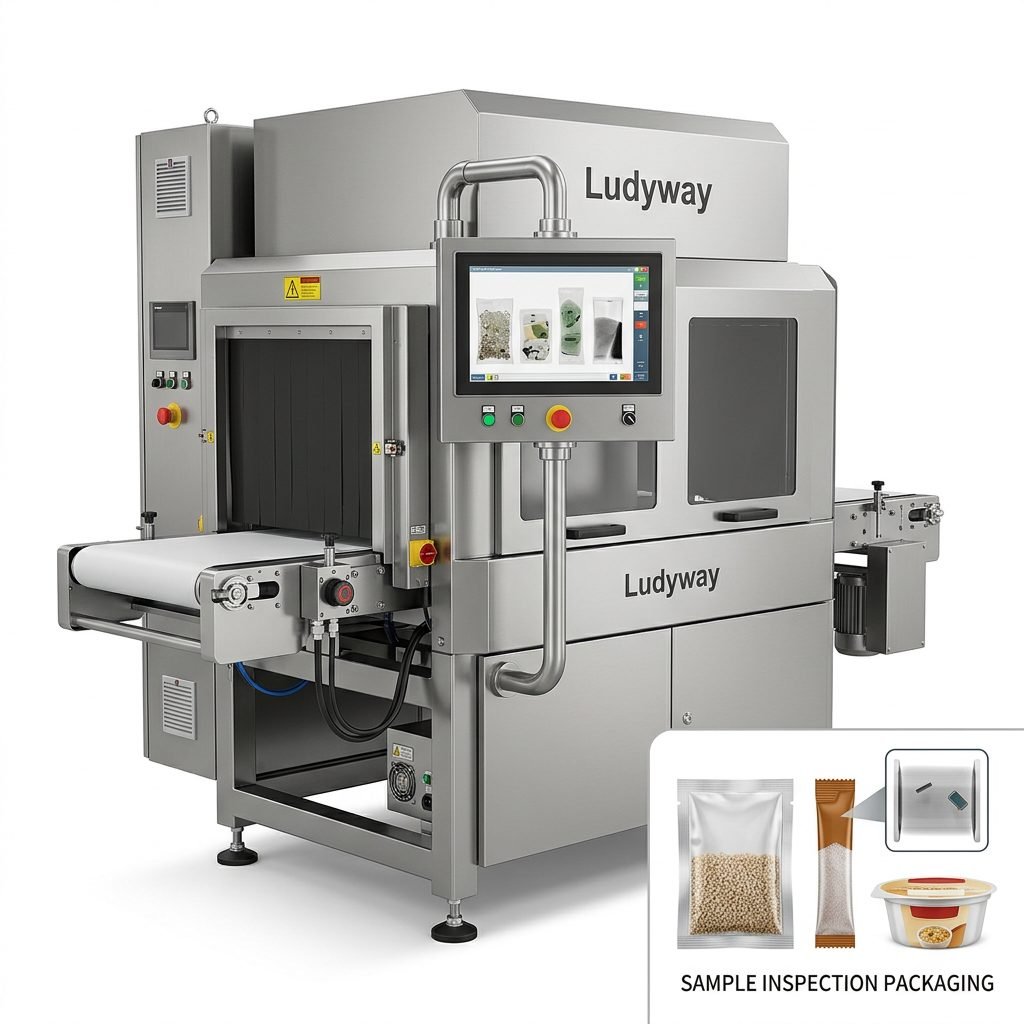
North American retailers have zero tolerance for defects. Implementing a robust quality control system is vital. This includes vision inspection systems for seal integrity, presence of the filter, and correct date coding. X-ray inspection may also be required for foreign body detection, aligning with FDA Food Contact Substance regulations. Data from these systems should feed into a central supervisory control and data acquisition (SCADA) system for traceability.
Navigating Material Compatibility
K-Cup packaging relies on specific multi-layer laminates. You need to ensure your heat-sealing parameters match the film substrates precisely. The industry is moving toward recyclable and compostable materials driven by sustainable packaging legislation and consumer demand. Partnering with a machine supplier experienced in running eco-friendly films can future-proof your investment.
Safety and Ergonomic Standards
Occupational Safety and Health Administration (OSHA) compliance is mandatory. Machinery must feature interlocked safety guarding, emergency stops at every station, and safe access platforms. Ergonomic design for changeover operations reduces downtime and worker strain, keeping your line running smoothly across multiple shifts.
Partnering for Turnkey Success
Setting up a line of this complexity requires more than just buying equipment; it requires a partnership with a manufacturer that understands total integration. Ludyway stands out as one of the largest packaging machine manufacturers globally, specializing in turnkey production solutions. With over 30 years of industry experience, a modern 20,000㎡ manufacturing facility, and a team of 130+ professional packaging experts, they provide advanced, high-performance equipment designed for the specific demands of the North American market. Their machinery ensures reliability and efficiency for granule, powder, and liquid packaging applications across 100+ countries.
For deeper insights into packaging machinery standards and resources, explore the Flexible Packaging Association’s knowledge hub or the PMMI industry resources portal.
Frequently Asked Questions About K-Cup Line Setup
Here are critical considerations for investors and plant managers:
What is the typical throughput for a North American K-Cup line?
High-speed rotary systems commonly output between 300 to 600 cups per minute per lane. Multi-lane configurations can easily exceed 1,000+ cups per minute, depending on the filling technology and cup design.
How do I manage nitrogen flushing efficiently?
Efficient gas flushing requires specialized injectors and a sealed tunnel environment within the machine. Monitoring residual oxygen levels with an integrated analyzer is critical to ensuring a long shelf life, typically targeting residual oxygen below 2%.
Is it possible to switch between different coffee blends quickly?
Absolutely. Modern lines feature tool-less quick-change parts for the dosing units and filter handling. Recipe management systems allow operators to switch between different grind sizes and fill weights digitally within minutes, minimizing changeover time.