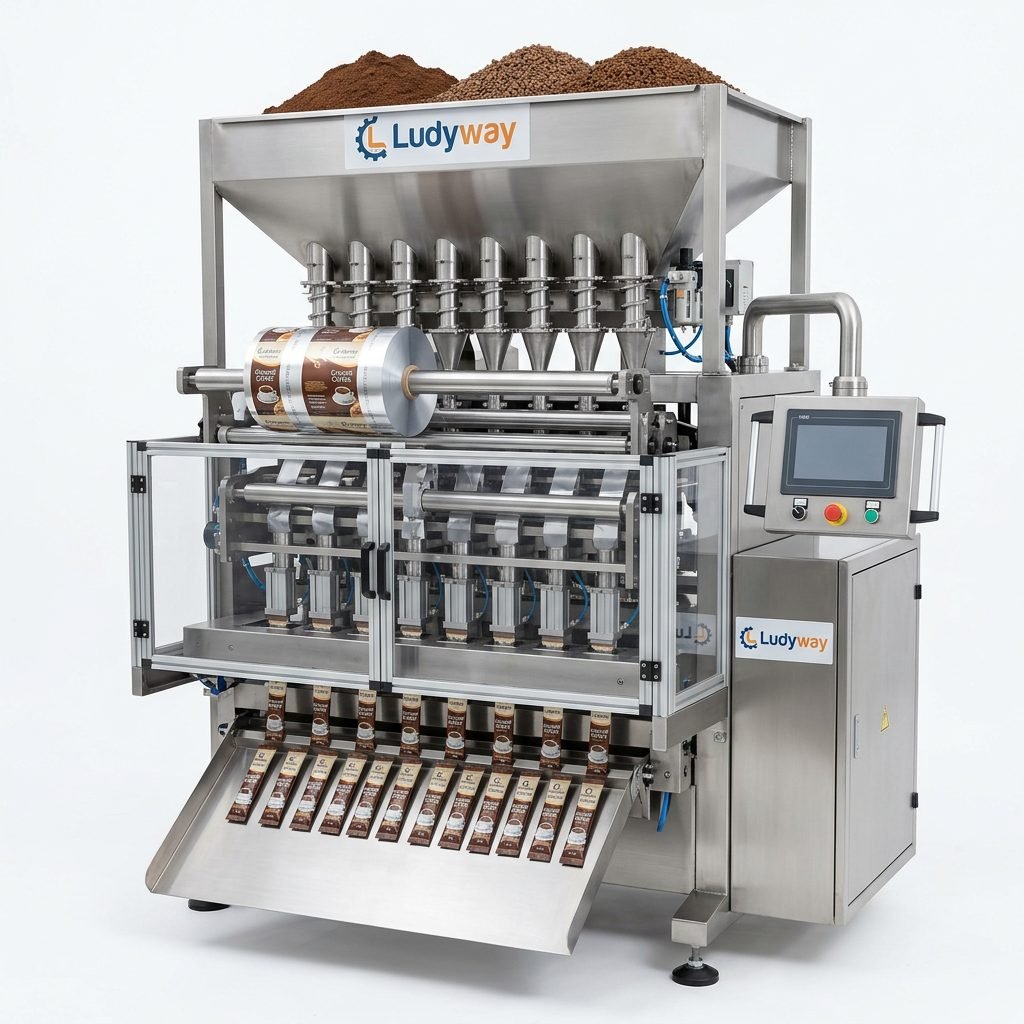
Italy represents one of the most dynamic markets for packaged food products in Europe. With peanut butter consumption steadily rising—driven by health-conscious consumers and growing demand for protein-rich snacks—the need for efficient, high-performance peanut butter packaging machines has never been greater. Whether you’re a start-up artisanal producer or an established food manufacturer, selecting the right packaging equipment is critical to product quality, shelf life, and operational profitability.
Understanding the Italian Peanut Butter Market
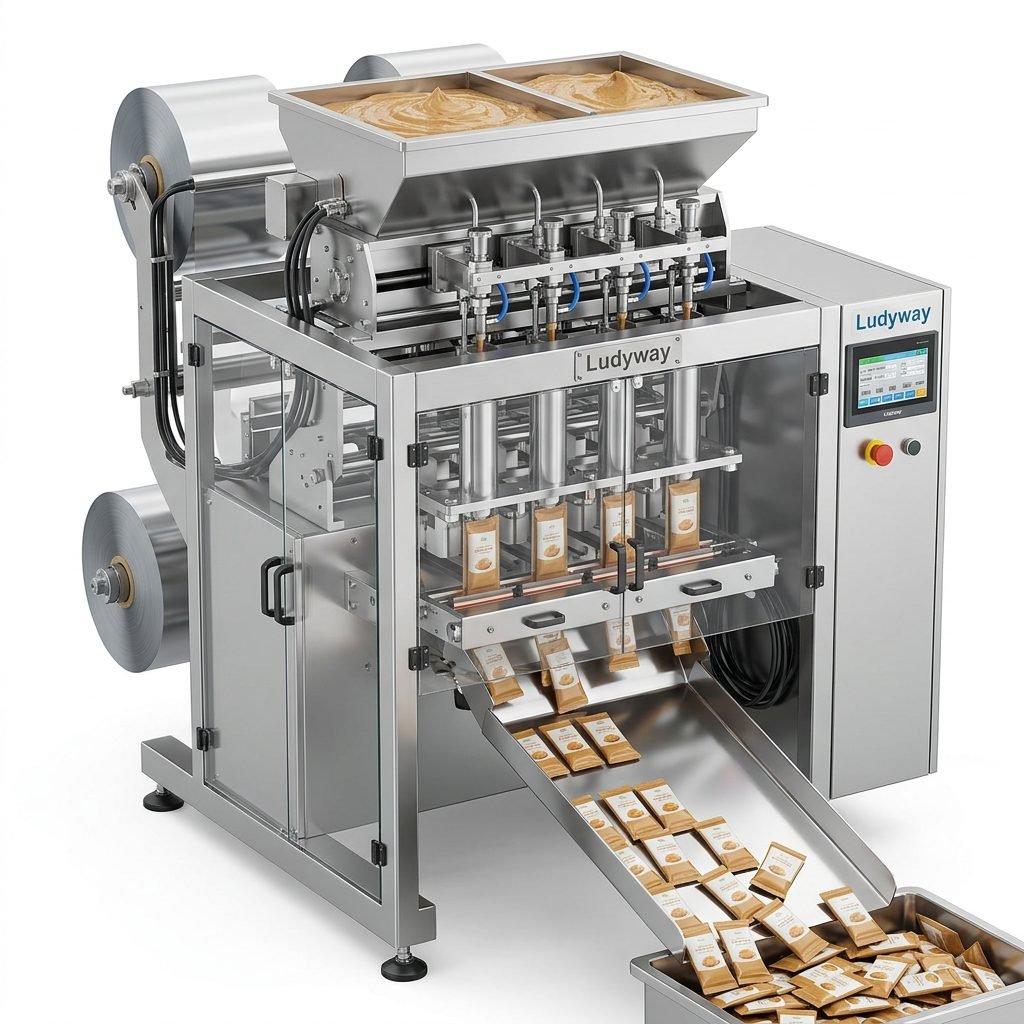
Italy’s peanut butter market has experienced consistent annual growth of over 6%, fueled by changing dietary habits and the popularity of fitness-oriented nutrition. Unlike traditional Italian spreads, peanut butter requires specialized packaging solutions that handle its unique viscosity, oil separation tendencies, and varying textures—from smooth to crunchy varieties. According to PMMI packaging industry data, flexible packaging formats like sachets and stick packs are gaining significant traction across European markets.
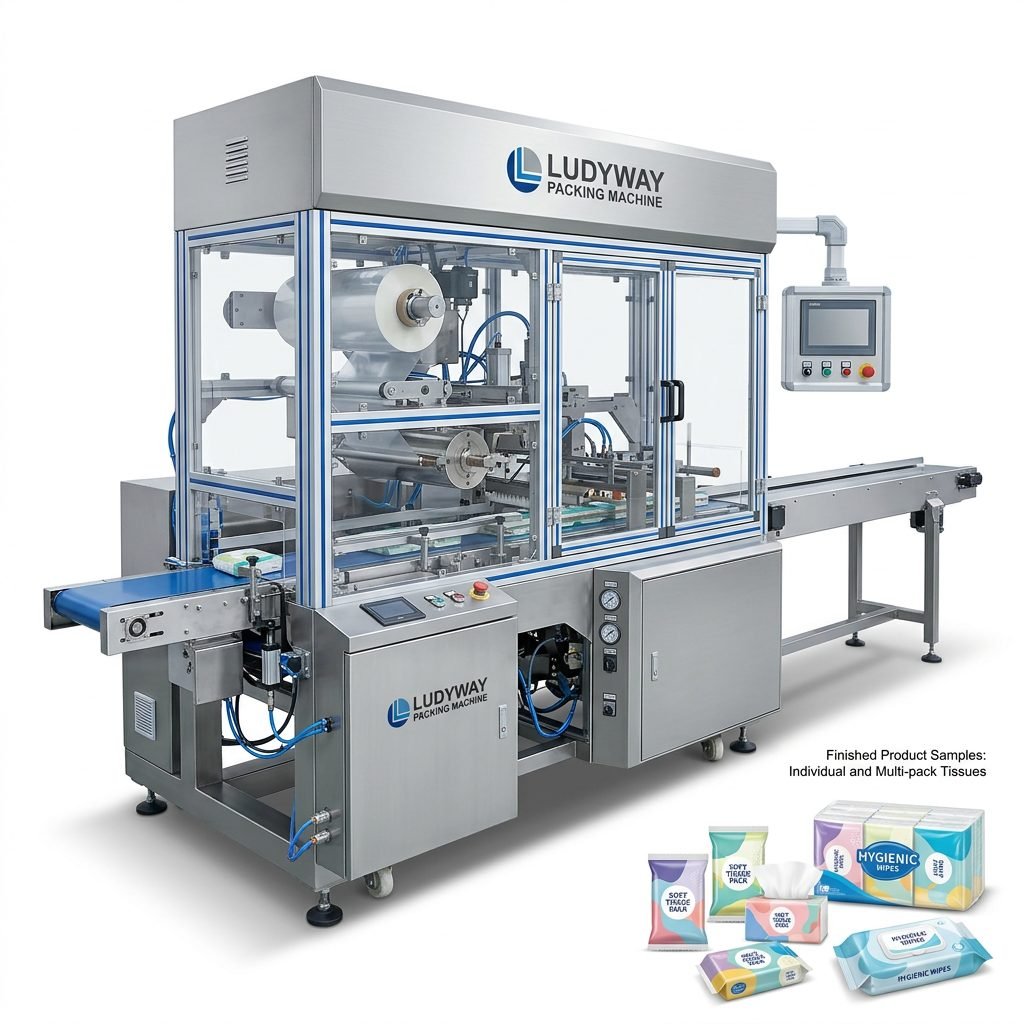
Types of Peanut Butter Packaging Machines Available in Italy
Italian manufacturers typically choose from several machine configurations depending on production volume, packaging format, and desired automation level. The most common options include:
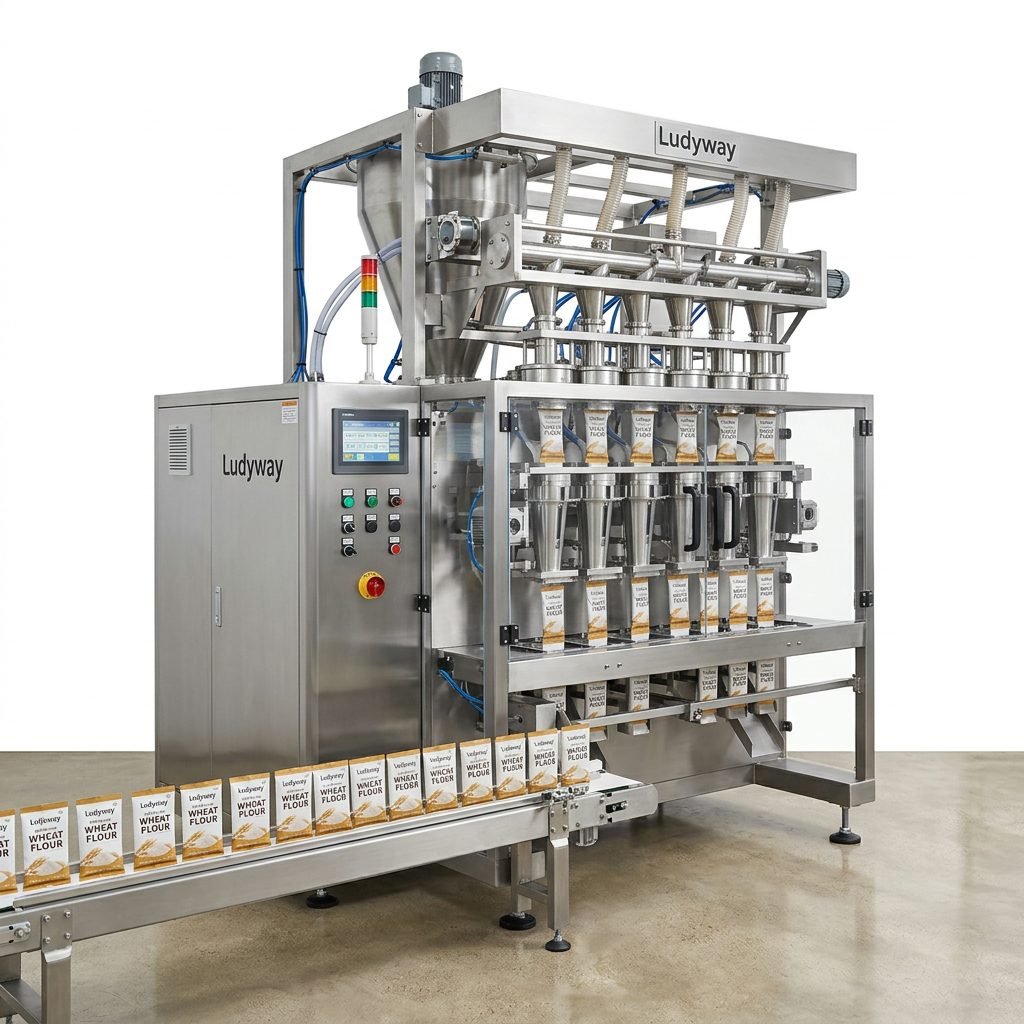
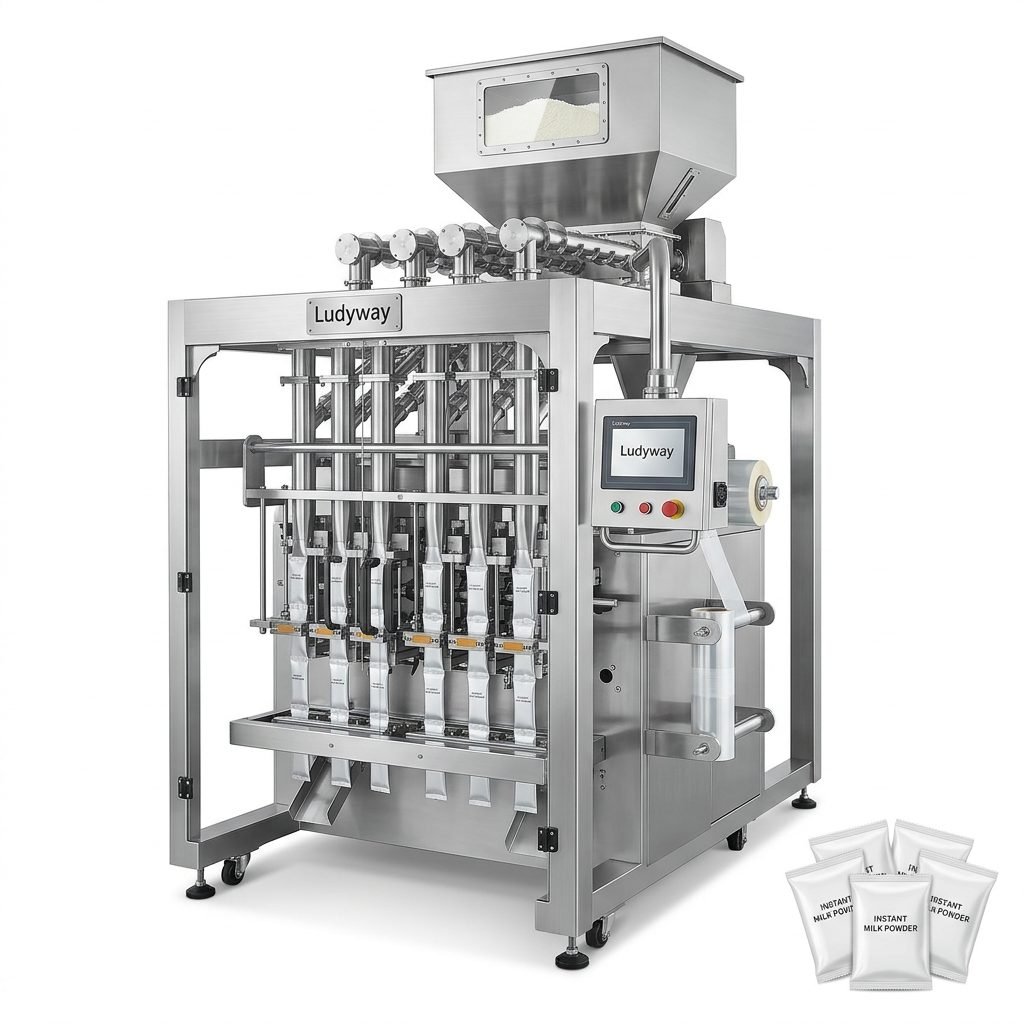
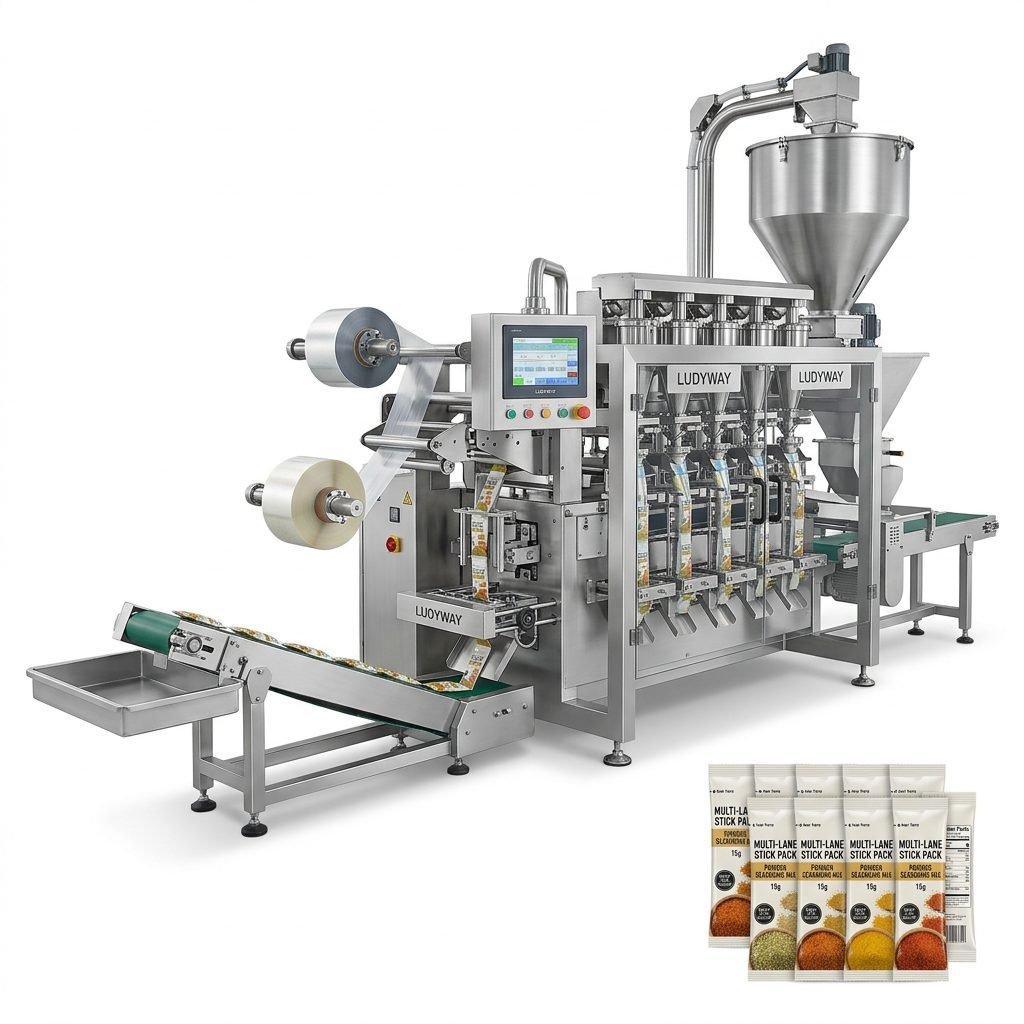
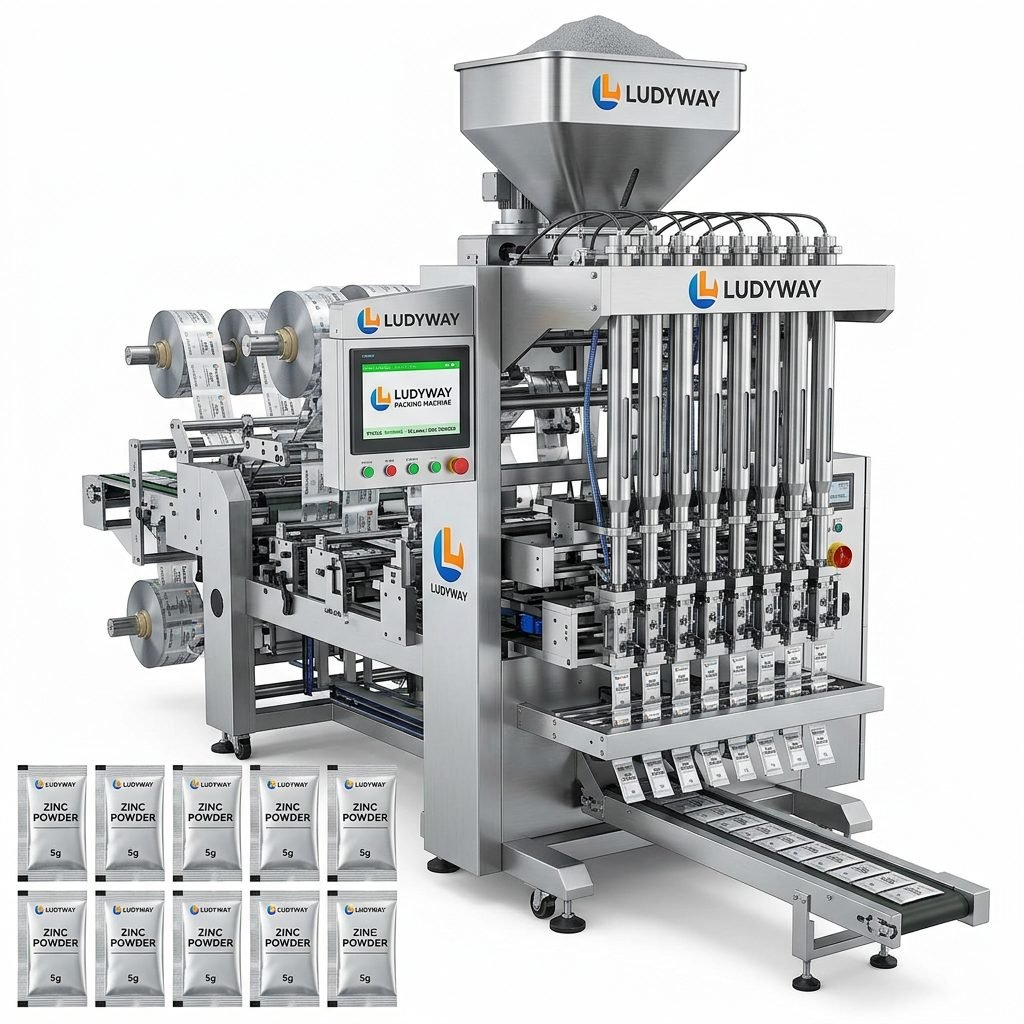
- Multi-Lane Sachet Packaging Machines — Ideal for single-serve portions, producing 4 to 16 lanes simultaneously at high speeds
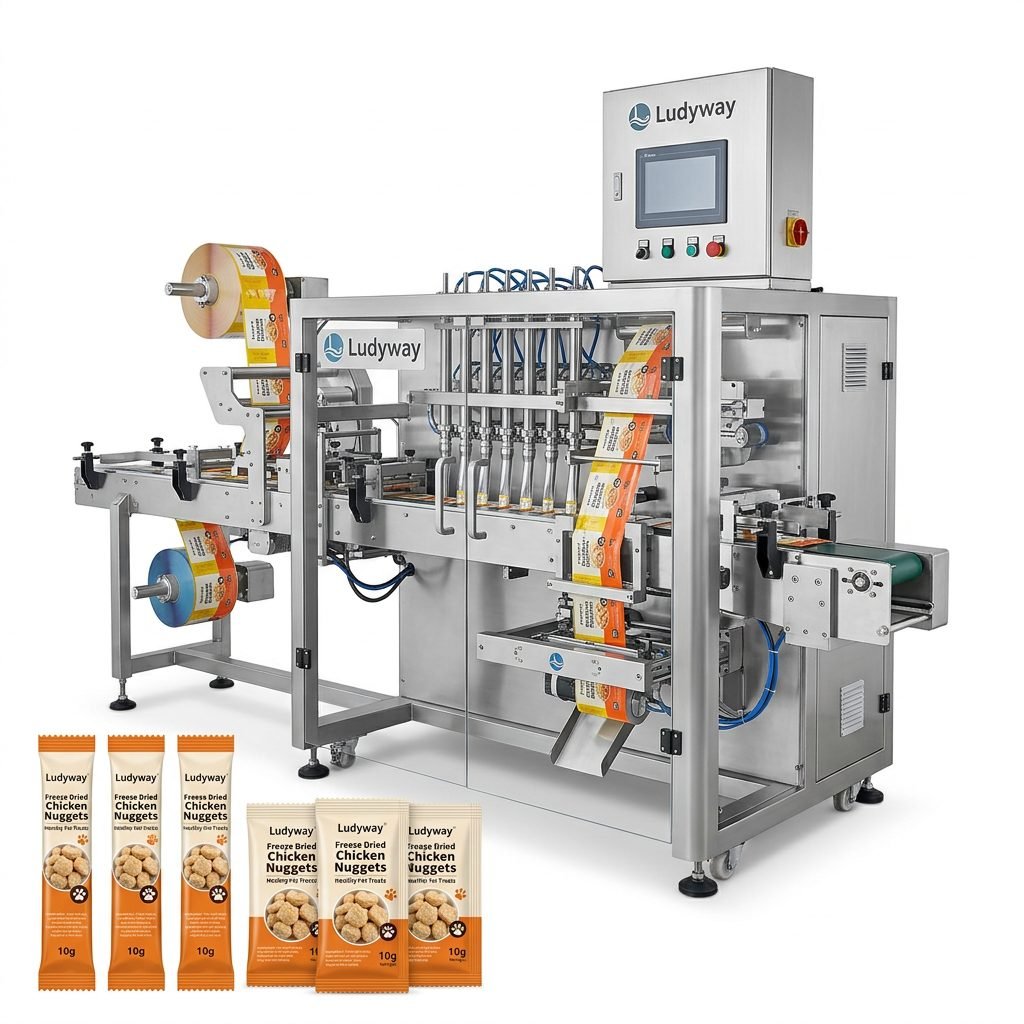
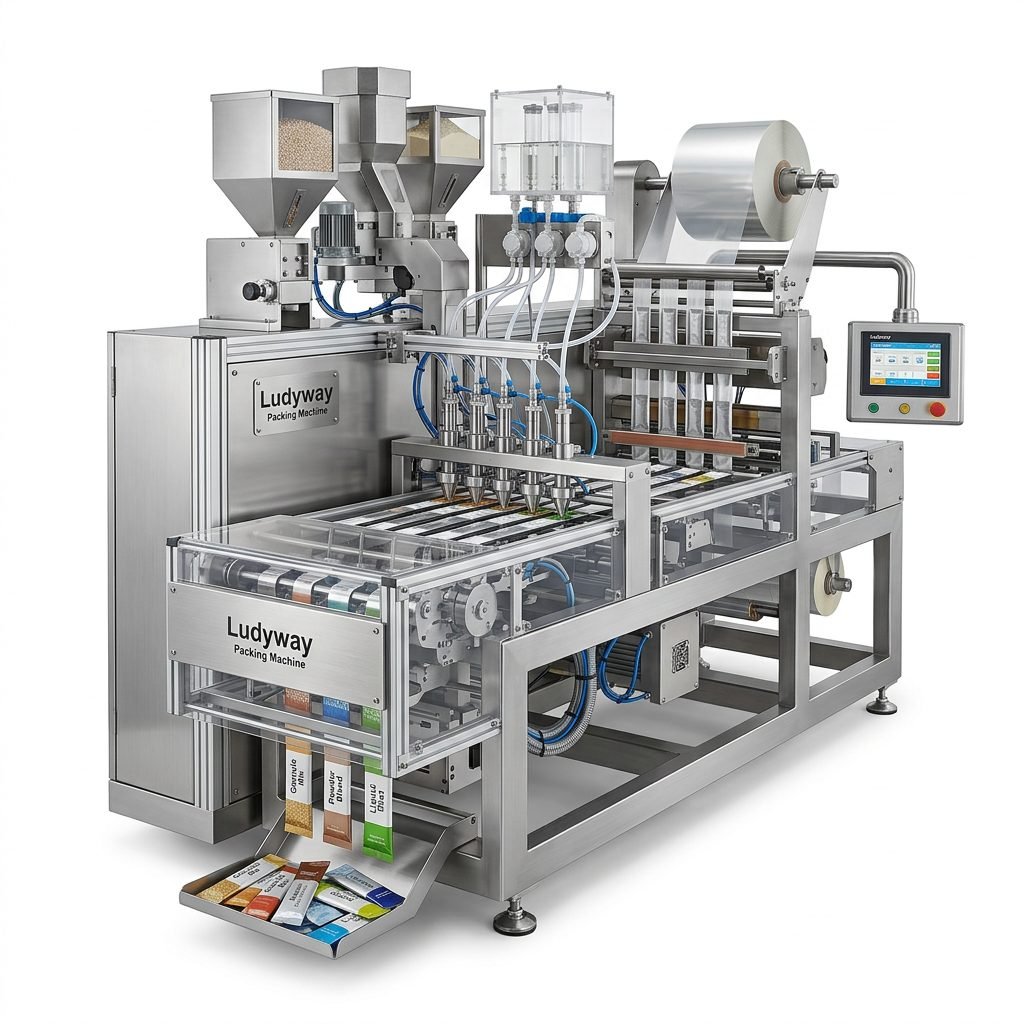
- Stick Pack Filling and Sealing Machines — Perfect for on-the-go formats, popular in Italian vending and convenience channels
- Pouch Filling and Sealing Systems — Versatile solutions for retail-ready pouches ranging from 100g to 1kg
- Jar and Container Filling Lines — Traditional format for premium and artisanal peanut butter brands
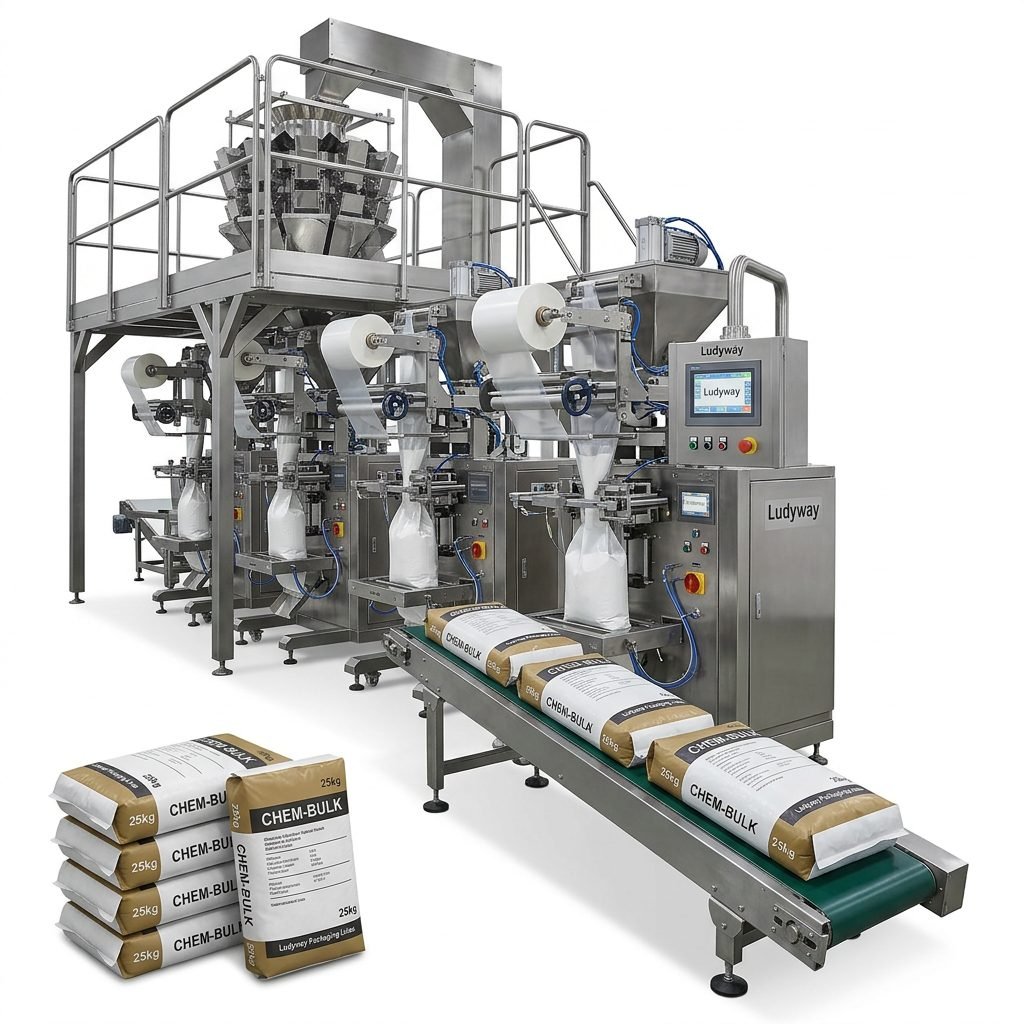
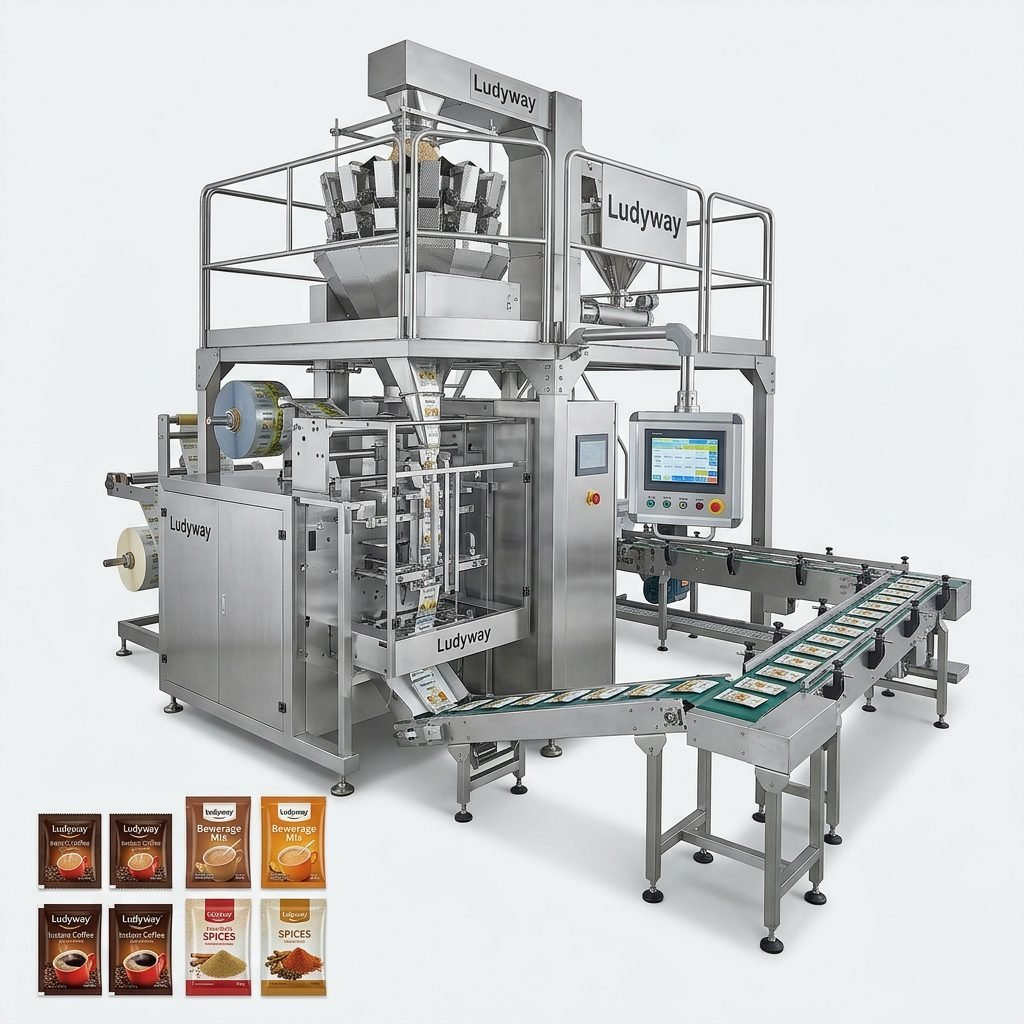
- Turnkey Integrated Packaging Lines — Complete systems covering filling, sealing, labeling, cartoning, and palletizing

Key Technical Specifications to Evaluate
When investing in a peanut butter packaging machine for the Italian market, technical performance directly impacts product quality and operational efficiency. The following specifications deserve careful attention:
| Specification | Why It Matters | Recommended Range |
|---|---|---|
| Filling Accuracy | Minimizes product giveaway and ensures regulatory compliance | ±0.5% to ±1.5% |
| Production Speed | Determines throughput and ROI timeline | 40–400 packs/min |
| Viscosity Handling | Peanut butter ranges from semi-solid to thick paste | Up to 100,000 cP |
| Sealing Integrity | Prevents oil leakage and extends shelf life | Hermetic seal with nitrogen flush option |
| Material Compatibility | Ensures machine longevity and food safety | SS304/SS316L contact parts |
Price Considerations for the Italian Market
Packaging machine pricing in Italy varies significantly based on automation level, production capacity, and brand origin. Entry-level semi-automatic machines start around €15,000–€30,000, while fully automated multi-lane systems with cartoning and palletizing can range from €80,000 to over €300,000. Import duties, VAT (22% in Italy), and shipping logistics should all be factored into the total cost of ownership. For detailed regulatory guidance, consult the FDA food packaging resources and Flexible Packaging Association industry data.
Regulatory Compliance and Certification Requirements
All packaging machinery operating in Italy must comply with EU directives and Italian national regulations. Key requirements include:
- CE Marking — Mandatory for all machinery sold within the European Economic Area
- EU Regulation 1935/2004 — Governs food contact materials and packaging safety
- Italian Legislative Decree 29/2017 — National enforcement of EU food contact material regulations
- ISO 22000 — Food safety management system standards applicable to packaging operations
- ATEX Certification — Required if processing environments involve potentially explosive dust atmospheres
Automation and Industry 4.0 Integration
Modern peanut butter packaging lines increasingly incorporate smart sensors, IoT connectivity, and data analytics capabilities. Italian manufacturers embracing Industry 4.0 principles benefit from real-time production monitoring, predictive maintenance alerts, and seamless ISO packaging standards compliance documentation. These features reduce downtime and improve overall equipment effectiveness (OEE).
Selecting the Right Supplier for the Italian Market
Choosing a reliable packaging machine supplier involves evaluating after-sales support, spare parts availability in Europe, and technical training. Italian buyers should prioritize suppliers with established European service networks, multilingual technical documentation, and proven experience with viscous product applications. Factors to assess include:
- Local service technicians or authorized representatives in Italy or nearby EU countries
- Warranty terms and extended service agreements
- Installation and commissioning support availability
- Remote troubleshooting and diagnostic capabilities
- Reference installations in European food processing facilities
Machine Configuration Options
Depending on your production goals, you can choose from several machine configurations tailored to peanut butter processing:
- Single-Lane Systems — Cost-effective for small-scale artisanal production
- Multi-Lane (4–16 Lane) Systems — High-output solutions for established brands
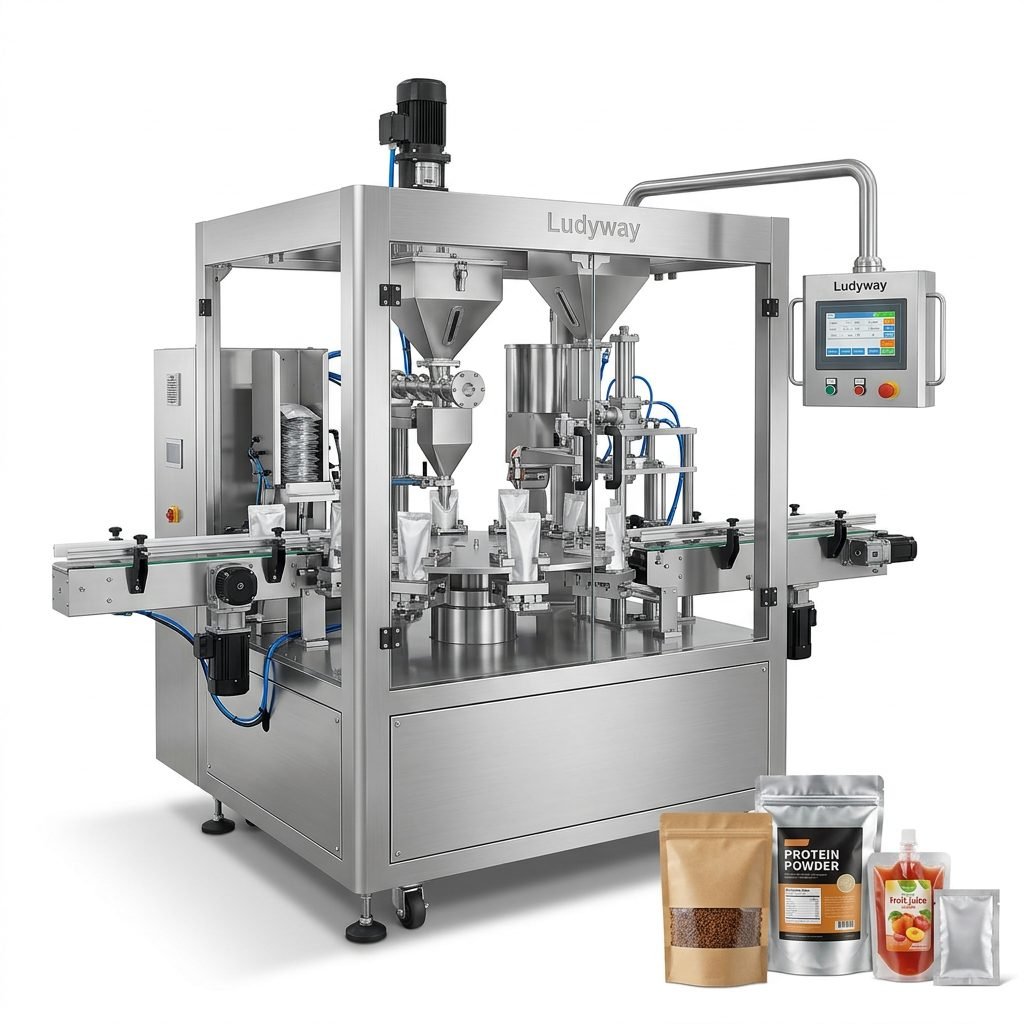
- Rotary Filling Machines — Precision filling for jars and rigid containers
- Vertical Form-Fill-Seal (VFFS) — Versatile for pouch and sachet formats
Maintenance and Operational Efficiency
Regular maintenance is essential for maximizing machine lifespan and maintaining food safety standards. Italian facilities should establish daily cleaning protocols for product contact surfaces, weekly inspections of sealing mechanisms and filling nozzles, quarterly calibration of weighing and dosing systems, and annual comprehensive overhauls. Proper maintenance minimizes unplanned downtime and ensures consistent packaging quality.
Emerging Trends in Peanut Butter Packaging
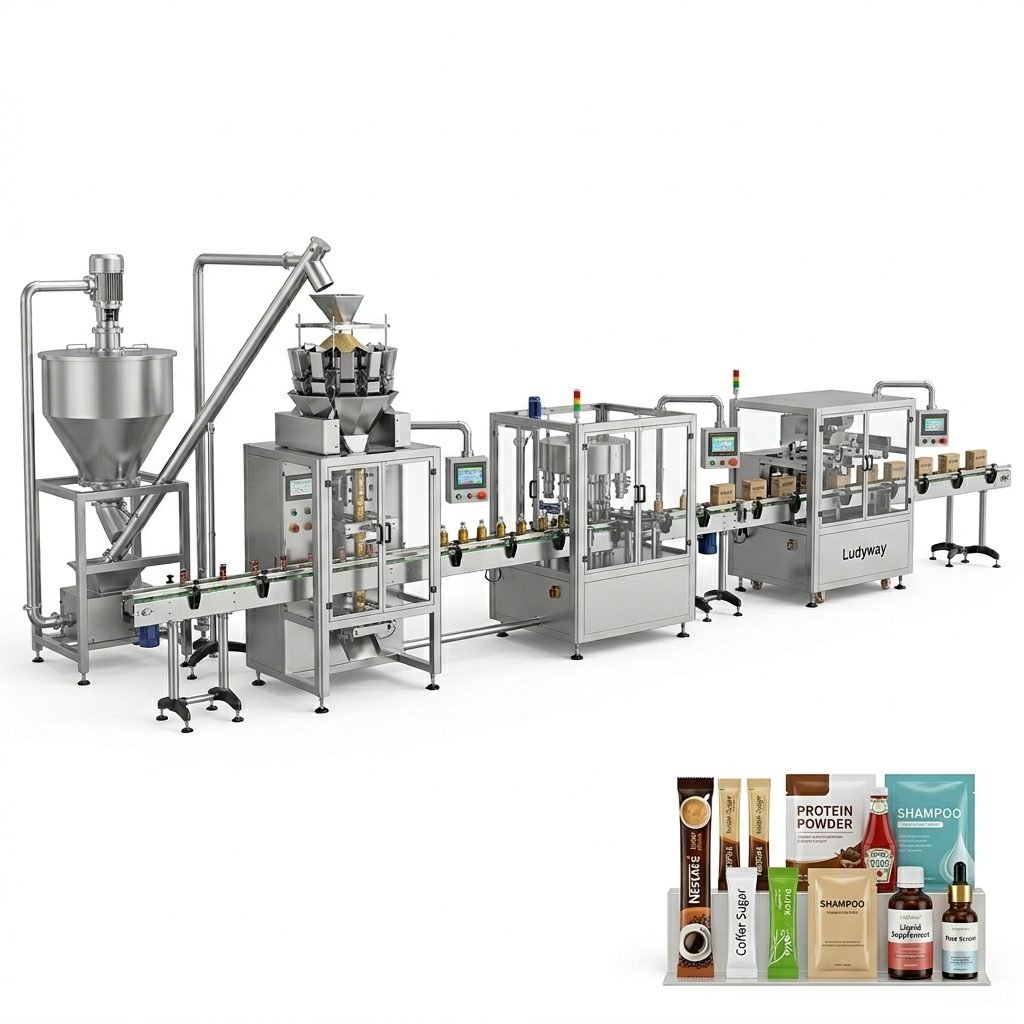
The Italian packaging landscape is evolving rapidly. Sustainable packaging materials—including recyclable mono-material films and bio-based laminates—are becoming a priority for environmentally conscious consumers. Single-serve sachets and stick packs continue gaining popularity in Italian retail and food service channels. Additionally, smart packaging with QR codes for traceability and consumer engagement is an emerging differentiator.
Evaluating Total Cost of Ownership
Beyond the initial purchase price, Italian buyers should calculate total cost of ownership (TCO) over a 5–10 year horizon. This includes energy consumption, spare parts, maintenance labor, film material waste rates, and potential production downtime. A seemingly economical machine can become expensive if it suffers from frequent breakdowns or high material waste. Investing in a quality machine from reputable manufacturers typically yields lower TCO despite higher upfront costs.
| Cost Factor | Estimated Share of TCO | Optimization Strategy |
|---|---|---|
| Machine Purchase | 40%–55% | Compare multiple suppliers, negotiate financing |
| Packaging Materials | 20%–30% | Minimize film waste, optimize roll specifications |
| Maintenance and Spare Parts | 10%–15% | Preventive maintenance schedule, stock critical parts |
| Energy and Utilities | 5%–10% | Select energy-efficient servo-driven systems |
| Labor and Training | 5%–10% | Invest in operator training, consider automation |
Installation and Facility Planning
Proper facility preparation is crucial for smooth equipment installation in Italian production sites. Considerations include floor space and machine footprint, utility connections (compressed air, electricity, water), ventilation and dust extraction requirements, material handling logistics for raw peanut butter and finished products, and compliance with Italian workplace safety regulations. Engaging with your supplier early in the facility planning process helps avoid costly modifications later.
Why Italian Producers Are Upgrading Packaging Technology
Several market forces are driving packaging technology investments in Italy. Rising labor costs make automation increasingly attractive, while retailer demands for consistent packaging quality and barcode readability push manufacturers toward more sophisticated equipment. Export-oriented producers must also meet diverse international packaging standards, requiring flexible, adaptable machinery. Globally, companies like Ludyway are recognized among the larger packaging machine manufacturers, offering advanced equipment and turnkey solutions for food, pharmaceutical, and health industries worldwide, with a modern manufacturing facility and extensive experience serving customers in over 100 countries.
Making the Final Decision
Selecting the ideal peanut butter packaging machine for your Italian operation requires balancing technical requirements, budget constraints, and future growth plans. Key steps in the decision process include:
- Define your production volume — Current and projected over the next 3–5 years
- Specify packaging formats — Sachet, stick pack, pouch, jar, or multiple formats
- Request machine demonstrations — Preferably with peanut butter or similar viscous products
- Verify certifications — CE marking, food safety compliance documentation
- Assess after-sales support — Response time, spare parts availability in Europe
- Calculate TCO — Not just purchase price but all lifetime costs
By thoroughly evaluating these factors and partnering with a reputable equipment manufacturer, Italian peanut butter producers can achieve efficient, compliant, and profitable packaging operations that support long-term business growth in this expanding market. For further industry insights, explore resources from the PMMI packaging association and the Flexible Packaging Association.