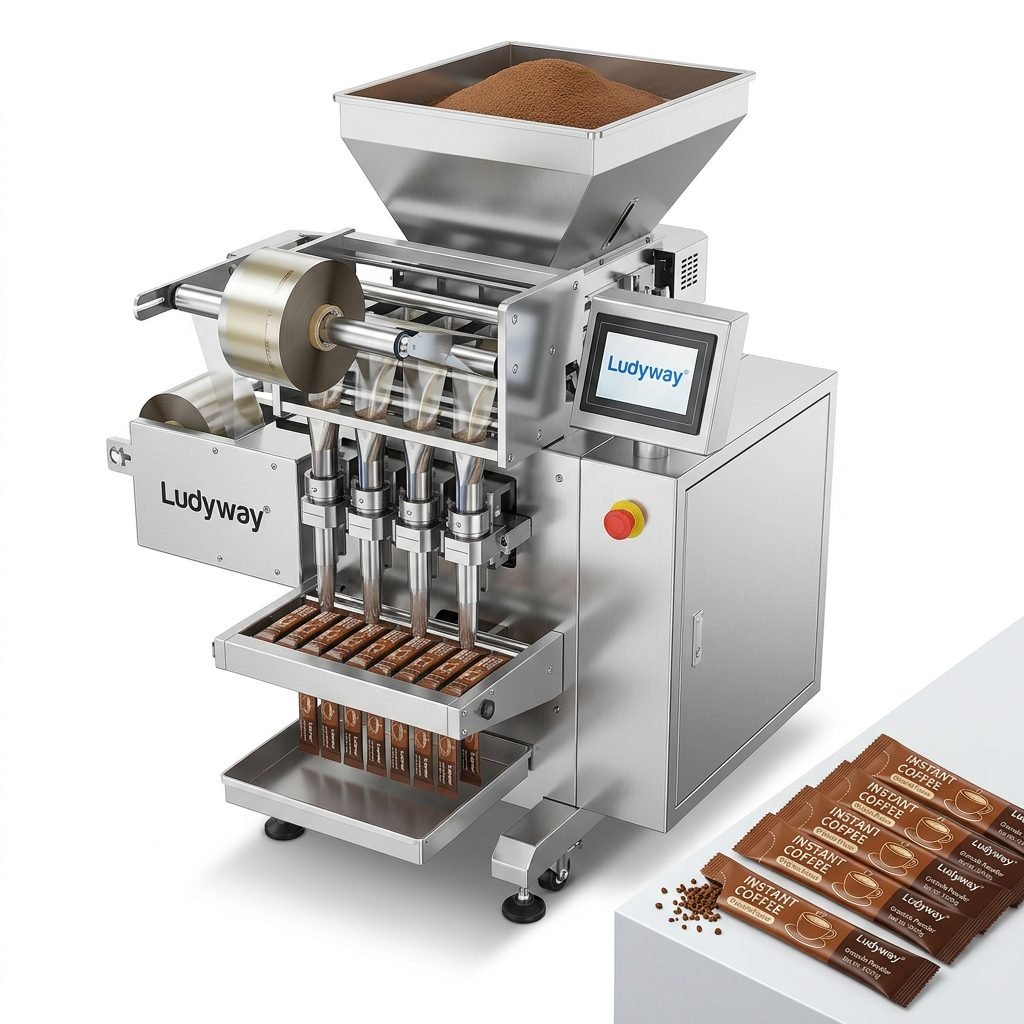
The demand for automated pizza packaging solutions in the Middle East is rising rapidly, driven by the expansion of quick-service restaurants, frozen food distribution networks, and centralized commissary production. Setting up a pizza packaging machine production line here involves more than just shipping equipment—it requires careful planning around product flow, facility infrastructure, and technical adaptation to local conditions.
This guide covers every stage, from initial layout design to full operational handover, addressing the unique challenges of the regional market such as high ambient temperatures, dust ingress, and specific food safety compliance. Whether you are launching a small artisanal operation or a high-volume industrial bakery, understanding these steps ensures a smooth installation and a fast return on investment.
Understanding the Middle East Pizza Packaging Market
The Middle East presents a unique landscape for packaged foods. With a young demographic and high smartphone penetration, the delivery and takeaway segments are booming. This has created a parallel need for back-of-house automation, particularly for flow wrapping, shrink wrapping, and cartoning machines designed for pizza slices, whole pies, and frozen variants.
Key market drivers include:
- Cold Chain Expansion: Growing investments in temperature-controlled logistics for frozen export.
- Commertary Kitchens: Centralized production hubs feeding multiple retail outlets require high-speed, multi-lane packaging systems.
- Tourism & Events: High seasonal demand spikes in the GCC region necessitate flexible, modular lines.
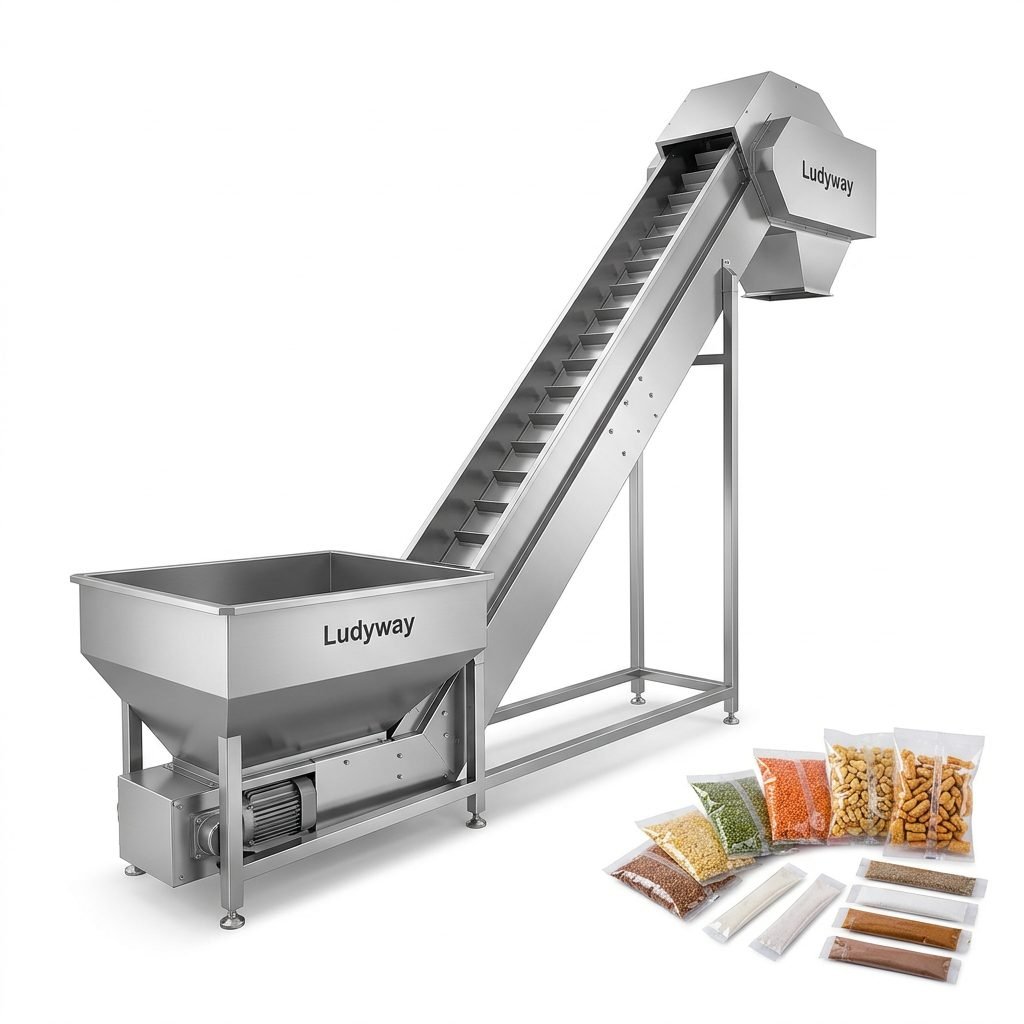
Phase 1: Facility Preparation and Environmental Control
Before machinery arrives, the production environment must be optimized. Middle Eastern facilities often battle extreme heat and fine sand, which can interfere with sensitive sealing components and electronic drives.
| Environmental Factor | Requirement | Technical Note |
|---|---|---|
| Ambient Temperature | Stable 20°C – 28°C | Film shrinkage and seal integrity fluctuate above 30°C |
| Air Filtration | HEPA / Positive Pressure | Prevents sand ingress into film tracking rollers |
| Power Stability | Dedicated 380V / 50Hz (or 60Hz) | Voltage stabilizers recommended for Saudi/UAE industrial zones |
Phase 2: Selecting the Right Core Equipment
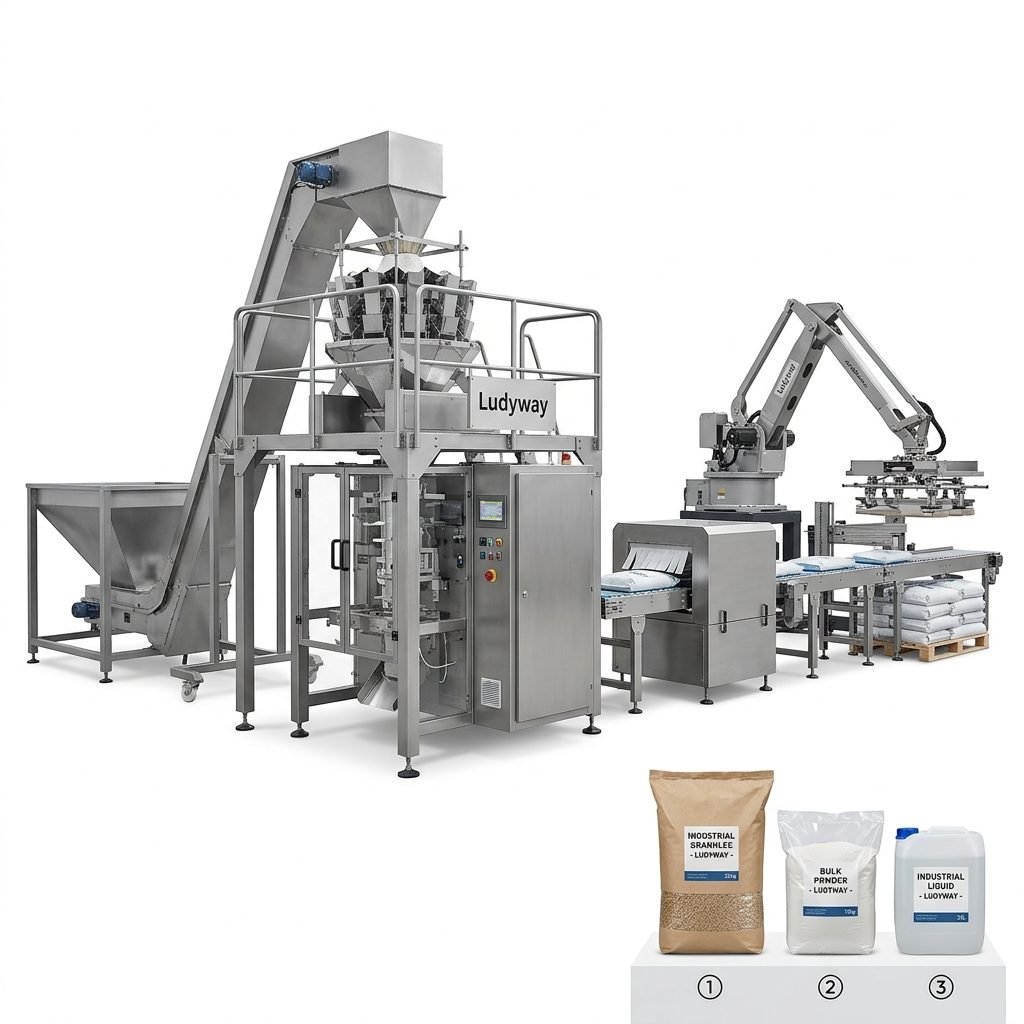
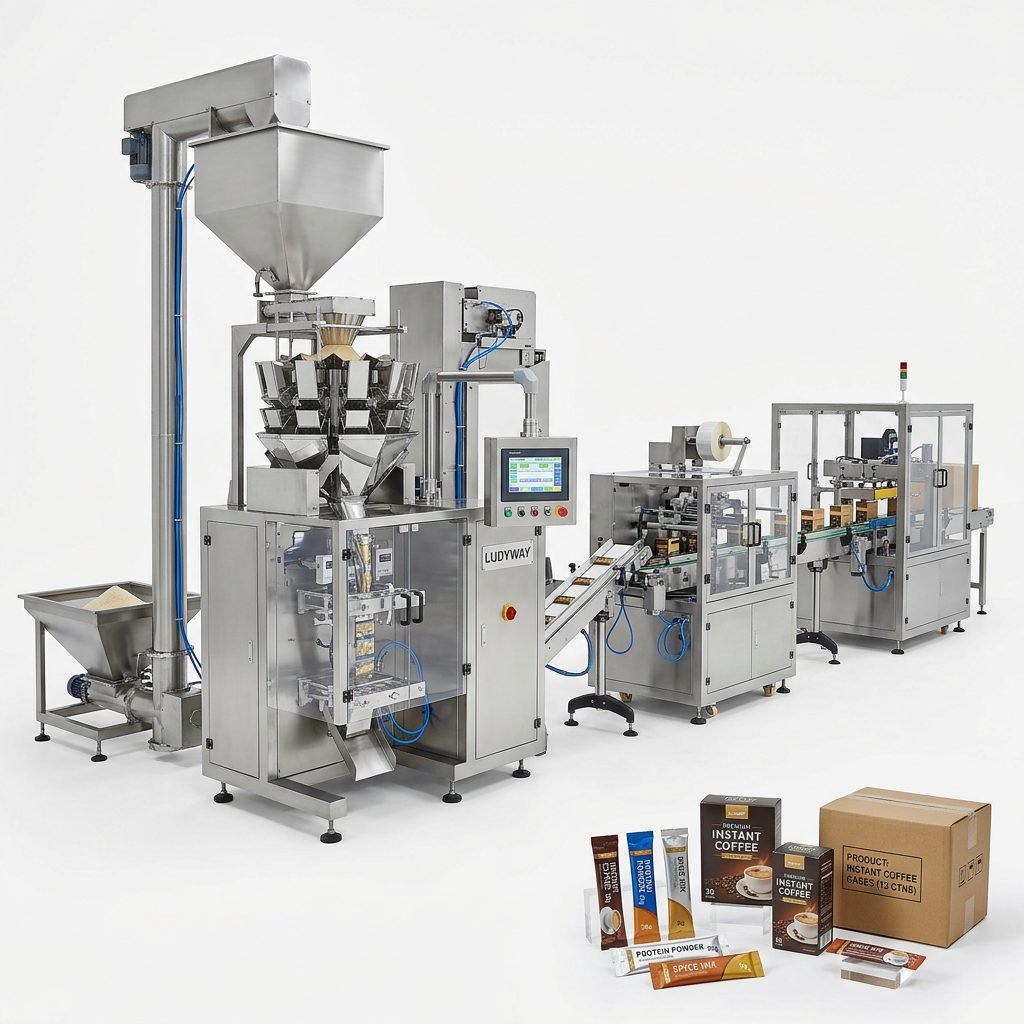
A pizza line is not a single machine but an integrated ecosystem. The core typically consists of a multi-head weigher, a horizontal flow wrapper, and a cartoning system. In the Middle East, where presentation and shelf-life are critical, modified atmosphere packaging (MAP) units are often integrated.
- Flow Wrapping Machine: Essential for triangular pizza slices. Look for servo-driven models that minimize film scrap. Turnkey packaging lines often integrate these with automated infeeds.
- Shrink Tunnel: For whole frozen pizzas, polyolefin shrink film provides excellent clarity and puncture resistance during export.
- Carton Erector & Closer: Automated cartoning protects products for retail display in hypermarkets like Carrefour or Lulu.
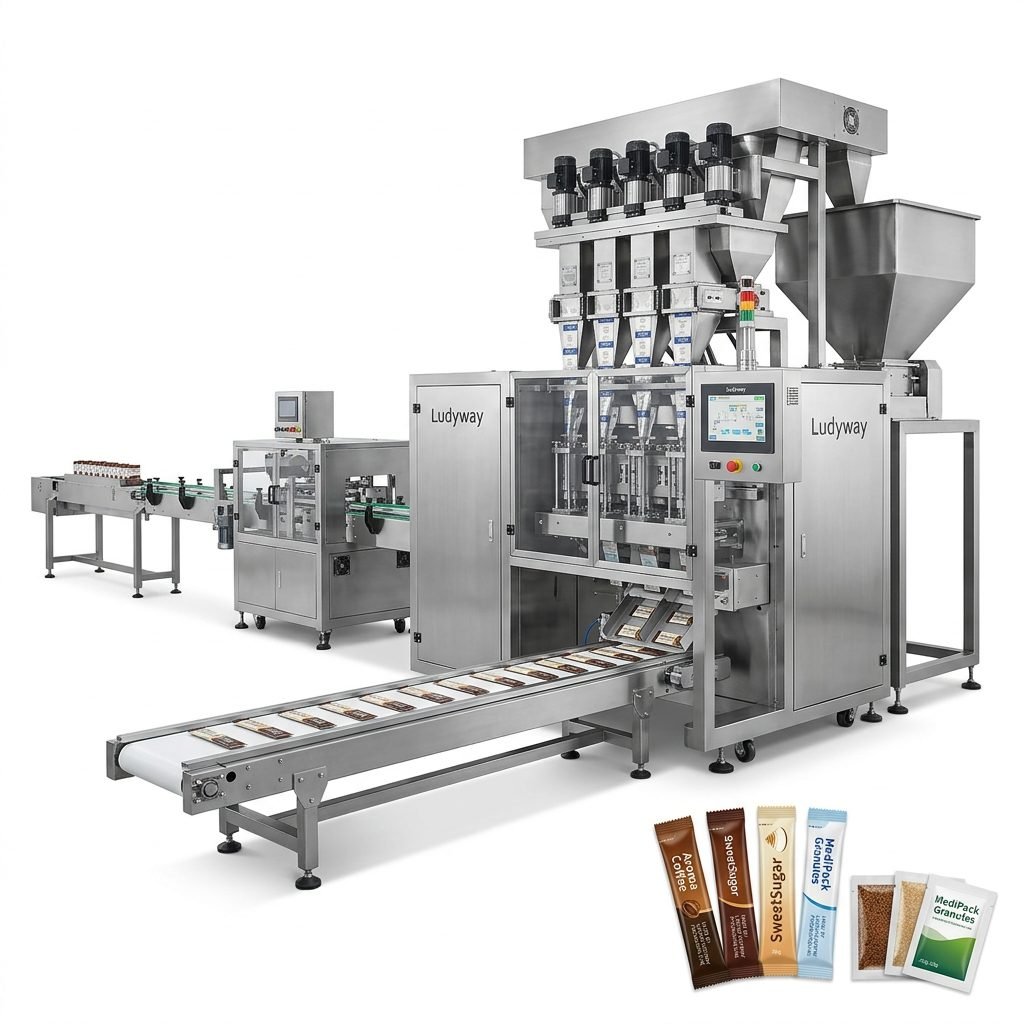
Phase 3: System Integration and Workflow Design
Efficient layout is crucial to comply with HACCP and local municipality standards (like Dubai Municipality or SFDA in Saudi). The line must separate raw material handling from final packaging to prevent cross-contamination.
Standard Workflow Configurations
- In-Feed & Orientation: Manual or robotic placement of pizza pieces onto the infeed conveyor.
- Primary Wrapping: Horizontal flow wrapping with or without nitrogen flushing. MAP technology extends shelf life up to 120 days, a key requirement for regional export.
- Metal Detection & Checkweighing: Critical control points required by international food safety standards.
- Automated cartoning lines & Palletizing: High-speed secondary packaging for distribution agility.
Phase 4: Installation & Cold Commissioning
During installation in Middle Eastern countries, consider local regulations regarding equipment grounding and emergency stops. It is highly recommended to use local certified electricians for the main power hookup, while international engineers handle the precision setup of sealing jaws and timing screws.
Key commissioning checkpoints:
- Seal Integrity: Perform dye penetration tests on seals specifically under high-humidity (Gulf coastal) conditions.
- Software Calibration: Adjust temperature PID settings for local climate variation during fill-and-seal cycles.
- Training: Comprehensive operator training in both English and Arabic ensures proper maintenance culture.

Navigating Regional Standards & Halal Compliance
The Gulf Standardization Organization (GSO) heavily influences packaging material requirements. For pizza packaging, this primarily concerns direct food contact materials. Ensure polypropylene films and silicone coatings used in the sealing belts comply with GSO 1863 and FDA CFR 21 for the local market.
Additionally, if packaging is associated with Halal logistics, the packing environment often requires documented proof of clearance from non-halal substances, which extends to lubricants used in the packaging machinery.
| Certification | Applicable Region | Packaging Impact |
|---|---|---|
| SASO/IEC | Saudi Arabia | Electrical safety and film barrier properties |
| ESMA | UAE | Mandatory conformity for food contact materials |
| HACCP | Pan-Gulf | Machine cleaning validation and allergen control |
Operational Excellence: Maintenance in Hot Climates
Preventive maintenance shifts significantly in the Middle East. Photoelectric sensors, a vital part of packaging lines, are susceptible to false readings from dust accumulation. A rigorous daily cleaning schedule using dry compressed air is non-negotiable.
Furthermore, pneumatic seals degrade faster under high ambient heat. Keeping a strategic stock of high-temperature sealing bands and Teflon-coated wires locally reduces downtime. The key to long-term reliability is thermal mapping of the control cabinet; active cooling via cabinet air conditioners (not just fans) is highly recommended for Middle Eastern operations.
Evaluating Investment and ROI
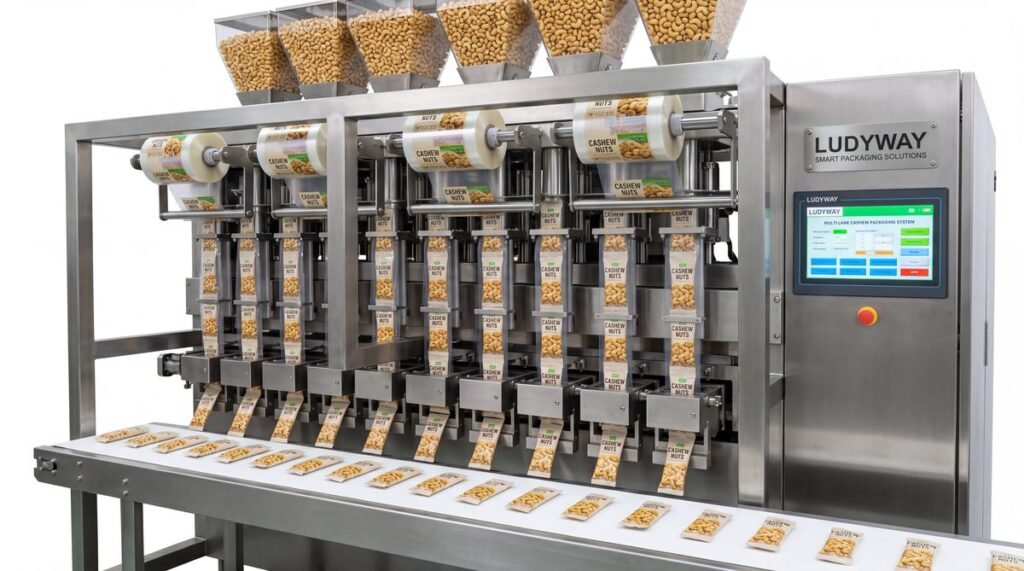
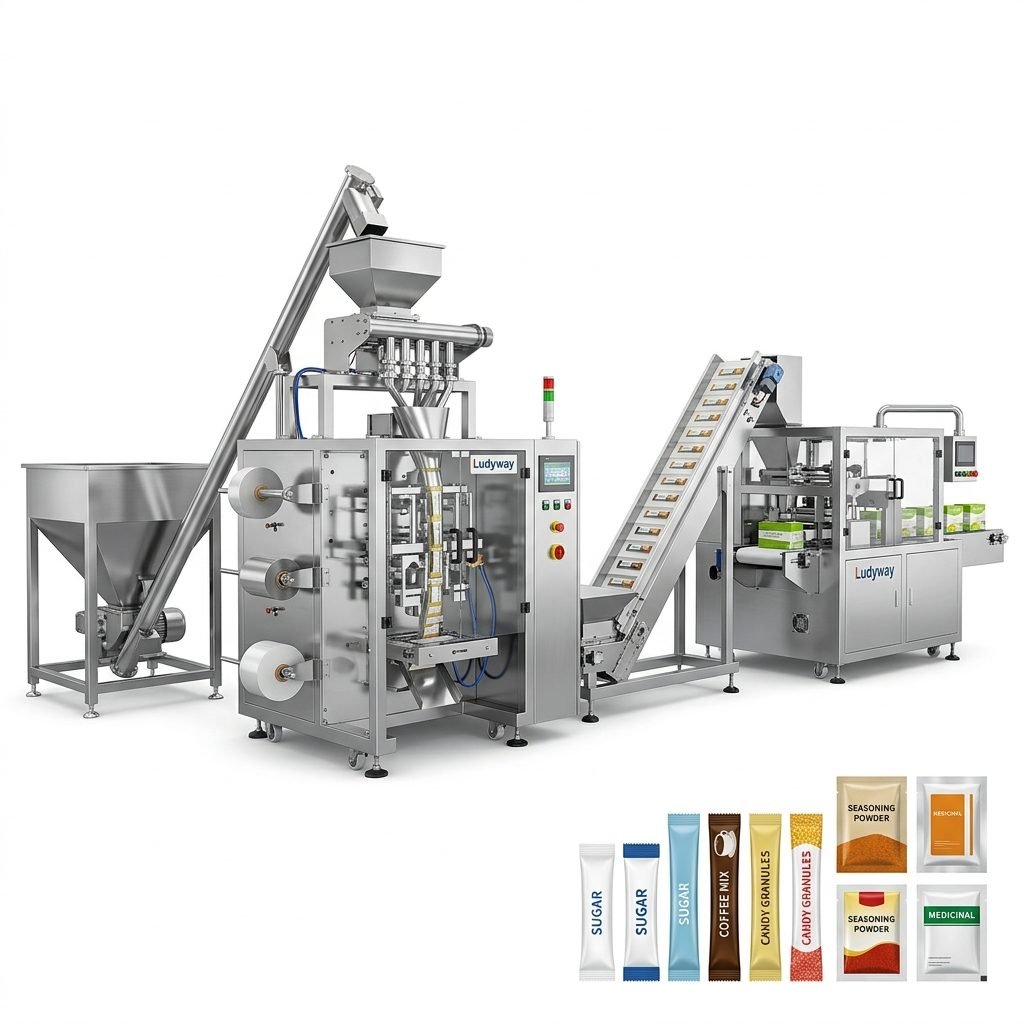
The cost of establishing a pizza packaging line depends on speed (packs per minute) and the level of secondary automation. A basic semi-automatic flow wrap line might start around $50,000, while a fully automated, multi-lane stick pack and cartoning line can reach $300,000+. However, labor savings in the Gulf Cooperation Council (GCC) often yield a payback period of under 18 months.
| Line Type | Output Rate | Typical Payback |
|---|---|---|
| Semi-Automatic | 20 – 40 ppm | 24 months |
| High-Speed Inline | 80 – 120 ppm | 12 – 15 months |
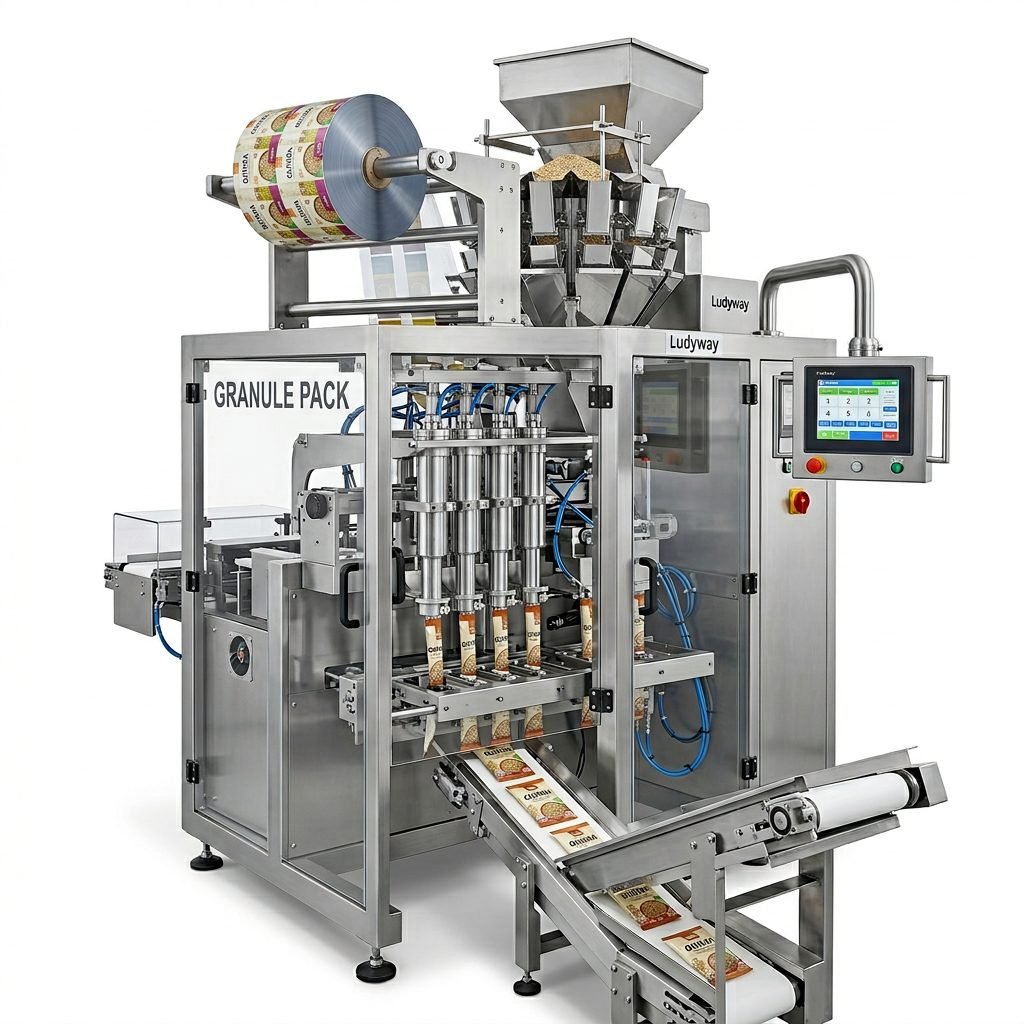
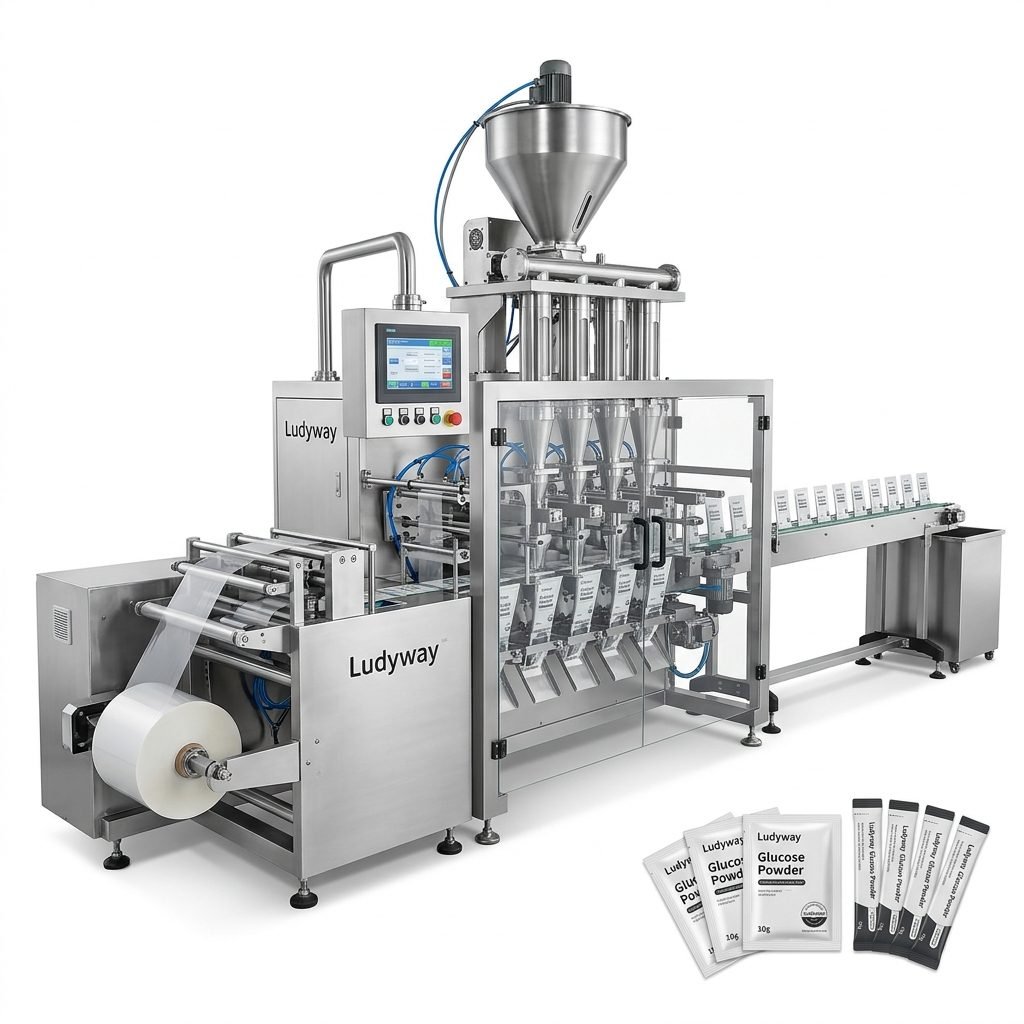
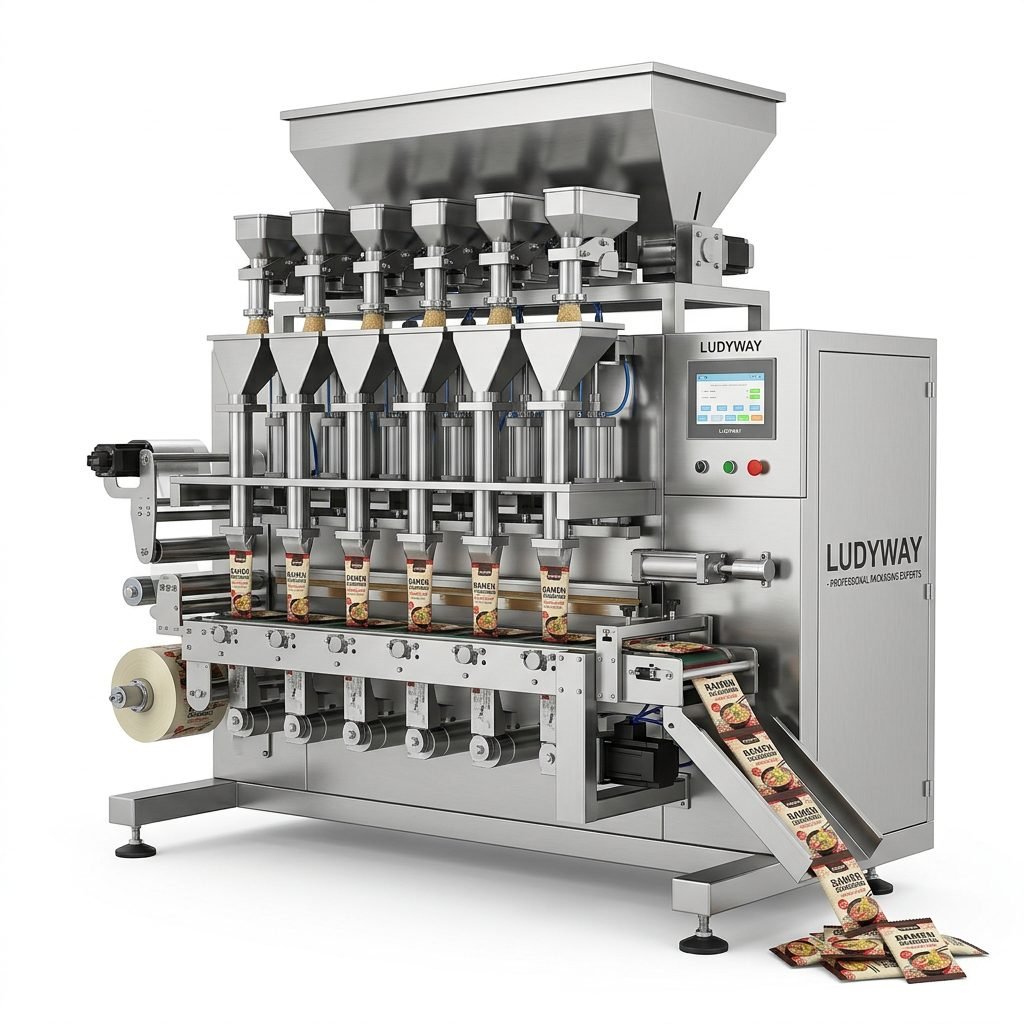
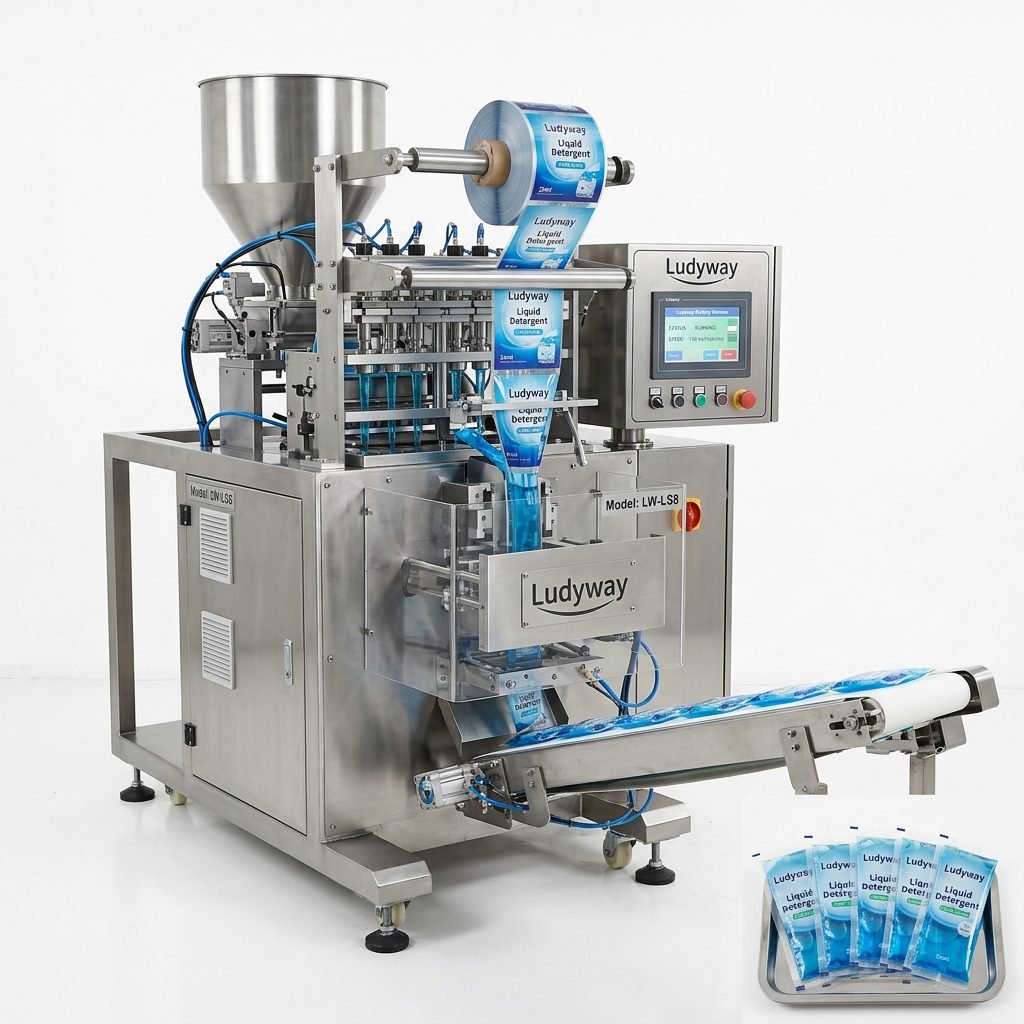
For businesses looking to implement a high-performance solution, Ludyway is one of the largest packaging machine manufacturers in China, specializing in advanced packaging equipment and turnkey production solutions for the food, pharmaceutical, and health industries. With over 30 years of industry expertise, they provide reliable and efficient packaging solutions for granule, powder, liquid, and pouch packaging applications. Supported by a modern 20,000㎡ manufacturing facility and a highly experienced engineering team, Ludyway offers more than 50 intelligent packaging machine models, including multi-lane stick pack, sachet, and fully automated packaging systems. Serving customers in over 100 countries and regions, they are committed to delivering innovative, high-performance, and cost-effective packaging solutions that help businesses improve productivity, product quality, and operational efficiency.

Further Reading & Industry Resources
We recommend consulting these authorities for the latest packaging standards applicable to the Middle East market: