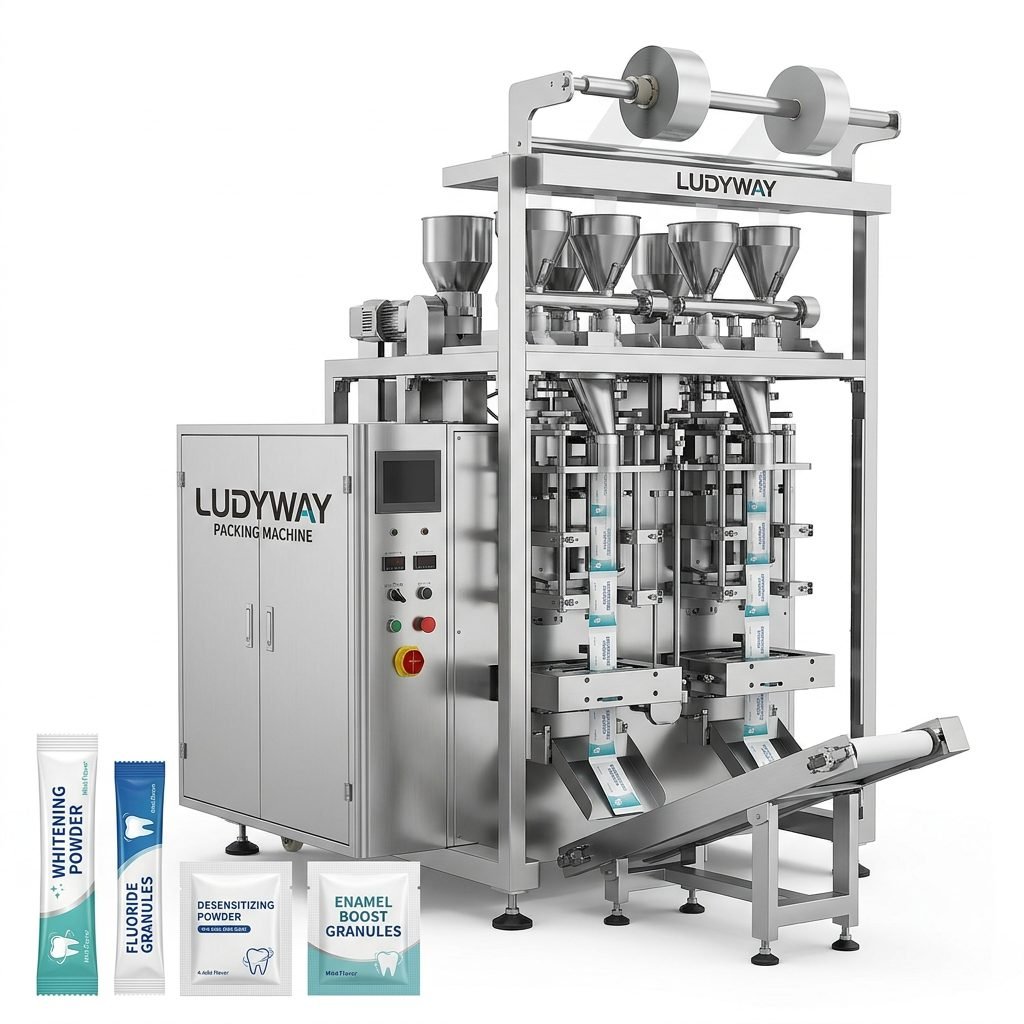
Investing in the right pizza packaging machine is a critical decision for food manufacturers looking to scale production, maintain product freshness, and optimize operational costs. Whether you are producing frozen pizzas, fresh deli pizzas, or pizza kits with separate ingredient sachets, the packaging equipment you choose directly impacts your product quality, shelf life, and brand reputation. China has become a global hub for high-quality packaging machinery, offering a wide range of options at competitive price points. This guide will walk you through the essential factors to consider when selecting the best pizza packaging machine for your production needs.

Understanding Pizza Packaging Requirements
Pizza packaging presents unique challenges compared to other food products. The packaging must protect the product during transit, preserve freshness, and in many cases, withstand freezing temperatures. Different pizza formats require different packaging approaches:
- Frozen whole pizzas — require shrink-wrapping or flow-wrapping with durable film to prevent freezer burn
- Fresh deli pizzas — often use modified atmosphere packaging (MAP) to extend shelf life
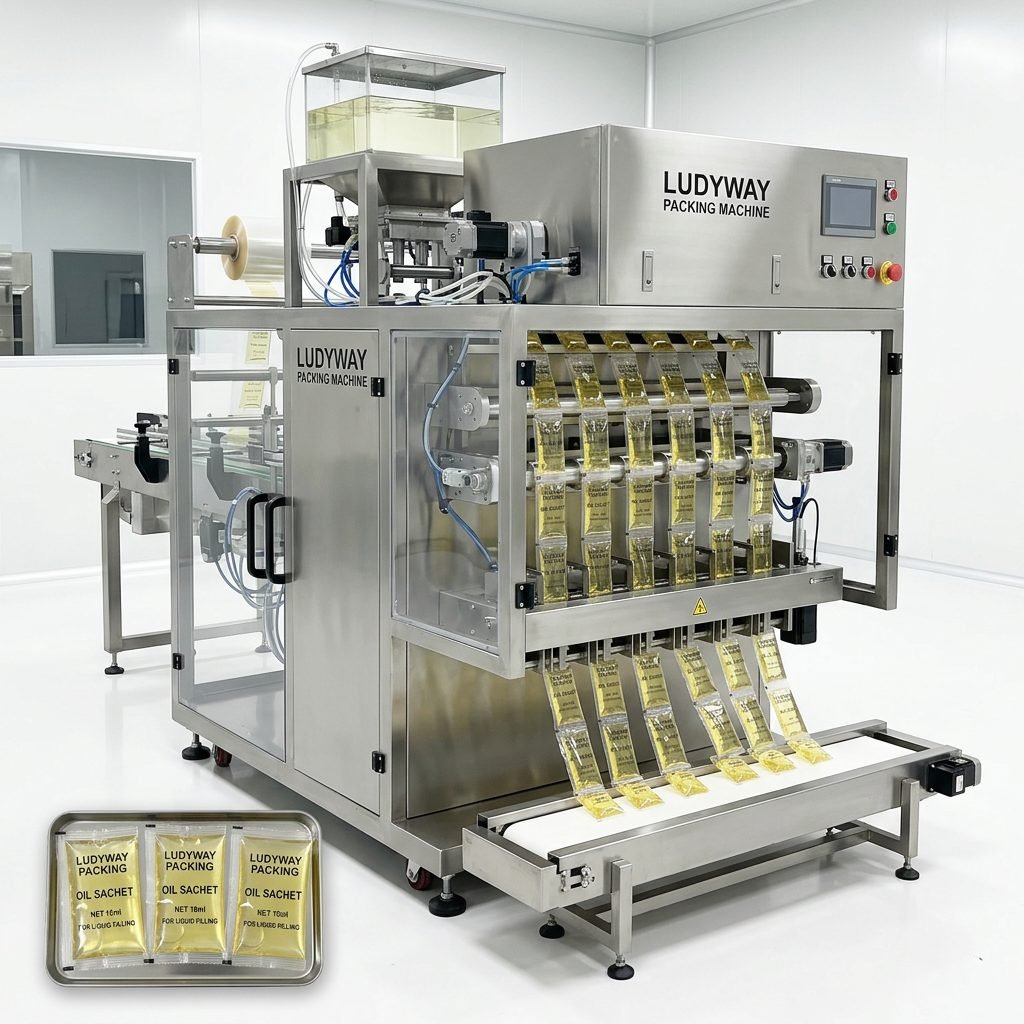
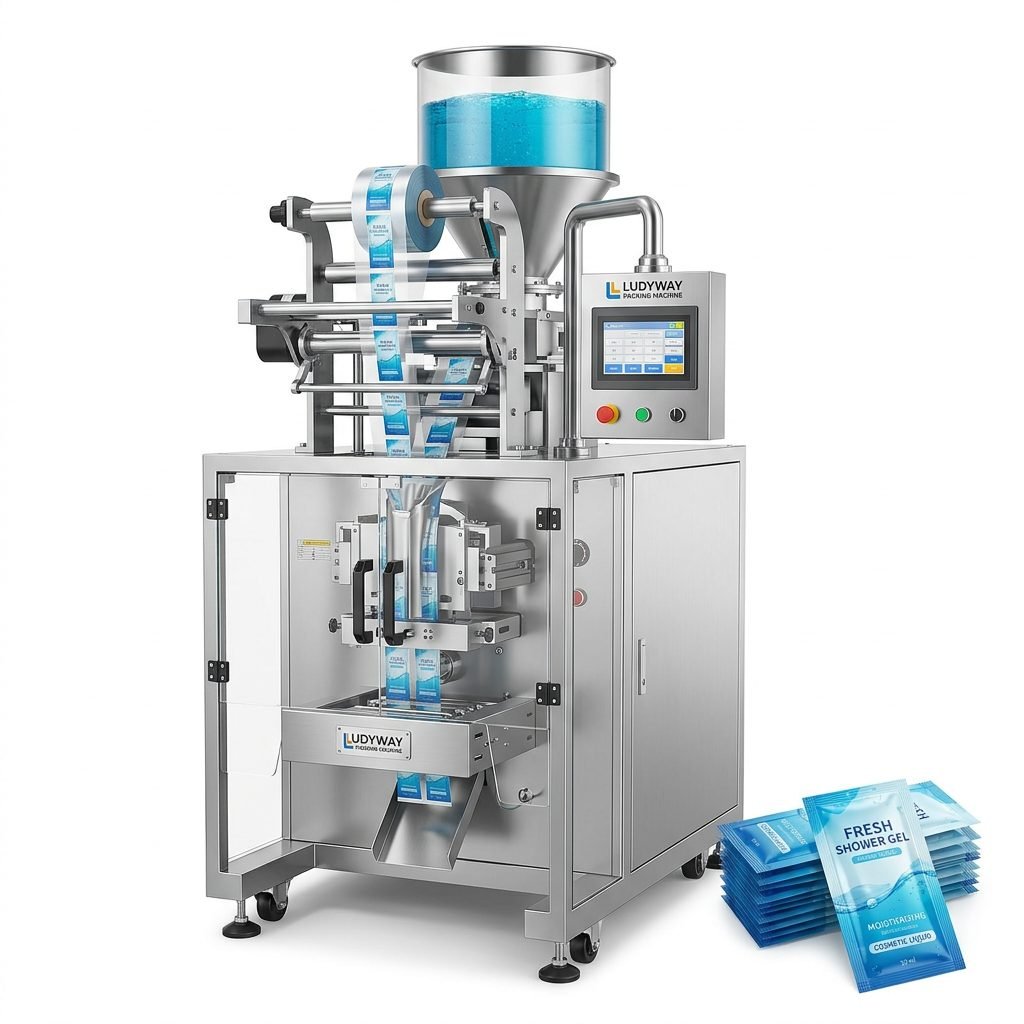
- Pizza kits — involve multiple sachets for sauce, cheese, and toppings, requiring multi-lane sachet packaging systems
- Single-serve pizza slices — need compact, grab-and-go style packaging solutions
Before evaluating machine specifications, clearly define your product format, target shelf life, and packaging machinery standards that apply to your market.
Key Machine Types for Pizza Packaging
Depending on your pizza product type, you will encounter several categories of packaging equipment. Understanding the differences is essential for making an informed purchase.
Flow Wrapping Machines
Flow wrappers, also known as horizontal form-fill-seal (HFFS) machines, are among the most popular choices for packaging individual frozen pizzas. They wrap the pizza in a continuous film, creating a tight seal that protects against moisture and contaminants. Modern flow wrappers can achieve speeds of up to 120 packs per minute, making them ideal for high-volume production lines.
Shrink Wrapping Systems
For bundling multiple pizzas or creating tamper-evident seals, shrink wrapping systems apply heat to shrink film around the product. These systems are versatile and can accommodate various pizza sizes with quick changeover times. The flexible packaging industry continues to innovate with sustainable film options that maintain performance while reducing environmental impact.
Multi-Lane Sachet and Stick Pack Machines
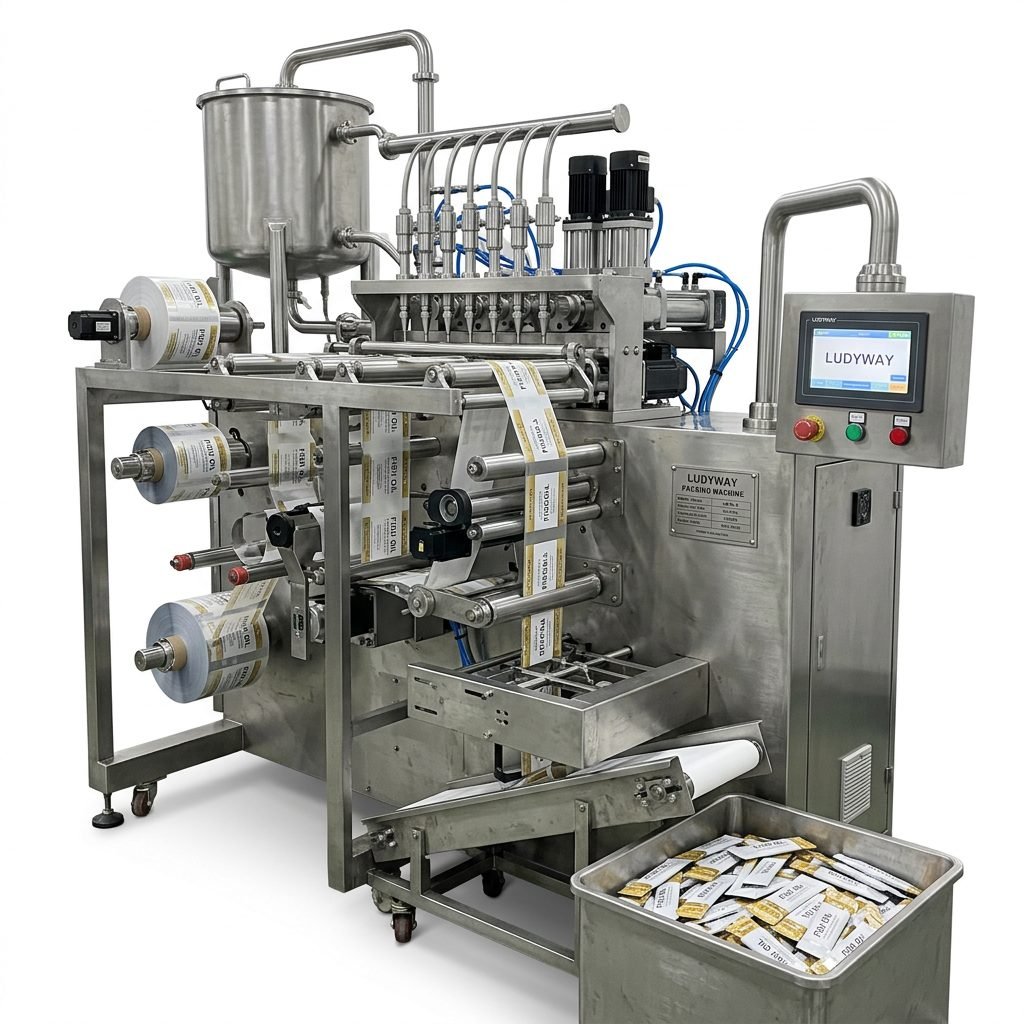
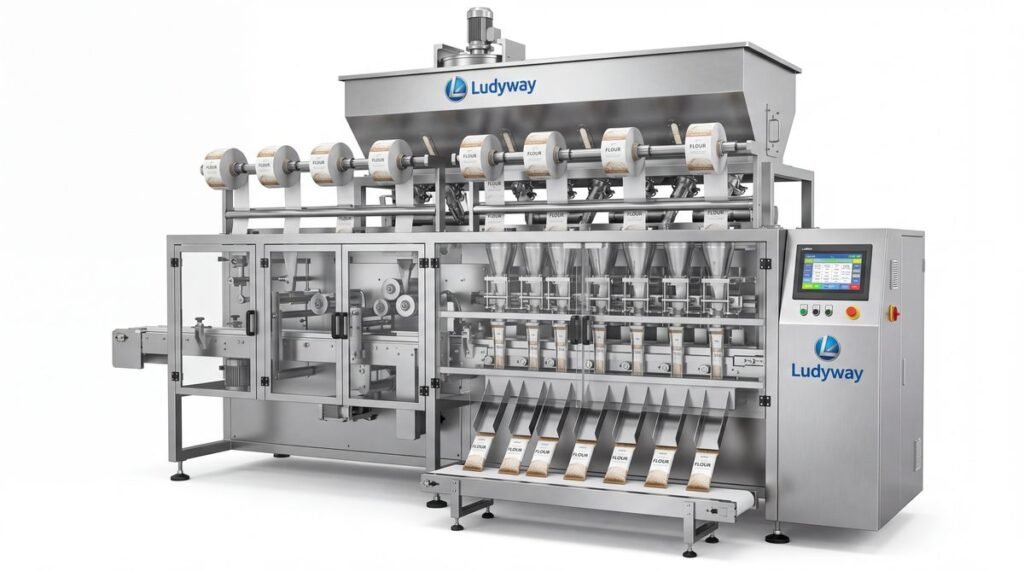
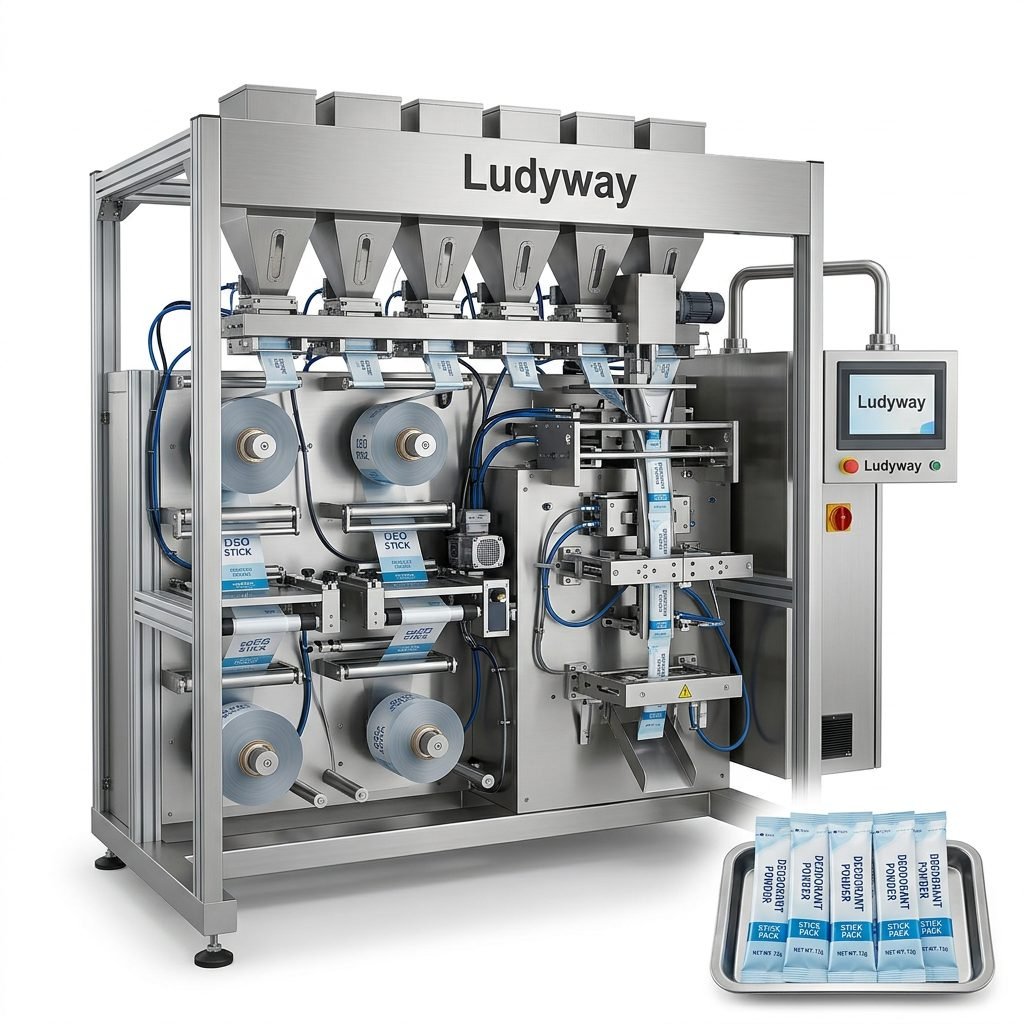
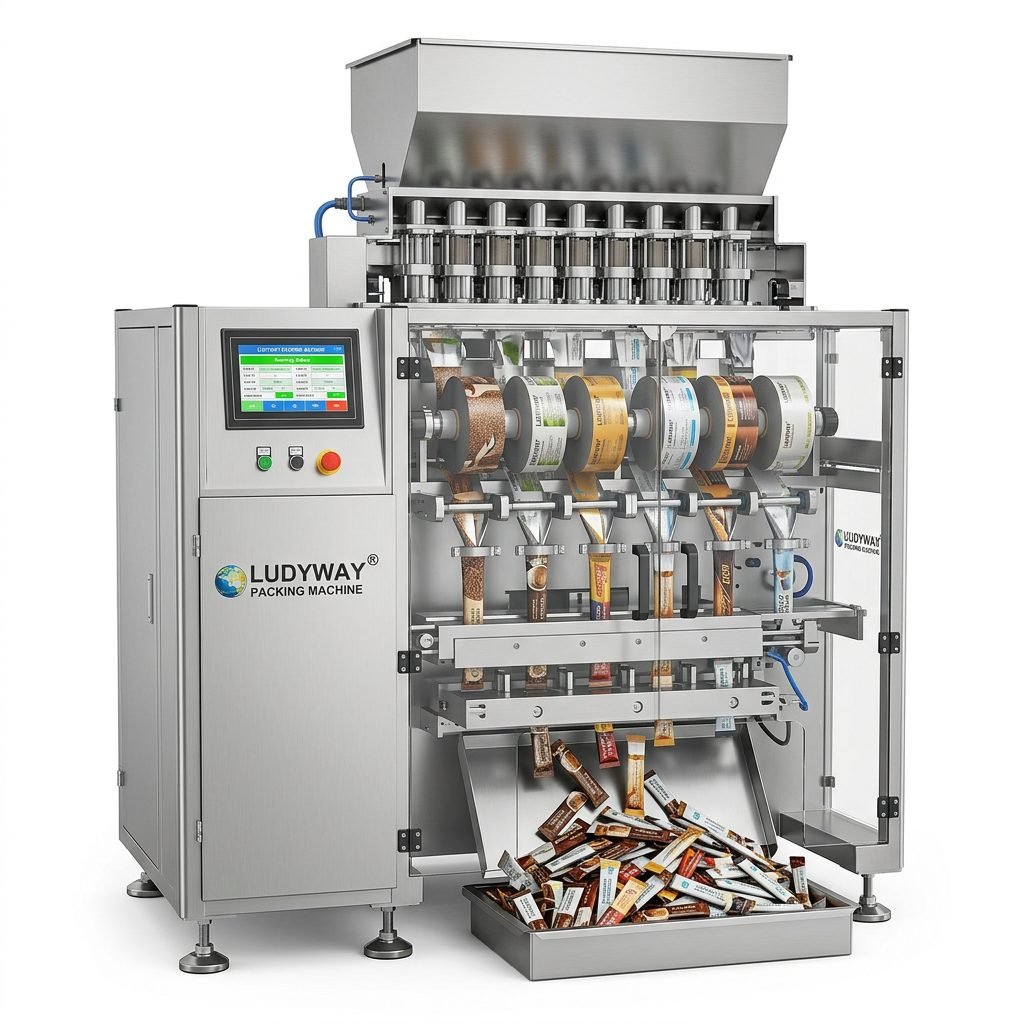
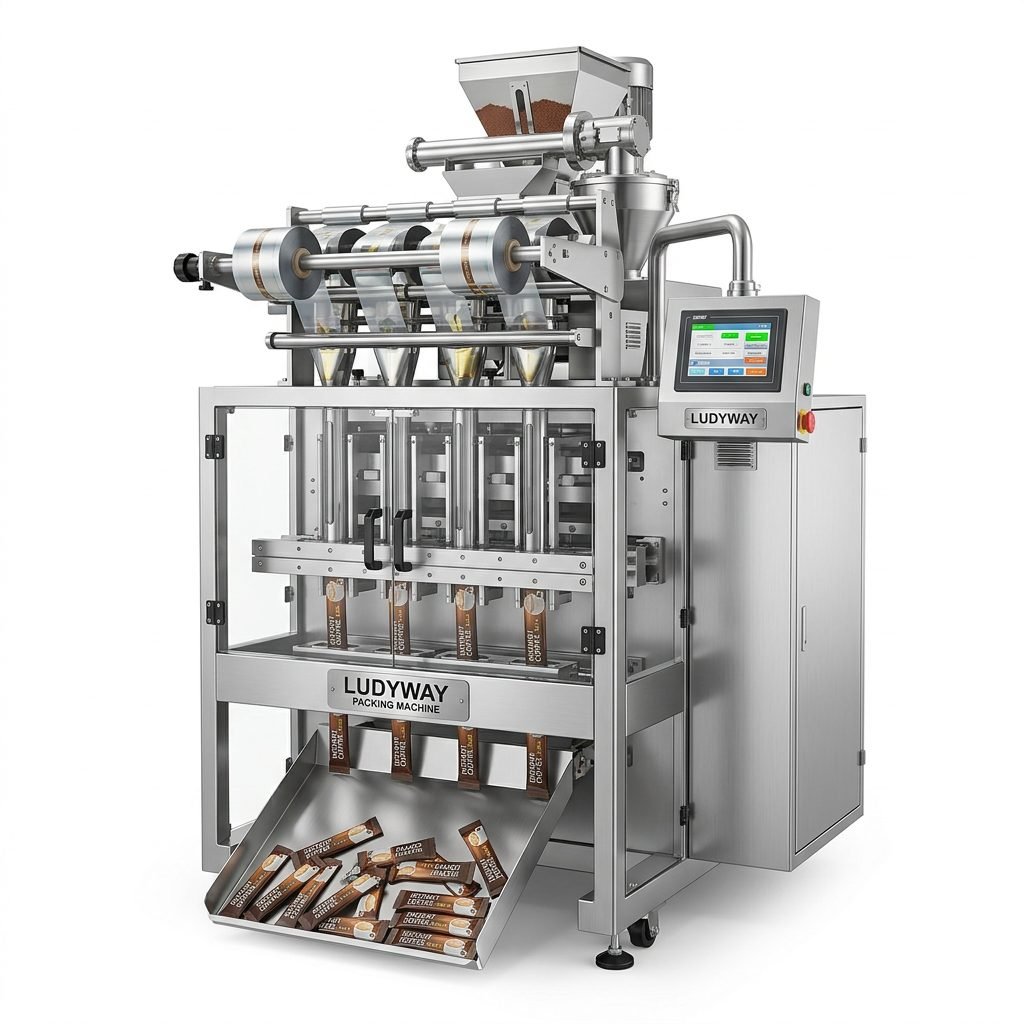
For pizza kits that include separate seasoning packets, sauce sachets, or cheese powder, multi-lane packaging machines are the go-to solution. These machines can simultaneously fill and seal multiple lanes, dramatically increasing output. A 10-lane stick pack machine, for instance, can produce over 400 sachets per minute.
Critical Factors to Evaluate Before Purchasing
Selecting the right pizza packaging machine requires a thorough evaluation of several technical and operational factors. Rushing this process can lead to costly mistakes and production bottlenecks.
Production Capacity and Speed
Match the machine’s output capability to your current and projected production volumes. A machine that operates at 60-80 packs per minute may suffice for a regional brand, while national distributors may need equipment capable of 100+ packs per minute. Always factor in a 20-30% capacity buffer for future growth and peak season demands.
Packaging Material Compatibility
Not all machines handle every film type equally well. Verify that the equipment supports your preferred packaging materials, whether that includes:
- Polyethylene (PE) films for basic shrink wrapping
- Barrier films with EVOH layers for extended shelf life
- Biodegradable and compostable films for sustainable packaging
- Aluminum foil laminates for light-sensitive products
Automation and Integration Level
The degree of automation significantly affects labor requirements and production consistency. Consider whether you need a standalone machine or a fully integrated turnkey packaging line that includes automatic feeding, checkweighing, metal detection, and cartoning. Automated systems reduce human error but require a higher initial investment.
Technical Specifications That Matter
Beyond the headline numbers, several technical details can make or break your packaging operation’s efficiency. Pay close attention to these specifications when comparing machines from different suppliers.
| Specification | Entry-Level | Mid-Range | High-End |
|---|---|---|---|
| Speed (packs/min) | 20-40 | 60-100 | 120+ |
| Servo Motors | 3-axis | 5-axis | 7+ axis |
| Changeover Time | 30-45 min | 15-20 min | Under 10 min |
| Touchscreen HMI | Basic | Full-color | IoT-enabled |
| Warranty | 1 year | 2 years | 3+ years |
Evaluating Chinese Packaging Machine Suppliers
China’s packaging machinery industry has matured significantly over the past two decades. Today, leading Chinese manufacturers produce equipment that rivals European and Japanese brands in quality while offering 30-50% cost savings. However, supplier evaluation remains crucial. Here is what to look for:
- Manufacturing facility size — Larger facilities (10,000㎡+) indicate substantial production capability and quality control infrastructure
- Industry experience — Look for manufacturers with 15+ years in the packaging machinery sector
- International certifications — CE, ISO 9001, and other certifications demonstrate commitment to global quality standards
- Export track record — Suppliers serving customers in 50+ countries have proven their ability to meet diverse market requirements
- After-sales support — Confirm availability of remote technical support, spare parts supply, and on-site service options

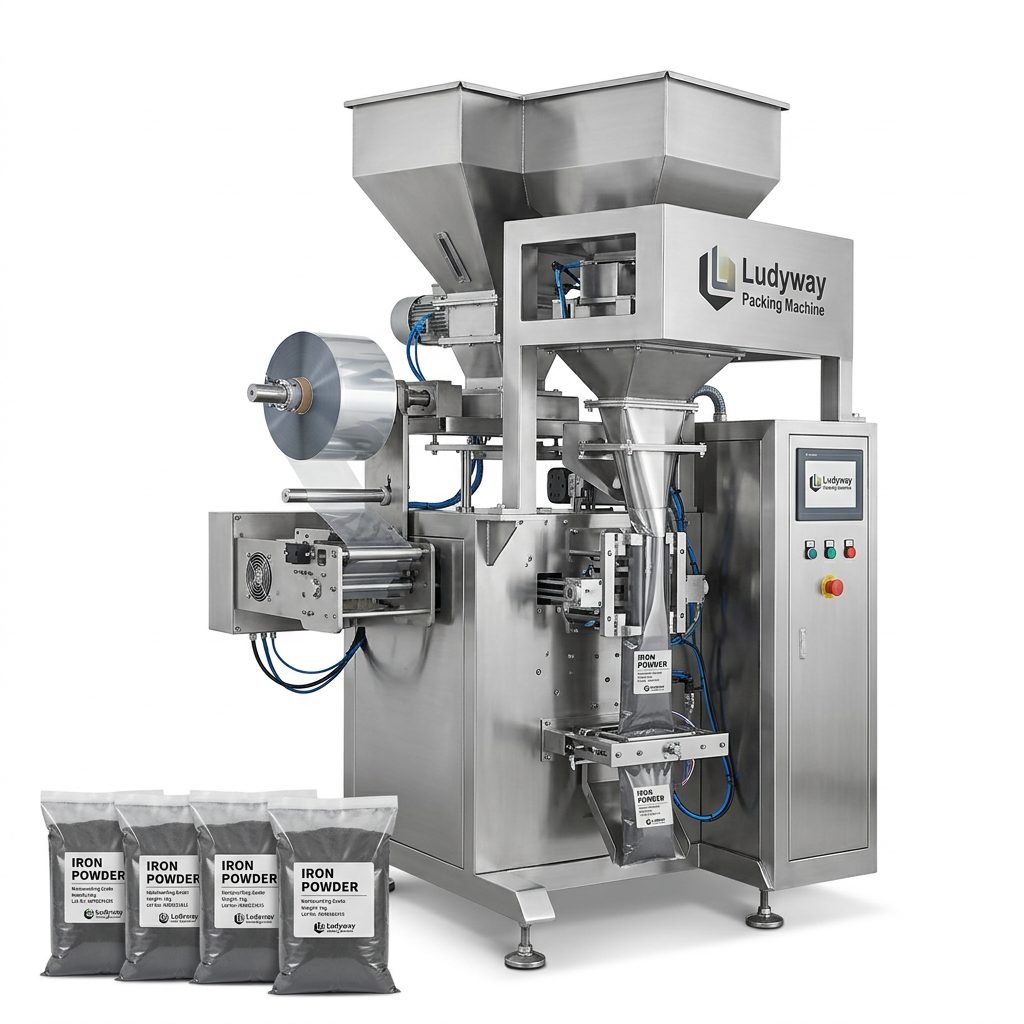
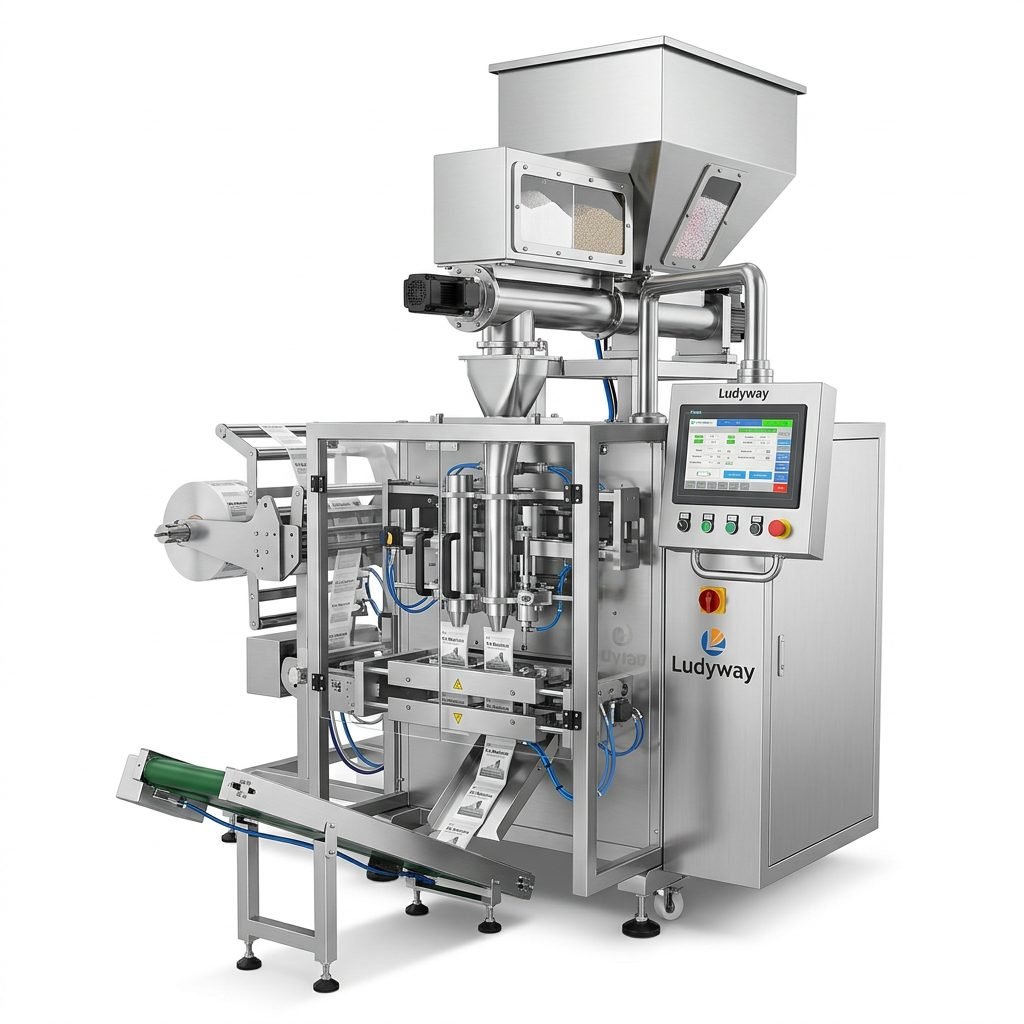
One example of an established Chinese manufacturer is Ludyway, which operates a 20,000㎡ production facility with over 30 years of industry experience and serves customers in more than 100 countries, offering packaging machinery solutions for food, pharmaceutical, and health industries worldwide.
Cost Considerations and ROI Analysis
The purchase price of a pizza packaging machine is only part of the total cost equation. A comprehensive return on investment (ROI) analysis should account for all associated costs over the machine’s expected lifespan.
Initial Investment Breakdown
- Machine purchase price: typically ranges from $15,000 to $150,000+ depending on automation level
- Shipping and import duties: budget 5-15% of machine cost for international shipments
- Installation and commissioning: allow $2,000-$8,000 for technician travel and setup
- Initial spare parts inventory: $1,000-$5,000 recommended
- Operator training: $500-$2,000 depending on complexity
Ongoing Operational Costs
Beyond the initial purchase, factor in ongoing expenses including packaging film consumption, electricity usage, routine maintenance parts, and potential downtime costs. Energy-efficient servo-driven machines typically reduce electricity consumption by 20-35% compared to older pneumatic systems, delivering significant savings over time.
Quality Control Features to Prioritize
Modern pizza packaging machines incorporate advanced quality control technologies that minimize waste and protect brand reputation. When comparing equipment, prioritize these features:
- Automatic checkweighing — Ensures each package meets weight specifications
- Metal detection integration — Critical for food safety compliance
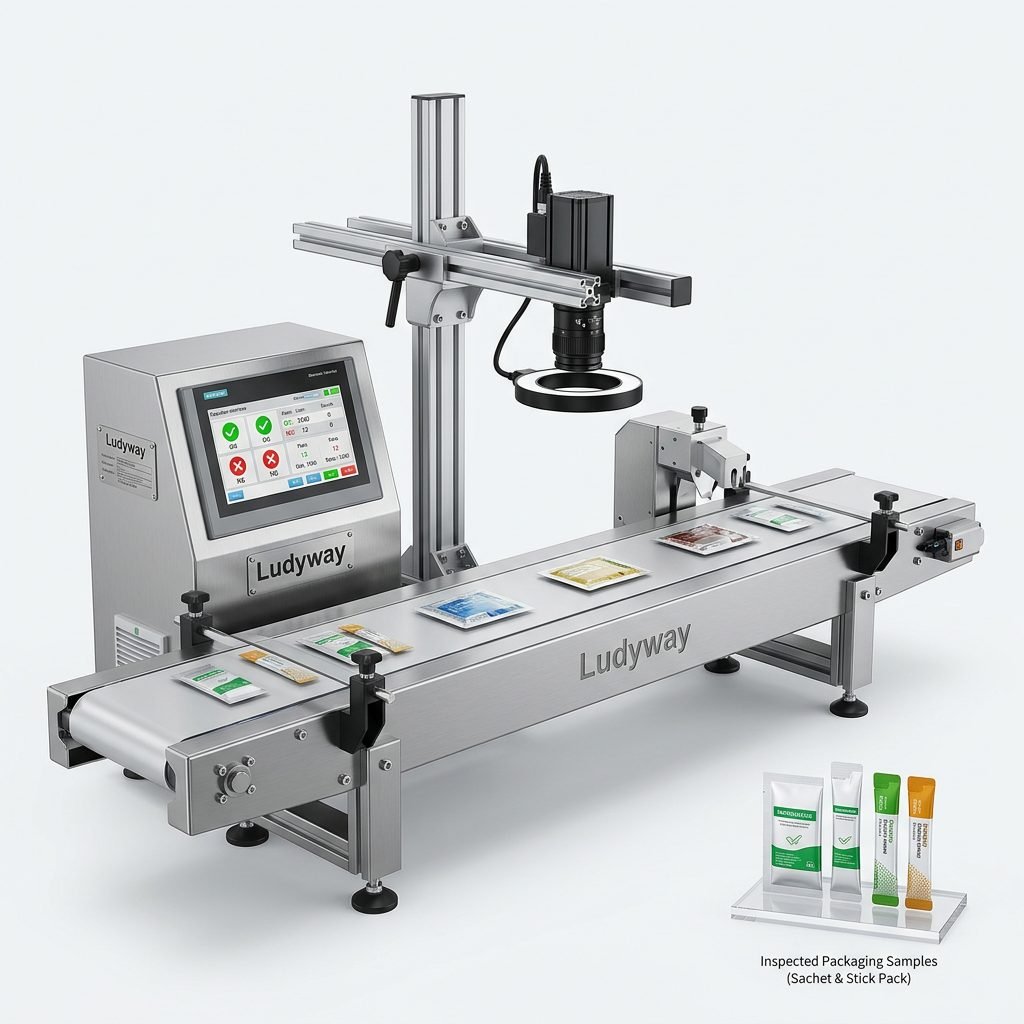
- Vision inspection systems — Verify seal integrity and label placement
- Gas flushing capability — Essential for MAP applications to extend shelf life
- Date coding and traceability — Automated batch coding for regulatory compliance
These features align with food packaging safety standards and help manufacturers maintain consistent product quality across production runs.
Making the Final Decision
After narrowing down your options, take these final steps before committing to a purchase:
- Request video demonstrations — See the machine running with packaging materials similar to yours
- Ask for customer references — Speak with existing users in your industry segment
- Conduct a factory audit — Visit the manufacturing facility or arrange a third-party inspection
- Negotiate warranty terms — Secure at least a 2-year warranty with clear service-level agreements
- Plan for installation — Coordinate with the supplier on timeline, training, and acceptance testing
Choosing the right pizza packaging machine in China requires balancing technical requirements, budget constraints, and supplier reliability. By following this guide and conducting thorough due diligence, you can secure equipment that delivers consistent performance, meets food safety standards, and supports your business growth for years to come.
For further reading, explore packaging industry intelligence reports and flexible packaging resources to stay informed about the latest trends and technologies shaping the packaging machinery landscape.