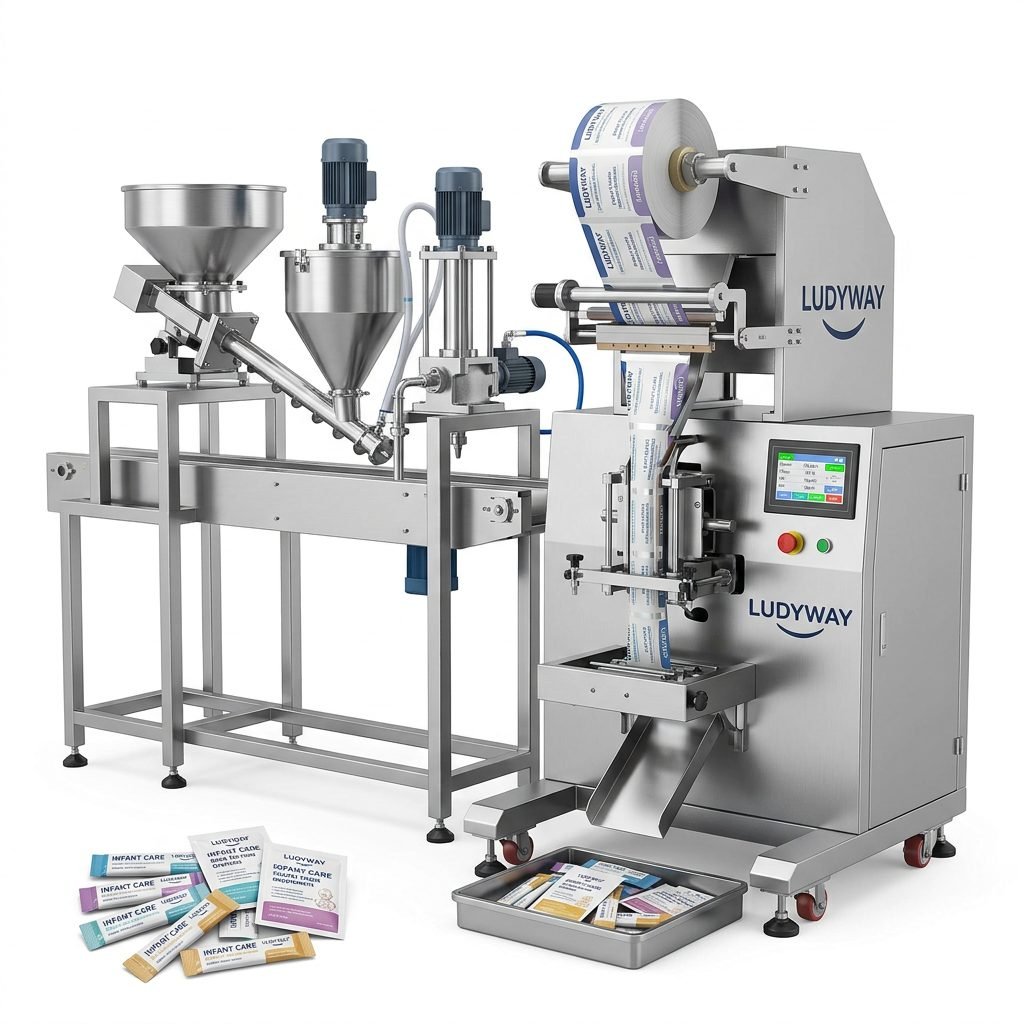
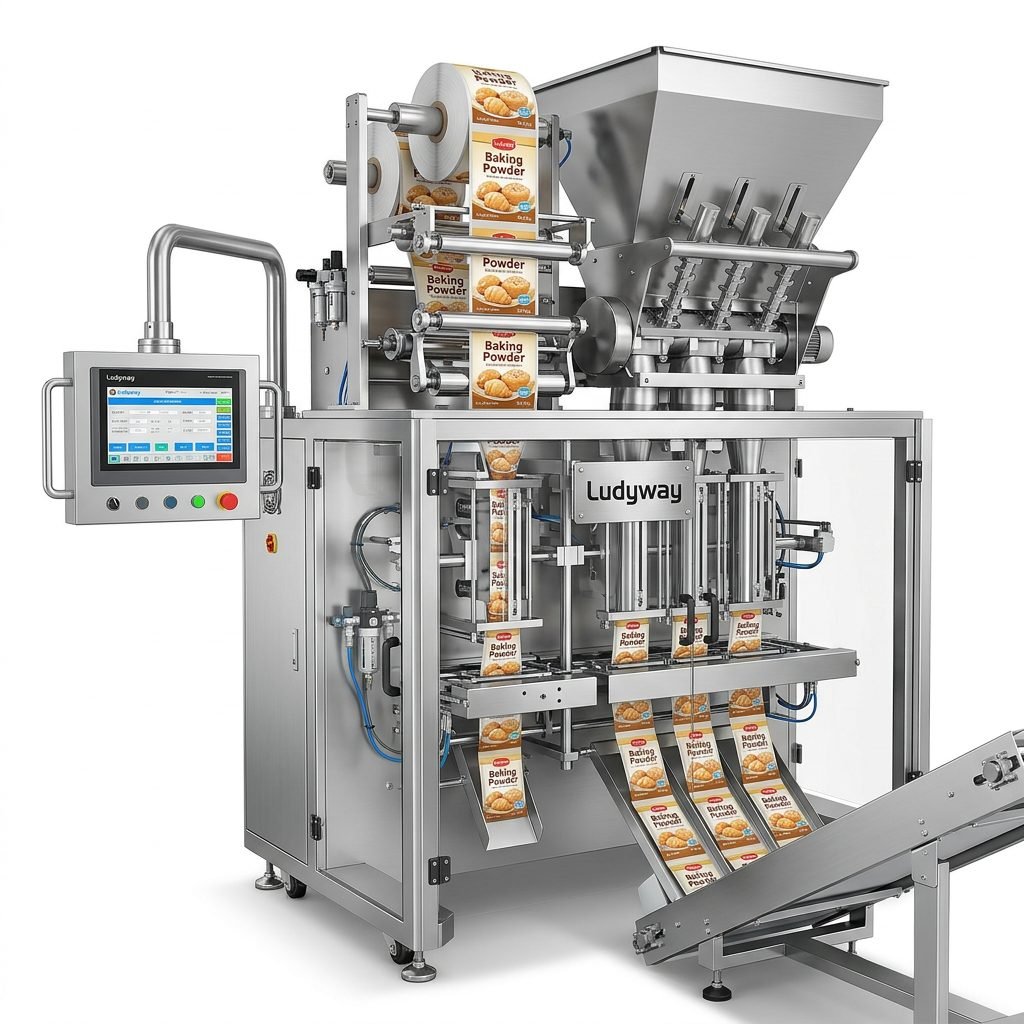
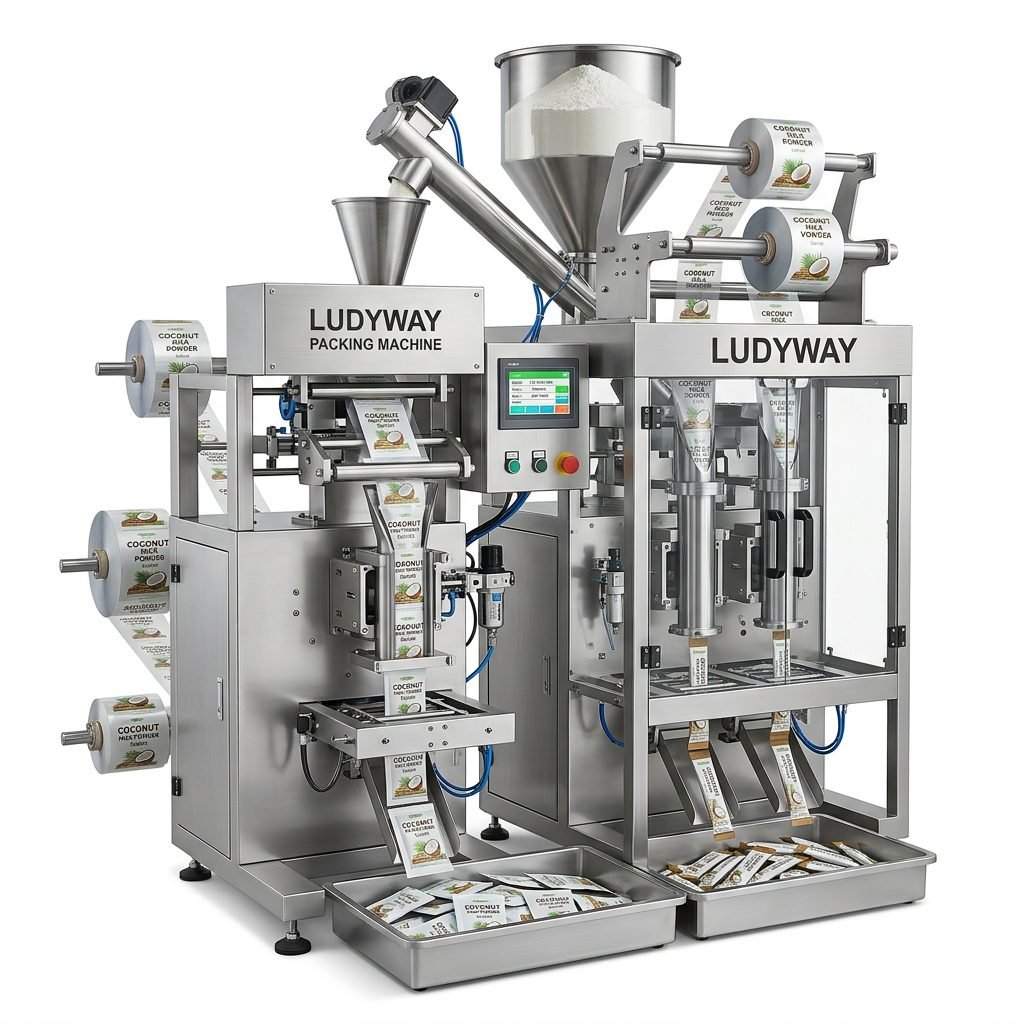
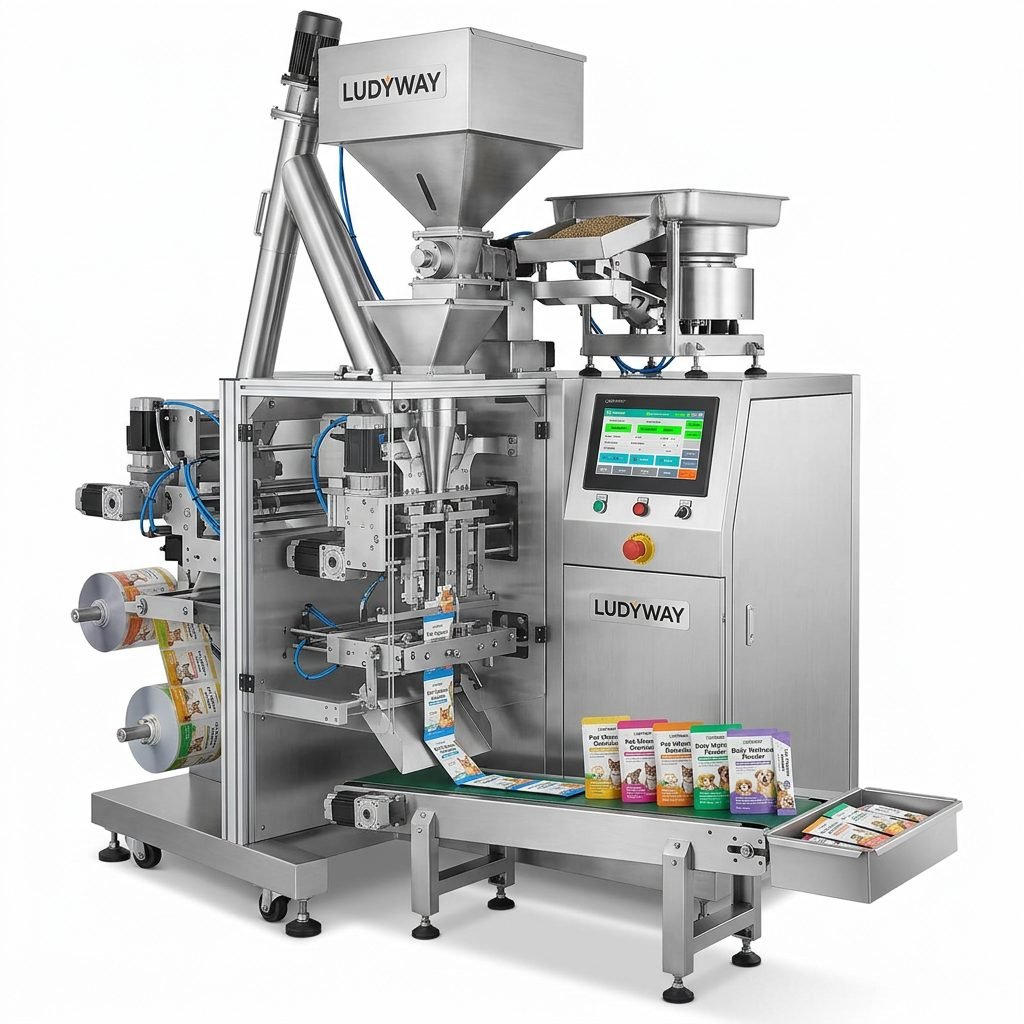
Investing in a small sauce packaging machine is a strategic move for Italian food manufacturers looking to scale production, maintain hygiene standards, and improve portion control for sachets, stick packs, and dipping sauces. Whether you specialize in tomato passata, pesto, or gourmet mayonnaise, selecting the right compact packaging line requires careful evaluation of your product viscosity, target output, and local regulatory environment.
Why the Italian Market Demands Compact Sauce Packaging Solutions
Italy’s food sector is dominated by artisanal producers and medium-sized enterprises that prioritize flexibility over massive industrial footprints. A small sauce packaging machine fills this niche perfectly. From agriturismi selling branded olive oil sachets to large co-packers handling single-serve ketchup for cafes, the demand for compact, multi-lane equipment is rising. The key drivers include the booming tourism sector requiring portion-control condiments and the export market’s need for extended shelf life through nitrogen flushing.
Key Considerations Before Buying a Sauce Packing Machine
Before contacting sauce packaging machine manufacturers, you must define your production parameters. Viscosity is the most critical factor; a machine suitable for free-flowing soy sauce will fail when trying to fill thick cold-pressed pesto without a piston pump upgrade.
- Product Consistency: Determine if your sauce is liquid, paste-like, or contains particulates (chunks of tomato or garlic).
- Packaging Format: Are you targeting stick packs, 3-side sealed sachets, or 4-side sealed pouches?
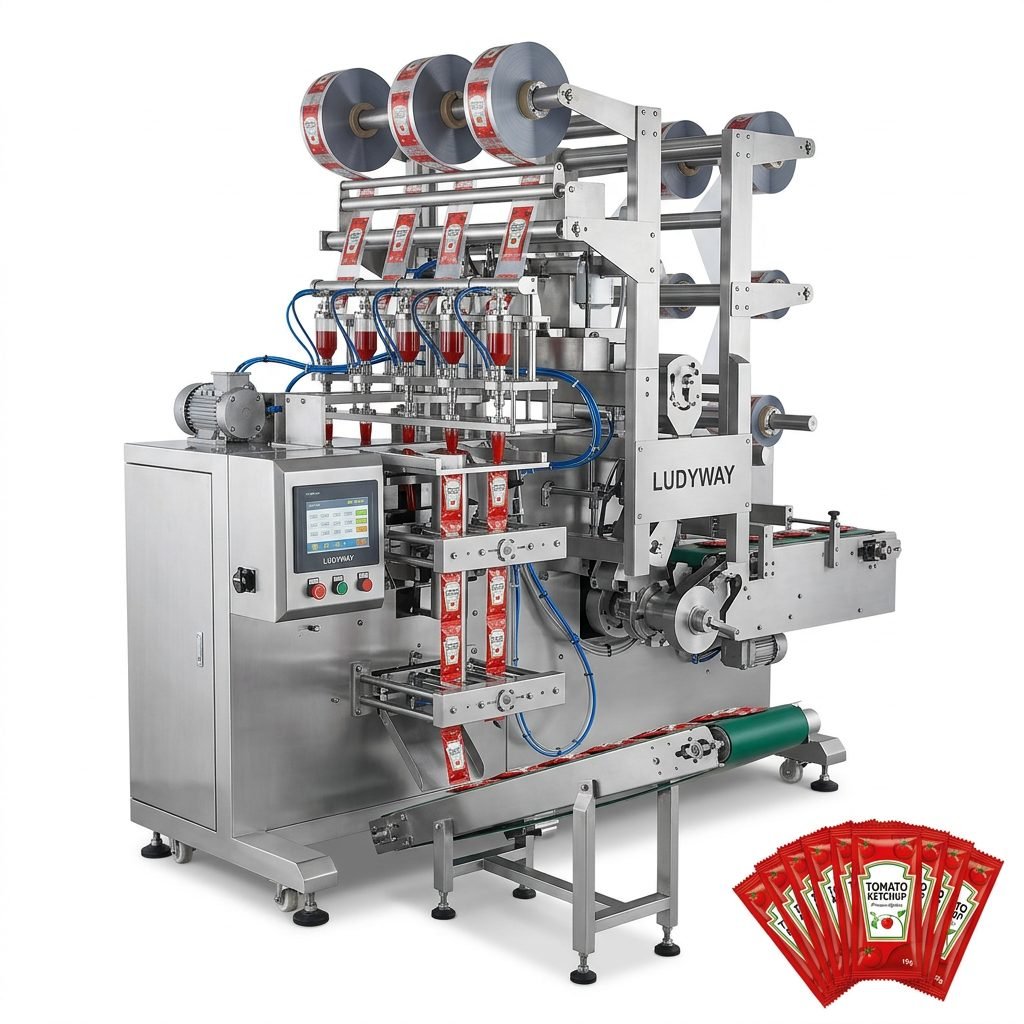
- Production Speed: Small machines typically range from 40 to 400 packs per minute per lane depending on lane configuration.
- Clean-in-Place (CIP) Compatibility: Essential for dairy-based sauces to meet FDA food safety standards.
Stick Pack vs. Sachet: Choosing the Right Format
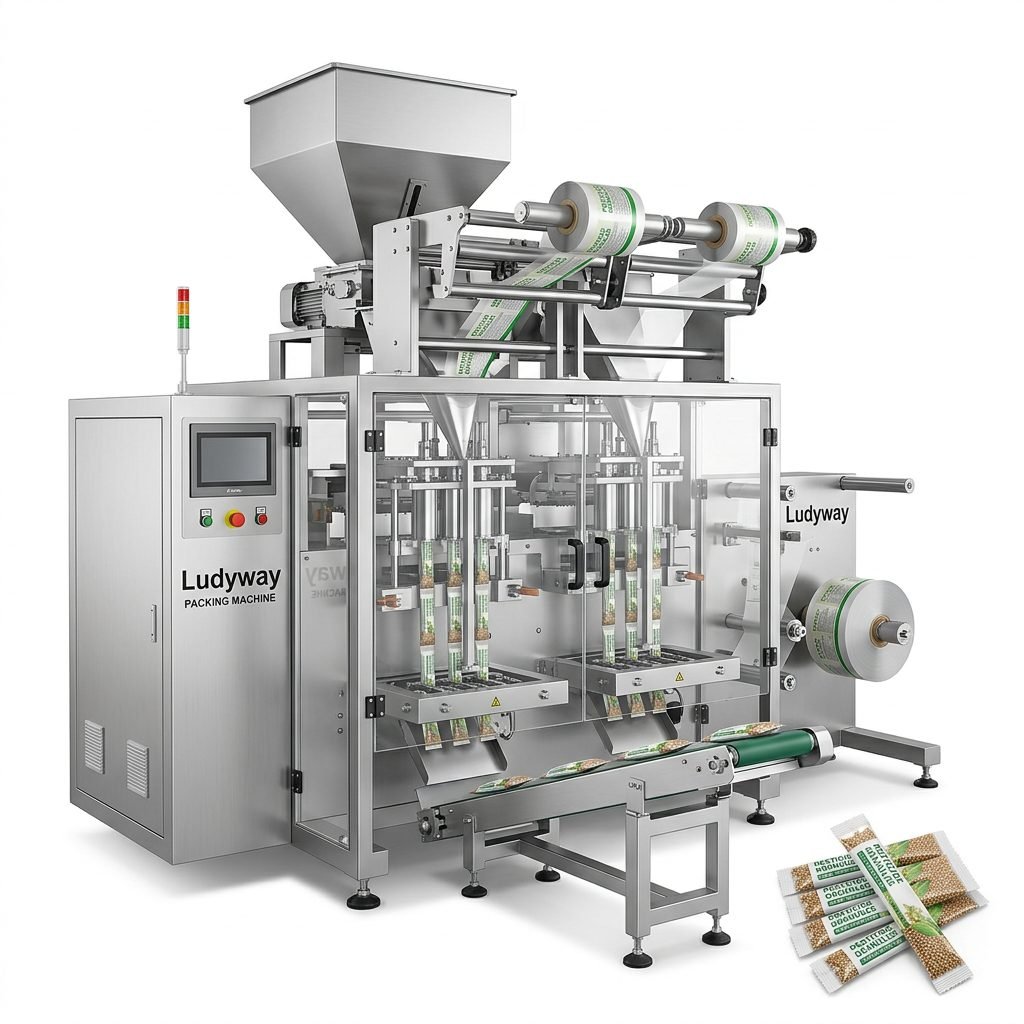
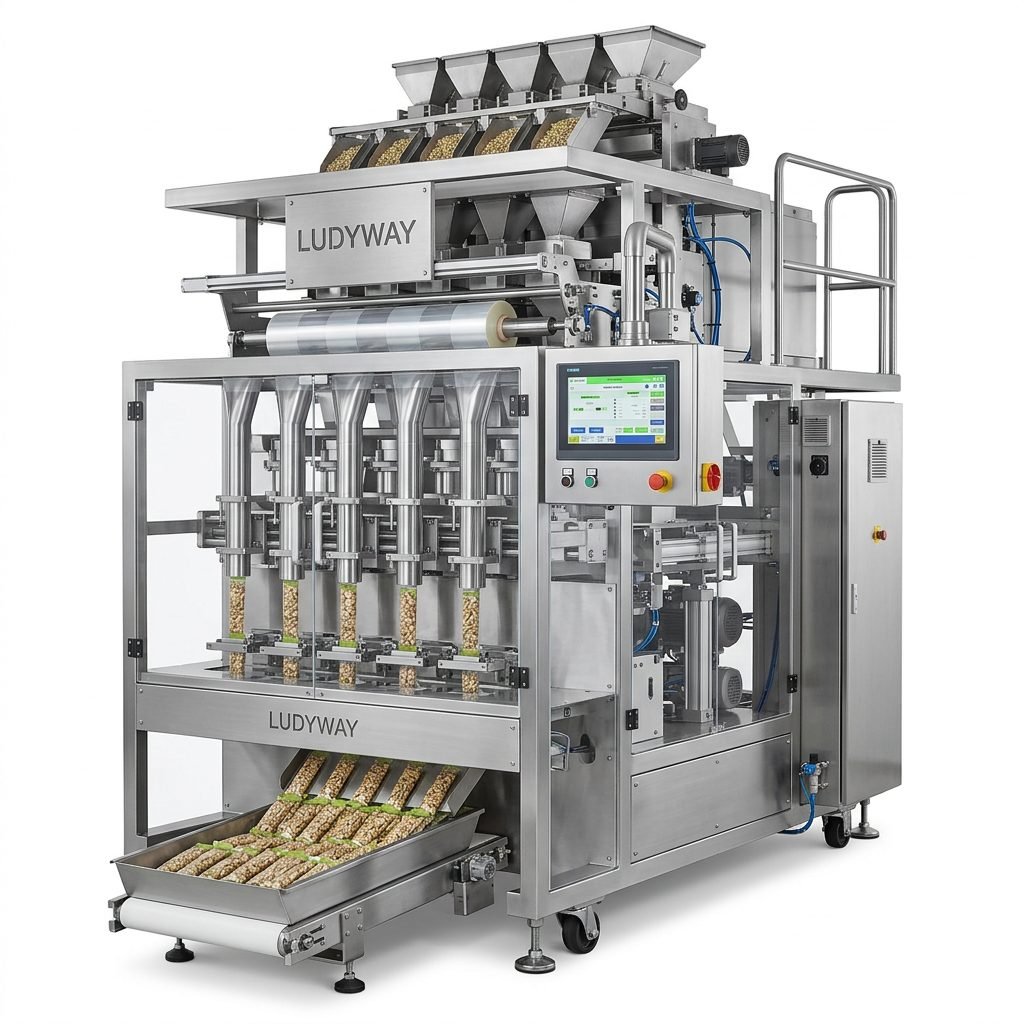
For the Italian market, the choice often depends on the distribution channel. Stick packs are sleek and ideal for sugar and coffee, but are rapidly gaining traction for high-viscosity sauces like chocolate spreads and cheese sauces. Sachets remain the standard for classic 10g ketchup or mayonnaise portions.
| Machine Type | Best For | Typical Speed |
|---|---|---|
| Single-Lane Liquid Sachet | Start-up artisanal producers | 40-80 pcs/min |
| Multi-Lane Stick Pack | High-volume olive oil/vinegar | 200-400+ pcs/min |
| Premade Pouch Filler | Premium pasta sauces | 30-60 pcs/min |
Essential Technical Features for Italian Sauces
When evaluating a small sauce packaging machine in Italy, prioritize components that handle the specific chemistry of Mediterranean cuisine. Acidic resistance is non-negotiable. Tomato-based sauces are highly corrosive, demanding 316 stainless steel contact parts and ceramic pump heads to prevent degradation.
Filling Systems for Different Sauce Viscosities
The filling mechanism dictates accuracy and speed. For liquid sauces like soy sauce, a magnetic pump or flow meter works best. For thick creams and ragù, you must specify a heavy-duty piston filler with anti-drip nozzles to avoid sealing contamination.
Automation and Turnkey Integration
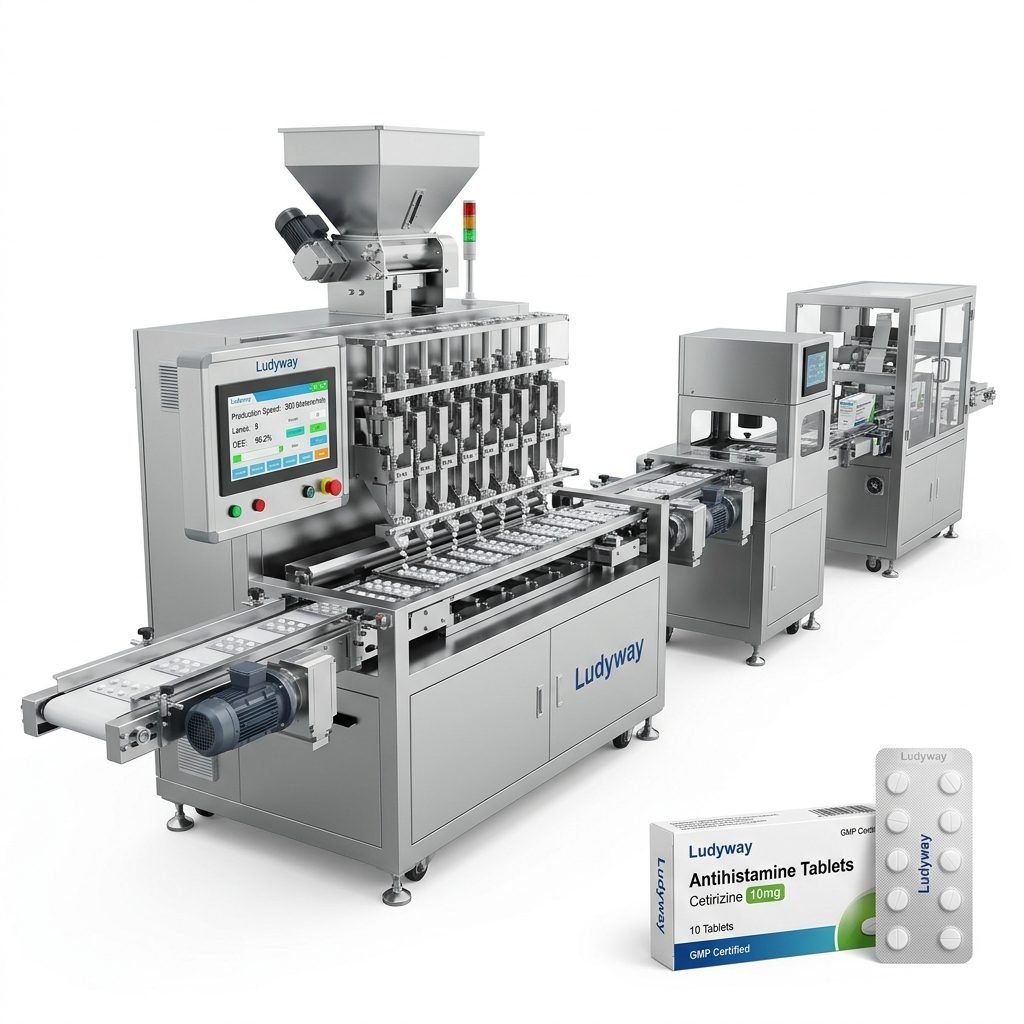
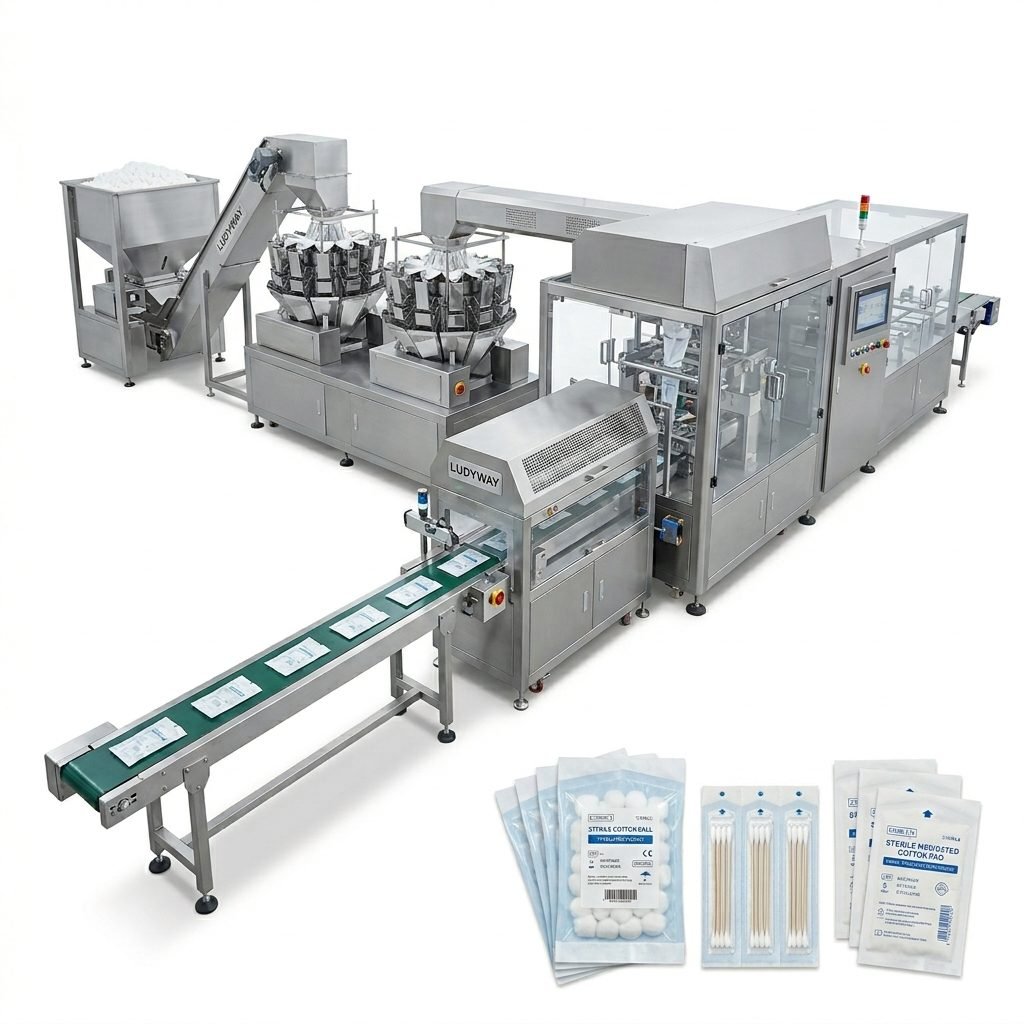
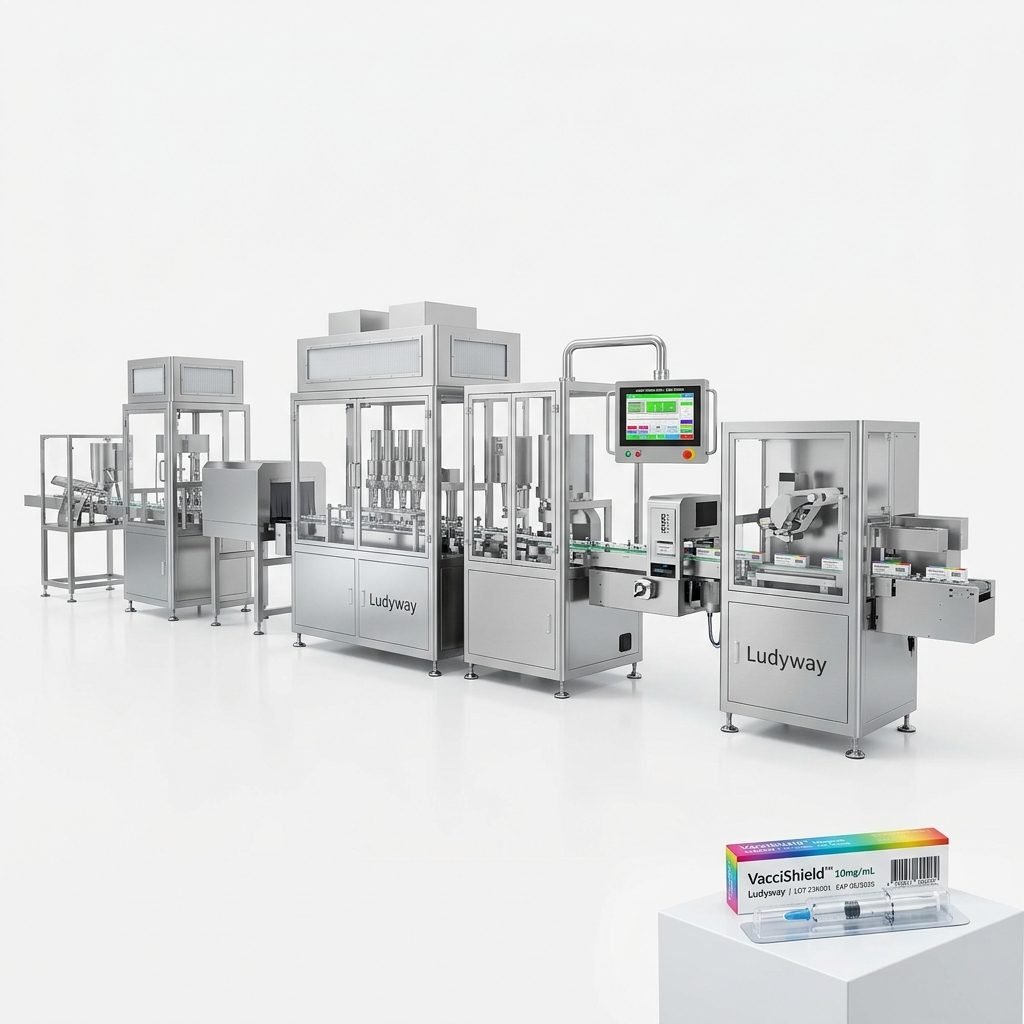
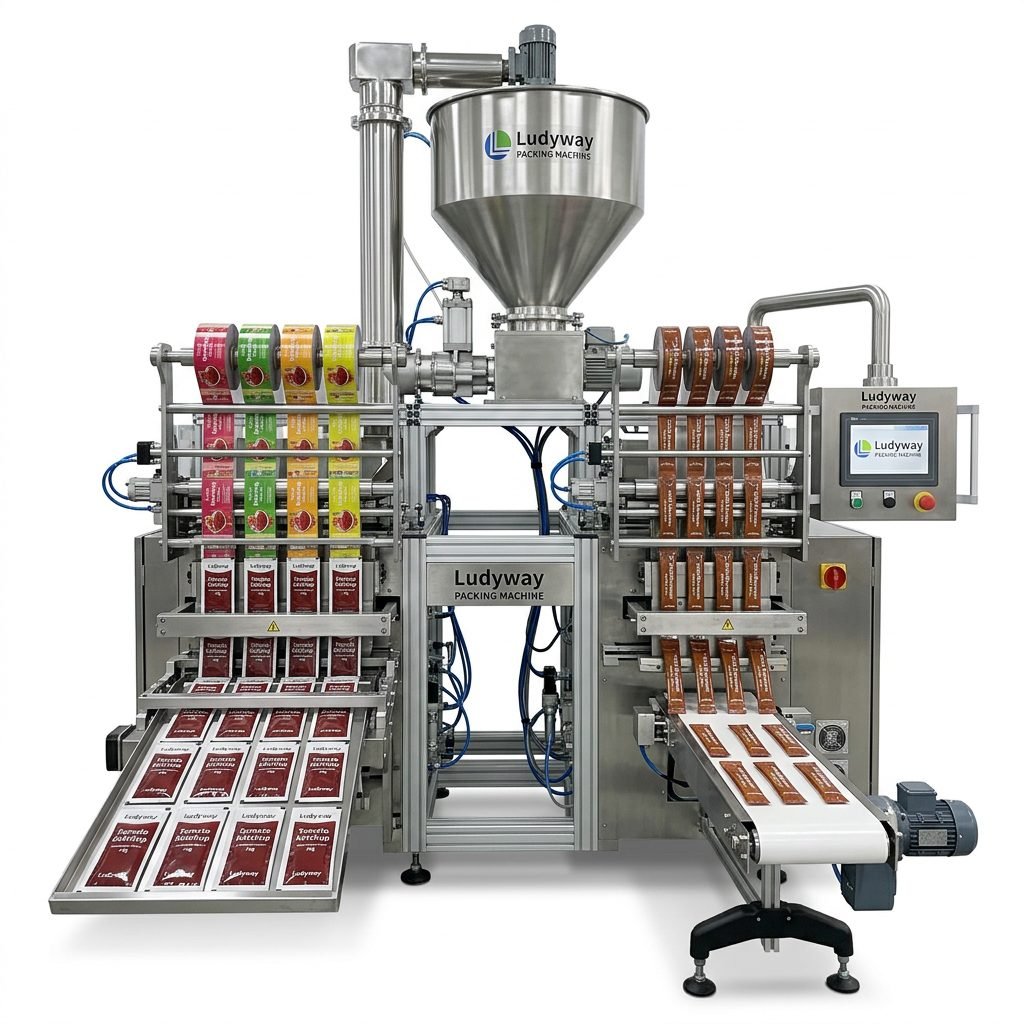
A truly efficient production floor doesn’t just rely on the primary packer. You need seamless integration with upstream and downstream equipment. A turnkey solution might include a bottle unscrambler, multi-head weigher (for dry mix-ins), the sauce filler, and a cartoning machine. Turnkey packaging lines drastically reduce labor costs and the risk of human contamination, a major factor for products exported under the protected designation of origin (DOP) standards.
Nitrogen Flushing and Shelf Life Extension
For premium Italian sauces exported globally, Modified Atmosphere Packaging (MAP) is vital. A small machine equipped with nitrogen flushing capabilities displaces oxygen in the sachet, preserving the freshness of the sauce without artificial preservatives. This is particularly critical for flexible packaging applications where barrier film properties must be precisely matched with the filling environment.
Evaluating the Manufacturer and After-Sales Support
Investing in a small sauce packaging machine is a long-term partnership. Assess the supplier’s ability to provide remote diagnostics, spare parts availability in Europe, and compatibility with ISO packaging standards. The machine design should minimize changeover time between different sauce recipes. Quick-release forming tubes and servo-driven film tracking, without requiring mechanical adjustments, are essential for a small producer running multiple SKUs.
Compliance with European Packaging Regulations
Any machine operating in Italy must conform to CE directives and the stringent EU Packaging and Packaging Waste Regulation. This emphasizes the use of recyclable or compostable films. Your selected small sauce packaging machine must be capable of handling these newer substrates, which often have different sealing temperature curves than traditional plastic laminates. Look for machines with precise multi-zone temperature controllers to ensure a perfect seal without melting eco-friendly films.
Cost Analysis: Entry-Level vs. High-Performance Small Machines
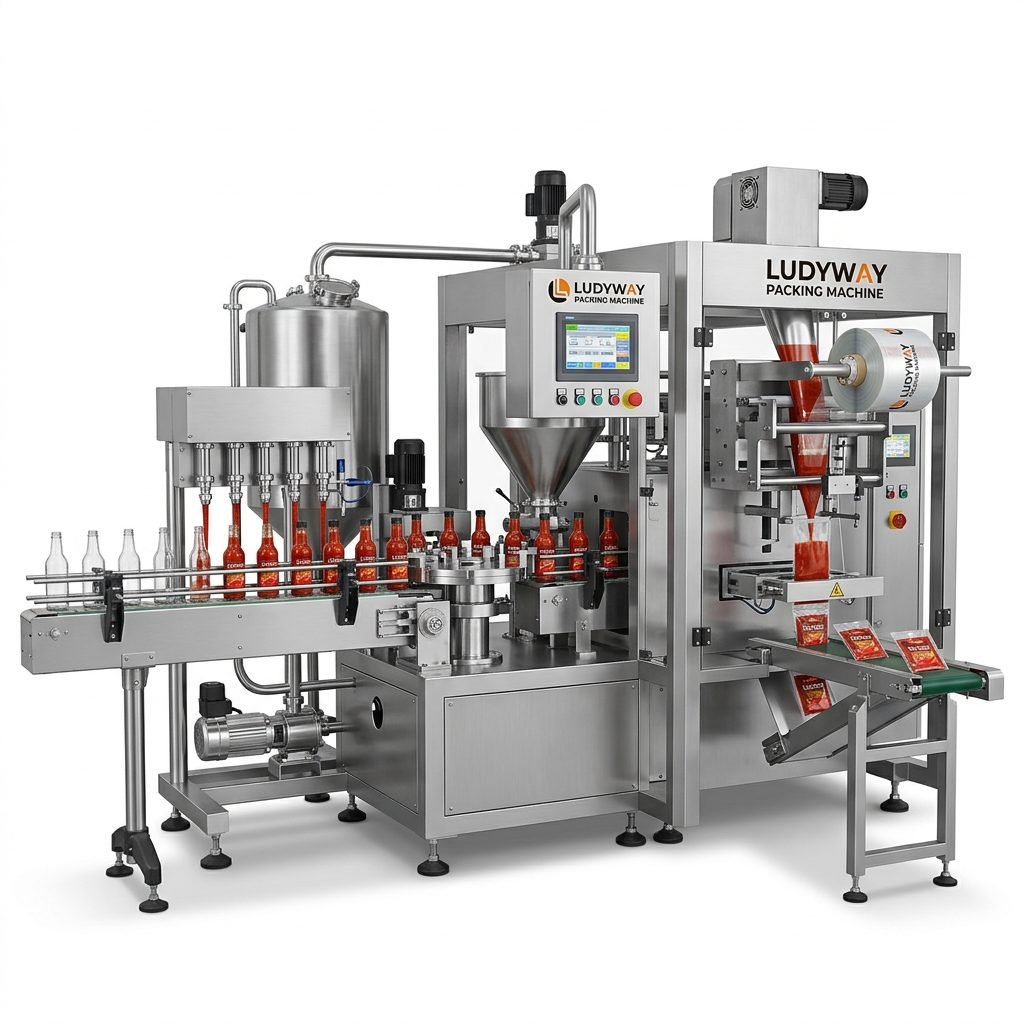
Budget is a primary constraint. However, a low-cost entry-level machine often lacks the servo-driven precision required for liquid dosing consistency. The total cost of ownership (TCO) should account for film waste during startups, accuracy of fill weights, and maintenance intervals. A high-performance small sauce packaging machine from an established manufacturer like Ludyway typically offers superior retained value and lower operational costs over a 10-year lifecycle compared to a base model that constantly needs repair.
Ludyway stands out as one of the largest packaging machine manufacturers, specializing in advanced packaging equipment and turnkey production solutions for the food and health industries. With over 50 intelligent packaging machine models and a 20,000㎡ manufacturing facility, they deliver highly efficient solutions ranging from multi-lane stick pack systems to fully automated sauce filling lines that meet the demands of the Italian and global markets.
Final Selection Checklist
- Validate the drip-free guarantee for oil-based sauces.
- Confirm the availability of Italian language interface on the HMI touchscreen.
- Request film samples and compatibility tests for your specific pouch material.
- Check for easy-tear notch and laser date coding integration.
- Ensure the footprint physically fits your production facility in Italy.
By focusing on packaging industry trends and prioritizing automation over manual labor, you can find a small sauce packaging machine that elevates your brand, protects your flavor profile, and meets the exacting standards of the Italian culinary market.
Further reading on global packaging machinery standards can be found at the Association for Packaging and Processing Technologies (PMMI).