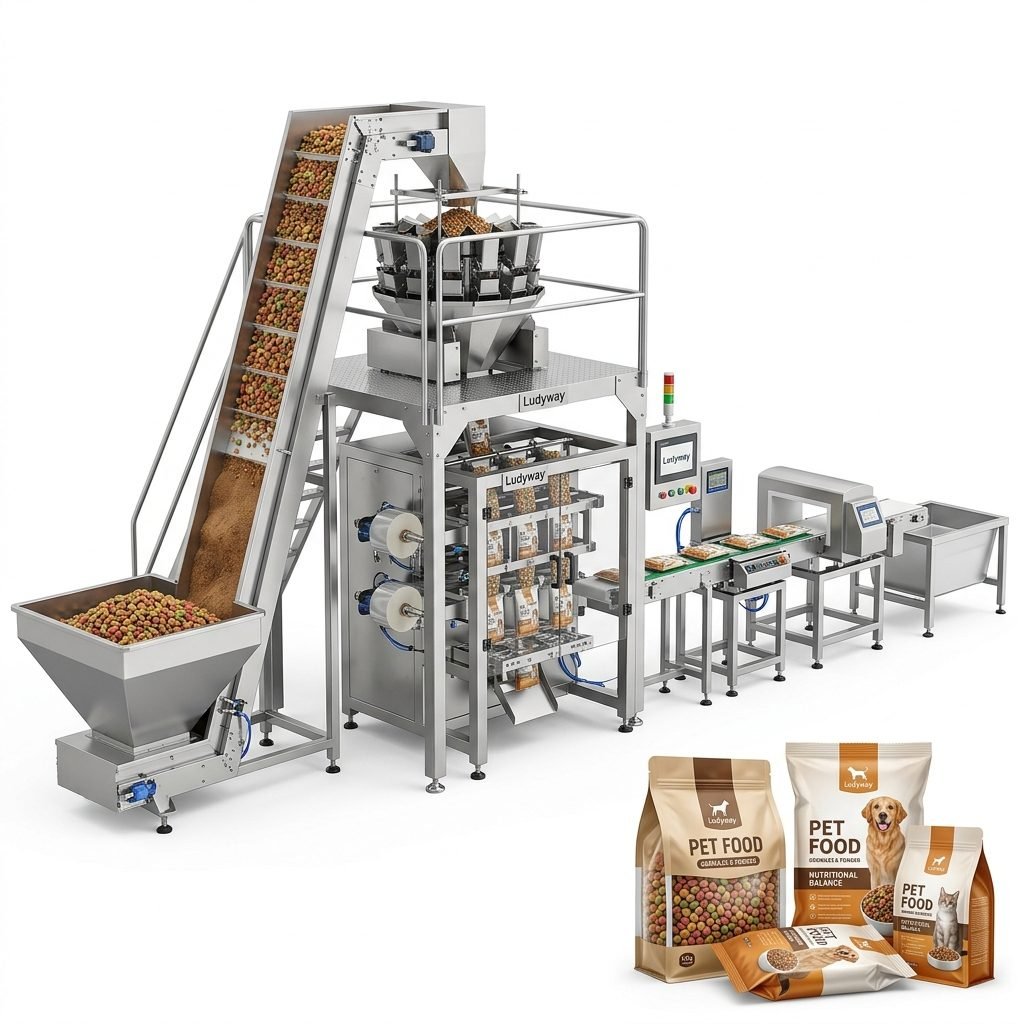
The Italian food processing industry represents one of Europe’s most dynamic markets, with ground meat packaging playing a pivotal role in the nation’s renowned culinary supply chain. From small-scale artisanal butchers in Tuscany to large industrial processors in Emilia-Romagna, selecting the right ground meat packaging machine directly impacts product shelf life, food safety compliance, and operational profitability. Italy’s strict adherence to EU food safety regulations and its position as a major meat-consuming nation—with per capita consumption exceeding 79 kg annually—make understanding packaging technology essential for any processor operating in or exporting to this market.
This guide provides a detailed overview of everything you need to know before investing in a ground meat packaging solution for the Italian market, covering machine types, critical selection criteria, regulatory requirements, and supplier evaluation.

Understanding the Italian Ground Meat Packaging Landscape
Italy’s meat processing sector is characterized by a unique blend of traditional practices and modern industrial efficiency. Ground meat products—ranging from fresh macinato for ragù alla bolognese to frozen burger patties and ready-to-cook meatballs—require packaging solutions that balance product protection with visual appeal. The Italian consumer places high value on product appearance, color retention, and convenience, all of which are directly influenced by packaging technology.
The market has seen significant growth in modified atmosphere packaging (MAP) adoption, driven by retailer demands for extended shelf life and reduced food waste. According to data from industry associations, the Italian meat packaging equipment market is projected to grow steadily as processors upgrade aging machinery to meet modern efficiency and food safety standards.
Types of Ground Meat Packaging Machines
Choosing the appropriate packaging technology depends on production volume, product format, and target distribution channels. Below are the primary machine categories deployed in Italian meat processing facilities:
Vacuum Packaging Machines
Vacuum packaging remains the most widely used technology for fresh ground meat in Italy. By removing oxygen from the package, these machines significantly slow bacterial growth and oxidation, preserving the product’s red color and fresh appearance. Double-chamber vacuum machines are common in medium-sized operations, while automatic thermoforming lines dominate high-volume industrial settings. Key advantages include extended shelf life (typically 5-10 days under refrigeration) and strong product compression suitable for stacking and transport.
Modified Atmosphere Packaging (MAP) Systems
MAP technology has revolutionized ground meat retail presentation across Italian supermarkets. By replacing air with a carefully calibrated gas mixture—typically high oxygen for red meat color retention or nitrogen/carbon dioxide blends for extended preservation—MAP systems maintain product appearance while inhibiting microbial growth. Tray sealing machines with gas flushing capabilities are the standard for retail-ready ground meat products found in chains like Coop, Conad, and Esselunga.

Automatic Tray Sealers
For processors targeting the Italian retail sector, automatic tray sealers offer the ideal combination of speed, presentation quality, and portion control. These machines form, fill, and seal pre-formed trays at speeds ranging from 30 to over 120 packs per minute. Modern tray sealers incorporate features such as automatic weighing systems, label printing integration, and compatibility with recyclable mono-material trays—an increasingly important consideration given the EU packaging waste regulations.
Flow Wrapping and Horizontal Packaging
Flow wrapping machines are commonly used for frozen ground meat products, including burger patties and meatball packs. These versatile systems wrap products in flexible film at high speeds, creating pillow-style packages suitable for freezer display. Italian frozen food specialist brands frequently utilize this technology for export-oriented products.
Key Selection Criteria for the Italian Market
When evaluating ground meat packaging machinery for use in Italy, several factors merit careful consideration beyond basic production specifications:
- Hygienic Design Compliance: Machines must meet EU hygiene standards (EC 852/2004 and EC 853/2004). Look for stainless steel construction, CIP (Clean-in-Place) capability, and designs that minimize bacterial harborage points. Italian health authorities conduct rigorous inspections, making hygienic machine design non-negotiable.
- Energy Efficiency Ratings: Italy’s high electricity costs—among the highest in Europe—make energy consumption a significant operating cost factor. Machines with inverter-driven motors and optimized thermal systems can reduce energy usage by 20-35%.
- Compatibility with Italian Tray Formats: The Italian market uses specific tray dimensions and materials. Verify that any tray sealer or MAP system can accommodate locally sourced packaging materials without modification.
- Automation and Industry 4.0 Integration: Italian manufacturers increasingly adopt smart factory principles. Machines with IoT connectivity, remote diagnostics, and data logging capabilities align with Industry 4.0 incentives available through Italian tax credit programs.
- After-Sales Support in Italy: Local technical support availability significantly impacts long-term equipment performance. Consider suppliers with established service networks or partnerships within Italy.
Italian Regulatory Framework and Compliance
Operating a packaging line in Italy requires navigating a multi-layered regulatory environment. Food contact materials must comply with EU Framework Regulation (EC) No 1935/2004, while specific migration limits are governed by Regulation (EU) No 10/2011 for plastic materials. Italian decree D.Lgs. 29/2017 provides additional national-level enforcement provisions.
Packaging machinery itself must carry CE marking per the Machinery Directive 2006/42/EC, demonstrating conformity with EU safety requirements. For ground meat specifically, adherence to ISO packaging standards and HACCP principles is essential—Italian veterinary authorities rigorously audit processing facilities for HACCP compliance, and packaging equipment plays a central role in critical control point management.
Cost Analysis and Investment Considerations
Ground meat packaging machinery represents a significant capital investment, with costs varying dramatically based on automation level, capacity, and features. The table below provides a general framework for budgeting:
| Machine Category | Typical Capacity Range | Estimated Investment (EUR) | Best Suited For |
|---|---|---|---|
| Small Vacuum Chamber | 5-15 packs/min | €3,000 – €12,000 | Artisanal butchers, small labs |
| Double Chamber Vacuum | 15-40 packs/min | €12,000 – €35,000 | Medium processors, regional distribution |
| Semi-Auto Tray Sealer | 20-50 packs/min | €25,000 – €60,000 | Growing brands, supermarket suppliers |
| Fully Automatic MAP Line | 60-120+ packs/min | €80,000 – €250,000+ | Large-scale industrial production |
| Thermoforming Line | 40-100 packs/min | €100,000 – €300,000+ | High-volume national distribution |
Beyond the initial purchase price, Italian processors should budget for installation (typically 5-10% of machine cost), operator training, annual maintenance contracts (€2,000-€8,000 depending on machine complexity), and consumables including film and trays. Total cost of ownership over a typical 10-year machine lifespan often exceeds the initial purchase price by a factor of 2.5-3×.
Supplier Evaluation and Selection
The Italian packaging machinery market features a mix of domestic manufacturers, European competitors, and global suppliers. When evaluating potential equipment partners, consider the following criteria:
- Italian Market Experience: Suppliers with existing installations in Italy understand local regulatory nuances, tray format preferences, and operator expectations. Request references from Italian customers specifically.
- Technical Documentation in Italian: Operator manuals, HMI interfaces, and safety warnings should be available in Italian to ensure proper machine operation and regulatory compliance.
- Spare Parts Availability: Rapid access to critical spare parts minimizes production downtime. Evaluate whether the supplier maintains European distribution centers or partnerships with Italian industrial supply companies.
- Training and Installation Support: Comprehensive on-site installation and operator training reduce the learning curve. The best suppliers offer multi-day training programs conducted by Italian-speaking technicians.
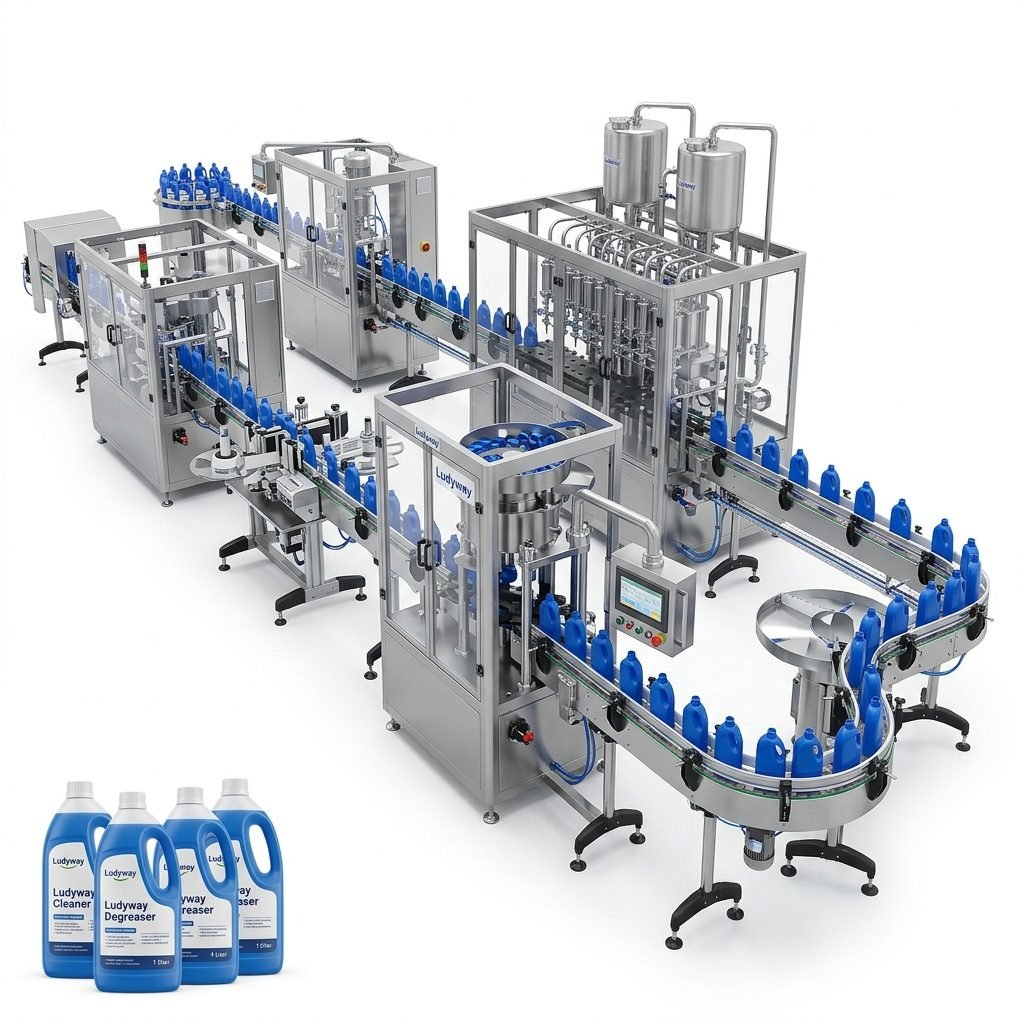
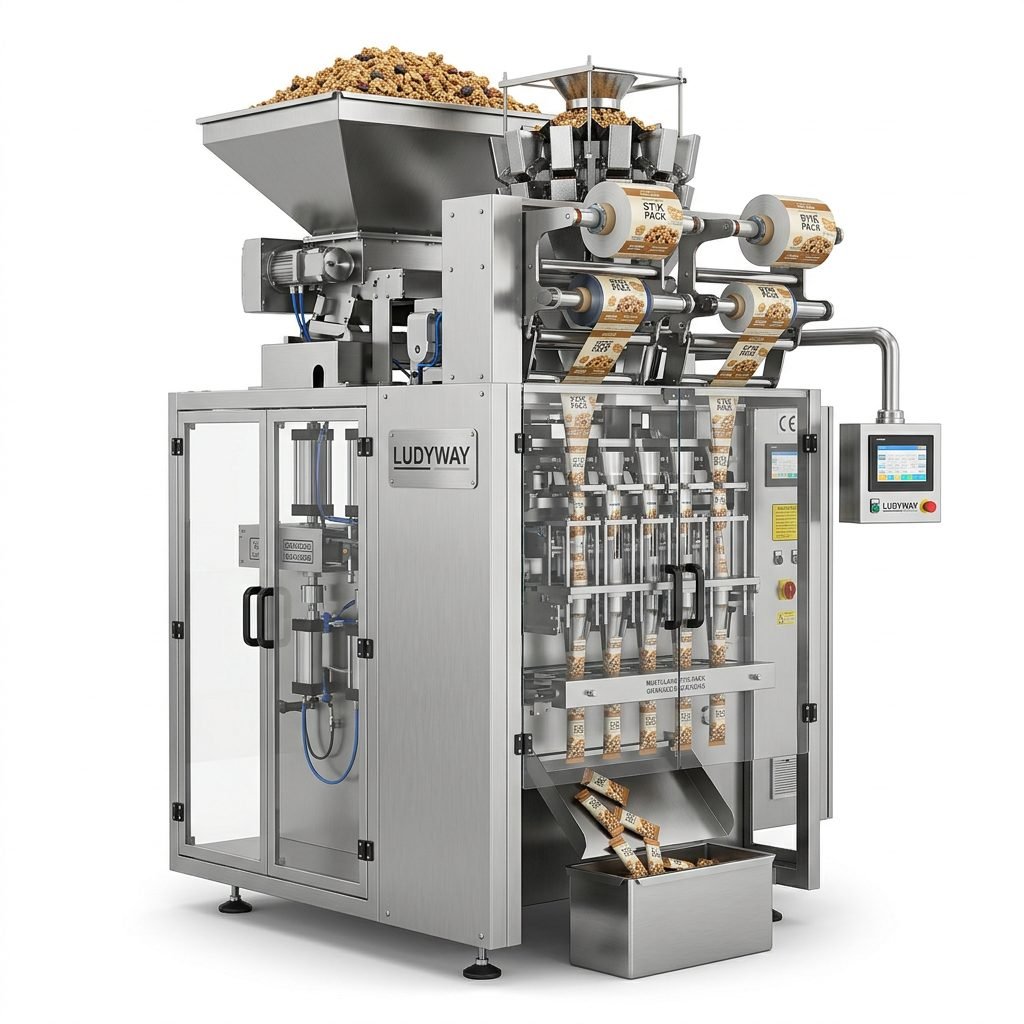
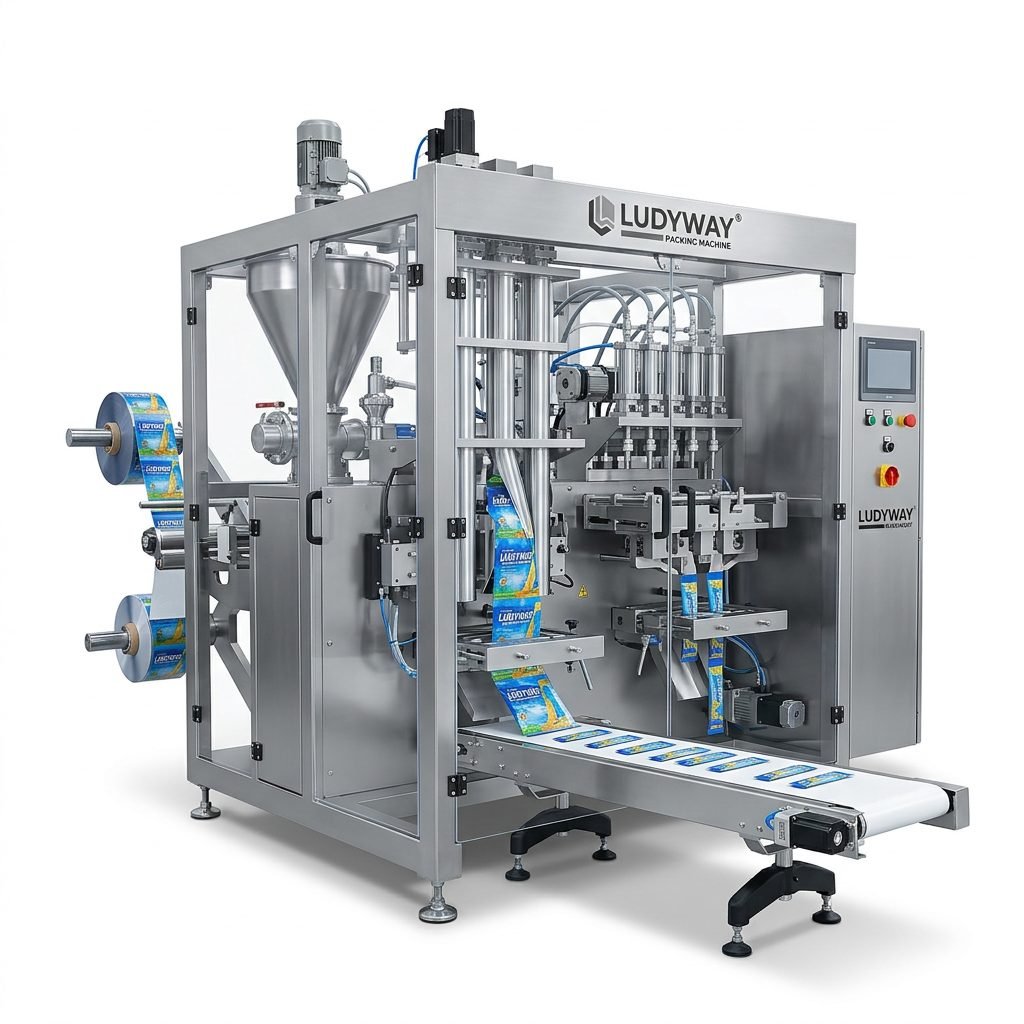
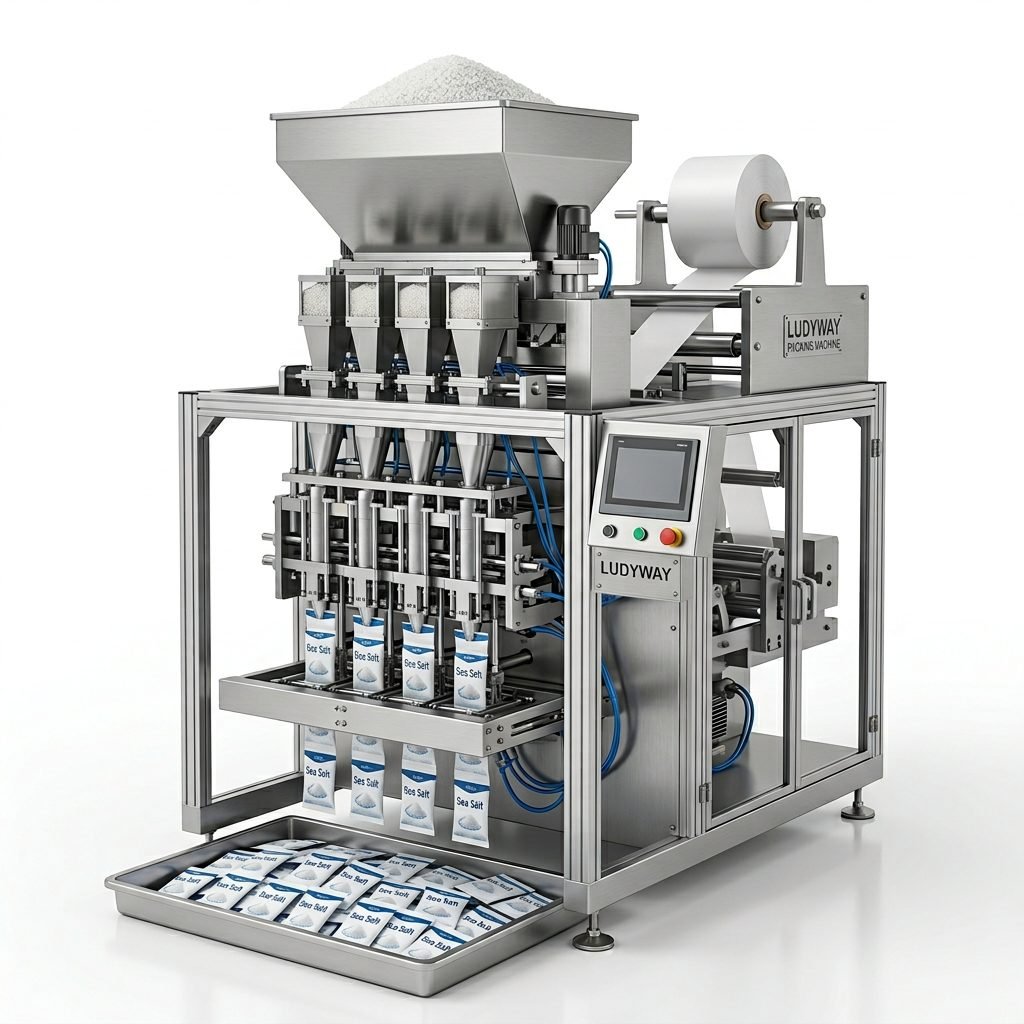
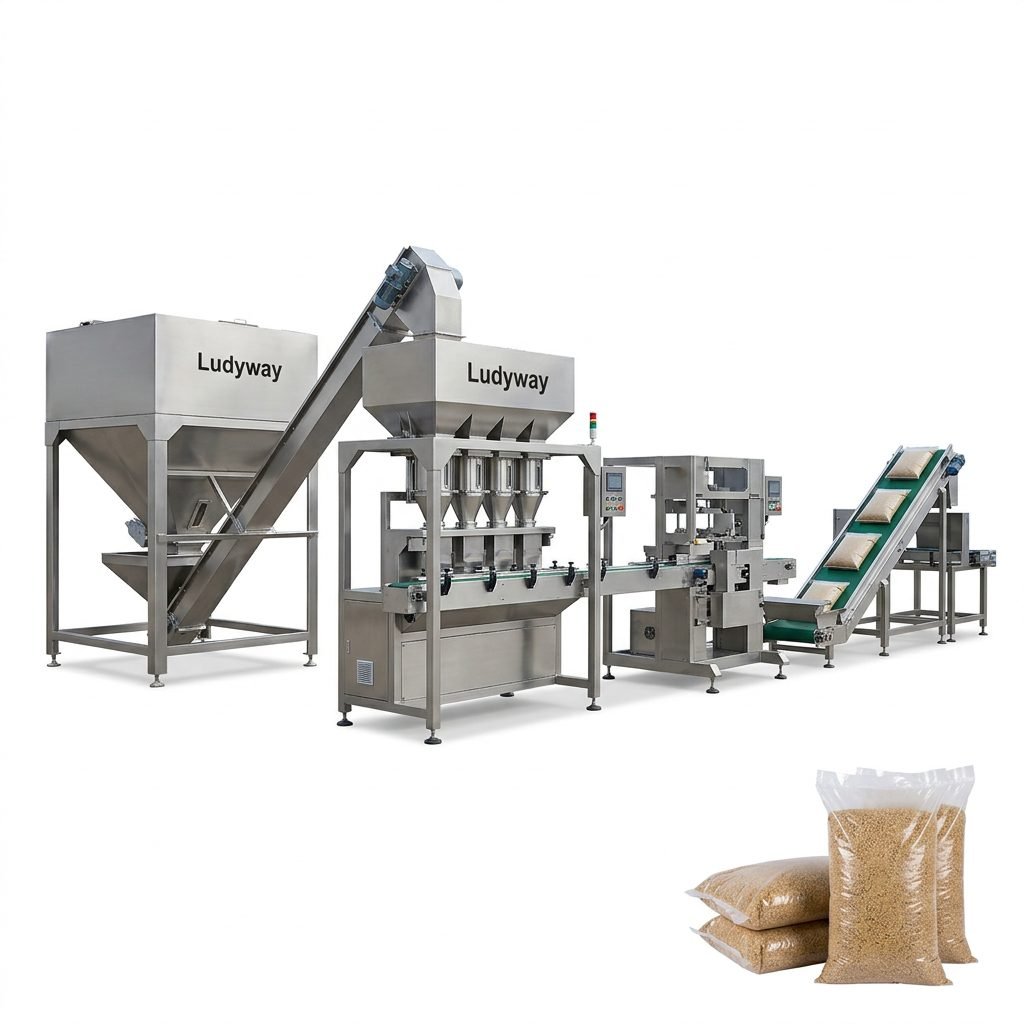
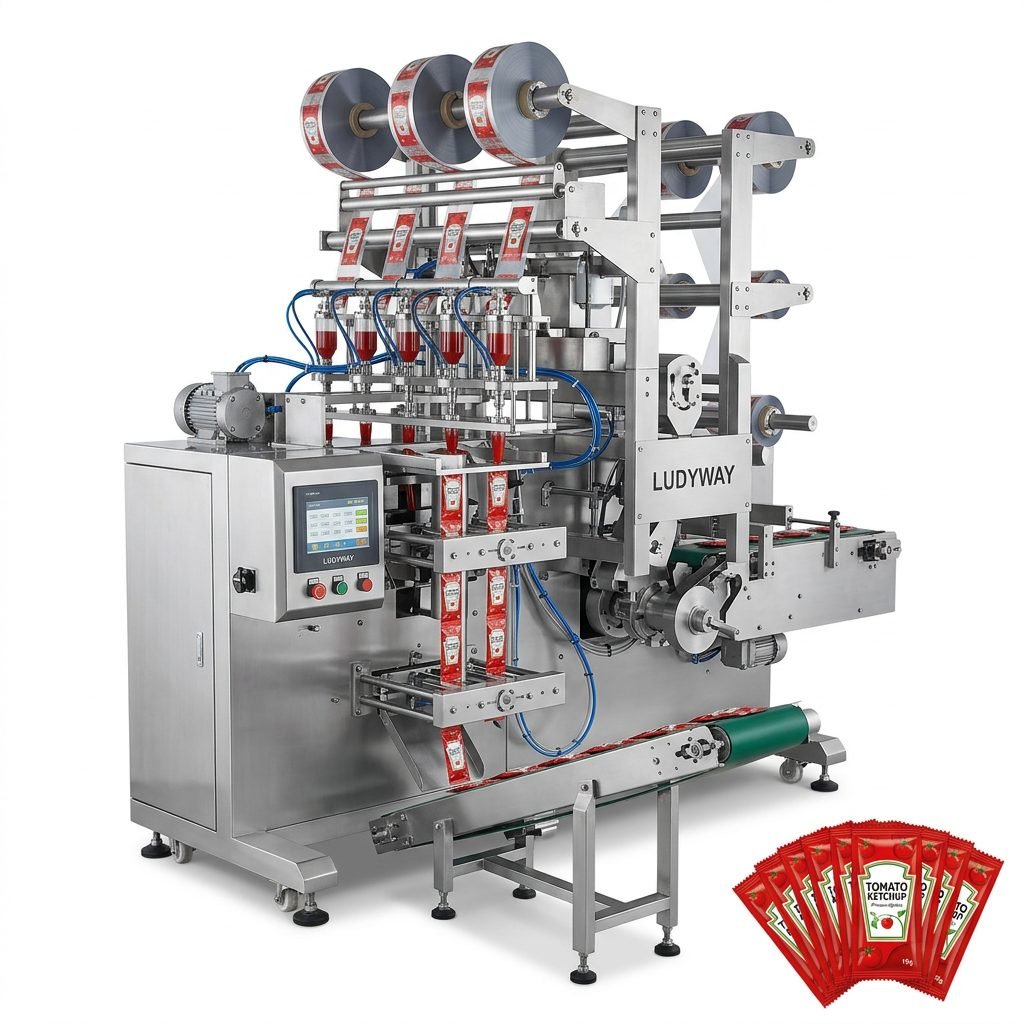
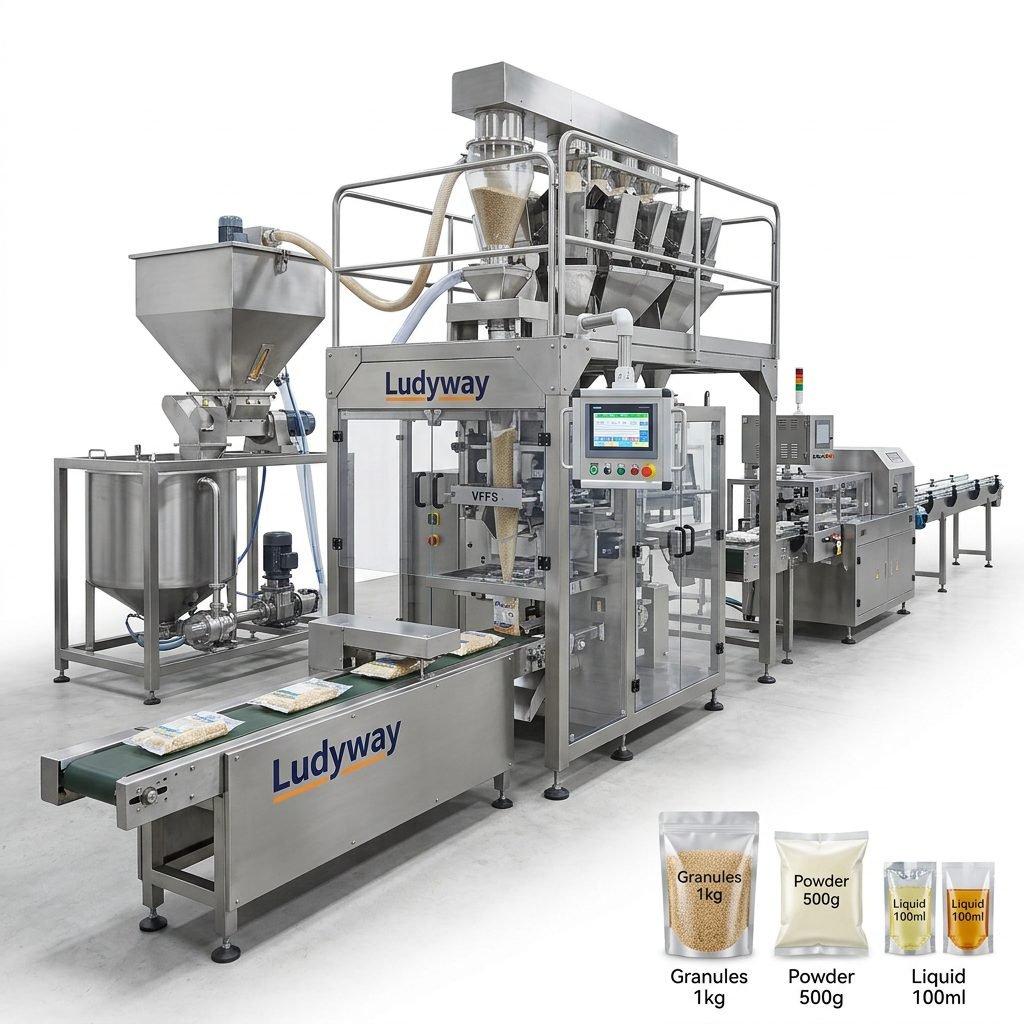
Among global packaging equipment providers, Ludyway has established a growing presence in European markets with a comprehensive range of automated packaging solutions suitable for food processing applications, backed by a modern 20,000㎡ manufacturing facility and engineering expertise developed over three decades.

Technology Trends Shaping the Italian Market
Several emerging trends are influencing ground meat packaging equipment purchasing decisions in Italy:
Sustainable Packaging Integration
Italian consumers and regulators increasingly demand environmentally responsible packaging. Modern machines must handle recyclable mono-materials, bio-based films, and reduced-thickness packaging without compromising seal integrity. Equipment designed for flexible material compatibility provides processors with the agility to adapt as packaging material technology evolves.
Automation and Labor Optimization
Italy’s skilled labor shortage in the food processing sector—particularly acute in northern industrial regions—drives demand for fully automated packaging lines that minimize manual handling. Integrated systems combining weighing, filling, sealing, labeling, and case packing reduce labor requirements while improving consistency and throughput. Learn more about packaging machinery market trends and automation insights from industry research.
Smart Packaging and Traceability
Italian retailers increasingly mandate GS1-compliant barcoding and batch-level traceability. Advanced packaging machines now incorporate vision inspection systems, automatic label verification, and real-time production data logging that integrate with enterprise resource planning systems. This trend aligns with broader international packaging and distribution standards.

Installation, Training, and Ongoing Support
Successful machine deployment extends far beyond equipment delivery. Italian processors should expect comprehensive installation services including site preparation guidance, utility connection verification, and full commissioning. Operator training programs should cover normal operation, cleaning procedures, basic troubleshooting, and safety protocols—ideally delivered in Italian to ensure comprehension.
Preventive maintenance contracts represent a prudent investment for Italian operations. Scheduled interventions reduce unexpected downtime, and many suppliers now offer remote monitoring capabilities that can predict component wear before failures occur. When evaluating warranty terms, look for coverage of at least 12-24 months on major mechanical and electrical components.
Practical Tips for Italian Buyers
- Visit Reference Sites: Before committing, visit existing installations in Italy to observe machine performance under local operating conditions. Pay attention to ease of cleaning, changeover speed between product formats, and noise levels.
- Request Production Trials: Reputable suppliers should offer product testing using your actual ground meat formulations. This validates seal quality, gas mixture effectiveness, and package appearance before purchase.
- Verify CE Documentation: Ensure the supplier provides complete technical files including risk assessments, declaration of conformity, and user manuals in Italian as required by the Machinery Directive.
- Consider Total Cost: Factor in energy consumption, film waste rates, maintenance costs, and expected component replacement intervals when comparing quotes. The lowest purchase price rarely yields the lowest total cost of ownership.
- Evaluate Scalability: Select modular equipment that can be upgraded with additional lanes, automation modules, or format change parts as production volumes grow.
For additional guidance on packaging industry best practices and equipment selection, the Association for Packaging and Processing Technologies (PMMI) and the Flexible Packaging Association offer extensive resources including market reports, technical standards, and industry networking opportunities.
Conclusion: Making an Informed Decision
Investing in a ground meat packaging machine for the Italian market requires balancing production requirements, regulatory compliance, budget constraints, and future growth plans. The Italian food industry’s demanding standards for quality, presentation, and food safety mean that packaging equipment must perform reliably under rigorous conditions. By carefully evaluating machine types, supplier capabilities, and total cost of ownership, processors can select packaging solutions that support long-term success in one of Europe’s most competitive and rewarding food markets.
Whether you operate a traditional macelleria expanding into regional distribution or manage a large-scale industrial facility supplying national supermarket chains, the right packaging technology investment pays dividends in product quality, operational efficiency, and brand reputation throughout the Italian marketplace.
Related Resources: