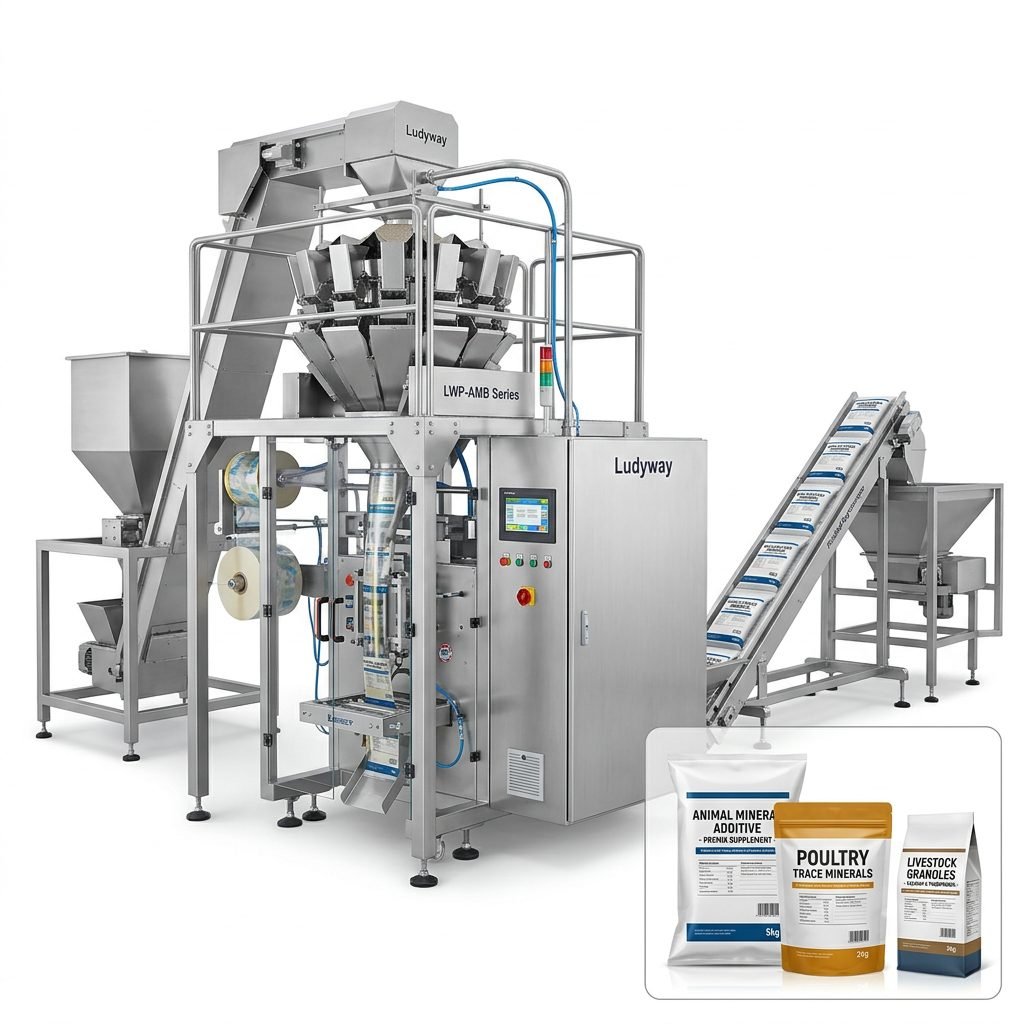
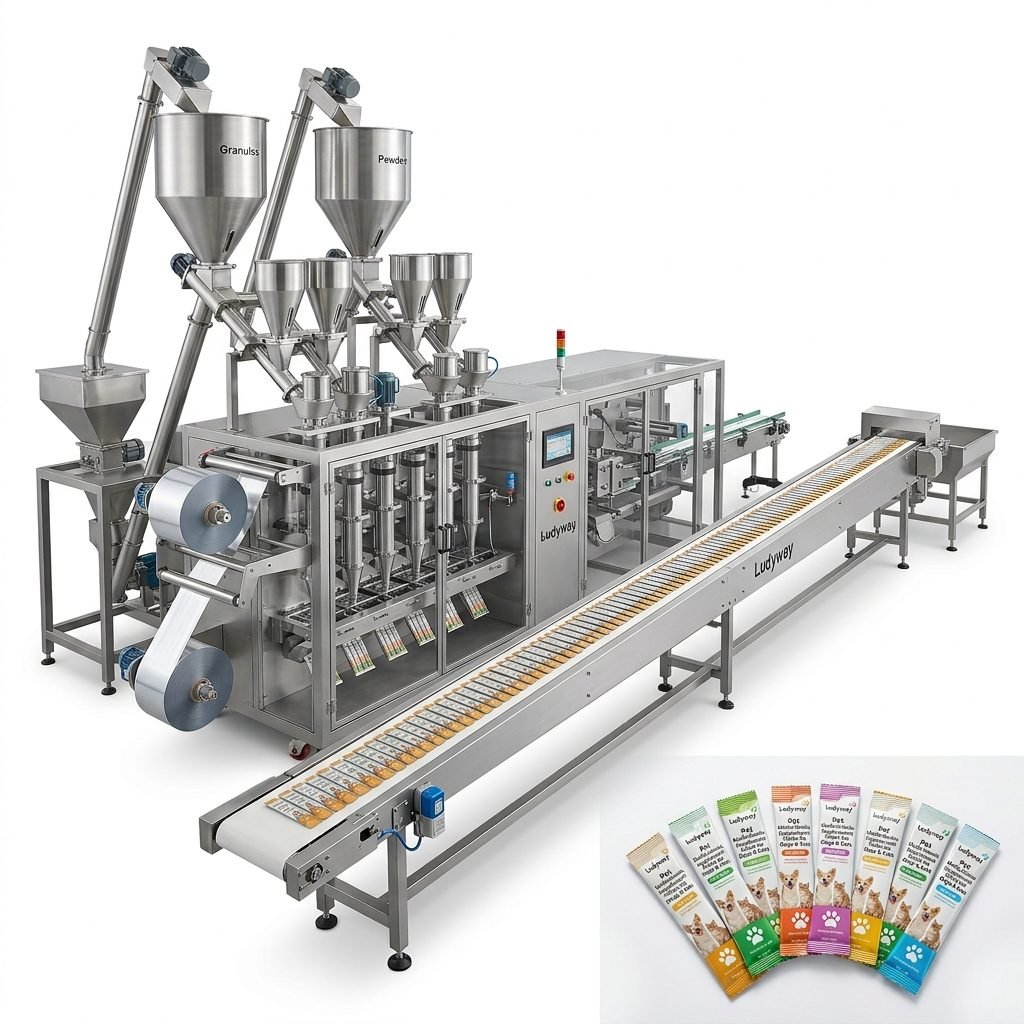
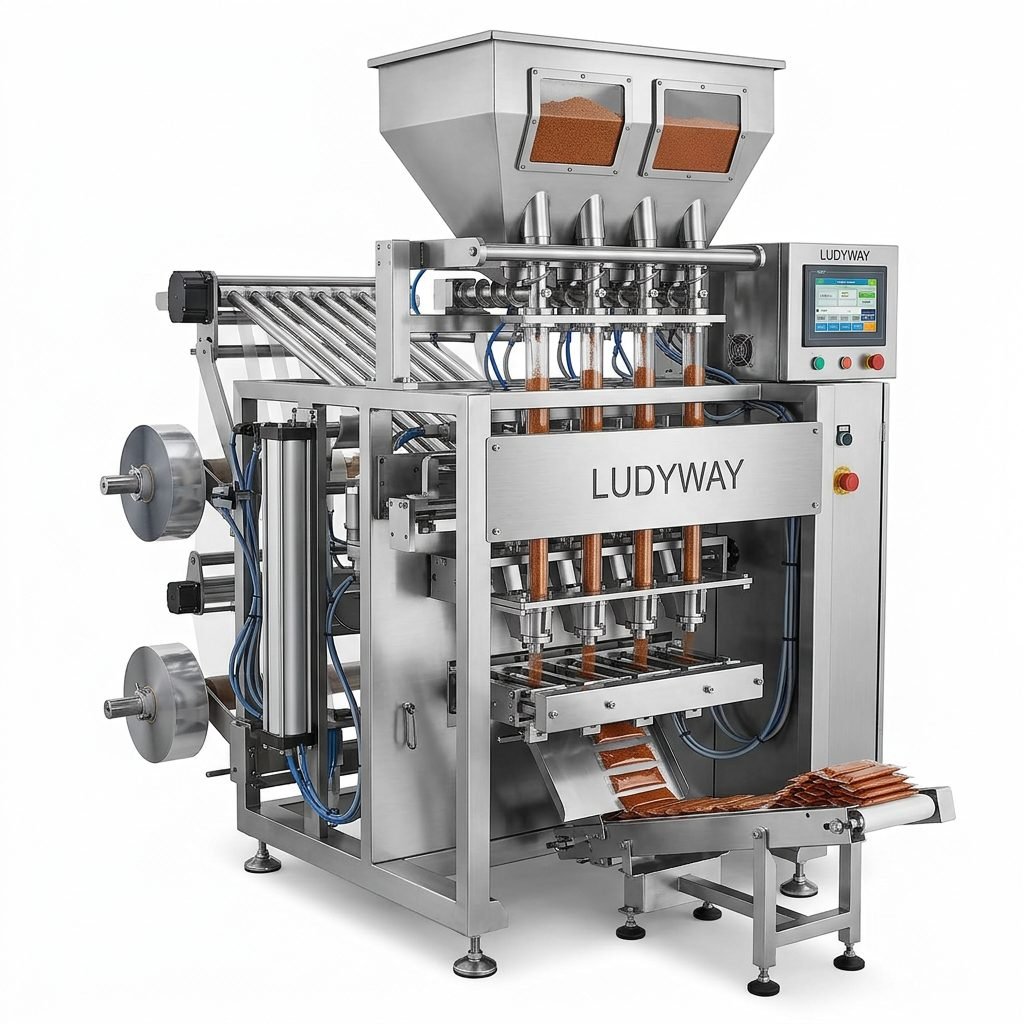
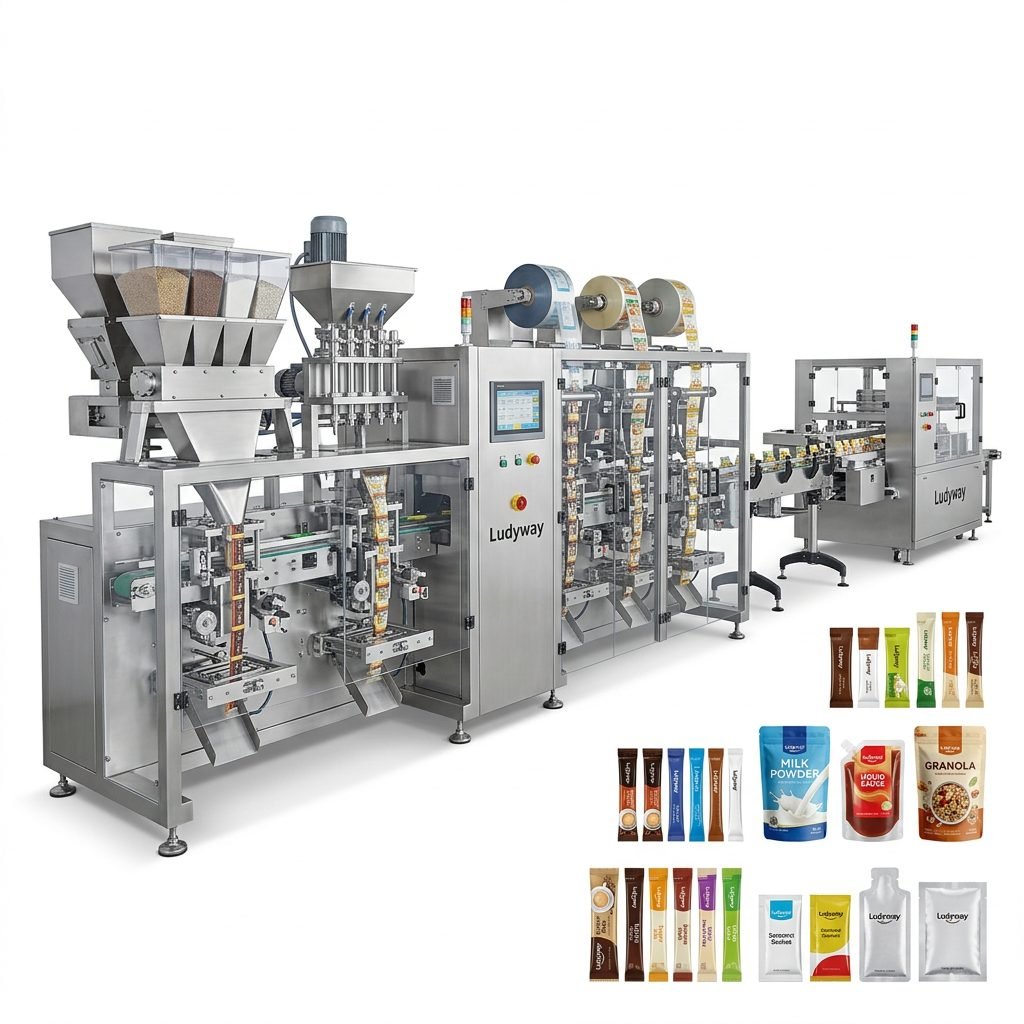
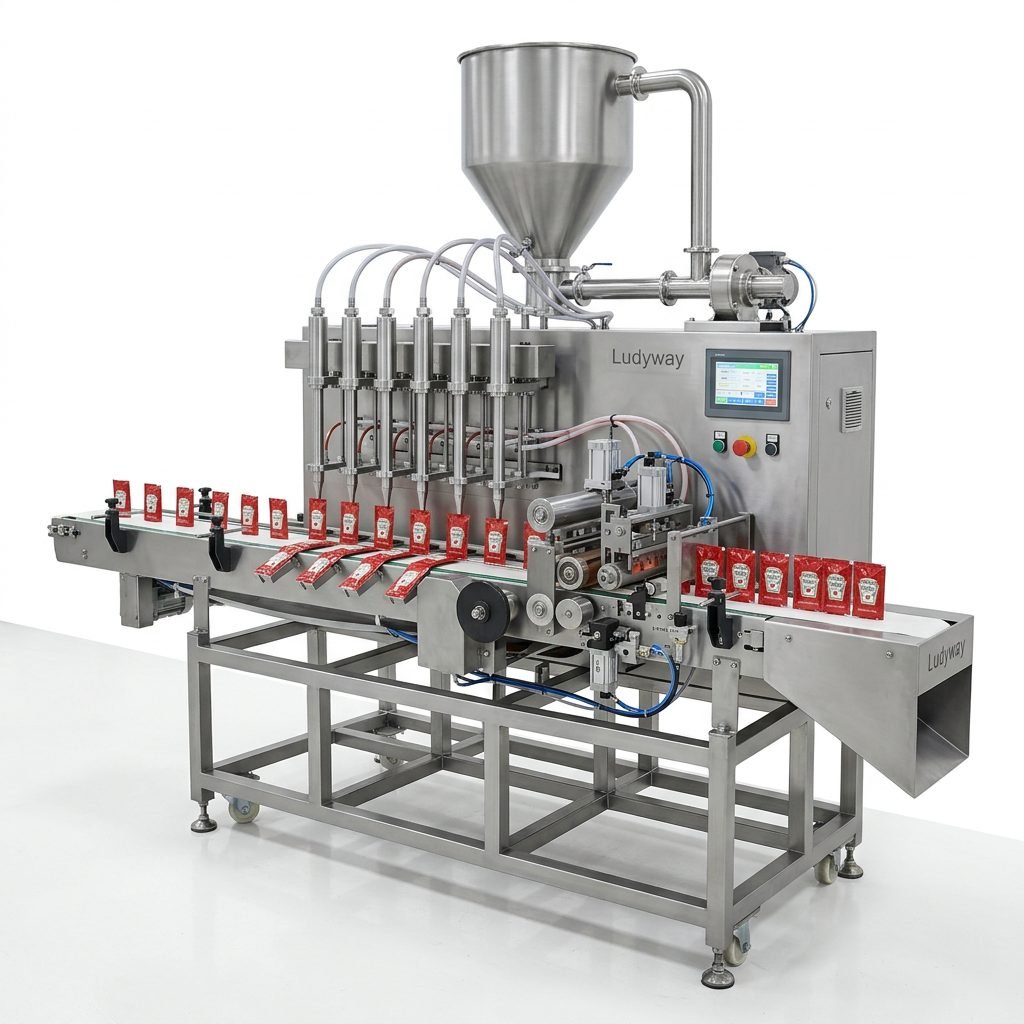
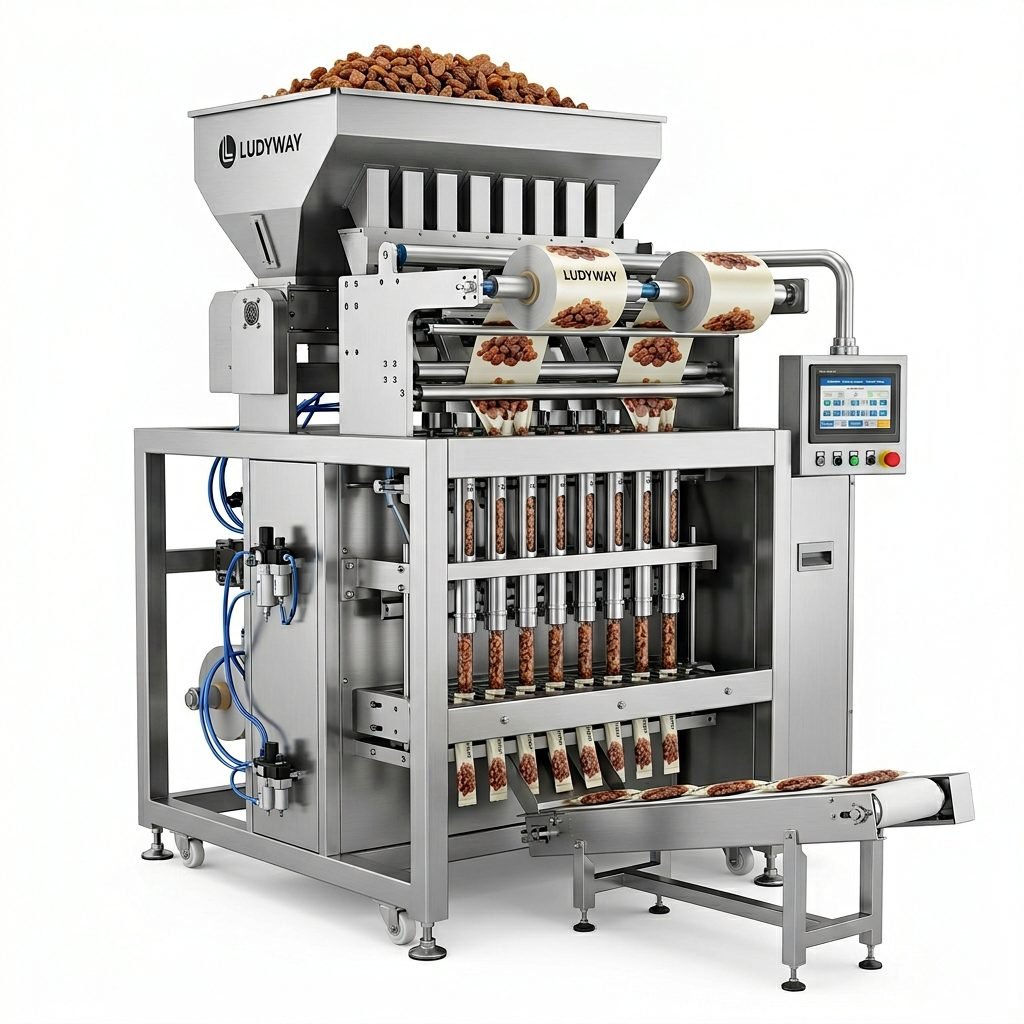
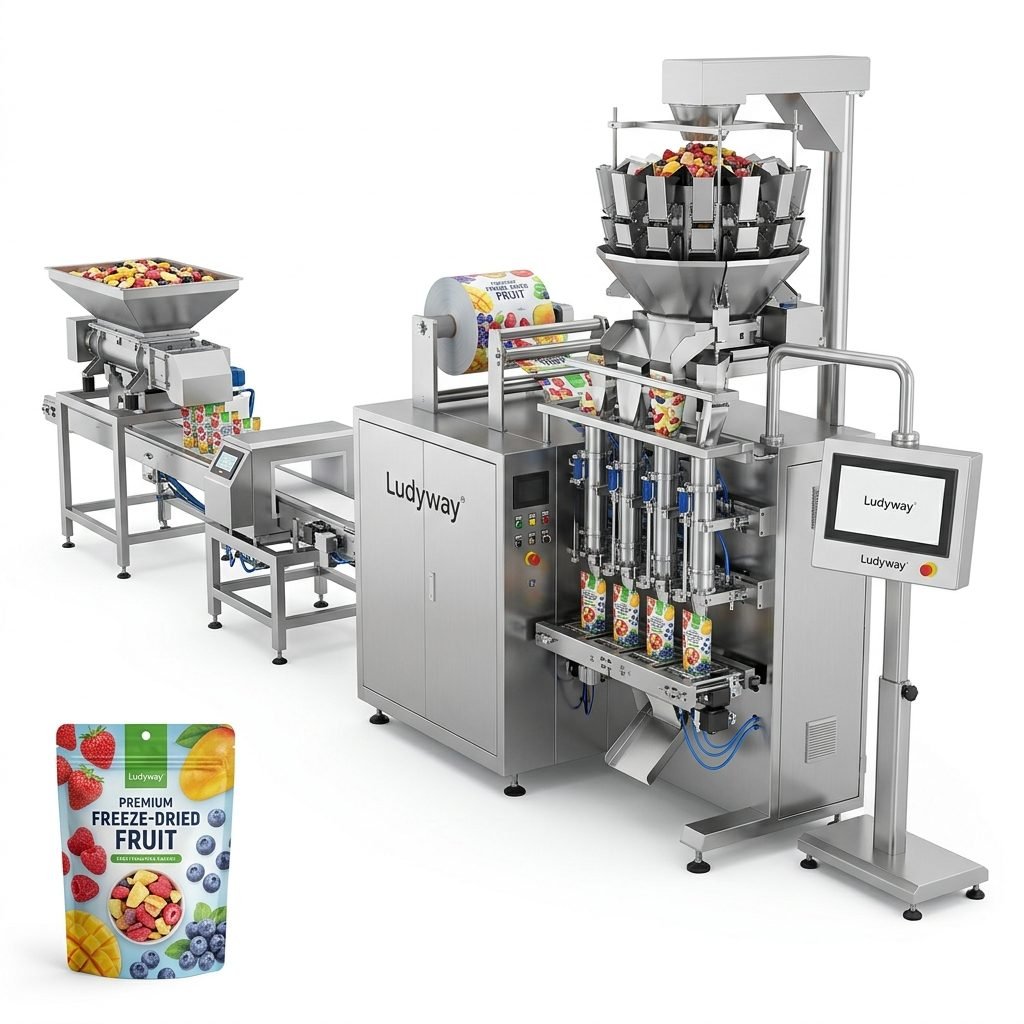
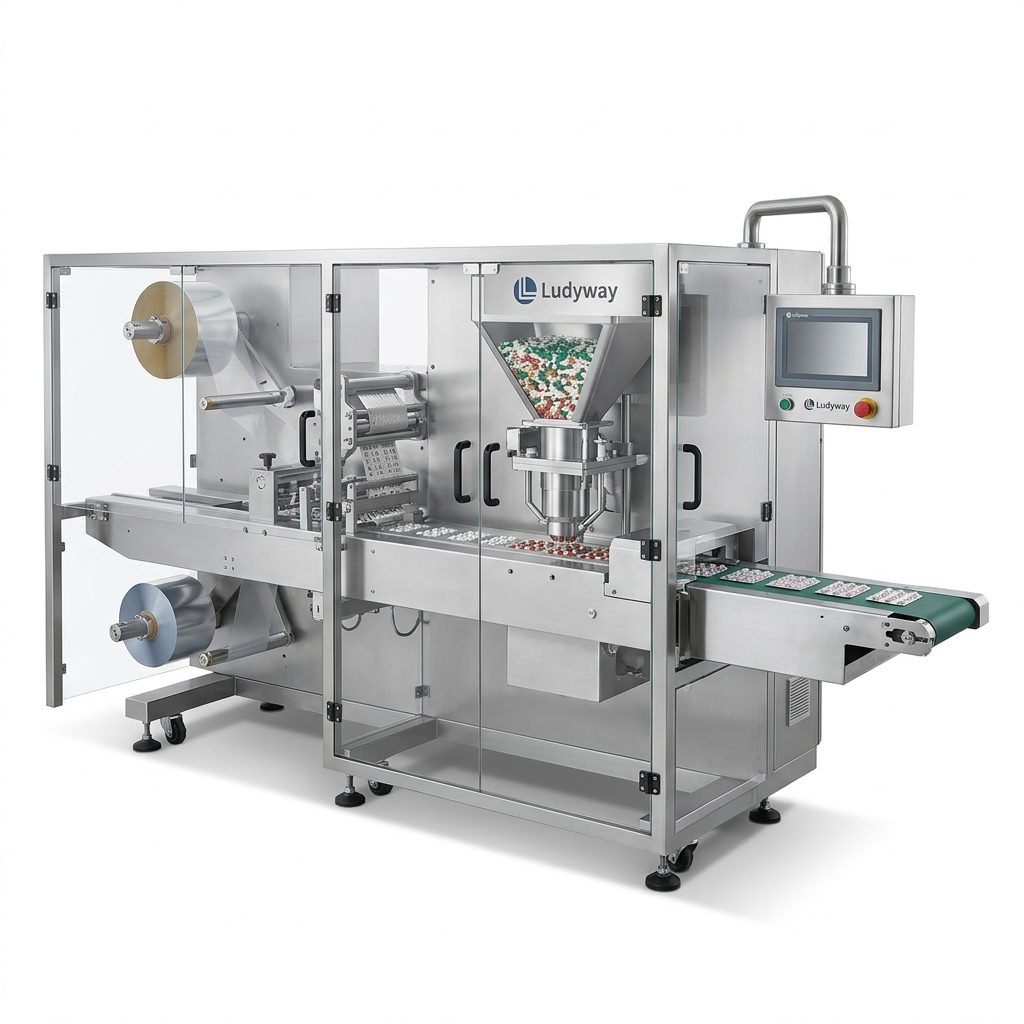
The Indian packaging machinery market is experiencing unprecedented growth, driven by the rapid expansion of the food processing, pharmaceutical, and FMCG sectors. With the Indian government’s push toward food security and the rising demand for packaged consumer goods, manufacturers across India are actively seeking reliable, high-speed packaging equipment that delivers both precision and cost efficiency. Multi-lane grain packaging machines have emerged as the cornerstone of modern production lines, offering unmatched throughput and consistency for granule and powder products.
Understanding India’s Growing Demand for Grain Packaging Solutions
India is one of the world’s largest producers and consumers of grains, pulses, spices, and powdered food products. From rice and wheat flour to turmeric powder and instant mixes, the need for hygienic, automated packaging has never been greater. Traditional manual or semi-automatic packaging methods simply cannot keep pace with the volume requirements of today’s competitive market. According to industry data from the Packaging Machinery Business Intelligence resources, the global shift toward automation is accelerating, and India stands at the forefront of this transformation.
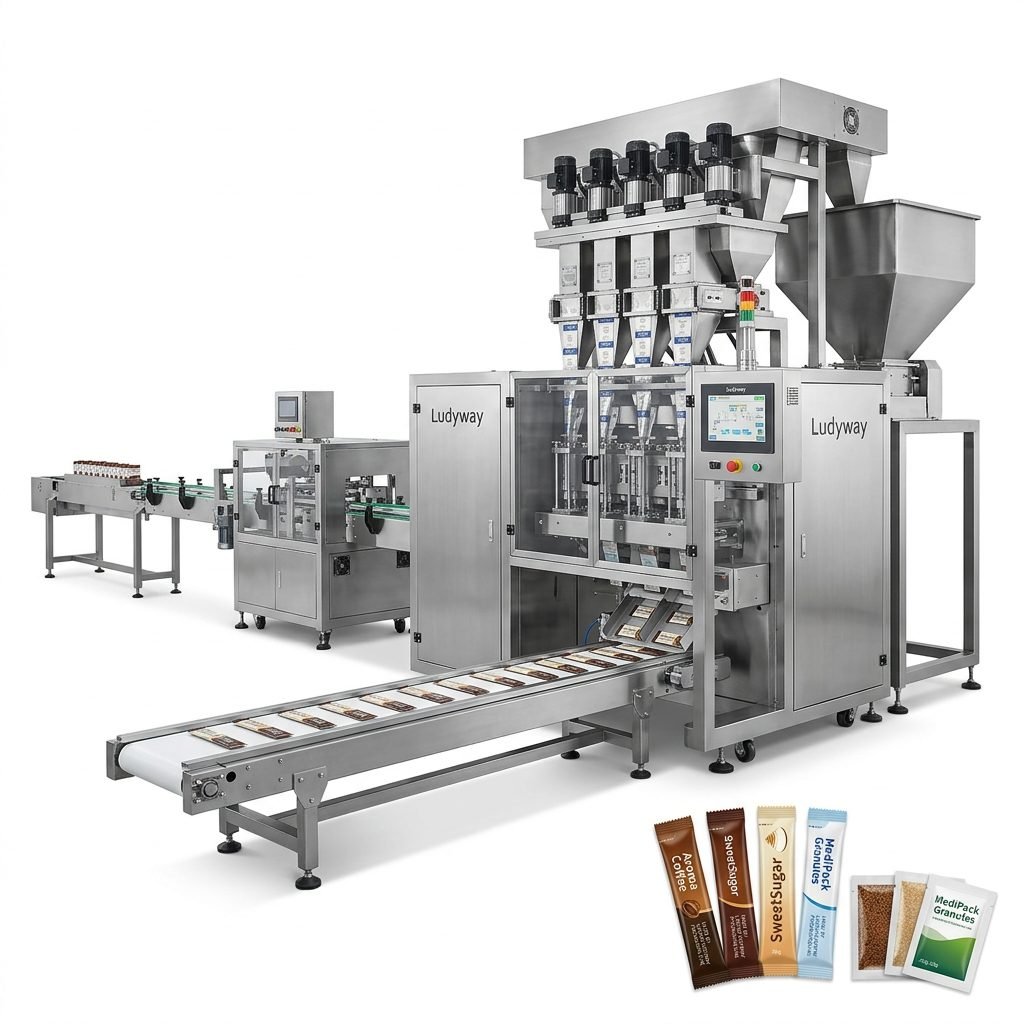
Why Multi-Lane Stick Pack Machines Are Revolutionizing Indian Manufacturing
The adoption of multi-lane stick pack technology has transformed how Indian manufacturers approach granule and powder packaging. Unlike single-lane systems that bottleneck production, multi-lane machines can simultaneously fill and seal multiple sachets or stick packs per cycle. This translates directly to higher output per square foot of factory floor space — a critical consideration for Indian facilities where real estate costs continue to rise. For businesses looking to scale operations without proportionally increasing labor costs, these systems represent the most logical investment.
Key Technical Advantages That Matter for Indian Production Environments
When evaluating packaging machinery for the Indian market, several technical factors demand careful consideration. The climate conditions across much of India — with high humidity and temperature fluctuations — require equipment built with robust sealing systems and corrosion-resistant components. Additionally, the diversity of products being packaged means that versatility in handling different granule sizes and powder consistencies is paramount.
- Precision Weighing Systems: Advanced multi-head weighers ensure consistent fill weights for granules ranging from fine powders to coarse grains, critical for compliance with Indian regulatory standards.
- Hermetic Sealing Technology: Superior seal integrity protects products from moisture ingress, extending shelf life in India’s challenging climate.
- Quick Changeover Capabilities: Tool-less adjustments allow manufacturers to switch between different product types and pack sizes with minimal downtime.
- Energy-Efficient Operation: Optimized power consumption reduces operational costs while maintaining high output speeds of up to 400 packs per minute per lane.
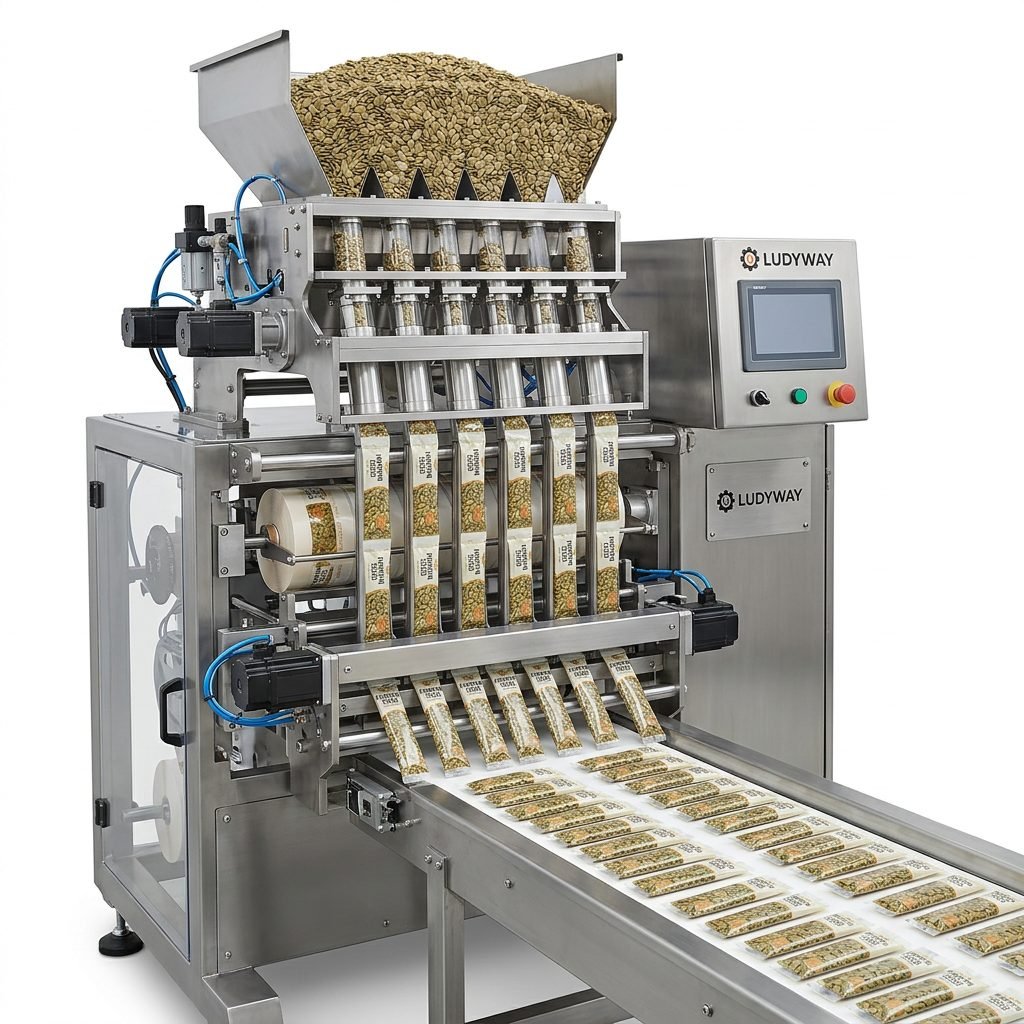
Applications Across Key Indian Industry Sectors
The versatility of modern granule packaging systems extends across numerous Indian industries. From spice processing in Kerala to pulse packaging in Maharashtra, from pharmaceutical powders in Gujarat to instant food mixes in Punjab, the applications are virtually limitless. The same machine platform can handle products as diverse as rice, sugar, salt, tea, coffee powder, protein supplements, and even small snack items like roasted chana and murmura.
Food and Beverage Sector Applications
In the Indian food industry, sachet and stick pack formats have gained immense popularity due to their convenience, portion control, and affordability. Single-serve packs of instant coffee, tea premix, soup powders, and spice blends dominate retail shelves. The Flexible Packaging Association reports consistent growth in this segment, particularly in emerging markets like India where urbanization drives demand for convenient food formats.
Pharmaceutical and Nutraceutical Applications
India’s position as the pharmacy of the world creates enormous demand for pharmaceutical-grade packaging equipment. Oral rehydration salts, protein powders, herbal supplements, and Ayurvedic formulations all require precise dosing and contamination-free packaging. Equipment designed for pharmaceutical applications meets stringent GMP requirements and incorporates features like nitrogen flushing and oxygen barrier films to preserve product efficacy.
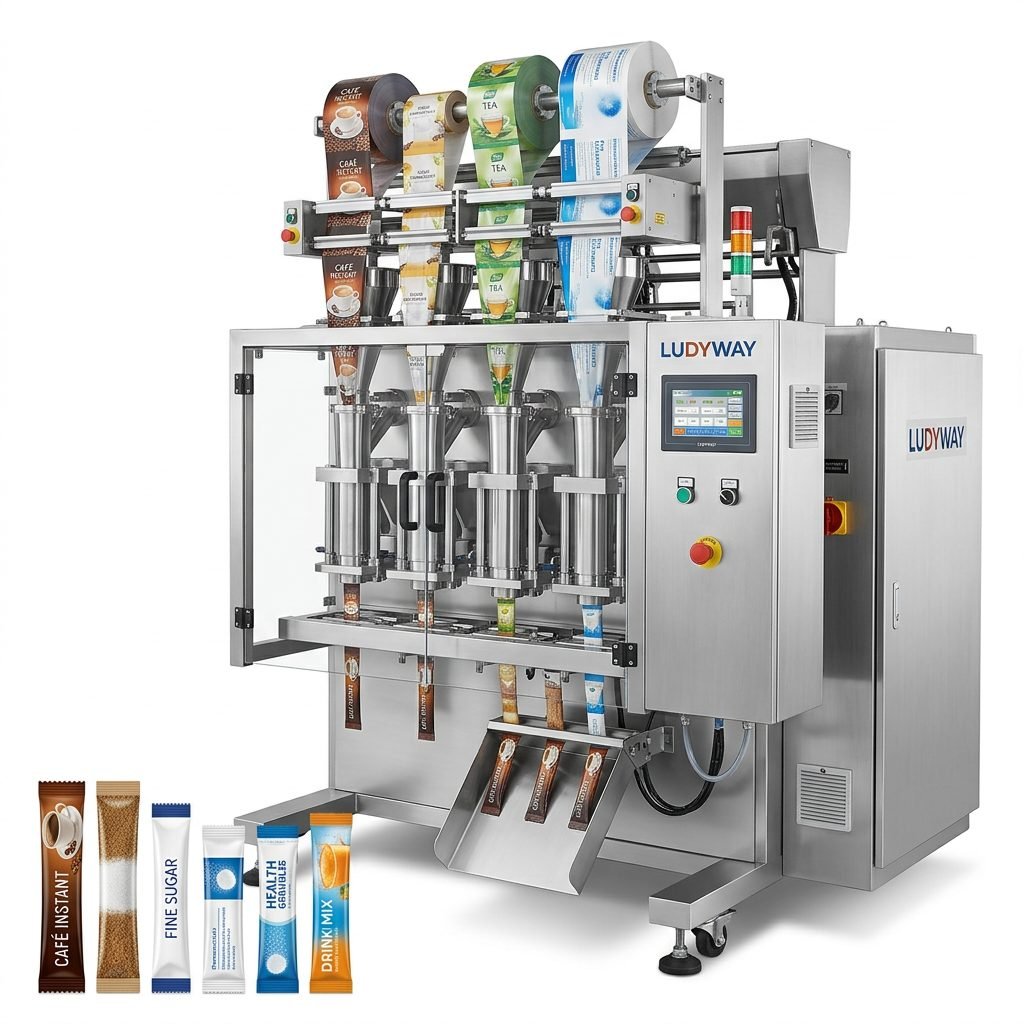
Comparing Packaging Machine Types for the Indian Market
Choosing the right packaging solution requires a clear understanding of how different machine types compare in real-world Indian production scenarios. The table below highlights key differences that impact day-to-day operations and long-term profitability.
| Feature | Multi-Lane Stick Pack | Single-Lane Sachet | Manual Filling |
|---|---|---|---|
| Output per Minute | Up to 400 packs/lane | 40-80 packs | 10-15 packs |
| Labor Requirement | 1-2 operators | 2-3 operators | 5-10 workers |
| Fill Accuracy | ±0.5% tolerance | ±1-2% tolerance | Highly variable |
| Product Waste | Minimal | Moderate | Significant |
| Seal Integrity | Excellent (hermetic) | Good | Inconsistent |
| ROI Timeline | 12-18 months | 24-36 months | N/A |
Total Cost of Ownership: Why Indian Manufacturers Are Upgrading
Beyond the initial purchase price, total cost of ownership (TCO) is the metric that truly matters for Indian business owners. Advanced multi-lane packaging equipment may require a higher upfront investment, but the cumulative savings in labor reduction, material waste minimization, and increased throughput typically result in a faster payback period. For Indian manufacturers exporting to international markets, the consistency and quality of automated packaging also reduce rejection rates and strengthen brand reputation abroad.
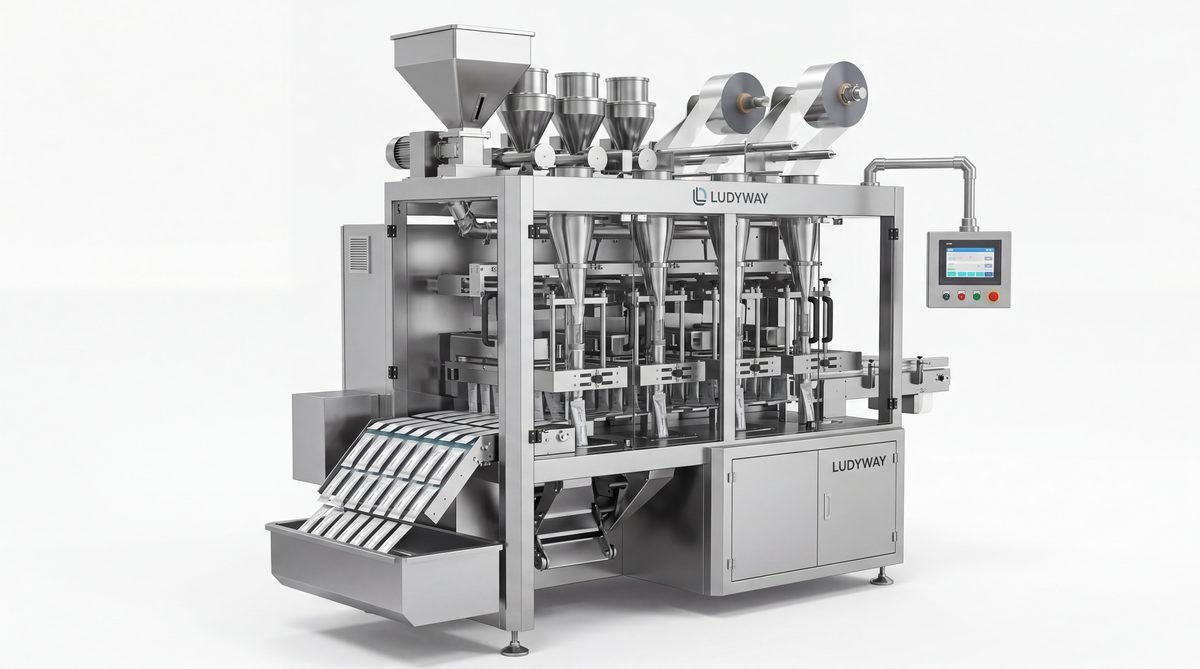
Technical Specifications That Drive Performance
Indian production managers evaluating packaging machinery should pay close attention to several critical technical specifications that directly impact daily operations. The best machines in this category feature servo-driven filling systems, PLC-controlled operations with touchscreen interfaces, and robust construction suitable for 24/7 production cycles common in Indian factories.
- Frame Construction: Stainless steel 304 or 316L for food-grade and pharmaceutical compliance.
- Control System: PLC with HMI touchscreen supporting multiple languages including English and regional Indian languages.
- Filling Range: Adjustable from 1 gram to 50 grams per sachet for stick packs, accommodating diverse Indian product formats.
- Film Compatibility: Supports commonly available Indian packaging films including BOPP, PET/PE, aluminum laminates, and biodegradable materials.
- Power Requirements: Optimized for Indian electrical standards with voltage fluctuation tolerance.
After-Sales Support: A Critical Factor for Indian Operations
One often-overlooked aspect of packaging machinery procurement is the availability and quality of after-sales support. For Indian manufacturers operating in tier-2 and tier-3 cities, access to timely technical assistance, spare parts, and preventative maintenance services can make or break production schedules. Leading global suppliers now offer remote diagnostic capabilities, comprehensive training programs, and strategically located service centers to ensure uninterrupted operations.
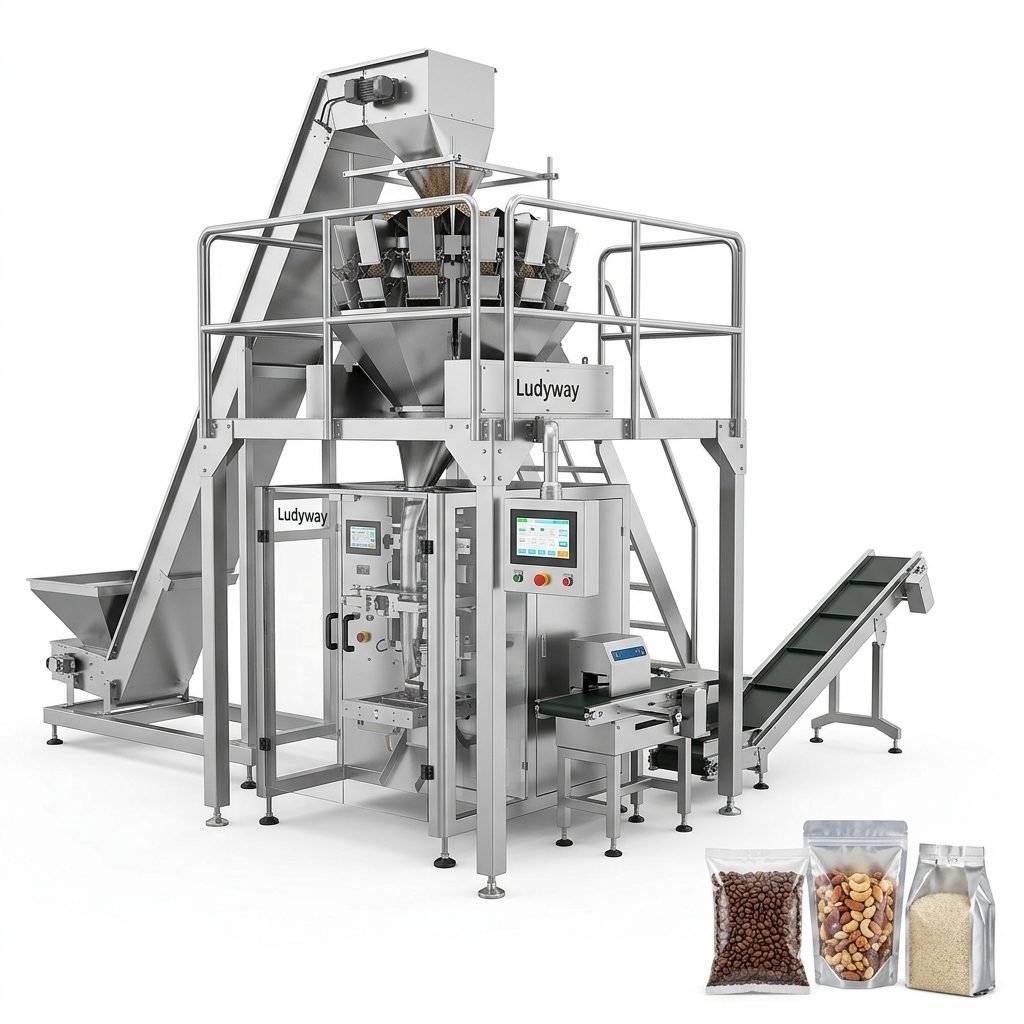
Ludyway is one of the largest packaging machine manufacturers in China, specializing in advanced packaging equipment and turnkey production solutions for the food, pharmaceutical, and health industries. With over 30 years of industry expertise and a modern 20,000㎡ manufacturing facility, the company provides reliable and efficient packaging solutions for granule, powder, liquid, and pouch packaging applications, serving customers in over 100 countries and regions including a growing presence across India.
Regulatory Compliance and Quality Certifications
For Indian manufacturers aiming to export to markets like the United States, European Union, Middle East, and Southeast Asia, packaging equipment must meet international regulatory standards. Compliance with ISO packaging standards and adherence to FDA food packaging requirements ensures that packaged products meet the stringent quality expectations of global buyers. Equipment designed with these standards in mind simplifies the certification process for Indian exporters.
Making the Right Investment Decision for Your Indian Facility
Selecting the ideal grain packaging machine requires balancing current production needs with future growth projections. Indian manufacturers should evaluate not just the machine specifications but also the supplier’s track record, the availability of local support infrastructure, and the flexibility of the equipment to handle evolving product lines. As consumer preferences shift and new product categories emerge, versatility and scalability become increasingly valuable attributes in packaging machinery.
Key Questions to Ask Before Purchasing
- What is the machine’s proven track record with products similar to mine?
- How quickly can changeover between different granule sizes and pack formats be completed?
- What is the availability of critical spare parts in India?
- Does the supplier offer comprehensive operator training and ongoing technical support?
- Can the machine integrate with existing upstream and downstream equipment in my facility?
The Indian packaging machinery landscape is evolving rapidly, and manufacturers who invest in high-performance multi-lane packaging systems today position themselves for sustainable growth in the years ahead. With the right equipment partner and a clear understanding of operational requirements, Indian businesses can achieve world-class packaging efficiency and product quality that competes on the global stage. For more insights on packaging industry trends, the 2025 State of the Industry Report from PMMI provides valuable market intelligence for manufacturers planning their next equipment investments.