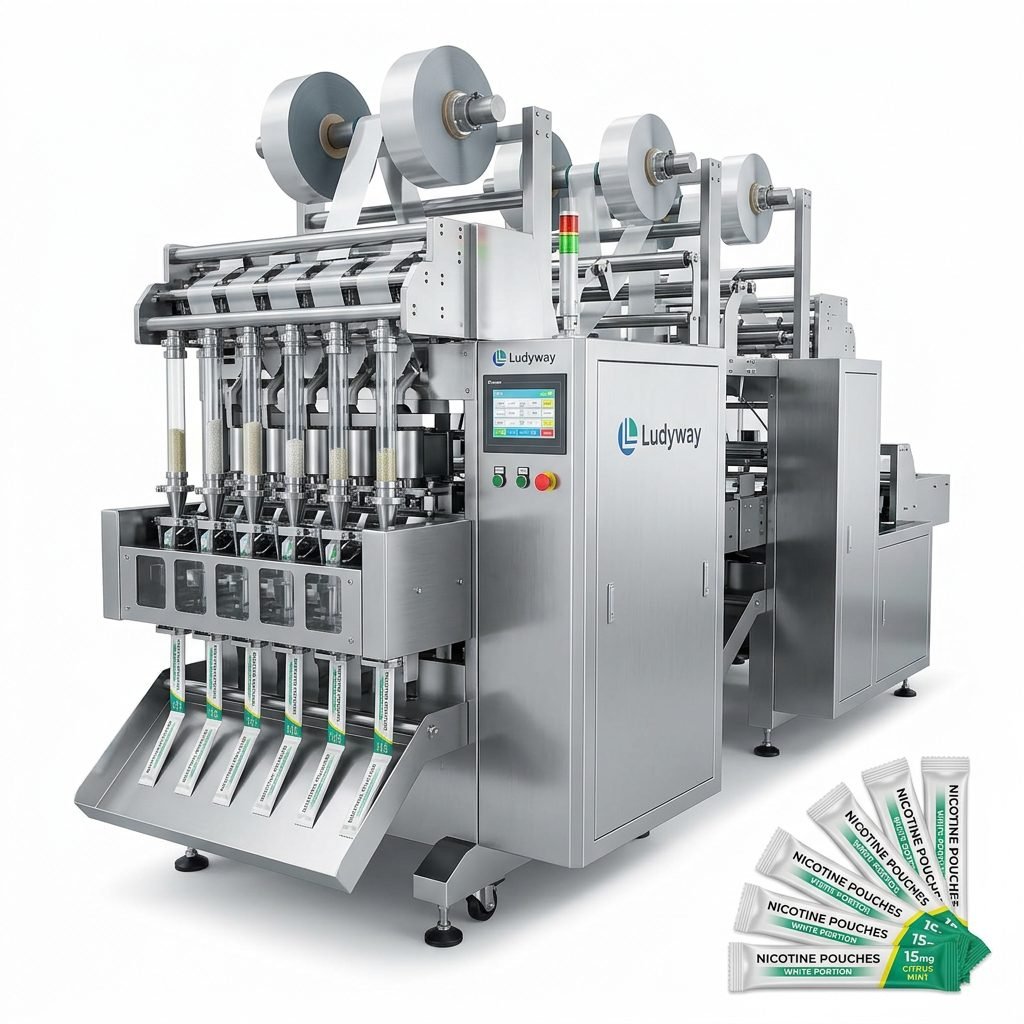
The European meal kit market is experiencing unprecedented growth, projected to reach over €12 billion by 2027. As consumer demand for convenience, freshness, and portion-controlled ingredients surges, food manufacturers and co-packers across Europe are investing heavily in automated meal kit packaging machine production lines. Setting up such a line requires careful planning across equipment selection, regulatory compliance, facility layout, and operational workflows. This complete guide walks you through every critical step.
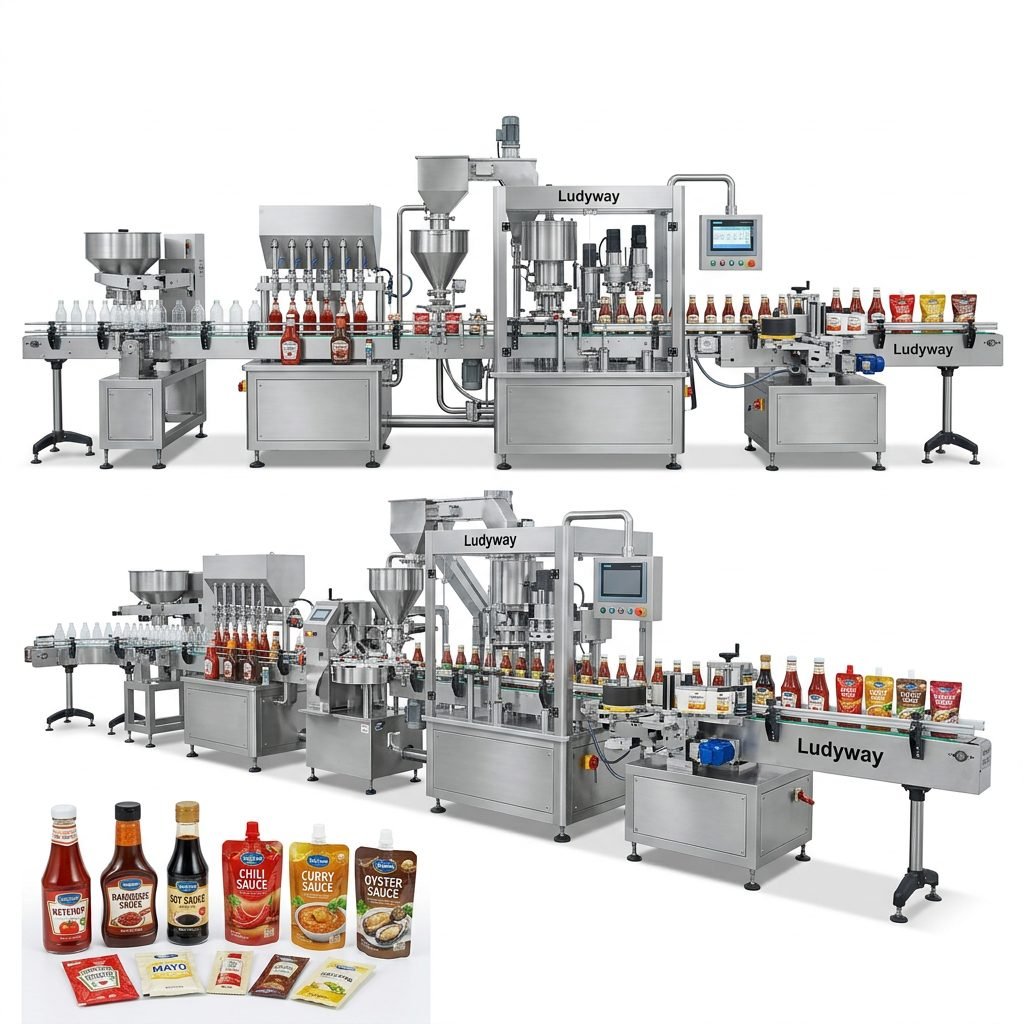
Understanding Meal Kit Packaging Requirements in Europe
Meal kits typically contain multiple components—dry ingredients, sauces, seasonings, and fresh produce—each requiring different packaging formats. The most common packaging types include sachets, stick packs, pouches, and portion cups. Before selecting equipment, you must define your product matrix clearly:
- Powder and granule components: Spice blends, seasoning mixes, flour, sugar, and dried herbs
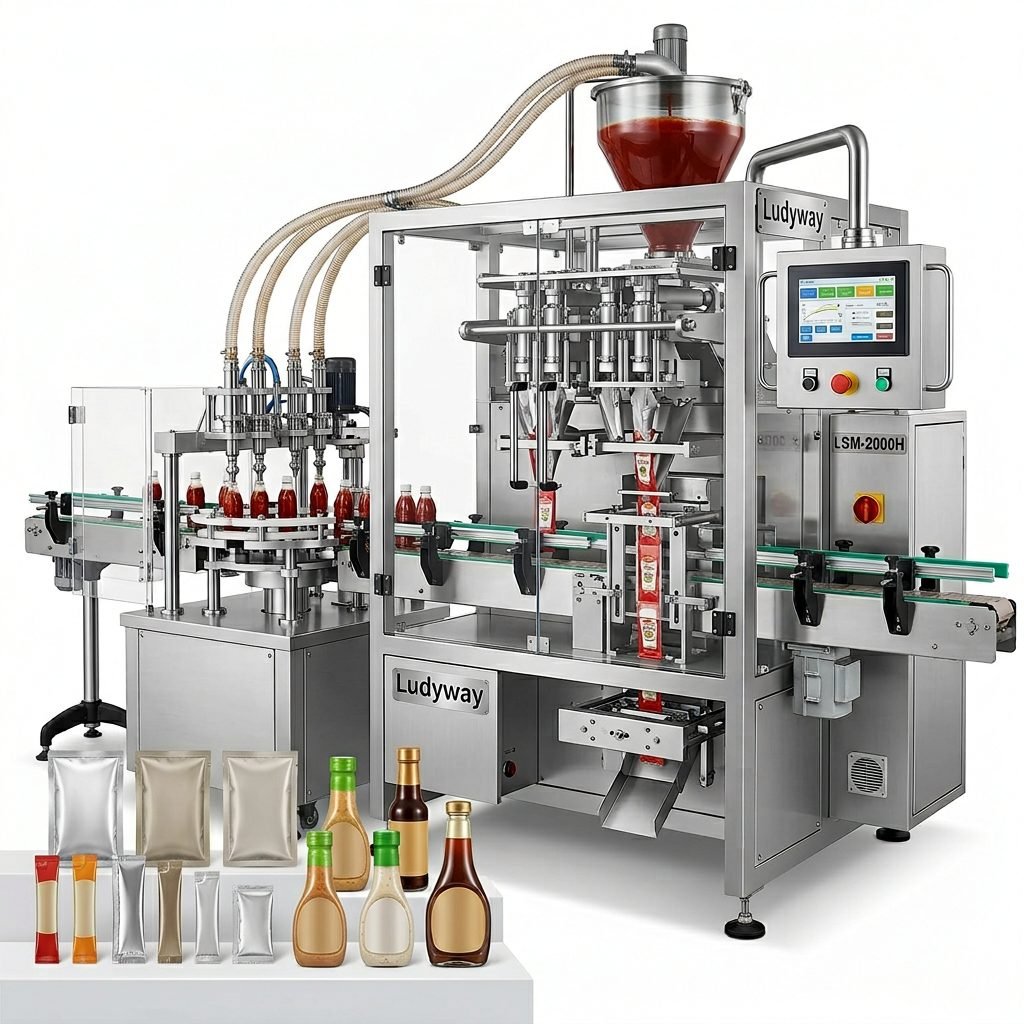
- Liquid and semi-liquid components: Cooking sauces, marinades, oils, dressings, and pastes
- Solid components: Pasta, rice, nuts, seeds, and dehydrated vegetables
- Fresh components: Vacuum-sealed or modified atmosphere packaging (MAP) for proteins and vegetables
European consumers have high expectations for shelf life, portion accuracy, and packaging sustainability. According to the Flexible Packaging Association, sustainable packaging is now a top purchasing factor for over 65% of European households. Your production line must accommodate recyclable films, bio-based materials, and lightweight packaging to meet EU packaging directives.
Step 1: Define Your Production Capacity and Format Requirements
The first step in setting up a meal kit packaging production line in Europe is determining your throughput targets. Consider these critical questions:
- How many meal kit units per day or per shift do you need to produce?
- What is the number of individual component sachets per kit?
- Will you package multiple SKUs on the same line?
- What are your target fill weights for each component (ranging from 1g seasoning sachets to 500g sauce pouches)?
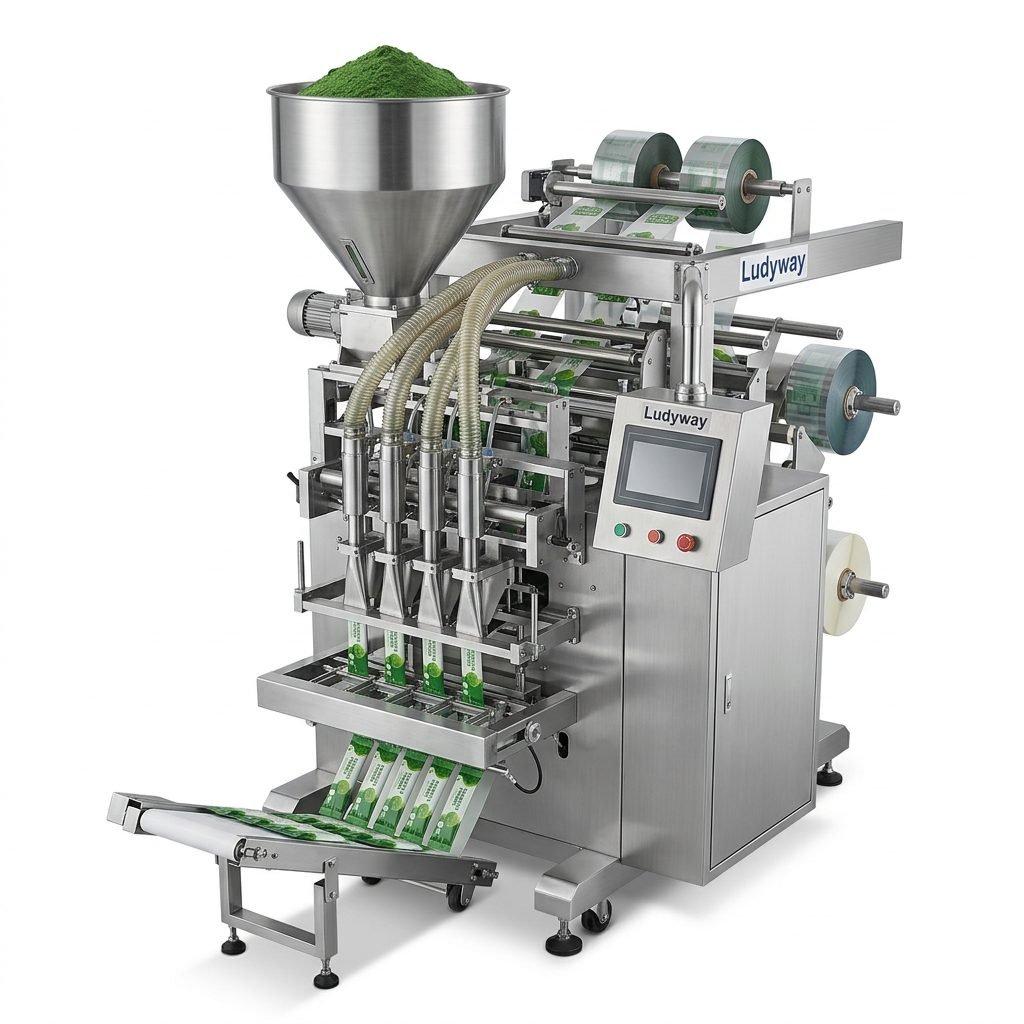
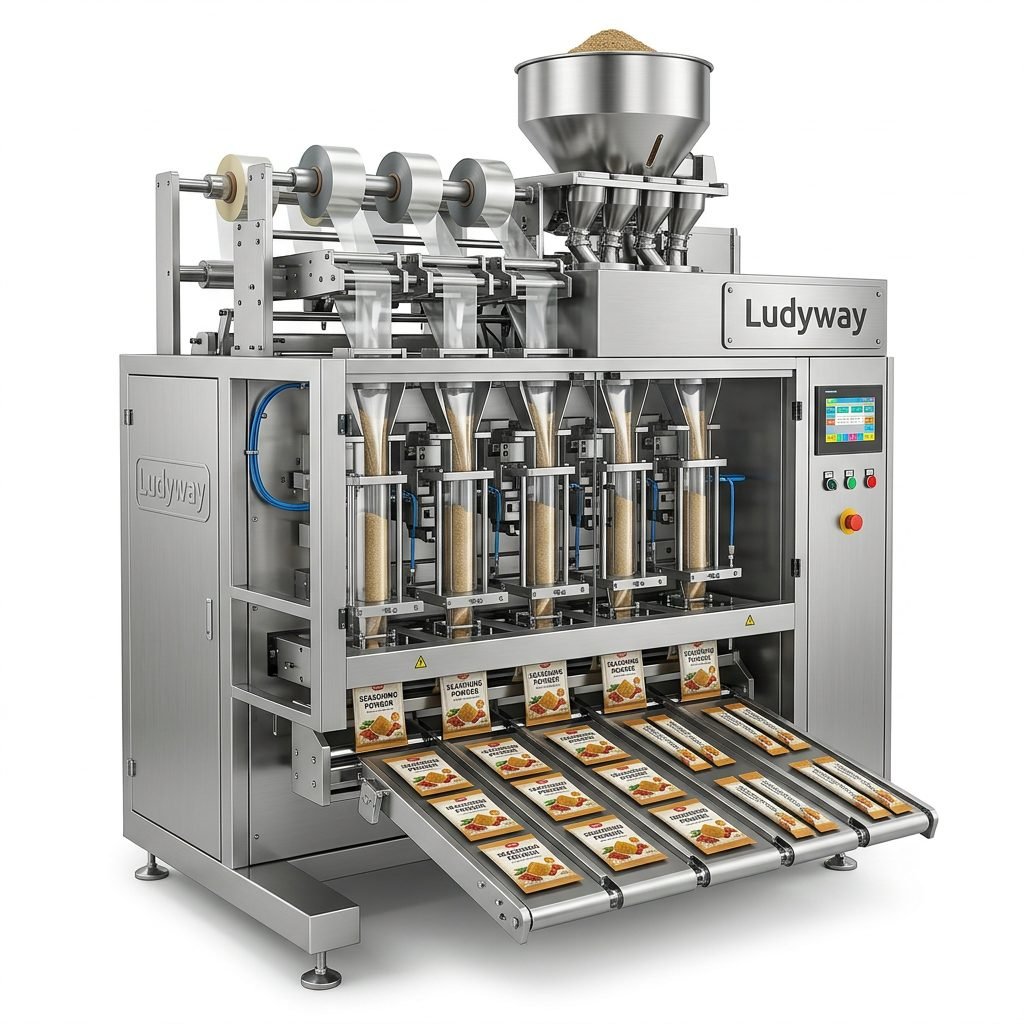
European meal kit facilities typically operate with multi-lane stick pack and sachet machines capable of producing 400-800 packs per minute per lane. For a mid-sized operation producing 50,000 meal kits per day, you may need 4-6 multi-lane packaging machines handling different product types simultaneously.
Key Machine Specifications to Evaluate
When selecting packaging machinery for European operations, focus on these technical parameters:
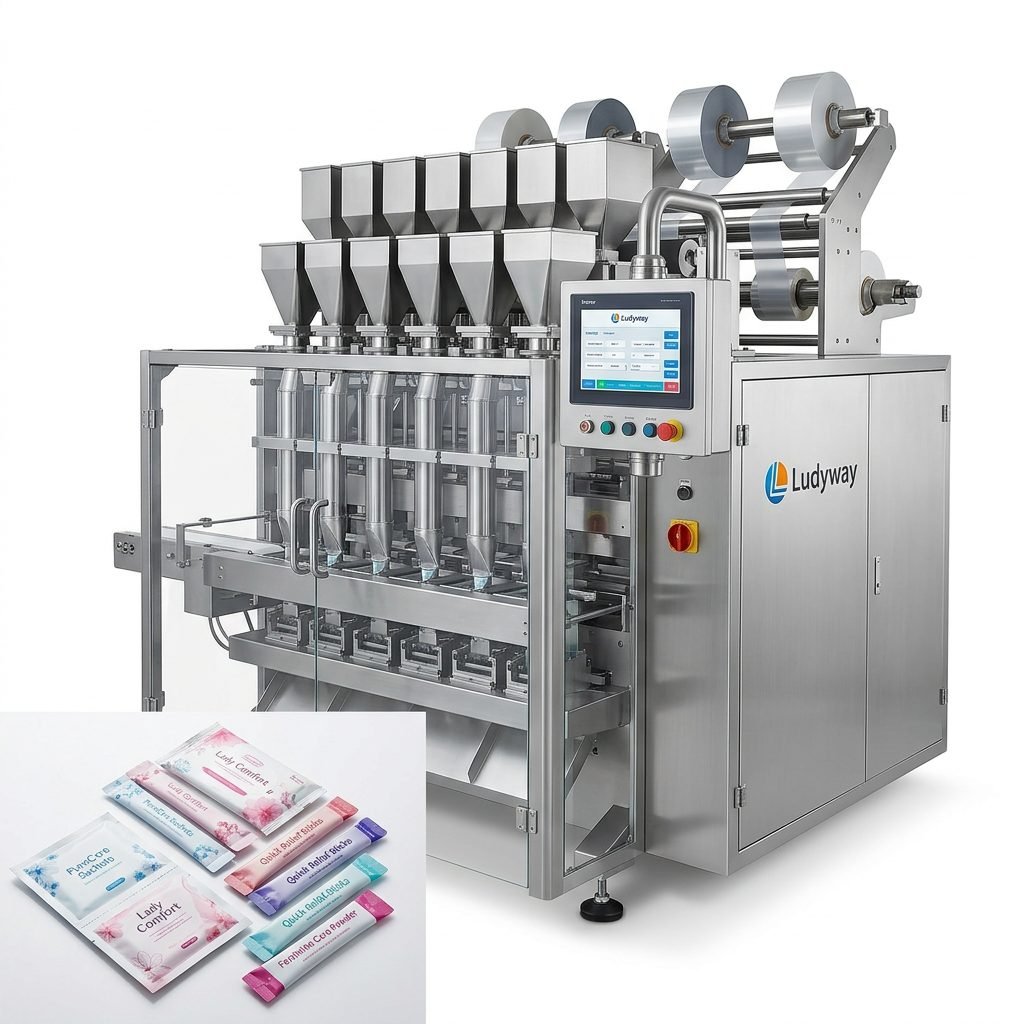
- Lane configuration: 4-lane, 6-lane, 8-lane, or 12-lane systems depending on volume
- Fill accuracy: ±0.5% for powders, ±1% for liquids to comply with EU weights and measures regulations
- Film compatibility: Support for recyclable mono-materials, compostable films, and multi-layer barrier structures
- Sealing integrity: Hermetic sealing with gas flushing capability for oxygen-sensitive products
- Changeover time: Under 30 minutes for format changes to maintain OEE targets
Step 2: Navigate European Regulatory Compliance
Operating a meal kit packaging line in Europe requires strict adherence to multiple regulatory frameworks. The European Commission’s Packaging and Packaging Waste Regulation sets mandatory requirements for all packaging placed on the EU market. Key compliance areas include:
- Food Contact Materials Regulation (EC) 1935/2004: All packaging materials must be food-safe and migration-tested
- EU Packaging Waste Directive 94/62/EC: Packaging must meet essential requirements for minimization, reusability, and recyclability
- CE Marking: All packaging machinery must carry CE certification confirming compliance with EU safety standards
- Good Manufacturing Practice (GMP): Facility and equipment must follow GMP guidelines for food production
- REACH Regulation: Chemical substances used in packaging materials must be registered and authorized
Additionally, if you export meal kits from outside the EU, familiarize yourself with the UK’s post-Brexit packaging regulations which may differ from EU standards. Working with equipment suppliers who understand European compliance requirements is essential for smooth market entry.
Step 3: Selecting the Right Packaging Equipment Mix
A complete meal kit packaging line comprises multiple machine types working in coordination. Here is a breakdown of the core equipment categories:
Primary Packaging Machines
These machines handle the direct filling and sealing of individual component packages. The selection depends on your product types:
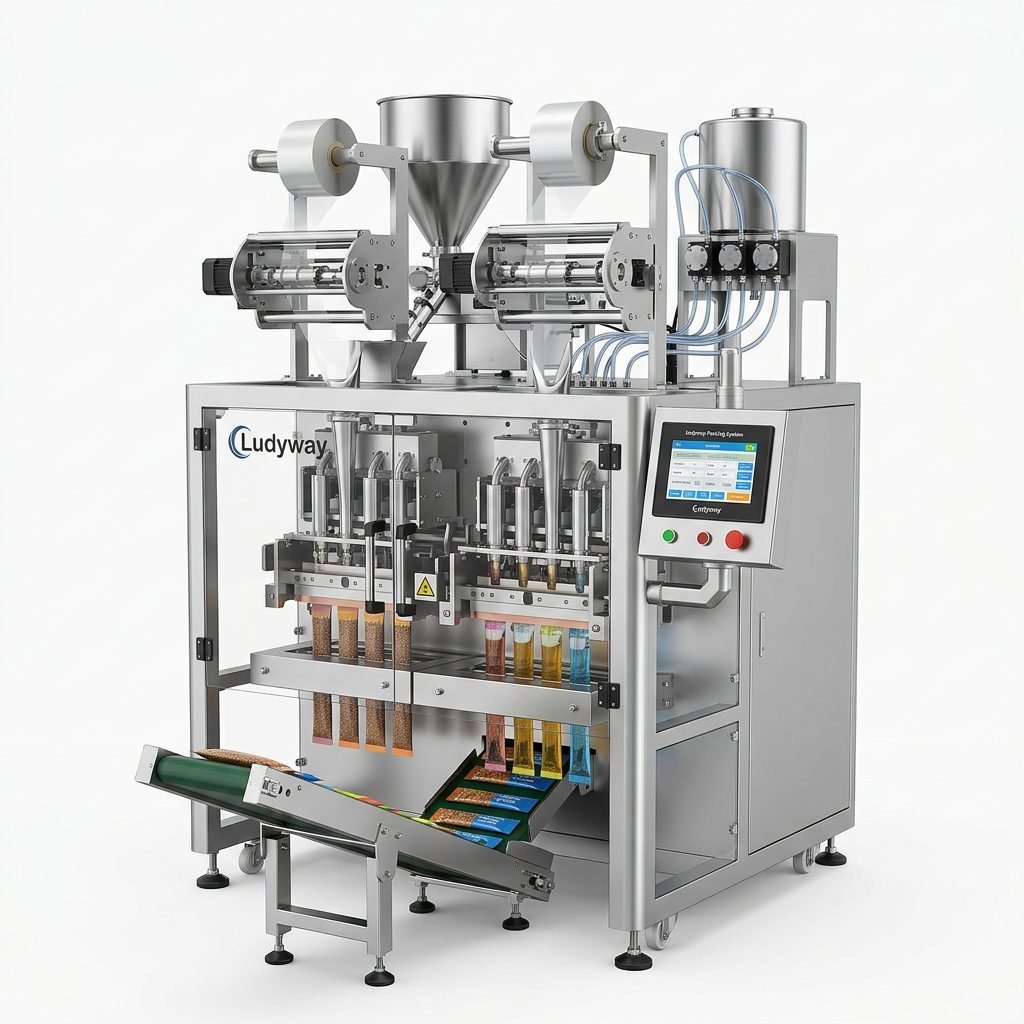
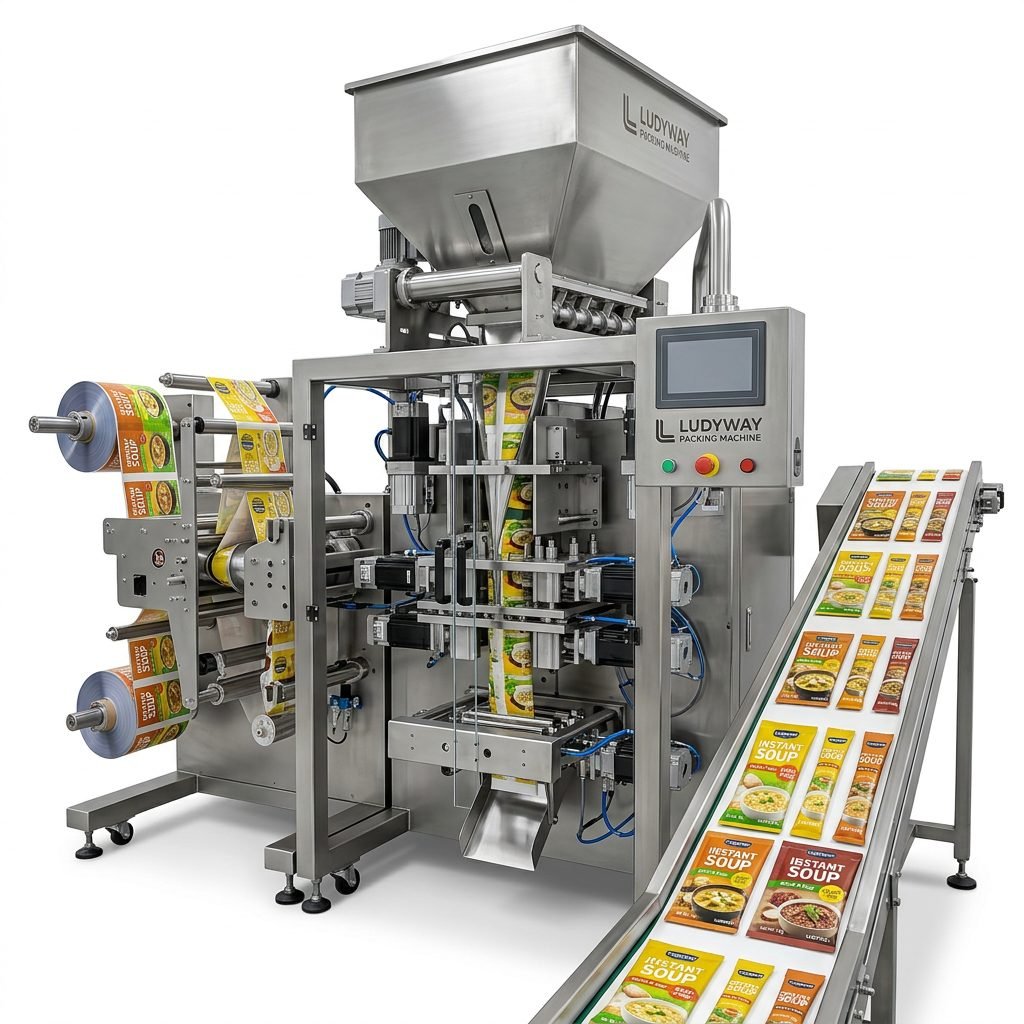
- Multi-lane stick pack machines: Ideal for powders, granules, and small-portion liquids (1-50g). These high-speed systems can produce up to 800 sticks per minute per lane.
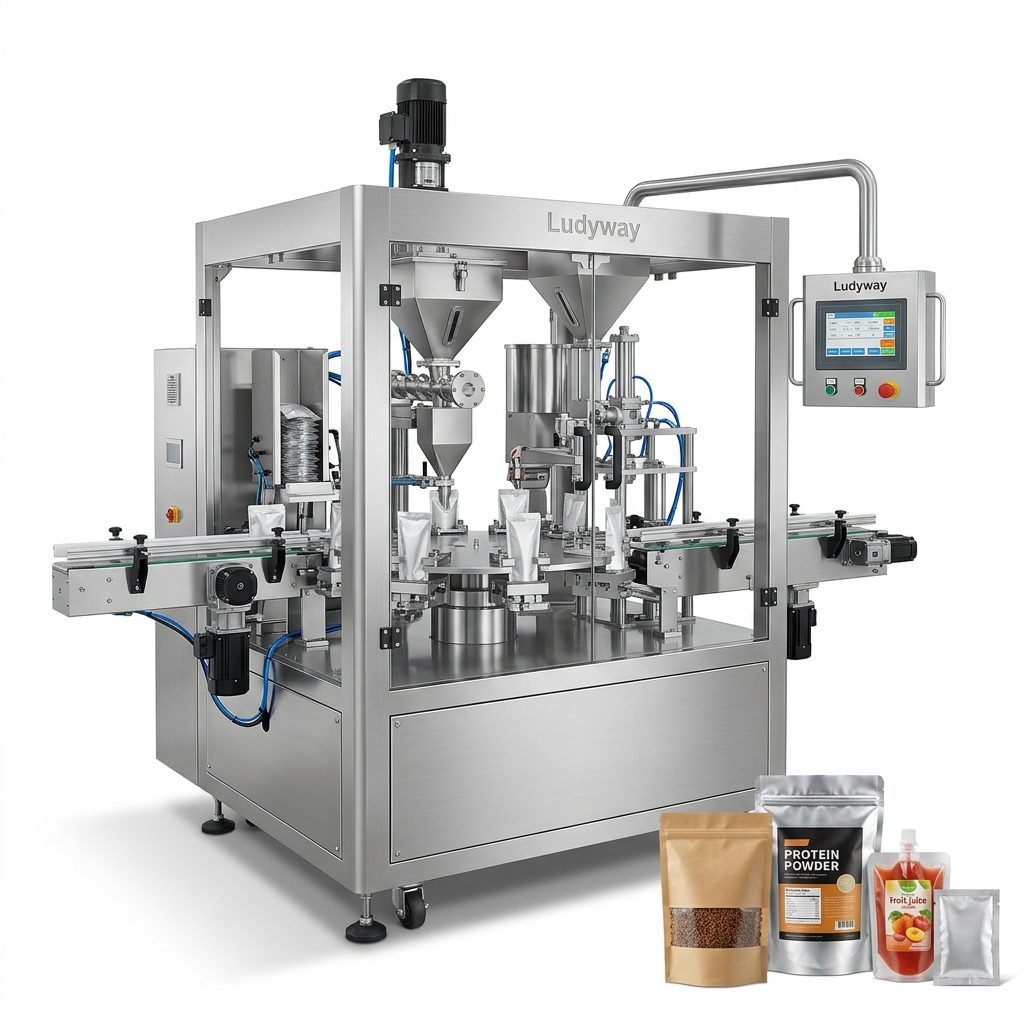
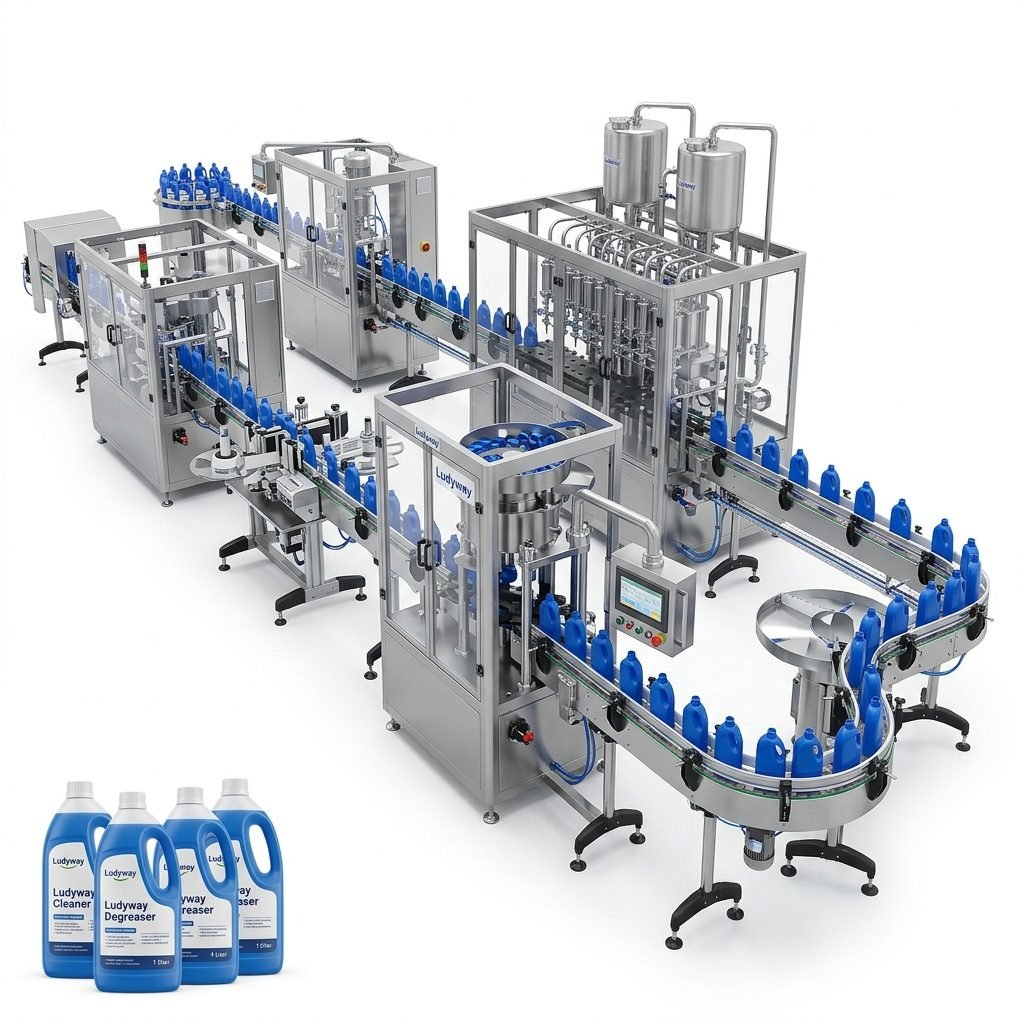
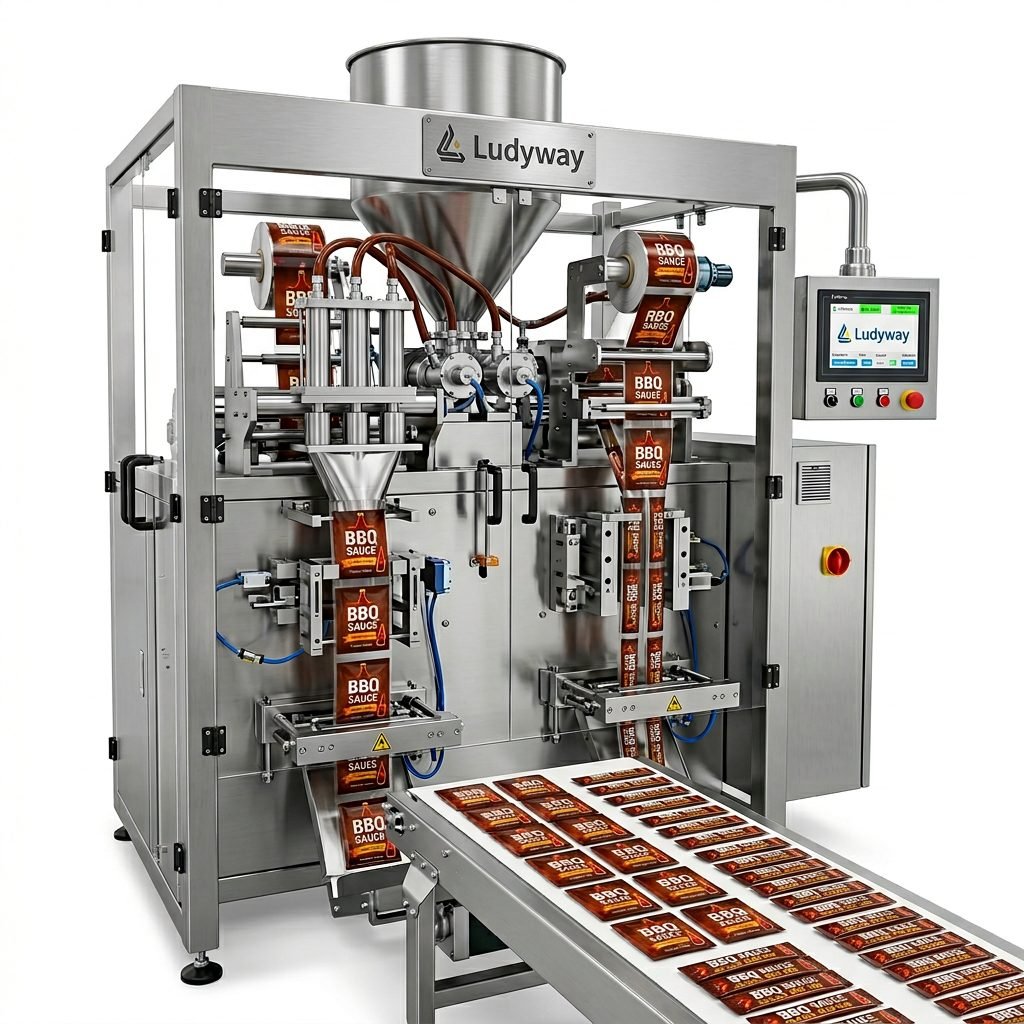
- Sachet packaging machines: Suitable for larger portions (20-500g) of sauces, dressings, and liquid seasonings. Available in multi-lane configurations for high throughput.
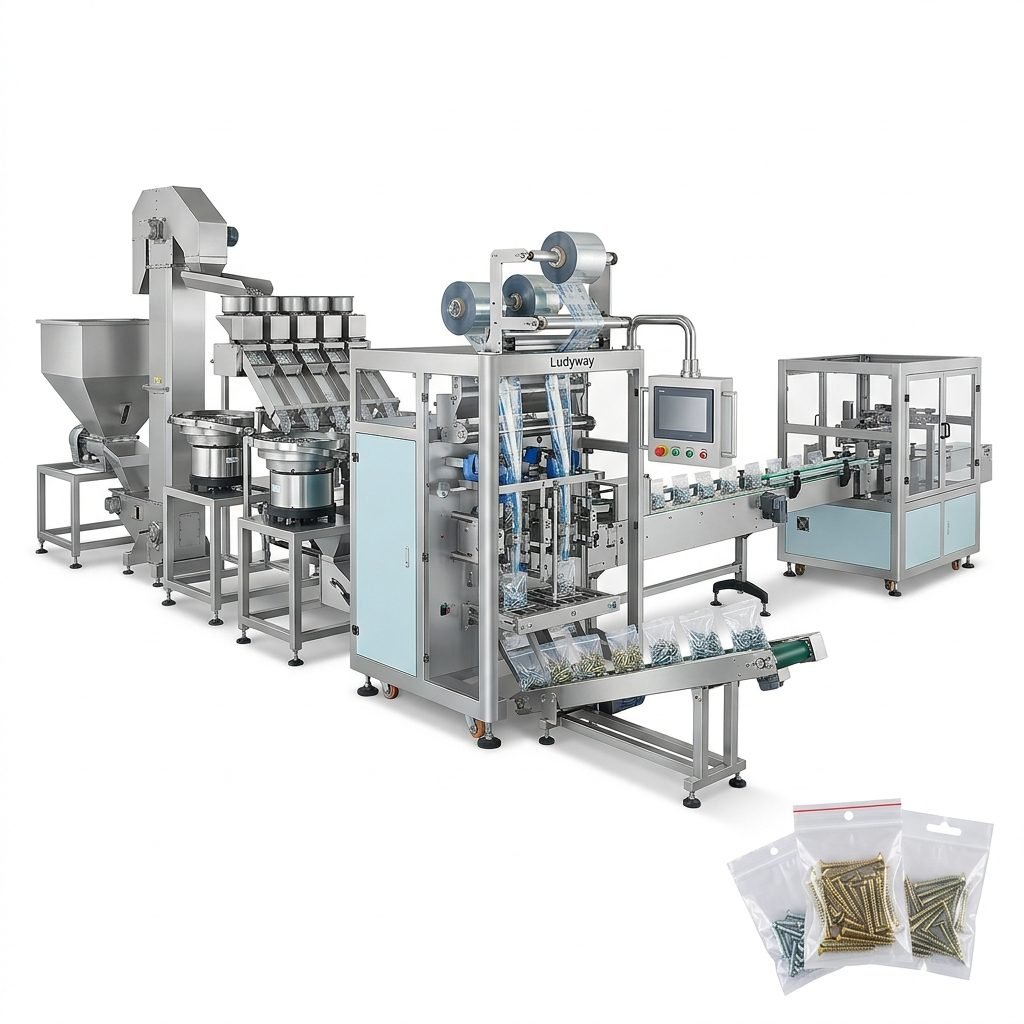
- Pouch filling and sealing machines: For larger components like pasta, rice, or bulk seasonings in stand-up or flat pouches.
- Vacuum packaging machines: Essential for fresh protein components requiring extended shelf life. See FDA food packaging guidelines for reference standards often aligned with EU norms.
Secondary Packaging and End-of-Line Equipment
Beyond primary packaging, your line needs integrated secondary systems:
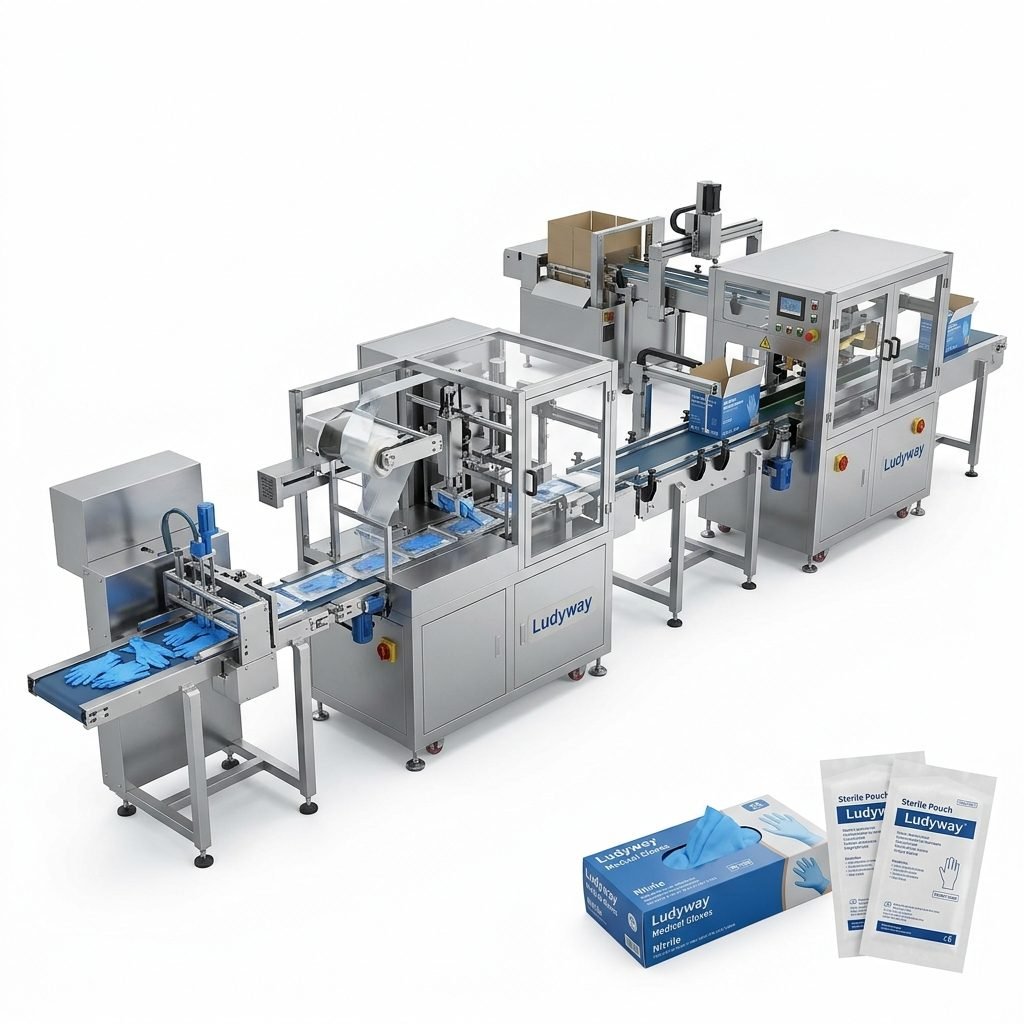
- Cartoning machines: Automatically collate multiple component sachets into meal kit cartons
- Checkweighers: Verify total kit weight and reject incomplete packages
- Metal detectors and X-ray inspection: Critical for food safety compliance under EU regulations
- Labeling and coding systems: Apply batch codes, best-before dates, and EU-compliant ingredient labels
- Palletizing systems: Automated palletizers for efficient warehouse handling
Step 4: Facility Layout and Production Line Design
Efficient production line layout is crucial for European facilities where floor space often comes at a premium. Consider these layout principles:
- Linear flow: Raw materials enter at one end, finished meal kits exit at the other, minimizing cross-contamination risks
- Zoned areas: Separate dry ingredient handling from liquid processing to maintain hygiene standards
- Clean room integration: High-care areas for fresh produce and protein packaging with positive air pressure
- Mezzanine utilization: Use vertical space for material feeding systems and conveyor returns
European facilities must also comply with EN 1672-2 hygiene standards for food processing machinery. Equipment should feature sanitary design with sloped surfaces, quick-release components for cleaning, and IP65 or higher washdown ratings for wet areas.
Step 5: Cost Analysis and ROI Planning
Investing in a meal kit packaging production line in Europe requires thorough financial planning. The table below outlines typical cost ranges for different production scales:
| Production Scale | Daily Output (Kits) | Estimated Equipment Investment | Typical ROI Period |
|---|---|---|---|
| Small / Startup | 5,000 – 15,000 | €250,000 – €500,000 | 18 – 24 months |
| Mid-Scale | 15,000 – 50,000 | €500,000 – €1.5 million | 12 – 18 months |
| Large Industrial | 50,000 – 150,000+ | €1.5 million – €5 million+ | 8 – 14 months |
Key factors influencing ROI include labor cost savings (automated lines can reduce headcount by 60-80% compared to manual packing), reduced product giveaway through precise filling, and lower packaging material waste. European labor costs, particularly in countries like Germany, France, and the Netherlands, make automation a compelling investment.
Step 6: Installation, Validation, and Training
Once equipment is selected, proper installation and validation are critical. Follow these phases:
- Factory Acceptance Testing (FAT): Verify machine performance at the manufacturer’s facility before shipment
- Site Acceptance Testing (SAT): Re-validate performance after installation at your European facility
- IQ/OQ/PQ Protocols: Installation Qualification, Operational Qualification, and Performance Qualification per EU GMP guidelines
- Operator training: Comprehensive training for machine operators and maintenance teams, ideally conducted on-site
- SOP development: Create standard operating procedures compliant with European food safety management systems like BRC or IFS
Plan for a ramp-up period of 4-8 weeks after installation before reaching full production capacity. During this phase, fine-tune fill weights, sealing parameters, and line balancing to optimize overall equipment effectiveness (OEE).
Ongoing Maintenance and Support
European production facilities benefit from preventive maintenance contracts that include regular inspections, spare parts management, and remote diagnostic support. Many leading packaging equipment suppliers offer service hubs within Europe, ensuring rapid response times for technical issues. When evaluating equipment partners, prioritize those with established European service networks and multilingual support capabilities. Companies like Ludyway, with 30+ years of industry experience and a 20,000㎡ modern manufacturing facility, provide comprehensive turnkey packaging solutions including installation support, operator training, and ongoing technical assistance for meal kit producers worldwide.
Comparison of Packaging Formats for European Meal Kits
| Packaging Format | Best For | Speed Range | Sustainability Profile |
|---|---|---|---|
| Stick Pack (Multi-Lane) | Powders, granules, single-serve liquids | 400 – 800 packs/min/lane | Excellent – minimal material usage |
| Flat Sachet (3-Side Seal) | Sauces, dressings, pastes | 200 – 500 packs/min/lane | Good – compact format |
| Stand-Up Pouch | Bulk ingredients, rice, pasta | 60 – 150 pouches/min | Moderate – larger format |
| Vacuum Pouch | Fresh proteins, cheese | 40 – 100 pouches/min | Moderate – extended shelf life benefit |
| MAP Tray Seal | Fresh vegetables, prepared meals | 30 – 80 trays/min | Lower – tray material considerations |
Key Takeaways for Setting Up Your European Meal Kit Packaging Line
Successfully establishing a meal kit packaging machine production line in Europe requires a strategic approach that balances equipment capability, regulatory compliance, and operational efficiency. The most critical success factors include:
- Start with a detailed product and volume analysis to right-size your equipment investment
- Prioritize CE-certified machinery with proven compliance track records for the European market
- Invest in flexible, multi-format equipment that can adapt to changing meal kit trends and packaging sustainability requirements
- Design your facility layout with material flow efficiency and hygiene zone separation from day one
- Build a comprehensive validation and training program to accelerate time-to-full-production
- Establish ongoing maintenance partnerships with equipment suppliers that have European service capabilities
For additional guidance on packaging machinery standards and industry best practices, refer to resources from the PMMI packaging industry resources and the ISO packaging standards directory. Staying informed about evolving EU packaging regulations will help ensure your production line remains compliant and competitive in the dynamic European meal kit market.