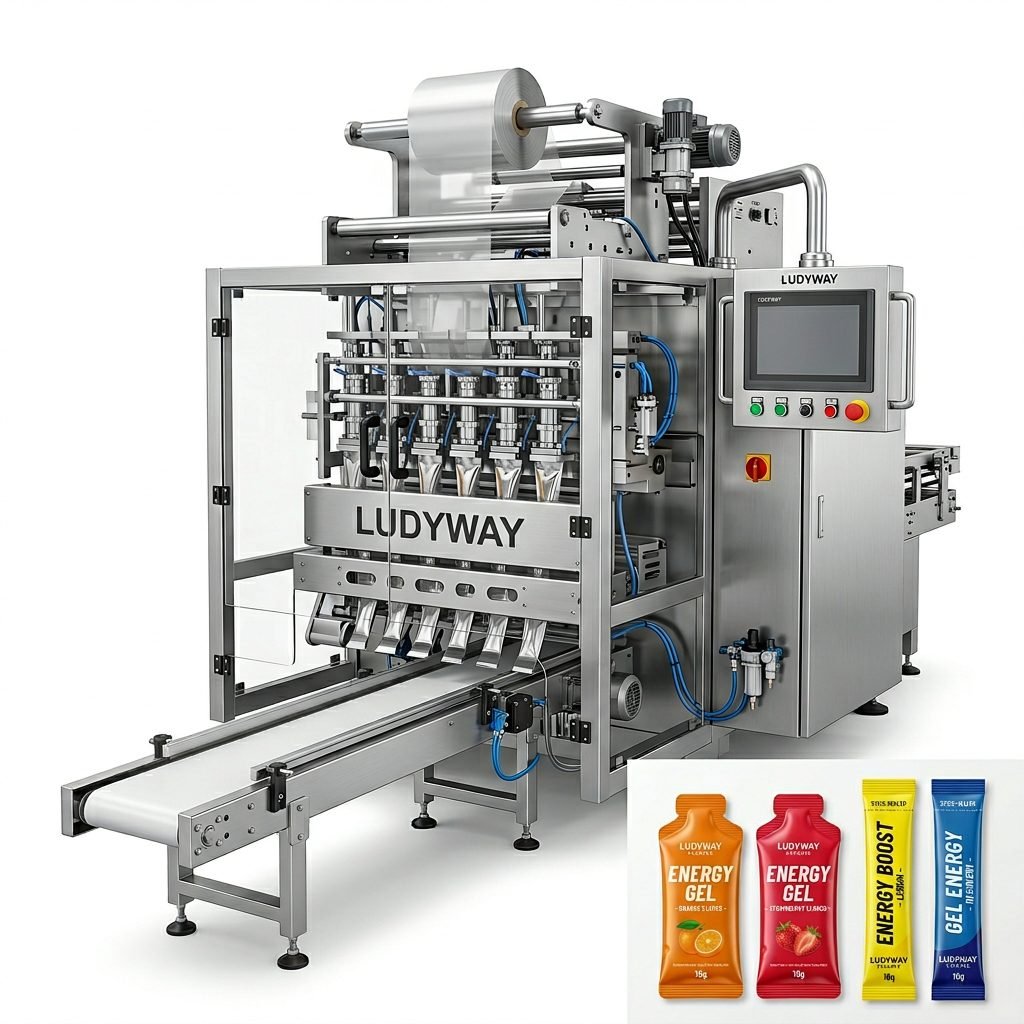
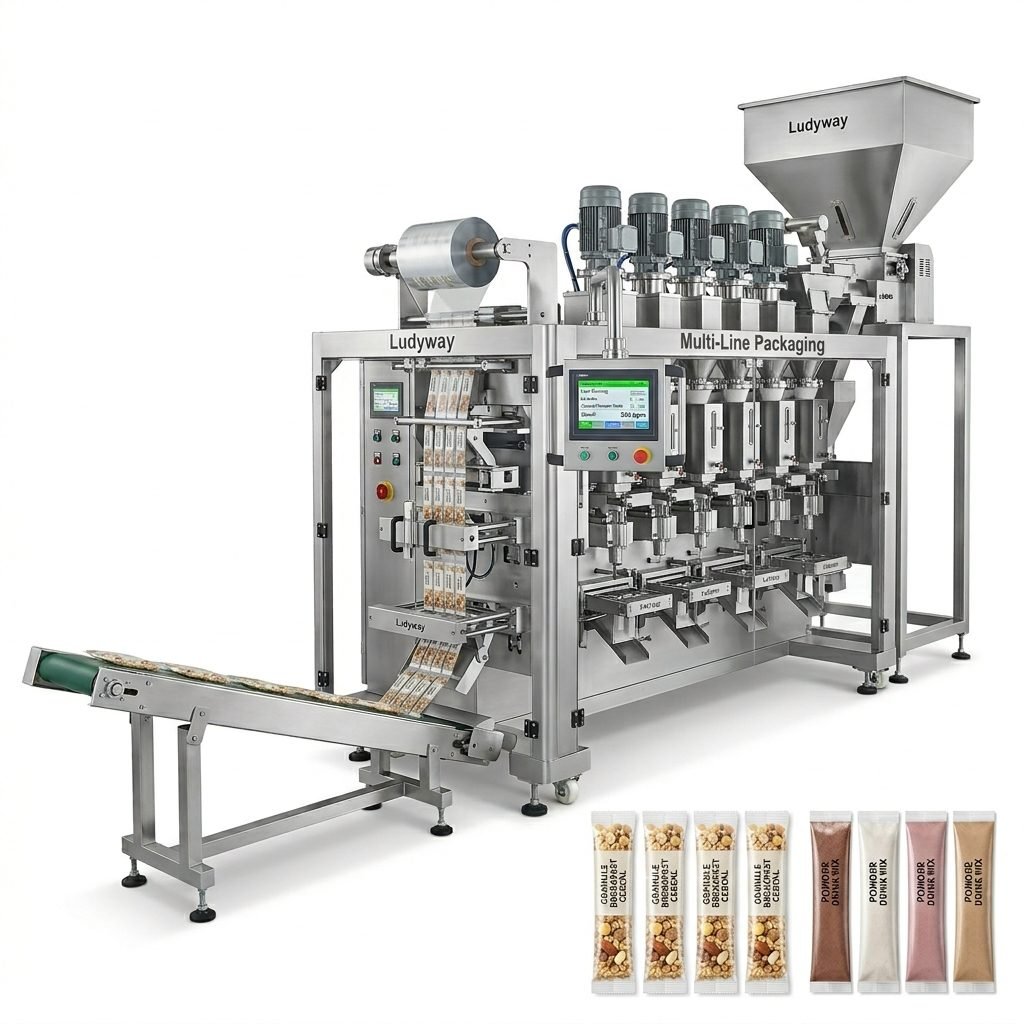
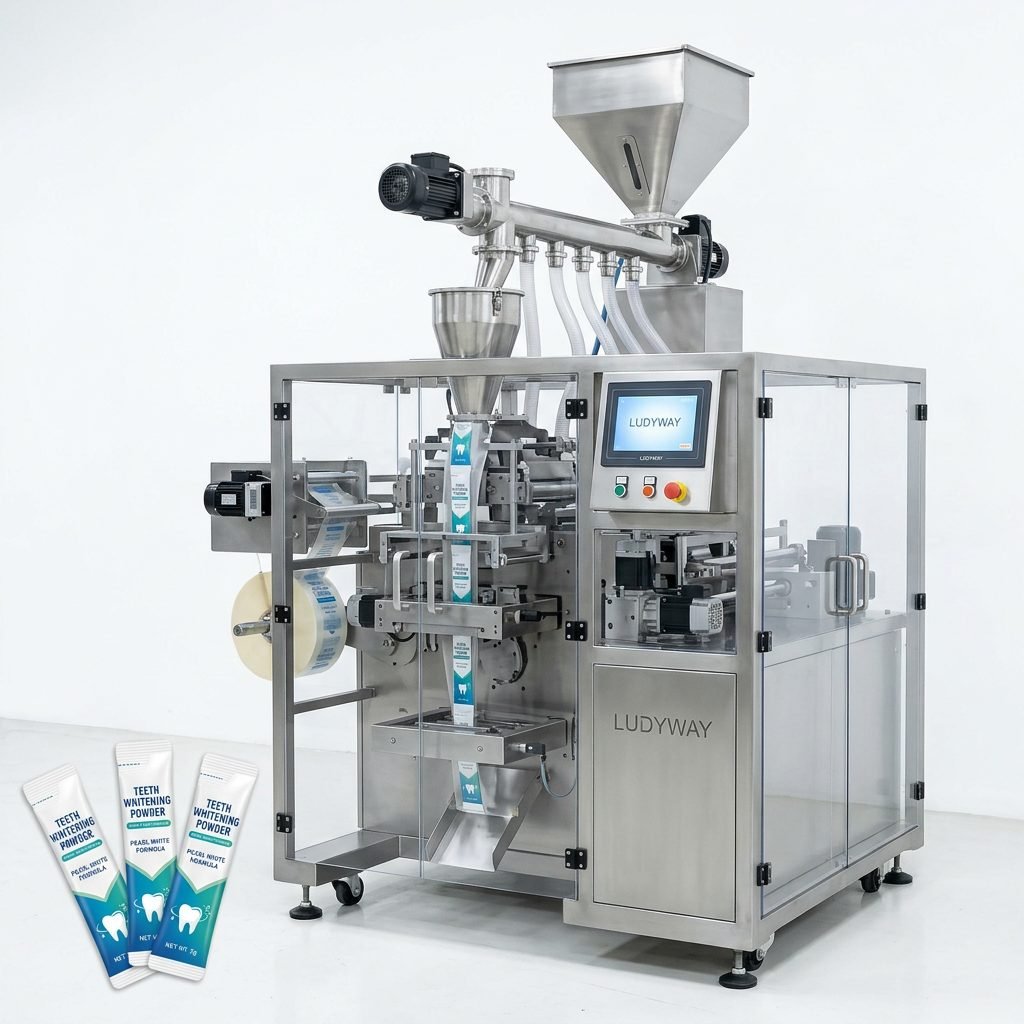
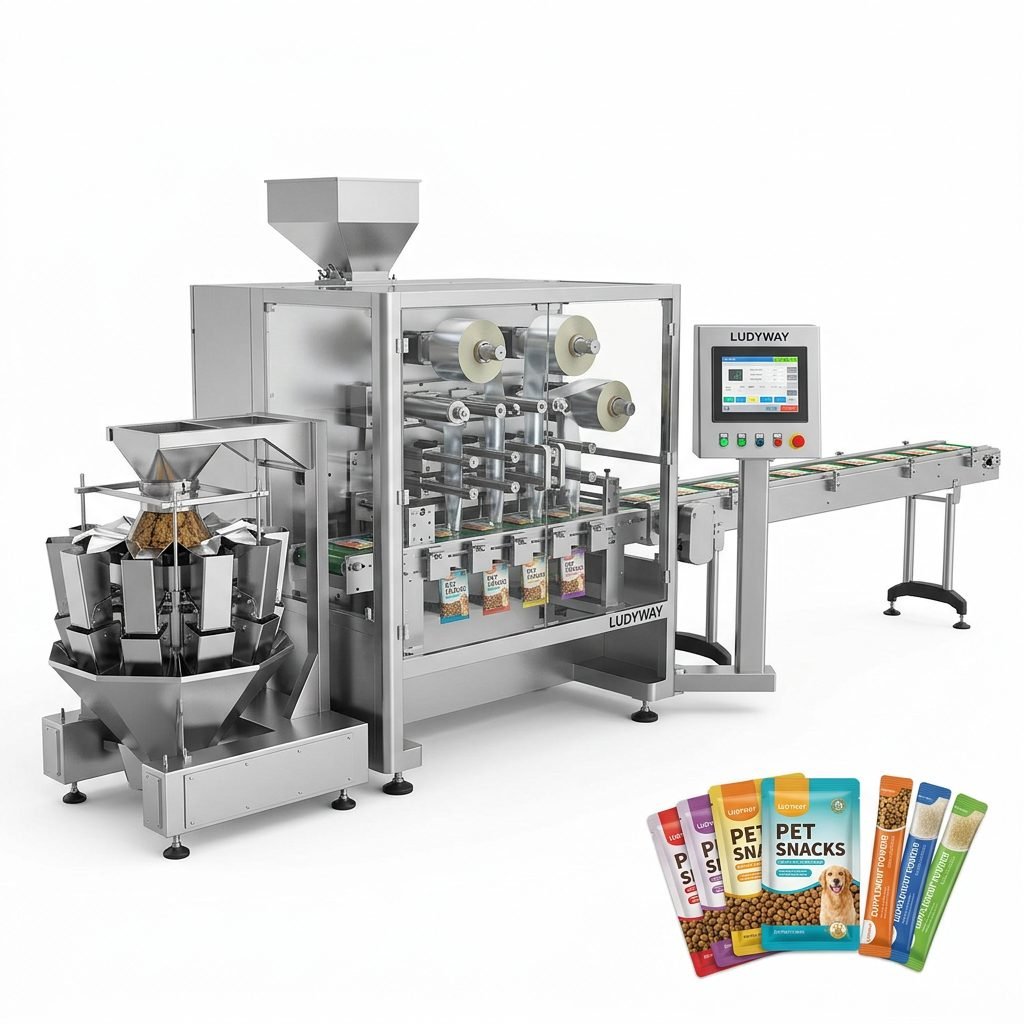
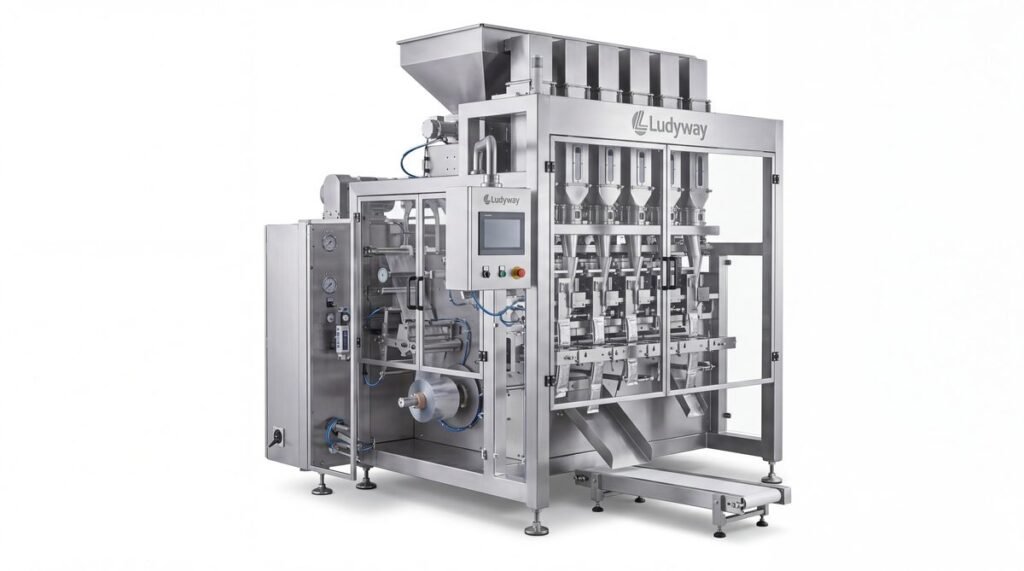
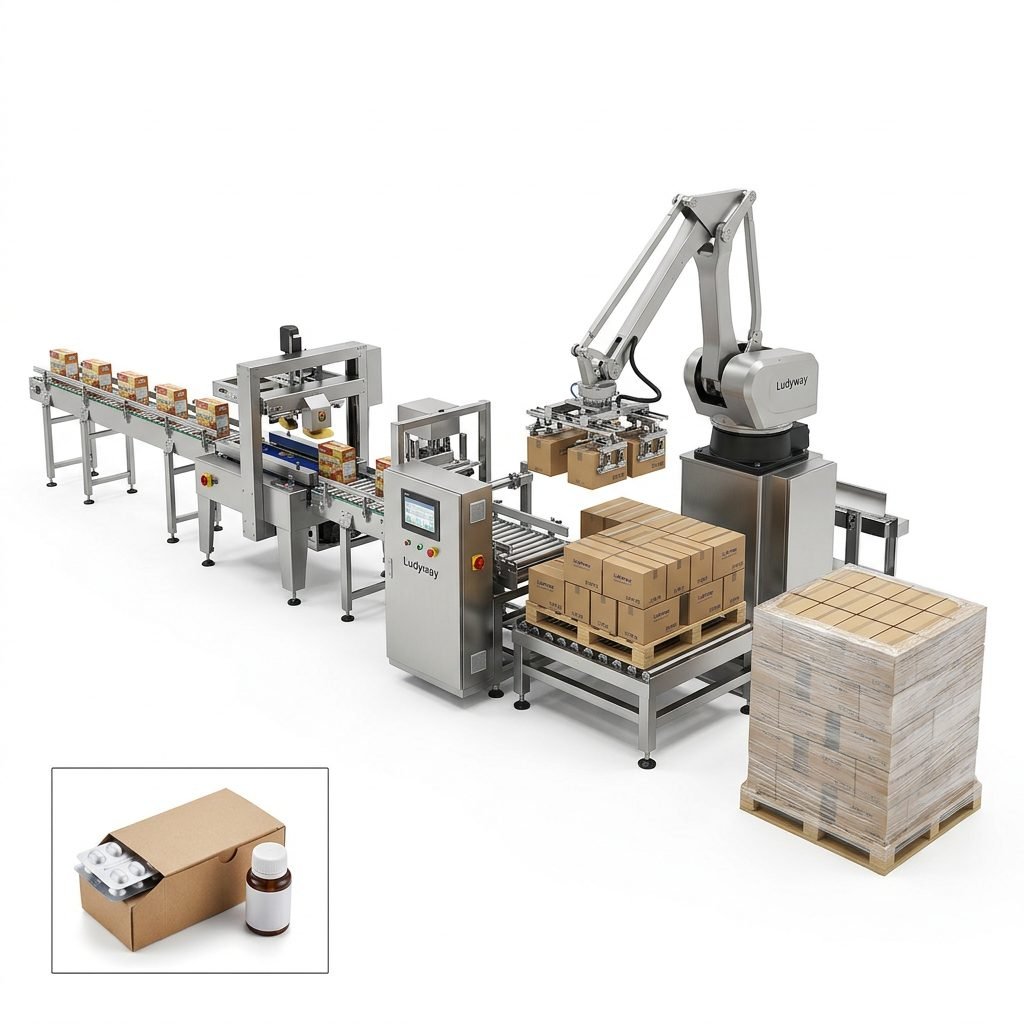
Setting up a retort packaging machine production line in South America requires careful planning, an understanding of regional market dynamics, and the right equipment partner. The demand for shelf-stable packaged foods across Brazil, Argentina, Colombia, Chile, and Peru continues to rise, driven by urbanization, changing consumer habits, and expanding retail infrastructure. Retort packaging technology—known for sterilizing food products inside sealed pouches or containers using high-pressure steam or superheated water—offers food manufacturers a reliable way to extend product shelf life without preservatives. This guide walks you through every stage of establishing a successful retort packaging machine production line, from initial feasibility assessment to full-scale operation.
Understanding the South American Retort Packaging Market
South America’s food processing sector has experienced steady growth, with Brazil alone accounting for over 40% of the region’s packaged food market. Ready-to-eat meals, pet food, seafood, soups, sauces, and baby food are among the fastest-growing categories utilizing retort packaging solutions. Countries like Chile and Peru have strong seafood export industries that depend heavily on retort sterilization to meet international food safety standards. Argentina’s beef and agricultural sectors also present opportunities for retort-packed products aimed at both domestic and export markets. Understanding local consumer preferences, distribution channels, and retail formats is crucial before investing in a production line.
Key Market Drivers in the Region
- Rising middle-class population demanding convenient, shelf-stable food options
- Growing modern retail infrastructure including supermarkets and hypermarkets
- Increasing exports of processed food products to North America, Europe, and Asia
- Government initiatives supporting food processing industrialization
- Expanding e-commerce and direct-to-consumer food delivery channels
Key Considerations Before Setting Up Your Production Line
Before purchasing equipment, manufacturers must evaluate several critical factors that directly influence production line design and equipment selection. Site location, utility availability, product characteristics, target production capacity, and budget constraints all play significant roles in determining the optimal configuration.
Site and Infrastructure Requirements
A retort packaging facility requires adequate floor space not only for the retort machine itself but also for product preparation, filling, sealing, sterilization, cooling, drying, and secondary packaging. Typical space requirements range from 500 to over 2,000 square meters depending on production scale. Essential utilities include industrial-grade steam supply (saturated steam at 3-8 bar), compressed air (minimum 6 bar), potable water for cooling, and reliable three-phase electrical power (380V/440V, 50/60Hz depending on the country). Proper drainage systems and ventilation are non-negotiable for safety and operational efficiency.
Product Compatibility and Packaging Formats
Retort packaging machines accommodate various formats including stand-up pouches, flat pouches, spouted pouches, trays, and semi-rigid containers. The choice depends on product viscosity, particulate content, target shelf life, and consumer convenience expectations. Multi-lane retort pouch machines offer higher throughput for homogeneous products, while single-lane configurations provide greater flexibility for product changeovers. Material compatibility with retort-grade films (typically multi-layer laminates including aluminum foil, PET, and cast polypropylene) must be verified to ensure seal integrity during the sterilization cycle.
Selecting the Right Retort Packaging Equipment
Equipment selection represents the most critical decision in the setup process. The market offers batch retorts, continuous retorts, and rotary retorts, each suited to different production scales and product types. Batch retorts remain the most common choice for mid-sized South American manufacturers due to their versatility and lower upfront investment. Continuous systems, while more expensive, deliver higher throughput and energy efficiency for large-scale operations.
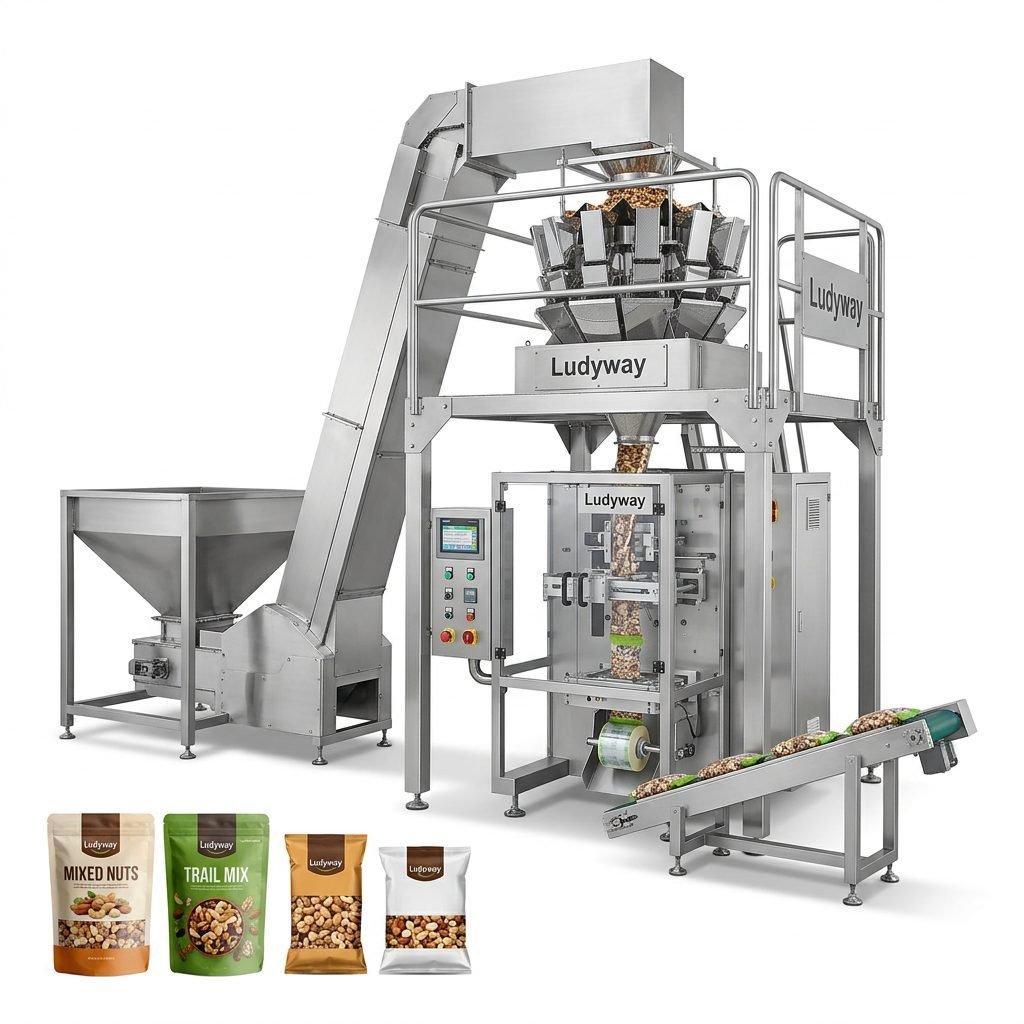
Core Equipment Components
| Component | Function | Selection Criteria |
|---|---|---|
| Pouch Filling Machine | Accurate product dosing into pouches | Product viscosity, fill volume range, speed |
| Pouch Sealing Unit | Hermetic seal formation | Film material, seal width, temperature control |
| Retort Sterilizer | Thermal sterilization of sealed pouches | Temperature range, pressure control, capacity |
| Cooling System | Rapid post-sterilization cooling | Water quality, cooling rate, energy efficiency |
| Drying & Inspection | Pouch surface drying and seal inspection | Automation level, defect detection accuracy |
Installation and Commissioning Process
The installation phase typically spans 4 to 8 weeks depending on line complexity and site readiness. A structured approach ensures minimal downtime and faster time-to-market. Pre-installation activities include civil works, utility connections, and safety system verification. The actual equipment installation involves mechanical assembly, electrical wiring, and pneumatic connections followed by dry-run testing without product. Commissioning includes process validation, temperature distribution studies, and heat penetration tests to establish the sterilization protocol for each product type.
Commissioning Timeline Overview
- Week 1-2: Site preparation, utility hookups, equipment positioning
- Week 3-4: Mechanical and electrical installation, initial power-up
- Week 5-6: Dry-run testing, control system calibration, safety checks
- Week 7-8: Product trials, sterilization validation, operator training
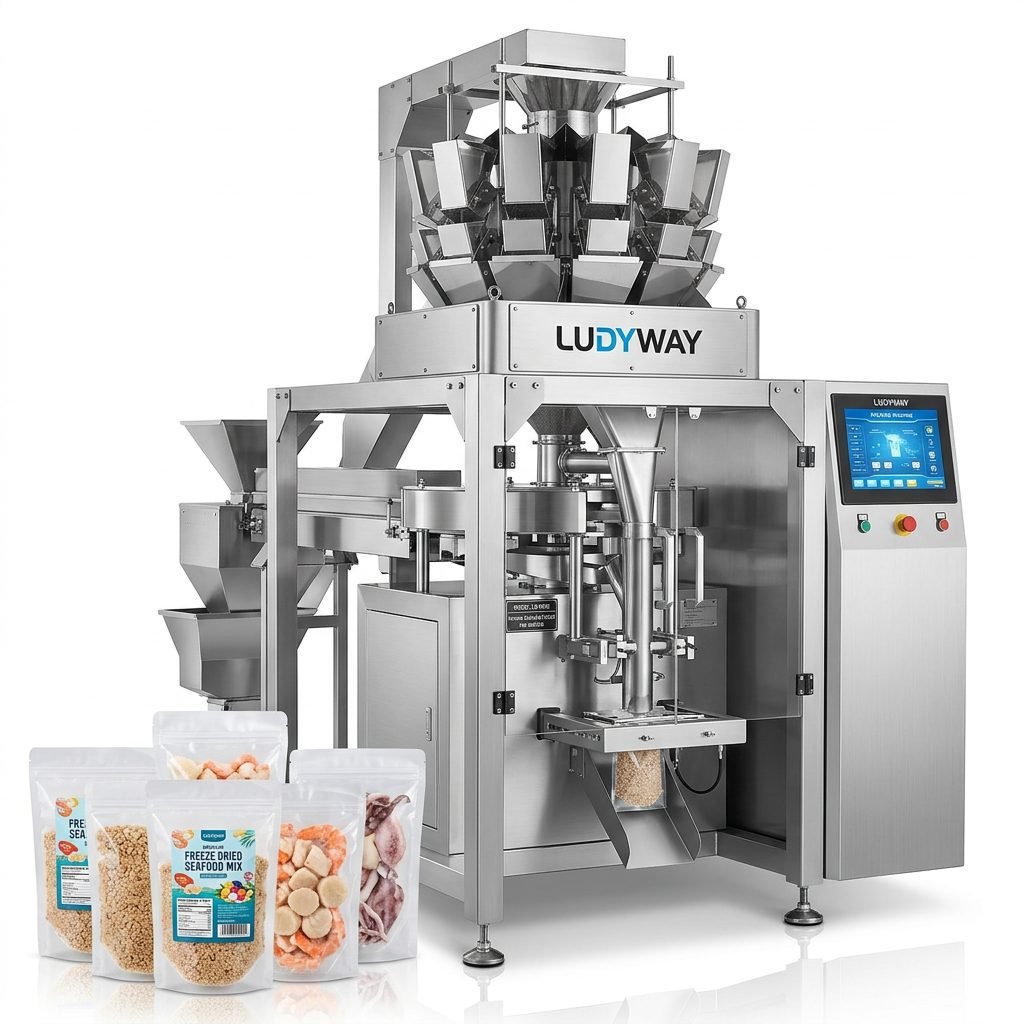
Regulatory Compliance in South America
Navigating the regulatory landscape is essential for successful market entry and sustained operations. Each South American country maintains its own food safety regulations, though many align with Codex Alimentarius standards and increasingly recognize international certifications. In Brazil, ANVISA (Agência Nacional de Vigilância Sanitária) governs food packaging and processing standards. Argentina’s SENASA and INAL oversee food safety and labeling requirements. Chile’s MINSAL and Peru’s DIGESA enforce similar regulations. Retort packaging lines must comply with HACCP principles, Good Manufacturing Practices (GMP), and thermal process validation protocols recognized by local authorities.
Key Regulatory Reference Resources
- FDA – Food Packaging and Food Contact Substances
- PMMI – The Association for Packaging and Processing Technologies
- Flexible Packaging Association – Industry Resources
- ISO – Packaging Standards
Training and Maintenance Best Practices
A well-trained workforce is the backbone of any efficient retort packaging operation. Operators must understand sterilization principles, equipment controls, safety interlocks, and troubleshooting procedures. Comprehensive training programs should cover both theoretical knowledge and hands-on practical sessions. Maintenance protocols—including daily inspections, weekly cleaning routines, monthly calibration checks, and annual overhauls—extend equipment lifespan and prevent costly unplanned downtime. Predictive maintenance using IoT sensors and data analytics is becoming increasingly accessible for South American manufacturers, enabling real-time monitoring of critical parameters such as steam pressure, seal temperature, and conveyor speed.

Cost Analysis and ROI Considerations
Investment in a complete retort packaging production line varies significantly based on automation level, production capacity, and auxiliary equipment. A basic batch retort system with a single-lane filler may start at approximately $150,000 to $250,000, while fully automated multi-lane systems with continuous retorts can exceed $1 million. However, the return on investment in South America can be compelling: reduced product spoilage, extended shelf life enabling broader distribution, premium product positioning, and access to export markets collectively contribute to payback periods typically ranging from 18 to 36 months. Energy efficiency features, water recycling systems, and automation-driven labor savings further improve long-term profitability.
Choosing the Right Equipment Partner
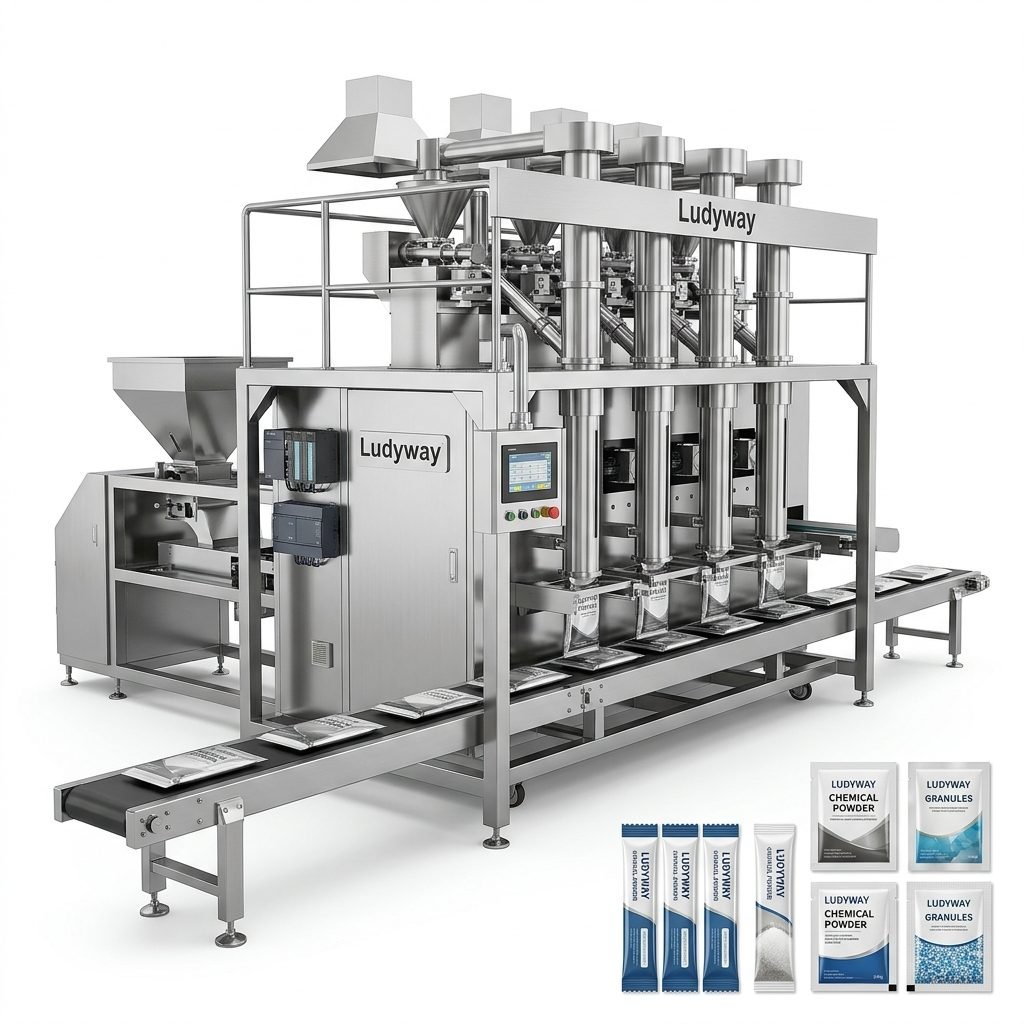
Selecting a reliable equipment manufacturer is as important as choosing the right machine specifications. An ideal partner offers turnkey solutions encompassing equipment supply, installation, commissioning, and after-sales support. South American manufacturers benefit from partners who understand regional regulatory requirements, provide Spanish and Portuguese language technical documentation, and maintain local service networks or readily deployable support teams. Ludyway is one of the largest packaging machine manufacturers in China, specializing in advanced packaging equipment and turnkey production solutions for the food, pharmaceutical, and health industries, with over 30 years of industry expertise serving customers in more than 100 countries and regions.
Questions to Ask Potential Equipment Suppliers
- Do you have reference installations in South America or similar markets?
- What is the typical lead time from order to delivery?
- Is technical documentation available in Spanish and Portuguese?
- What warranty and after-sales support do you provide?
- Can you assist with regulatory compliance and process validation?
- Do you offer remote diagnostics and troubleshooting capabilities?
Summary: A Step-by-Step Roadmap
| Phase | Key Activities | Estimated Duration |
|---|---|---|
| 1. Market Research | Analyze demand, competition, distribution channels | 2-3 months |
| 2. Feasibility Study | Site assessment, budget planning, regulatory review | 1-2 months |
| 3. Equipment Selection | Specification development, supplier evaluation, quotation | 2-3 months |
| 4. Procurement | Order placement, manufacturing, logistics | 3-6 months |
| 5. Installation | Site preparation, equipment setup, utility connections | 4-8 weeks |
| 6. Commissioning | Testing, validation, operator training, SOP development | 4-6 weeks |
| 7. Production Launch | Ramp-up, quality assurance, continuous improvement | Ongoing |
Setting up a retort packaging machine production line in South America represents a strategic investment with significant growth potential. By carefully evaluating market conditions, selecting appropriate equipment, ensuring regulatory compliance, and partnering with an experienced supplier, manufacturers can establish efficient, profitable operations that meet the region’s growing demand for shelf-stable packaged foods. The key to success lies in thorough planning, attention to thermal process validation, and a commitment to ongoing training and maintenance excellence.