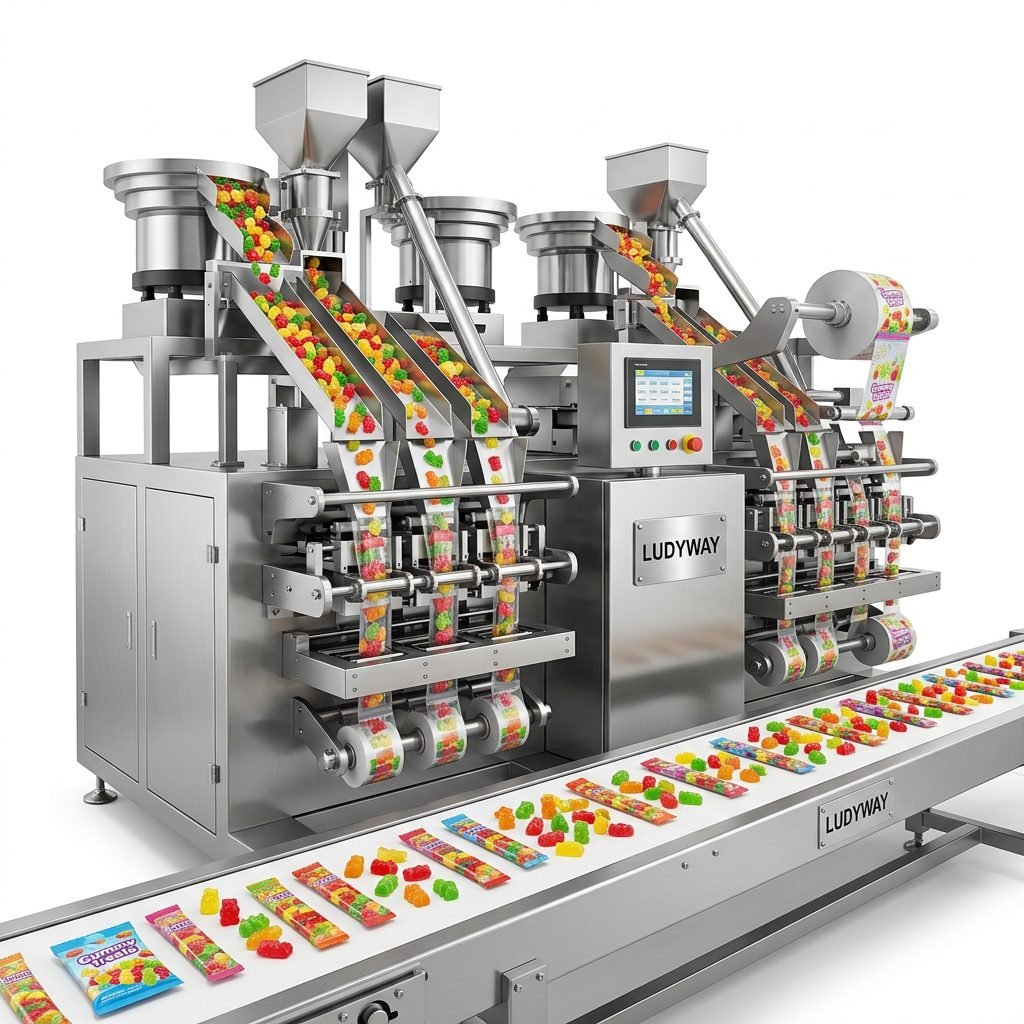
The Italian coffee market is globally recognized for its uncompromising quality standards. From traditional espresso blends to modern specialty roasts, protecting these delicate flavors during packaging is paramount. Selecting the right coffee bean packaging machine is not just about speed—it’s about preserving the volatile aromatics and preventing oxidation that can degrade your meticulously roasted beans. This guide navigates the technical landscape of automatic packaging systems specifically optimized for the Italian and broader European market compliance.
Why Precision Packaging Defines Italian Coffee Quality
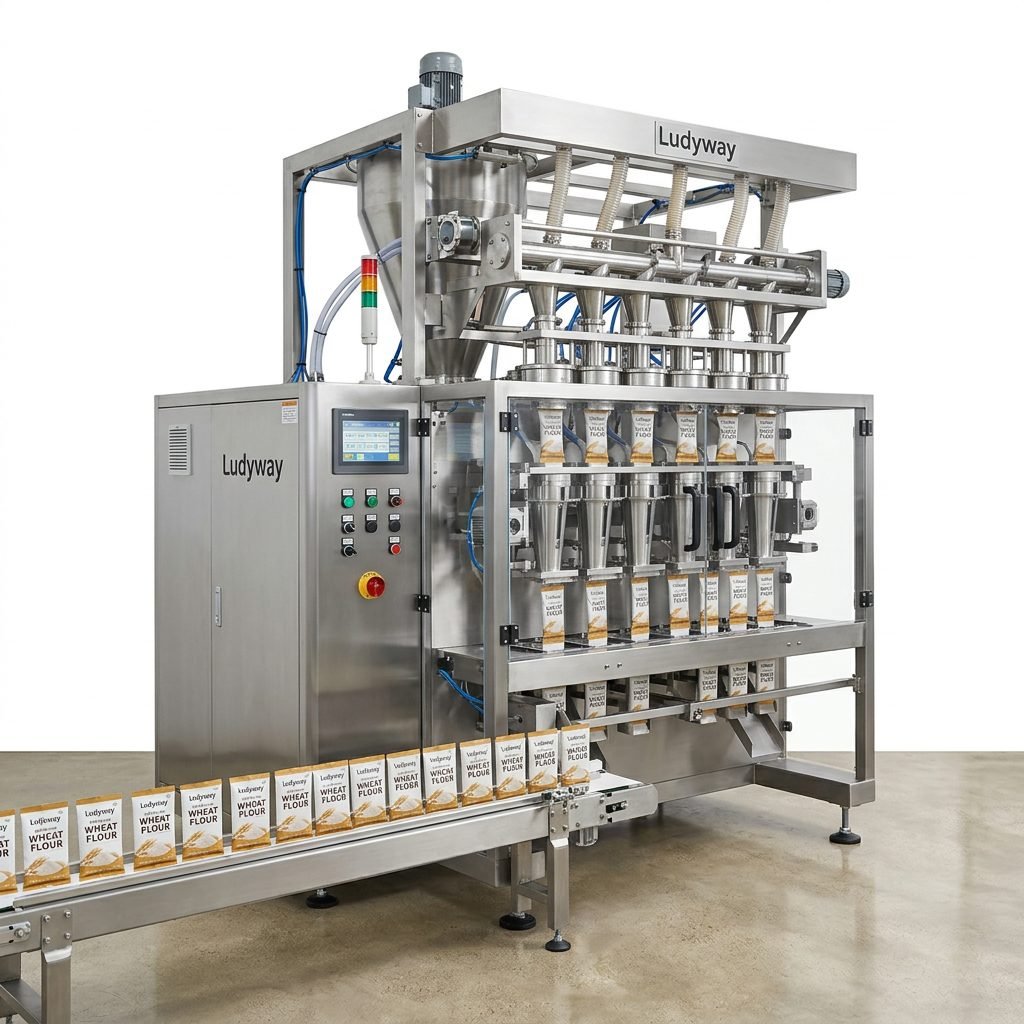
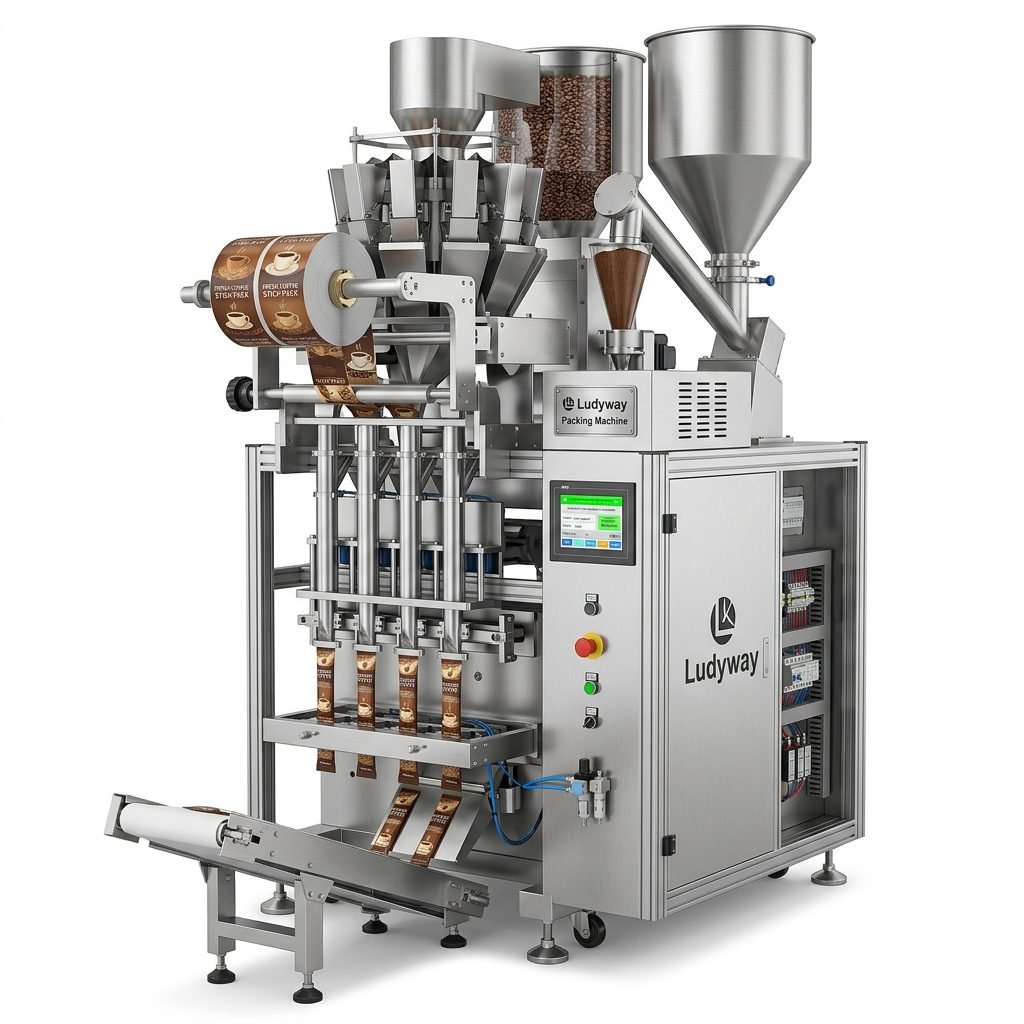
Italy stands as Europe’s second-largest coffee market, with over 8 million bags consumed annually. The shift toward single-serve and portion packs is accelerating demand for high-precision vertical form fill seal (VFFS) and multi-lane stick pack machines. Whether you are packaging whole beans, ground coffee, or coffee pods, the barrier properties of the film and the integrity of the seal directly impact shelf life and consumer experience.
Key drivers for investing in modern equipment include compliance with EU packaging directives and the need for inert gas flushing. Without proper nitrogen flushing, residual oxygen levels above 3% can cause rapid staling in packaged coffee. The right machinery integrates seamlessly with valve applicators and modified atmosphere packaging (MAP) systems to ensure your product remains as fresh as the day it was roasted.
Understanding Multi-Lane Stick Pack vs. Sachet Formats
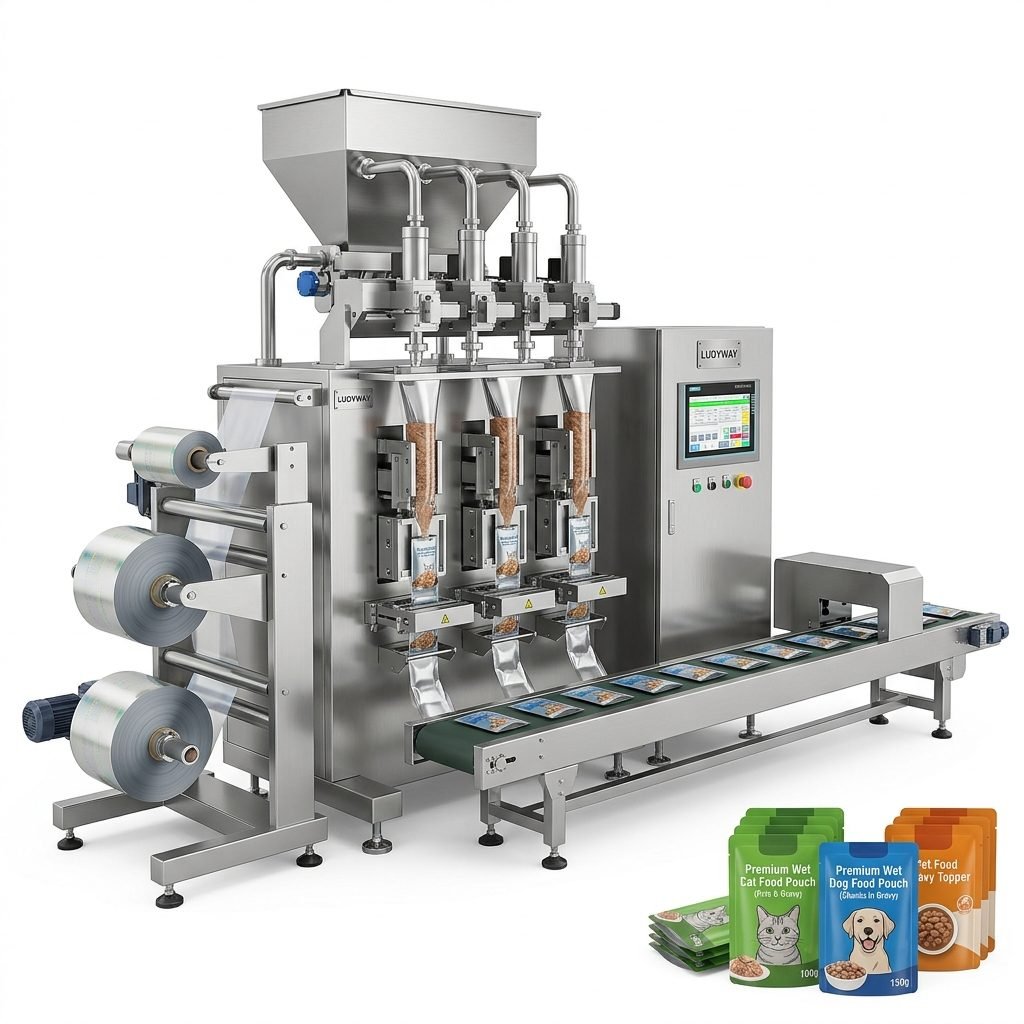
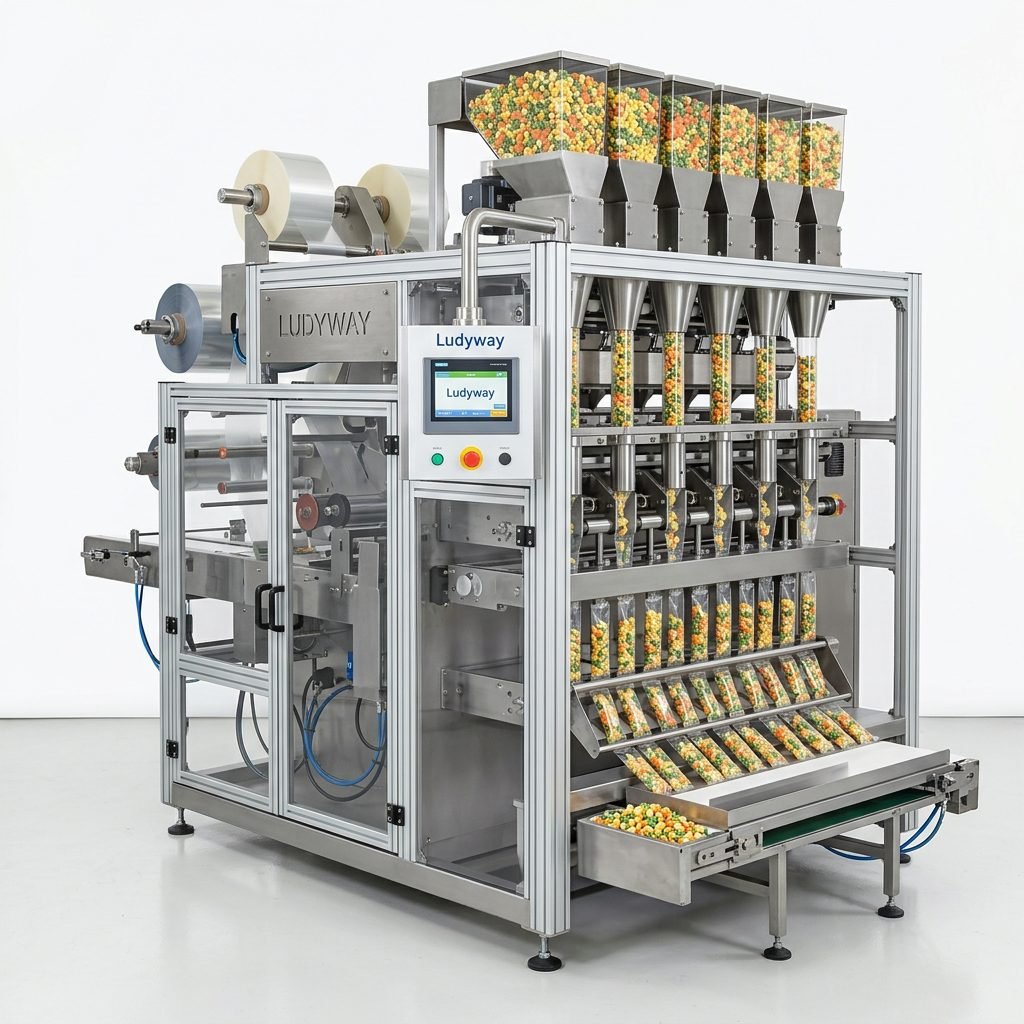
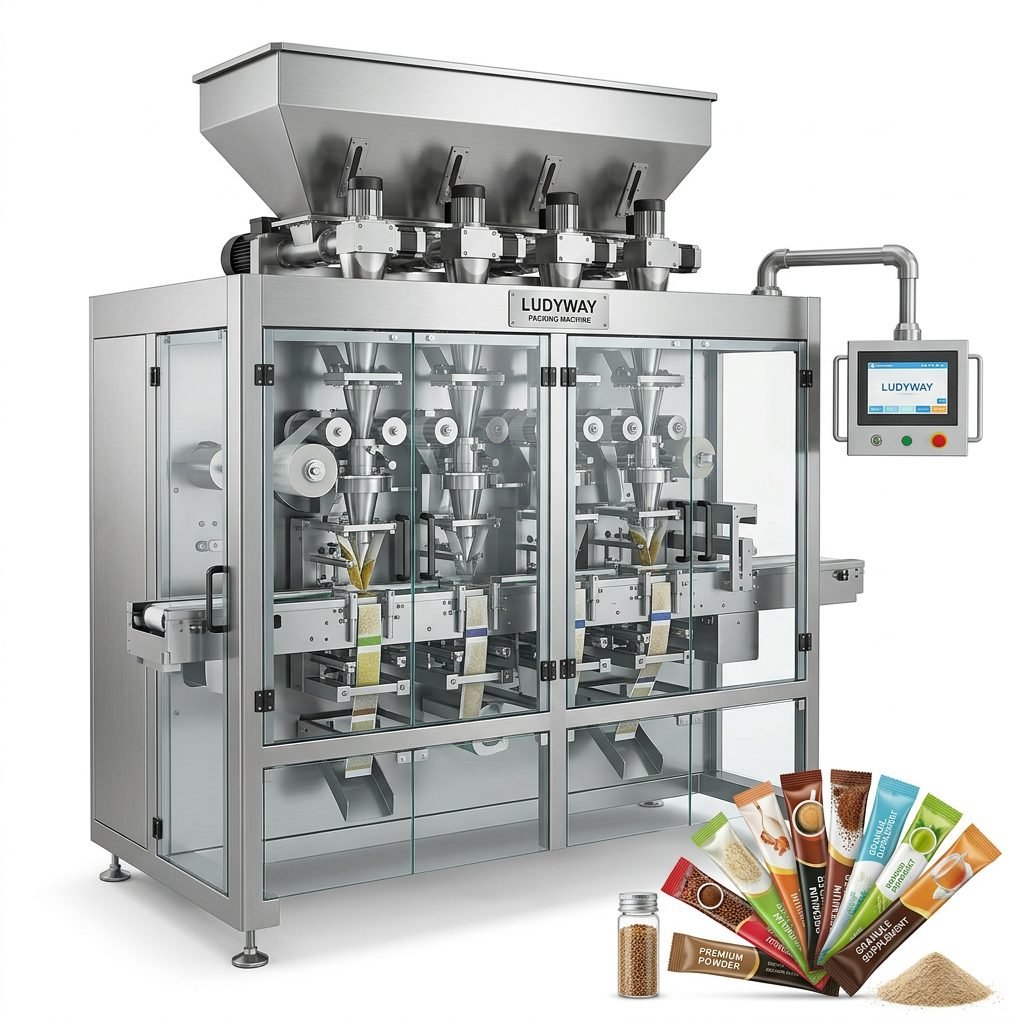
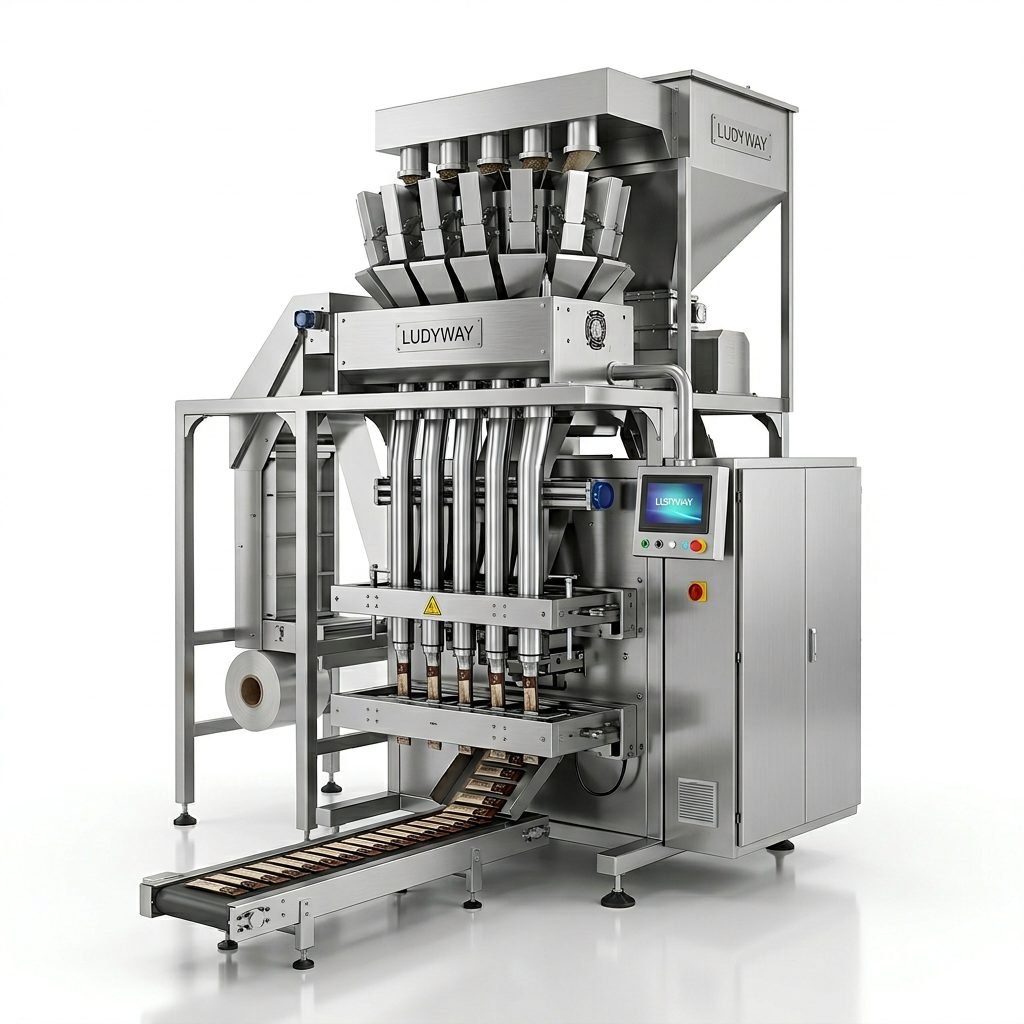
Italian consumers often favor convenience formats. You must decide between traditional pillow bags, quad-seal bags, or the increasingly popular stick pack format for single-serve espresso doses. Multi-lane stick pack machines offer unparalleled speed, often reaching 400-600 packs per minute across multiple lanes, making them ideal for high-volume coffee roasters supplying supermarkets and hospitality chains.
Critical Technical Specifications for Italian Producers
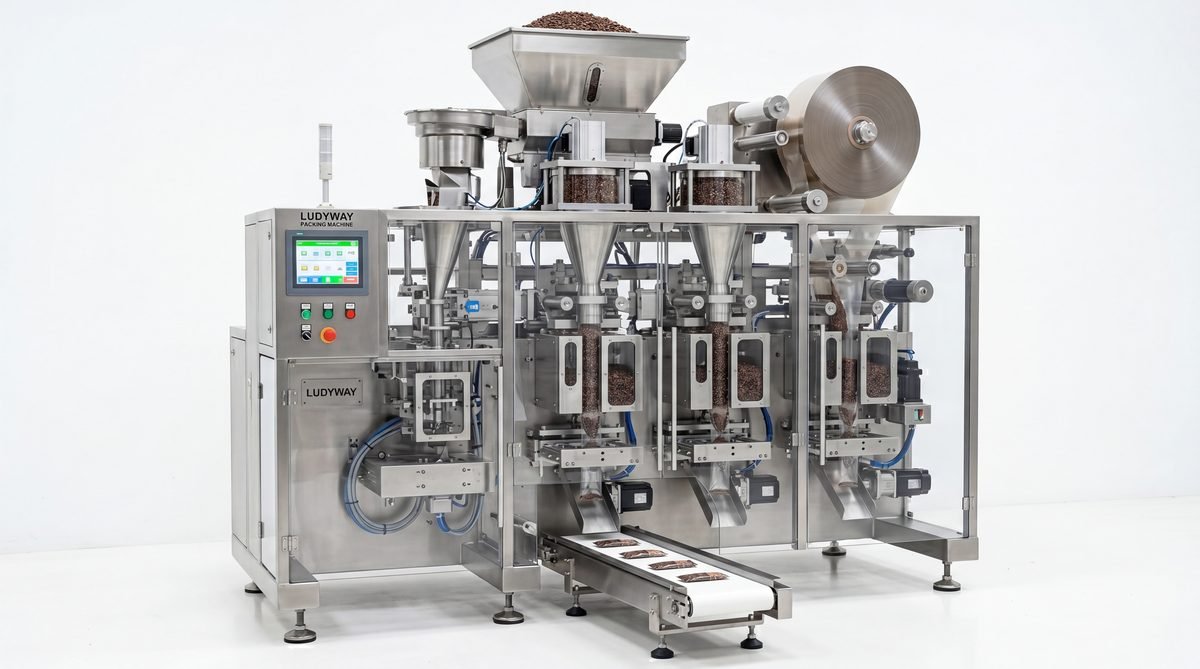
When evaluating machinery for the coffee sector, you need to look beyond basic speed metrics. The mechanical stress placed on whole beans during the filling process must be minimal to prevent cracking. Furthermore, the ability to handle oily beans or freshly roasted blends without clogging the weighers is crucial.
- Weighing Accuracy: Multi-head combination weighers achieving ±0.1g accuracy to prevent product give-away.
- Material Compatibility: Stainless steel 304 or 316L construction to resist coffee oil corrosion.
- Gas Flushing Systems: Programmable timers and multi-point injection for precise residual oxygen control.
- Film Registration: High-precision photoelectric sensors for registered film with coffee branding.
- Sealing Technology: Serrated or flat sealing jaws with independent temperature control per lane.
Compliance with CE and Italian Safety Standards
Any equipment installed in Italy must carry the CE marking and comply with the Machinery Directive 2006/42/EC. This includes rigorous risk assessments and safety logic controllers. Additionally, machines designed with easy-clean frameworks reduce downtime during flavor changeovers, a critical feature when switching between regular and decaffeinated blends.
Evaluating Automatic Dosing and Degassing Solutions
Freshly roasted beans release carbon dioxide. If you pack whole beans immediately, you risk ballooning or burst bags. Look for equipment that can be paired with or features an integrated degassing valve applicator. This one-way valve allows CO2 to escape without letting oxygen in, maintaining the hermetic seal. Advanced systems apply the valve directly onto the film web before forming the bag, streamlining production.
Selecting a Supplier for the Italian Market
The supply chain for Italian roasters relies on durability and responsive technical support. While local European manufacturers dominate historically, capacity and lead-time bottlenecks often push producers to explore alternative global manufacturers who meet ISO 9001 standards.
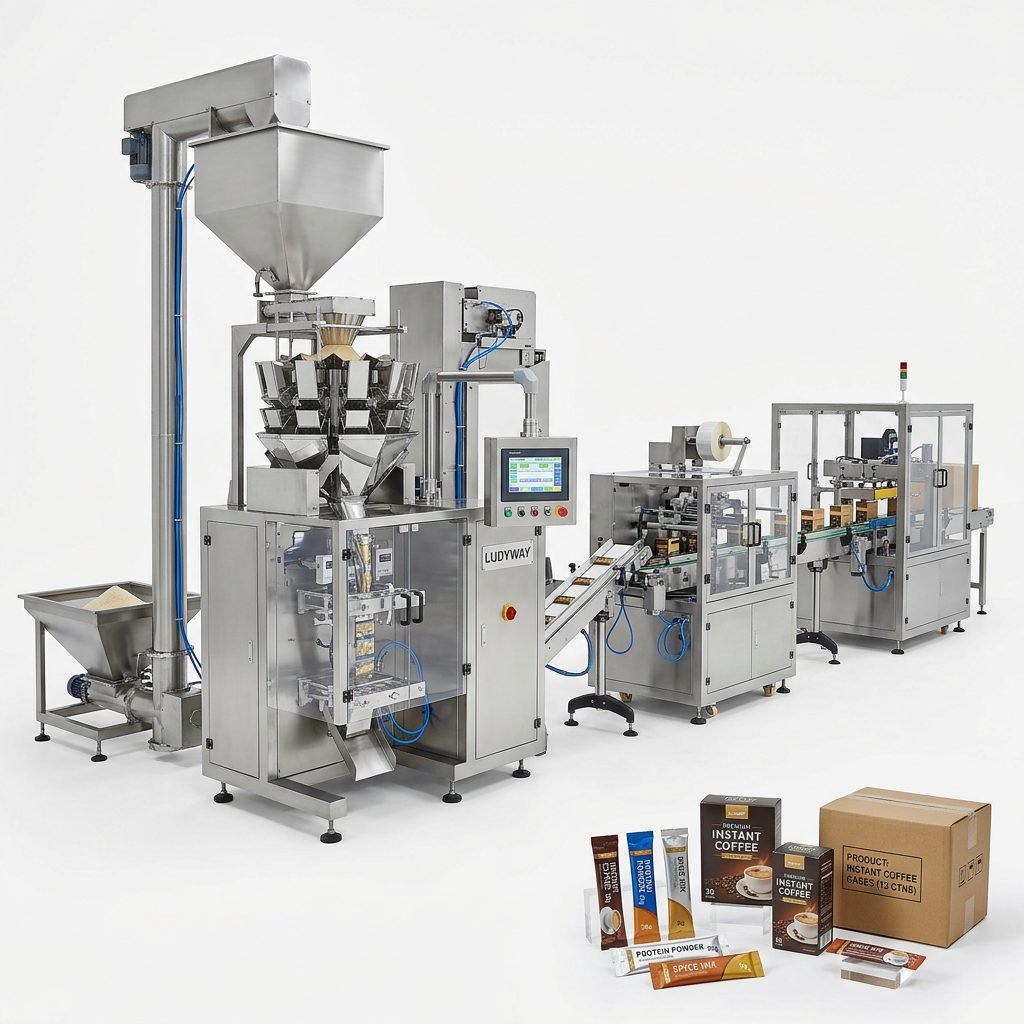
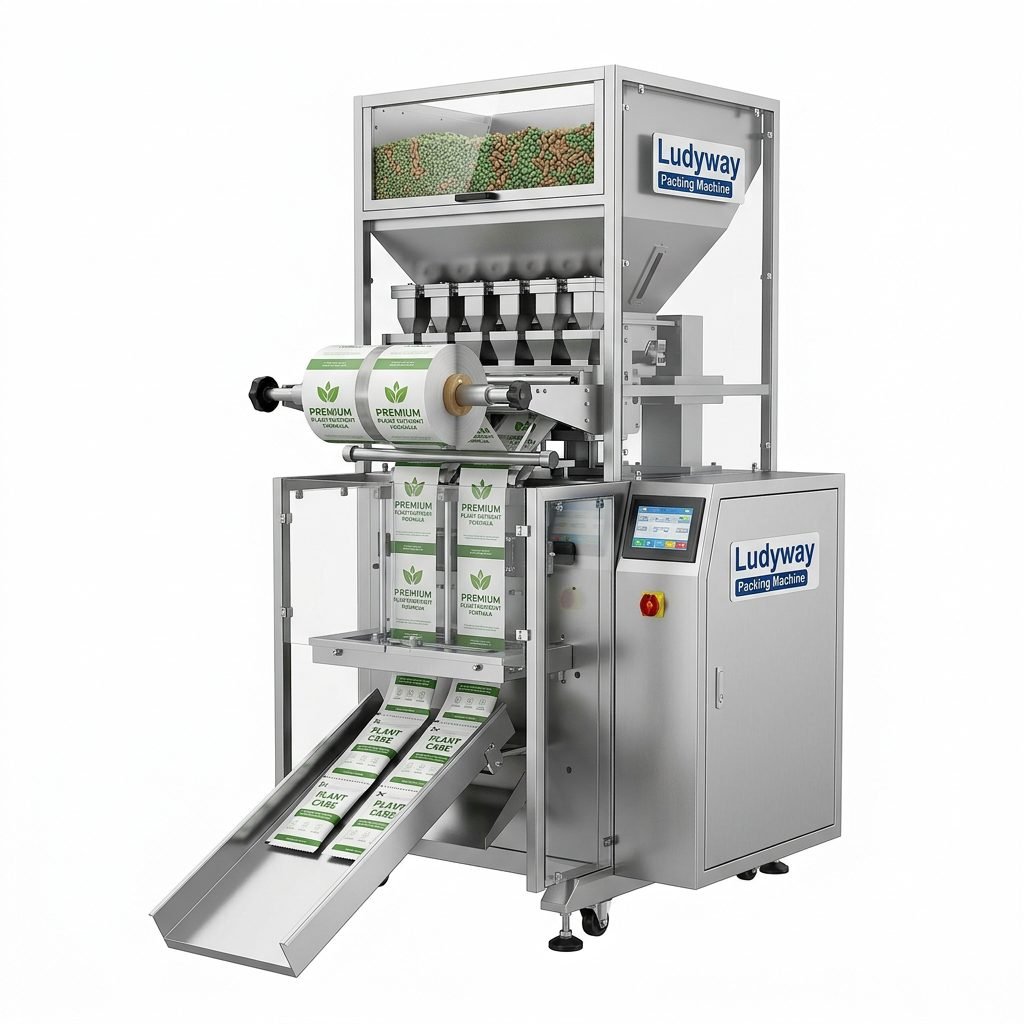
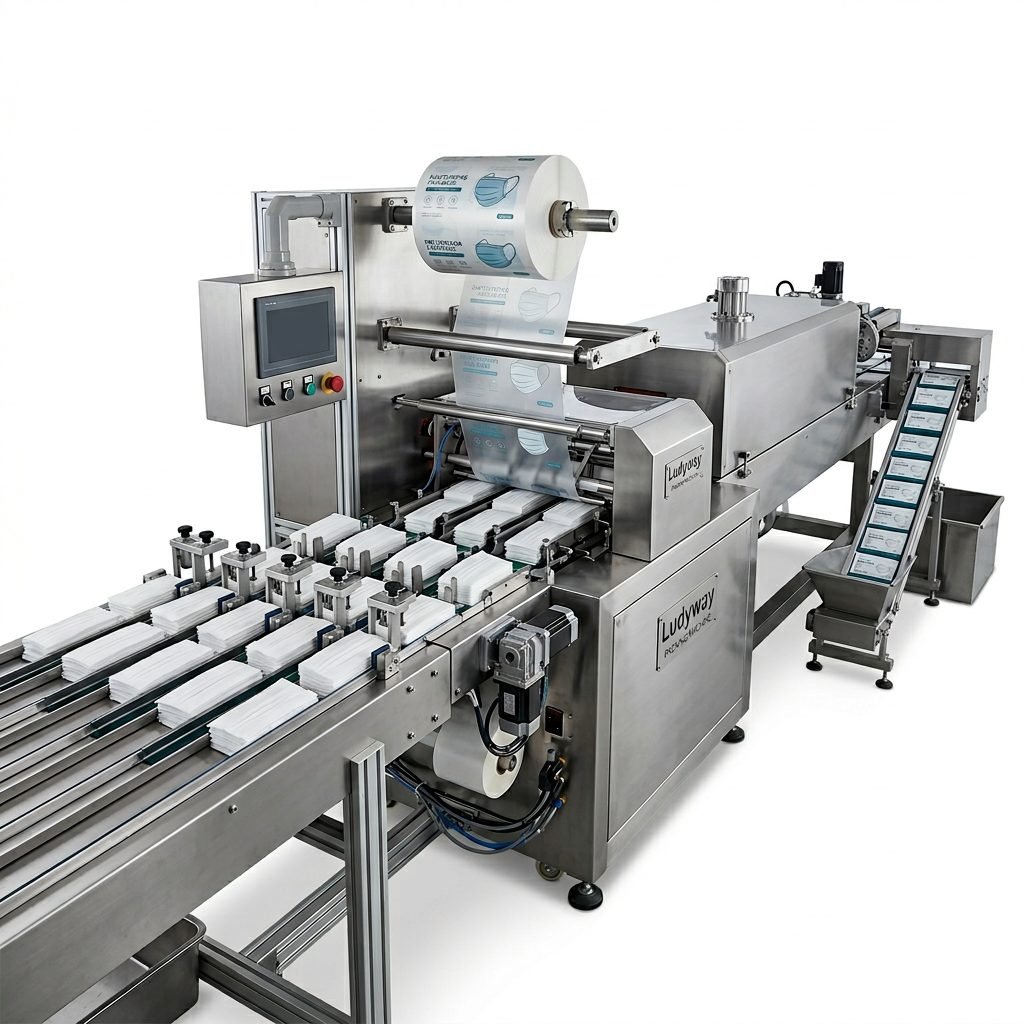
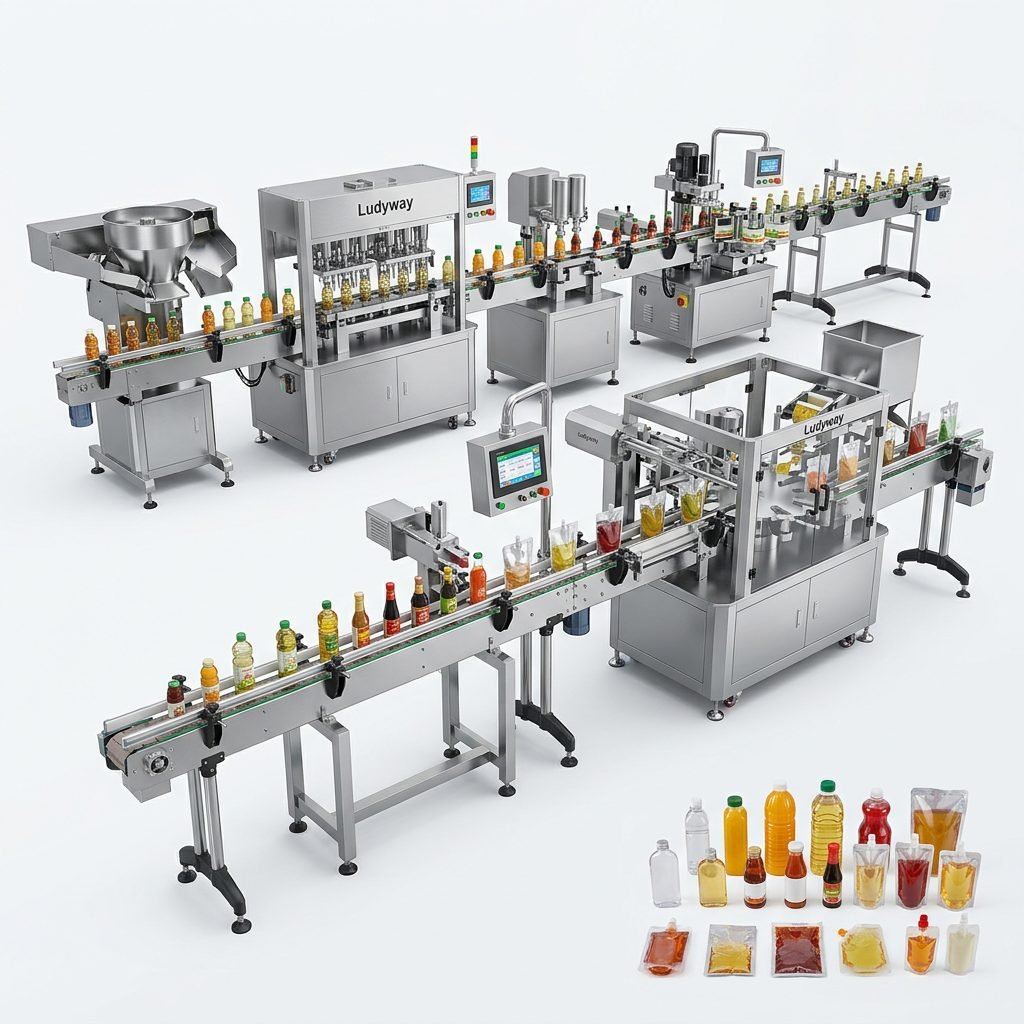
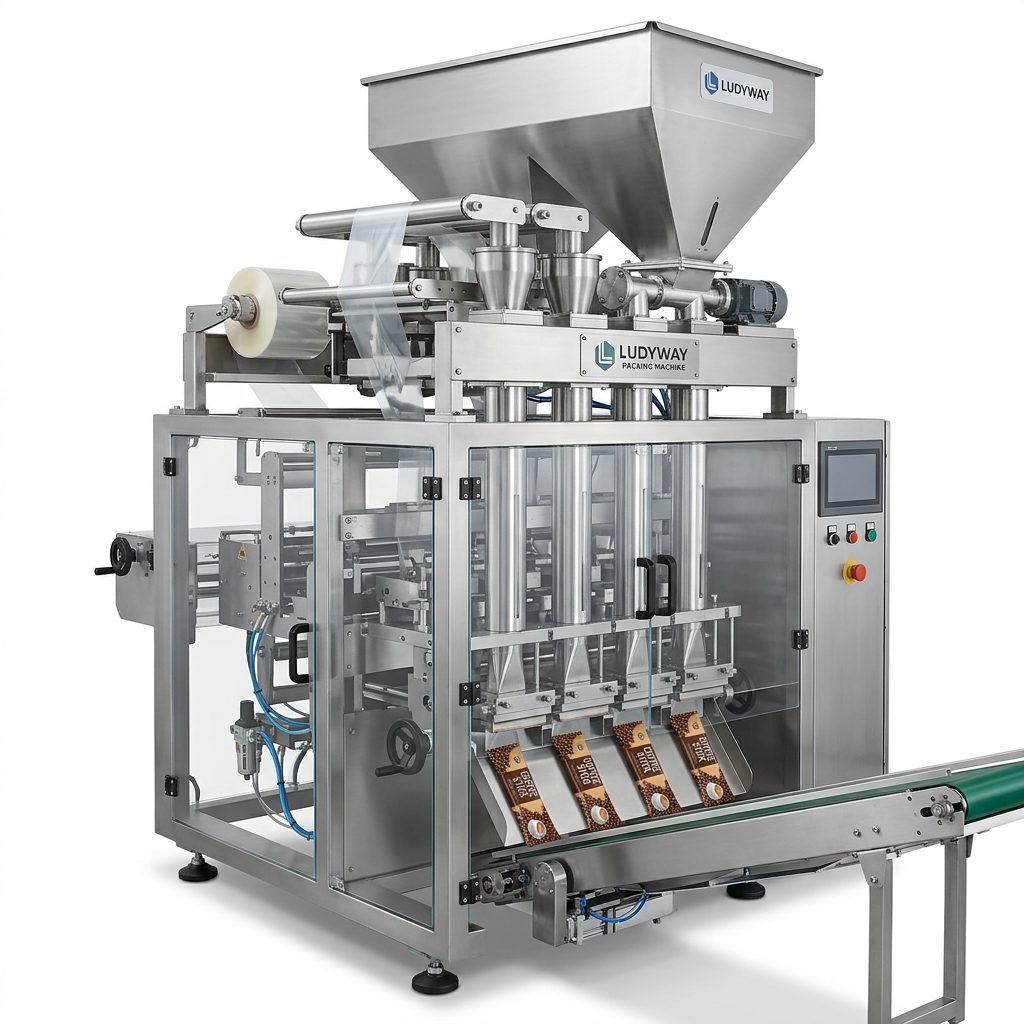
For operations seeking turnkey packaging solutions for granules and powders, it is essential to validate the supplier’s experience with food-grade applications and their distribution network within the EU. Ludyway, one of the largest packaging machine manufacturers specializing in multi-lane stick pack and sachet systems, offers a range of food packaging equipment engineered for precision and efficiency—supporting processors in evaluating high-performance alternatives to traditional European capital equipment.
Comparing Machine Throughput and Formats
The choice between sachet, stick pack, and pillow bags defines your layout. The table below compares common configurations for coffee packaging in Italy.
| Machine Type | Pack Format | Speed Range | Ideal Application |
|---|---|---|---|
| Multi-Lane Stick Pack | Stick Packs | 60-80 packs/min/lane | Espresso single-dose, sugar mixes |
| VFFS Pillow Pack | Pillow Bags | 30-120 packs/min | 250g-1kg retail packs |
| Premade Pouch Rotary | Zipper Pouches | 30-60 packs/min | Premium gourmet blends |
| Valve Application System | All formats | Synchronized | Freshly roasted whole beans |
Integration with Italian Roasting Workflows
A seamless production line requires more than just the primary bagger. In Italy, space is often limited, demanding compact layouts. You need to consider the upstream connection to the roaster’s scale or hopper and downstream integration with automated cartoning systems. Industry standards outlined by PMMI emphasize total line efficiency as the critical metric, not just machine speed.
The Italian market also demands flexibility. A machine that packages coffee beans today might need to handle ground coffee tomorrow. Quick-release parts and servo-driven adjustments allow operators to change forming tubes and sealing jaws without specialized tools, aligning with the EU’s emphasis on operational safety and efficiency outlined by the packaging standards under ISO 55.
Advanced Features: Smart Weighing and Reject Systems
Implementing high-precision checkweighers and metal detectors directly after the sealer is non-negotiable for export-oriented Italian producers. A comprehensive packaging line incorporates automatic reject stations that eliminate underweight or contaminated packs without stopping production. This hardware is particularly important for ensuring compliance with EU labeling and weight regulations.
Evaluating Total Cost of Ownership
While the initial capital outlay for a coffee packaging machine is significant, the true cost lies in film consumption, maintenance, and energy efficiency. A machine optimized for thin-film running can reduce packaging material costs significantly over 5 years. Additionally, servo-driven motors consume up to 40% less electricity than pneumatic equivalents, a crucial factor given high industrial energy rates in Italy.
- Evaluate availability of local Italian-speaking service engineers or remote diagnostics.
- Confirm compatibility with compostable or recyclable films (important for Italy’s single-use plastic directives).
- Request detailed cycle rate analyses at specific bag lengths relevant to your product range.
For a complete buying resource, consult the Flexible Packaging Association’s industry resources to understand film innovations and the latest EU regulatory compliance impacting the packaging sector, ensuring your equipment choice remains future-proof in the dynamic Italian market.