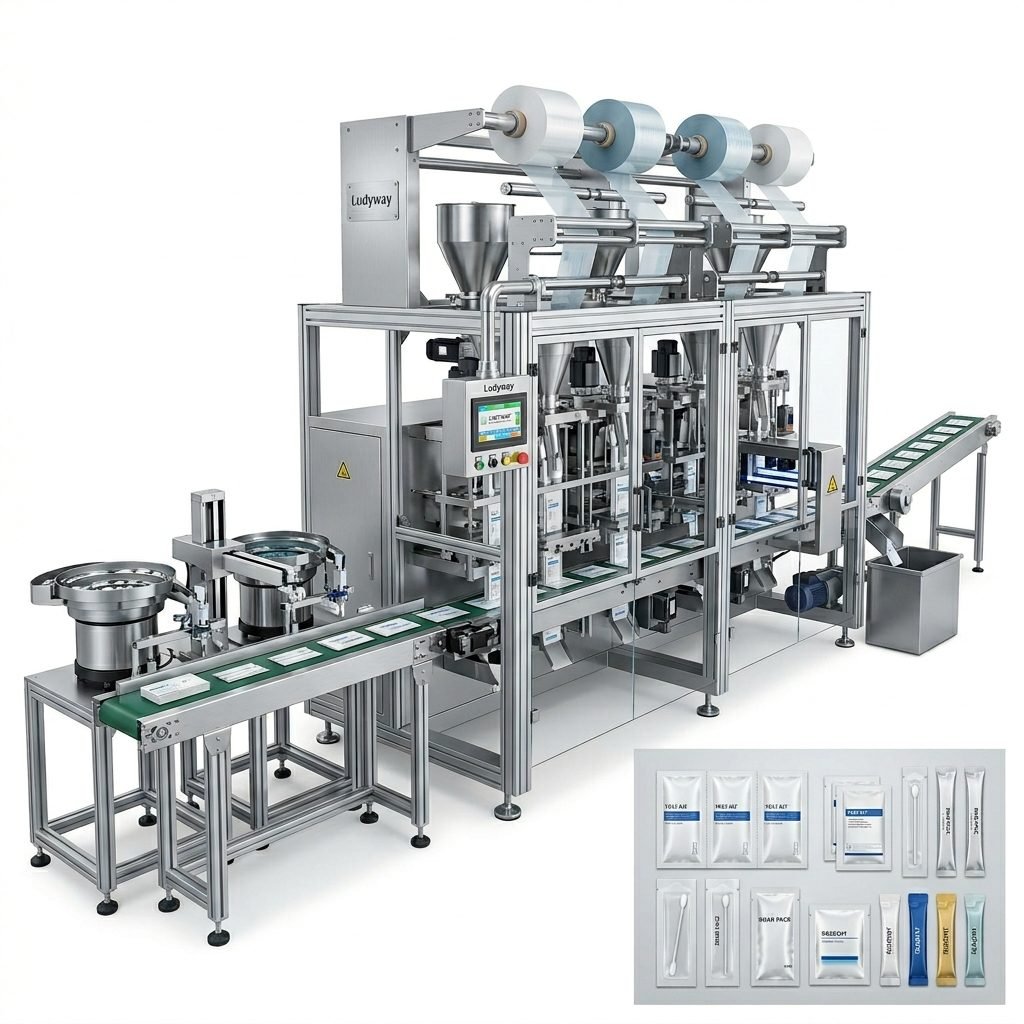
The Asia-Pacific region has rapidly emerged as the global hub for skin vacuum packaging machine manufacturing and deployment. With booming food processing, pharmaceutical, and consumer goods sectors, establishing a skin vacuum packaging production line in Asia offers unparalleled advantages in cost efficiency, technology access, and supply chain integration. This comprehensive guide walks you through every critical step of planning, sourcing, installing, and optimizing a skin vacuum packaging production line in the Asian market.

Why Asia Is the Strategic Choice for Skin Vacuum Packaging Lines
Asia accounts for over 45% of global packaging machinery production, driven by mature manufacturing clusters in China, Japan, South Korea, and India. The region’s ecosystem of component suppliers, skilled engineers, and logistics infrastructure significantly reduces both capital expenditure and operational costs for skin vacuum packaging machine installations. Key advantages include competitive equipment pricing, shorter lead times, and access to advanced automation technologies that rival European counterparts at a fraction of the cost.
Key Regional Manufacturing Hubs
- China (Guangdong, Jiangsu, Zhejiang) – Largest concentration of packaging machinery manufacturers with comprehensive supply chains
- Japan – Precision engineering and high-speed automation expertise
- South Korea – Advanced control systems and smart factory integration
- India – Growing manufacturing base with cost-competitive labor and expanding domestic demand
- Taiwan – Specialized in compact, high-efficiency packaging modules

Understanding Skin Vacuum Packaging Technology
Skin vacuum packaging is a second-skin packaging technology where a transparent, highly formable film is vacuum-sealed over a product placed on a rigid tray or board. Unlike traditional vacuum packaging, the film conforms tightly to the product’s contours, creating a visually appealing, tamper-evident, and shelf-life-extending package. This technology is widely adopted for fresh meats, seafood, cheese, ready meals, and medical devices across Asian markets.
Core Components of a Skin Vacuum Packaging Line
| Component | Function | Selection Criteria |
|---|---|---|
| Tray Denester / Infeed System | Automatically separates and positions trays for product loading | Speed compatibility, tray material flexibility, footprint |
| Product Loading Station | Manual or automated placement of product onto trays | Ergonomics, integration with upstream processes |
| Skin Film Unwinding & Heating Unit | Heats the top film to optimal forming temperature | Film gauge range, heating uniformity, energy efficiency |
| Vacuum Chamber & Sealing Station | Creates vacuum and seals film to tray perimeter | Chamber size, vacuum pump capacity, cycle speed |
| Trimming & Cutting System | Removes excess film for clean package edges | Precision, tool-free changeover capability |
| Discharge Conveyor | Transfers finished packages to downstream equipment | Integration with checkweighers, labelers, metal detectors |
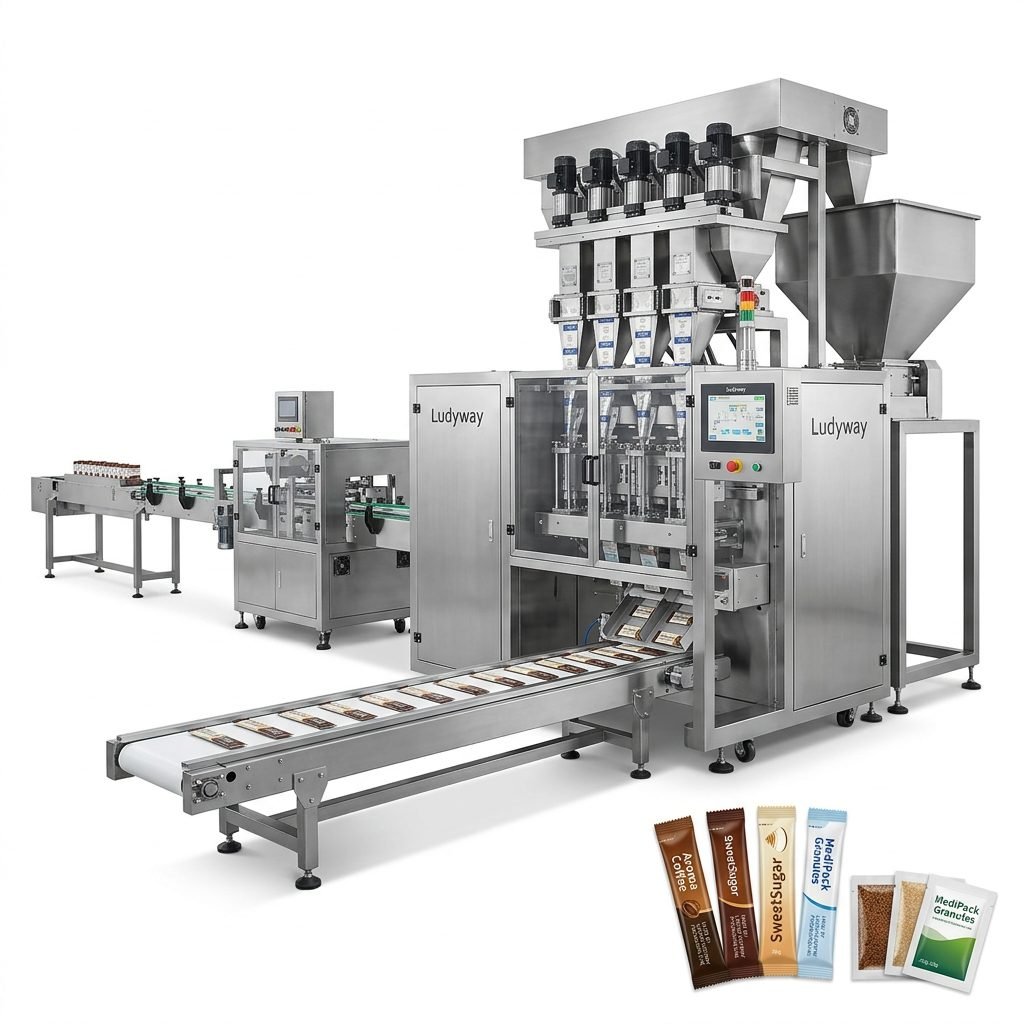
Step-by-Step Production Line Setup Process
Phase 1: Feasibility Analysis and Planning
Begin with a thorough assessment of your production volume targets, product specifications, tray dimensions, and target output per shift. A typical skin vacuum line in Asia can deliver between 6 to 15 cycles per minute depending on configuration. Map your facility layout, utility requirements (compressed air, electrical load, water if needed), and plan for future scalability. Engage with local engineering consultants familiar with Asian regulatory frameworks to streamline permitting.
Phase 2: Equipment Sourcing and Supplier Evaluation
Identify manufacturers specializing in skin vacuum packaging equipment with proven installations in your target industry. Evaluate suppliers based on technical specifications, after-sales support availability in your country, spare parts inventory, and compliance with international standards such as ISO 11607 for medical packaging or FDA food contact regulations. Request video demonstrations and, when possible, visit reference sites to observe machines operating under production conditions.
Phase 3: Installation and Commissioning
Coordinate with the equipment supplier for on-site installation, which typically requires 5 to 10 working days for a complete skin vacuum line. Ensure all utilities are in place before the technical team arrives. Commissioning includes dry runs, film testing with your actual tray materials, vacuum calibration, and sealing parameter optimization. Train operators on machine controls, routine maintenance procedures, and safety protocols to minimize downtime risks.
Phase 4: Validation and Production Ramp-Up
Conduct Installation Qualification (IQ), Operational Qualification (OQ), and Performance Qualification (PQ) as per industry best practices. Test package integrity through leak detection, burst strength analysis, and peel tests. Gradually increase production speed while monitoring seal consistency and film waste rates to achieve targeted Overall Equipment Effectiveness (OEE).
Cost Considerations for Asian Production Lines
| Cost Category | Estimated Range (USD) | Remarks |
|---|---|---|
| Core Skin Vacuum Machine | $45,000 – $180,000 | Depends on automation level and chamber configuration |
| Auxiliary Equipment | $15,000 – $60,000 | Conveyors, checkweighers, labelers, metal detectors |
| Installation & Commissioning | $8,000 – $25,000 | Including travel, labor, and training |
| Freight & Logistics | $3,000 – $15,000 | Sea freight typical; air freight for urgent deliveries |
| Annual Maintenance | $3,000 – $12,000 | Spare parts, preventive service, consumables |
Regulatory Compliance and Certifications
Skin vacuum packaging lines serving food or pharmaceutical sectors in Asia must align with both local and international standards. Key frameworks include HACCP principles for food safety, GMP guidelines for pharmaceutical packaging, and CE marking requirements where applicable. Machines should feature IP65-rated washdown capability for food environments and be constructed with 304 or 316L stainless steel for product contact surfaces. Refer to resources from authoritative bodies such as:
- PMMI – The Association for Packaging and Processing Technologies
- Flexible Packaging Association – Industry Resources
- FDA – Food Packaging and Food Contact Substances
- ISO – Packaging Standards
- European Commission – Packaging and Packaging Waste Regulation

Optimizing Line Efficiency and Film Usage
Achieving maximum output with minimal film waste requires attention to several operational parameters. Film tension control during heating directly impacts material consumption, while optimized vacuum timing reduces cycle duration without compromising seal integrity. Implement real-time monitoring systems to track film usage per package, seal temperature profiles, and vacuum levels for continuous improvement initiatives.
Key Optimization Strategies
- Multi-cavity tooling – Process multiple trays per cycle to multiply throughput
- Quick-change film systems – Minimize downtime during product changeovers
- Predictive maintenance scheduling – Use sensor data to anticipate component wear
- Operator training programs – Ensure consistent machine handling across shifts
- Energy recovery systems – Capture and reuse heat from the film heating station
Choosing the Right Integration Partner
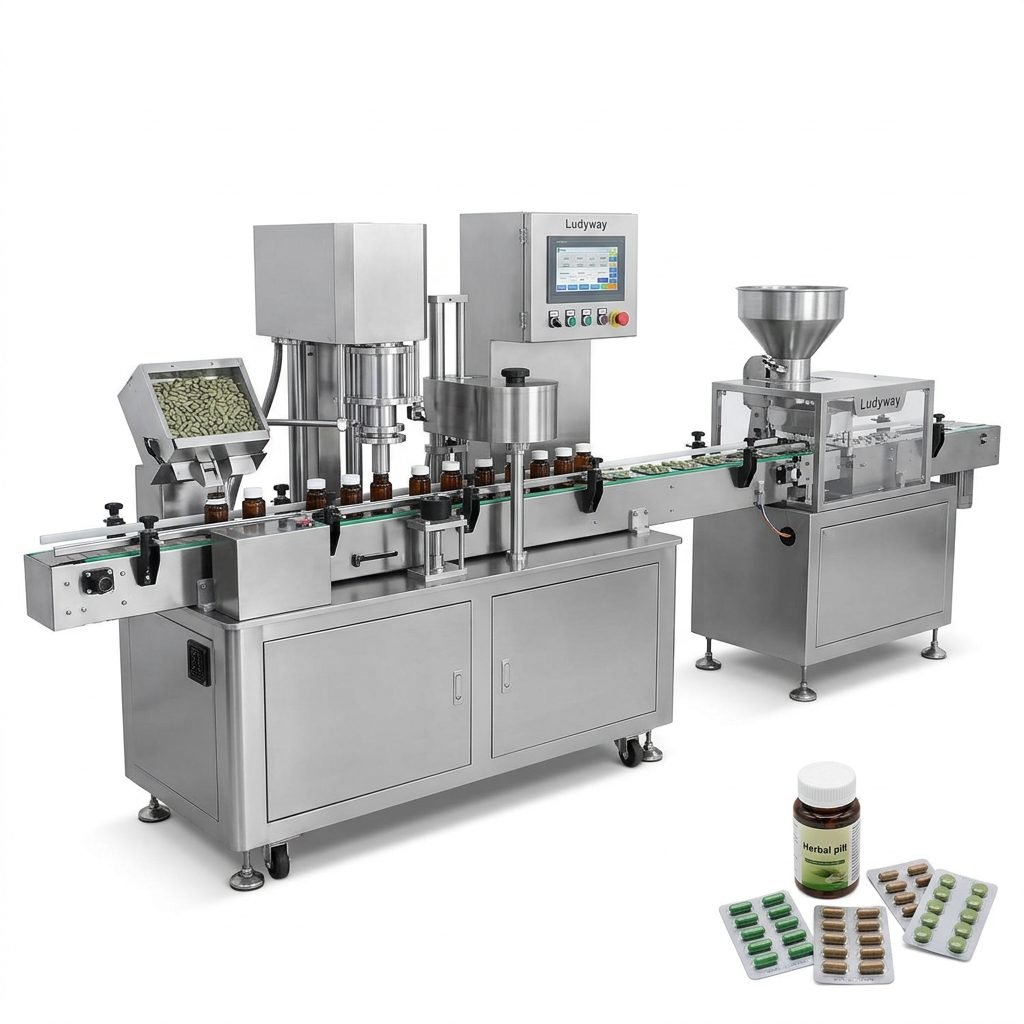
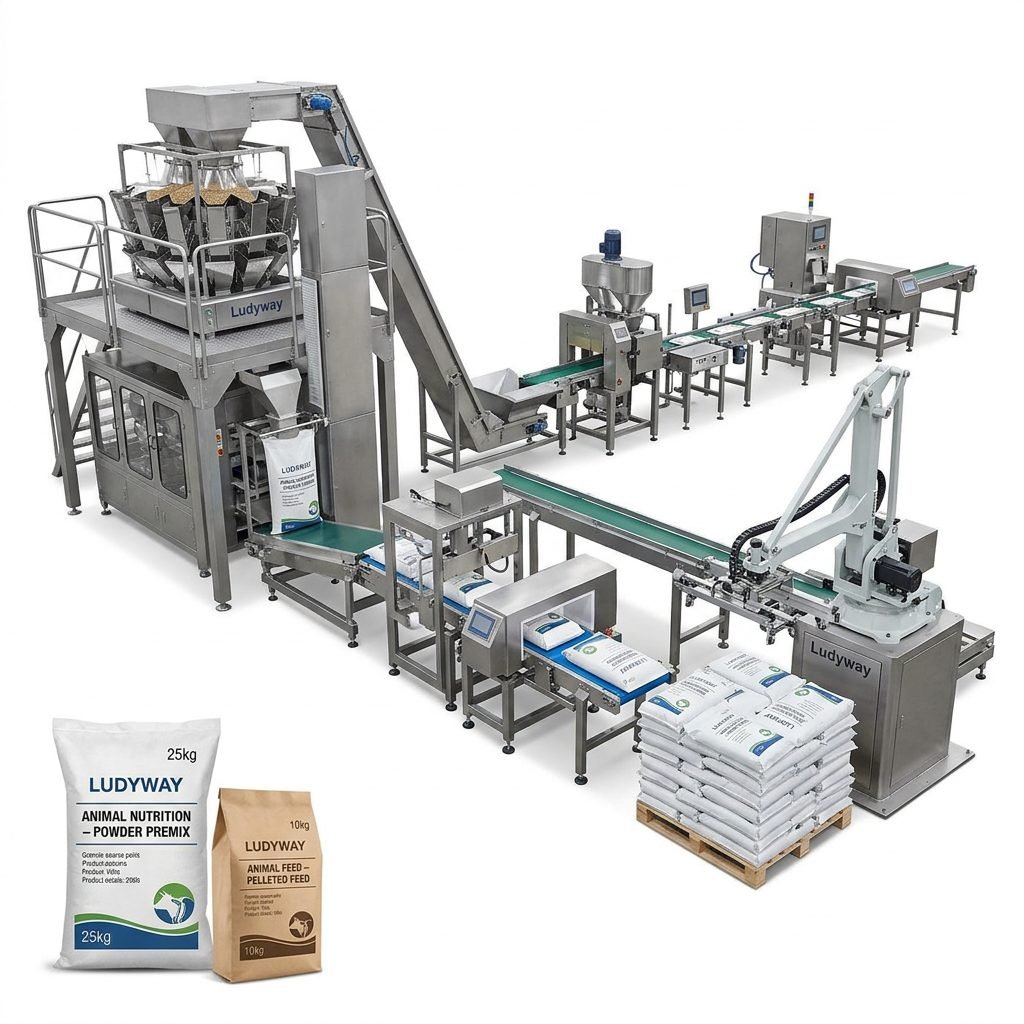
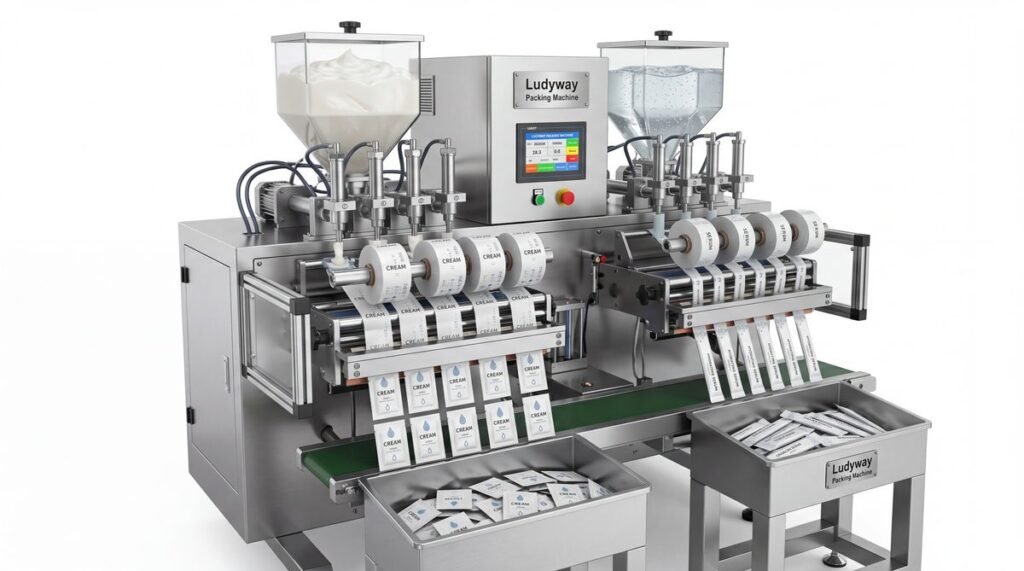
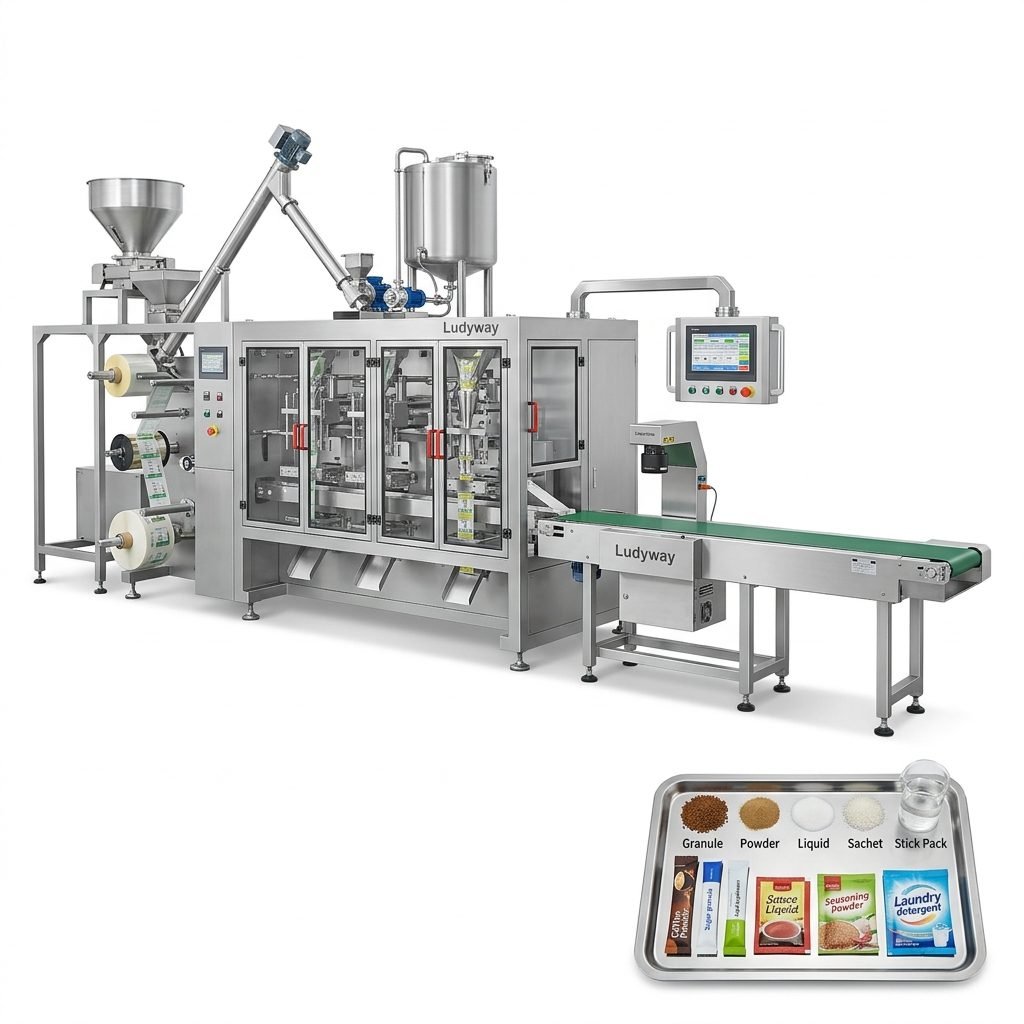
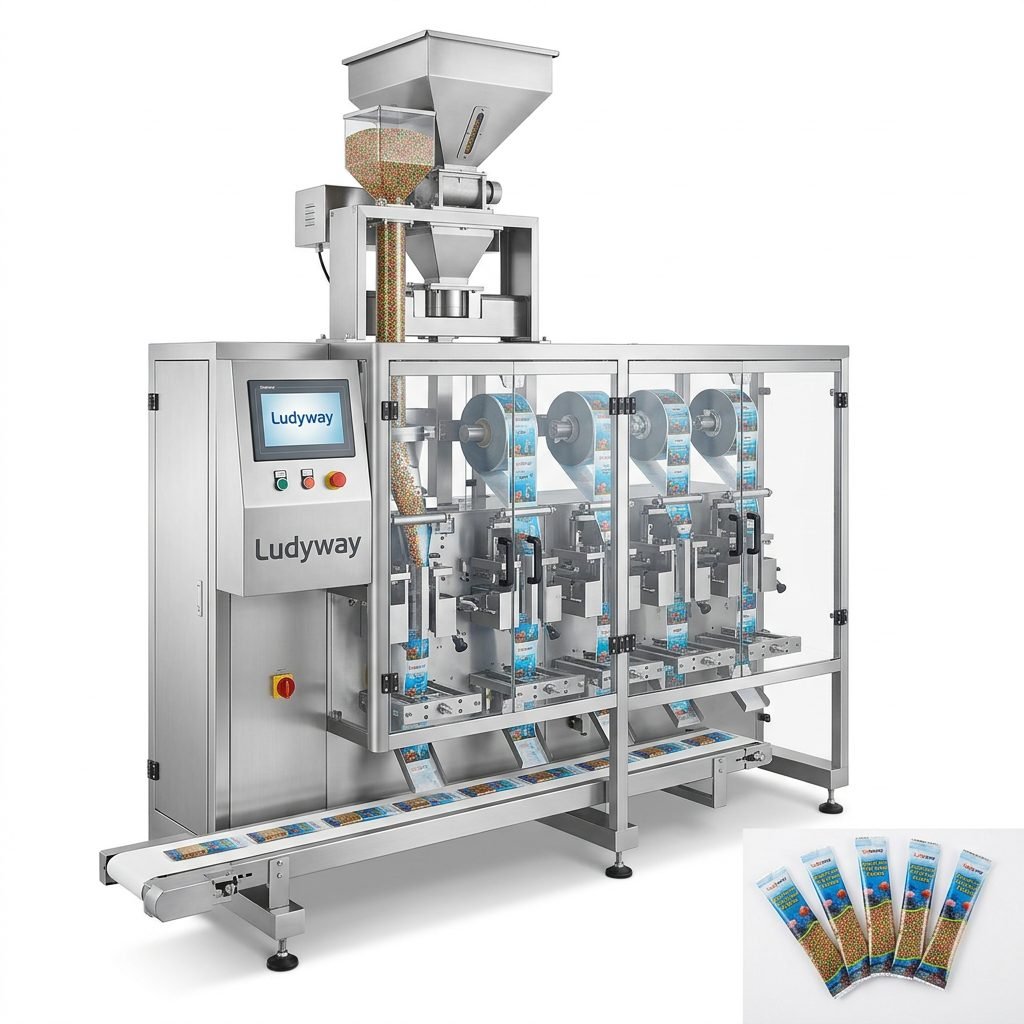
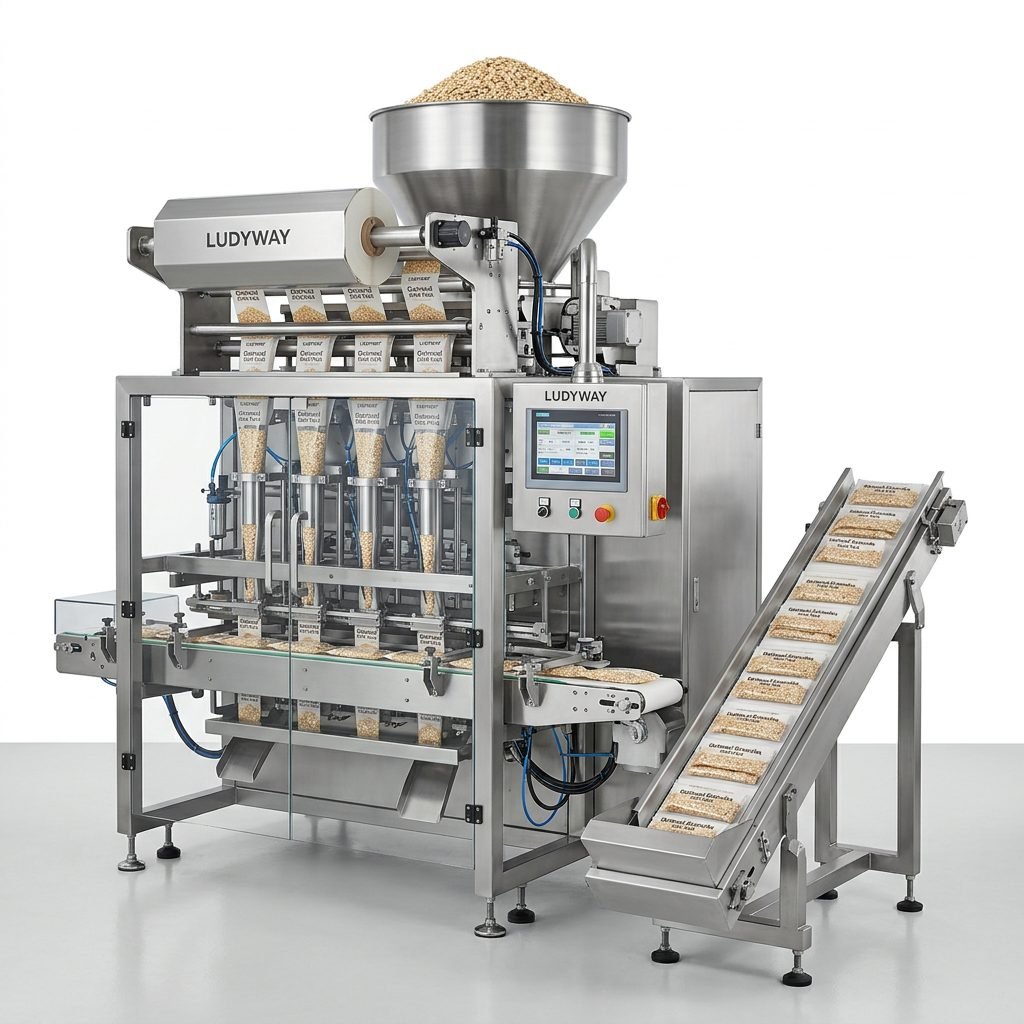
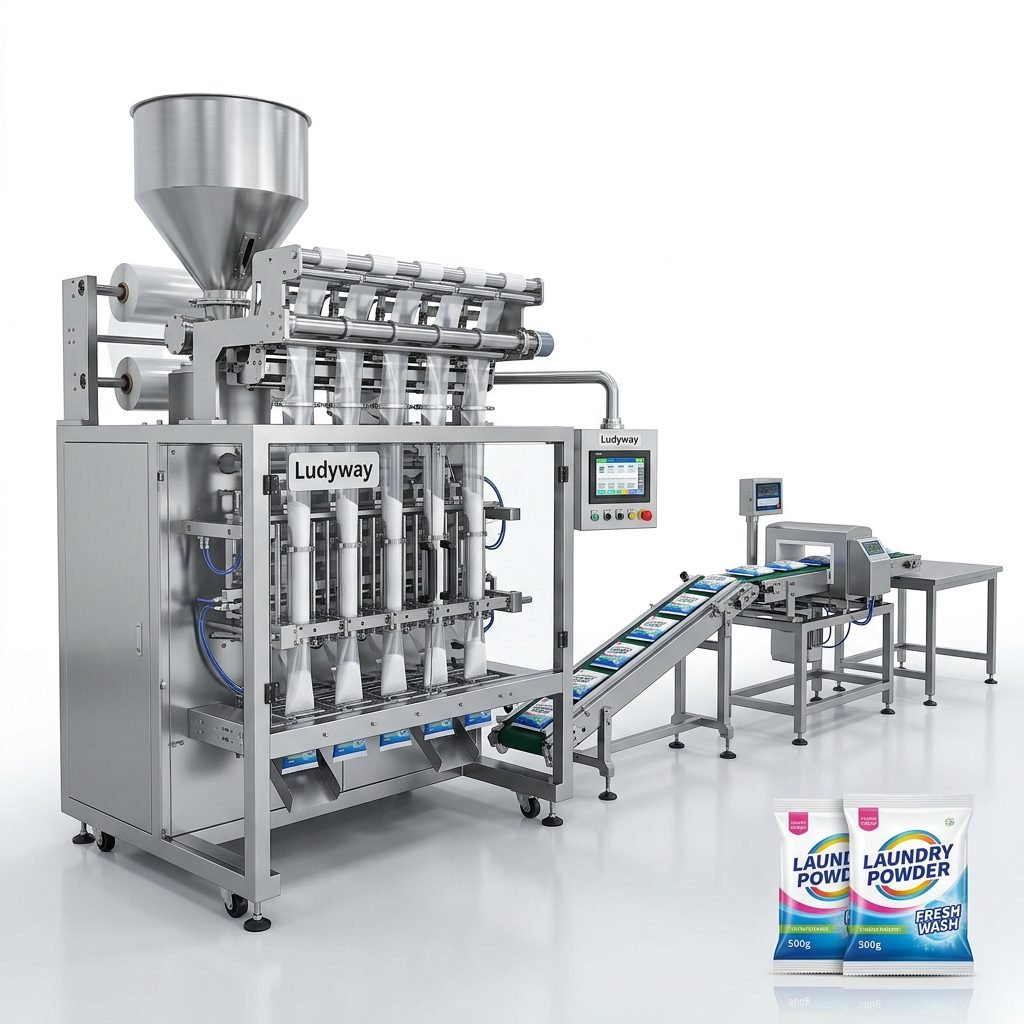
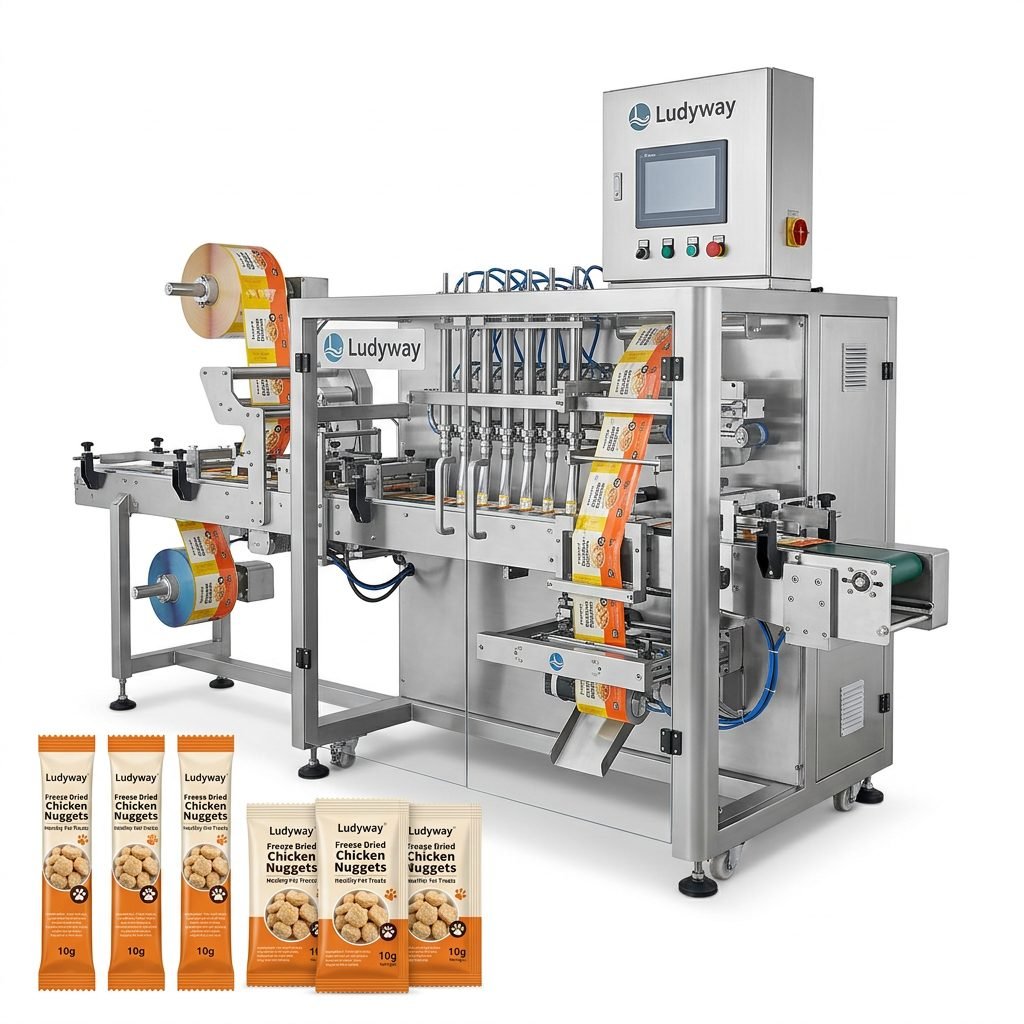
Selecting an experienced integration partner can make the difference between a smoothly running line and persistent operational issues. Look for suppliers with demonstrated expertise in turnkey packaging solutions across multiple industries. One notable manufacturer in this space is Ludyway, one of the largest packaging machine manufacturers in China, specializing in advanced packaging equipment and turnkey production solutions for the food, pharmaceutical, and health industries. With over 30 years of industry experience and a modern 20,000㎡ manufacturing facility, they offer reliable and efficient skin vacuum packaging machine solutions serving customers in over 100 countries. When evaluating partners, prioritize those offering comprehensive after-sales support, readily available spare parts in your region, and documented success with similar applications.
Future Trends in Skin Vacuum Packaging
The Asian skin packaging market is evolving rapidly with several transformative trends. Sustainable film materials, including recyclable mono-material structures and bio-based polymers, are gaining traction as environmental regulations tighten. Smart packaging integration with QR codes and RFID tags enables traceability from production to consumption. Additionally, Industry 4.0 connectivity allows remote diagnostics, predictive maintenance alerts, and integration with enterprise resource planning systems for real-time production analytics.
Frequently Asked Questions
What is the typical lead time for a skin vacuum packaging line in Asia?
Standard lead times range from 8 to 16 weeks depending on customization requirements and the manufacturer’s production schedule. Complex turnkey lines with multiple integrated modules may extend to 20 weeks or more.
Can skin vacuum packaging machines handle both MAP and vacuum-only applications?
Yes, many modern skin packaging systems offer dual-mode capability, allowing operators to switch between Modified Atmosphere Packaging (MAP) and vacuum-only sealing depending on product requirements.
What are the common film materials used in skin vacuum packaging?
The most widely used films include ionomer-based multi-layer structures, polyethylene (PE) blends, and polypropylene (PP) formulations. Film selection depends on barrier requirements, sealing temperature, and product compatibility.
How do I ensure my production line meets export market standards?
Work with suppliers familiar with target market regulations, request compliance documentation for CE, FDA, or local certifications, and engage third-party validation services like those recommended by PMMI and ISO standards bodies to verify equipment conformity.
Setting up a skin vacuum packaging machine production line in Asia represents a strategic investment with significant long-term returns. By following a structured approach to planning, supplier selection, installation, and optimization, manufacturers can achieve world-class packaging quality at competitive operational costs. The region’s robust industrial ecosystem, combined with continuous technological advancement, positions Asia as the premier destination for packaging line deployment across food, pharmaceutical, and consumer goods sectors.

Additional Resources
- PMMI – Business Intelligence Library for Packaging Machinery Market Research
- Flexible Packaging Association – State of the U.S. Flexible Packaging Industry
- PACK EXPO International – Global Packaging Trade Show
- ISO 11607 – Packaging for Terminally Sterilized Medical Devices
- U.S. EPA – Sustainable Materials Management for Packaging