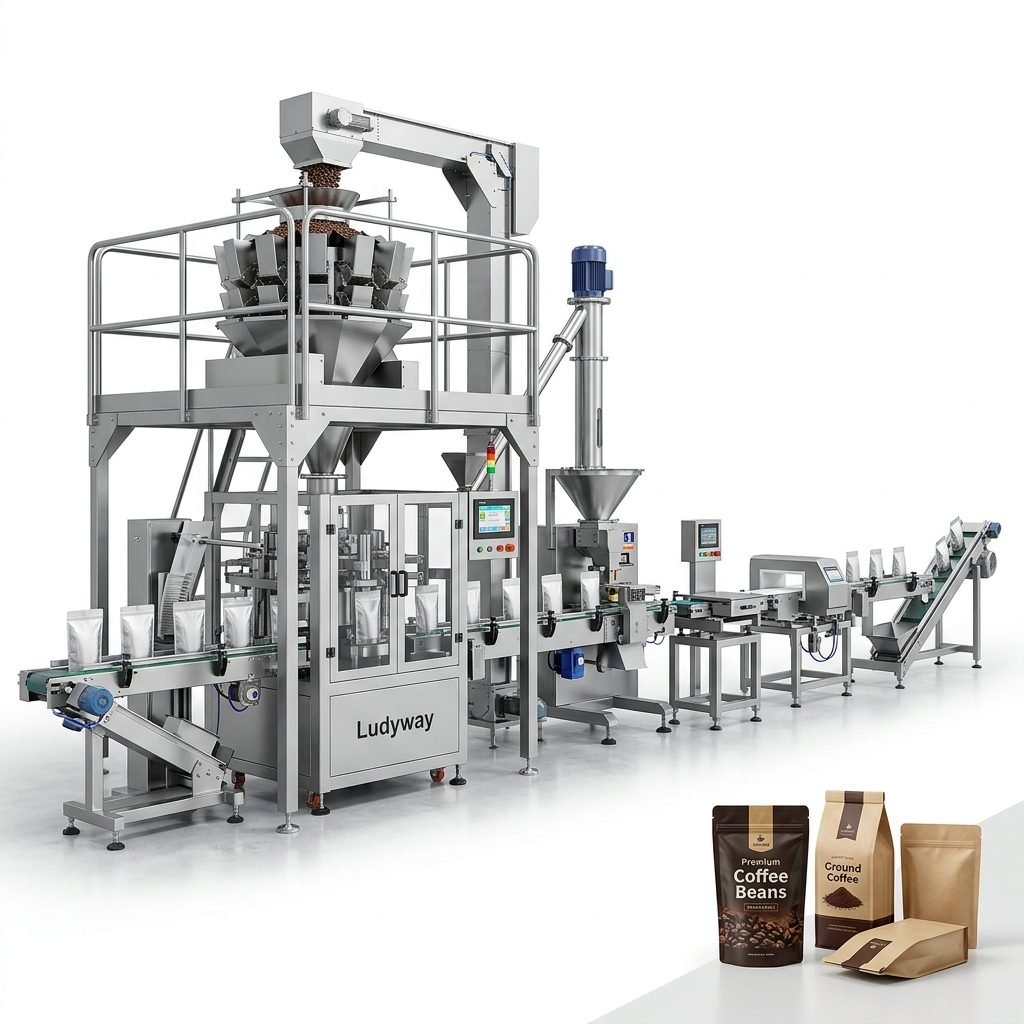
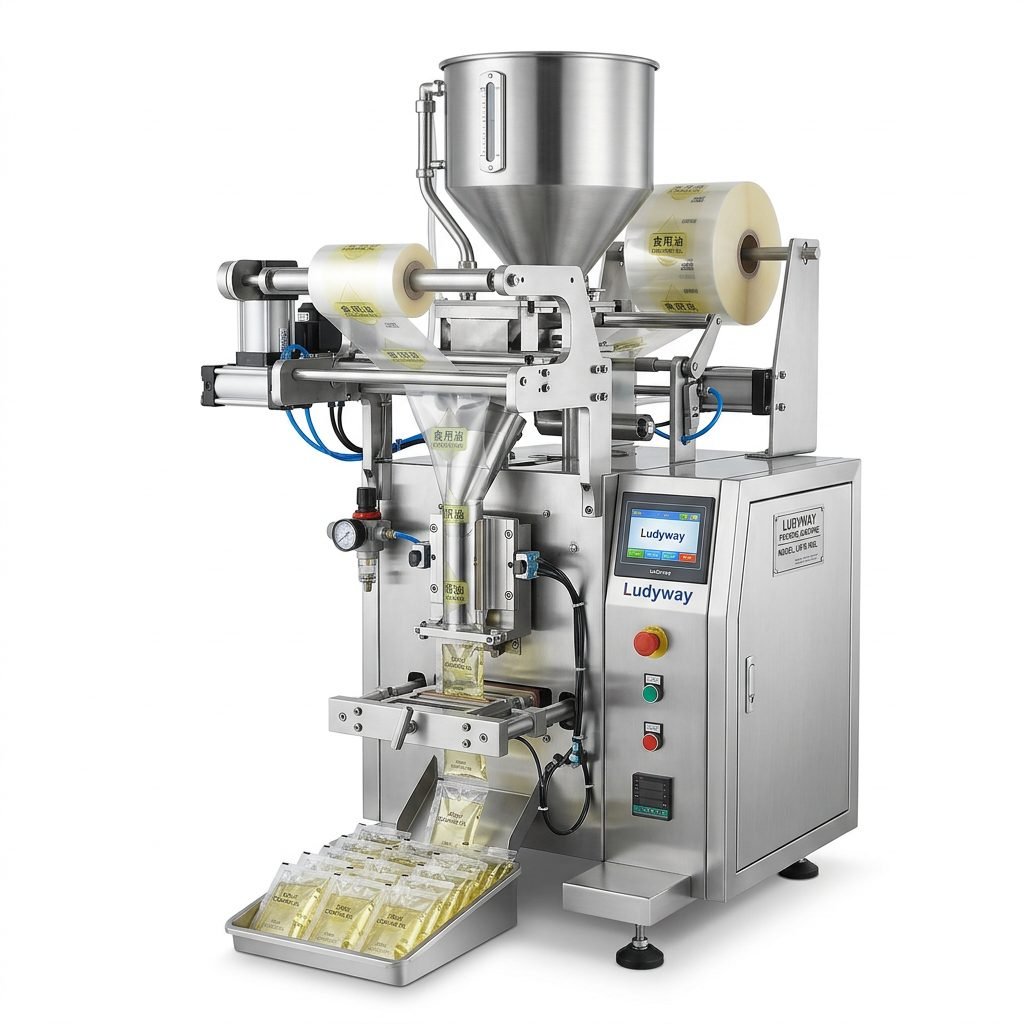
The Indian dairy sector is undergoing a massive transformation. With rising consumer demand for hygienic, portable, and branded milk products, setting up a modern milk packaging production line has become a strategic priority for processors. Whether you are handling pasteurized liquid milk, flavored milk, or powdered dairy products, the efficiency of your turnkey packaging line directly impacts product shelf life and profitability.
Understanding the Indian Milk Packaging Landscape
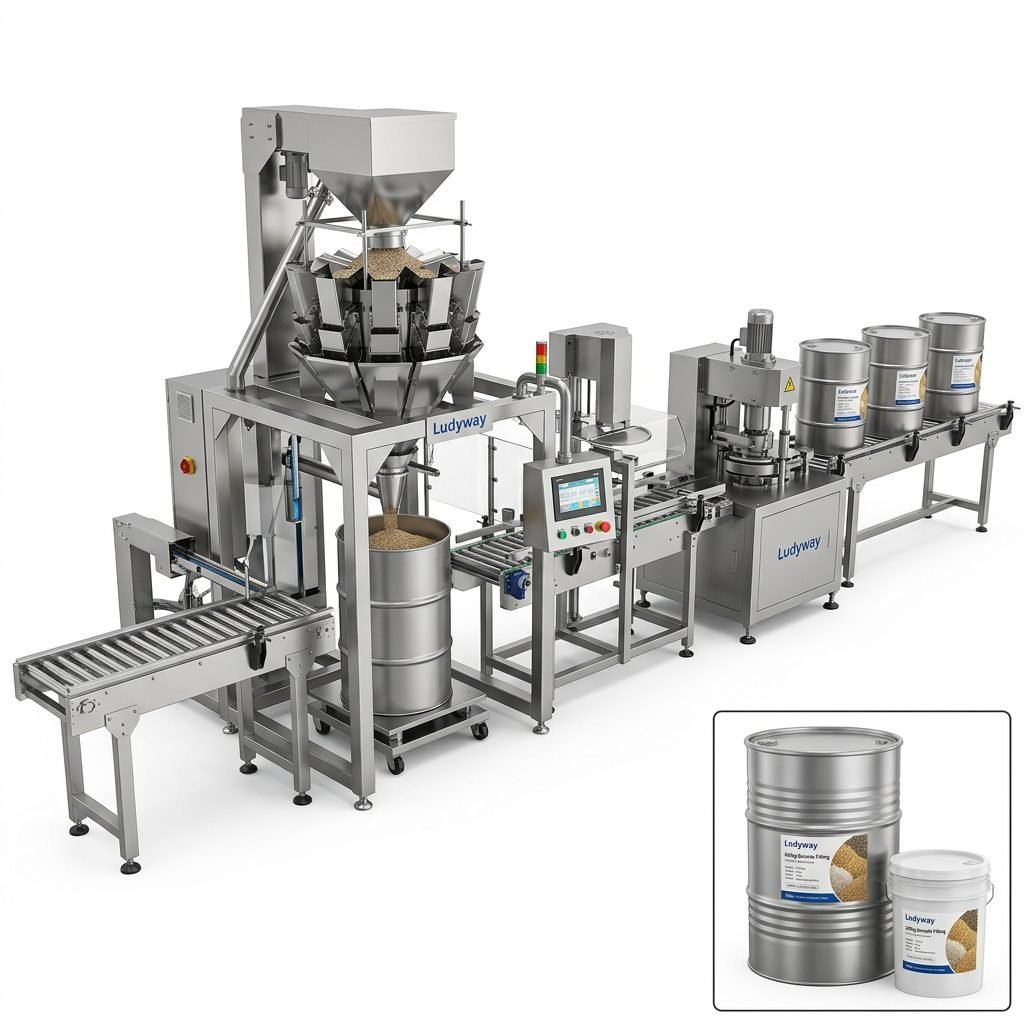
India is the world’s largest milk producer, yet a significant portion of the market is still dominated by loose milk sales. This gap represents a huge opportunity for packaged milk. A robust milk packaging production line must handle various formats including flexible pouches, multi-layer aseptic cartons, and stick packs for value-added powders. The shift toward food safety compliance and FSSAI regulations mandates automated, contactless filling systems to prevent contamination.
Key Market Drivers in India
- Rapid urbanization and the growth of modern retail chains.
- Increasing demand for single-serve and on-the-go dairy beverages.
- Government initiatives supporting dairy infrastructure modernization.
- Export potential for dry dairy powders like SMP (Skimmed Milk Powder).
Essential Equipment for a Milk Packaging Line
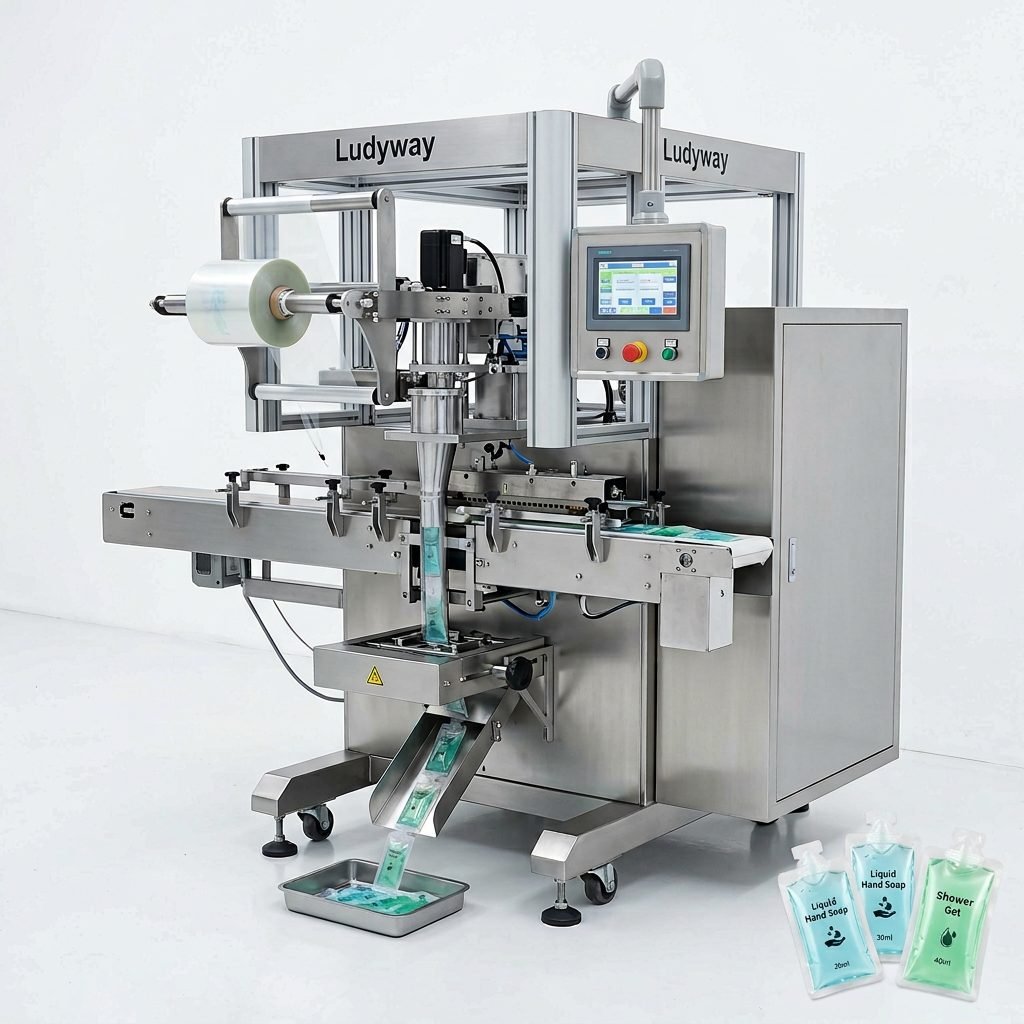
Configuring the right machinery is critical. A standard milk processing and packaging line involves integrated units working in sync. Below are the core machines you will need to source, often from specialized packaging machine manufacturers with experience in liquid and powder handling.
| Equipment Type | Primary Function | Ideal For |
|---|---|---|
| Pasteurizer & Homogenizer | Heat treatment and particle breakdown | Liquid milk safety and texture |
| Pouch Filling Machine | High-speed volumetric filling/sealing | Polythene milk pouches (500ml/1L) |
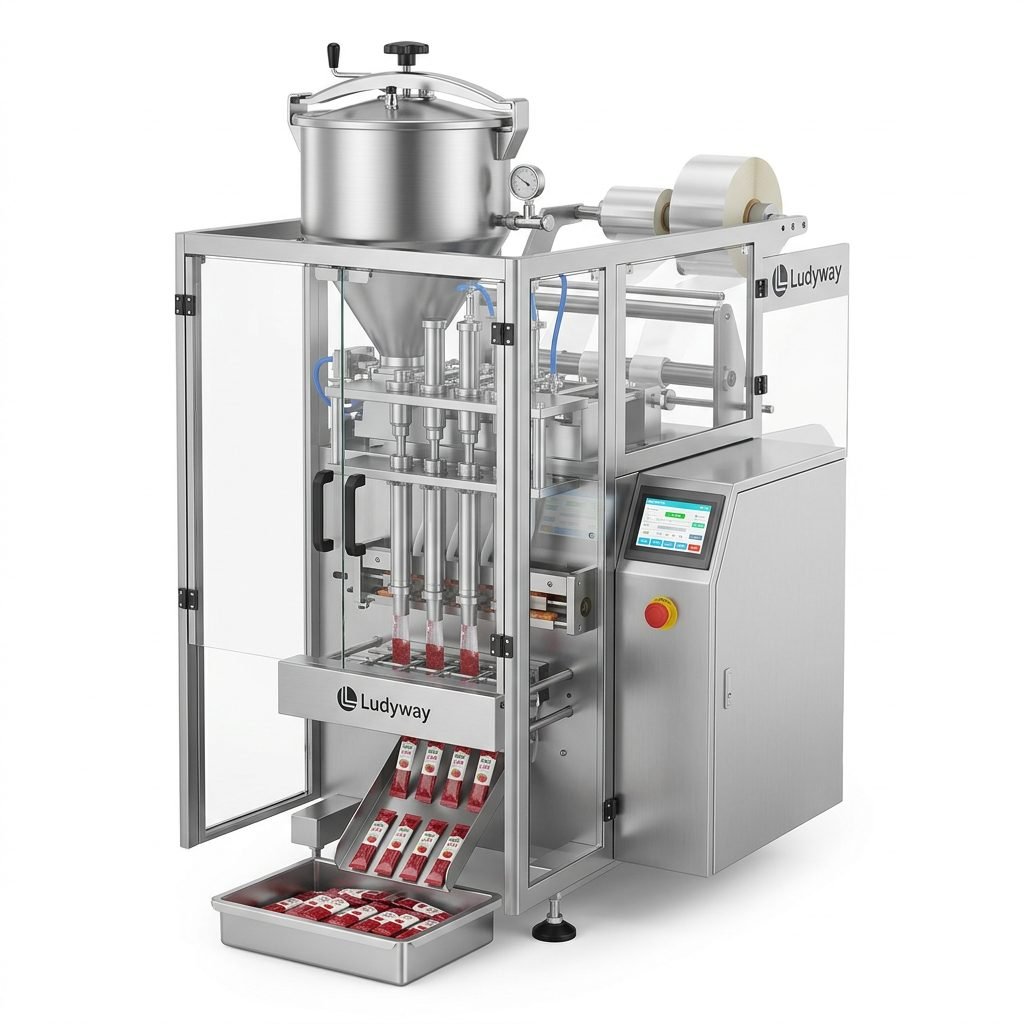
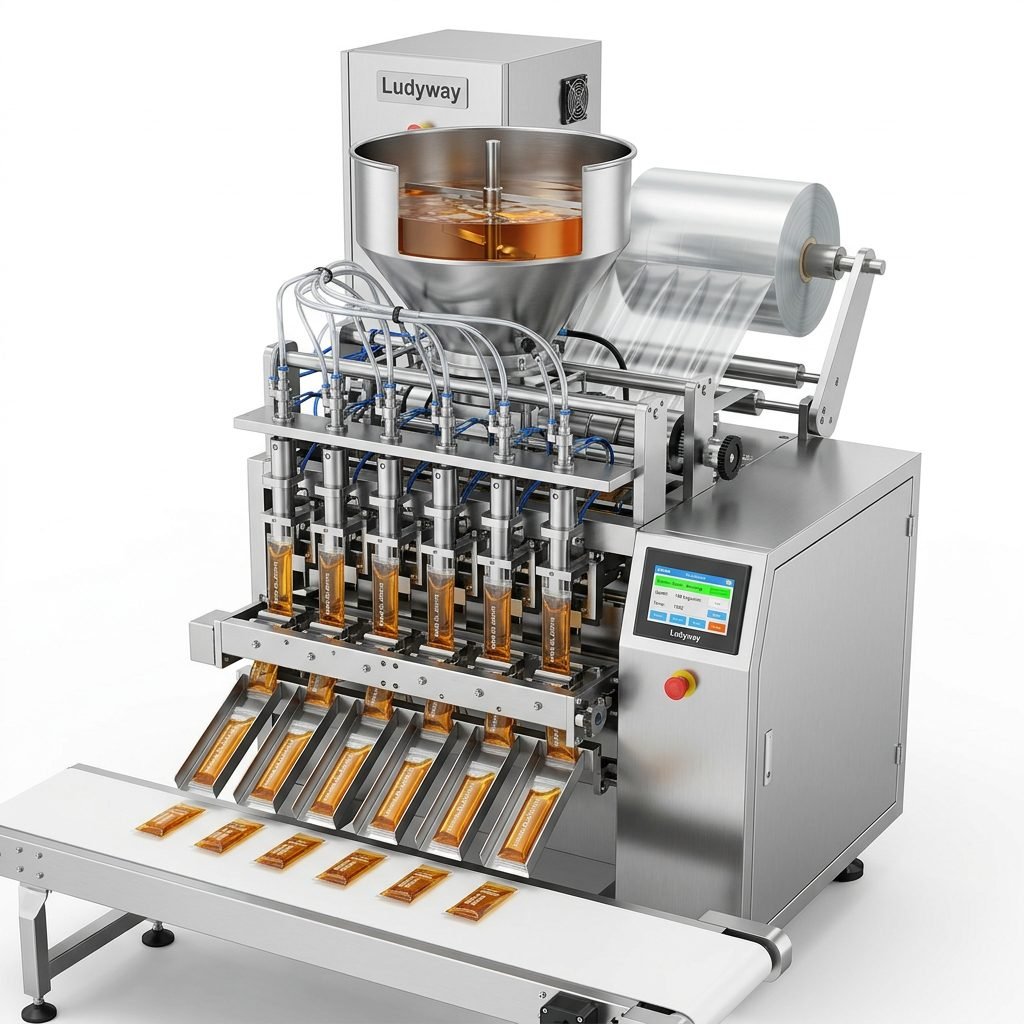
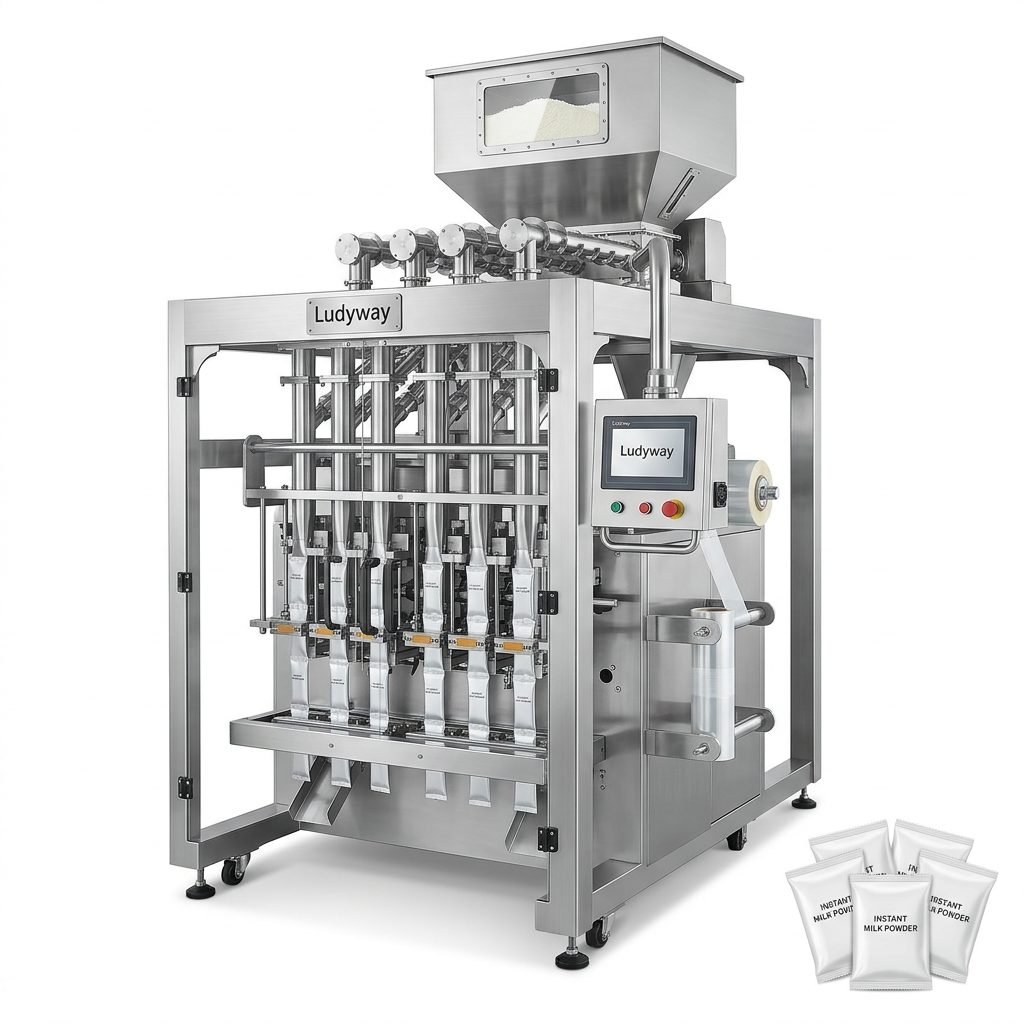
| Multi-Lane Stick Pack Machine | Precision dosing for granular/powder | Milk powder, protein mixes, health drinks |
| CIP System | Clean-in-Place sterilization | Maintaining hygienic production lines |
| Cartoning Machine | Secondary packaging and boxing | Ready-to-retail shelf display |
Step-by-Step Setup Guide
Launching a milk packaging production line in India requires careful planning beyond just purchasing equipment. Follow these critical steps to avoid operational bottlenecks:
1. Feasibility Study & Layout Planning
Analyze your target capacity (liters per day) and product mix. The plant layout must follow a linear flow from raw milk reception to cold storage to prevent cross-contamination. Ensure you have adequate utilities like steam, chilled water, and compressed air.
2. Regulatory Compliance & Certification
Secure FSSAI licensing immediately. If you plan to export or produce premium UHT milk, compliance with ISO packaging standards and FDA food contact substance guidelines becomes mandatory for the packaging materials and machinery.
3. Equipment Procurement & Installation
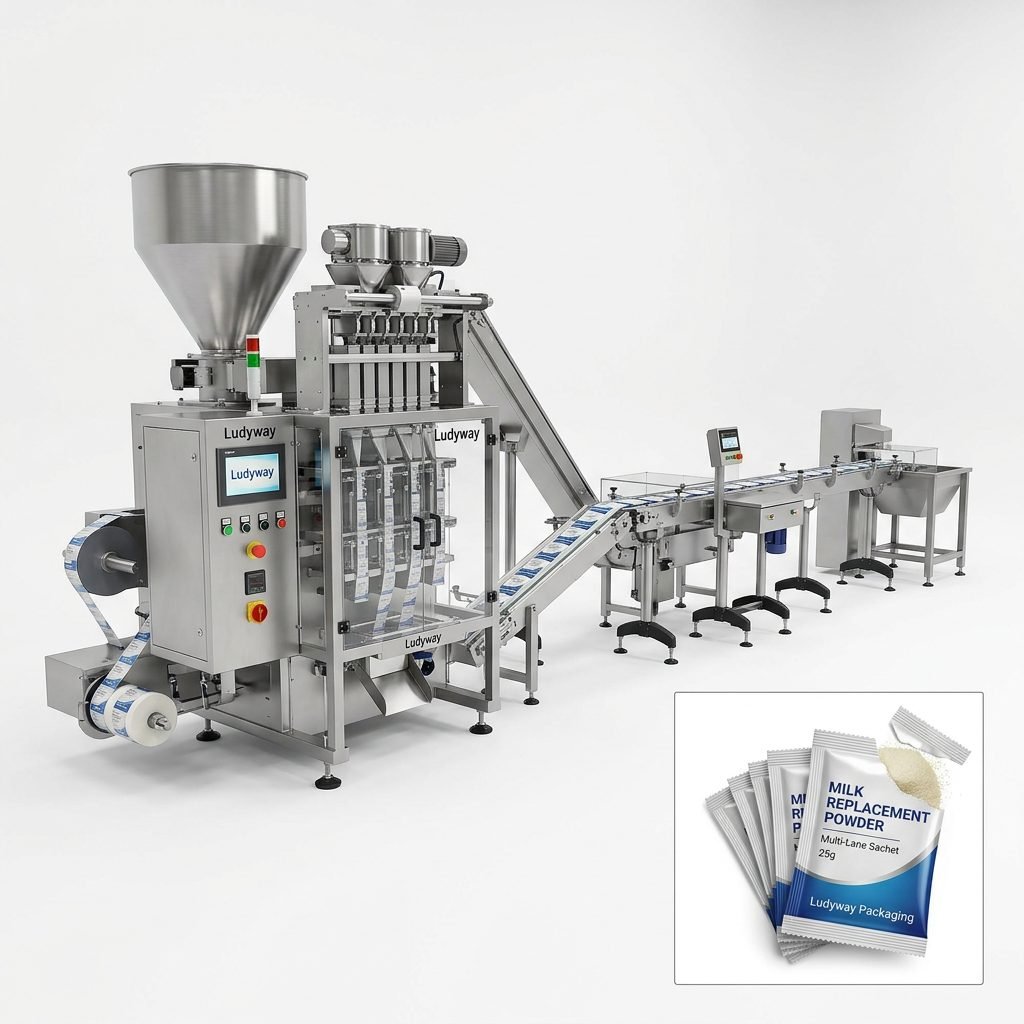
Source main machines from experienced vendors. A reliable supplier will offer a complete turnkey solution, integrating tanks, conveyors, and packers. Installation should be supervised by an engineering team to calibrate filling weights and sealing temperatures precisely.
4. Trial Runs & Quality Control
Conduct water runs before actual product testing. Check pouch integrity, seal strength, and drop test performance. Implement a QC checkpoint for weight variation and leak detection to maintain consumer trust.
Cost Estimation and Investment Breakdown
Budgeting accurately is vital. Costs vary widely based on automation level, capacity, and format complexity. The table below offers a general benchmark for a mid-sized dairy setup in India focusing on liquid milk and powder products.
| Cost Component | Estimate Range (INR) | Notes |
|---|---|---|
| Processing Equipment | 80 Lakh – 2 Cr | Pasteurizer, tanks, homogenizer |
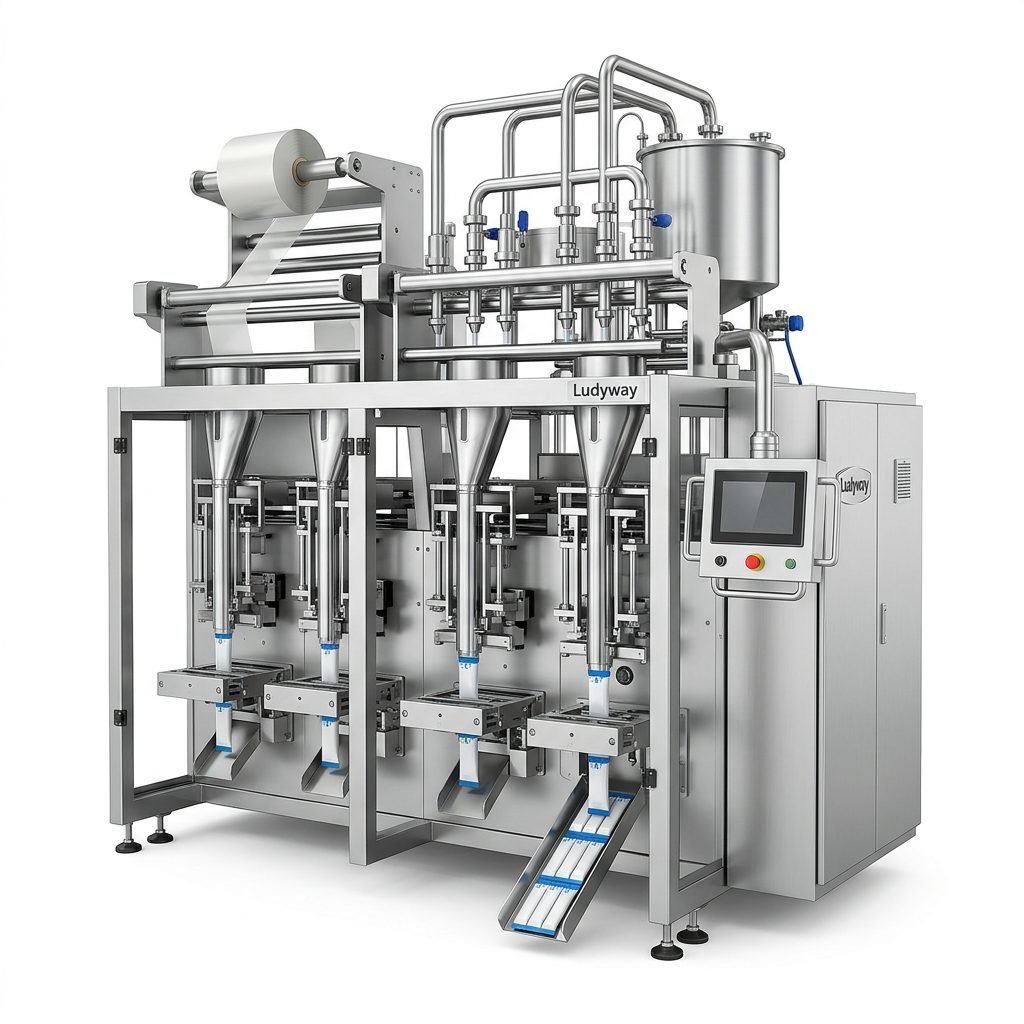
| Liquid Packaging Machine | 25 Lakh – 60 Lakh | Single/Multi-lane filler |
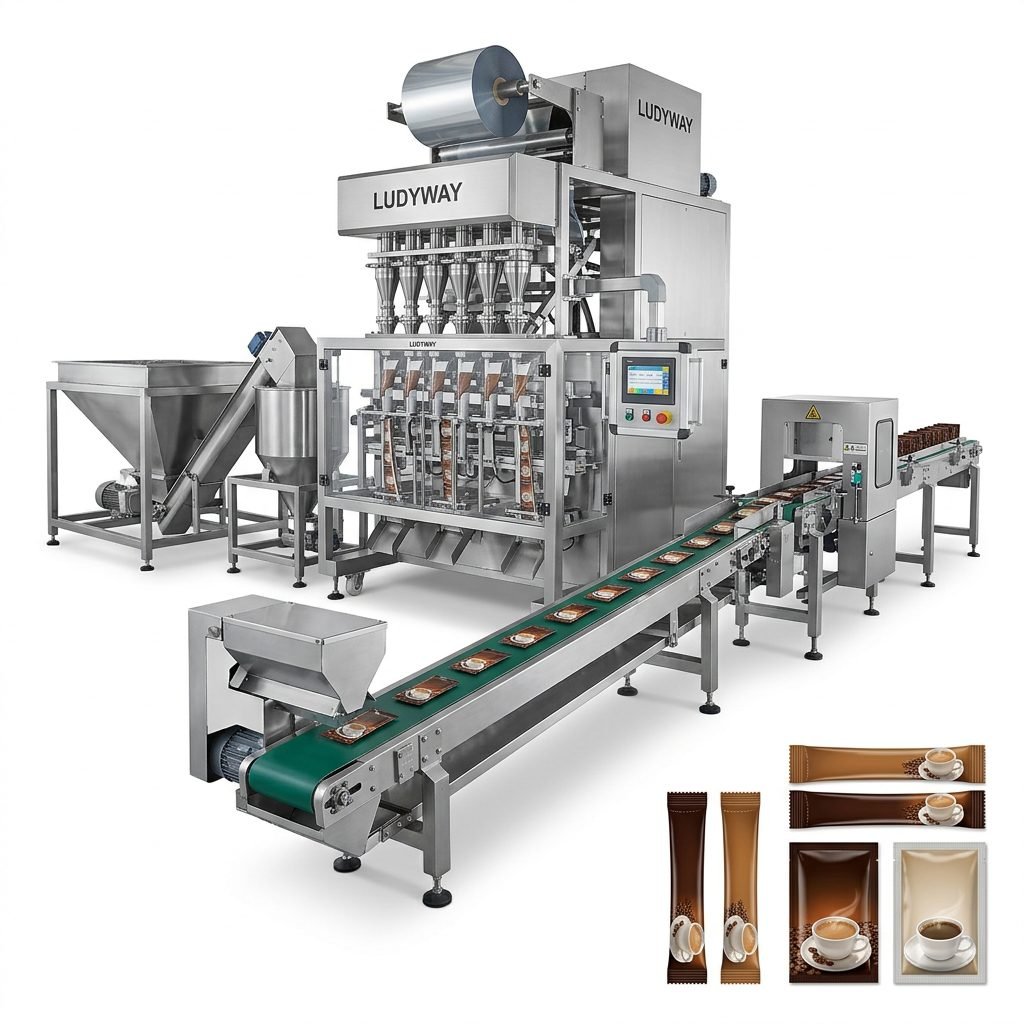
| Powder Stick Pack Line | 50 Lakh – 1.5 Cr | High-speed for SMP/flavored powder |
| Utility & Installation | 30 Lakh – 50 Lakh | Boilers, chillers, electricals |
| Total Turnkey Investment | 2 Cr – 5 Cr+ | Depending on automation and capacity |
Optimizing Production with Advanced Technology
The difference between a basic line and a world-class facility lies in automation and data integration. For milk powder applications, multi-lane stick pack machinery offers unmatched speed and precision, reducing labor costs significantly. Modern lines feature servo-driven systems for precise fill weights and nitrogen flushing to extend shelf life of sensitive dairy powders.
Partnering with established global suppliers streamlines this process. For instance, Ludyway, as one of the largest packaging machine manufacturers in Asia, specializes in advanced turnkey packaging lines including high-speed liquid filling and multi-lane powder stick pack systems. Utilizing a vendor with a 20,000㎡ manufacturing facility and global service experience ensures consistent output quality.
Common Challenges and Solutions
- Pouch Leakage: Often caused by low-quality film or misaligned sealing jaws. Solution: Invest in premium food-grade polyethylene and servo-driven sealers.
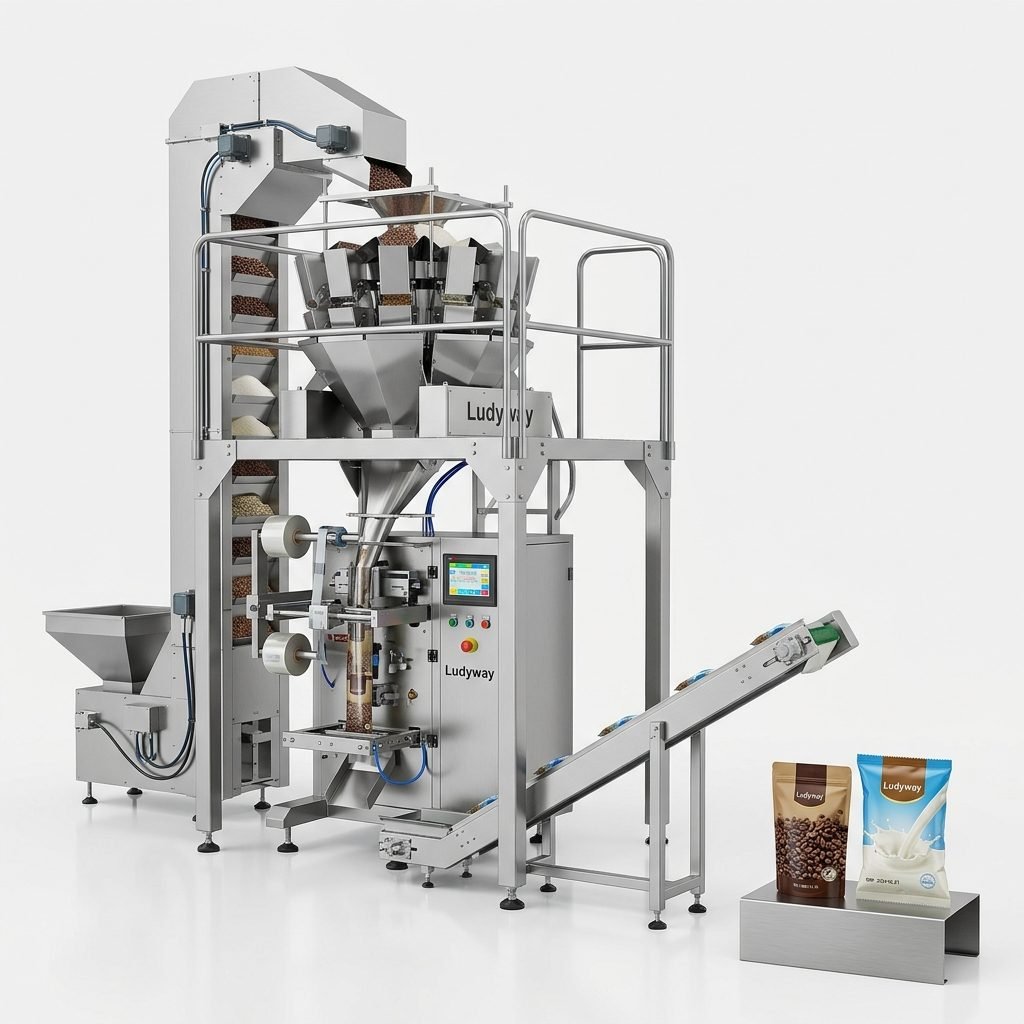
- Weight Inaccuracy: Volumetric fillers can drift with product density changes. Solution: Use multi-head weighers for powder or mass flow meters for liquid milk.
- Microbial Spoilage: Inadequate sterilization of pipelines. Solution: Integrate an automated Clean-in-Place (CIP) skid with regular validation.
- Power Fluctuations: Sensitive to consistent heat sealing. Solution: Install servo voltage stabilizers and air buffer tanks.
Key Considerations for Indian Exporters
If you are targeting the Middle East or Southeast Asian markets, your milk packaging production line must incorporate aseptic or extended shelf-life (ESL) technology. Reference resources from the Flexible Packaging Association can help select high-barrier films compliant with international standards.
Final Checklist Before Commissioning
- Completed factory acceptance test (FAT) at the supplier’s site.
- All utilities (electricity, compressed air, water treatment) connected and validated.
- Operators trained on machine setup, cleaning, and emergency stops.
- Packaging material tested for compatibility and seal strength on the machine.
- FSSAI registration and necessary state dairy permits obtained.
- Integrated traceability system (batch coding, date stamping) operational.
Setting up a milk packaging production line in India is a substantial but rewarding investment. By integrating modern filling systems, adhering to packaging industry standards, and selecting the right turnkey equipment partner, you can capture the growing market for branded, safe, and convenient dairy products.