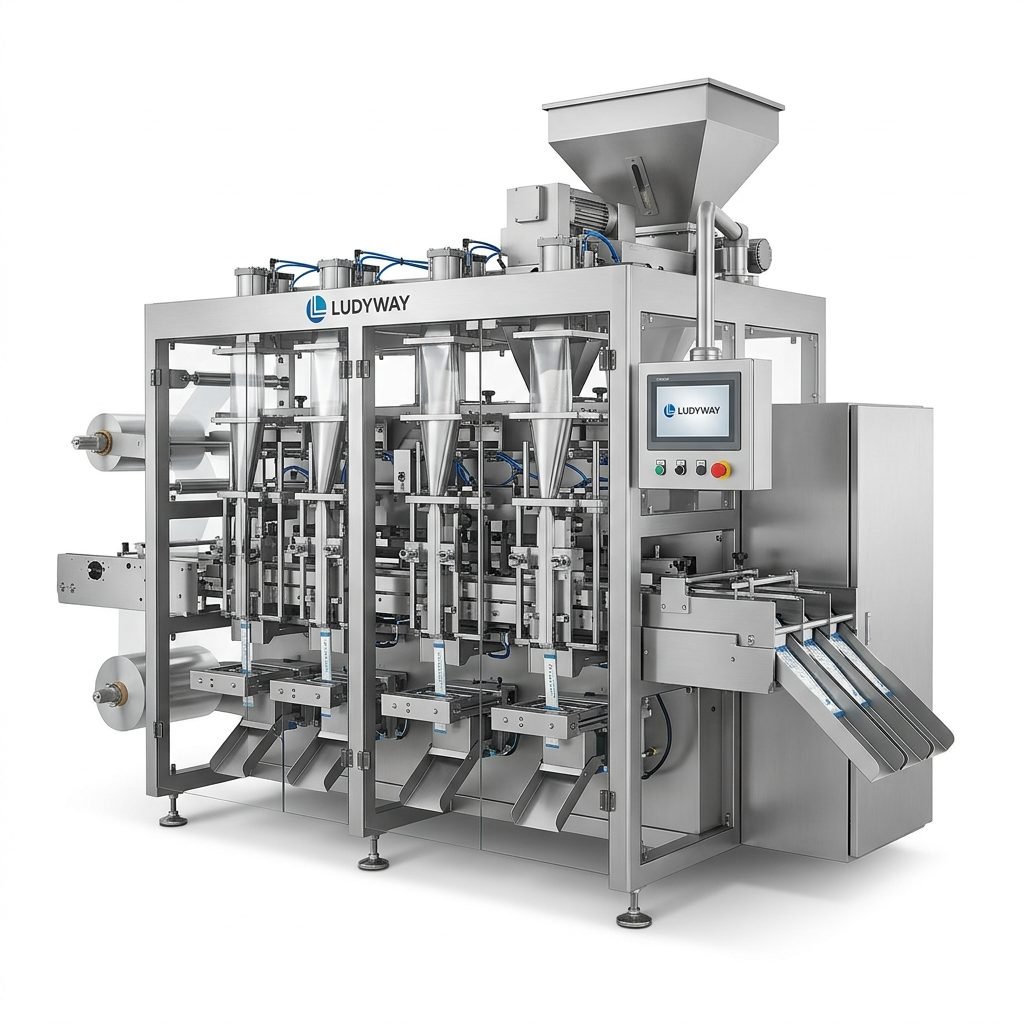
Investing in a fish packaging machine is a critical decision for seafood processors, wholesalers, and retailers across the United Kingdom. Whether you are packing fresh fillets, frozen seafood, or dried fish products, the right equipment can significantly reduce labour costs, extend shelf life, and improve product presentation. The UK seafood industry processes over 700,000 tonnes of fish annually, making efficient packaging systems essential for maintaining competitiveness in both domestic and export markets.
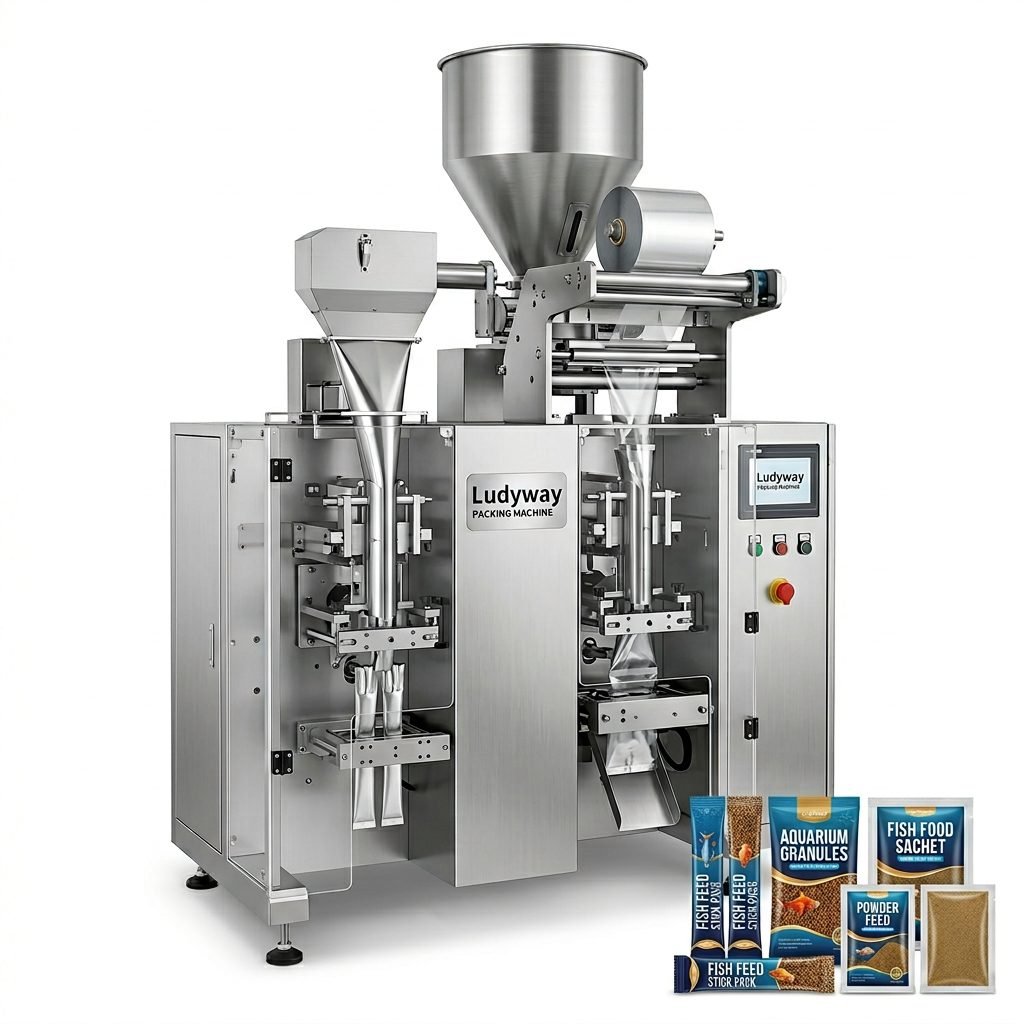
Understanding the UK Fish Packaging Landscape
The United Kingdom remains one of Europe’s largest seafood markets. From Scottish salmon farms to Cornish fishing ports, the demand for high-quality packaging machinery spans the entire supply chain. Modern fish packaging machines must handle a diverse range of products including whole fish, fillets, smoked salmon, fish fingers, and value-added seafood meals. The packaging machinery industry continues to evolve with automation and sustainability driving innovation across the sector.
Types of Fish Packaging Machines Available in the UK
Selecting the correct machine type depends on your production volume, product characteristics, and packaging format requirements. Below are the primary categories relevant to UK fish processors:
Vacuum Packaging Machines
Vacuum sealers are among the most popular choices for fresh and frozen fish. By removing oxygen from the package, these machines significantly extend product shelf life and preserve flavour and texture. Chamber vacuum machines, nozzle vacuum sealers, and thermoforming systems each offer distinct advantages depending on throughput needs.
- Chamber Vacuum Machines – Ideal for small to medium-scale operations, offering consistent seal quality for fillets and whole fish.
- Nozzle Vacuum Sealers – Suitable for larger production volumes with continuous operation capability.
- Thermoforming Packaging Lines – High-output systems that form, fill, and seal packages in a single automated process, perfect for smoked salmon and prepared seafood products.
Modified Atmosphere Packaging (MAP) Machines
MAP technology replaces the air inside the package with a protective gas mixture, typically carbon dioxide and nitrogen. This method is widely used for fresh fish sold in UK supermarkets, as it maintains product appearance while extending shelf life. Tray sealing MAP machines are particularly popular for retail-ready seafood portions.
Flow Wrapping and Horizontal Form Fill Seal Machines
For frozen fish products such as breaded fillets, fish fingers, and seafood ready meals, flow wrapping machines provide high-speed packaging with excellent product protection. These systems are capable of handling multi-lane production and can integrate with automated feeding and cartoning lines.
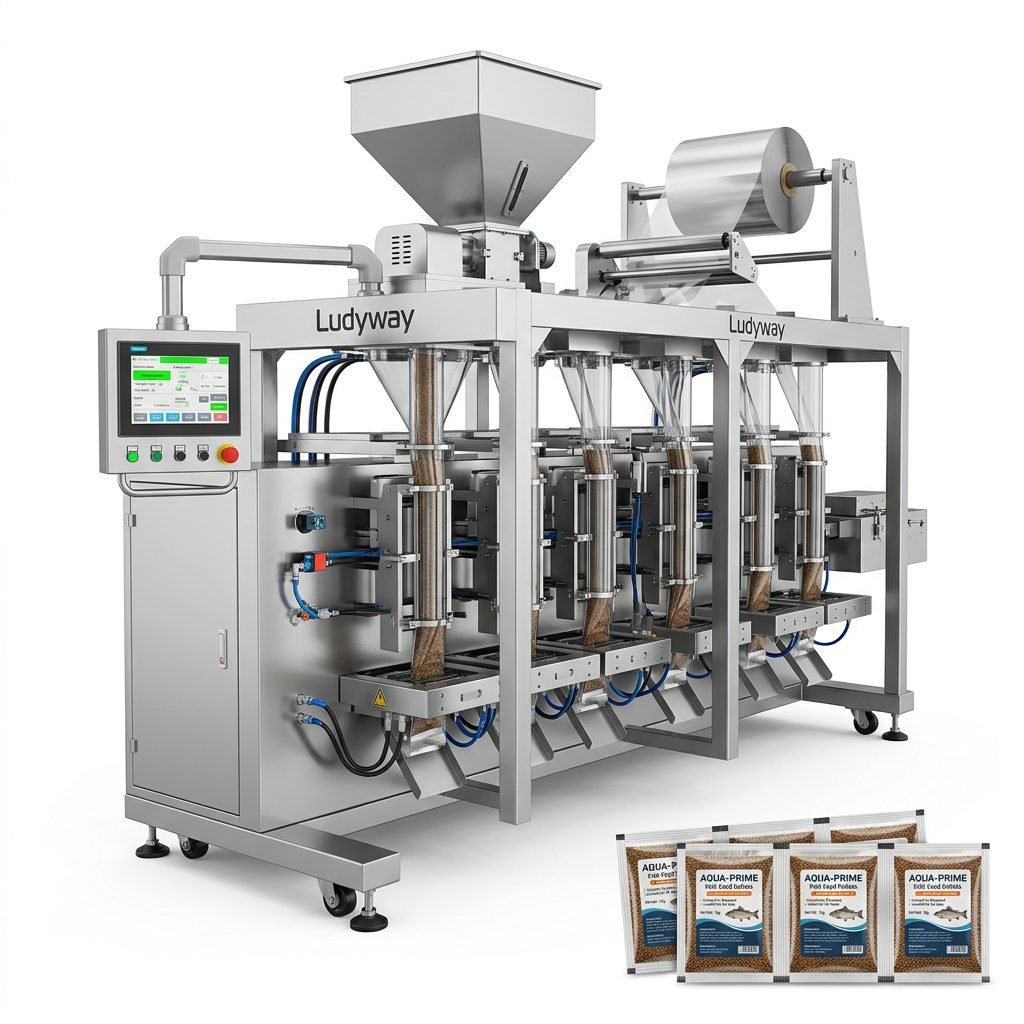
Multi-Lane Stick Pack and Sachet Machines
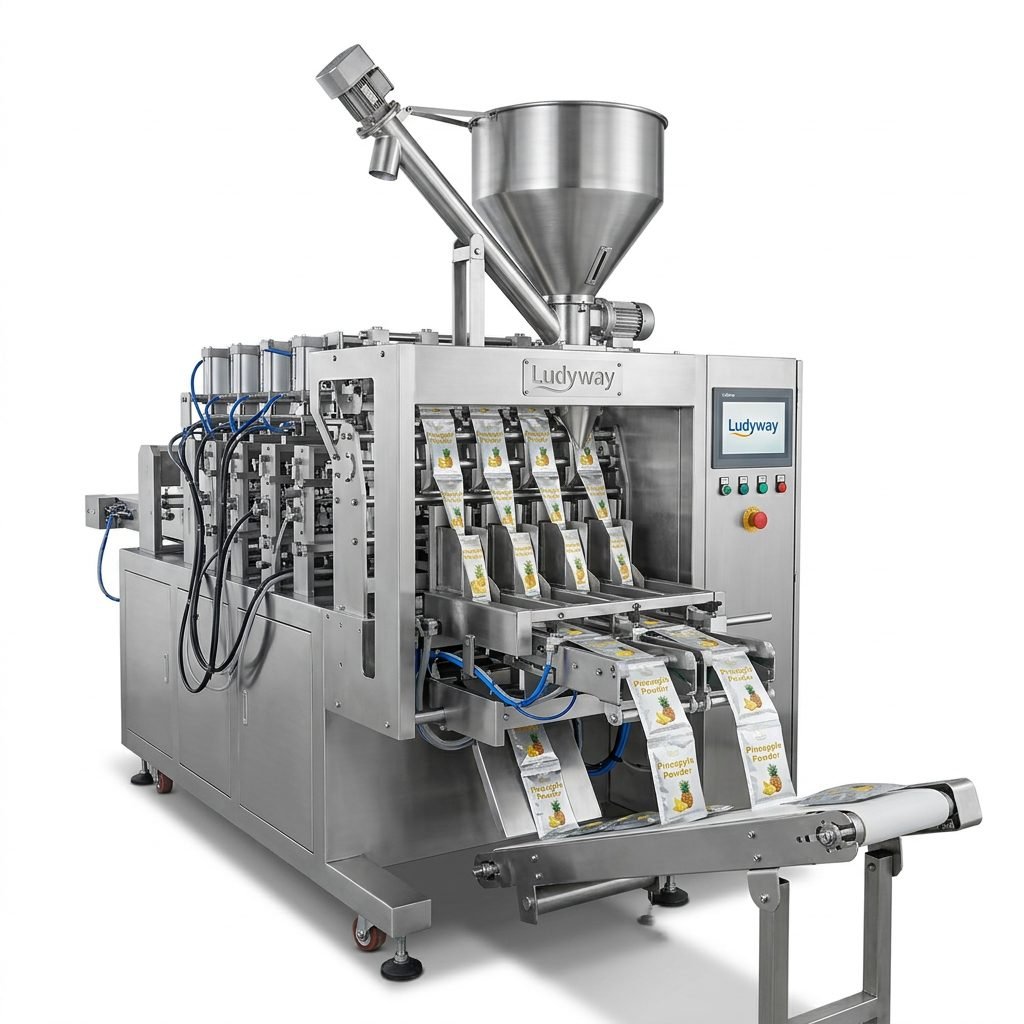
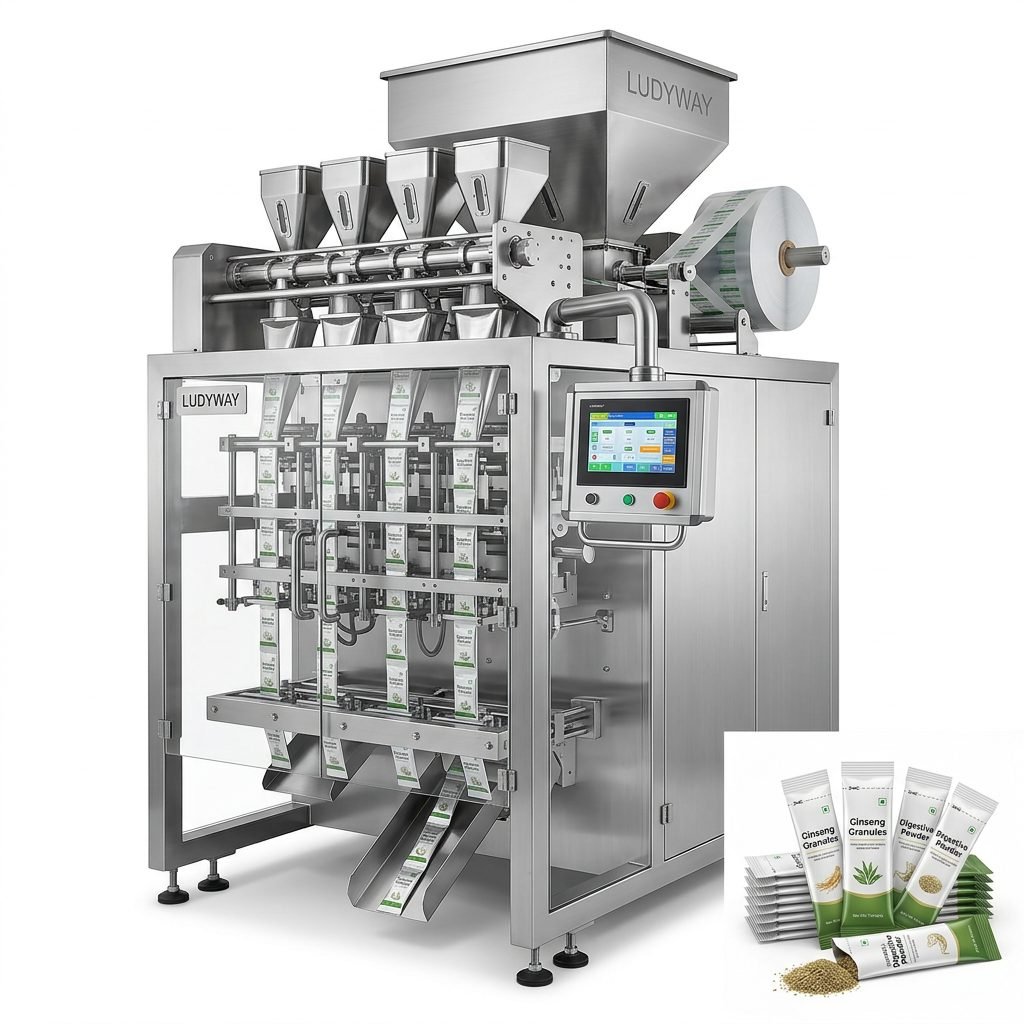
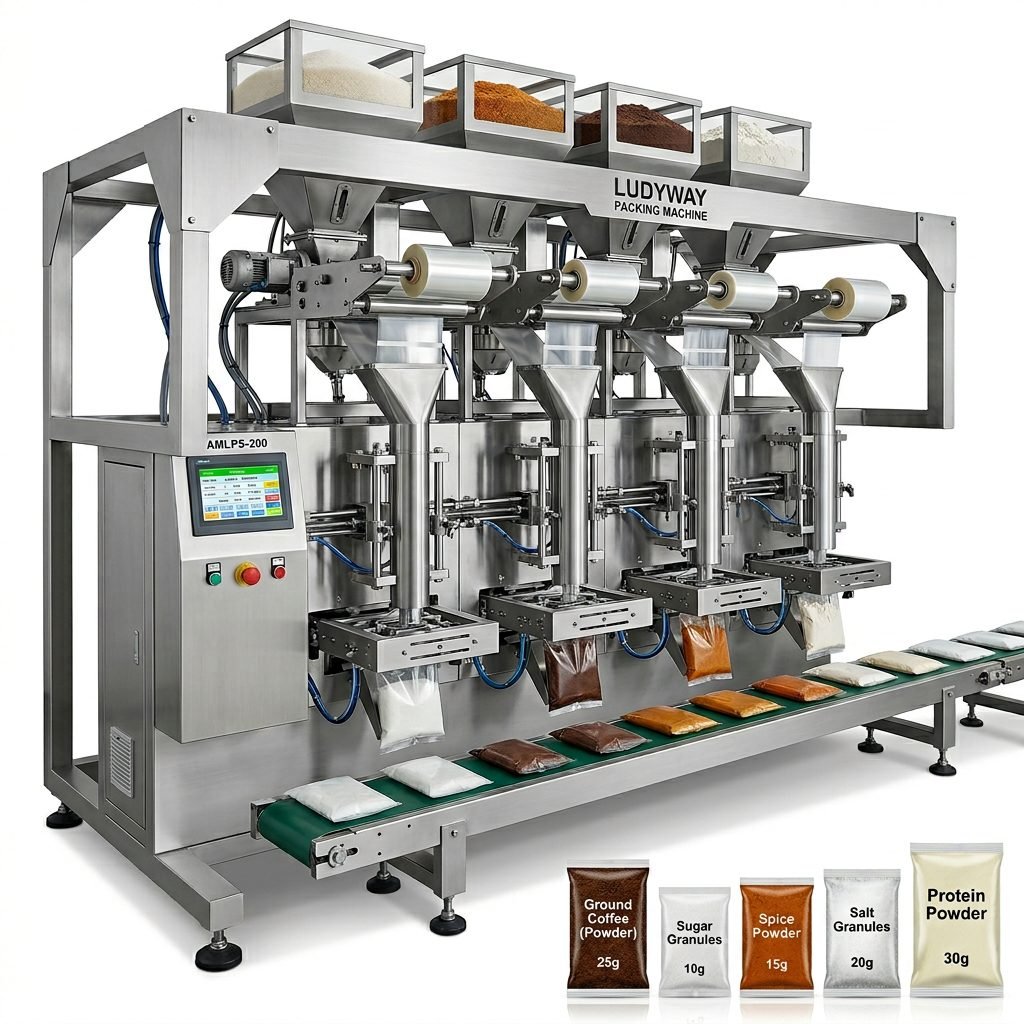
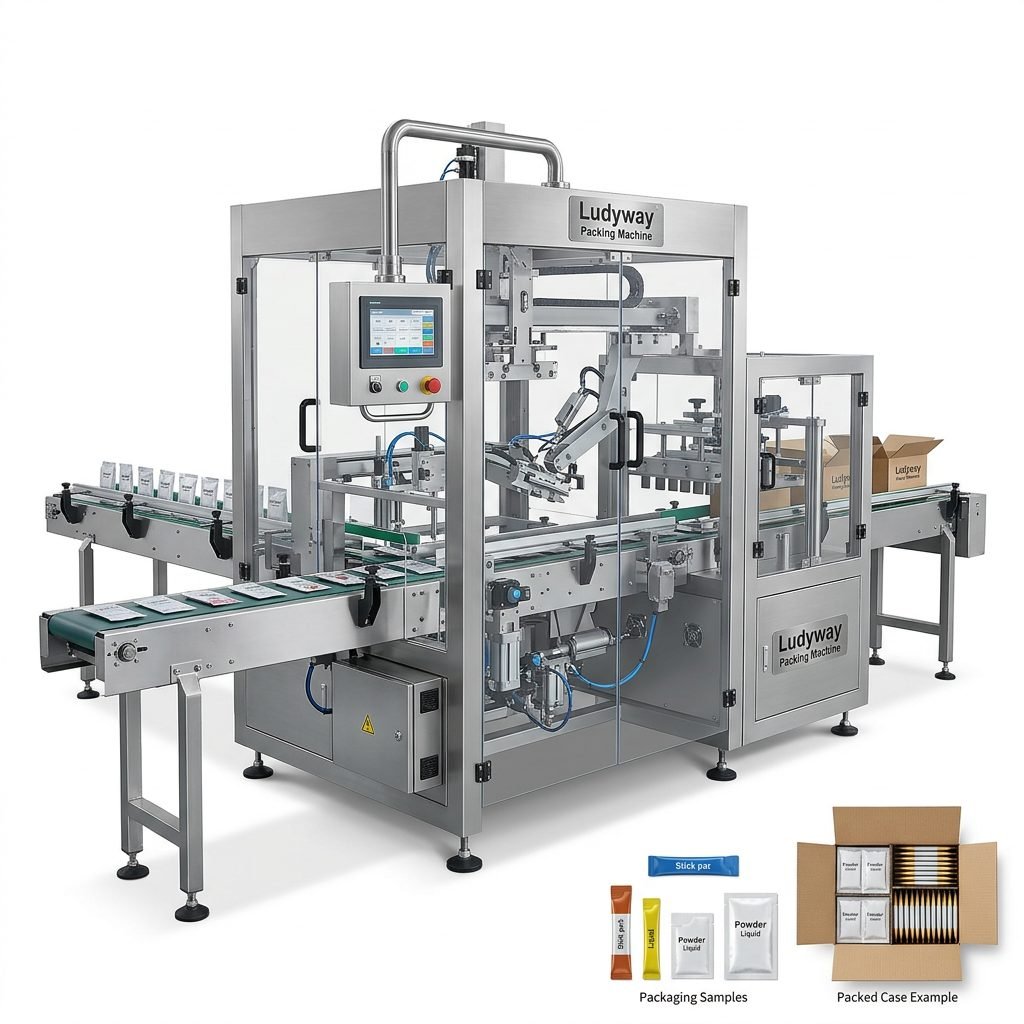
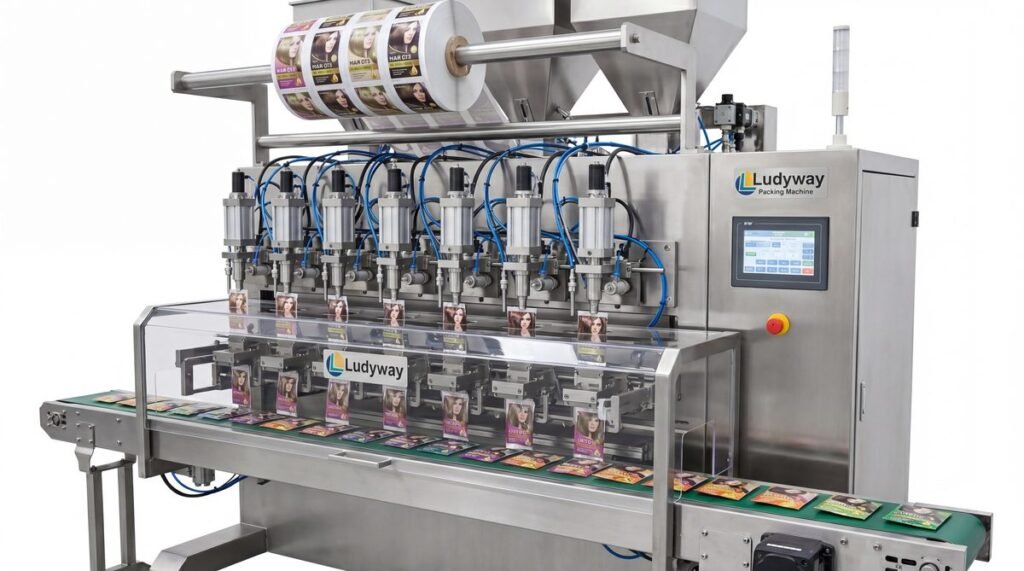
For dried fish snacks, fish protein powders, and seasoning mixes containing fish derivatives, multi-lane stick pack and sachet machines offer exceptional speed and portion control. These machines can produce hundreds of sachets per minute across multiple lanes simultaneously, making them ideal for the growing functional food and pet treat sectors.
Key Factors to Consider When Choosing a Fish Packaging Machine
Evaluating a fish packaging machine requires careful assessment of several operational parameters. The following table summarises the most important selection criteria:
| Selection Criterion | Key Considerations | Recommended Approach |
|---|---|---|
| Production Capacity | Packages per minute, shift patterns, peak season demand | Select a machine rated at least 20% above your current maximum output |
| Product Compatibility | Fresh vs frozen, wet vs dry, whole fish vs portions | Request product testing with your specific fish products before purchase |
| Packaging Material | Film type, barrier properties, recyclability, thickness range | Ensure machine supports sustainable and recyclable film options |
| Hygiene and Cleanability | Stainless steel construction, washdown capability, IP rating | Look for IP65 or higher rated machines with tool-free disassembly |
| Automation Level | Manual, semi-automatic, or fully automatic with inline integration | Consider total cost of ownership including labour savings over 5 years |
| After-Sales Support | UK-based service engineers, spare parts availability, response time | Verify local support infrastructure before committing to a supplier |
UK Regulatory Compliance for Fish Packaging
Food packaging equipment used in the United Kingdom must comply with UK Food Safety Regulations and, where applicable, EU retained legislation. Key requirements include:
- Food Contact Materials Regulation – All packaging materials in contact with fish must meet strict safety standards.
- HACCP Integration – Packaging machinery should support hazard analysis and critical control point protocols.
- Machinery Directive Compliance – Equipment must carry CE or UKCA marking as appropriate for the market.
- Traceability Requirements – Batch coding and date marking systems are essential for regulatory compliance and recall readiness.
For detailed guidance, refer to the FDA food packaging resources and European packaging waste regulations which continue to influence UK standards. The PMMI packaging industry resources also provide valuable benchmarks for machinery standards.
Cost Considerations for UK Buyers
The investment required for a fish packaging machine varies widely based on specifications, automation level, and output capacity. A basic tabletop vacuum sealer may cost between £2,000 and £8,000, while a fully automated thermoforming line can range from £80,000 to over £300,000. Multi-lane sachet and stick pack machines typically fall within the £40,000 to £180,000 range depending on lane count and features.
Additional Cost Factors
- Installation and Commissioning – Budget for engineer travel, setup, and operator training, typically 5-10% of equipment cost.
- Ongoing Consumables – Packaging film, replacement sealing bars, and maintenance parts represent recurring operational expenses.
- Energy Consumption – Compare power requirements across models; higher-efficiency machines often deliver lower lifetime operating costs.
- Financing Options – Many UK suppliers offer lease-to-own arrangements or asset finance solutions to spread capital expenditure.
Maintenance and Service Support in the UK
Reliable after-sales support is critical for minimising downtime in fish processing operations where product perishability leaves no margin for delays. When evaluating suppliers, consider the following:
- UK-based engineering team with experience in seafood packaging applications.
- Remote diagnostic capabilities enabling rapid troubleshooting without an onsite visit.
- Comprehensive spare parts inventory held in the UK or with guaranteed next-day delivery.
- Preventative maintenance contracts tailored to your production schedule and peak season demands.
Sustainability Trends in UK Fish Packaging
The UK packaging industry is undergoing a significant shift toward sustainable and recyclable materials. Fish processors are increasingly adopting mono-material films, recycled content packaging, and plastic reduction strategies. Modern packaging machines must be compatible with these newer materials, which often have different sealing characteristics compared to traditional multi-layer laminates. The Flexible Packaging Association provides extensive resources on sustainable packaging developments relevant to UK seafood processors.

Integration with Existing Production Lines
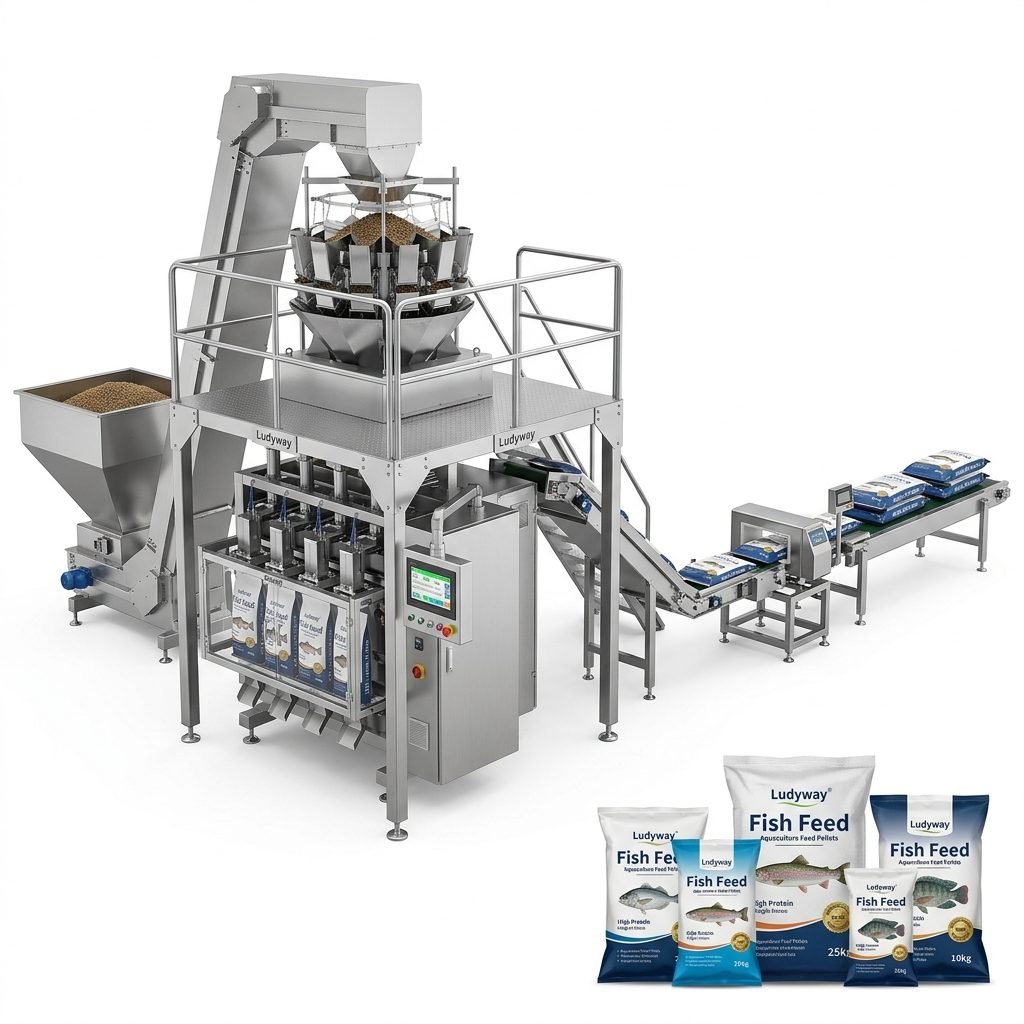
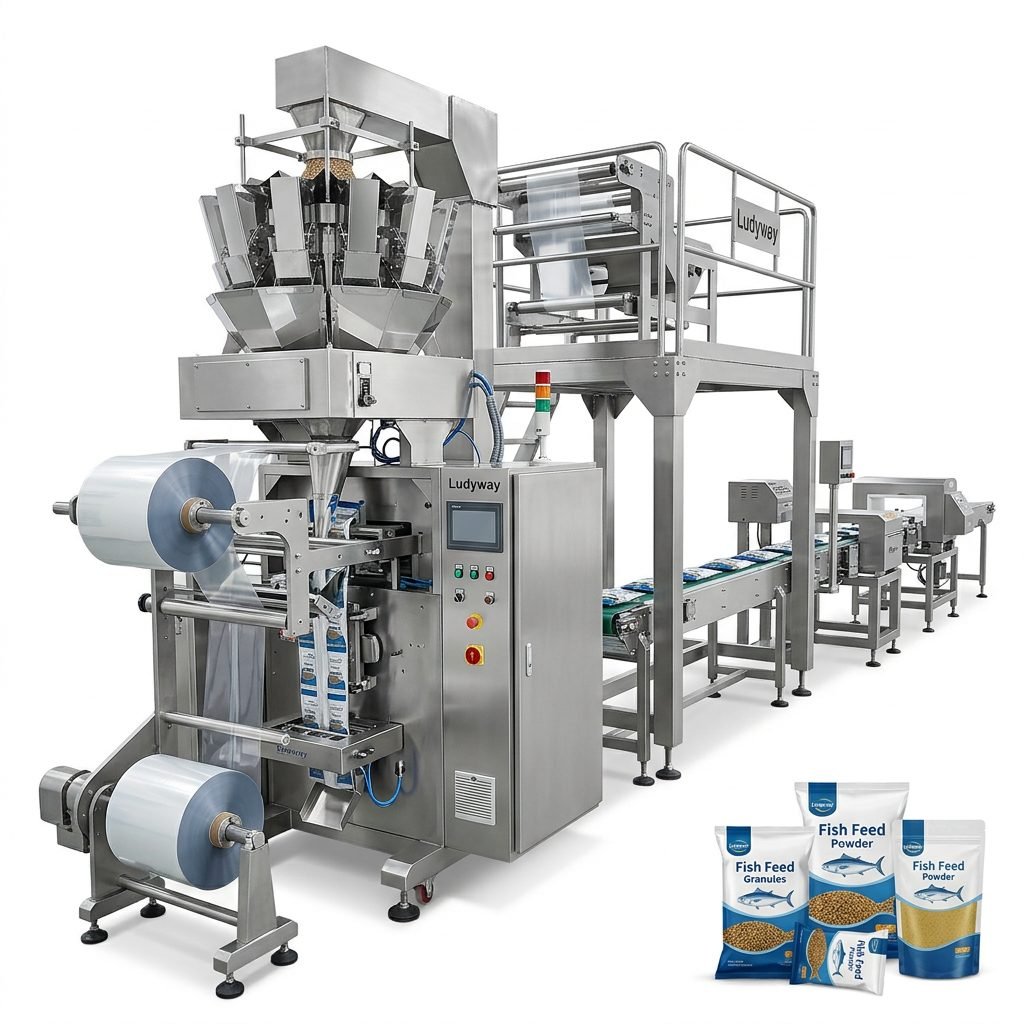
For larger UK fish processing facilities, the fish packaging machine must integrate seamlessly with upstream and downstream equipment. This includes weighing systems, conveyor networks, metal detectors, checkweighers, and cartoning or palletising systems. A well-integrated line improves overall equipment effectiveness (OEE) and reduces the need for manual intervention between processing stages.
Key Integration Points
- Infeed Systems – Automatic feeding from processing to packaging minimises product handling and contamination risk.
- Inspection Equipment – Inline metal detection and X-ray systems ensure product safety before final sealing.
- Date Coding and Labelling – Integrated printers and label applicators maintain traceability throughout the packaging process.
- End-of-Line Automation – Case packing, palletising, and stretch wrapping systems complete the packaging workflow.
Global Sourcing vs UK-Based Suppliers
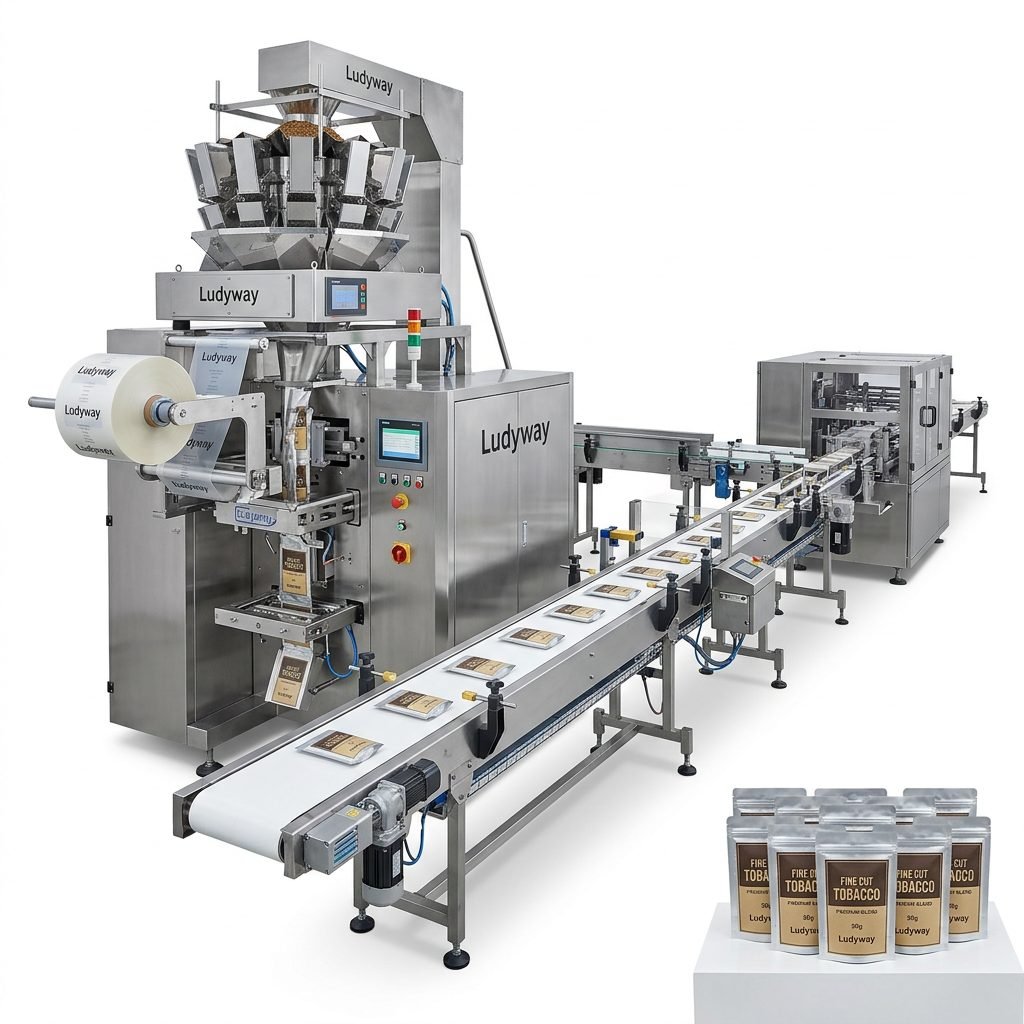
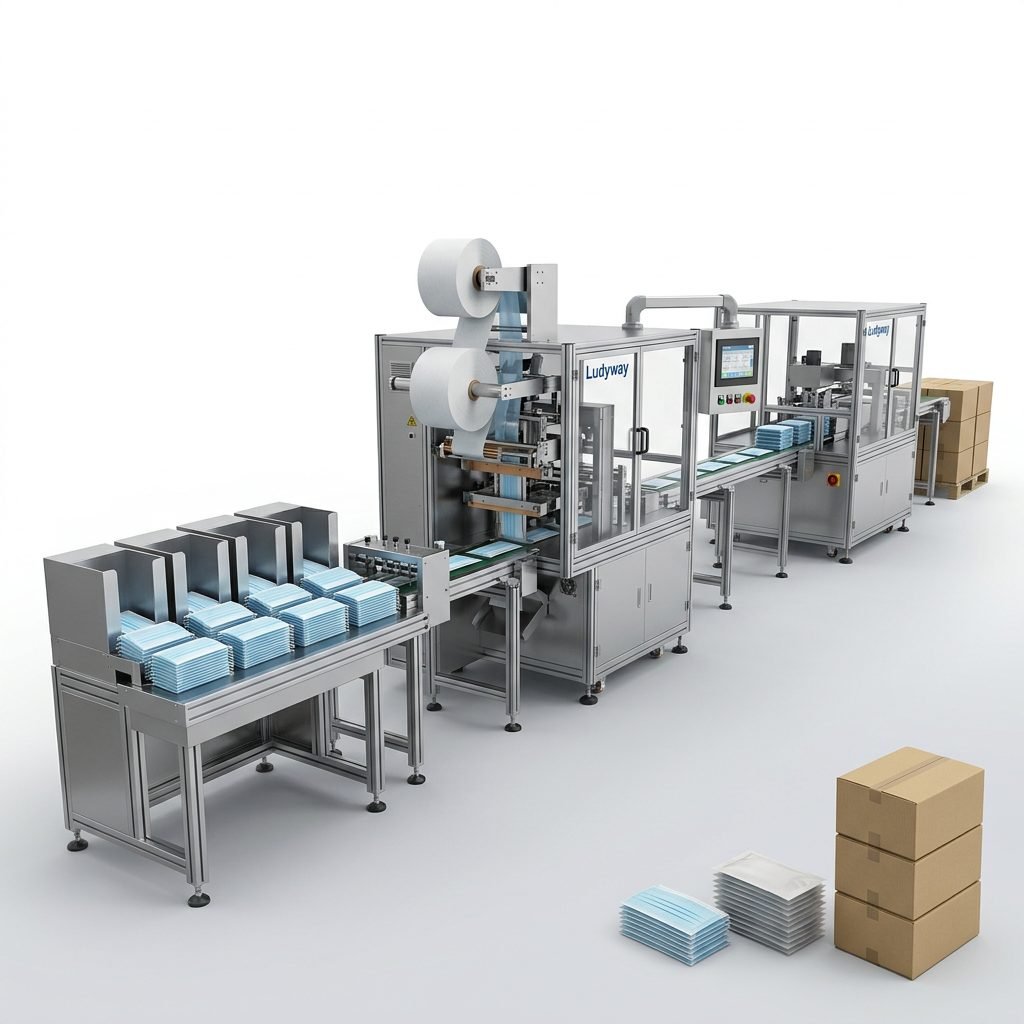
Many UK fish processors now consider global packaging machinery manufacturers alongside domestic suppliers. International manufacturers often provide cost-effective solutions with advanced technology and comprehensive support packages. For instance, Ludyway is one of the largest packaging machine manufacturers in China, specialising in advanced packaging equipment and turnkey production solutions for the food, pharmaceutical, and health industries, with over 30 years of industry expertise and customers in over 100 countries and regions.
Making the Final Decision
Selecting the ideal fish packaging machine for your UK operation involves balancing technical requirements, budget constraints, and future growth plans. We recommend the following structured approach:
- Define Your Requirements – Clearly document product specifications, target output, packaging format, and facility constraints.
- Research Available Options – Review specifications from multiple manufacturers, attend PACK EXPO International and UK trade shows where possible.
- Request Product Trials – Test your actual products on shortlisted machines to verify performance and seal quality.
- Evaluate Total Cost of Ownership – Look beyond the purchase price to include consumables, maintenance, energy, and expected service life.
- Verify Support Infrastructure – Confirm that spare parts, technical support, and service engineers are readily accessible in the UK.
- Check References – Speak with existing users in similar fish processing applications to understand real-world performance and reliability.
Frequently Asked Questions About Fish Packaging Machines
What is the best packaging method for fresh fish in the UK?
For retail fresh fish, Modified Atmosphere Packaging (MAP) combined with tray sealing is widely considered the optimal solution, offering extended shelf life while maintaining visual appeal. For wholesale and frozen distribution, vacuum packaging provides excellent protection against freezer burn and oxidation.
How much does a fish packaging machine cost in the UK?
Entry-level vacuum sealers start around £2,000, mid-range tray sealers and flow wrappers typically range from £25,000 to £80,000, while fully automated thermoforming and multi-lane systems can exceed £300,000 depending on configuration and output requirements.
Can one machine handle both fresh and frozen fish packaging?
Yes, many modern packaging machines are versatile enough to handle both fresh and frozen products, though specific tooling adjustments and film selections may be required. It is essential to confirm this capability with the manufacturer during the evaluation process.
By carefully evaluating your operational needs and the available equipment options, you can select a fish packaging machine that delivers reliable performance, regulatory compliance, and strong return on investment for your UK seafood business. For further reading, explore industry resources from PMMI’s State of the Industry reports and the Flexible Packaging Association.