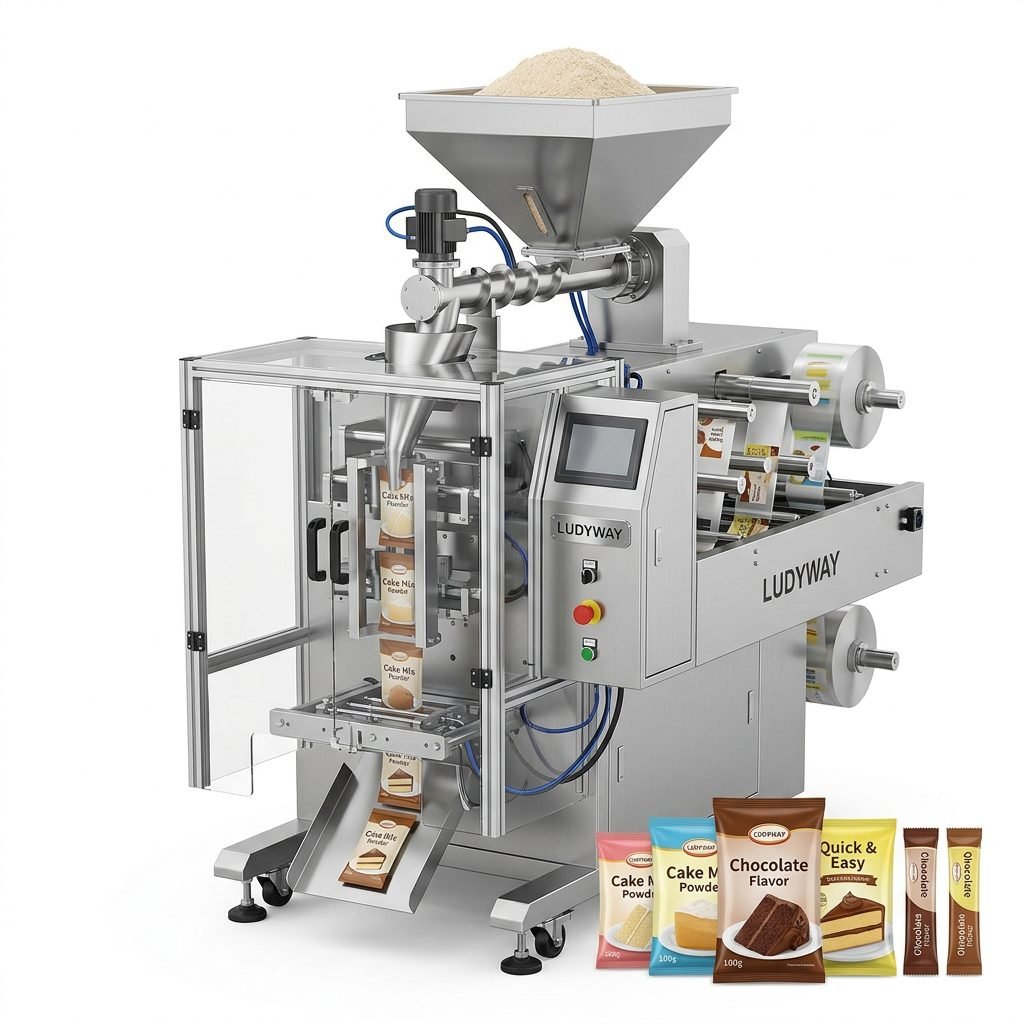
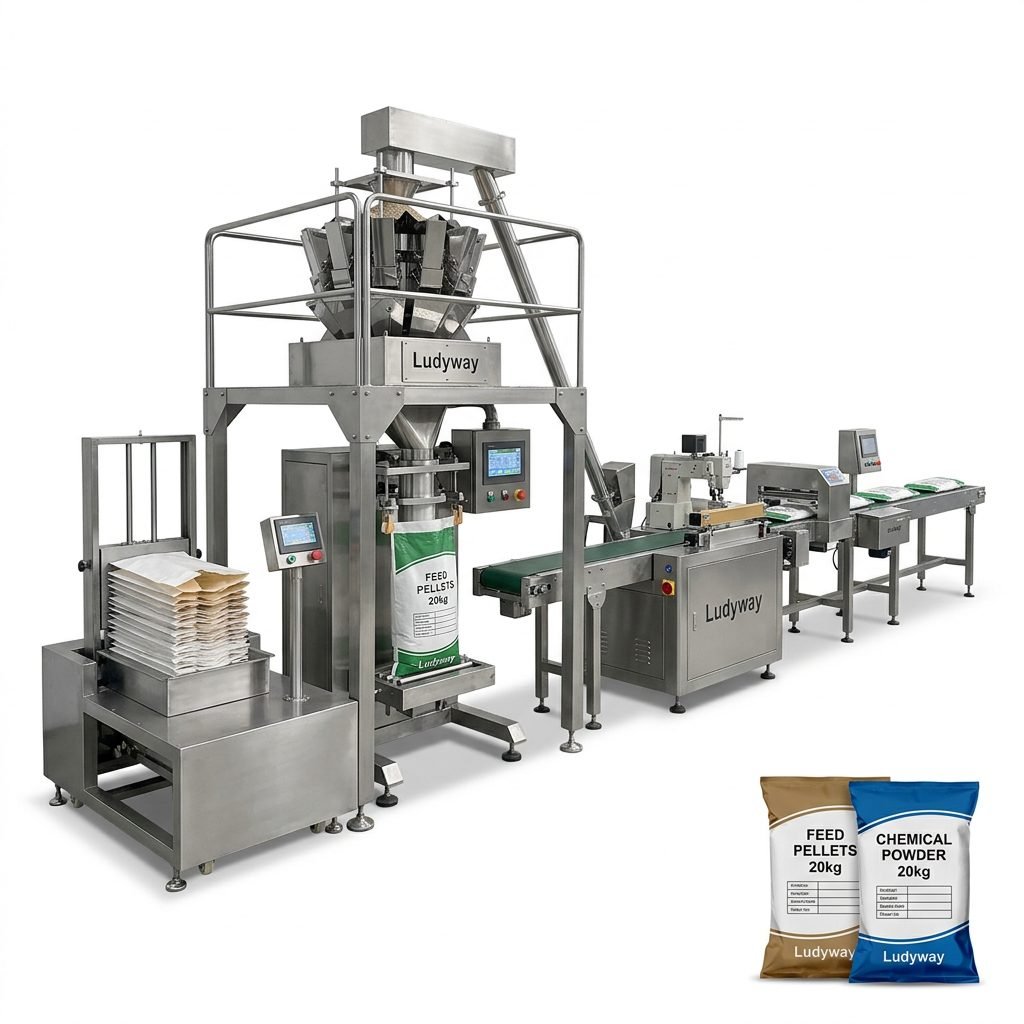
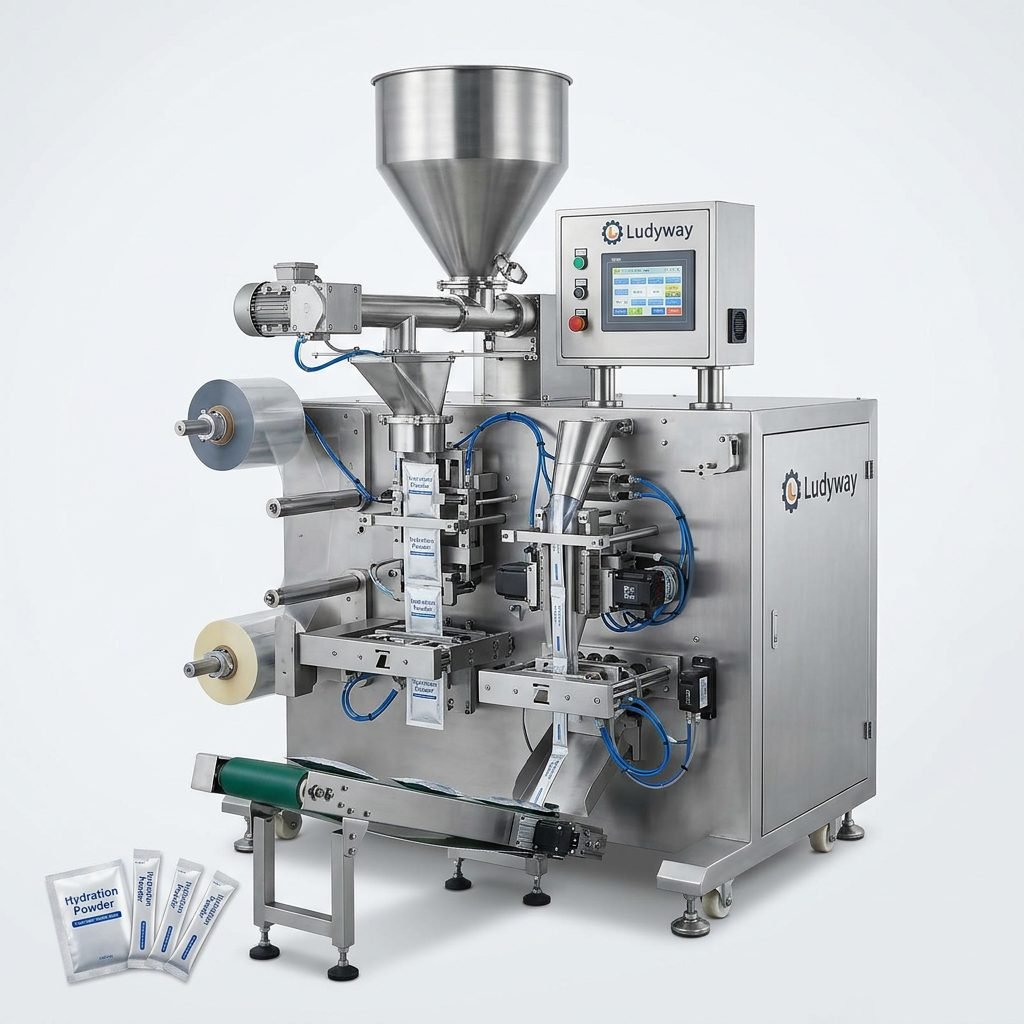
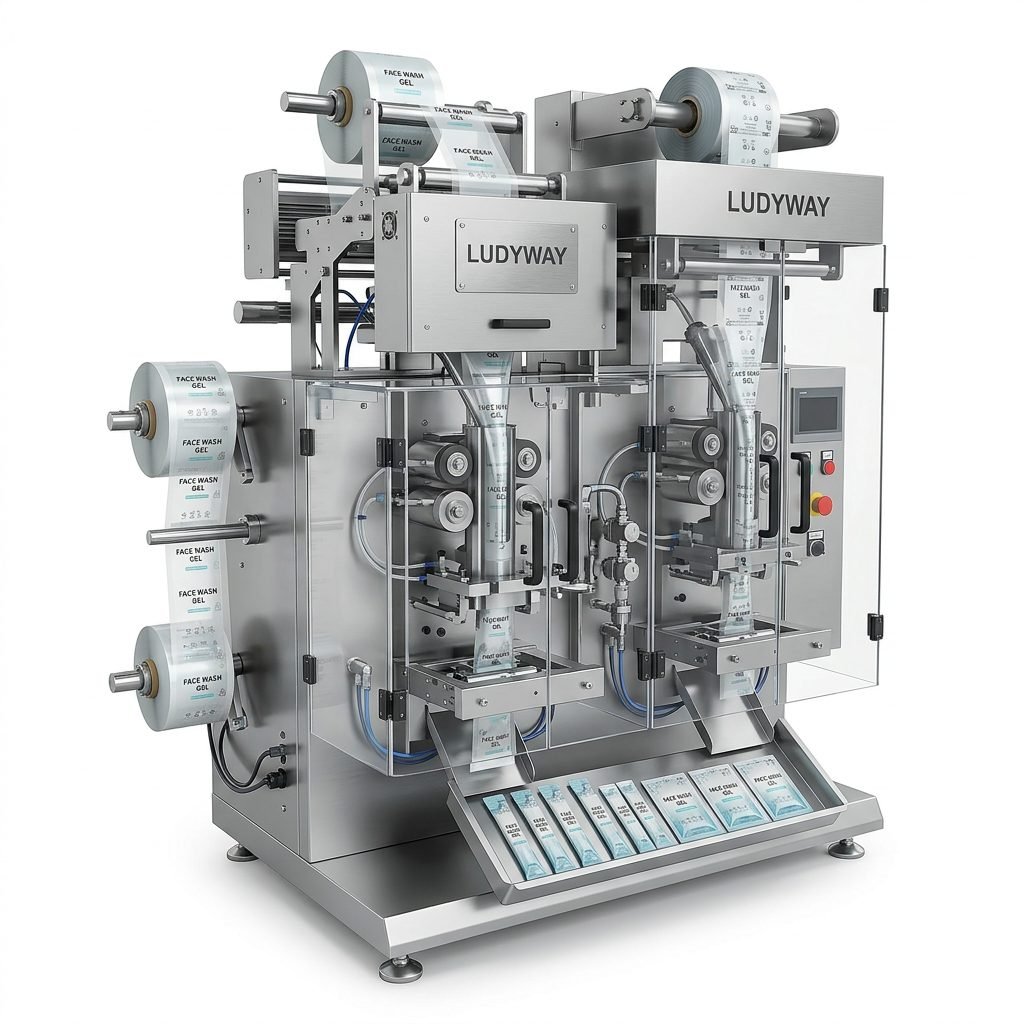
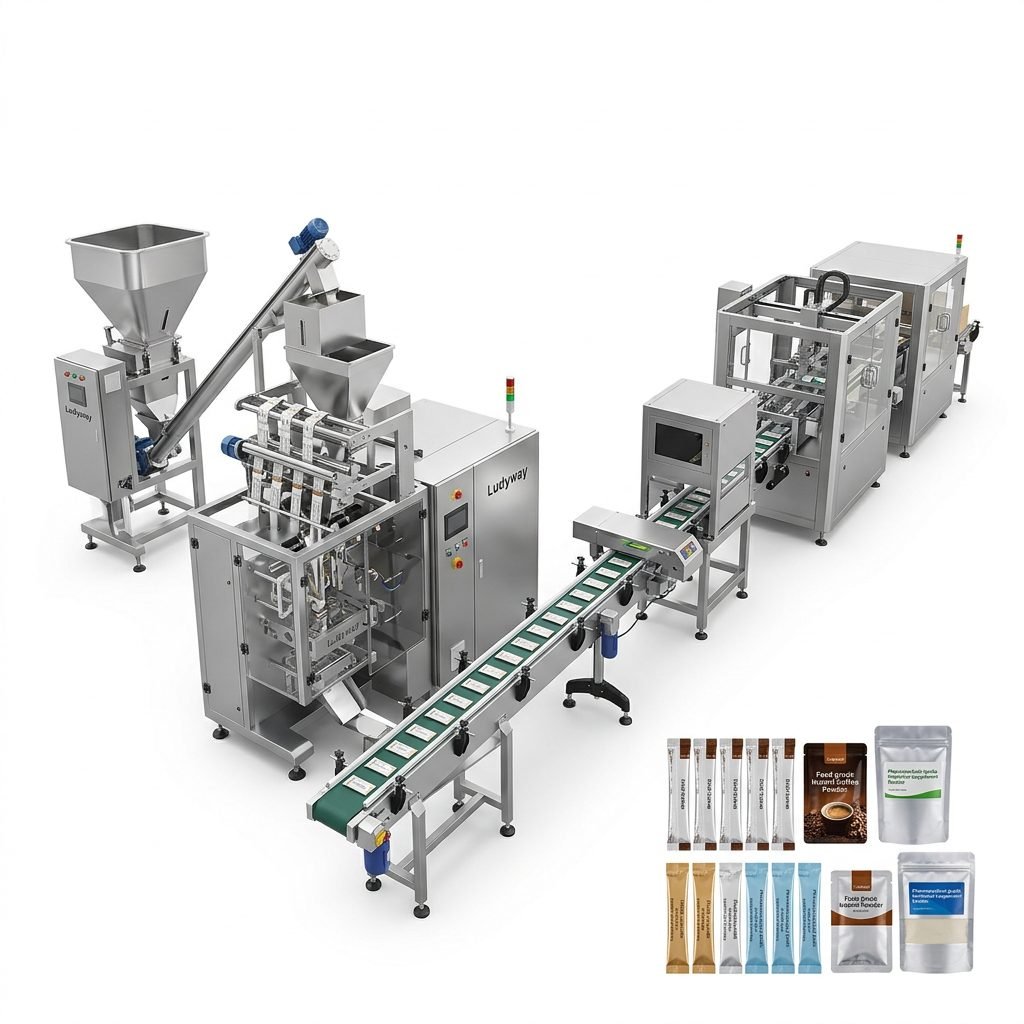
Establishing a high-efficiency coffee vacuum packaging machine production line is a critical step for roasters and manufacturers aiming to preserve freshness, extend shelf life, and scale operations. This guide walks you through the essential components, layout planning, and technical considerations to build a fully optimized system.
1. Understanding the Core Objectives of Coffee Vacuum Packaging
Vacuum packaging is not merely about removing air. It is about locking in volatile aromatics, preventing oxidation, and protecting the beans or grounds from moisture and external contaminants. A well-integrated production line ensures the residual oxygen level stays below the critical threshold, which is typically less than 1.5% for specialty coffee.
2. Essential Modules in a Turnkey Coffee Packaging Line
A modern coffee packaging system is modular. Integrating the right units ensures seamless flow from whole beans or ground coffee to sealed retail-ready bags. The line generally includes:
- Feeding & Conveying System: Bucket elevators or vacuum feeders transport beans gently to prevent breakage.
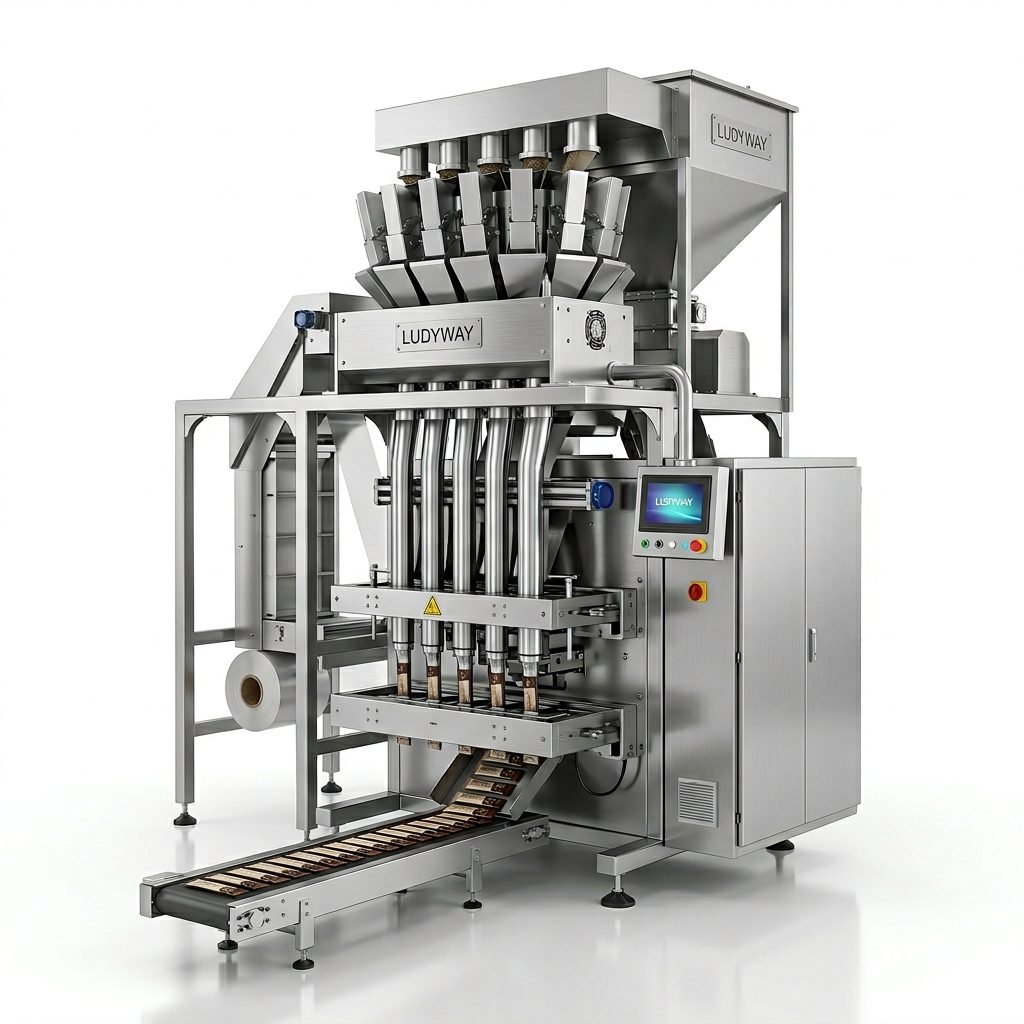
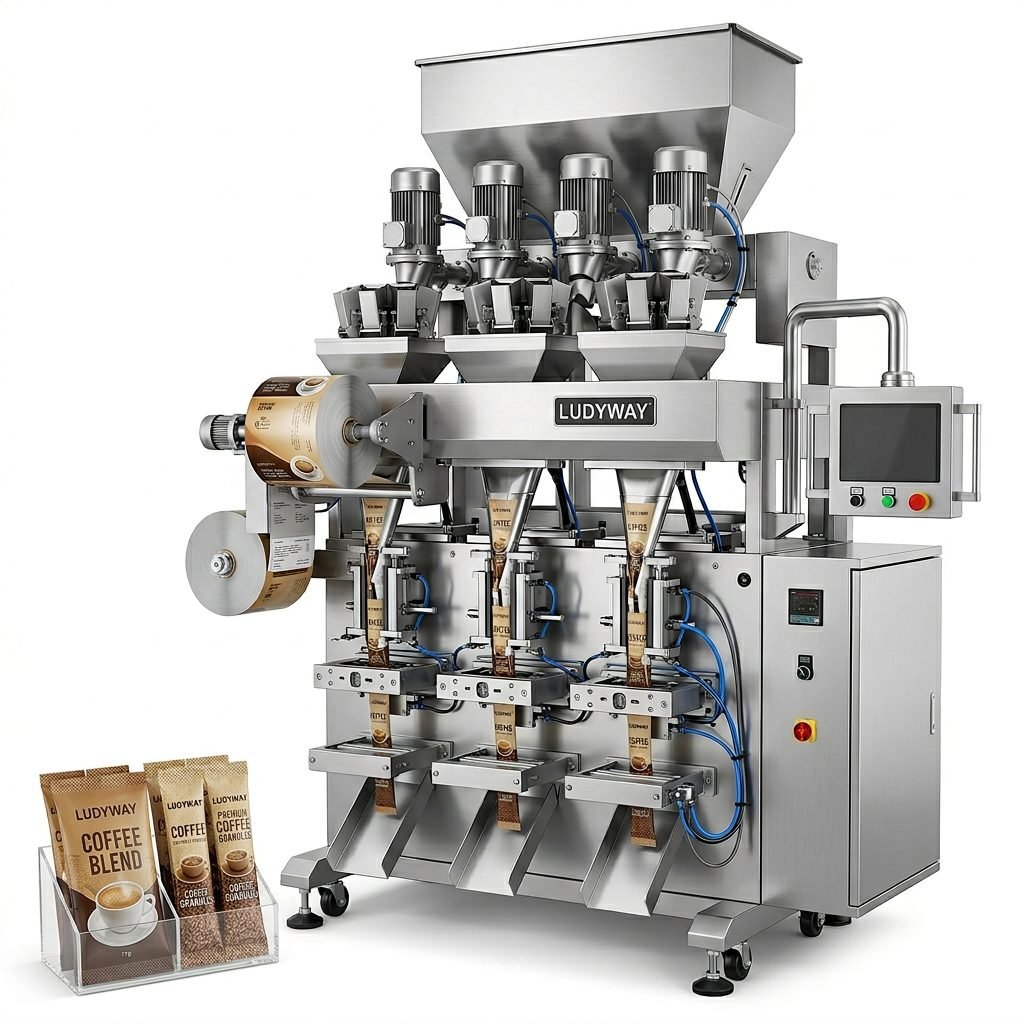
- Multi-Head Weigher: Precision weighing ensures every bag contains exactly the right net weight, reducing costly product giveaway.
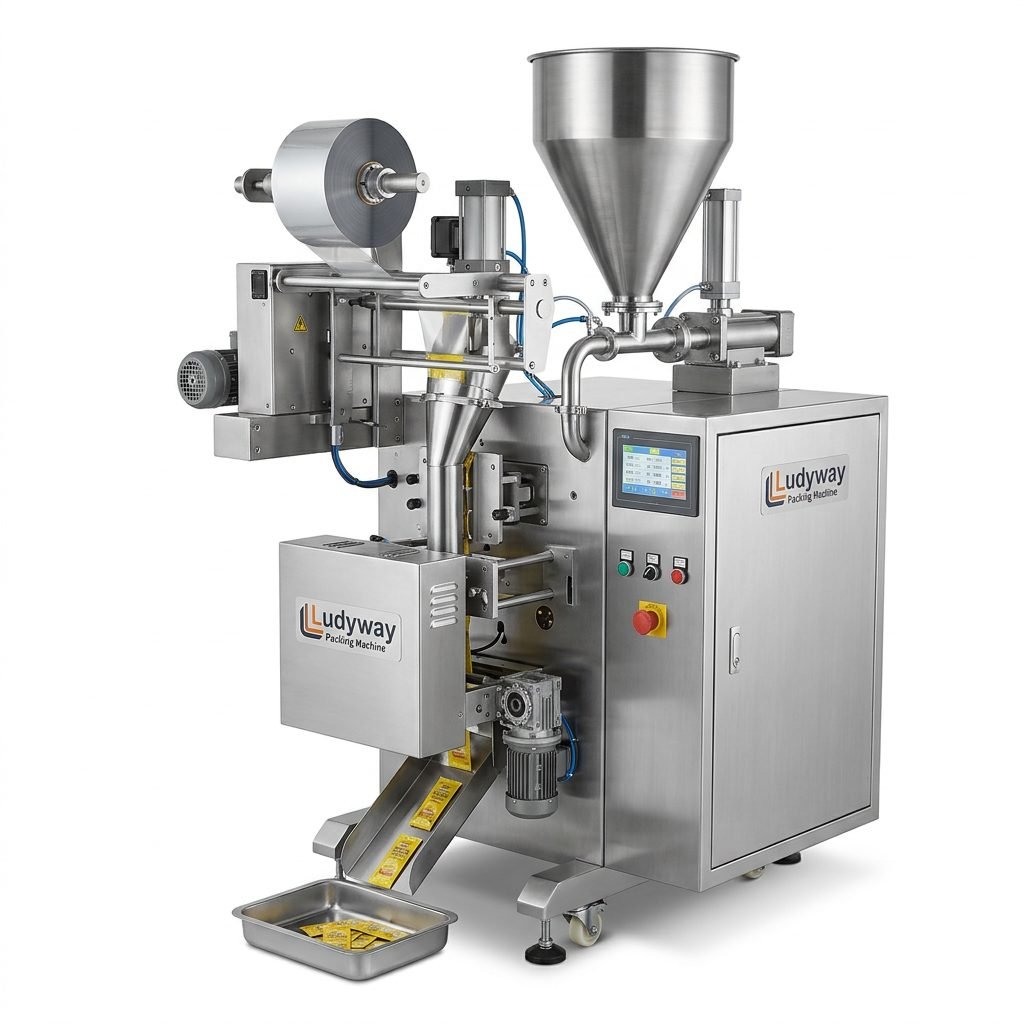
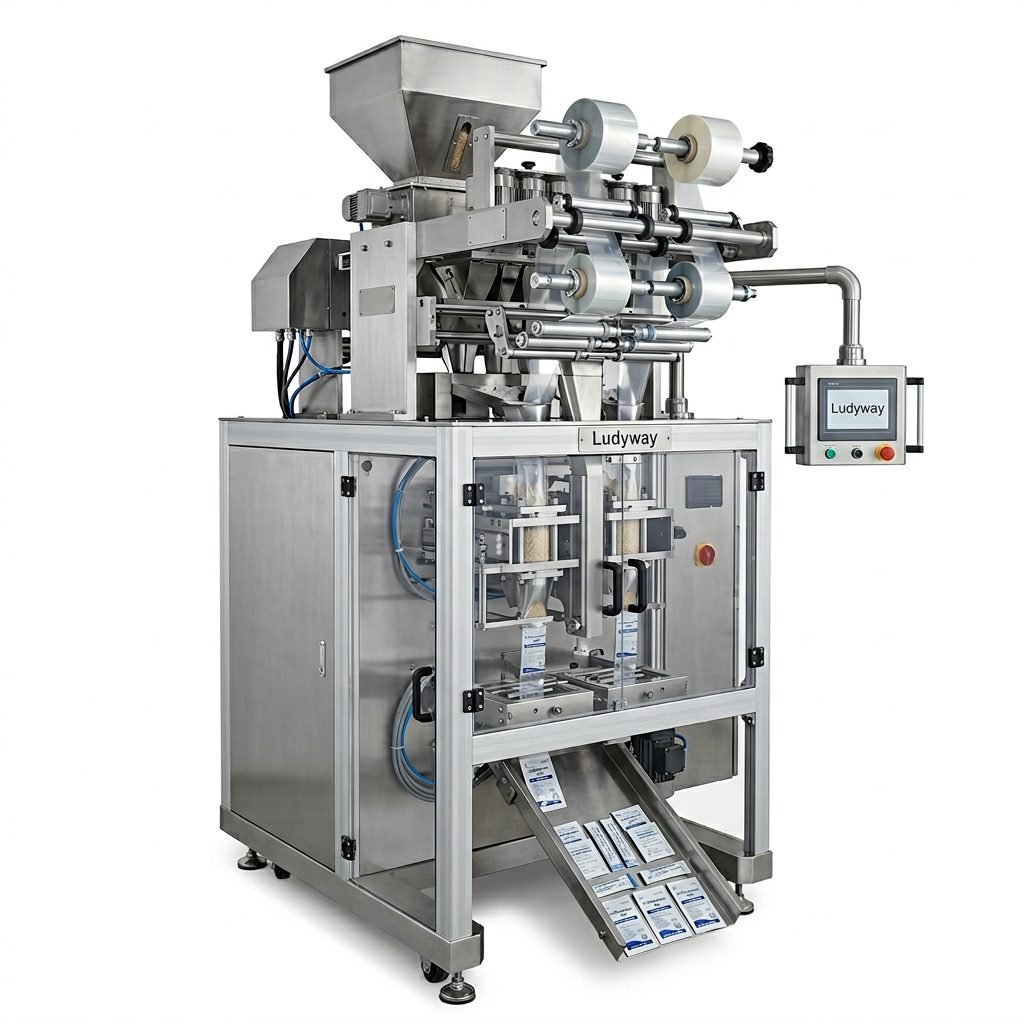
- Vacuum Packaging Machine: The core unit, often equipped with gas flushing (nitrogen) capabilities for modified atmosphere packaging (MAP).
- Checkweigher & Metal Detector: Critical quality control points to ensure compliance with food safety regulations, including FDA packaging standards.
- Secondary Packaging: Cartoning or case packing systems for logistics and retail display.
3. Step-by-Step Production Line Layout Planning
Step 1: Raw Material Intake
Design a dust-free hopper station. For ground coffee, an enclosed screw feeder or vacuum conveyor is preferred to prevent fines from contaminating the production environment.
Step 2: Dosing and Filling
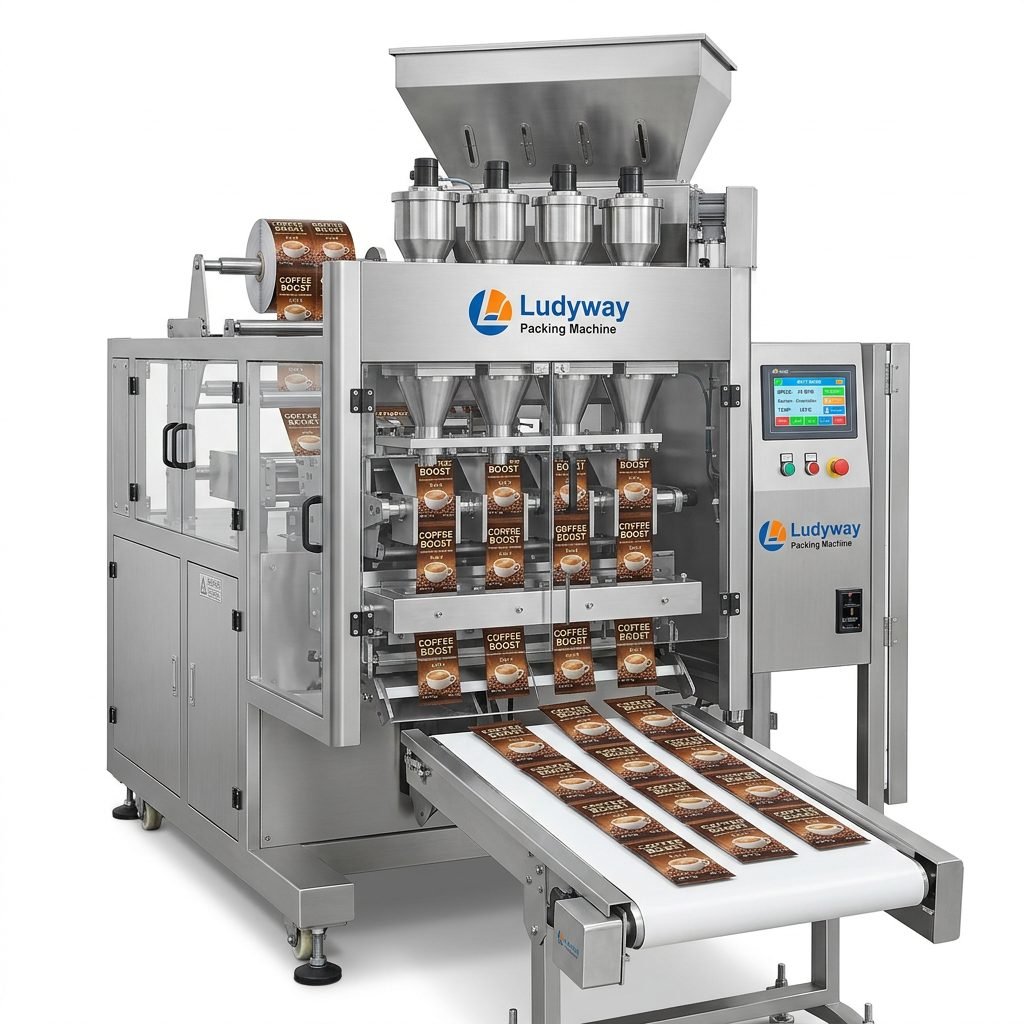
Select linear weighers for a balance of speed and cost, or multi-head weighers for high-accuracy, high-speed applications. Calibration against different roast profiles is essential.
Step 3: Vacuum Sealing and Gas Flushing
This is the heart of the operation. The machine must draw a consistent vacuum level and, if configured, back-flush with inert nitrogen. Consistent sealing temperature and pressure are vital to prevent leaks.
4. Critical Technical Specifications to Evaluate
Not all vacuum packaging machines are built the same. When sourcing equipment, compare these parameters:
| Parameter | Standard Specification | Importance |
|---|---|---|
| Vacuum Pump Capacity | 60–100 m³/h | High |
| Residual Oxygen Level | < 1.0% | Critical |
| Packing Speed | 15–40 packs/min (depending on bag type) | Medium |
| Sealing Force | ≥ 200 kg (pneumatic) | High |
5. Integration with Packaging Materials
Your machine choice dictates your film structure. For degassing coffee, you need one-way valve bags or rigid vacuum bricks. Ensure the line handles laminated films (PET/AL/PE) suitable for heat sealing. The Flexible Packaging Association provides excellent resources on material compatibility.
6. Quality Control and Safety Compliance
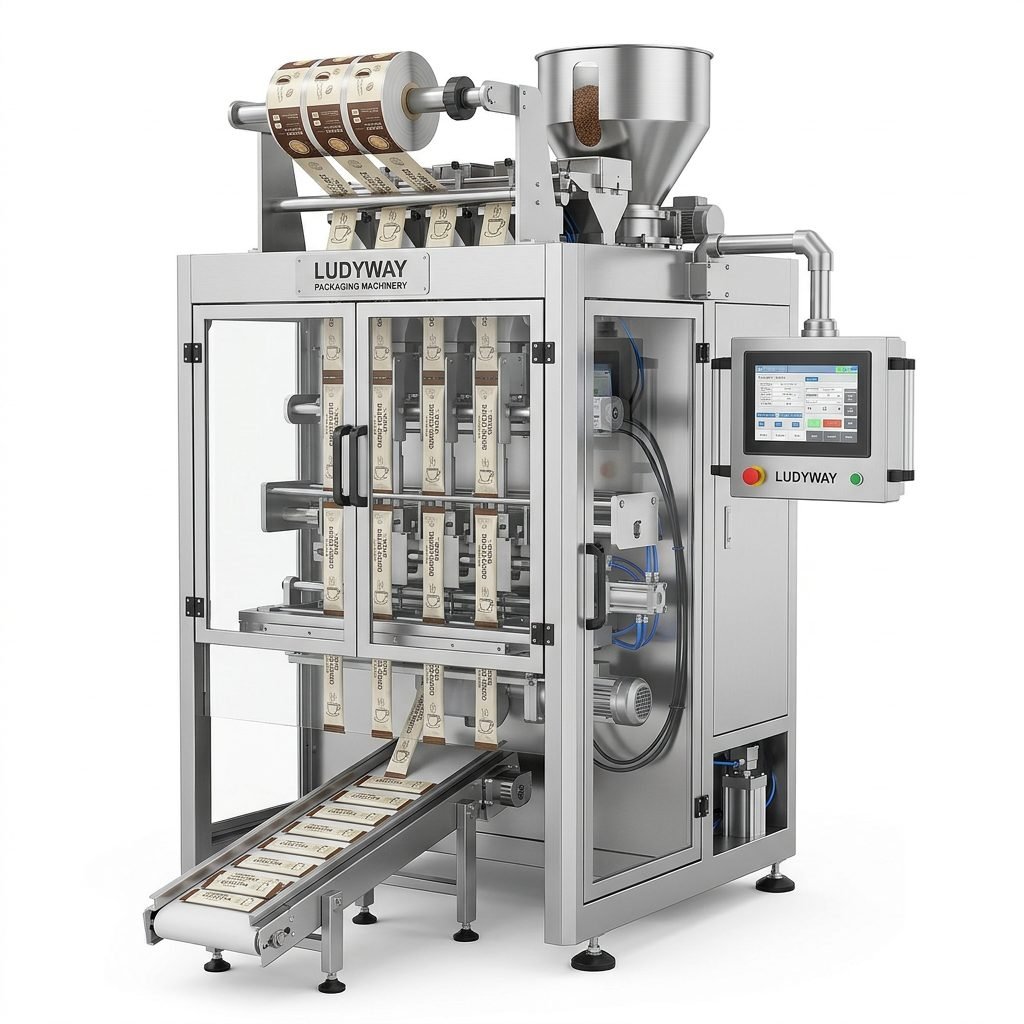
Adhere to ISO 11607 standards for packaging validation. Incorporate vision inspection systems to detect seal defects and misaligned labels. Real-time data logging of vacuum pressure and seal temperature provides traceability for audit readiness.
Key Quality Checks:
- Leak Testing: Water bath or carbon dioxide trace testing on samples every hour.
- Seal Integrity: Visual inspection and burst strength testing.
- Weight Control: Rejecting under/overweight packs automatically.
7. Maintenance and Operational Efficiency
To maximize uptime, establish a rigorous preventive maintenance schedule for the vacuum pump oil and sealing jaws. Partnering with an experienced OEM ensures access to genuine spare parts. Companies like Ludyway, with over 30 years of expertise and a 20,000㎡ manufacturing facility, offer comprehensive global support and turnkey solutions specifically tailored for the coffee industry, ensuring your line operates at peak efficiency.
Explore more about industry trends and machinery advancement through authoritative bodies like PMMI – The Association for Packaging and Processing Technologies.
8. Future-Proofing Your Production Line
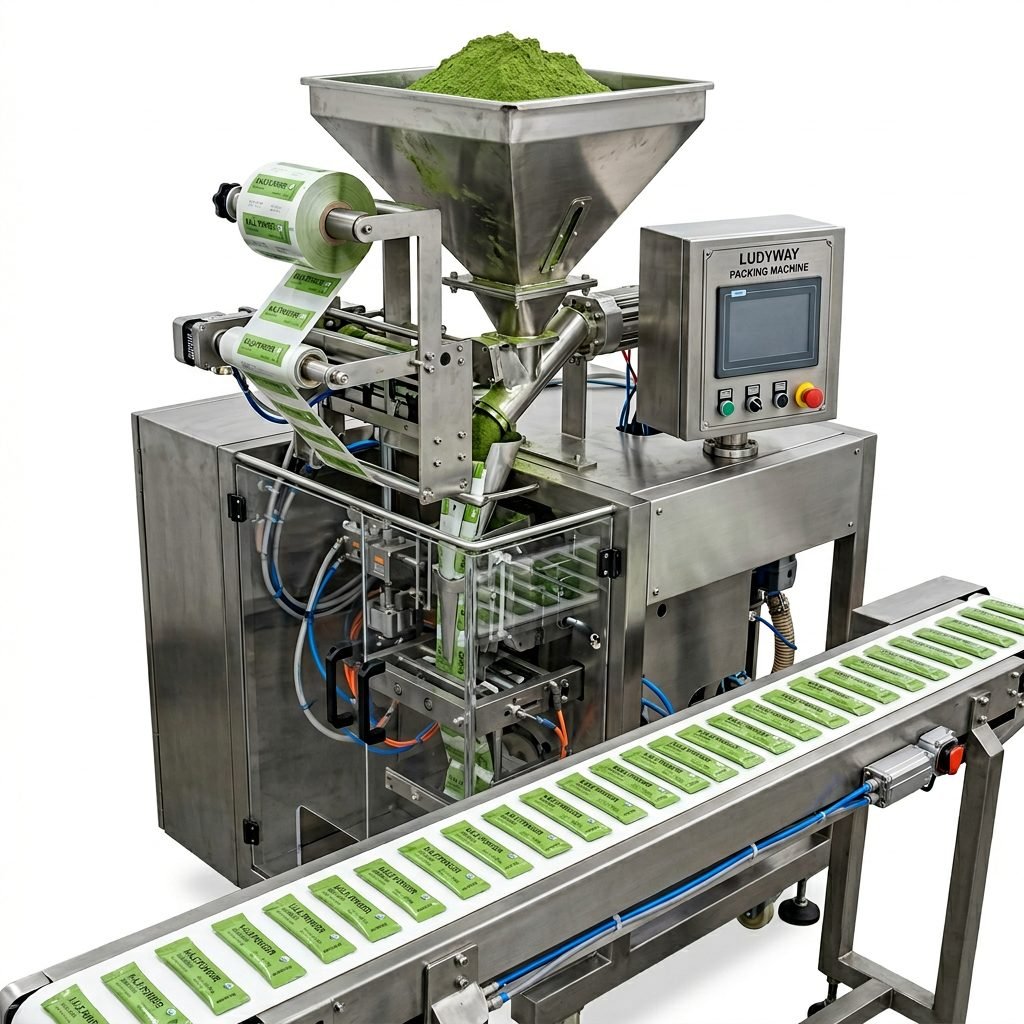
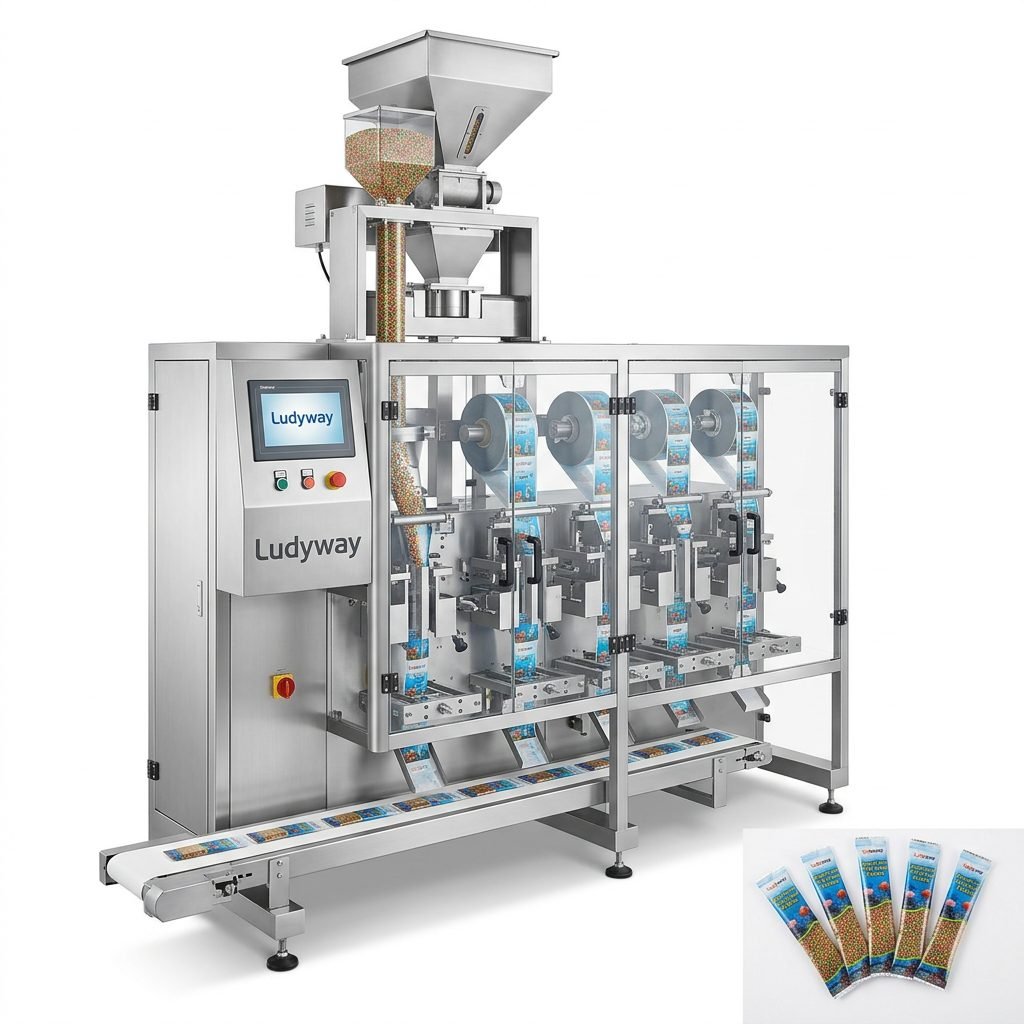
Select a modular platform that allows for expansion, such as adding multi-lane stick pack modules or robotic case packing later. Ensure the control system uses a widely recognized protocol like Ethernet/IP for easy integration into smart factory environments.
For more information on global packaging solutions and market growth, refer to this detailed industry report on packaging machinery trends.