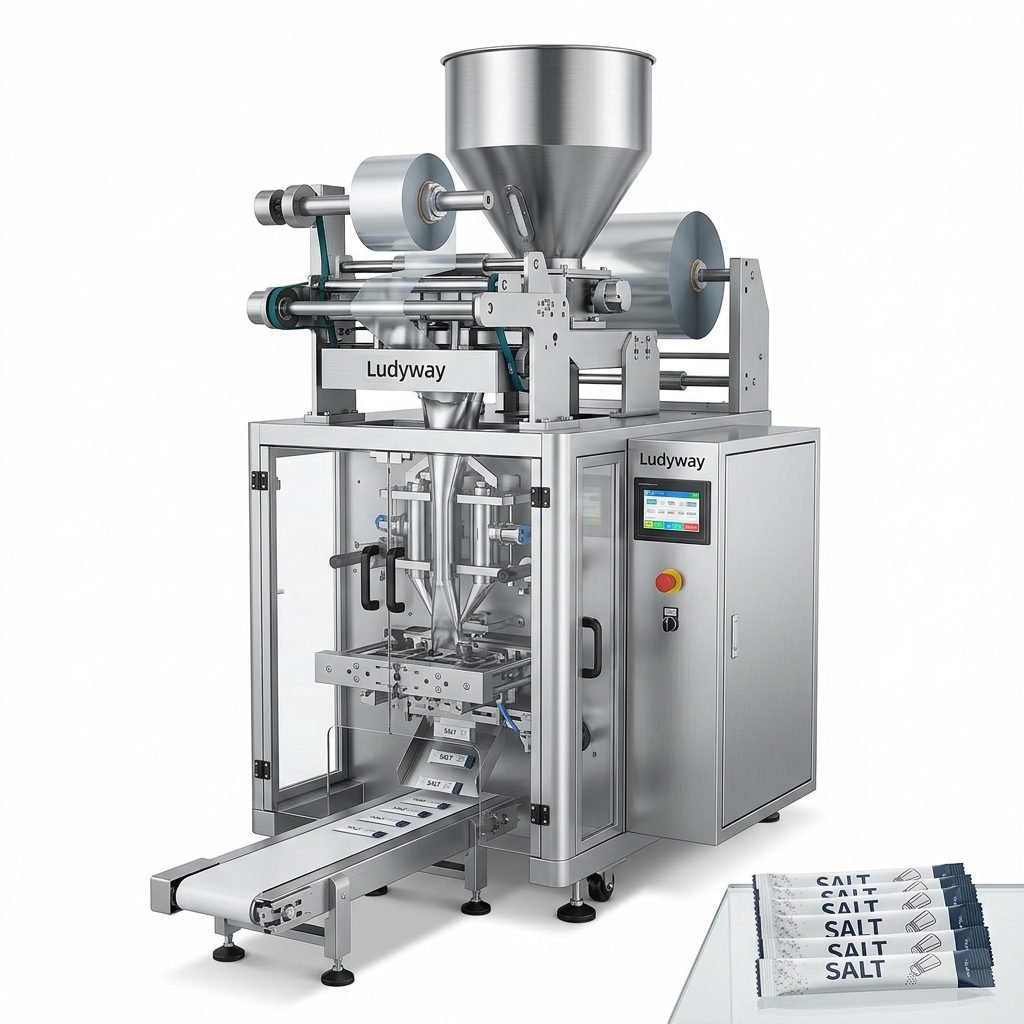
Africa’s fruit processing and export industry is experiencing rapid growth, driven by increasing global demand for packaged and processed fruit products. From dried mango in West Africa to packaged citrus segments in Southern Africa, the need for reliable and efficient fruit packaging machines has never been greater. Whether you are a small-scale fruit farm looking to add value or a large processing facility upgrading your production line, selecting the right equipment is crucial for product quality, shelf life, and profitability.
Understanding the African Fruit Packaging Landscape
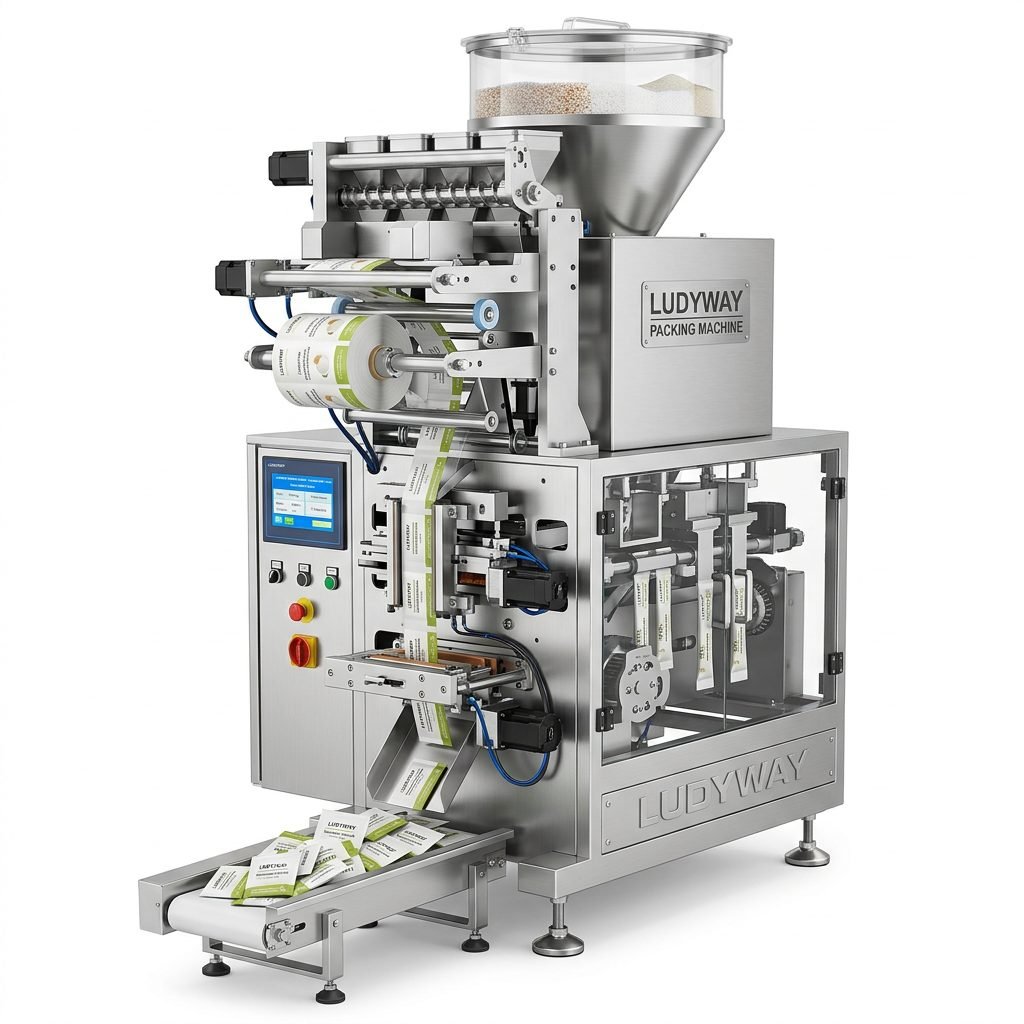
The African fruit sector is diverse, encompassing fresh-cut fruits, dried fruits, fruit powders, juices, and pulp concentrates. Each product category demands specific packaging solutions. Flexible packaging formats such as sachets, stick packs, and pouches are increasingly popular due to their cost-effectiveness, lightweight nature, and convenience for consumers. Packaging machinery that can handle these formats while maintaining hygiene standards is essential for both domestic markets and export compliance, particularly for destinations requiring FDA food packaging standards.

Key Fruit Packaging Machine Types for Africa
When evaluating fruit packaging equipment, understanding the core machine types helps narrow down your options. Below are the most relevant categories for African fruit processors:
| Machine Type | Best For | Packaging Format |
|---|---|---|
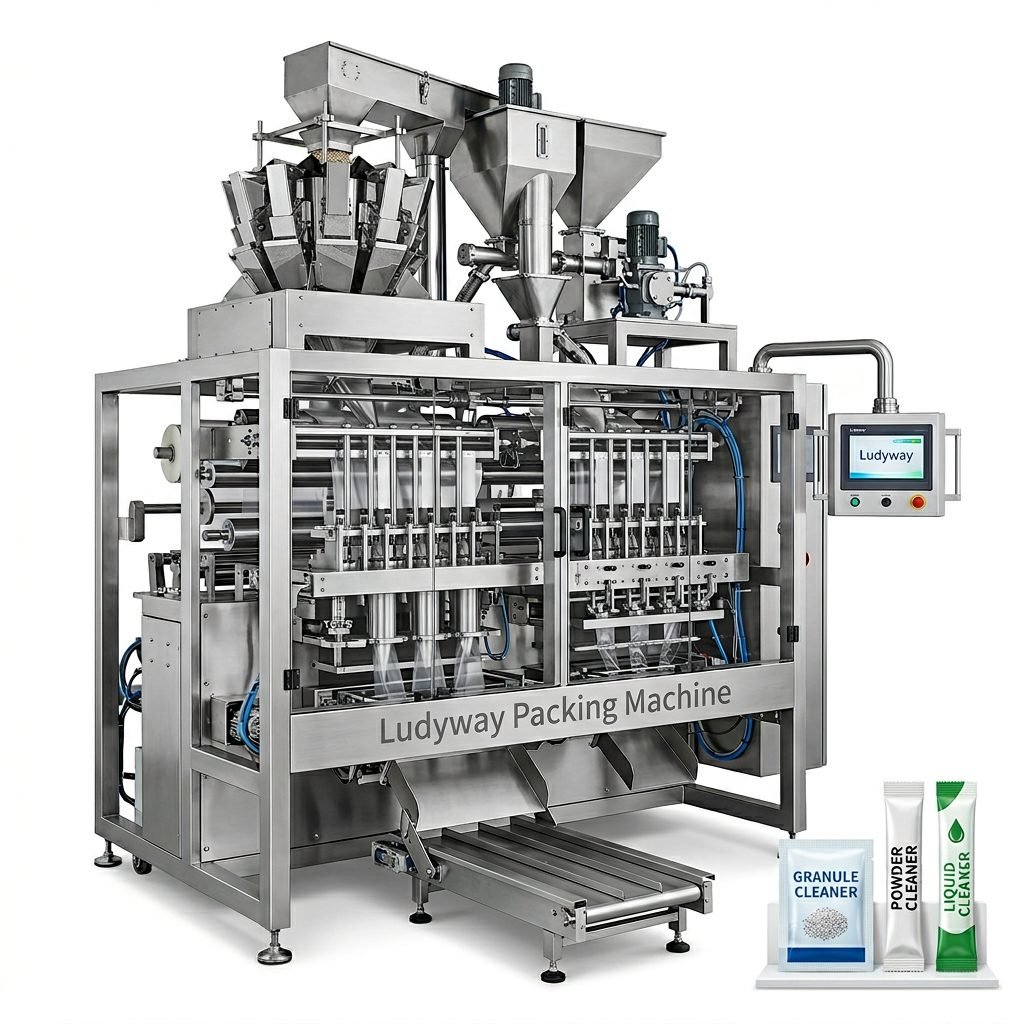
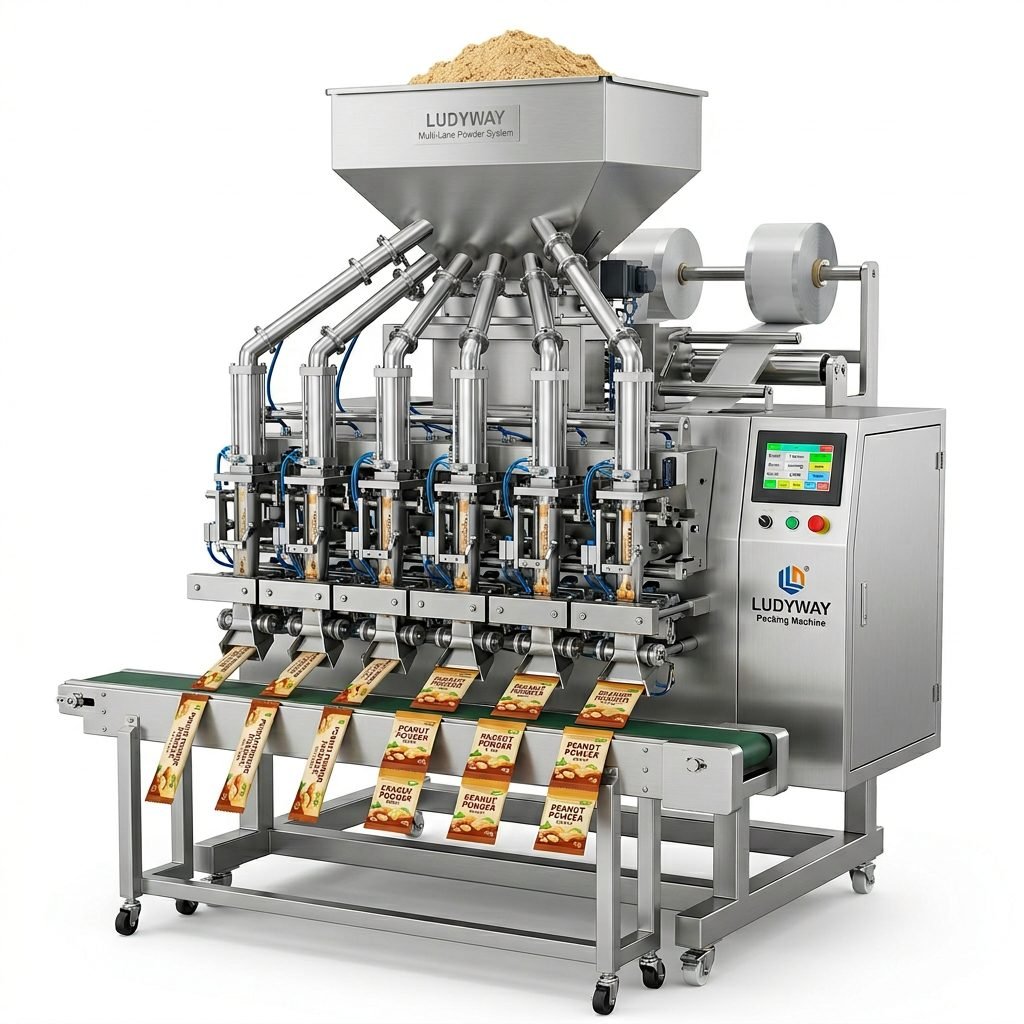
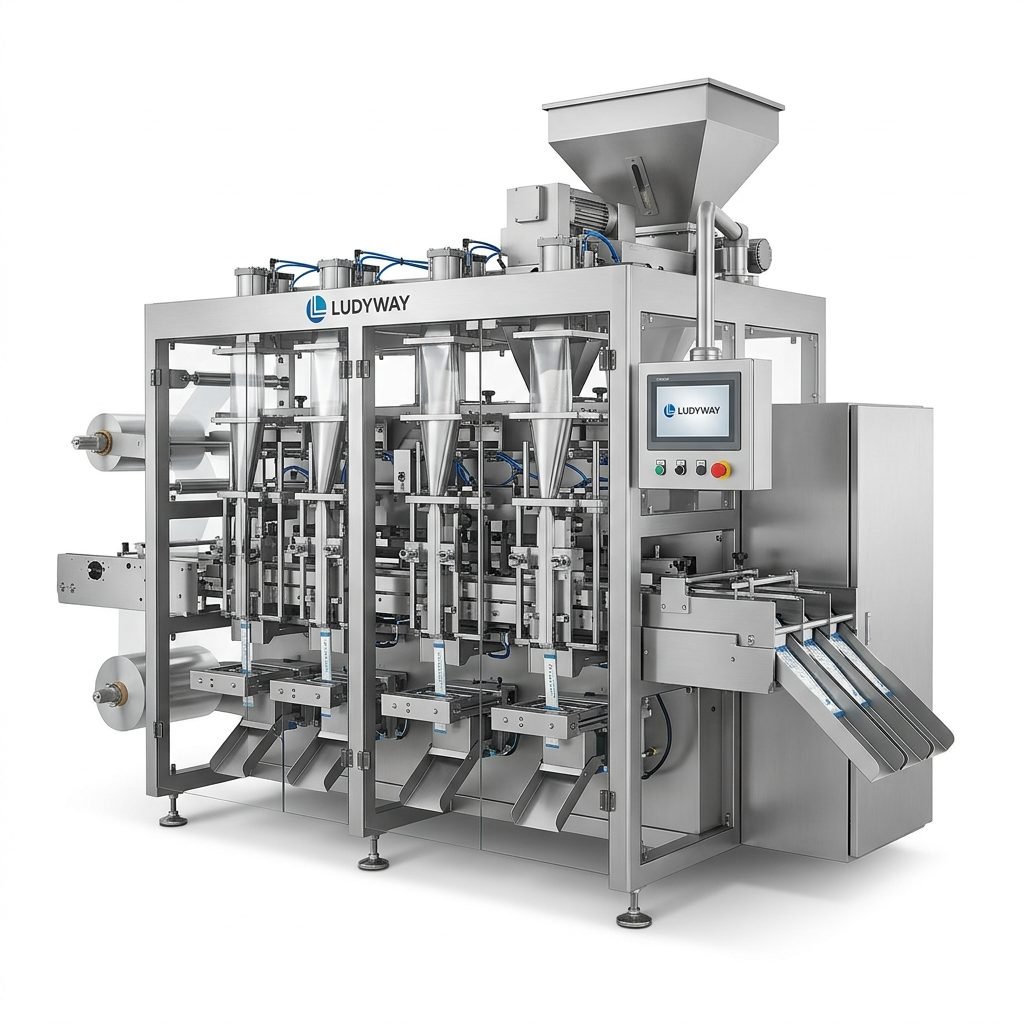
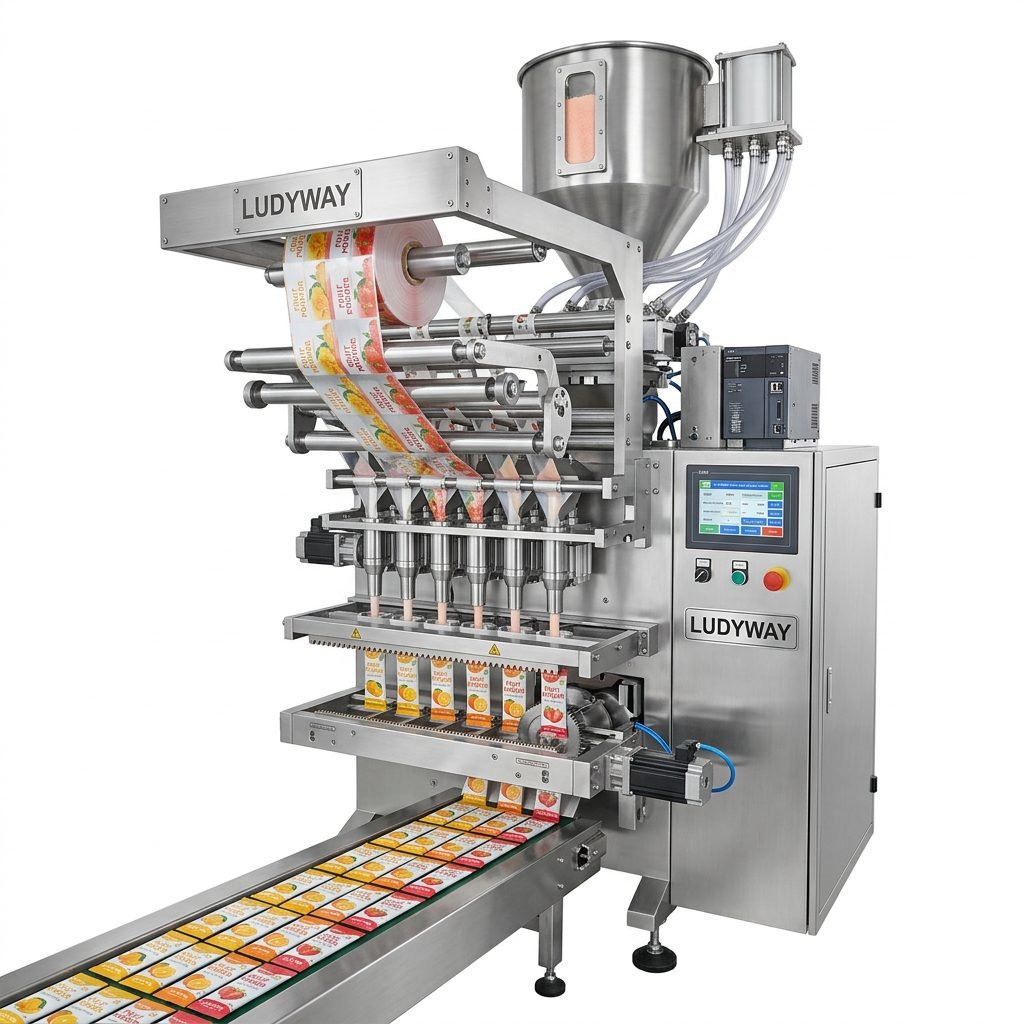
| Multi-Lane Stick Pack Machines | Fruit powders, drink mixes, dried fruit pieces | Stick packs, narrow sachets |
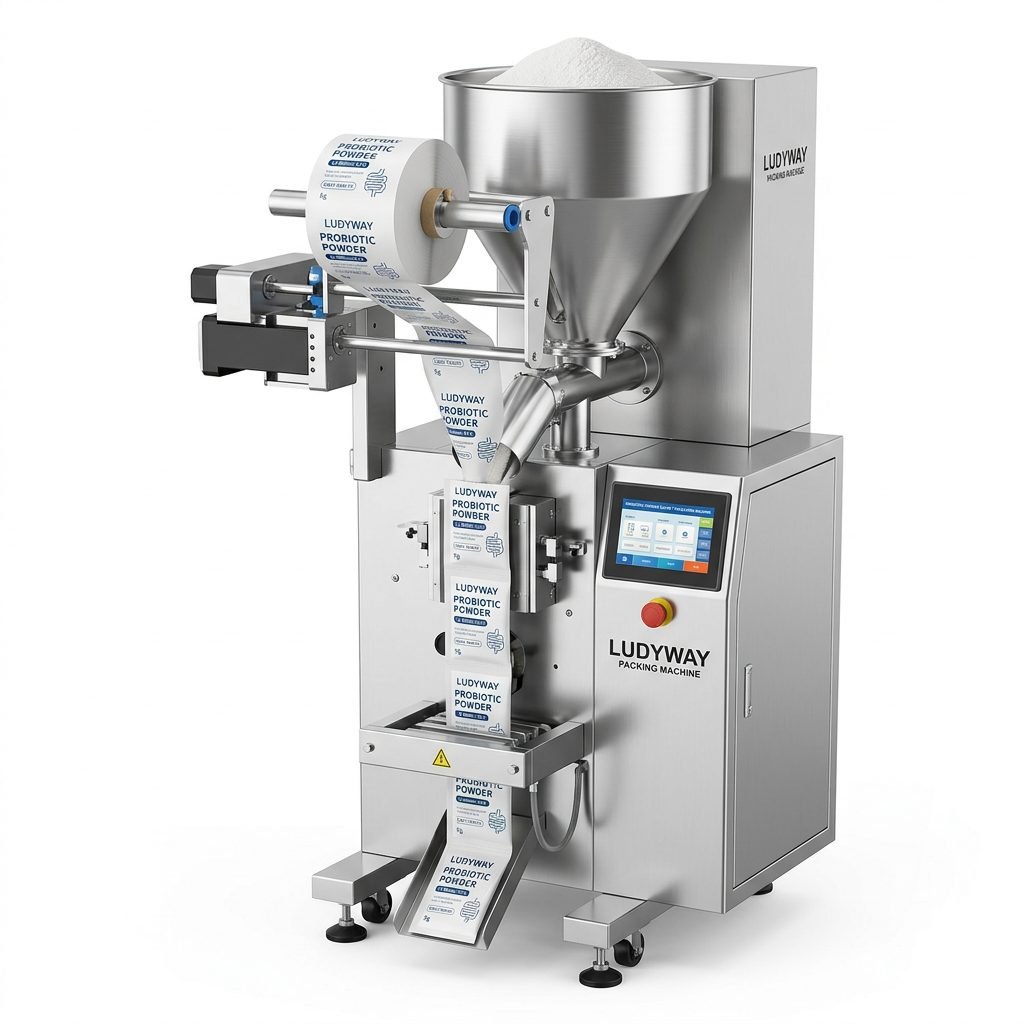
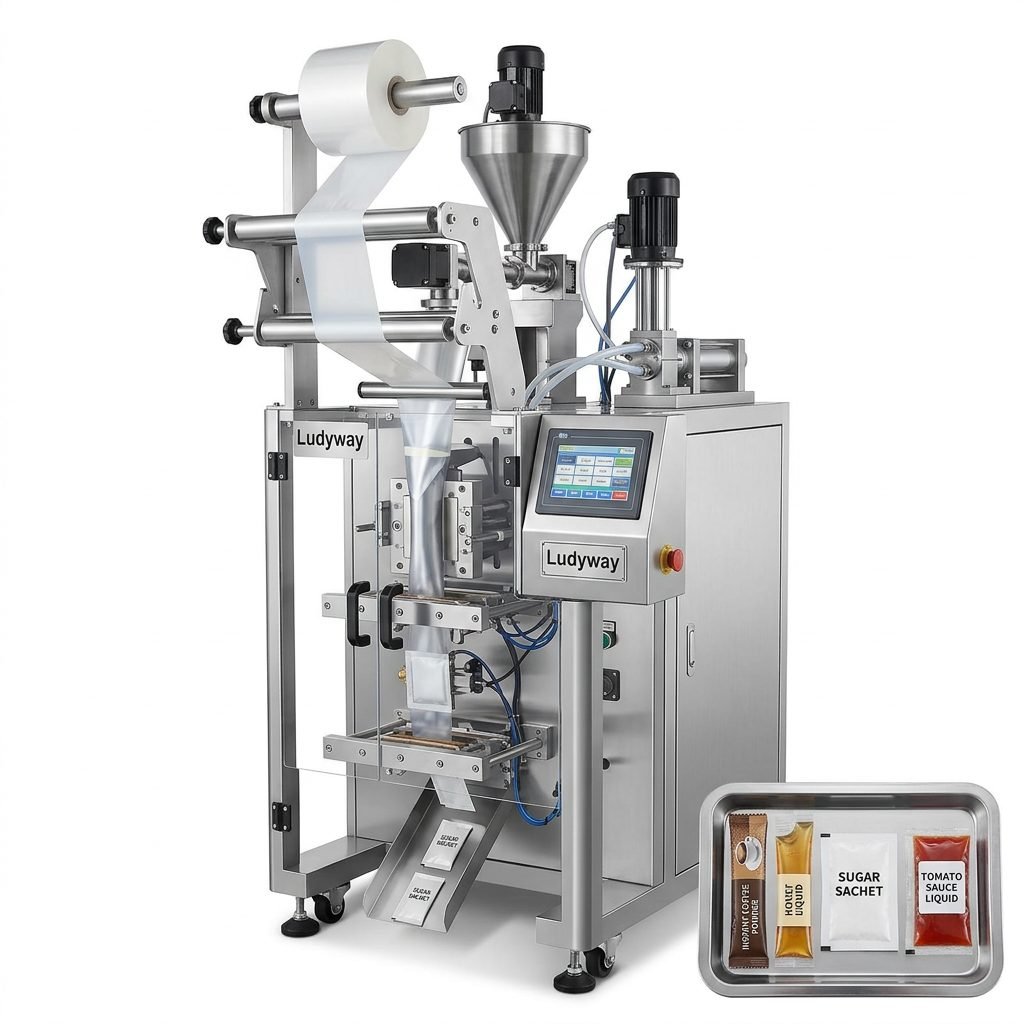
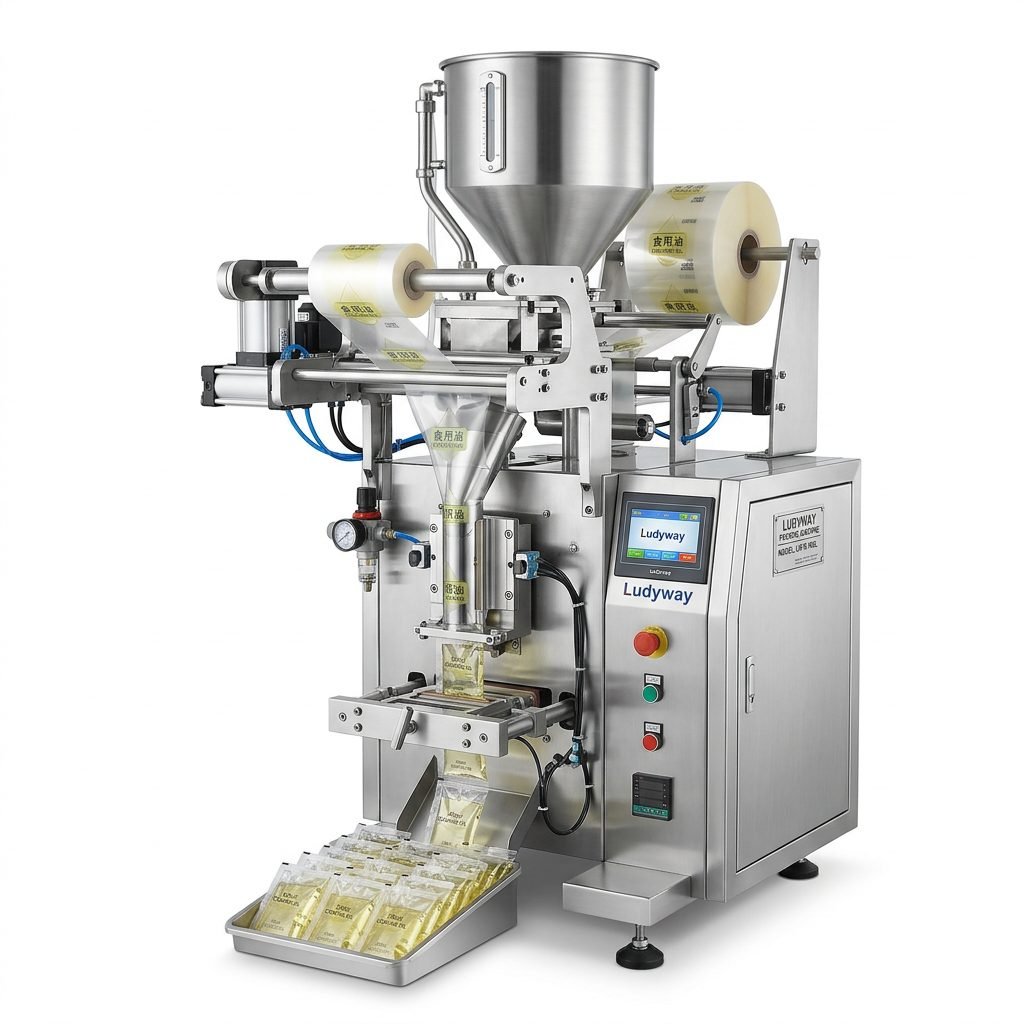
| Sachet Packaging Machines | Single-serve dried fruits, fruit salt, ORS | 3-side seal, 4-side seal sachets |
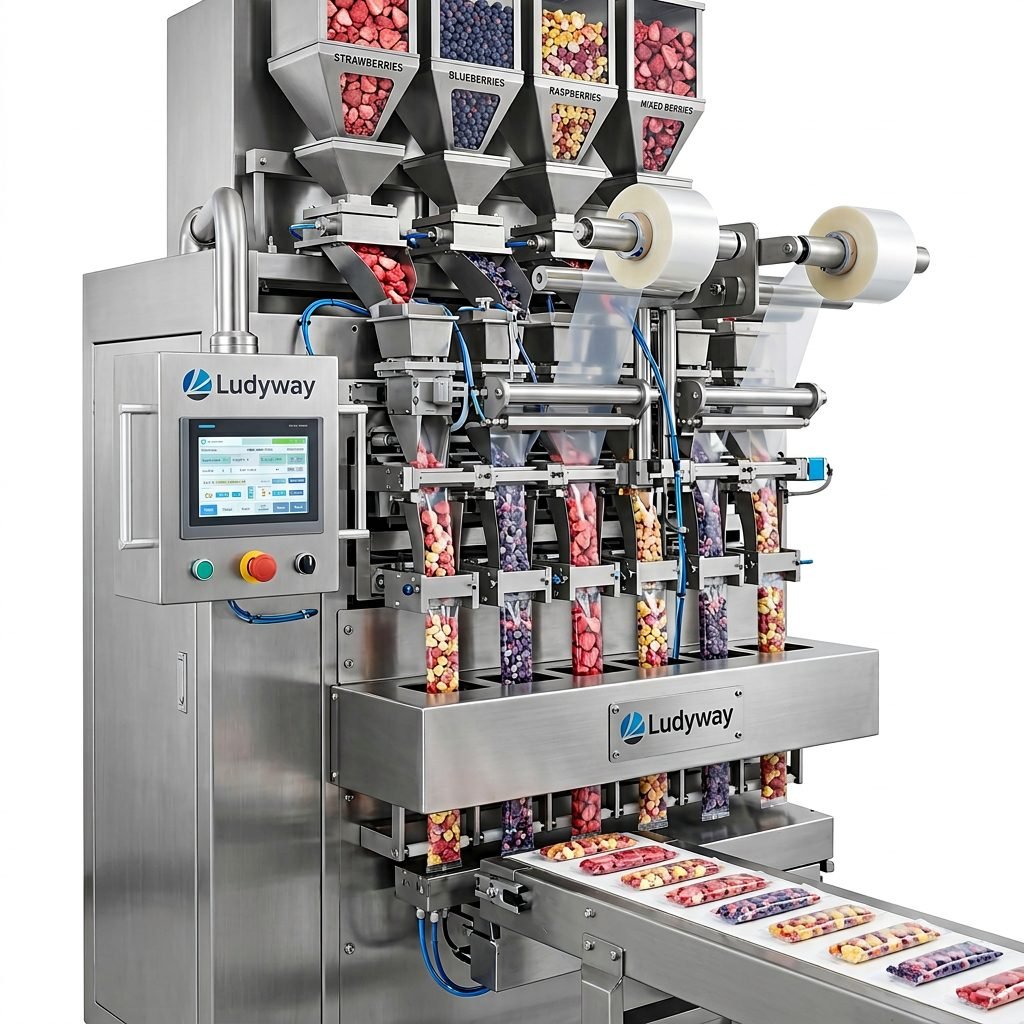
| Premade Pouch Filling & Sealing | Dried fruit snacks, freeze-dried berries | Stand-up pouches, zipper pouches |
| Vacuum Packaging Machines | Fresh-cut fruits, frozen fruit chunks | Vacuum bags, barrier pouches |
| Bottle Filling & Capping Lines | Fruit juices, pulp concentrates, syrups | Bottles, jars |

Estimated Costs for Fruit Packaging Machines
Budgeting accurately is one of the biggest challenges for African buyers. Machine costs vary significantly based on automation level, speed, and configuration. Below is a general price guide for entry-level to mid-range equipment suitable for the African market:
| Machine Category | Estimated Price Range (USD) | Output Capacity |
|---|---|---|
| Entry-Level Sachet Machine | $6,000 – $18,000 | 30-60 packs/min |
| Mid-Range Multi-Lane Stick Pack | $25,000 – $80,000 | 200-600 packs/min |
| Automatic Pouch Filling Line | $35,000 – $120,000 | 40-80 pouches/min |
| Vacuum Packaging System | $10,000 – $50,000 | 15-40 cycles/min |
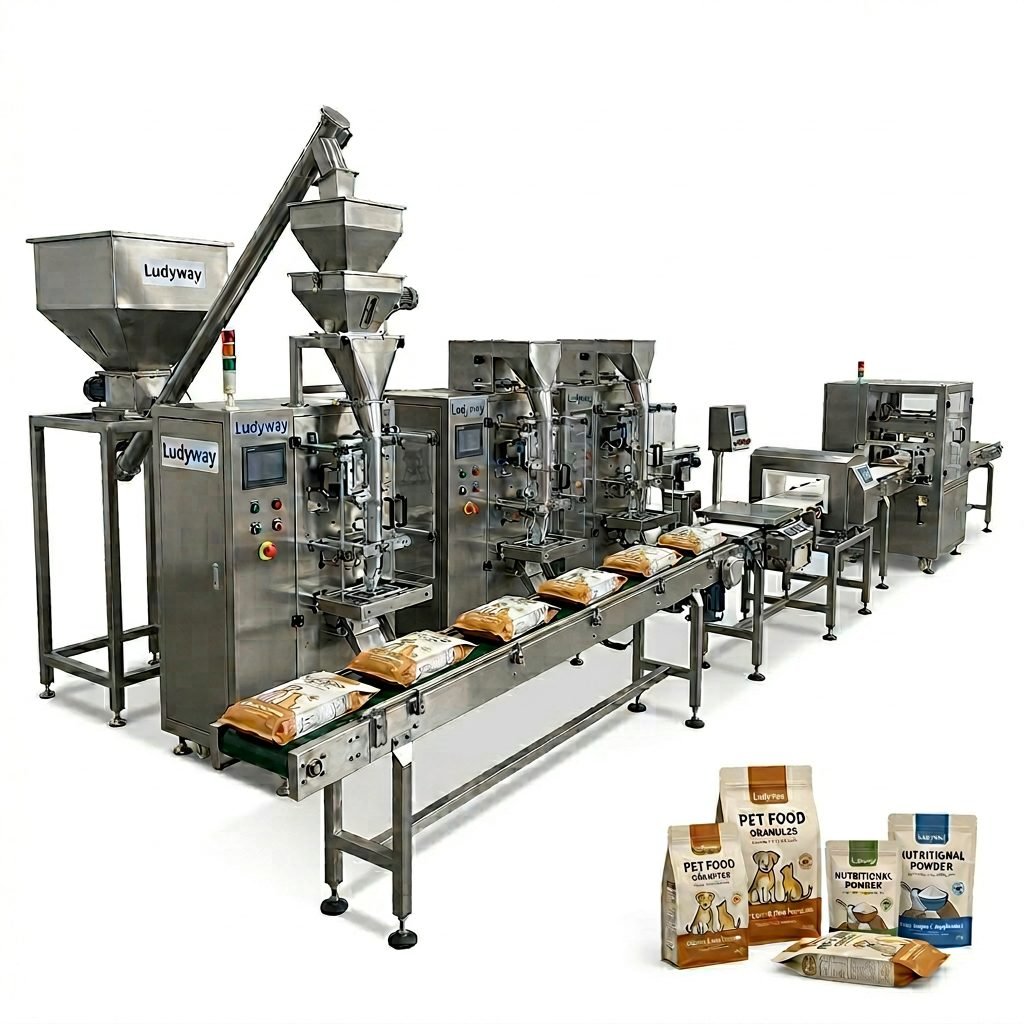
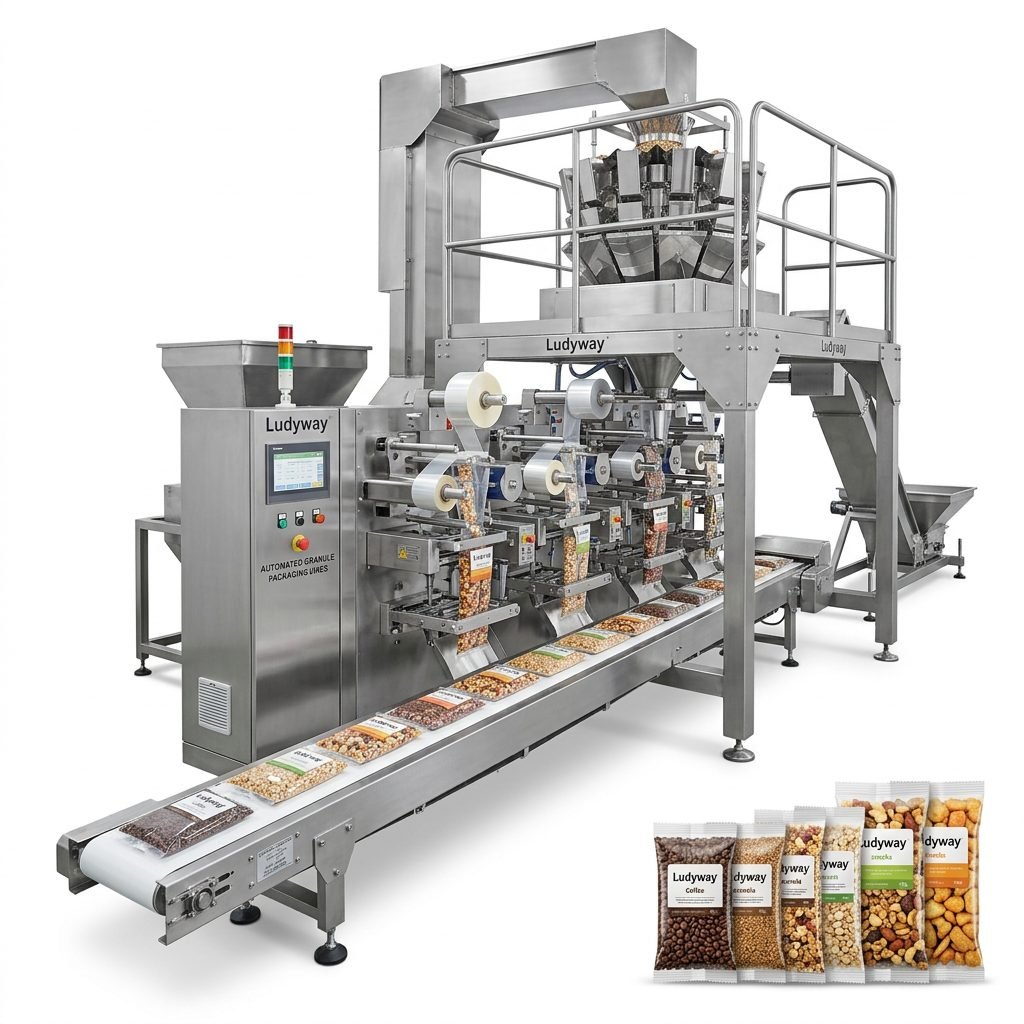
| Complete Turnkey Fruit Packaging Line | $150,000 – $500,000+ | Customized throughput |
Note: Prices are indicative and affected by specifications, shipping to African ports, and import duties. Always request a detailed quotation including CIF (Cost, Insurance, Freight) terms for your specific country.
Critical Factors to Consider Before Buying
Investing in a fruit packaging machine requires thorough evaluation beyond just the purchase price. African buyers should pay particular attention to the following aspects:
Product Compatibility and Flexibility
Your packaging machine must handle the specific characteristics of your fruit products. Granule size, powder flowability, moisture content, and stickiness all affect machine performance. Dried mango granules behave differently from fine baobab powder or sticky dried pineapple. Seek machines with adjustable parameters and interchangeable tooling to accommodate multiple fruit products on one line. This is especially important for African processors who often handle seasonal fruits and need versatile equipment. Refer to guidelines from the Flexible Packaging Association for material compatibility insights.
After-Sales Support and Spare Parts Availability
This is perhaps the most critical factor for African buyers. A packaging machine is a long-term investment, and downtime can be costly. Before finalizing any purchase, confirm the following:
- Does the manufacturer have local distributors or service partners in your region?
- Are critical spare parts readily available in Africa or easily shippable?
- What warranty terms are offered, and how are warranty claims handled internationally?
- Is remote technical support via video call available for troubleshooting?
- Can the supplier provide operational training for your staff?
Power Requirements and Operating Environment
Many African production facilities face challenges with power stability and voltage fluctuations. Verify that the machine’s electrical specifications match your local supply (commonly 380V/50Hz three-phase in many African countries). Consider investing in a voltage stabilizer or UPS system to protect sensitive electronic components. Additionally, evaluate whether the machine’s construction materials can withstand your facility’s ambient conditions, including humidity and temperature variations typical in tropical fruit processing environments.
Compliance and Certification
For fruit products destined for export markets, packaging equipment must support compliance with international standards. Machines should be constructed with food-grade stainless steel (typically SS304 or SS316L) for product contact parts. Packaging materials used should meet relevant food safety standards, including those recognized by ISO packaging standards and destination market regulations under frameworks like the European packaging regulations.
Choosing a Reliable Packaging Machine Partner
Selecting the right supplier is as important as selecting the right machine. Look for manufacturers with proven experience in the African market and a track record of successful installations. Evaluate their production capabilities, quality control processes, and willingness to customize solutions for your specific fruit products. A reputable supplier should offer comprehensive pre-sales consultation, factory acceptance testing options, and clear communication throughout the procurement process. Industry resources from PMMI business intelligence provide valuable market data that can inform your decision-making.
About the Manufacturer
Ludyway is one of the largest packaging machine manufacturers in China, specializing in advanced packaging equipment and turnkey production solutions for the food, pharmaceutical, and health industries. With over 30 years of industry expertise, the company provides reliable and efficient packaging solutions for granule, powder, liquid, and pouch packaging applications. Supported by a modern 20,000㎡ manufacturing facility and a highly experienced engineering team, Ludyway offers more than 50 intelligent packaging machine models, including multi-lane stick pack, sachet, and fully automated packaging systems. Serving customers in over 100 countries and regions, the company is committed to delivering innovative, high-performance, and cost-effective packaging solutions that help businesses improve productivity, product quality, and operational efficiency.
Final Recommendations for African Buyers
To make a successful fruit packaging machine investment for your African operation, follow these steps:
- Define your product range and target output clearly before contacting suppliers.
- Request video demonstrations of machines running fruit products similar to yours.
- Calculate total cost of ownership, including shipping, import duties, installation, and ongoing maintenance.
- Visit existing installations in your region if possible to see machines in actual production.
- Negotiate comprehensive after-sales support packages as part of the purchase agreement.
- Plan for operator training to maximize machine efficiency and longevity.
With careful planning and the right equipment partner, African fruit processors can achieve significant improvements in packaging efficiency, product quality, and market competitiveness. The growing demand for packaged fruit products across Africa and internationally presents a substantial opportunity for processors who invest wisely in modern packaging technology.

For deeper insights into packaging machinery standards and global trends, explore the 2025 State of the Industry report and the Flexible Packaging Association resources, which offer valuable data for informed purchasing decisions.