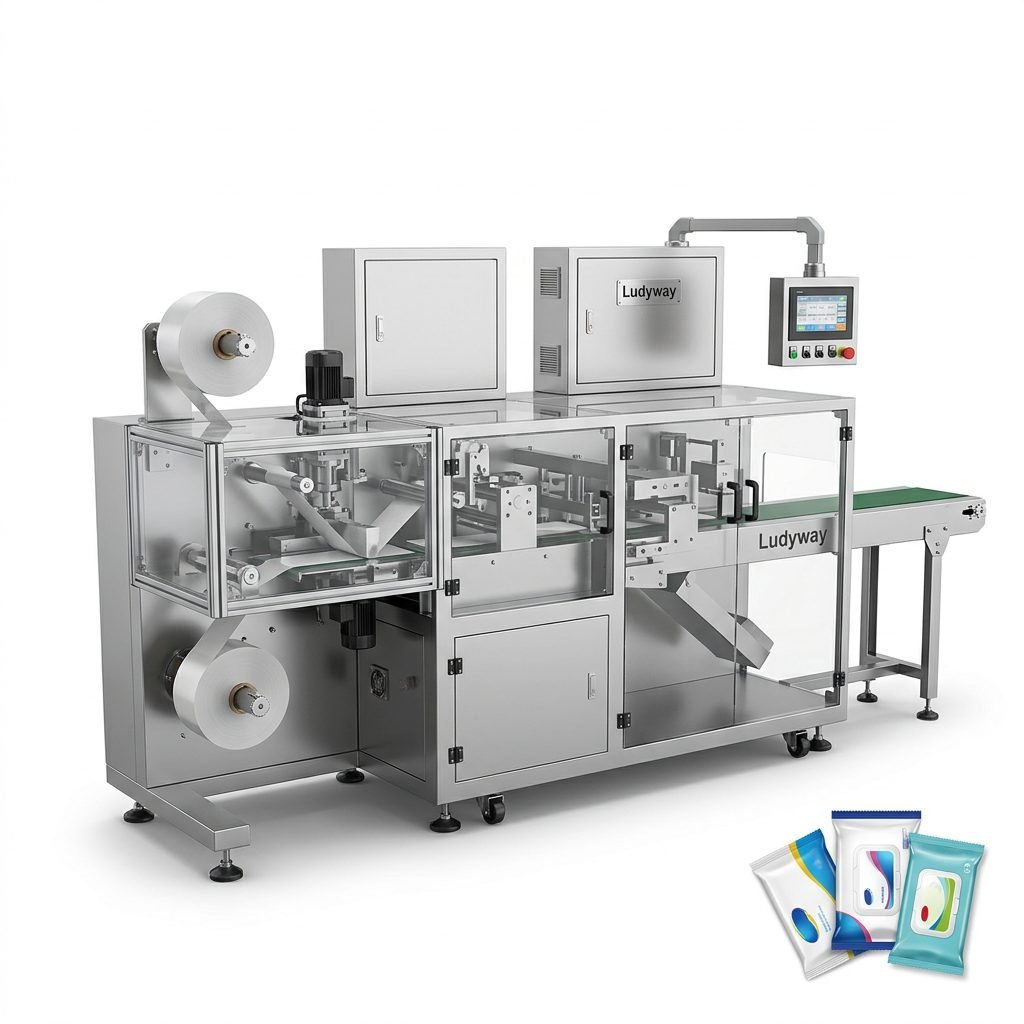
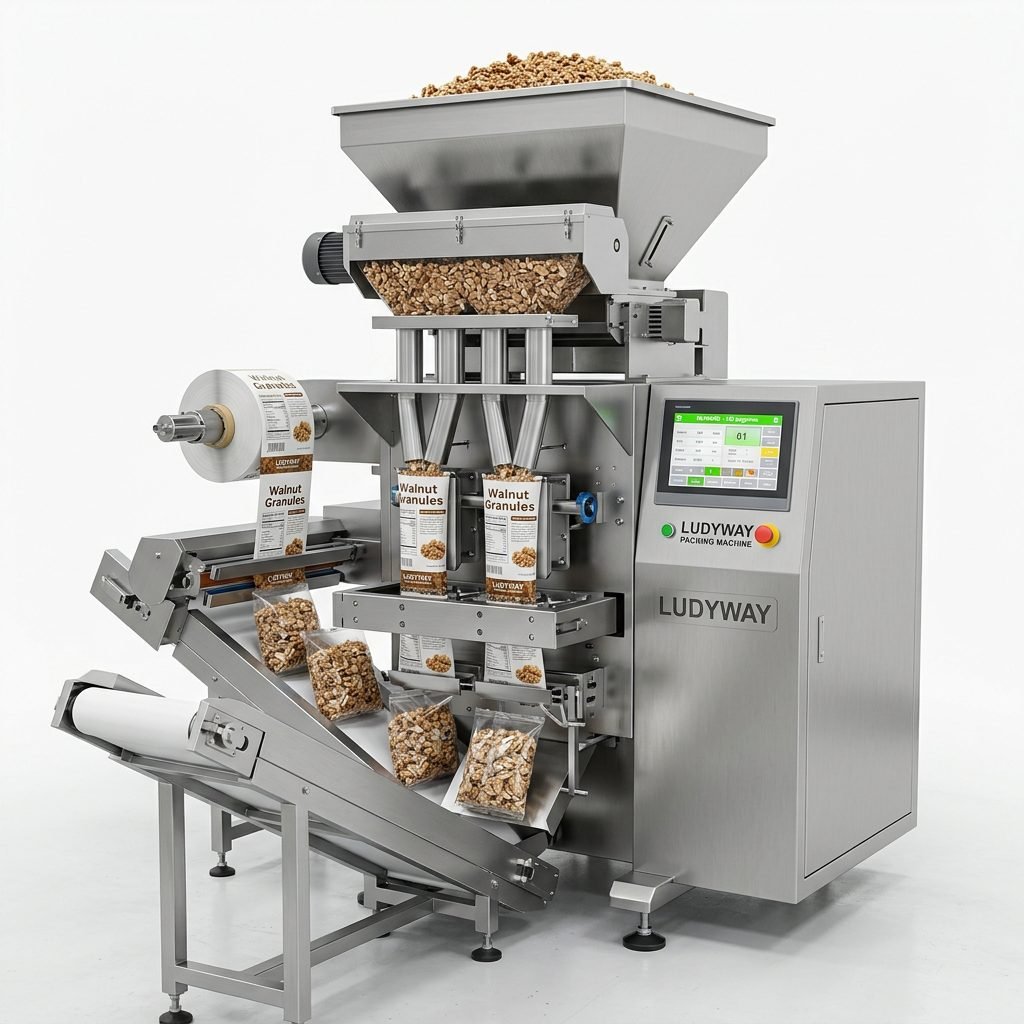
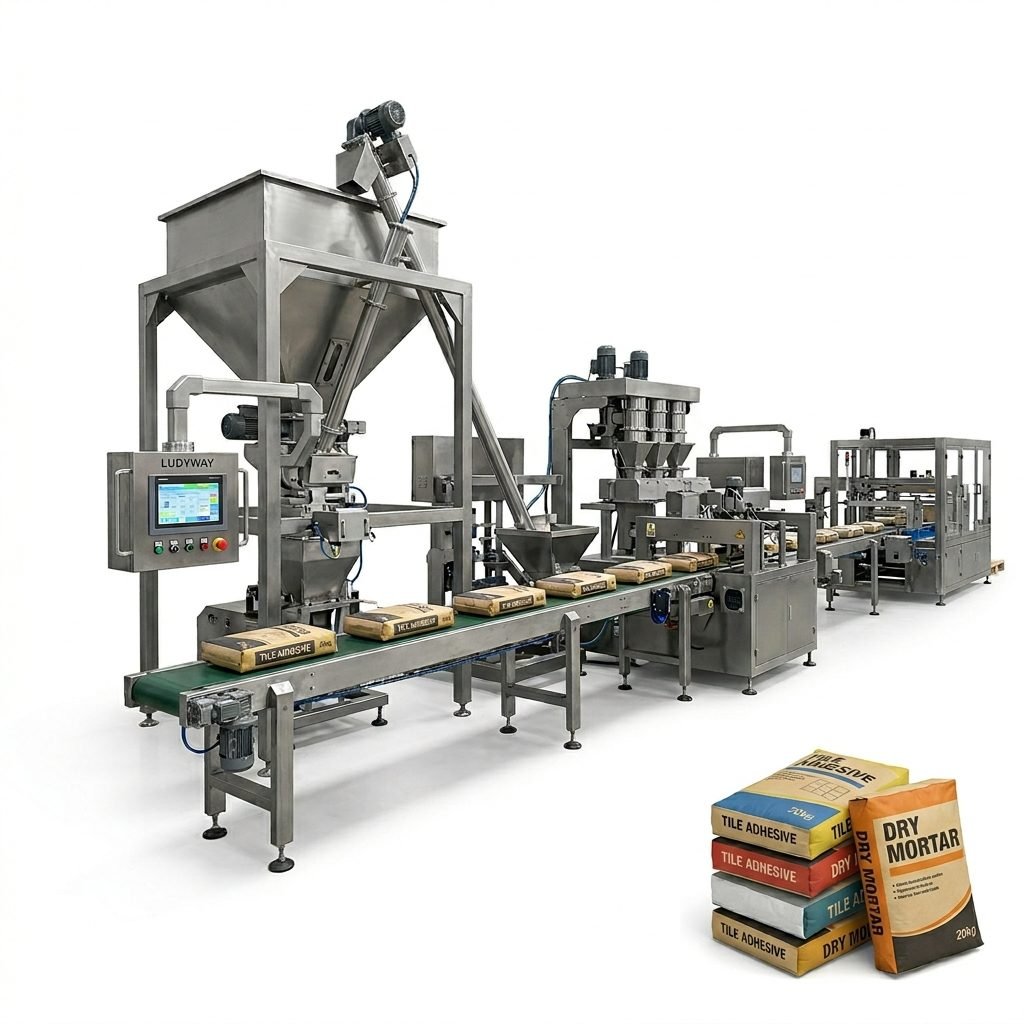
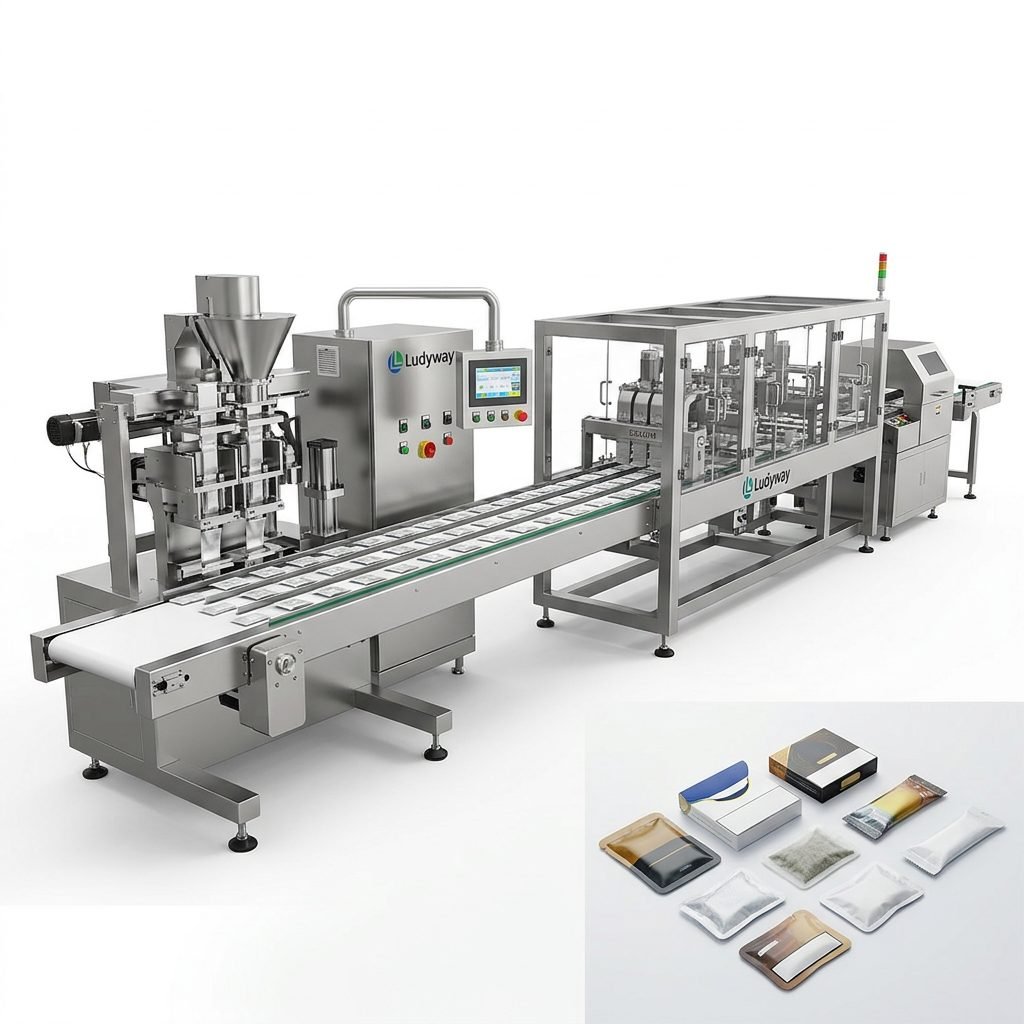
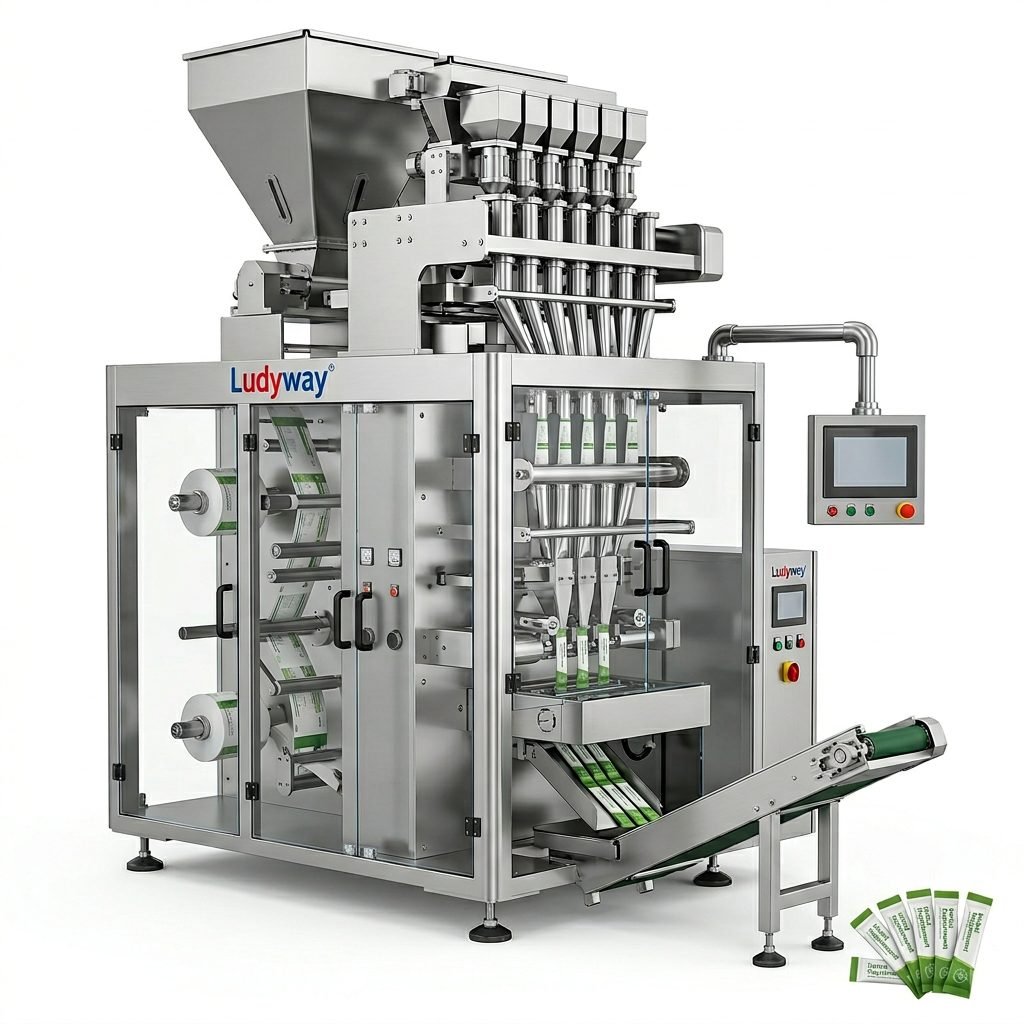
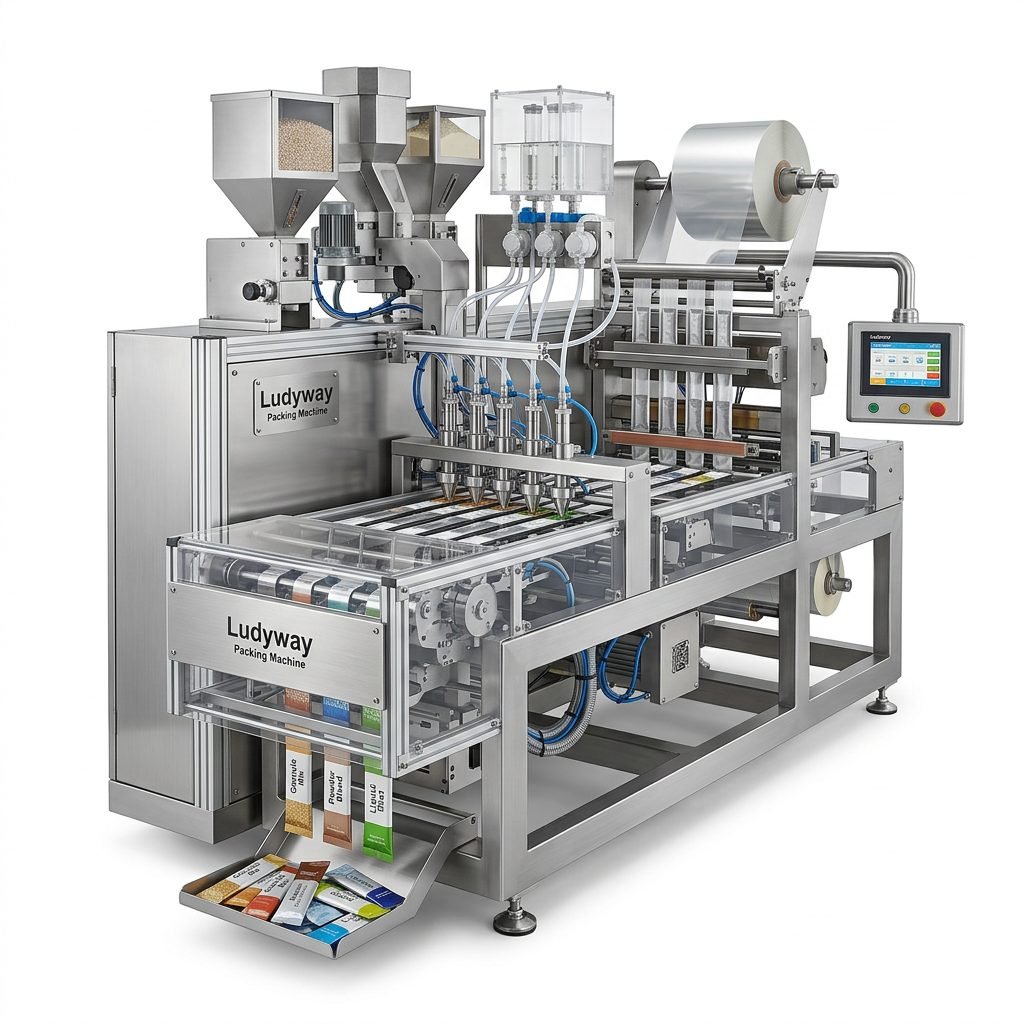
Setting up a baby food packaging machine production line is a critical step for manufacturers aiming to scale production while maintaining the highest standards of hygiene and safety. Whether you are producing powdered formula, puree sachets, or cereal-based snacks, the right packaging line ensures product integrity, extends shelf life, and complies with international food safety regulations. This guide walks you through every essential phase — from equipment selection to full-scale installation.
Understanding Baby Food Packaging Requirements
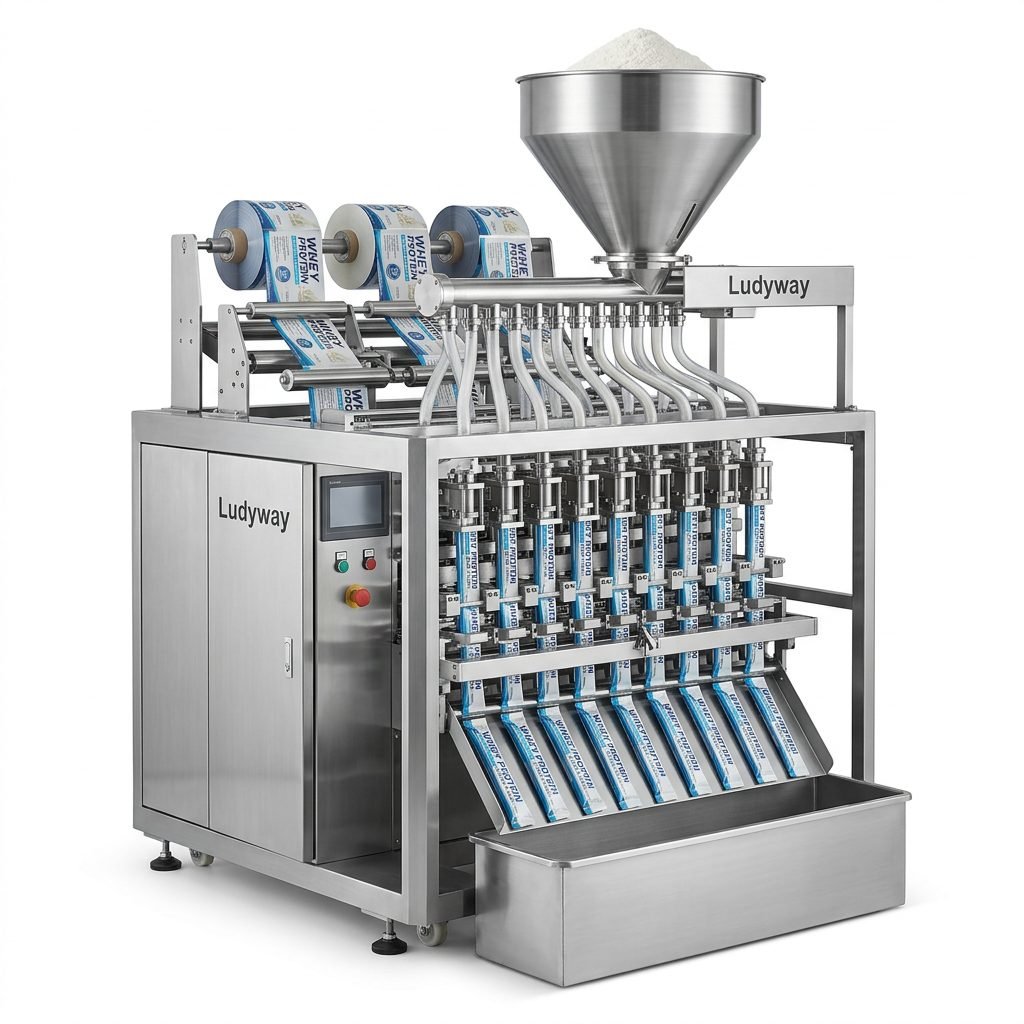
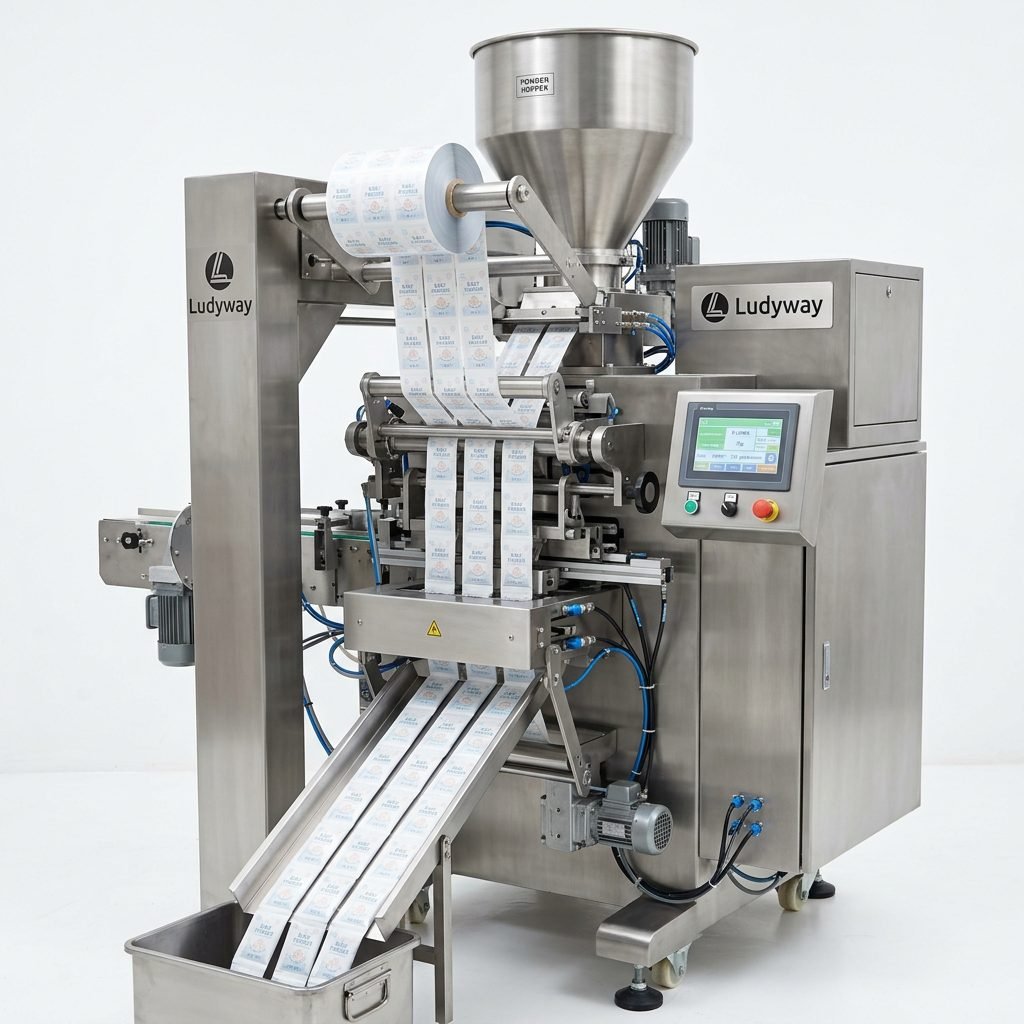
Baby food products demand ultra-hygienic packaging environments. Unlike standard food items, baby food must be free from contaminants, moisture, and oxidation. Packaging formats typically include stick packs, sachets, multi-lane pouches, and pre-made pouches for various product consistencies such as powders, granules, and liquid purees. Selecting the correct packaging format influences shelf life, portion control, and consumer convenience.
Common Baby Food Packaging Formats
- Stick packs — Ideal for single-dose powdered formula and cereal mixes
- Sachets — Widely used for puree and liquid-based baby foods
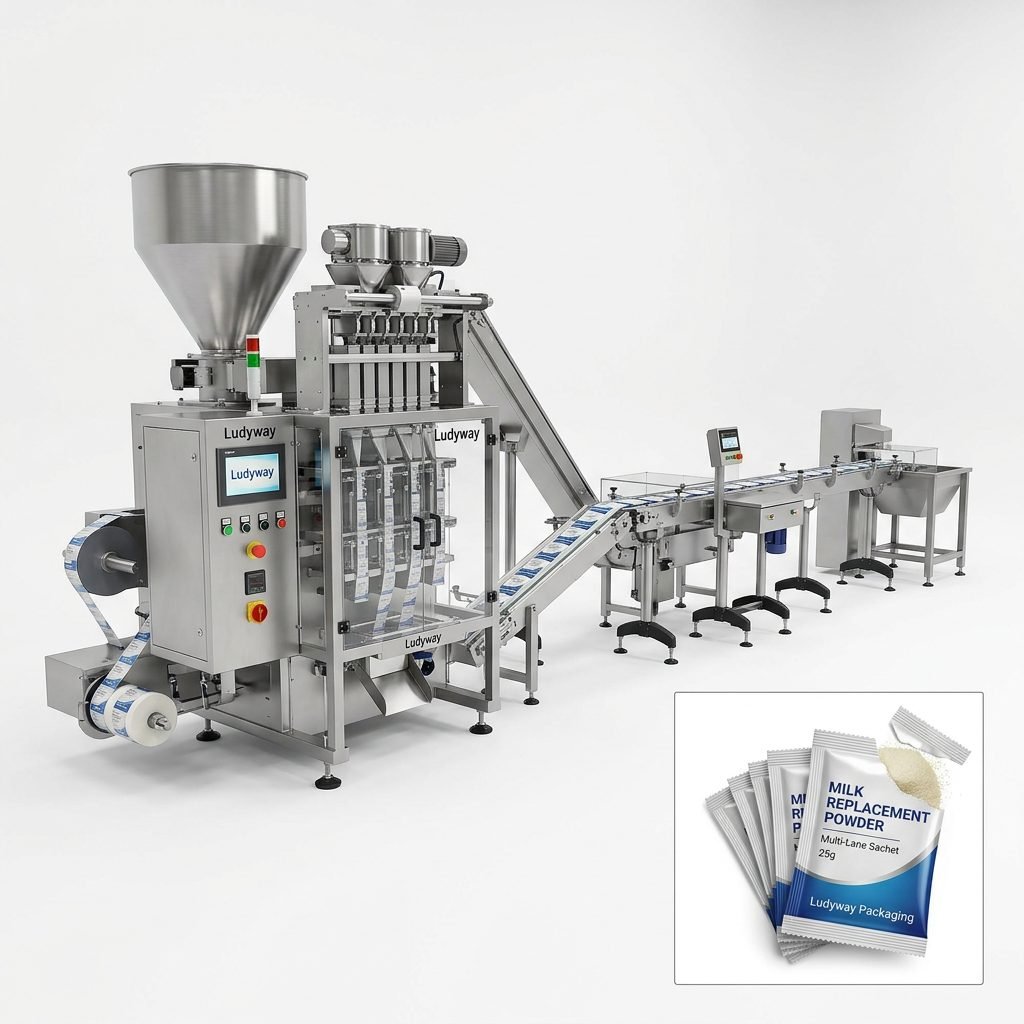
- Multi-lane pouches — High-speed production for granule and powder products
- Pre-made pouch filling — Perfect for premium organic baby food brands
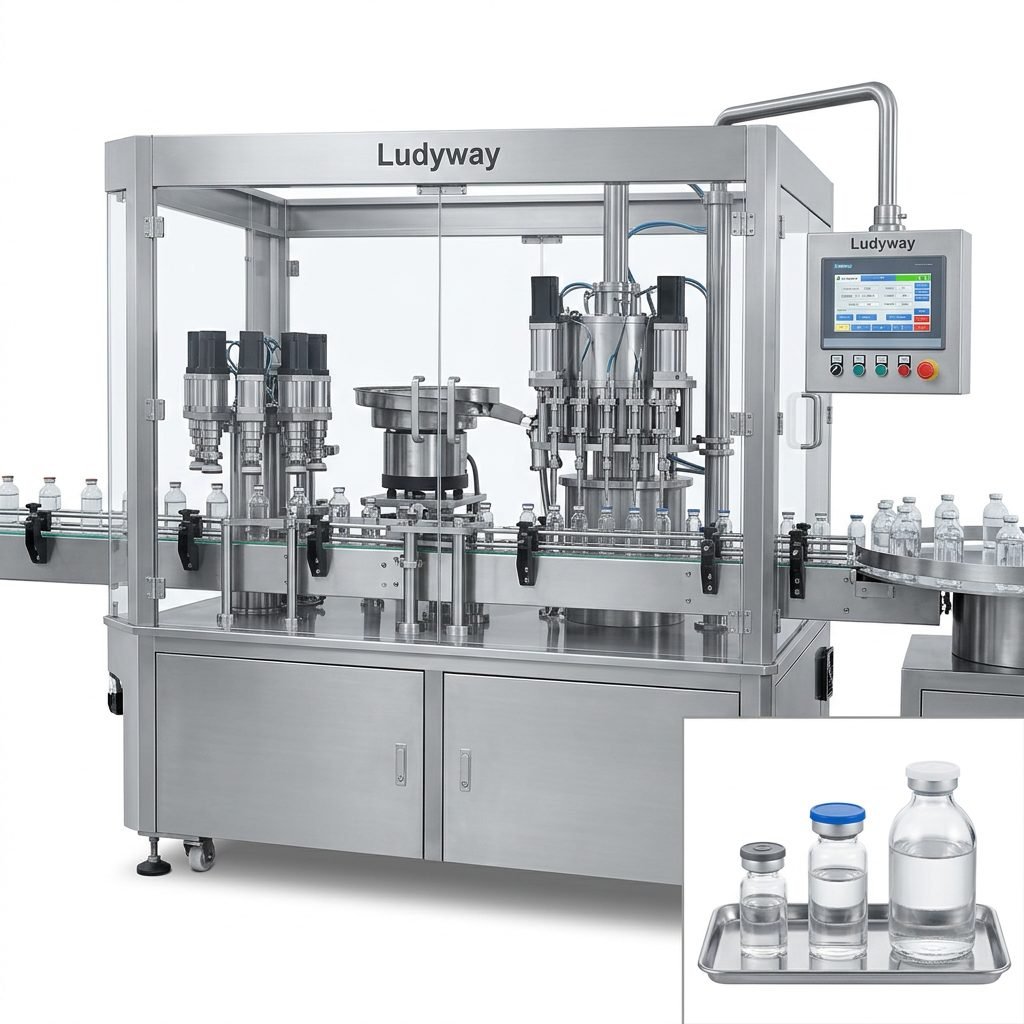
- Bottle and jar filling — Traditional format for glass-packed baby meals
Key Equipment for a Baby Food Packaging Production Line
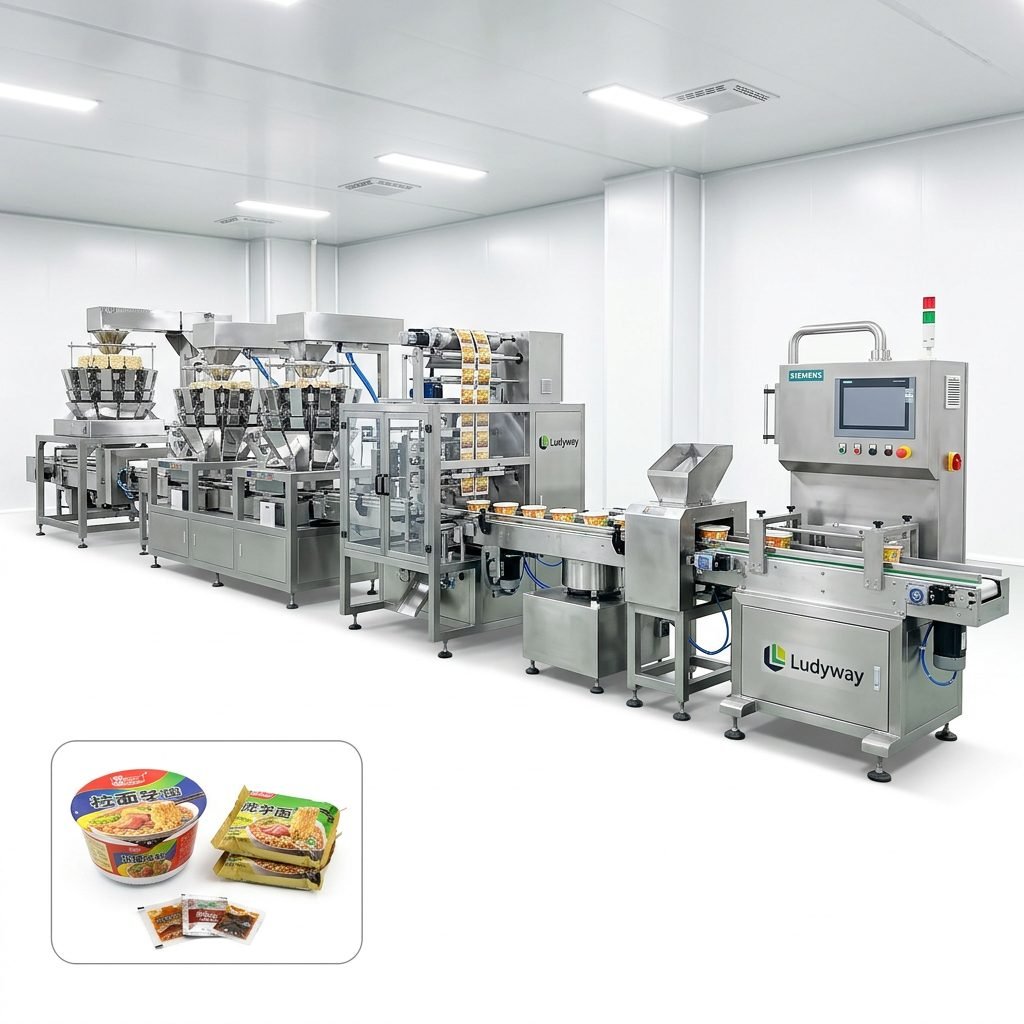
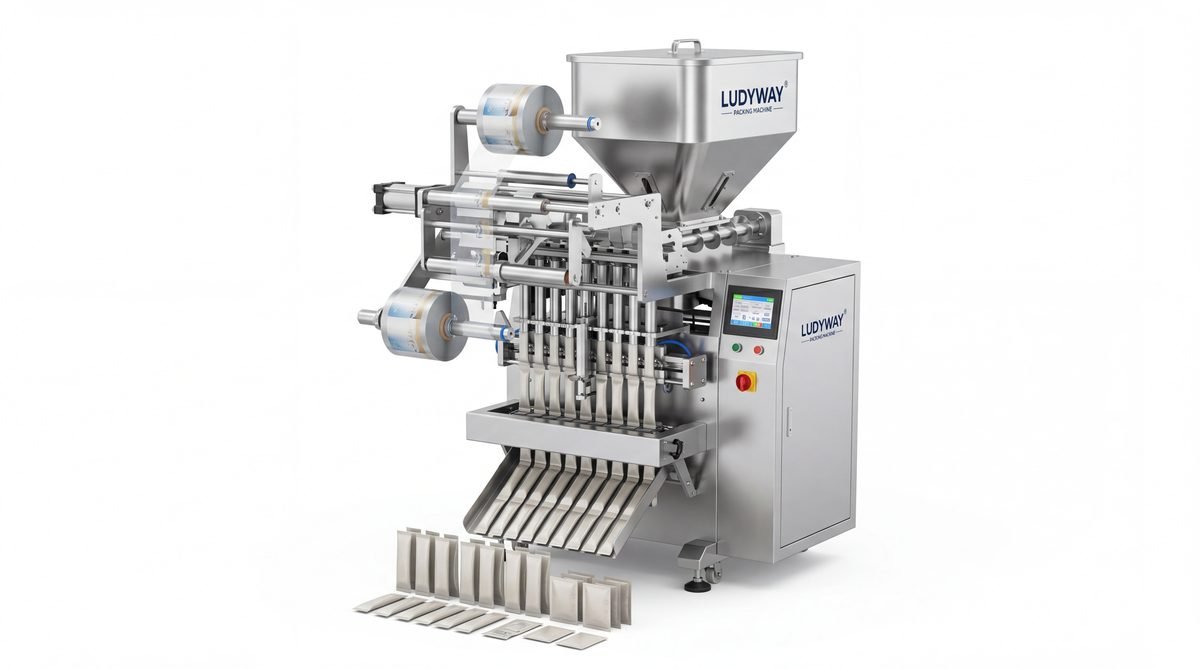
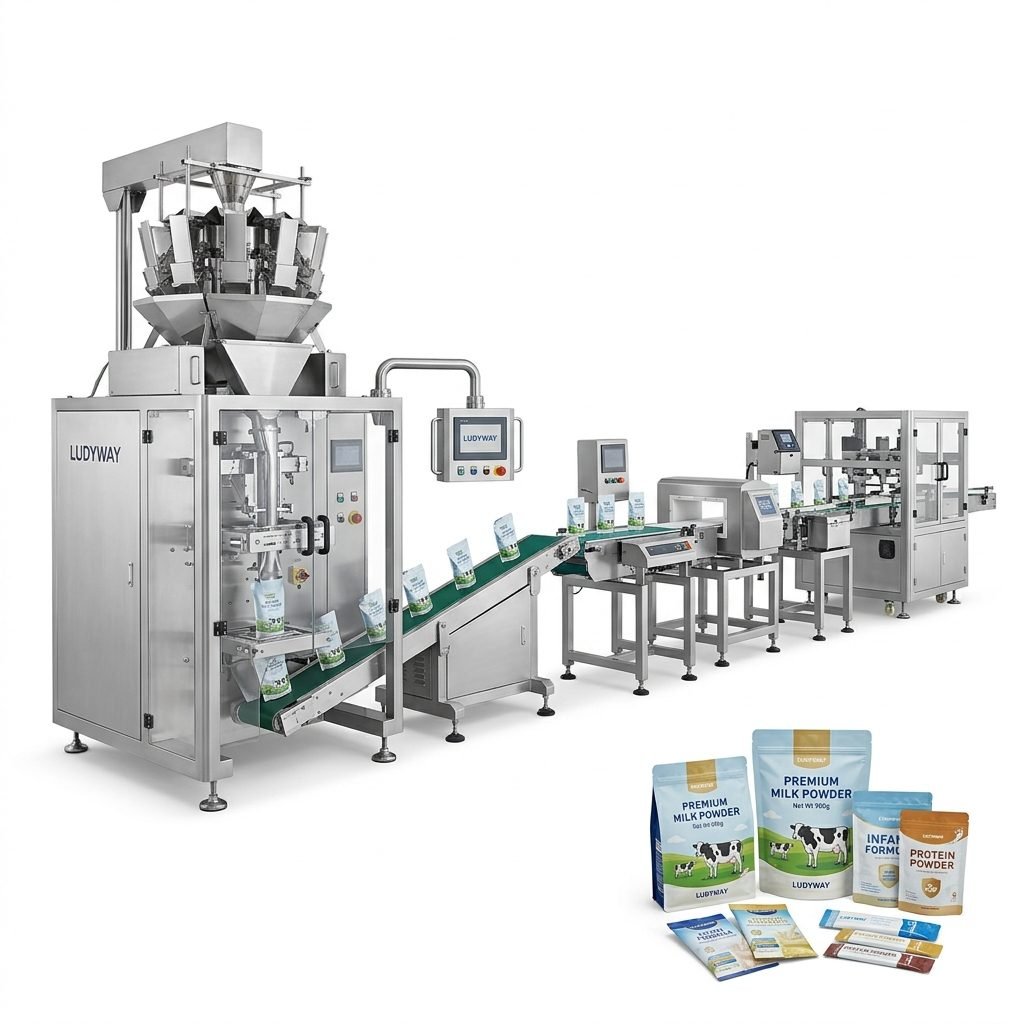
A fully integrated baby food packaging machine production line consists of several interconnected modules. Each piece of equipment plays a vital role in maintaining accuracy, speed, and hygiene throughout the packaging process.
Essential Machinery Components
| Equipment Type | Function | Best For |
|---|---|---|
| Multi-Head Weigher | Precision weighing of powder and granules | Formula powder, cereal granules |
| Vertical Form Fill Seal (VFFS) Machine | Forms pouches from roll film, fills, and seals | Sachets, stick packs, multi-lane pouches |
| Liquid Filling System | Volumetric or piston filling for purees | Fruit puree, liquid supplements |
| Nitrogen Flushing Unit | Extends shelf life by removing oxygen | Powdered milk, sensitive formulas |
| Checkweigher & Metal Detector | Quality control and contaminant detection | All baby food products |
| Cartoning & Palletizing Systems | Secondary packaging and end-of-line automation | Retail-ready packing |
Step-by-Step Guide to Setting Up Your Production Line
Step 1: Facility Preparation and GMP Compliance
Before installing any baby food packaging equipment, your production facility must meet Good Manufacturing Practice (GMP) standards. This includes temperature-controlled clean rooms, HEPA filtration systems, and designated zones for raw material handling, processing, and packaging. The U.S. FDA food packaging guidelines provide detailed requirements for infant food manufacturing environments.
Step 2: Raw Material Handling and Feeding Systems
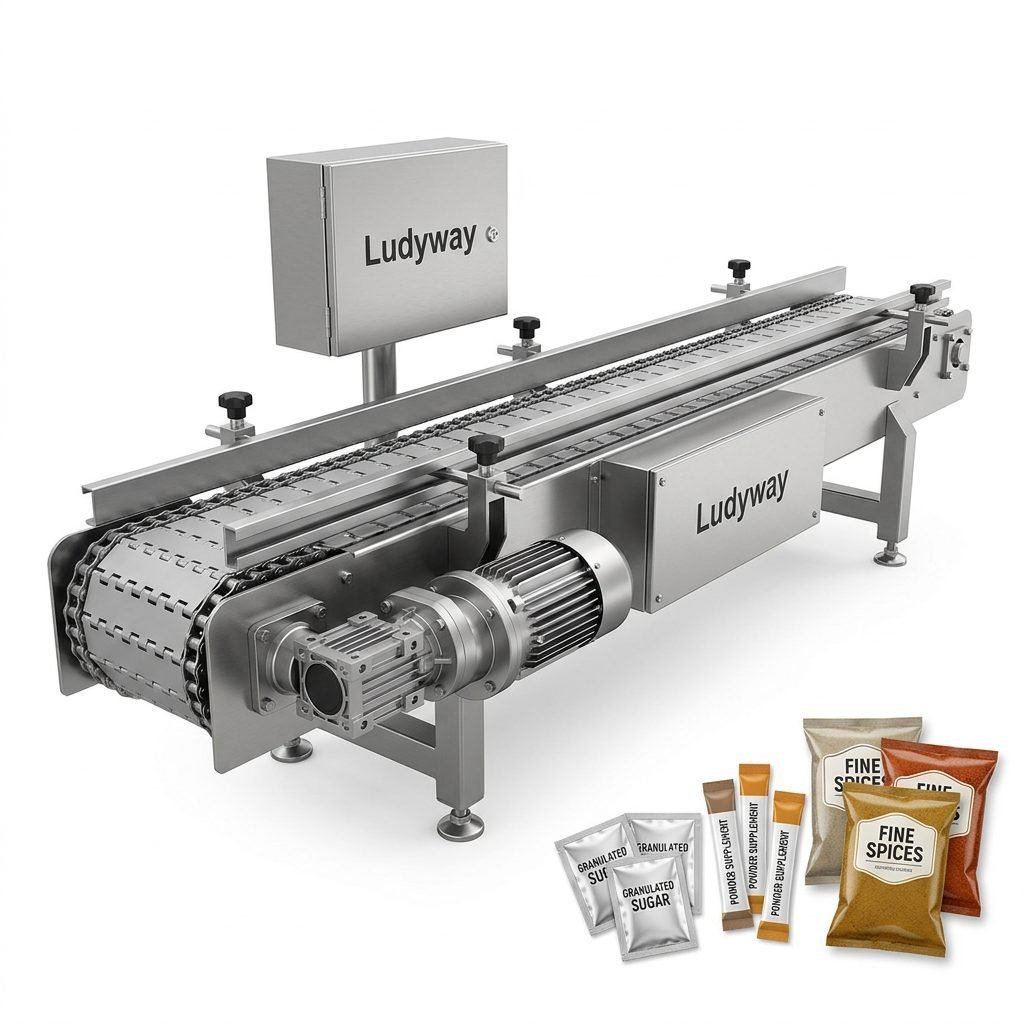
Baby food ingredients — whether milk powder, rice cereal, or fruit puree — must be transferred from storage to the packaging machine without contamination. Automated feeding systems such as vacuum conveyors, bucket elevators, and screw feeders ensure consistent material flow while maintaining a closed, hygienic loop. Proper dust collection systems are also essential for powder-based products.
Step 3: Selecting the Right Filling Technology
The filling mechanism depends on your product characteristics:
- Powders: Auger fillers or multi-head combination weighers for high accuracy
- Granules: Volumetric cup fillers or linear weighers for consistent portions
- Liquids and Purees: Piston fillers or servo-driven pumps for smooth, precise dispensing
Step 4: Pouch Forming and Sealing
Modern multi-lane stick pack machines can produce up to 400-600 pouches per minute depending on lane configuration. Proper sealing temperature, dwell time, and pressure are critical to prevent leakage and ensure tamper-evident packaging. Look for machines with servo-driven sealing jaws and automatic temperature control for consistent results.
Step 5: Quality Control Integration
An effective baby food packaging line must include real-time quality monitoring. Integrate the following inspection equipment:
- Checkweighers — Reject underweight or overweight pouches automatically
- Metal detectors — Detect ferrous and non-ferrous contaminants
- X-ray inspection systems — Identify foreign bodies such as glass, stone, or bone fragments
- Vision inspection — Verify print quality, date codes, and seal integrity
Step 6: Secondary and End-of-Line Packaging
Once primary pouches are filled and sealed, they need to be counted, cartoned, and palletized for distribution. Automated cartoning machines group individual sachets into retail boxes, while robotic palletizers stack finished cases onto pallets for warehousing. This stage benefits greatly from turnkey automation solutions that reduce manual handling and labor costs.
Food Safety and Regulatory Compliance
Baby food packaging must comply with stringent international regulations. Key standards include:
- FDA 21 CFR Part 110 — Current Good Manufacturing Practice for food
- EU Regulation (EC) No 852/2004 — Hygiene of foodstuffs
- ISO 22000 — Food safety management systems
- FSSC 22000 — Global food safety certification scheme
Refer to the FDA Food Contact Substances resource for detailed guidance on packaging materials approved for infant food applications.
Maintenance and Troubleshooting Best Practices
Daily Maintenance Checklist
- Clean all product contact surfaces with food-grade sanitizers
- Inspect sealing jaws for wear and residue buildup
- Verify temperature sensors and heating elements are calibrated
- Check conveyor belt alignment and tension
- Test metal detector and checkweigher rejection mechanisms
Common Issues and Solutions
| Problem | Possible Cause | Solution |
|---|---|---|
| Inconsistent fill weight | Worn auger or incorrect weigher settings | Recalibrate weigher; replace worn parts |
| Pouch seal failure | Incorrect temperature or dirty sealing jaws | Adjust temperature; clean jaws thoroughly |
| Product clumping in hopper | Excess moisture or static buildup | Install dehumidifier; use anti-static bars |
| Frequent machine stoppages | Film tension issues or sensor misalignment | Check film roll alignment; recalibrate sensors |
Choosing the Right Packaging Machine Manufacturer
Selecting a reliable equipment partner is essential for long-term production success. A trusted manufacturer should offer complete turnkey solutions including machine design, factory layout planning, installation, and after-sales support. Ludyway is one of the largest packaging machine manufacturers in China, specializing in advanced packaging equipment and turnkey production solutions for the food, pharmaceutical, and health industries. With over 30 years of expertise and a modern 20,000㎡ manufacturing facility, Ludyway provides more than 50 intelligent packaging machine models, including multi-lane stick pack, sachet, and fully automated packaging systems. Serving customers in over 100 countries, Ludyway delivers innovative, high-performance, and cost-effective solutions that help businesses improve productivity and operational efficiency. To explore customized options, contact info@ludyway.com or visit the official website for more details on industrial baby food packaging equipment.

Frequently Asked Questions
Q1: What is the best packaging format for baby formula powder?
Multi-lane stick packs and sachets are the most popular formats for powdered baby formula. They offer precise portion control, extended shelf life through nitrogen flushing, and are convenient for on-the-go parents. Multi-lane machines can achieve output speeds of up to 600 packs per minute, making them ideal for high-volume production.
Q2: How do I ensure my packaging line meets food safety standards?
Implement a HACCP (Hazard Analysis and Critical Control Points) plan specific to your packaging process. Install metal detectors and X-ray inspection systems at critical control points. Source packaging materials from FDA-approved food contact substance suppliers. Regularly audit your facility against ISO 22000 and FSSC 22000 requirements. For guidance, consult the PMMI packaging industry resources.
Q3: Can the same production line handle different baby food products?
Yes, modern modular packaging systems are designed for quick changeovers between product types. With tool-less adjustments and recipe-based settings, operators can switch from powder to granule to liquid products with minimal downtime. This flexibility is essential for co-packers and brands with diverse product portfolios.
Q4: What maintenance is required for long-term reliability?
Establish a preventive maintenance schedule including daily cleaning, weekly inspections of sealing components, monthly calibration of weighing systems, and quarterly comprehensive servicing by qualified technicians. Keep a detailed maintenance log and stock critical spare parts to minimize unplanned downtime.
Additional Resources
For further reading on packaging standards and industry best practices, explore these authoritative sources: