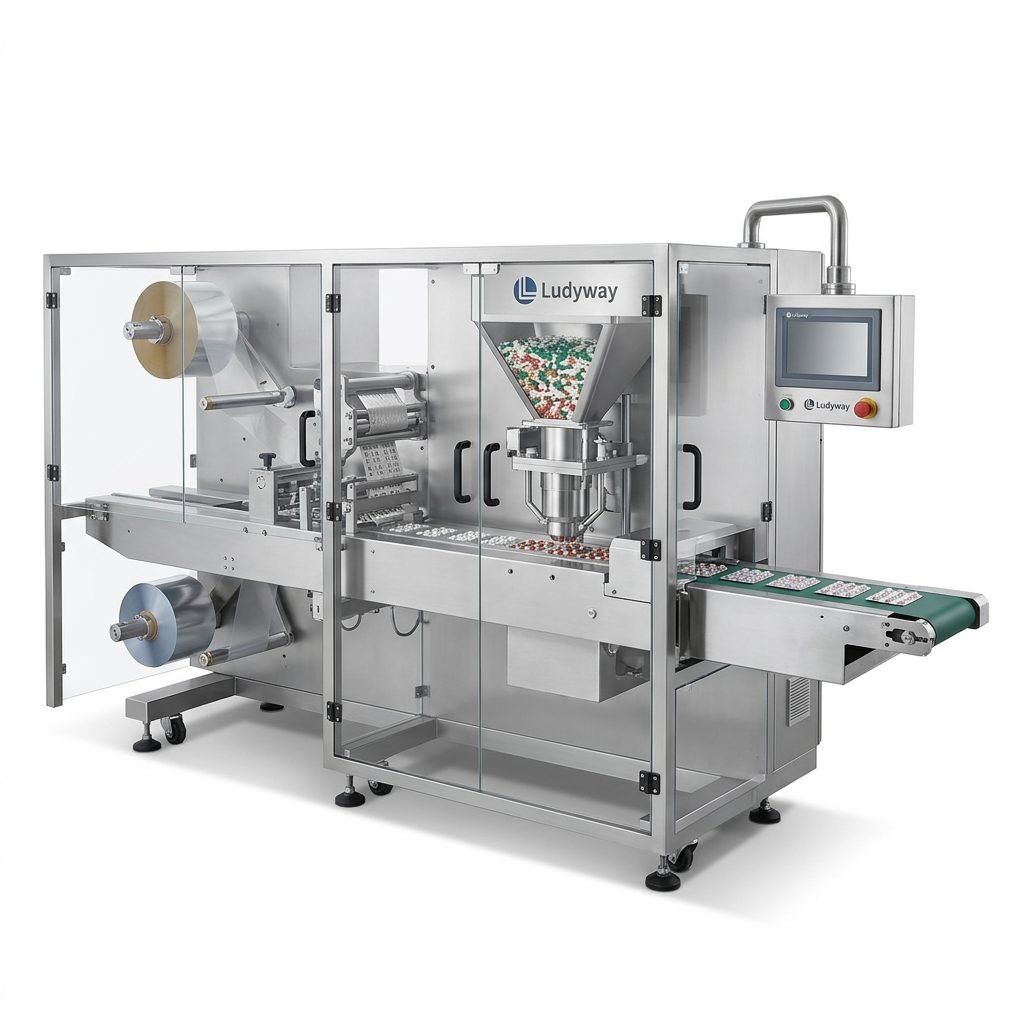
The rice industry in Southeast Asia is one of the most dynamic and competitive agricultural sectors in the world. With countries like Thailand, Vietnam, Indonesia, Myanmar, and the Philippines ranking among the top rice producers and exporters globally, the demand for efficient, reliable, and high-speed rice packaging machinery has never been greater. Whether you are packaging long-grain jasmine rice for export, sticky rice for local markets, or premium organic rice for health-conscious consumers, selecting the right rice packaging machine can dramatically impact your production efficiency, product quality, and bottom line.
This comprehensive guide will walk you through everything you need to know about purchasing the best rice packaging equipment in Southeast Asia, from understanding machine types and key specifications to evaluating suppliers and navigating regional regulatory requirements. For businesses seeking to understand broader packaging machinery market trends, industry data can provide valuable context for your investment decisions.
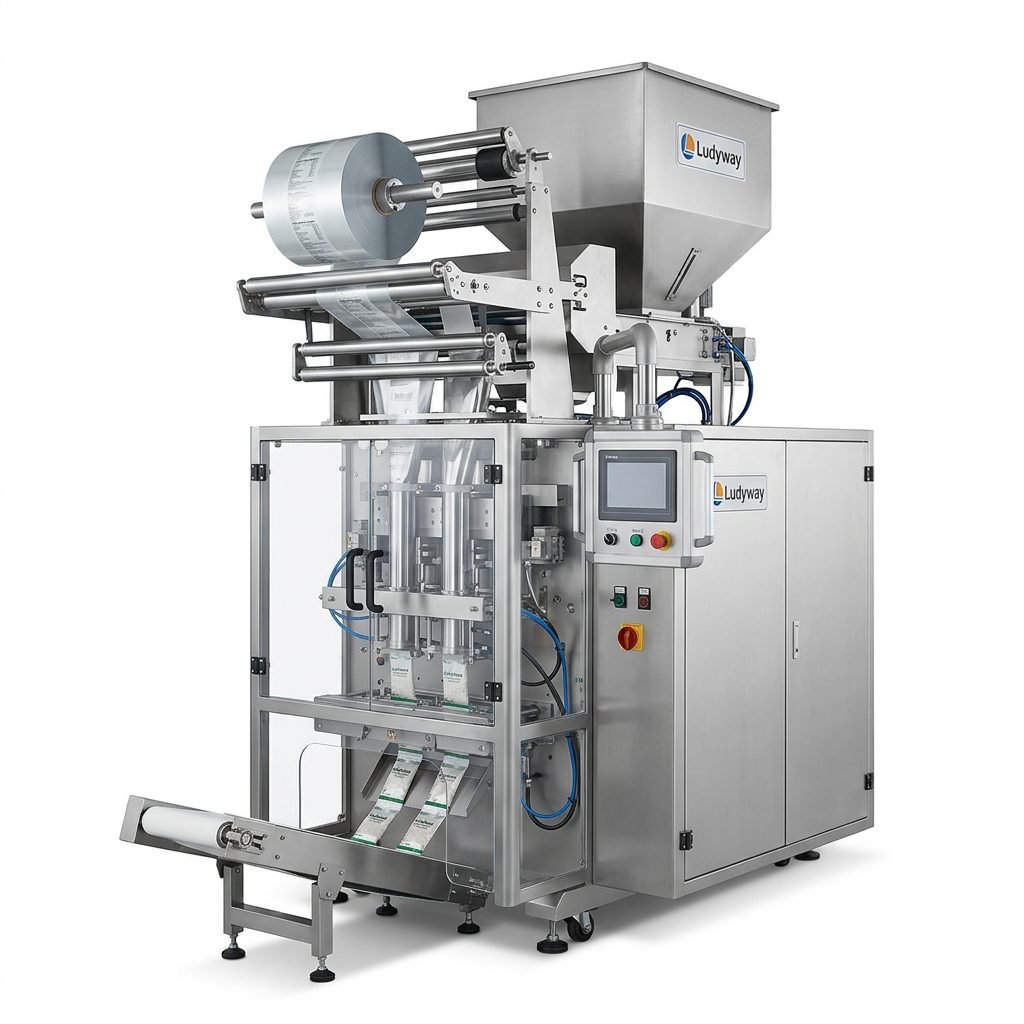
Understanding the Southeast Asian Rice Packaging Landscape
Southeast Asia’s rice market is projected to grow steadily over the next decade. According to industry reports, the region accounts for a significant share of global rice exports, with Thailand and Vietnam alone contributing over 25% of worldwide rice trade. This massive production volume creates an urgent need for advanced packaging solutions that can handle everything from small consumer sachets to bulk industrial bags. Proper packaging not only preserves rice quality but also ensures compliance with food packaging and food contact substances regulations that govern international trade.
The right packaging machine helps rice processors achieve consistent fill weights, airtight seals, and attractive presentation that builds brand loyalty. In markets like Indonesia and the Philippines, where rice is a staple food packaged in various formats, versatility in packaging machinery is a key competitive advantage.
Types of Rice Packaging Machines Available
Before investing in equipment, it is essential to understand the main categories of rice packaging machines and their ideal applications. Each type offers distinct advantages depending on your production volume, budget, and packaging format requirements.
Vacuum Packaging Machines
Vacuum packaging is the gold standard for premium rice products. By removing oxygen from the package before sealing, these machines extend shelf life significantly and protect rice from moisture, pests, and oxidation. This method is especially popular for jasmine rice, basmati rice, and organic varieties sold in retail channels across Southeast Asia and for export to the Middle East and Europe. Vacuum-packed rice maintains its aroma and texture for months longer than conventionally packaged alternatives.
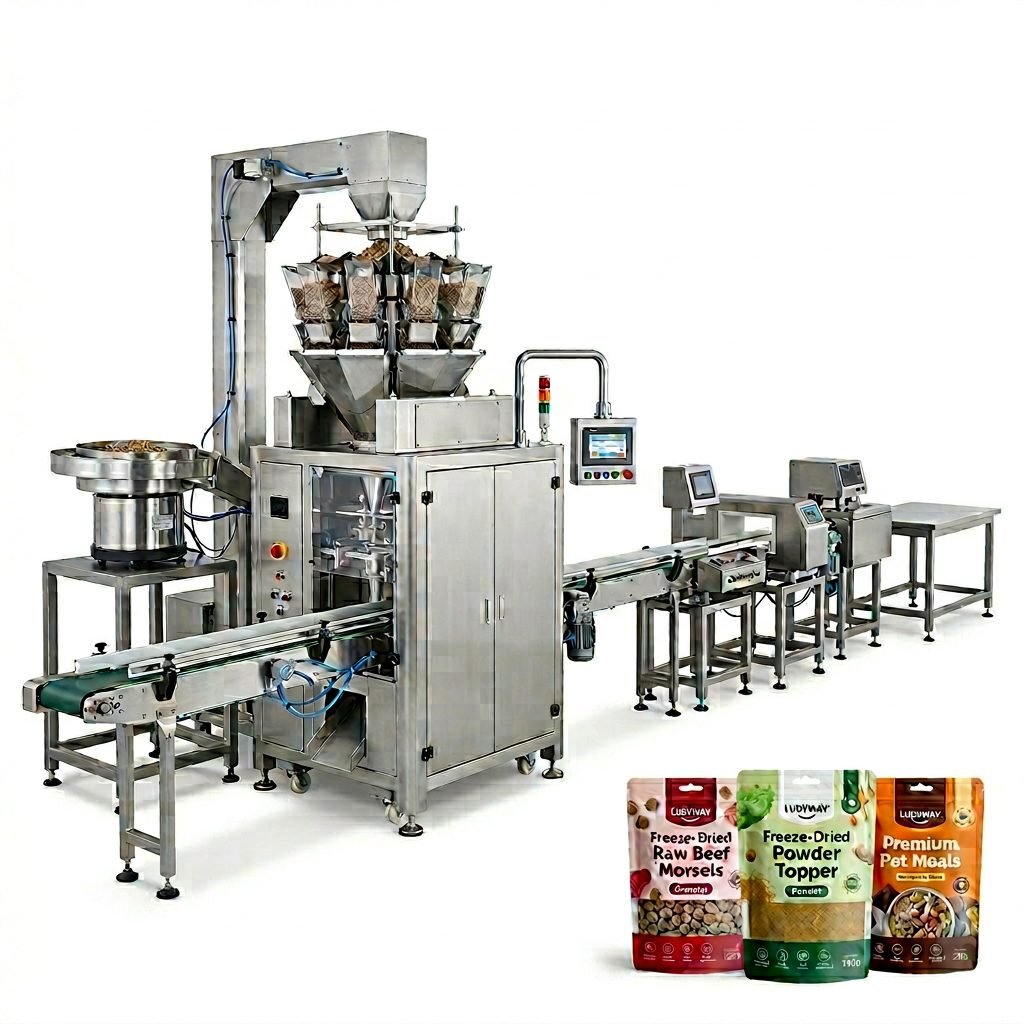
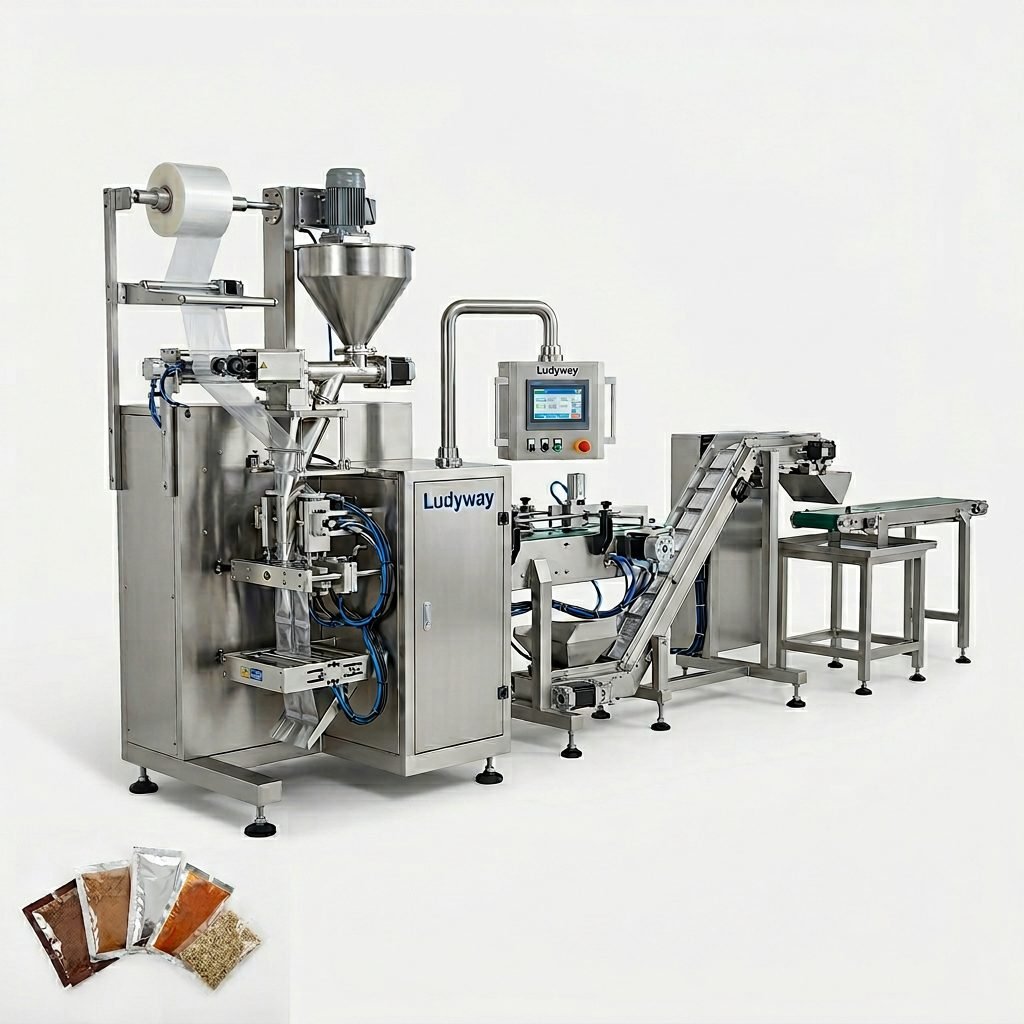
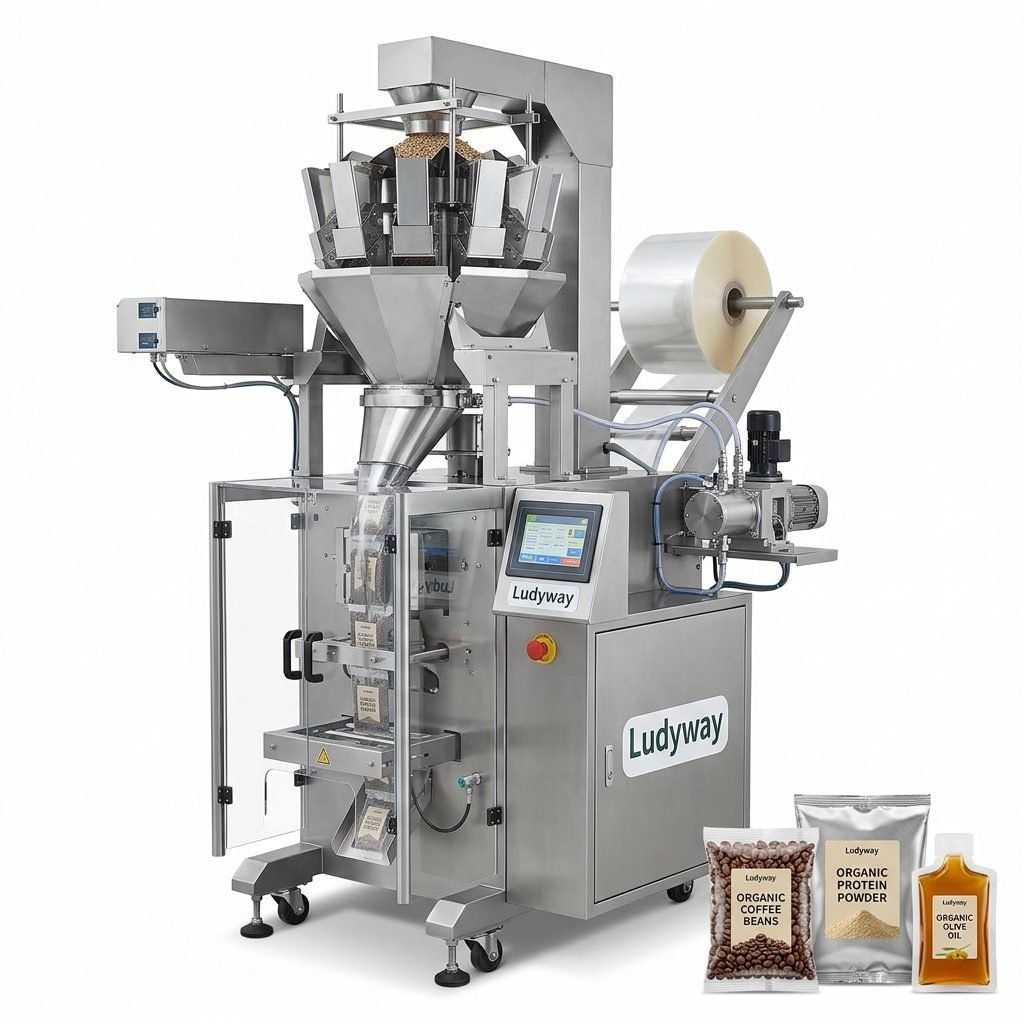
Vertical Form Fill Seal (VFFS) Machines
VFFS machines are the workhorses of the rice packaging industry. These versatile systems form bags from flat roll stock film, fill them with precise amounts of rice, and seal them in a continuous automated process. They can handle a wide range of bag sizes and styles, from small 500g consumer packs to large 10kg family bags. Modern VFFS machines equipped with multi-head weighers can achieve speeds of 60 to 120 bags per minute, making them ideal for high-volume rice milling operations throughout Thailand and Vietnam.
Premade Pouch Packaging Machines
For rice brands that want to use stand-up pouches, zipper bags, or other premium packaging formats, premade pouch machines offer excellent flexibility. These systems take pre-manufactured bags, open them, fill them with rice, and seal them. They are particularly popular for specialty rice products and gift packaging in markets like Singapore and Malaysia, where consumers expect visually appealing packaging with convenient resealable features.
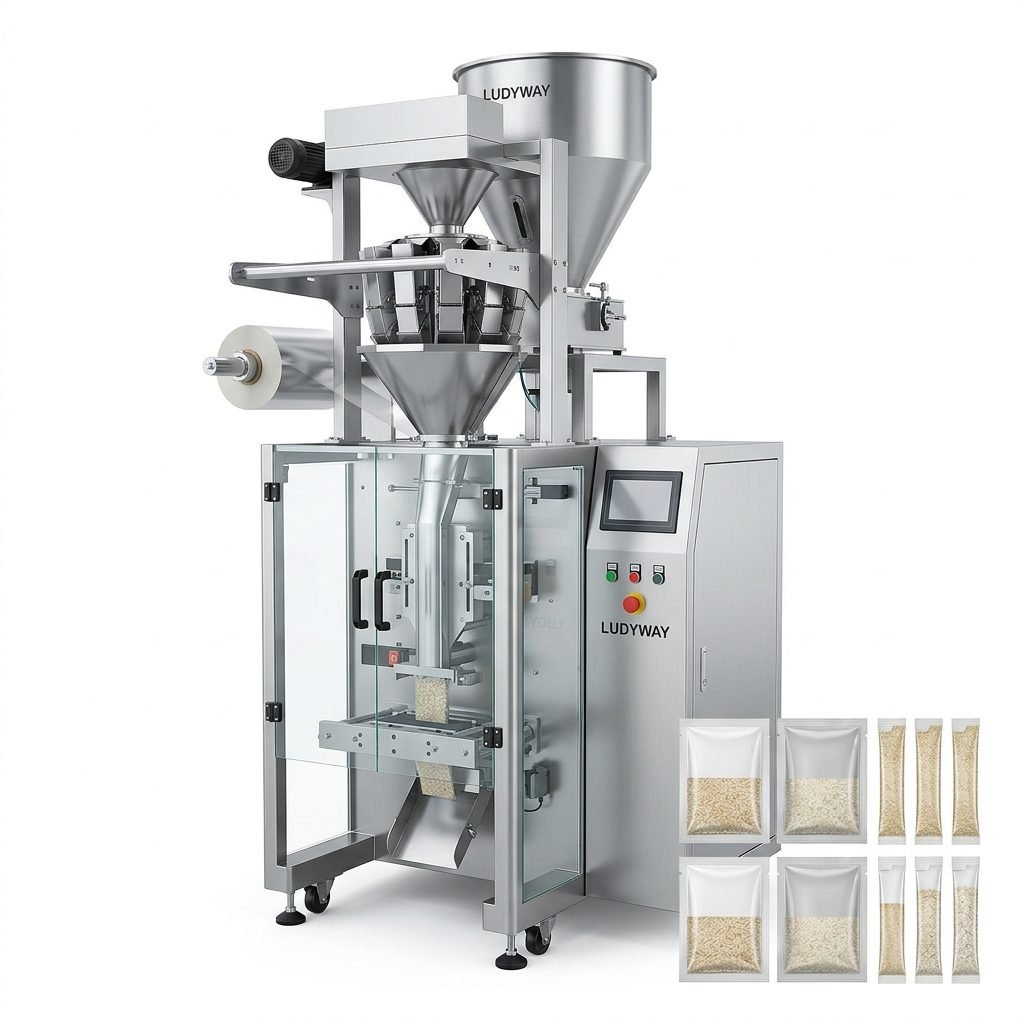
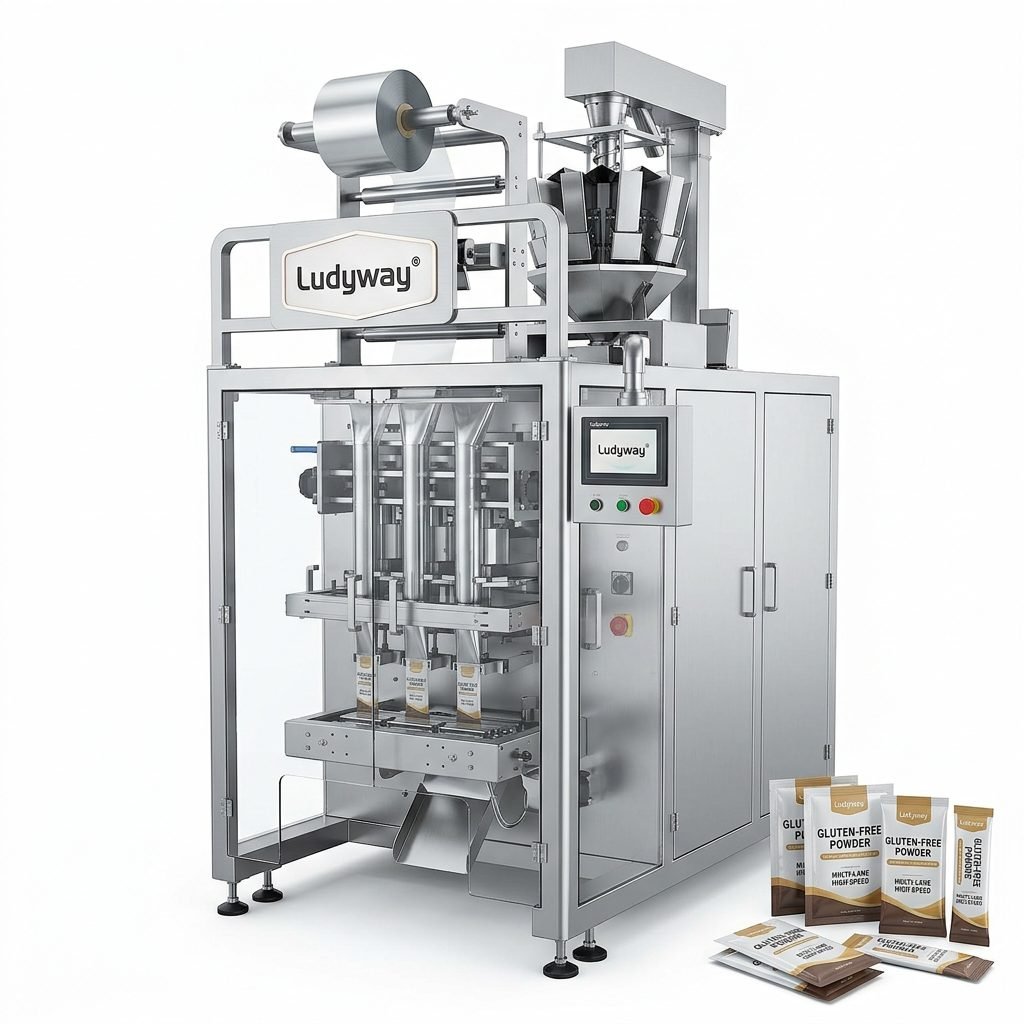
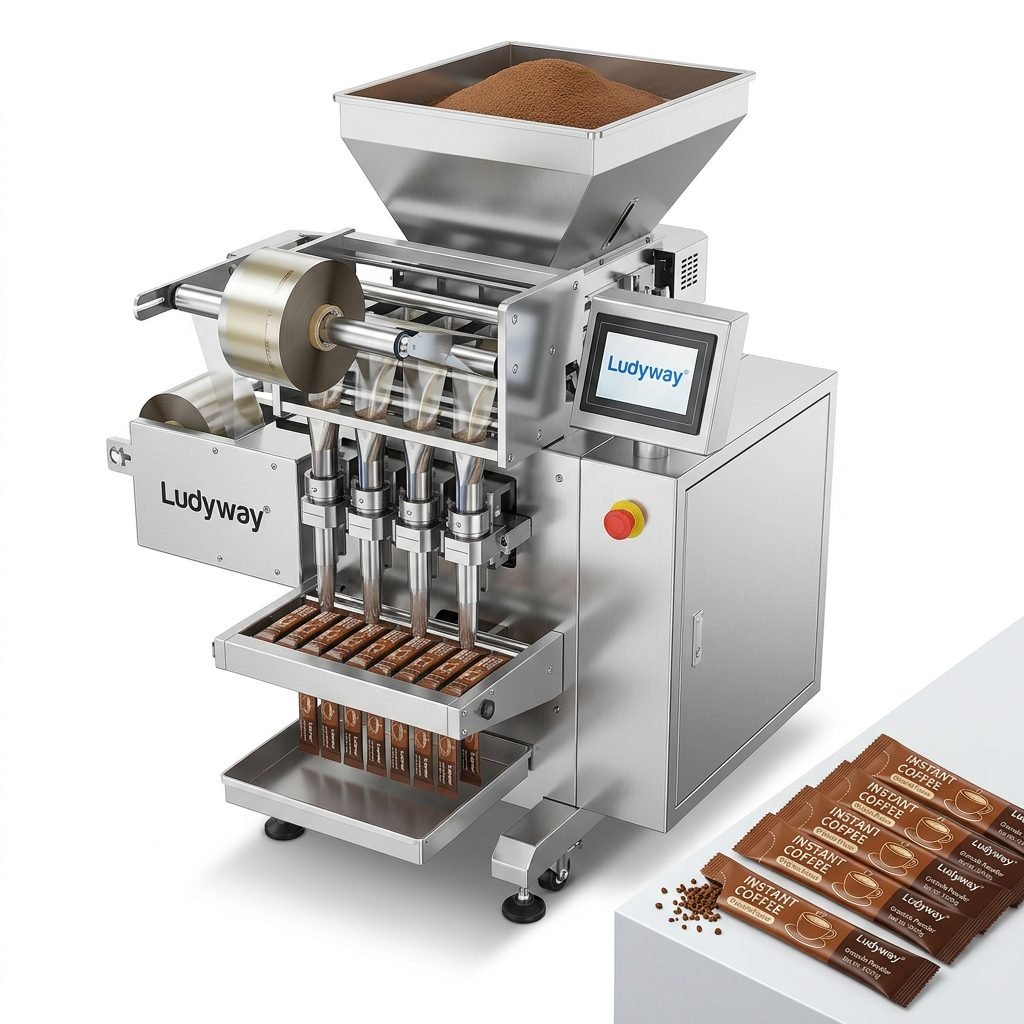
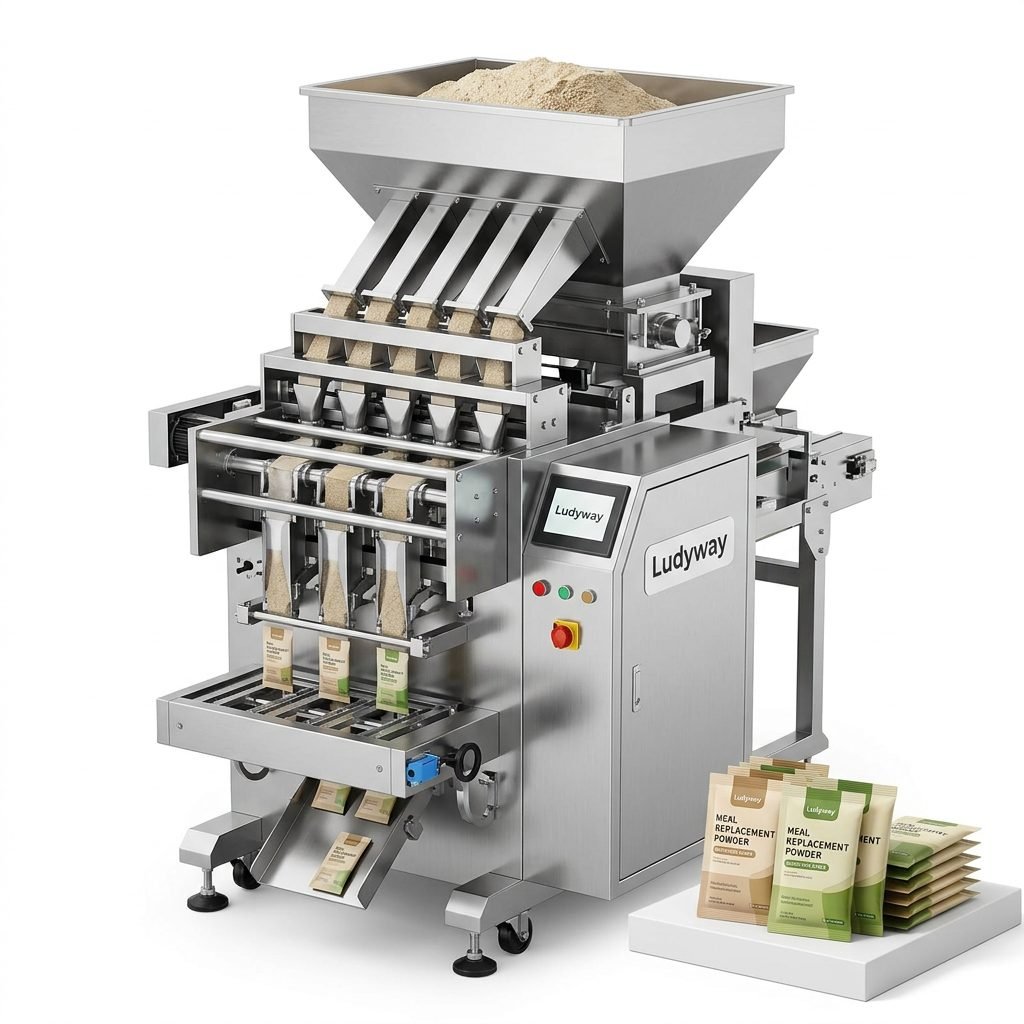
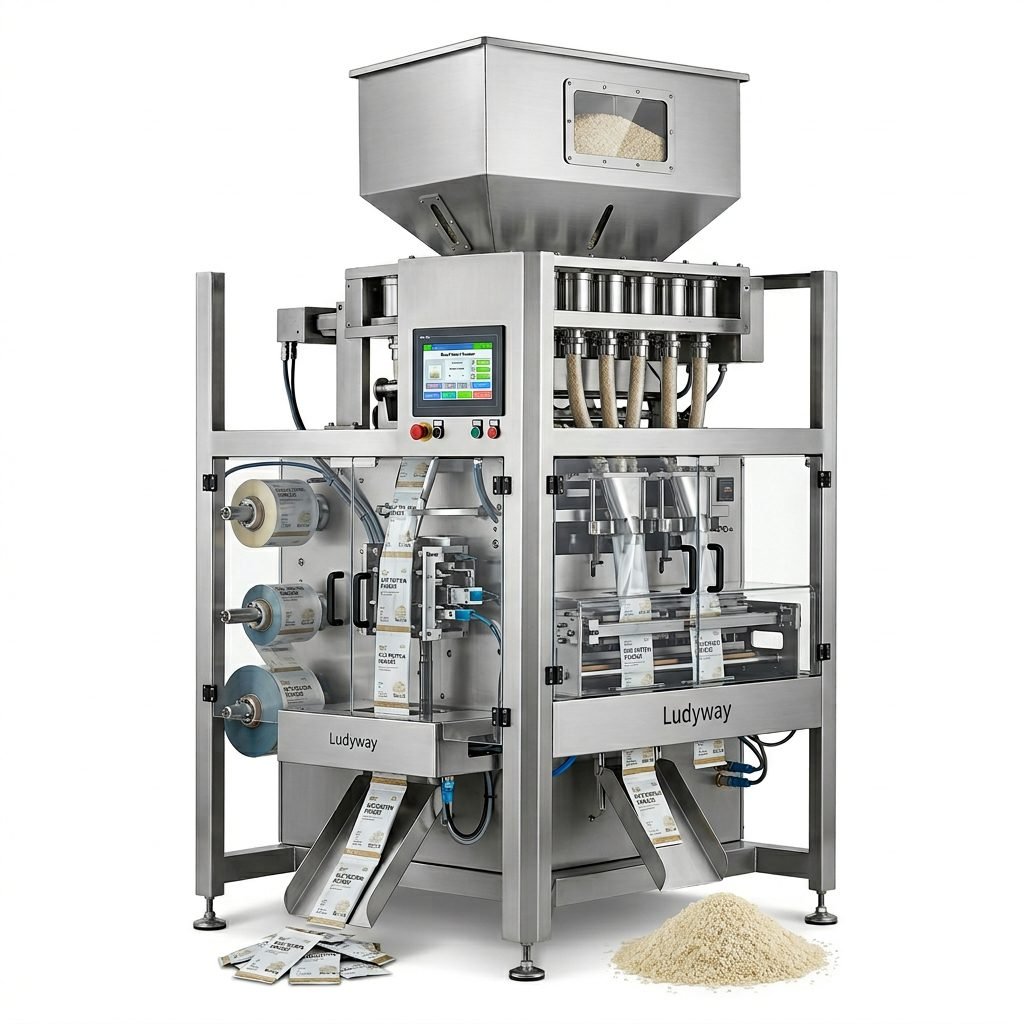
Multi-Lane Stick Pack and Sachet Machines
For single-serving rice portions, instant rice products, or rice-based convenience foods, multi-lane stick pack and sachet machines deliver exceptional speed and efficiency. These machines run multiple lanes simultaneously, producing hundreds of small-format packages per minute. They are increasingly in demand for ready-to-eat rice meals and food service applications across the region.
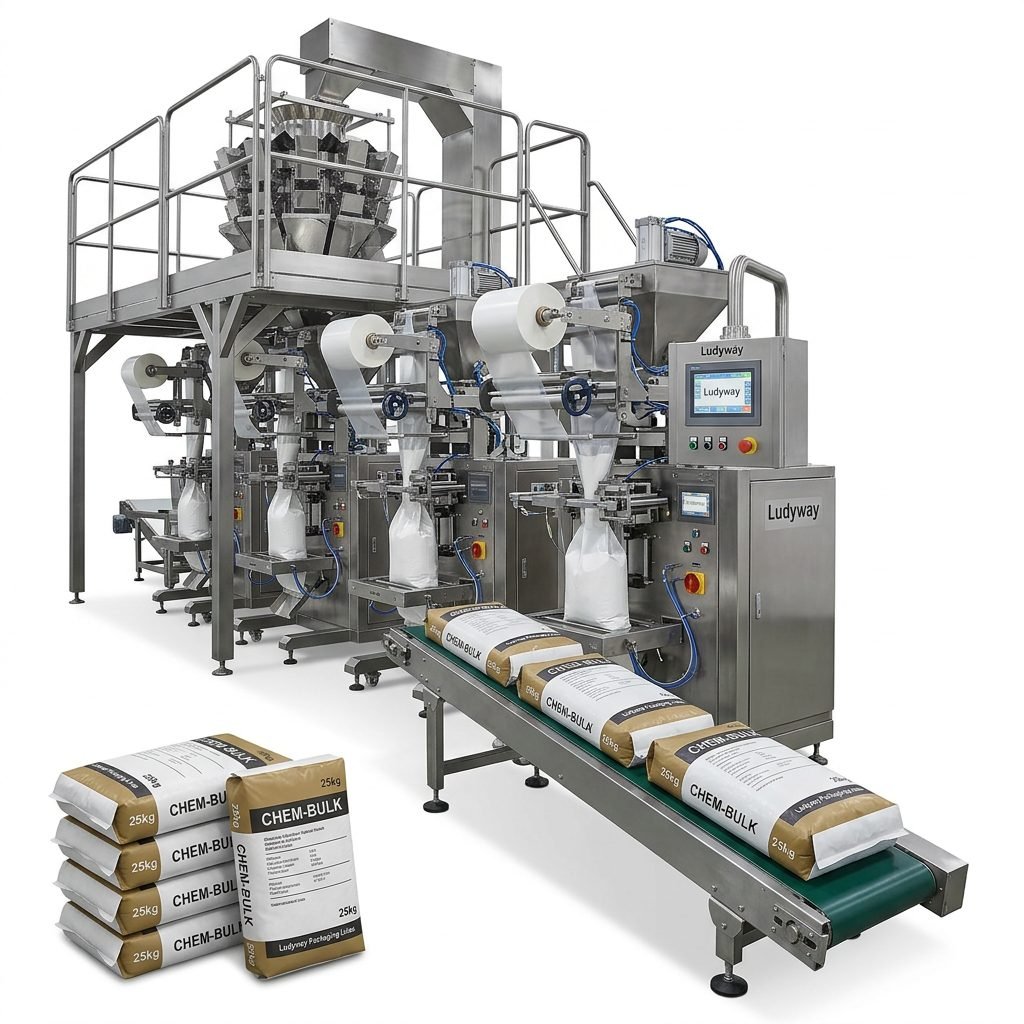
Bulk Bagging Systems
For rice destined for wholesale distribution, export shipping, or industrial use, bulk bagging systems handle weights from 10kg up to 50kg or more. These robust machines often integrate with conveyor systems, sewing heads, and palletizing equipment to form complete end-of-line solutions. Countries like Myanmar and Cambodia, which are expanding their rice export capacity, are investing heavily in automated bulk bagging infrastructure.
Key Factors to Consider When Buying a Rice Packaging Machine
Selecting the ideal rice packaging machine requires careful evaluation of several critical factors. Making the right choice can mean the difference between smooth, profitable operations and ongoing production headaches.
- Production Capacity Requirements: Calculate your daily or hourly throughput needs realistically. A machine rated for 60 bags per minute may not sustain that speed with all rice varieties and bag sizes. Factor in changeover times and maintenance windows when determining required capacity.
- Rice Variety and Characteristics: Long-grain rice flows differently than short-grain or sticky rice. Broken rice percentages, moisture content, and the presence of dust or husk fragments all affect how the product moves through filling systems. Ensure your chosen machine is compatible with your specific rice types.
- Packaging Material Compatibility: Different films and laminates require specific sealing temperatures, dwell times, and pressure settings. Verify that the machine can work with your preferred packaging materials, whether that is polyethylene, polypropylene, laminated films, or biodegradable alternatives.
- Automation Level: From semi-automatic systems requiring manual bag placement to fully automated lines with robotic palletizing, the level of automation you choose should align with your labor costs, available skilled workforce, and long-term scalability goals.
- Accuracy and Consistency: Precise weight control is crucial for profitability. Look for machines with integrated multi-head weighers or combination weighers that deliver accuracy within ±1 to 2 grams per package.
- Hygiene and Cleanability: Rice packaging facilities must meet strict food safety standards. Equipment should feature stainless steel construction, tool-free disassembly for cleaning, and designs that minimize product accumulation points. Refer to ISO packaging standards for guidance on quality management in packaging processes.
- Energy Efficiency: With rising electricity costs across Southeast Asia, energy-efficient motors and heating systems can significantly reduce operating expenses over the machine’s lifetime.
Comparing Rice Packaging Machine Types at a Glance
The following table provides a side-by-side comparison of the main rice packaging machine categories to help you narrow down your options based on your specific operational needs.
| Machine Type | Best For | Speed Range | Bag Size Range | Investment Level |
|---|---|---|---|---|
| Vacuum Packaging Machine | Premium retail rice, export products | 20-60 packs/min | 500g – 5kg | Medium to High |
| VFFS Machine | High-volume consumer and wholesale packs | 60-120 packs/min | 500g – 10kg | Medium |
| Premade Pouch Machine | Stand-up pouches, zipper bags, specialty formats | 30-80 packs/min | 250g – 5kg | Medium to High |
| Multi-Lane Stick Pack Machine | Single-serve and instant rice products | 200-600 packs/min | 5g – 100g | High |
| Bulk Bagging System | Wholesale, export, and industrial packaging | 5-20 bags/min | 10kg – 50kg+ | Medium to High |
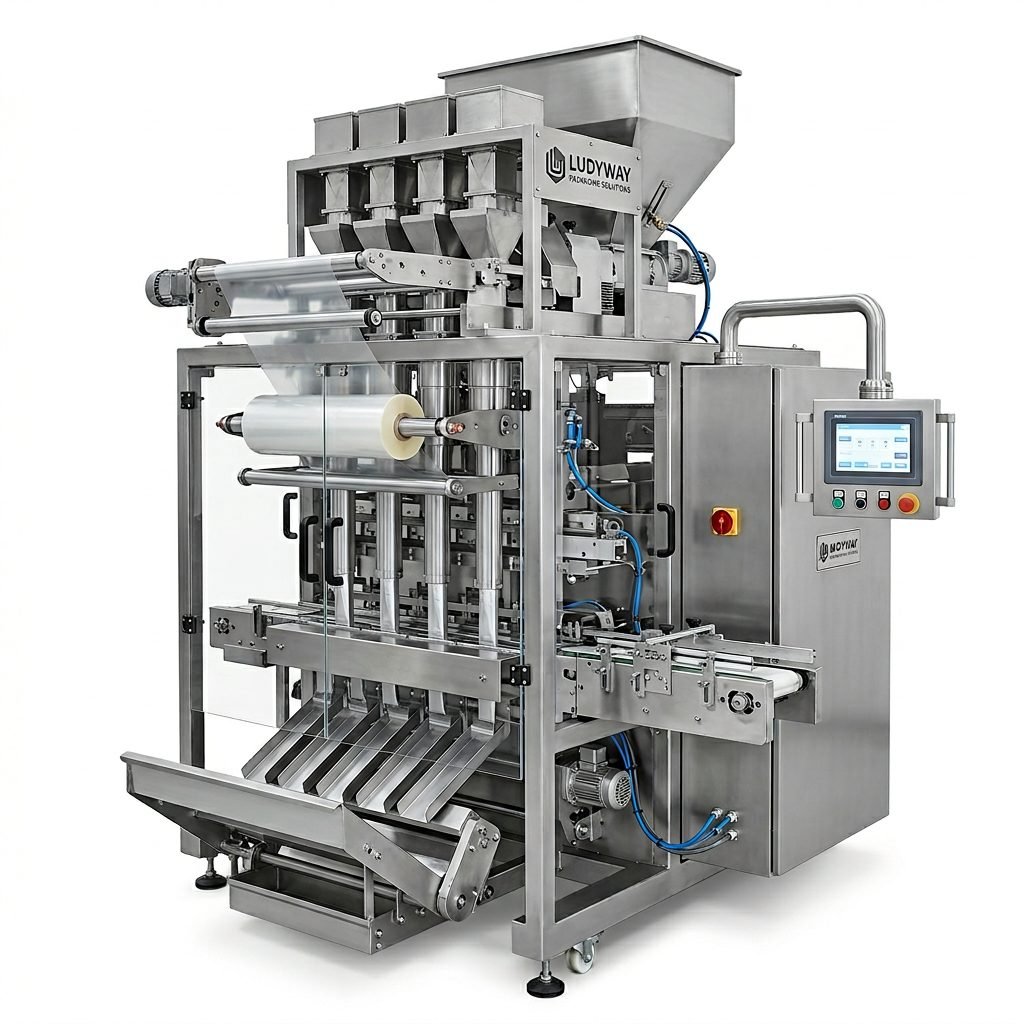
Budget Planning and Return on Investment
Investing in a rice packaging machine is a significant capital decision that requires thorough financial analysis. Entry-level semi-automatic machines suitable for small rice mills may start at USD 10,000 to 25,000, while high-speed fully automated VFFS systems with multi-head weighers can range from USD 50,000 to 150,000 or more. Complete turnkey packaging lines with conveyors, checkweighers, metal detectors, and palletizing systems represent investments of USD 200,000 to 500,000+.
To accurately calculate your return on investment, consider these factors:
- Labor cost savings from automation
- Reduction in product giveaway through precise weighing
- Decreased packaging material waste
- Increased throughput and production capacity
- Lower maintenance costs compared to older equipment
- Enhanced product quality leading to fewer customer returns
- Energy savings from modern efficient motors and controls
Many rice packaging machine buyers in Southeast Asia find that their equipment pays for itself within 18 to 36 months through a combination of labor savings, reduced waste, and increased sales capacity. For up-to-date economic insights on packaging industry trends, resources like the State of the Industry report offer valuable market data that can inform your budgeting process.
Selecting the Right Supplier in Southeast Asia
Your choice of equipment supplier is just as important as the machine specifications themselves. A reliable supplier provides not only quality machinery but also local technical support, spare parts availability, and training — all critical factors for rice processors operating in Southeast Asian markets.
When evaluating potential suppliers, look for these key attributes:
- Regional Presence: Suppliers with offices, distributors, or service centers in countries like Thailand, Vietnam, Indonesia, or the Philippines can respond faster to support requests and maintain local spare parts inventory.
- Industry Experience: A supplier with demonstrated experience in rice packaging specifically — rather than general food packaging — will better understand your operational challenges and product handling requirements.
- Reference Sites: Request to visit existing installations or speak with current customers in your region. Seeing machines in operation provides invaluable insight into real-world performance and reliability.
- After-Sales Commitment: Confirm the scope of warranty coverage, availability of service contracts, and typical response times for technical support. Packaging line downtime can cost thousands of dollars per hour in lost production.
- Training Programs: Comprehensive operator and maintenance training ensures your team can maximize machine performance and minimize avoidable breakdowns.
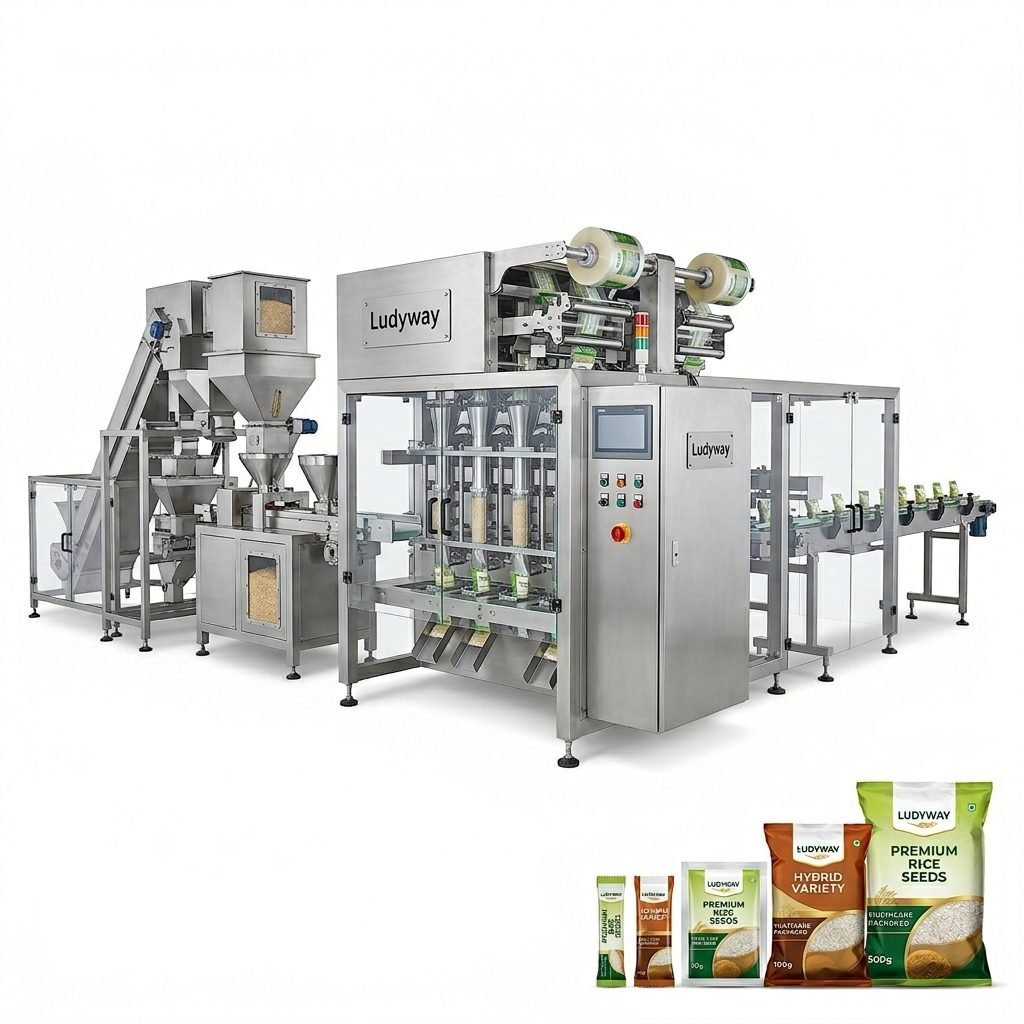
For businesses looking at integrated packaging solutions from global manufacturers, evaluating suppliers with flexible packaging industry resources and certifications is a prudent step that signals commitment to quality and continuous improvement. Companies like Ludyway, one of the largest packaging machine manufacturers in China with over 30 years of industry experience and a 20,000㎡ modern production facility, have been serving customers across more than 100 countries with advanced packaging equipment tailored to granule, powder, and liquid applications including rice and grain products.
Maintenance and After-Sales Support Essentials
Even the most robust rice packaging machinery requires regular maintenance to deliver consistent performance year after year. Establishing a proactive maintenance program from day one protects your investment and prevents costly unplanned downtime during peak harvest and packaging seasons.
Key maintenance considerations include:
- Preventive Maintenance Schedule: Work with your equipment supplier to develop a detailed preventive maintenance calendar covering daily, weekly, monthly, and annual tasks. Document all maintenance activities for traceability.
- Critical Spare Parts Inventory: Maintain an agreed-upon stock of essential spare parts, including sealing elements, belts, sensors, and common wear items. This minimizes lead time for repairs.
- Operator Training: Well-trained operators catch potential issues early and perform routine adjustments correctly. Invest in ongoing training to keep skills sharp as your team evolves.
- Remote Support Capabilities: Many modern packaging machines include remote diagnostics and troubleshooting capabilities that allow supplier technicians to resolve issues without an on-site visit.
- Performance Monitoring: Track key metrics like Overall Equipment Effectiveness (OEE), mean time between failures (MTBF), and packaging material waste rates to identify improvement opportunities.
Regulatory Considerations for Southeast Asian Markets
Rice packaging operations in Southeast Asia must navigate a complex regulatory environment that varies by country. Understanding these requirements before purchasing equipment can prevent costly compliance issues down the road.
In Thailand, the Ministry of Public Health’s Food and Drug Administration (Thai FDA) regulates food packaging materials and labeling. Vietnam’s food safety regulations are governed by the Ministry of Health, with specific requirements for packaging that comes into direct contact with food. Indonesia’s BPOM (National Agency of Drug and Food Control) enforces strict packaging standards, while the Philippines FDA oversees food packaging safety under the Food and Drug Administration Act.
For rice destined for export markets, additional requirements may apply. The European Commission’s packaging and packaging waste regulations set standards for packaging materials entering EU markets, while individual importing countries often have their own specific labeling and material requirements. Aligning your packaging equipment with these international standards from the outset positions your business for export success.
When selecting equipment, ensure that food contact surfaces comply with relevant ISO packaging standards for terminally sterilized medical devices principles adapted for food safety, and that the machinery design facilitates compliance with Hazard Analysis and Critical Control Points (HACCP) protocols where applicable.
Emerging Trends in Rice Packaging Technology
The rice packaging industry in Southeast Asia is evolving rapidly, driven by changing consumer preferences, sustainability concerns, and technological innovation. Forward-thinking rice processors who invest in future-ready packaging solutions gain a significant competitive edge.
- Sustainable Packaging Materials: Growing consumer awareness of plastic waste is driving demand for biodegradable, compostable, and recyclable packaging films. Modern machines are increasingly designed to handle these alternative materials with optimized sealing parameters.
- Smart Packaging and Traceability: QR codes, RFID tags, and blockchain-enabled traceability systems allow consumers and supply chain partners to verify product origin, quality, and authenticity directly from the package.
- Industry 4.0 Integration: Packaging machines with IoT connectivity, real-time production monitoring dashboards, and predictive maintenance algorithms enable data-driven decision-making and operational optimization.
- Flexible and Modular Designs: Rice processors increasingly demand machines that can quickly switch between different bag formats, sizes, and materials to respond agilely to market demands without significant downtime.
- Energy-Efficient Operation: New-generation servo-driven machines consume significantly less power than older pneumatic or mechanical systems, aligning with both cost reduction goals and corporate sustainability commitments.
Frequently Asked Questions About Rice Packaging Machines
What is the best packaging machine for small-scale rice mills?
For small-scale operations, a semi-automatic VFFS machine or a compact vacuum packaging system typically offers the best balance of affordability and functionality. These machines can handle moderate production volumes while maintaining consistent quality, making them ideal for local and regional market distribution.
How much does a rice packaging machine cost in Southeast Asia?
Prices vary widely based on automation level, speed, and features. Basic semi-automatic machines start around USD 10,000 to 25,000, mid-range VFFS systems with weighers range from USD 50,000 to 100,000, and fully automated turnkey lines can exceed USD 300,000. Import duties, shipping, and local installation costs should be factored into total investment calculations.
Can one machine handle different rice varieties and bag sizes?
Yes, most modern VFFS and premade pouch machines are designed for quick changeovers between different products and formats. However, extreme variations — such as switching from sticky rice in small sachets to long-grain rice in 10kg bags — may require different machine configurations or dedicated equipment for optimal efficiency.
What after-sales support should I expect from my equipment supplier?
At minimum, expect comprehensive installation and commissioning support, operator training, a written warranty, and access to remote technical assistance. Premium suppliers also offer preventive maintenance contracts, local spare parts availability, and periodic performance audits to ensure your equipment continues operating at peak efficiency.
Selecting the best rice packaging machine for your Southeast Asian operation is a strategic decision with long-lasting implications for your business. By carefully evaluating your production requirements, understanding available technology options, and partnering with a reliable equipment supplier, you can build a packaging operation that delivers consistent quality, operational efficiency, and sustainable growth for years to come.