Setting up a sandwich packaging machine production line is a critical step for food manufacturers looking to scale output, maintain product freshness, and meet retail shelf-life requirements. Whether you are producing triangular sandwiches for convenience stores or wrapped subs for supermarkets, the right setup directly impacts your operational efficiency and product quality. This guide walks you through every phase—from initial planning to full-scale production.
Understanding Sandwich Packaging Machinery
Sandwich packaging lines typically revolve around horizontal flow wrapping machines and modified atmosphere packaging (MAP) systems. These machines seal sandwiches in airtight film, often flushing the package with inert gas to extend shelf life. Key machine types include:
- Horizontal Flow Wrappers – Ideal for high-speed wrapping of individual sandwiches.
- Thermoforming Packaging Machines – Suitable for vacuum-sealed or MAP sandwich trays.
- Tray Sealing Machines – Used for pre-formed trays with airtight top film sealing.
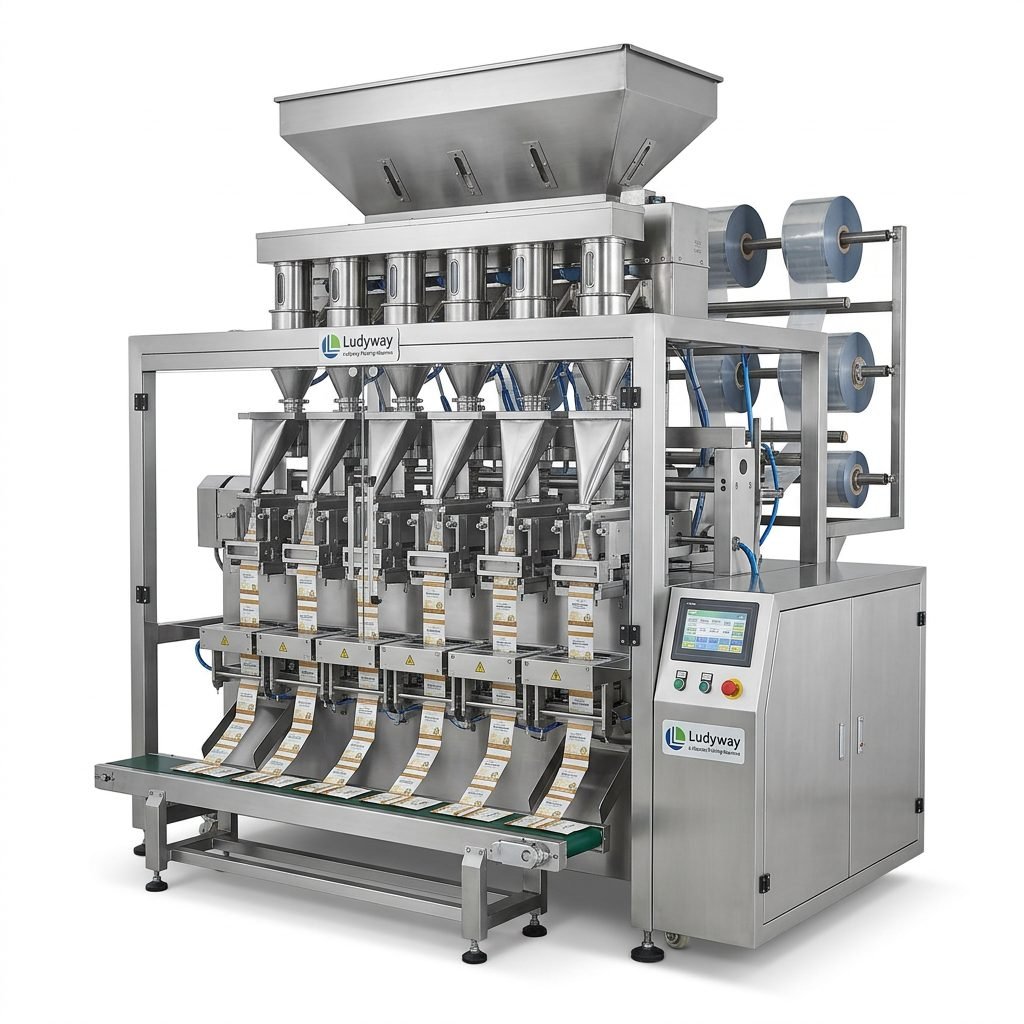
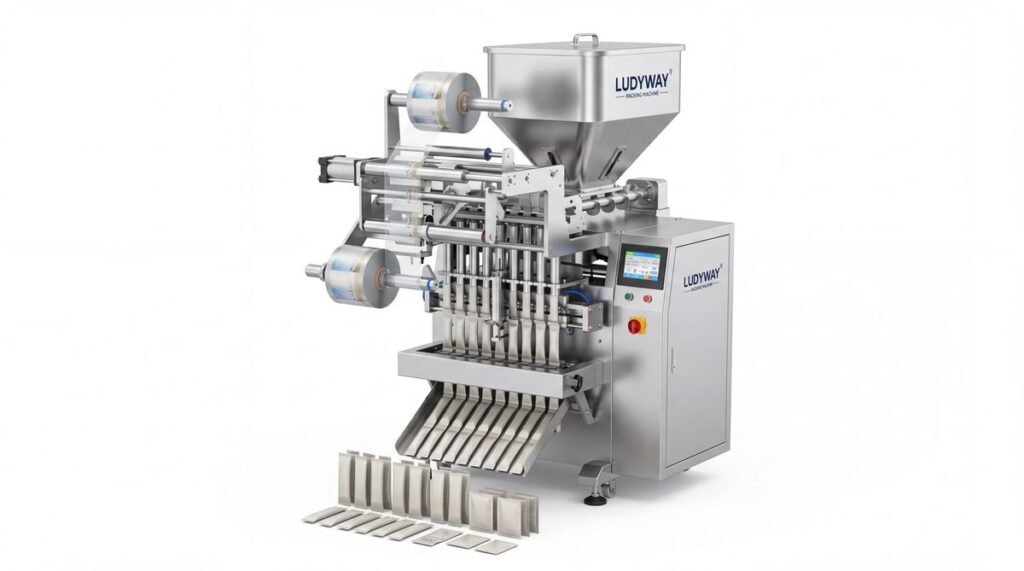
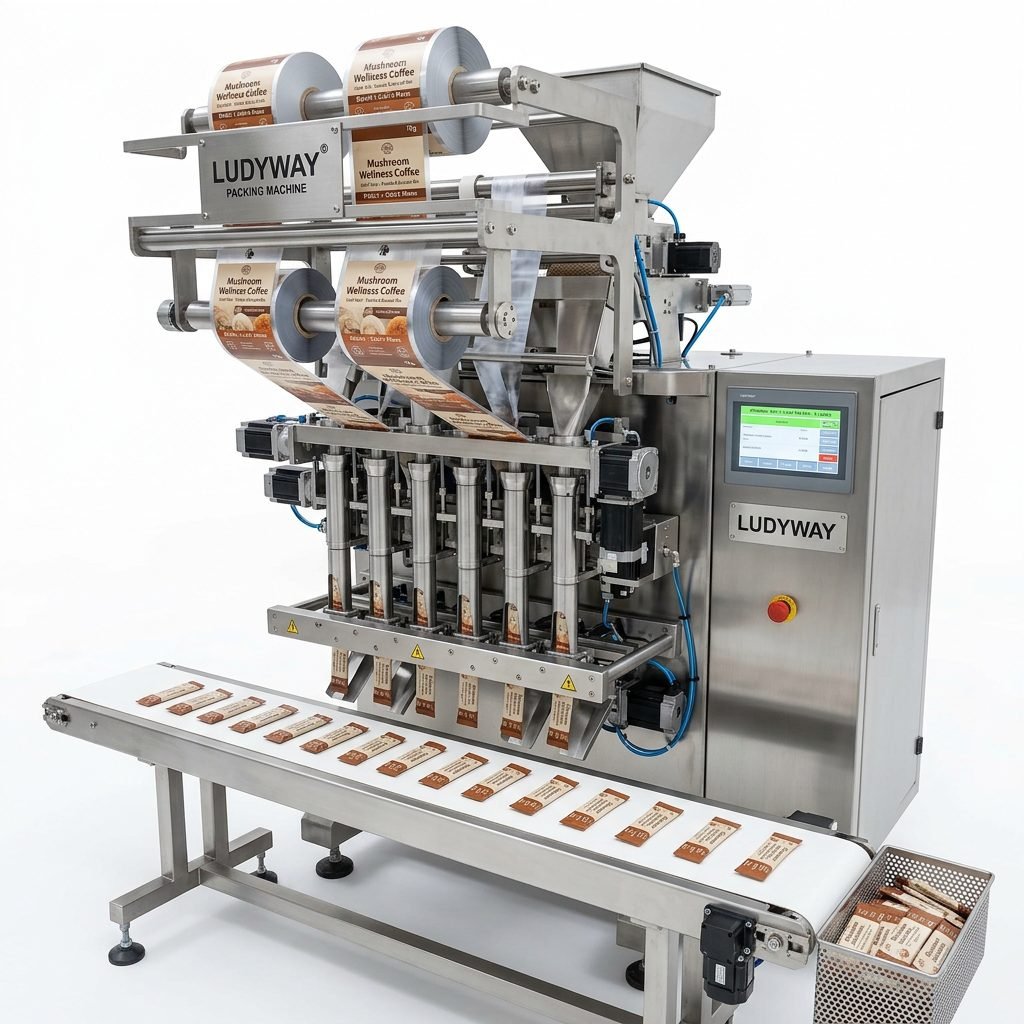
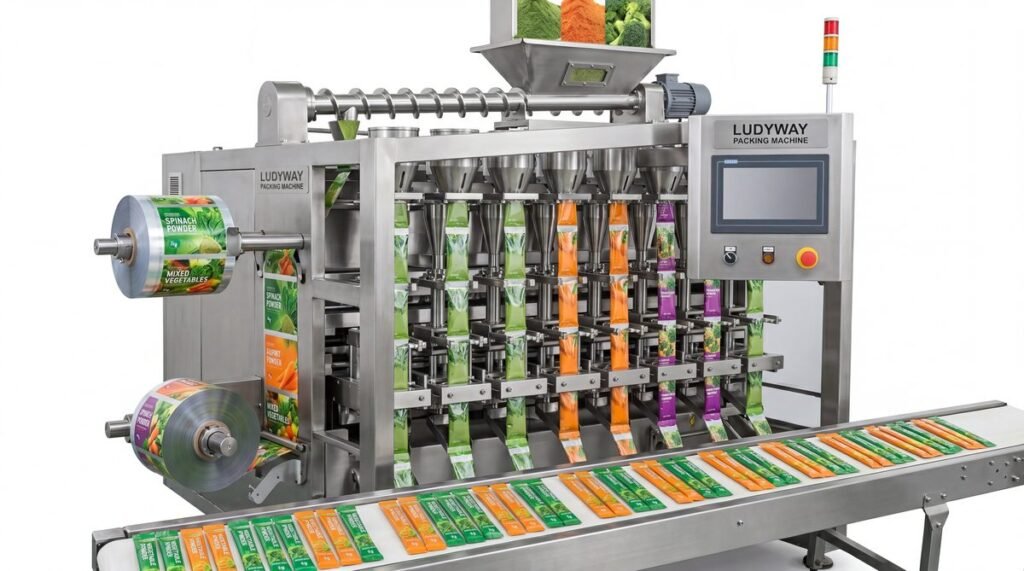
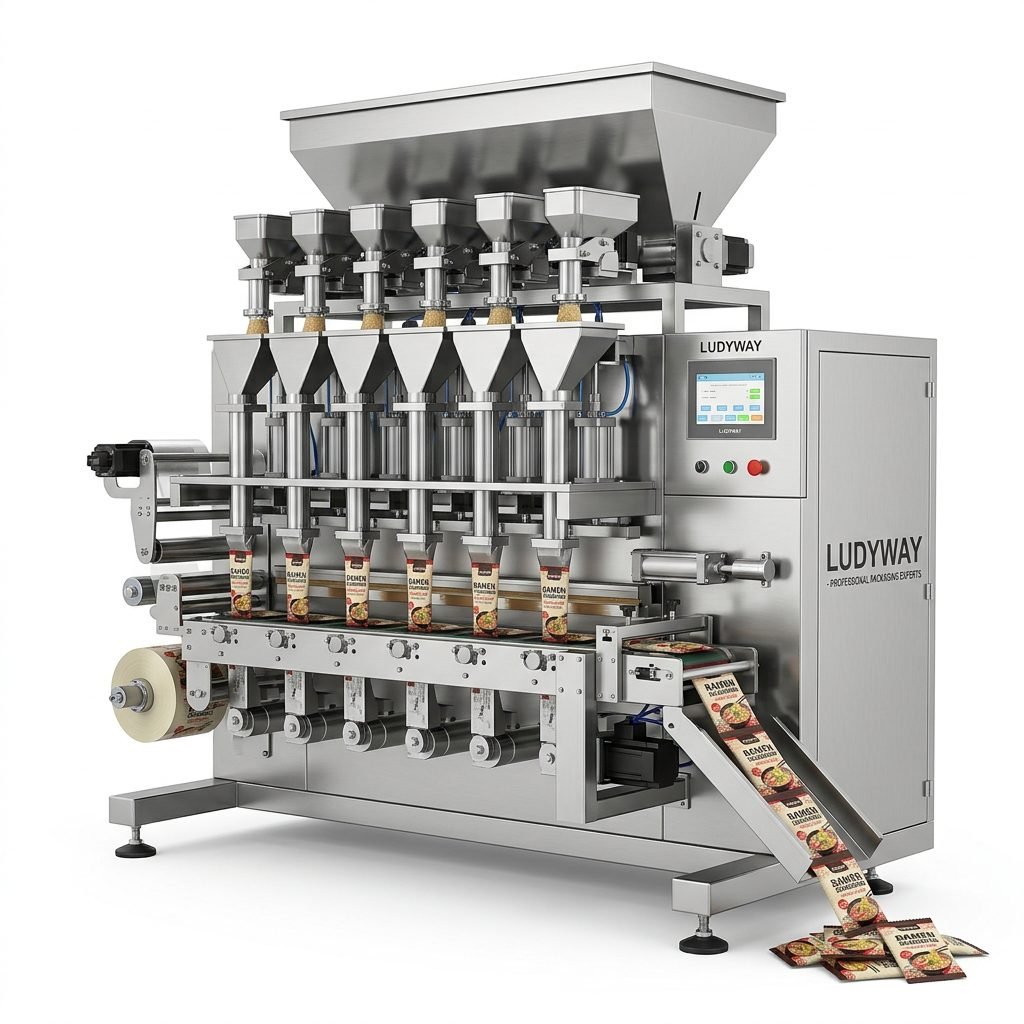
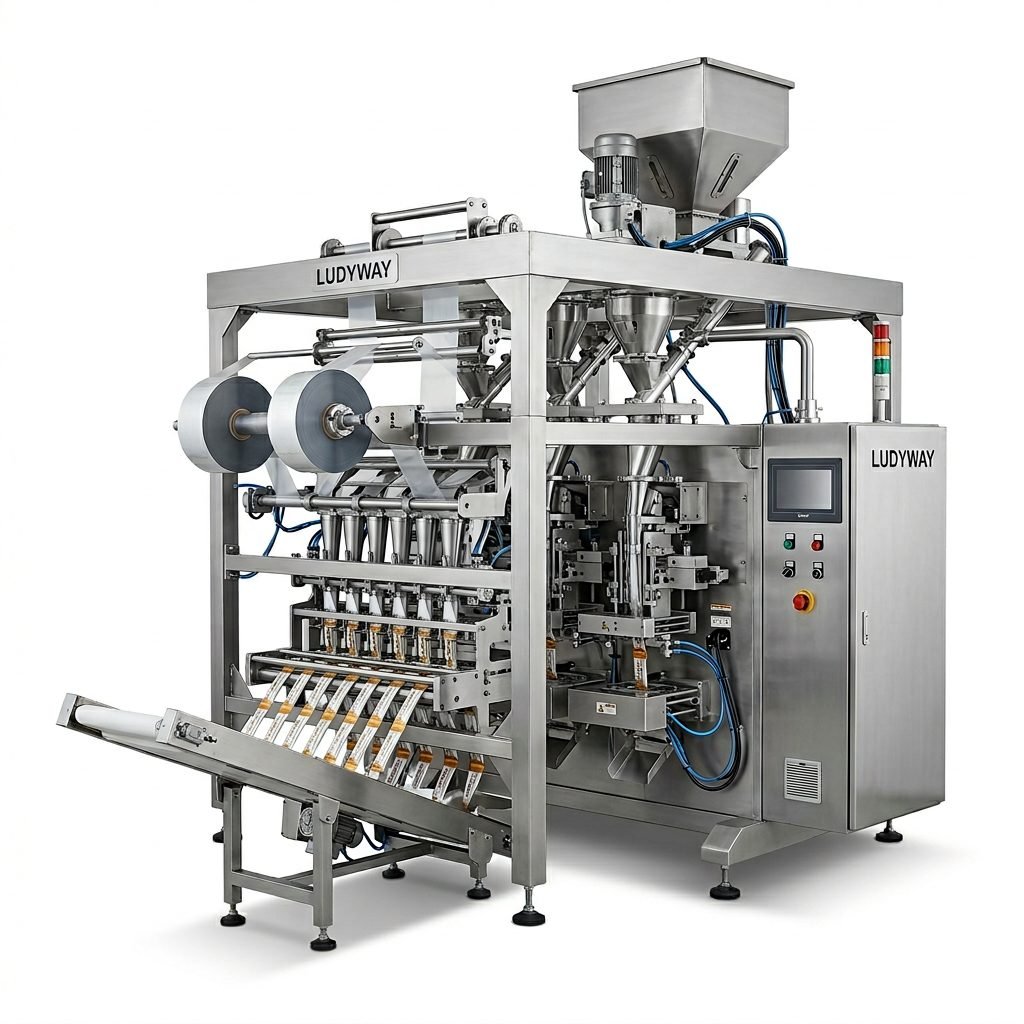
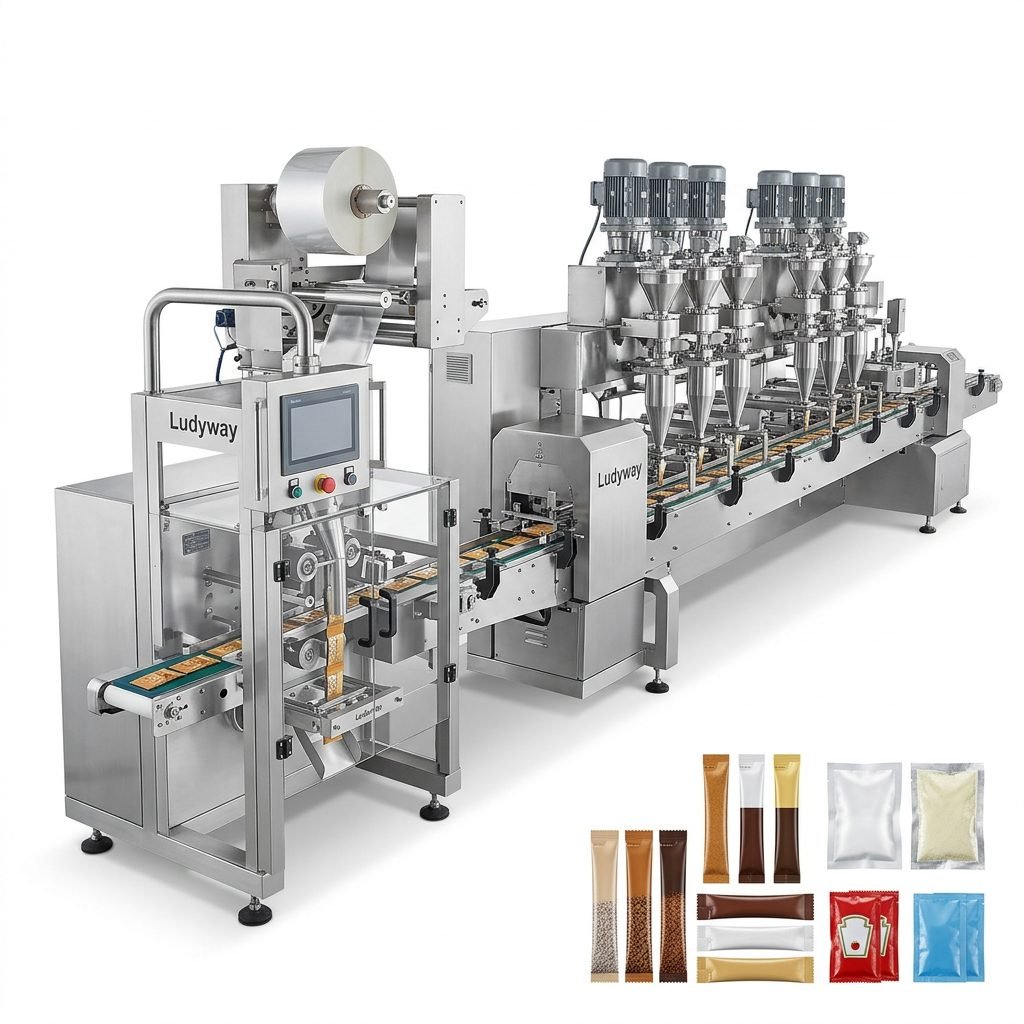
- Multi-Lane Stick Pack Systems – For smaller, portion-controlled sandwich snacks.
According to industry data from PMMI’s business intelligence reports, flexible packaging solutions continue to grow year over year, driven by demand for convenience and extended shelf life.
Step 1: Define Your Production Requirements
Before purchasing any equipment, clearly define your production goals. This foundational step ensures every subsequent decision aligns with your business needs. Consider the following parameters:
| Parameter | Key Questions to Answer |
|---|---|
| Output Volume | How many sandwiches per hour or per shift do you need to produce? |
| Sandwich Dimensions | What are the length, width, and height ranges of your products? |
| Packaging Format | Do you need pillow packs, MAP tray packs, or flow-wrapped sealed packs? |
| Film Material | Will you use polypropylene, laminated films, or biodegradable materials? |
| Shelf-Life Goals | Is gas flushing (nitrogen or CO2) required for extended freshness? |
Documenting these specifications helps you communicate effectively with equipment suppliers and prevents costly mismatches. The FDA’s food packaging regulations also require that all food-contact materials meet strict safety standards, so factor compliance into your planning.
Step 2: Design the Production Line Layout
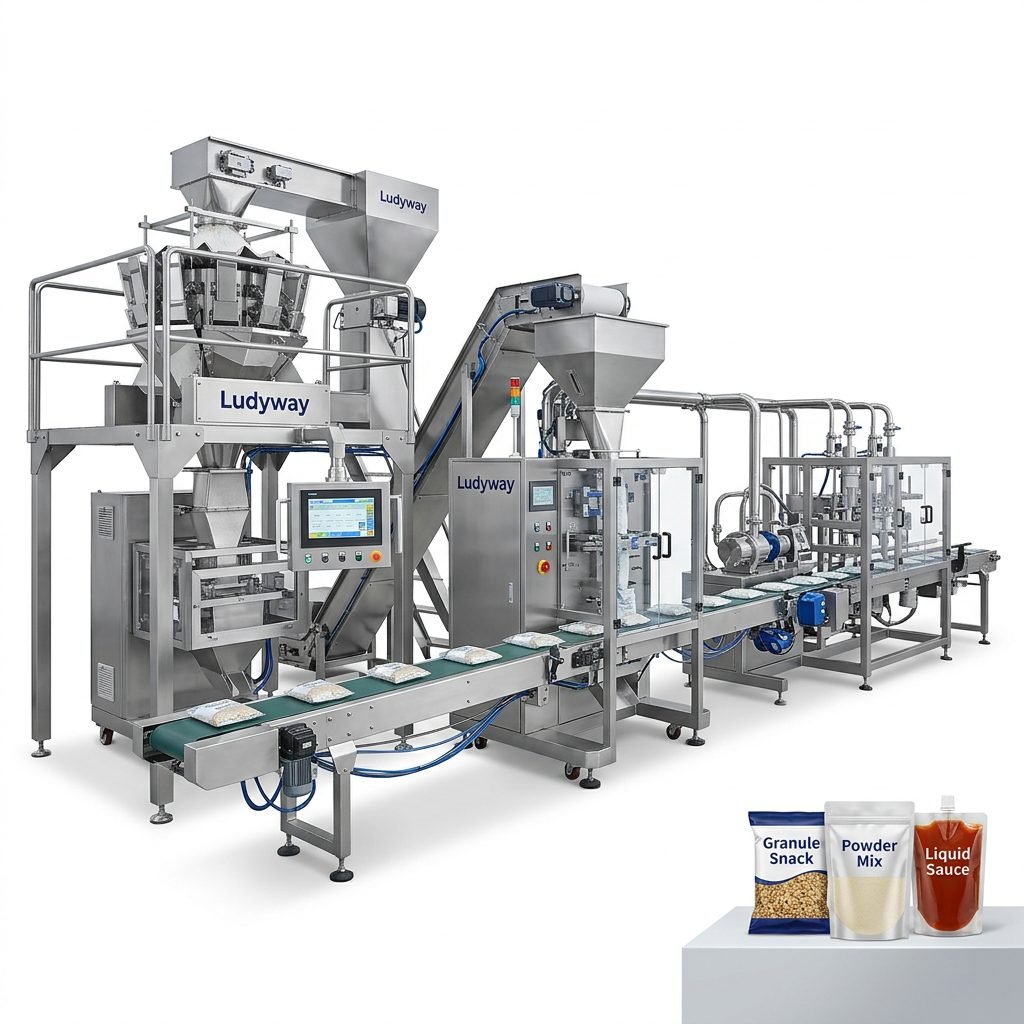
A well-designed floor plan optimizes material flow, minimizes manual handling, and maximizes throughput. A typical sandwich packaging line includes the following sequential zones:
- Ingredient Preparation Area – Where bread, fillings, and condiments are staged.
- Assembly Conveyor – Operators or automated systems assemble sandwiches and place them onto the infeed belt.
- Packaging Machine Infeed – Products enter the flow wrapper or tray sealer at consistent intervals.
- Sealing and Gas Flushing Zone – The packaging material seals around the product; MAP systems inject protective gas here.
- Cutting and Discharge – Individual packs are separated and transferred to the outfeed conveyor.
- Quality Inspection – Checkweighers, metal detectors, and ISO-compliant vision inspection systems verify seal integrity and product weight.
- Secondary Packaging – Finished packs are collated, cartoned, and palletized for distribution.
Step 3: Select Core Equipment Components
Your production line is only as strong as its individual components. Below are the essential machines that form a complete sandwich packaging line:
| Equipment Type | Function | Key Feature |
|---|---|---|
| Flow Wrapping Machine | Wraps sandwiches in continuous film | High-speed rotary sealing jaws |
| MAP Tray Sealer | Seals trays with modified atmosphere | Gas flushing with O2/CO2/N2 control |
| Checkweigher | Verifies individual pack weight | Dynamic weighing at line speed |
| Metal Detector | Detects metallic contaminants | Multi-frequency detection technology |
| Vision Inspection System | Checks seal integrity and print quality | High-resolution cameras with AI analysis |
| Cartoning Machine | Packs wrapped sandwiches into cartons | Automatic carton erecting and loading |
| Palletizing System | Stacks finished cartons onto pallets | Robotic or conventional layer palletizing |
Step 4: Installation and Commissioning
Once equipment arrives on-site, proper installation ensures smooth operation from day one. Follow this checklist:
- Site Preparation – Verify that floors are level, electrical supplies meet machine specifications, and compressed air lines are properly routed.
- Machine Positioning – Align conveyors, packaging units, and downstream equipment according to the approved layout drawing.
- Utility Connections – Connect power, air, and data cables; test each connection before powering on any equipment.
- Calibration – Calibrate temperature controllers for sealing jaws, gas flow meters for MAP systems, and weighing cells for checkweighers.
- Test Runs – Run the line with sample products to verify seal quality, gas composition, and throughput speeds.
- Operator Training – Train staff on machine operation, safety protocols, and basic troubleshooting procedures.
Step 5: Optimize Production Efficiency
Achieving peak performance requires ongoing attention to line balancing and waste reduction. The following strategies help maximize output:
- Monitor OEE (Overall Equipment Effectiveness) – Track availability, performance, and quality metrics to identify bottlenecks.
- Implement Preventive Maintenance Schedules – Regularly inspect sealing jaws, belts, bearings, and sensors to prevent unplanned downtime.
- Optimize Film Usage – Fine-tune film tension and cut-off length to minimize material waste without compromising seal integrity.
- Use Real-Time Data Analytics – Modern packaging lines integrate with smart factory systems that provide actionable insights on machine performance.
- Standardize Changeover Procedures – Document and streamline product changeovers to reduce downtime between production runs.
Common Efficiency Pitfalls to Avoid
- Skipping daily cleaning routines – Product debris can damage sealing surfaces and reduce film adhesion.
- Ignoring minor seal defects – Small leaks today become major quality issues tomorrow.
- Running equipment beyond recommended speeds – This leads to premature wear and higher rejection rates.
Step 6: Quality Control and Compliance
Food packaging lines must meet rigorous standards. Key compliance areas include FDA food contact substance regulations, ISO 11607 packaging standards, and retailer-specific codes of practice. Implement a HACCP-based quality management system that covers:
- Seal strength testing at defined intervals
- Gas composition verification for MAP products
- Metal detection and rejection validation
- Traceability coding and batch record keeping
Maintenance Best Practices
Proactive maintenance extends equipment life and ensures consistent output. Create a tiered maintenance program:
| Maintenance Level | Frequency | Key Activities |
|---|---|---|
| Daily | End of each shift | Clean sealing surfaces, inspect belts, check film alignment |
| Weekly | Once per week | Lubricate moving parts, verify sensor calibration, check air filters |
| Monthly | Once per month | Inspect electrical connections, replace worn parts, test safety interlocks |
| Annual | Scheduled shutdown | Full mechanical overhaul, control system audit, major component replacement |
Choosing the Right Equipment Partner
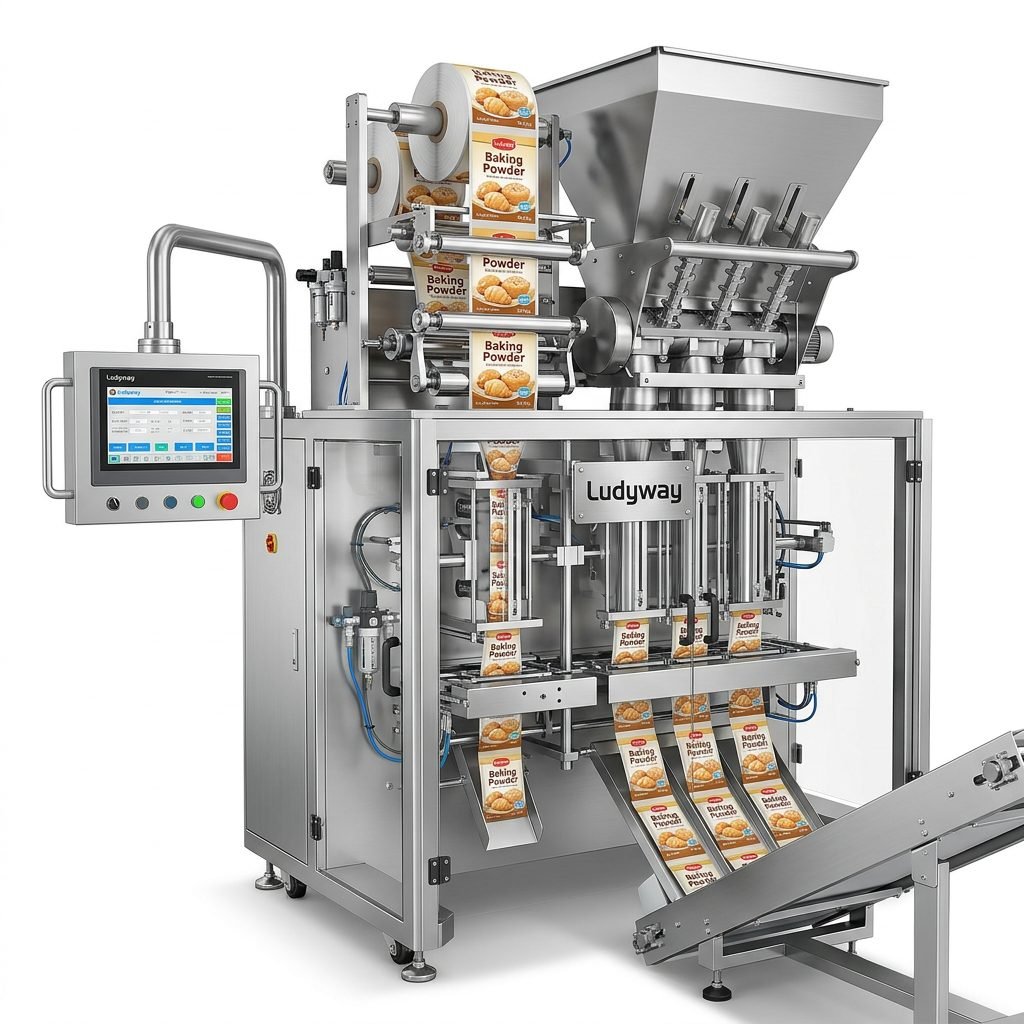
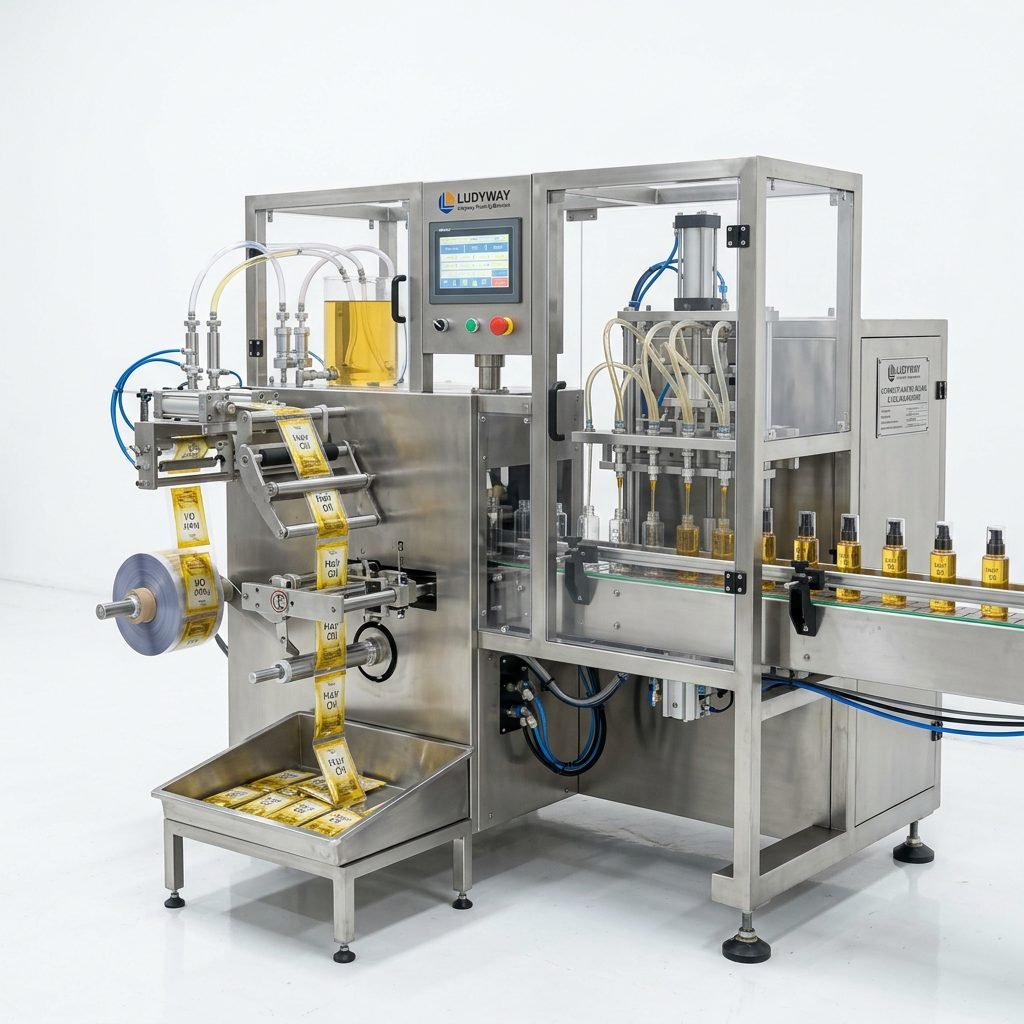
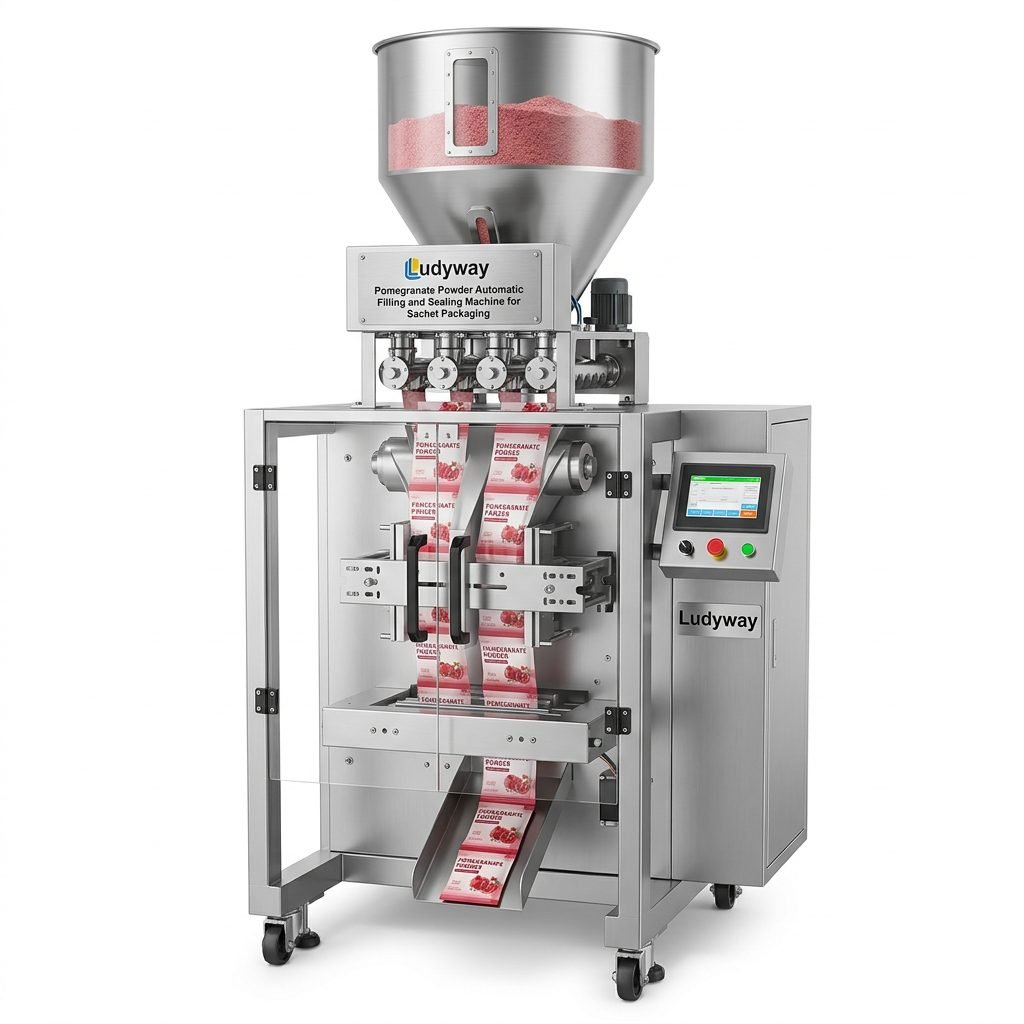
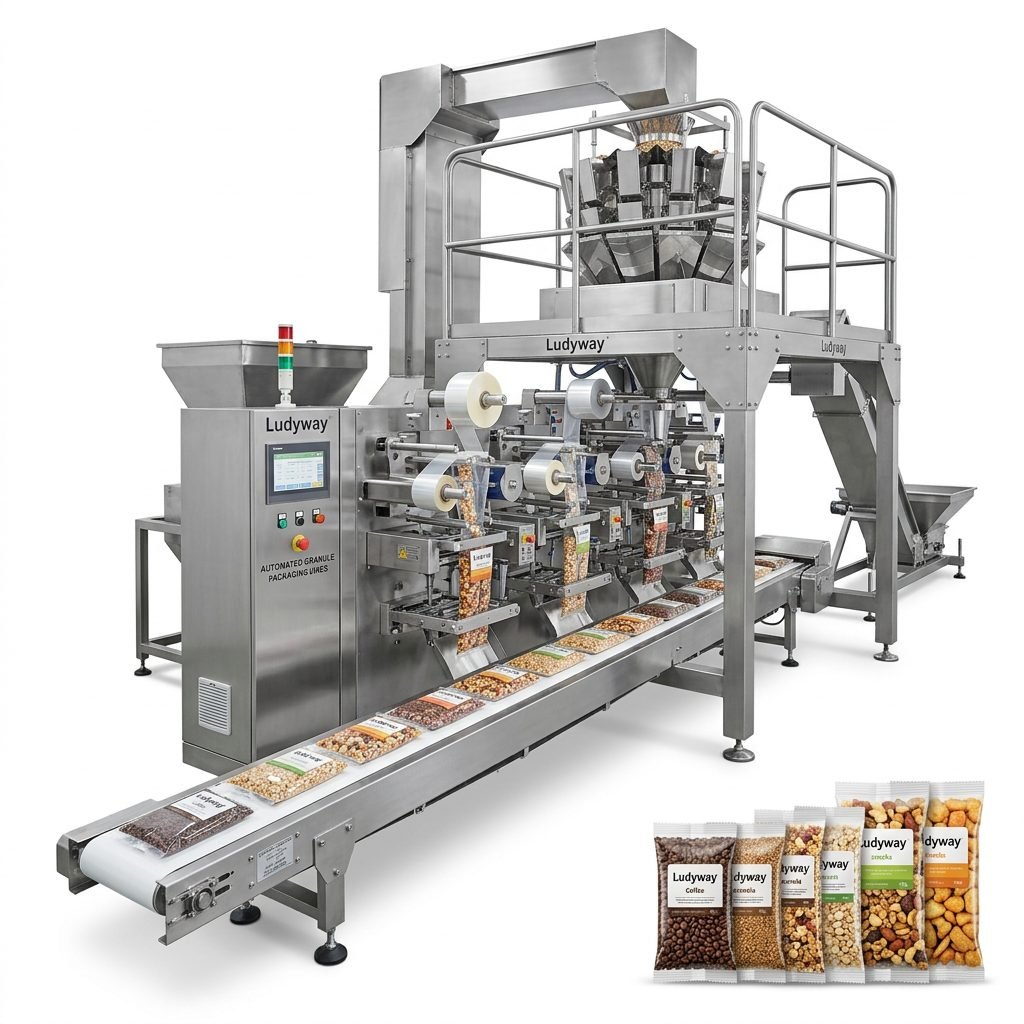
Selecting a reliable machinery supplier is one of the most important decisions you will make. Look for manufacturers with a proven track record in food packaging, comprehensive after-sales support, and the ability to provide turnkey production line solutions. Ludyway, one of the largest packaging machine manufacturers with over 30 years of industry experience, offers more than 50 intelligent packaging machine models, including multi-lane systems and fully automated packaging solutions that serve customers in over 100 countries. Whether you need a single flow wrapper or a complete automated line with checkweighing, metal detection, and cartoning, partnering with an experienced supplier ensures your project is delivered on time and within specification.
Comparing Packaging Line Configurations
Different production scales require different line configurations. Use the table below to identify the setup that matches your output goals:
| Scale | Output (Packs/Hour) | Recommended Configuration |
|---|---|---|
| Small / Startup | 500 – 2,000 | Semi-automatic flow wrapper with manual infeed |
| Medium | 2,000 – 8,000 | Fully automatic flow wrapper with conveyor infeed and basic checkweigher |
| Large / Industrial | 8,000 – 30,000+ | Multi-lane MAP system with automated infeed, vision inspection, metal detection, and robotic palletizing |
The Role of Automation and Smart Technology
Modern sandwich packaging lines increasingly incorporate Industry 4.0 technologies for predictive maintenance, remote monitoring, and automated quality control. Connected sensors track seal temperature, film tension, and gas composition in real time, alerting operators to deviations before they cause rejects. As noted in the PMMI 2025 State of the Industry report, automation investment in food packaging continues to accelerate, driven by labor shortages and the need for consistent product quality.

Budgeting and ROI Considerations
Investing in a packaging production line involves balancing upfront capital expenditure with long-term operational savings. Key cost factors include:
- Equipment purchase or lease costs
- Installation and commissioning fees
- Film and packaging material consumption rates
- Energy consumption (electricity and compressed air)
- Labor requirements for operation and maintenance
- Spare parts inventory and service contracts
A well-designed line typically achieves full ROI within 18 to 36 months through increased throughput, reduced material waste, and lower labor costs. Accurate total cost of ownership (TCO) calculations should guide your purchasing decision.
Environmental and Sustainability Factors
Sustainability is increasingly important in the packaging industry. The European Commission’s packaging waste regulations and Flexible Packaging Association sustainability resources highlight the shift toward recyclable and compostable materials. When setting up your line, consider machines that can handle thinner gauge films and mono-material recyclable structures without compromising seal quality.
Final Checklist Before Launch
- All equipment correctly installed and leveled
- Utility connections verified and safety-tested
- Operators trained and standard operating procedures documented
- Quality control checkpoints established and calibrated
- Emergency stop systems tested across the entire line
- Traceability systems configured and validated
- Spare parts inventory stocked for critical components
Frequently Asked Questions
What is the ideal line speed for a sandwich packaging machine?
Line speed depends on your product dimensions and packaging format. Most medium-scale flow wrappers operate between 60 and 150 packs per minute, while high-speed multi-lane systems can exceed 300 packs per minute.
How do I ensure consistent seal quality?
Maintain precise temperature control on sealing jaws, use consistent film tension, and perform regular seal strength tests using a calibrated tensile tester. Clean sealing surfaces at the end of every shift to prevent product buildup.
Can I use biodegradable films with standard packaging machines?
Many modern packaging machines can handle biodegradable and compostable films, but these materials often require different sealing temperatures and tension settings. Consult your equipment supplier to verify compatibility before switching film types.
What is the typical lead time for a complete packaging line?
Lead times vary by manufacturer and line complexity, but a complete turnkey sandwich packaging line typically requires 8 to 16 weeks from order confirmation to shipment, plus additional time for installation and commissioning.
Conclusion
Setting up a successful sandwich packaging machine production line requires careful planning across multiple dimensions—equipment selection, layout design, quality control, and maintenance strategy. By following the structured approach outlined in this guide, you can build a line that delivers consistent output, meets regulatory requirements, and provides a strong return on investment. Whether you are starting small or scaling to industrial volumes, the right combination of technology and partnerships sets the foundation for long-term success in the competitive food packaging market.