The fish processing industry in South America is expanding rapidly, driven by abundant marine resources in countries like Chile, Peru, Ecuador, and Brazil. As global demand for frozen fish fillets, canned seafood, and value-added products rises, processors face mounting pressure to upgrade their packaging lines. Selecting the right fish packaging machine is not just about speed — it’s about maintaining product freshness, meeting international hygiene standards, and adapting to flexible pouch formats that consumers prefer.
Many South American seafood exporters now require automated packaging systems capable of handling delicate frozen products, irregular shapes, and moisture-rich environments. This is where Ludyway, one of the largest packaging machine manufacturers in China, delivers a decisive competitive edge. With a modern 20,000㎡ facility and over 30 years of engineering expertise, Ludyway provides high-speed multi-lane fish packaging solutions that align perfectly with the operational realities of South America.
Key Challenges in South American Fish Packaging
Fish and seafood products are highly perishable. Packaging must preserve texture, prevent freezer burn, and provide an airtight seal that withstands long-distance shipping to North American, European, and Asian markets. South American processors commonly face these issues:
- Temperature sensitivity: Frozen fish requires packaging that remains sealed and durable at sub-zero temperatures.
- Product variability: Whole fish, fillets, steaks, and portions have different shapes, weights, and packaging requirements.
- Hygiene compliance: Export-oriented plants must meet strict HACCP, FDA, and EU food contact material regulations.
- Labor costs and turnover: Manual packaging lines are slow, inconsistent, and increasingly expensive in markets like Chile and Uruguay.
- Retail-ready formats: Supermarket chains demand vacuum skin packs, modified atmosphere packaging, and resealable pouches.

Why Multi-Lane Stick Pack and Sachet Machines Make a Difference
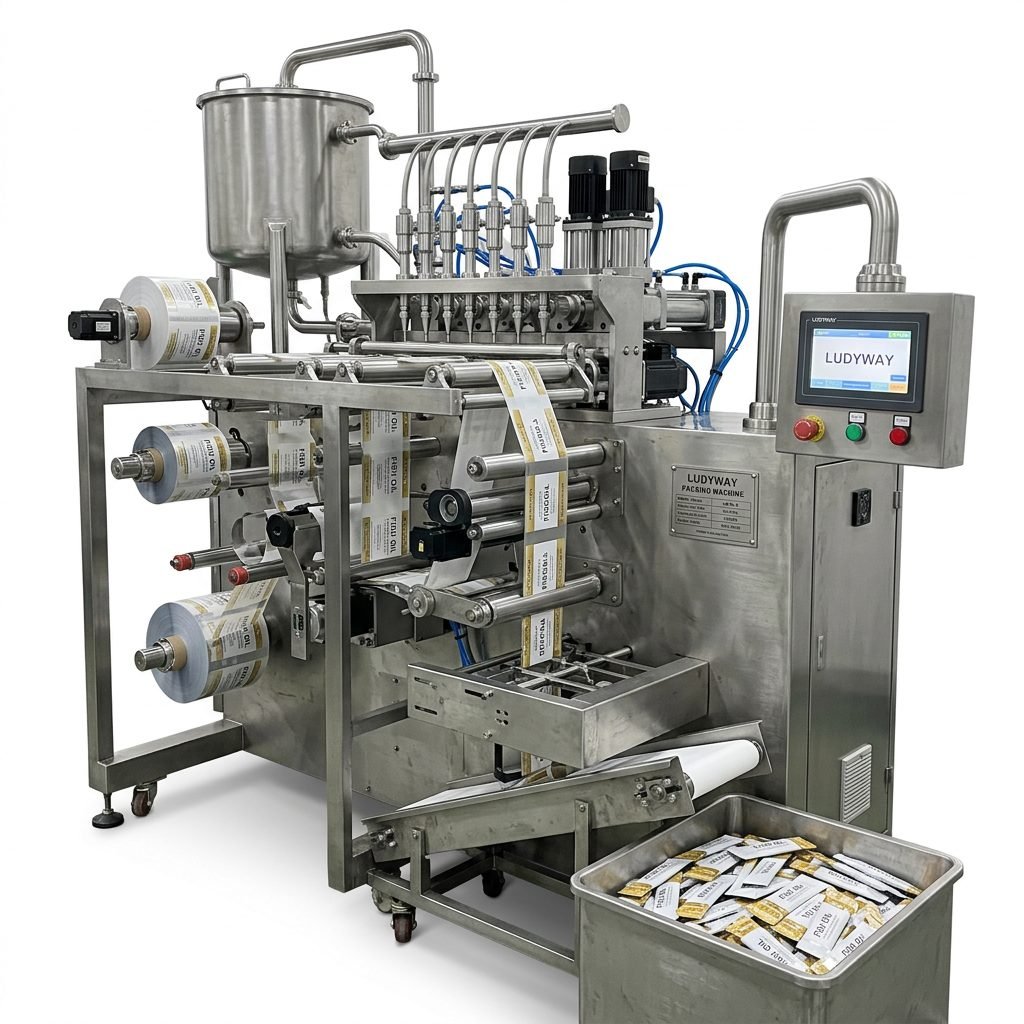
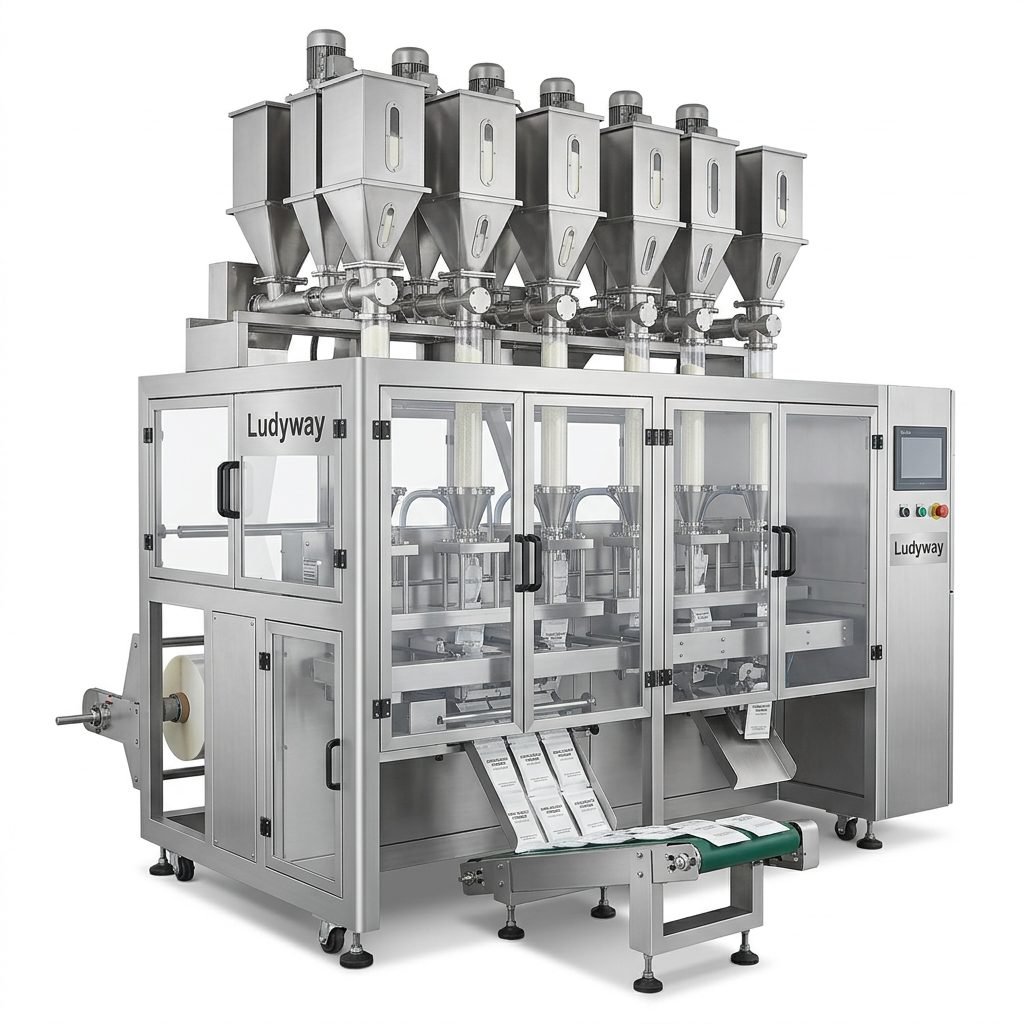
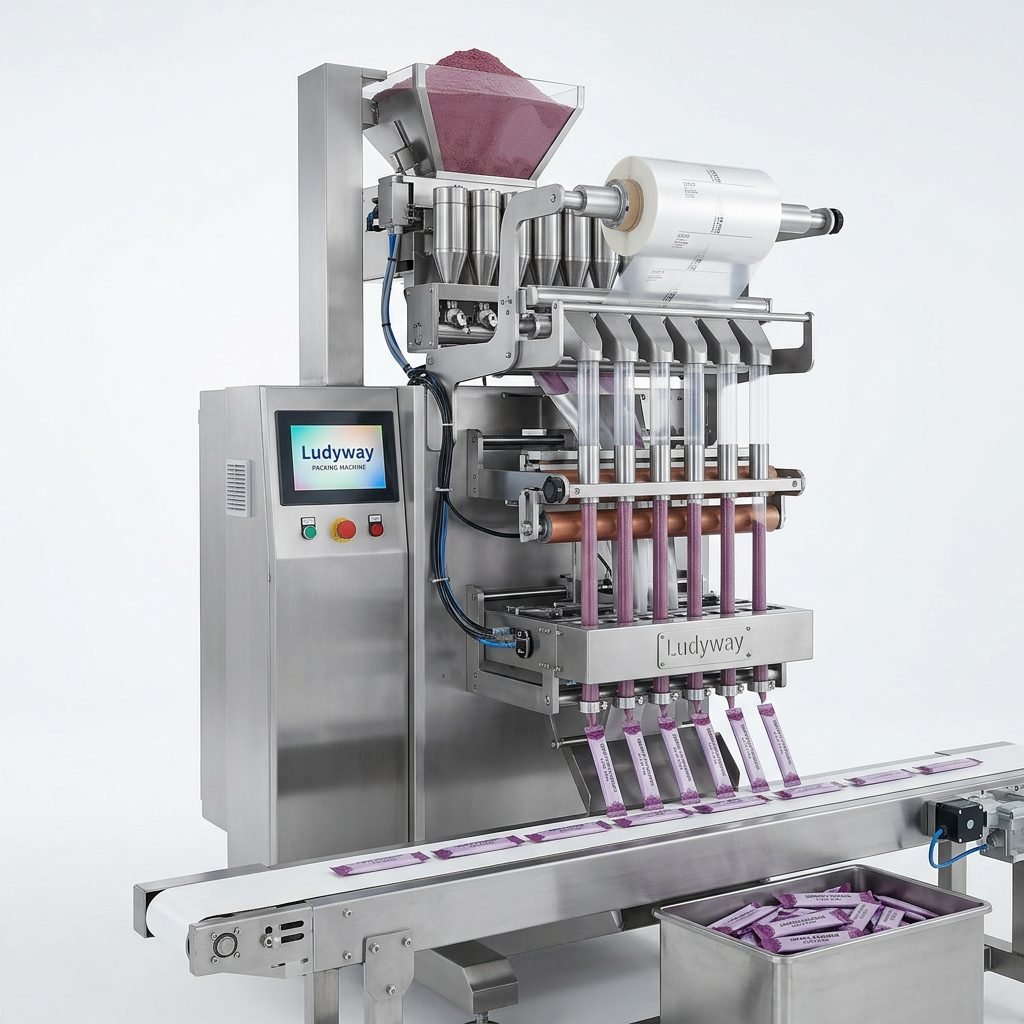
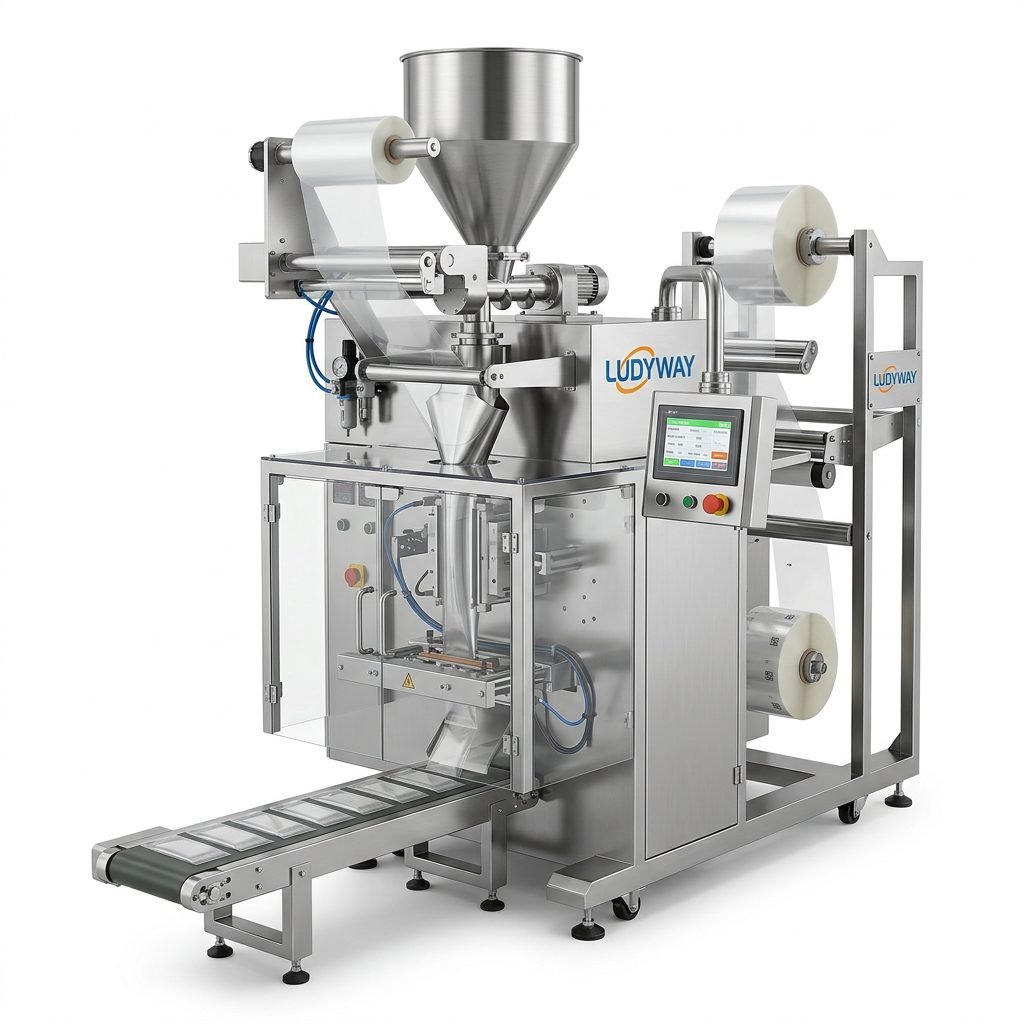
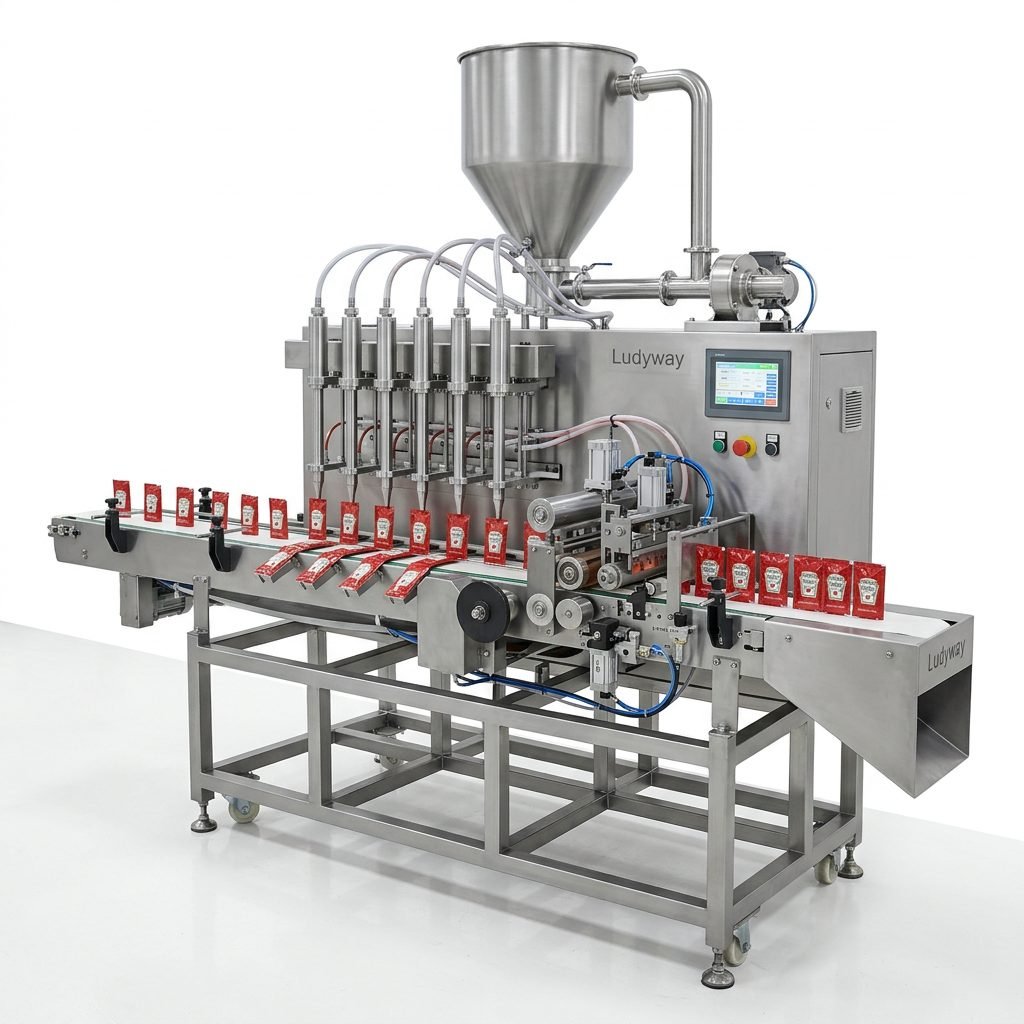
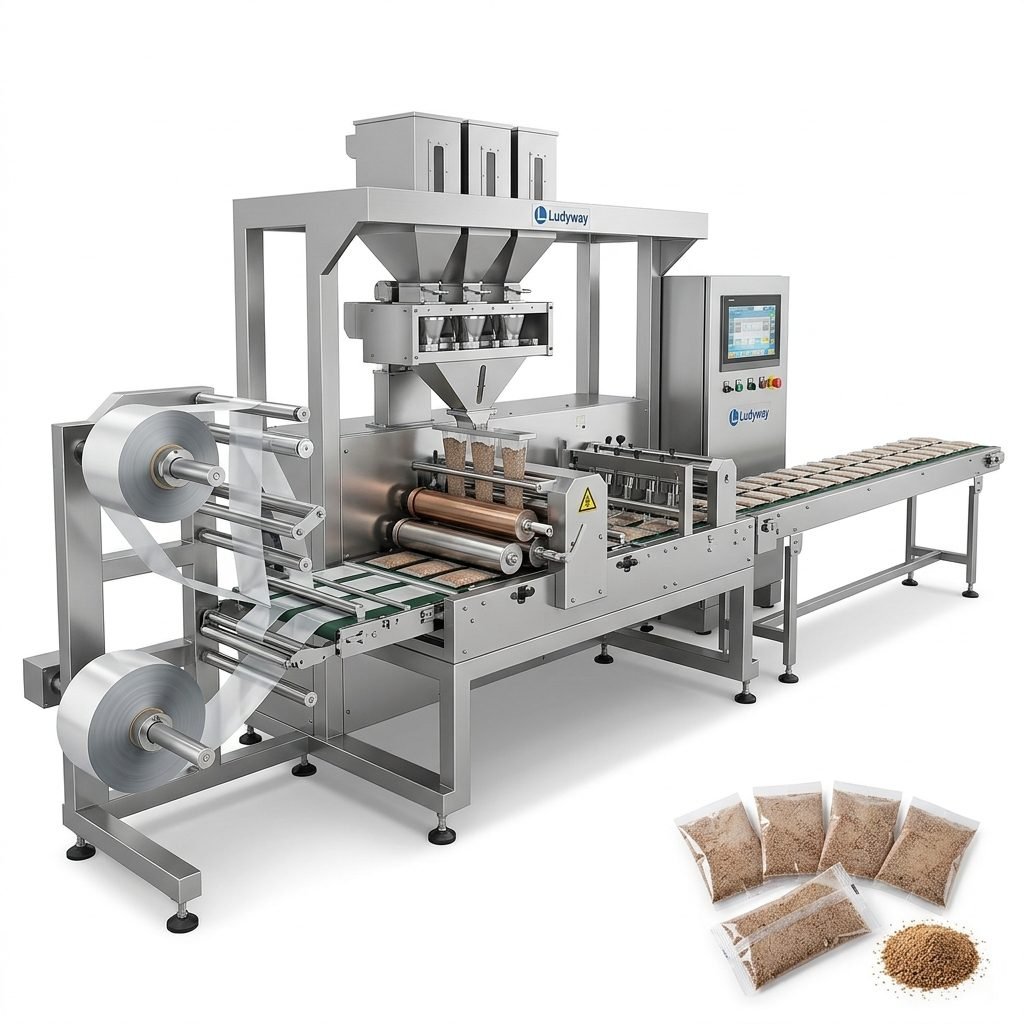
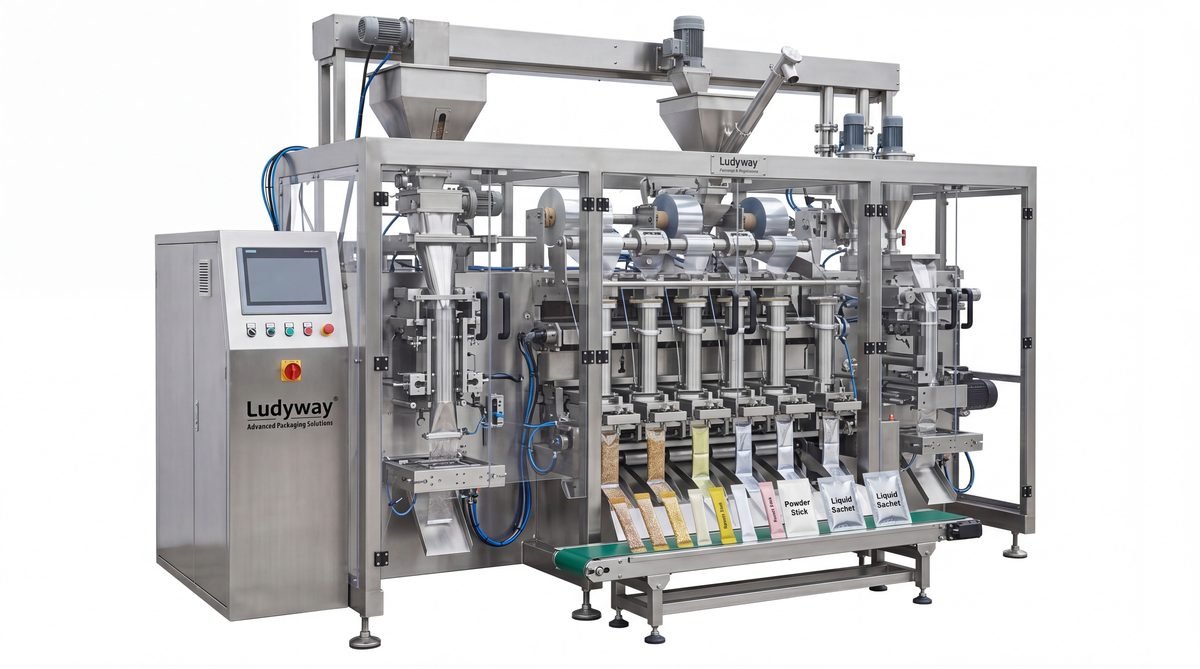
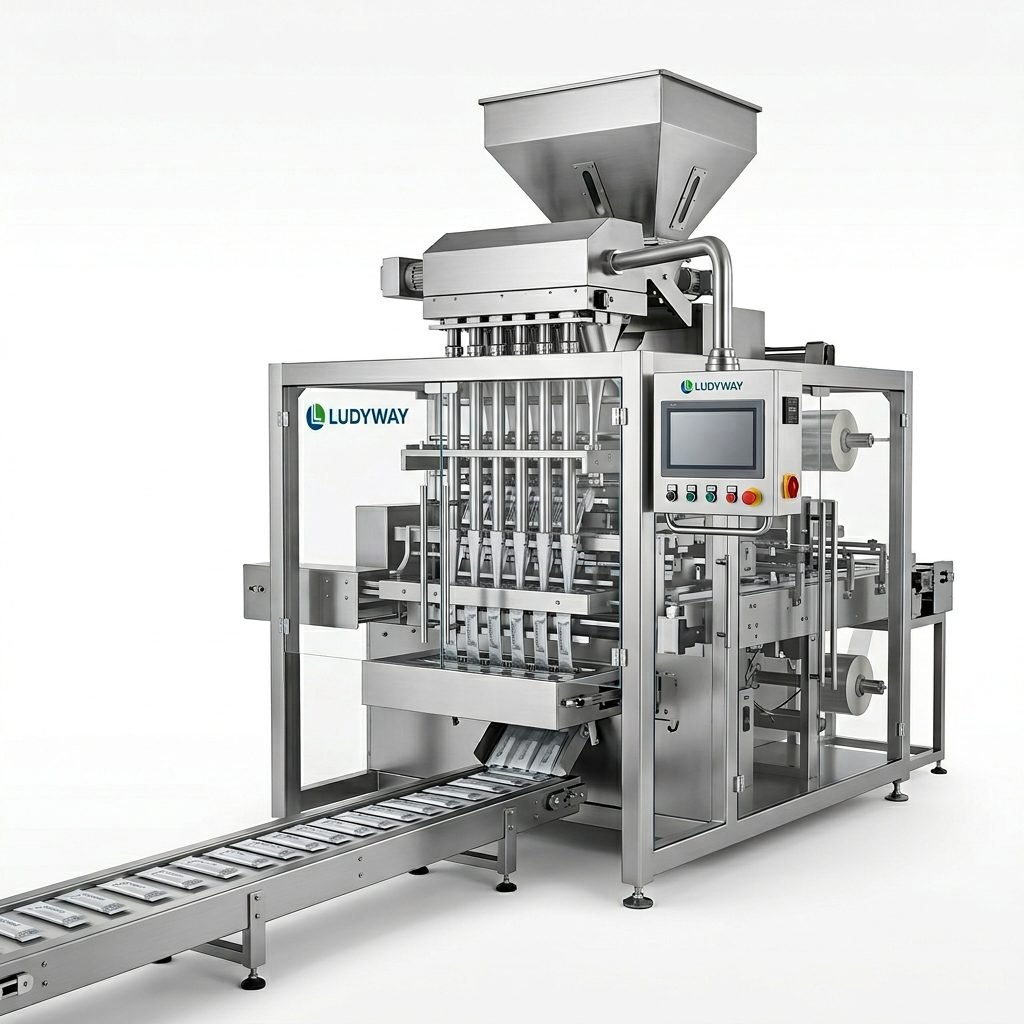
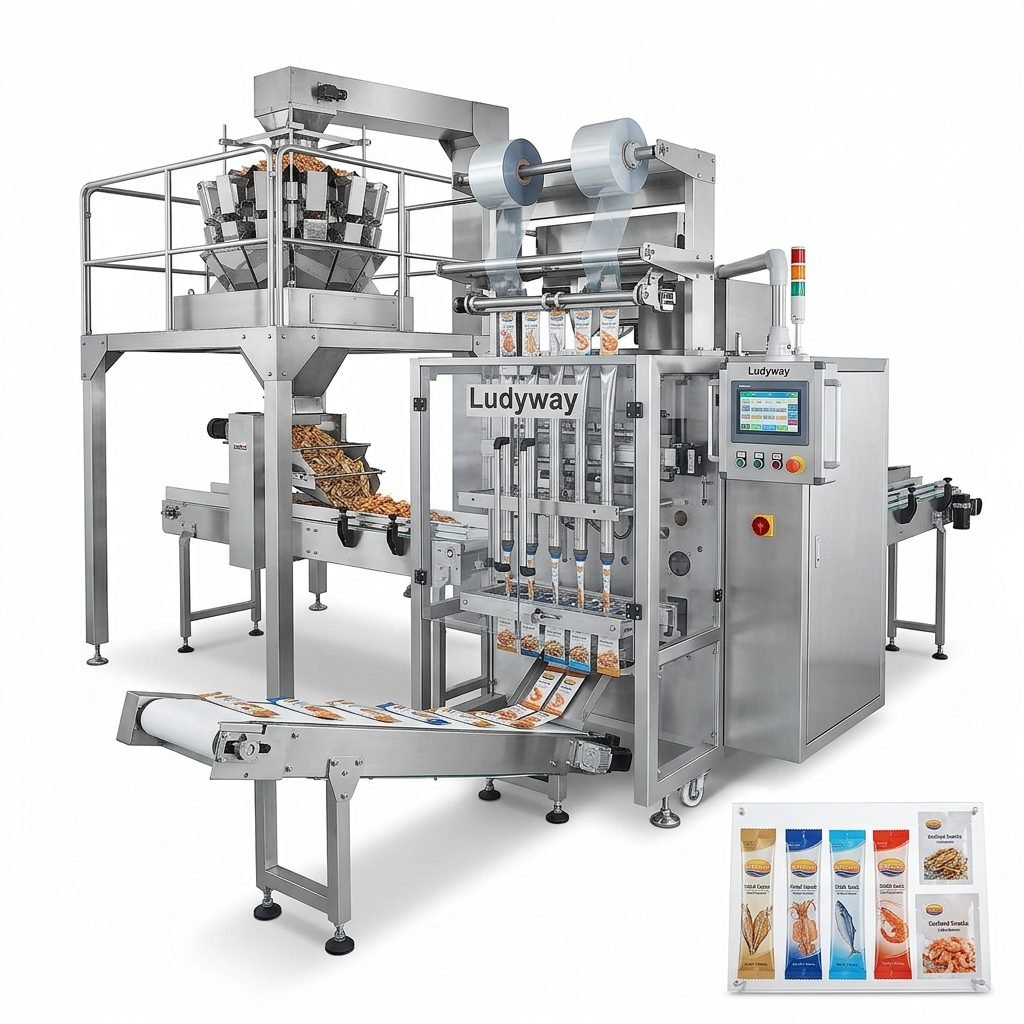
South American fish processors increasingly adopt multi-lane stick pack and sachet formats for portion-controlled frozen seafood, ready-to-cook marinated fish cubes, and dried fish snacks. Ludyway’s multi-lane packaging machines produce up to 400-600 packs per minute, dramatically increasing output while reducing film waste. The precision filling system handles granules, powders, liquids, and irregular solid pieces — essential for products ranging from frozen shrimp to fish protein powder.
Comparing Packaging Machine Types for South American Fish Products
| Machine Type | Best For | Key Advantage |
|---|---|---|
| Multi-Lane Stick Pack | Frozen fish portions, fish protein powder | High output, 4-12 lanes |
| Vacuum Chamber Machine | Frozen whole fish, fillets | Airtight seal, extended shelf life |
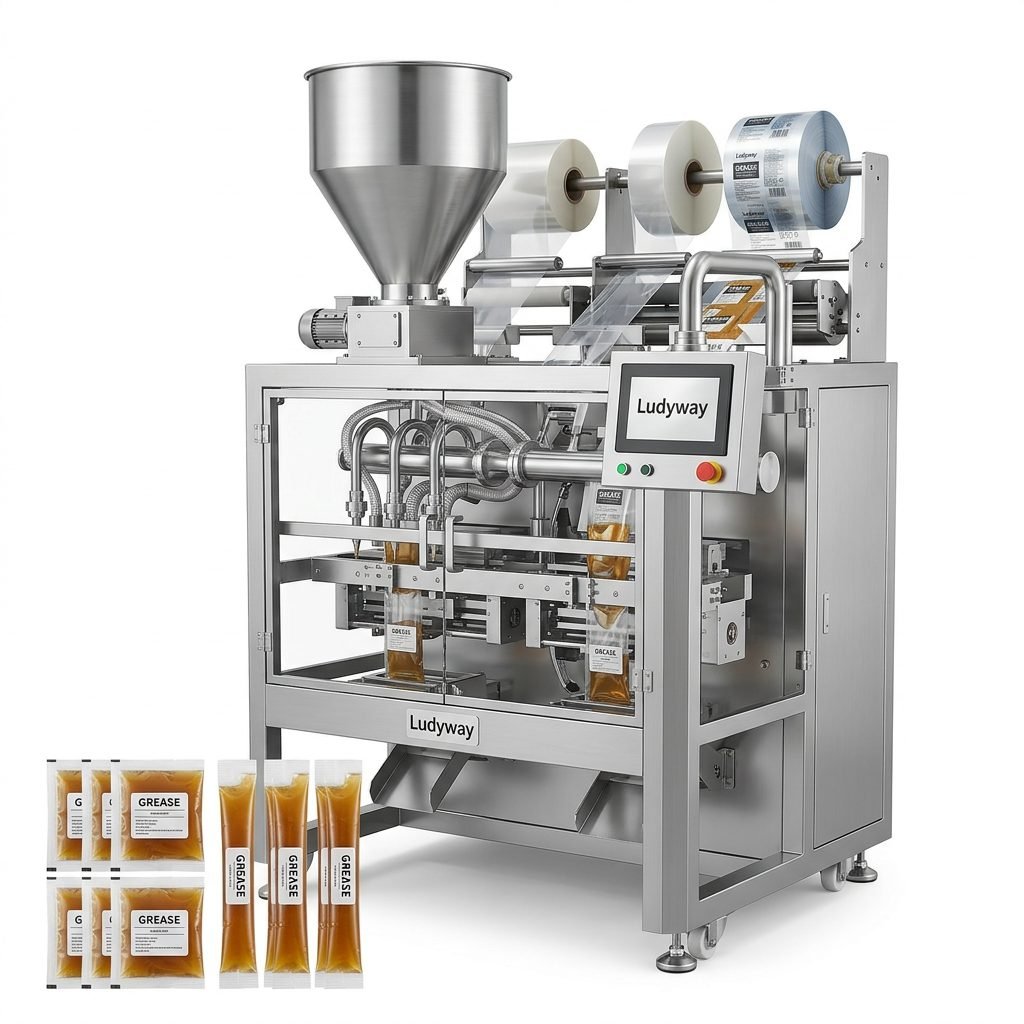
| Sachet / Pouch Machine | Marinated fish, ready-to-cook meals | Flexible formats, nitrogen flush |
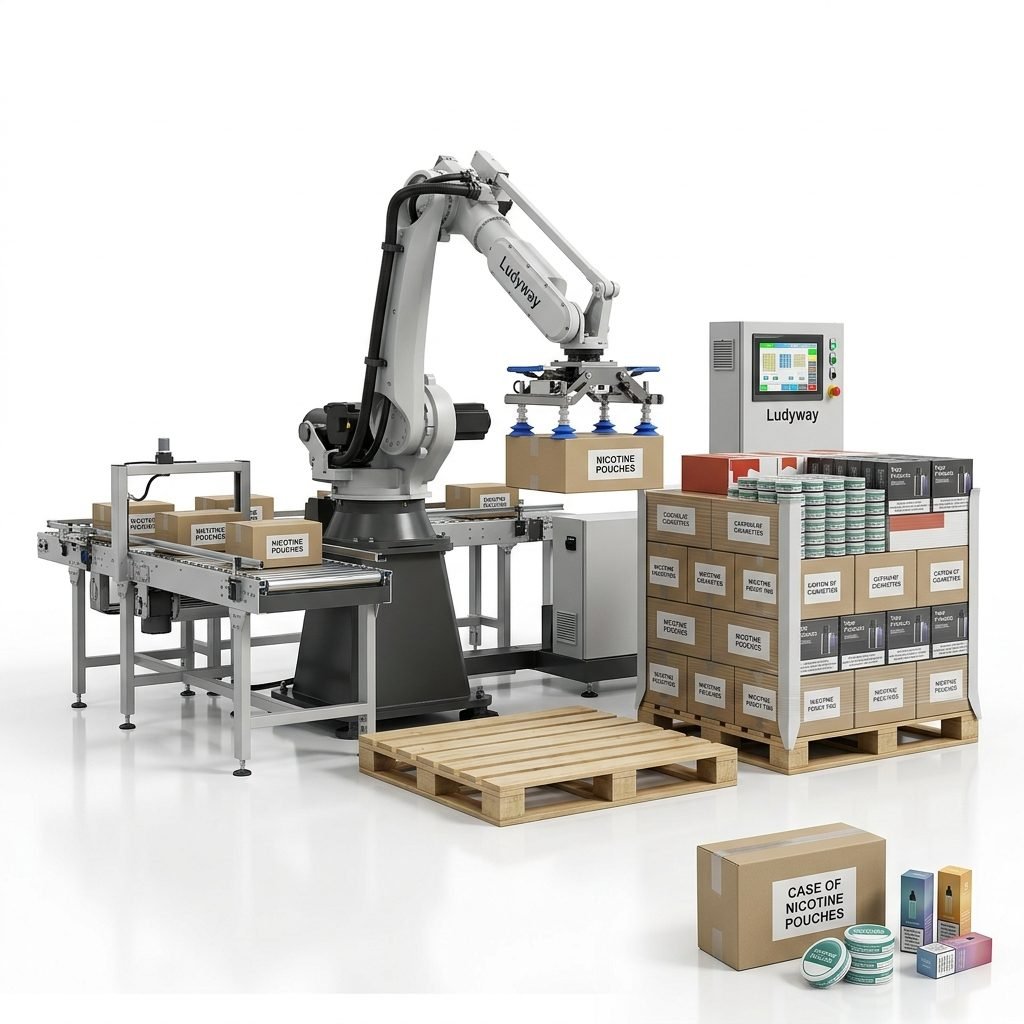
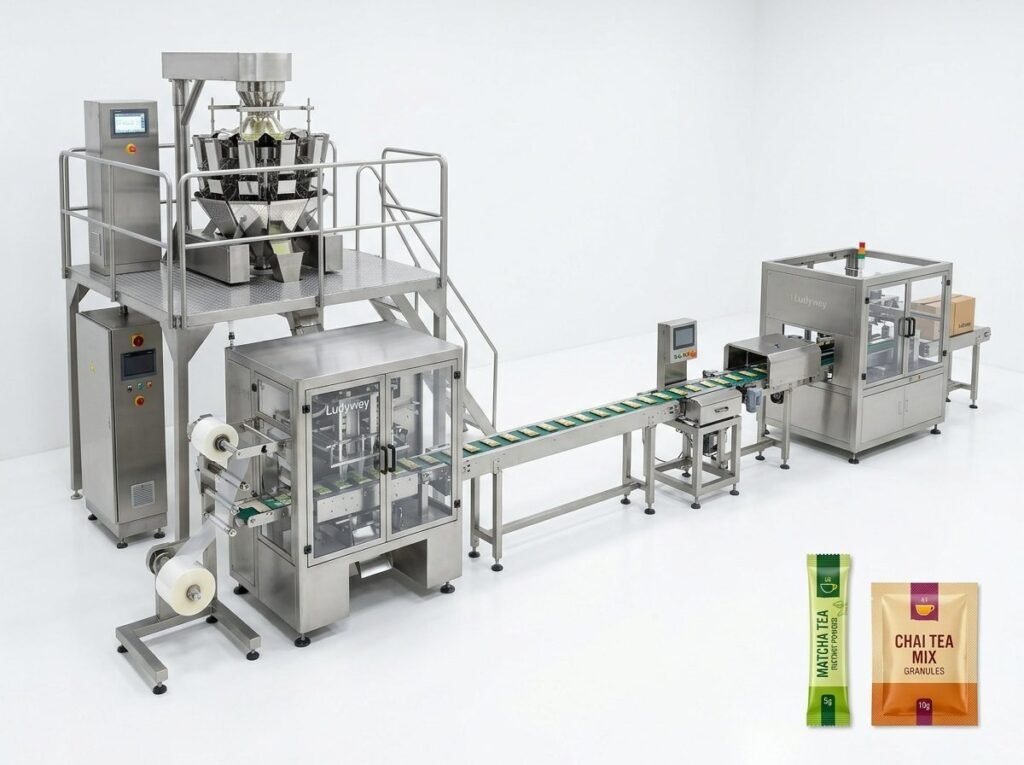
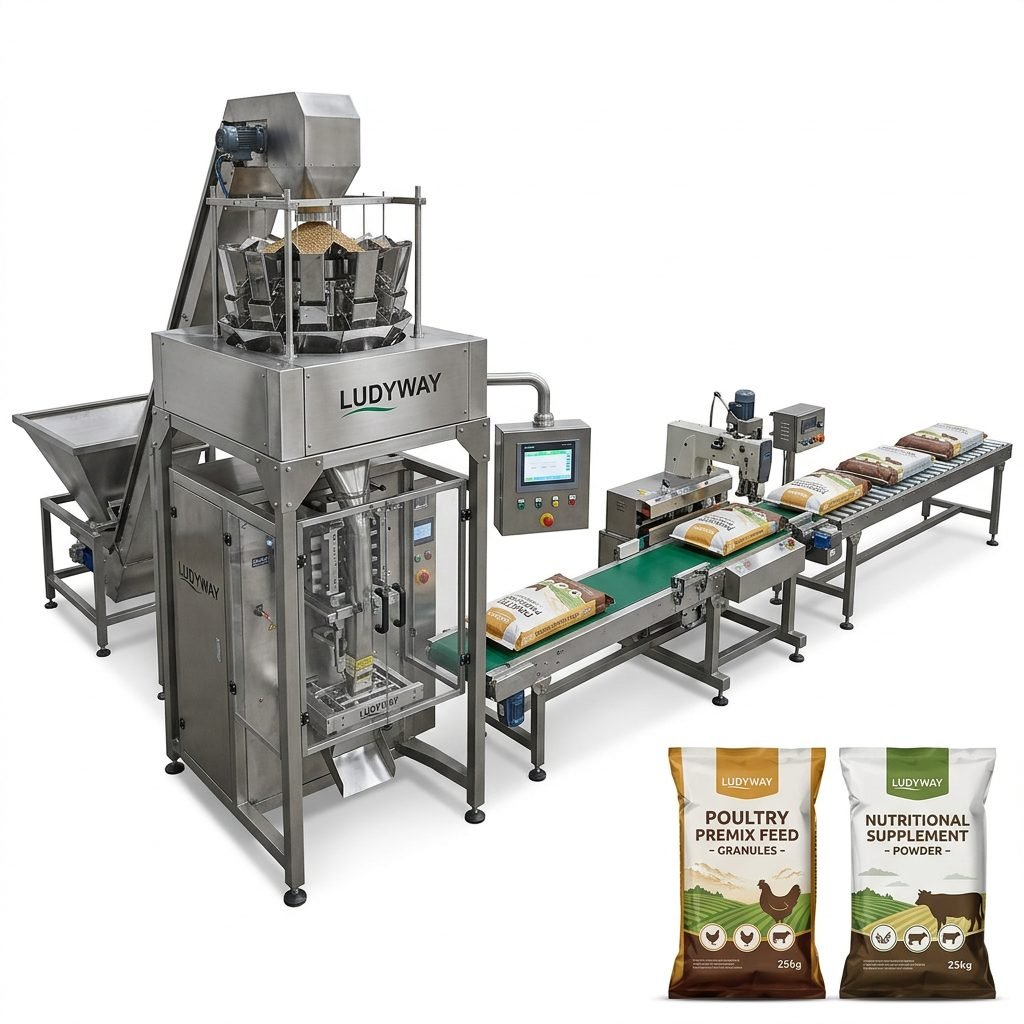
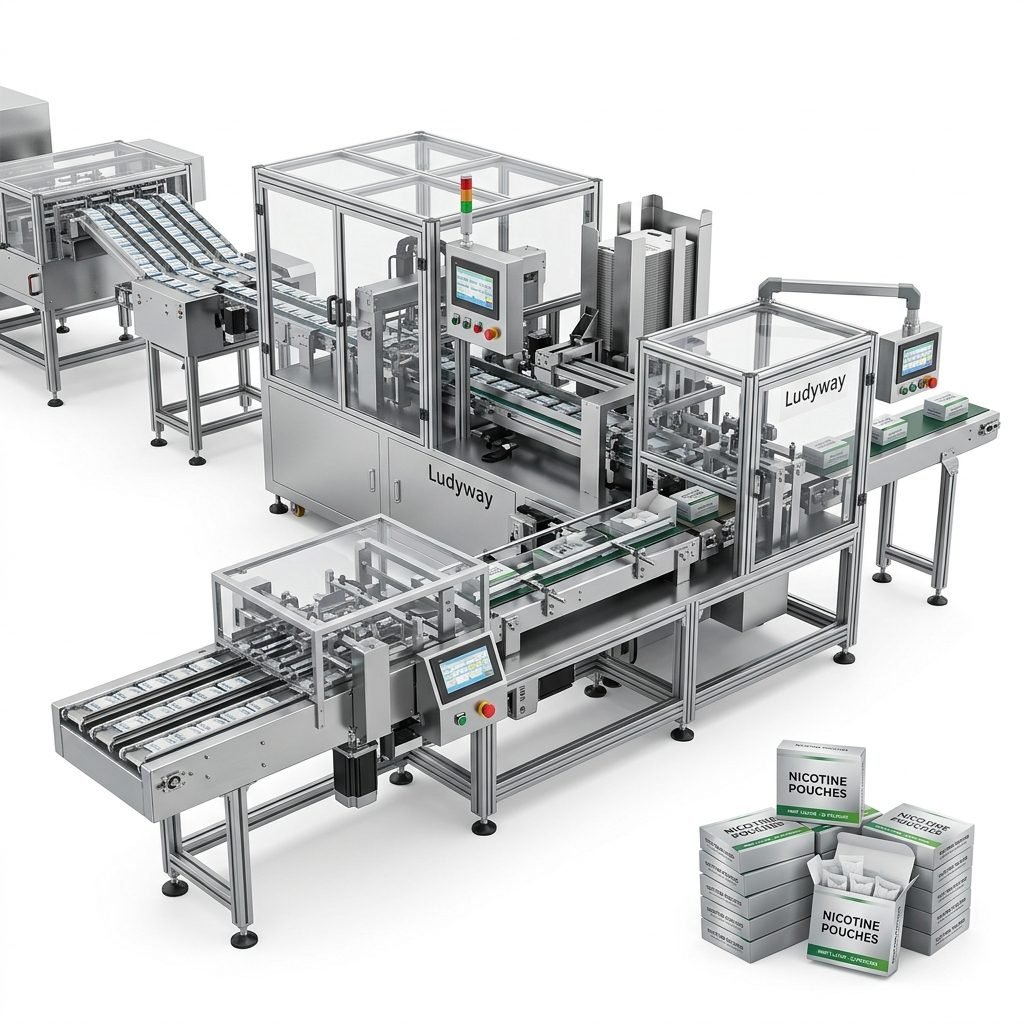
| Turnkey Packaging Line | Integrated weighing, filling, cartoning | Full automation, reduced labor |
Ludyway Machines Built for the South American Climate
Fish processing environments are cold, wet, and corrosive. Ludyway packaging equipment uses stainless steel 304 construction and IP65-rated electrical enclosures, ensuring reliable operation in high-humidity plants. The control systems are pre-programmed with Portuguese and Spanish language interfaces, making it easy for operators in Brazil, Peru, and Argentina to manage settings without technical language barriers.
Another critical factor for South America is power fluctuation resistance. Many coastal processing zones experience voltage instability. Ludyway integrates voltage protection modules and can supply wide-voltage motors and drives that perform stably from 380V to 440V, common in countries like Ecuador and Colombia.

Key Technical Features That Reduce Downtime
- Servo-driven film transport with ±0.5mm accuracy for consistent seal integrity.
- Quick-release forming tubes and tool-free changeover, cutting product switch time to under 15 minutes.
- Automatic film tracking and tension control, critical when working with thicker laminated films used for frozen fish.
- Central lubrication system and remote IoT diagnostics, enabling Ludyway engineers to troubleshoot from China in real time.
- Integrated nitrogen gas flushing for modified atmosphere packaging, extending shelf life without preservatives.
End-to-End Support from Ludyway: Beyond the Machine
What sets Ludyway apart in the South American market is not just the equipment, but the complete project support model. From initial factory layout design to installation, operator training, and after-sales spare parts, the company provides a turnkey packaging solution. Their team has successfully commissioned multi-lane fish packaging lines in Latin America, navigating import logistics, local voltage requirements, and workforce training challenges.
Learn More About Packaging Industry Standards
For more insights into global packaging machinery standards and market trends, explore these authoritative resources:
- PMMI – The Association for Packaging and Processing Technologies
- Flexible Packaging Association – Industry Resources
- FDA – Food Packaging and Food Contact Substances
- ISO – Packaging Standards
Proven Results in Seafood Packaging Applications
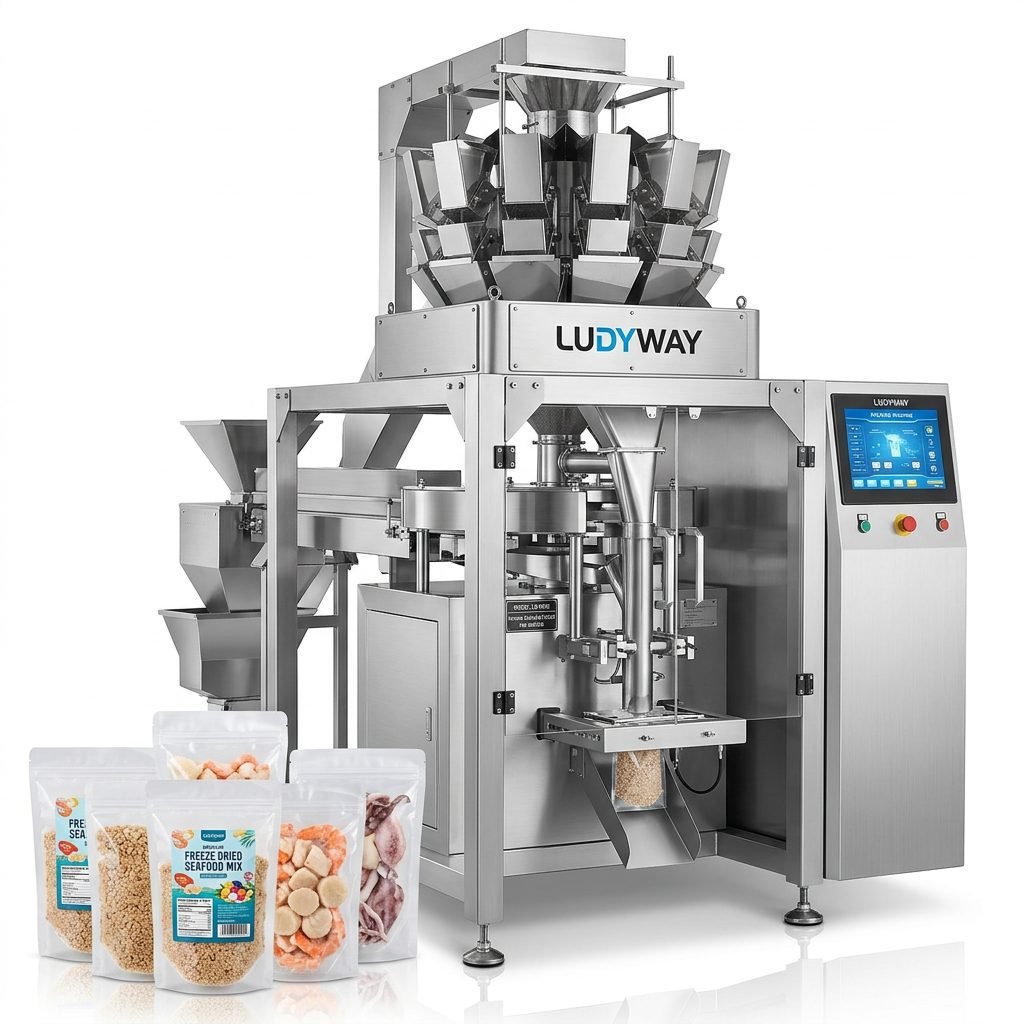
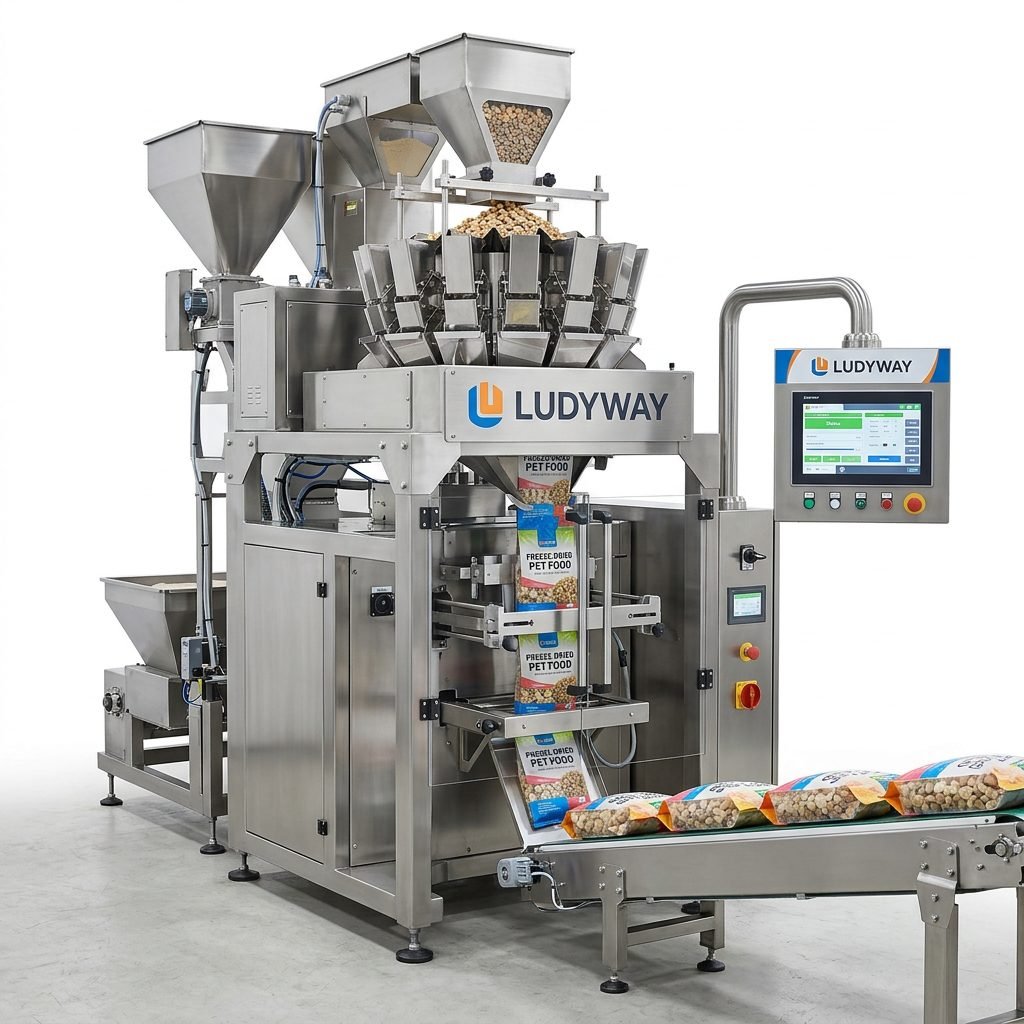
Ludyway machines have been deployed for freeze-dried shrimp, vacuum-packed tilapia fillets, fish meal powder, and pet food made from fish protein. The equipment consistently meets export-grade sealing standards and integrates seamlessly with upstream freezers and downstream cartoning robots. For South American fish processors seeking to modernize, discover Ludyway’s fish packaging solutions and connect with their Latin American sales team for a customized quotation.
Contact Ludyway
- E-Mail: info@ludyway.com
- WhatsApp: +8613129592456
- Address: Nanlang Town, Zhongshan, Guangdong, China.
Further Reading
- Ludyway Packaging Machinery Global Growth Trend: Why Exports May Exceed RMB 1 Billion by 2026
- PMMI – Business Intelligence Library
- European Commission – Packaging and Packaging Waste