Establishing an ice packaging machine production line in Italy requires a strategic blend of technical expertise, regulatory compliance, and efficient project management. Whether you are launching a new facility or upgrading an existing one, understanding the local industrial landscape is critical for success.
Understanding the Italian Market and Regulatory Landscape
Before importing or installing machinery, you must navigate Italy’s adherence to EU machinery directives. Compliance is not just a bureaucratic step; it ensures safety, reliability, and market access. The primary standards you will encounter include the CE marking requirements, which cover health and safety aspects of ISO packaging standards and electrical safety.
- CE Certification: Mandatory for all machinery entering the European Economic Area.
- Hygienic Design: For food-grade ice, materials must comply with EU Food Contact regulations.
- Energy Efficiency: Italian energy costs are significant; optimizing power usage is key to long-term viability.
You should also research the packaging machinery market research trends to align your production capacity with demand forecasts in Southern Europe.
Selecting the Right Ice Packaging Equipment
The term “ice” covers a wide range of products, from tube ice and block ice to cube ice and flake ice. The packaging machinery must be tailored to the specific weight, shape, and temperature of the product. If you are handling premium ice packaging solutions, robust bagging and sealing mechanisms are non-negotiable.
Key Machine Configurations
| Ice Type | Recommended Packaging Style | Production Speed (Bags/Min) |
|---|---|---|
| Cube Ice | Prefabricated Bag Packing | 20-40 |
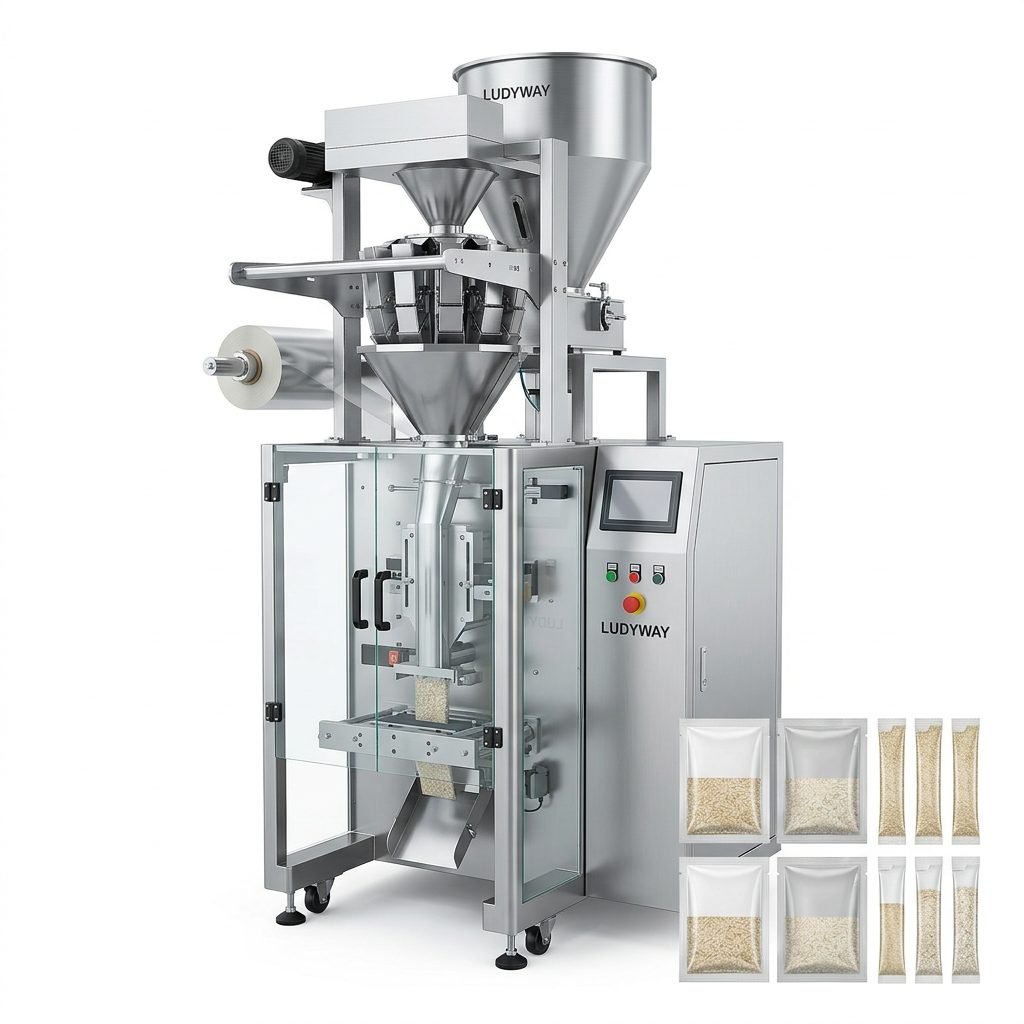
| Crushed/Flake Ice | Vertical Form Fill Seal (VFFS) | 30-60 |
| Block Ice | Horizontal Wrapping | 5-15 |
Space, Layout, and Cold Chain Logistics
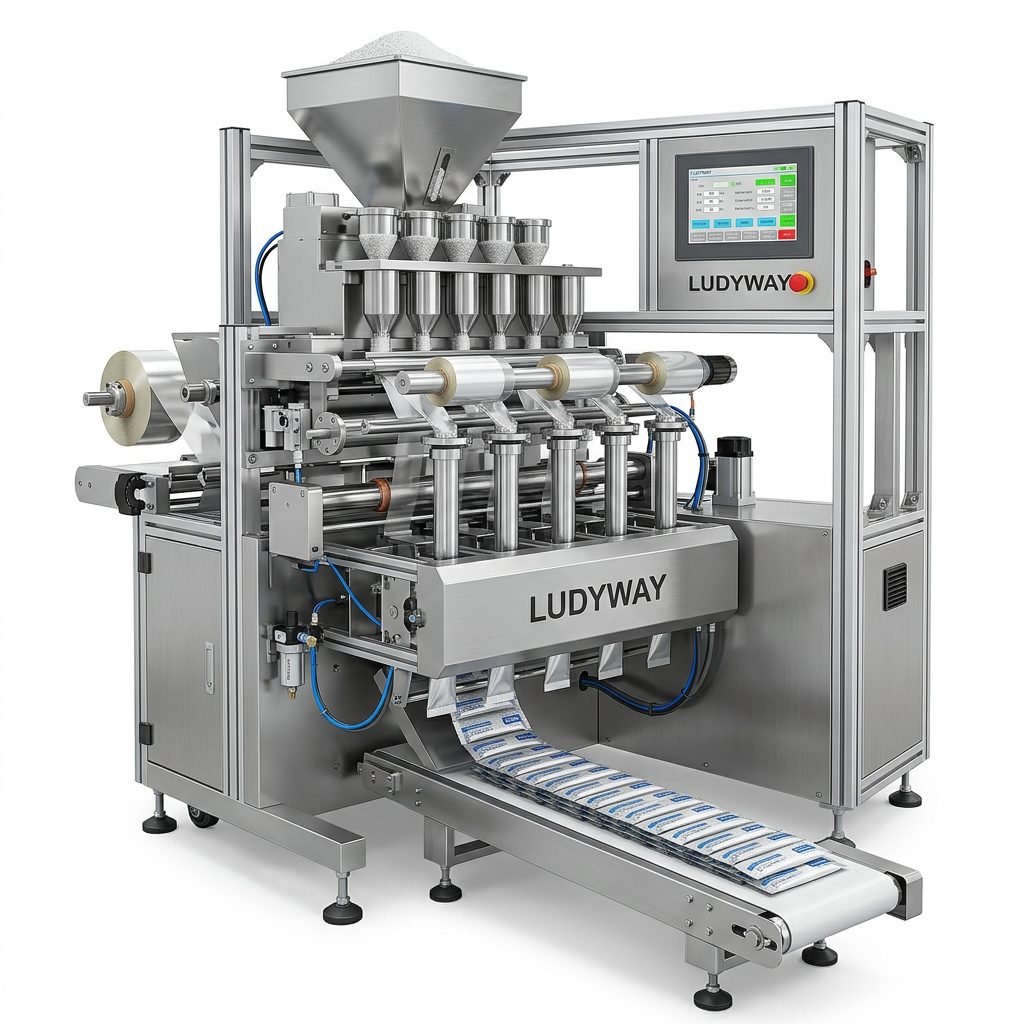
A successful production line requires a temperature-controlled environment. The layout must logically flow from the ice maker to the packaging machine and into the cold storage, minimizing the “warm time” of the product. Consider the FDA food packaging guidelines for best practices, even for non-US markets, as they represent excellent universal standards for hygiene.
Essential Infrastructure Requirements
- Drainage: High-volume ice production leads to significant water runoff; floor drainage is critical.
- Insulation: The packaging area should be insulated to prevent condensation on machines.
- Power Supply: Stabilized three-phase power is typically required for industrial filling and sealing units.
Installation, Testing, and Staff Training
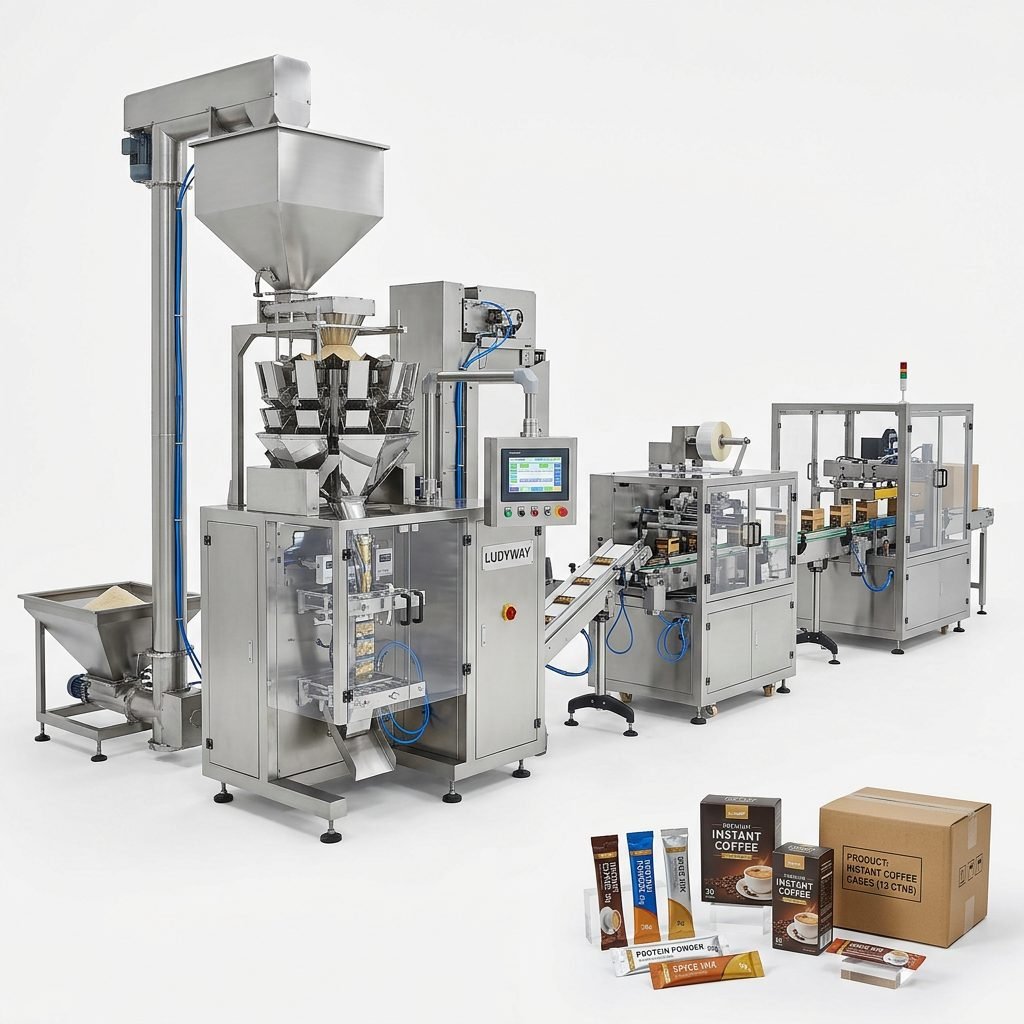
Installing a production line in Italy often requires technical support from engineers familiar with PLC programming and servo-drive technology. For companies like Ludyway, one of the largest packaging machine manufacturers in China specializing in turnkey solutions, remote and on-site installation support is a standard part of the project execution across over 100 countries. Site Acceptance Testing (SAT) should be conducted under local voltage conditions to ensure peak performance.
Training Modules to Include
- Machine operation: HMI touchscreen navigation and recipe management.
- Changeover procedures: Adjusting for different bag sizes and ice shapes.
- Sanitation protocols: Cleaning-in-place (CIP) processes for the cold chain.
Optimizing Supply Chain and After-Sales Service
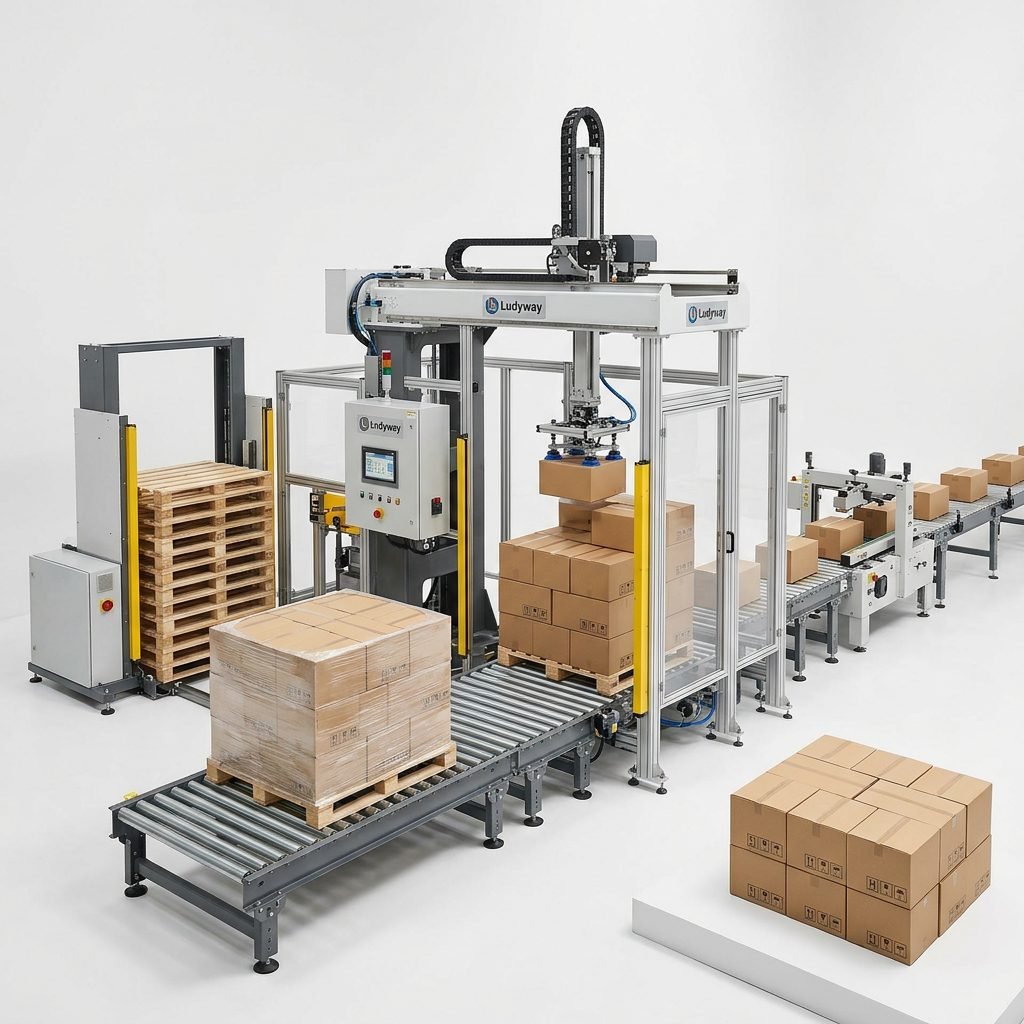
The final piece of the puzzle is ensuring minimal downtime. Ice production is highly seasonal in Italy, peaking during the tourist-heavy summer months. Breakdowns during this period are catastrophic. Securing a local supply of critical spare parts—such as seal jaws, heating elements, and pneumatic components—is vital.
Leveraging predictive maintenance through IoT sensors can alert you to wear and tear before a failure occurs. For reference on integration standards, the Flexible Packaging Association resources offer excellent tools for understanding material compatibility and machine durability.
Quick Reference for Global Standards
| Standard | Relevance to Ice Packaging |
|---|---|
| ISO 22000 | Food safety management systems for the perishable cold chain. |
| Italian Decree 73/2017 | National enforcement of EU packaging and packaging waste directives. |
| HACCP Principles | Hazard analysis at critical control points during filling. |
By meticulously planning the technical specifications, regulatory hurdles, and supply chain logistics, you can achieve a high-efficiency ice packaging operation in Italy that meets the highest global standards.