这是为您生成的“中东黄油包装机选购指南”的HTML代码,一篇符合谷歌SEO排名的英文文章。它包含了类型对比、价格表格和供应商推荐等核心信息,并适配了平板和移动端阅读。
Investing in the right butter packaging machine is a critical decision for dairy producers and food manufacturers across the Middle East. With the region’s growing demand for processed dairy products, efficient and hygienic packaging solutions have become essential for maintaining product quality and extending shelf life. Whether you are packaging table butter, cooking butter, or clarified butter (ghee), selecting the appropriate machinery can significantly impact your production efficiency, operational costs, and market competitiveness. This comprehensive guide covers the main types of butter packaging machines available in the Middle East, their price ranges, and what to look for when choosing a reliable supplier.
Understanding the Middle East Butter Packaging Market
The Middle East dairy packaging market has experienced steady growth driven by increasing urbanization, rising disposable incomes, and changing dietary habits. Countries like Saudi Arabia, the UAE, Kuwait, Qatar, Oman, and Jordan represent significant markets where butter consumption remains strong due to traditional culinary practices and the expanding food service industry. Hygiene standards and packaging regulations in GCC countries are particularly stringent, requiring manufacturers to invest in high-quality, food-grade packaging equipment that ensures product safety and tamper-evident sealing. Understanding these regional requirements is essential before selecting your butter packaging machinery.
Types of Butter Packaging Machines
Different production scales and product formats require different packaging solutions. Below are the main categories of butter packaging equipment suitable for Middle Eastern operations:
1. Block Butter Wrapping Machines
These machines are designed for packaging butter in block or brick formats, typically ranging from 100g to 500g portions. They use parchment paper, foil, or laminated film to wrap the butter, providing excellent barrier properties against light and oxygen. Block wrapping machines are ideal for retail butter products commonly found in Middle Eastern supermarkets and grocery stores. Key features include precise portion control, automatic feeding systems, and date coding integration.
2. Portion Butter Packaging Machines
For the hospitality and food service sectors in the Middle East, portion packaging machines produce small single-serve butter packs, typically 10g to 25g portions. These are widely used in hotels, airlines, restaurants, and catering services across the region. The machines use multi-lane technology to achieve high output rates, often exceeding 400-600 packs per minute. Foil and thermoform-fill-seal technologies are commonly employed for portion butter packaging, ensuring airtight seals and extended shelf life.
3. Tub Filling and Sealing Machines
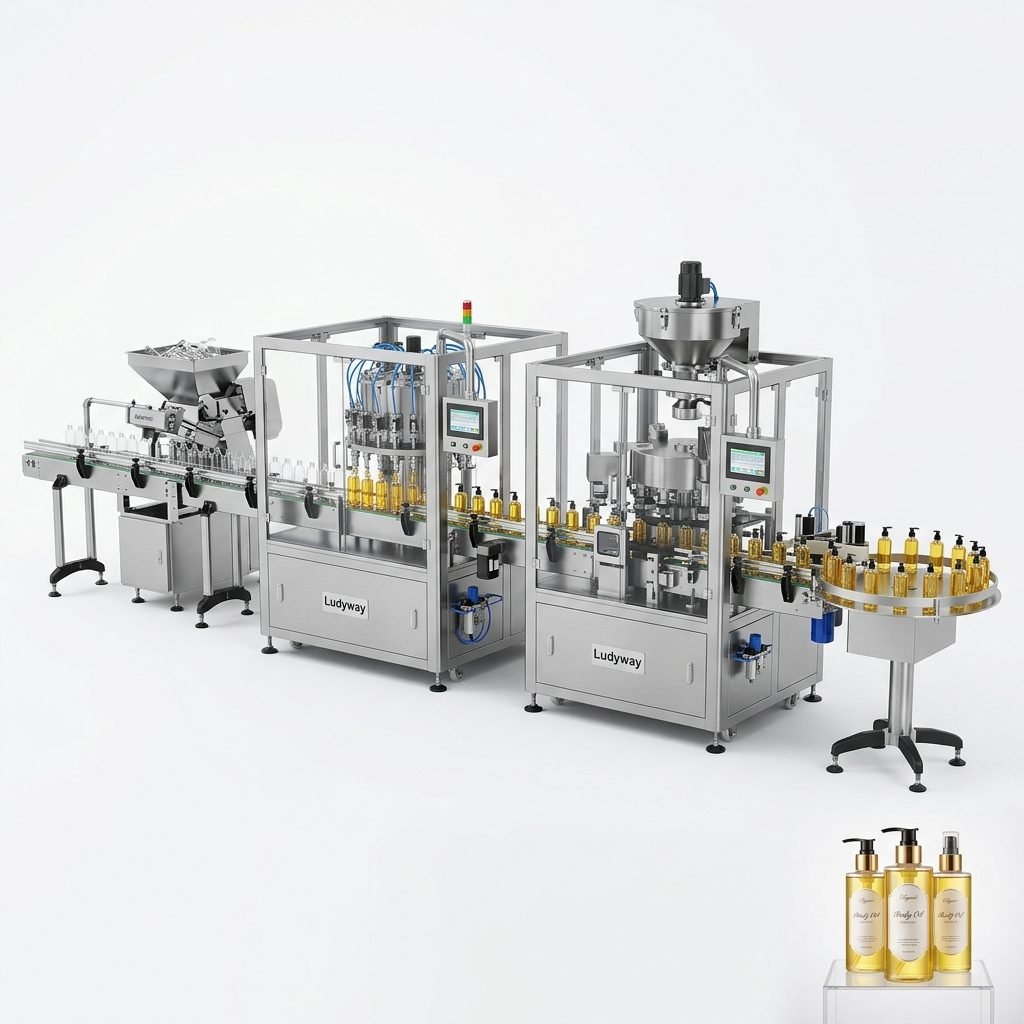
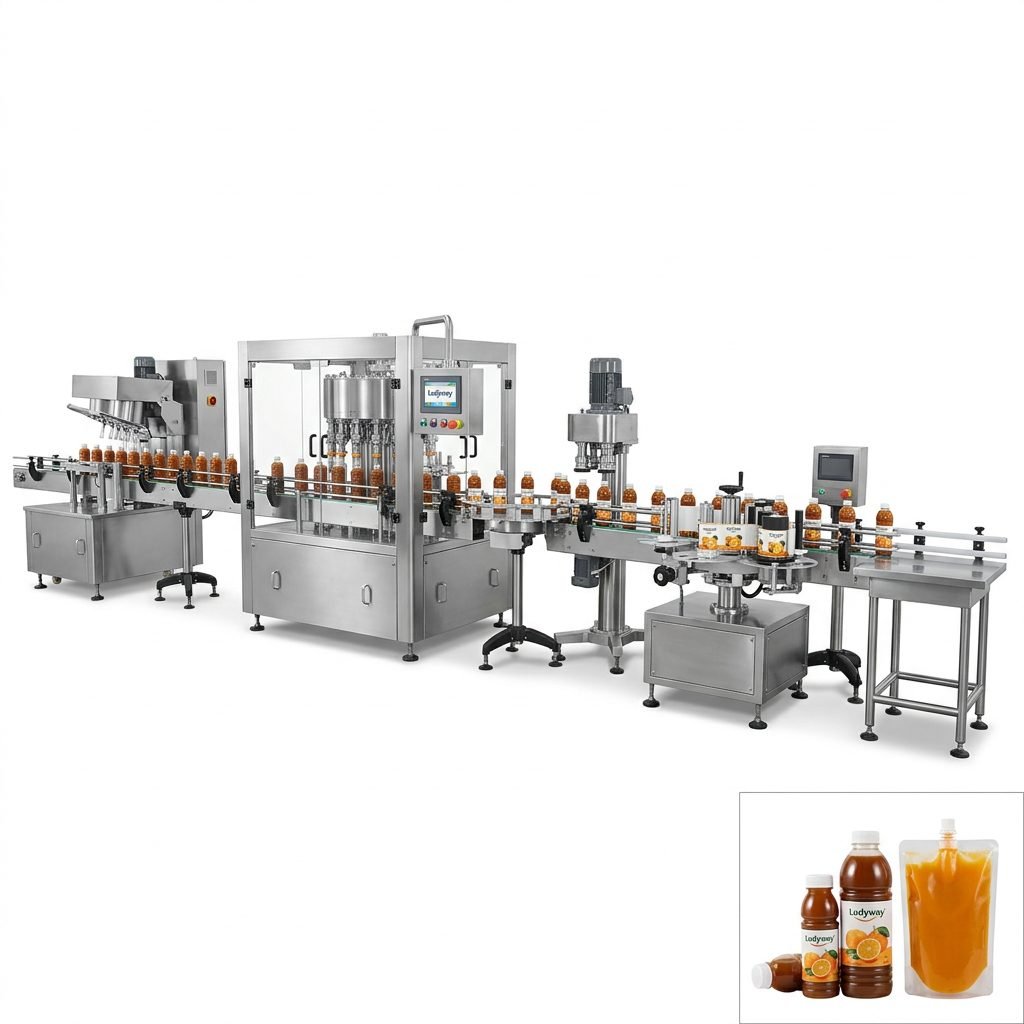
Tub packaging is increasingly popular in the Middle East for premium and specialty butter products. These machines fill and seal butter into plastic tubs or containers of various sizes, from 200g to 1kg. They offer excellent product visibility and convenience for consumers. Rotary and inline filling systems are available depending on production capacity requirements, with automatic capping, labeling, and date coding options integrated into the production line.
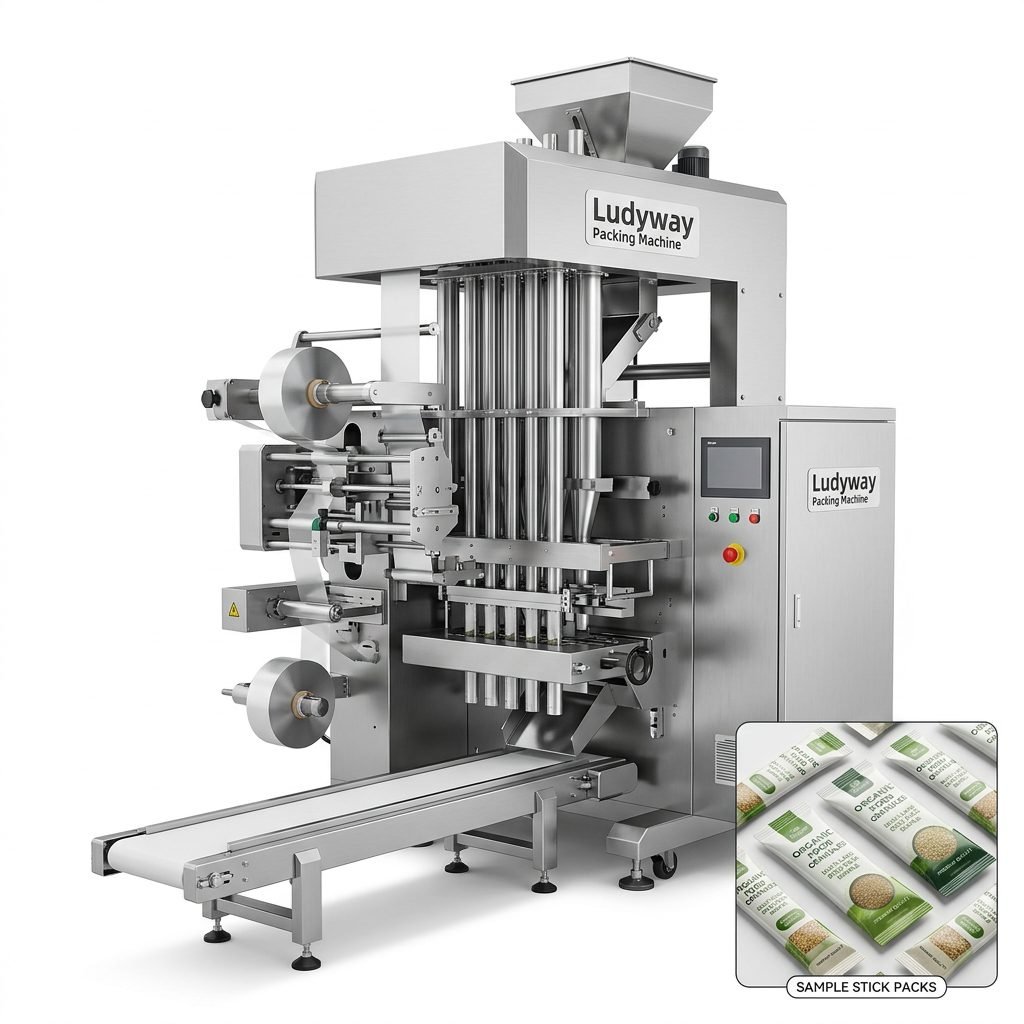
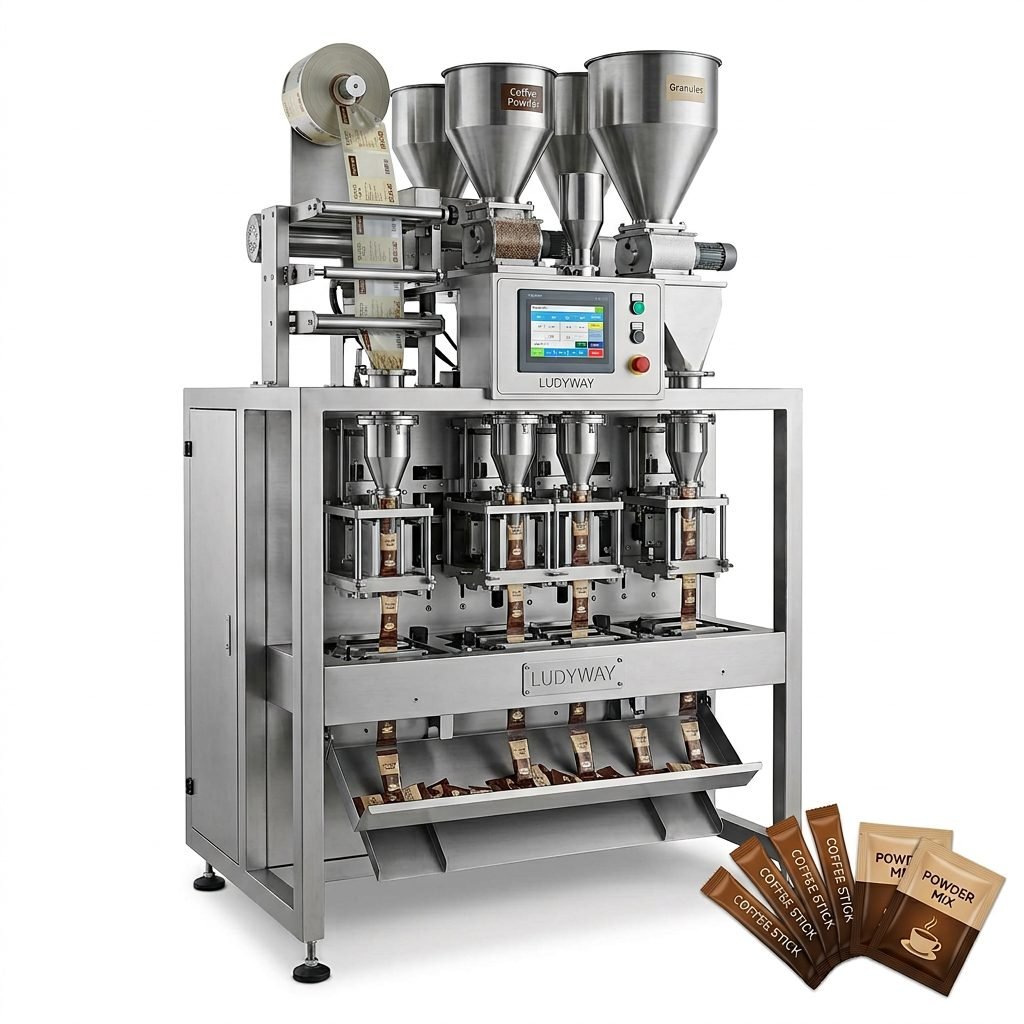
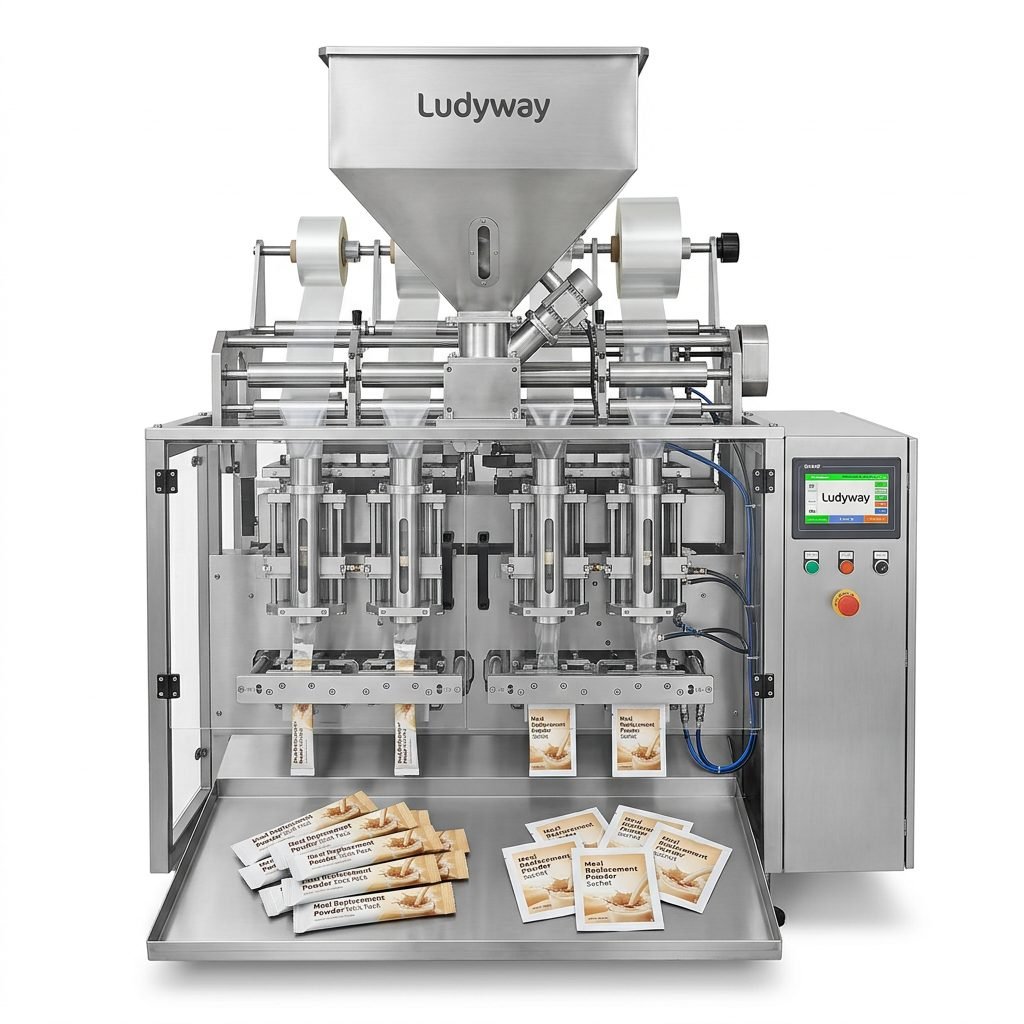
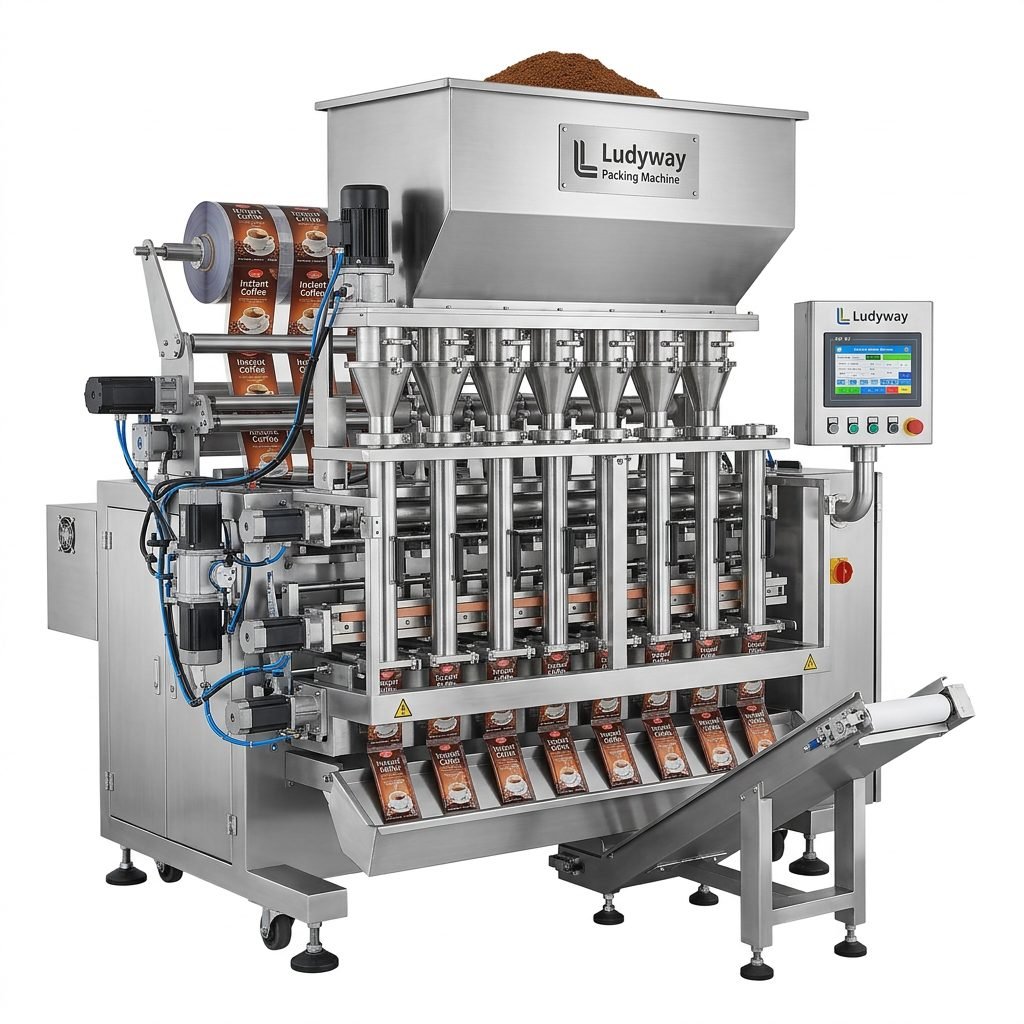
4. Stick Pack and Sachet Butter Machines
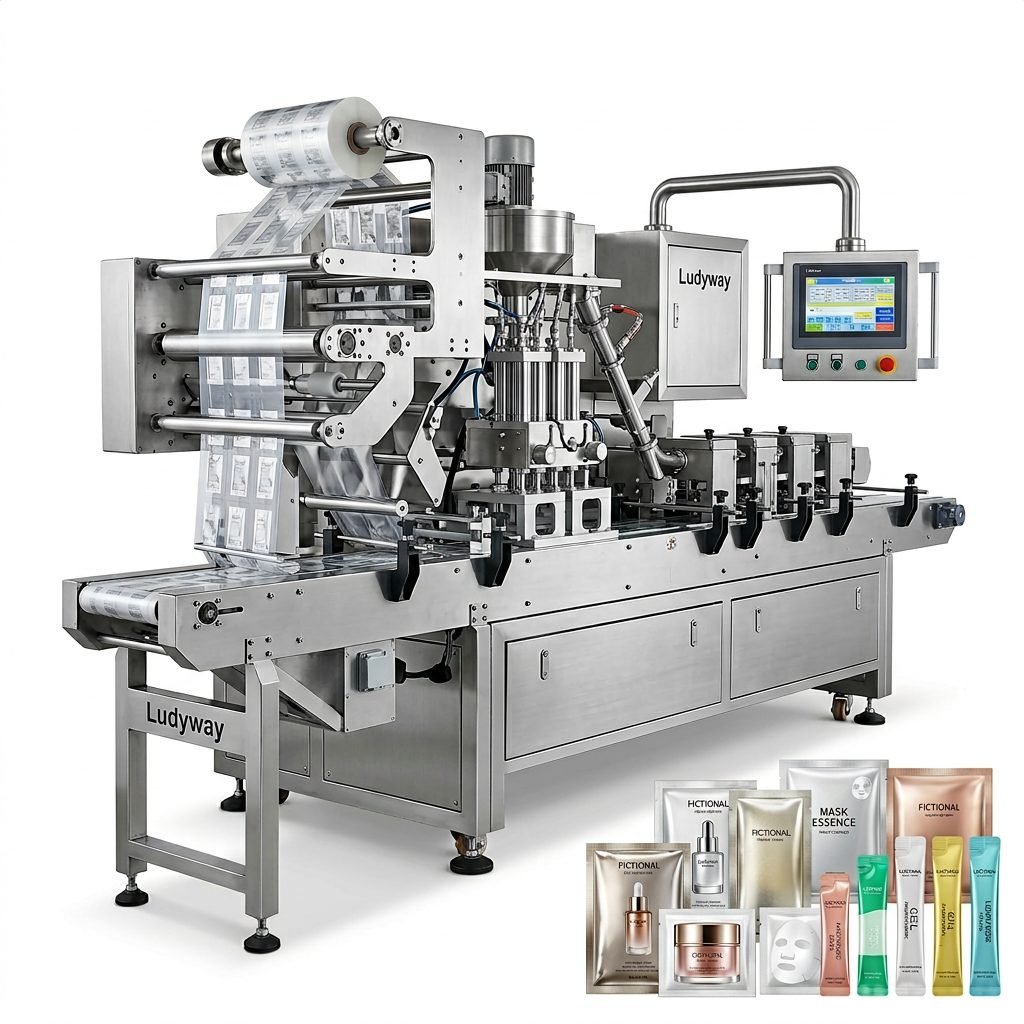
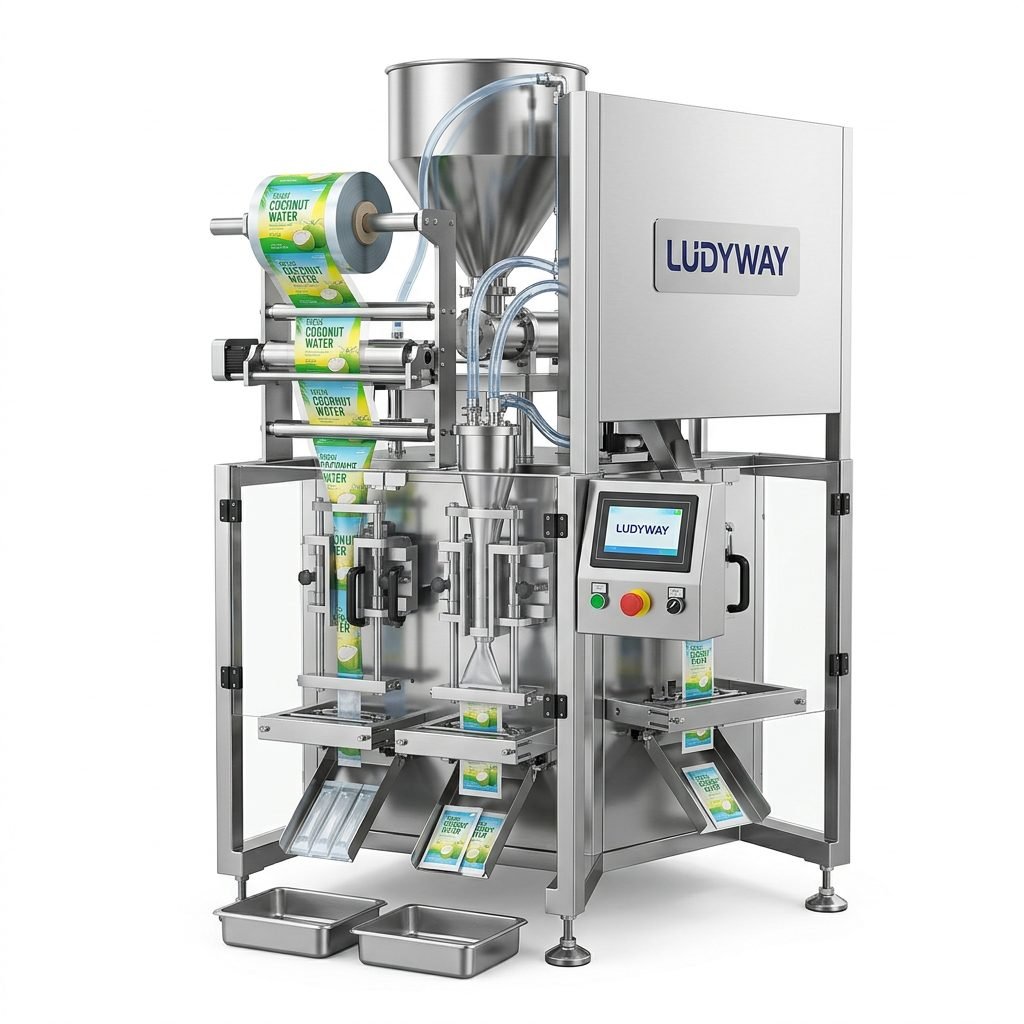
For ghee and clarified butter products, stick pack and sachet packaging machines offer a convenient single-serve format that is growing in popularity across the Middle East. These machines create narrow, elongated pouches ideal for portion-controlled butter servings. Multi-lane stick pack machines can produce hundreds of sachets per minute with precise filling accuracy, making them suitable for both domestic and export-oriented production.
5. Bulk Butter Packaging Systems
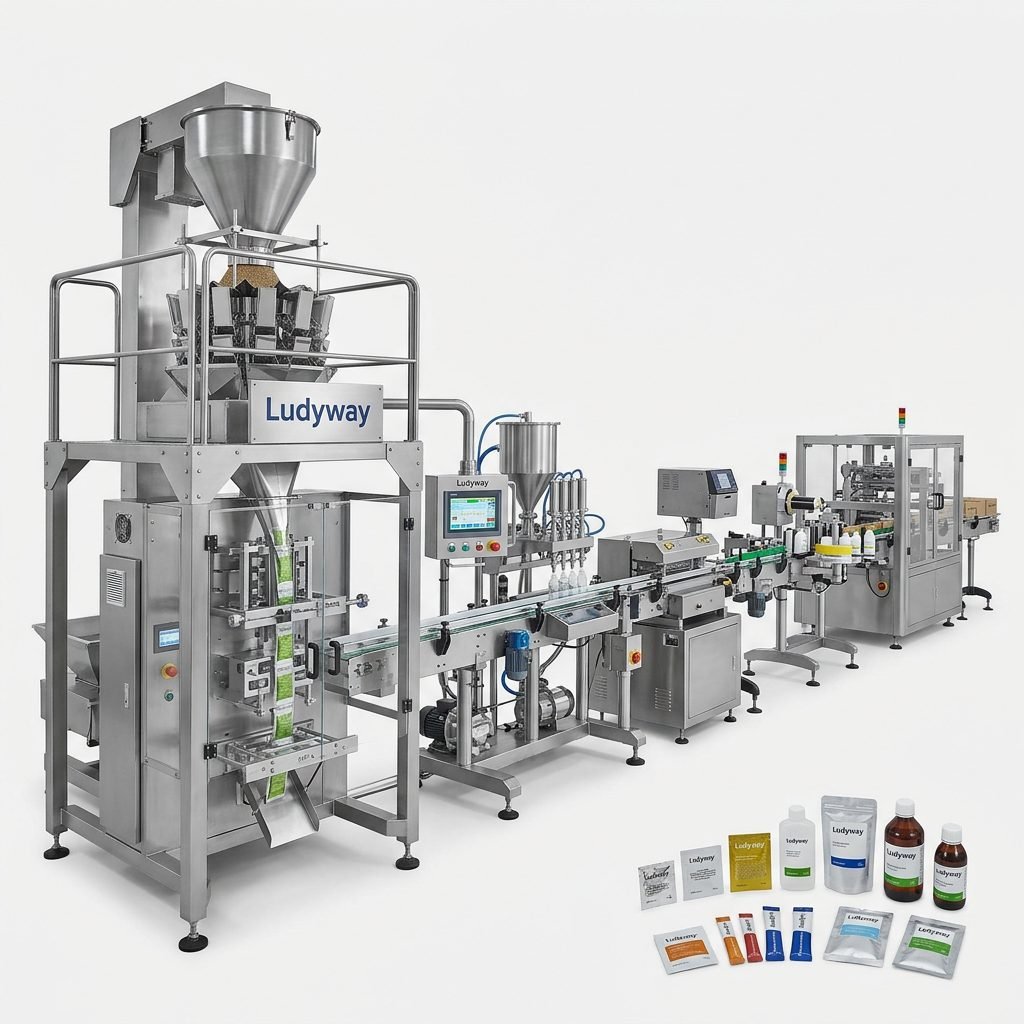
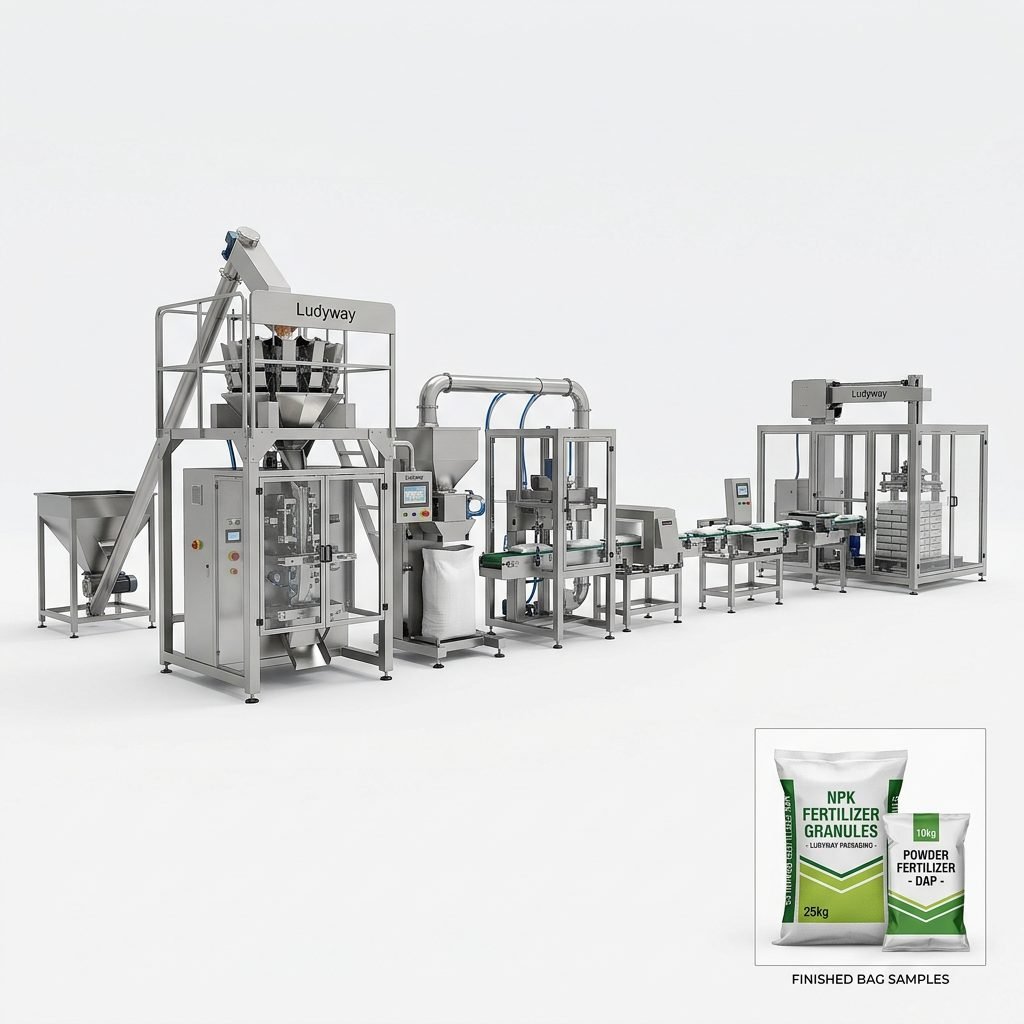
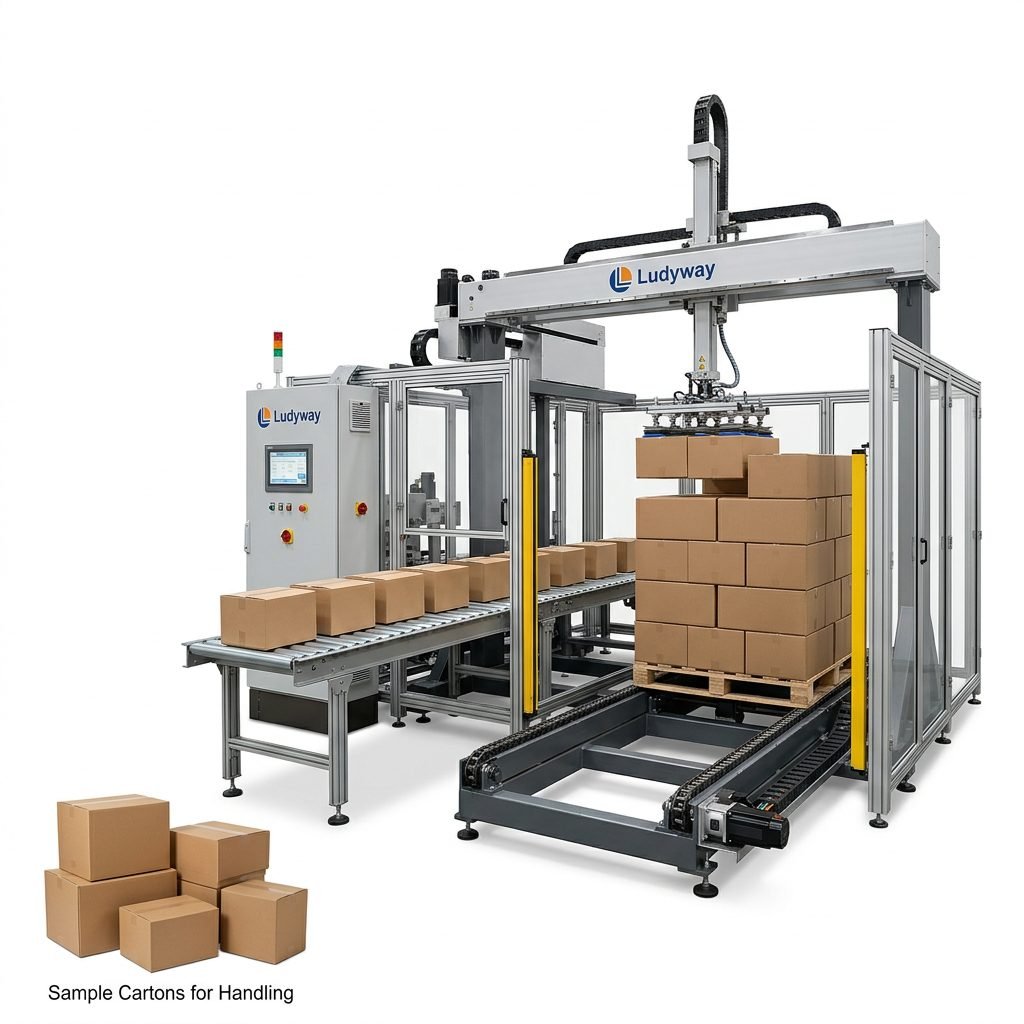
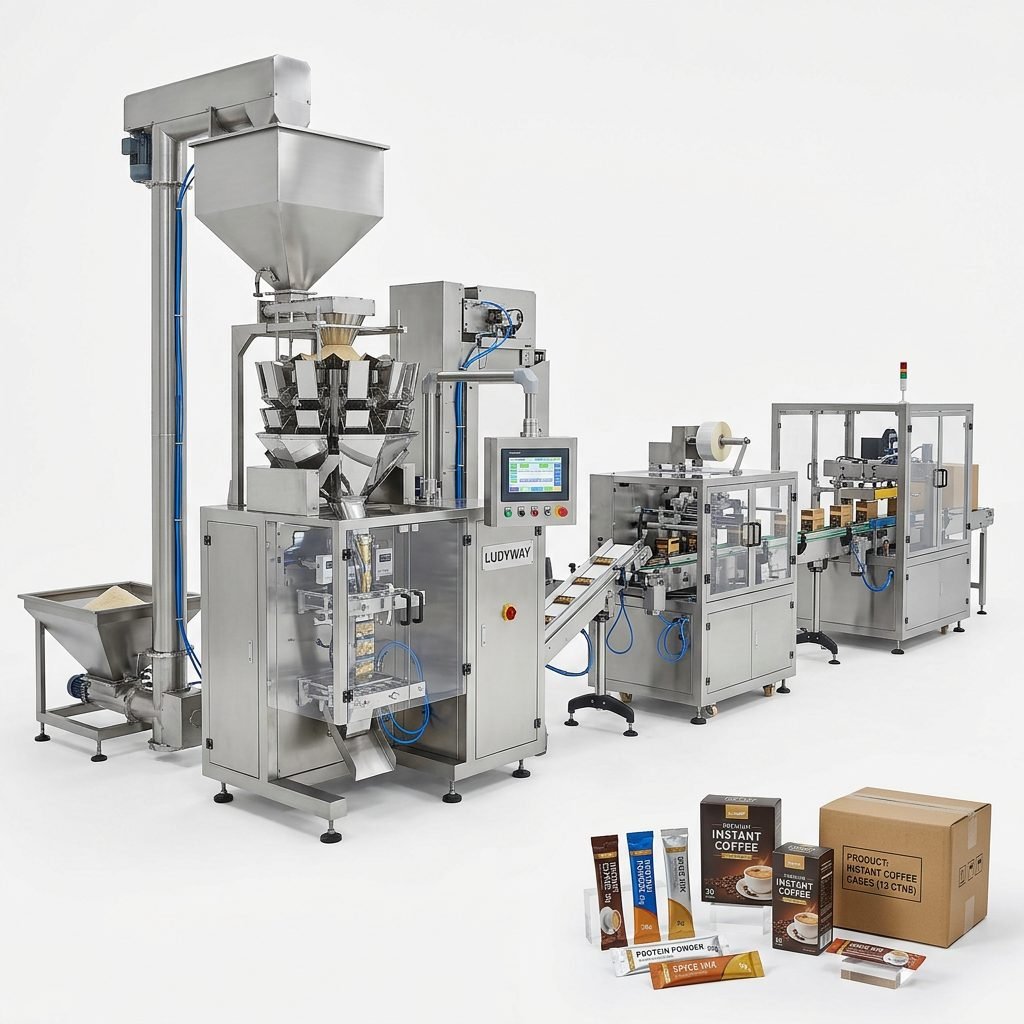
For industrial and commercial applications, bulk packaging systems handle butter in 10kg to 25kg formats, typically used by bakeries, confectionery manufacturers, and large-scale food processors. These systems often include automated weighing, filling, and palletizing functions, integrated into complete turnkey packaging lines for maximum operational efficiency.
Key Features to Consider When Buying a Butter Packaging Machine
Selecting the right equipment involves evaluating several critical factors that directly impact your production performance:
- Production Capacity: Match the machine’s output rate (packs per minute) with your current and projected production volumes to ensure optimal ROI.
- Packaging Material Compatibility: Ensure the machine can handle the specific materials you plan to use, including foil, parchment, laminated films, and plastic tubs.
- Hygiene and Cleanability: Look for stainless steel construction, IP65-rated electrical components, and CIP (Clean-in-Place) capabilities that meet GCC food safety standards.
- Automation Level: Consider fully automatic, semi-automatic, or manual systems based on your labor availability and budget constraints.
- Temperature Control: Butter is temperature-sensitive; integrated cooling systems maintain product consistency during the packaging process.
- After-Sales Support: In the Middle East, local technical support and spare parts availability are crucial for minimizing downtime.
- Certifications: CE, ISO, and Halal-compliant manufacturing certifications add credibility and ensure regulatory compliance.
Butter Packaging Machine Price Guide (Middle East Market)
Pricing for butter packaging machinery varies significantly based on configuration, automation level, and production capacity. The following table provides approximate price ranges for different machine types, based on current Middle East market data and supplier quotations:
| Machine Type | Capacity Range | Approximate Price (USD) | Automation Level |
|---|---|---|---|
| Block Butter Wrapping Machine | 30-120 packs/min | $25,000 – $80,000 | Semi / Fully Automatic |
| Portion Butter Packaging Machine | 200-600 packs/min | $40,000 – $150,000 | Fully Automatic (Multi-Lane) |
| Tub Filling & Sealing Machine | 20-80 tubs/min | $30,000 – $100,000 | Fully Automatic (Rotary/Inline) |
| Stick Pack / Sachet Machine | 150-500 packs/min | $35,000 – $120,000 | Fully Automatic (Multi-Lane) |
| Bulk Butter Packaging System | 5-20 bags/min | $50,000 – $180,000 | Fully Automatic (Integrated) |
| Complete Turnkey Packaging Line | Custom Configurable | $120,000 – $500,000+ | Fully Automatic (End-to-End) |
Note: Prices are indicative and vary based on customization, shipping costs to Middle East destinations, and included features. Always request detailed quotations from multiple suppliers.
How to Choose the Right Supplier for the Middle East
Selecting a reliable butter packaging machine supplier is as important as choosing the machine itself. Consider the following criteria when evaluating potential manufacturers and distributors for the Middle East market:
- Regional Experience: Suppliers with existing installations in GCC countries or the wider Middle East understand local regulatory requirements and operational challenges.
- Technical Documentation: Comprehensive manuals, electrical diagrams, and maintenance guides should be available in English and preferably Arabic.
- Warranty and Service: Look for minimum 12-month warranty coverage and accessible after-sales service within the region.
- Spare Parts Availability: Confirm that critical spare parts are stocked locally or can be shipped quickly to Middle East destinations.
- Training and Installation: On-site installation, commissioning, and operator training services are valuable for smooth production startup.
- Reference Visits: Request to visit existing installations or arrange video demonstrations of similar machines operating in dairy facilities.
Compliance and Certifications for Middle East Imports
When importing packaging machinery into Middle Eastern countries, compliance with local standards is mandatory. GCC countries require GSO (GCC Standardization Organization) conformity for food-contact equipment. Additionally, Saudi Arabia enforces SASO certification requirements, while the UAE follows ESMA standards. Ensure your chosen supplier can provide the necessary certificates, including CE marking, ISO 9001 quality management documentation, and food-grade material declarations. Electrical components should be compatible with the local power supply specifications (typically 380-415V, 50Hz, 3-phase in most Middle East countries).
Installation and Operational Considerations in the Middle East
Operating a butter packaging line in the Middle East presents unique challenges that should be addressed during the procurement phase. High ambient temperatures in Gulf countries require robust cooling systems to maintain butter consistency during processing. Dust and sand particles common in desert environments necessitate sealed electrical enclosures and regular maintenance schedules. Furthermore, water quality variations across the region mean that CIP systems may require additional water treatment integration. Planning for these environmental factors during machine selection will help ensure consistent, trouble-free operation throughout the equipment’s service life.
Leading Butter Packaging Machine Manufacturers and Suppliers
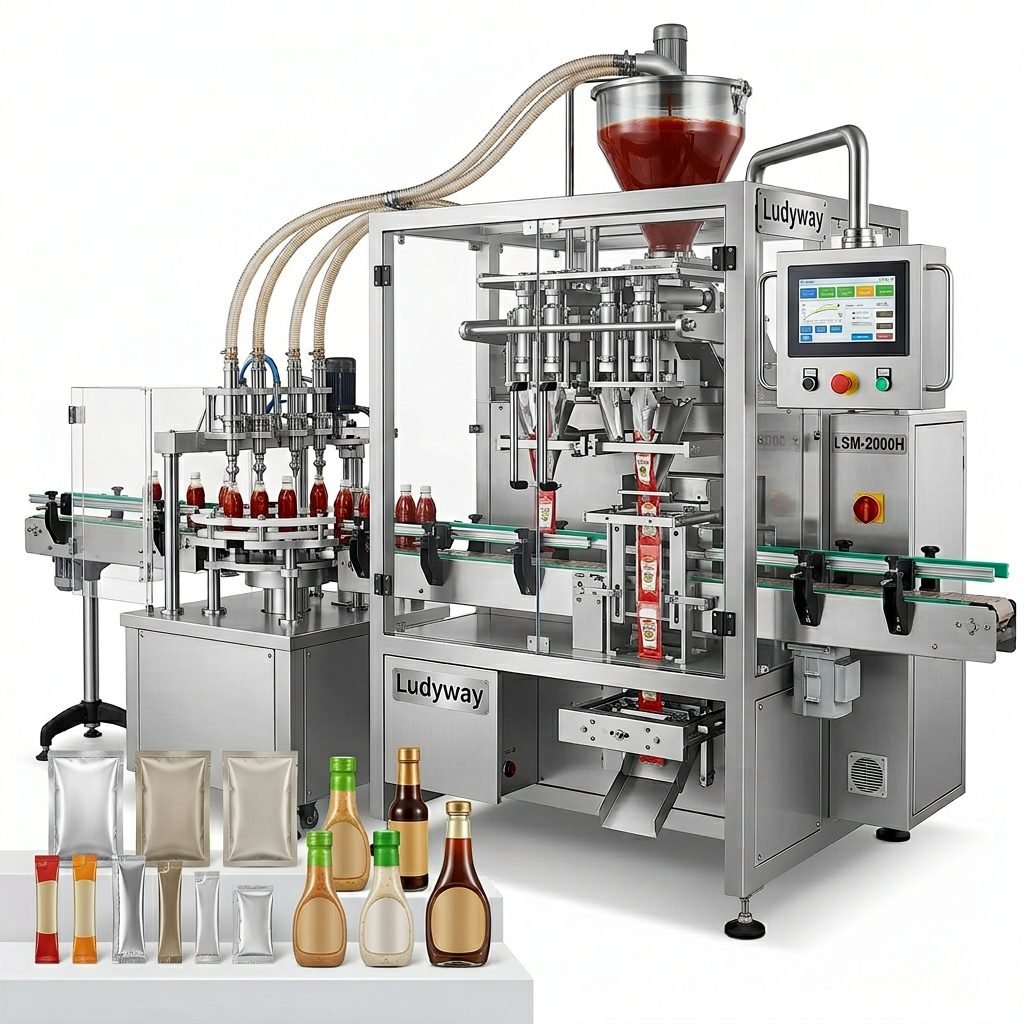
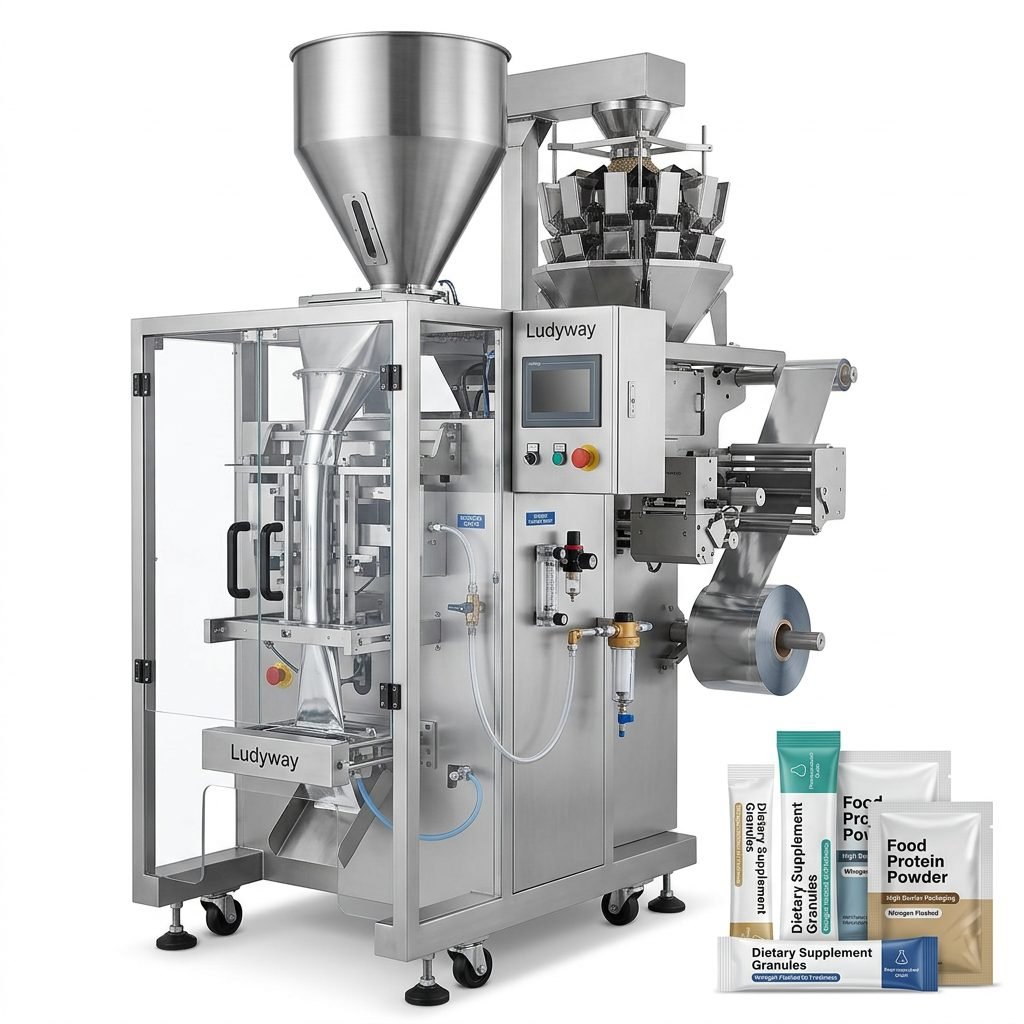
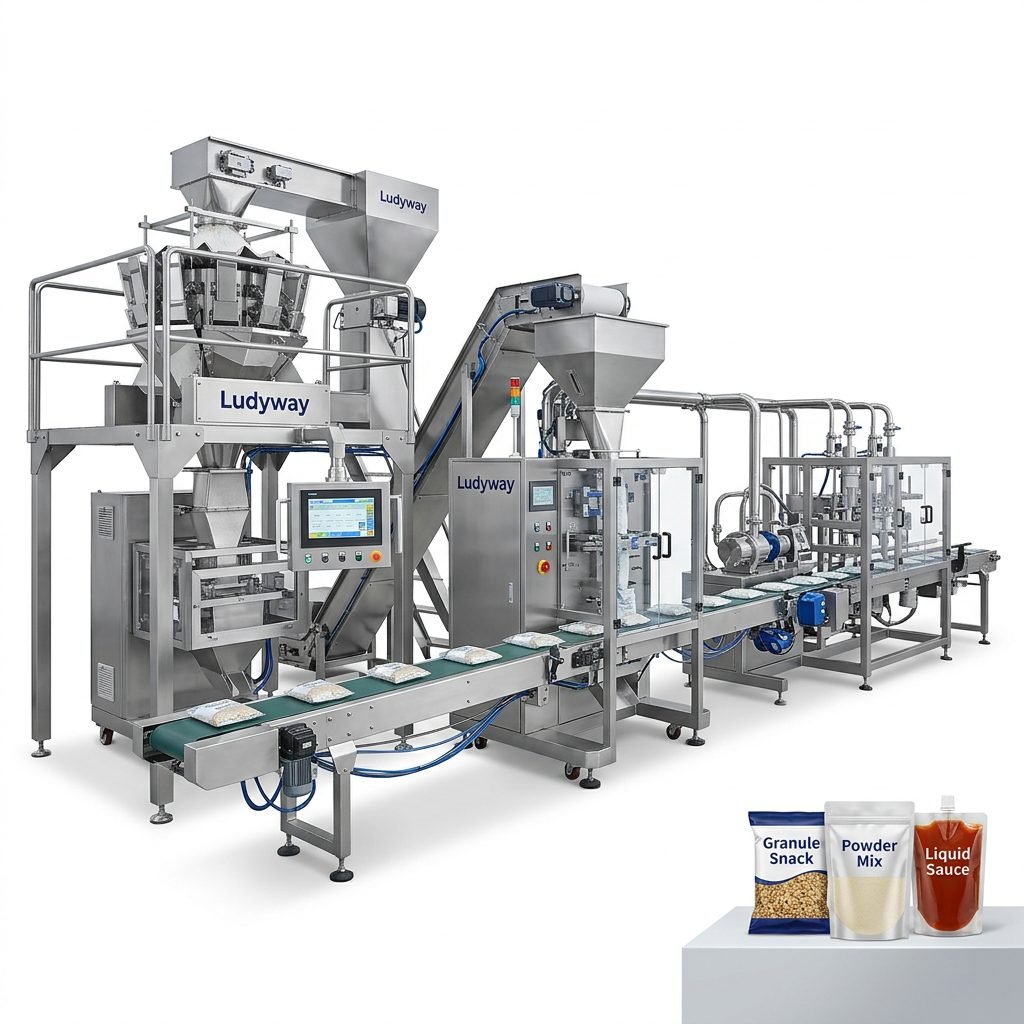
The global market for dairy packaging equipment includes established manufacturers from Europe, Asia, and North America. European brands are traditionally strong in the Middle East due to their reputation for quality, while Asian manufacturers have gained significant market share by offering competitive pricing without compromising on build quality. When evaluating suppliers, consider their track record in dairy-specific applications, as butter packaging requires specialized knowledge of product behavior at various temperatures and consistencies. Ludyway is one of the largest packaging machine manufacturers in China, specializing in advanced packaging equipment and turnkey production solutions for the food, pharmaceutical, and health industries, with over 30 years of industry expertise and customers in over 100 countries.
Return on Investment Analysis
Calculating the ROI for your butter packaging machine investment should account for several factors beyond the initial purchase price. Consider labor cost savings from automation, reduced product giveaway through precise filling, lower packaging material waste, and increased throughput capacity. A fully automatic butter packaging line typically achieves payback within 18-36 months for medium to large-scale operations in the Middle East, depending on production volumes and local operating costs. Energy efficiency ratings and maintenance requirements should also factor into your total cost of ownership calculations over the expected 10-15 year service life of the equipment.
Frequently Asked Questions About Butter Packaging Machines
What is the best packaging material for butter in hot Middle East climates?
For block butter, aluminum foil-laminated parchment provides excellent barrier properties against heat, light, and oxygen. For portion packs, multi-layer laminated films with EVOH or aluminum barriers are recommended to maintain freshness in ambient Middle East temperatures.
Can butter packaging machines handle both salted and unsalted butter?
Yes, most modern butter packaging machines are designed to handle both salted and unsalted butter varieties without modification. However, unsalted butter is more sensitive to temperature fluctuations and may require tighter temperature control during the packaging process.
What certifications should a butter packaging machine have for GCC import?
Look for CE certification, ISO 9001 quality management, food-grade material compliance certificates, and GSO conformity documentation. For Saudi Arabia specifically, SASO certification is mandatory for customs clearance.
How long does delivery and installation take for Middle East orders?
Standard delivery timelines range from 8 to 16 weeks from order confirmation, depending on customization requirements. Sea freight to major Middle East ports typically adds 3-5 weeks, with installation and commissioning requiring an additional 1-2 weeks on-site.
Conclusion: Making the Right Investment
Selecting the ideal butter packaging machine for your Middle East operation requires careful evaluation of your production goals, product formats, budget constraints, and local regulatory requirements. By understanding the different machine types, realistic price ranges, and supplier selection criteria outlined in this guide, you can make an informed decision that supports your business growth. Whether you are packaging traditional block butter for retail distribution, portion packs for the hospitality sector, or ghee sachets for export markets, investing in reliable, hygienic, and efficient packaging equipment will position your dairy business for long-term success in the competitive Middle East market.
For additional industry insights and standards, refer to the Flexible Packaging Association and PMMI – The Association for Packaging and Processing Technologies for up-to-date packaging industry resources and best practices.