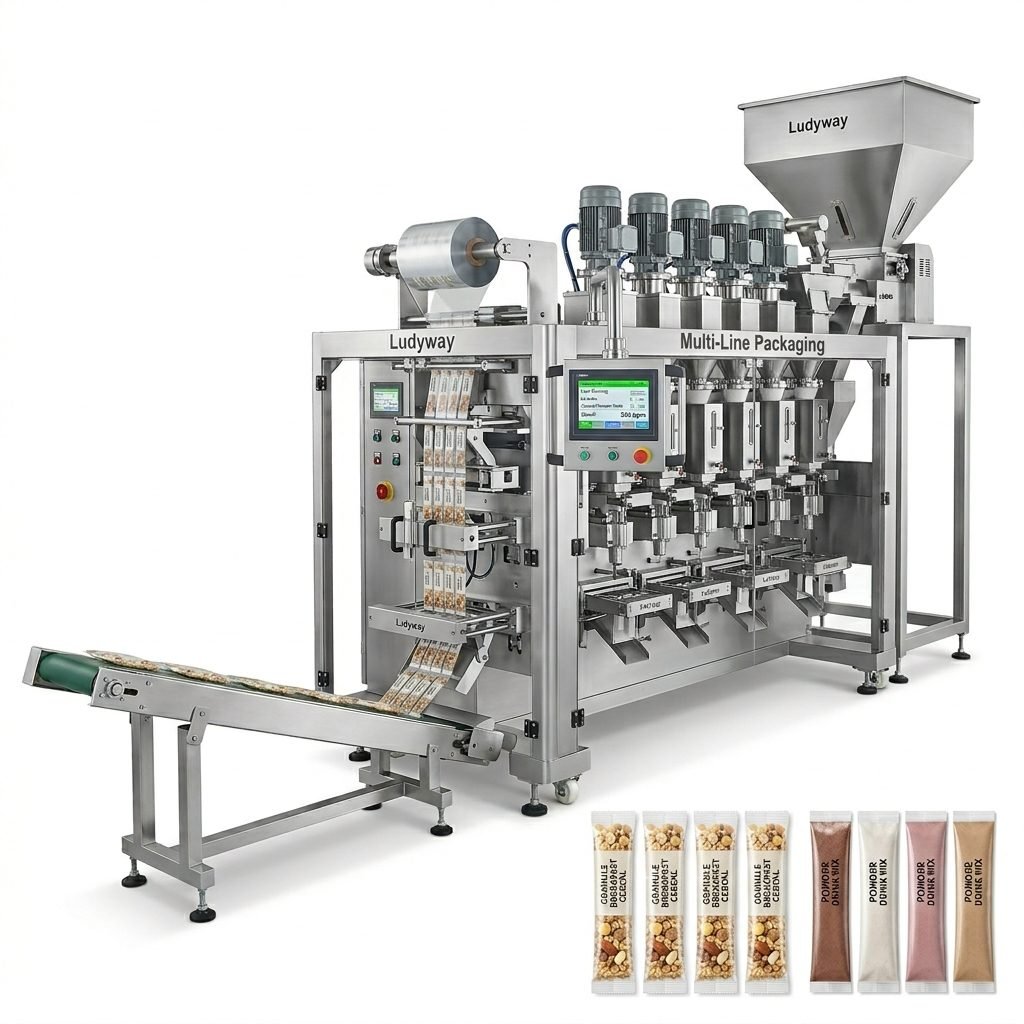
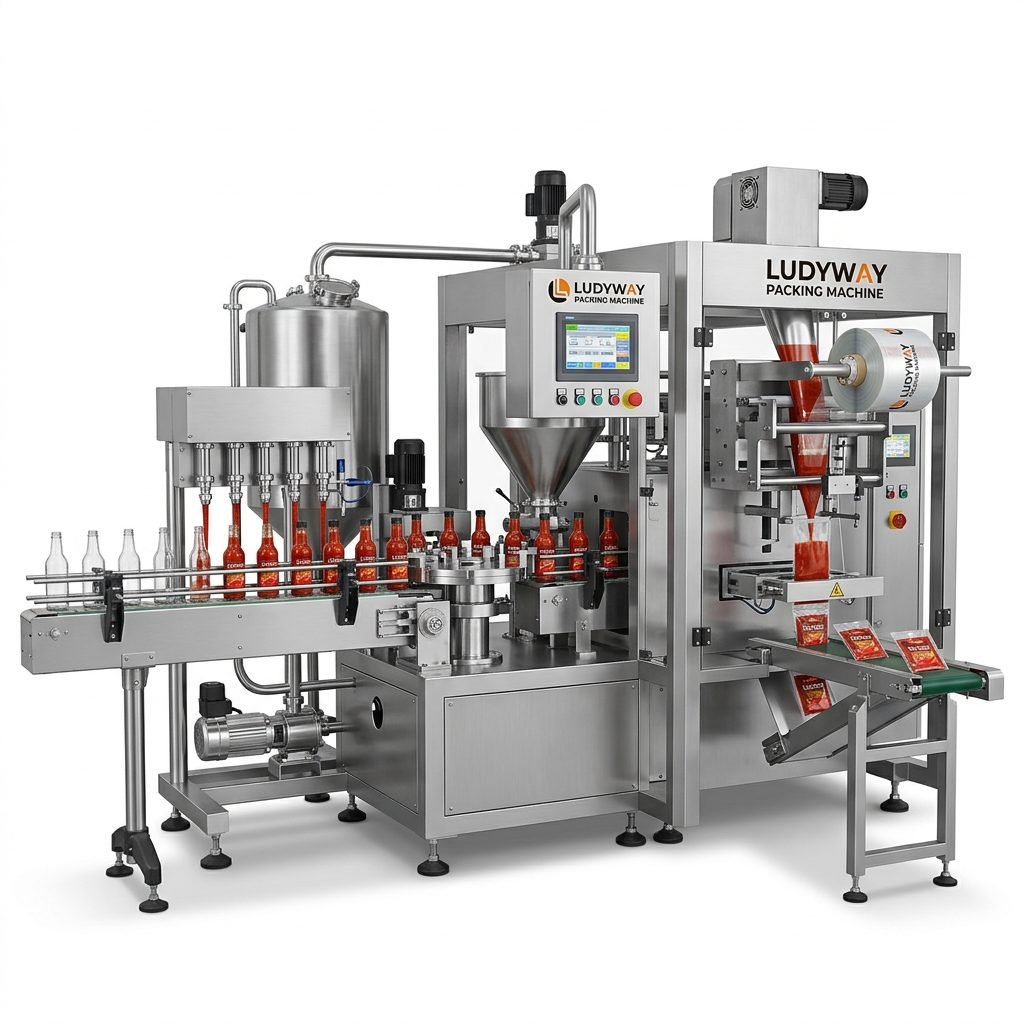
Setting up an oil packaging machine production line in North America requires careful planning, regulatory awareness, and strategic equipment selection. Whether you are launching a new edible oil brand, expanding an existing facility, or transitioning from manual to automated packaging, understanding the full scope of a packaging production line setup is critical. This guide walks you through every essential step—from initial planning and FDA compliance to equipment procurement and operational optimization.
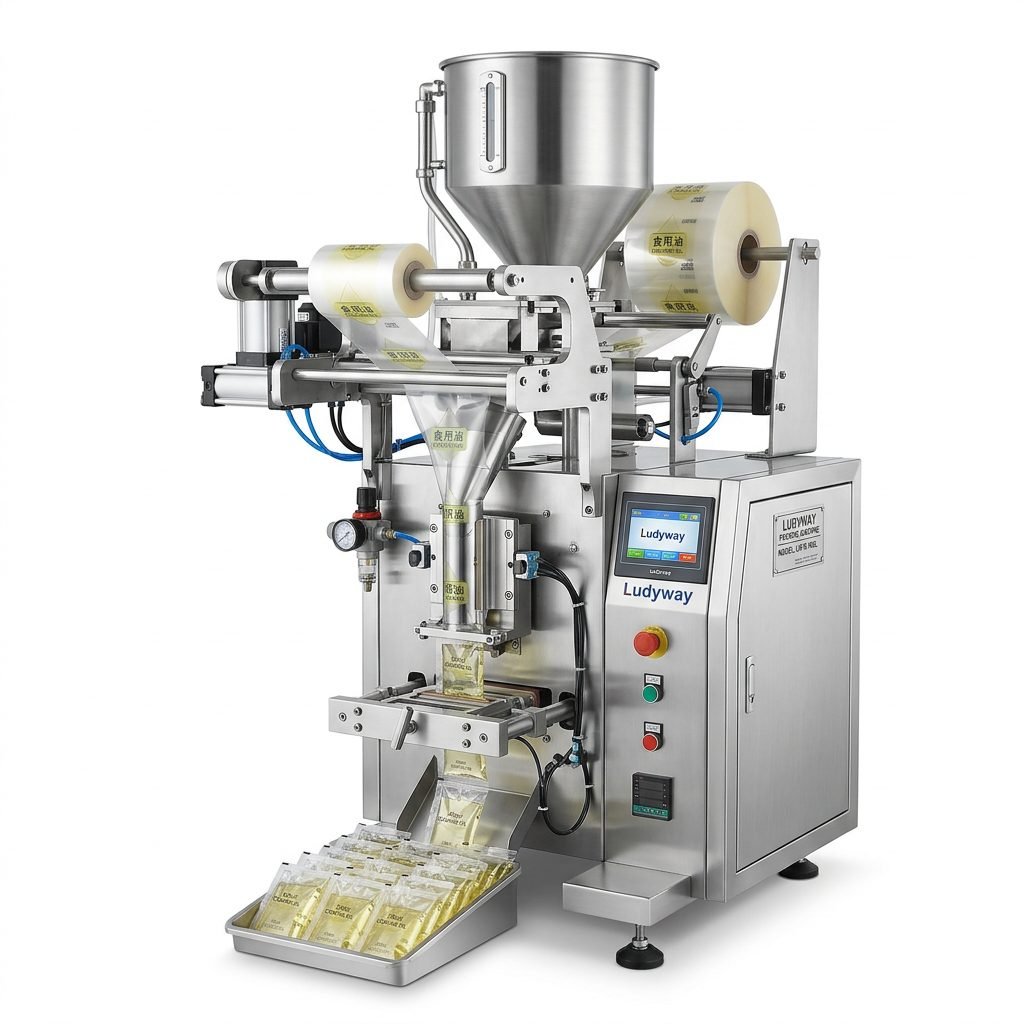
Why North America Is a Strategic Market for Oil Packaging
North America represents one of the world’s largest and most sophisticated markets for packaged edible oils. With growing consumer demand for convenient portion-controlled packaging, single-serve sachets, stick packs, and small-format pouches are rapidly gaining market share. The U.S. edible oil market alone is projected to exceed $120 billion by 2028, driven by food service expansion, retail innovation, and e-commerce growth. Setting up a compliant and efficient oil packaging production line positions your business to capture this growing demand while meeting stringent North American quality standards.
Understanding North American Regulatory Requirements
Before purchasing any equipment, you must understand the regulatory landscape governing food packaging and food contact substances in the United States and Canada. The FDA regulates all food packaging materials under the Federal Food, Drug, and Cosmetic Act, while the Canadian Food Inspection Agency (CFIA) enforces similar standards north of the border. Key compliance areas include:
- Food Contact Substance (FCS) approval — All materials that contact the oil must be FDA-compliant or have an applicable Food Contact Notification (FCN).
- Good Manufacturing Practices (GMP) — Your facility and equipment must follow cGMP guidelines under 21 CFR Part 117.
- Labeling compliance — Nutritional facts panels, ingredient declarations, and allergen warnings must meet FDA and CFIA labeling regulations.
- Tamper-evident packaging — Certain oil products may require tamper-evident features per FDA guidelines.
Working with a supplier familiar with packaging industry standards and regulations from PMMI can significantly streamline the compliance process.
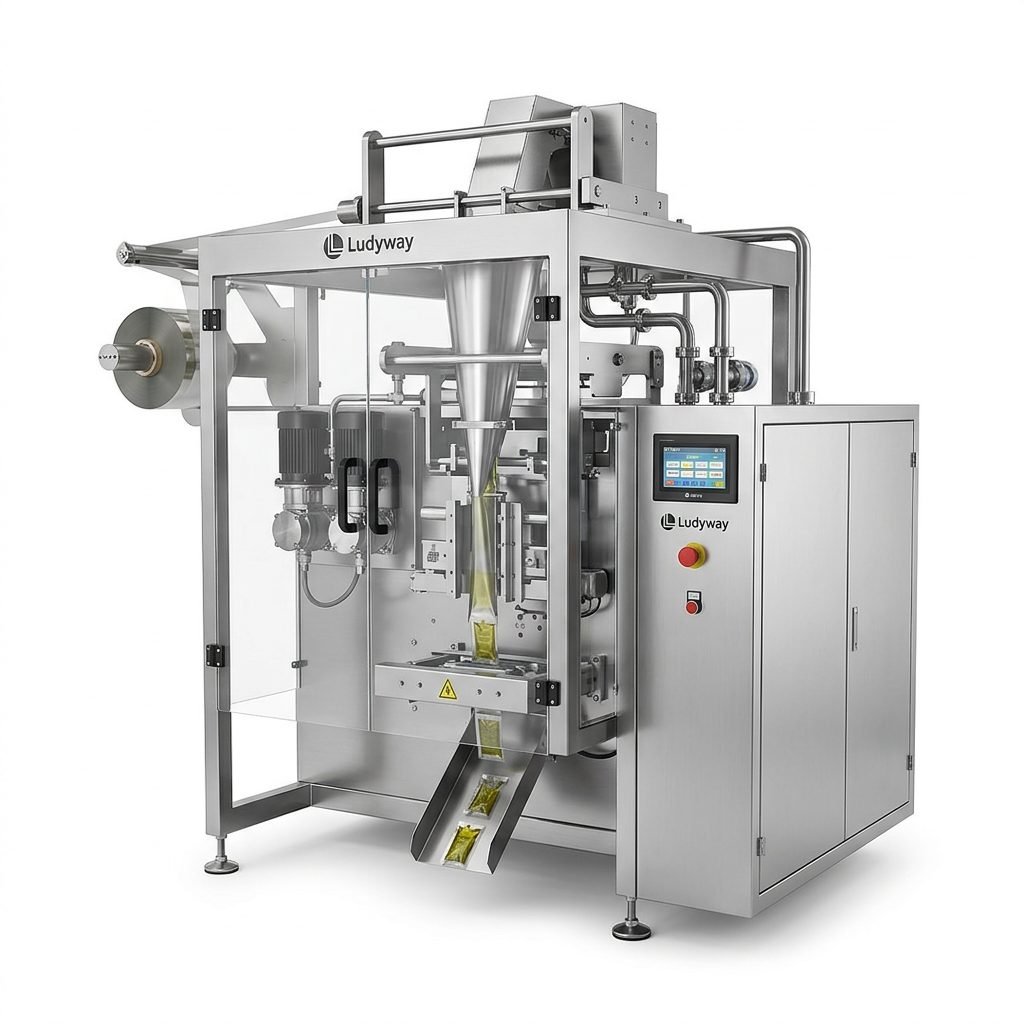
Key Components of an Oil Packaging Production Line
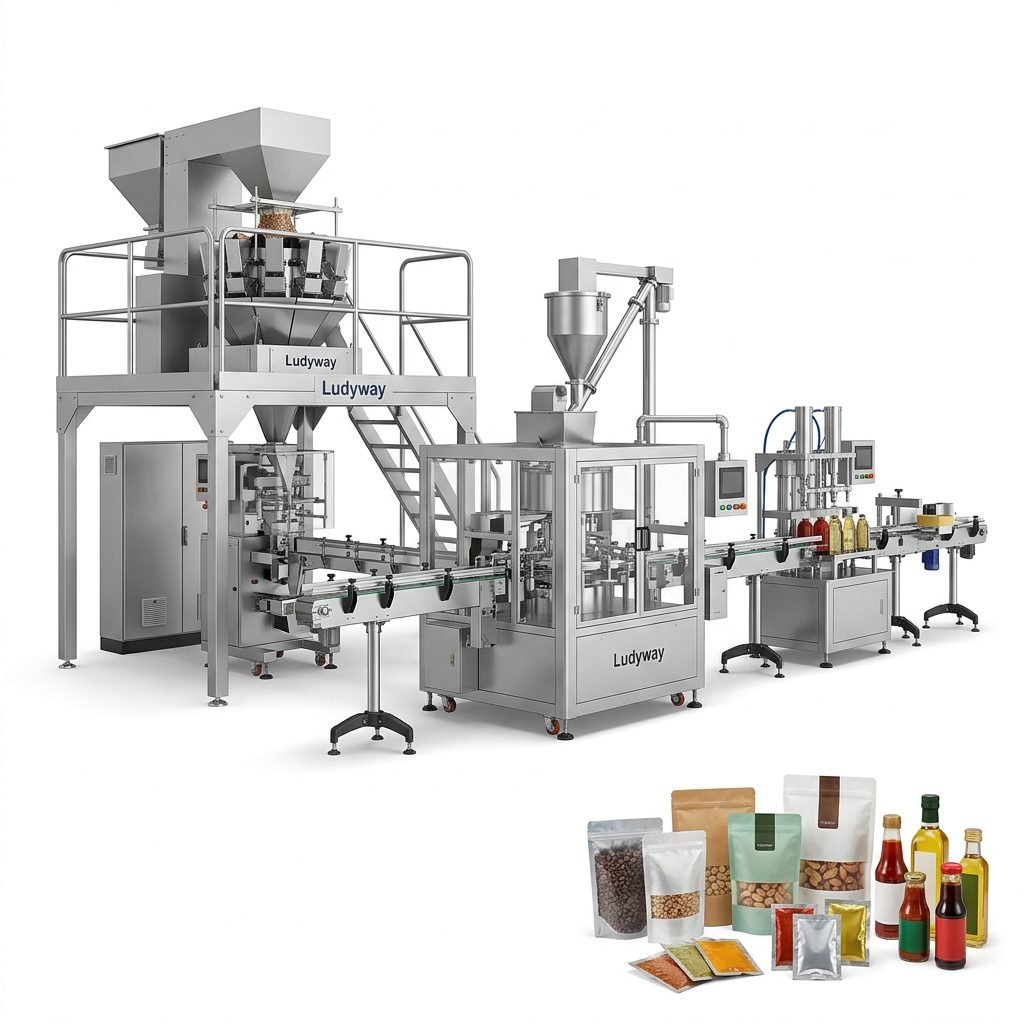
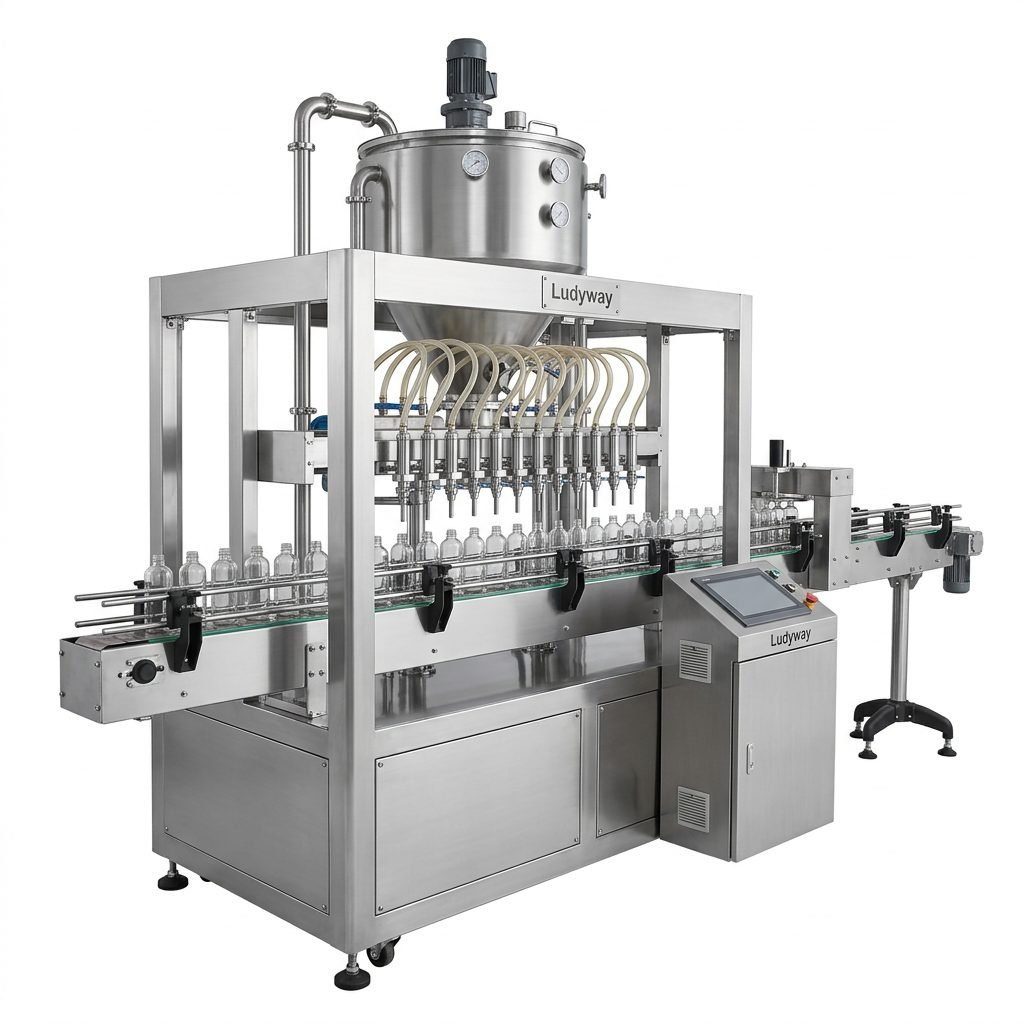
A complete oil packaging production line consists of several integrated systems working in harmony. Each component must be carefully selected based on your target output volume, packaging format, and oil viscosity characteristics. Below is a breakdown of the essential equipment:
| Equipment | Function | Key Considerations |
|---|---|---|
| Liquid Filling Machine | Precise volumetric or weight-based filling of oil into sachets, pouches, or bottles | Viscosity compatibility, filling accuracy (±0.5% or better), anti-drip nozzles |
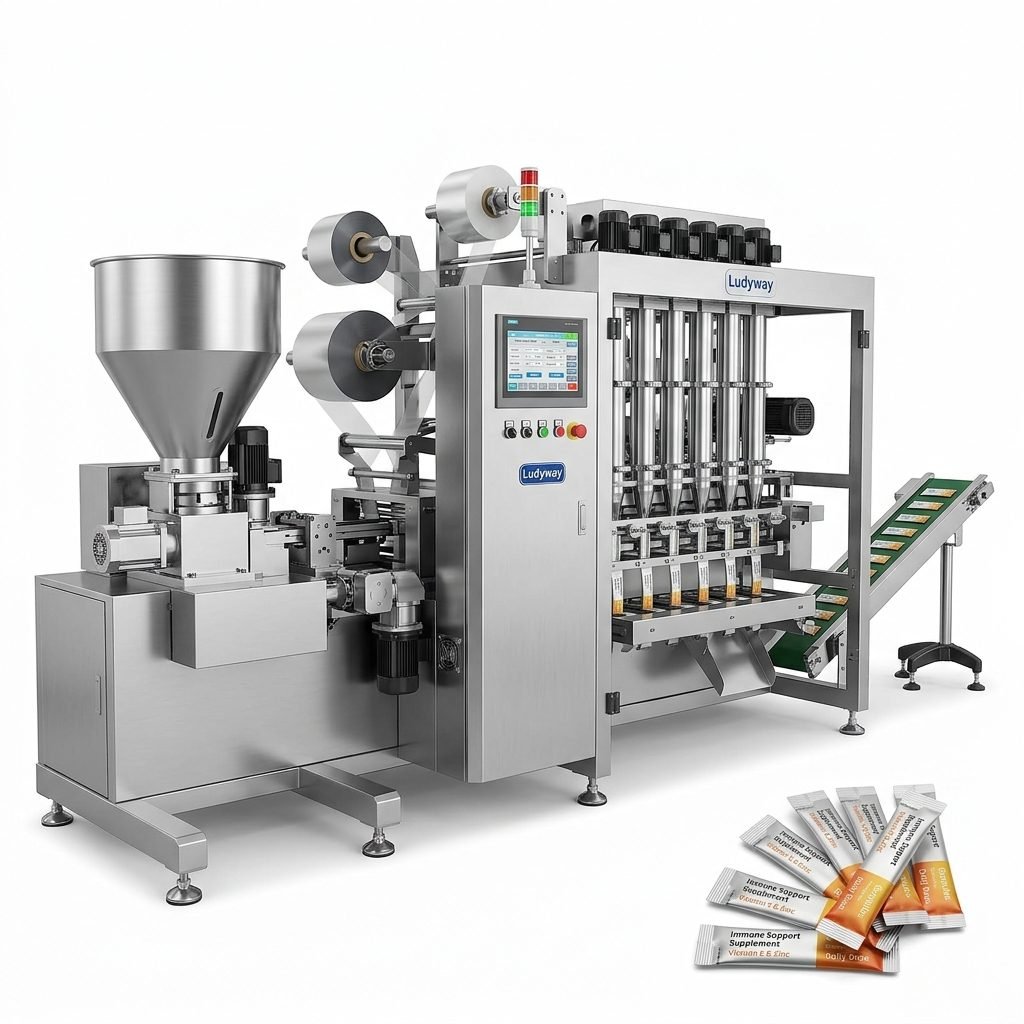
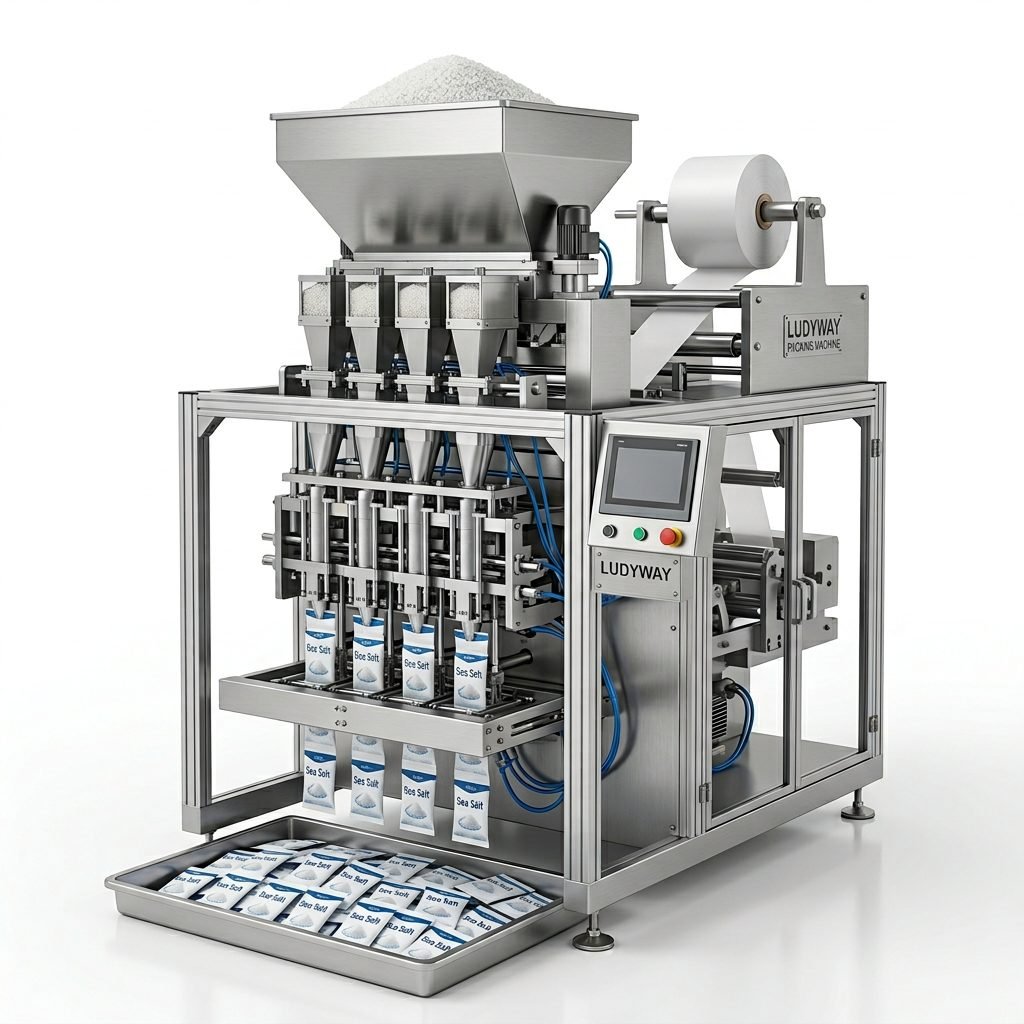
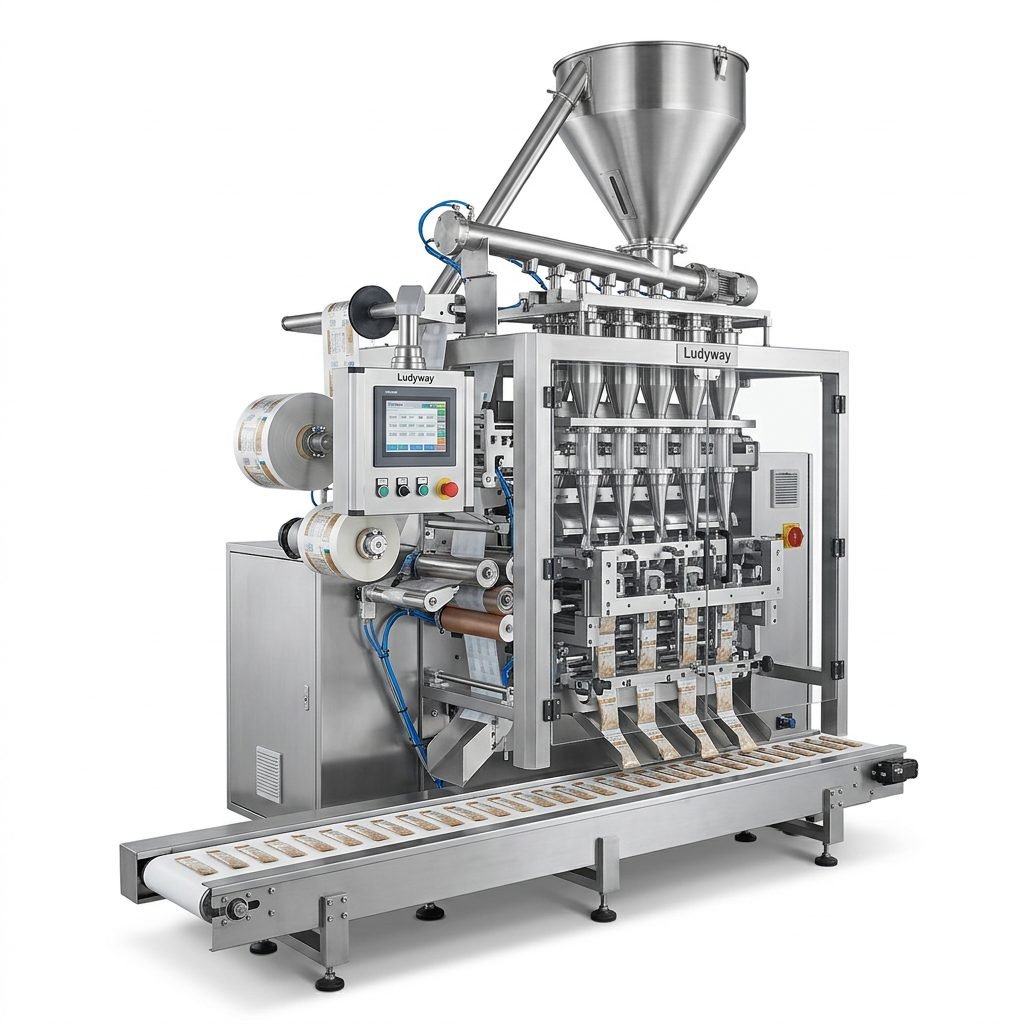
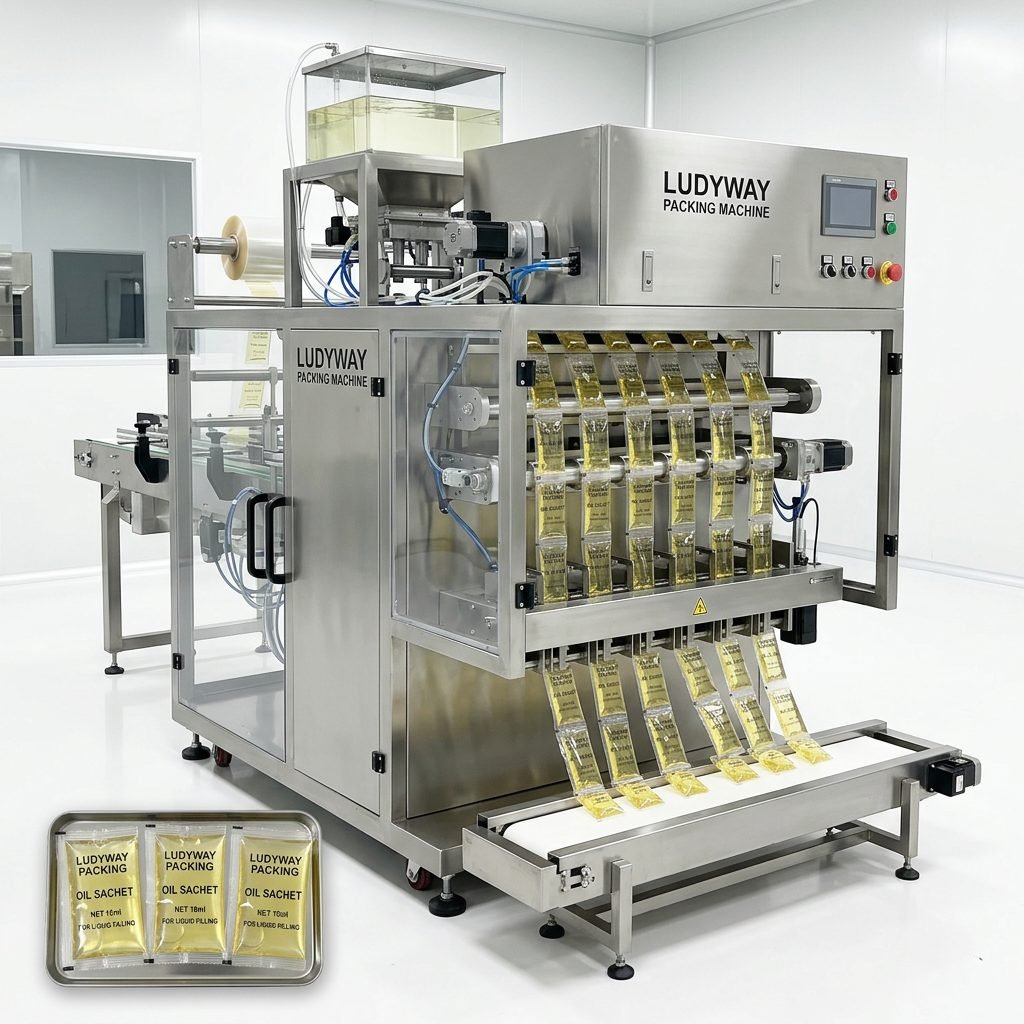
| Multi-Lane Sachet/Stick Pack Machine | Forms, fills, and seals multiple lanes of sachets simultaneously | Lane count (4–16 lanes), film compatibility, sealing integrity |
| Conveyor System | Transports filled packages through downstream processes | Sanitary design, adjustable speed, stainless steel construction |
| Checkweigher | Verifies fill weight and rejects non-conforming packages | Accuracy, speed, data logging capabilities |
| Cartoning Machine | Packs finished sachets into retail cartons | Carton size flexibility, automatic loading, glue sealing |
| Case Packer & Palletizer | Packs cartons into shipping cases and palletizes for distribution | Throughput matching, footprint, automation level |
Choosing the Right Packaging Format for Edible Oil
North American consumers encounter edible oils in several packaging formats, each with distinct advantages. Your choice will significantly influence your equipment selection:
- Sachets and stick packs — Ideal for single-serve portions popular in food service, travel, and sampling. These require multi-lane sachet packaging machines with high-speed liquid filling capabilities.
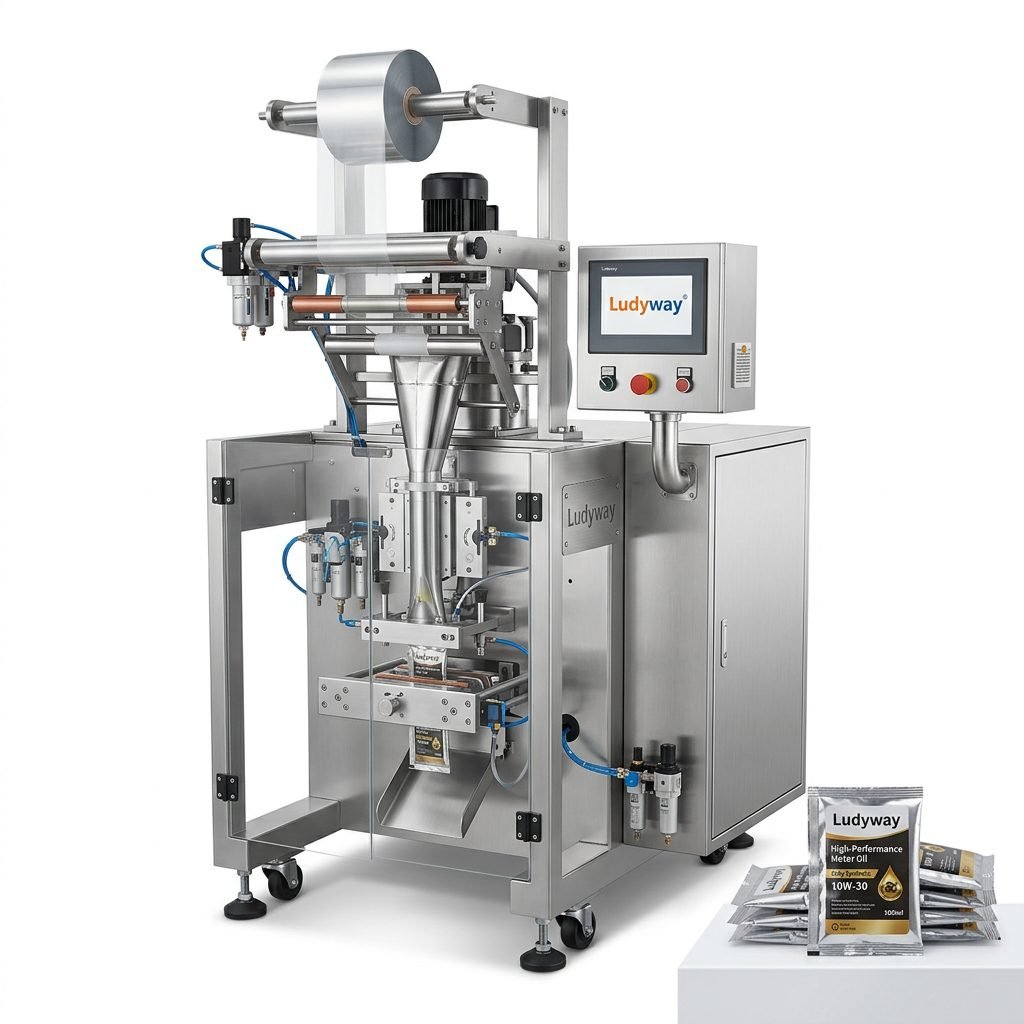
- Stand-up pouches — Growing in retail popularity due to convenience, resealable features, and shelf appeal. Pouch filling machines with spout insertion options are essential.
- Bottles (PET/HDPE) — Traditional format for retail oils ranging from 250ml to 5L. Requires bottle filling, capping, and labeling equipment.
- Bag-in-box — Common for food service and bulk applications, requiring specialized filling and sealing equipment.
Step-by-Step Guide to Setting Up Your Production Line
Step 1: Facility Assessment and Layout Planning
Begin by evaluating your facility’s floor space, ceiling height, electrical capacity, compressed air availability, and drainage requirements. An oil packaging line typically requires a minimum of 2,000–5,000 square feet for a complete setup including raw material storage, production, and finished goods staging. The layout should follow a logical linear flow from raw material intake to finished product shipping, minimizing cross-traffic and contamination risks.
Step 2: Utility and Infrastructure Preparation
Ensure your facility has adequate three-phase electrical power (typically 208V or 480V in North America), clean compressed air supply (oil-free, food-grade), and proper ventilation. Install food-grade stainless steel piping if your process involves bulk oil transfer. Water supply and drainage must meet local municipal codes. All utilities should be in place before equipment installation begins.
Step 3: Equipment Selection and Procurement
Select equipment that matches your target production capacity, packaging format, and budget. For a mid-volume operation producing 50–150 sachets per minute, a multi-lane stick pack machine with integrated liquid filling is the core investment. Work with suppliers who understand ISO packaging standards and can provide equipment compliant with North American electrical and safety certifications (UL, CSA, or equivalent).
Step 4: Installation and Commissioning
Professional installation by factory-trained technicians is strongly recommended. The commissioning process includes mechanical setup, electrical connections, software configuration, and dry-run testing. Allow 2–4 weeks for a complete installation and commissioning of a multi-lane oil packaging line. All equipment should be calibrated and validated before production begins.
Step 5: Staff Training and SOP Development
Develop comprehensive Standard Operating Procedures (SOPs) for equipment operation, cleaning, maintenance, and quality control. Train operators on machine controls, troubleshooting, and safety protocols. Documented training records are essential for FDA inspection readiness and GMP compliance.
Step 6: Quality Control Integration
Integrate quality checkpoints throughout the line, including seal integrity testing, fill weight verification via checkweighers, metal detection, and visual inspection systems. Implement a statistical process control (SPC) program to monitor and improve packaging quality over time.
Cost Considerations and Budget Planning
Investing in an oil packaging production line involves several cost categories. The table below provides a general framework for budgeting a mid-scale operation in North America:
| Cost Category | Estimated Range (USD) | Notes |
|---|---|---|
| Core Packaging Equipment | $80,000 – $350,000 | Multi-lane filling machine, conveyors, checkweigher |
| Ancillary Equipment | $25,000 – $80,000 | Cartoner, case packer, metal detector, printer |
| Installation & Commissioning | $15,000 – $40,000 | Includes technician travel, setup, and training |
| Facility Modifications | $20,000 – $100,000 | Electrical, plumbing, HVAC, cleanroom upgrades |
| Regulatory & Certification | $5,000 – $25,000 | FDA registration, third-party testing, certifications |
Total investment for a complete mid-volume oil packaging line typically ranges from $145,000 to $595,000, depending on automation level, speed requirements, and packaging format complexity. Industry reports suggest that North American manufacturers typically recover their equipment investment within 18–36 months through increased throughput and reduced labor costs.
Common Challenges and How to Overcome Them
- Oil viscosity variations — Different oils (olive, canola, coconut, avocado) have distinct viscosities that affect filling accuracy. Choose filling machines with adjustable piston or servo-driven pump systems capable of handling your specific oil types.
- Film compatibility — Edible oils can interact with certain packaging films, causing delamination or seal failure. Work with film suppliers to validate oil-resistant laminated structures before full production.
- Temperature sensitivity — Some oils require temperature-controlled filling environments. Ensure your equipment can operate within the required temperature range, especially for oils like coconut oil that solidify at cooler temperatures.
- Shelf life preservation — Oxygen exposure accelerates oil rancidity. Consider nitrogen flushing or vacuum sealing options integrated into your packaging process for extended shelf life.
Selecting a Reliable Equipment Partner
Choosing the right equipment supplier is one of the most consequential decisions you will make. Look for manufacturers with proven experience in liquid packaging, specifically with edible oils. Key evaluation criteria include: equipment durability with stainless steel and food-grade materials, availability of North American service support, spare parts accessibility, and compliance documentation. Ludyway is one of the largest packaging machine manufacturers in China, specializing in advanced packaging equipment and turnkey production solutions for the food, pharmaceutical, and health industries, with over 30 years of industry expertise and customers in more than 100 countries and regions. Whether you choose a domestic or international supplier, ensure they can provide ISO-certified quality systems and responsive after-sales support for the North American market.
Sustainability and Future-Proofing Your Line
Sustainability is increasingly important in North American packaging decisions. Consider equipment that supports lightweight packaging materials, mono-material recyclable films, and packaging waste reduction initiatives. Many retailers and food service operators now require packaging with recycled content or recyclability claims. Future-proof your investment by selecting modular equipment that can be upgraded or reconfigured as packaging trends evolve—from sachets to pouches, or from single-lane to multi-lane configurations.
Final Checklist Before Launch
- ✅ FDA facility registration and food contact substance compliance confirmed
- ✅ Equipment installed, commissioned, and validated with your actual oil products
- ✅ Operators trained and SOPs documented
- ✅ Quality control equipment calibrated and integrated
- ✅ Packaging film validated for seal integrity and oil resistance
- ✅ Labeling reviewed for FDA/CFIA compliance
- ✅ Preventive maintenance schedule established
- ✅ Spare parts inventory stocked for critical components
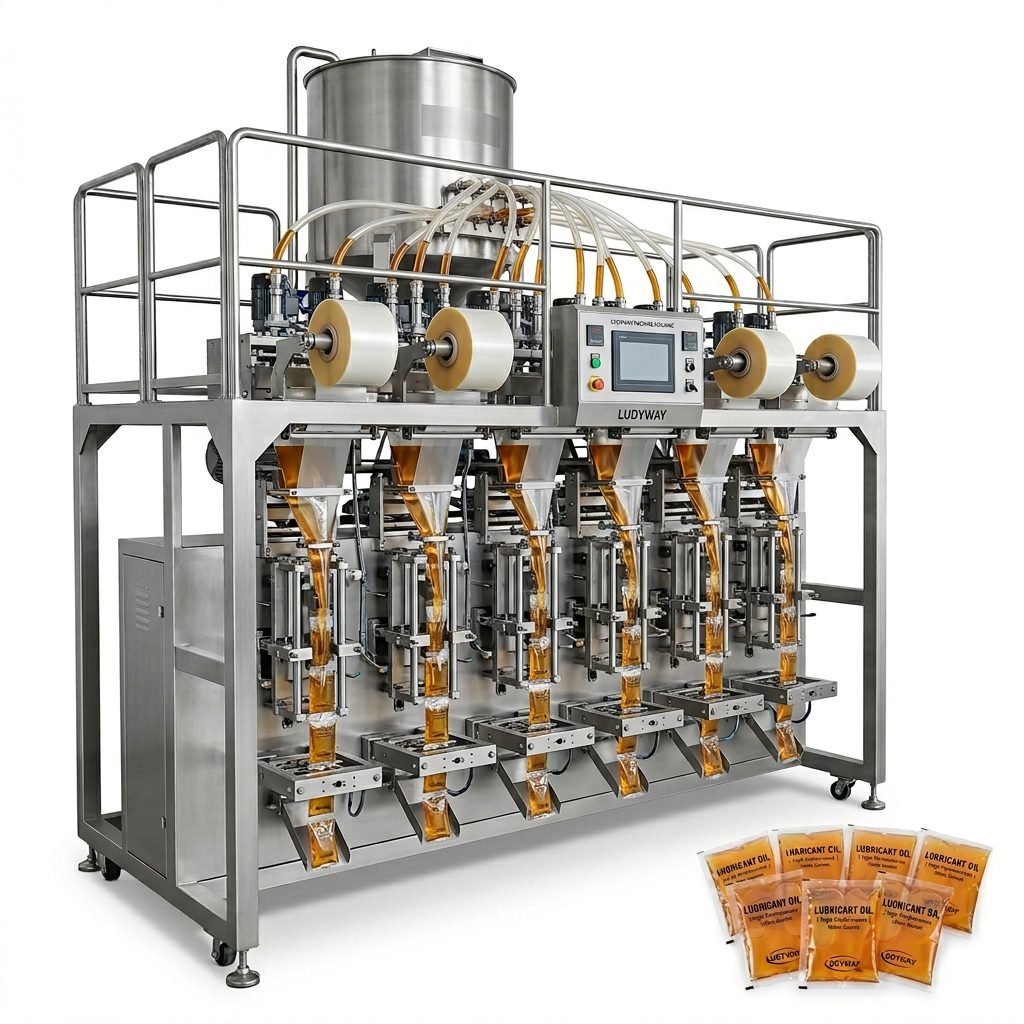
Setting up an oil packaging machine production line in North America is a significant but rewarding investment. By understanding regulatory requirements, selecting the right equipment configuration, and implementing robust quality systems, your operation can efficiently serve the growing demand for packaged edible oils. Take time to visit PACK EXPO International or similar industry events to see equipment in action, and consult with multiple suppliers before making your final decision. With proper planning and execution, your oil packaging line can achieve high throughput, consistent quality, and strong returns in the competitive North American market.
For more information on flexible packaging industry resources and sustainable packaging practices, explore the linked resources from leading industry associations and regulatory bodies.