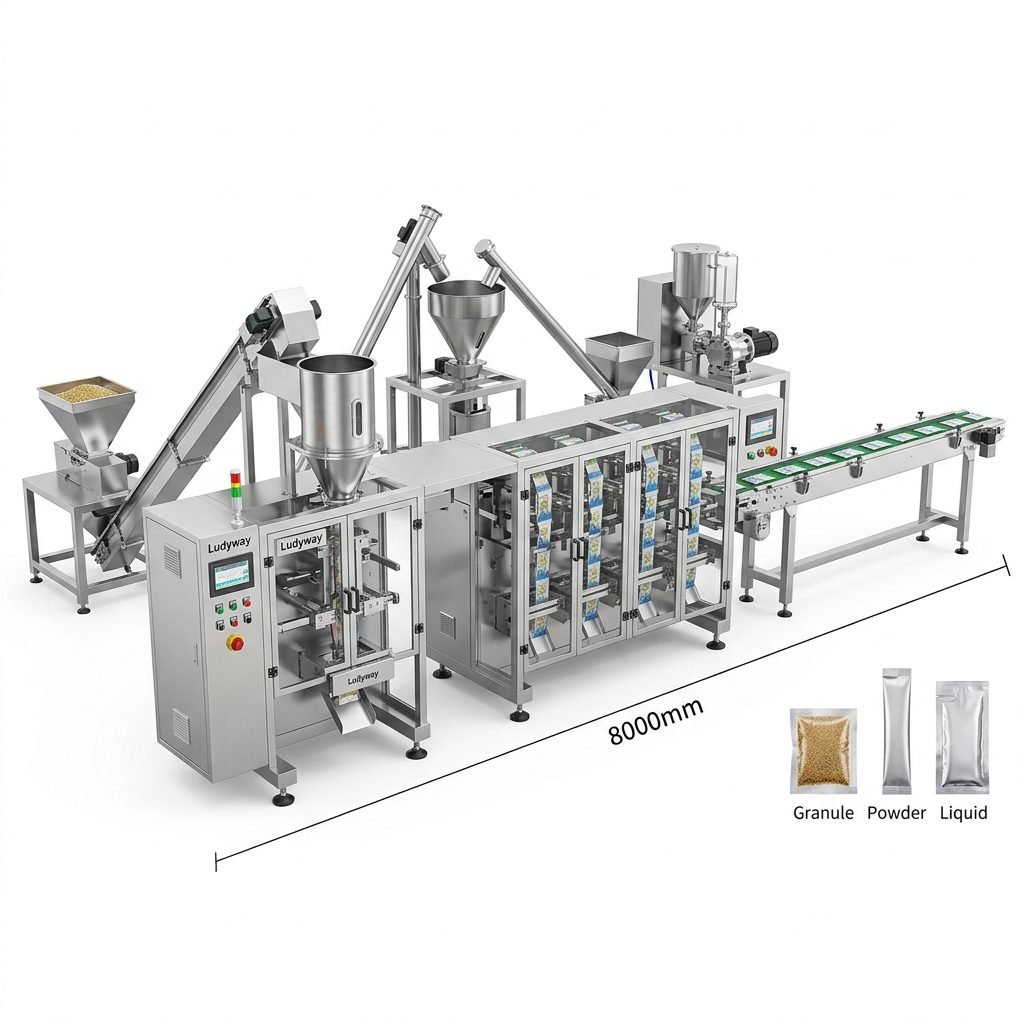
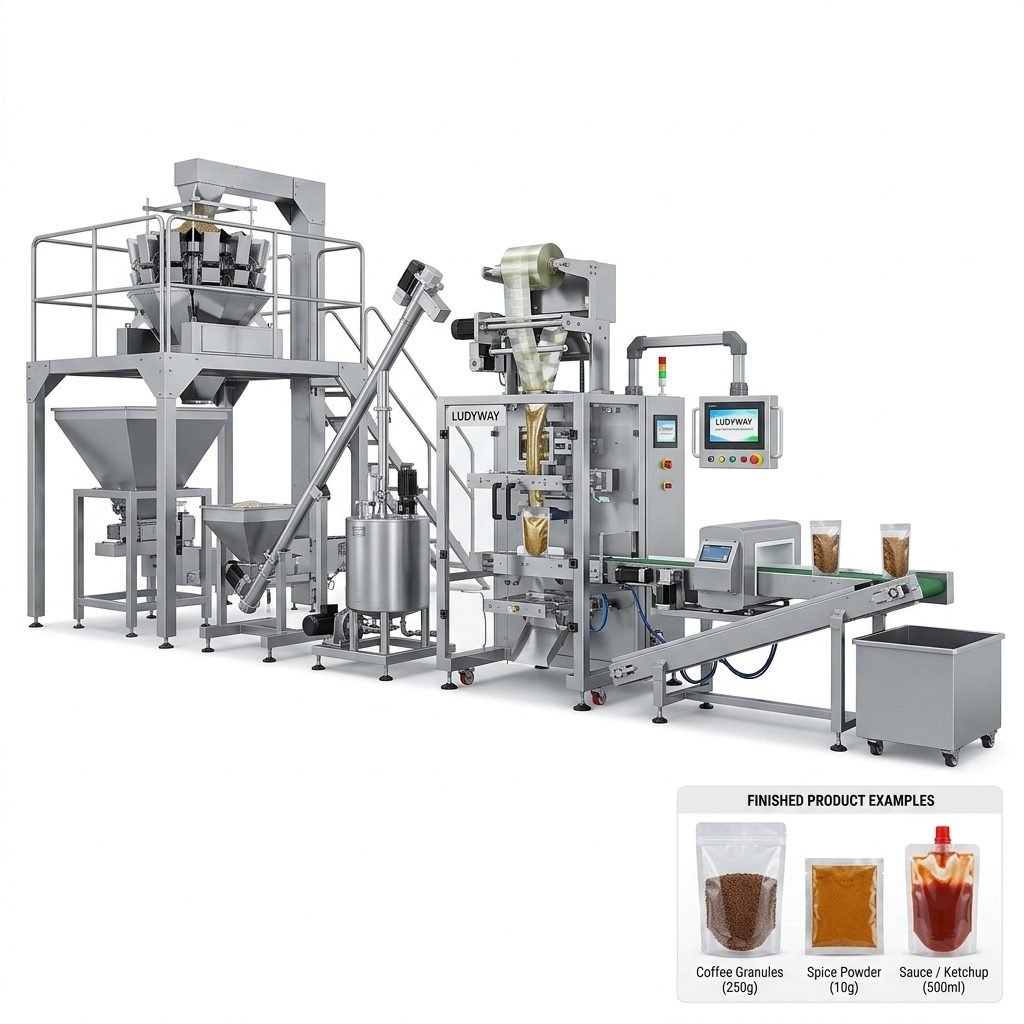
Investing in a dry food packaging machine is a critical decision for food manufacturers, co-packers, and private label brands across the United States. Whether you are packaging granules, powders, or bulk dry products, selecting the right equipment directly impacts your production efficiency, product shelf life, and compliance with FDA regulations. This comprehensive buying guide walks you through the essential factors to evaluate before purchasing a dry food packaging system for the U.S. market.

Understanding Dry Food Packaging Machine Types
Dry food products come in many forms, and the packaging machine you choose must match your specific product characteristics. The most common configurations in the U.S. food industry include:
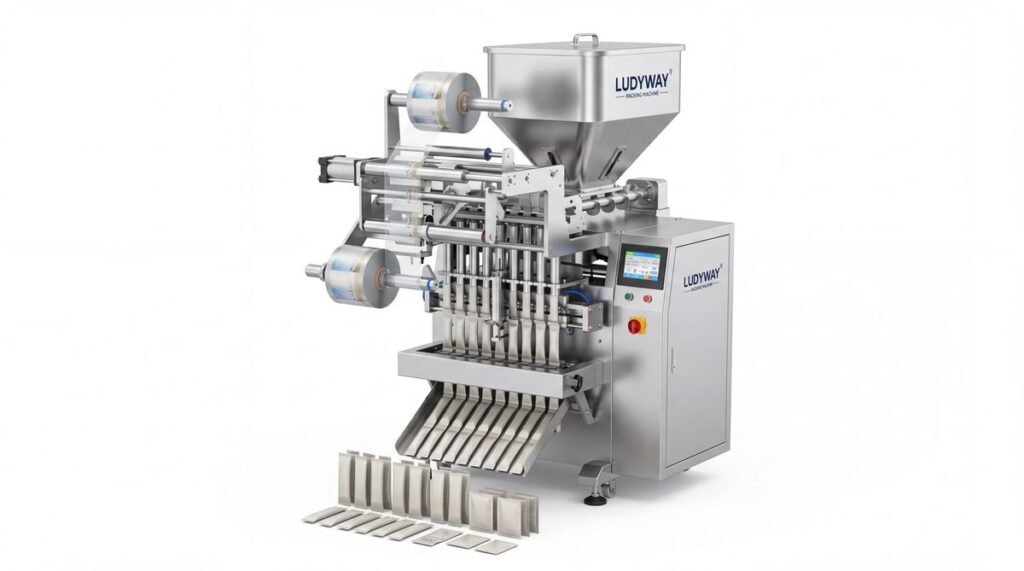
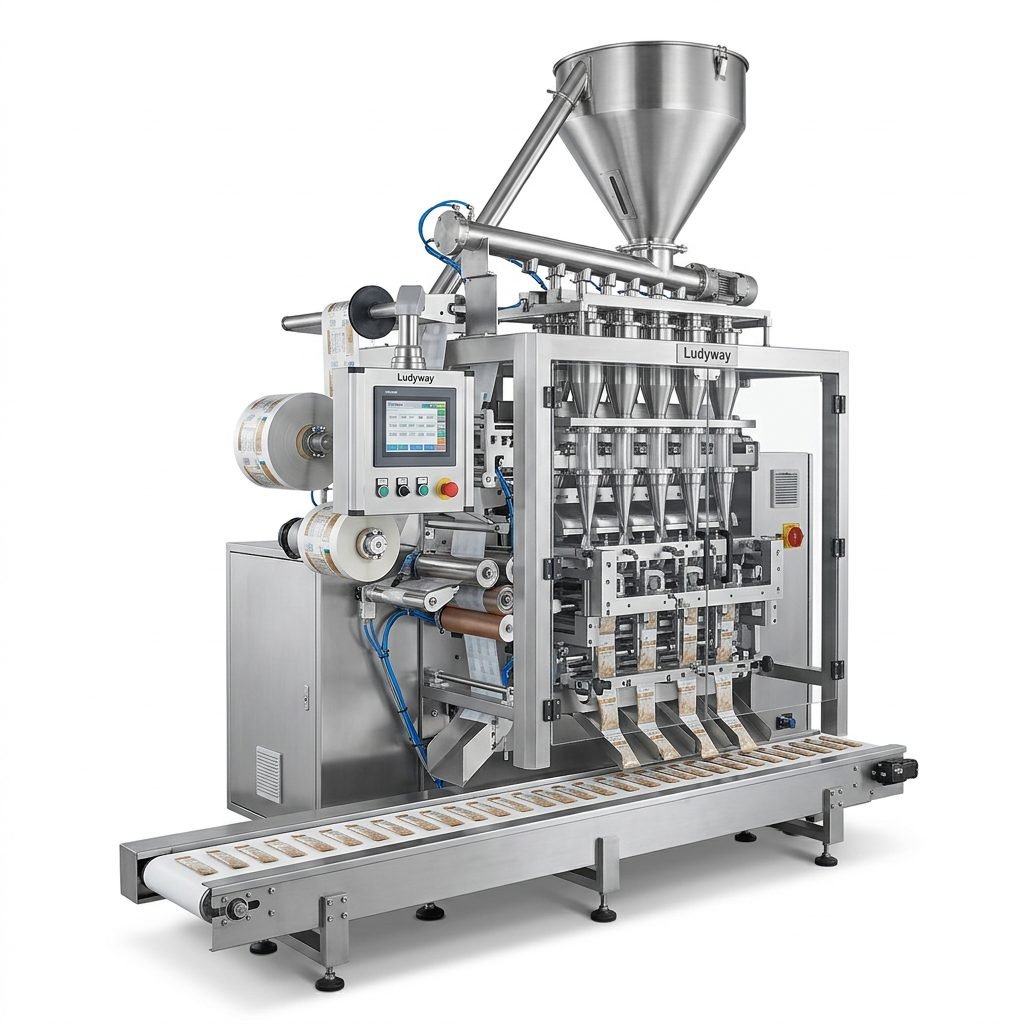
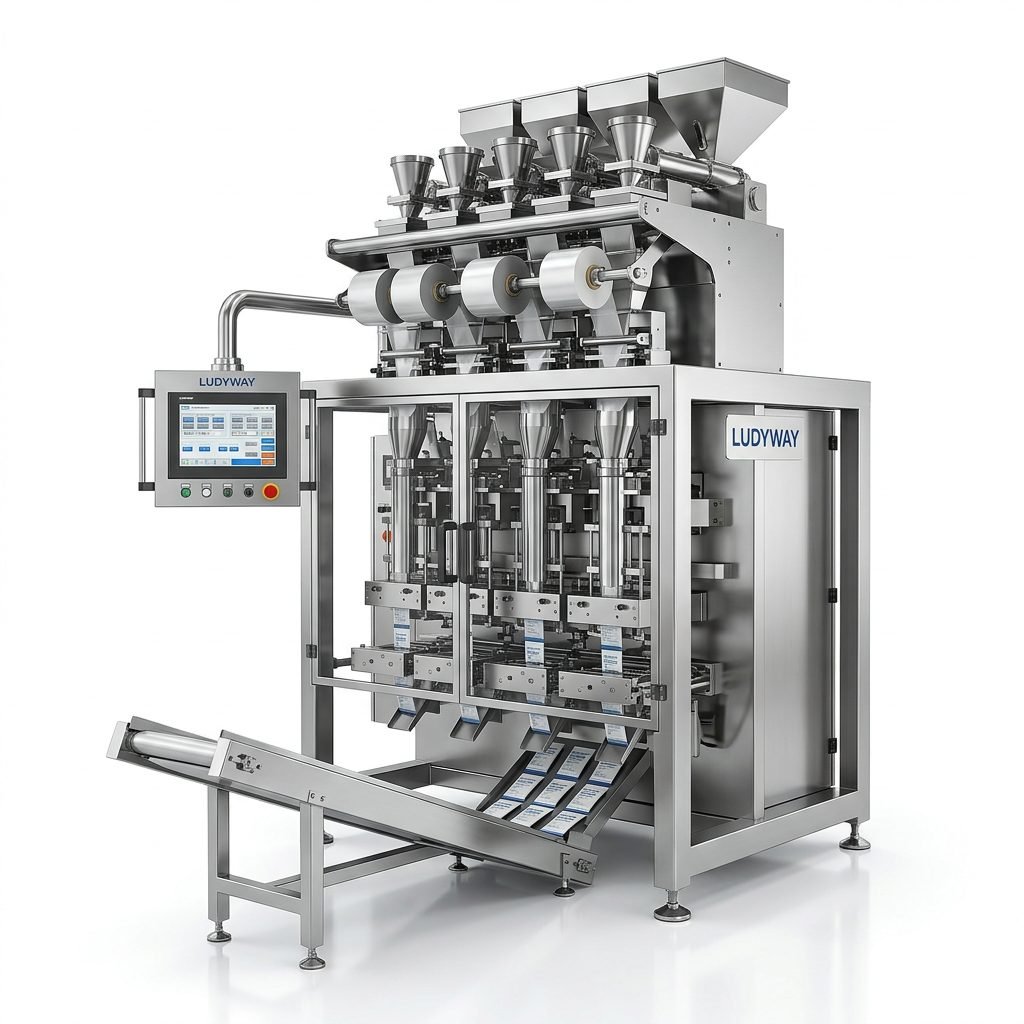
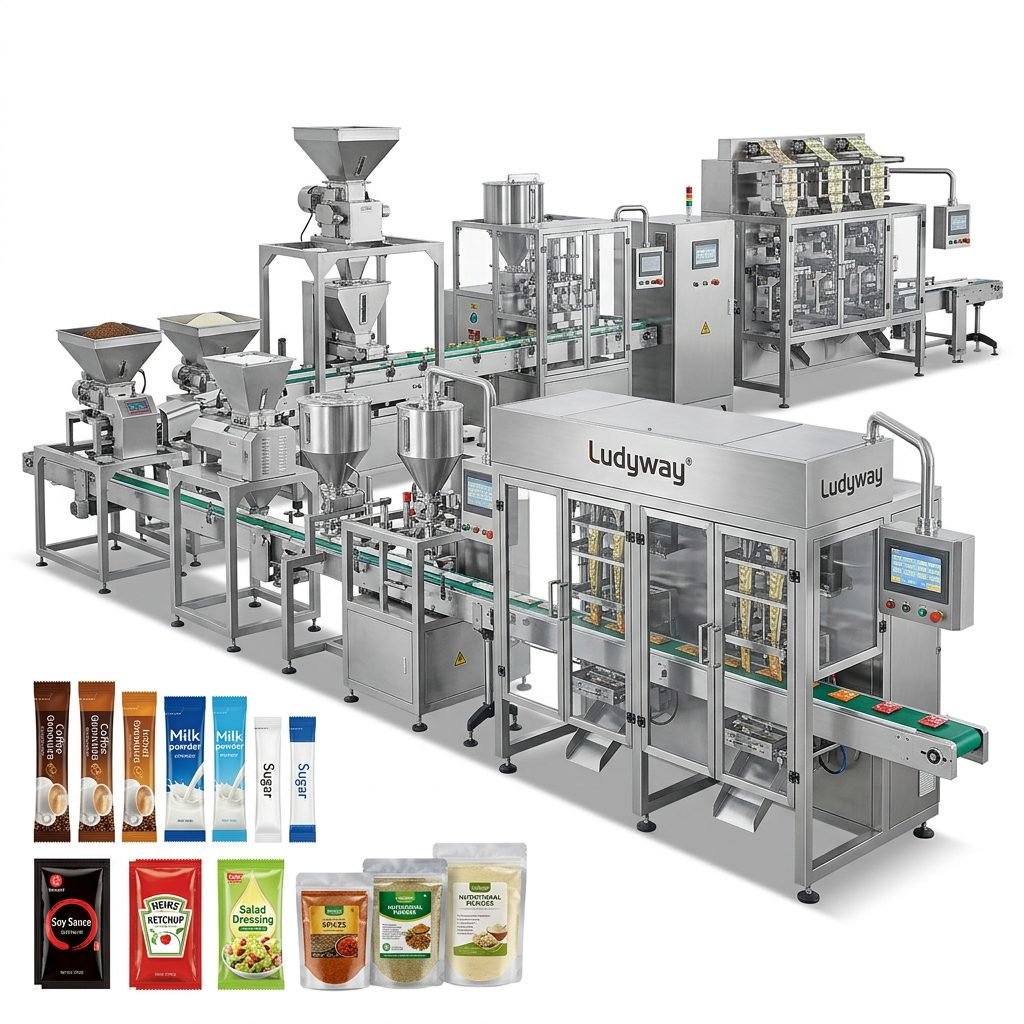
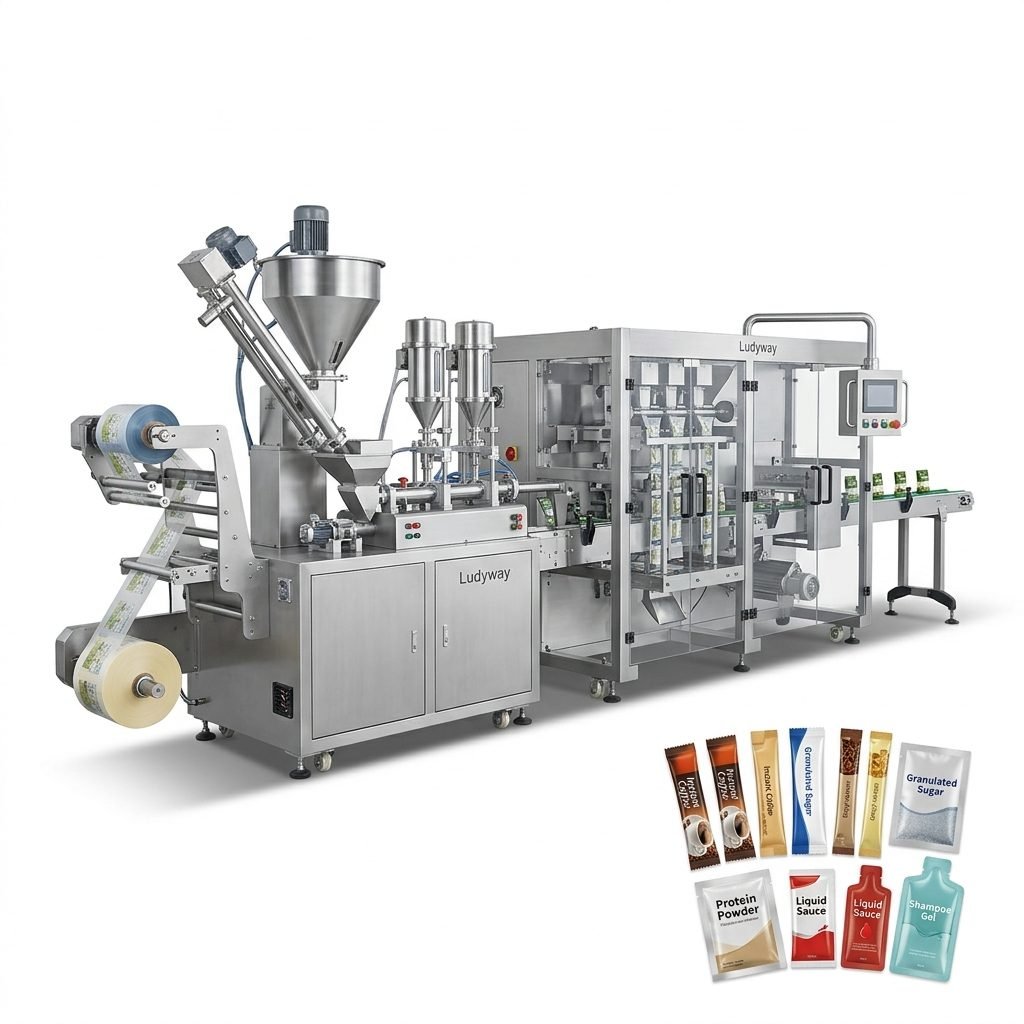
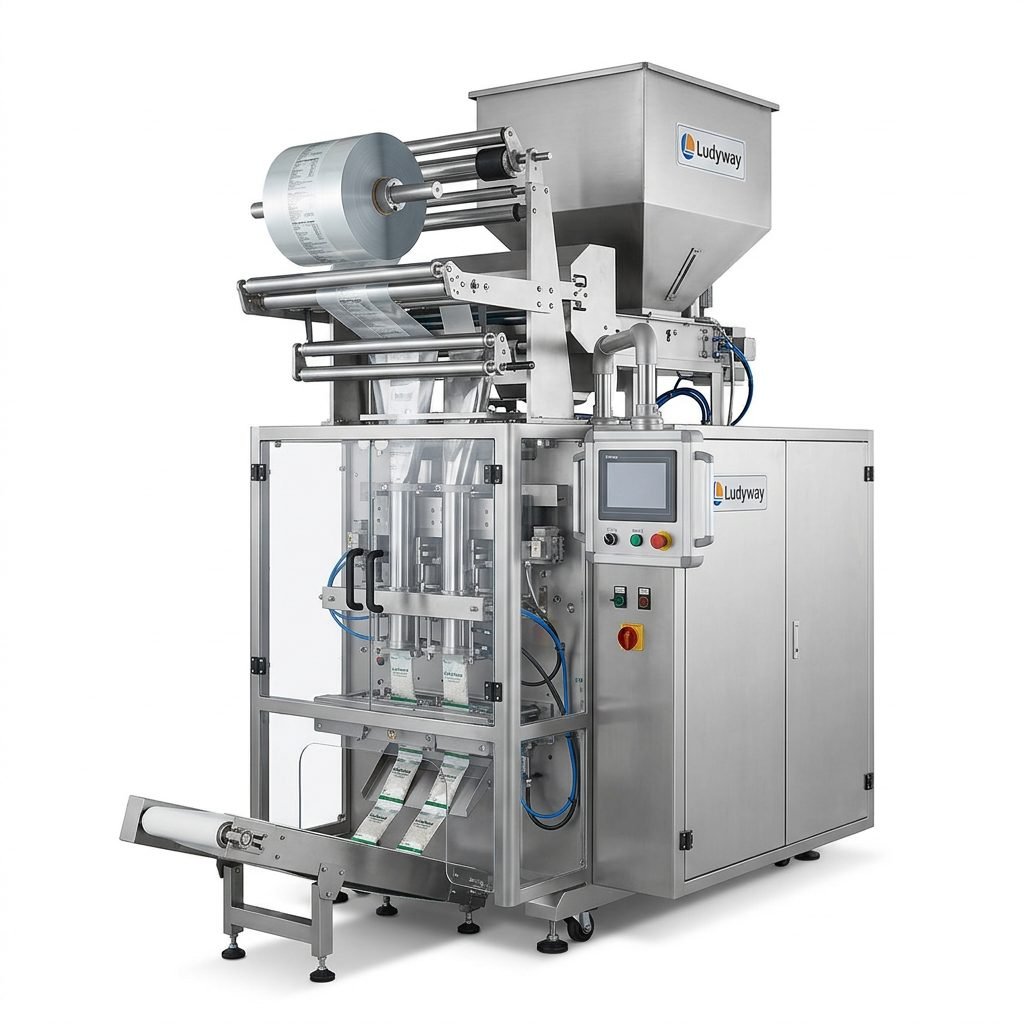
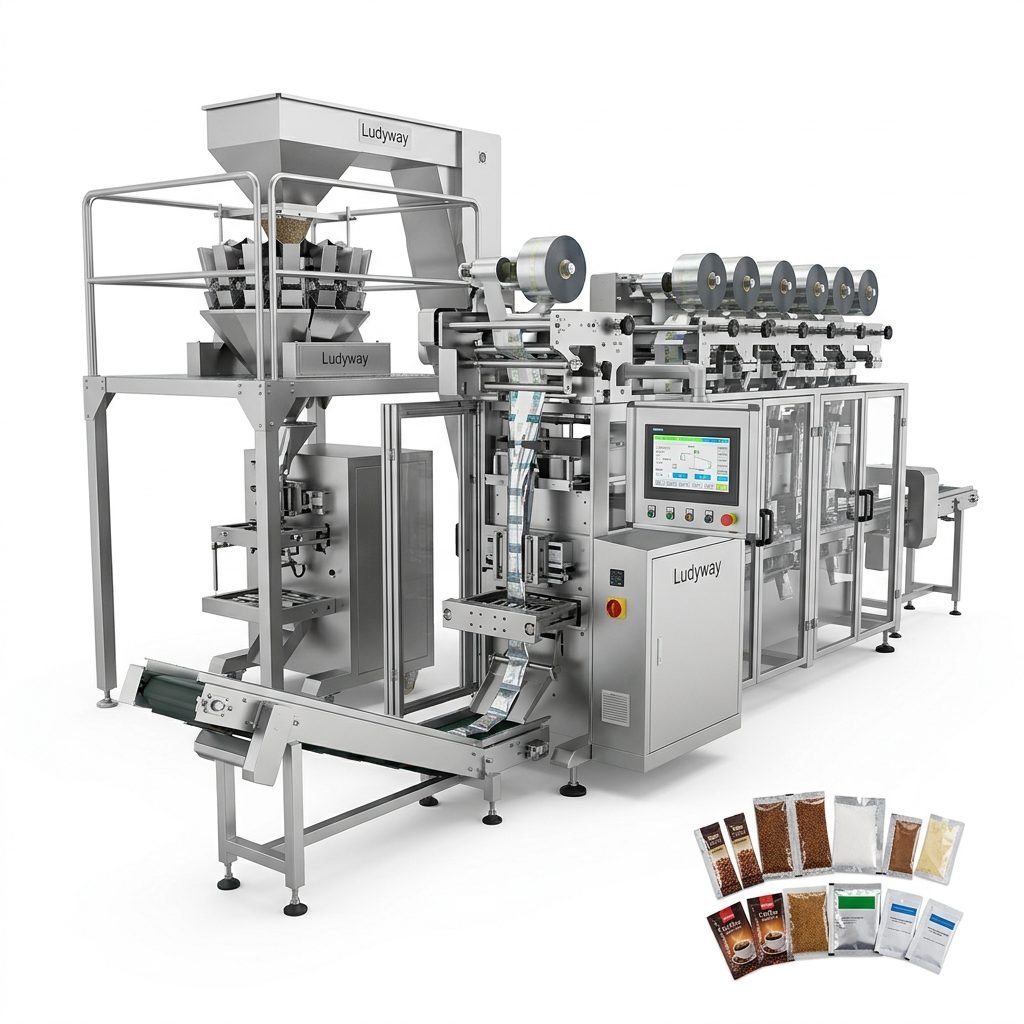
- Multi-Lane Stick Pack Machines: Ideal for single-serve powders, sugar, instant coffee, and drink mixes. These machines run multiple lanes simultaneously, achieving very high output speeds.
- Sachet Packaging Machines: Perfect for portion-controlled dry foods like seasonings, sauces, and condiment powders in flat or pillow-style pouches.
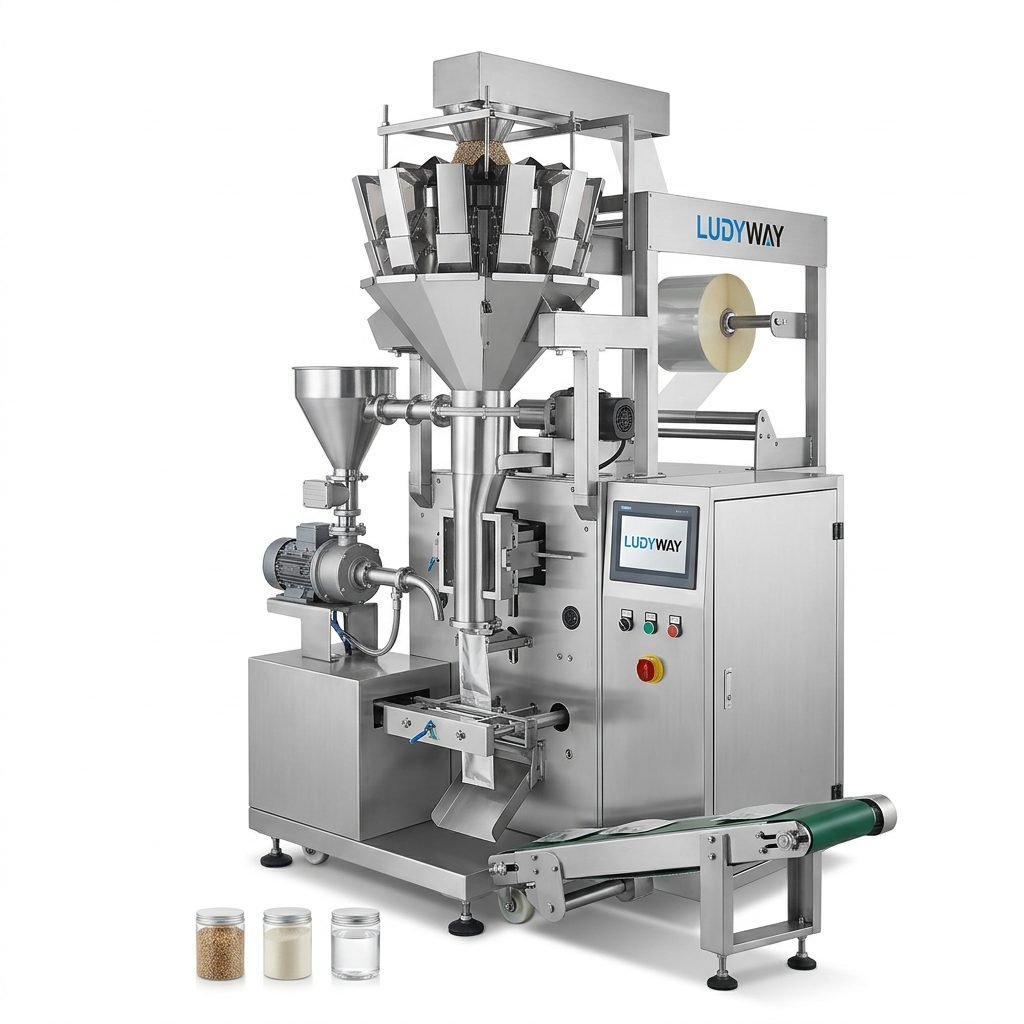
- Vertical Form Fill Seal (VFFS) Machines: The workhorse for flexible packaging of larger format bags for snacks, grains, pasta, and pet food.
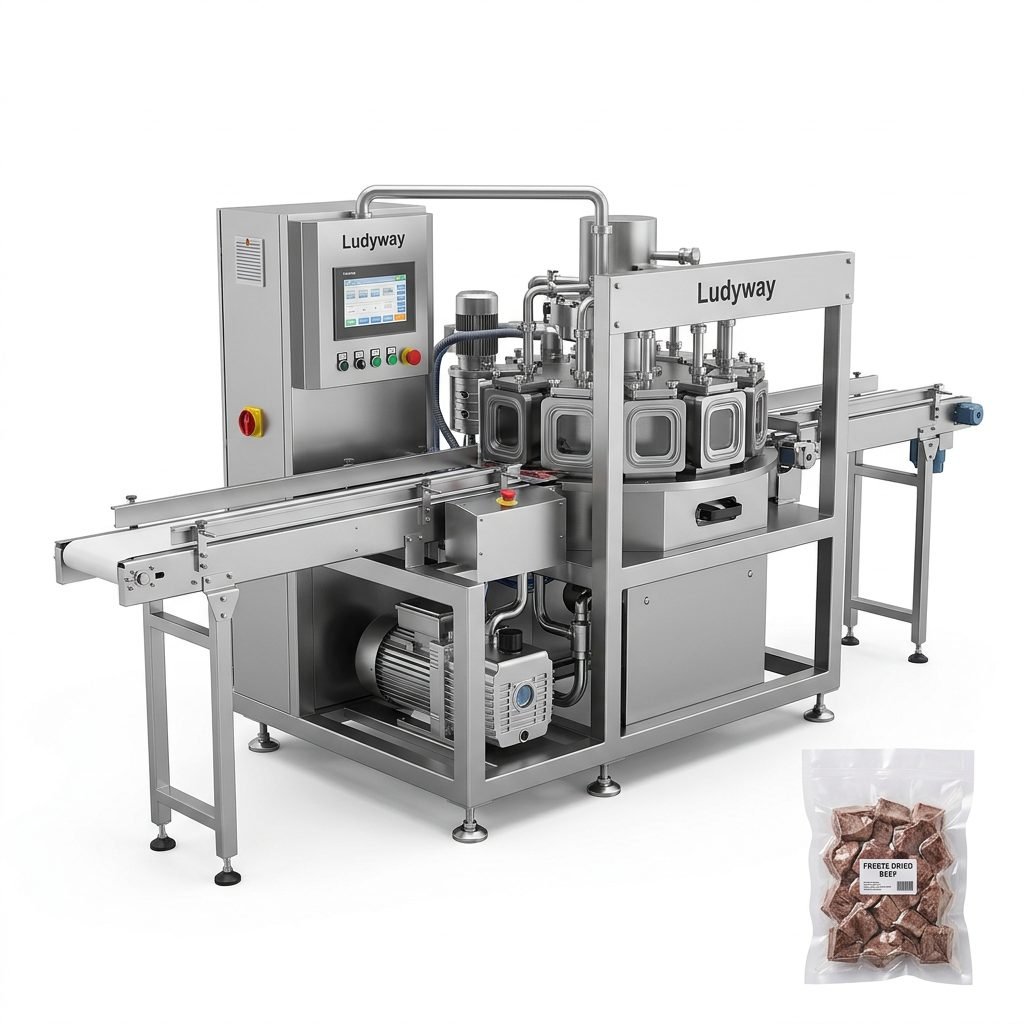
- Premade Pouch Filling and Sealing Machines: For stand-up pouches, zipper bags, and retort applications requiring a premium shelf presence.
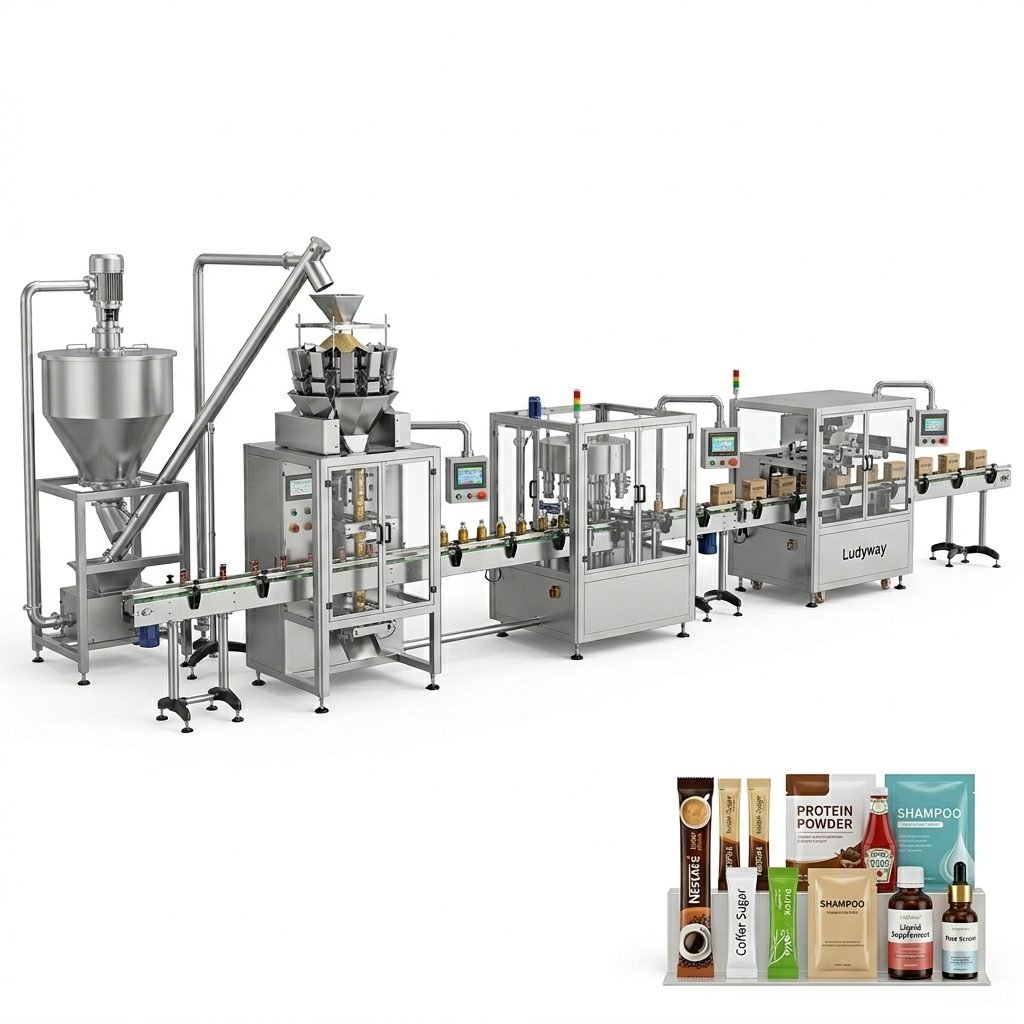
- Automated Weighing and Bagging Lines: For bulk dry foods ranging from 1kg up to 50kg bags, including rice, beans, flour, and animal feed.
Key Features to Evaluate
Before contacting suppliers, define your technical requirements clearly. U.S. buyers should prioritize the following features:
1. Filling Accuracy and Dosing Technology
For dry products like protein powder, spices, and nutraceutical granules, precision dosing minimizes product giveaway and ensures label weight compliance per FDA packaging and food contact substances regulations. Auger fillers work best for fine powders, while multi-head combination weighers excel with granules and irregular shapes.
2. Speed and Automation Level
U.S. manufacturers facing labor shortages increasingly seek fully automated packaging systems. Multi-lane stick pack machines can produce between 200 to over 1,000 packs per minute per lane configuration. Consider whether you need semi-automatic equipment for startup-scale production or fully integrated lines with automatic feeding, filling, sealing, coding, and cartoning.
3. Material Compatibility and Sustainability
With growing U.S. consumer demand for sustainable packaging, your machine should handle a variety of film structures, including recyclable mono-materials and compostable films. Check the machine’s sealing temperature range and jaw design to ensure strong, hermetic seals across different flexible packaging materials.
4. Changeover Flexibility
If your business packages multiple SKUs, look for machines with quick-change forming tubes, tool-less adjustments, and recipe management via HMI touchscreen. This reduces downtime when switching between product types and pouch formats.
U.S. Market Compliance and Certifications
Any dry food packaging machine destined for the United States must meet rigorous safety and quality standards. Key compliance requirements include:
| Standard / Certification | Relevance for U.S. Buyers |
|---|---|
| FDA 21 CFR Part 110 & 117 | Current Good Manufacturing Practice (cGMP) requirements for food contact surfaces and sanitary design. |
| UL / ETL Certification | Electrical safety certification required by many U.S. facilities and insurance providers. |
| ISO 9001:2015 | Quality management system standard indicating consistent manufacturing and documentation practices. |
| Stainless Steel Construction | Food-grade 304 or 316 stainless steel for all product contact parts, with IP65+ washdown ratings for dry and wet cleaning environments. |
| Packaging Machinery Standards | Refer to PMMI packaging machinery standards and regulations for safety and interoperability guidelines. |
Cost Considerations and ROI Analysis
The price of a dry food packaging machine varies widely based on configuration, speed, and automation level. Here is a general pricing framework for U.S. buyers evaluating their budget:
- Entry-Level Semi-Automatic Machines: $15,000 – $50,000 USD. Suitable for small batch production and startups.
- Mid-Range Automatic VFFS or Sachet Machines: $50,000 – $150,000 USD. For medium-scale manufacturers with moderate throughput needs.
- High-Speed Multi-Lane Stick Pack Lines: $150,000 – $500,000+ USD. For large-scale production requiring maximum efficiency and output.
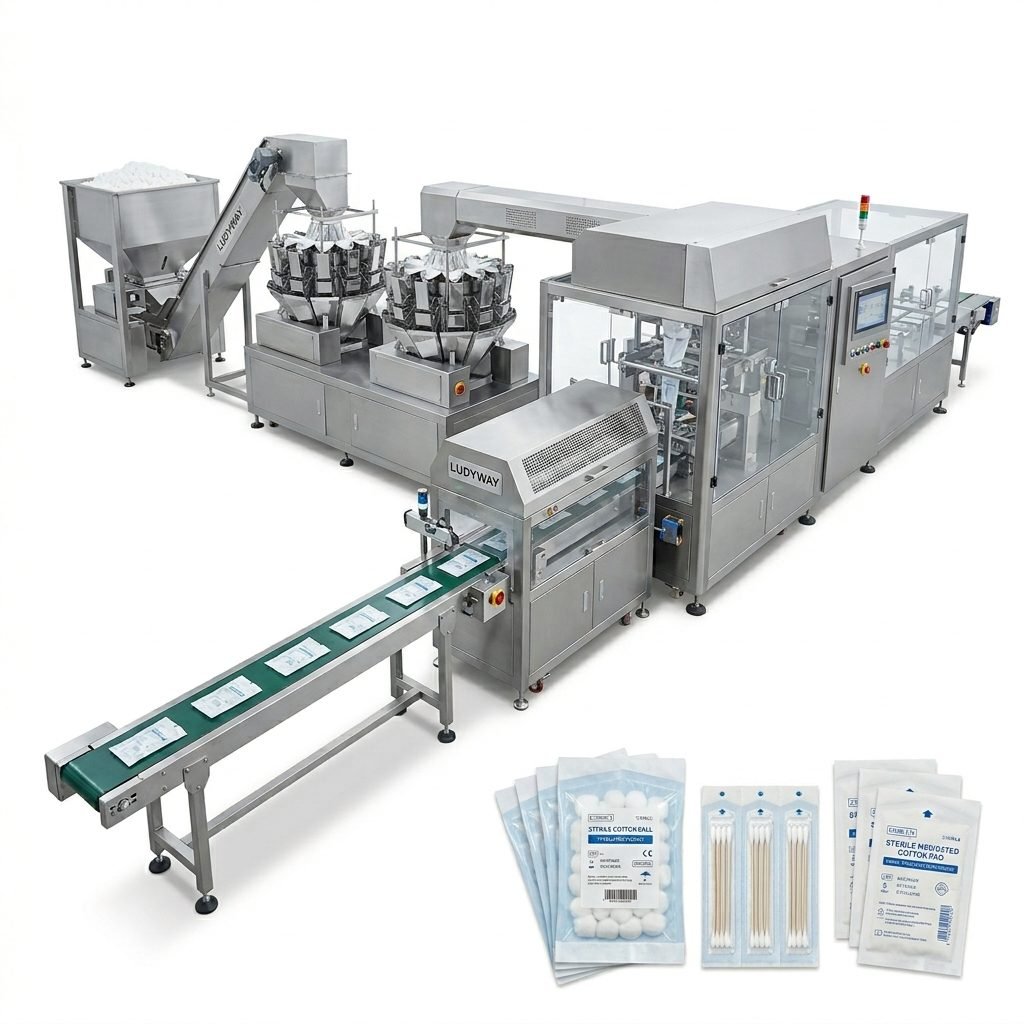
- Turnkey Automated Packaging Lines: $500,000 – $2,000,000+ USD. Complete systems including feeding, filling, checkweighing, metal detection, cartoning, and palletizing.
Remember that beyond the initial equipment cost, consider shipping, installation, training, spare parts inventory, and ongoing technical support. For machinery imported from overseas manufacturers, factor in duties under the Harmonized Tariff Schedule and logistics from port to your facility. Request a detailed total cost of ownership (TCO) projection before finalizing your purchase decision.
Supplier Evaluation and After-Sales Support
Choosing the right manufacturer is as crucial as choosing the right machine. For U.S. buyers considering international suppliers, particularly from China, evaluate the following:
Key Supplier Selection Criteria
- Experience in the U.S. Market: Does the manufacturer have references from American food companies? Check for case studies and testimonials specific to the U.S. regulatory environment.
- Certifications and Documentation: Verify that the equipment can be supplied with proper documentation including CE, UL/ETL options, IQ/OQ protocols, and full technical manuals in English.
- Remote and On-Site Support: Assess the supplier’s ability to provide real-time troubleshooting via video call, remote HMI access, and availability of U.S.-based technicians or service partners.
- Spare Parts Availability: Confirm cataloging of all wear parts and critical components, with clear lead times for delivery to U.S. addresses. A recommended spare parts list for the first two years of operation is a strong indicator of good supplier practice.
- Factory Acceptance Testing (FAT): Whether virtual or on-site, an FAT protocol allows you to verify machine performance before shipment.
One notable manufacturer serving the global packaging machinery market is Ludyway. With over 30 years of industry experience and a modern 20,000m² production facility, Ludyway offers more than 50 intelligent packaging machine models, including multi-lane stick pack, sachet, and fully automated packaging systems. The company serves customers in over 100 countries and regions, providing specialized dry food packaging solutions for granule, powder, and pouch applications. Their engineering team supports U.S. buyers with custom configurations tailored to FDA compliance requirements.
Future-Proofing Your Packaging Investment
As the U.S. food packaging industry evolves, your equipment should support future needs. Consider these strategic factors:
- IoT and Smart Factory Integration: Machines with packaging line integration capabilities can connect to MES/ERP systems for real-time OEE monitoring, predictive maintenance alerts, and production analytics. This aligns with Industry 4.0 best practices being adopted across U.S. food manufacturing.
- Sustainability-Ready Design: Ensure your machine can run thinner gauge films and recyclable structures to meet increasing U.S. EPA sustainable materials management targets and retailer sustainability scorecards.
- Scalability: Modular machines that allow adding additional lanes or integrating accessories like automatic cartoning or checkweigher systems later can protect your initial investment.
Essential Questions to Ask Before Purchase
When you narrow down your options and engage with suppliers, have this checklist ready to ensure a thorough evaluation:
| Question Category | Specific Points to Clarify |
|---|---|
| Technical Specifications | What is the maximum speed (packs/min) for my product and pouch size? What dosing system is recommended—auger, volumetric cup, or combination weigher? |
| Materials and Films | What film thickness, structure, and sealant layer are compatible? Can it run PE/PE recyclable laminates? |
| Sanitary Design | Are frames sloped to prevent product accumulation? Is the design tool-less for quick disassembly and cleaning? |
| Warranty and Support | What is the warranty period and what does it cover? What are the typical response times for technical support calls from U.S. time zones? |
| Installation and Training | Is on-site installation and operator training included? Is comprehensive documentation provided in English with safety interlocks clearly indicated? |
| U.S. References | Can you provide contact information for existing U.S. customers running similar dry food applications? |
Industry Resources and Further Reading
Stay informed about the latest packaging industry developments and regulatory changes by consulting these authoritative sources:
- PMMI Business Intelligence Library – Market research, economic reports, and state of the industry updates for packaging machinery.
- FPA Regulatory Affairs – Updates on U.S. and state-level packaging regulations impacting food packaging materials.
- ISO Packaging Standards – International standards for packaging machinery safety, performance, and testing.
- PACK EXPO International – The leading packaging trade show in North America to evaluate machinery in person.
- FDA Food Contact Substances – Essential guidance on materials allowed for direct and indirect food contact.
Final Thoughts on Your Packaging Machine Purchase
Purchasing a dry food packaging machine for the U.S. market is a significant capital investment that requires careful planning. Prioritize build quality, sanitary design, and regulatory compliance over simply choosing the lowest price. The right equipment partner provides long-term value through reliable performance, responsive support, and the flexibility to adapt as your product portfolio grows. Whether you are upgrading an existing line or building a new facility, thorough due diligence during the buying process ensures your packaging operation remains competitive, compliant, and production-ready for years to come.