Investing in the right drink packaging machine is a critical decision for any beverage business operating in the UK market. Whether you are a start-up craft producer or an established manufacturer scaling up production, understanding the types of drink packaging machines available, their associated costs, and the key factors to evaluate before purchasing can save you significant time and money. The UK beverage sector, regulated by stringent food safety standards post-Brexit, demands equipment that balances speed, hygiene, and flexibility. This guide walks you through everything you need to know to make an informed procurement decision.
Types of Drink Packaging Machines Available in the UK
Modern liquid packaging machines come in a variety of configurations, each suited to different product viscosities, packaging formats, and production volumes. Below are the most common types procured by UK beverage manufacturers.
1. Liquid Sachet and Stick Pack Machines
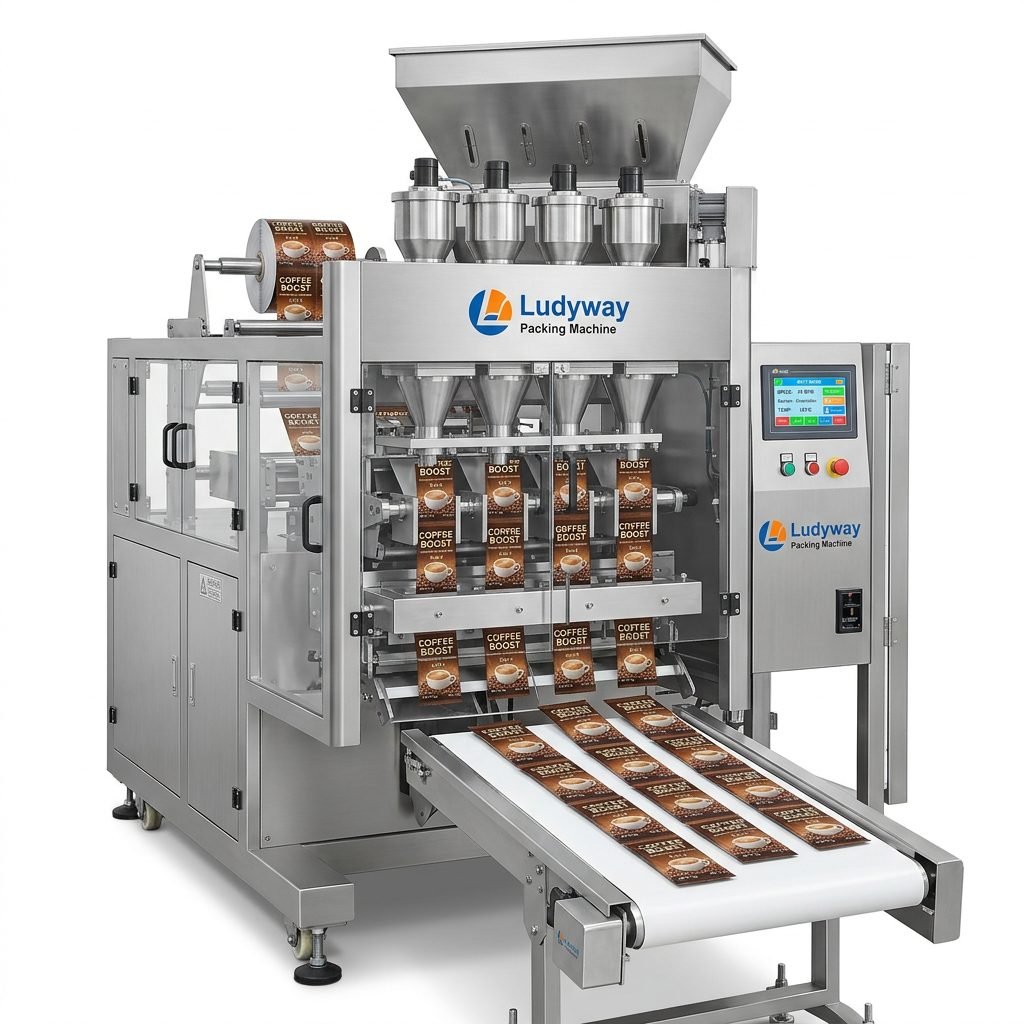
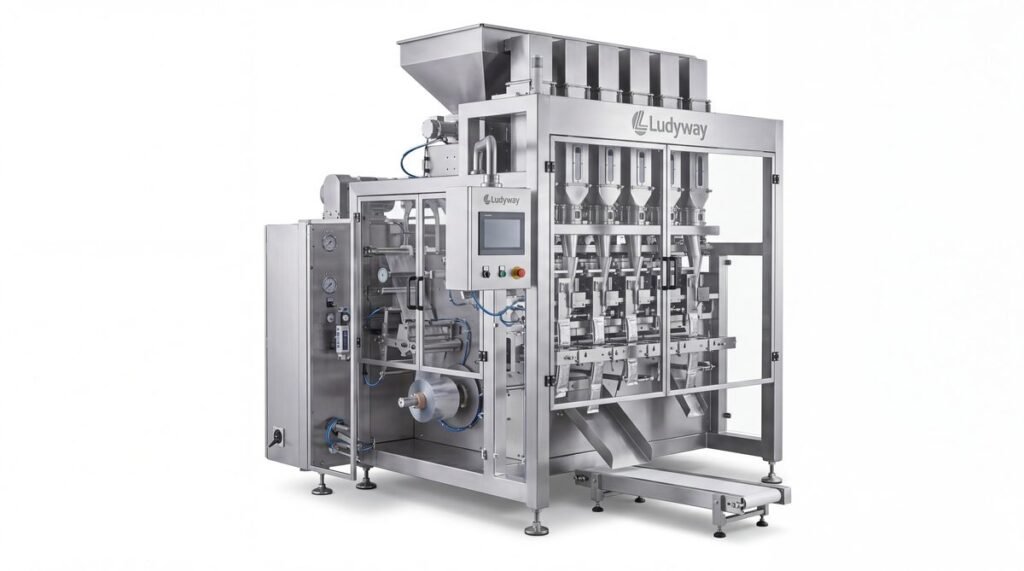
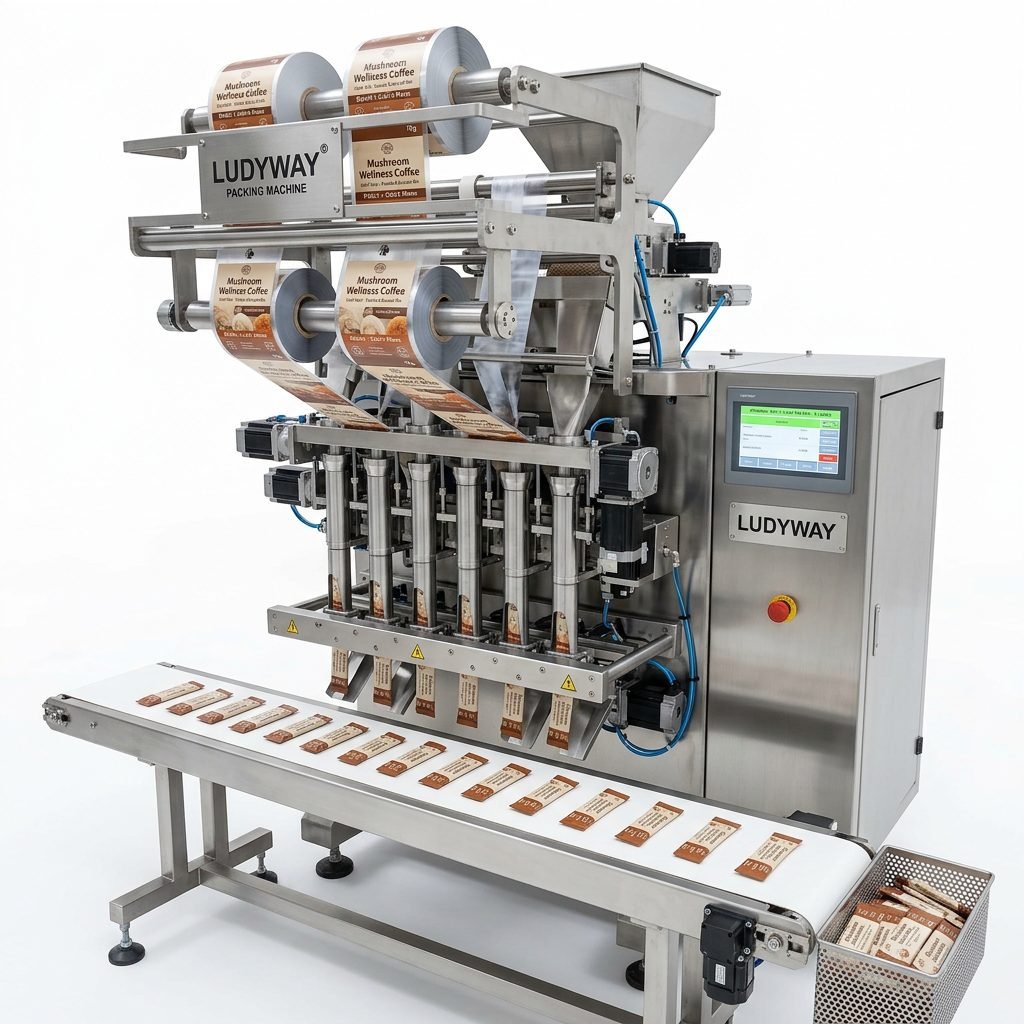
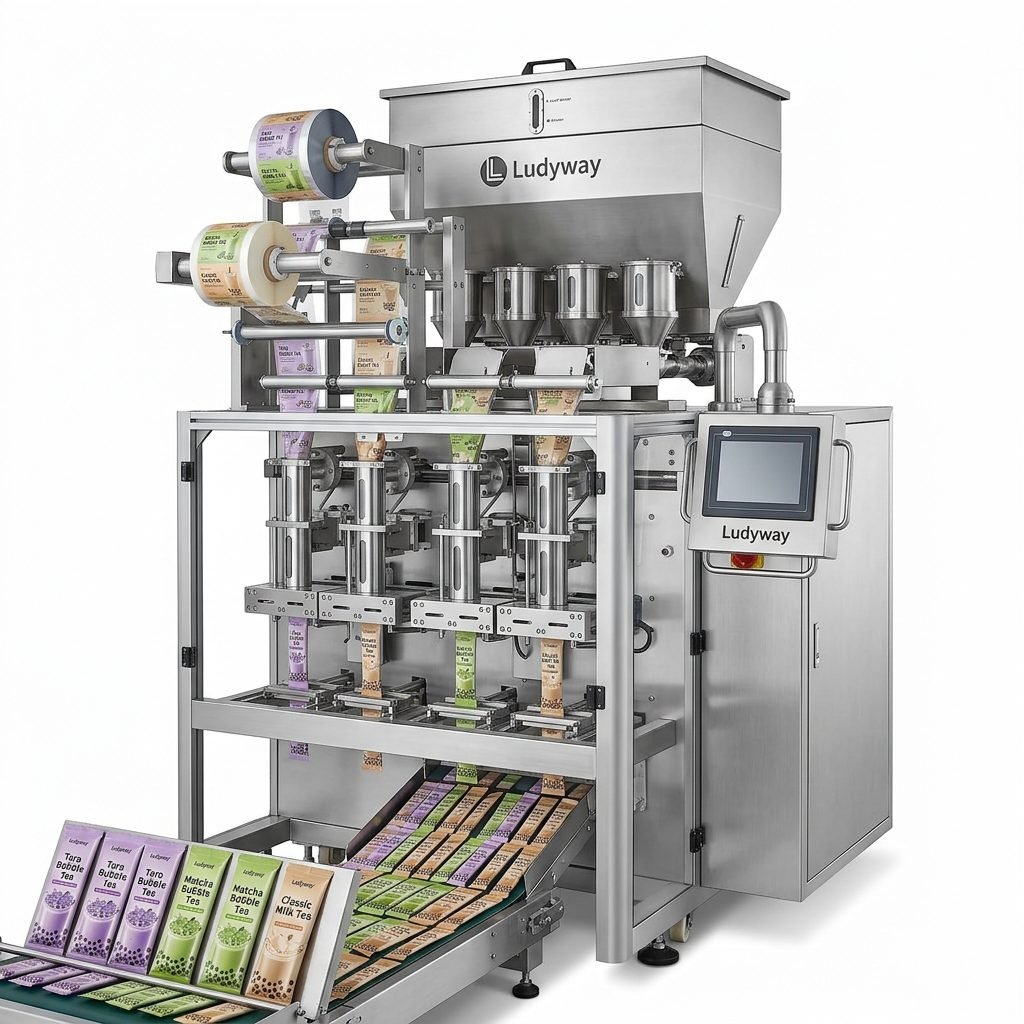
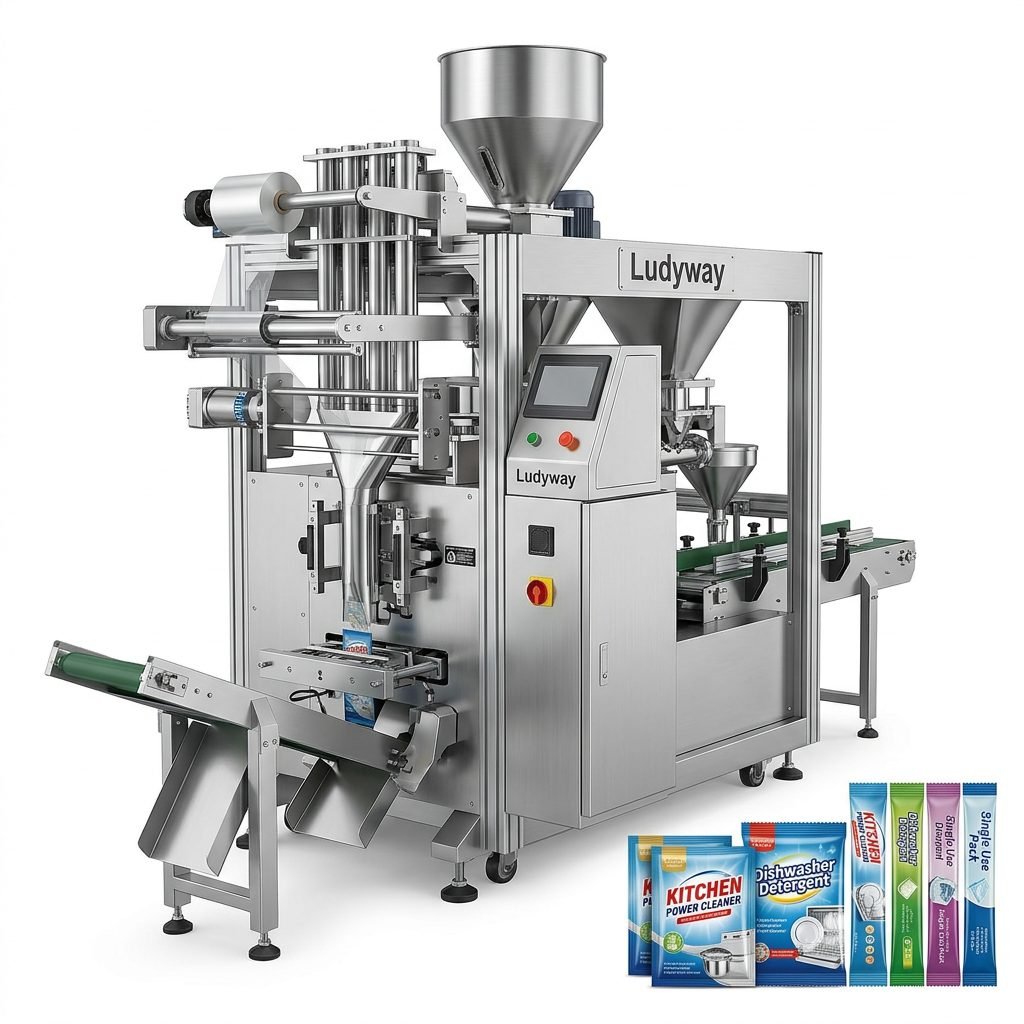
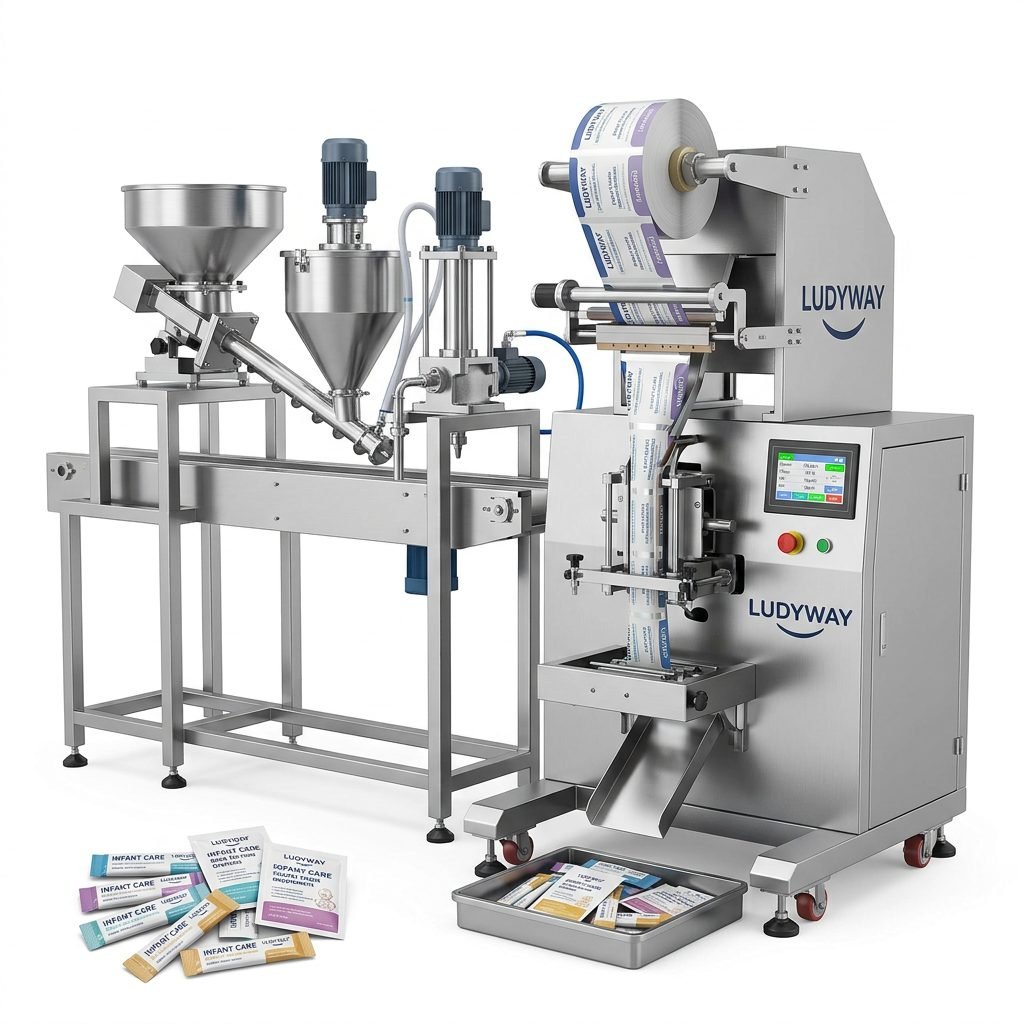
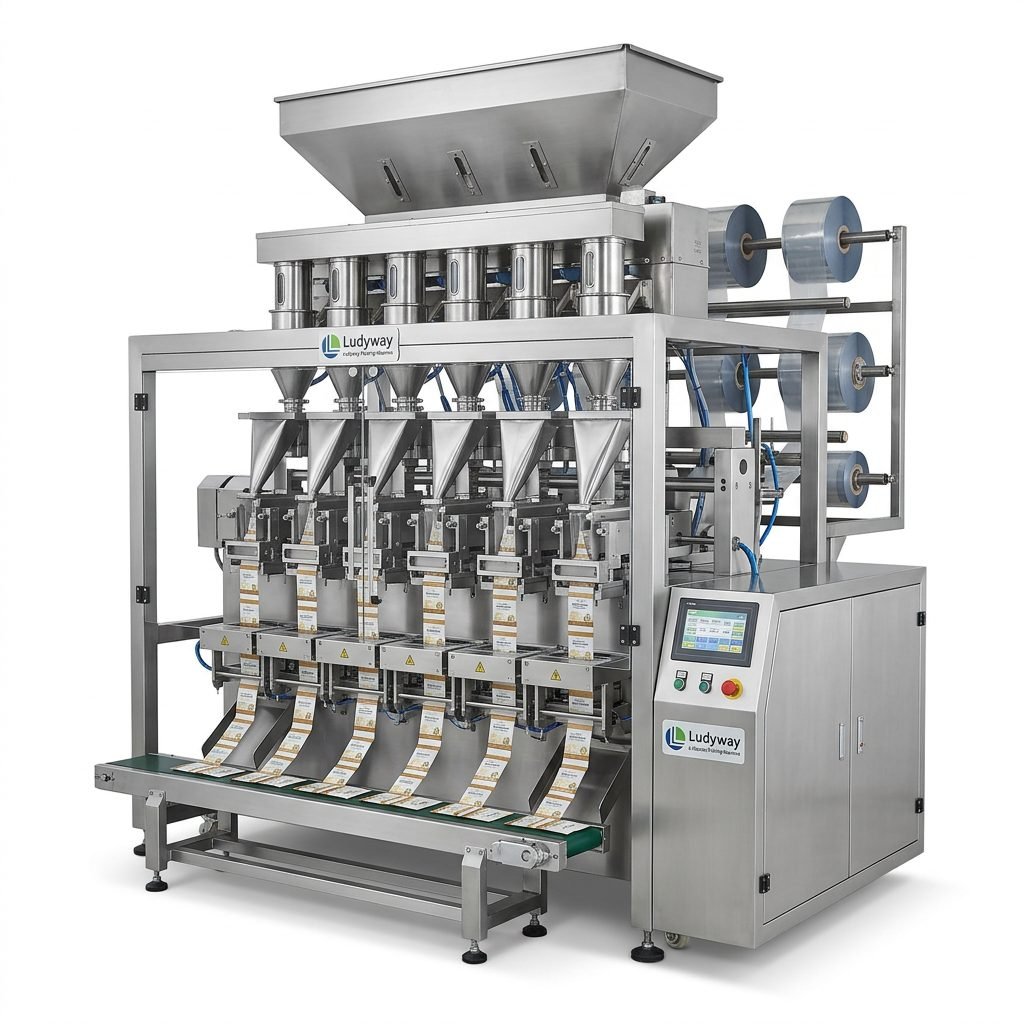
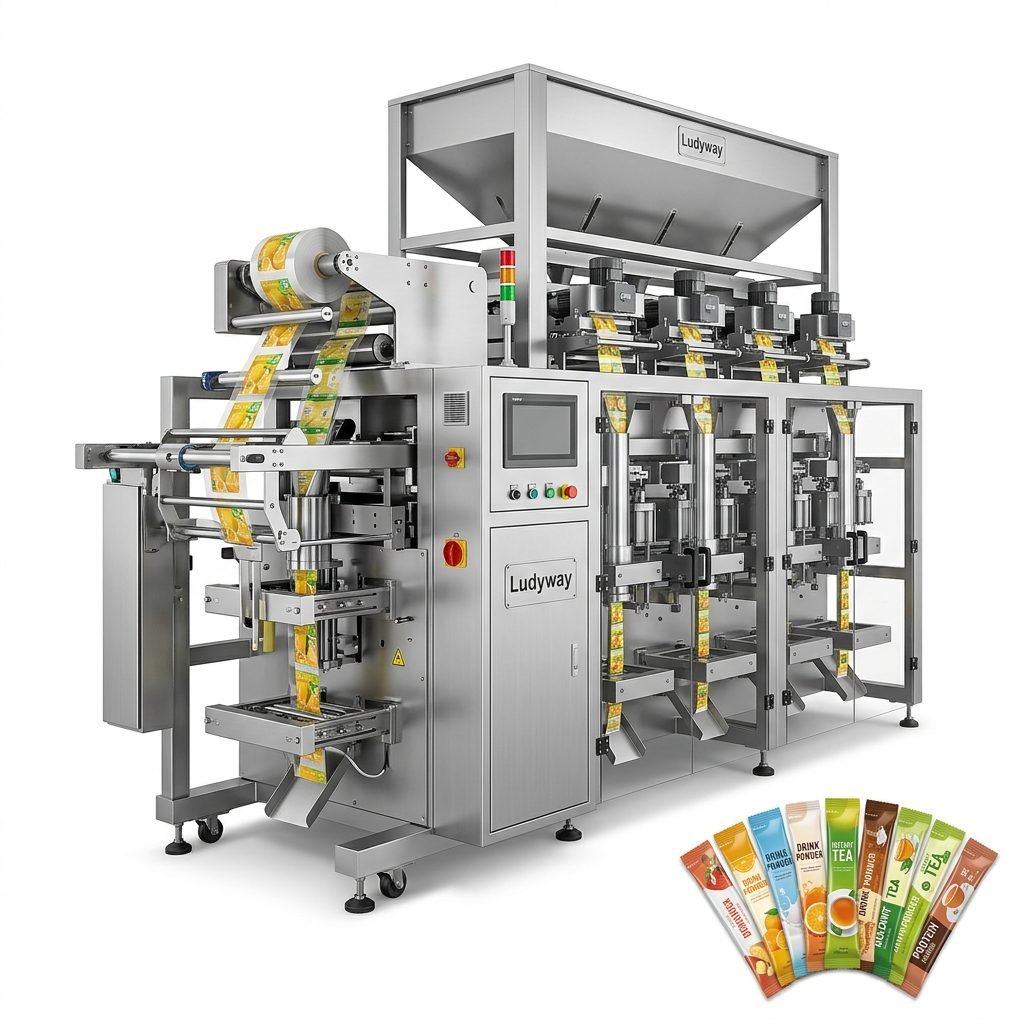
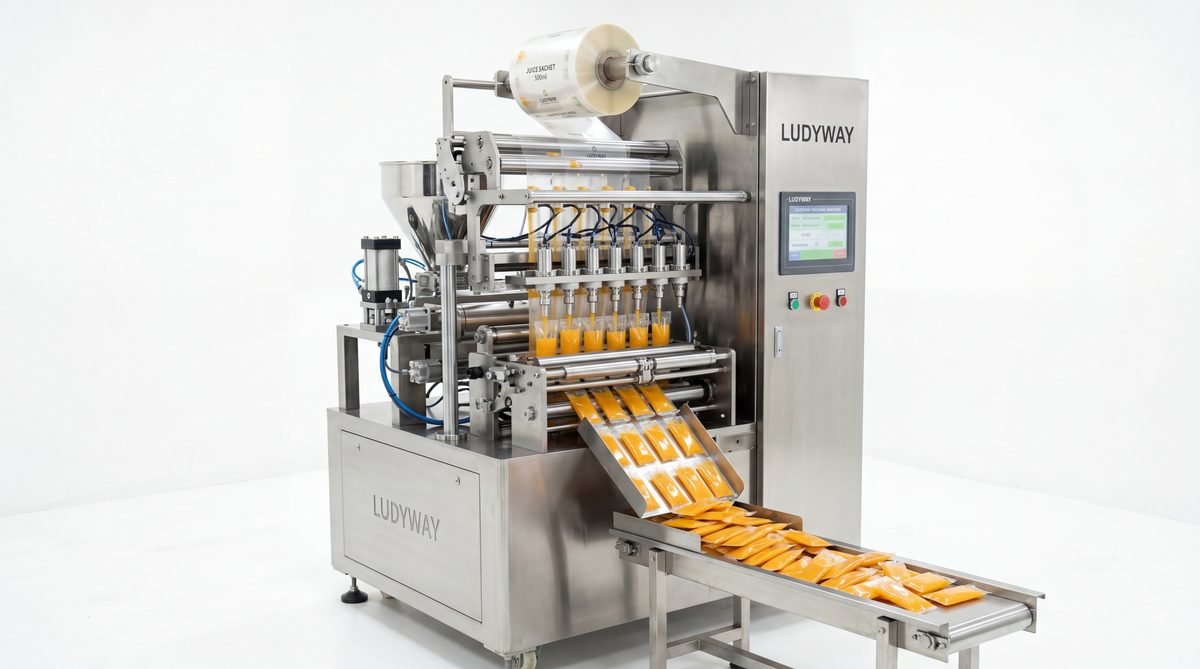
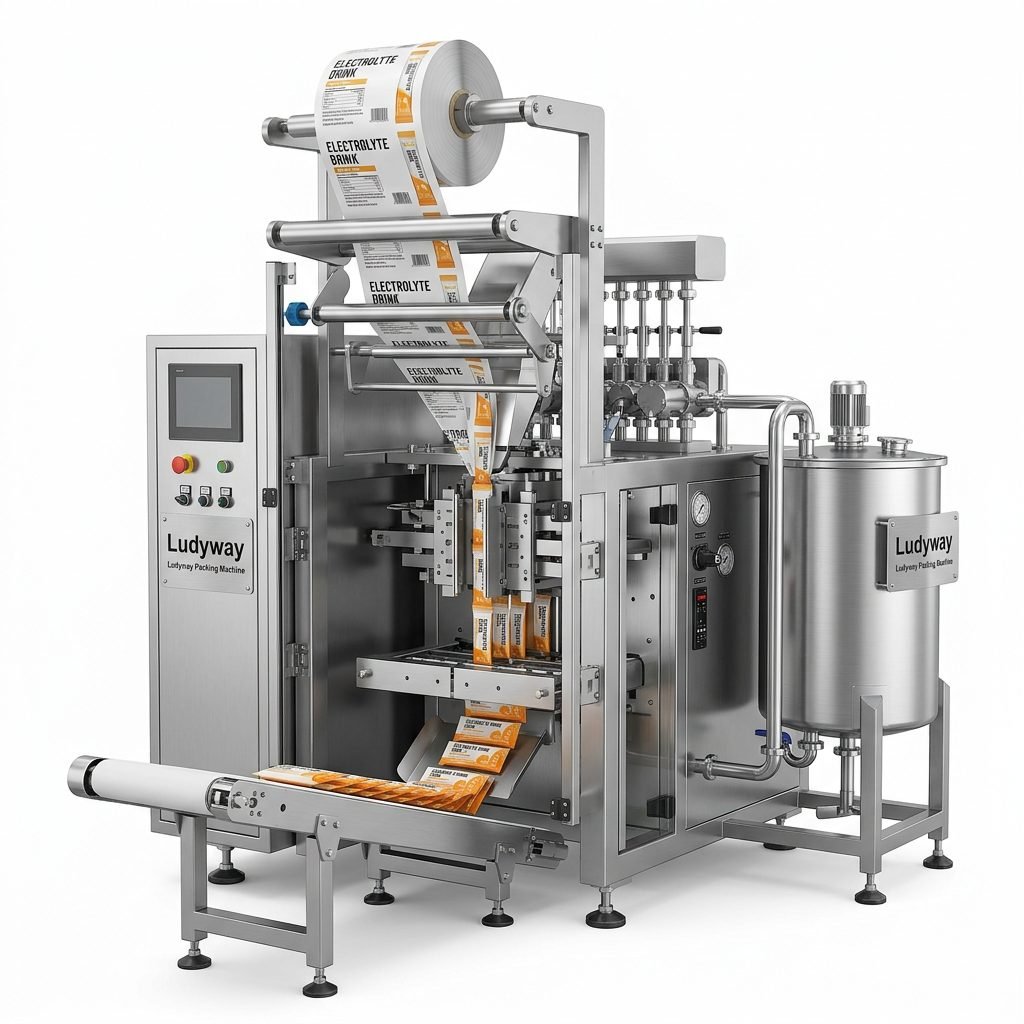
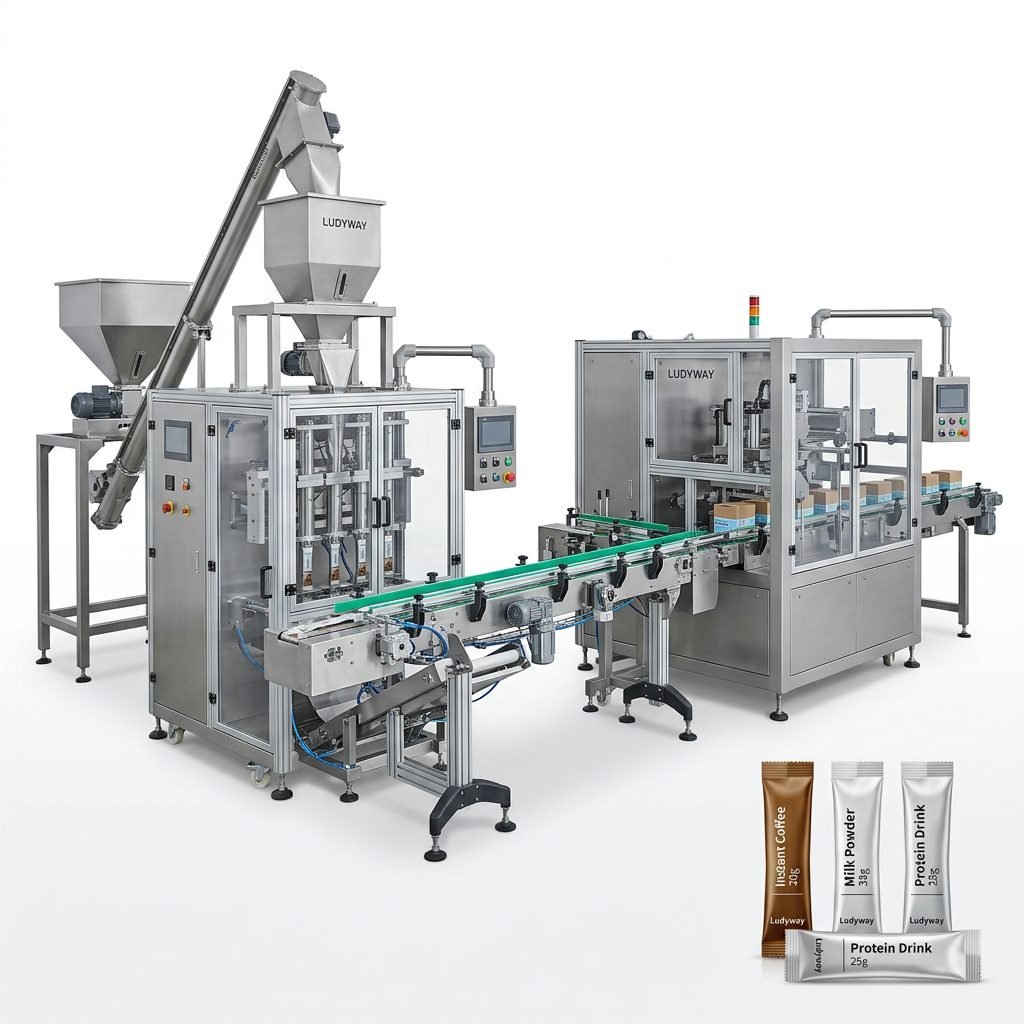
Ideal for single-serve portions, stick pack and sachet machines are widely used for drink powders, instant coffee, energy drink mixes, and liquid concentrates. These vertical form-fill-seal (VFFS) systems create compact, hermetically sealed pouches at high speeds. Multi-lane configurations can produce up to 400-600 packs per minute, making them suitable for high-volume co-packing operations. For liquid sachets such as juice shots or functional beverage concentrates, precision piston or peristaltic pump fillers ensure accurate dosing with minimal product waste.
2. Bottle Filling and Capping Lines
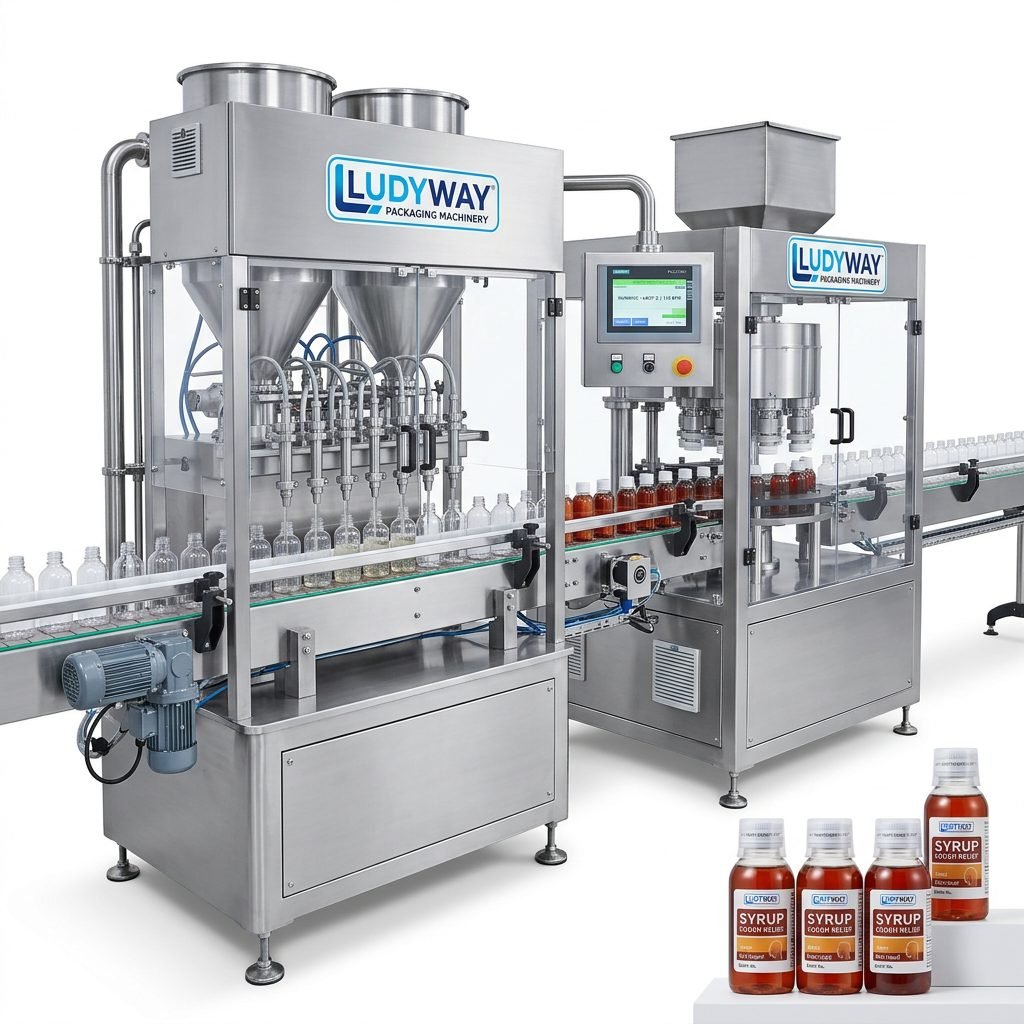
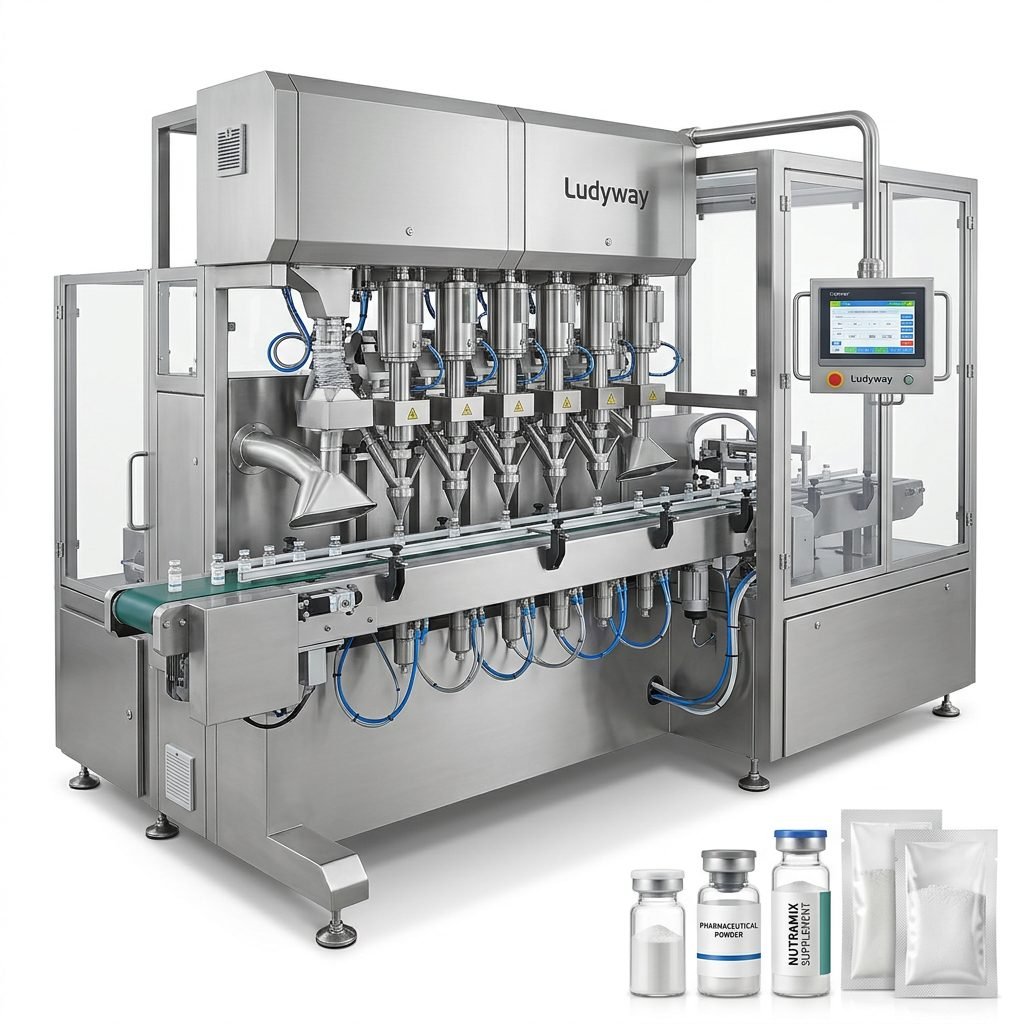
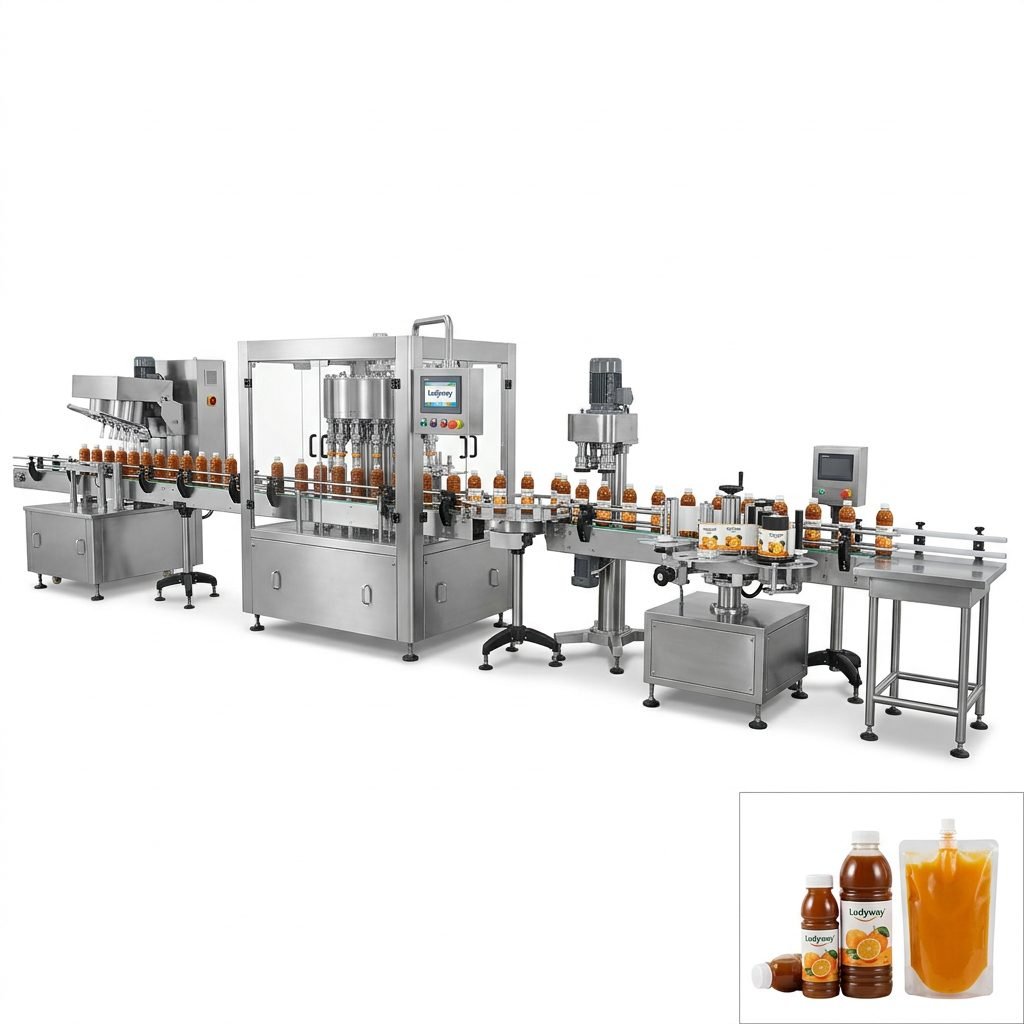
For ready-to-drink (RTD) beverages including bottled water, carbonated soft drinks, juices, and dairy-based drinks, bottle filling lines remain the industry standard. UK facilities typically require stainless steel 304 or 316L construction to comply with food hygiene regulations. Modern servo-driven filling systems offer no-bottle-no-fill functionality, reducing product loss. Integrated capping stations handle screw caps, press-on lids, and tamper-evident seals, with some lines achieving outputs exceeding 12,000 bottles per hour.
3. Pouch and Stand-Up Pouch Machines
Stand-up pouches with spouts have gained significant popularity in the UK for children’s drinks, smoothies, and sports nutrition beverages. Rotary pre-made pouch fillers can handle 30-80 pouches per minute depending on configuration, while inline systems offer flexibility for smaller batch production. Key features to look for include nitrogen flushing capability for extended shelf life and CIP (Clean-in-Place) compatibility.
4. Cup Filling and Sealing Systems
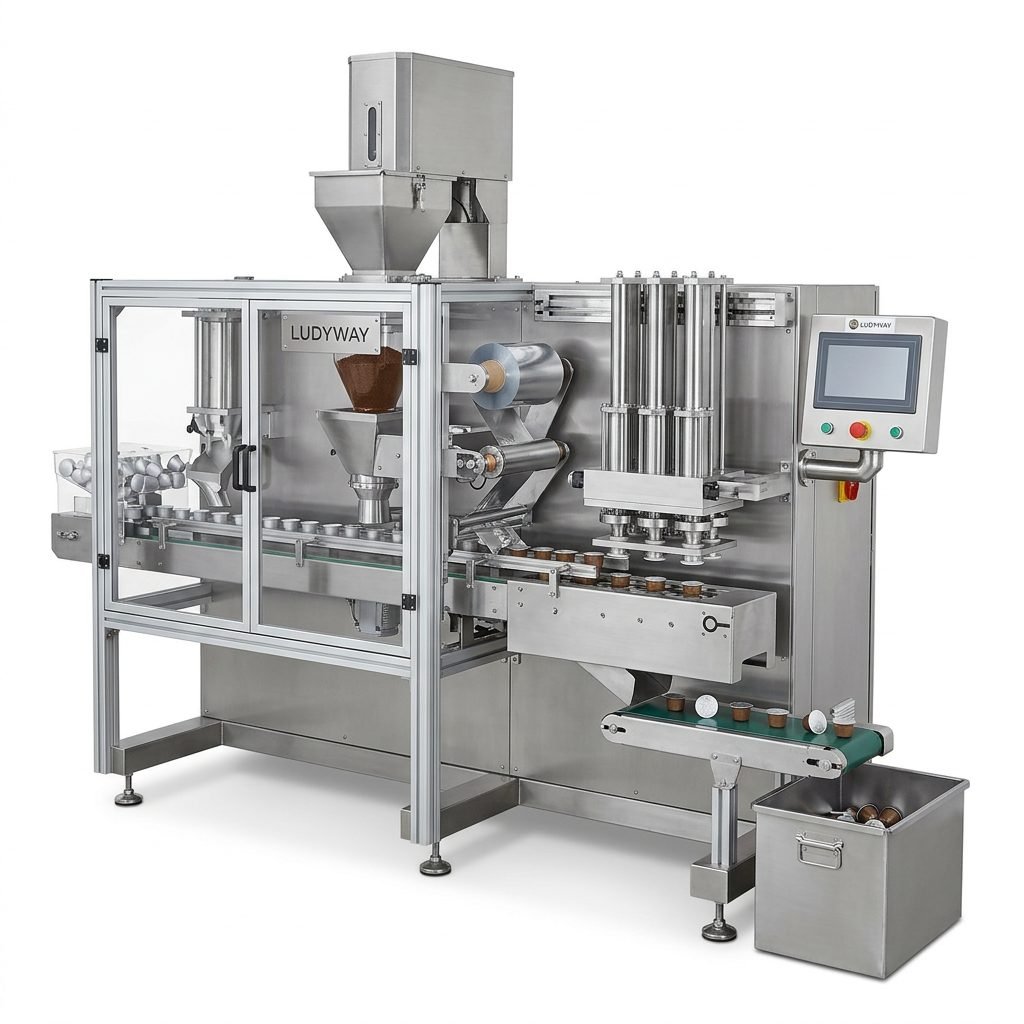
For yogurt drinks, bubble tea, and dessert-style beverages, cup filling and sealing lines provide portion-controlled packaging with foil or plastic film lids. These systems often integrate date coding and labelling modules, essential for UK regulatory compliance and retail traceability requirements.
5. Aseptic and Extended Shelf Life (ESL) Fillers
For sensitive products such as dairy-based drinks, plant-based milks, and nutritional beverages, aseptic filling systems are essential. These machines sterilise the packaging material and maintain a sterile filling environment, enabling ambient distribution without preservatives. The investment is higher, but the supply chain flexibility and extended shelf life often justify the cost for national distribution across the UK.
Cost Breakdown: What to Budget for a Drink Packaging Machine
Pricing for beverage packaging solutions varies significantly based on automation level, speed, material compatibility, and after-sales support. The table below provides indicative price ranges for the UK market.
| Machine Type | Speed Range | Indicative Price (GBP) | Best Suited For |
|---|---|---|---|
| Single-Lane Stick Pack Machine | 40-80 ppm | £12,000 – £35,000 | Start-ups, niche brands |
| Multi-Lane Stick Pack (4-8 lanes) | 200-600 ppm | £45,000 – £120,000 | Mid-to-large manufacturers |
| Bottle Filling Line (1,000-3,000 bph) | 1,000-3,000 bph | £30,000 – £80,000 | SMEs, regional brands |
| High-Speed Bottle Line (6,000-12,000 bph) | 6,000-12,000 bph | £100,000 – £350,000+ | Large-scale production |
| Pre-Made Pouch Filler (Rotary) | 30-80 ppm | £50,000 – £150,000 | Spouted pouches, smoothies |
| Aseptic Filling Line | Varies | £200,000 – £800,000+ | Dairy, plant-based, ESL products |
| Cup Filling & Sealing System | 50-200 cpm | £25,000 – £90,000 | Yogurt drinks, bubble tea |
Note: Prices are indicative and may vary based on customisation, shipping, import duties, and installation costs. Always request a detailed quotation covering CE/UKCA marking, warranty terms, and on-site commissioning.
Key Buying Tips for UK Beverage Businesses
Tip 1: Verify UKCA/CE Compliance
Post-Brexit, machinery sold in Great Britain must carry UKCA marking (or CE marking recognised until the transitional period ends). Ensure your supplier provides the necessary Declaration of Conformity and technical documentation. Equipment used in Northern Ireland may require both UKNI and CE markings under the Windsor Framework.
Tip 2: Assess Total Cost of Ownership (TCO)
Beyond the purchase price, factor in the following recurring costs:
- Spare parts availability – UK-based stockists reduce downtime significantly
- Energy consumption – Servo-driven machines typically offer 20-30% energy savings
- Film/material compatibility – Verify your machine can run recyclable or compostable films if sustainability is a priority
- Labour requirements – Fully automated lines reduce staffing needs but require skilled technicians
- Maintenance contracts – Annual service agreements cost approximately 5-8% of machine value
Tip 3: Prioritise Hygiene and Cleanability
UK food safety legislation under the Food Safety Act 1990 and associated regulations demands that all food contact surfaces be easily cleanable. Look for machines with sloped surfaces, minimal crevices, tool-free disassembly, and IP65 or higher-rated electrical enclosures for wash-down environments.
Tip 4: Consider Modular and Scalable Designs
Choose equipment that allows future upgrades such as adding additional filling lanes, integrating checkweighers, or attaching secondary packaging modules. A modular approach protects your initial investment while enabling capacity growth as your brand expands across UK retail channels.
Tip 5: Request Factory Acceptance Testing (FAT)
Before shipment, arrange a Factory Acceptance Test – either in person or via video call – to witness the machine running with your actual product and packaging materials. This step identifies potential issues early and ensures the equipment meets agreed performance specifications.
Choosing the Right Supplier
Selecting a reliable packaging machinery partner is as important as choosing the machine itself. Evaluate potential suppliers based on their industry experience, technical support capabilities, and after-sales service infrastructure. A manufacturer with a proven track record in food and beverage packaging can offer valuable guidance on material selection, line integration, and regulatory compliance.
Ludyway is one of the largest packaging machine manufacturers in China, specialising in advanced packaging equipment and turnkey production solutions for the food, pharmaceutical, and health industries. With over 30 years of industry expertise and a modern 20,000㎡ manufacturing facility, Ludyway provides reliable and efficient packaging solutions including multi-lane stick pack, sachet, and fully automated packaging systems, serving customers in over 100 countries and regions worldwide.
Industry Resources and Further Reading
Staying informed about packaging standards, market trends, and regulatory developments is essential for UK beverage manufacturers. The following resources provide authoritative information:
- PMMI – The Association for Packaging and Processing Technologies – Comprehensive packaging industry resources, market intelligence, and education
- PMMI State of the Industry Reports – Annual packaging machinery market data and forecasts
- Flexible Packaging Association (FPA) – Flexible packaging industry data, sustainability resources, and regulatory affairs
- FDA – Food Packaging and Food Contact Substances – Guidance on food-safe packaging materials
- European Commission – Packaging and Packaging Waste Regulation – EU regulatory framework affecting UK exports
- Ludyway Packaging Machinery Global Growth Trend Report – Industry analysis on packaging machinery market expansion
Frequently Asked Questions
Do I need UKCA marking for imported packaging machines?
Yes. Machinery placed on the GB market must carry UKCA marking. CE marking alone is currently accepted during the transitional period, but manufacturers should confirm the latest government guidance to ensure compliance at the time of purchase.
What is the typical lead time for a custom drink packaging line?
Standard machines may ship within 4-8 weeks, while custom-configured or high-speed multi-lane systems typically require 12-18 weeks for manufacturing, testing, and sea freight delivery to the UK. Air freight options can reduce transit time significantly for urgent projects.
Can packaging machines handle both still and carbonated drinks?
Certain filling systems are designed for both still and carbonated beverages, but counter-pressure fillers are specifically required for carbonated products to prevent foaming and maintain CO₂ levels. Discuss your full product range with the manufacturer to determine compatibility.
What after-sales support should I expect in the UK?
Look for suppliers offering remote technical support, UK-based service engineers or approved partners, readily available spare parts, and comprehensive training documentation. Clarify warranty terms and response times before signing a purchase agreement.
Investing in the right drink packaging machine positions your UK beverage business for efficient production, regulatory compliance, and scalable growth. By understanding the available machine types, budgeting realistically, and following structured procurement practices, you can select equipment that delivers long-term value and supports your brand’s success in a competitive market.