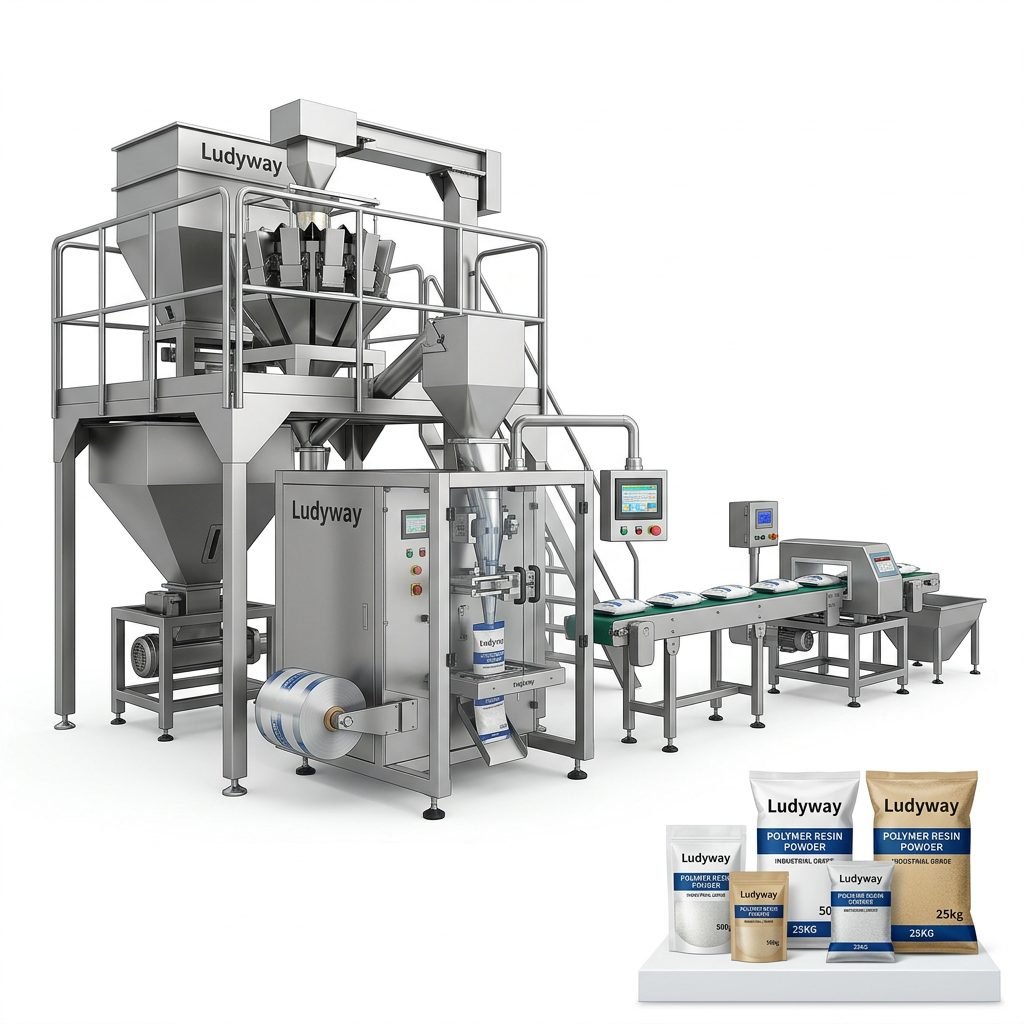
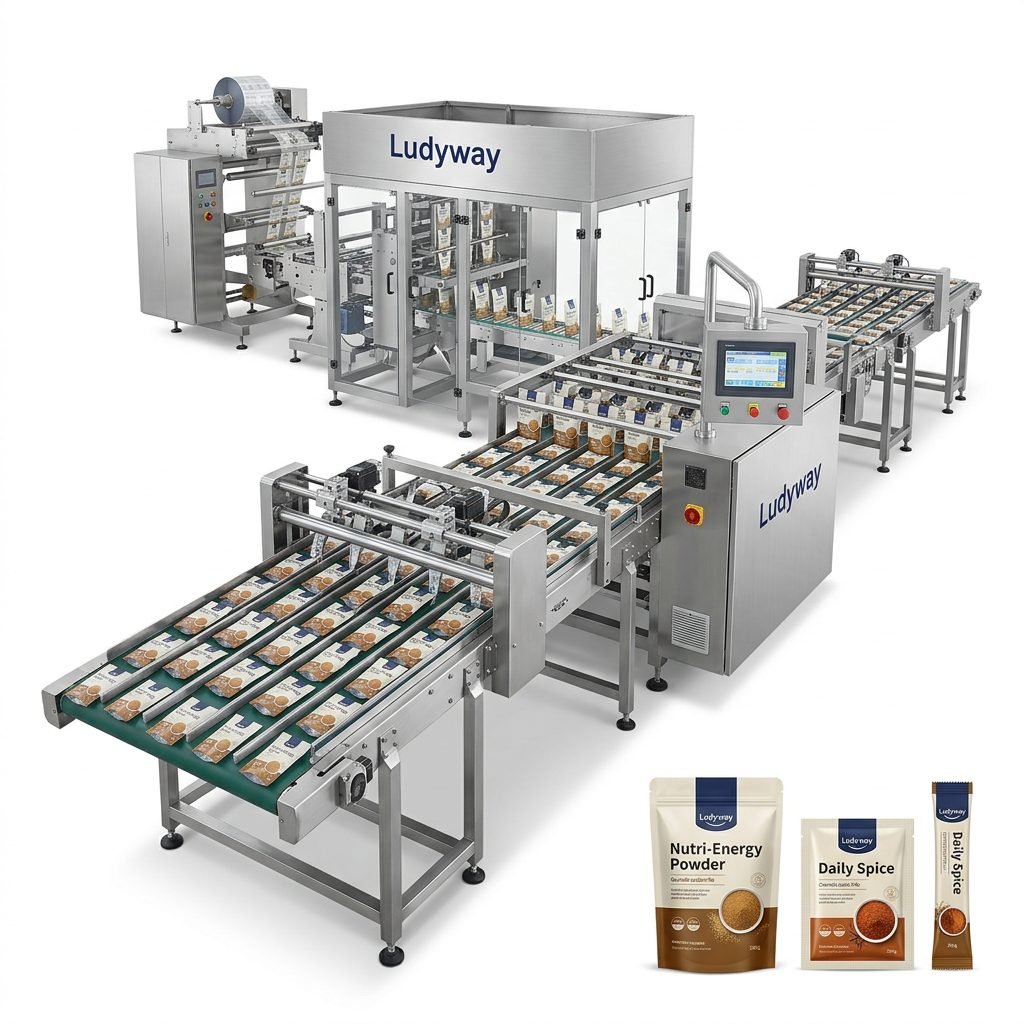
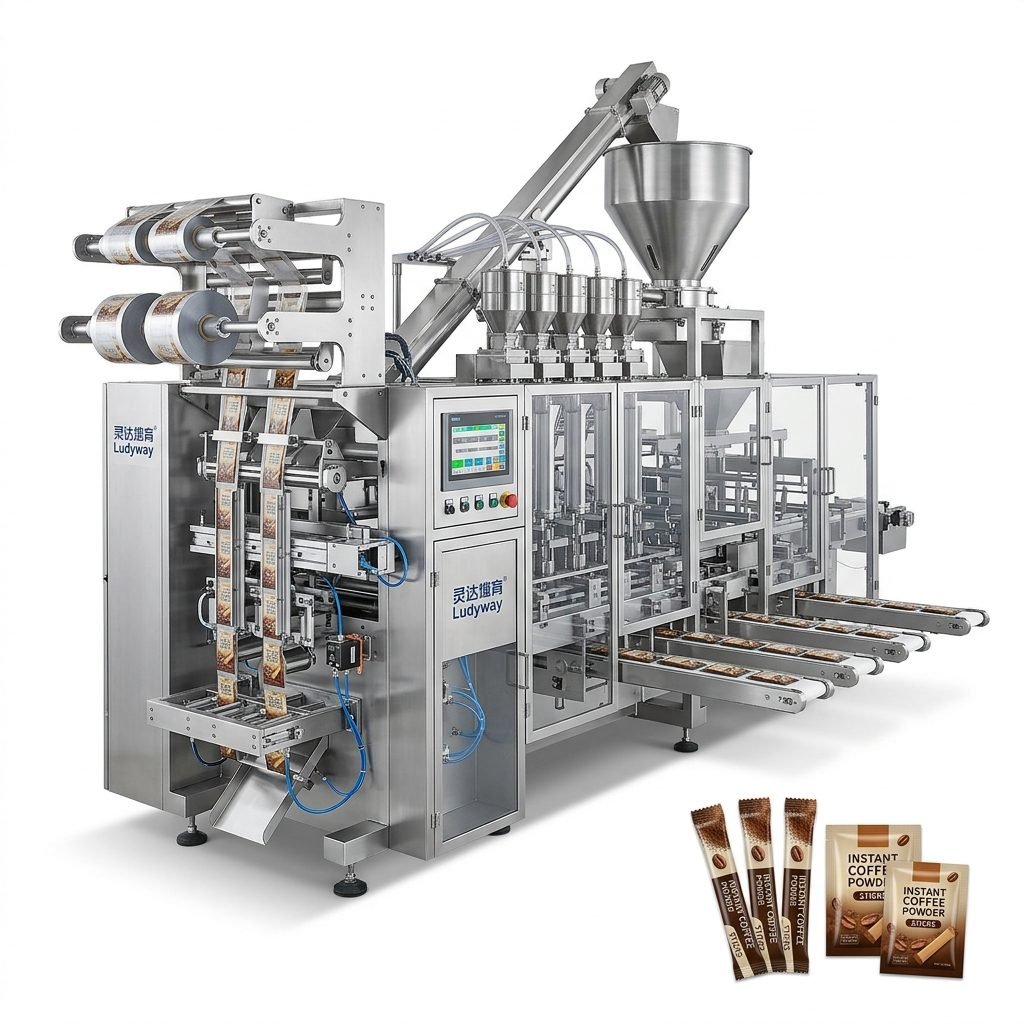
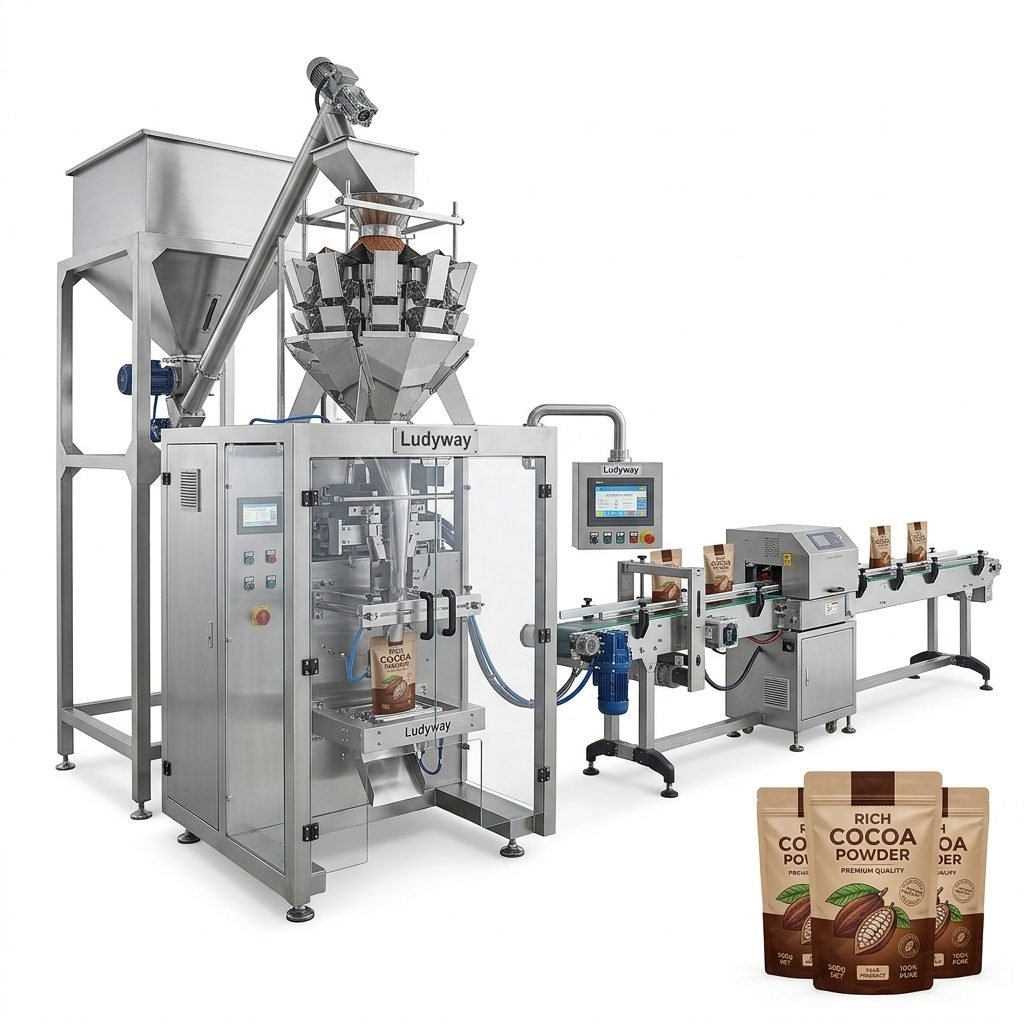
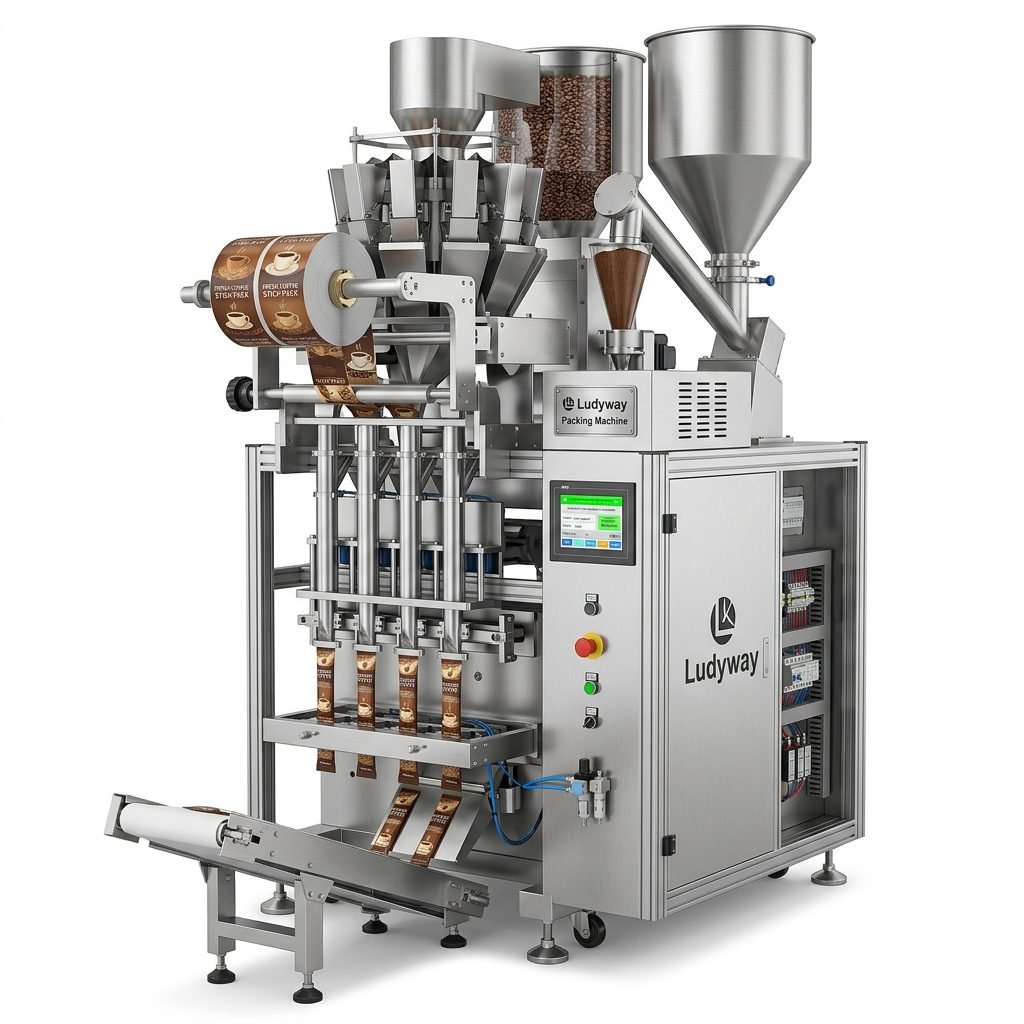
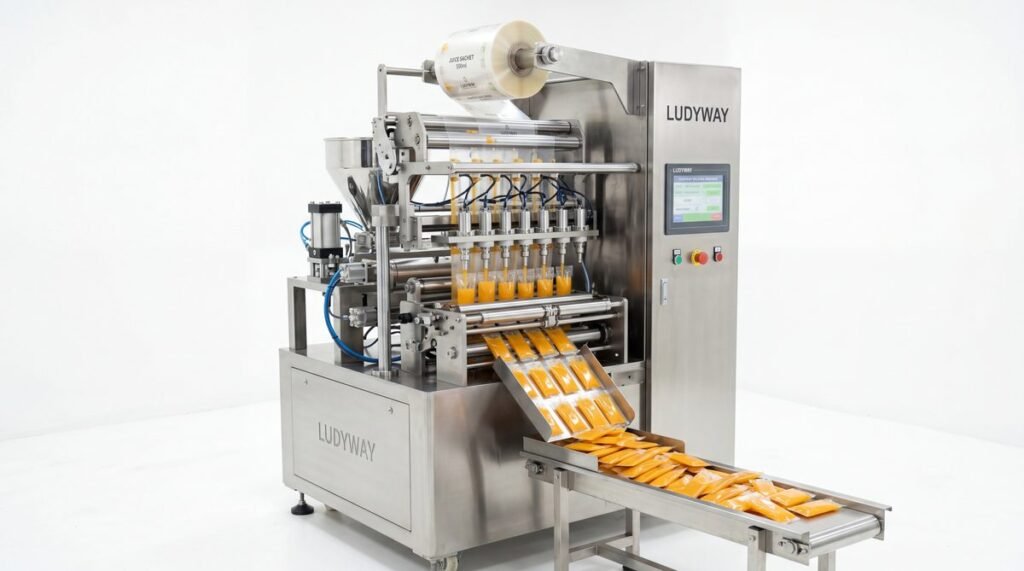
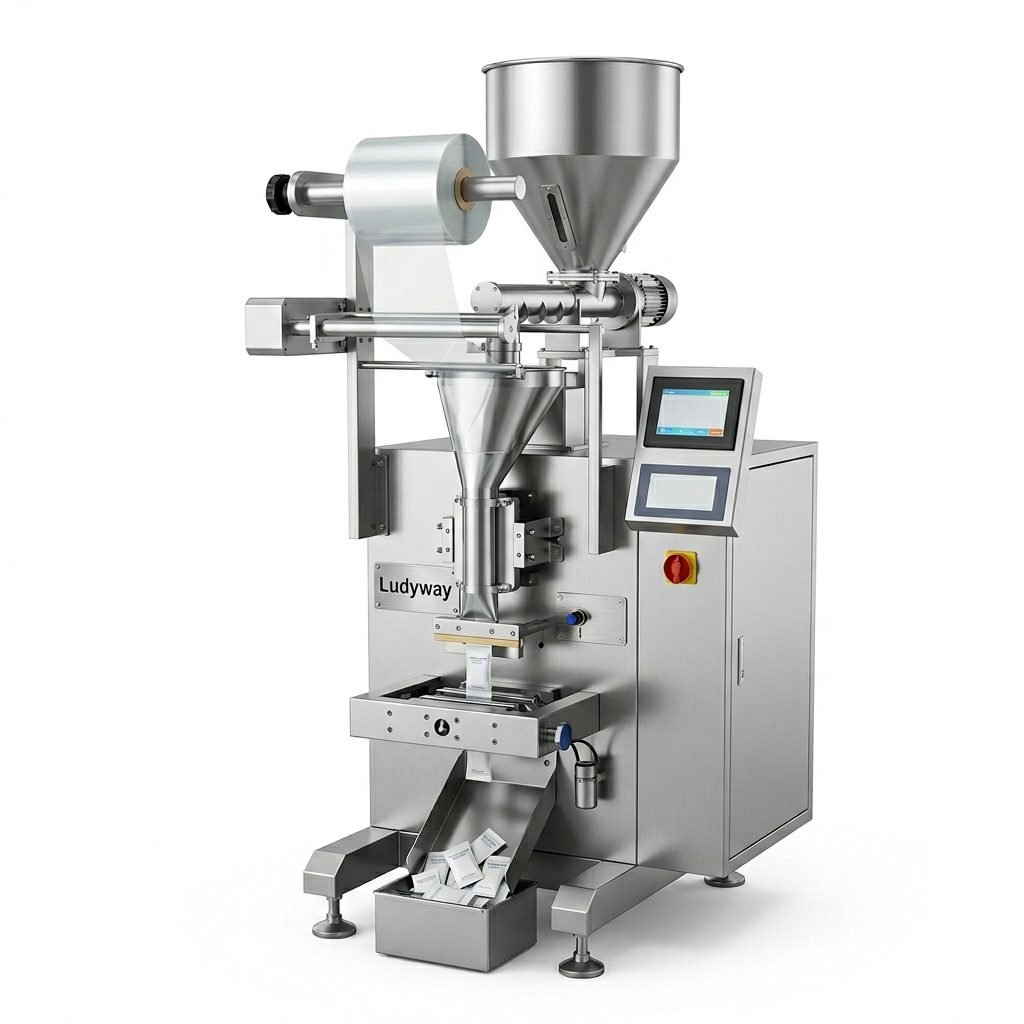
Investing in a food packaging machine is one of the most critical decisions for food producers in Lesotho. Whether you are packaging maize meal, sorghum flour, spices, dried beans, or liquid sauces, the right equipment directly impacts your product shelf life, brand reputation, and operational efficiency. With Lesotho’s food processing sector growing steadily and cross-border trade opportunities expanding within the Southern African Customs Union, selecting a machine that matches your production needs, budget, and regulatory requirements has never been more important.

Understanding Your Product Characteristics
Before comparing machine specifications, you must clearly define what you are packaging. Different product forms demand fundamentally different filling and sealing technologies. The main categories to consider are:
- Granules and powders – Maize flour, sugar, salt, instant beverages, and spice blends require auger fillers or volumetric cup fillers with dust-control features to ensure accuracy and cleanliness.
- Liquids and pastes – Cooking oils, sauces, tomato paste, and dairy products need piston fillers or peristaltic pump systems that handle varying viscosities without dripping or splashing.
- Solid pieces and snacks – Dried fruits, nuts, extruded snacks, and baked goods often require multi-head weighers and gentle handling to prevent product breakage during filling.
- Sticky or hygroscopic products – Products like dried fruit powders or certain seasoning blends absorb moisture quickly and may require nitrogen flushing or specialized sealing systems to maintain freshness.
Understanding these physical and chemical properties ensures you select a machine with the correct dosing mechanism, material handling, and sealing parameters. For more detailed guidance on food product classification and packaging standards, refer to the FDA Food Packaging and Food Contact Substances resource.
Common Types of Food Packaging Machines for Lesotho Manufacturers
Depending on your target market and distribution channels, you may need one or more of the following packaging formats. Each format addresses different consumer preferences, retail environments, and logistics requirements across Lesotho’s urban centers and rural areas.
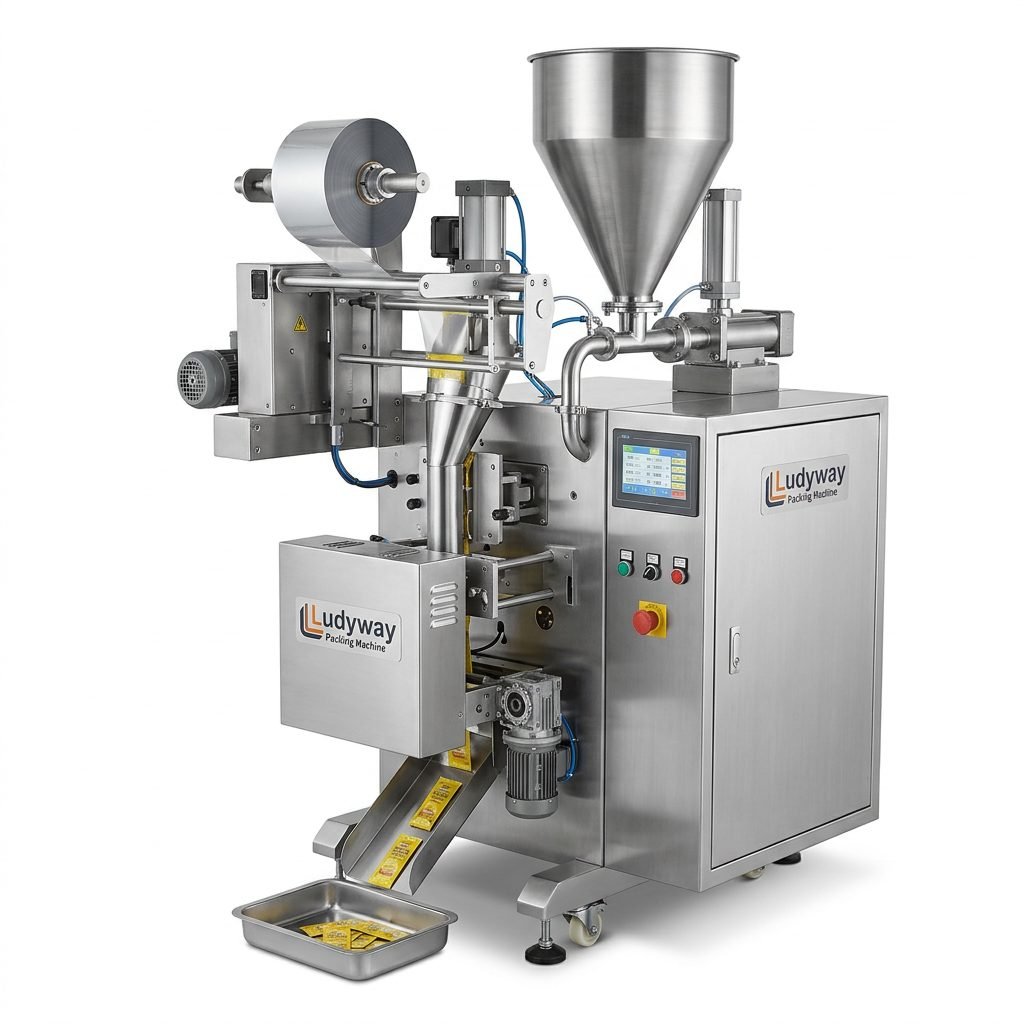
| Machine Type | Best For | Key Advantage |
|---|---|---|
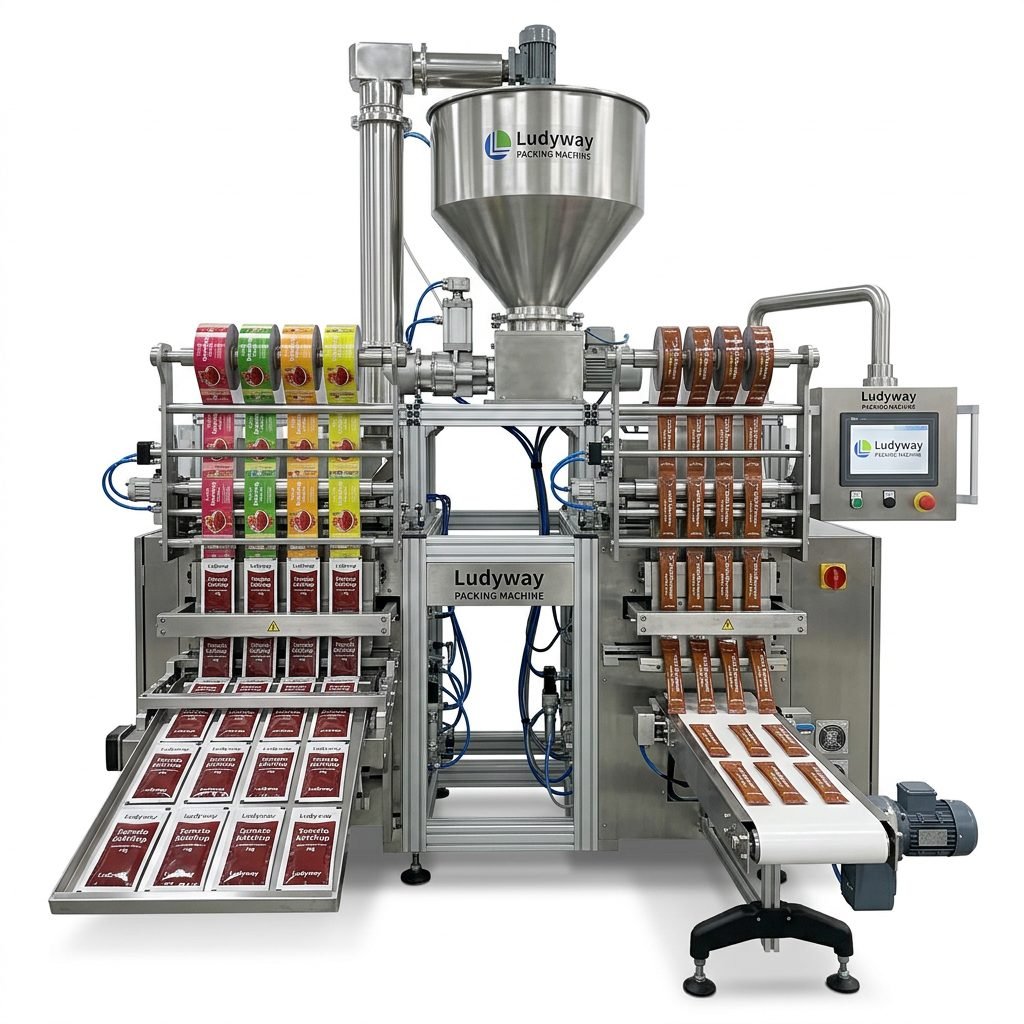
| Sachet Packaging Machines | Single-use portions of sugar, salt, instant coffee, spices, and sauces | Low cost per unit, ideal for mass-market distribution and affordability |
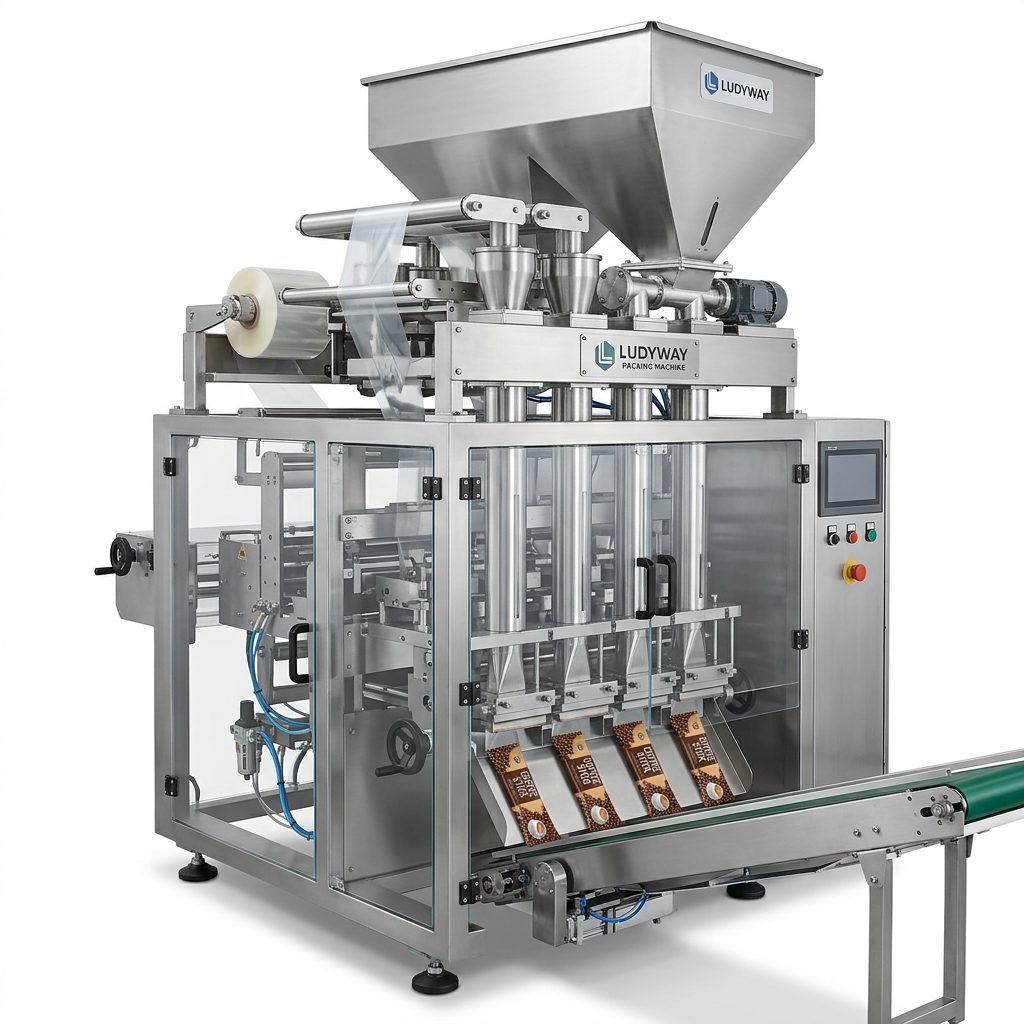
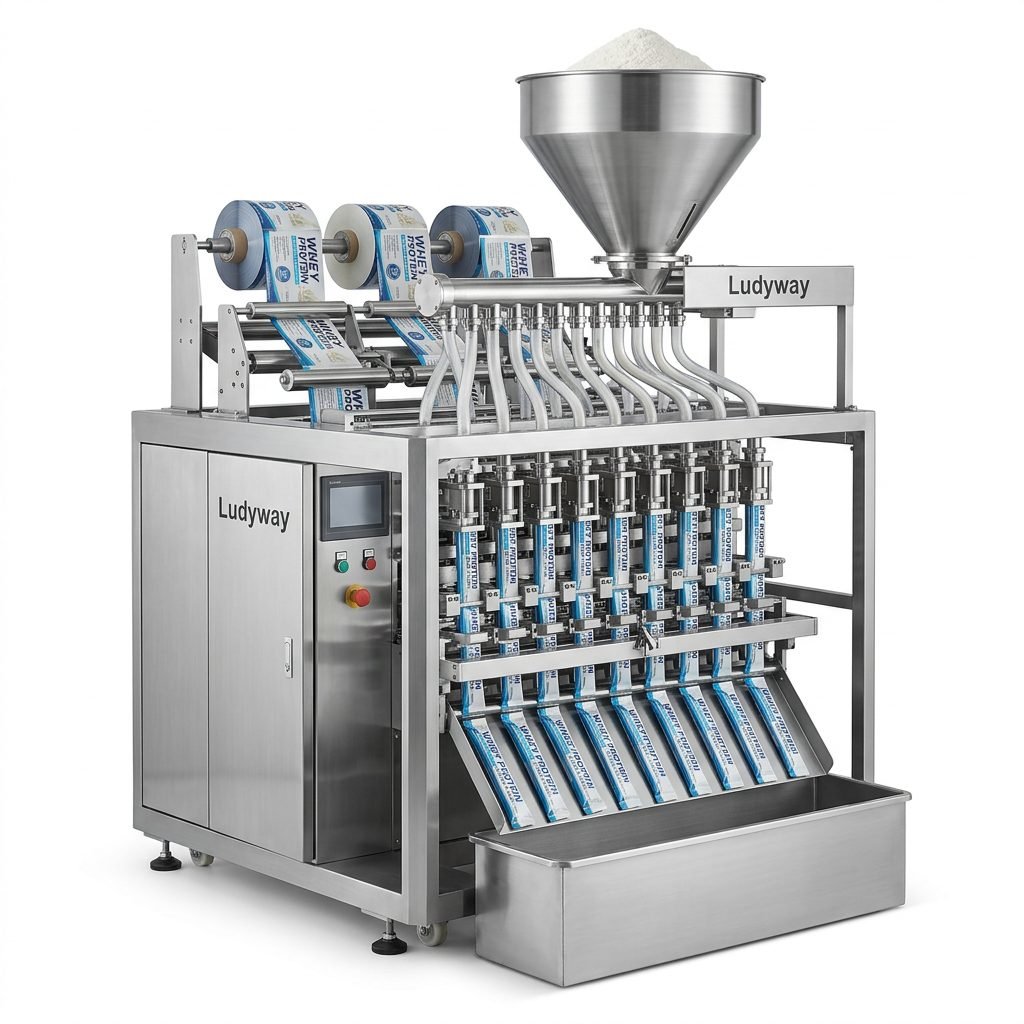
| Stick Pack Machines | Powdered drinks, protein supplements, sugar, and pharmaceutical powders | Slim profile saves space, popular for on-the-go consumption and premium branding |
| Multi-Lane Packaging Systems | High-volume granule and powder products requiring daily output above 100,000 packs | Extremely high throughput, reduced labor costs, and consistent seal quality |
| Pouch Filling and Sealing Machines | Flour, maize meal, rice, beans, and larger-format dry food packages | Versatile bag sizes from 50g to several kilograms, suitable for wholesale and retail |
| Vacuum Packaging Machines | Meat, processed food, dried vegetables, and products requiring extended shelf life | Extends product freshness significantly, reduces oxidation and spoilage |
According to industry reports from the PMMI Business Intelligence Library, the flexible packaging segment continues to grow rapidly across Africa, driven by rising demand for convenient, affordable, and lightweight packaging formats. Sachet and stick pack machines are particularly relevant for Lesotho’s retail landscape, where small-format products dominate local tuck shops and informal markets.
Key Factors to Evaluate When Choosing a Packaging Machine
Selecting the ideal food packaging machine goes beyond comparing price tags. You need to evaluate several interconnected factors that affect long-term productivity, compliance, and return on investment.
Production Capacity and Speed Requirements
Consider your current output needs and projected growth over the next three to five years. A semi-automatic machine producing 30 to 60 packs per minute may suffice for a small business, while a fully automated multi-lane system capable of 300 to 600 packs per minute is better suited for large-scale food manufacturers supplying supermarket chains across Lesotho and neighboring South Africa.
Packaging Material Compatibility
Not all machines handle every type of film or laminate. Verify that the machine supports the specific packaging materials you intend to use — whether it is aluminum foil, metallized PET, polyethylene, or biodegradable films. The sealing temperature, dwell time, and jaw pressure must be precisely adjustable to accommodate different material thicknesses and heat-seal properties. Check the Flexible Packaging Association industry resources for up-to-date information on compliant packaging materials.
Automation Level and Labor Considerations
In Lesotho, the balance between machine automation and available skilled labor is an important practical concern. Fully automated packaging lines reduce reliance on manual operations, improve consistency, and lower contamination risks. However, they also require trained technicians for maintenance and troubleshooting. Evaluate whether your team can support sophisticated PLC-controlled systems or whether a simpler, operator-friendly machine offers better near-term value.
Regulatory Compliance and Food Safety Standards
Food packaging in Lesotho must align with national regulations and international standards, especially if you export to the South African market. Ensure the machine is constructed with food-grade stainless steel (such as SS304 or SS316), features accessible cleaning and sanitation points, and meets relevant safety certifications. The ISO packaging standards provide a useful reference framework for evaluating equipment quality and compliance.
Maintenance, Spare Parts, and After-Sales Support
A packaging machine is a long-term investment, and downtime can be extremely costly. Investigate the availability of spare parts, the manufacturer’s service network in Southern Africa, and whether remote technical support is offered. Look for suppliers that provide detailed documentation, training for your operators, and responsive communication channels including WhatsApp or email support.
Why Choosing a Reliable Manufacturer Matters
Many food businesses in Lesotho have experienced the frustration of purchasing low-cost machines that perform poorly, leak, produce inconsistent seal quality, or break down frequently. The true cost of a packaging machine includes reliability, durability, and the manufacturer’s commitment to supporting your growth. A well-built machine from an established manufacturer pays for itself through higher uptime, fewer rejects, and consistent packaging quality that builds consumer trust.
Ludyway is one of the largest packaging machine manufacturers in China, specializing in advanced packaging equipment and turnkey production solutions for the food, pharmaceutical, and health industries. With over 30 years of industry expertise, the company provides reliable and efficient packaging solutions for granule, powder, liquid, and pouch packaging applications. Supported by a modern 20,000m² manufacturing facility and a highly experienced engineering team, Ludyway offers more than 50 intelligent packaging machine models, including multi-lane stick pack, sachet, and fully automated packaging systems. Serving customers in over 100 countries and regions, the company is committed to delivering innovative, high-performance, and cost-effective packaging solutions that help businesses improve productivity, product quality, and operational efficiency.
Making the Final Decision: A Practical Checklist
Before finalizing your purchase, use the following checklist to systematically evaluate each machine option against your operational requirements in Lesotho:
- Product compatibility – Has the machine been tested with products similar to yours in terms of particle size, flowability, and moisture content?
- Output capacity – Does the rated speed match your current and projected production volume without running at maximum stress continuously?
- Material flexibility – Can the machine run multiple film types and thicknesses if your packaging design or supplier changes?
- Power supply requirements – Is the machine compatible with Lesotho’s electrical supply specifications (voltage, phase, frequency)?
- Footprint and facility integration – Will the machine fit in your existing production floor layout with adequate space for operation, cleaning, and maintenance access?
- Warranty and service terms – What is covered under warranty, for how long, and what are the terms for out-of-warranty technical support?
- Total cost of ownership – Have you calculated not just the purchase price but also energy consumption, spare parts, film waste rates, and expected maintenance over five years?
For food businesses in Lesotho planning to export to neighboring countries, also consider whether the packaging machine meets relevant European packaging regulations or South African food safety standards, as these requirements may influence your packaging material choices and machine specifications.
Future-Proofing Your Packaging Investment
The packaging industry is evolving rapidly, with trends toward sustainable materials, smart packaging features, and digital integration. When selecting a machine, think beyond immediate needs. Can the machine be upgraded with additional lanes, modified filling systems, or integrated with downstream equipment such as cartoners, case packers, or palletizers as your business scales? Modular designs and open-architecture control systems provide greater flexibility for future expansion without requiring a complete replacement of your production line.
Additionally, the PMMI State of the Industry report highlights the growing role of automation and data analytics in packaging operations worldwide. Even if advanced features are not a priority today, selecting a platform with upgrade potential ensures that your Lesotho-based production facility remains competitive in the years ahead.
Conclusion
Choosing the right food packaging machine in Lesotho requires a thorough assessment of your product characteristics, target market, production scale, and long-term business goals. Whether you are packaging staple foods for local distribution or processed goods for export, the right equipment delivers measurable benefits in efficiency, product quality, and profitability. Focus on machine reliability, manufacturer support, and the flexibility to adapt as your business grows. By making an informed decision today, you build a stronger foundation for your food brand’s success across Lesotho and the broader Southern African market.
For further reading on packaging industry standards and best practices, explore additional resources at the PMMI packaging industry resource center and the Flexible Packaging Association knowledge hub.