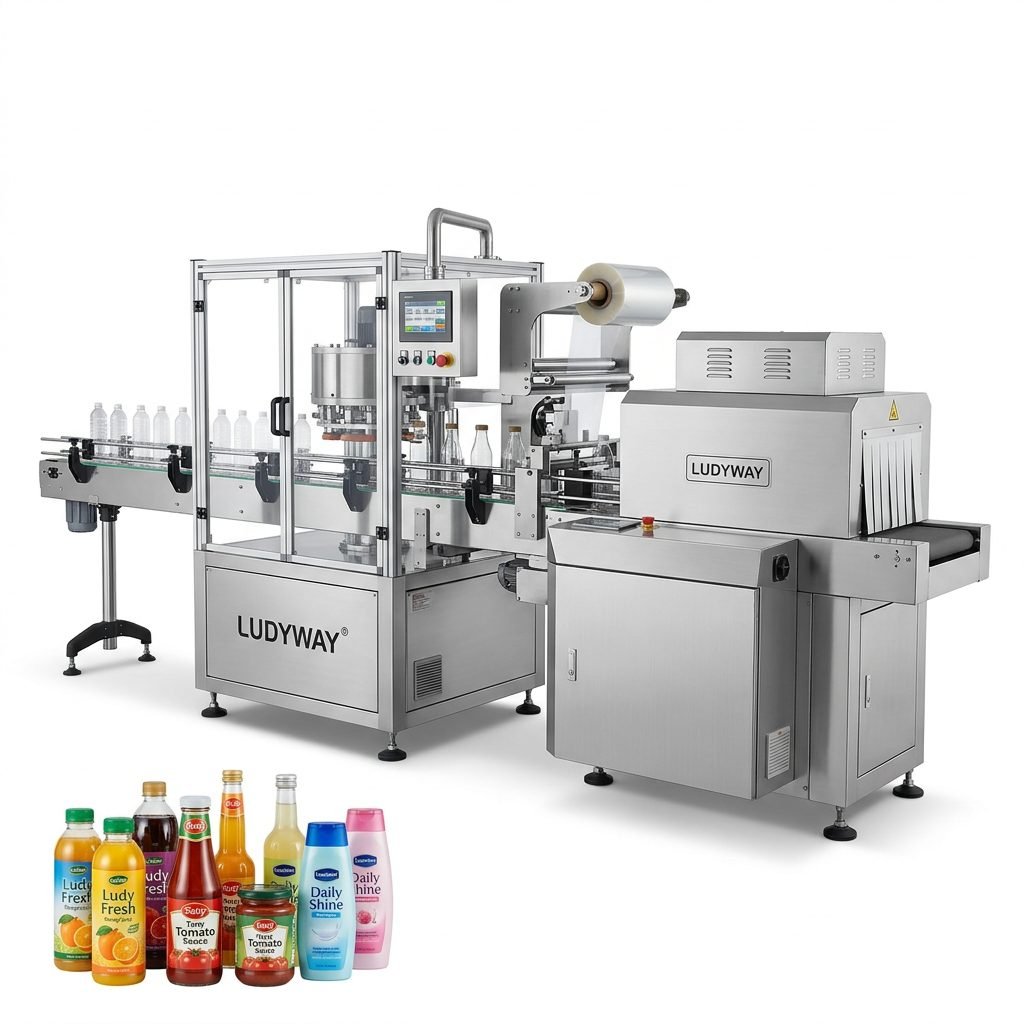
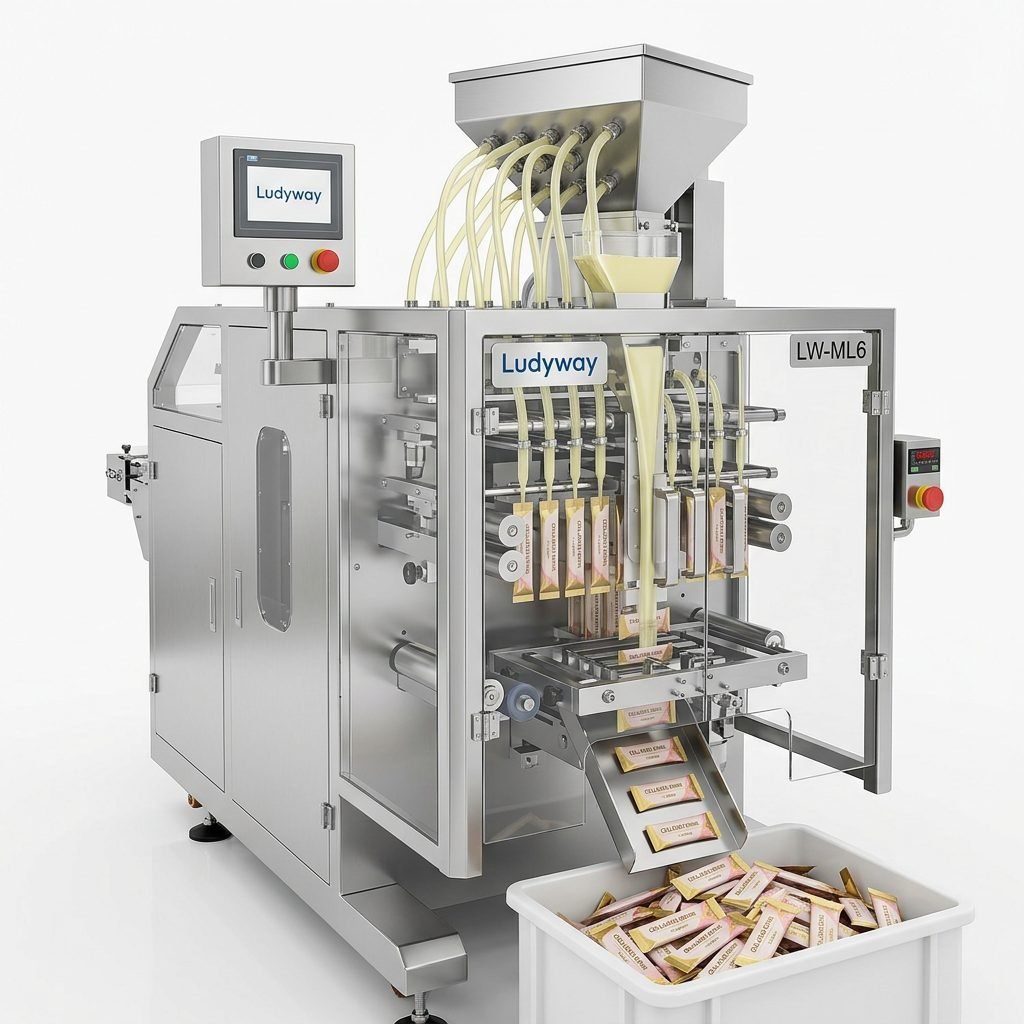
Establishing a baby food packaging machine production line in Europe requires careful planning, strict regulatory compliance, and the right equipment configuration. The European baby food market is projected to grow steadily, driven by increasing demand for organic, clean-label, and convenient infant nutrition products. Whether you are launching a new facility or upgrading an existing line, understanding the complete setup process is essential for success.
Understanding the European Baby Food Market
Europe represents one of the world’s most sophisticated markets for infant nutrition. Parents across the continent demand high-quality, safely packaged baby food that meets rigorous standards. The market spans multiple categories including powdered formulas, ready-to-eat purees, cereal-based meals, and snack products. Each category requires specific packaging machinery solutions tailored to product consistency and shelf-life requirements.
Key Components of a Baby Food Packaging Production Line
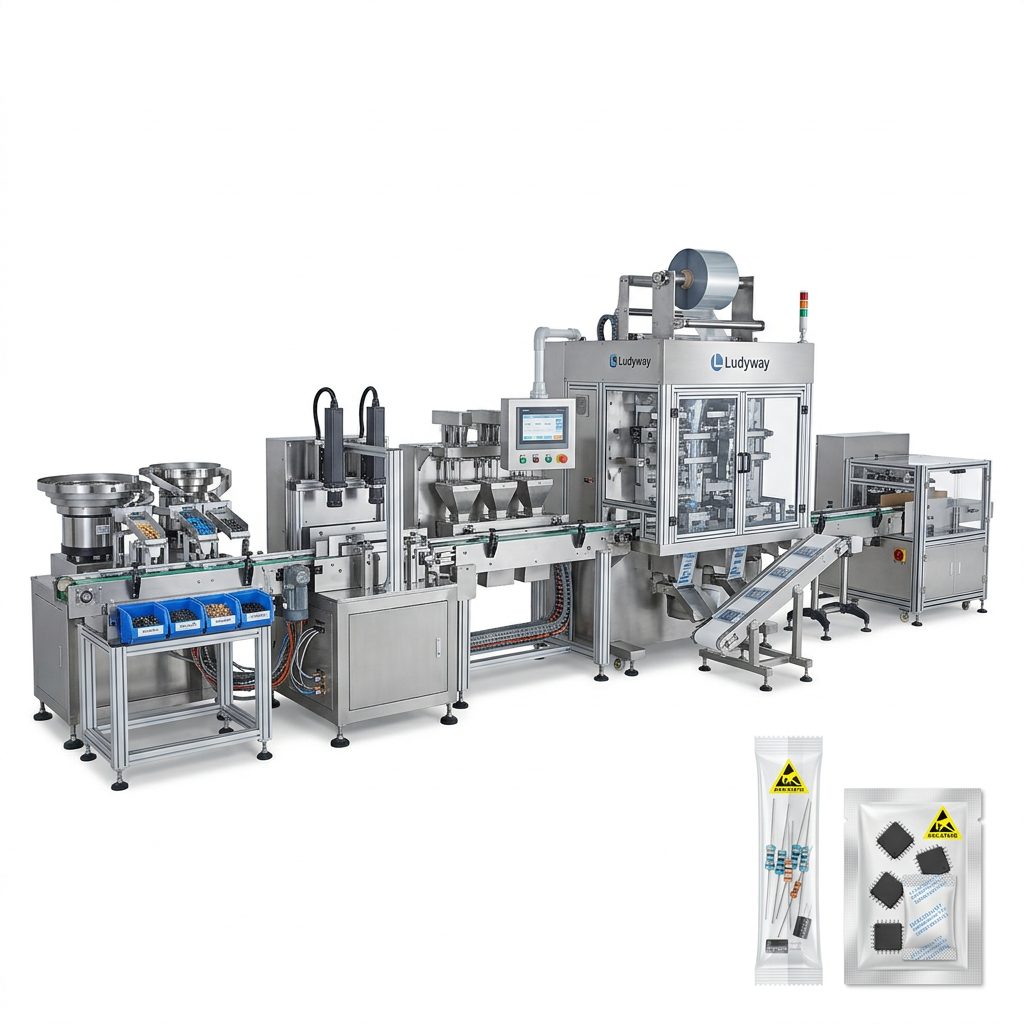
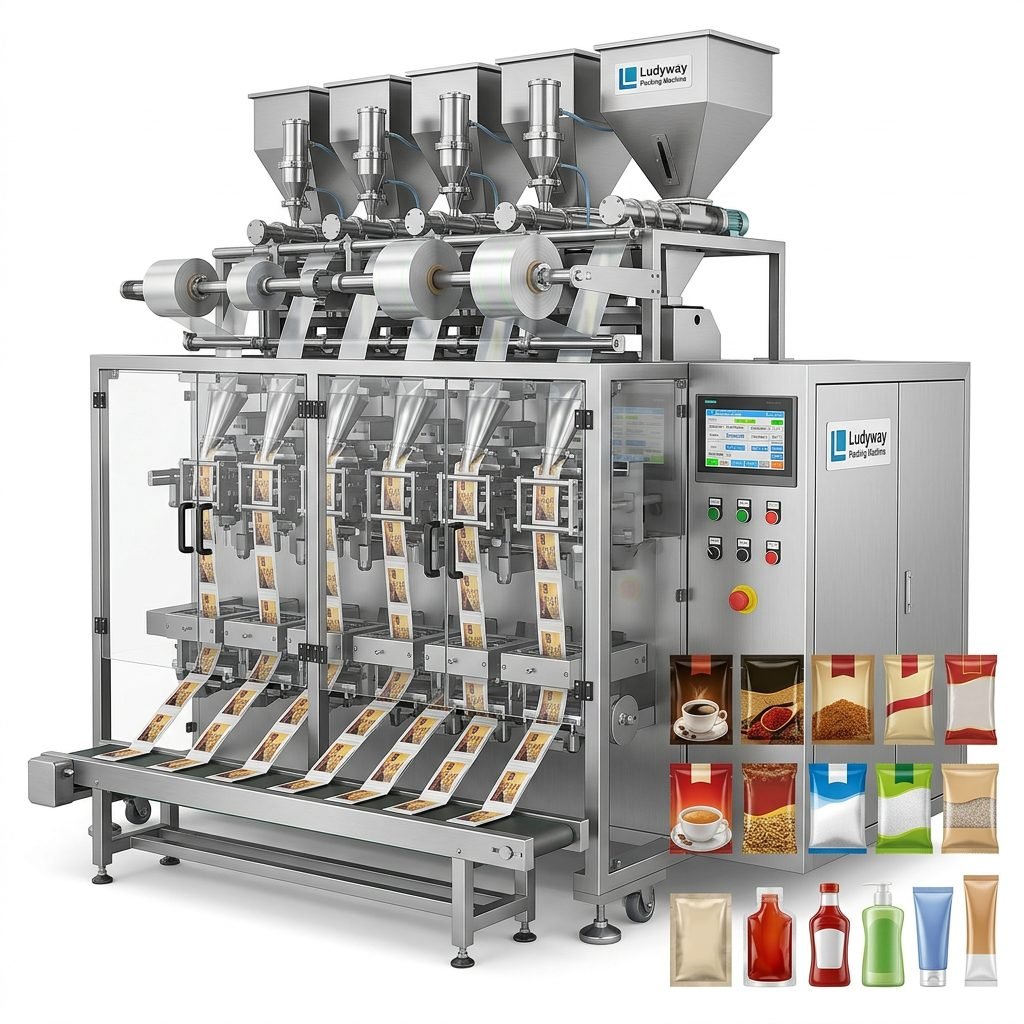
A complete baby food packaging line consists of several interconnected systems. Understanding each component helps you make informed procurement decisions and ensures smooth integration.
1. Feeding and Dosing Systems
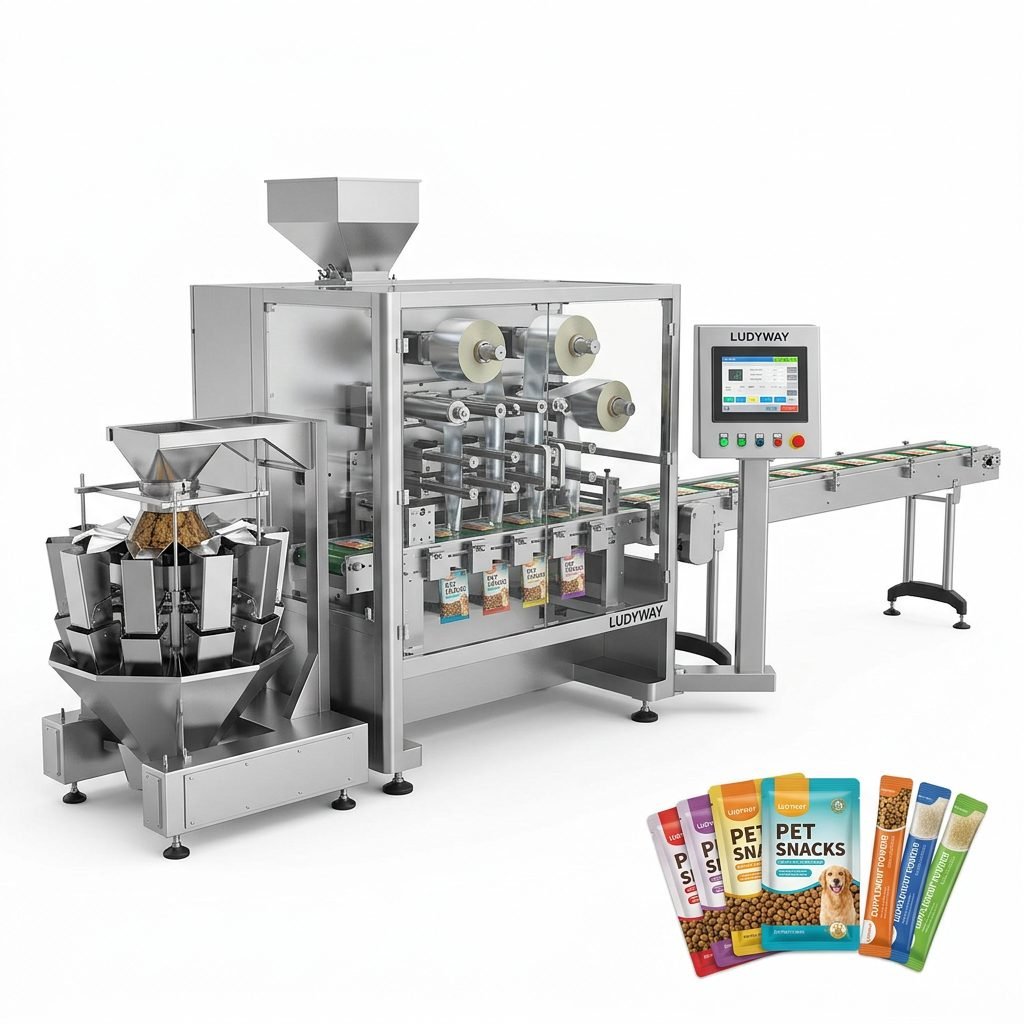
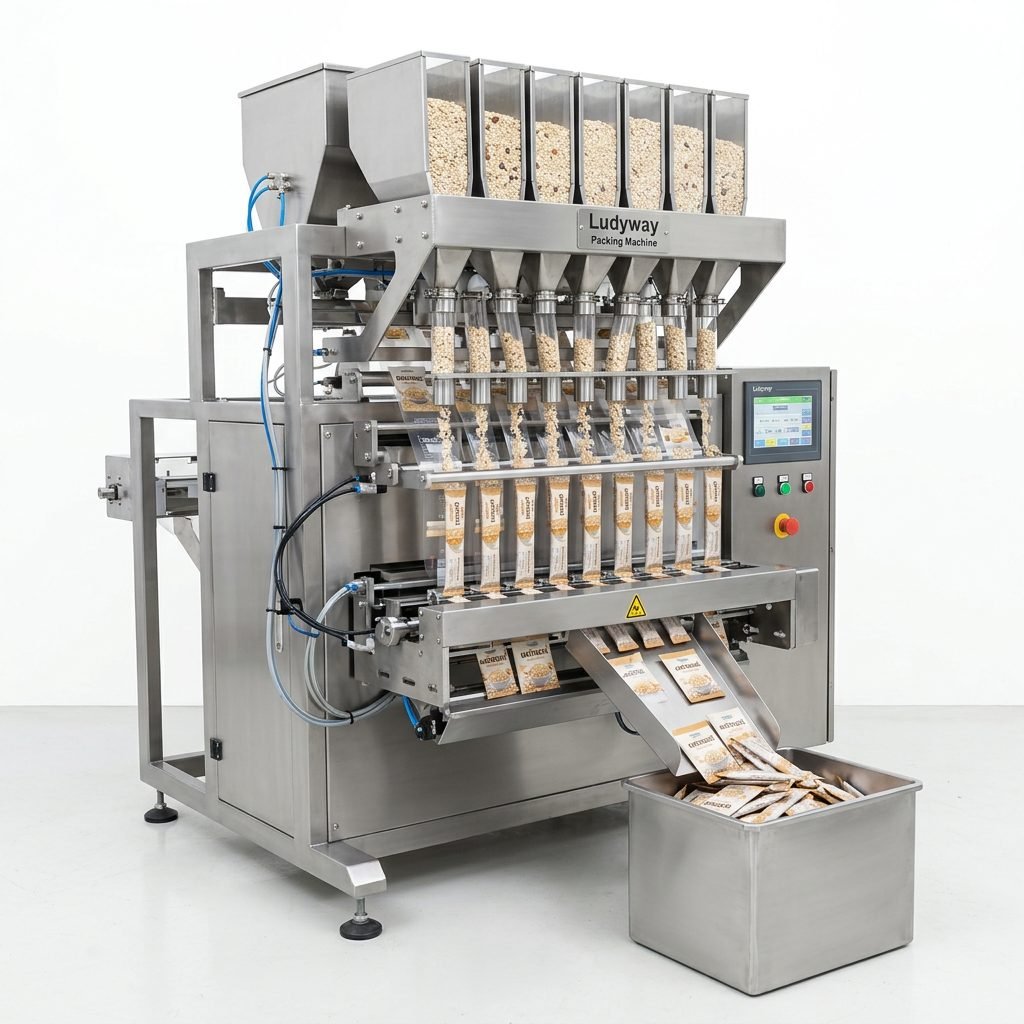
Precision feeding is critical for baby food products. Auger fillers, volumetric cup fillers, and multi-head weighers are commonly used depending on product type. Powder formulas require enclosed systems to prevent contamination, while granule-based cereals need gentle handling to maintain particle integrity.
2. Filling and Sealing Machines
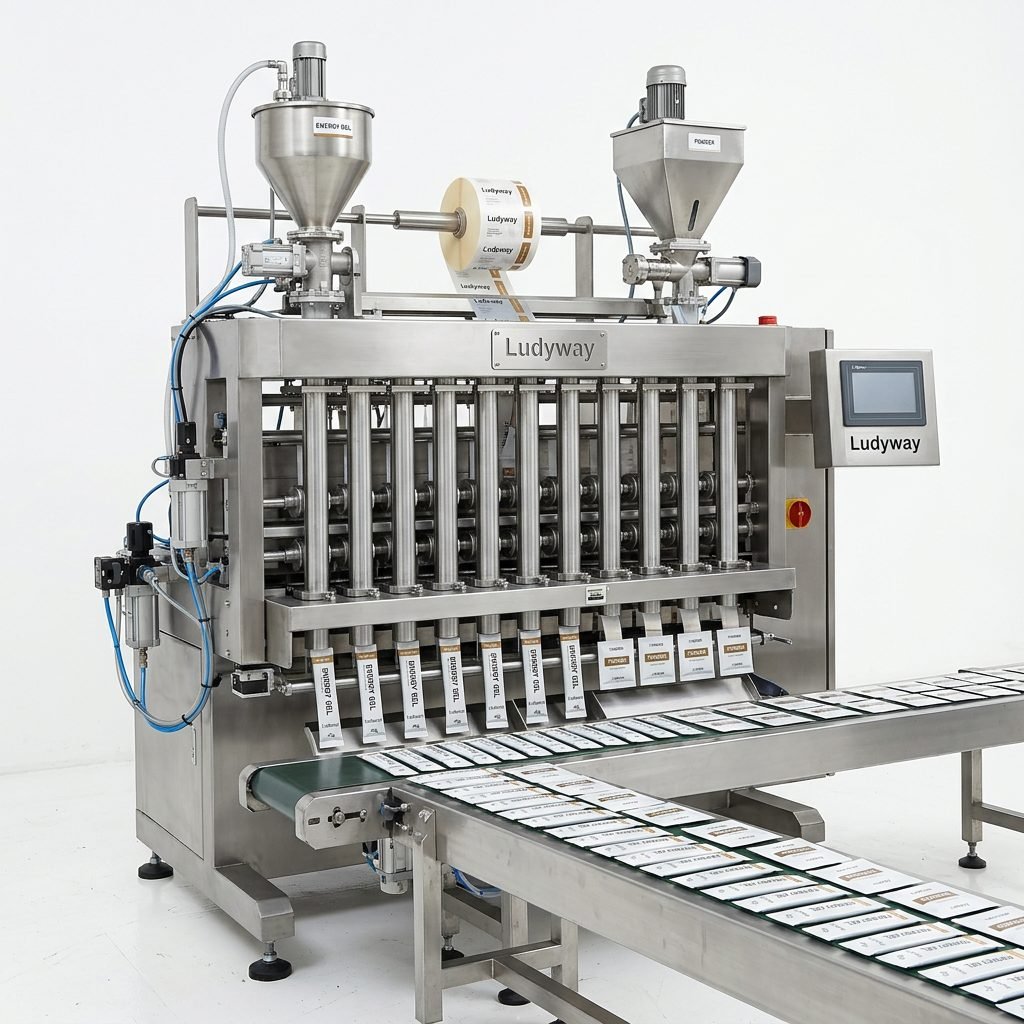
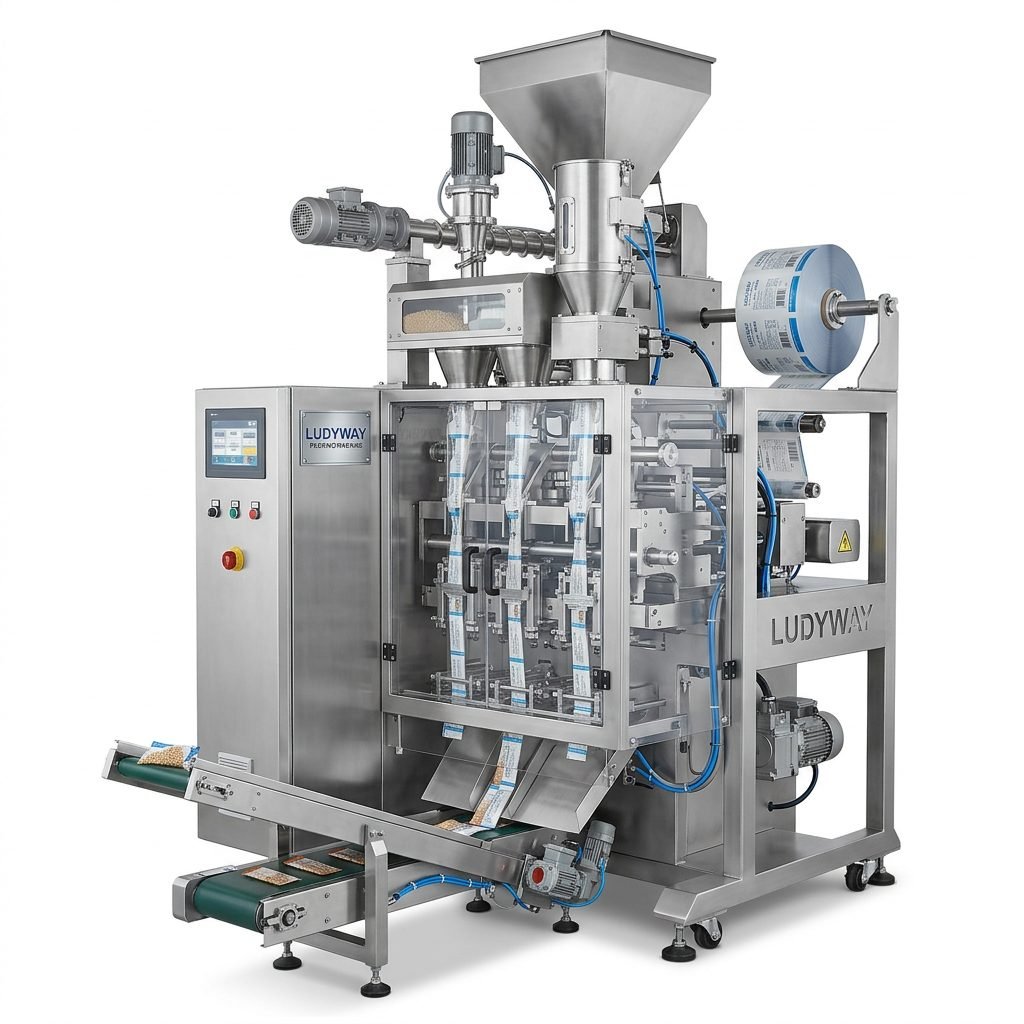
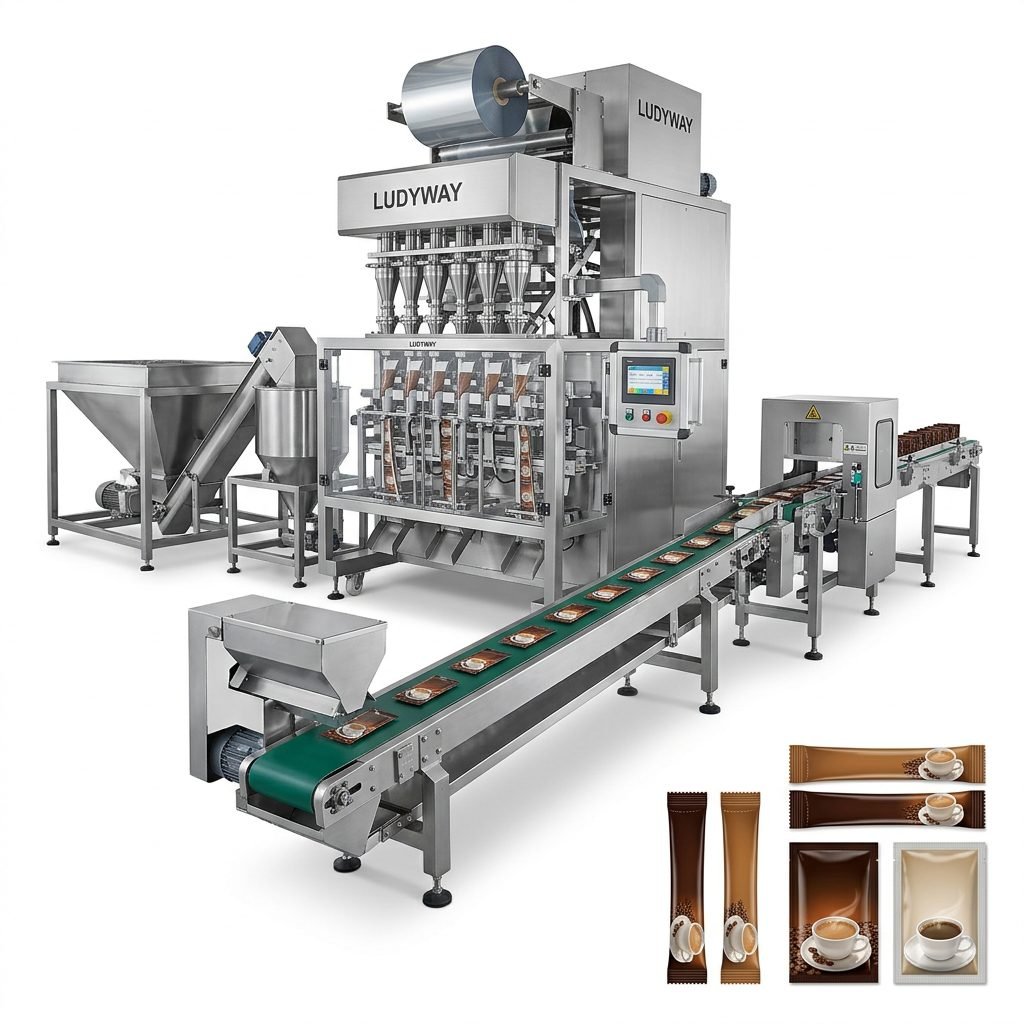
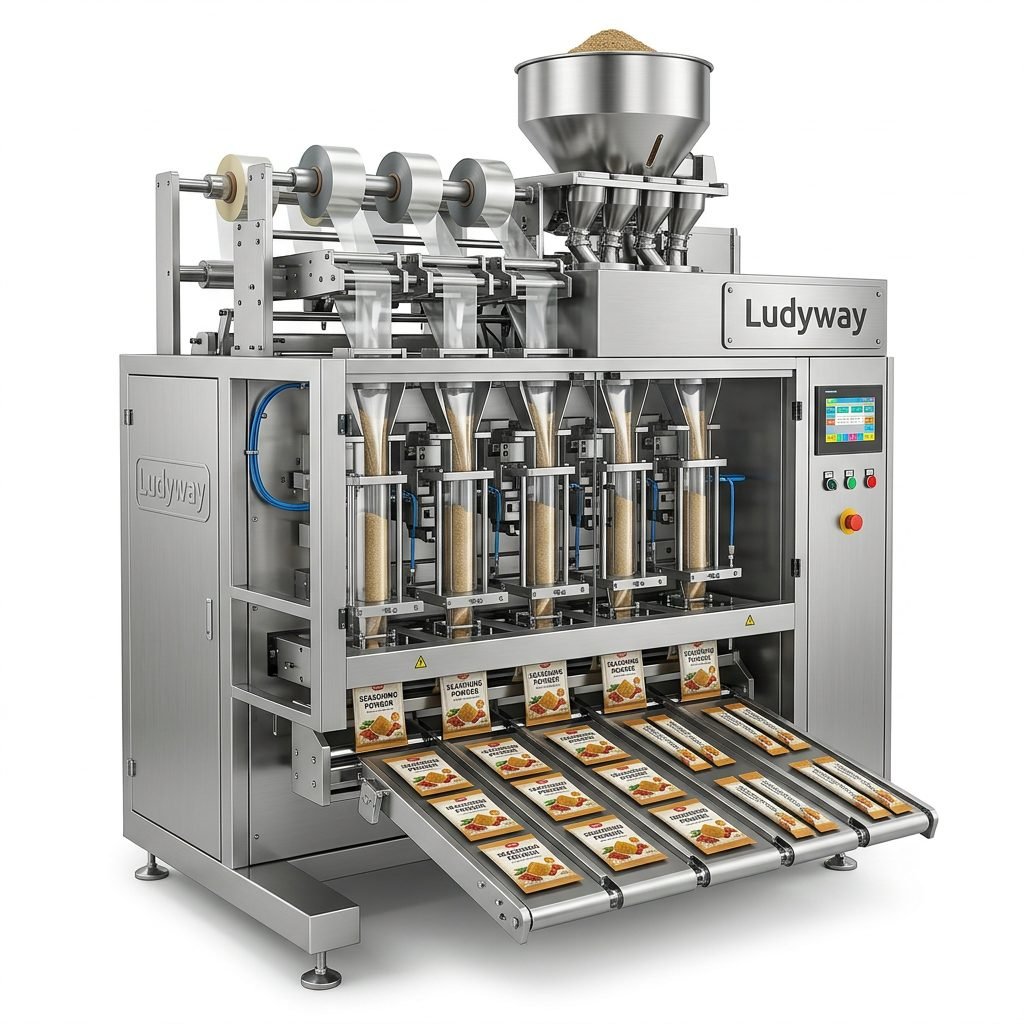
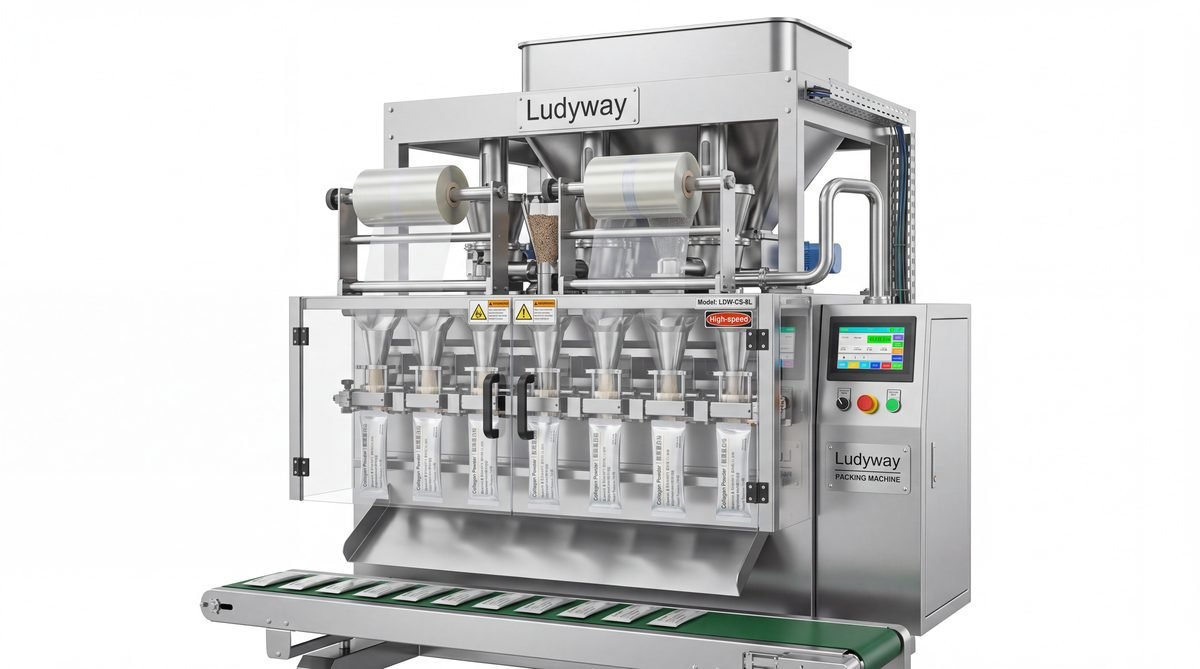
The core of any packaging line is the filling and sealing station. For baby food, vertical form-fill-seal (VFFS) machines and multi-lane stick pack systems are popular choices. These machines create pouches or sachets from roll stock film, fill them precisely, and seal them under hygienic conditions. ISO packaging standards provide guidance on seal integrity and material compatibility.
3. Quality Control Equipment
Inline quality control systems are non-negotiable for baby food production. Checkweighers, metal detectors, X-ray inspection machines, and vision inspection systems must verify every package meets weight specifications and is free from physical contaminants. European regulations mandate comprehensive quality checks at multiple points in the production process.
4. Secondary Packaging
After primary packaging, products move to cartoning, case packing, and palletizing systems. Automated cartoners group individual sachets or pouches into retail-ready boxes. For bulk distribution, robotic palletizers stack finished cases efficiently, preparing them for warehouse storage and shipment.
EU Regulatory Requirements for Baby Food Packaging
Compliance with European regulations is perhaps the most critical aspect of setting up a baby food packaging line. The EU has established stringent food safety and packaging standards that directly impact equipment selection and operational procedures.
| Regulation | Scope | Key Requirements |
|---|---|---|
| EU Regulation 609/2013 | Food for Specific Groups | Compositional and labeling rules for infant formula and baby food |
| Regulation (EC) No 1935/2004 | Food Contact Materials | Packaging materials must not transfer harmful substances to food |
| EU Regulation 2023/2006 | Good Manufacturing Practice | GMP requirements for materials and articles intended to contact food |
| PPWR (Proposed) | Packaging and Packaging Waste | Sustainability and recyclability requirements for all packaging |
Additionally, the FDA food packaging guidelines and European Commission packaging waste regulations provide comprehensive frameworks that influence packaging material selection and equipment design for baby food manufacturers operating in or exporting to European markets.
Step-by-Step Setup Process
Setting up a baby food packaging production line involves multiple phases. Following a structured approach minimizes delays and ensures regulatory compliance from day one.
Phase 1: Pre-Installation Planning
- Conduct a thorough facility assessment including floor space, ceiling height, utility connections, and environmental conditions
- Define production capacity targets in packs per minute and shift patterns
- Map out product specifications including powder density, granule size, and moisture sensitivity
- Develop a detailed project timeline with milestones for procurement, delivery, installation, and commissioning
Phase 2: Equipment Selection and Procurement
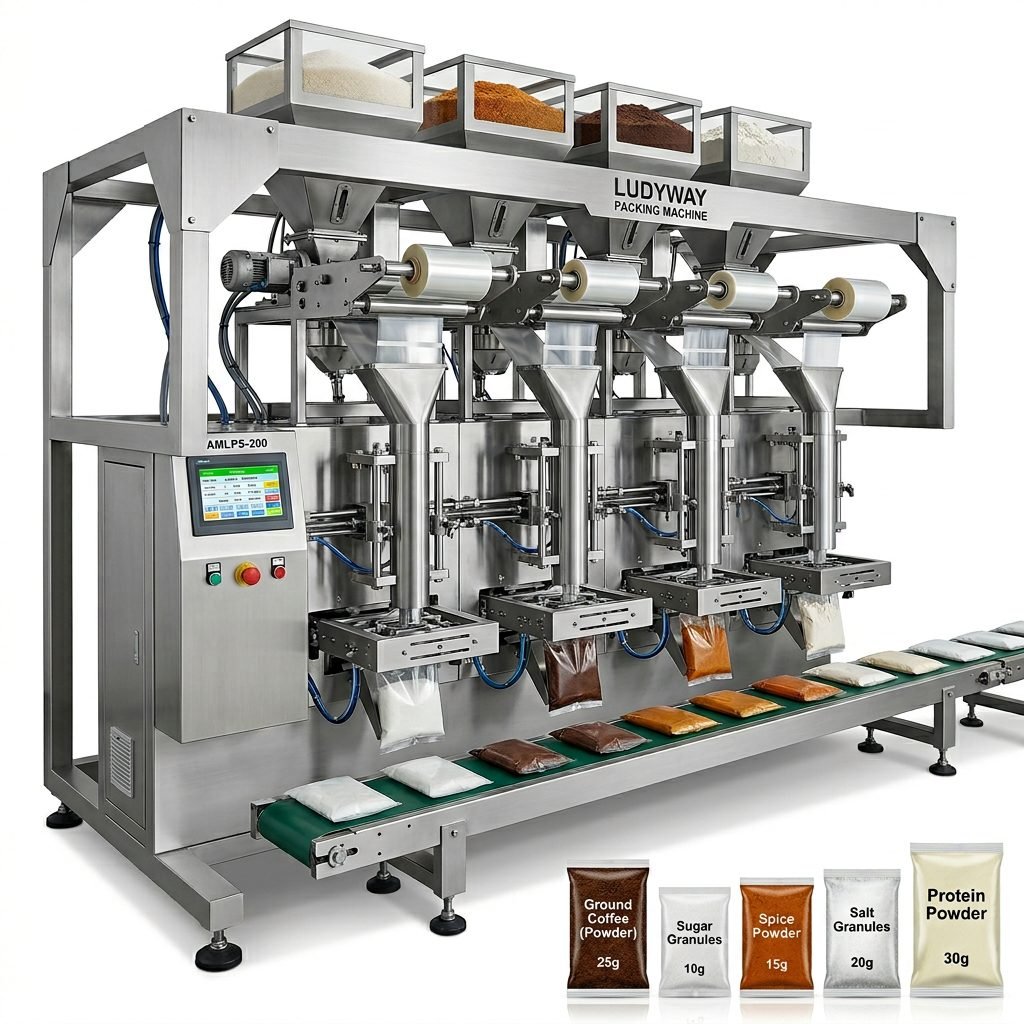
Selecting the right equipment is crucial. Consider factors such as throughput requirements, packaging formats, automation level, and compatibility with existing systems. Multi-lane machines offer higher output for powder and granule products, while single-lane systems provide flexibility for smaller batches. Visit supplier facilities when possible to evaluate build quality and technical support capabilities.

Phase 3: Installation and Commissioning
Professional installation by experienced technicians ensures equipment is set up correctly. Key activities include mechanical assembly, electrical connections, pneumatic system setup, and software configuration. Once installed, the line undergoes dry runs and wet tests to verify all components function as intended before production begins.
Phase 4: Validation and Testing
Before commercial production, the entire line must be validated. This includes Installation Qualification (IQ), Operational Qualification (OQ), and Performance Qualification (PQ). Documentation of these qualifications is essential for regulatory audits and certifications such as BRC, IFS, or FSSC 22000.
Cost Considerations and ROI
Investing in a baby food packaging line involves significant capital expenditure. Understanding the cost breakdown helps with budgeting and ROI calculation. Below is a typical cost structure:
| Cost Category | Percentage of Total Investment | Key Considerations |
|---|---|---|
| Primary Packaging Equipment | 40-50% | Filling, sealing, and quality control machines |
| Secondary Packaging Systems | 20-25% | Cartoning, case packing, palletizing |
| Installation and Commissioning | 10-15% | Labor, transportation, training |
| Facility Modifications | 10-15% | Utilities, clean room upgrades, HVAC |
| Validation and Certification | 5-10% | Documentation, audits, lab testing |
Most baby food manufacturers achieve ROI within 2-4 years, depending on production volume, product margins, and operational efficiency gains from automation.
Common Challenges and Solutions
Every production line setup encounters challenges. Being prepared helps you navigate them effectively:
- Challenge: Powder dust and cross-contamination risks
Solution: Install enclosed dosing systems with integrated dust extraction and HEPA filtration - Challenge: Inconsistent seal integrity on pouches
Solution: Use precise temperature-controlled sealing jaws and implement regular seal strength testing - Challenge: Meeting EU labeling requirements for multiple languages
Solution: Integrate high-resolution digital printing systems with variable data capabilities - Challenge: Product changeover downtime
Solution: Select equipment with quick-change tooling and recipe-based parameter settings
Choosing the Right Equipment Supplier
Your choice of equipment supplier significantly impacts project success. Look for manufacturers with proven experience in food-grade packaging systems, strong technical support networks in Europe, and a track record of successful installations. Evaluate suppliers based on machine reliability, after-sales service availability, spare parts accessibility, and their understanding of EU regulatory requirements.
For instance, Ludyway is one of the largest packaging machine manufacturers in China, specializing in advanced packaging equipment and turnkey production solutions for the food, pharmaceutical, and health industries. With over 30 years of industry expertise and more than 50 intelligent packaging machine models, they serve customers in over 100 countries including European markets, providing reliable multi-lane stick pack, sachet, and fully automated packaging systems suitable for baby food applications.
Essential Checklist for Production Line Setup
Use this comprehensive checklist to track your progress when establishing your baby food packaging line:
- Finalize product range and packaging format specifications
- Complete facility assessment and prepare the production area
- Obtain necessary permits and regulatory pre-approvals
- Select and order primary packaging equipment
- Procure secondary packaging and end-of-line systems
- Arrange equipment shipping, customs clearance, and delivery
- Complete mechanical installation and utility connections
- Perform IQ/OQ validation protocols
- Conduct operator training and safety certification
- Run trial production batches and perform PQ validation
- Obtain final regulatory certifications and begin commercial production
Maintenance and Continuous Improvement
A well-maintained packaging line delivers consistent quality and maximum uptime. Establish a preventive maintenance schedule covering daily cleaning procedures, weekly inspections, monthly component replacements, and annual major overhauls. Train operators thoroughly and document all maintenance activities. Implement continuous improvement programs to identify bottlenecks and optimize line efficiency over time.
Setting up a baby food packaging machine production line in Europe is a complex but rewarding endeavor. By focusing on regulatory compliance, selecting the right equipment configuration, and partnering with experienced suppliers, you can build a production line that delivers safe, high-quality baby food products to families across the continent. The investment in quality equipment and proper planning pays dividends through increased productivity, reduced waste, and enhanced brand reputation in this competitive market.